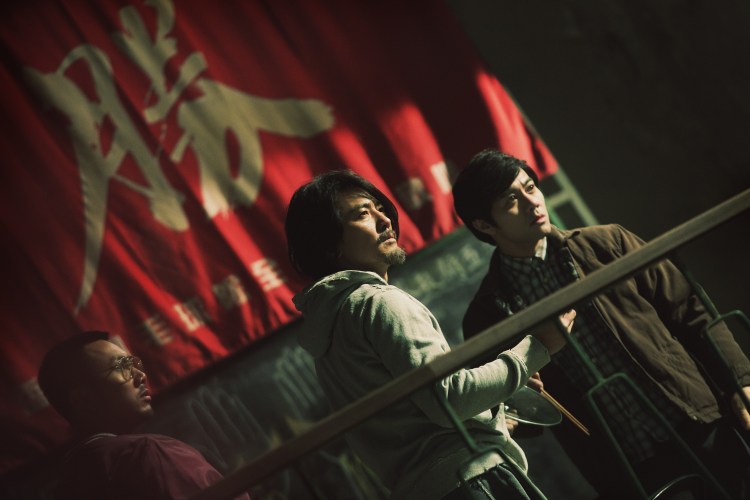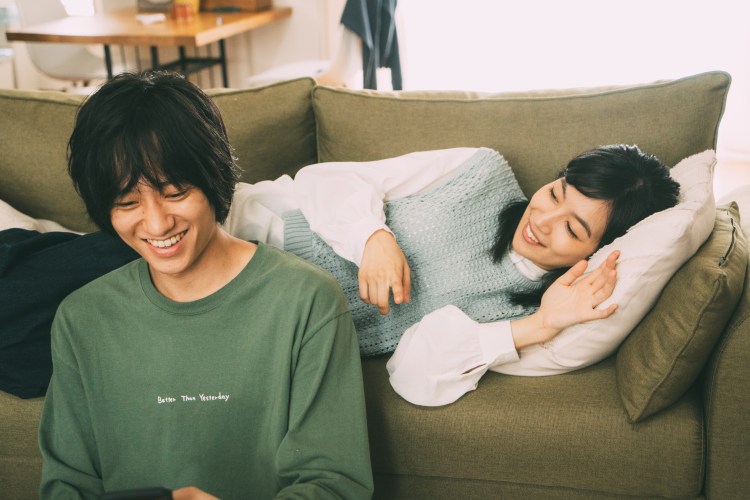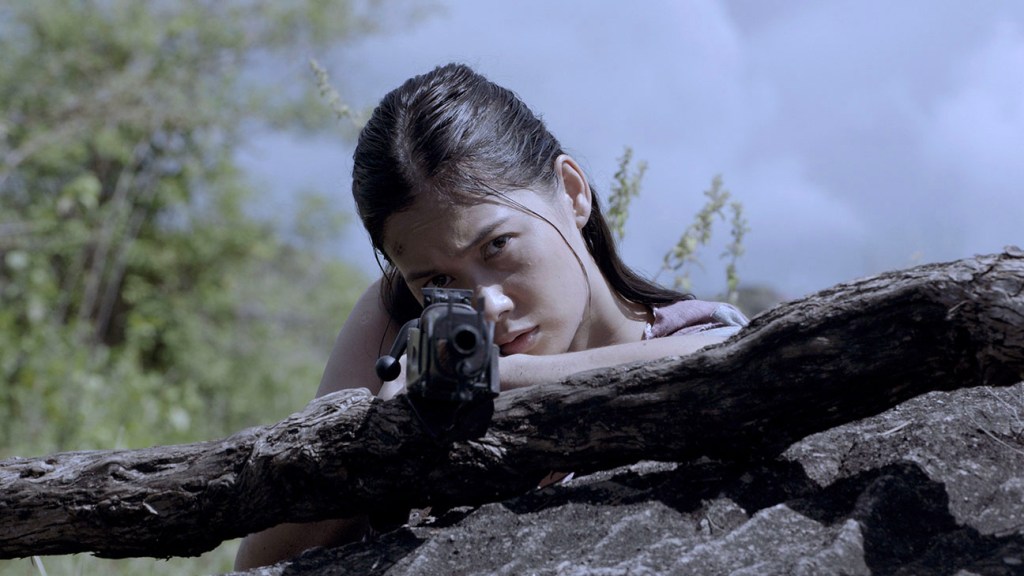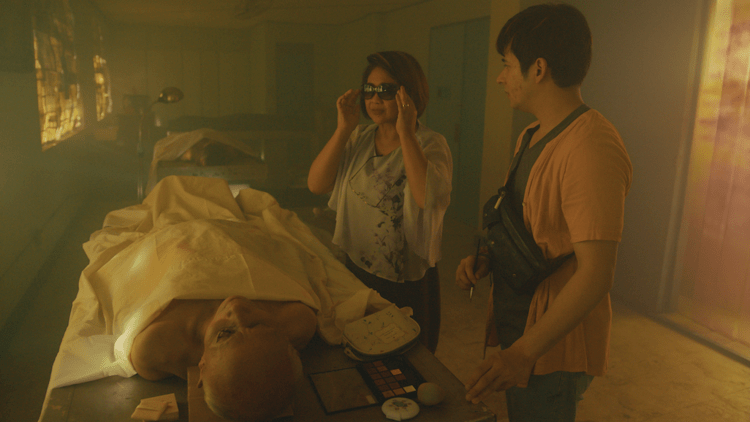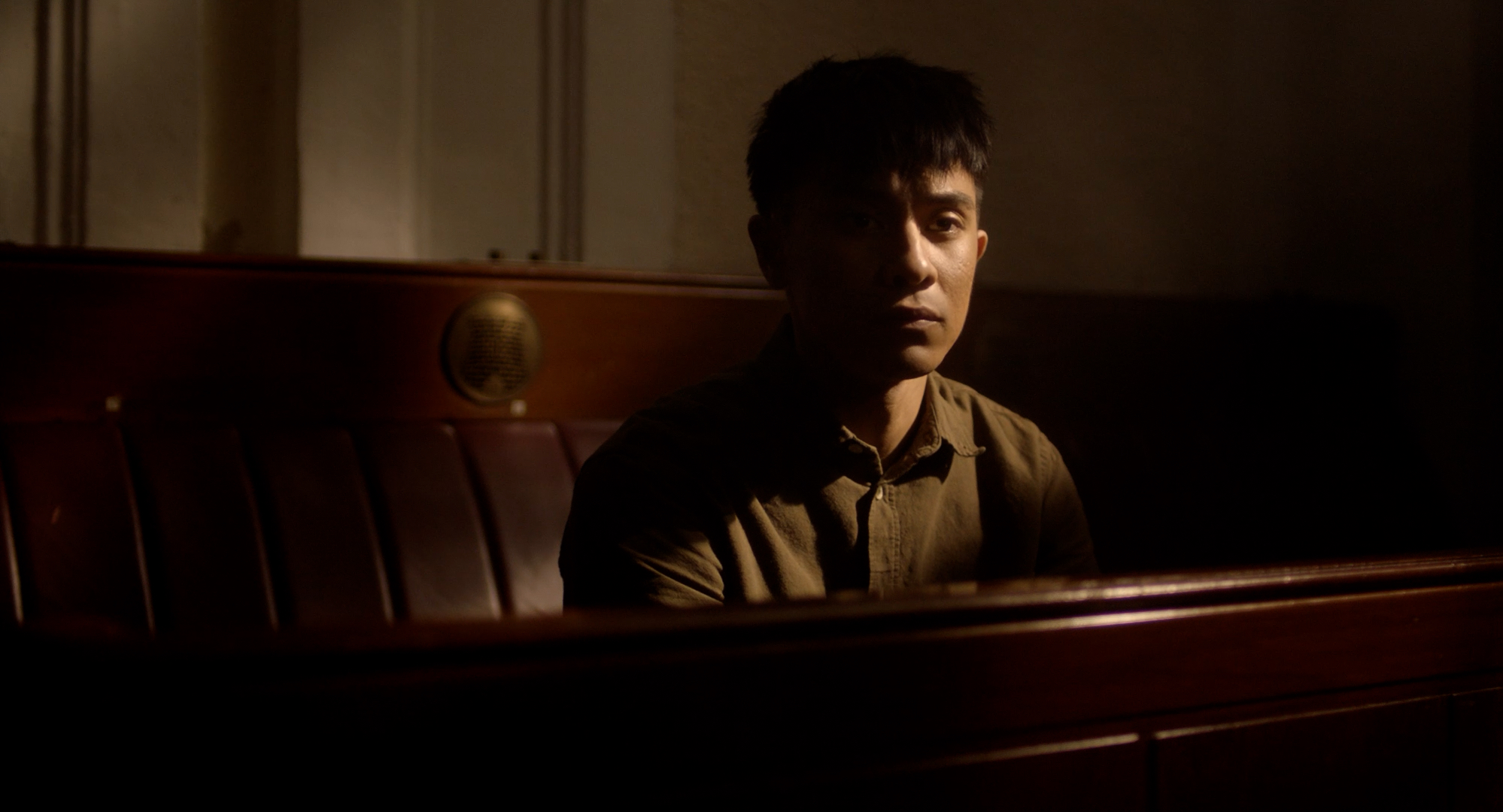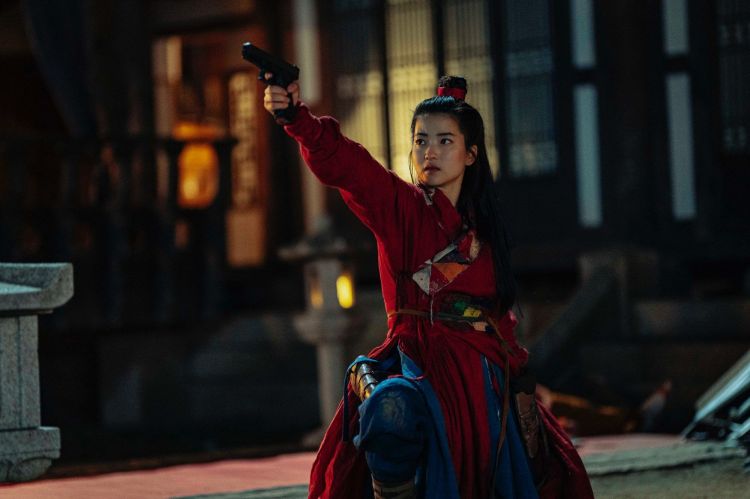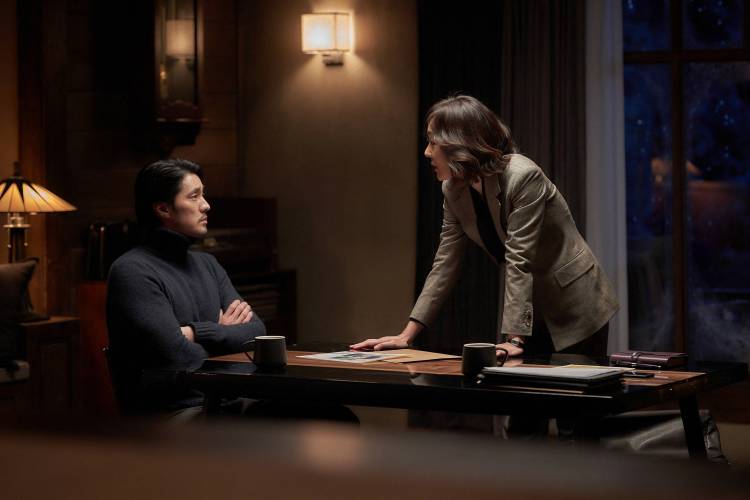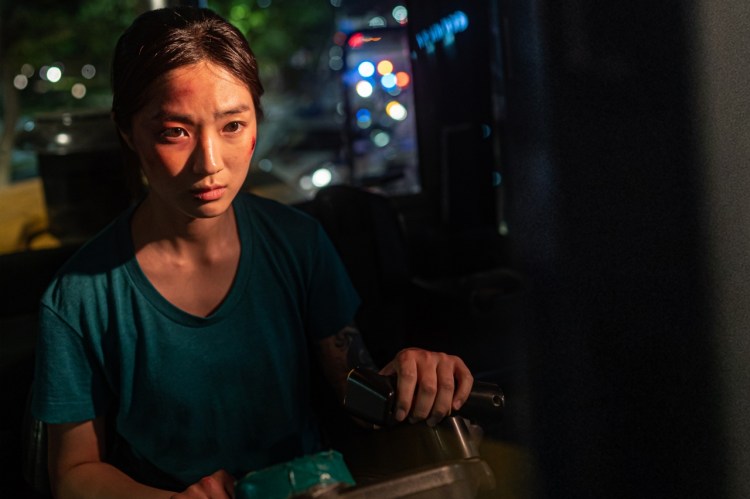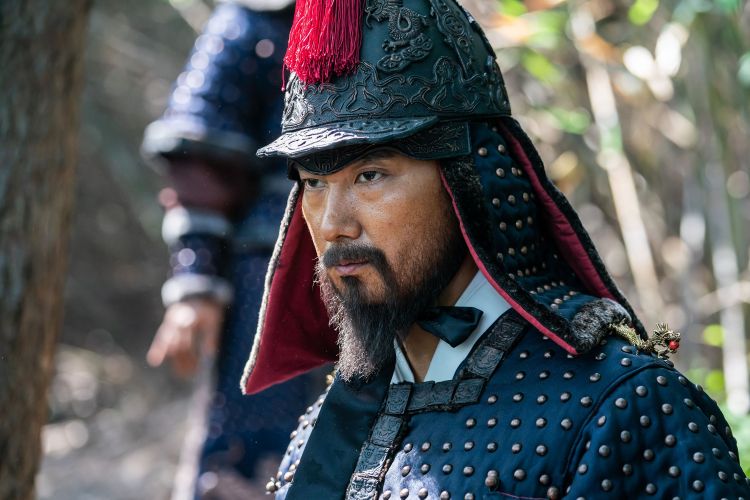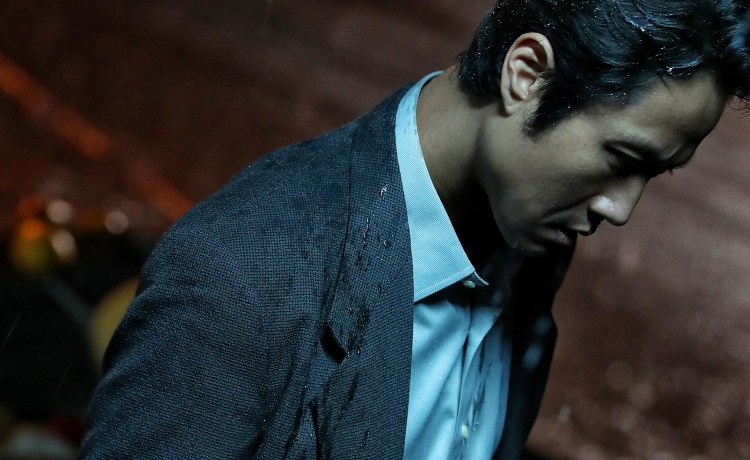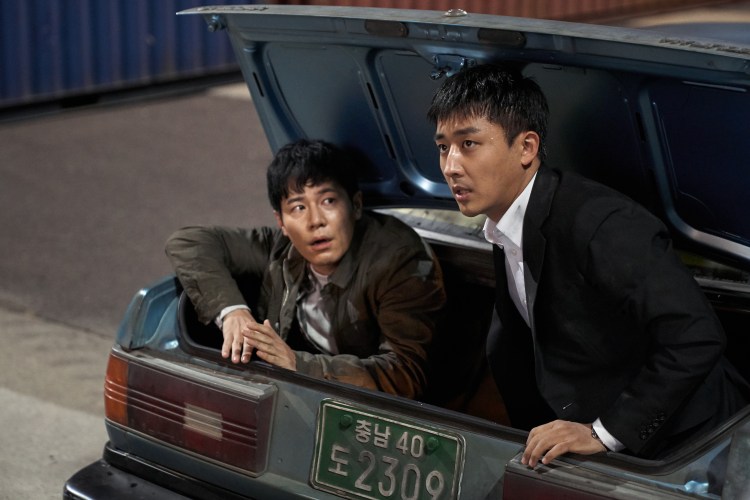

Grown-ups (わたし達はおとな, Takuya Kato, 2022)

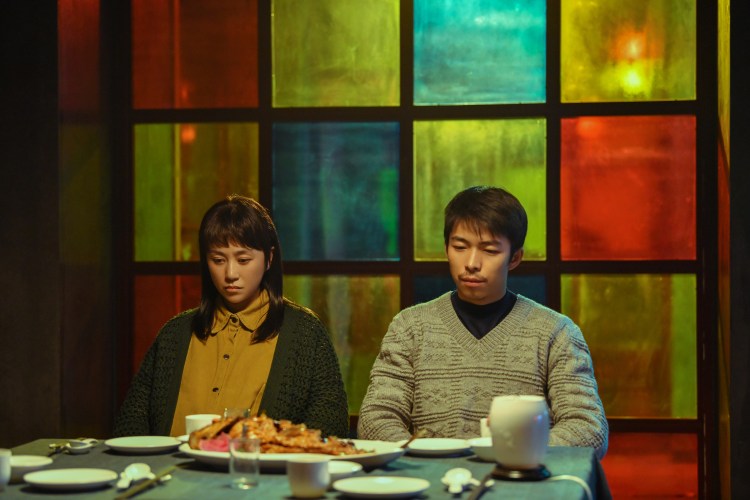
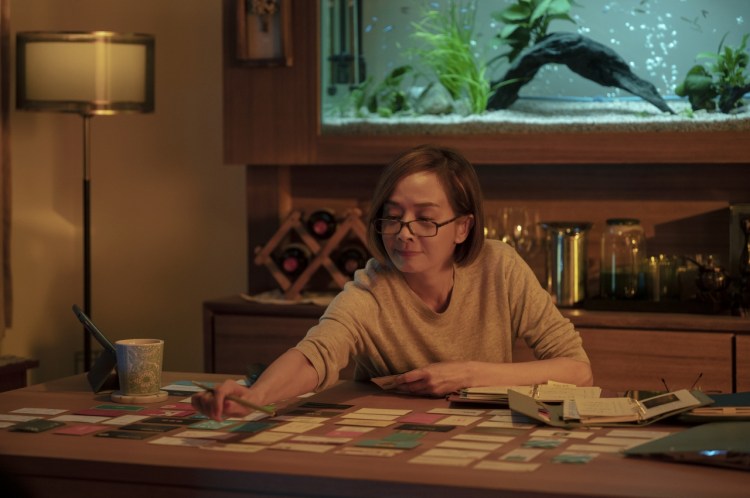
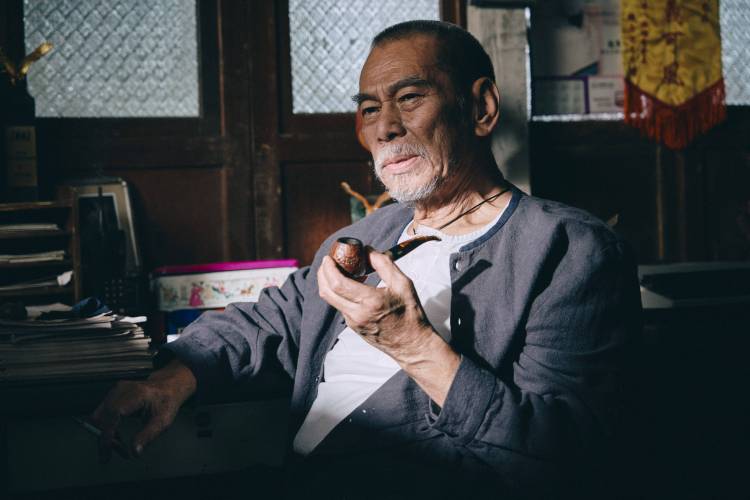
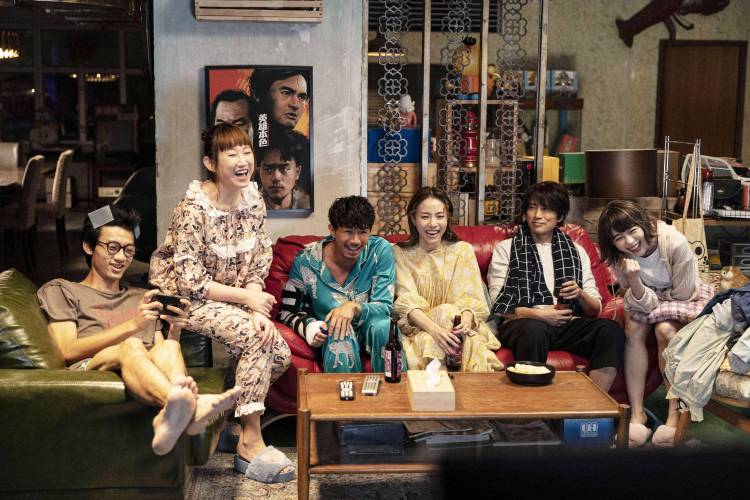
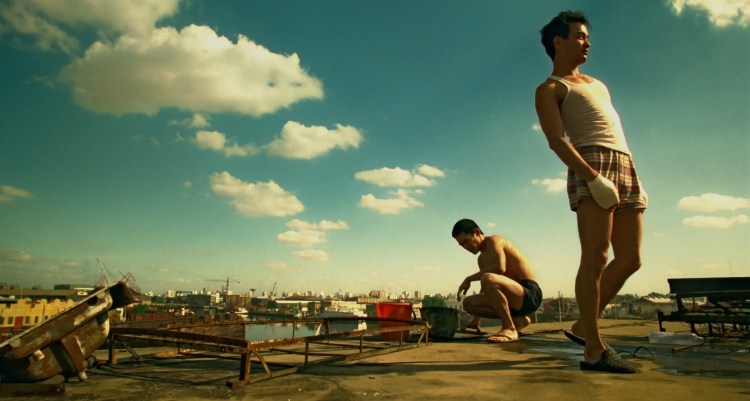
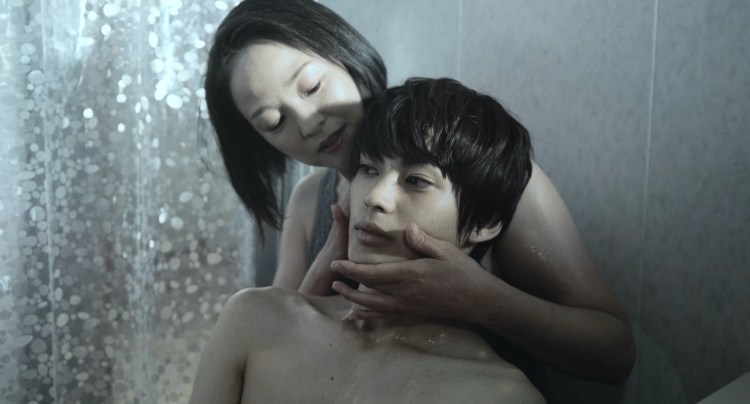
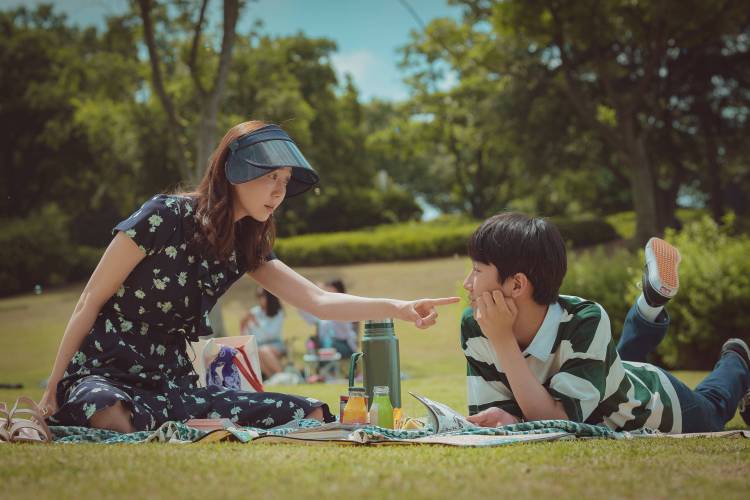
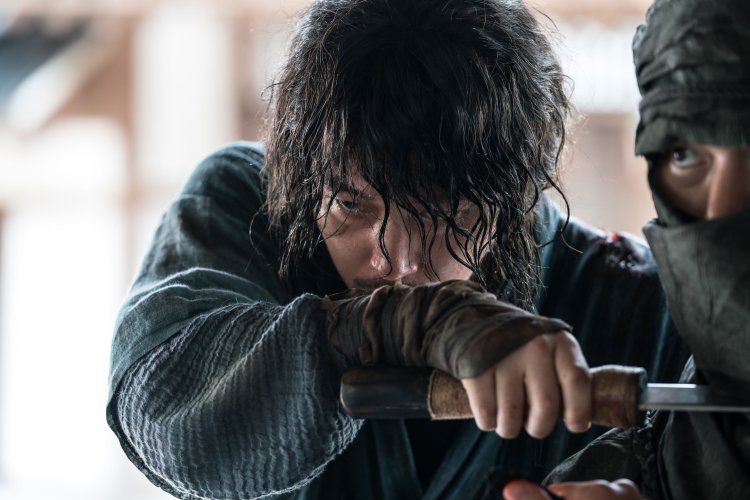
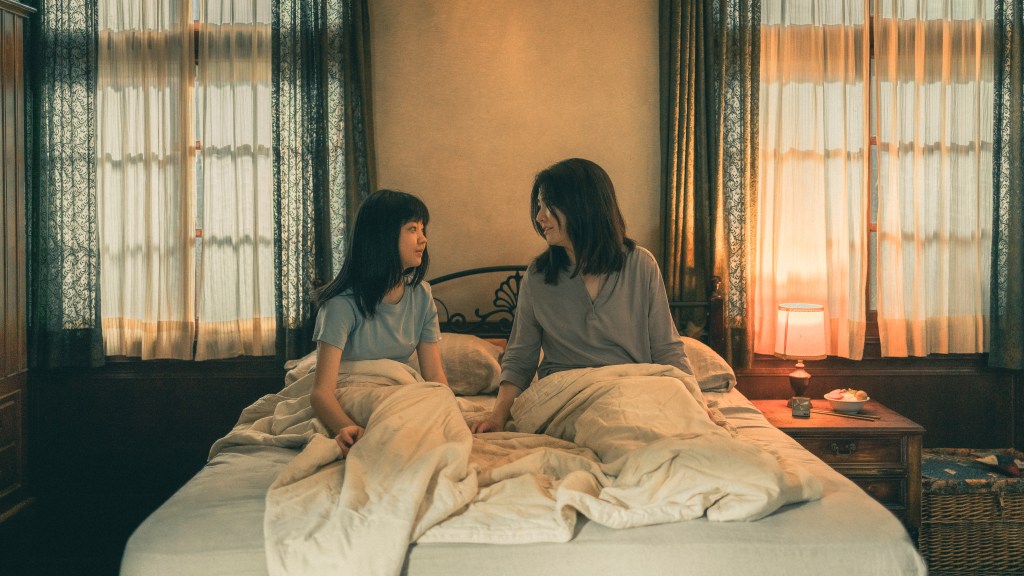
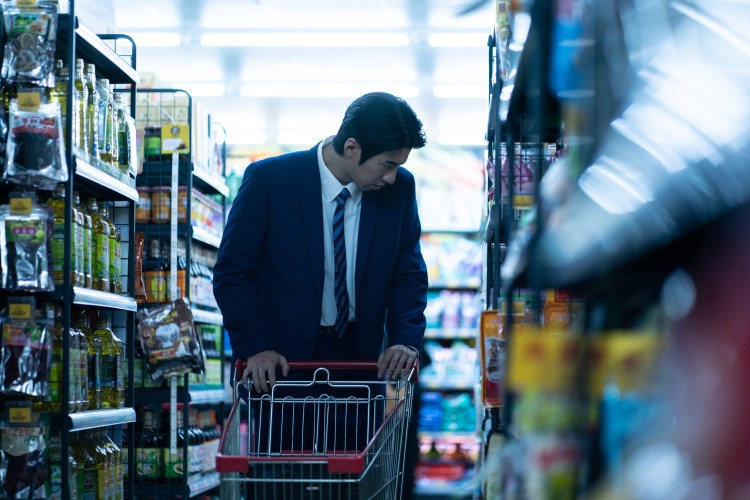
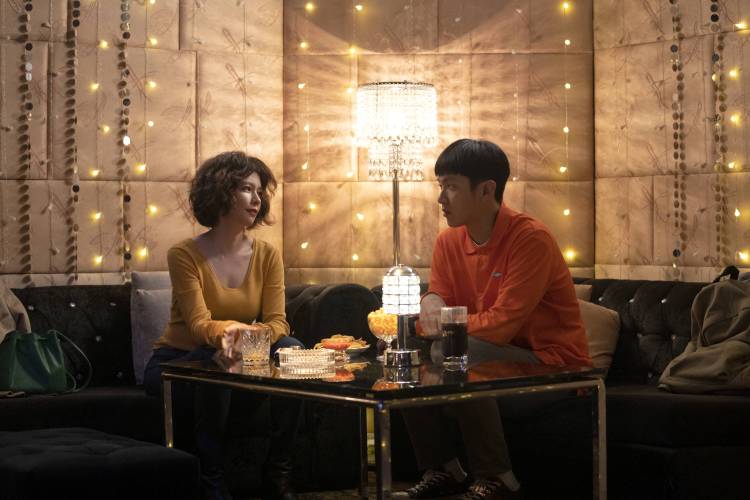
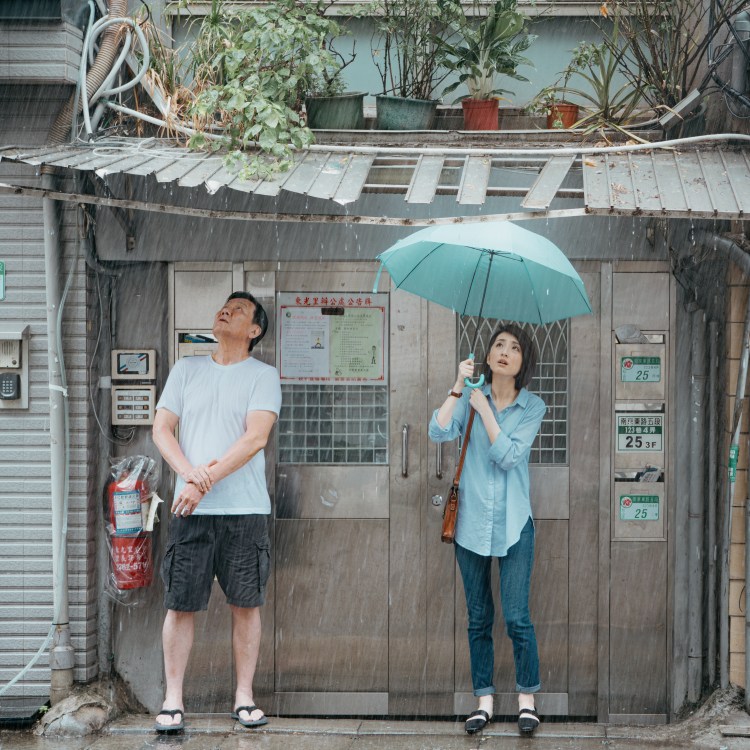
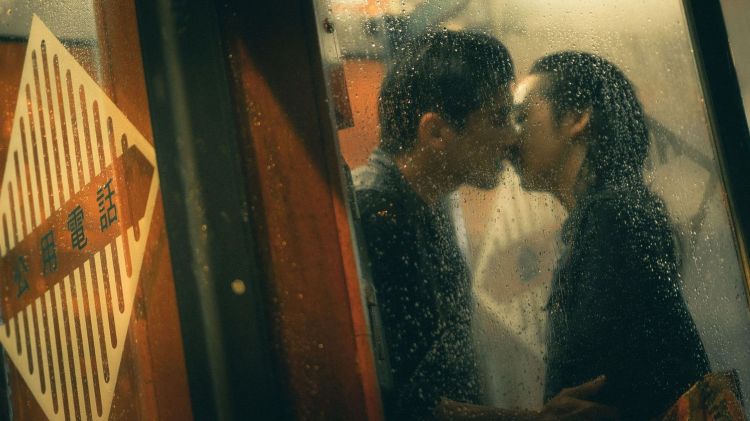
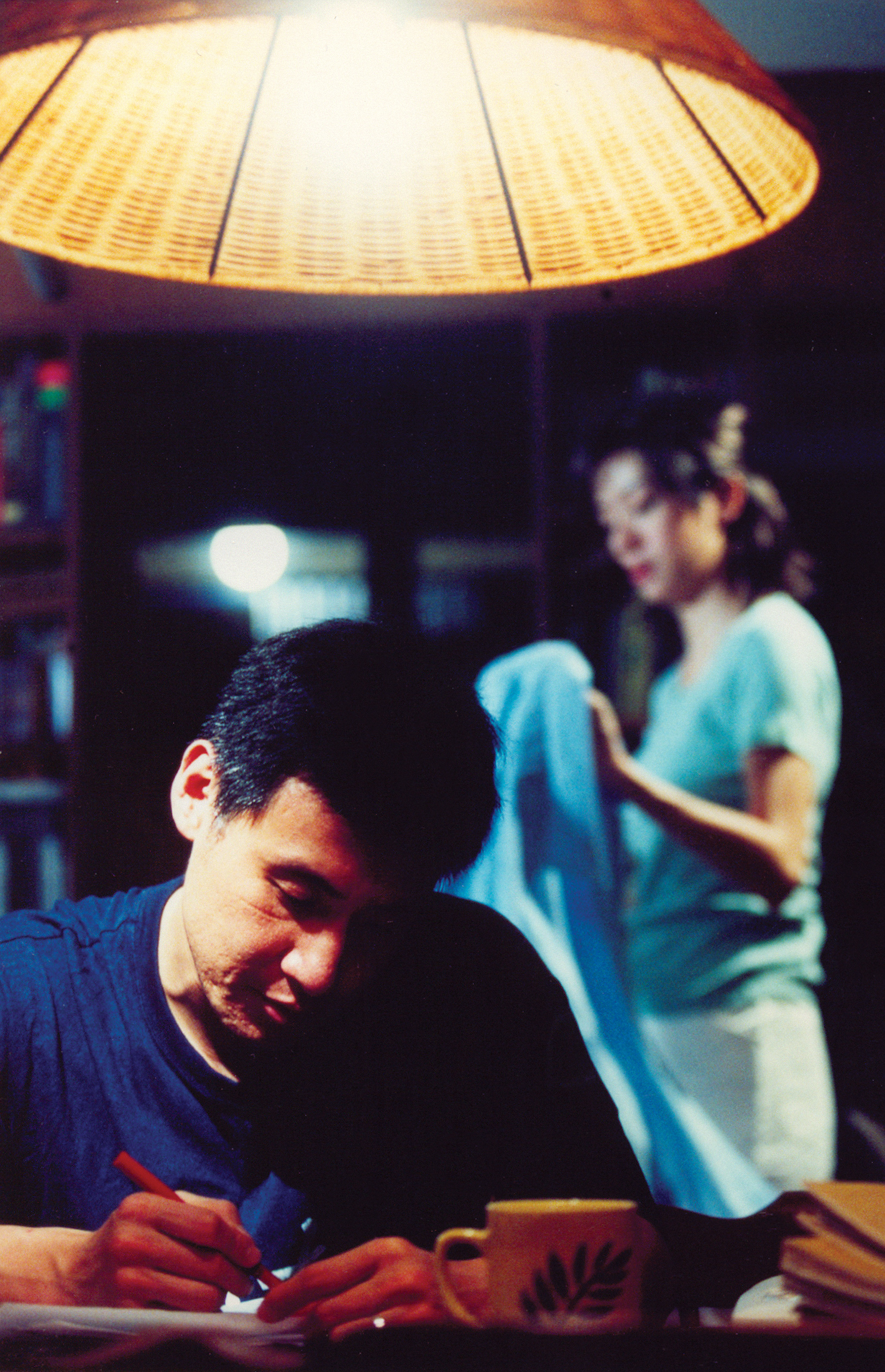
“You’re a grown-up. If something’s wrong you gotta handle it” the passive aggressively condescending hero of Takuya Kato’s Grown-ups (わたし達はおとな, Watashitachi wa Otona) chastises, but what even really is being “grown-up” when you find yourself in a situation which is emotionally difficult and will define the future course of your life. Shot in a claustrophobic 4:3 and told in a non-linear fashion, Kato’s intense drama lays bare the inequalities of a patriarchal society in which in a sense there are no real grown-ups because no one is ever comfortable enough with anyone else to be able to speak their real feelings honestly. 

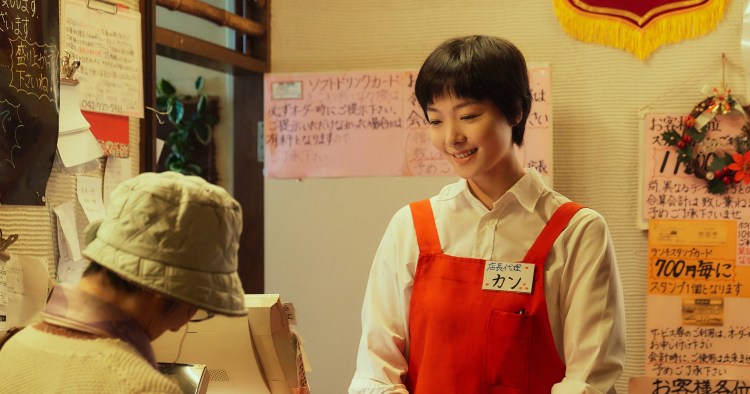
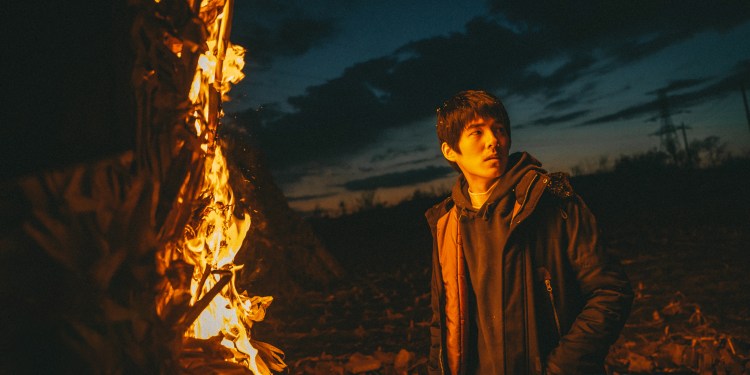
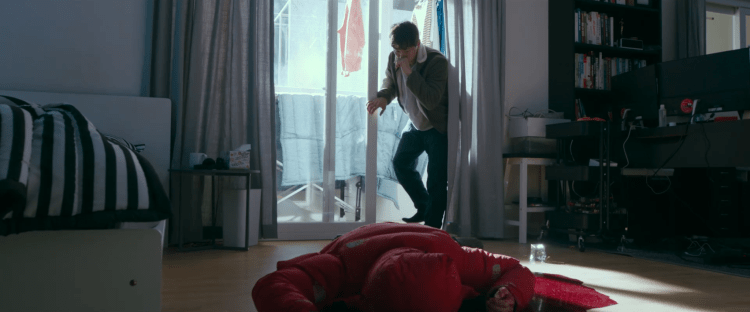
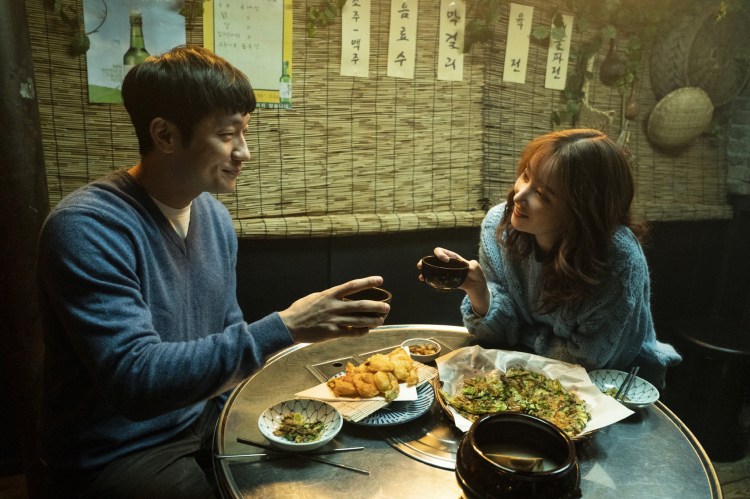
This becomes a particular problem for college student Yumi (Mai Kiryu) who discovers that she is pregnant but is uncertain as to who the father might be having had a one night stand during the time her live-in boyfriend Naoya (Kisetsu Fujiwara) had broken up with her. Yumi immediately tells Naoya that there’s a chance the baby isn’t his, but remains otherwise reticent unwilling to talk about what might have happened while filled with an internal panic. Naoya thinks he’s being grown-up about the situation by deciding to accept responsibility given the probability that he is the father but despite pledging that he would accept the baby even if it turned out he wasn’t can’t stop trying to pressure Yumi into a DNA test for peace of mind. 

The irony is that even Naoya, who was Yumi’s first sexual partner, refused to wear a condom and joked about contraception before making her go on the pill when he moved in with her. Later we learn that the one night stand violated her consent by again refusing to wear a condom and ignoring her objections, later joking about it that the chances of conception are incredibly small while making it clear that men in general don’t consider pregnancy as something that happens to them and because, as one of Yumi’s friends puts it, they only chase “innocent” girls they don’t seem to worry about the possibility of contracting an STI. Meanwhile, Yumi is constantly stalked by a fellow student she briefly dated who presents her with a memory book of their relationship and is always creepily hanging around waiting to give her gifts, but all her friends can seem to talk about is boyfriends implying that a bad boyfriend might be better than none. 

Yet Yumi seems to have intimacy issues that run even deeper, for some reason not even telling Naoya that her mother has passed away leaving him to think she has run away from their problems by returning home just when he’s ready to tell her his decision about their future. When her father asks about boyfriends she brushes the question off though perhaps partly because she’s not quite sure about her relationship status with Naoya or what she’s going to do about the baby. She calls her friend to hear a friendly voice after hearing her mother has died but gets little sympathy, the same friend later abruptly hanging up on her after getting a boyfriend of her own while knowing of Yumi’s romantic troubles. 

Then again, it’s hard to know whether Naoya was really interested in her or in her lovely duplex apartment. When they started dating he was still living with his ex and it’s obvious that Yumi fully conforms to the feminine ideal taking care of all the domestic tasks while it isn’t even clear if Naoya is contributing in any way to the household. The film both begins and ends with Yumi making breakfast, firstly toasting the last slice of bread for Naoya while suffering with what turns out to be morning sickness, and finally making herself something to eat in the early light of dawn. Naoya says he’s give up on his dreams of working in theatre to get a regular job, again conforming to an outdated patriarchal ideal, but of course resents it particularly because he doubts the child is his while Yumi isn’t really sure she wants to go through with it either for some of the same reasons but is swayed by Naoya’s determination to make all their decisions for them unable to say out loud that she might not be ready to become a mother. 

Naoya is always trying to be grown-up about everything, but more often than not his understanding approach is partway towards passive aggressive control in insisting that Yumi is being childish in her anxiety and confusion while simultaneously avoiding having to admit that he isn’t really ready either. Early in their relationship he breaks up with her by simply returning her apartment key and refusing to elaborate, failing to treat her with respect or maturity and once again leaving her to deal with the fallout of their relationship all alone. Then again, Yumi’s determination to convince him that green peas are good may signal that the relationship was always doomed when they couldn’t even reach a grown-up understanding over something as trivial as taste in veg. A raw examination of what it is to be young and faced with a decision that will define the rest of your life, Kato’s naturalistic drama perhaps suggests that it never really gets any easier to say how you really feel when you feel that someone is judging you all the way. 


Grown-ups screens at Lincoln Center 23d July as part of this year’s New York Asian Film Festival.

Original trailer (no subtitles)

Images: ©2022“Grown-ups” Production Committee
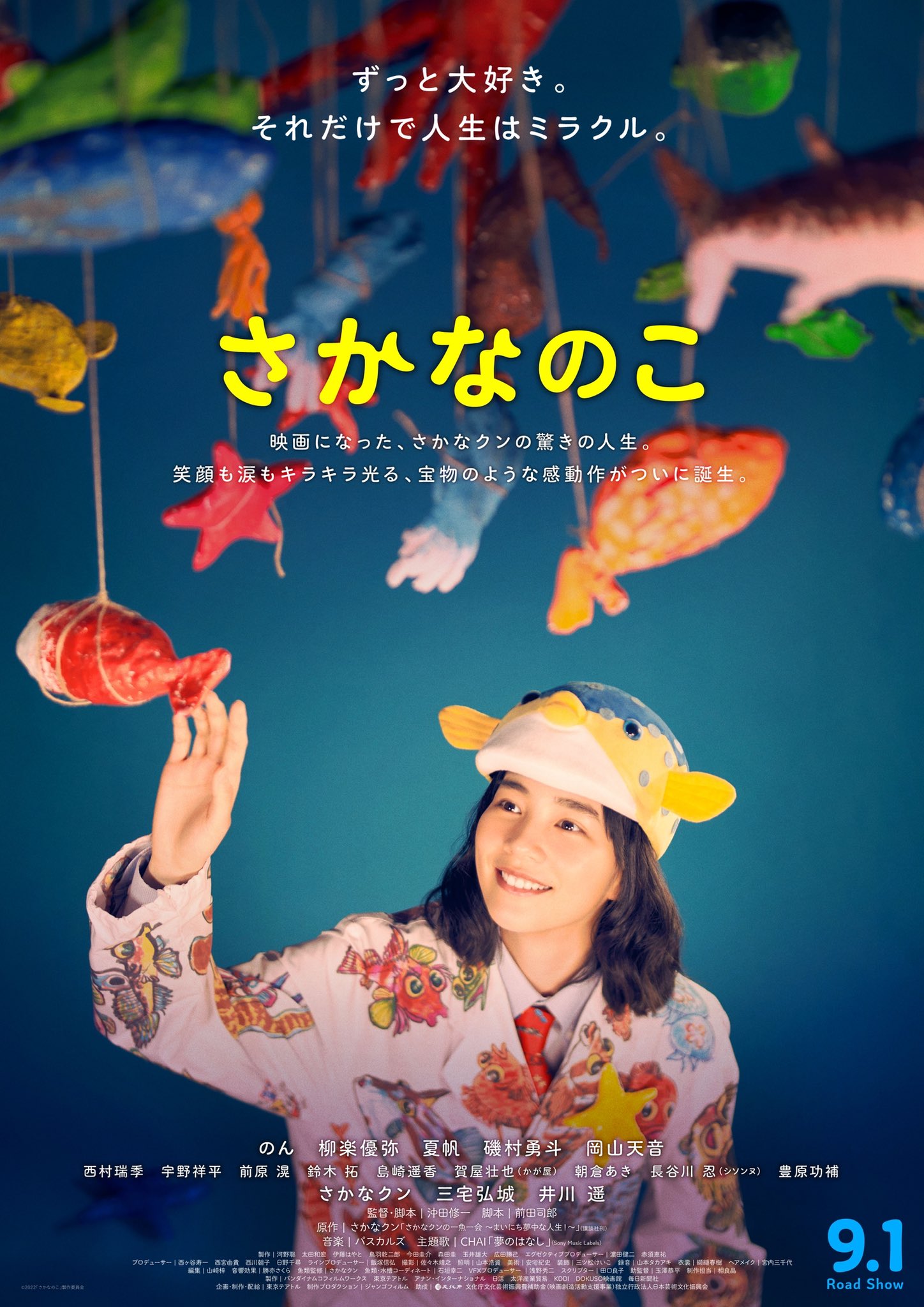
The Fish Tale (さかなのこ, Shuichi Okita, 2022) [Fantasia 2022]

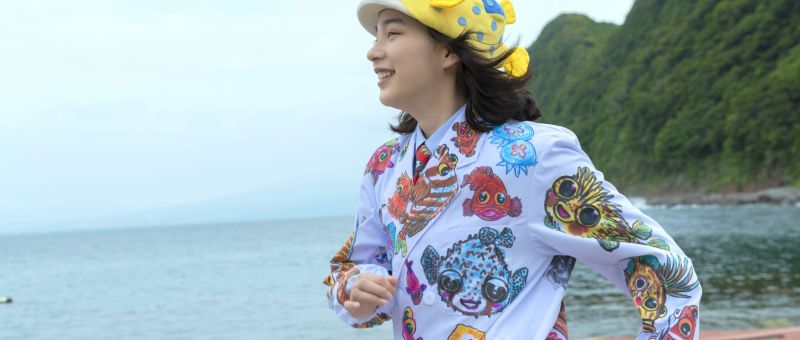
Shuichi Okita has made a career for himself exploring the lives of eccentric people and The Fish Tale (さかなのこ, Sakana no kKo) is certainly no exception. Based on the memoirs of the real life “Sakana-kun”, the film is a testament to the ways in which true enthusiasm can become an infectious source for good while even subjects which might seem esoteric can have universal appeal when delivered in the right way. Meebo (Non) is not like everyone else but sees nothing wrong in that nor do they see anything wrong in the way others live their lives (save for thinking edamame are better than fish). 

Later a TV personality, best-selling author, and YouTuber, Meebo has been totally obsessed with fish all their life. They draw pictures of fish, edit a fish-themed newspaper in middle school, and talk about fish all day long but they still eat fish and find how good it tastes just another thing that makes fish the best thing ever. Though Meebo’s mother (Haruka Igawa) is ever supportive, their father (Hiroki Miyake) has his doubts worried that Meebo isn’t like the other children and is going to struggle later in life. When Meebo meets a strange man with a fish hat on his head (a cameo from the real life Sakana-kun) whom most of the other children avoid, their mother says it’s alright to go to his house to see his aquarium but their father disagrees for obvious reasons later calling the police when Meebo fails to return home at the agreed time. Mr. Fish Head is the only person with whom the young Meebo can truly bond in their shared love of sea life but he also bears out their father’s sense of disapproval in admitting that he came from a wealthy family but is now low on funds because like Meebo he wasn’t suited to conventional schooling and has never been able to hold down a steady job. 

Meebo’s mother meanwhile is more relaxed, calmly telling Meebo’s teacher that having good grades isn’t necessarily important for everyone and she doesn’t want to force Meebo to make themselves unhappy by giving up fish to get them. In any case employment is something Meebo struggles with, fired from the aquarium for spending too much time admiring the fish and then later let go from a sushi bar. Meebo is hired to create an aquatic display for a dentist with an extremely gaudy office but fails to correctly interpret the brief unable to understand the dentist just wanted something flashy and superficial (like himself), but is finally offered a job at a pet shop with a sympathetic boss who appreciates their deep knowledge of and love for fish. 

As Meebo says, they don’t understand what “normal” is save for a vague sense that they may not be but continues to live their life happily no matter what others might think. When they’re targeted by delinquents in high school, Meebo ends up simply inviting them to come fishing with them and is generally able to win over those who don’t understand or approve of their obsessive interest with the force of their enthusiasm. Then again, there are those who are simply too conventional such as the young woman childhood friend Hiyo (Yuya Yagira) tries to introduce her to who rudely laughs at Meebo’s “childish” determination to become a “fish expert” as if such a thing were inherently ridiculous. Time and again its these special connections often made in childhood which continue to help Meebo on their way, engineering a friendship between the leaders of two rival high school gangs who later hire them to help decorate the interior of a new sushi bar. 

That’s not to say their life is not sometimes difficult, but their love for fish always seems to carry them through while the joy and enthusiasm they bring with them makes others happy and more curious about the world in which they live. Their love of sea life eventually trickles down to the next generation with childhood friend Momo (Kaho) taking her daughter to the aquarium just like Meebo’s mother had them and buying her an encyclopaedia of fish which Meebo themselves had written. A quirky, warmhearted tale of total self-acceptance, Fish Tale is also testament to the positive influence of “obsessive” passion which far from dark or introverted can help to illuminate the lives of those who might also be afraid of their differences and love for that which others may deride as niche.


The Fish Tale screened as part of this year’s Fantasia.

International trailer (English subtitles)

Lesson in Murder (死刑にいたる病, Kazuya Shiraishi, 2022)

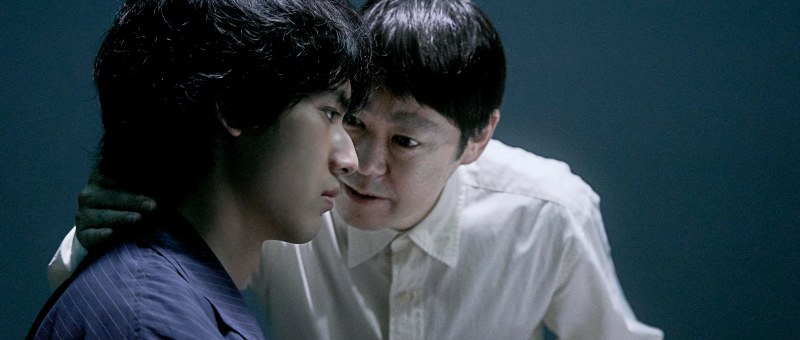
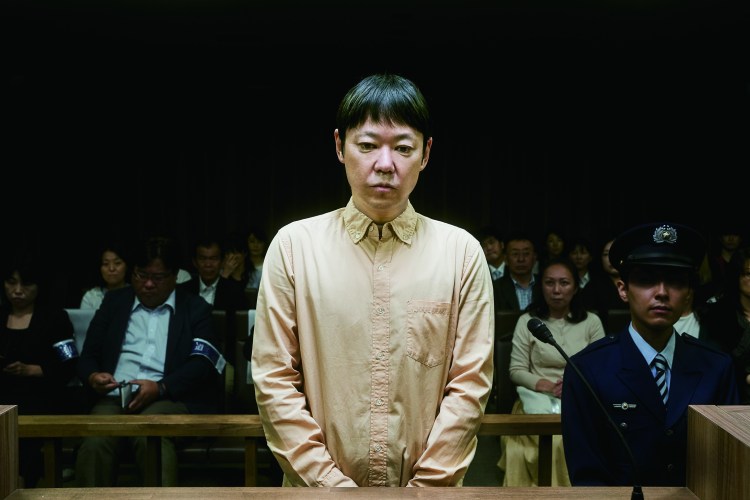
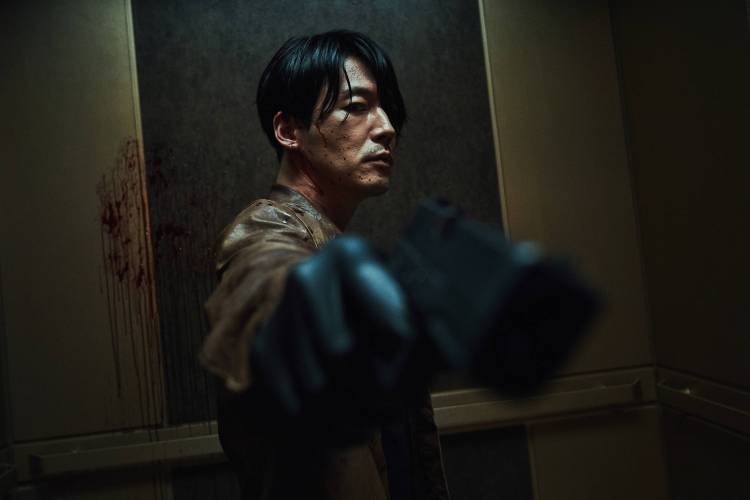
Parental disconnection and the legacy of abuse come under the microscope in a dark psychological thriller from Kazuya Shiraishi, Lesson in Murder (死刑にいたる病, Shikei ni Itaru Yamai). Adapted from the novel by Riu Kushiki, the film’s ironic Japanese title means something more like Sickness Unto Death Sentence and hints at an almost spiritual infection that spreads violence and cruelty as embodied by the moral vacuum at the film’s centre, a genial serial killer of stereotypically “good” kids chillingly played comic actor Sadao Abe. 

The psychodrama is played out, however, in the mind of young legal student Masaya (Kenshi Okada) who once frequented the popular bakery owned by Yamato (Sadao Abe) before he was exposed as the killer of 23 teens and one adult woman. On returning home for his grandmother’s funeral, Masaya is surprised to receive a letter from Yamato asking for his help. He admits killing the 23 teens (and perhaps more) but claims that he is not responsible for the death of the adult woman who after all does not fit his pattern. As he reveals, Yamato killed teens in their last year of high school and the grooming process which may have started even years before was central to his M.O. He delighted in winning their trust and then betraying it by torturing them to death in a smokehouse on the grounds of his isolated farmhouse. 

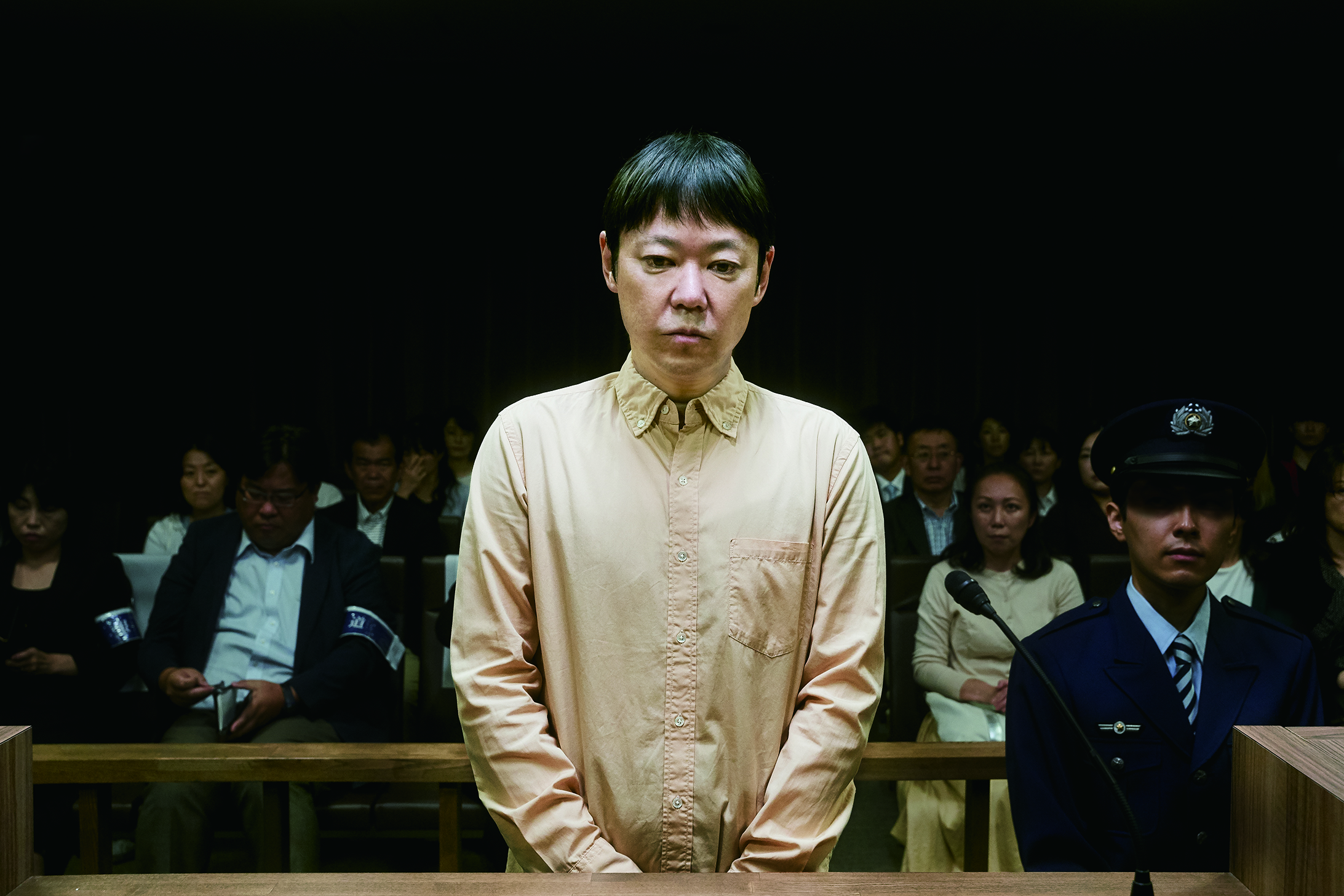
In court, Yamato explains that killing is simply “essential” to his being while insisting that he was caught because he became complacent rather than as a result of efficient policing. Yet he tells Masaya that it annoyed him that he never fell under suspicion, people always trusted him without question and he wanted to challenge that level of social complacency. In any case what’s clear is that he is and has always been a manipulative narcissist attributing those personality traits to his childhood abuse implying that they were a part of an abandoned child’s defence mechanism. He praised others to make them love and protect him, becoming drunk on the power he held over them. At first it seems as if his killings stem from resentment towards these “perfect” children who were well behaved and studied well in school but in fact the reason the children behaved in that way was often born of a desire for parental approval which made them vulnerable to Yamato’s grooming. “Repressed children have low self-esteem” he tells Masaya, an abused child himself, claiming that he wanted to help them grow in confidence through his persistent love bombing. 

Masaya is also on some level being groomed and may at times even be aware of it, but is so consumed with resentment towards his own father that he longs for a more sympathetic father figure and is even willing to accept to a serial killer as a potential paternal mentor. He becomes desperate to prove Yamato didn’t kill Kaoru (Ryo Sato), a 26-year-old office worker, almost forgetting that the killing of the 23 teens is not in dispute. His father resents him because the family run a prestigious school but Masaya was not academically gifted, bullying and beating both Masaya and his mother who is also an underconfident survivor of childhood neglect. She constantly asks for Masaya’s help making decisions, as do other survivors that he meets, while Yamato ironically tells him that the choice to investigate Kaoru’s death is entirely his own while wilfully manipulating him. Even so under his influence, Masaya’s own feelings of resentment towards the conservative society as mediated through middle-aged salarymen eventually bubble to the surface leading him on a dark path towards a potentially murderous destiny. 

Then again, as much as Yamato tries to take control of the narrative Kaoru’s death would still have been as a result of his actions no matter who it was who actually killed her. In another uncomfortabe irony what he’s doing while clearly grooming Masaya is in a sense as he claimed to be doing with his victims restoring his self-confidence in forcing him to face his dysfunctional family situation while proving that he is capable of solving this crime and perhaps in the end solving it a little better than intended. A killer final twist lends an additional layer of insanity to Yamato’s banal evil while Shiraishi’s cool direction at times superimposing the faces of the two men one over another in the glass that divides them at the prison with the faces of the victims projected behind may suggest that darkness hangs all around us and more to the point within. 


Lesson in Murder screens at Lincoln Center 21st July as part of this year’s New York Asian Film Festival.

International trailer (English subtitles)

Images: ©2022 ”Lesson in Murder” Film Partners

Ox-Head Village (牛首村, Takashi Shimizu, 2022)

“A story about nothing” is how one middle-aged man jokingly dismisses a local legend about an ox-headed woman. Are urban legends just one big dad joke? Everybody who hears this story dies, so they say, which is obviously true whichever way you look at it though if it really were a curse it would have to move quickly or there’d be no-one to pass it on. As the heroine of Takashi Shimizu’s summer adventure horror movie Ox-Head Village (牛首村, Ushikubi Mura) discovers, however, there may be something to it after all in uncovering the dark history behind the local folklore. 

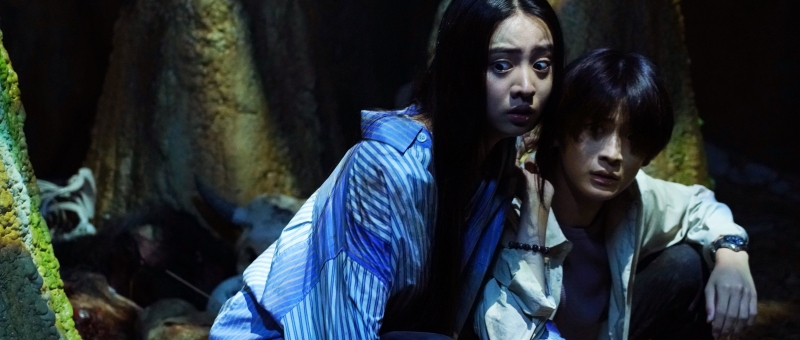
In her last year of high school, teenager Kanon (Koki) is beginning to experience strange events such as a series of mysterious scratches on her arm, odd bangs and noises at home, and her phone constantly playing a message about bad pennies and their tendency to keep turning up. Her friend Ren (Riku Hagiwara), who has a crush on her, shows her a viral video of some girls on paranormal live stream that goes wrong leading one, who looks exactly like her, to fall down a lift shaft and then mysteriously disappear. To find out what’s going on the pair head out into the country to the abandoned hotel where the shoot took place but end up battling supernatural malevolence born of the cruelty of previous eras. 

Like the previous two films in the “Village” trilogy, Ox-Head Village revolves around rural folkloric beliefs this time focussing on the suspicion cast against twins which in this village at least seems to have continued until the late 1960s. The root of the curse is the unnatural act of dividing something that should be one into two in attempting to separate pairs of twins leaving the one left behind, lonely, burdened with the residual stigma of being one of multiple births, and perhaps experiencing a little survivor’s guilt. In the film’s second sequence, bathed in yellow and shot with a 70s-style soft focus, two little girls kill a butterfly and bury it with its friends because it would just be lonely on its own. The resolution is that that which has been divided must be reunited in life or in death in order to end the curse, though as we later see that may not quite be the end of it. 

Meanwhile, though a supernatural horror film, Ox-Head Village is also part of a grand tradition of teen summer adventure movies. Kanon and Ren are about to embark on the last summer as high schoolers, the trip they take together as so many are is also about self-discovery as Kanon answers a few lingering questions about her past while searching for her doppelgänger. Her quest is also in its way about rescuing herself and laying to rest the sense of loneliness which has always plagued her. Along for the ride, Ren is perhaps more curious while obviously smitten hoping to cement his romance through a romantic road trip only to be blindsided by supernatural intrigue and country superstition. 

Nevertheless, there is something truly creepy about the innocent flowers the little girls draw along with the pre-modern superstition that informs life in the village. Though the sinister presence may in this case be firmly rooted in the past, they are able to mediate their curse through modern technology such as manipulating Kanon’s phone as a means of communication while using lift shafts to mimic the well which becomes the repository for the darkness of the village. As an old man puts it, a prejudice against twins might have been intellectually understandable in a time of famine, though morally indefensible and obviously absurd and out of place in the modern society. Even so, old beliefs have a way of persisting even if they are no longer clearly understood. 

Along with all the folk horror of ox-headed women, headless buddhist statues and “stories about nothing” there is the lingering dread of the lonely incompleteness visited on the little girls in yellow because of the outdated superstitions of an earlier era. Overcoming the curse requires both self-knowledge and self-sacrifice in order to heal the unnatural act of division which has been carried out but even this may not be enough to repair the damage of centuries of cruelty and prejudice. 


Ox-Head Village screens at Lincoln Center 19th July as part of this year’s New York Asian Film Festival.

Original trailer (English subtitles)

Images: © 2022 OX-HEAD VILLAGE Production Committee
Legendary in Action! (大俠Action!, Justin Cheung & Li Ho, 2022)

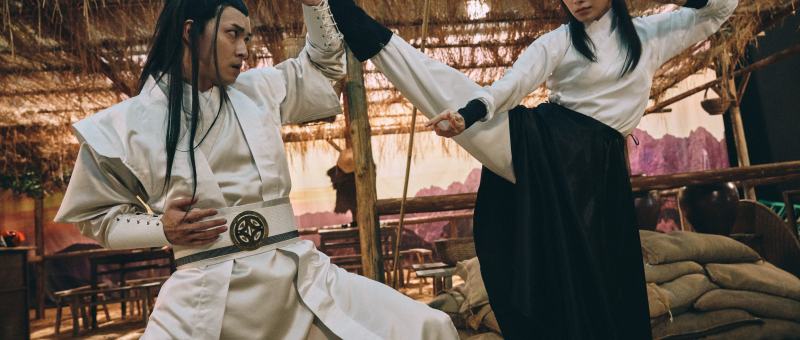
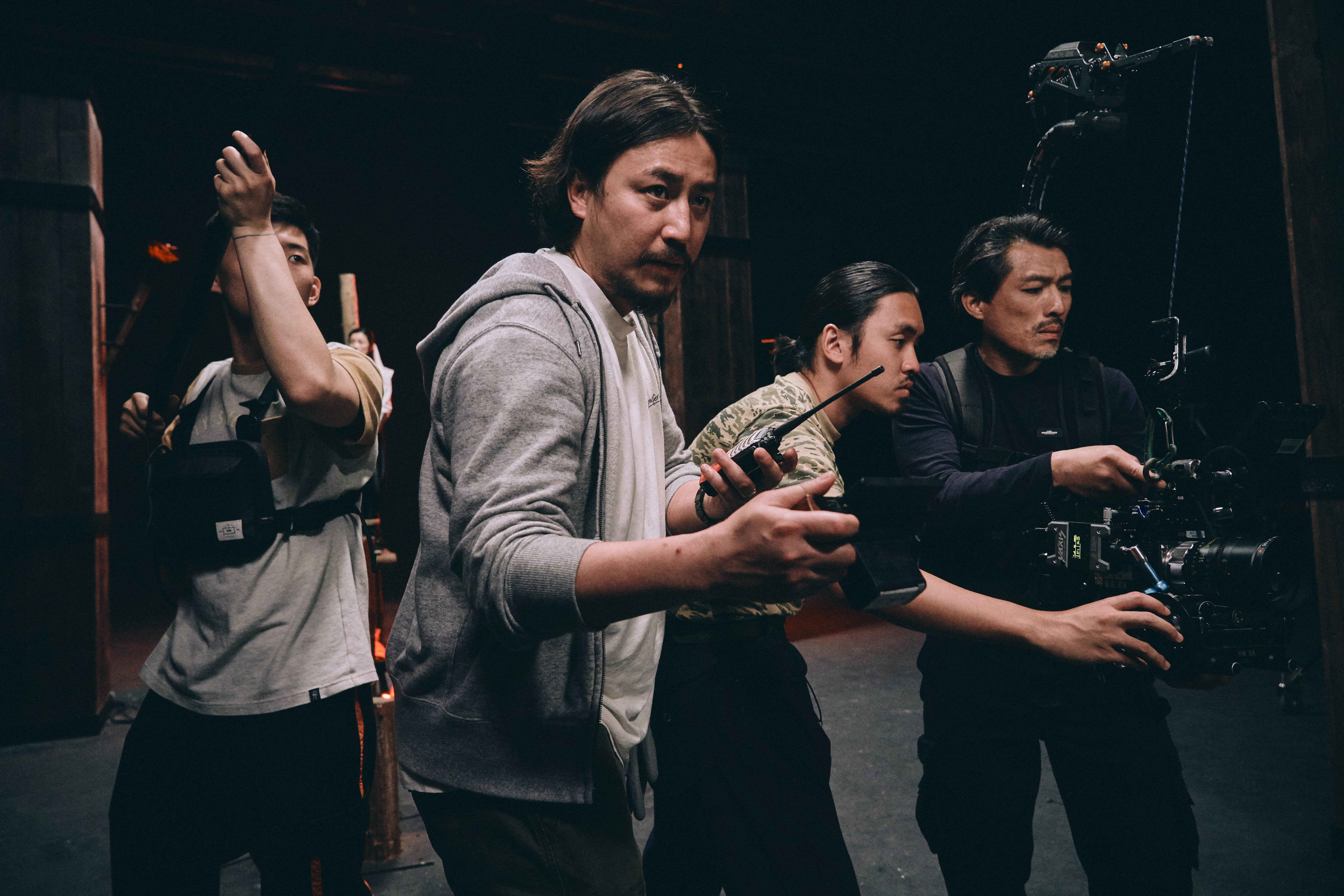
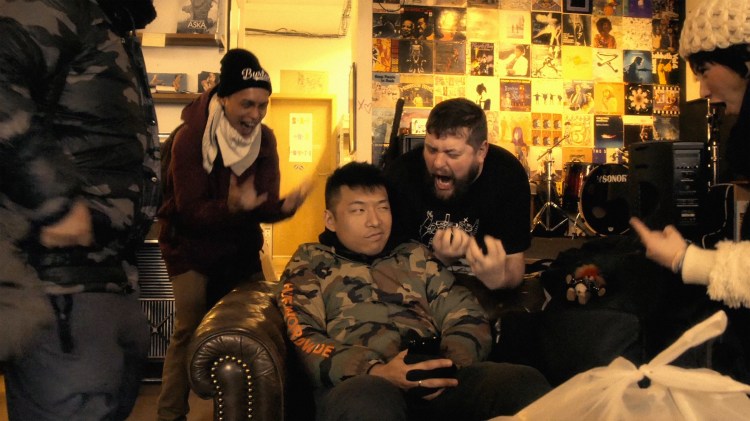
An unsuccessful film director looks for new opportunities in gaining closure with the past in Justin Cheung and Li Ho’s behind the scenes comedy, Legendary in Action! (大俠Action!). Echoing classic wuxia, the film finds its heroes searching for themselves while on a quest to revitalise the Hong Kong film scene in which they must battle unscrupulous investors, idol stars with limited acting experience, divided loyalties, the changing nature of the industry, and the ghosts of wuxia’s past. 

40-ish Tiger (Bill “Tiger” Cheung) made a big splash in his earlier career but when his first feature flopped he discovered that second chances are hard to come by in the contemporary film industry. Since then, he’s been making a living shooting sleazy shorts for live streamers while privately dying inside. When a mysterious investor turns up wanting to make a retro wuxia, Tiger is the perfect fit. Shopping an old script he’d written to provide an ending to a serial he loved as a child which was abruptly cancelled, he sets about fulfilling his childhood dream even recruiting the original star to reprise his role but soon finds out that the past is not so easily resurrected. 

This fact is brought home to him by irascible former action star Master Dragon (Chen Kuan-tai) who constantly reminds him that it wasn’t like this in his day usually because they had no health and safety regulations or working rights. Yet Master Dragon is also in a sense in search of himself in that he has begun suffering with dementia and is no longer able to separate fantasy from reality. Far too into his role, he ignores the script and attacks the actors playing bad guys for real but cannot quite recall his signature move while insisting on completing dangerous stunts by himself. He’d also insisted on trying to find the original actress to play the romantic lead, but finally settles for a feisty young woman, Greta (Wiyona Yeung), who is mostly in it for the cash but gradually warms to Master Dragon happy to know that someone cared for her after he waded in on her behalf when she was bullied by lecherous customers at the bar where she was working. 

Tiger meanwhile finds himself failing in his responsibilities as a husband and soon-to-be father, pouring everything into the film while neglecting his long-suffering wife who asks him why he thought now was a good time for his one last chance. When the shoot enters a crisis, he signs up for even more “meaningless” shorts and onerous employment contracts to get the money together to finish while asking his cast and crew to do the same, each of them facing their various issues while coming together as a team squaring off against the vagaries of the independent cinema scene.

Then again, Tiger doesn’t seem to have learned much about work life balance. Nor is Master Dragon a particularly good influence instructing those around him that if film is not their lives’ work, they shouldn’t be doing it. Master Dragon is on his own journey trying to reclaim his former self while dealing with the past just as Tiger is himself trying to bring something full circle in giving his childhood favourite the ending it deserves. In a closing speech, he aligns his struggles with those of the Hong Kong film industry in general positing the wuxia serial as a symbol of faded glory while implying that the contemporary film industry has run out of steam. “At some point we lost faith in Hong Kong Cinema”, he laments, complaining about rubbish films with bad scripts and terrible production values while praising the efforts of the crazy people who give their all to make them. 

“I won’t accept fate” he goes on, like the hero of a classic wuxia fighting for justice in an unjust world while insisting that it is possible to turn things around and restore the glory of Hong Kong film. Then again, as much as his film seems to bring closure and present a place from which to move forward perhaps its unwise to look for new directions in attempting to recreate the past rather than finding new ways to bring it with you into a more positive future. 


Legendary in Action! screens at Lincoln Center 17th July as part of this year’s New York Asian Film Festival.

Original trailer (Traditional Chinese / English subtitles)

Images: © Marigold Project

New York Asian Film Festival Confirms 2022 Lineup

New York Asian Film Festival returns for its 20th anniversary edition with another packed programme of recent East Asian cinema hits screening at Lincoln Center & Asia Society July 15 – 31. This year the festival will pay tribute to actress Josie Ho, while horror maestro Takashi Shimizu will receive the Screen International Star Asia Lifetime Achievement Award, and Hitoshi Abe the Screen International Star Asia Award. 

China

  • Before Next Spring – drama following a Chinese exchange student in Tokyo.
  • Fire on the Plain – a detective reunites with a childhood friend while investigating a cold case.
  • Manchurian Tiger – black comedy starring Zhang Yu in which a truck driver, his wife, his girlfriend, and a poet recovering from mental illness are caught up in a bizarre series of events
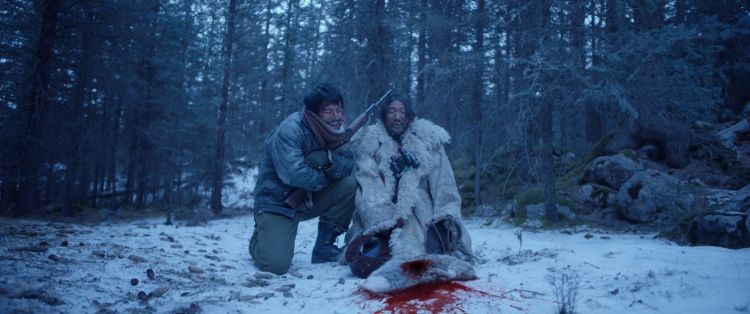
  • One and Four – Tibetan drama in which a forest ranger is surprised by a bloodied man entering his cabin.
  • Ripples of Life – Wei Shujun’s meta odyssey follows a Beijing film crew to a small town in rural China where everyone it seems is longing for escape. Review.
  • Virgin Blue – a young woman returns to spend her last college summer holiday with her grandmother.

Hong Kong

  • Chilli Laugh Story – an attempt to monetise mum’s chilli sauce places a strain on the family unit in Coba Cheng’s pandemic-era New Year comedy. Review.
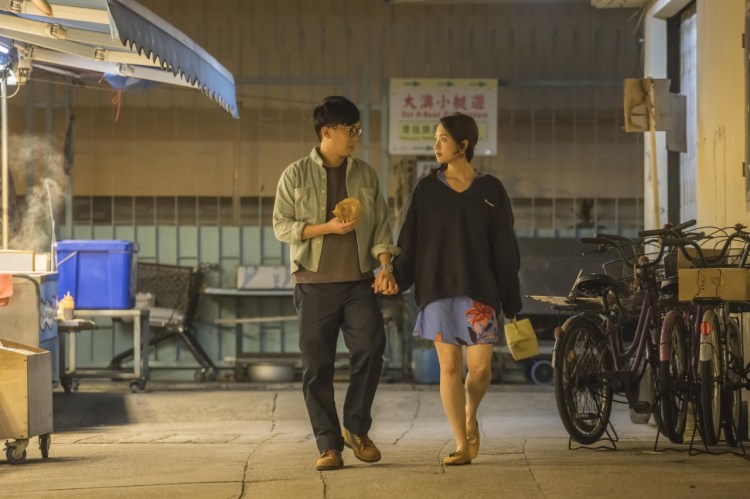
  • Far Far Away – an introverted IT guy gets a crash course in romance when he ends up dating a series of women from the far flung corners of Hong Kong in Amos Why’s charming romantic comedy. Review.
  • Finding Bliss: Fire and Ice—The Director’s Cut – actors, musicians and artists from Hong Kong go on an Icelandic roadtrip.
  • Mama’s Affair – latest drama from Kearen Pang (29+1) starring Teresa Mo as a woman who returns to work after raising her son.
  • Legendary in Action! – retro martial arts drama in which a formerly successful director gets a second shot at the big time by directing his childhood hero in a remake of a classic serial.
  • Table for Six – anarchic comedy from Men on the Dragon’s Sunny Chan in which a crisis erupts at a family dinner when one of the guests arrives with the host’s old flame.
  • We Are Family – ensemble comedy in which a struggling actor falls in with a troupe who hire themselves out as fake family members.

25th Anniversary program HKETO, CLASSIC MARATHON (presented with the support of the Hong Kong Economic and Trade Office in New York)

  • Happy Together – lovers on the run flee pre-Handover Hong Kong for Argentina to “start over” but discover only more loneliness and heartache in Wong Kar-Wai’s melancholy romance. Review.
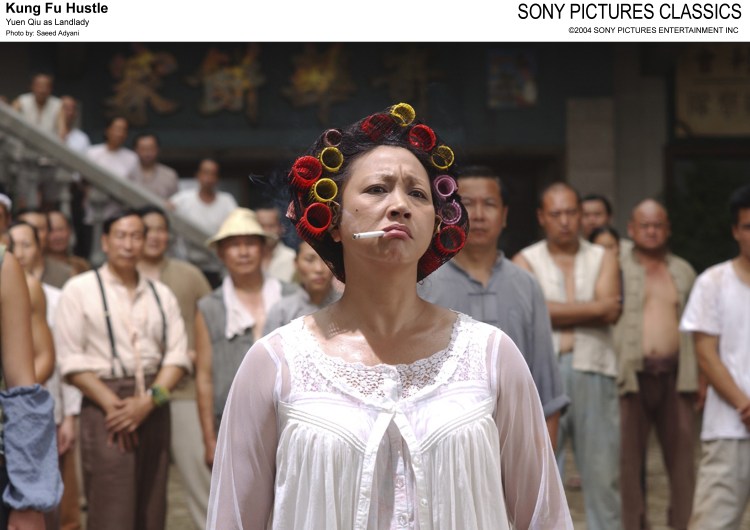
  • Kung Fu Hustle – 2004 classic from Stephen Chow in which an aspiring gangster messes with the wrong community.
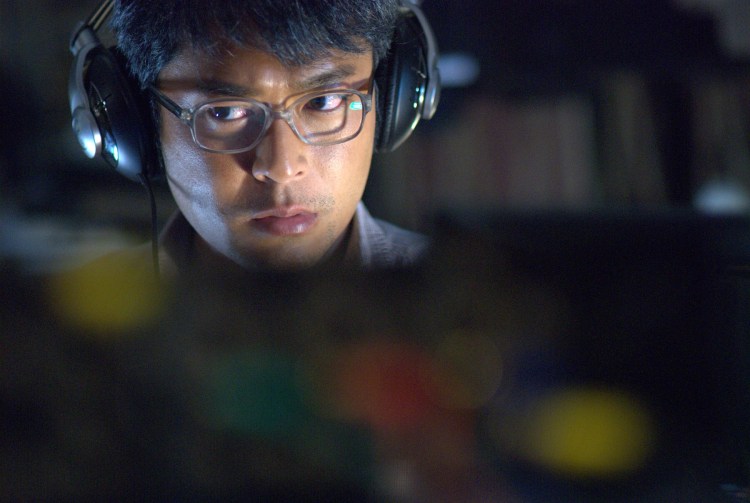
  • Overheard – 2009 thriller from Alan Mak and Felix Chong
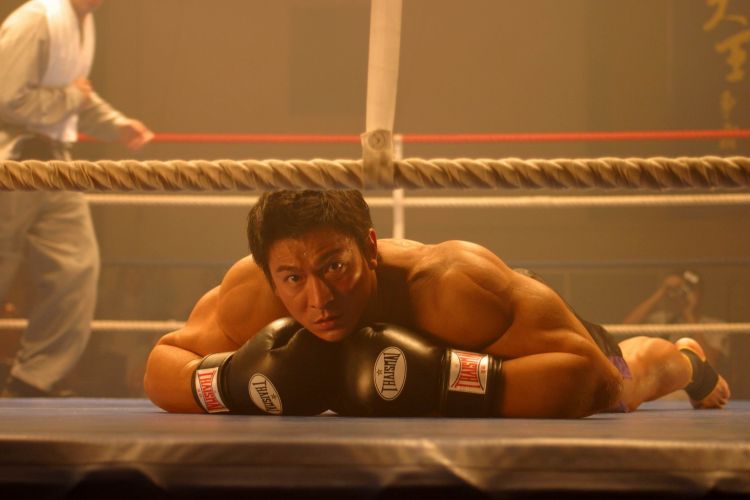
  • Running on Karma – Andy Lau stars as a former monk turned bodybuilder and exotic dancer who is gifted with the ability to see other people’s karma. Encountering a policewoman (Cecilia Cheung) whose karma is particularly bad, he decides to help her.
  • The Eye – 2002 horror from Danny Pang and Oxide Pang Chun in which a woman who receives a cornea transplant realises she can see ghosts.

Josie Ho Tribute (presented with the support of the Hong Kong Economic and Trade Office in New York)

  • Dream Home – 2010 Pang Ho-cheung horror in which a woman goes to extreme lengths to get her hands on an apartment.
  • Full Strike – 2015 sports comedy from Derek Kwok and Henri Wong.

Indonesia

Japan

  • Angry Son – a resentful young man comes to a better understanding of his place in the world while searching for his estranged father in Kasho Iizuka’s sensitive coming-of-age drama. Review.
  • Broken Commandment – adaptation of Toson Shimazaki’s novel Hakai from Kazuo Maeda.
  • Grown-ups – relationship drama in which two college students attempt to deal with an unplanned pregnancy.
  • Intimate Stranger – eerie indie drama in which a middle-aged woman looking for her son takes in a young man involved in telephone fraud.
  • Lesson in Murder – chilling serial killer thriller from Kazuya Shirashi starring Sadao Abe.
  • Offbeat Cops – comedy from Eiji Uchida starring Hiroshi Abe as a maverick cop demoted to the police band.
  • Ox-Head Village – horror in which a young woman travels to a remote region in search of her doppelgänger.
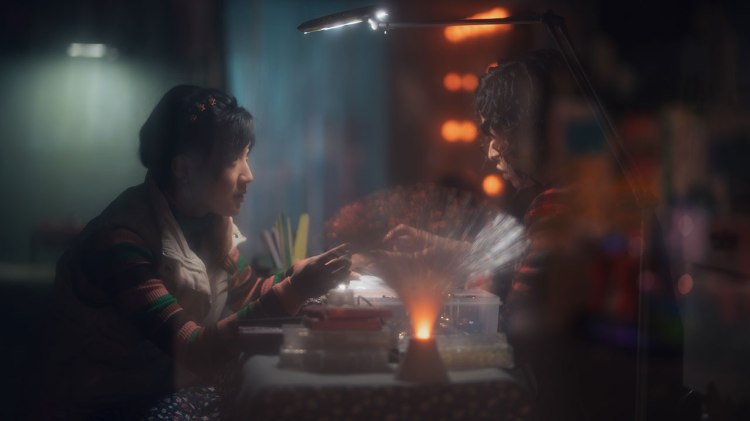
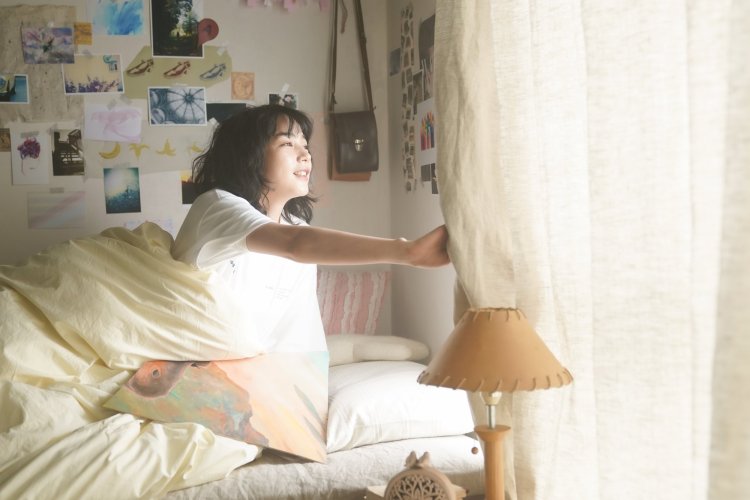
  • Ribbon – Written, directed by, and starring NON, Ribbon follows art student Itsuka who finds herself at a loss when her graduation project cannot be displayed as planned because of COVID-19.
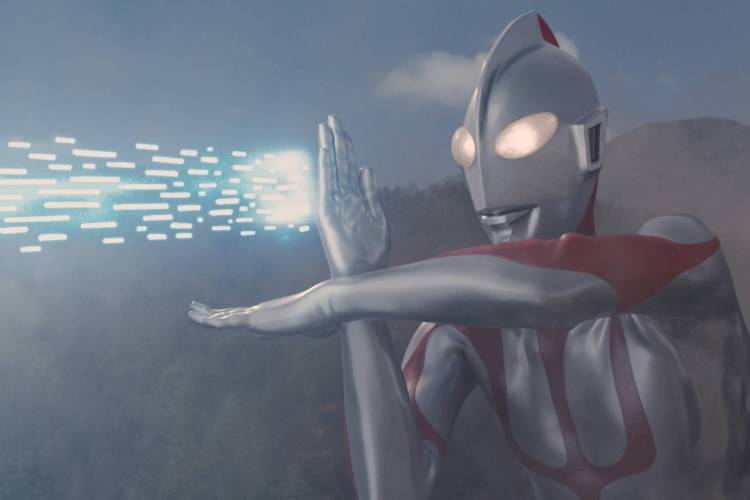
  • Shin Ultraman – big budget adaptation of the classic tokusatsu series directed by Shinji Higuchi with a screenplay by Hideaki Anno.

Malaysia

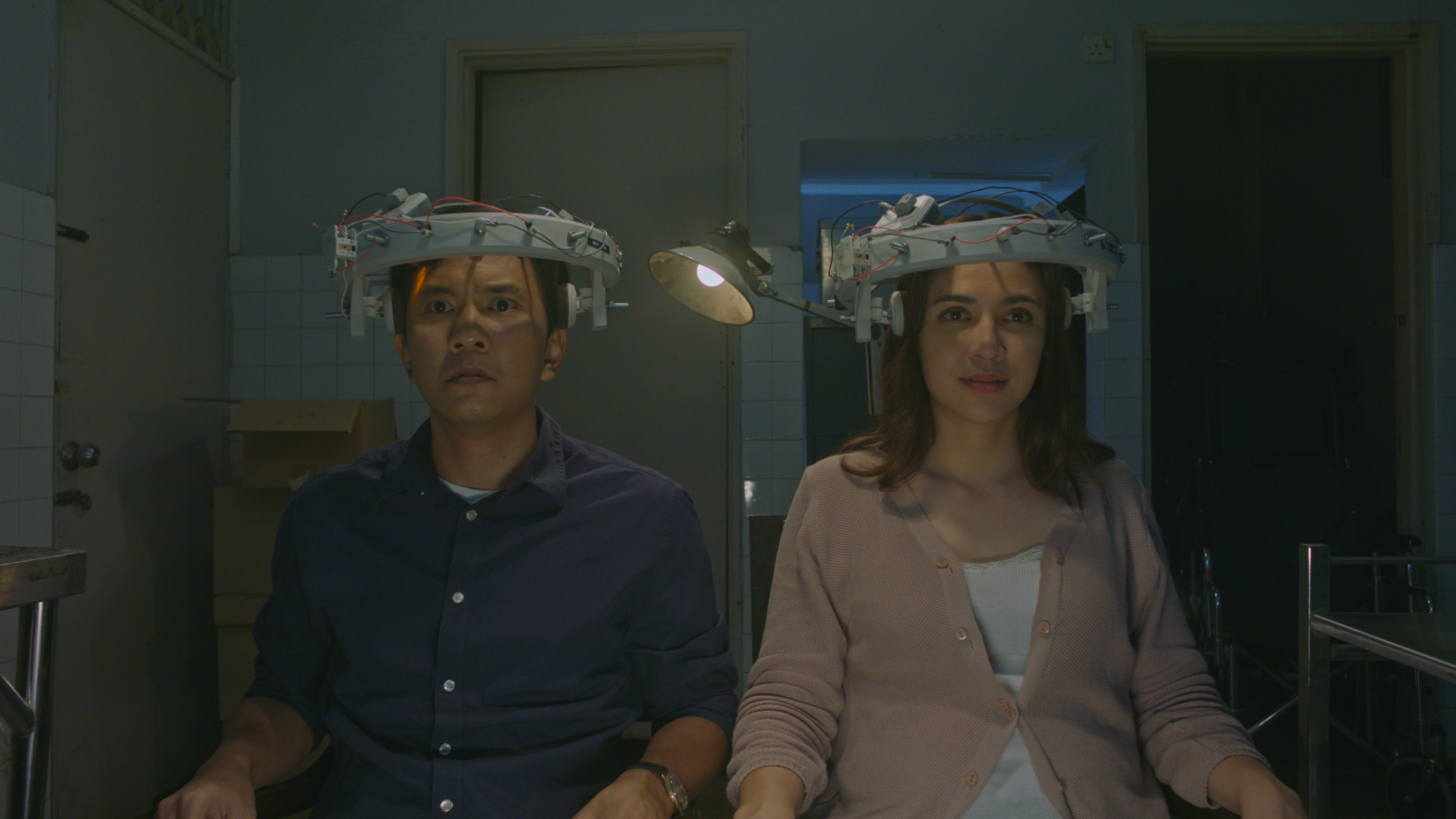
  • Imaginur – a man experiences strange events after taking his father to the hospital.

Mongolia

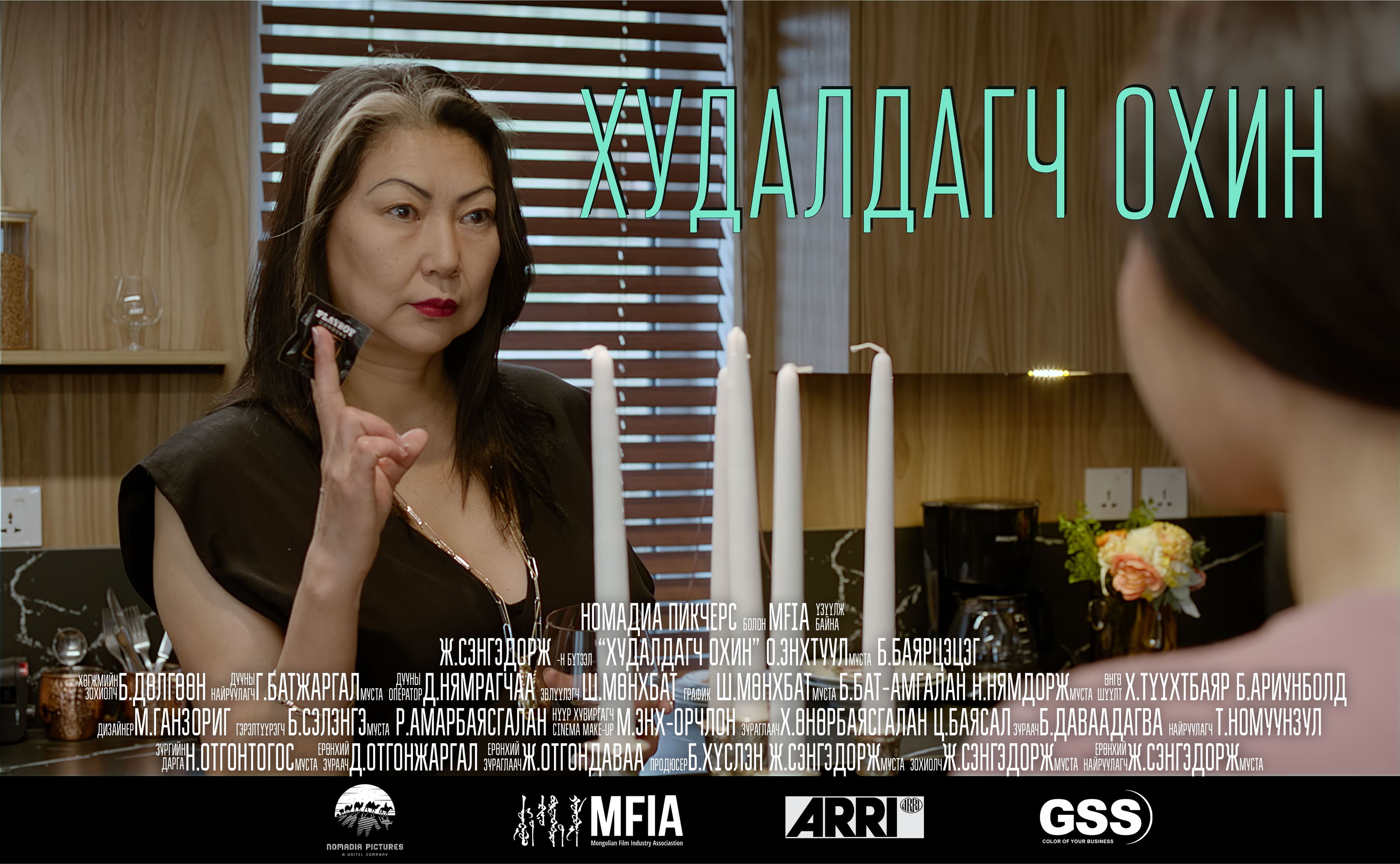
  • The Sales Girl – a diffident student begins to open up after befriending an eccentric middle-aged woman who runs a sex shop in Janchivdorj Sengedorj’s quirky comedy. Review.

Philippines

  • Arisaka – a police officer is ordered to escort an important witness but is ambushed and forced on the run.
  • Big Night! – a happy-go-lucky beautician’s existence is turned inside out when he discovers he’s been placed on a “watch list” in Jun Robles Lana’s extremely dark comedy. Review.

Singapore

  • #LookAtMe – morality tale starring Thomas Pang as a pair of identical twins.

South Korea

  • Alienoid – highly anticipated sci-fi drama from Choi Dong-hoon starring Kim Tae-ri in which aliens open a portal between feudal Korea and the present day.
  • Confession – mystery drama in which a man is accused of a locked room murder.
  • The Girl on a Bulldozer – an angry young woman attempts to turf out the forces of exploitation but discovers them to be far too well entrenched in Park Ri-woong’s steely social drama. Review.
  • Hansan: Rising Dragon – sequel to The Admiral: Roaring Currents following Admiral Yi Sun-sin (Park Hae-il).
  • Hot Blooded – gangster drama in which a low level mobster is dragged into a gang war.
  • I Am More – documentary following Itaewon drag queen More.
  • I Haven’t Done Anything – comedy following an out of work actor’s path to Instagram star.
  • The Killer – a former hitman is charged with babysitting a friend’s daughter only for her to be kidnapped by thugs
  • Next Door – comedy thriller starring Oh Dong-min as a young man who ends up investigating crimes for real while studying for the police exam.
  • Nothing Serious – A young couple meet through a hookup app and then inconveniently realise they like each other in Jeong Ga-young’s zeitgeisty rom-com. Review.
  • Stellar: A Magical Ride – dramedy in which a man comes to understand his father while on the run in his beat up Hyundae Stellar.
  • Perhaps Love – A blocked writer’s already complicated life is thrown into confusion when a young protege arrives to profess his love in Cho Eun-ji’s heartwarming dramedy. Review.
  • The Swordsman – a master swordsman is dragged back into the world of courtly intrigue years after renouncing the code of violence when his daughter is taken by slavers in Choi’s gritty action drama. Review.

Taiwan

  • The Funeral – folk horror in which a struggling single mother must fight for her daughter’s life.
  • Life for Sale – drama in which a struggling insurance broker decides to offer his own life on the internet.
  • Mama Boy – romantic drama in which a young man falls for a single mother working at a love hotel
  • My Best Friend’s Breakfast – campus romcom in which a young woman accidentally makes a guy think her friend has a crush on him.
  • Reclaim – drama in which a teacher’s life changes while trying to buy a bigger apartment.
  • Terrorizers – drama revolving around an angry young man who goes on a public slashing attack.

Thailand

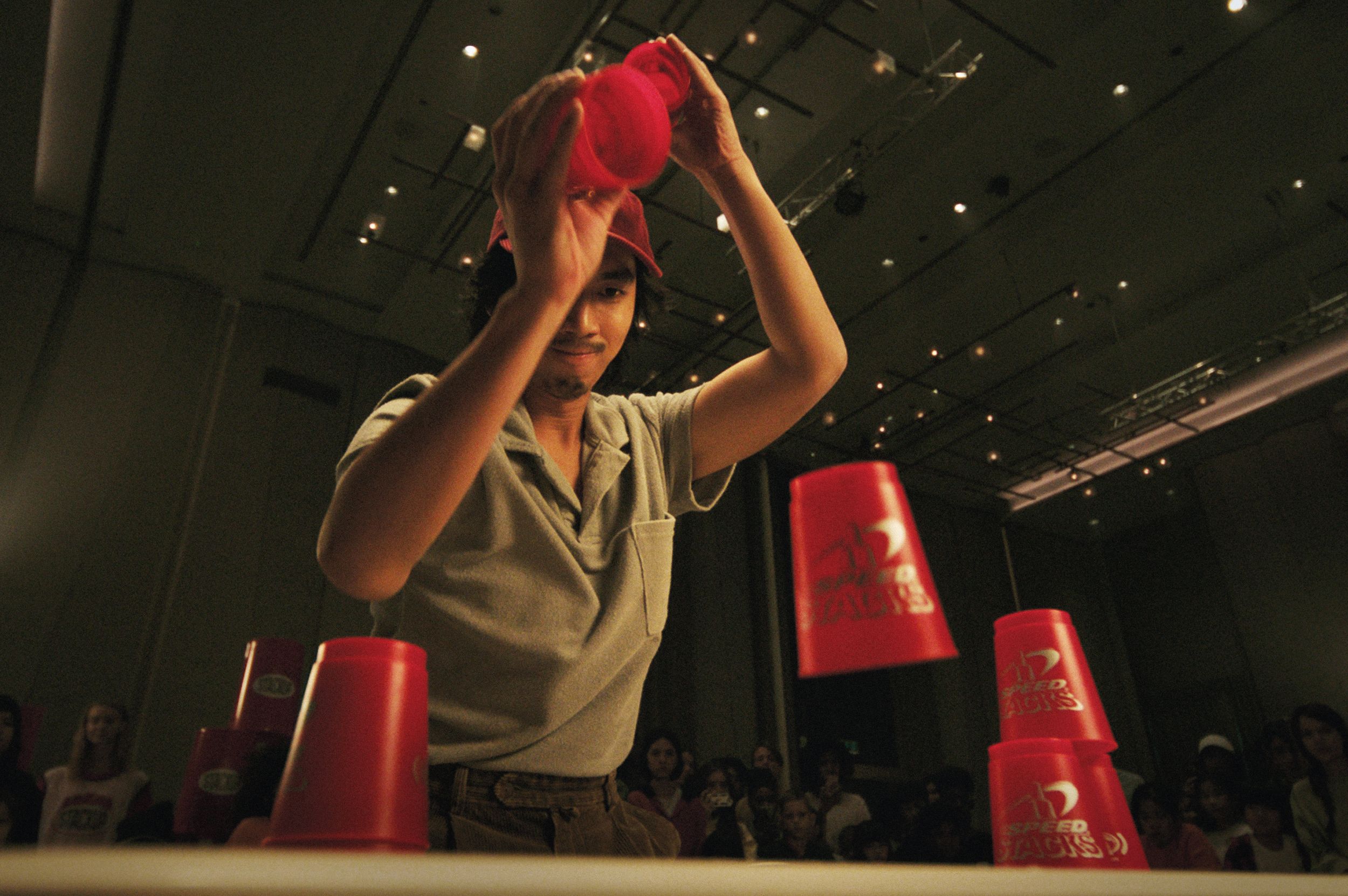
  • Fast & Feel Love – drama in which a world champion sport stacker has to learn to look after himself after his girlfriend dumps him.

The New York Asian Film Festival runs from 15th June to 31st July. Full details for all the films are available via the official website where you can also find screening times and ticketing information. You can also keep up with all the latest festival news via the official Facebook Page and Twitter account.

July Rhapsody (男人四十, Ann Hui, 2002)

“Not every ending fulfils your expectations” a weary mother advises her son sharing long buried family secrets which will at least set them free if not perhaps happily. Scripted by Ivy Ho, Ann Hui’s July Rhapsody (男人四十) is as the Chinese title “a man at 40” implies a film about mid-life crises and quiet desperation as a middle-aged school teacher begins to resent the loss of his youth while transgressively drawn to a free-spirited student. 

Lam (Jacky Cheung Hok-Yau) describes himself as “stiff”, a “boring” man who teaches Chinese literature to disinterested students while privately consumed by a sense of inferiority observing with envy the yachts that litter the horizon on a trip to the beach with his son. At a reunion dinner he gets up with irritation when one of his former classmates now a wealthy financier tries to pay the bill for everyone insisting on paying his own way while perhaps exposing the sense of belittlement he feels around his more successful friends. His wife Ching (Anita Mui Yim-Fong) questions his decision pointing out that even if he could afford to pay his bit perhaps his friend Yue (Eric Kot Man-Fai) couldn’t and would feel equally insulted should Lam simply agree to pay his share too. To add insult to injury, one of his friends also wants to hire him to tutor his young son in classical Chinese poetry which leaves him feeling somewhat humiliated but on the other hand not wanting to turn the money down. 

These feelings of dissatisfaction with the way his life has turned out only intensify as he reaches the age of 40 and begins to feel his options narrowing wondering if this is really all there is. He and Ching recall a melancholy poem they learnt at school in which a scholar on a boat laments “the limitations of life” only for the poem to be ironically cut short when the couple’s younger son, Stone, comes to fetch his mum because the soup is boiling dry. Even without knowledge of the final revelations told in a two part story divided between a mother and a father to a son, we can gather that Lam married extremely young and became a father soon after. He studied at night school and became a teacher as a steady job to provide for his family and perhaps to a degree resents them for limiting his choices. His classmates, aside from Yue, all went on to find more lucrative careers while he lives in a small two bed flat snapping at his wife that he’s unlikely to find the money to buy a bigger one. 

When he irritably tells her a tube of glue they bought is “all dried up” it sounds like an insult and a way of describing their moribund relationship. Beginning to bond with free-spirited high school girl Wu (Karena Lam Ka-Yan), Lam initiates intimacy with Ching but then turns away leaving her lonely and disappointed. She meanwhile explains to him that a figure from their past whom he seems to resent has become ill and is all alone. She would like to care for him but only with Lam’s consent which he gives but grudgingly. Talking to her son, Ching admits that she isn’t sure if she’s helping this man out of pity or because she simply wants to see him suffer given the effect he has had on her life. Similarly Lam later confesses to Wu that he may have befriended Yue because he was a poor student and unpopular. At his side, Lam was always going to look good bearing out his sense of insecurity in wanting to be seen as the best, idolising his Chinese literature teacher and desperate for his praise only to find himself ironically echoing his transgressions in allowing himself to be seduced by a student. 

Ironically enough, Lam tells his son that he became a teacher because he sat behind Ching in class and wanted to stand out front so that he could see her face. Wu represents for him that same innocent teenage romance, but also a sense of the path not taken in her free-spiritedness and confidence. Lam followed the conventional path, did everything right, and now he’s unhappy. Wu rejects education and goes straight into business, supported by a wealthy father, planning to go travelling in India to look for new stock for her shop. His sons too perhaps echo his conflicting desires, Ang the older studious and responsible, and the younger Stone (changing his name to the cooler “Rocky”) uninterested in his studies. The melancholy poem which frequently recurs hints at a parting while husband and wife each attempt to resolve something but are left only with uncertainty and perhaps tragically in opposing positions in considering the further course of their lives. 

This very literary drama is related in a series of stories, Lam’s told to his son first in person and then in a letter, followed by Ching’s and the constant stream of classical Chinese poetry that floods the screen guiding the couple towards the expanse of the Yangtze River. As Ching had said, not every ending fulfils your expectations because in the end life is not so neatly packaged. There may be no real accommodation with middle-aged disappointment but there may be new ways forward to be found in resolving the traumatic past.


July Rhapsody screens at Garden Cinema, London on 10th July as part of Focus Hong Kong’s Making Waves – Navigators of Hong Kong Cinema.

Original trailer (Traditional Chinese / English subtitles)

Comrades, Almost a Love Story (甜蜜蜜, Peter Chan, 1996)

“Fate brings people together, no matter how far” according to a wise old chef in early ‘90s New York. He’s not wrong though Peter Chan’s seminal 1996 tale of fated romance Comrades, Almost a Love Story (甜蜜蜜) is in its own way also about partings, about the failure of dreams and the importance of timing in the way time seems to have of spinning on itself in a great shell game of interpersonal connection. But then, it seems to say, you get there in the end even if there wasn’t quite where you thought you were going. 

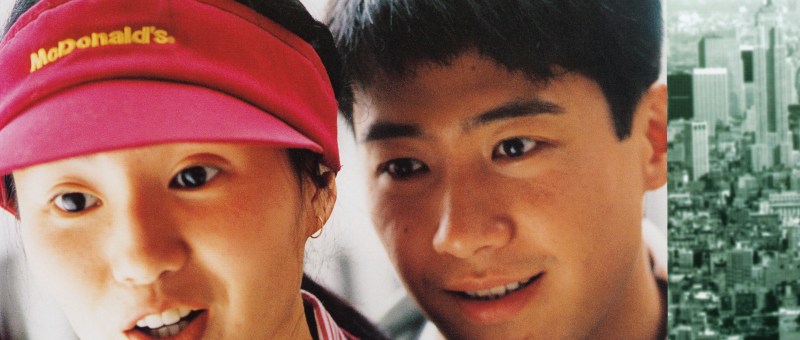
As the film opens, simple village boy from Northern China Xiaojun (Leon Lai Ming) arrives in Hong Kong in search of a more comfortable life intending to bring his hometown girlfriend Xiaoting (Kristy Yeung Kung-Yu) to join him once he establishes himself. His first impressions of the city are not however all that positive. In a letter home, he describes the local Cantonese speakers as loud and rude, and while there are lots of people and cars there are lots of pickpockets too. It’s in venturing into a McDonald’s, that beacon of capitalist success, that he first meets Qiao (Maggie Cheung Man-Yuk), a cynical young woman hellbent on getting rich who nevertheless decides to help him by whispering in Mandarin realising he doesn’t understand the menu. Hailing from Guangdong, Qiao can speak fluent Cantonese along with some English and thus has much better prospects of succeeding in Hong Kong but takes Xiaojun under wing mostly out of loneliness though accepting a kickback to get him into an English language school where she piggybacks on lessons while working as a cleaner. Bonding through the music of Teresa Teng, they become friends, and then lovers, but Xiaojun still has his hometown girlfriend and Qiao still wants to get rich. 

As we later learn in one of the film’s many coincidences, Xiaojun and Qiao arrived on the same train if facing in different directions. Hong Kong changes each of them. When Xiaojun eventually manages to bring Xiaoting across the border, he’s no longer the simple village boy he was when he arrived while Qiao struggles with herself in her buried feelings for Xiaojun unwilling to risk the vulnerability of affection but visibly pained when confronted by Xiaojun’s responsibility to Xiaoting. She finds her mirror in tattooed gangster Pao (Eric Tsang Chi-Wai) who, like her, shrinks from love and is forever telling her to find another guy but is obviously hoping she won’t as afraid of settling as she is. 

For each of them this rootlessness is born of searching for something better yet the irony is as Xiaojun says that Hong Kong is a dream for Mainlanders, but the Mainland is not a dream for most in Hong Kong who with the Handover looming are mainly looking to leave for the Anglophone West. Qiao’s early business venture selling knock off Teresa Teng tapes fails because only Mainlanders like Teresa Teng so no-one wants to buy one and accidentally out themselves in a city often hostile to Mandarin speakers as Xiaojun has found it to be. What they chased was a taste of capitalist comforts, Qiao literally working in a McDonald’s and forever dressed in Mickey Mouse clothing which Pao ironically imitates by getting a little Mickey tattooed on his back right next to the dragon’s mouth. But when they eventually end up in the capitalist homeland of New York, a driver chows down on a greasy, disgustingly floppy hamburger while Qiao finds herself giving tours of the Statue of Liberty to Mainland tourists in town to buy Gucchi bags who tell her she made a mistake to leave for there are plenty of opportunities to make money in the new China. 

Ironically enough it’s hometown innocence that brings them back together. The ring of Xiaojun’s bicycle bell catches Qiao’s attention though she’d thought of it as a corny and bumpkinish when he’d given her rides on it in their early days in Hong Kong. Xiaojun had in fact disposed of it entirely when Xiaoting arrived partly for the same reason and partly because it reminded him of Qiao. The pair are reunited by the death of Teresa Teng which in its own way is the death of a dream and of an era but also a symbol of their shared connection, Mainlanders meeting again in this strange place neither China nor Hong Kong, comrades, almost lovers now perhaps finally in the right place at the right time to start again. Peter Chan’s aching romance my suggest that the future exists in this third space, rejecting the rampant consumerist desire which defined Qiao’s life along with the wholesome naivety of Xiaojun’s country boy innocence, but finally finds solid ground in the mutual solidarity of lonely migrants finding each other again in another new place in search of another new future. 


Comrades, Almost a Love Story screens at Soho Hotel, London on 9th July as part of Focus Hong Kong’s Making Waves – Navigators of Hong Kong Cinema.

Short clip (English subtitles)

Teresa Teng – Tian Mi Mi

Tales from the Occult (失衡凶間, Fruit Chan, Fung Chih-Chiang, Wesley Hoi Ip-Sang, 2022)

A collection of Hong Kongers contend with the hidden horrors of the contemporary society in the first instalment in a series of anthology horror films, Tales from the Occult (失衡凶間,). Veterans Fruit Chan and Fung Chih-Chiang are accompanied by Wesley Hoi Ip-Sang making his directorial debut as the three directors each tackle lingering terrors as the protagonists of the three chapters are quite literally haunted by past transgressions from a pop singer on the edge consumed with guilt over a teenage trauma, to a sleazy financial influencer who might inadvertently have killed a hundred people, and the denizens of a rundown tenement who are too afraid to report a possibly dangerous presence to the police lest it damage the property value of their flats. 

In Wesley Hoi Ip-Sang’s opening instalment The Chink, a carefree high school girl chasing a stray cat stumbles on the body of a burglar who apparently fell from the rooftops and was trapped in a tiny cavity between two buildings. Some years later Yoyi (Cherry Ngan) has become a successful pop star but is still haunted by her failure to report the body to the police all those years ago worried that perhaps if she had he might have been saved though he had obviously been dead for some time when she found him. Her kindly psychiatrist uncle Ronald (Lawrence Cheng Tan-shui) tries to assuage her anxiety but fails to consider that there might actually be a dark presence in her new flat. Meanwhile, she’s also under considerable stress given that she’s in an ill-defined relationship with Alan, her married manager, who eventually brands her “mentally unstable”, and she’s somehow oblivious to the fact her high school best friend is clearly in love with her. Even so, as it turns out, perhaps you can also be haunted by the living while there are some threats that even the most well-meaning of psychiatrists is ill-equipped to cure. 

It’s ironic in a sense that Yoyi was provided with her new apartment as a path towards an illusionary freedom which is really only a means for Alan to exert greater control over her life while the heroine of Fung Chih-Chiang’s final sequence The Tenement has in a sense chosen seclusion in installing herself in a moribund tenement block in order to concentrate on her writing. The contrast between the two buildings couldn’t be more stark but even the tenement dwellers are paranoid about house prices while assuming the creepy, water-drenched presence encountered by author of pulpy internet novels Ginny (Sofiee Ng Hoi Yan) is an attempt by developers to scare them out of their homes amid Hong Kong’s horrifyingly competitive housing market. Still, like Yoyi they are each haunted by past transgressions but pinning the blame on former gangster Frankie Ho (Richie Jen) who was once accused of drowning a man. What began as a haunting soon descends into farce as they realise the “water ghost” seems to be a young woman who has passed away in their stairwell and decide to “dispose” of her with Frankie’s help to avoid a scandal destroying the value of their homes. But then, all is not quite as it seems as the sudden appearance of a journalist investigating a scandalous “love crime” makes clear. 

Fruit Chan’s middle chapter Dead Mall also takes aim at internet investigators and dodgy “influencers” as sleazy financial snake oil vlogger Wilson (Jerry Lamb) fetches up at a shopping centre surrounded by shoppers in masks to advertise that the mall is actually doing fine despite the economic downturn produced by the pandemic which he describes as worse than that of SARS. In reality the mall is “dead” with barely any customers and rows of shuttered stores, Wilson is simply doing a paid post in an attempt to raise its fortunes not least because the original mall was destroyed in a fire 14 years previously started by a carelessly discarded cigarette. Wilson is pursued not only by those who claim they lost money because of his terrible financial advice, but by a paranormal live streamer who has a separate grudge against him while he continues to refuse any responsibility for his actions answering only that investment carries risk and there’s no opportunity without crisis. What he discovers is perhaps that you reap what you sow, Chan frequently cutting to hugely entertained netizens baying for his blood while he attempts to outrun his fiery karma. 

In each of the increasingly humorous storylines, Chan’s being a particular highlight of wit and irony, there is a lingering dissatisfaction with the contemporary society from the pressures of the fiercely competitive housing market to the kind of financial desperation and longing for connection that fuels the consumerist emptiness of influencer culture. The jury might be out on whether there’s really any such thing as “ghosts” but the haunting is real enough even if it’s only in your mind. 


Tales from the Occult screens at the Garden Cinema, London on 9th July as part of Focus Hong Kong’s Making Waves – Navigators of Hong Kong Cinema.

Original trailer (English subtitles)

Anita (梅艷芳, Longman Leung Lok-man, 2021)

“I have the spirit of Hong Kong in me, I won’t resign to fate so easily” insists Anita Mui in a television interview following a year-long career break after a slap in a karaoke bar earned by standing up to a drunken gangster sparked a turf war and sent her into a temporary exile in Thailand. Running away wasn’t something Anita Mui was used to, though she had been it seems humbled by the experience and in Longman Leung Lok-man’s perhaps at times overly reverential biopic of the star who passed away of cancer at 40 in 2003, primed to rise stronger than before with greater focus and determination to serve the people of her home nation. 

Leung does indeed paint Anita (Louise Wong) as a daughter of Hong Kong, opening with her childhood as a vaudeville double act with self-sacrificing sister Ann (Fish Lew) in 1969. Jumping forward to 1982, the pair enter a TV talent competition but only Anita makes through to the final and then eventually wins launching herself into superstardom and path to success that later seems to her to have been too easy. Indeed, Leung frequently cuts to montage sequences featuring stock footage of the real Anita Mui receiving a series of awards and eventually moving into a successful film career with her appearance in Stanley Kwan’s Rouge bringing her best friend Leslie Cheung (Terrance Lau Chun-him) with her as she goes. 

If there’s a defining quality beyond her defiance that Leung is keen to capture, it’s Anita’s generosity and kindheartness. In the opening sequence, the 6-year-old Anita goes to great pains to rescue a balloon trapped in a tree for a little boy who then runs off happily forgetting to say thank you. Ann tells her off for going to trouble for someone who couldn’t even be bothered to say thanks but as she said it makes no difference she’d just just have told him it was no bother and the whole thing would be a waste of time. Her path to fame is not one of ruthless, she is keen to pay it forward and to help others where she can. She is obviously pained when her sister is cut from the competition and mindful of her feelings while bonding with life-long friend Leslie Cheung after his performance at a nightclub bombs while hers is a hit thanks in part to her ability to charm her audience in three different languages switching from Cantonese to Mandarin for a contingent of Taiwanese guests and Japanese for a gaggle of businessmen sitting at the back during a rendition of classic unifier Teresa Teng’s Tsugunai. 

Then again, though we see much of Anita Mui’s post-comeback charity work including that to raise money for flood victims in Taiwan, we obviously do not see any of her pro-democracy political activism or role in assisting those fleeing the Mainland after Tiananmen Square. Such controversial aspects of her life may be taboo for the contemporary Hong Kong or indeed Mainland censor, as perhaps are any overt references to Leslie Cheung’s sexuality even if Anita’s other key relationship, her stylist Eddie, is played with a degree of camp by a fatherly Louis Koo. For similar reasons, despite the emphasis on supporting other artists her major protege Denise Ho, who was recently arrested for her support of Hong Kong independence, is also absent. 

Meanwhile, the film is otherwise preoccupied with a more literal kind of maternity in directly contrasting the course of Anita’s life with that of her sister Ann who married and had children but later passed away of the same disease that would claim Anita just a few years later. The film presents her life as one of romantic sacrifice, that she was forced to choose between love and career and never found true romantic fulfilment. The love of her life, according to the film, was Japanese idol Yuki Godo (Ayumu Nakajima) who was more or less ordered to break up with her because the Japanese idol industry is much more controlling of its stars than that of Hong Kong, only his real life counterpart Masahiko Kondo was actually involved in a fair amount of scandal a short time later having become engaged to a Japanese idol who broke into his apartment and attempted to take her own life after he broke up with her and began dating another pop star. Anita is often described as the Hong Kong Momoe Yamaguchi with whom she shares her low and husky voice as well as rebellious energy, though Momoe Yamaguchi in fact retired quite abruptly after marrying her on-screen co-star and devoted herself to becoming the perfect housewife and mother in an echo of the romantic destiny the film implies continually eluded Anita culminating in her decision to marry the stage during her final concert. 

At the end, however, the film returns to her as a daughter of Hong Kong embodying a spirit of rebellion it subversively hints is now in danger of being lost. Yet Anita refused to resign herself to fate, ignoring her doctor’s advice to stop singing after developing polyps in her vocal chords and again when told to stop working during her treatment for cancer. Her defiance and resilience along with the conviction that anything is possible if you want it enough echo the spirit of Hong Kong in 2003 though later wounded by her loss and that of Leslie Cheung who tragically took his own life a few months before Anita too passed away. Featuring a star-making turn from model Louise Wong in her first acting role, Leung’s brassy drama capturing the fervent energy of Hong Kong in its pre-Handover heyday is a fitting tribute to the enduring spirit of its defiant heroine. 


Anita screens at the Soho Hotel, London on 8th July as part of Focus Hong Kong’s Making Waves – Navigators of Hong Kong Cinema.

International trailer (English subtitles)

Teresa Teng’s Tsugunai

Momoe Yamaguchi – 曼珠沙華 (Manjushaka)

Anita Mui – 曼珠沙華