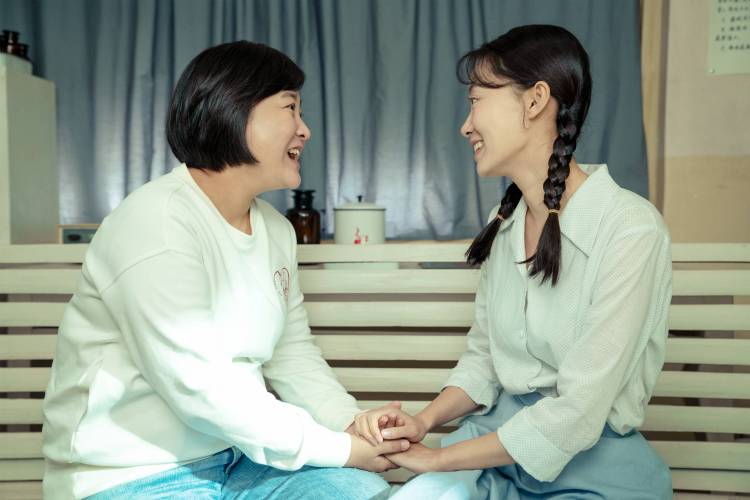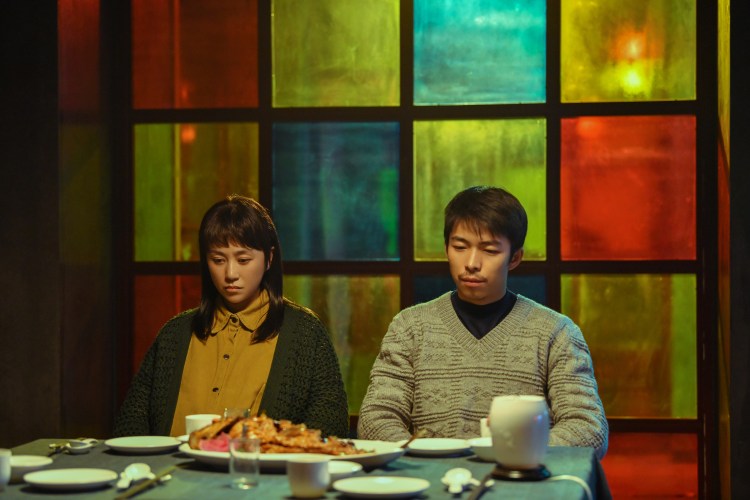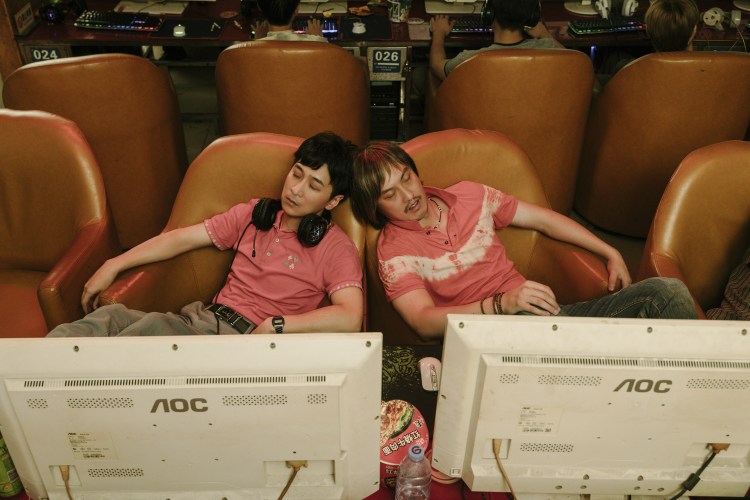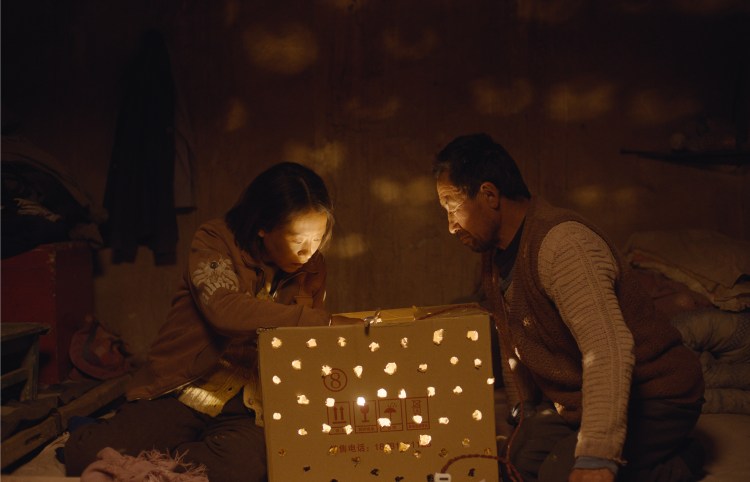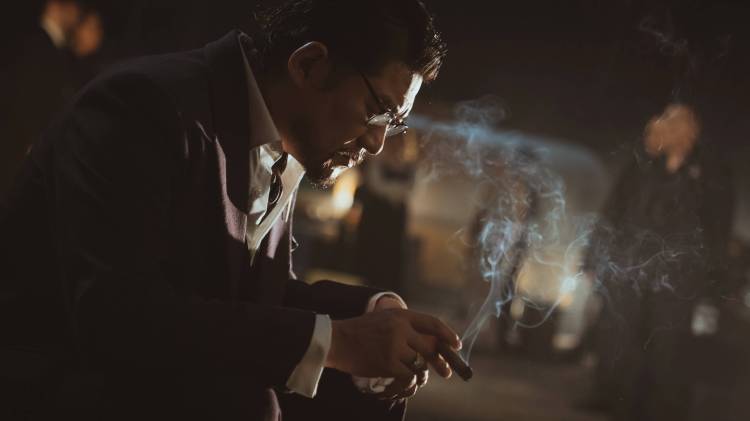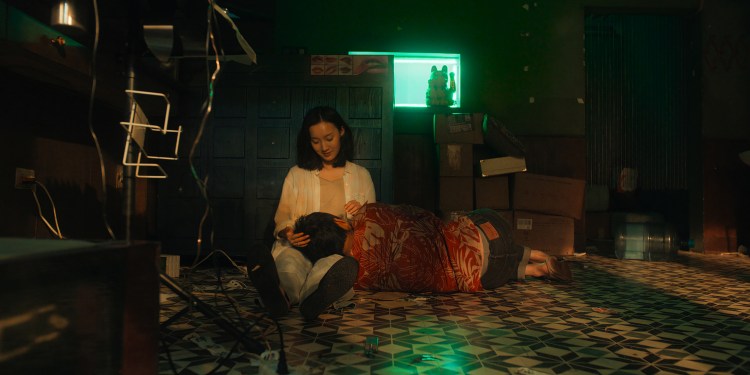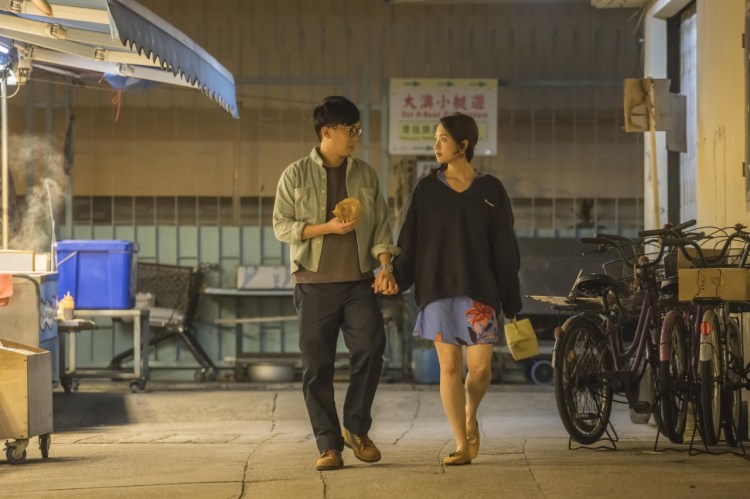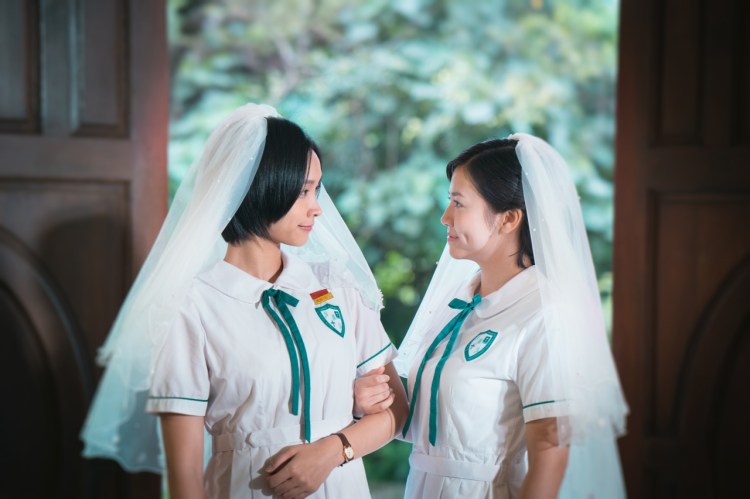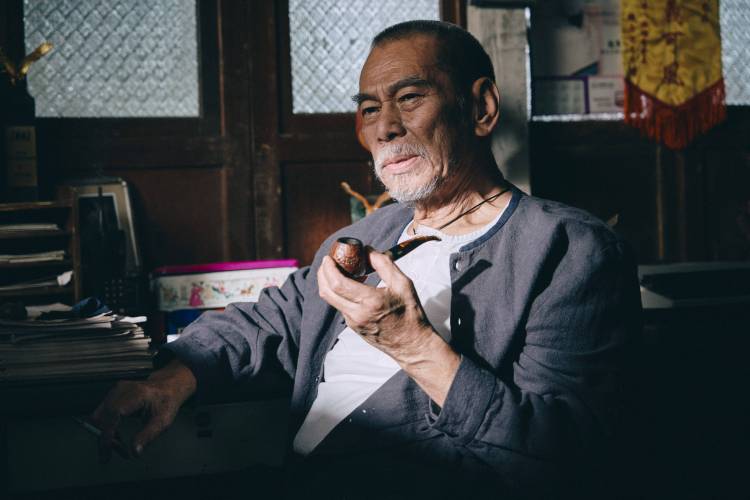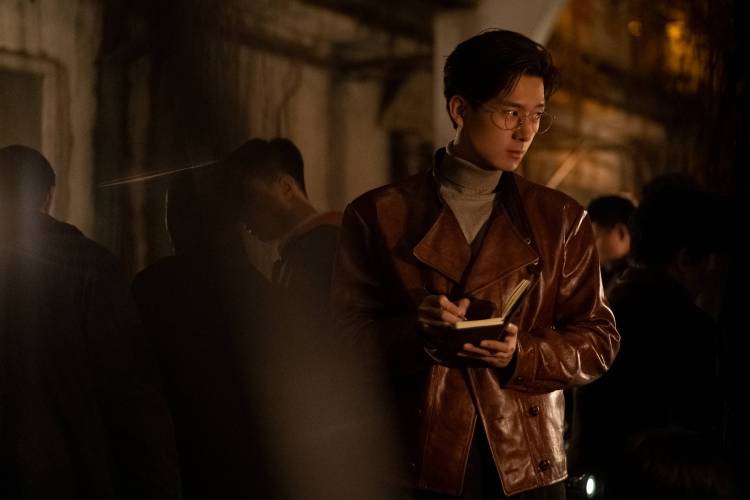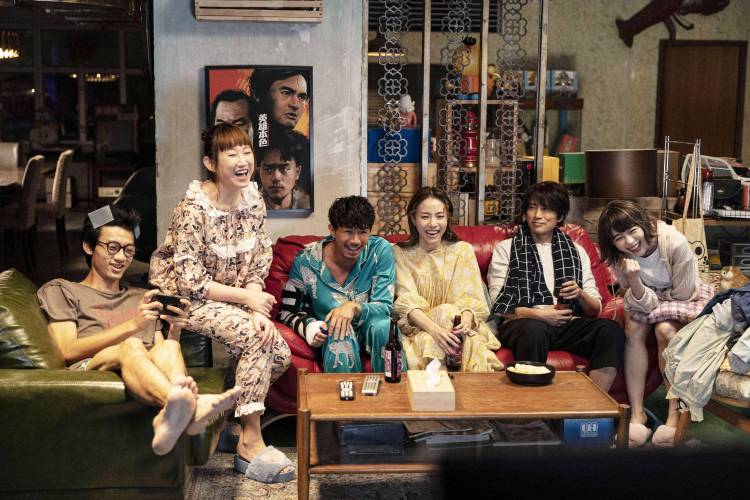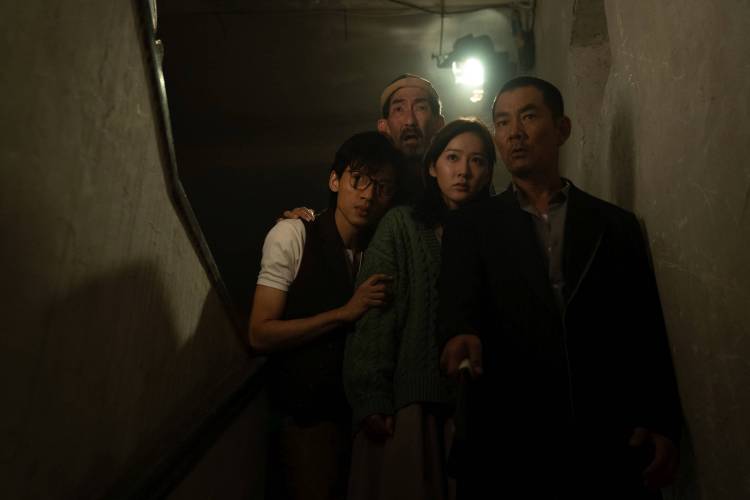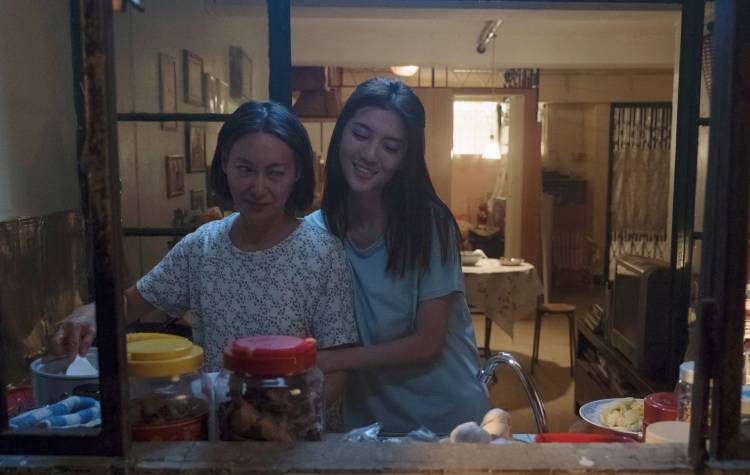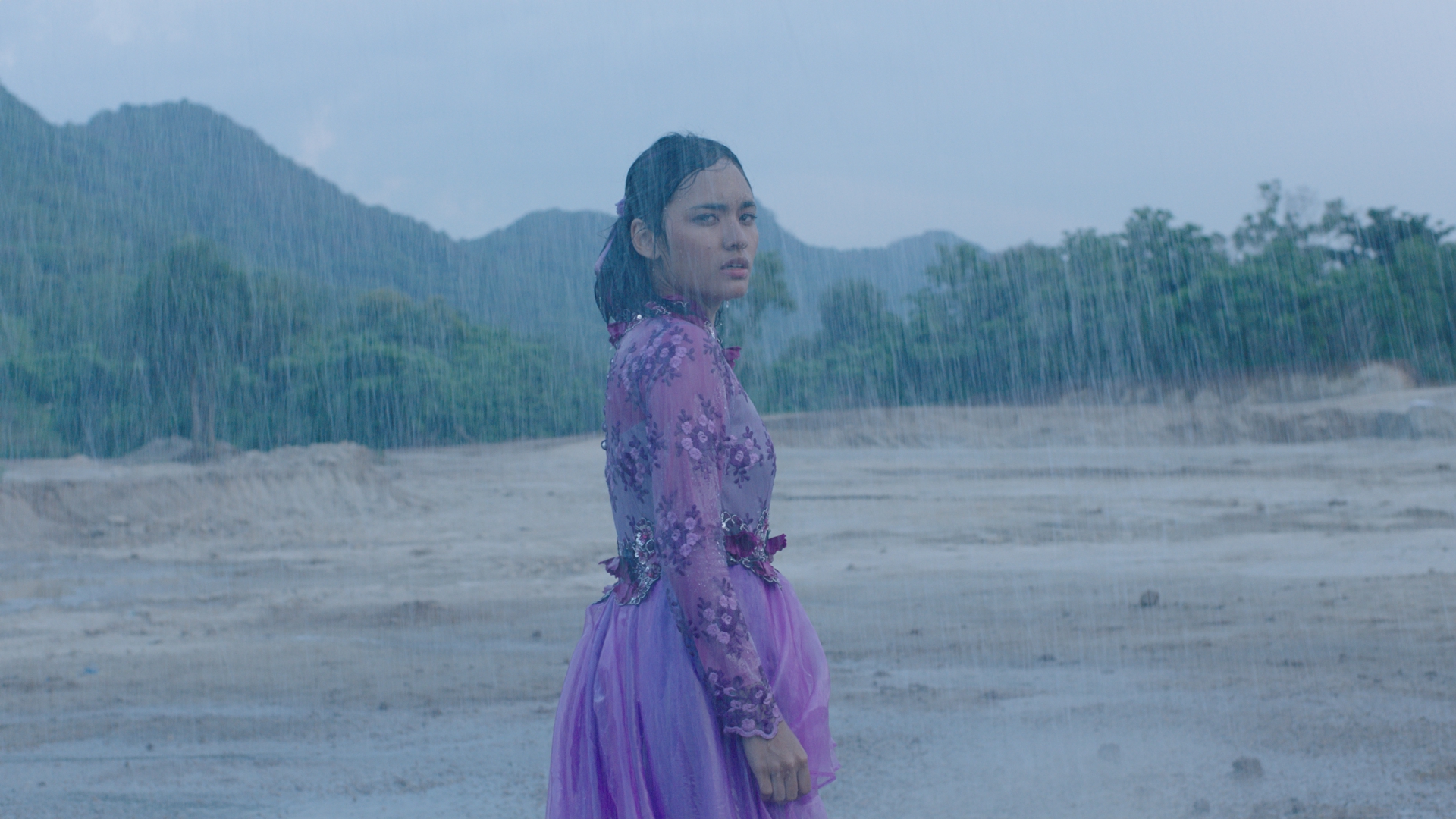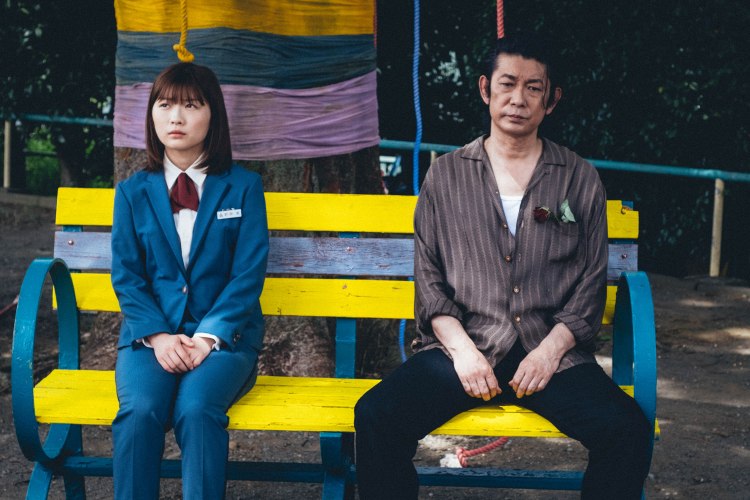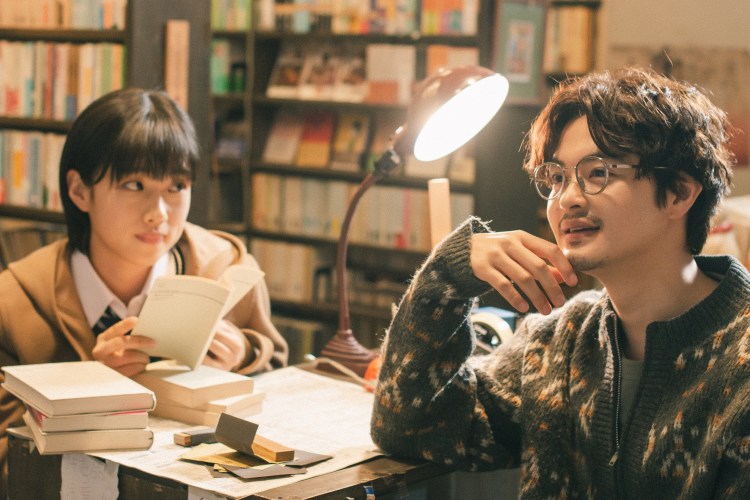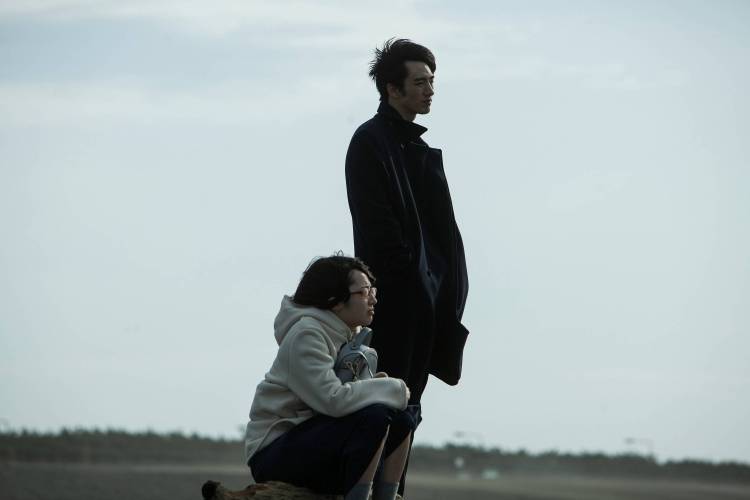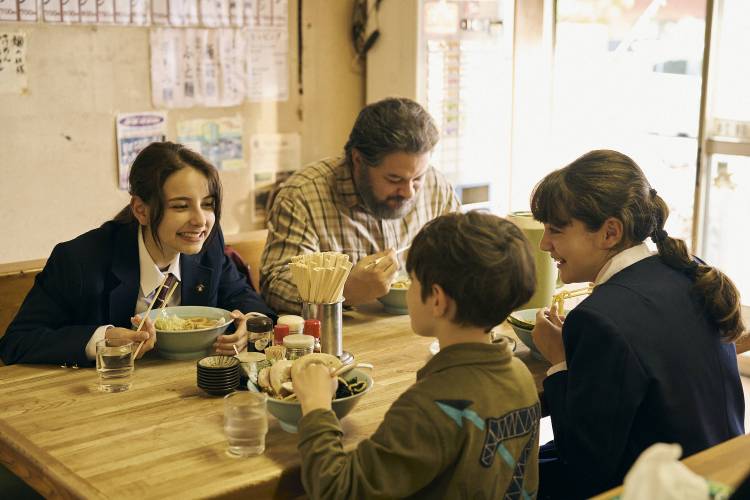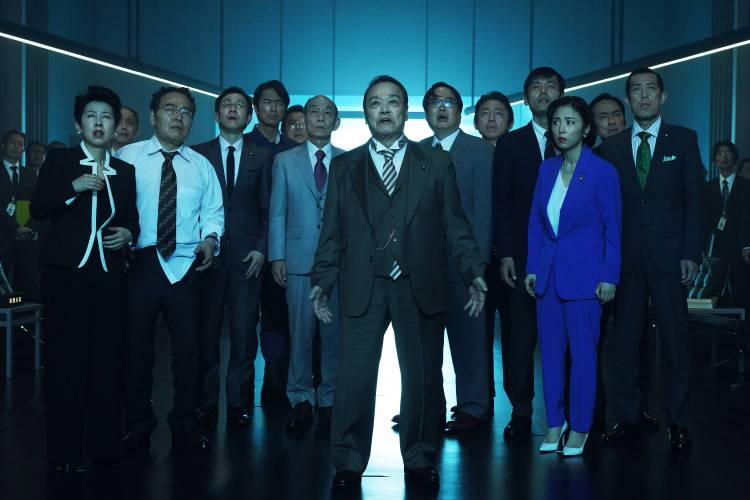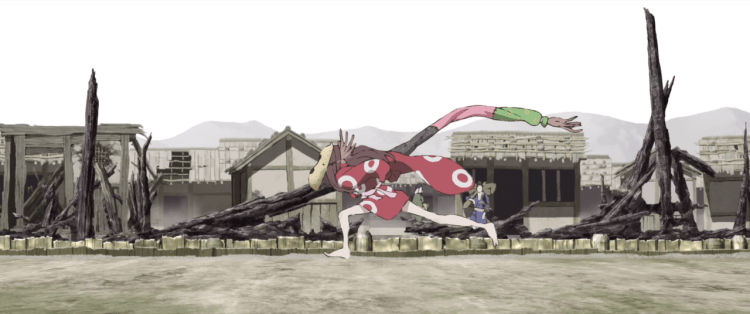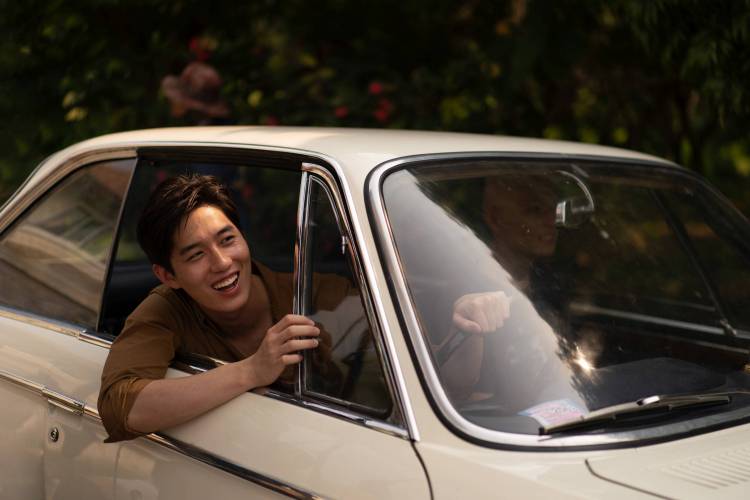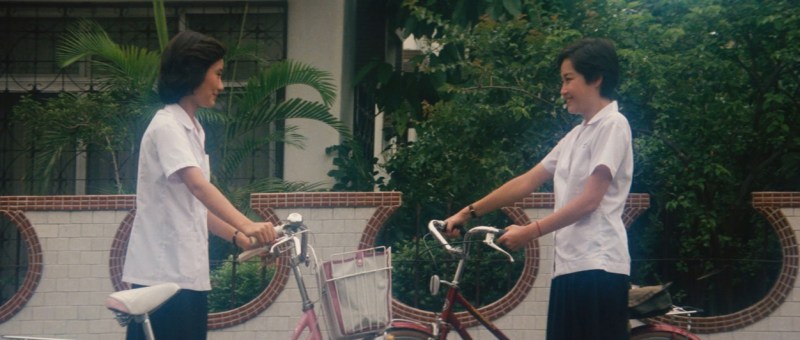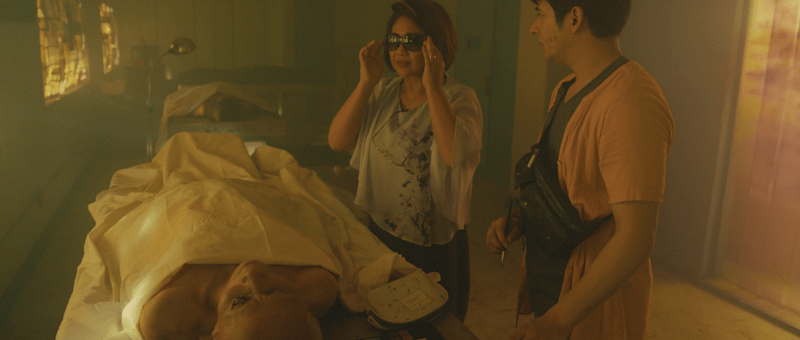
Big Night! (Jun Robles Lana, 2021)

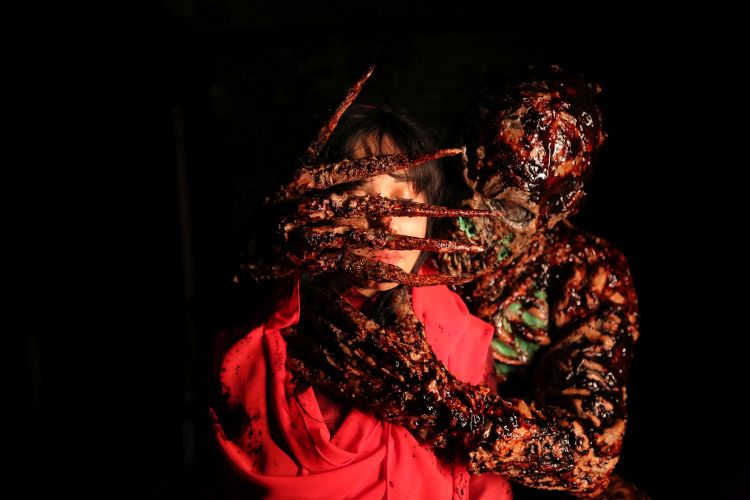
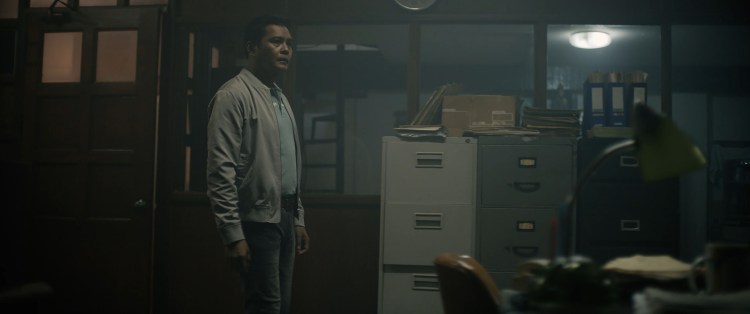
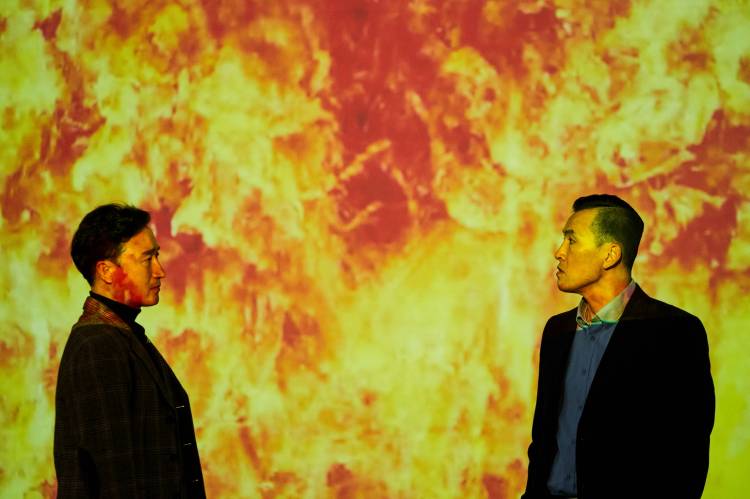
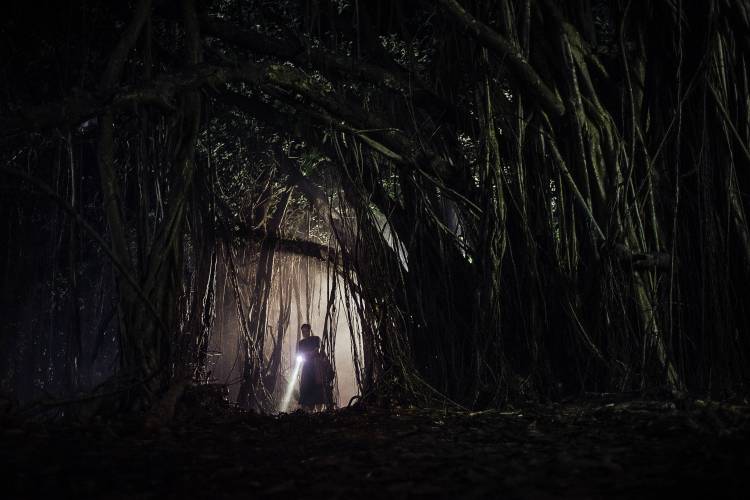
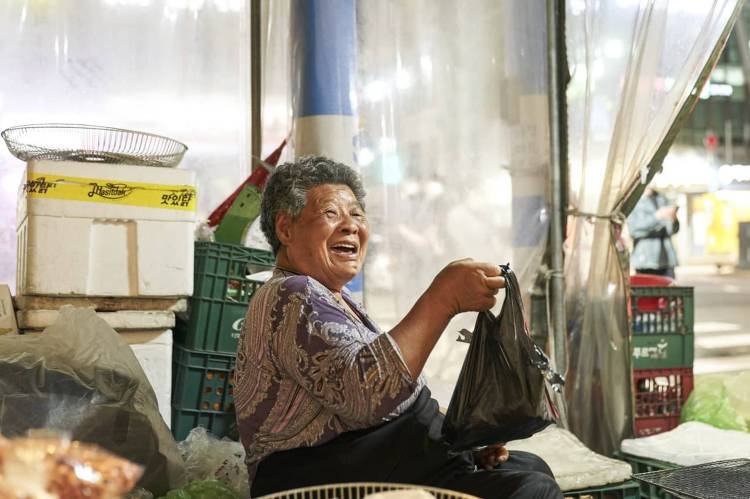
In the opening scenes of Jun Robles Lana’s darkly comic farce Big Night! a young man is shot in the head by another young man, this one wearing a motorcycle helmet with its visor down, who calmly walks away and gets back on the back of the bike he arrived on his friend then driving them both away. Of course people are shocked but then again not all that much, they barely pause despite the fact that his man, Ronron, was well known to them and no one really thought he had much to do with drugs. Beautician Dharna (Christian Bables) gossips about the killing with his friend Biba but gives it little thought before returning to his day, so normalised has death on the streets become in Duterte’s Philippines. 

Dharna may not have given much thought to extrajudicial killings, but then it’s different when it’s you who might be next in the firing line as he discovers when Biba gets an advance view of the following day’s “Watch List” from her law enforcement boyfriend. What ensues is a kafkaesque quest to clear his name though there’s no real “official” path towards getting off a watch list when you’re on one. His boyfriend Zeus who is due to perform in a “Big Night” pageant at a local gay bar that very night suggests simply fleeing to another district, but flight implies guilt and as Dharna points out he’ll lose all his customers if he has to move to another area and neither of them have the money to start all over again somewhere new. Like many of Dharna’s friends and acquaintances Zeus doesn’t seem to share his concern. “The police won’t bother you if you’re not doing anything illegal” he naively advises, sure it’s all just a random mistake that soon will blow over but otherwise so numbed to the idea of extrajudicial killing that he doesn’t really think too much of it and is mainly annoyed that Dharna has lost interest in helping finish his costume for the big show. 

Neither of them can think of a reason why Dharna, under his full legal name, would have been placed on a list as he’s not a drug user and doesn’t know anyone who is. He does, however, have some useful connections including local law enforcement official Cynthia who isn’t terribly interested or helpful but manipulates his anxiety to force him to help her out by filling in for her regular mortician, Connie, who has mysteriously not shown up for work. The morgue is currently overflowing, Cynthia making a dark joke that undertaking is a growth industry while revealing that there are so many bodies in part because families have to pay a fee to get them back and most of those involved in extrajudicial killings are from the slums so they can’t afford it. Even so, she explains to Dharna that they get more donations when families can see the body which is why he’s supposed to make them up to look as good as they can despite many of them having sustained gunshot wounds to the head or face. 

Cynthia sends him on to local community leader Roja warning him that he’s “allergic to gays” while he too makes Dharna do his bidding pointlessly walking laps around a fountain in some sort of macho display of endurance while insisting that he’s so anti-drug that even if he gets a stomach upset he just powers through it with raw masculine energy. He too is a self-interested hypocrite spouting religious nonsense while hanging out in “massage parlours”, dangling the idea of salvation but unprepared to grant it. Dharna wonders if it might have been someone from the area where he grew up who reported him but discovers that unlicensed midwife Melba (Janice De Belen) makes a point of not putting any names forward at all and is herself willing to risk breaking the law to help women in need who are denied medical treatment because of their poverty.

It’s impossible to avoid the implication that this is happening to Dharna in part because he’s poor and powerless in an authoritarian and hierarchal society but he’s eventually forced to consider that someone may have put his name in a drop box anonymously, that perhaps they gave a random name when someone asked for one to save their own, because they had something against him, or sought to profit in some way from his absence. Like the witch trials of old, the war against drugs is another tool that can be manipulated for personal gain and so inured to violence has the society become that many are prepared to use it. Dharna finds himself at the centre of a random conspiracy in which he has no other option than to accept his complicity or die, discovering that as the radio report that opened the film had suggested the same officials in charge of prosecuting the war on drugs are in fact secretly using it to secure their stranglehold over the local drugs trade. 

Dharna finds himself compromised at every turn, beginning by offering free haircuts to help his case to progressing to covering up state crime, literally, by repairing the faces of the dead and graduating to faking a seizure in an ambulance to bypass a checkpoint. At the hospital he is confronted by the face of an old lady filled with despair one hand holding that of a little girl and the other a pair of bloody sandals before she simply collapses. Dharna tries to wash the sandals clean but there’s only so much you can do when the stain runs so deep. The irony of his big night taking place on All Souls Day is not lost though there’s precious little time for honouring the dead when your survival can no longer be assured. 


Big Night screens at UltraStar Cinemas Mission Valley, San Diego April 23/27 as part of this year’s SDAFF Spring Showcase.

Original trailer (English subtitles)
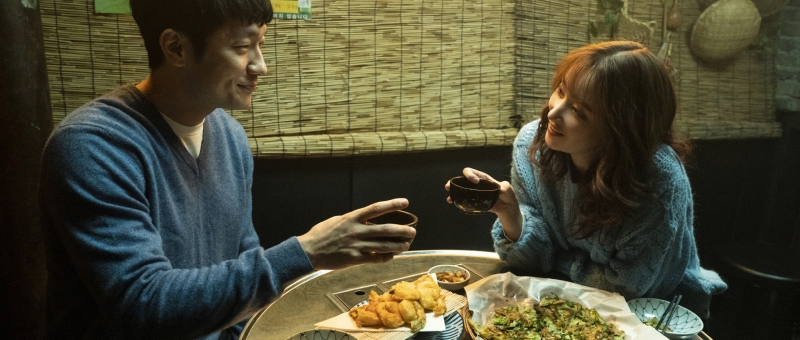
Nothing Serious (연애 빠진 로맨스, Jeong Ga-young, 2021)

Through her first three features in which she also played the lead, Jeong Ga-young had established herself as a provocative indie voice casting herself as an often unsympathetic if transgressively frank heroine contending with the vagaries of the modern society. Nothing Serious (연애 빠진 로맨스, Yeonae Bbajin Romance), by contrast, marks her debut as a commercial film director and perhaps softens some of her harsher edges but nevertheless maintains her characteristic saltiness and often witty dialogue in what is otherwise closer to Nora Ephron than Hong Sang-soo. 

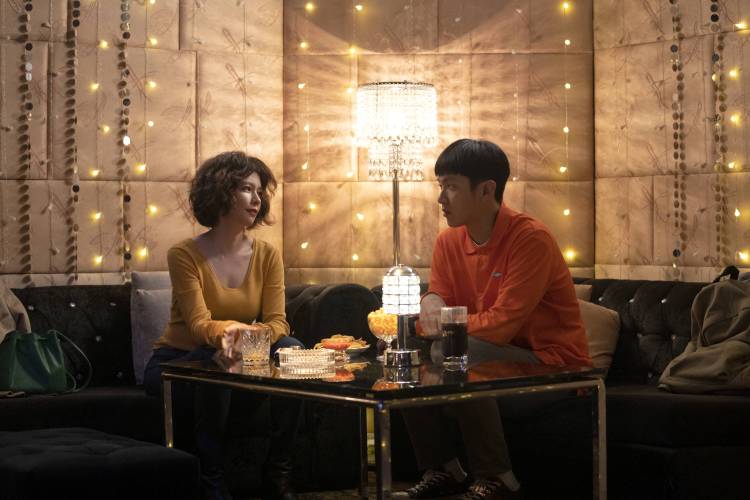
Though played by Jeon Jong-seo rather than the director herself, 29-year-old Ja-young is a classic Jeong heroine transgressively frank in terms of her sexuality and finding herself in something of a tailspin as she approaches her 30th birthday as a single young woman drowning in debt with neither career nor relationship success to boast of. Meanwhile across town nerdy magazine staff writer Woo-ri (Son Suk-ku) finds himself having to write almost all of the magazine himself in part he suspects as punishment for having helped a friend leave to start up their own online publication. His particular problem is that his boss has asked him to take over his friend’s sex column which is really not his thing especially as he’s in an on again off again non-relationship with colleague Yeon-hee (Lim Sun-woo) who has just informed him she’s getting engaged to her old boyfriend. 

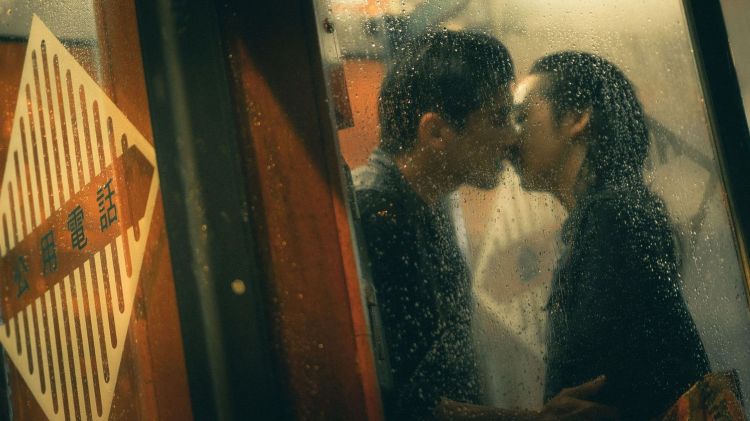
Inevitably the pair end up meeting through dating app Love Bridge to begin with just for a no strings New Year one night stand only to inconveniently realise they quite like each. Even so, their personal issues continue to overshadow the relationship, those being Ja-young’s hurt and anxiety on hearing that an old boyfriend who treated her badly and broke her heart is getting married, and the fact Woori signed up to Love Bridge mainly to find inspiration for his column which becomes an unexpected hit with readers who prefer the slow-burn tease of their romance to the X-rated content of Woo-ri’s predecessor. 

While not really “dating” the couple continue to share their relationship woes with each other, Ja-young continually fed up with her attempts to meet “normal” men who don’t invite their mother on dates, turn out to be married, or are just plain odd. Her previous boyfriend branded her an insanely jealous “alcoholic nymphomaniac” while she simply tells it like it is as a sexually liberated young woman who refuses to feel ashamed for feeling desire but is also in her own way lonely and looking for companionship as perhaps is Woo-ri while conflicted in his betrayal of her even if he is careful not to use any identifying details in his column. 

Along with their romantic woes, the pair also share a sense of hopelessness about the future, Woo-ri disappointed in himself for his lack of success as a serious writer and Ja-young staking her hopes on a career in podcasting after being forced to leave a job at a radio station because of the awkwardness between herself and a colleague she’d previously dated. Interviewing her grandmother and a series of other women she fears were denied the right to become the protagonist of their own lives, always someone’s wife or mother looking after children or in-laws, she wonders if she’s managed it herself or if things are really as different now as she had thought them to be while she continues to struggle drowning in debt and loneliness with very little hope for the future. 

Jeong’s prognosis is, however, a little more hopeful than in her previous films Ja-young and Woo-ri each flawed but basically good falling in love despite themselves only to see their connection undermined by its superficial inauthenticity. If nowhere near as caustic, she retains her sense of playfulness, even throwing in a reference to her first film Bitch on the Beach not to mention the tiny animated heads emerging from the pair’s phones, through sophisticated dialogue instantly capturing a sense of the everyday life of the average 20-something in the contemporary society longing to overcome their sense of cynicism and believe in a genuine romantic connection. Strangely charming in its breeziness, Jeong’s commercial debut loses none of her wit but gains a little in warmth as these crazy kids learn to put their anxieties aside and give love a chance even if it turns out to be nothing serious after all. 


Nothing Serious screens at UltraStar Cinemas Mission Valley, San Diego April 23 as part of this year’s SDAFF Spring Showcase.

International trailer (English subtitles)

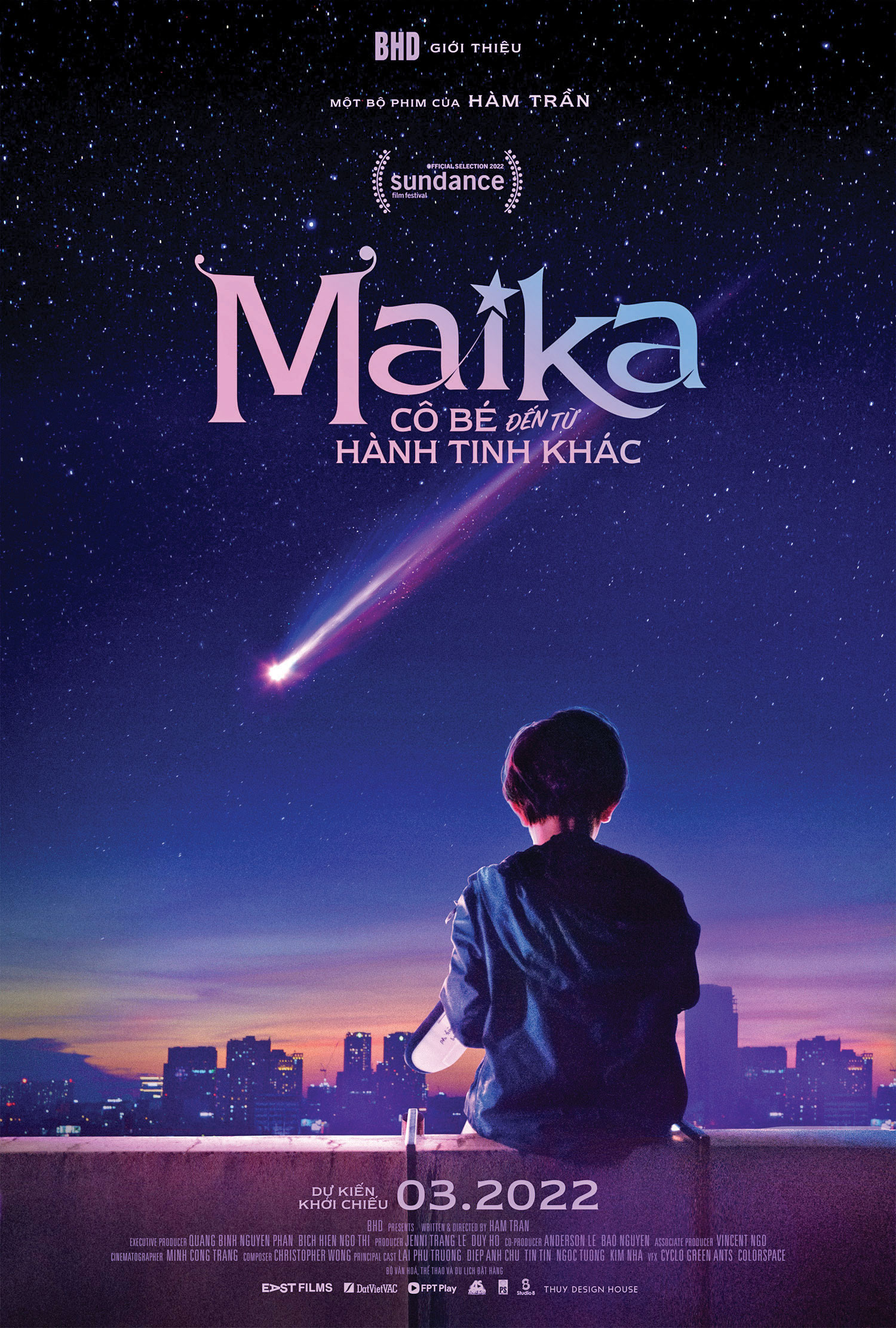
Maika: The Girl From Another Galaxy (Cô Bé Đến Từ Hành Tinh Khác, Ham Tran, 2022)

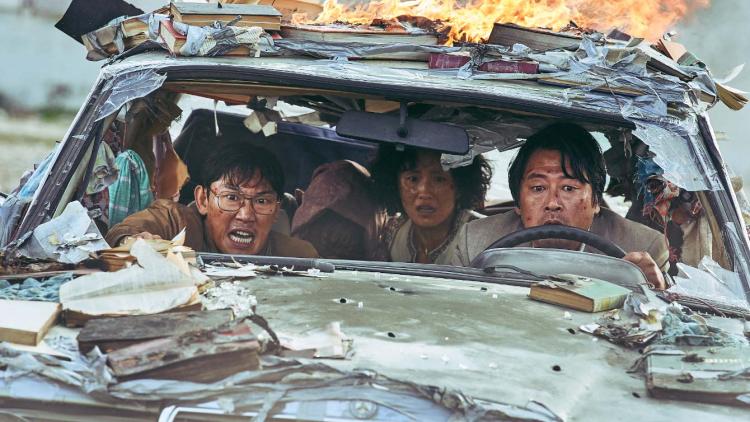
A small boy struggling to come to terms with loss learns to find accommodation with grief while helping a marooned extraterrestrial get back to her people in the delightful Vietnamese family film, Maika: The Girl From Another Galaxy (Cô Bé Đến Từ Hành Tinh Khác). A classic kids’ adventure movie, Ham Tran’s zany tale finds its young hero not only trying to reorient himself in a world of constant change but also attempting to process the wider sources of societal destabilisation such as rapid gentrification and shady billionaire scientists with dubious ambitions. 

Eight-year-old Hung lost his mother to illness a year or so ago and is now living alone with his father Thanh who is forced to work long hours in his shop fixing mobile phones in order to clear the family’s mounting debts. Not only are they being constantly hounded by a pair of thugs working for a local gangster with a thing for Japan who wants to evict all the tenants so he can sell their building to developers to build more luxury apartments, but his best friend is moving to Saigon and his already busy dad seems to have become awfully friendly with pretty neighbour Miss Trang. When his father breaks a promise to watch a meteor storm with him, Hung goes out on his own and witnesses a strange sight which he later learns to be a UFO crashing to Earth subsequently discovering a young girl, Maika, who has been marooned and is looking for her comrade so she can contact the mothership and get a ride home. 

“Even fishes need friends” Hung’s friend had told him on leaving her fish with him so it could be close to his, and that’s true enough for Hung himself now left largely alone and looking for both companionship and adventure. Besides bonding with Maika, he also has a frenemy in a boy who lives in the upscale apartments whose drone keeps chasing his remote control aeroplane. CuBeo is a somewhat awkward boy who just wants to be friends with Hung but admittedly has a funny way of showing it, largely because he has asthma and his overprotective family don’t let him out to play with the other kids so he’s incredibly bored and intensely lonely despite all the high tech toys he has at home. Like Hung, he also seems to have lost his mother and has a workaholic father who rarely visits having left him and his older brother Bin largely in the care of a live-in tutor. 

Eventually any sense of class conflict between the two boys disappears as they gradually become friends while bonding over their shared quest to help Maika get back to her family battling the gangster thugs and shady billionaire Nghia who seems to have bought up half the area for his special space project and intends to exploit Maika’s advanced scientific knowledge after having impounded her spaceship. Of course, Nghia and the local gang boss turn out to be little different, in it for personal gain rather than any real interest in the evolution of mankind, while the kids just want to protect their friends and the world in which they live. Making full use of their shared skills, Hung and Beo have immense fun crafting their own weapons, modifying NERF guns to shoot silly putty or slapping their enemies in the face with kimchi, determined to save Maika from Earthly greed. 

Through this transitory friendship, Hung begins to come to terms with the loss of his mother while repairing his relationship with his dad and preparing to move on in making friends with Miss Trang no longer seeing her as a threat to his mother’s memory in learning that she’ll always be in his heart as will Maika. Boasting some impressive effects visualising Maika’s various powers and alien technology, Ham Tran’s retro world building otherwise has a defiantly down to Earth sensibility contrasting the inherent warmth of Hung’s cluttered home and friendly neighbourhood with Beo’s obvious loneliness in the emptiness of his white box high rise flat. Child-friendly humour and a healthy dose of silliness add to the whimsical charm, yet the central messages of learning to live with grief and loss even at such a young age are sure to touch the hearts of children and adults alike. 


Maika: The Girl From Another Galaxy screens at UltraStar Cinemas Mission Valley, San Diego April 23 as part of this year’s SDAFF Spring Showcase.

Original trailer (no subtitles)

Udine Far East Film Festival Confirms Lineup for 24th Edition

The Udine Far East Film Festival returns for its 24th edition 22nd – 30th April in a hybrid format with the complete programme screening at the Teatro Nuovo Giovanni da Udine and a selection also available to stream online in Italy and in many cases beyond (geographical restrictions noted below). While most films are available to stream for the entire festival, those marked “Gala” stream once only with a four hour window to view. This year’s recipient of the Golden Mulberry Award for Lifetime Achievement is Takeshi Kitano whose 1993 film Sonatine screens in the Restored Classics strand.

Cambodia

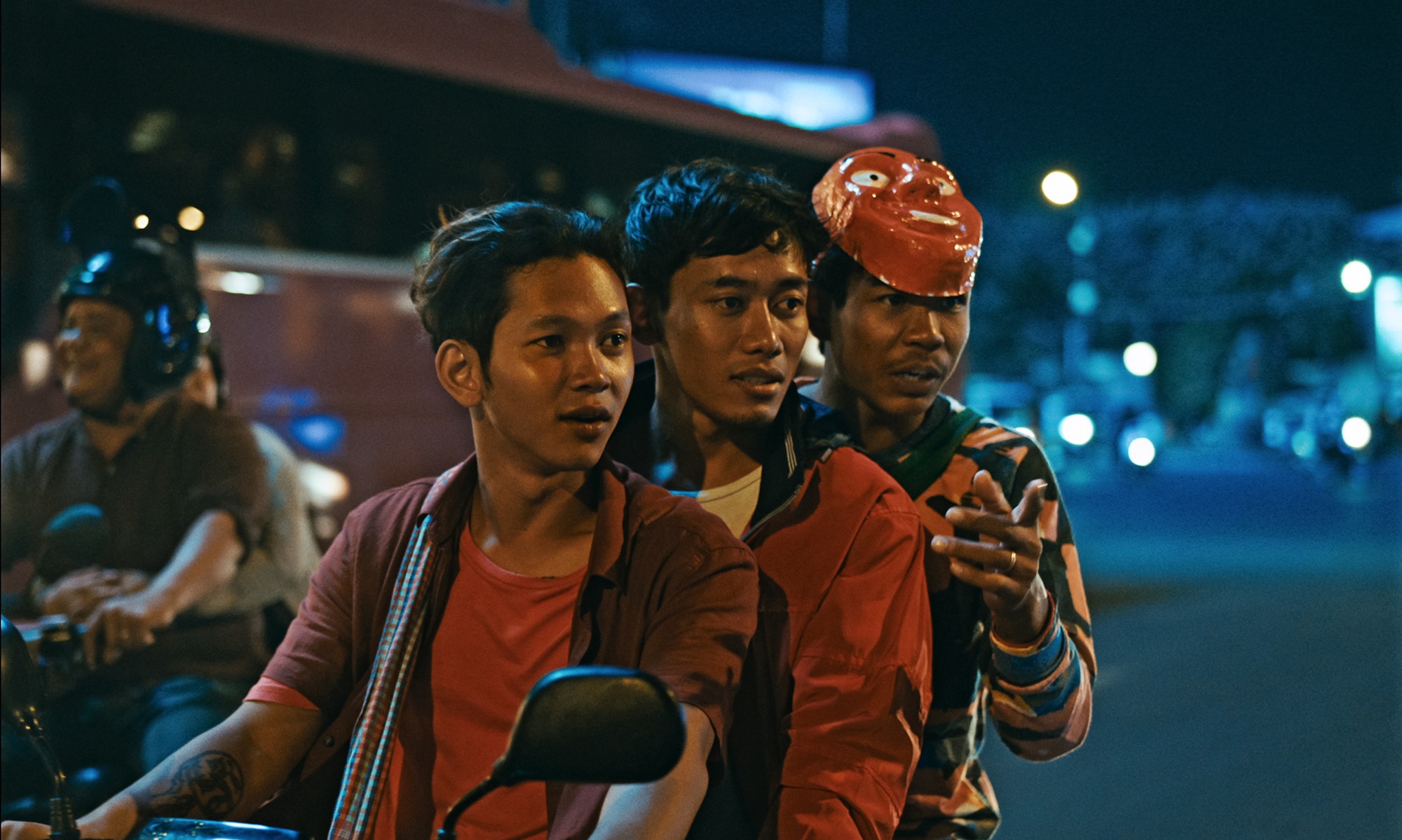
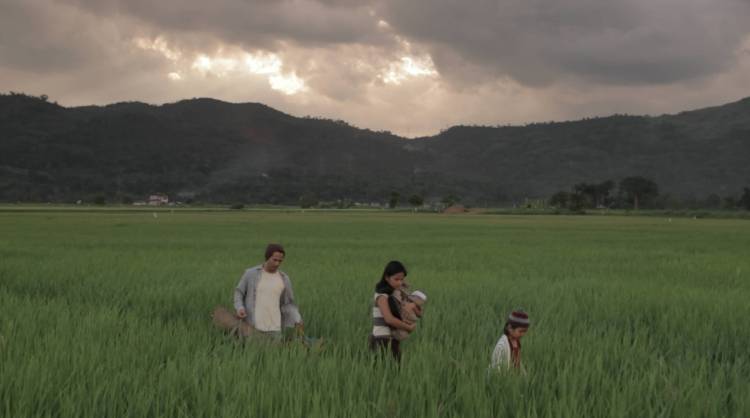
  • White Building – A young man contemplates the loss of home and history as the building he’s lived in all his life faces demolition in Kavich Neang’s ethereal coming-of-age drama. Review.

China

  • Hi, Mom – a young woman is transported back to 1981 and gets to know her mother as a young woman in a comedy directed by and starring comedian Jia Ling.
  • I Am What I Am – CGI animation revolving around three village boys trying to master the traditional lion dance.
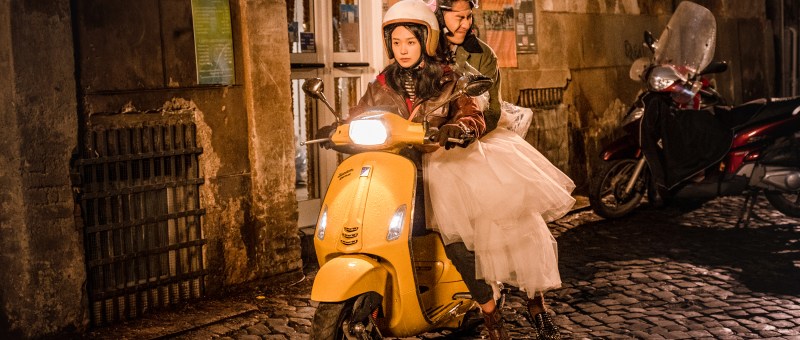
  • The Italian Recipe – romance in which a spoilt pop star travels to Rome for a reality show and falls for a girl who wants to become a chef.
  • Manchurian Tiger – black comedy starring Zhang Yu in which a truck driver, his wife, his girlfriend, and a poet recovering from mental illness are caught up in a bizarre series of events. Online Italy only.
  • Nice View – dramedy from Wen Muye (Dying to Survive) in which a young man takes a chance on a risky business venture to pay for his sister’s medical treatment.
  • Return to Dust – rural romance in which a couple who met through an arranged marriage come to trust and respect one another.
  • Too Cool to Kill – Chinese remake of Koki Mitani’s movie set comedy The Magic Hour. Online Italy Only
  • Streetwise – gritty drama in which a 21-year-old man becomes a debt collector to pay his father’s medical bills.

Hong Kong

  • Caught in Time – crime drama inspired by real life criminal Zhang Jun. Online Italy Only
  • Far Far Away – An introverted IT guy (Kaki Sham) gets a crash course in romance when he ends up dating a series of women from the far flung corners of Hong Kong in Amos Why’s charming romantic comedy. Review.
  • The First Girl I Loved – A young woman begins to re-evaluate her teenage romance when her first love asks her to be maid of honour at her wedding in Yeung Chiu-Hoi & Candy Ng Wing-Shan’s youth nostalgia romance. Review. Online Worldwide (Except Asia)
  • Legendary in Action! – wuxia from Justin Cheung.
  • Schemes in Antiques – mystery adventure from Derek Kwok in which a drunken antiques expert must find a priceless Buddhist head. Online Italy Only.
  • Table for Six – anarchic comedy from Men on the Dragon’s Sunny Chan in which a crisis erupts at a family dinner when one of the guests arrives with the host’s old flame.
  • Tales from the Occult – horror anthology featuring entries from Fruit Chan, Fung Chih-chiang, and Wesley Hoi
  • Twelve Days – marital drama starring Stephy Tang and Edward Ma
  • Sunshine of My Life – autobiographical drama about the sometimes difficult relationship between a daughter and her parents each of whom are blind.

Indonesia

  • Yuni – A young woman decides she wants more out of life but finds herself trapped by the oppressive social codes of her conservative hometown in Kamila Andini’s bleak social drama. Review. Online Italy Only

Japan

  • Just Remembering – bittersweet love story from Daigo Matsui inspired by Jim Jarmusch’s Night on Earth.
  • Love Nonetheless – erotic comedy from Jojo Hideo. Online Worldwide.
  • Missing – darkly comic thriller in which a young girl searches for her father who went missing after saying he was going to claim the bounty on a serial killer he spotted in town.
  • My Small Land – a young woman who came to Japan as refugee when she was a child finds her life upended when her family’s refugee status is revoked.
  • Noise – drama from Ryuichi Hiroki in which three childhood friends attempt to cover up a murder. Online Europe Only.
  • One Day, You Will Reach the Sea – powerful drama from Ryutaro Nakagawa in which a young woman struggles to come to terms with the loss of a friend who went missing in the 2011 tsunami. Online Italy Only
  • Popran – outlandish comedy from Shinichiro Ueda in which an arrogant CEO’s genitals decide to leave him and he has to find them within six days or lose them forever. Online Italy only [Gala]
  • What to Do with the Dead Kaiju? – satire from Satoshi Miki in which bureaucrats must try to decide how to dispose of the corpse of a defeated kaiju.
  • INU-OH – a blind Biwa player and a cursed young man exorcise the spirits of the Heike through musical expression in Masaaki Yuasa’s stunning prog rock anime. Review.

Malaysia

  • The Assistant – thriller in which a man unjustly imprisoned plots revenge
  • The Devil’s Deception – horror in which a pregnant woman haunted by her brother’s death begins to have strange visions while staying at a remote mansion

The Philippines

  • Leonor Will Never Die – cineliterate meta comedy in which a formerly successful filmmaker now struggling to make ends meet is thrown into an unfinished script after being knocked out by a TV set. Online Italy Only [Gala]
  • Rabid – pandemic-era horror anthology from Erik Matti. Online Worldwide.
  • Reroute – horror in which a couple end up in a sinister place when their car breaks down while taking the scenic route home. Online Worldwide.
  • On the Job: The Missing 8 – sequel to On the Job in which a corrupt reporter begins an investigation when his colleagues disappear while a hitman imprisoned for a crime he didn’t commit plots escape.

South Korea

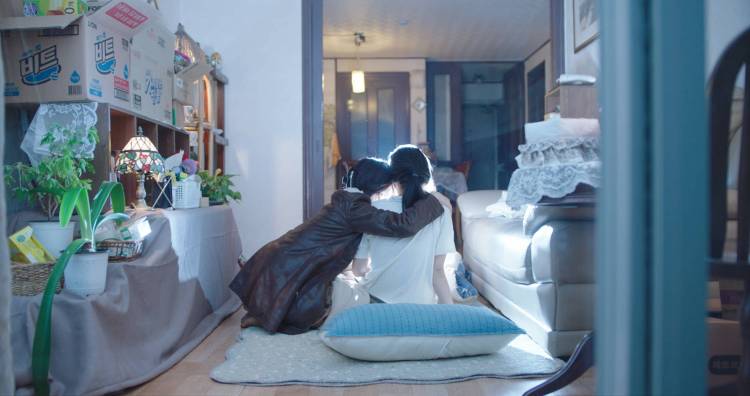
  • The Apartment with Two Women – familial drama in which the already strained relationship between a mother and daughter declines when one runs the other over.
  • Confession – mystery drama in which a man is accused of a locked room murder
  • Hostage: Missing Celebrity – remake of Saving Mr Wu in which actor Hwang Jung-min is kidnapped and must try to escape. Online Worldwide.
  • The Killer – a former hitman is charged with babysitting a friend’s daughter only for her to be kidnapped by thugs
  • Kingmaker – political drama revolving around an idealistic politician and his campaign strategists. Online Italy Only
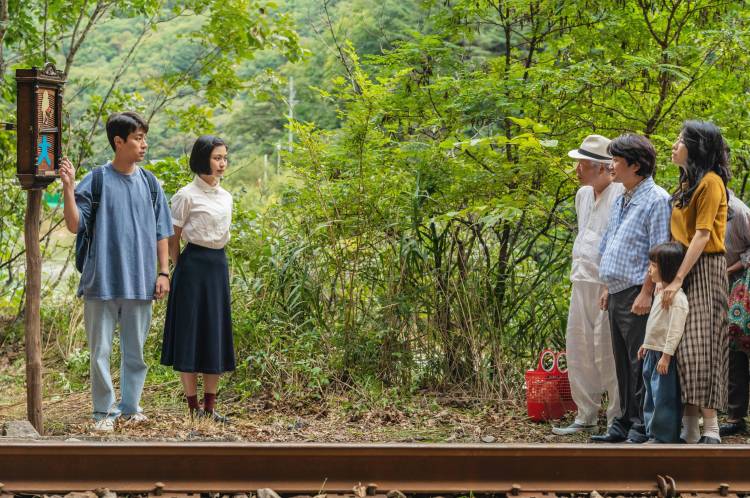
  • Miracle: Letters to the President – ’80s-set drama in which a small rural town comes together to build a railway station
  • Perhaps Love – romantic drama in which a blocked writer bonds with an aspiring author. Online Worldwide
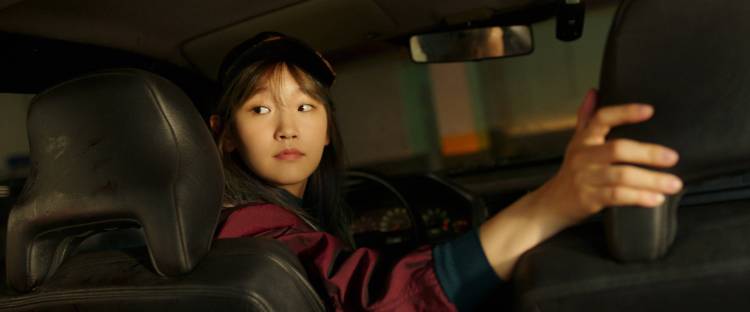
  • Special Delivery – action drama starring Park So-dam as a delivery driver who is drawn into intrigue when a child gets into her car. Online Worldwide.
  • Thunderbird – a taxi driver tries to get back a car his brother pawned which is filled with his gambling winnings but nothing goes to plan.
  • Tomb of the River – gangster drama in which rival gangs go to war over the building of a lucrative resort. Online Worldwide [Gala]
  • Escape from Mogadishu – North & South Korean diplomats are forced to set ideology aside to escape the increasing violence of the Somali Civil War in Ryoo Seung-wan’s intense action drama. Review.

Taiwan

  • Incantation – interactive found footage horror movie in which a mother tries to cure her daughter of a curse
  • Mama Boy – romantic drama in which a young man falls for a single mother working at a love hotel
  • Terrorizers – drama revolving around an angry young man who goes on a public slashing attack

Thailand

  • Cracked– horror in which a prominent painter’s suicide provokes a series of bizarre events. Online Worldwide.
  • One for the Road – a New York club owner returns to Thailand on learning that his friend has been diagnosed with terminal cancer. Online Italy Only.

Documentaries

Restored Classics

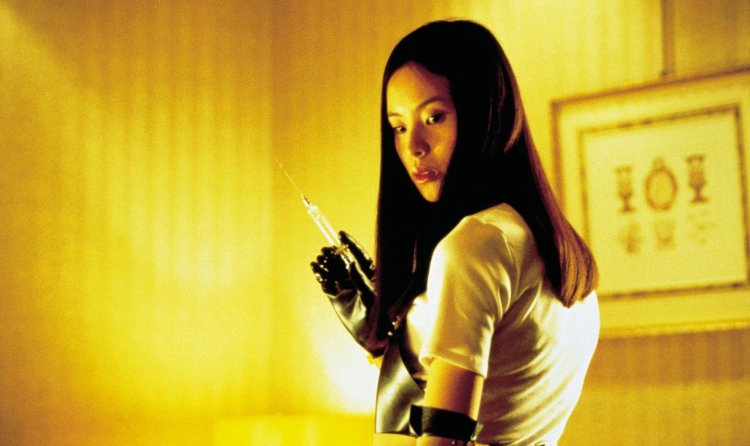
  • Audition – Takashi Miike’s deceptive drama begins as a gentle romcom before edging slowly towards the horrific as a widower (Ryo Ishibashi) takes his his friend’s advice and sets up a fake audition to find the perfect wife but ends up finding something quite different.
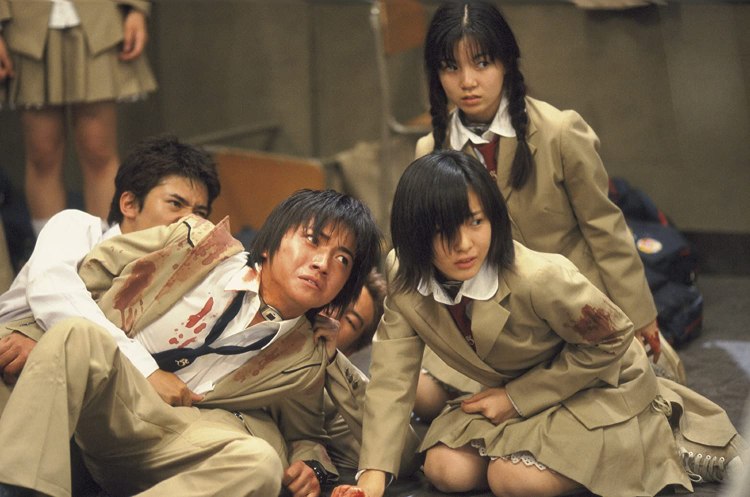
  • Battle Royale Director’s Cut – Kinji Fukasaku’s millennial classic in which a class of school children is sent to an island and forced to fight to the death
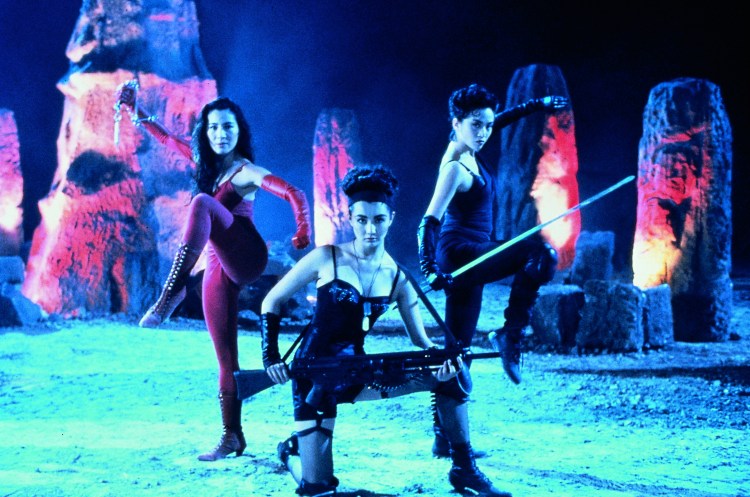
  • The Heroic Trio – Anita Mui, Maggie Cheung, and Michelle Yo star in Johnnie To’s 1993 classic
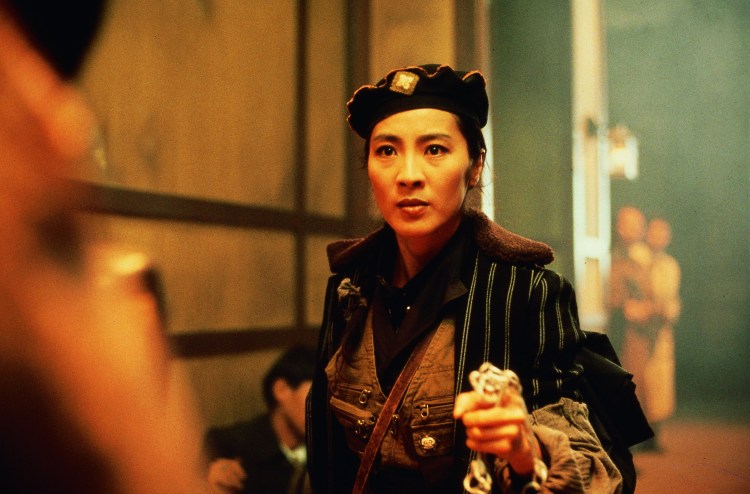
  • Executioners – sequel to Heroic Trio
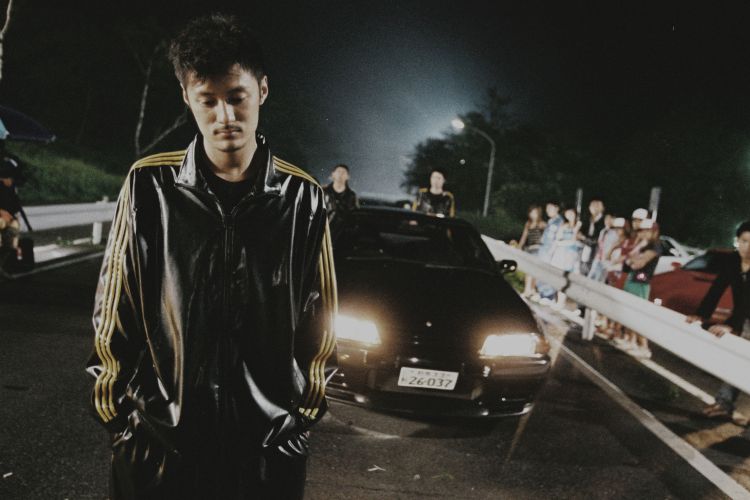
  • Initial D – Andrew Lau & Alan Mak’s 2005 adaptation of the Japanese drag race manga
  • The Swordsman of All Swordsmen – Joseph Kuo’s 1968 wuxia following a swordsman’s 20-year quest to avenge the death of his parents
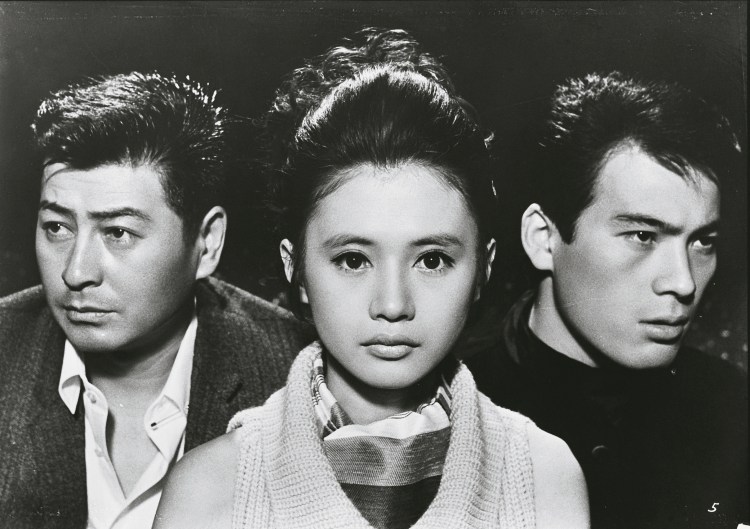
  • Pale Flower – Masahiro Shinoda’s 1964 noir starring Ryo Ikebe as a recently released yakuza drawn to a self-destructive female gambler
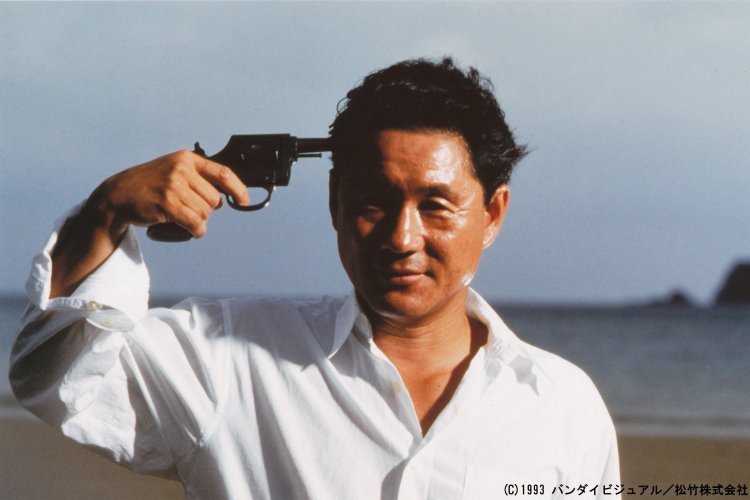
  • Sonatine – Tired of the life, a veteran gangster ponders retirement but knows his brief island holiday is only a temporary respite from his nihilistic life of violence in Takeshi Kitano’s 1993 melancholy existential drama. Review.

Visions of Manila in Philippines Movies

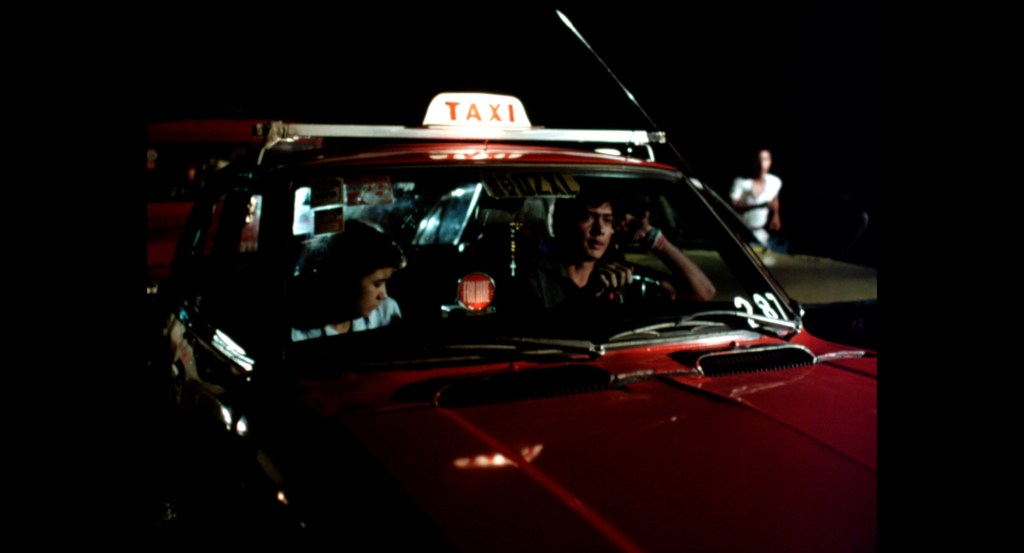
  • Manila by Night – Ishmael Bernal’s 1980 oddyssey through the nighttime city. Online Worldwide [Gala]
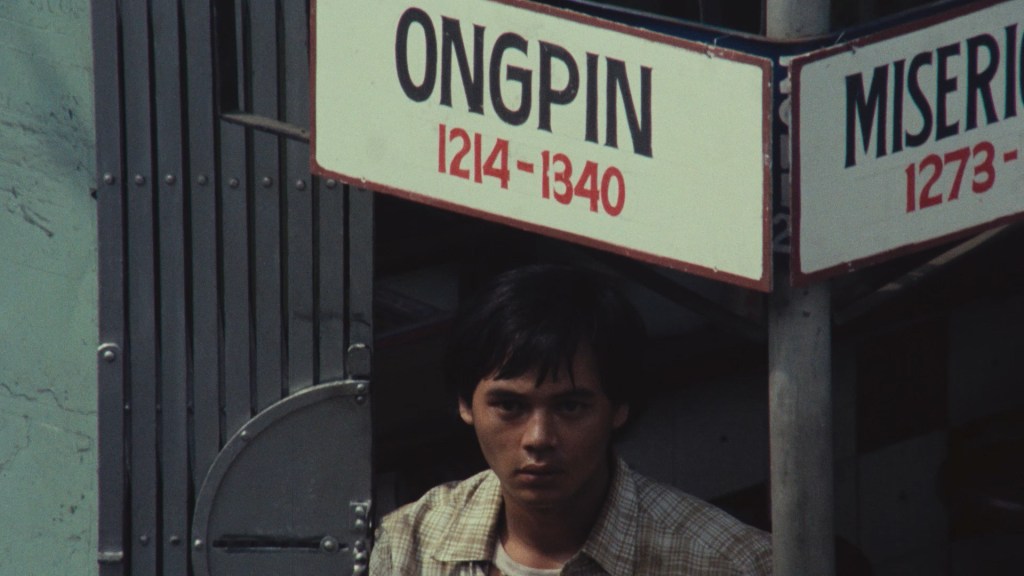
  • Manila in the Claws of Light – Lino Brocka’s 1973 drama in which a young man travels to the city in search of his missing girlfriend. Review.
  • Metro Manila – Sean Ellis’ 2013 social drama in which a man moves to the city and becomes an armoured truck driver. Online Italy only
  • Slingshot – Brillante Mendoza’s 2007 neo-realist noir. Online worldwide
  • Neomanila – Mikhail Red’s 2017 bleak extra judicial killing drama. Review. Online Worldwide.

The 24th Udine Far East Film Festival runs online and in person at the Teatro Nuovo Giovanni da Udine 22nd – 30th April. Full details for all the films are available via the official website and you can keep up with all the latest news by following the festival on FacebookInstagramYouTubeTwitter, and Tumblr.

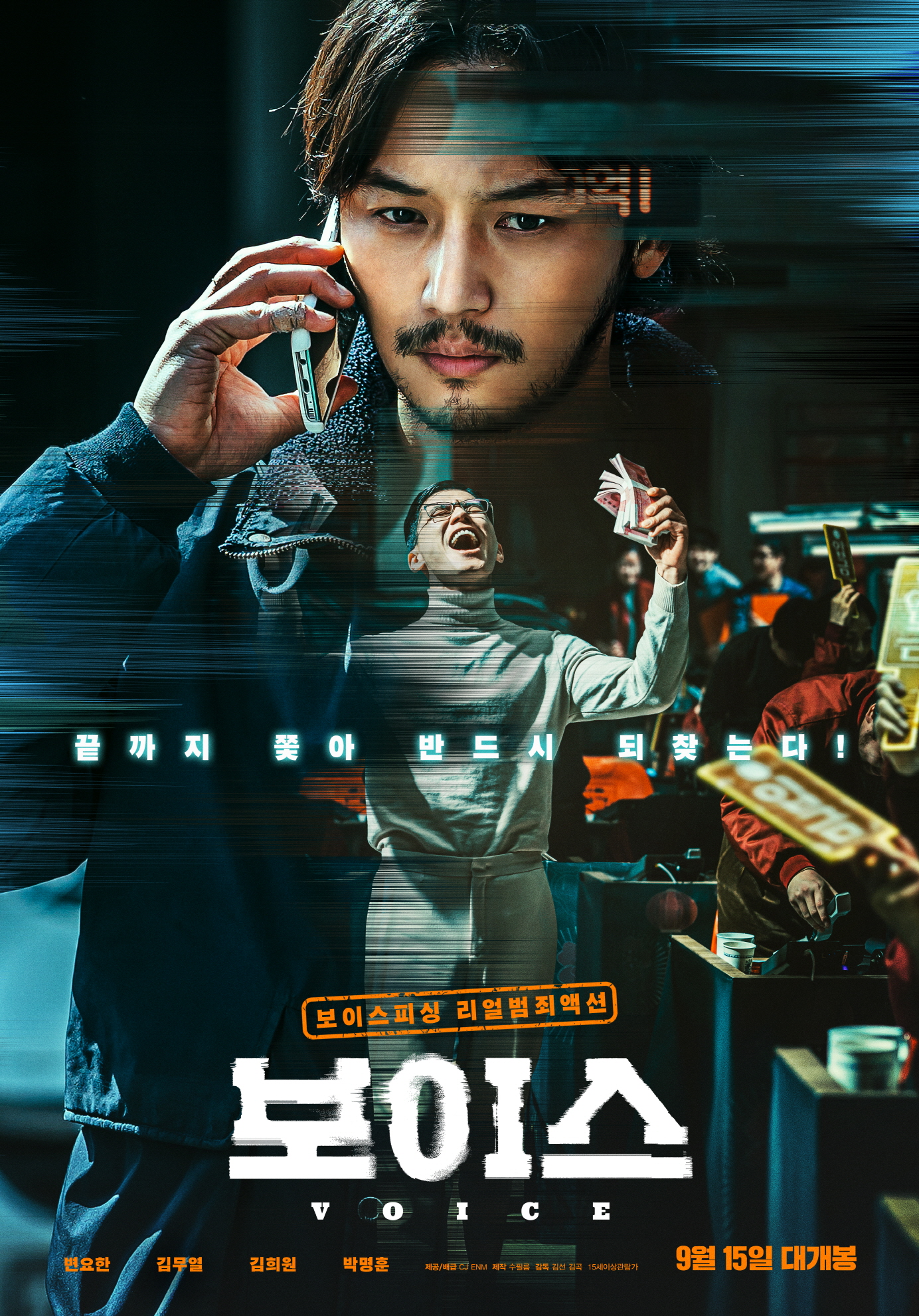
On the Line (보이스, Kim Gok & Kim Sun, 2021)

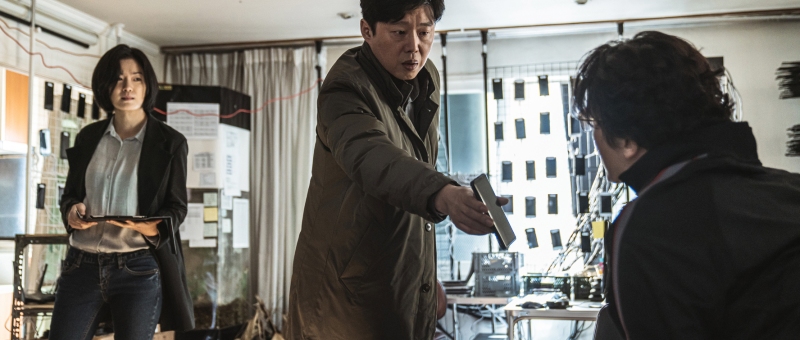
“Voice phishing is all about empathy” according to the sociopathic villain at the centre of Kim Gok & Kim Sun’s crime thriller On the Line (보이스, Voice), ironically hinting at his heartless greed leveraging as he admits people’s fear and hope against them and actively revelling in their misery. The Korean title, Voice, hints at the nebulous quality of the scam that in the end a reassuring voice is all people fall for but at the same time there is indeed a lot on the line not least for the embattled hero fighting back against the corruptions of contemporary capitalism.

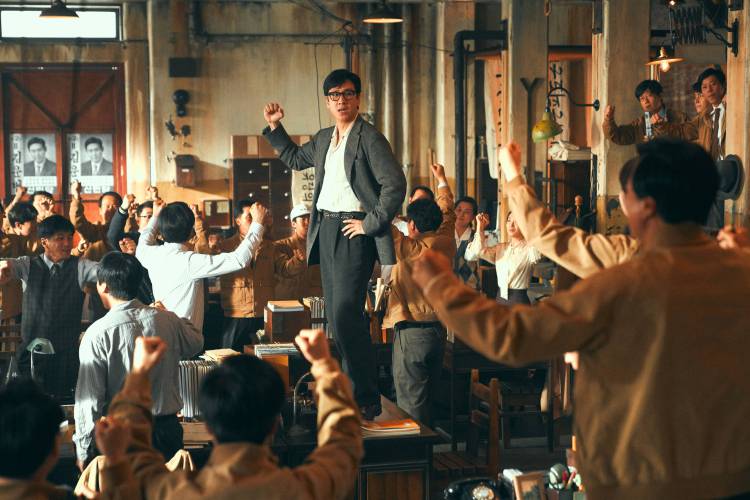
Former policeman Seo-joon (Byun Yo-han) is currently working a job in construction after being forced out of the police when one of his investigations implicated the son of a prominent person. Finally starting to get back on his feet, he’s offered a big promotion by his supportive boss and is about to buy a house with his wife Miyeon (Won Jin-A) but then everything starts to go wrong. A potential accident threatens Seo-joon’s new sense of success while unbeknownst to him, Miyeon is currently on the phone with a man claiming to be a lawyer friend of his who tells her that he’s been arrested because of a fatality on site but if she sends the lawyer money for a “settlement” Seo-joon will be released with no further consequences. Unable to get in touch with her husband and fooled by number spoofing when she tries to call the site, Miyeon takes out the money intended to pay the deposit on the house and hands it over only realising her mistake when the scammers turn off the jammers they’d hidden at the construction site and Seo-joon rings her back to find out what’s wrong. So shocked is she that gets hit by a car and is in hospital in a coma when Seo-joon learns that his boss got scammed too and has taken his own life in shame in having lost so much money meant for his employees. 

As the open intertitles relate, voice phishing telephone fraud is a rising problem which aside from landing its victims in inescapable debt can ruin lives and relationships not to mention cause intense feelings of humiliation which lead those affected to consider harming themselves. Using vast data sets often fraudulently obtained, the scammers are able to perfectly profile their victims who as the villainous Gwak (Kim Mu-yeol) points out are already living in the “hell” of the contemporary society amid employment and financial crises that leave them feeling desperate enough for help that they don’t ask too many questions of a friendly voice on the phone. The workers at the vast call centre in China operated by gangster Cheon (Park Myung-hoon) are all Korean and many of them pressed by debts some of them even scam victims themselves so damaged by the internecine assault of contemporary capitalism as to have given in and agreed to ruin others just as they have already been ruined.

Seo-joon’s primary goal is to get his money back with a little revenge on the side as he takes the police to task and then leads them by the nose to the gang’s base in China, all that time in construction standing him in good stead as he climbs through lift shafts and ventilation ducts trying to expose the scammers and bring them to justice. The police force is first seen to be hamstrung by the high-tech nature of the case while their hands are tied because the gang is operating out of a foreign sovereign nation but are then kicked into gear by super cop Seo-joon who ironically can act with less restraint for no longer being an official law enforcement officer. 

Even so, it becomes clear this kind of crime isn’t going away even if this particular gang is taken down because the most valuable commodity in the world of today is personal data and there’s more and more of that available with every passing second. There is indeed a lot on the line not least the nature of the contemporary society dragged ever further into a spiralling race to the bottom, the effects of an exploitative social system from the abuse of migrant workers to the anxiety of high unemployment rates and poor working conditions simply more tools to be manipulated by scammers promising a helping hand with a reassuring voice on the phone telling you they have the solution to all your problems but this too involves a small fee, just a tiny investment in your future you’d be foolish not to make. A timely condemnation of the amoral venality of contemporary capitalism, Kim & Kim’s steely thriller sends its hero on a quest for justice both personal and societal while pursuing the duplicitous voices all the way to the end of the line. 


On the Line screens at UltraStar Cinemas Mission Valley, San Diego April 22 & 25 as part of this year’s SDAFF Spring Showcase.

International trailer (English subtitles)

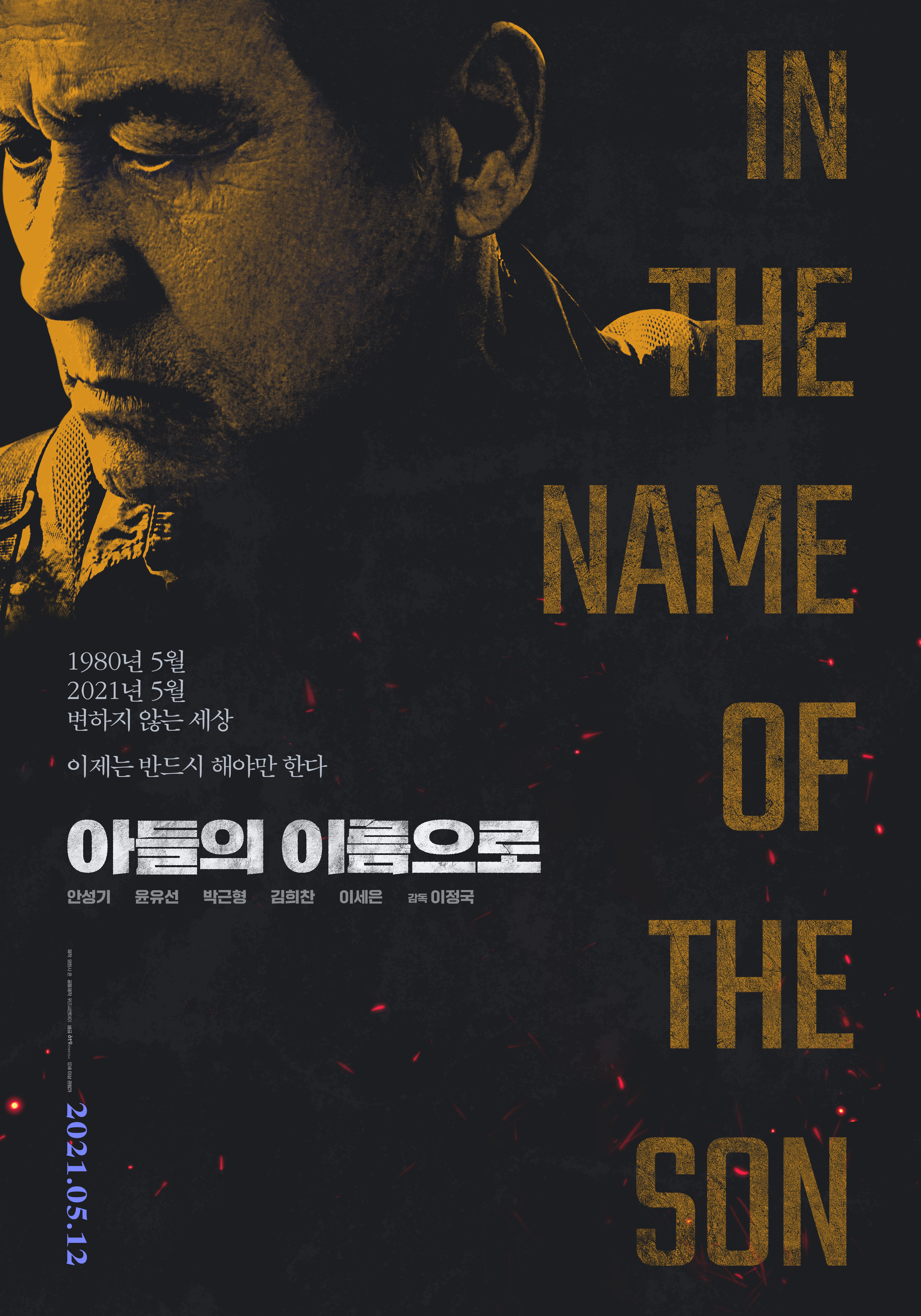
In the Name of the Son (아들의 이름으로, Lee Jung-gook, 2021)

Partway through Lee Jung-gook’s raw exploration of the radiating effects of historical trauma In the Name of the Son (아들의 이름으로, Adeurui ireumeuro), the conflicted hero quotes a line from In Search of Lost Time which his son had recommended to him, “pain is only healed by thoroughly experiencing it”. The quote in itself reflects the hero’s wounded state in having failed to reckon with the sins of the past, a failing which has cost him dearly on a personal level, while simultaneously hinting at a national trauma which has never been fully addressed by the contemporary society. 

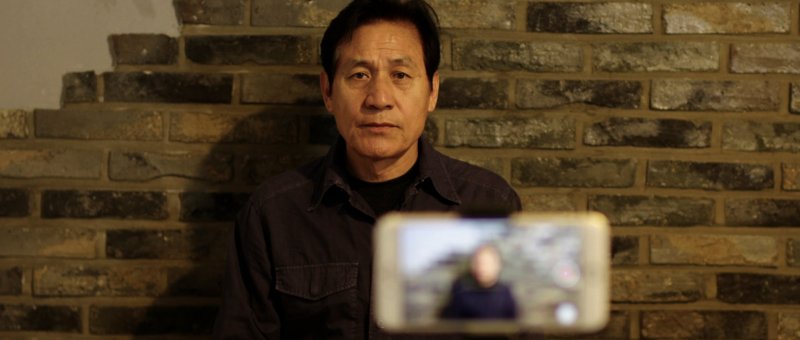
When we first meet ageing designated driver Chae-gun (Ahn Sung-ki) he’s preparing to hang himself in a forest before noticing a stray parakeet, presumably an escaped family pet, chirping nearby in desperation. Taking pity on the bird knowing it cannot survive on its own he gives up on his plans and takes it home. We can see that Chae-gun is a compassionate man, softly spoken, perhaps a little shy and distant yet caring deeply for those around him such as the ladies from Gwangju who run a cafe where he is a regular, while he’s frequently seen making phone calls to his son in America. Yet as we later discover he is also a man of violence with an old-fashioned, authoritarian mindset, ominously sliding off his belt to beat up a gang of kids who tried to dine and dash before making them come back to apologise and pay their bill and later doing the same to bullying classmates of the cafe owner’s son, Min-woo (Kim Hee-chan). 

He does these things less out of an old man’s disapproval of the younger generation’s lack of moral fibre than a genuine desire to help and most particularly the ladies at the cafe, but simultaneously takes Min-woo to task for a lack of manliness berating him in front of his bullies for not standing up for himself. These flashes of violence hark back to the hyper-masculine patriarchal attitudes that defined the years of dictatorship while also hinting at the buried self Chae-gun struggles to accept which so contrasts with his innate kindness and sense of justice. He too is angry and confused that those who ordered acts of atrocity such as the 1980 Gwangju Massacre have never been brought to justice and are living comfortable lives often still ensconced in country’s ruling elite such as former general Chairman Park whom he often drives home from a local Japanese restaurant to his mansion in a traditional village in the middle of Seoul. 

As we discover, Chae-gun has his own reasons for being preoccupied with Gwangju in particular, yet it’s the failure to reckon with the buried past that he fears erodes future possibility. In a metaphor that in truth is a little overworked, one of the new assistants at the cafe, also from Gwangju, is mute, literally without a voice until the buried truths of the massacre are symbolically unearthed allowing her to speak. Meanwhile, many of Chae-gun’s generation are succumbing to dementia, an elderly man constantly escaping from his nursing home to wander a local park looking for his teenage son who went missing during the uprising and was never seen again. Chairman Park remains unrepentant, blaming everything then and now on “commies” while explaining to Chae-gun that they were “patriots” not “murderers” bravely defending the Korean state and in any case God forgives all so they’ve no need to blame themselves. 

Park may feel no remorse but the unresolved trauma of Gwangju continues to echo not only through Chae-gun’s wounded soul but through society, a heated debate breaking out between a group young people of critical of the authoritarian past and a collection of older conservative nationalists who object to their criticism of President Park Chung-hee arguing that he rebuilt the economy and gave them the comfortable lives they live today. Yet what Chae-gun feels he owes to his son and implicitly to the younger generation is an honest reckoning with the past and his part in it while those who live with no remorse should not be allowed to prosper, guilt-free, as victims continue to suffer. What he’d say to those who thought that they bore no responsibility is that the greatest sin of all may have been in blindly following orders. Only by fully experiencing the pain of the national trauma can society hope to heal itself from the weeping wounds of the unresolved past.


In the Name of the Son streamed as part of the 14th season of Asian Pop-Up Cinema.

Original trailer (English subtitles)

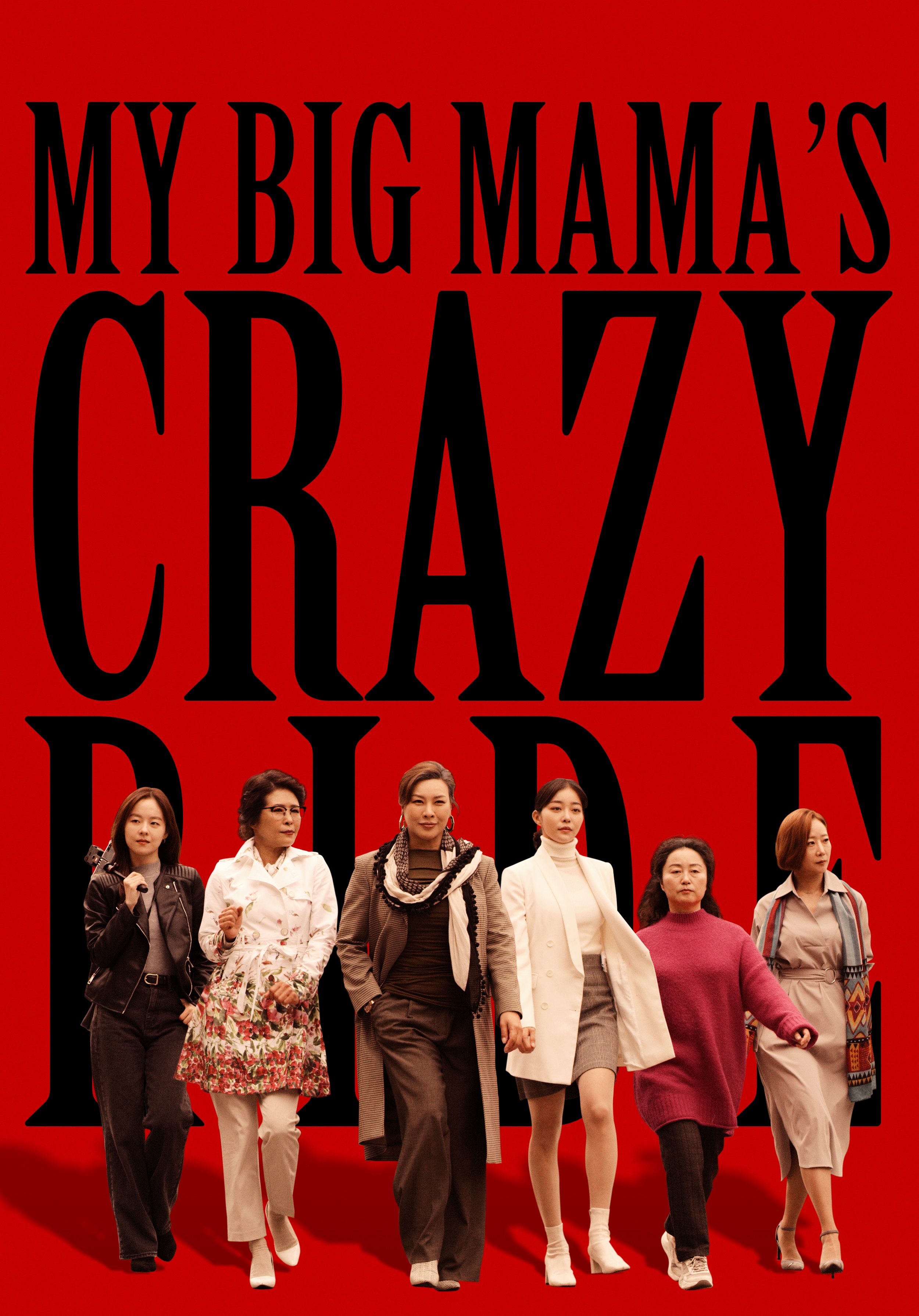
My Big Mama’s Crazy Ride (큰엄마의 미친봉고, Paek Seung-hwan, 2021)

A veteran matriarch suddenly decides she’s had enough in Paek Seung-hwan’s indie comedy, My Big Mama’s Crazy Ride (큰엄마의 미친봉고, Keuneommaui michinbonggo). Taking aim not only at the deeply ingrained and hopelessly outdated patriarchal social codes of contemporary society, Paek also asks a series of questions about the concept of family with the wives and daughters-in-law repeatedly finding themselves described as “outsiders” yet expected to sacrifice their hopes and aspirations in dedicating themselves entirely to the “family” which more often than not treats them as unremunerated housekeepers. 

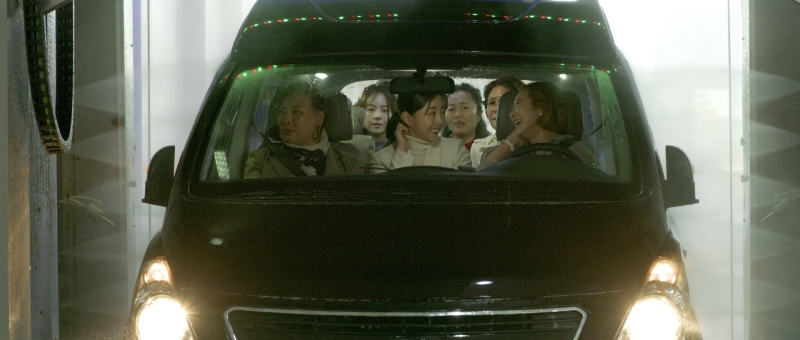
It’s easy enough to see why “Big Mama” Yeong-hui (Jung Young-joo) is fed up as her husband Han-il (Yu Seong-ju) barks orders from upstairs while she tries to sort out the food for the ancestral rites knowing the men are up there lounging around drinking just expecting everything to be done for them without needing to lift a finger to help. This year she’s choosing chaos, rounding up all of the other women in the family including Eun-seo (Kim Ga-eun) her nephew’s fiancée meeting the family for the first time and packing them into her minivan leaving the men to fend for themselves.  

This is a problem for them for several reasons the biggest being that it soon becomes clear they have no idea how to do anything for themselves, drill sergeant Han-il ordering his brother and sons to finish all the food prep within the hour while they search for YouTube videos to teach them basic cooking. They can barely even figure out how to make themselves some instant noodles while they wait, becoming progressively drunker to avoid facing the reality of their situation or accept that perhaps their treatment of their wives has been unfair or that they’ve taken all of their labour for granted. Old-fashioned authoritarian Han-il even approves of Yeong-hui’s flight in the beginning in the belief that she’s taken the other women out to teach them some discipline despite her having brought up the subject of divorce because of his own treatment of her. He doesn’t see his behaviour as essentially abusive because of the patriarchal social codes in which he operates believing this is simply the way that husbands are supposed to boss their wives. His brother and sons are little different though subordinate to him as head of the family, oldest song Hwang-sang (Song Dong-hwan) eventually kicking back but only after realising his mother may really leave profoundly shaking his foundations even as a grown man with a son of his own. 

Then again, aside from a potential divorce Yeong-hui is otherwise described as an “outsider” having married into the family most particularly when it comes to light that Han-il has sold some ancestral land and intended to keep the money for himself rather than share it amongst the other family members. When he sends the proceeds to Yeong-hui in a last ditch effort to get her to come home, it causes division on both sides with his brother Han-san (Yoo Byung-hoon) in particular objecting to the money leaving the family as Yeong-hui is technically a Lee and not a Yu while the women also think she should share the money with them rather than keep it for herself little knowing she was already planning to do so. Having serious doubts about marrying into this crazy family, Eun-seo, who is in any case Christian, isn’t sure why she was attending their ancestral rites anyway but if none of these women are actually “family” why is it they’re the ones expected to prepare the rites for the Yu ancestors? Yeong-hui sees the money in part as compensation for the unpaid labour she’s performed over the last 40 years while being shouted at and ordered around by her overbearing authoritarian husband. 

Thanks to YouTuber niece Hyo-jeong (Ha Jung-min) and sleazy tabloid journalist nephew Jae-sang (Cho Dal-hwan) the women’s flight ends up going viral and even making the evening news where they find mass support from other women in similar situations along with unexpected male solidarity though a big thumbs up from a series of male policemen seems a little unlikely given the threat they present to the entrenched social order in rebelling against the same kind of patriarchal male authority the police force itself represents. In any case, it becomes clear that Yeong-hui has simply chosen to celebrate her own ancestral rights in paying tribute to another woman whose name she only belatedly found out, the other women also revealing that they don’t even quite know each other’s given names because they’re so used to addressing each other only as daughter/sister-in-law or else as X’s mum to the extent that they’ve been robbed of an individual identity. Nevertheless through their transgressive road trip the women rediscover a sense of female solidarity while the men are forced to reckon with the way they treat their wives realising that if they want to keep their family together they’ll have to move with the times. 


My Big Mama’s Crazy Ride streamed as part of the 14th season of Asian Pop-Up Cinema.

Original trailer (English subtitles)

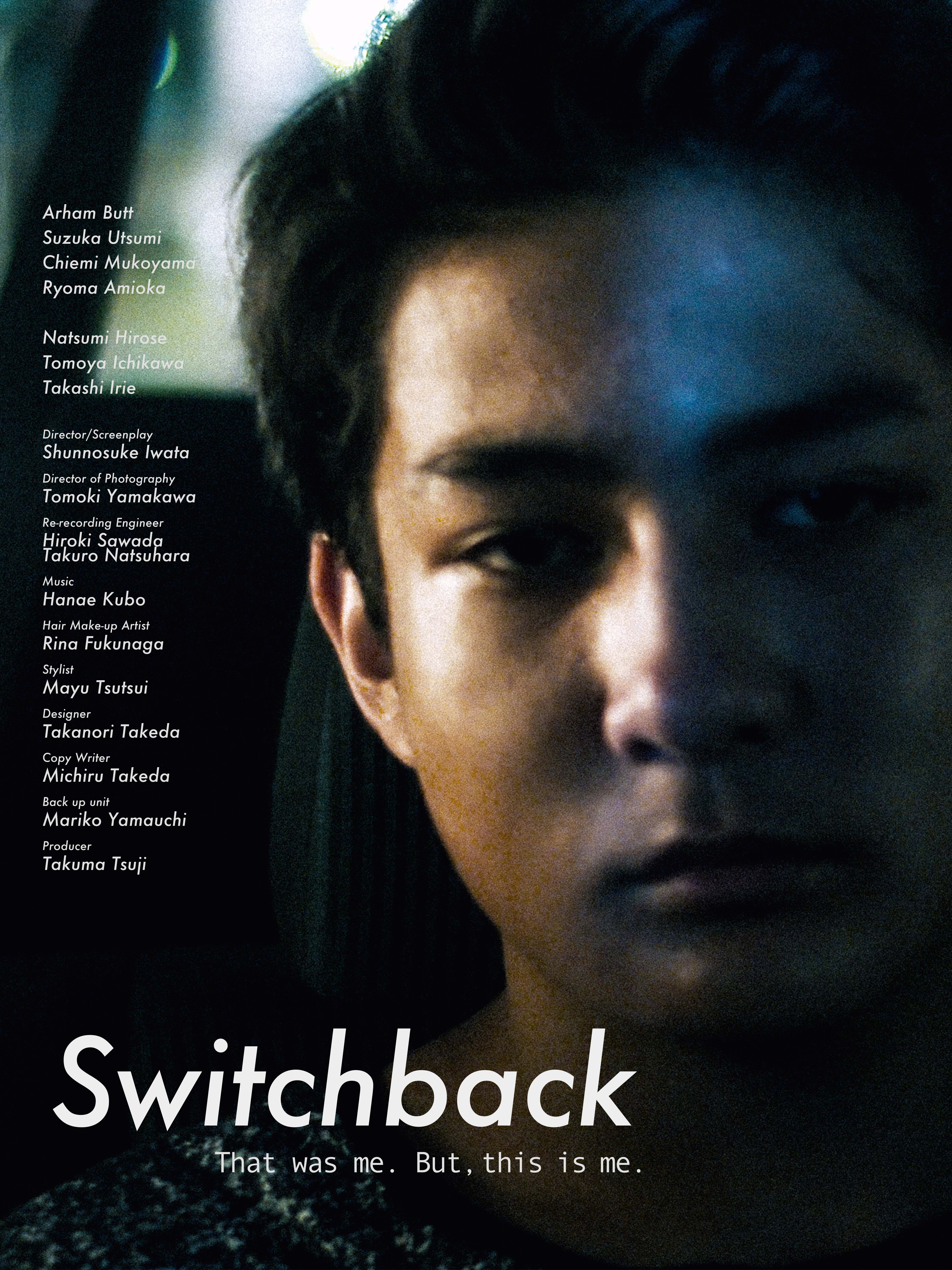
Switchback (スイッチバック, Shunnosuke Iwata, 2022)

Really, everything in life is a learning experience but how should you feel if something that you thought was quite profound and serendipitous was actually engineered even if the way you reacted to it wasn’t? The young heroes of Shunnosuke Iwata’s Switchback (スイッチバック) find themselves caught in a moment of confusion uncertain how far they should trust the adult world while equally at odds with each other and trying to figure out what it is they may want out of life. 

Brazilian-Japanese teenagers Arham and Chiemi are attending a summer workshop project along with basketball enthusiast Suzuka while her childhood friend Eiichiro never actually shows up. Led by Tokyo influencer Rei, the kids will be working together in order to produce a video of a ball bouncing through the countryside. By reversing the footage to make it seem as if the ball is on its own little adventure she hopes to create a sense of the uncanny and with it a new perspective. Arham doesn’t quite get the point of it, but participates anyway and ends up forming a special bond with an old man in a wheelchair they encounter who has a hobby of flying drones. Yet when he finally arrives, Eiichiro claims to have seen the old man walking around and accepting something from Rei assuming he must be some kind of stooge and the children’s adventure they’ve all been on since has been a setup. 

Arham is very invested in the old man’s story and outright rejects Eiichiro’s suggestions that he isn’t “real”, carrying out an investigation into everything he told them about a former airfield that had been built in their town during the war and was later bought by a media company for recording aerial footage. What he discovers is that all of that seems to be true save for one crucial personal detail the old man had mentioned, leaving a grain of doubt in his mind while he continues to resent Eiichiro despite being unable to come up with a reason as to why he would lie. Eiichiro is in fact not quite telling the whole truth though he’s right about the old man, engaging in a kind of engineered adventure of his own but later offers the explanation that adults too are often frustrated and they may have tried to “destroy” Arham because they’re jealous of his cheerful and openhearted nature. 

Even though he concedes that he still experienced what he experienced for himself after meeting the old man, developing an interest in drones and learning a lot of local and aviation history, Arham is uncertain how he should feel about being manipulated, disappointed on trying to confront Rei and hearing exactly the same speech as she’d used in her influencer videos explaining her approach to life and art aiming to give young people a head start in gaining new experiences without them realising that they’re being taught something even if she doesn’t otherwise attempt to push them in a particular direction simply provide the catalyst for growth. Chiemi experiences something similar when she’s offered the opportunity to become a model, a skeevy older man repeatedly telling her she is suited to the work and may have a promising future, adding that she has a quality of ferocity that “Japanese” kids don’t while she complains that she dislikes being told what does and doesn’t suit her preferring to do as she pleases whether other people think it suits her or not. 

Suzuka meanwhile quietly struggles to fit in on her own having come to the town only eight years previously hinting that she and her family may have moved in the wake of the 2011 earthquake but stating only that she doesn’t like to talk of it either traumatised or fearing stigmatisation. Unity came first security second she claims of her basketball team reflecting on the positivity she experienced as they came together before a match in the face of their opponents. The kids perhaps do something similar as they each in their own way react to adult duplicity while deciding to take it in their stride embracing the experiences they’ve had as their own. Rei’s social experiment could easily have backfired leaving them cynical and indifferent, unwilling to believe in or pursue anything fearing that there is no objective truth only manipulation but in they end they run the other way, deciding to trust each other and themselves while creating new experiences of their own. Produced in celebration of the 50th anniversary of the town of Obu in rural Aichi Prefecture, Iwata captures the beauty of the local landscape along with the natural openness it engenders in allowing the children to become fully themselves as they ride their own individual switchbacks to adulthood.   


Switchback screened as part of Osaka Asian Film Festival 2022

Original trailer (no subtitles)

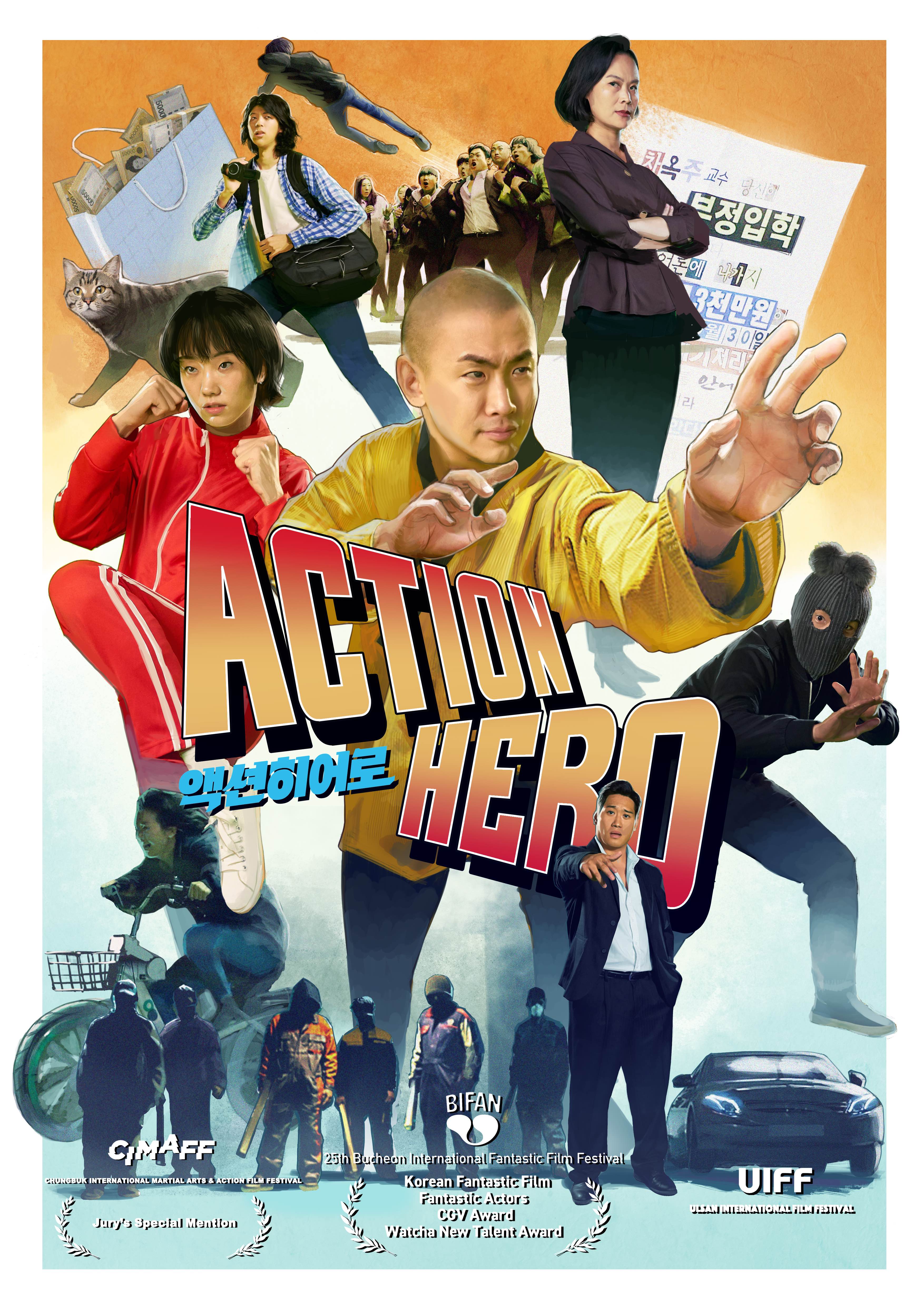
Action Hero (액션히어로, Lee Jin-ho, 2021)

What better way to add a little authenticity to your movie than to unmask injustice live on camera? Lee Jin-ho’s indie action drama Action Hero (액션히어로) is a loving tribute to classic Shaw Brothers but also takes aim at the inequality at the heart of the contemporary society as the virtuous hero who says he just wants to be Jackie Chan starts a mini revolution in the student body after exposing the corrupt practices of their institution. 

Signalling his intentions early on, Lee opens with the “GB” “Golden Brothers” logo and a lengthy martial arts sequence spoken entirely in Cantonese with a classic Shaw Brothers-esque titles card, but as it turns out this is all an anxiety dream as the fearless hero finds himself unable to save a hostage because he cannot answer a question from the upcoming civil service exam. Dreaming of becoming an action star, Joosung (Lee Seok-hyung) decides to sit in on a film class which is where he meets Chanyeol (Lee Se-joon) who shows him a copy of an action movie shot by a former student, Sunna (Lee Joo-young), 10 years previously. Joosung decides to make his own film too and when he and Chanyeol accidentally come across a blackmail letter threatening to expose their professor’s falsification of records in order to admit the sons of wealthy men decide to stakeout the drop location hoping to apprehend the professor and the blackmailer and make it a part of their movie. 

Ironically enough, the previous Action Hero film had been about a culture of sexual harassment as Sunna herself starred as a martial arts avenger saving a young student from a lecherous teacher. 10 years on however Sunna still hasn’t finished her postgrad programme and is stuck as a teaching assistant working part-time at the campus coffee shop. Her colleague Jae-woo (Jang In-sub) is desperate for cash because he’s sick of this life and wants to open a friend chicken restaurant. Even Joosung is filled with despair for the future, working hard to pass the civil service exam even though it’s not something he actually wants to do. Meanwhile, the professor has been taking kickbacks so that chaebol sons with no talent can attend the university while their parents “support” from the sidelines. Perhaps conflicted in her actions, the offer of a promotion to department chair is enough to silence any qualms she might have hand while she’s eventually forced to confess all to the dean who is about to celebrate his 23rd re-inauguration which doesn’t exactly scream a commitment to democratic values. 

Yet through their “investigations” Joosung and Chanyeol discover that the institutional corruption in play was largely an open secret, so commonplace as to be dismissed as just the way things work. The justice-minded Joosung wonders why no one does anything, hoping that the students will eventually wake up to what’s going on and begin asking questions while wondering if they simply lack the “passion” to become their own kind of action heroes and demand integrity from their governmental body. Sunna, meanwhile, fed up with her impossible circumstances feeling as if she’s wasted too much time on Hong Kong cinema picks a different, not quite altogether altruistic path but later recommits herself to exposing the admissions fraud and corruption which go right to the heart of their institution. 

Lee continues to pay homage to the classic kung-fu movie with old school martial arts and use of freeze frame, Joosung wearing his Shaolin-style yellow top and Chanyeol at one point dressed as a classic kung fu master complete with long white beard only to discover themselves swept into a conspiracy deciding to unmask the injustice at the school. Then again, perhaps one action hero isn’t really enough to counter such ingrained corruption or the idea that this kind of impropriety has essentially become normalised and should just be accepted. Thanks to their adventures, each of the avengers is jolted out of their sense of inertia and powerlessness, Sunna realising she doesn’t need to let herself be exploited by her boss and can take control of her own future while Joosung and Chanyeol derive new hope for the future in squaring off against injustice. “The future is unclear, let’s persevere because we have each other” Joosung reflects in Cantonese on seeing the beginnings of a revolution on campus vowing to complete Action Hero 2 in the hope of a better tomorrow. 


Action Hero streamed as part of the 14th season of Asian Pop-Up Cinema.

International trailer (English subtitles)

Girls’ School (女子學校, Mimi Lee, 1982)
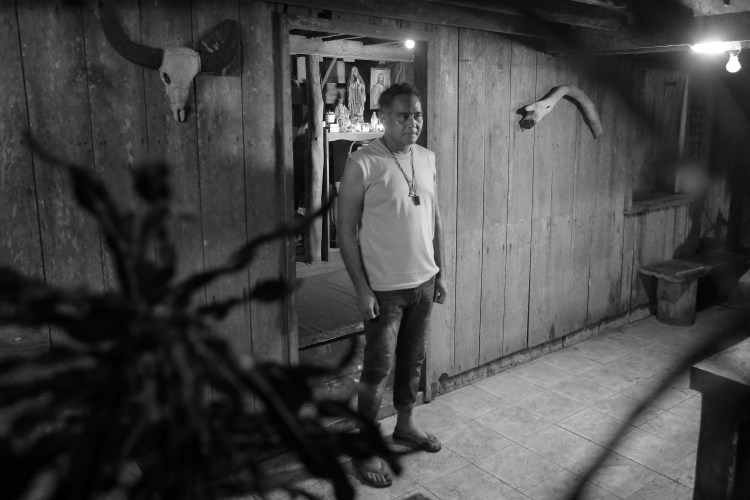
The intense friendship between two young women is placed in jeopardy when a rumour begins to circulate that they are more than friends in Mimi Lee’s subversive 1982 drama Girls’ School (女子學校, nǚzǐ xuéxiào). The film’s educational framing may ensure that it can only reinforce the contemporary social codes of the repressive martial law era in insisting the two women must be guided back towards he “correct” path, but otherwise affords them a genuine sympathy that undercuts the sense of moral censure while simultaneously rooting the source conflict in the rejection and frustrated longing that provoke only pettiness and jealousy. 

Chia-Lin and Chih-Ting have been best friends all the way through school and are more or less inseparable but the transgressive intensity of their relationship has also isolated them from their classmates some of whom, such as Chun-Hsueh, feel rejected and excluded. Possibly with a high degree of projection, it’s Chun-Hsueh who first starts the rumour that the two young women are “lesbians” only later admitting to the teacher Mr. Mei, informed via a note from class monitor Yu-Liang who has a crush on him, that she doesn’t quite understand what the word means or what saying it might mean not only for Chia-Lin and Chih-Ting but for the other girls and indeed for the school’s reputation. In reprimanding her, Mr. Mei accuses Chun-Hsueh of casting a dark shadow over the hearts of her previously innocent classmates now corrupted with the ugliness not only of her lie but the topic of homosexuality which he and the rest of the educational body view as something shameful and taboo. 

Reminiscent of William Wyler’s The Children’s Hour, the reason the rumour takes hold may be that there is a grain of truth in it in the burgeoning feelings between the two women yet in keeping with the social attitudes of the time the main interest is in proving that it isn’t true with each keen to clear their name of such vicious slander while the other girls frequently describe them as “disgusting”. Even so, the unfairness of their separation and the obviously strong feelings between the two women cannot help but evoke sympathy while Chih-Ting, the bolder of the pair, continues to insist that they’ve done nothing wrong even as Chia-Lin is overwhelmed by the pressure all around them suggesting that they might be better to simply “keep our friendship in our hearts” shamed into repressing their true feelings by an oppressively judgmental society. 

Then again, the film also succumbs to a series of uncomfortable stereotypical tropes in rooting Chih-Ting’s potential lesbianism in her tomoboyishness having been raised by a single father and longing for maternal affection. Having been abandoned by her mother she also feels emotionally rejected by her father who has a gambling problem and rarely returns home while further rejection by Chia-Lin at the instigation of her sister who is also a teacher at their school herself nursing a broken heart after her longterm boyfriend married someone else leaves her feeling like a “monster”, constantly asking herself “what’s wrong with me?” while wondering why others treat her like a “poisonous sore”. This sense of rejection and frustrated longing is the primary motivator for the actions of all, Chun-Hsueh starting the rumour because she wanted to be included in the girls’ friendship and Yu-Liang reporting it because she wanted to curry favour with Mr. Mei after seeing him scrunch up and bin a love letter while quite obviously smitten with Chia-Lin’s sister Miss Yang. 

Mr. Mei is clearly in a difficult position and often trying to do the right thing, admitting to Chih-Ting that the teacher’s don’t know how to help them, but also somewhat insensitive while like others overly mindful of the school’s reputation rather than girls’ fragile emotions never quite considering that the intensity of their feelings and the pressure placed upon them could lead them to harm themselves or else endanger their mental health. It is then a little uncomfortable that the resolution lies in Chih-Ting who had previously professed to hate everyone except Chia-Lin undergoing a softening in which she becomes “more cheerful and mature”, eventually re-embraced by the same classmates who shunned her now satisfied the rumour isn’t true while Chih-Ting has quite literally sacrificed a part of herself to be accepted by a society whose acceptance she had been insistent was unnecessary. The starkness of her conversion along with the subversive quality of the melancholy love song which recurs throughout may attack the underlying homophobia in supporting the truth of the feelings between the two women but leaves them with little possibility for emotional authenticity in an overly conservative society. 


Girls’ School screened as part of Osaka Asian Film Festival 2022

Restoration trailer (Traditional Chinese / English subtitles)