Glasgow Film Festival Announces 2022 Programme

The Glasgow Film Festival returns to cinemas following last year’s online edition bringing another packed programme of recent cinema hits from around the world to screens in the city and beyond 2nd to 13th March. As usual there are a few East Asian offerings including Zhang Yimou’s long delayed One Second and the hotly anticipated animation Inu-Oh from Masaaki Yuasa.

Baby Assassins (ベイビーわるきゅーれ, Yugo Sakamoto, 2021)
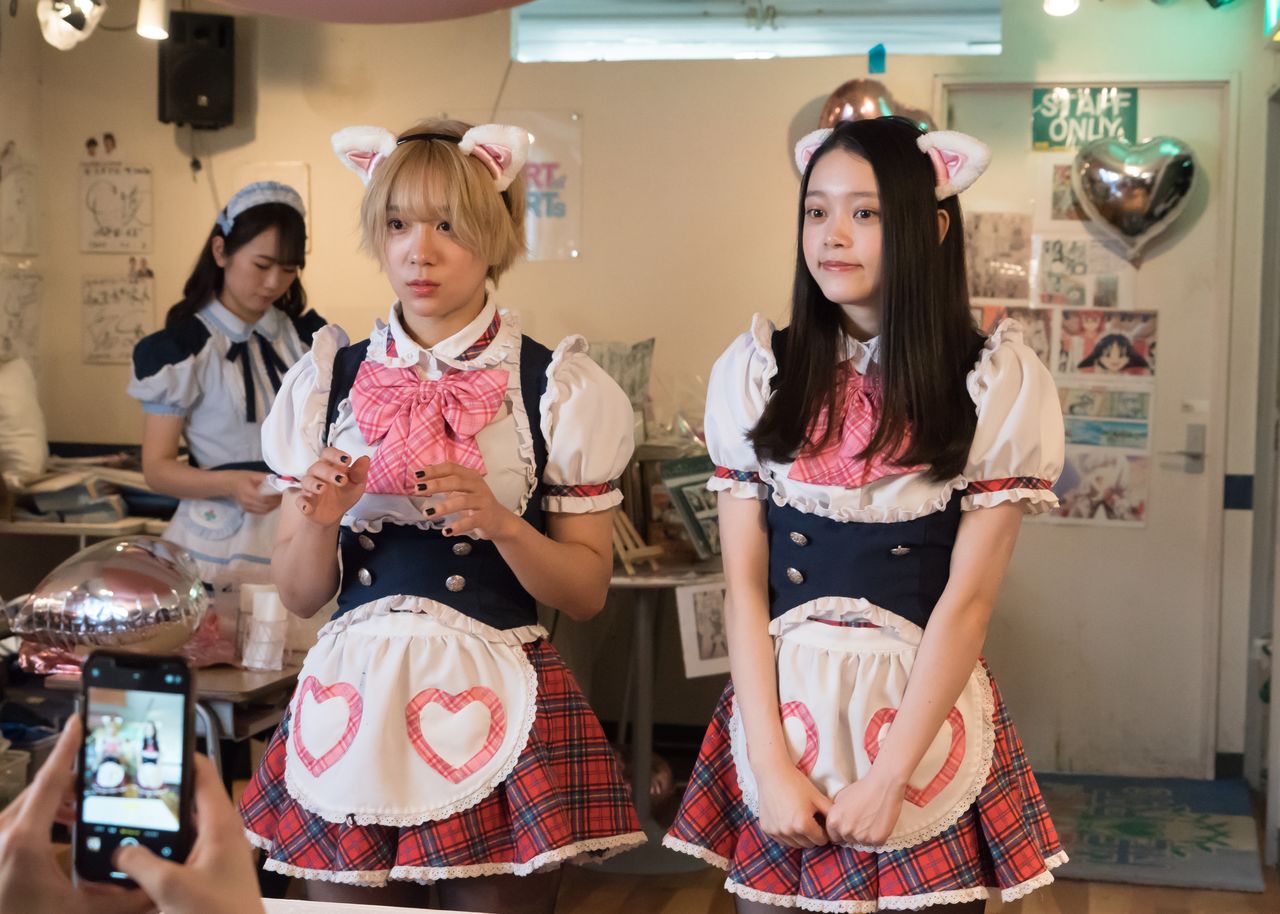
Action comedy in which a pair of teenage girls are forced to become roommates after graduating from assassin school while working regular jobs trying to blend in with mainstream society only to accidentally get mixed up with yakuza!

Inu-Oh (犬王, Masaaki Yuasa, 2021)
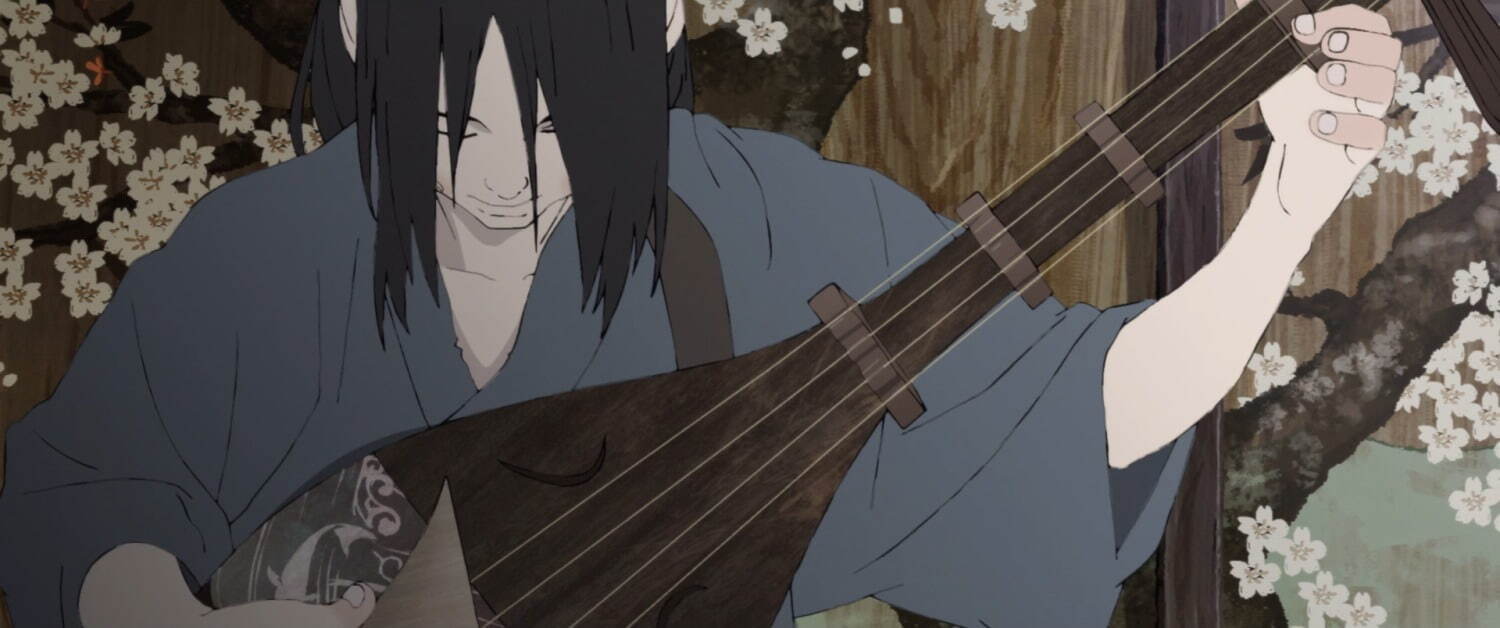
Animated feature from Masaaki Yuasa (The Night is Short Walk on Girl, Lu Over the Wall, Ride Your Wave) featuring character design from Taiyo Matsumoto and based on the novel Tales of the Heike: INU-OH by Hideo Furukawa in which a young boy forced to wear a mask because of his unusual physical features befriends a blind biwa player.

Love, Life and Goldfish (すくってごらん, Yukinori Makabe, 2021)
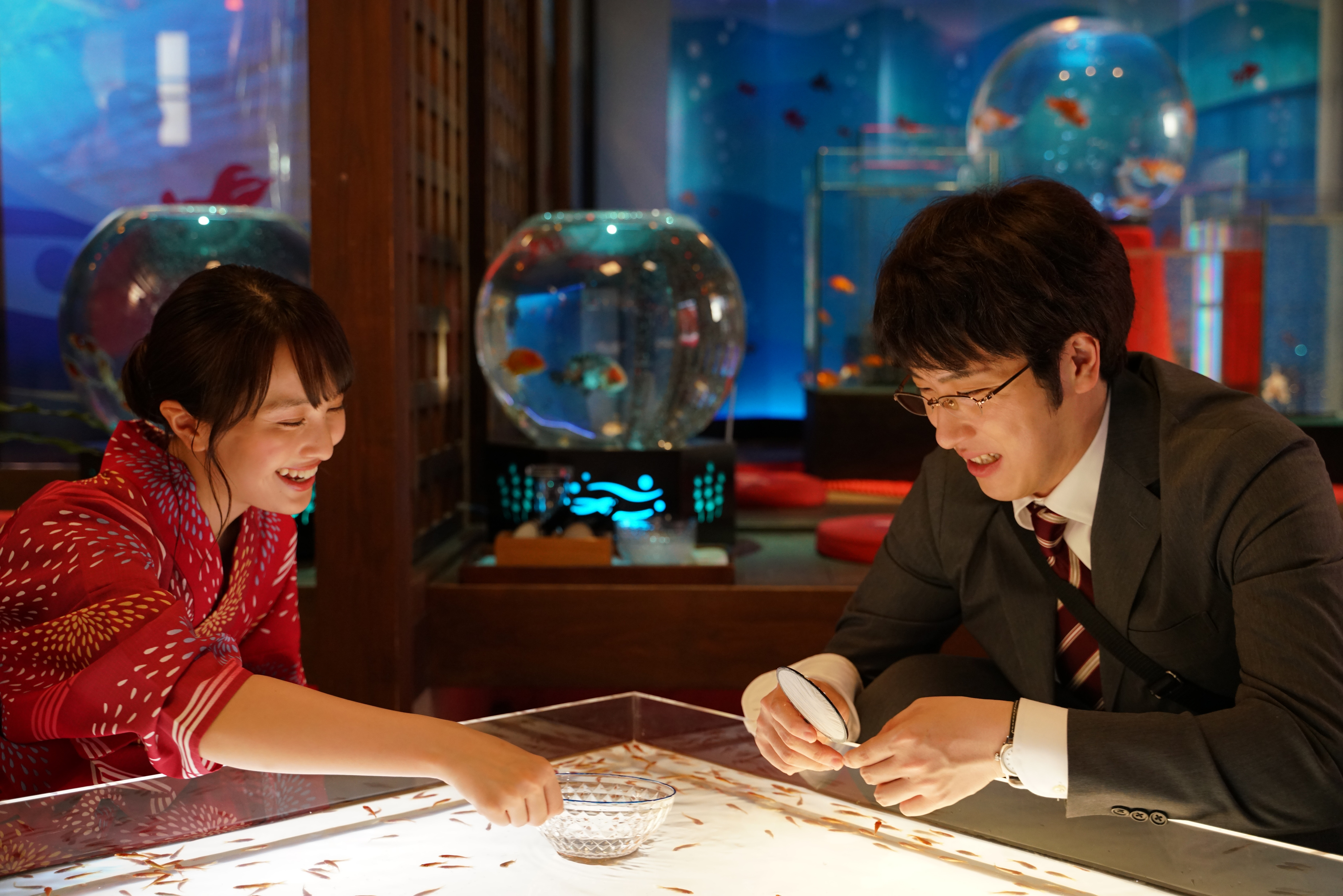
An emotionally repressed bank clerk has a minor existential crisis when demoted to a rural backwater after a silly workplace mistake but thanks to his experiences with the goldfish-obsessed townspeople rediscovers the joy of feeling in Yukinori Makabe’s cheerfully absurd musical comedy.

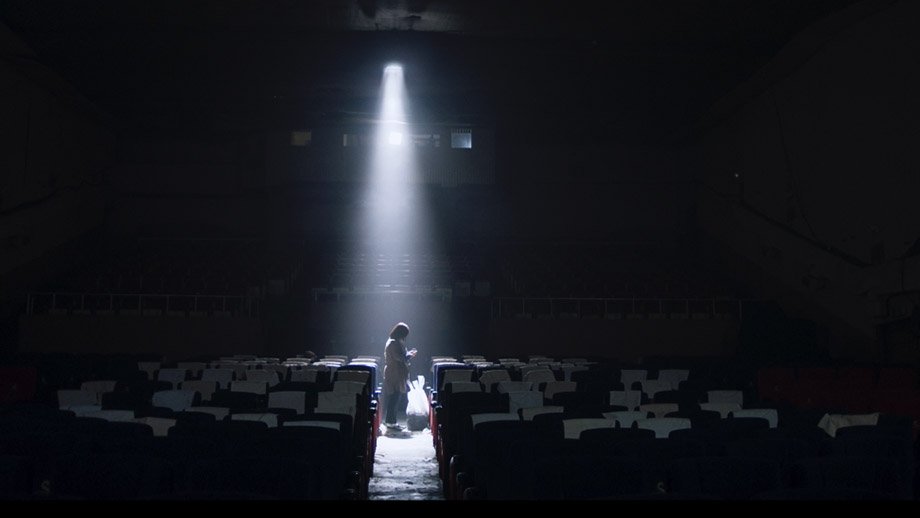
Hommage (오마주, Shin Su-Won, 2021)
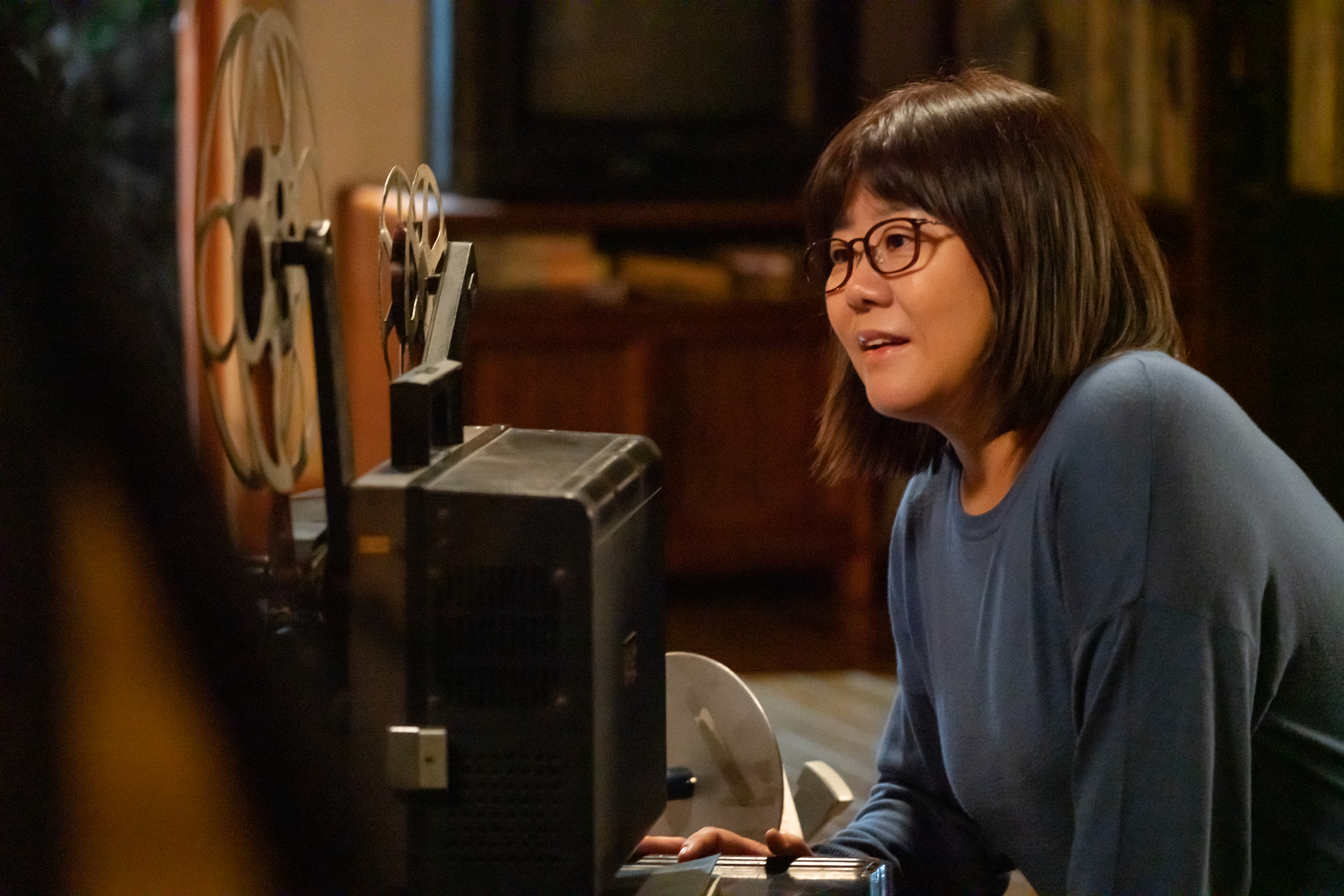
The latest film from Shin Su-Won (Pluto) stars Lee Jung-eun as a filmmaker re-evaluating her career after the poor reception of her last movie. An offer from a film archive to help restore a film by one of Korea’s earliest female filmmakers takes her back to the 1960s and allows her to rediscover her love for cinema.

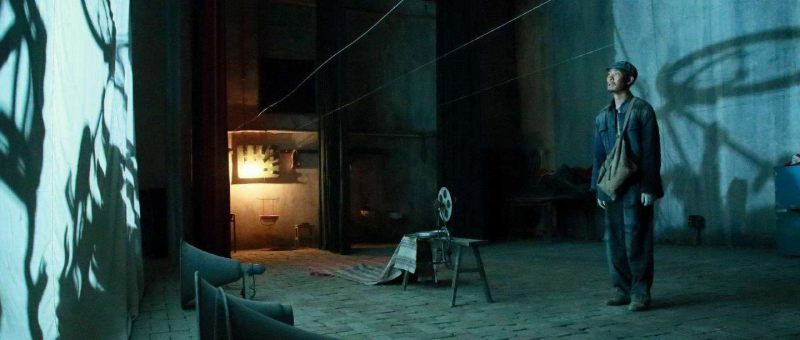
One Second (一秒钟, Zhang Yimou, 2020)
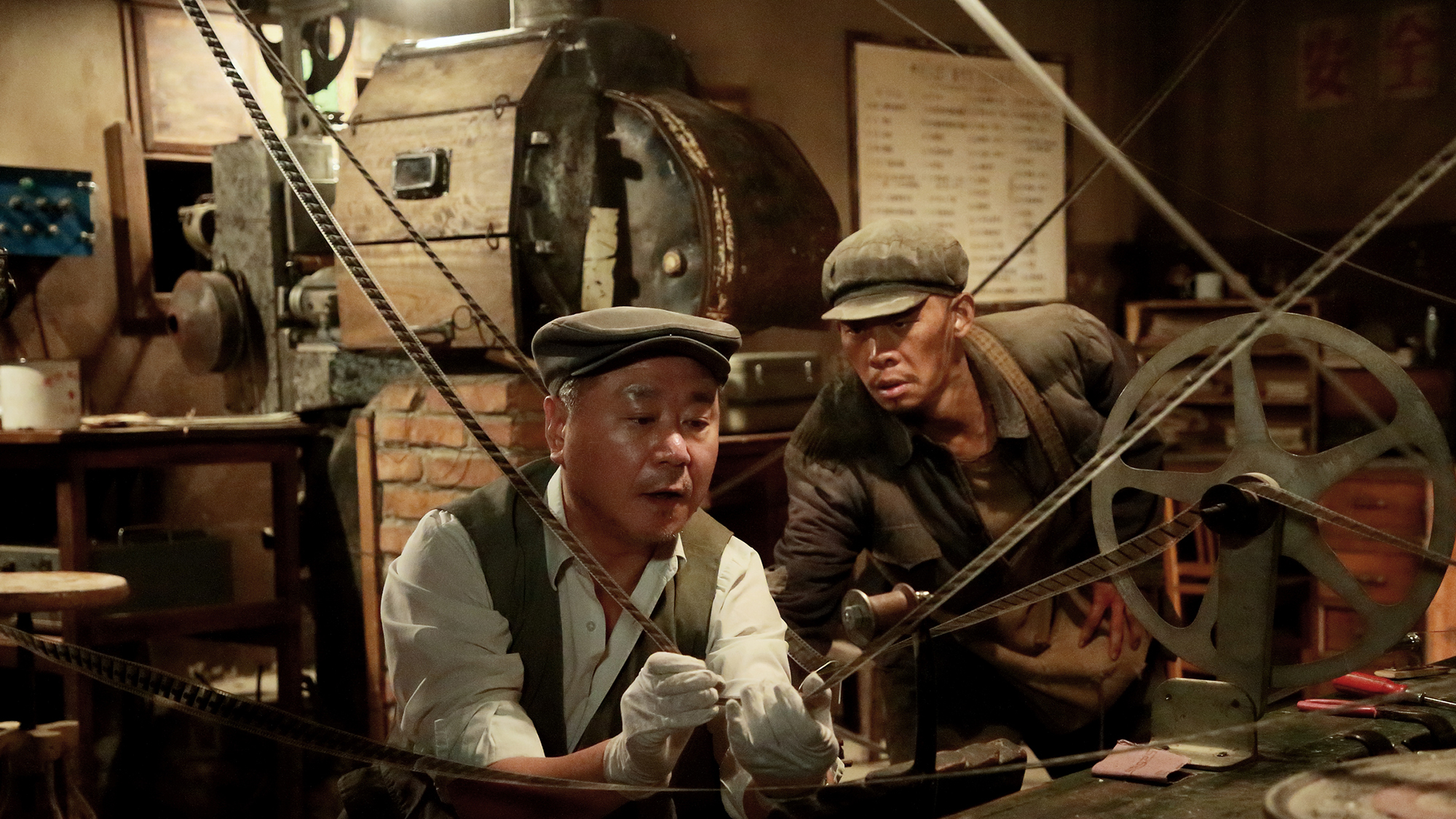
Long delayed love letter to cinema from Zhang Yimou in which a man escapes a labour camp hoping to catch a glimpse of his daughter in a cinema newsreel.

Yuni (Kamila Andini, 2021)

Indonesian drama from Kamila Andini in which a young woman wanting to go to university becomes a subject of rumour after she rejects a series of potential suitors in her conservatively-minded local community.

The Glasgow Film Festival takes place at Glasgow Film Theatre and Cineworld Renfrew Street with some screenings at partner venues throughout the country 2nd to 13th March. Full details for all the films as well as the full programme are available via the official website, and you can stay up to date with all the latest news by following the festival on Facebook, Twitter, and Instagram.
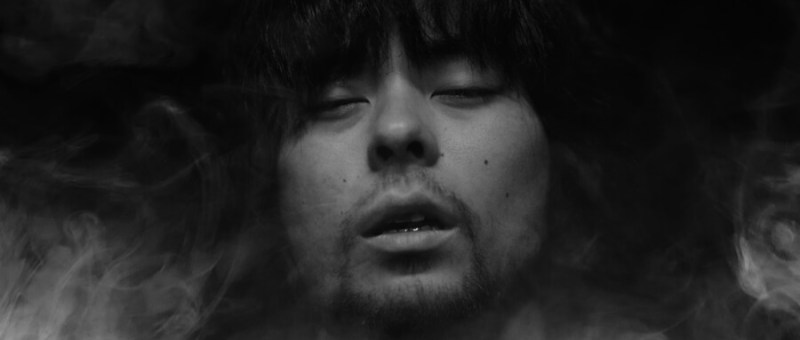
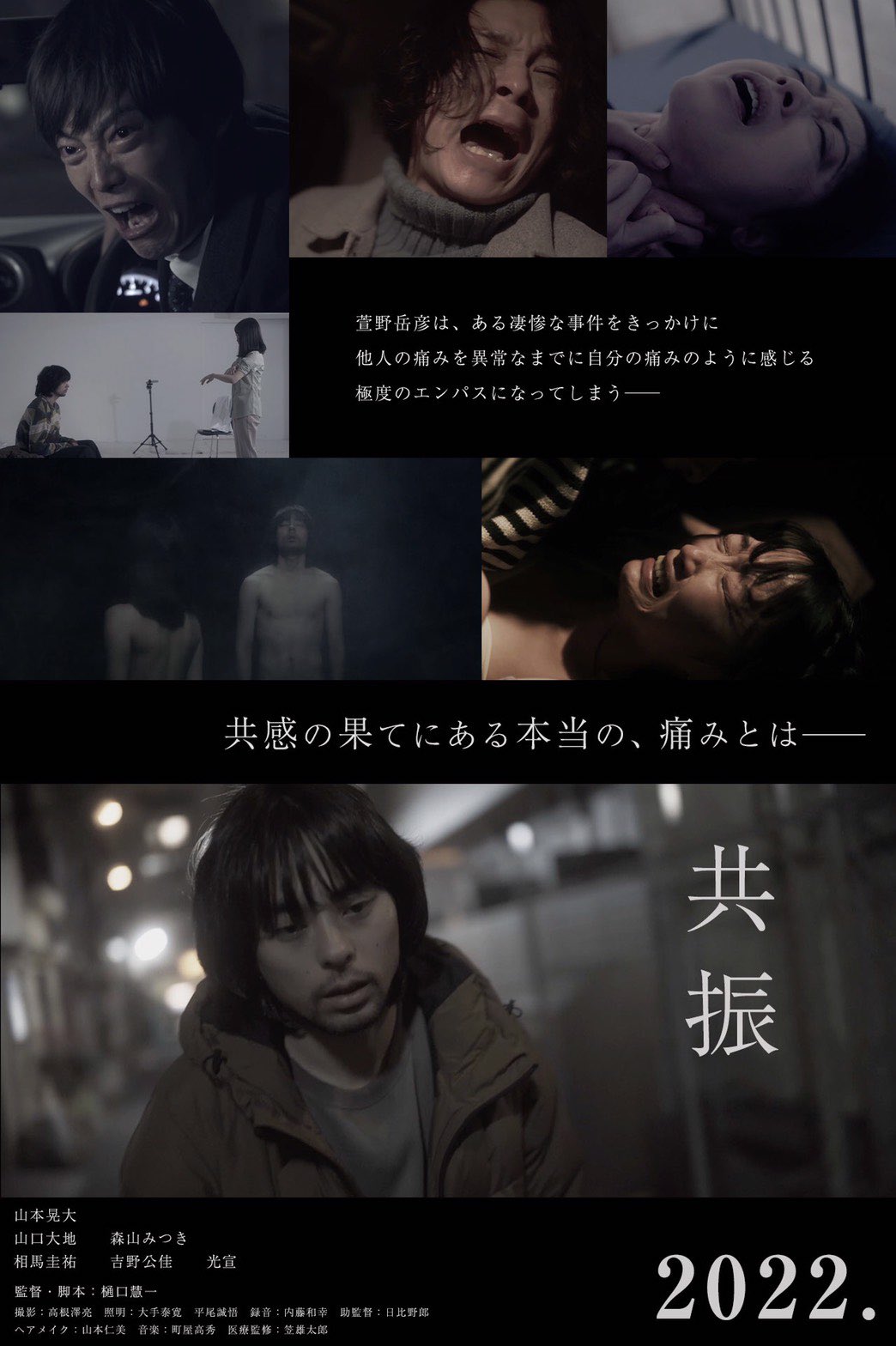
Kyoshin (共振, Keiichi Higuchi, 2021)

In modern society we often criticise others, but not always ourselves, for a perceived lack of empathy but what would it be like to truly empathise with everyone, all of the time, with no control over our own feelings? The hero of Keiichi Higuchi’s psychological drama Kyoshin (共振) finds himself with just this problem after a traumatic incident leaves him with both intense PTSD and the unwelcome side effect of being forced to feel the pain of others as his own. 

26-year-old Takehiko (Akihiro Yamamoto) thought of himself as perhaps a little over sensitive, feeling obvious discomfort sat opposite two salarymen arguing loudly in a crowded restaurant while also somewhat disconnected from his partner in a moment of supposed intimacy. It’s one evening on the beach, however, when everything goes into overdrive. Spotting two guys manhandling a screaming woman into a van he and his friend Gin (Keisuke Sohma) intervene but aren’t much of a match for two the young thugs and find themselves tied up and stunned in the back while the woman is forced to provide oral sex to the driver. Taking advantage of a momentary lapse from the other man who was busy interrogating Gin and Takehiko, the woman takes drastic action of her own in a bid to escape. Gin tries to help her, but seeing what’s befallen the driver Takehiko is plunged into fugue state able to do nothing other than scream in pain as if it were he that had suffered the catastrophic injury. 

A year on, Takehiko is a broken shell of a man unable to venture outside owing to the intense assault of other people’s pain. Ignoring calls from Gin, he’s cared for by his older brother Yuya (Daichi Yamaguchi) who ferries him to various doctor’s appointments, jeopardising his own employment in the process. Sick of medical professionals unwilling to admit they don’t know how to help him and obsessed with the curse of 27, Takehiko decides he’ll take his own life if there’s no improvement in his condition by his next birthday but then discovers potential salvation in an experimental programme run by a lesbian couple in which he will receive treatment from a woman who once experienced something very similar to himself but claims to have learned to live with it. 

The irony is that Takehiko’s condition is caused by extreme empathy in that he cannot avoid feeling other people’s physical pain as his own, yet he continues to treat those around him badly blind to the emotional toll caring for him is taking on them. His brother, feeling a parental responsibility as their parents passed away young, drops everything to help him but his boorish boss, ironically, has a fundamental lack of empathy. Annoyed that Yuya takes so much time off, he openly mocks him making the rather irrelevant point that Takehiko is 26 not six and therefore shouldn’t need so much care virtually accusing him of mollycoddling as if the problem were Yuya’s anxiety rather than his brother’s precarious mental health. 

Yet the experimental programme Takehiko finds himself involved with raises its own collection of ethical questions as the psychiatrist pushes him into a series of erotic situations arguing that if he learns to empathise across the emotional spectrum to experience other people’s pleasure as well as their pain he’ll be able to turn it off much more easily or at least flatten it out. She implies that similar therapies are what has enabled her to live a relatively normal life, but fails to disclose that she is also carrying a similar trauma which the treatment ironically recalls while largely failing to deal with the obvious possibility of transference in the potentially inappropriate lack of boundaries between patient and doctor. 

It might not be appropriate to ask how much empathy is too much empathy, but Takehiko’s path to recovery ironically enough lies only in secondary shock and a brush with death that allows him to reconnect with his friend Gin, suffering alone in their shared trauma, while empathising emotionally with his brother’s obvious care for him. It isn’t so much that Takehiko needs to disengage with those around him, but learn how to process effectively so that he can better help and understand rather solipsistically internalising external suffering. Shot with a sense of uneasy eeriness and a sci-fi twist in the manifestation of Takehiko’s descent into an oppressive empathy bubble, Higuchi’s provocative drama advocates for caring a little more about the pain of others but not so much that it stops you seeing where it hurts. 


Kyoshin streamed as part of Yubari International Fantastic Film Festival 2021.

Original trailer (no subtitles)

Asian Pop-Up Cinema Announces 2022 Happy Chinese New Year Free Streaming Series

Asian Pop-Up Cinema returns with another series of movies streaming for free in the US and Canada Feb. 1 – 15 via Smart Cinema USA in celebration of lunar New Year.

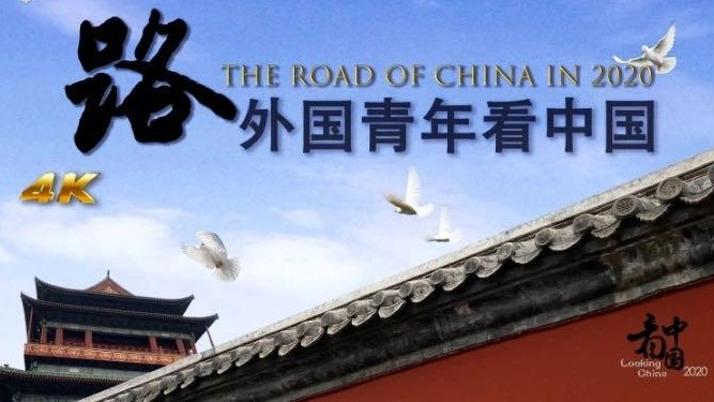
The Road of China

Documentary short anthology shot in early 2020 by a series of young directors from around the world as part of the “Looking China Youth Film Project” .

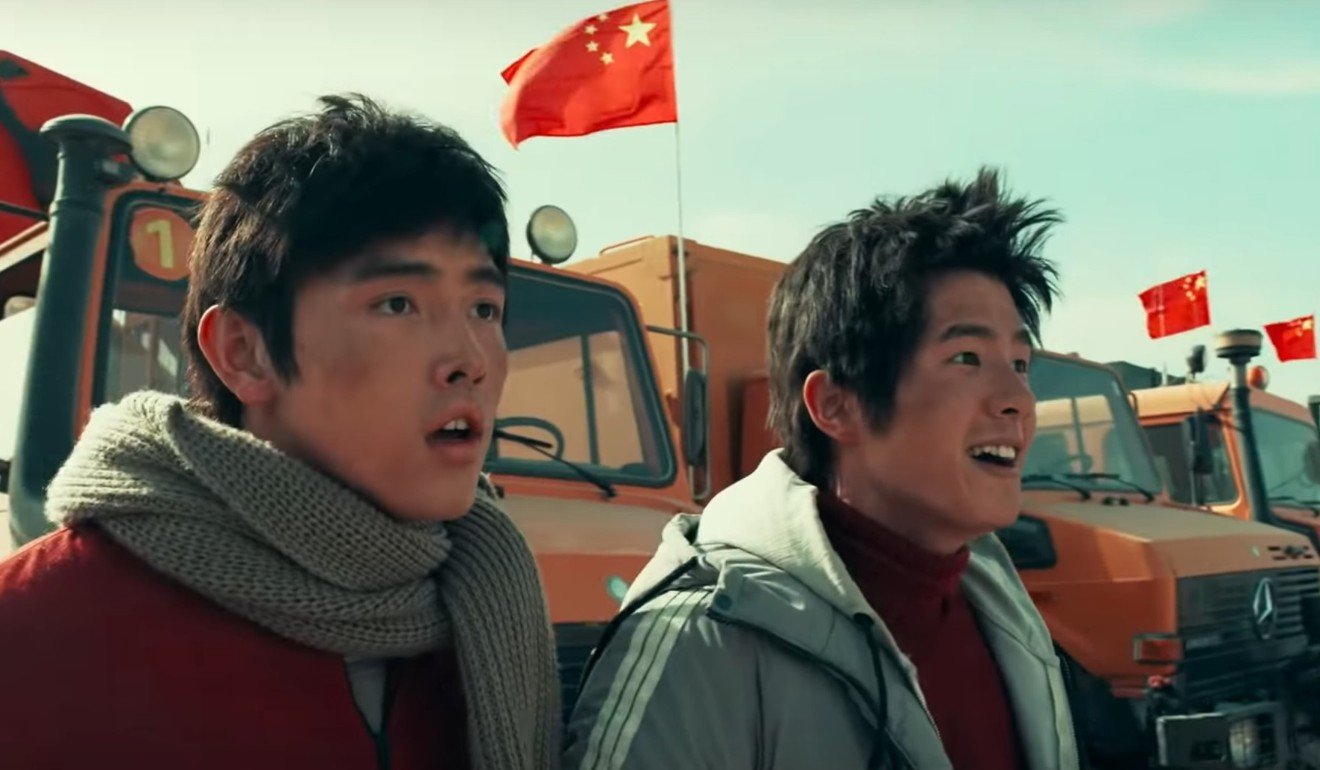
Striding into the Wind

A slacker film student yearns for freedom and independence but cannot break free of the forces which constrain him in Wei Shujun’s indie debut. Review

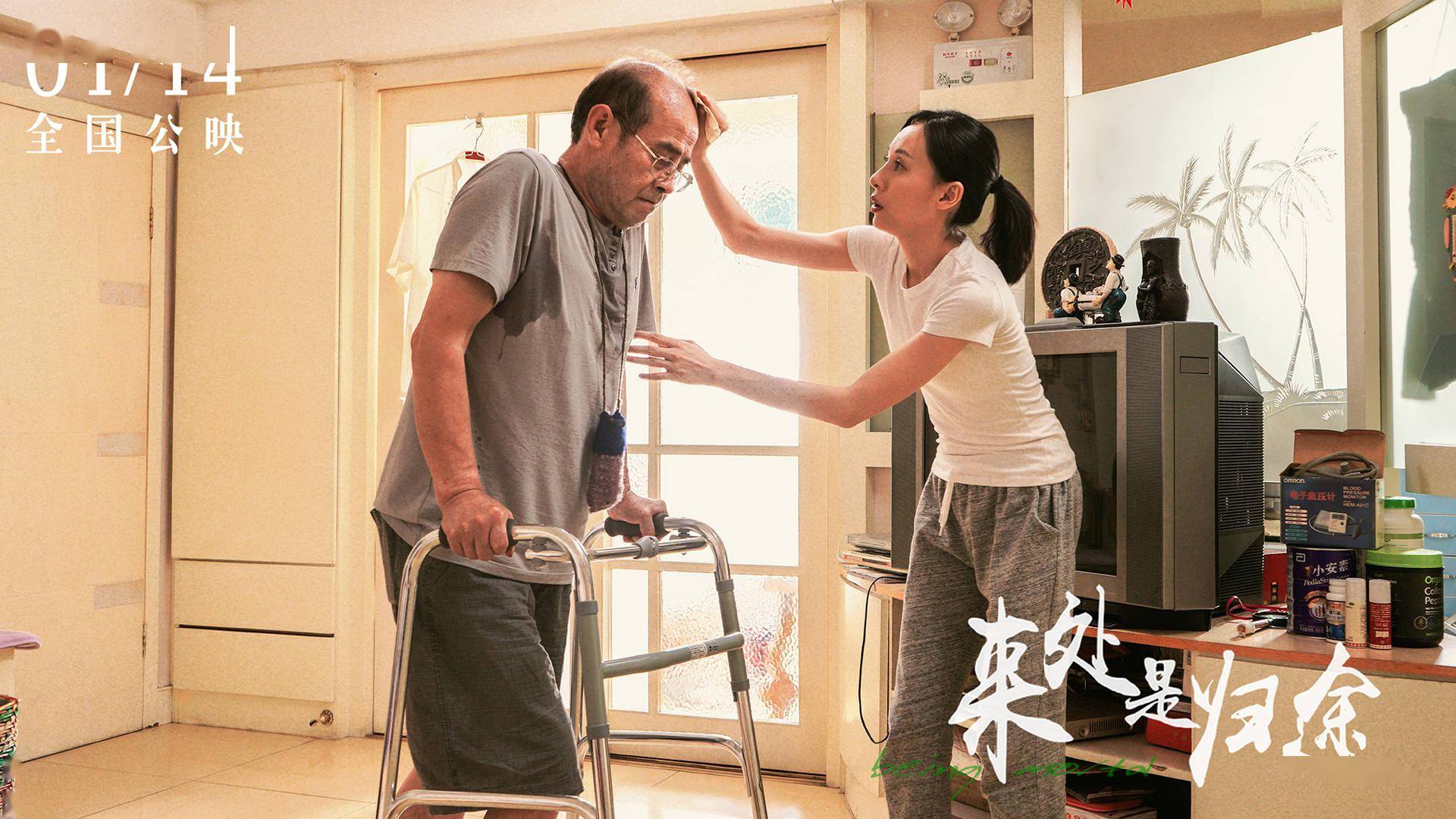
Being Mortal

Drama in which a young woman gets a job transfer to her hometown in order to look after her father who has been living with Alzheimer’s for the last 10 years.

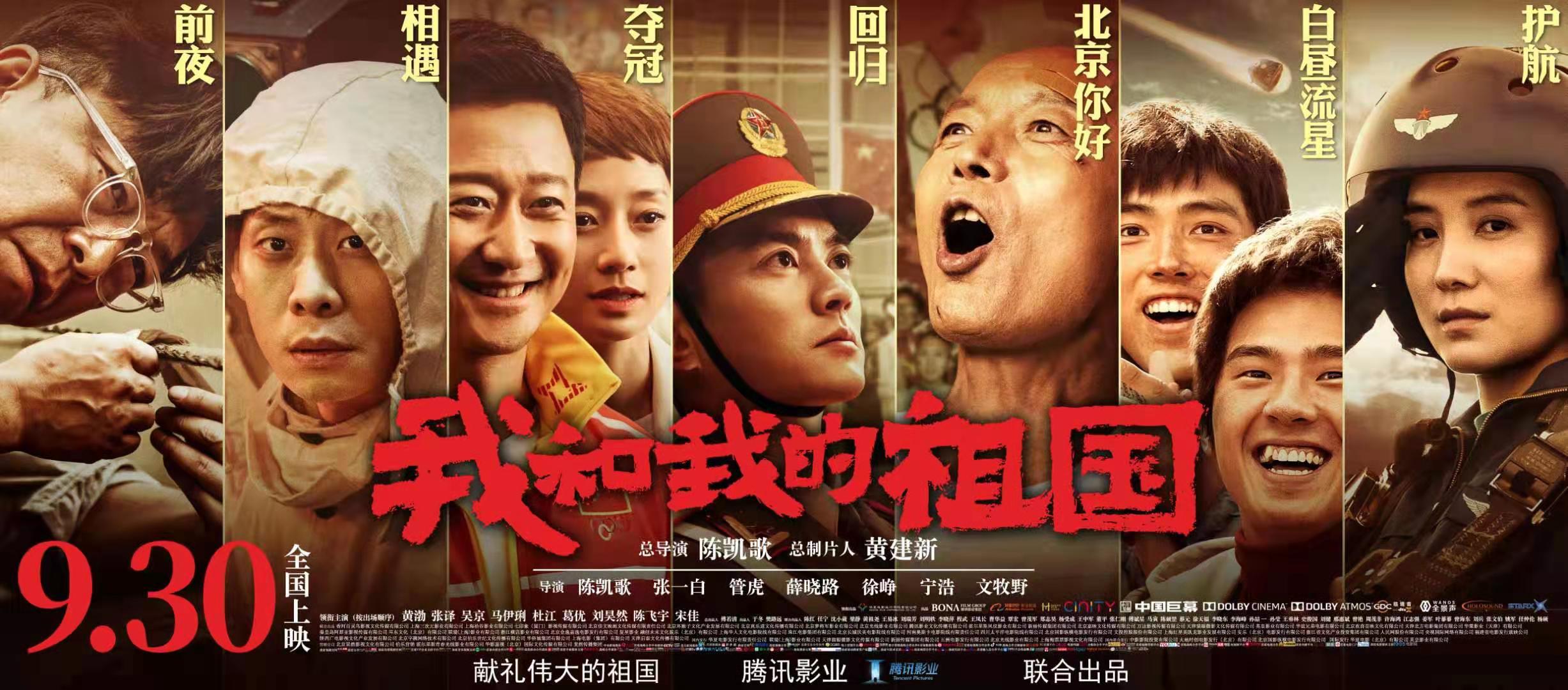
My People, My Country

Patriotic anthology film first released for National Day and featuring segments from top tier directors Chen Kaige (Farewell My Concubine), Zhang Yibai (I Belonged to You), Guan Hu (The Eight Hundred), Xue Xiaolu (The Whistleblower), Xu Zheng (Lost in Thailand), Ning Hao (Crazy Stone), and Wen Muye (Dying to Survive) each set in a different era of China’s history since 1949. Review.

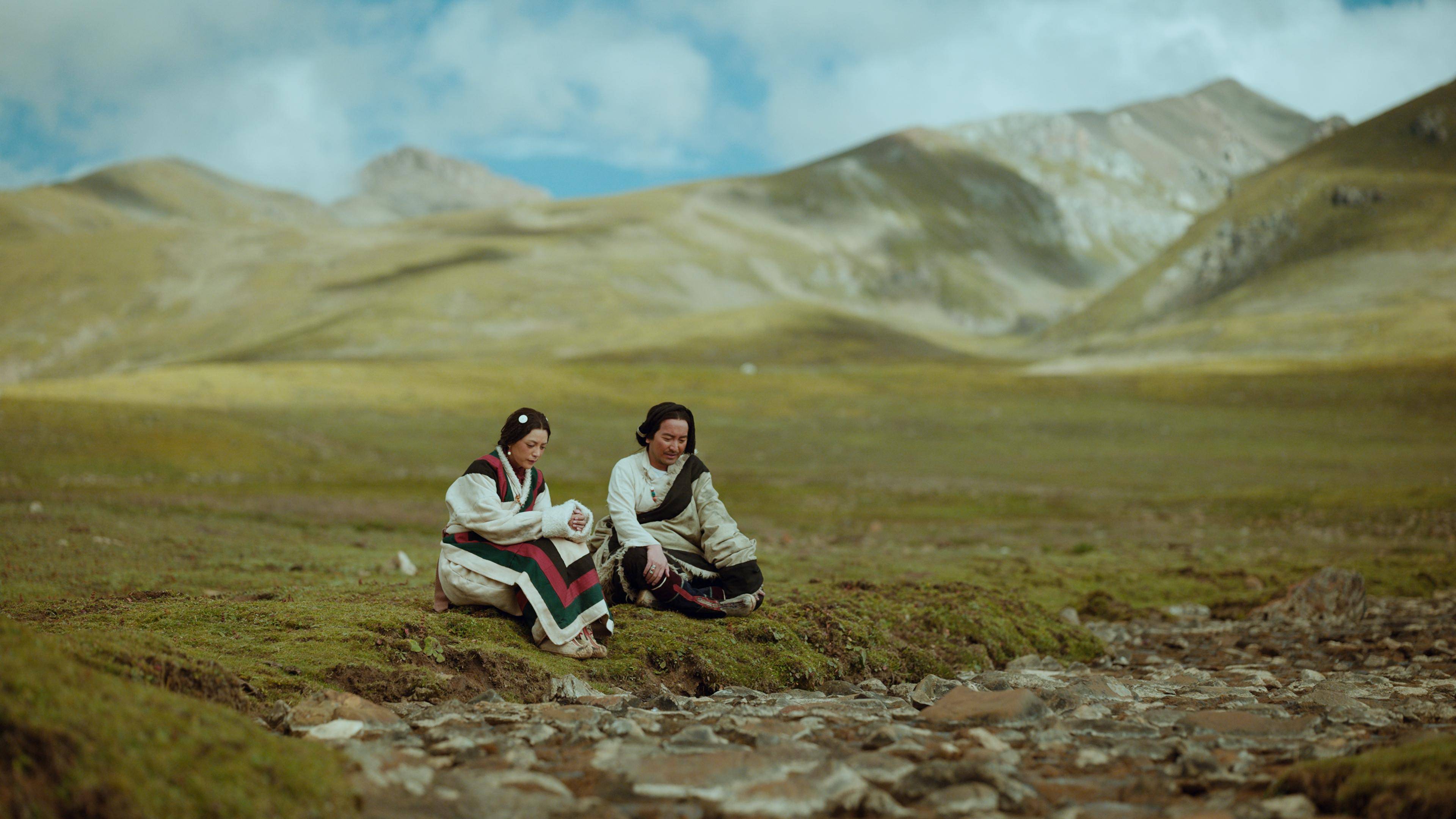
Life of Buda

Biopic of Tibetan hero Buda spanning the nation’s history from before the peaceful liberation to the establishment of the Tibet Autonomous Region.

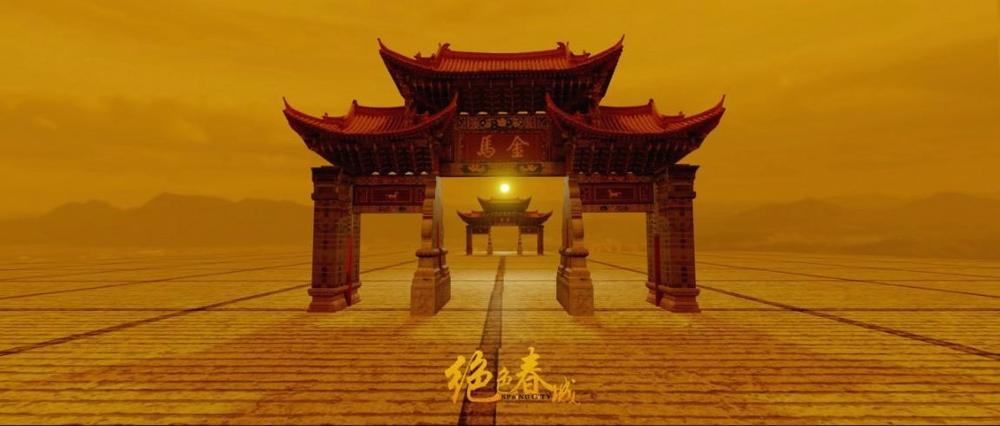
Spring City

Documentary focusing on the city of Kunming, known as the “spring city” and the capital of Yunnan province.

Each of the films streams for free in the US and Canada Feb. 1 – 15 via Smart Cinema USA. Further details can be found on the official website and you can also keep up with all the latest news by following Asian Pop-up Cinema on  FacebookTwitter,  Instagram, and Vimeo.

An Autumn’s Tale (秋天的童話, Mabel Cheung, 1987)

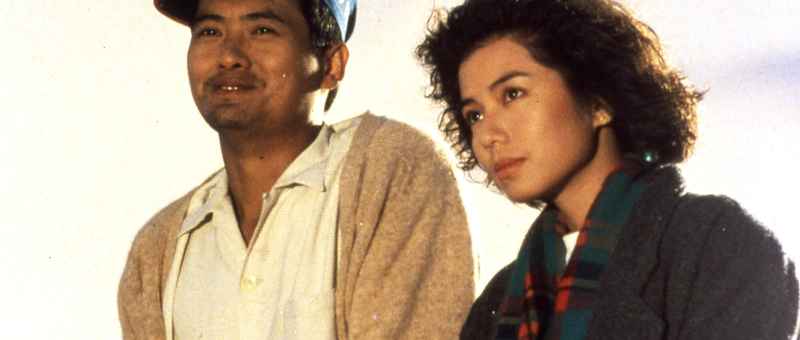
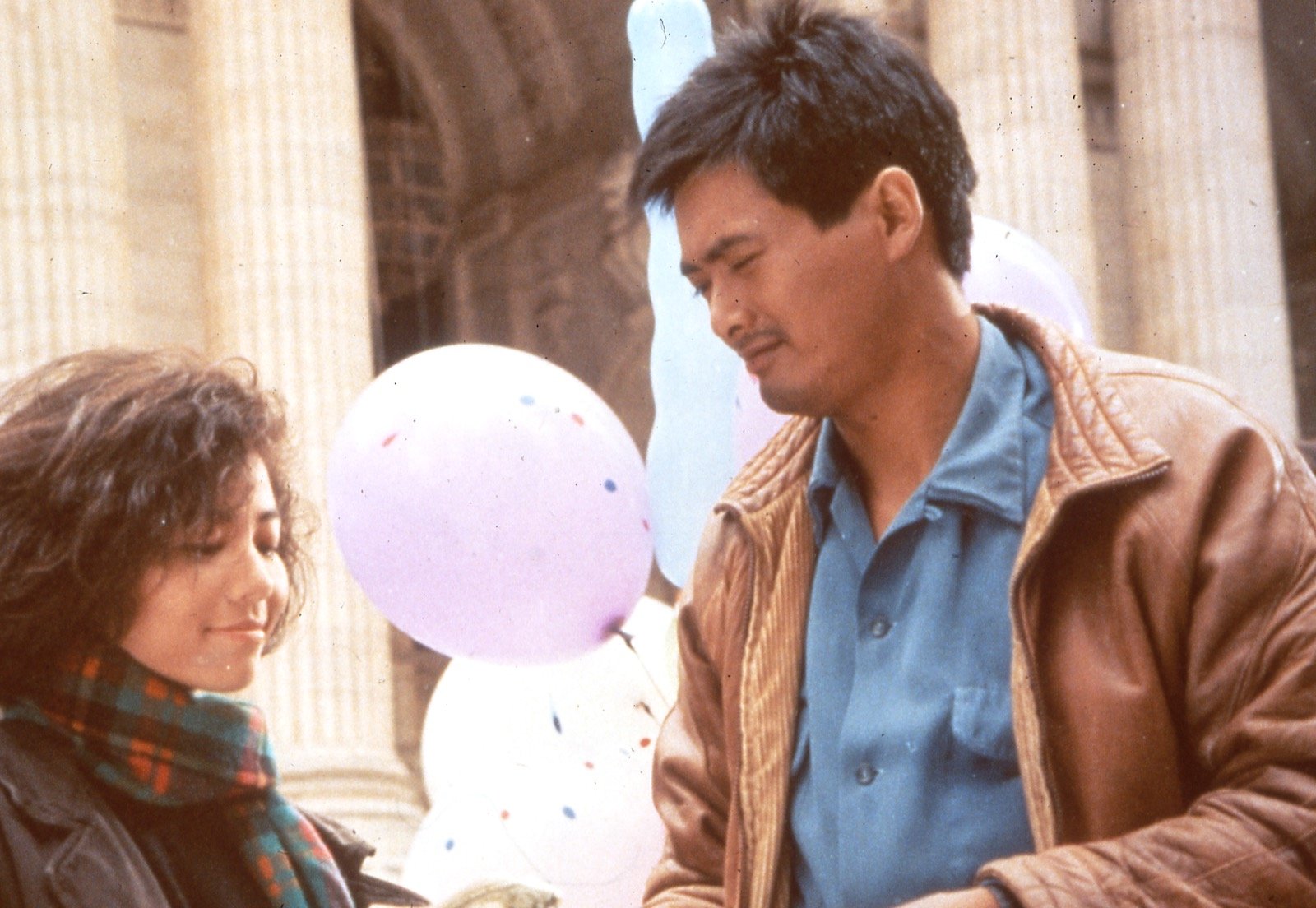
Cherie Chung and Chow Yun-fat find love in exile in Mabel Cheung’s charming New York rom-com, An Autumn’s Tale (秋天的童話). Penned by Alex Law, Cheung’s breezy chronicle of love and handover anxiety is subtle and sophisticated romance for grownups finding its youthful heroine stepping into herself in stepping away from home springboarding from emotional heartbreak into personal growth while beginning to fall for her equally lost and hoplelessly diffident yet larger than life new city neighbour. 

After two years of patient saving, Jennifer (Cherie Chung Chor-hung) is finally heading to New York to reunite with hometown boyfriend Vincent (Danny Chan Pak-keung) and study acting in the city. Her mother has put her in touch with a distant relative who is apparently a former sailor turned big man in Chinatown nicknamed “Figurehead” (Chow Yun-fat) who’s agreed to pick her up from the airport and sort her out with a flat. What Jennifer hasn’t disclosed is that she hasn’t told Vincent she’s coming and plans to surprise him when he returns from a baseball game in Boston. When she arrives, however, she discovers not only that Figurehead has somewhat misrepresented his level of success but that Vincent is seeing someone else and places little value on their past relationship, viewing his hometown girlfriend as childish and unsophisticated now he’s a big city guy changed by his new environment but not for the better. 

Jennifer’s culture shock on arriving in late 80s New York is instantly apparent as “Figgy” takes her back to the rundown Chinatown slum where he is living to a flat which looks like no-one’s been up there in 20 years, still has a gas-operated refrigerator, and is filled with the last tenant’s abandoned belongings. Perhaps bearing out the realities of the international dream, Figgy has obviously been telling everyone back home how great his life is in New York and how well he’s been doing for himself while living aimlessly in the city spending his days drinking, gambling, and fighting paralysed by anxiety and too frightened to move forward. Even so he does his best to help Jennifer adjust to life in New York, helping her fix up the apartment and trying to be sympathetic after witnessing her brutal breakup with the no-good Vincent.

Then again, “We belong to two different worlds” she eventually reflects in trying to decide not only if she’s fallen in love with Figgy or he her but if he’s really got longterm potential. She says he makes her feel free, but as she becomes more used to life in New York and less afraid of its differences she grows eager to see the rest of the world while Figgy, 10 years older, claims he’s seen it all already and has no real desire to go anywhere anymore. To him, everything in New York is just an inferior version of something they already had in Hong Kong, broadway musicals are “yankee opera”, pizza is “yankee pancakes”, the music of Americana street musicians is “yankee tunes” that remind him of a Chinese funeral march. While he works in a Chinese restaurant for Chinese people, Jennifer gets a job at an upscale place going by the name “Big Panda” run by a sleazy friend of woman she babysits for that is intent on selling a Westernised idea of China to the locals. Trying to play the big shot in his ill-fitting suit, Figgy doesn’t even understand the menu or the extortionately priced itemised bill presented to him in English but recklessly throws $20 bills at the tip-happy waiter. His only dream is to open a small restaurant on a pier overlooking the ocean that Jennifer convinces him to name “Sampan” like the boat but also in honour of his English name, Samuel Pang. While Jennifer continues to move forward, Figgy remains diffident, too afraid to voice his feelings and consumed by a sense of under-confidence that leaves him unable to pursue either his dream or innocent love. 

To put it bluntly it’s the 33-year-old Figgy who is not really ready for serious romance while through her failed relationship with Vincent and growing experience of independent city living Jennifer is beginning to figure out what it is she wants out of life and out of love. Their romance can’t blossom until they meet each other as equals, Figgy finally pulling himself together and gaining the confidence to chase both love and his dreams. A beautifully understated, naturalistic romance with an ending to rival Comrades Almost a Love Story, An Autumn’s Tale is also love letter to the city of New York with all of its danger and possibility as two lost youngsters learn to find a home in each other while discovering the courage to become themselves.


An Autumn’s Tale screens at the BFI 25th January as part of Focus Hong Kong

Original trailer (no subtitles)

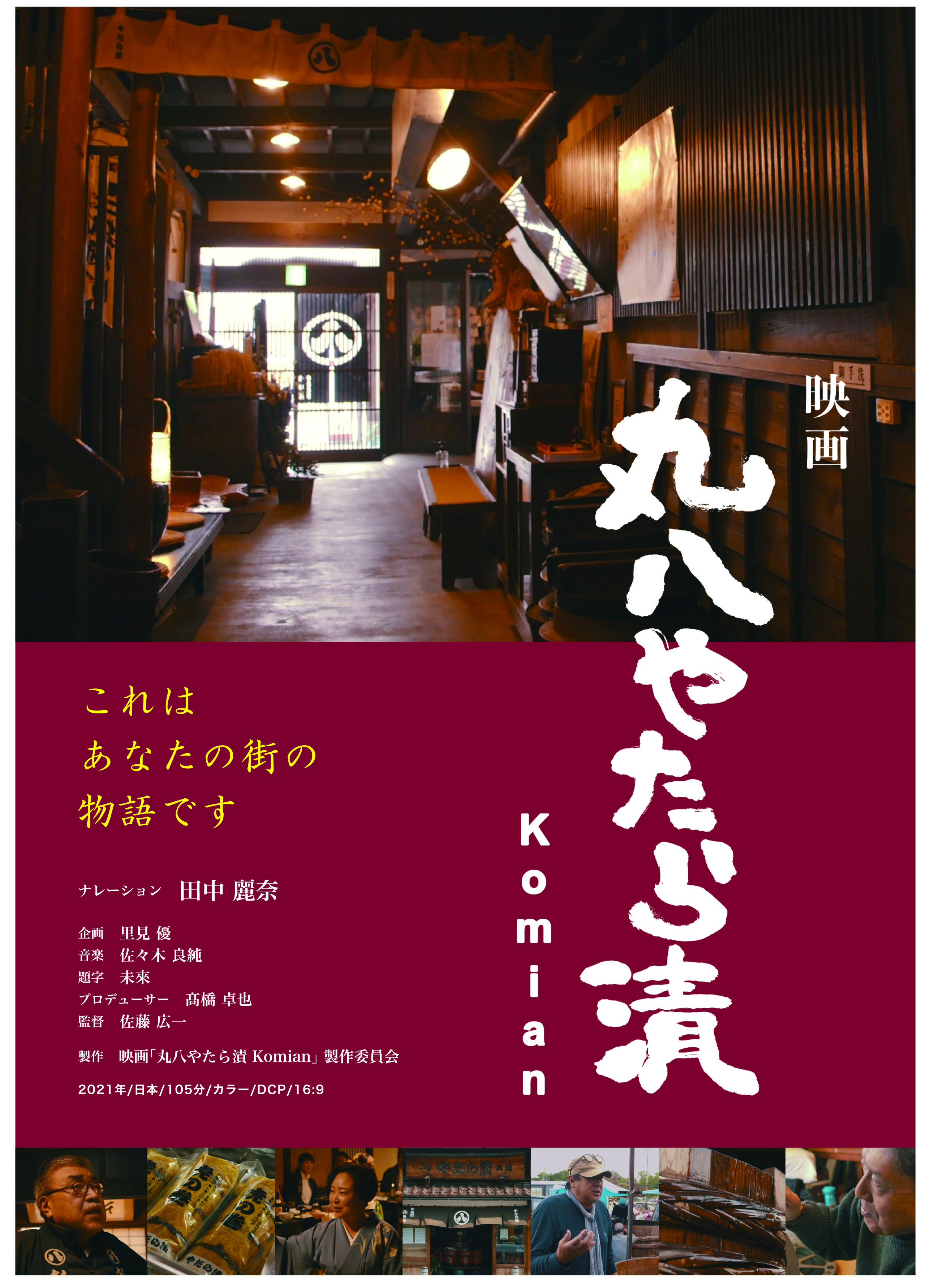
Pickles and Komian Club (丸八やたら漬け, Koichi Sato, 2021)

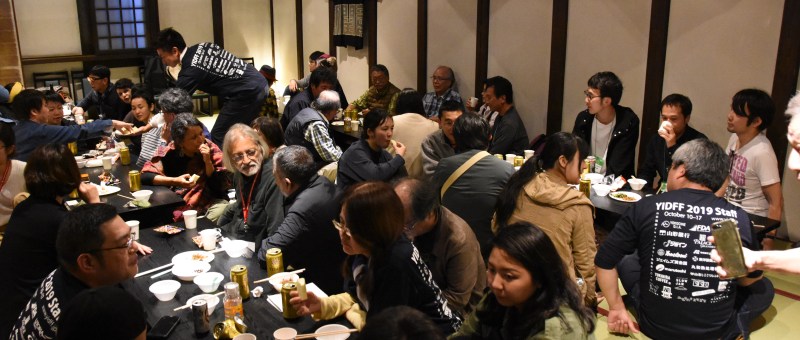
For years the Komian Club had been a familial haunt for visitors to the Yamagata International Documentary Film Festival becoming almost an artificial hub where filmmakers and spectators could meet on equal terms. However, the 135-year-old family-run pickle store was left with little choice other than to close given the decline in demand for pickles among younger consumers and the additional strains placed on their business by the conoravirus pandemic. 

Pickles and Komian Club (丸八やたら漬け, Maruhachi yatarazuke Komian) is as much about the film festival and the wider Yamagata community as it about the building at its centre. The loss of the store leaves many feeling quite literally displaced, not only lacking a new place to gather and mourning the atmosphere of the traditional building, but reflecting on the absence of these kinds of structures in the urban environment which places value only in the land on which new structures more profitable to the modern economy may be built. We’re told that the pickle store had been approved as an intangible cultural asset because of its luxurious interior, but this does not apparently provide much protection under Japanese property laws. The store’s owner Yoshinori mentions the possibilities of someone buying his storehouse and moving it to a new location preserving all of its period features but is eventually forced to sell to developers who plan to knock it down to build build yet another generic apartment block. 

As he explains, in Japan property depreciates over time and the value that it has is essentially sentimental rather than financial. Few people are interested in preserving these traditional buildings along with their classical architectural styles because there is no real financial incentive to do so. The best that can be done is to salvage what one can that could be re-used or incorporated in another structure such as the heavy wooden beams and ornate friezes. Yoshinori sells one of his giant wooden pickling vats to an old friend who runs a traditional Japanese inn which is then repurposed as a bath. His friend worries what the decline of traditional culture might mean for his business, inns largely being the repository of the traditional in the modern society. But the repurposing of the vat which in essence turns something used for industry into something used for leisure is an example of one way to bring something of the past into the present finding new uses for old technology. 

While the pickle store could not be saved, other owners of similar properties have been able to breathe new life into old spaces, turning a small outside guesthouse into a cinema which the local community can enjoy or renting out part of the premises for local events taking full advantage of the calming atmosphere such traditional buildings can offer. Though as an architecture student later makes plain what’s needed is further action at the legislative level to ensure that older buildings are better protected and less likely to be torn down because of an economic imperative that has no interest in tangible history. Seeing the buildings stripped of their assets then roughly broken apart is a heartrending sight as is the giant empty space they leave behind robbing the area of its unique atmosphere in favour of the generically urban. 

One interviewee makes the point that in choosing to focus on documentary film the festival in a sense made an investment in its future by choosing the unique over the flashy, building a friendly atmosphere of openness and equality rather than the red carpets and VIP areas which can often define some other events. In a sense it’s this loss of traditional spaces which damages the fabric of the community in further distancing one person from another while robbing it of the architectural history that gives it its sense of place.  Even so the presence of the festival providing a place in which filmmakers and film lovers from all over the world can gather is a potent symbol of alternative community bolstering the local, while the young are also busying themselves finding new ways to incorporate the traditional into their modern lives or breathing life back into that which had been thought old-fashioned but might now be reappreciated for its quality of serenity in an ever changing society.


Pickles and Komian Club Storytellers streams worldwide (excl. Japan) via DAFilms until Feb. 6 as part of Made in Japan, Yamagata 1989 – 2021 (films stream free until Jan. 24)

Trailer (no subtitles)

Storytellers (うたうひと, Ryusuke Hamaguchi & Ko Sakai, 2013)

Many tend to forget the folktales and fables they were told when young or at least until they themselves have a child yet it’s often through mystical stories that we first begin to learn about the world and our place within it. Third in a series of documentaries by Ryusuke Hamaguchi & Ko Sakai focussing on the Tohoku region in the wake of the 2011 earthquake and tsunami, Storytellers (Utauhito) follows folklore scholar Kazuko Ono of Miyagi Minwa no Kai as she travels the local area visiting friends in order to hear the various stories they remember from their youth. 

Yet as she explains during a trademark Hamaguchi backseat monologue in a car he and co-director Sakai are driving, folktales may have different meanings and interpretations to different people and in different eras in their own particular context. As an example she cites the tale we’ve just heard recited by an elderly woman titled The Monkey’s Bride in which a farmer with three daughters unwisely promises a wife to a monkey who agrees to help him with his rice paddy. The first two daughters refuse, but the third agrees because her father made a promise only to trick the monkey, who has been nothing but kind to her, into drowning himself in a lake. As a child, Kazuko like many disliked the story feeling sorry for the monkey who had acted only with humanity and does not seem to warrant being killed in such an unkind fashion. But then she began to reconsider how her grandmother from whom she first heard it may have read the tale as a woman married off at 16 who constantly tried to run away and only wanted to escape cruel treatment at the home of her in-laws. To her the daughter in the story was brave, doing that which she could not in freeing herself from a forced marriage after being sold to pay her father’s debt. Looking deeper again she began to wonder if the monkey wasn’t also a metaphor for the rich landowners who oppressed peasant famers with only poor quality paddies who were often forced to sell off their daughters in return for financial assistance. 

Other stories meanwhile speak of the ingenuity of the poor, a little girl rewarded after responding to an ad promising vast riches for anyone who manages to bore the story-loving lord, she managing it quickly by making him repeat a lengthy nonsense phrase at regular intervals. A story apparently meant to encourage young couples to find “clever” ways of sorting out marital disputes similarly finds a husband returning from the city selling his wife’s lover whom she hastily shut in a water jar, getting one over on him and her, getting his hands on 10 ryo, and even getting the jar back too. Such stories tell us something about the world in which they took place, female adultery in this case not so much of problem able to be solved with some comedic shenanigans rather than the point of a sword, while we might equally find it an absurd way to deal with marital infidelity. Then again there are also a series of thematically similar stories cautioning against marginalised members of society who create problems in order to gain fame and fortune through solving them such as two bizarre tales of magical instruments which cause people’s bottoms to sing an absurd and annoying song which only the holder of the object can stop allowing them to leverage their new talents for unearned wealth and status. 

Even so it isn’t perhaps the tales that matter so much as their transmission, many of the elderly storytellers recalling memories of their grandmothers from whom they first heard how the shrimp got its curved back or of eagles who tried to fly to the edge of the ocean. Each of the storytelling sessions begins in ritualised fashion, Kazuko and the other party introducing themselves to each other though they have all been friends for years or sometimes decades and already know each other well. As in the story of the girl and the lord, we’re reminded that tales like these expect call and response, an exchange between the storyteller and the listener that transcends the story itself. A now elderly man recounts that he’d forgotten most of the tales his eccentric grandmother had told him before joining the folktale group in his 40s, but also advances that the stories she gave him were intended to foster a sense of wonder in the world along with a confidence and security that would allow him move freely through the darkness. A lesson in oral history in which these ancient tales are shared and retold before reaching new generations is perhaps a sign of hope that something has and will survive in the simple act of speaking and listening even as Kazuko explains that in order to hear the story she must also change herself so she too may keep moving forward . 


Storytellers streams worldwide (excl. Japan) via DAFilms until Feb. 6 as part of Made in Japan, Yamagata 1989 – 2021 (films stream free until Jan. 24)

Dear Pyongyang (Yang Yong-hi, 2006)

“Whether she accepts my ideas or not, I’m glad because she’s all grown up” the father of documentarian Yang Yong-hi insists implying perhaps that he has more respect for his daughter’s questioning nature than she had assumed he might. Deeply personal, Dear Pyongyang is Yang attempting to parse the disconnect between her loving parents’ lifelong faith in the Great Leader and her own upbringing in a much more open society which has encouraged her that she should be free to live her own life and make her own decisions rather than as her father would have it devote herself to a “fatherland” which remains unfamiliar to her. 

As the opening titles explain, Korea was annexed by Japan in 1910 and fell under colonial rule until its independence was returned with the collapse of the Japanese empire at the end of the war only to be partitioned in 1948. During the colonial era, many Koreans had settled in Japan, divisions also emerging between them as those who supported the North chose to take North Korean nationality even if in reality from the south. Yang’s father was one such person, having grown up around ardent Marxists on Jeju Island. A member of pro-North organisation Chongryon, he devoted his life to activism campaigning for the rights of other Zainichi Koreans while proselytising for Kim Il-Sung thought. He even sent his three sons “back” to North Korea as part of a repatriation program in 1971 incorrectly believing that the North’s economy was improving, the nation would soon be reunified, and relations with Japan would become normalised. Had he known it would mean an almost permanent separation, he may have made a different choice. 

Six years old at the time and kept behind as the only daughter, Yang attended North Korean schools and was in a sense indoctrinated with North Korean propaganda yet she was also coming of age in Japan where she was free to listen to the Beatles and watch movies while it gradually became obvious to her that the place her brothers had been sent to was far from the paradise they’d been promised. She herself was able to meet with them in 1983 as part of a school trip but even then she was only permitted to see them for short periods of time agreed with North Korean authorities. Permitted to travel back and forth with some regularity she finds herself noting more each time how the images in her mind don’t line up, fixing her gaze on a incomplete tower construction long since abandoned as an ironic symbol of the North’s false prosperity. 

In actuality Yang cannot show much of this in her film for obvious reasons and in the time she spends with her brothers and their families, their lives seem comfortable enough save the odd power cut. Her young nephew has even benefitted from the CDs she used to send his father and is an accomplished piano player. Nevertheless, her mother Yon has been sending heat packs en masse to each of the brothers as well as other friends and relatives after receiving a letter telling her that one of the grandchildren had been suffering frostbite because of the extreme cold. Yon had always sent care packages to her children, so shocked on receiving the first photo of them from the North and noticing how much weight they’d lost that she tore it up rather than let their father see it, but boxes have increased significantly in size as the families grew and she became more aware of the reality of the situation in Pyongyang. Still she and her husband remain loyal to the Great Leader, unable to discern the level of cognitive dissonance in the evidence of their eyes and their faith in North Korean communism. 

It’s the disconnect that Yang can’t understand or forgive, finding it particularly galling that her parents have been supporting whole communities with their care packages but everyone attributes the largesse to the goodness of the Great Leader even though the packages wouldn’t be necessary if the system itself had not failed. Her ideological opposition to her father manifests itself in her desire to change her nationality though opting not for a Japanese passport but a South Korean one that would allow her to travel more easily if also ironically preventing her from visiting her brothers and extended family in the North. Finally he seems to relent, admitting that the “circumstances have changed” and he wants her to have more opportunities in her working life. In any case, even if she lived in the South she would be free to visit him in Japan in a way his sons are not, his exclusion of her from his instructions that his sons and grandchildren should devote their lives to the “fatherland” perhaps a tacit acknowledgement that she need not follow his path but should seek her own. Then again perhaps it’s also an acceptance that his life’s work has not turned out as he’d hoped and has in fact robbed him of the company of his children through literal and ideological divide. Even so this moment of compromise allows Yang to begin to bridge a division she thought unbreachable, able for the first time to see her father as just that, longing to hear his thoughts and have him listen to hers only to be immediately robbed of the opportunity. At times raw and filled with a sense of melancholy regret, Yang’s incredibly personal documentary is partly a treatise on the destructive effects of cognitive dissonance and blind faith, but also on the freedom to be found in mutual acceptance. 


Dear Pyongyang streams worldwide (excl. Japan) via DAFilms until Feb. 6 as part of Made in Japan, Yamagata 1989 – 2021 (films stream free until Jan. 24)

US Trailer (Japanese & Korean with English subtitles)

The Cheese & The Worms (チーズとうじ虫, Haruyo Kato, 2005)

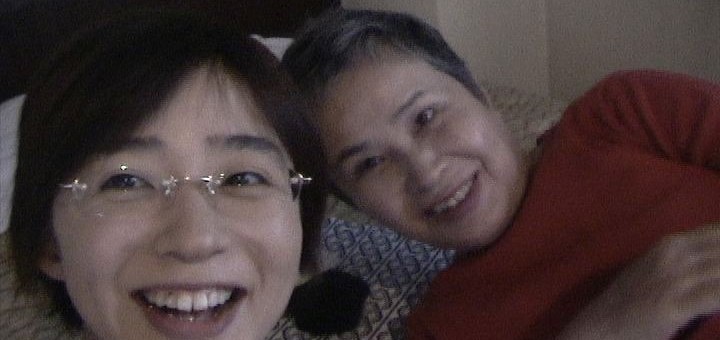
A series of quotidian observations of an ordinary life, Haruyo Kato’s moving personal documentary The Cheese & The Worms (チーズとうじ虫, Cheese to Ujimushi) sees the director returning to her hometown in order to spend time with her mother, Naomi, who is suffering with a terminal illness, and her elderly grandmother. Yet hers is not so much an exploration of sickness or old age as what it means to live in the shadow of death through the tiny moments of the everyday which ultimately construct a life as her mother tries to find joy in ordinariness and the director an acceptance of the abruptness with which a life can end. 

Kato structures her tale as a series of vignettes each preceded by a title card featuring two words joined by an ampersand until such time as her mother passes away at which a single word remains only later joined by others. She begins and ends with the sky, but otherwise captures the small moments of everyday life that might otherwise be forgotten such as her mother cooking, attempting to grow vegetables in the field behind her home or appreciating the cosmos flowers blooming near by. Poignantly they decide to plant more the following year though uncertain if Naomi will see them bloom. 

Meanwhile, Naomi uses her remaining time perfecting old hobbies such as learning to play the shamisen or painting in preparation for an exhibition alongside others from the retired teachers association. She spends time with her two young grandchildren and witnesses the birth of a third, the family coming together to celebrate grandma’s birthday. They do not talk very much about death save discussing Kato’s childhood trauma having lost her father young contributing to her sense of despair regarding her mother’s illness and declining health. We see her undergo various hospital treatments and gradually become weaker though trying to live as normal a life as possible. 

Kato asks her grandmother if she fears death but is told that once you reach a certain age it no longer frightens you, she hoping only that it be peaceful and as painless as possible for herself and those left behind. One of Naomi’s regrets had also been that in dying first she would be abandoning her elderly mother while grandma too struggles to accept the loss. Poignant pillow shots capture the anxieties of ageing in her scattered mobility aids and the false teeth sitting in a glass, or otherwise find her too trying her best to live while reflecting that Naomi at least got to see her four grandchildren and lived a full and happy life. On her death she had said she wanted to become dust of the cosmos, while grandma after thinking for a moment answered that she’d like to be the earth which is perhaps a touching metaphor for a life of a mother and a daughter. 

Yet the reality of Naomi’s death is echoed in its absences. Kato flipping through an old day planner as the number of appointments gradually declines before all of a sudden the pages are blank save for the boxes where her mother had penned in the days of the week, the book thereafter one of constant emptiness that reminds her of all the life left unlived in the terrible abruptness of its ending. She and her siblings later attend a sumo match in her mother’s place, reflecting that the camera flashes are like twinkling stars and wishing she could have come with them to see it. 

Kato and her grandmother rewatch the home videos she had shot of her mother, reflecting on lost moments and their own memories as they each try to find acceptance and accommodation with loss. At her funeral, Naomi’s youngest grandson had attempted to crawl over her body, too young to understand the meaning of death and bursting into tears at the adults’ reaction, a confused mixture of horror and bemusement as they gently lift him away. It’s in these small, forgettable moments that Kato eventually finds meaning in life a sense of everyday happiness now unburdened by fear or anxiety and existing only as fragmentary memories of warmth and humour and given in a sense a second life in their constant replay through the art of Kato’s gentle filmmaking. 


The Cheese & The Worms streams worldwide (excl. Japan) via DAFilms until Feb. 6 as part of Made in Japan, Yamagata 1989 – 2021 (films stream free until Jan. 24)

A2 (Tatsuya Mori, 2001)

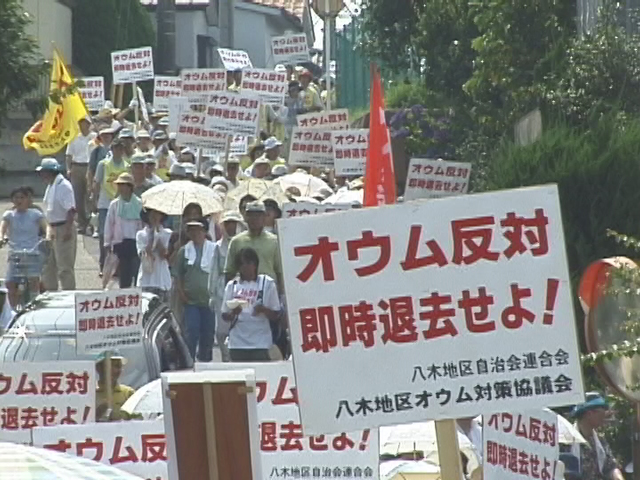
“Japanese society is definitely worse than it was five years ago” according to director Tatsuya Mori, returning to the subject of Aum Shinrikyo following his 1998 documentary A, “It is definitely warped.” In A2, he wonders if the legacy of the 1995 sarin gas attack on the Tokyo subway has affected society in unexpected ways as its rage and fear is channeled in the wrong direction in its pathological hatred of the new religion sect without attempting to understand why the attack happened or why people continue to follow the cult’s teachings given its violent history. 

Five years on, Aum has rebranded as Aleph and distanced itself from the teachings of Shoko Asahara but is still holding out on coming up with a plan for compensating victims and their families while some members directly involved in the attack remain on the run (the final fugitive was apprehended only in 2012). The government has decreed that those who had no connection to the incident should be allowed their constitutionally guaranteed rights to practice their religion, but as Mori follows them the current members face constant harassment in the local communities in which they attempt to settle. As someone later puts it, there is no real solution, once Aum is rejected they have no option but to move on to another town where the same thing will happen again with no real progress made. 

Even so, in one particular community the locals become almost friendly to the Aum members they are also keeping under close and intensive surveillance. Though instructed not to interact with them, some residents explain that they personally would prefer to be on friendly terms, others jokingly even offering them food or alcohol over the fence and almost sorry to see them leave when their rental contract finally expires. Through their admittedly hostile interactions, they’ve come to accept the members of Aum as distinct from their association with the sarin gas attack and no longer harbour the same sense of fear they once held for the unknown quantity of the new religion organisation. 

On the other hand, the fear and anxiety which has become linked with Aum has been hijacked by right-wing nationalist groups seeking to manipulate it for their own gain as they step into the vacuum created by a lack of action with their own ideas for potential solutions to the Aum problem. Their solutions are not as extreme as one might assume, but advocate for Aum’s forced disbandment with no practical plans for how that might happen. As Aum members admit, as a new religion organisation they often attract those who are vulnerable and looking for solutions to their own mental anguish. Faced with the intense harassment they face in smaller communities, these members are often pushed towards taking their own lives while the press has sometimes also attempted to manipulate their image for personal gain one man claiming he was essentially abducted and taken to hospital on the grounds he seemed malnourished but was prevented from leaving after getting the OK from a doctor as the police had already issued a statement about him which the press had printed without verifying. 

The current Aum members frequently complain that they have been misrepresented by the press while Mori himself is on one occasion accused of being an Aum sympathiser when challenging potential inaccuracies or asking if those participating in anti-Aum activity might be better off trying to understand them instead. This seems to be the direction in which some of the protests have drifted, local societies putting up signs to encourage thse who might want to leave the organisation to reassure them that they will be reaccepted by mainstream society, that their friends and relatives with whom they have severed ties are waiting for their return. The members, however, are often so disconnected from “worldly” matters that they may not know what mainstream society is, Mori’s brief questioning of an official revealing that she is unable to recognise the names of even the biggest contemporary pop stars. “Ultimately harmony can’t be achieved, can it?” Mori asks somewhat rhetorically, worrying that the psychological strain placed on the followers not only in the austerity of their religion but their treatment by wider society cannot but lead to further damage while opinions on either side are unlikely to soften. 


A2 streams worldwide (excl. Japan) via DAFilms until Feb. 6 as part of Made in Japan, Yamagata 1989 – 2021 (films stream free until Jan. 24)

Original trailer (no subtitles)

The New God (新しい神様, Yutaka Tsuchiya, 1999)

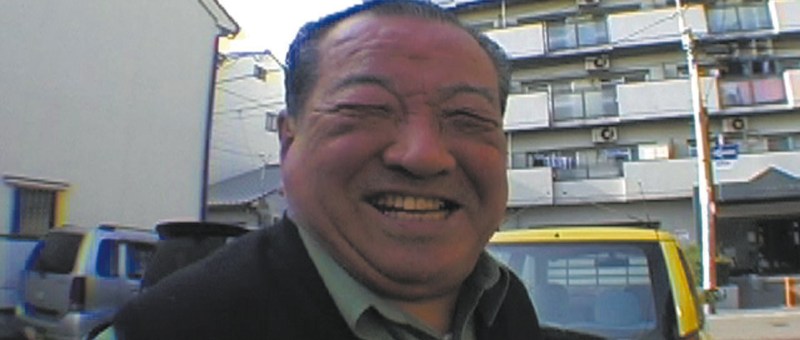
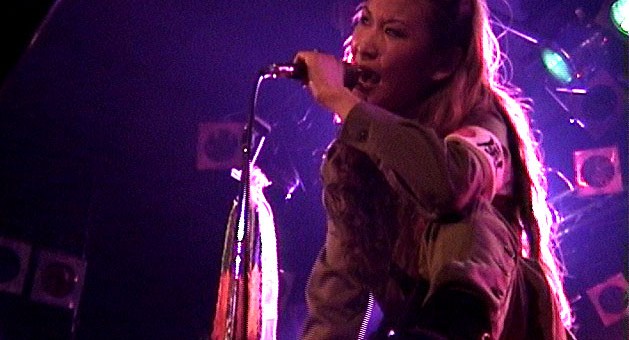
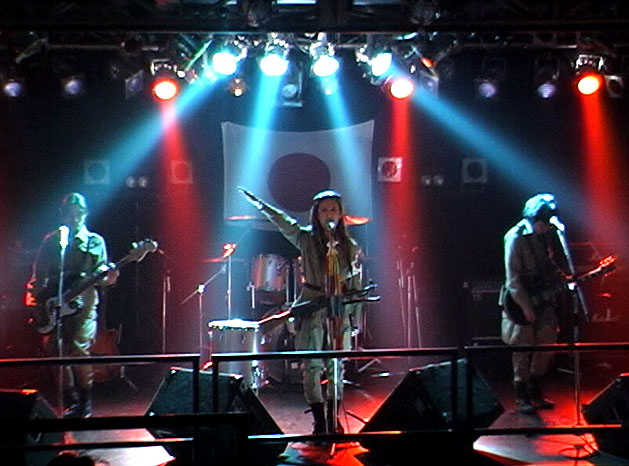
Yutaka Tsuchiya opens his 1999 shot on video personal doc The New God (新しい神様, Atarashii Kamisama) with a lengthy scene of performance art in which a young woman dressed in a suit explains why she was drawn to nationalist ideology while seemingly ignored by the other passersby in the street, a woman behind her even continuing to hand out flyers as she speaks. On the left himself, Tsuchiya was nevertheless struck by the raw emotion in the song of right-wing punk band Revolutionary Truth as performed by charismatic lead singer Karin Amamiya whom he eventually ended up marrying despite their conflicting views. 

In any case, it’s clear even from the film’s opening that Karin is becoming disillusioned with the version of nationalism to which she has hitherto ascribed, a feeling which is intensified after she is invited to visit North Korea in the company of a former member of the ultra-left organisation Japanese Red Army. During her time in Pyongyang, recording video diaries with Tsuchiya’s camera, she is extremely attracted to the quality of unity she sees as integral to the North Korean system while otherwise unable to process the simultaneous truth that oppression and unity are not synonymous. Children are not abused in North Korea she naively explains having been invited to tour a day care centre, reflecting on her own difficult childhood in which she experienced bullying so severe it has left her with lasting trauma which prevents her from fully connecting with the world. 

It is indeed this sense of dislocation that pushed her towards nationalism, taken in by the idea of nation as family while looking for a place to belong. To be fair to her and to her bandmate Itoh neither of them express particularly extreme views aside from their historical revisionism and their idea of nationalism seems to be inclusive rather than exclusive in which they have no particular problem with minorities or people who are not considered to be ethnic Japanese. In fact, they seem to subscribe more to a patriotic small-c conservatism in which hard work is regarded as a virtue which should always be rewarded in full. This is the reason they give for their views on the controversial Yasukuni shrine which houses the souls of those who died in war including those later convicted of war crimes, believing that the soldiers like everyone else “worked hard” during the war and their sacrifice shouldn’t be ignored. 

For his part, Tsuchiya listens patiently to their sometimes confused ideology while internally questioning his own as someone who identifies as left-wing progressive and believes that the war was wrong and the emperor system is responsible for the majority of ills in contemporary Japan. Yet as someone else puts it left and right are in themselves fairly meaningless labels as is the concept of nation. Karin gets on fairly well the guys from the Japanese Red Army but finds their impassioned speechifying off-putting while later disillusioned with her nationalist organisation after her speech about her experiences in North Korea fails to elicit much of a reaction from those she now decries as being part of a social club less interested in serious politics than getting together for drinks and chat. The issue for her is that these people don’t really care about Japan and aren’t sufficiently interested in changing society for the better. 

The implication is that Karin and Itoh were drawn towards nationalism because of their marginalisation, Karin mercilessly bullied and disconnected from her birth family, while Itoh later admits he became a nationalist to escape being a “nerd”. What Karin craves is the sense of extended family one might feel in a society such as she feels North Korea to be, the emperor a father figure of paternalistic feudalism. She feels herself to be worthless, admitting that she feels best when’s she’s needed and is attracted by the sense of purpose found in activism while politics is for her an escapist fantasy that allows her to evade the need for self-examination. The pair of them also feel a sense of ennui in a stagnant society, decrying their “boring” lives in insisting that “this suffocating peace” has endured too long as they direct their ire ironically enough towards capitalism and Japan’s geopolitical relations with America. 

Opposition to American imperialism unites both left and right, implying that they aren’t so different after all. Tsuchiya advances that the difference between them is that he thinks the emperor system is at fault, while Karin and Itoh feel it to be a solution. He doesn’t understand why they need to locate a sense of pride in something external like nationhood or emperor rather than learning to find it from within, while Karin seems to long for authoritarianism out of a lack of self-confidence essentially hoping to be freed from the burden of choice. Even so through spending so much time listening to each other the trio have discovered a sense of mutual understanding which does not require them to agree or even to share common ground though they do more than expected, becoming as Tsuchiya hopes a path to a better society in which such meaningless labels existing only to divide one person from another are no longer relevant. 


The New God streams worldwide (excl. Japan) via DAFilms until Feb. 6 as part of Made in Japan, Yamagata 1989 – 2021 (films stream free until Jan. 24)

Trailer (no subtitles)