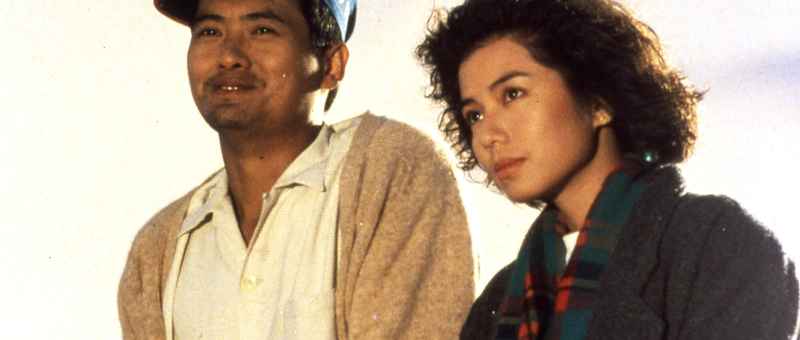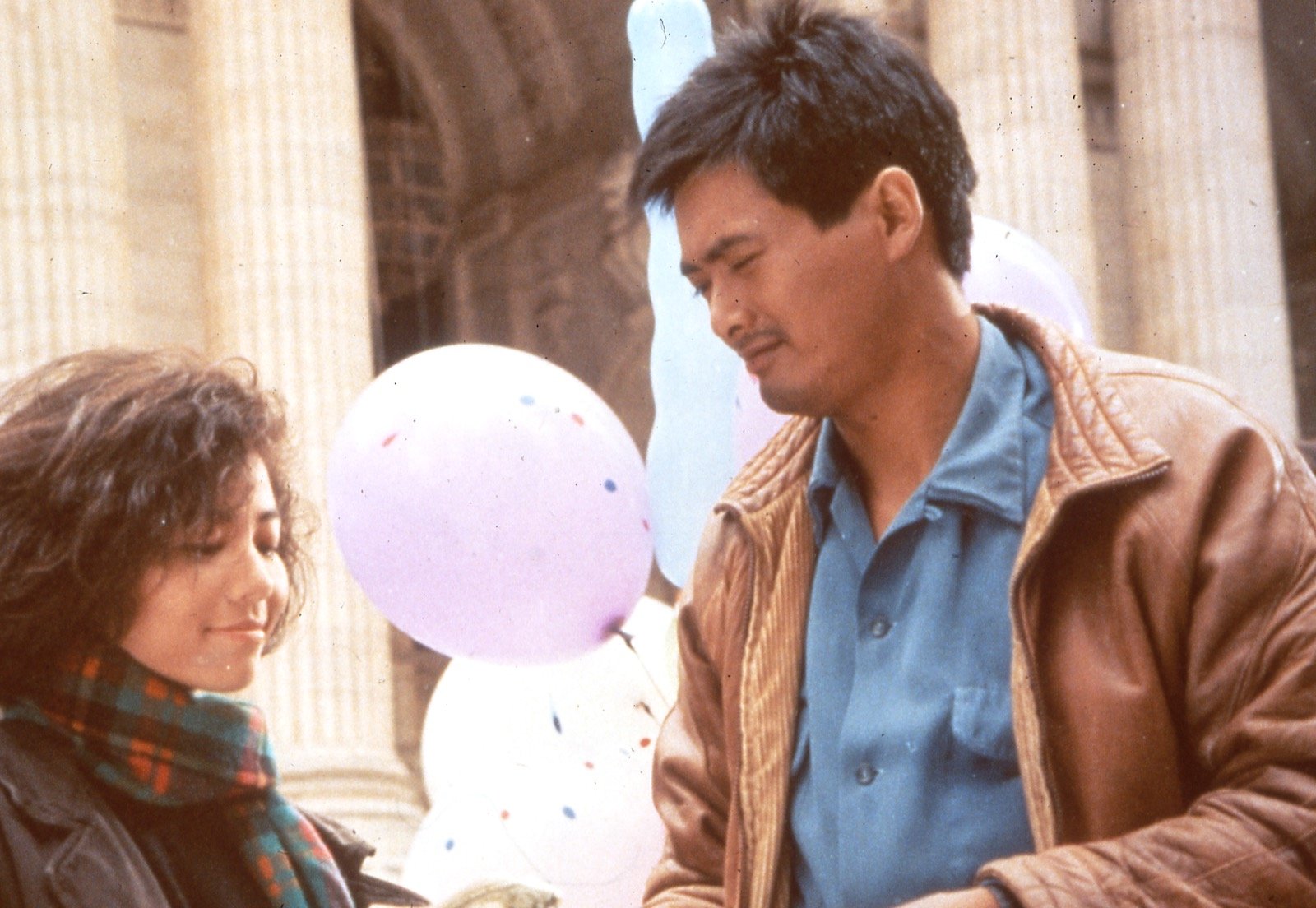
A man is not a man without eight taels of gold, according to returning taxi driver slim arriving home after long years of absence only to discover that no one is there. They’ve all been moved on too, ironically pushed further back into the past by China’s rapid demand for progress. A continually displaced person, he begins to find love, but this too like all things is destined to flow away from him.
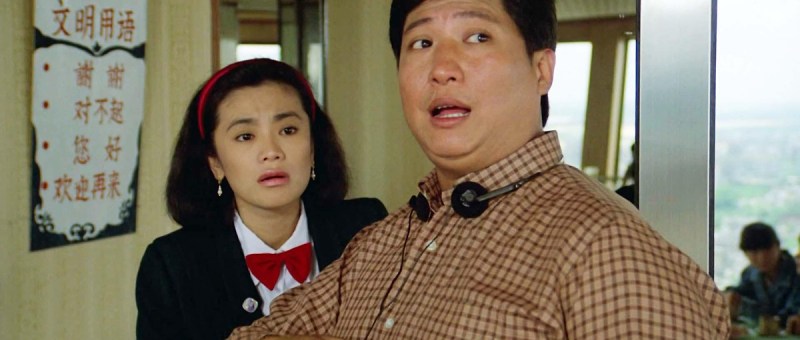
Slim (Sammo Hung Kam-Bo) fled the Cultural Revolution as a teenager without a word to his family vowing never to return. He has sent them only one letter since, he tells childhood friend “Odds-and-Ends” (Sylvia Chang Ai-Chia) because he didn’t want to lie and the truth would only have upset them. While in the village, he straddles an awkward line presenting these two visions of his life in New York, the one aspirational as symbolised by the “eight taels of gold” that mark him out as a successful man, and the other the painful reality that his life has been hard and lonely and that he has far less to show for it than he would like.
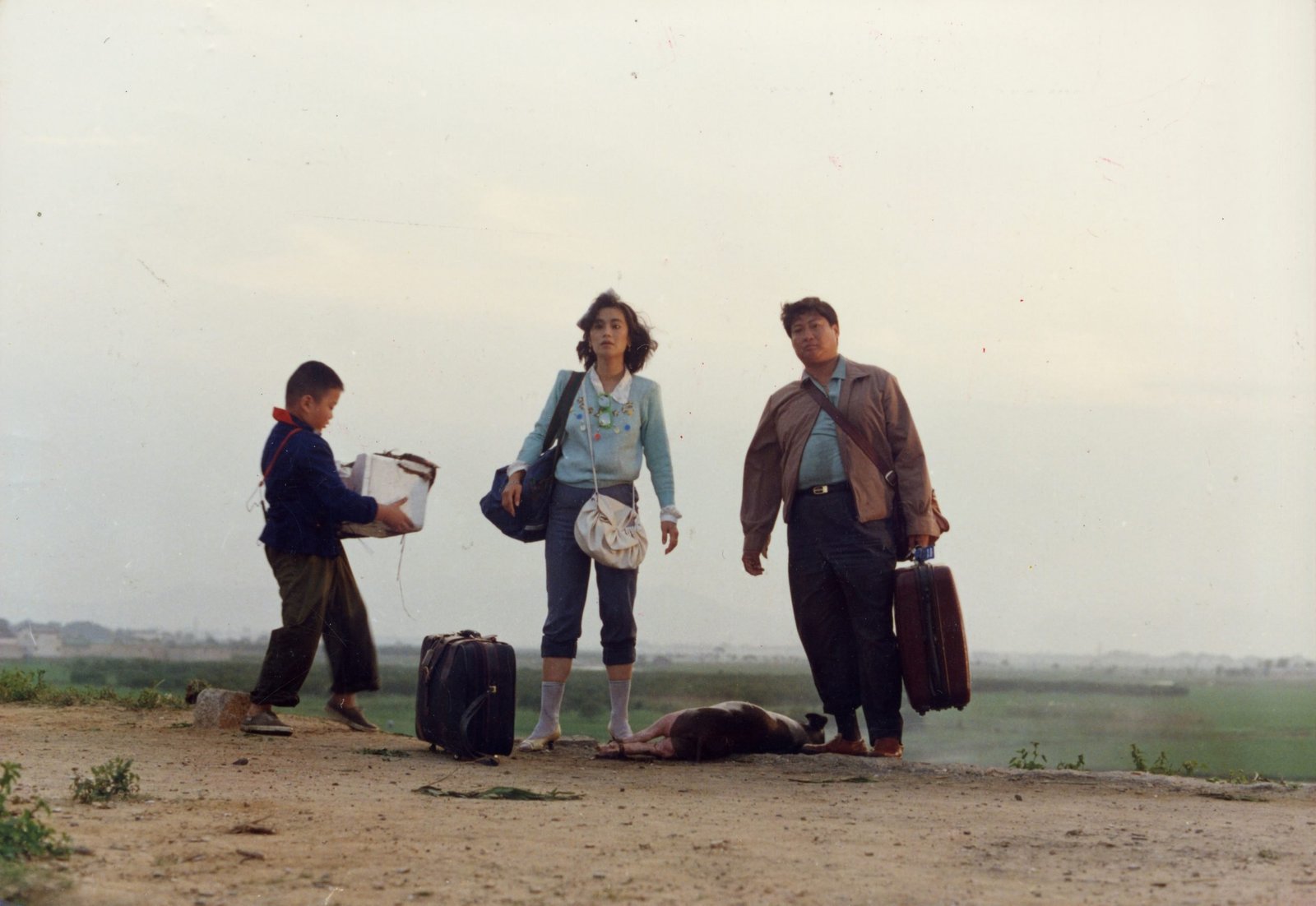
Yet paradoxically, it’s this “reality” that begins to share with Odds-and-Ends who initial excitement about a new life abroad is tempered by her growing attraction to Slim and fear of marriage to a man she barely knows in a place where she knows no one. To her America represents modernity, sophistication, and consumerist comfort. But Slim has been there already and he knows that her life will most likely be confined to Chinatown where she will wash dishes in her husband’s restaurant and live in a poky flat for the rest of her life. The gifts Slim takes back with him as evidence of his wealth are largely emblems of American capitalism like Nike trainers along with trinkets such as Statue of Liberty cigarette lighters (that ironically have “made in China” stamped on the bottom) and oversize paper replicas of American dollars. Due to various incidents along the way he seems to shed his supply as he goes as if moving closer to the old China by dropping the trappings of his new life in the land of consumerism. Nevertheless, even his gold and the watch he gives to his father were borrowed to bolster an illusionary sense of success.
Meanwhile, the village itself has changed and he finds himself displaced once again. His parents have taken his heavily pregnant sister Siu Mei back to their own home village in an attempt to circumvent the One Child Policy. She has one child already, but it’s a girl and Slim’s father thinks she ought to have a boy, exposing the ways in which these new policies interfere with traditionally held cultural beliefs that nevertheless refuse to die. Slim’s father’s desire for a grandson coupled with the One Child Policy quite literally endanger his daughter’s life. It turns out the baby is breech, but they’re reluctant to take her to a proper hospital in case the authorities find out they’ve cheated the regulations to have an unauthorised second child. Instead they have to make do with a bossy midwife who refuses to wash her hands and crassly asks if they want to save the baby or mother without making any effort at all to try saving both.
It’s Odds-and-Ends who finally saves the day by pitching in to help, acting as if she knows what she’s doing but in reality battling a fear of blood and total inexperience with childbirth and pregnancy. This in some ways signals her readiness to deal with the unknown, but also the misogyny inherent in the society in which Siu Mei’s life is a secondary consideration, essentially disposable in the quest to produce a male heir. Odds-and-Ends is to some extent a sacrificial victim too. Though she begins to dread the return of her fiancé, she is powerless to resist marriage despite her growing affection for Slim. When they go to a dance together, Odds-and Ends dances in this strange style, like a country girl aspiring to an unseen urbanity, but is shouted at by the guard who tells her to keep her hands below her head. We don’t have your American freedoms here, she tells Slim, little knowing that they don’t necessarily have them in America, either.
To that extent, Odds-and-Ends comes to represent a fleeting, elusive vision of China that eventually slips through Slim’s fingers in part because he is too diffident to claim it. Despite herself, she becomes “Jenny” bound away to a foreign land while Slim can only watch as she disappears over the horizon. He seems to travel back further into the past, discovering one of the legendary dragon boats that bears out the legend that once this place was all under water. In the end, he has given away all his eight taels the last of them to Odds-and-Ends who is left with worthless riches in place of love. In the end, Slim is left all alone caught between one place and another and perhaps realising that he no longer has a homeland to return to.
Screened as part of Hong Kong Golden Age 1985-1997 at the Garden Cinema.
Trailer (no subtitles)