
Jigoku-no-Hanazono: Office Royale (地獄の花園, Kazuaki Seki, 2021) [Fantasia 2021]

The OL, or “office lady” occupies a peculiar place in Japanese pop culture if not the society itself. The evolution of the typing pool, the OL exists to one side of office life, treated as domestic staff in the corporate environment and in many ways expected to be invisible. As such, an OL performs stereotypically feminine tasks in the office such as keeping the place clean and their male bosses looked after in addition to handling often dull and pointless admin work. It goes without saying that in general being an OL is a young woman’s job with the expectation that most will either find a way to transition onto a more viable career track or simply leave the world of work behind to marry and become a regular housewife. 

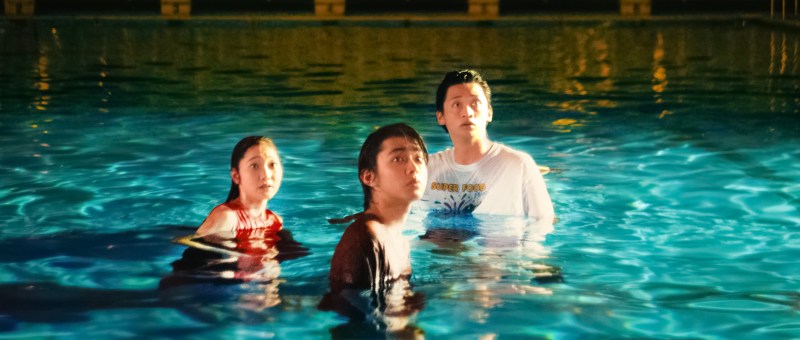
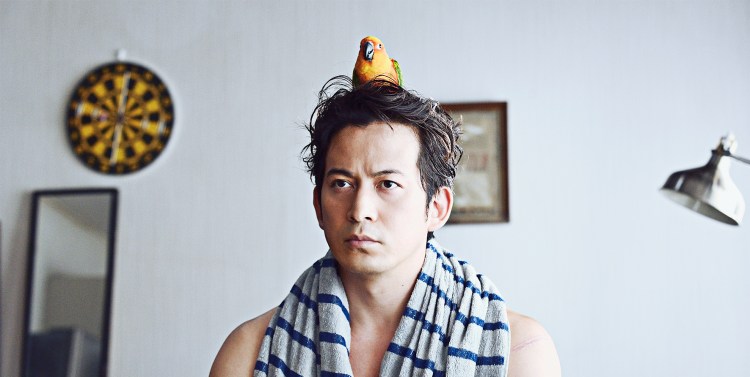
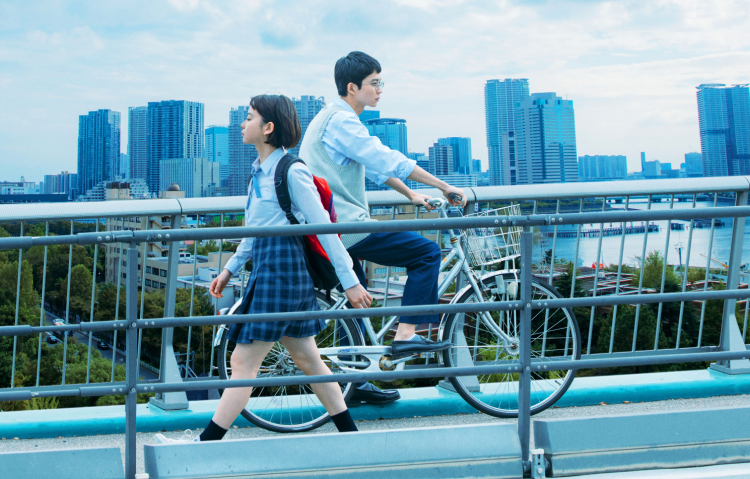
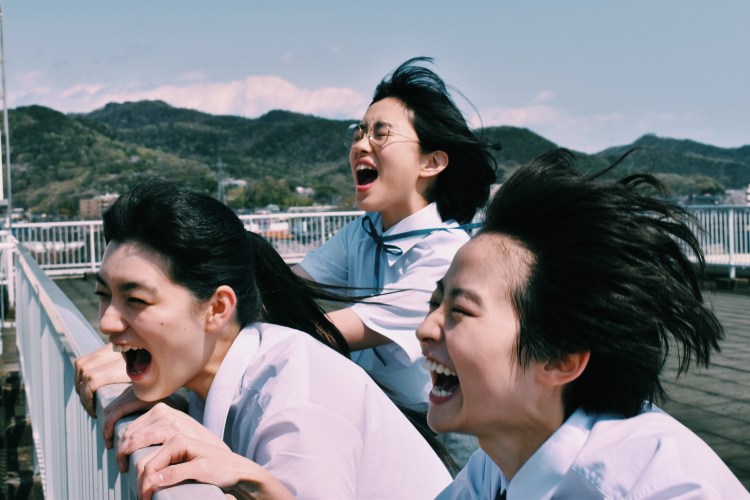
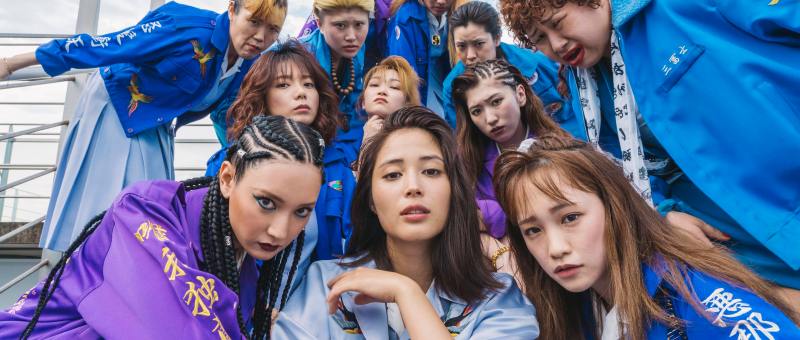
It’s this image of the OL as the embodiment of bland geniality that is at the centre of Kazuaki Seki’s zany comedy Jigoku-no-Hanazono: Office Royale (地獄の花園, Jigoku no Hanazono), a repurposing of “yankee” high school delinquent manga for the world of the office lady scripted by comedian Bakarhythm. A devotee of yankee manga, 26-year-old OL Naoko (Mei Nagano) explains that even office ladies have their warring factions outlining the tripartite fault lines at play in even her small company where the head OLs from Sales, R&D, and Manufacturing constantly vie for hegemony through physical dominance. She however merely observes from the sidelines defiantly living her “ordinary” office lady life. That is until new hire Ran Hojo (Alice Hirose) arrives to upset the precarious workplace power balance. 

Naoko first catches sight of Ran after she challenges some of the OLs from her company as they harass a timid male employee in the street though they don’t become best friends until after Ran spots a salaryman trying to upskirt her at a bus stop and decides to teach him a lesson. Despite being a yankee, it seems that Ran is also trying to live a normal OL life, bonding with Naoko over their shared love of a TV drama, but is not exactly good at the job and regards fighting as her one and only skill. Perhaps speaking to an inner insecurity born of being a woman in a conformist and patriarchal society, each of the women struggle to see themselves as protagonists in their own lives rather than mere supporting players unwittingly both playing the role of the ditzy best friend to the competent hero. 

In one of her many meta quips commenting on the action and how it would play out if she were a character in a yankee manga, Naoko laments her status as the “comic book hero’s boring friend” which is extremely ironic seeing as she is certainly the heroine of this movie given that it’s her voiceover we’re hearing and her POV we generally adopt. Yet Seki sometimes undercuts her by shifting to a rival voiceover offered by Ran herself doubtful of her proper place in the narrative and eventually descending into an existential crisis after an unexpected setback shatters her sense of self. 

Nevertheless, even if as the de facto leader of her company’s OLs Ran advocates for equality insisting there are no bosses and no underlings only women standing together, Office Royale generally embraces rather than attacks societal sexism particularly in its somewhat unexpected conclusion which ends in ironic romance rather than female solidarity. Even so, it’s interesting that the OLs lose interest in delinquency once the hierarchy of fists has been fairly decided, acknowledging the superior skills of a better fighter and thereafter living peacefully rather than continuing the internecine determination to sit at the top of the pyramid which is the hallmark of the high school yankee manga. 

While the final arc strays into some potentially problematic territory with the uncomfortable humour of four male actors playing the top fighters of a rival gang of OLs from another company, Office Royale offers a series of surprisingly well choreographed fight scenes even if eventually descending into manga-esque cartoonish violence while much of the humour stems from Naoko’s adorably nerdy voiceover musing on what would happen next if this were a yankee manga. In the end, however, it’s less a tale of office lady infighting than of a pair of young women coming to a better understanding of themselves even if they do so through the potentially destructive medium of pugilism. 


Jigoku-no-Hanazono: Office Royale streamed as part of this year’s Fantasia International Film Festival

Original trailer (English subtitles)

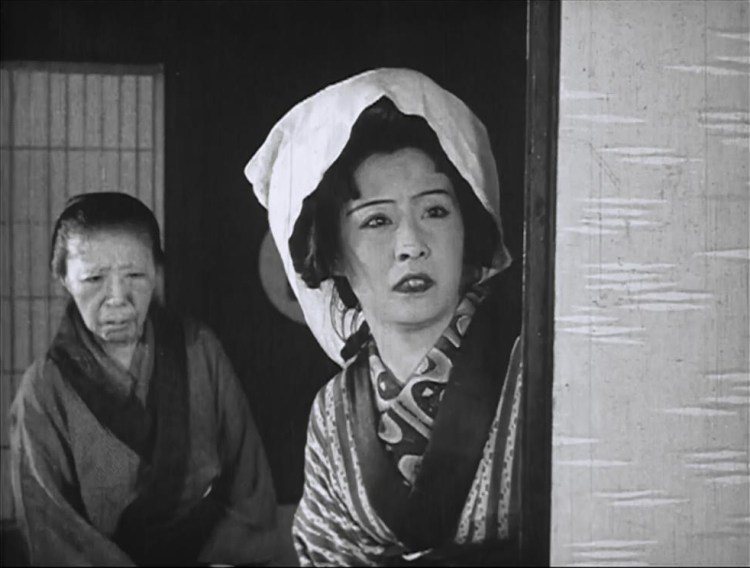
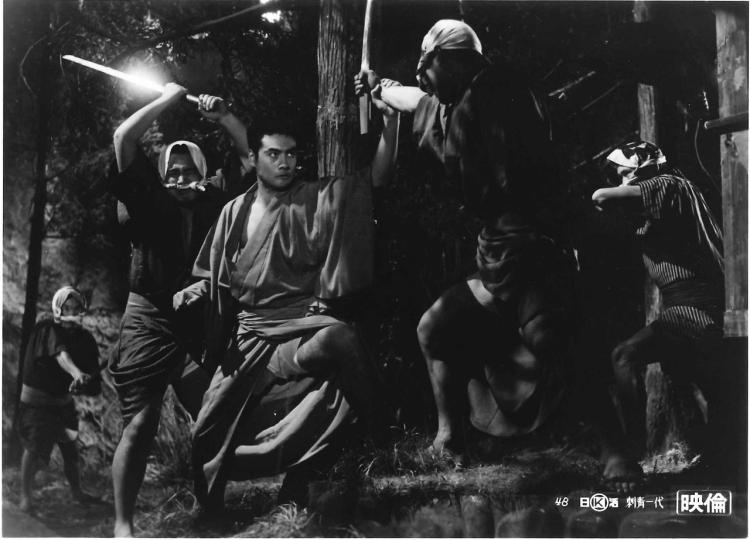
To Sleep So as to Dream (夢みるように眠りたい, Kaizo Hayashi, 1986)

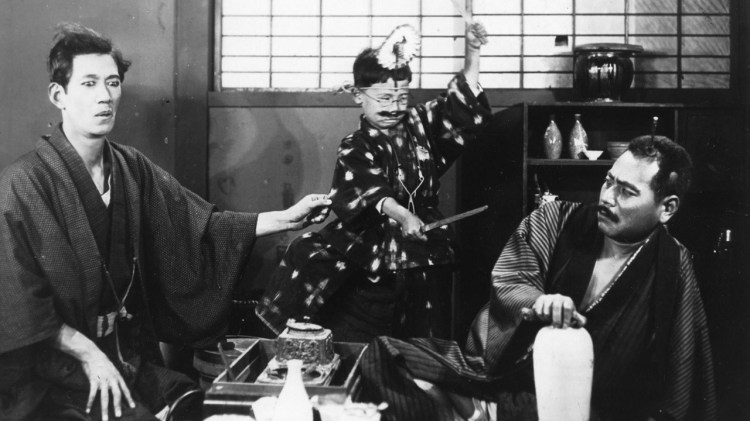
“I feel so well, as though I am dreaming” a ghostly old woman exclaims, having dealt with her unfinished business or perhaps merely becoming one with the silver screen. Released in 1986 but set ostensibly sometime in the 1950s and recalling the golden age of the silent movie, Kaizo Hayashi’s postmodern odyssey To Sleep So as to Dream (夢みるように眠りたい, Yumemiru Yoni Nemuritai) sends a pair of detectives on the hunt for a missing reel, voyaging through an ethereal dreamscape of mysterious magicians, kidnap and conspiracy, in search of the solution to the “Eternal Mystery”. 

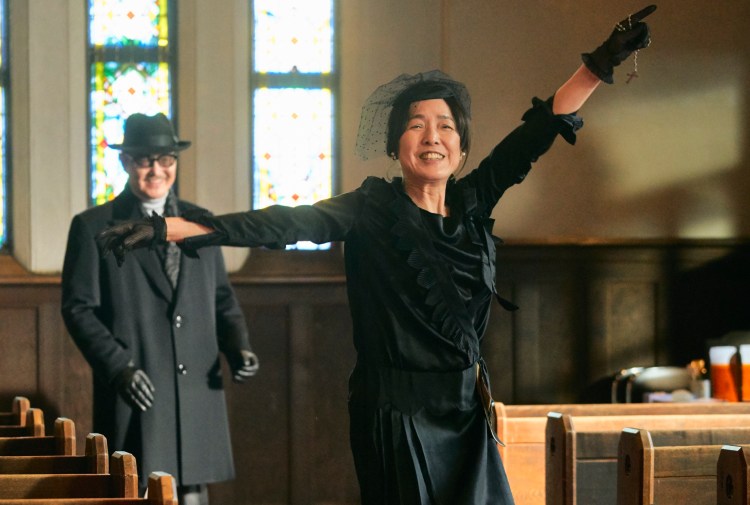
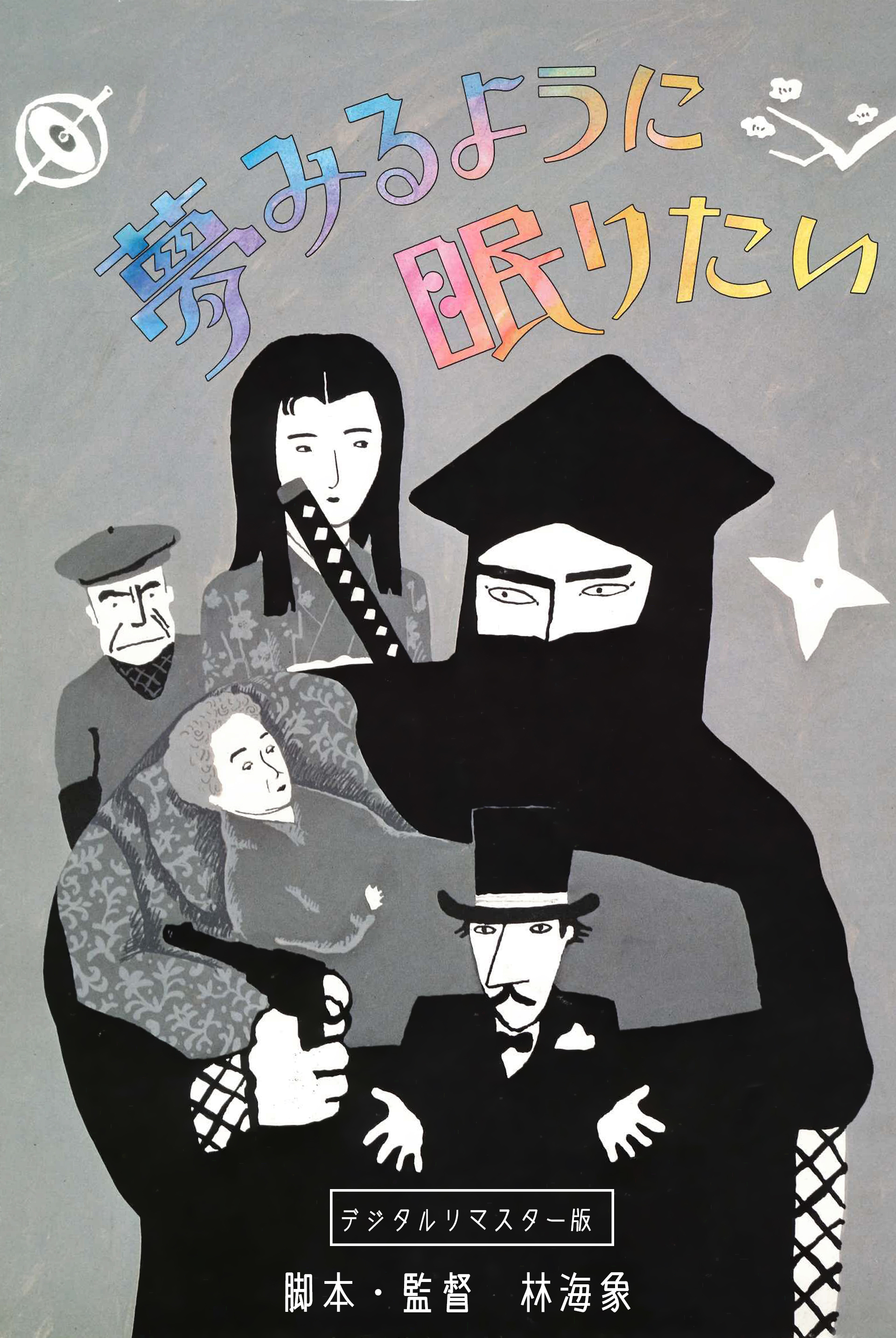
Opening in total darkness, Hayashi pans across to a gas lamp and then to the figure of a woman watching a silent film projected on a screen in her living room. We see only her gloved hands, one wearing an ostentatious ring, somewhere between Miss Havisham and Norma Desmond, while the movie seems to be part of an early serial revolving around the Black Mask ninja who is trying to rescue the kidnapped Bellflower (Moe Kamura) only the princess always seems to be in another castle, as detectives Uotsuka (Shiro Sano) and his sidekick Kobayashi (Koji Otake) will discover. In any case, the film bursts into flames and dissolves at the moment of climax just as Black Mask confronts the kidnappers and declares the mystery “solved”. The old lady, Madame Cherry-blossom (Fujiko Fukamizu), then telephones the Uotsuka Detective Agency and requests their help with a kidnapping, sending her manservant Matsunosuke (Yoshio Yoshida) to the office with a tape recording of the kidnappers’ message which includes the clues to a scavenger hunt the pair must solve if they are to arrive at the drop off point with the money in order to retrieve Bellflower. 

Filming in black and white and in academy ratio, Hayashi maintains a silent film aesthetic adding selected sound effects but rendering all dialogue other than recordings as intertitles. We hear the phone ring and the radio playing, but “live” human speech is presented only as text save for that of the Benshi who appears at the film’s conclusion though even he may also be “on tape”. Meanwhile, he adds in random gags at the guys’ expense such as the “hardboiled” detective’s obsession with hard boiled eggs, while his sidekick Kobayashi is forever riding a rocking horse in the corner of their office while wielding a lasso and wearing a cowboy hat. A live chicken completes the home on the range feel while a series of horse shoes decorate the wall. The two men feel as if they emerged from a 20s noir farce, their slapstick antics eventually leading to a confrontation in which Kobayashi proves himself an unexpectedly skilled martial artist.  

Their world is already absurd even as they head into the abstract in order to chase Bellflower while, just like Black Mask, the kidnappers leave them irritating messages at each checkpoint revealing another clue and that the ransom has now doubled. They are plagued by a series of magicians who turn up in different guises from a man performing a kamishibai version of the Black Mask story for children to some guys running a shell game and posing as a trio of “scientists” led by Prof. Jerowski “of the British Empire” showing off their new gyroscope technology. Yet it’s no coincidence that the kidnappers go by the name Pathé & co, having essentially trapped Bellflower inside the celluloid realm and refusing to set her free. 

While Uotsuka falls for the beautiful, elusive image of Bellflower who begs to be released from “this endless story”, fantasy and reality begin to merge as he finds himself cast in the role of Black Mask. The ironically named “Endless Mystery” is a film with no end, the apparently incomplete debut of a faded star not so much ready for her closeup but desperate for closure and the release of her younger self from 50 years of torment in the reassurance that Bellflower will certainly be rescued by Black Mask at the film’s conclusion which is, after all, how such serials are supposed to end. While others slip ghostlike into the darkness, Uotsuka is left behind another prisoner of cinema chasing the romance of the silver screen yet finally saving his princess by extracting her from it. Operating on several levels, Hayashi expertly recreates both the grainy serials of the early silent era and crafts an absurdist, postmodern homage to its more recognisable evolution as his detective becomes wilfully lost in the labyrinths of cinema. 


To Sleep So as to Dream streamed as part of this year’s Japan Cuts.

Restoration trailer (no subtitles)

BFI London Film Festival Confirms Complete Programme for 2021

The BFI London Film Festival returns (mostly) to cinemas for 2021 with some titles also streaming online via BFI Player and/or playing select regional venues. This year’s East Asia selection includes two films by Ryusuke Hamaguchi, a world premiere of a new Lav Diaz, and a hotly anticipated Korea/Thailand horror co-production.

Drive My Car (ドライブ・マイ・カー, Ryusuke Hamaguchi, 2021)

Curzon Soho: Saturday 09 October 2021 17:05

BFI Southbank, NFT1: Thursday 14 October 2021 20:00

Also screening: Chapter Cardiff, Edinburgh Filmhouse, Glasgow Film Theatre, HOME Manchester, Showroom Cinema Sheffield, Tyneside Cinema Newcastle, Queen’s Film Theatre Belfast, and Watershed Bristol.

A stage actor and director (Hidetoshi Nishijima) attempting to come to terms with the death of his unfaithful wife casts her lover in his upcoming multi-lingual production of Uncle Vanya while developing a relationship with the reticent young woman driving his car in Hamaguchi’s adaptation of the Haruki Murakami short story.

Wheel of Fortune and Fantasy (偶然と想像, Ryusuke Hamaguchi, 2021)

ODEON Luxe West End: Sunday 10 October 2021 17:20

BFI Southbank, NFT2: Monday 11 October 2021 17:50

Streaming: Sunday 10 October 2021 18:30 to Monday 11th October 18:30

A triptych of romantic tales from Ryusuke Hamaguchi in which a young woman realises her friend is unwittingly dating her ex, a student attempts to seduce a professor, and two women connect through an instance of mistaken identity.

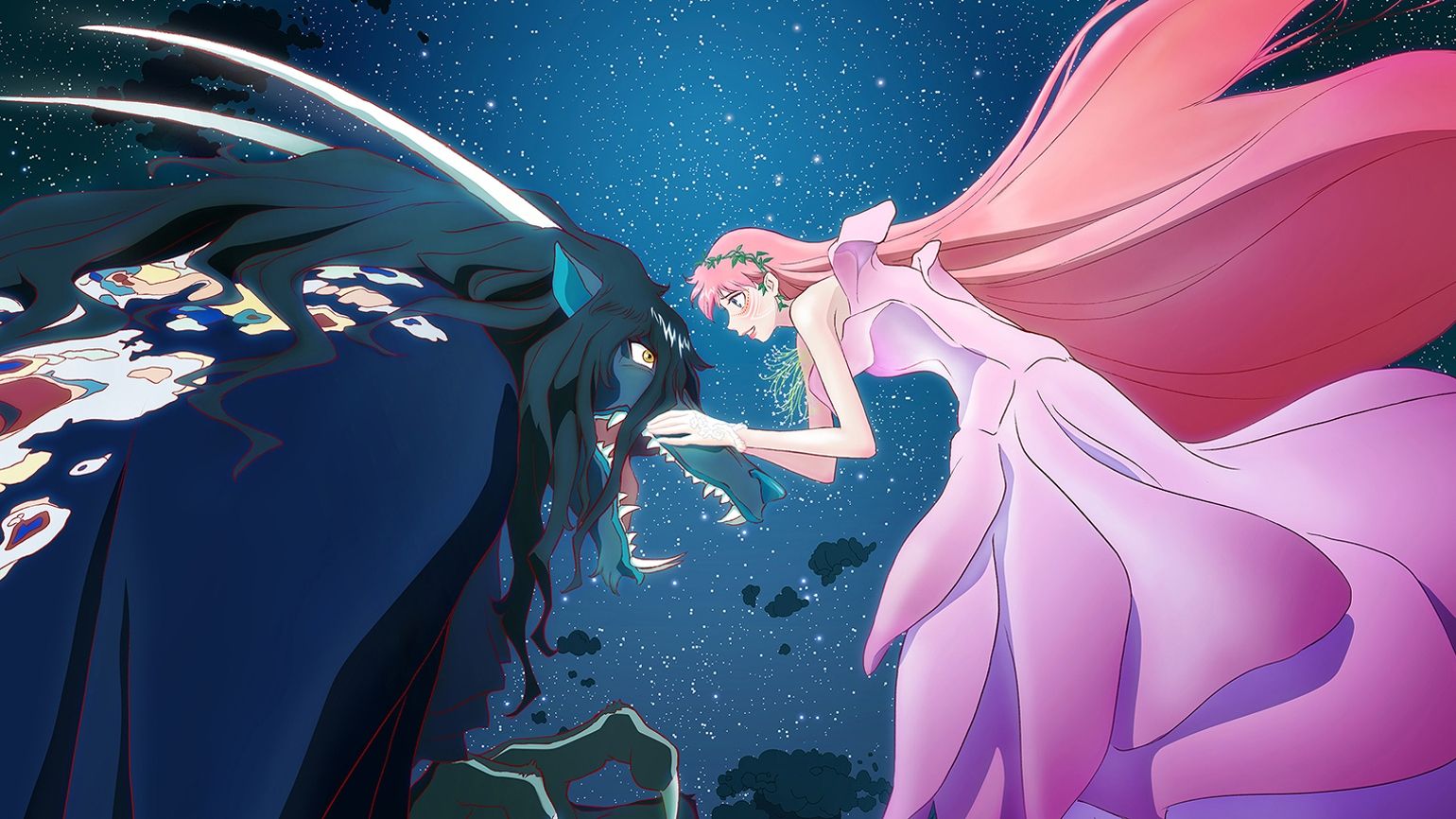
Belle (竜とそばかすの姫, Mamoru Hosoda, 2021)

BFI Southbank, NFT1: Thursday 07 October 2021 17:50

BFI Southbank, NFT1: Sunday 10 October 2021 14:15

Curzon Mayfair, Screen 1: Sunday 17 October 2021 12:00

Mamoru Hosoda reinterprets Beauty and the Beast as a grieving young woman becomes an in-app idol star but is also threatened by the presence of a mysterious dragon.

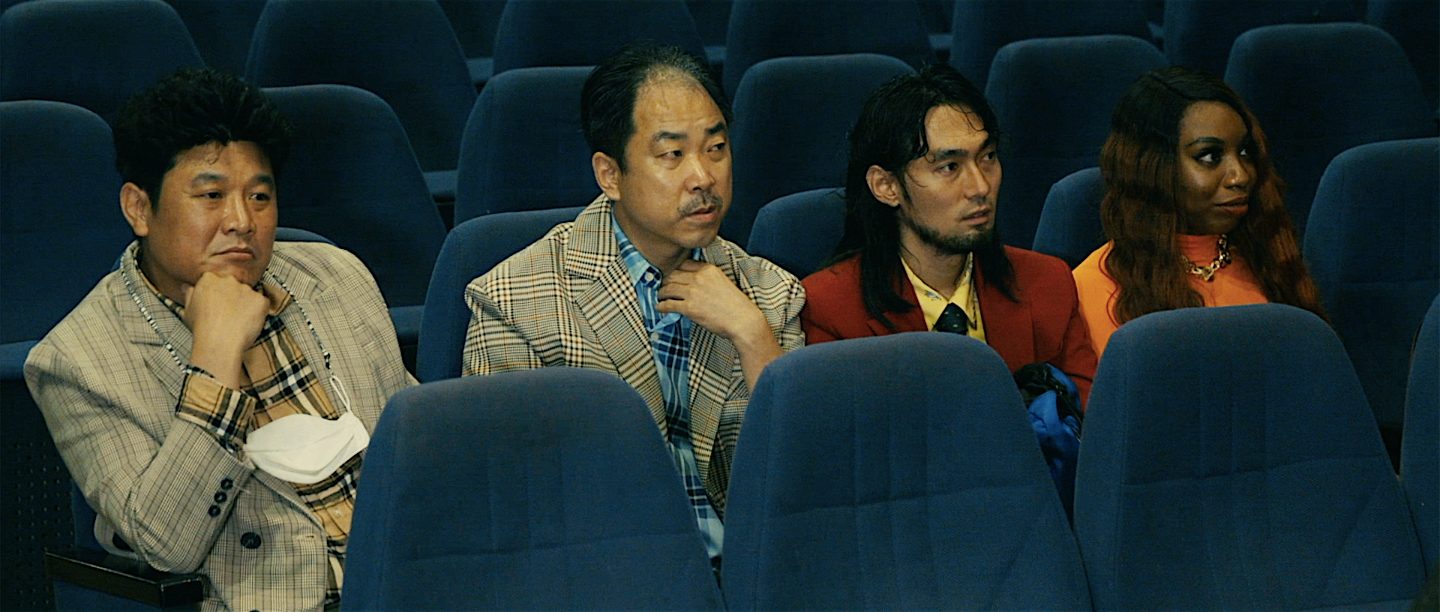
Humidity Alert (습도 다소 높음, Ko Bong-soo, 2021)

ICA, Screen 1: Wednesday 06 October 2021 21:00

BFI Southbank, NFT3: Thursday 07 October 2021 12:30

Indie comedy from Ko Bong-soo set in a cinema at the height of summer 2020 where the premiere of a new film is set to take place while the cinema’s sole employee attempts to deal with spotty air con, COVID protocol, and industry divas.

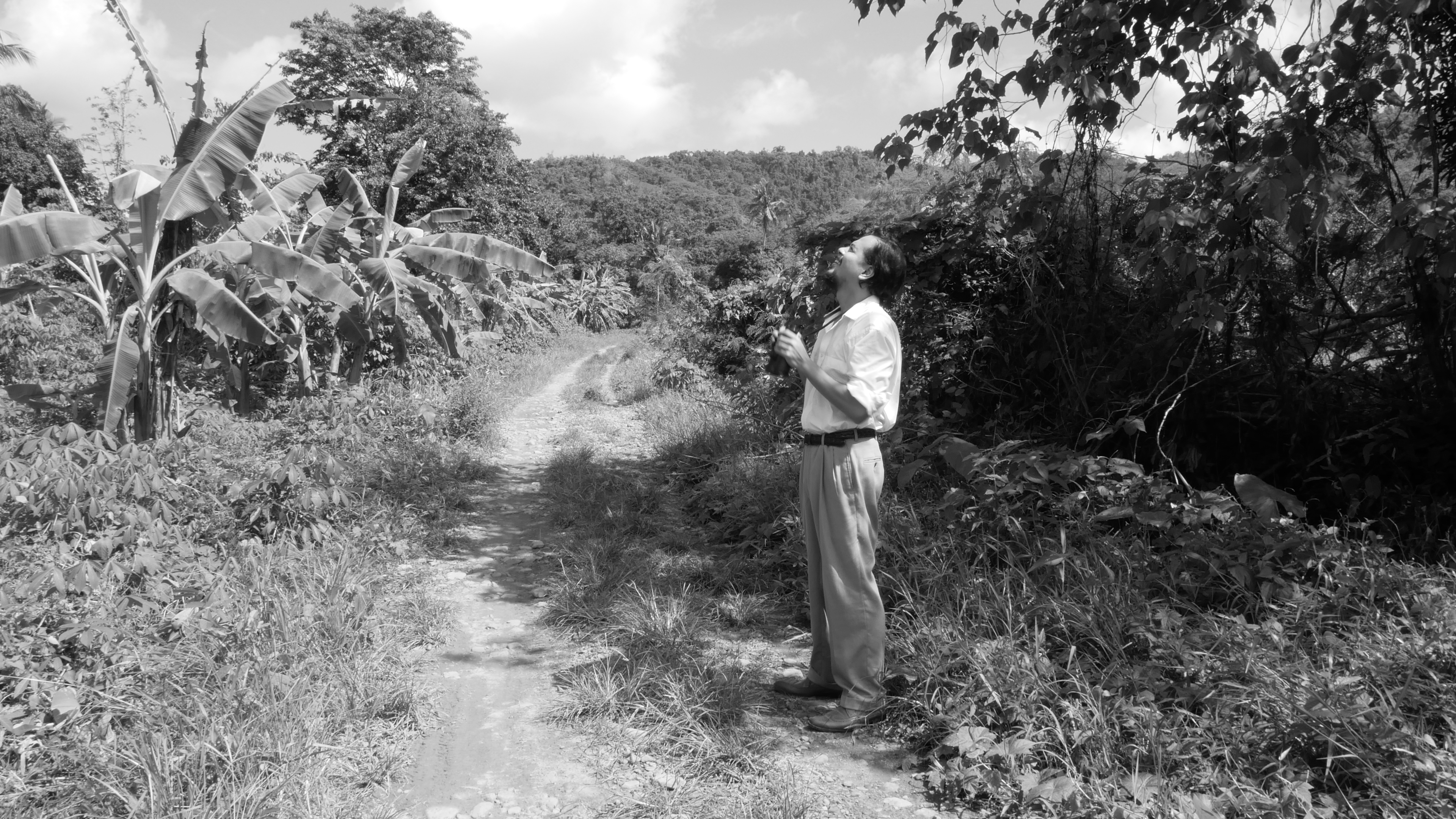
Historya Ni Ha (Lav Diaz, 2021)

ICA, Screen 1: Tuesday 12 October 2021 18:30

In Lav Diaz’ contemplation of the transformative power of art, ventriloquist Hernando returns home to get married only for the engagement to fall apart. Heartbroken he makes the decision to communicate only through his puppet and accompanies a sex worker and a teenage boy on a treasure hunt to a remote island.

Hellbound (지옥, Yeon Sang-ho, 2021)

BFI Southbank, NFT2: Friday 15 October 2021 20:20

Prince Charles Cinema, Downstairs Screen: Sunday 17 October 2021 12:45

First three episodes of the TV drama coming to Netflix later this year in which people start receiving text messages telling them they’re going to hell and at a specific date and time. You’d think it was spam, but then the demon does indeed arrive at the appointed hour to drag the afflicted to the afterlife. While the police investigate, a shady cult milks the atmosphere of anxiety in Train to Busan director Yeon Sang-ho’s adaptation of his own webtoon.

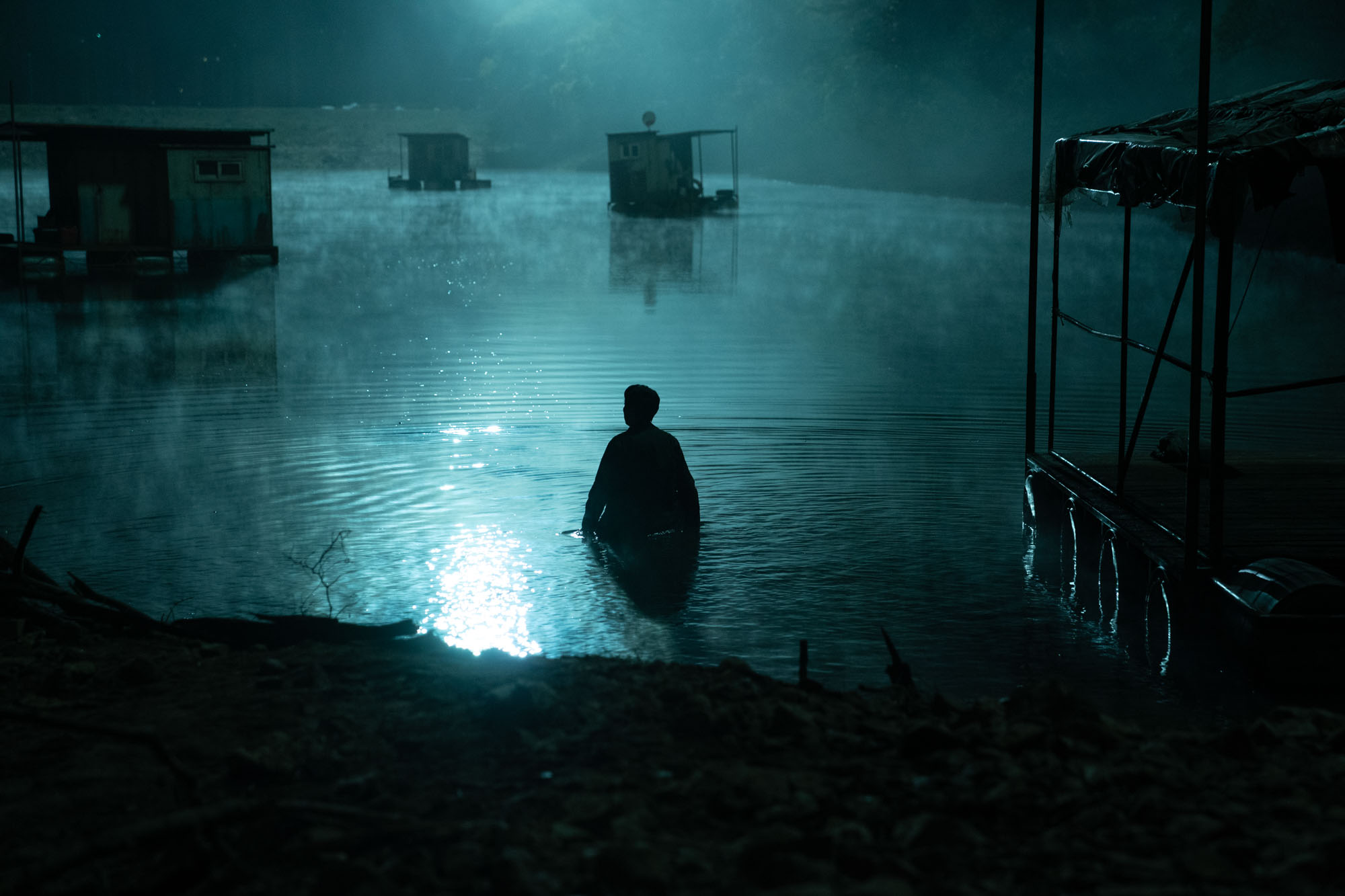
The Medium (ร่างทรง, Banjong Pisanthanakun, 2021)

Prince Charles Cinema, Downstairs Screen: Wednesday 06 October 2021 20:55

ODEON Luxe West End: Friday 08 October 2021 20:40

Korea/Thailand co-production scripted and produced by The Wailing’s Na Hong-jin and directed by Banjong Pisanthanakun in which a documentary team meet shamaness Nim who acts as a conduit for goddess Ba Yan. Having accepted the role after her sister refused it, Nim is unsurprised when her niece begins exhibiting symptoms of shamanistic awakening, but soon fears something darker may be at hand.

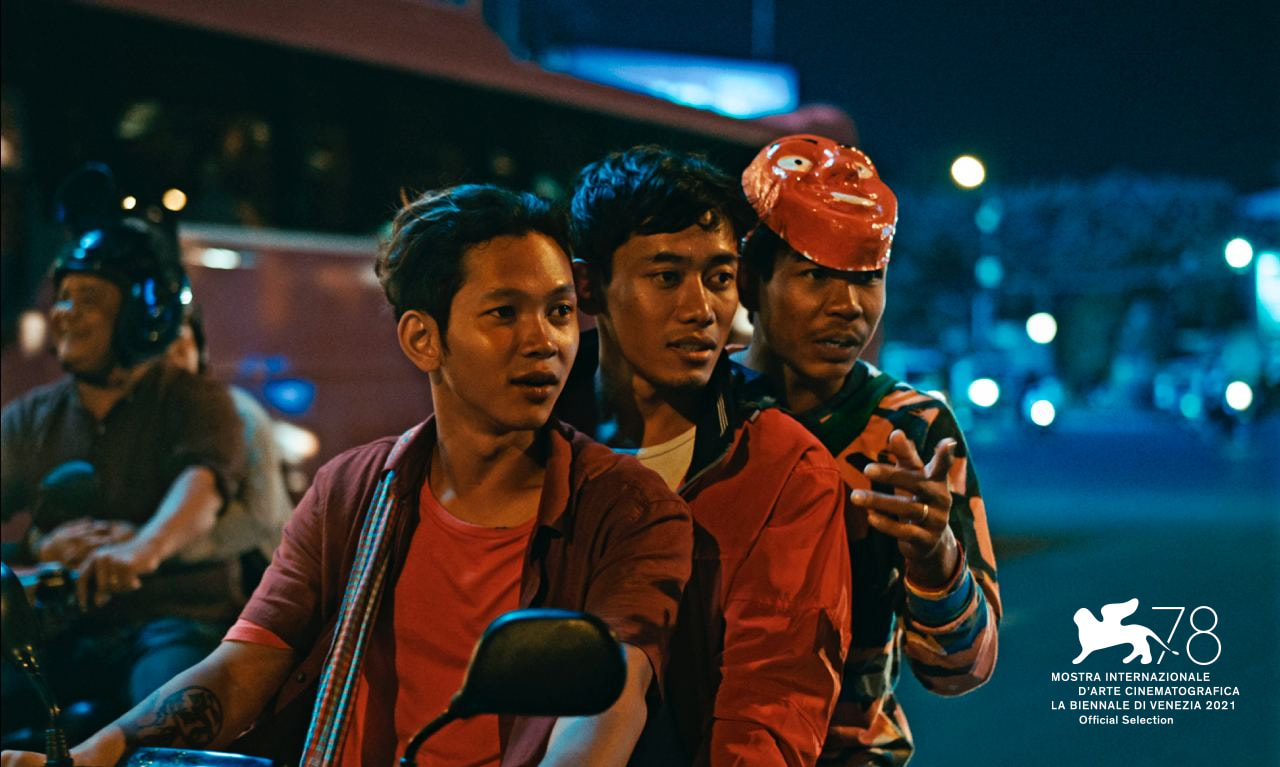
White Building (ប៊ូឌីញ ស, Kavich Neang, 2021)

Kavich Neang makes his fiction debut with a film focussing on the same subject as his earlier documentary Last Night I Saw You Smiling in which the residents of Phnom Penh’s iconic White Building prepare for its demolition.

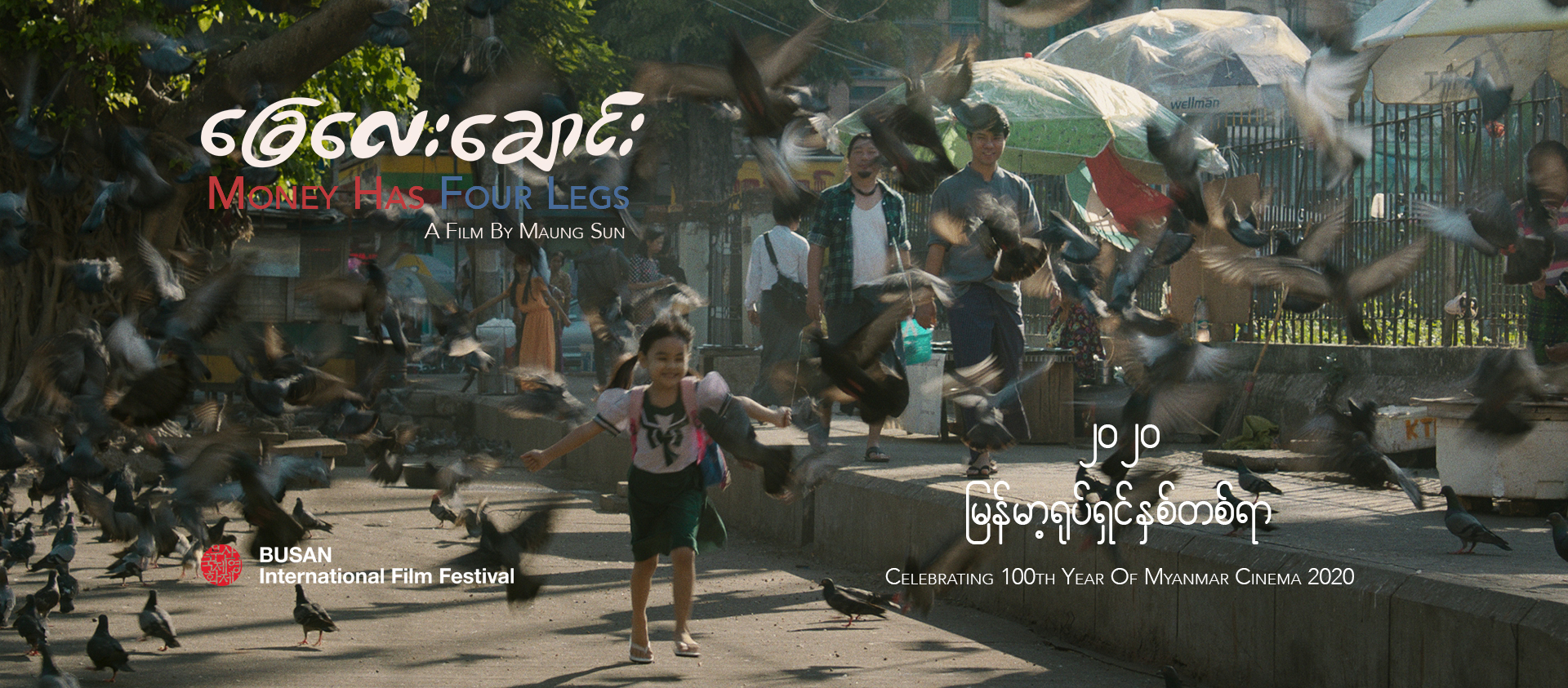
Money Has Four Legs ( ြေလေးချောင်း, Maung Sun, 2021)

ICA, Screen 1: Wednesday 06 October 2021 18:15

BFI Southbank, NFT2: Thursday 07 October 2021 15:40

Contending with money issues, an unreliable crew, and increasing government censorship, an aspiring director turns to crime in order to complete his film in Maung Sun’s timely black comedy.

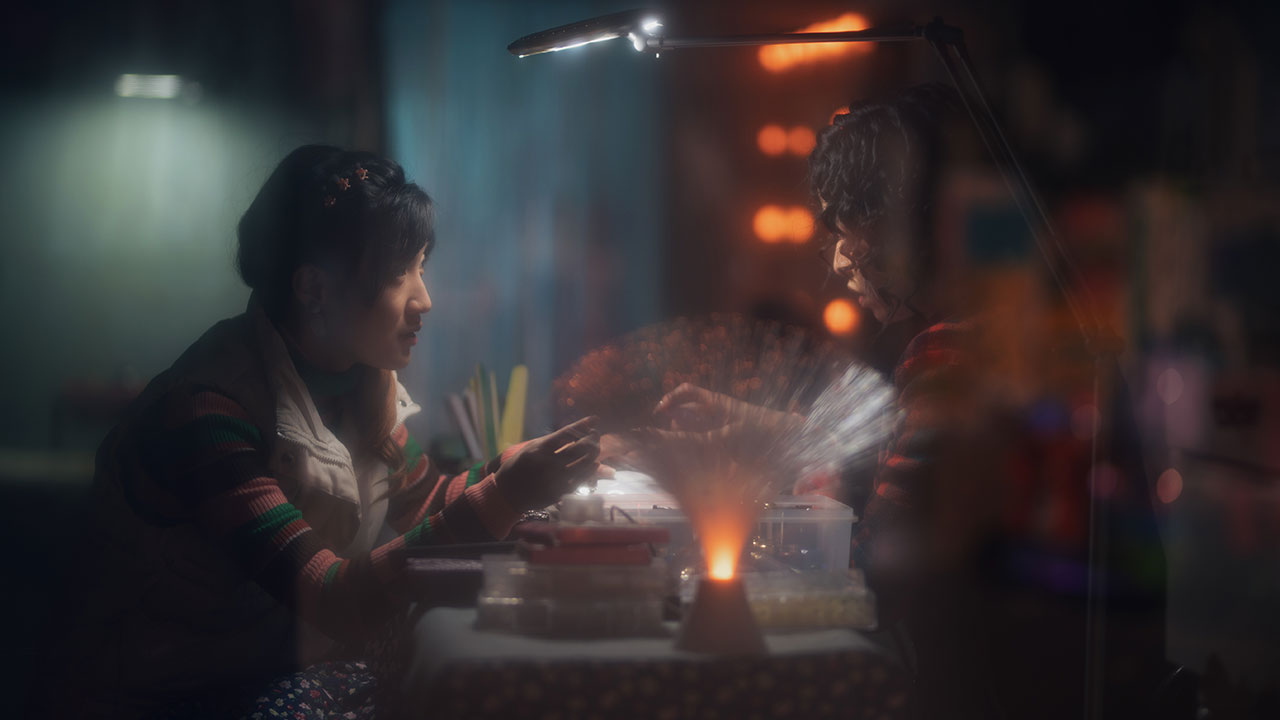
Ripples of Life (永安镇故事集, Wei Shujun, 2021)

ICA, Screen 1: Monday 11 October 2021 20:45

BFI Southbank, NFT2: Tuesday 12 October 2021 12:20

A local waitress, leading lady returning to her hometown, and the director and screenwriter each from Beijing attempt to shoot a film in small-town rural China in Wei Shujun’s followup to Striding into the Wind.

Vengeance Is Mine, All Others Pay Cash (Seperti Dendam, Rindu Harus Dibayar Tuntas, Edwin, 2021)

An impotent hitman living for nothing but violence falls for a female bodyguard after she effortlessly defeats him in Edwin’s genre hopping adventure romance.

Memoria (Apichatpong Weerasethakul, 2021)

Southbank Centre, Royal Festival Hall: Saturday 16 October 2021 17:30

Also screening: Chapter Cardiff, Edinburgh Filmhouse, Glasgow Film Theatre, HOME Manchester, Showroom Cinema Sheffield, Tyneside Cinema Newcastle, Queen’s Film Theatre Belfast, and Watershed Bristol.

Shooting outside Thailand for the first time, the latest from Apichatpong Weerasethakul stars Tilda Swinton as a woman visiting her sister in Colombia and becoming captivated by the local soundscape.

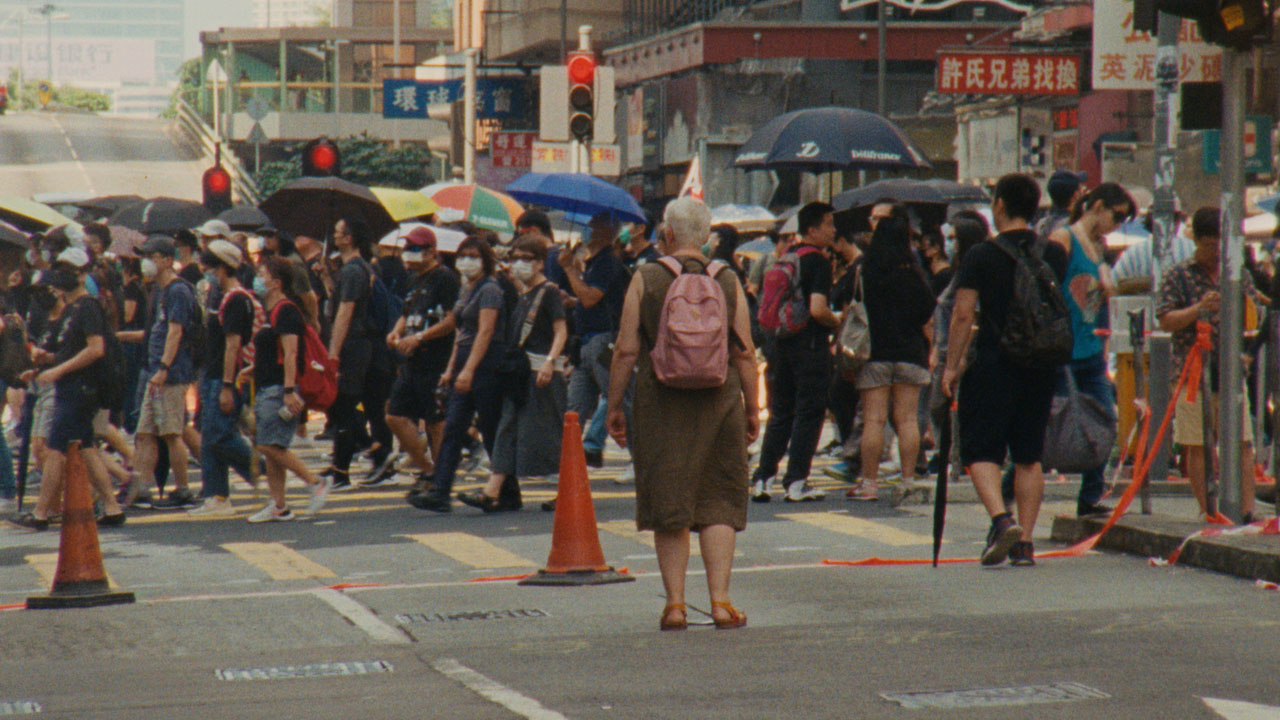
Wood and Water (Jonas Bak, 2021)

BFI Southbank, NFT3: Wednesday 13 October 2021 20:45

ICA, Screen 1: Thursday 14 October 2021 21:00

Travelogue in which a German woman travels to visit her son living in Hong Kong and wanders through the city in the midst of the pro-democracy protests.

The BFI London Film Festival takes place at various venues across the city from 6th – 17th October 2021, with some titles also streaming online or screening at various partner cinemas throughout the UK. Full details for all the films as well as screening times and ticketing information are available via the official website. Priority booking opens for Patrons on 10th September, for Champions on 13th September, and Members 14th September, with general ticket sales available from 20th September. You can also keep up to date with all the latest news via the festival’s Facebook page, Twitter account, Instagram, and YouTube channels.

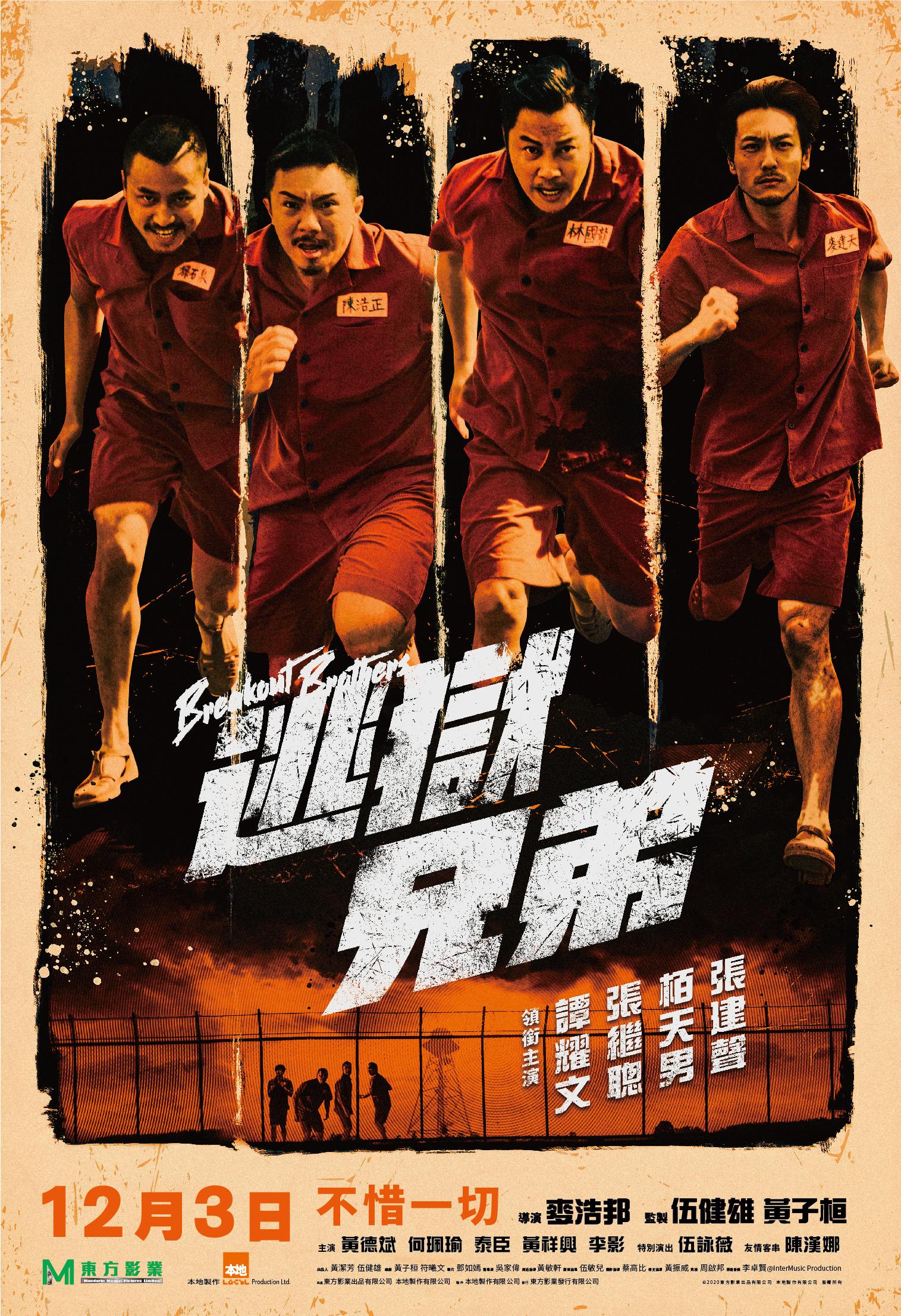
Breakout Brothers (逃獄兄弟, Mak Ho-Pong, 2020)

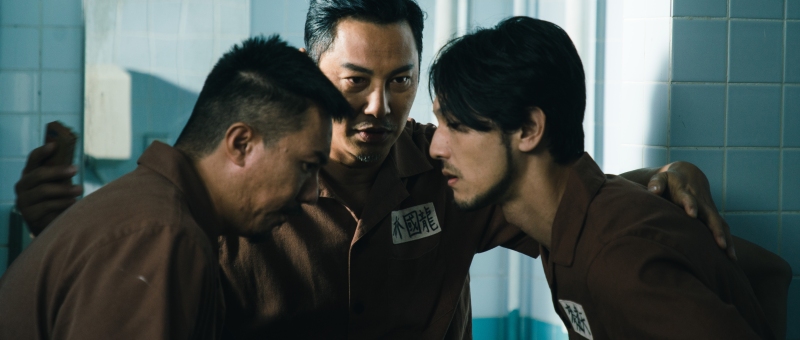
“I’m treating this as a vacation” says affable triad Chan (Louis Cheung Kai-Chung) of his three month prison term, after all it’s rent free and three meals a day who could say no to that in the difficult economic environment of pre-handover Hong Kong? Nevertheless, it’s hardly a vacation if you can’t cut it short and Chan, along with two buddies, will eventually find reasons to want to leave. Mak Ho-pong’s genial prison break comedy Breakout Brothers (逃獄兄弟) takes occasional subversive potshots against an increasingly corrupt social order but eventually discovers that you can’t escape social responsibility while the real reward is indeed the friends you make along the way. 

That is at least the conclusion that newbie prisoner Mak (Adam Pak Tin-Nam) comes to after being pulled into an escape plan formulated by petty gangster Chan who decides to make a break for it after learning that his dear mother has been taken ill and needs a kidney transplant which only he can give her. Thinking of his prison time as a vacation from the pressures of everyday life, Chan has been a low maintenance prisoner and therefore assumed the warden would agree to a temporary release to let him help his mum, but Warden Tang (Kenny Wong Tak-Ban) who has already served a “life sentence” of 30 years in post has recently been promised a promotion and doesn’t want anything to mess it up like a prisoner turning fugitive while on hospital leave. Spotting a workman disappearing from a storeroom and emerging Mario-style from a manhole on the other side of the fence Chan gets an idea and enlists Mak, an architect inside after being framed for taking bribes, to help him figure out the logistics, and Big Roller (Patrick Tam Yiu-Man), leader of the prison’s second biggest gang, for access and protection. 

The guys’ predicaments are perhaps embodiments of the age, Chan wanting out for reasons of filial piety while for Big Roller it’s in a sense the reverse in learning the daughter he was told had died is in fact alive and about to be married. Mak meanwhile wants out because he’s a sitting duck inside, the shady construction CEO who framed him for signing off on lax safety procedures which led to a fire in a prominent building having enlisted the services of rival gangster Scar (Justin Cheung Kin-Seng) to intimidate him into dropping his appeal. Hints of institutional corruption extend to the colonial prison system with guards quite clearly intimidated by prisoners and often turning a blind eye to cellblock violence while it’s also implied that Warden Tang has in a sense facilitated the rise of Scar at the expense of Big Roller as a means of maintaining order. He, like the colonial authorities, will soon be on his way but anticipating his own freedom is keen there be no trouble which is why he refuses Chan’s compassionate leave and extends little sympathy to new boy Mak. 

In any case, the real draw is the bumbling crime caper of the guys planning a heist-style escape which is, in the history of prison escapes, not an especially elaborate one. The prison is not exactly max security, and as they plan to escape during the celebrations for the Mid-August festival none of them are anticipating much difficulty in making it to the outside though as expected not quite everything goes to plan. Mak, meanwhile, eventually takes Big Roller’s advice and decides to stay inside to clear his name properly while the gang ensure his safety rather than try to live as a guilty fugitive and possibly be caught only to end up with more time. The other two have more pressing temporary goals and have not perhaps considered what to do after they’ve completed them, believing only that their lives are untenable if they cannot fulfil their duties as father and son respectively. 

Perhaps for this reason, the Mainland-friendly conclusion has each of the men recommitting themselves to paying their debts to society, Chan even insisting that he’s going to use his time wisely to improve his education in order to be a better husband and son while Big Roller promises to become a carpenter for real. Mak gets a partial vindication in that the shady CEO is finally forced to face justice while also realising that his slightly elitist, individualist stance has been mistaken thanks to the warm and genuine relationships he’s discovered inside. More comedy crime caper than tense prison break thriller, Breakout Brothers remains true to its name in prioritising the unconventional friendship that develops between the trio as they bond in a shared sense of existential rather than literal imprisonment. 


Breakout Brothers screened as part of this year’s New York Asian Film Festival.

Original trailer (English / Traditional Chinese subtitles)

The Blue Danube (きまじめ楽隊のぼんやり戦争, Akira Ikeda, 2021)

“Just shoot where you’re told and you’ll be fine” a veteran advises an unusually curious newbie when asked who exactly it is they’re shooting at, beginning to question for the first time everything he’s been told. Continuing in the same vein as his 2017 surrealist drama Ambiguous Places, Akira Ikeda’s Blue Danube (きまじめ楽隊のぼんやり戦争, Kimajime Gakutai no Bonyari Senso) follows a more linear though meandering path in its timely anti-war message as the brainwashed hero comes to contemplate the tenets of his society thanks to a naive young man and the healing power of music. 

The small town of Tsuhiramachi has been at war with Tawaramachi across the river for so long no one can remember why it is that they’re fighting, least of all perpetually absent-minded mayor Natsume (Renji Ishibashi) who can’t even remember his own son’s name. Soldier Tsuyuki (Kou Maehara) is woken every day by a marching band, meeting friend and colleague Fujima (Hiroki Konno) in the street and walking over to the barracks where he changes into his uniform and then spends all day firing a rifle across the river. His identical days are disrupted when former thief Mito (Hiroki Nakajima) is conscripted into their group and Fujima is injured in seemingly the only instance of returned fire. Tsuyuki is then transferred to the marching band and begins practicing his trumpet by the water only to be surprised when he begins hearing someone joining him from the other side. 

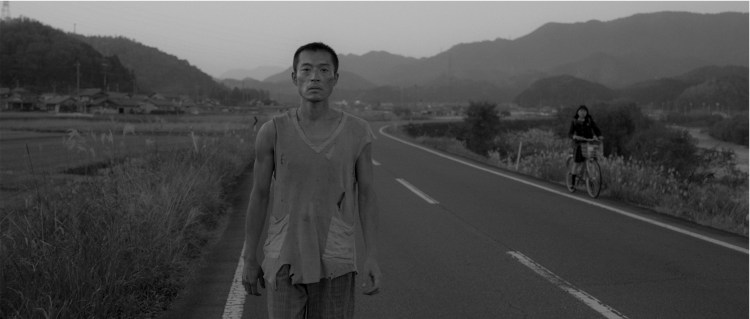
Everyone in Tsuhiramachi walks with automaton rigidity and talks with an almost ritualistic austerity in which dialogue is repeated endlessly and conversation loops are common. The townspeople dress as if they were stuck in the 1940s though the uniforms are more European than Japanese while Tsuyuki and Fujima wear identical blue suits when travelling to and from their homes. The thief, Mito, meanwhile dresses in a less formal brown shirt and trousers, apparently engaging in stealing from the local simmered food stand for reasons of poverty while his friend, mayor’s son Heiichi (Naoya Shimizu), does so because he can. When the stall owner’s wife catches them, Heiichi allows his father to think he valiantly chased a thief and is made a police officer for his pains continuing to extort food and generally abuse his authority largely conferred through feudal dynastic privilege. 

There is certainly something in Mito’s tendency to frame each of his statements as a questions, asking “Am I a soldier now?” Or “My name is Mito?” when questioned. The lady who runs the diner where Tsuyuki frequently lunches is extremely proud of her son away fighting up river and resents being questioned by Mito, shovelling extra rice into the men’s bowls when impressed by something they’ve said and then taking it back when disappointed. Mito wants to know why it is they’re fighting and who the people across the river really are. Shiroko (Hairi Katagiri) doesn’t approve of asking such taboo questions and affirms that she doesn’t need to meet the residents of Tawaramachi to know that they’re “barbaric”, “horrible” people. Even the owner of the simmered food stall who insists he knows “everything” insists he’s no interest in knowing about Tawaramachi. 

Yet they’re always being told that the “threat” from across the river is increasing even if the mayor has forgotten what the threat exactly is. Meanwhile, an elite troop will soon be arriving to take part in the trials for a brand new super weapon. A disapproving Shirako asks Tsuyuki how music is useful for the war, but he doesn’t know, he’s merely following orders. Music however, along with Mito’s awkward questions, begins to open his eyes as he contemplates whether the trumpeter from across the water can really be so different from himself. He disapproves of Heiichi’s abuse of his authority, of civil servant Kawajiri’s apparent replacing of his wife with another woman because he believes she cannot bear children, and of the army’s treatment of a friend now struggling to find employment having lost his arm for the good of the town. Shiroko insists that dying in war is better than being injured, but the young universally agree that no, it isn’t. In this strangely Kafka-esque world of crypto-militarism and the feudal mentality, Tsuyuki finds freedom and escape in his trumpet but not even these it seems are enough to call the “meaningless” and internecine violence to a halt. Filled with a strangely poignant poetry, Ikeda’s absurdist drama takes aim at lingering authoritarianism but suggests that music may be panacea for human conflict if only we’d stop a little and listen. 


The Blue Danube streamed as part of this year’s Japan Cuts.

Original trailer (English subtitles)
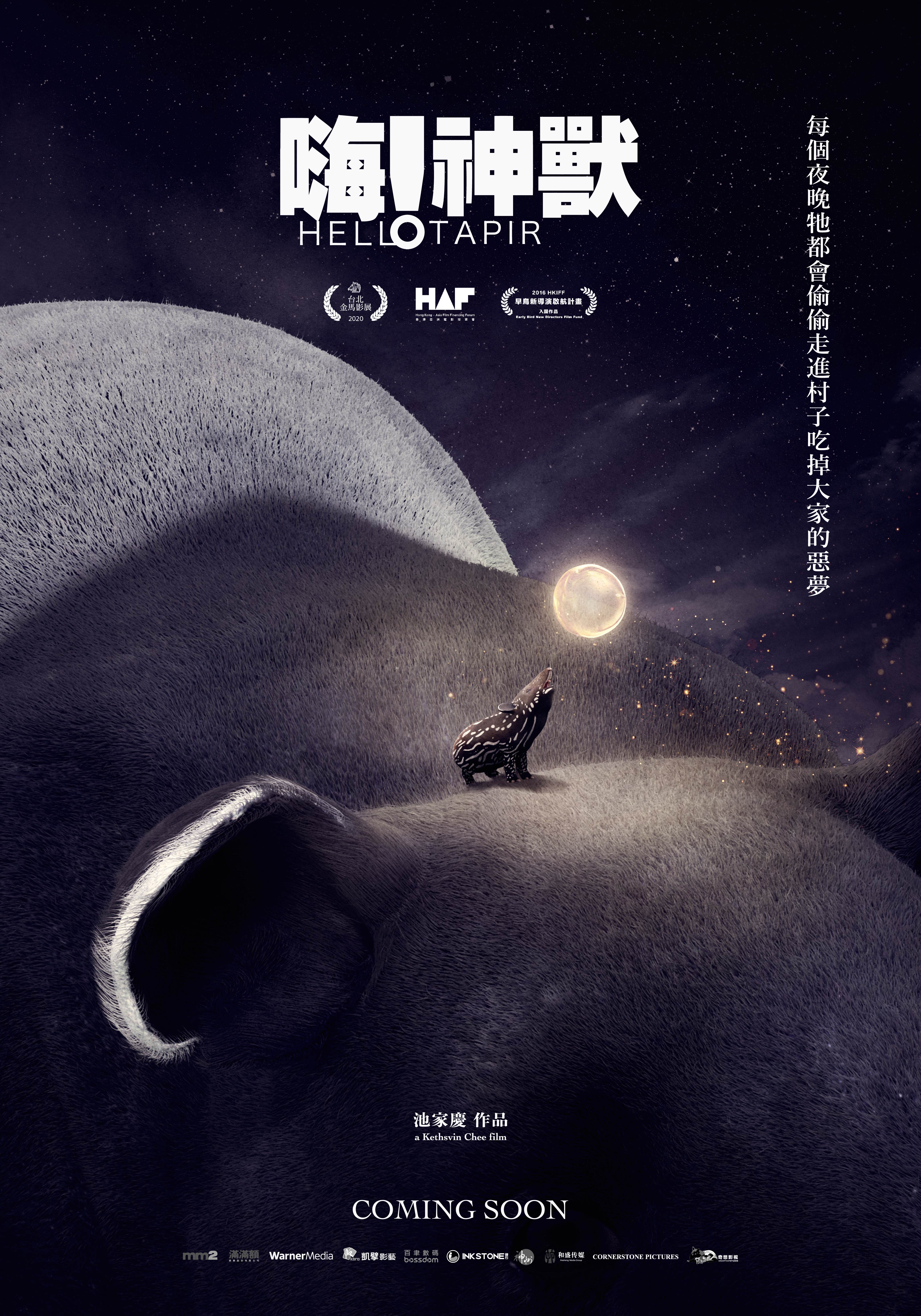
Hello! Tapir (嗨!神獸, Kethsvin Chee, 2020) [Fantasia 2021]

“In this world, everything disappears eventually” according to the prophetic words of the absent father of young Keat in Kethsvin Chee’s charmingly retro children’s fantasy adventure Hello! Tapir (嗨!神獸, Hāi Shénshòu). At heart a tale of grief and a small child’s acceptance of death, Hello! Tapir is also one of gentle adventure as the hero and his two friends search for tapirs in the undergrowth but eventually discover an accommodation with loss in the knowledge that nothing’s ever really gone even if you can’t see it. 

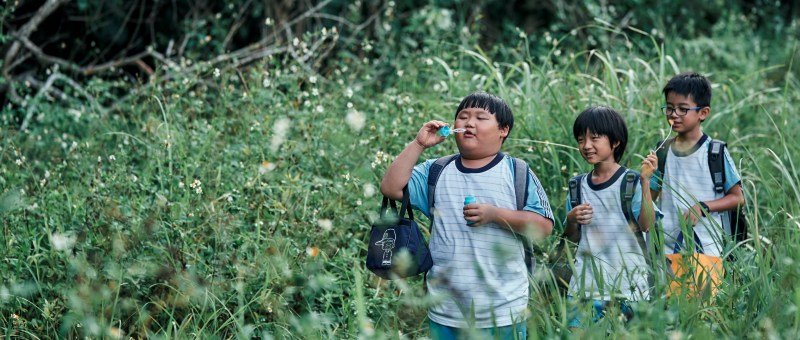
Keat (Bai Run-yin) lives in a small fishing village with his fisherman father (Lee Lee-zen) and grandma (Lü Hsueh-feng) who sells seafood at the market. Captivated by his father’s improbabe tale of having encountered a tapir who eats people’s nightmares in the forest, Keat implores his dad to take him to see it too but Keat’s father Sheng is always too busy and often reneges on his promises. Ominous winds start to blow when news of a typhoon is broadcast over the radio while Keat is angry that no one woke him before his father left on the boat as he had asked them to do. Sure enough, not long after Keat discovers a commotion at the harbour and gathers there has been some kind of accident at sea. His father hasn’t come home and his grandma is frantic but he’s just a little boy and no one is telling him anything. 

Told from a child’s point of view, Chee’s melancholy tale perfectly captures the confusion and resentment of a small boy in the midst of crisis. Keat cannot conceive of the idea his father may never come home again, replying to his friend’s questions that he’ll be back maybe tomorrow or the day after that. After all, he was supposed to take him to see the tapir. Because he’s sure his dad’s coming back, he grows resentful towards his recently returned mother (Charlie Yeung Choi-Nei) who left the family some time previously and had been living in Taipei and his grandmother for taking his father’s place away by boxing up his clothes and preparing to sell the fishing boat which came back empty on its own for scrap. 

Meanwhile he attempts to secure his father’s legacy by searching for the tapir on his own, encountering a baby which later leads him into the forest and towards its giant parent sucking on golden nightmare orbs all the way. Tapirs are obviously not native to Taiwan and so their presence is as decidedly unexpected as their unusual appearance. You would’t expect to see one wandering through town unless it had recently escaped from a zoo, but they are perhaps Keat’s way of processing the loss of his father the adult tapir gently showing him what it was he most wanted but feared to know while comforting him with its reassuringly warm presence. 

On the cusp of adolescence, Keat finds himself squarely between two sets of overlapping worlds caught between the fantasy of nightmare-eating tapirs and the reality of his grief while also remaining firmly in the realms of childhood having innocent adventures with his two friends as they try all sorts of tricks to draw out the mystical creatures just as his mother deals with the difficulties of planning a funeral and making plans for the future without overburdening her son with impending change. Nobody tells Keat anything because he’s just a child and they think he won’t understand, but he understands that they’re not telling him and the knowledge further increases his sense of loneliness and alienation left entirely alone with his grief and anxiety. 

A beautifully drawn magical realist fable, Chee’s charmingly old fashioned kids fantasy adventure makes the most of its idyllic seaside setting replete with a warm and friendly atmosphere despite its concurrent tragedy. Keat is forced to face the reality of his loss, but does so while maintaining a sense of wonder for the natural world secure in the knowledge that all things disappear in the end, but it isn’t the end of the story and death is merely another part of life. Warm and empathetic, Hello! Tapir paints its coastal setting with an uncanny sense of magic coupled with a cosmological sense of security as its young hero begins to come to terms with his loss thanks to the gentleness of sleeping creatures. 


Hello! Tapir streamed as part of this year’s Fantasia International Film Festival

Original trailer (English subtitles)

Town Without Sea (夏、至るころ, Elaiza Ikeda, 2020)

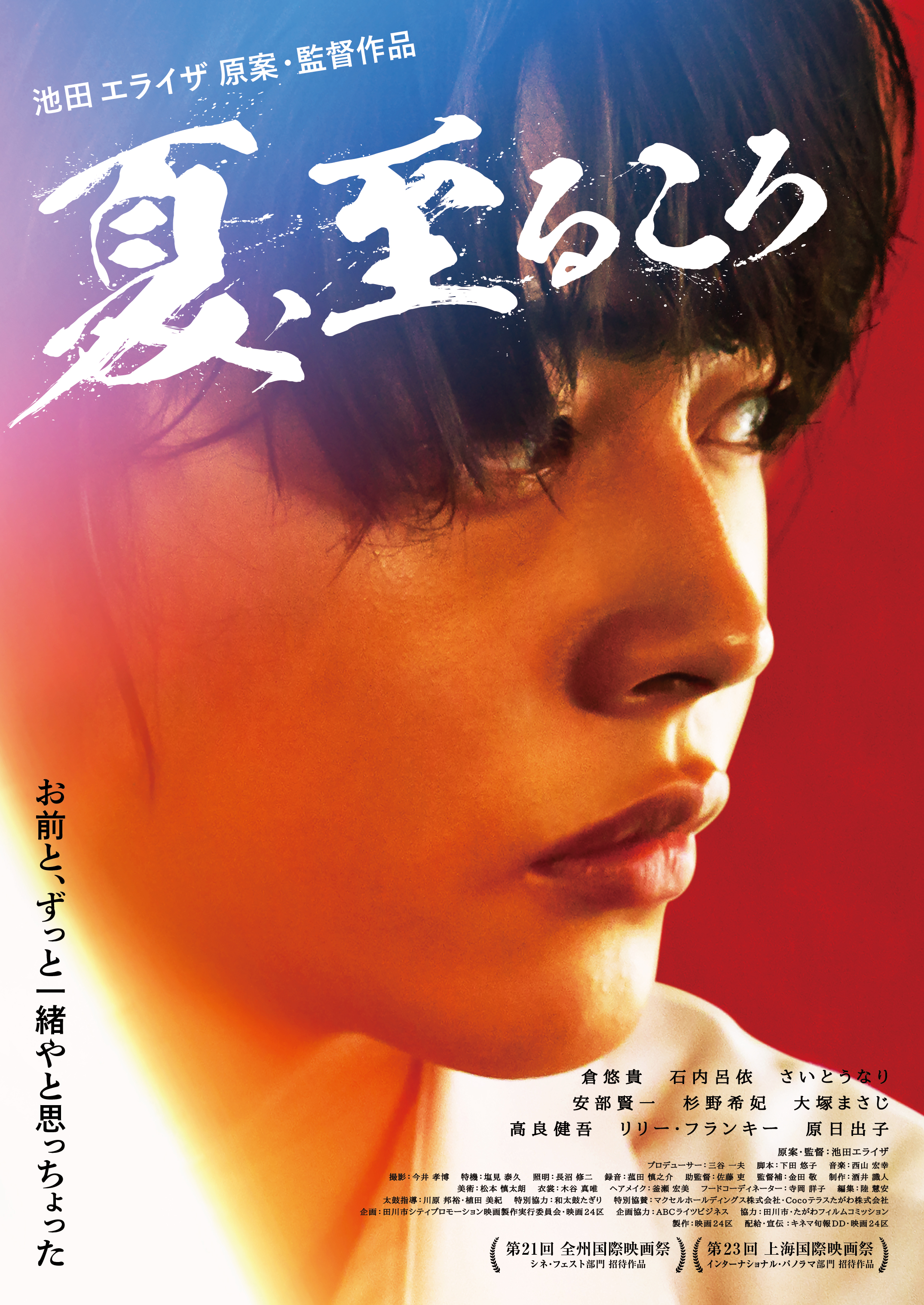
“Happiness is something you don’t notice even if it’s right next to you” the hero of actress Elaiza Ikeda’s directorial debut Town Without Sea (夏、至るころ, Natsu, Itaru Koro) is told by a strangely perceptive small child. The nature of happiness is something that seems to be bothering him while he contends with adolescent anxiety little knowing what to do with the further course of his life while fearful in the knowledge that his relationship with his childhood best friend must necessarily change. 

Approaching the final year of high school, taiko-enthusiast Sho (Yuki Kura) has no dreams or aspirations and has been avoiding thinking about what to do after graduation. Pressed by his teacher, all he can offer is that he’d like to become “air”, which is in its own way slightly alarming though it hints at his sense of emptiness and despair. His childhood best friend, Taiga (Roi Ishiuchi), meanwhile has a clearly defined, extremely sensible life plan which is why he’s abruptly giving up taiko so he can attend cram school and get into uni with the aim of becoming a civil servant. As we discover, Sho has been something of a follower making most of his existing decisions based on whatever Taiga was going to do, but he can’t merely follow him this time and will have to come to some sort of decision about his individual future. 

“I can’t walk alone. I don’t know what to do” he confesses to a surprisingly sympathetic teacher (Kengo Kora), while as it transpires Taiga is having similar thoughts. The two boys are much more co-dependent that they assumed, but that very co-dependency begins to drive them apart when coupled with their adolescent anxiety. Taiga fears that he is simply too “boring”, giving up taiko because his carefully honed technique cannot measure up to Sho’s anarchic power. According to him he took up taiko after spotting Sho playing at a festival thinking he looked so “free and cool”, yet Sho equally thinks he’s not as a good a drummer and cannot match Taiga’s meticulous training. Taiga is shifting away from their friendship because he secretly feels inferior and wants to leave before being around Sho makes him feels miserable, a logic Sho is not fully equipped to understand. 

“Why does everybody quit?” he asks in exasperation, meeting a strange young woman who like them wants to pull away from something before she ends up hating both it and herself. Likened by Taiga to the kind of manic pixie dream girl who frequently turns up during the last summer of high school in manga, Miyako (Nari Saito) does not quite come between the two boys in the expected way but does bring out their contradictory qualities before abruptly disappearing from the narrative, ahead of the pair in suddenly deciding that she’ll figure something out on her own. Having decided all he wants is a future of ordinary happiness, Taiga can’t help resenting his friend feeling that whatever decision he makes, getting a job or going to uni, he’ll wind up happy whereas he presumably will not with his unexciting yet sensible life as a civil servant. 

There is an undeniably homoerotic quality to the boys’ friendship, their brief falling out almost like a lovers’ tiff in its melancholy intensity. Sho necessarily fears the loss of his friend, perhaps instinctively knowing he’s chosen a path he likely cannot follow and feeling rejected because of it. He obsessively meditates on the meaning of “happiness” unable to settle on a means of achieving it while unsure of what exactly it means. He asks his friends and family but discovers that happiness means different things to different people, may change over time or not quite be what you first thought it was, or be as simple as a sunny day in your hometown. He does however begin to accept that even if separated, his relationship with Taiga will not necessarily change they will still be “together” if more in spirit than body. Recalling something Taiga had said about the sea which he has never seen, he makes his choice defiant in its independence. Hailing from Fukuoka herself, Elaiza Ikeda’s remarkably assured directorial debut crafts a warm, empathetic coming-of-age tale centring on the intense friendship between two men but discovering a sense of wonder and contentment in the everyday as its conflicted hero finds a sense of rootedness in the strength of his relationships that grants him the freedom to roam. 


Town Without Sea streamed as part of this year’s Japan Cuts.

Original trailer (English subtitles)

Sinkhole (싱크홀, Kim Ji-hoon, 2021)

Financial security is built on shaky ground in Kim Ji-hoon’s harrowing disaster dramedy Sinkhole (싱크홀) in which one man’s home-owning triumph quite literally crumbles beneath his feet. The latest in a recent series of movies lamenting the sometimes lax safety culture of the Korean construction industry, Sinkhole is also a crushing indictment of a society ruled by house prices in which social status is largely defined by the owning of property while the young in particular struggle to climb out of a deep well of societal despair. 

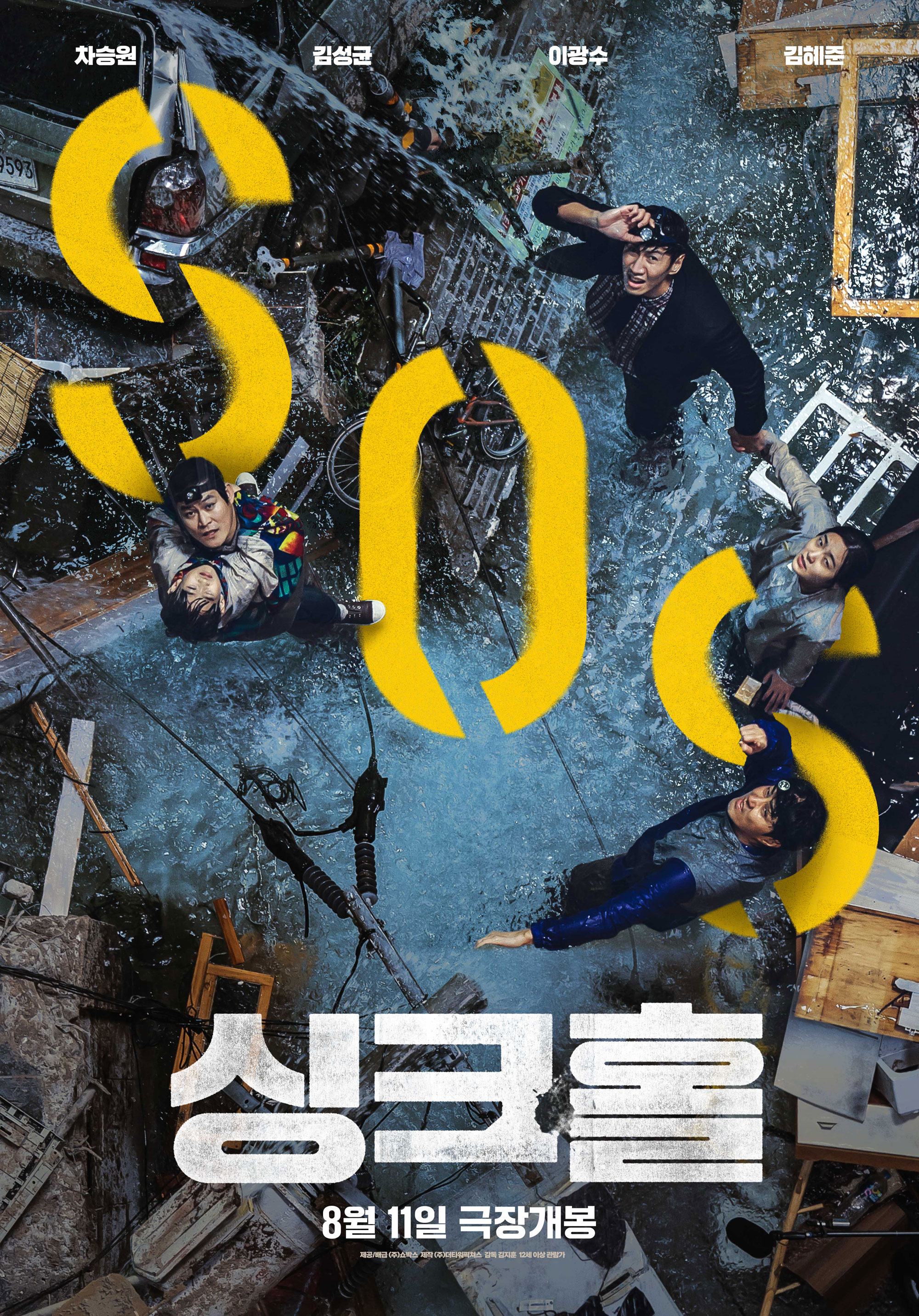
As the film opens, the Park family is about to move in to their new flat, the first they’ve ever owned albeit with a frighteningly large mortgage, in the middle of a seasonal downpour. Only when they arrive, they discover the movers haven’t even started unloading because their apparently irresponsible neighbour Man-su (Cha Seung-won) has inconsiderately parked his car in front of the entrance and isn’t answering his phone. Patriarch Dong-won (Kim Sung-kyun) ends up in an awkward confrontation with the abrasive apartment dweller which is inconvenient because Man-su apparently works in just about every business in the area which means he continues to run into him just about everywhere he goes. 

Anyway, that’s the the least of his problems because, having made this giant investment, Dong-won can’t help thinking there’s something wrong with his new dream home especially when his adorably polite young son Su-chan points out that his marbles roll across the floor of their own accord. Worried they may have a subsidence problem, Dong-won checks his windows open properly and records evidence of ominous cracks in the pavement outside but struggles to get the other residents to agree to maintenance checks in fear that not getting the answer they want will bring down the value of their property. 

Property prices are apparently everything. Homeownership is an unobtainable dream for many, yet Dong-won already feels insecure in his purchase especially as his colleagues seem relatively unimpressed by the fact his flat is in a recently gentrified area and comparatively modest. Bamboozled into hosting a housewarming, he’s mildly embarrassed to realise the view from his balcony is of nicer, much more expensive luxury flats just across the river which are likely to remain far out of his reach. Nevertheless, his colleague, Seung-hyun (Lee Kwang-soo) declares himself jealous in part because he’s still renting a studio flat and feels that dating let alone marriage is impossible without being in a position to get a multi-room apartment. His colleague Eun-ju (Kim Hye-jun) is in the same predicament but prefers to see it as simply being at a certain stage on the ladder.  

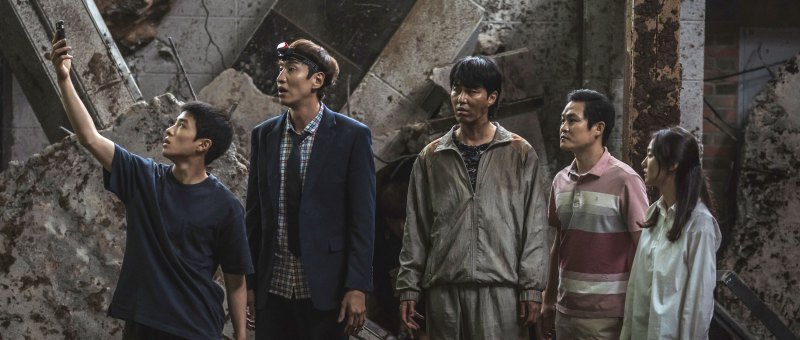
This dream of future security is however quite literally built on shaky ground. There are definitely problems with Dong-won’s new apartment which become increasingly severe from the tilting floors to cracked glass and interruptions with the water supply presumably caused by cost-cutting and shoddy construction practices. When the building collapses into a sinkhole, Dong-won is trapped inside with work colleagues Seung-hyun and Eun-ju along with Man-su and his teenage son Seung-tae (Nam Da-reum). Despite the inherent horror of the situation, Kim keeps the atmosphere light as the small band of survivors attempts to manage as best they can, finding an awkward solidarity while trying to attract the attention of the emergency services and eventually making a daring escape using whatever tools are available to them. 

Even so, as much as the small band of almost strangers bond thanks to their desperate circumstances, there is an uncomfortable conservatism at play especially in the film’s treatment of a working class single mother and her son living in an apartment on the floor below Dong-won’s. That aside, Sinkhole offers a fierce criticism of an increasingly consumerist society in which house prices are all anyone talks about and homeownership is the only badge of social success. 11 years of patient sacrifice is swallowed in an instant, sucked into an abyss of corporate malfeasance, while Dong-won is left to climb out of the hole he’s in on his own. It’s small wonder that some of the survivors decide to drop out of the system altogether, ditching the idea of rooted homeownership for nomadic freedom in buying a small caravan rather than participate in the property market or climb the corporate ladder. “Don’t be happy in 10 years, be happy today!” they enthusiastically chant. The entire society is, it seems, sitting on a sinkhole which might give any minute, what’s the point in investing in a future which could disappear from beneath your feet without reason or warning? 


Sinkhole screened as part of this year’s New York Asian Film Festival.

International trailer (English subtitles)

My Sorry Life (愛のくだらない, Kozue Nomoto, 2020)

A dejected, self-involved TV producer is forced into a moment of introspection when dealing with relationship breakdown and career setback in Kozue Nomoto’s ironic character study My Sorry Life (愛のくだらない, Ai no Kudaranai). Examining a number of social issues from women in the workplace to attitudes to LGBTQ+ people in contemporary Japan, Nomoto’s unflinching drama never lets its abrasive heroine off the hook even as she begins to realise that her own less than admirable behaviour has contributed to her present sense of despair and impossibility. 

Kei (Maki Fujiwara) has been in a relationship with former comedian Yoshi (Akiyoshi Okayasu) for the last five years, but it’s clear that she is beginning to tire of him. The couple are supposedly trying for a baby, but Kei has been taking contraceptive medicine behind Yoshi’s back while complaining that she doesn’t understand why he insists on getting pregnant before getting married when he hasn’t even met her parents. At work meanwhile she’s beginning to feel left behind, secretly jealous when a slightly younger female colleague reveals she’s been promoted to become the lead producer on a variety show and a little resentful when her idea for a programme focusing on the lives of ordinary people as opposed to celebrities is turned down by her bosses. The idea does however bring her to the attention of indie exec Kinjo (Takuma Nagao) who wants to bring her on board to produce a web series he’s about to launch along the same lines. And then, Yoshi drops the bombshell that he thinks he’s pregnant which is, to say the least, unexpected. 

Yoshi’s surprise announcement signals in a sense a reversal of traditional gender roles within their relationship with the man the nester and woman reluctant commitmentphobe. Kei is also the main financial provider, but on some level both resents and looks down on Yoshi for his lack of conventional masculinity having given up his comedy career to work part-time in a supermarket, obsessing over discount produce like the pettiest of housewives but often indulging in false economies such as reduced price yet still extravagant sake. Strangely, Kei goes along with Yoshi’s delusion taking him to a fertility clinic where she assumes they’ll set him straight but thereafter begins staying with a friend who ironically has an infant child and may be experiencing some difficulties in her marriage to which Kei remains entirely oblivious. 

Despite her journalistic desire to witness everyday stories, Kei is often blind to those around her never stopping to wonder if Yoshi is trying to tell her something through his bizarre pregnancy delusion or if her friend might need someone to talk to. She does something similar on spotting the office courier (Yukino Murakami) whom many of the ladies have a crush on using the ladies’ bathroom. Assuming the delivery guy is a lesbian she asks him about coming on the webshow, becoming even more excited when he explains that he’s a transman after inviting Kei to an LGBTQ+ friendly bar where he works part-time. Kei doesn’t realise that her throwaway comment that “that sort of thing is popular now” hurts Shiori’s feelings and leaves him feeling exploited as much as he would like to appear on the programme to raise awareness about LGBTQ+ issues. 

For her part, Kei is obviously not homophobic but does undoubtedly treat Shiori and his friends with a degree of exoticism, declaring that she’s never met anyone like them before while staring wide eyed in wonder as if these concepts are entirely new to her. Kinjo, the producer of the web series, is squeamish when Kei raises the idea, introducing her to a male scriptwriter who obviously already has his own concepts in mind, rudely ignoring Kei’s input while dismissively allowing his drink to drip on her proposal. The studio turn the idea down on the grounds that LGBTQ+ topics are “inappropriate” because there may be children watching and parents won’t want to explain words like “gay” or “lesbian” to their kids. Kei is rightly outraged, but she’s also a hypocrite because her intentions were essentially exploitative and self-interested. She wasn’t interested in furthering LGBTQ+ rights, she just wanted to chase ratings. 

Kinjo dresses up his personal distaste as a dictate from above but it’s clear that he doesn’t really value Kei’s input and continues to treat her poorly for the entirety of the project, blaming her for everything that goes wrong and expecting her to fix it on her own. There’s even an awful moment when Kei’s friend Tsubaki (Sayaka Hashimoto) shows up with her baby and one suspects they may be about to rope her in as a replacement guest, but the result is even worse as Kinjo stares into the pushchair and then throws the pair out while embarrassing Kei in the process. 

“Being busy’s no excuse for being unreliable” Tsubaki sympathetically tells her though it takes a few more setbacks before Kei begins to realise that she’s been unfair and to be honest generally unpleasant to those those around her. Feeling inferior, she makes a point of bumping into an elderly male janitor, treating him with contempt even when he stops to try and help her after she collapses in the office. Only through an ironic moment of emotional honesty which allows her to come to an understanding of her relationships does Kei begin to piece things together, reflect on her own mistakes and anxieties, and realise what it is she really wants. A contemplative reconsideration of accepted gender norms, Nomoto’s gently humorous drama never lets its heroine off the hook but does allow her to find new direction if only through confronting herself and the world in which she lives. 


My Sorry Life streams in the US until Sept. 2 as part of this year’s Japan Cuts.

Original trailer (English subtitles)

Camera Japan Announces Complete Programme for 2021

Camera Japan returns for its 16th edition in Rotterdam 23rd to 26th September and in Amsterdam 30th September to 3rd October bringing with it another fantastic selection of the best in recent and not so recent Japanese cinema.

Feature Films

  • Copyright © 2020 Kowatanda Films
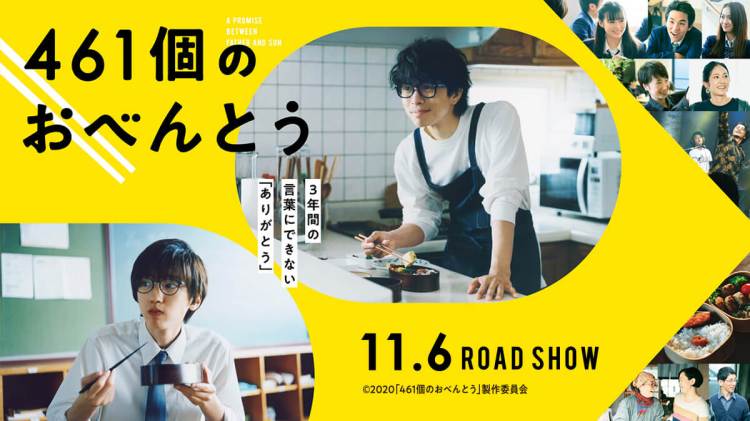
  • 461 Days of Bento: A Promise Between Father and Son – a recently divorced single dad pledges to make a bento for his son every day for the next three years if he promises not to skip school in this heartwarming drama.
  • Ainu Mosir – a grieving young man is confronted by the contradictions of his life as a member of an indigenous community in Takeshi Fukunaga’s poetic coming-of-age drama. Review.
  • Along the Sea – a migrant worker from Vietnam is faced with her lack of possibility after discovering she is pregnant while living undocumented in Akio Fujimoto’s unflinching social drama. Review.
  • Angry Rice Wives – a protest among fishwives against the sharp rise in the price of rice sparks nationwide unrest.
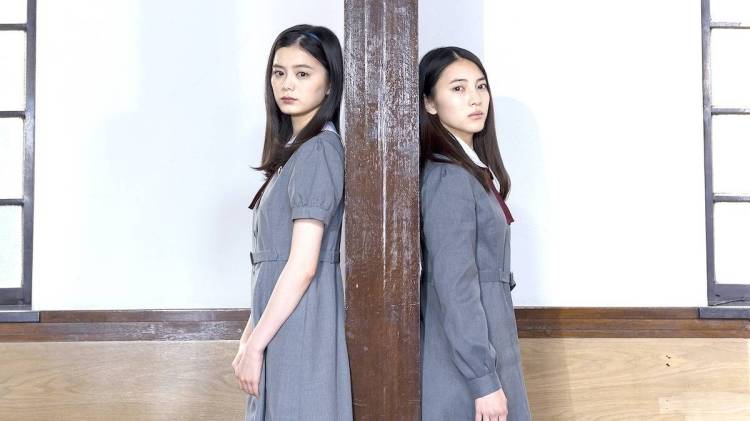
  • Between Us – two young women begin to find the courage to expresses themselves through the power of music in this taiko drum coming-of-age drama.
  • Beyond the Infinite Two Minutes – a diffident cafe owner faces an existential dilemma when trapped in a time loop with himself from two minutes previously in Junta Yamaguchi’s meticulously plotted farce. Review.
  • Closet – a young man begins to understand loneliness and intimacy after taking a job as a sleep companion.
  • The Fable: The Killer Who Doesn’t Kill – Junichi Okada returns as the hitman with a no kill mission in Kan Eguchi’s action comedy sequel which sees him come into conflict with a duplicitous philanthropist. Review.
  • Georama Boy, Panorama Girl – lovelorn teens experience parallel moments of romantic disillusionment in Natsuki Seta’s charmingly retro teen comedy. Review.
  • The Goldfish: Dreaming of the Sea – An anxious young woman begins to overcome her sense of trauma while bonding with a similarly lonely little girl in Sara Ogawa’s lyrical coming-of-age drama. Review.
  • I Never Shot Anyone – an elderly writer’s decision to pose as a hitman as research for a novel gets dangerously out of hand when his wife suspects him of having an affair.
  • It’s a Summer Film! – a jidaigeki-obsessed high schooler sets out to make her own summer samurai movie in Soshi Matsumoto’s charming sci-fi-inflected teen rom-com. Review.
  • Kontora – a directionless high school girl finds a path towards the future through deciphering a message from the past in Anshul Chauhan’s ethereal coming-of-age drama. Review.
  • Last of the Wolves – sequel to Kazuya Shiraishi’s Blood of Wolves set in 1991 in which a rogue cop attempts to keep the peace between yakuza gangs.
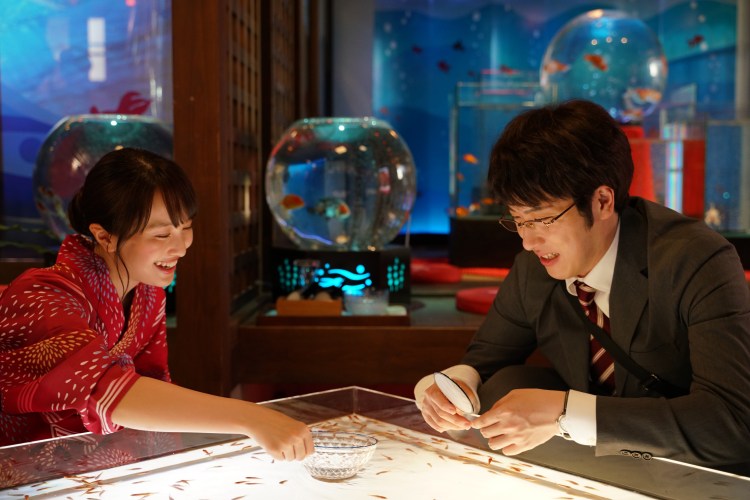
  • Love, Life and Goldfish – musical manga adaptation in which a salaryman is demoted to a rural town after insulting his boss.
  • LUGINSKY – experimental drama in which a man who hallucinates has trouble finding a job and spends his nights drinking and philosophising about life.
  • My Name is Yours – Momoko Fukuda adapts her own novel in which a collection of Osaka teens experience the pain of youth.
  • Ora, Ora be Goin’ Alone – an old lady living alone reflects on her life with the help of three strange sprites in Shuichi Okita’s moving dramedy.
  • The Real Thing – a bored salaryman begins to chase the real thing after saving a distressed woman from an oncoming train in Koji Fukada’s beautifully elliptical drama. Review.
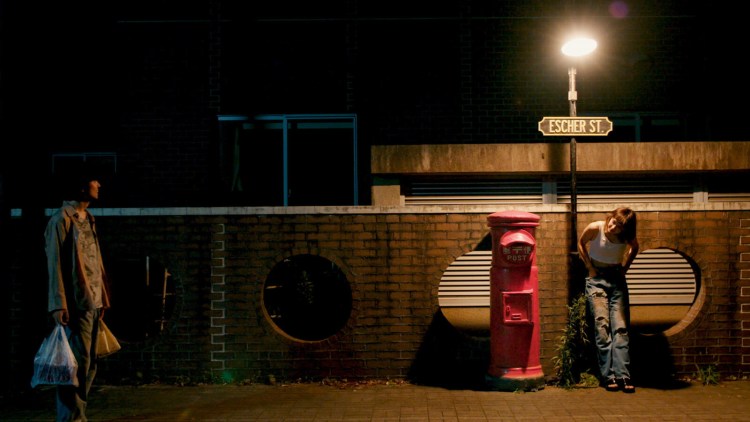
  • Red Post on Escher Street – The extras reclaim the frame in Sion Sono’s anarchic advocation for the jishu life. Review.
  • Remain in Twilight – a group of high school friends is forced to confront unresolved grief while rehearsing for a wedding in Daigo Matsui’s moving metaphysical drama. Review.
  • Sasaki in My Mind – a struggling actor finds himself thinking back on memories of a larger than life high school friend in Takuya Uchiyama’s melancholy youth drama. Review.
  • Shiver – dialogue free music movie from Toshiaki Toyoda filmed entirely on Sado island.
  • The Town of Headcounts – a disaffected young man gets a fresh start in a utopian community but quickly becomes disillusioned in Shinji Araki’s slick dystopian thriller. Review.
  • Under the Open Sky – a pure-hearted man of violence struggles to find his place in society after spending most of his life behind bars in Miwa Nishikawa’s impassioned character study. Review.
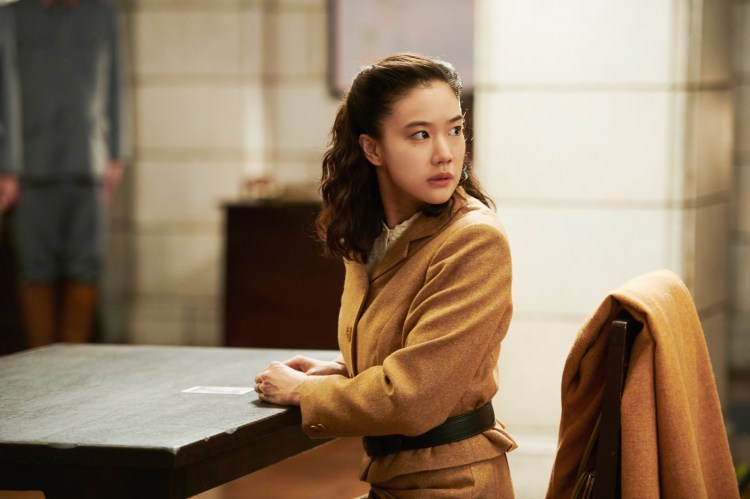
  • Wife of a Spy – an upperclass housewife finds herself pulled into a deadly game of espionage in Kiyoshi Kurosawa’s dark exploration of the consequences of love. Review.

Animation

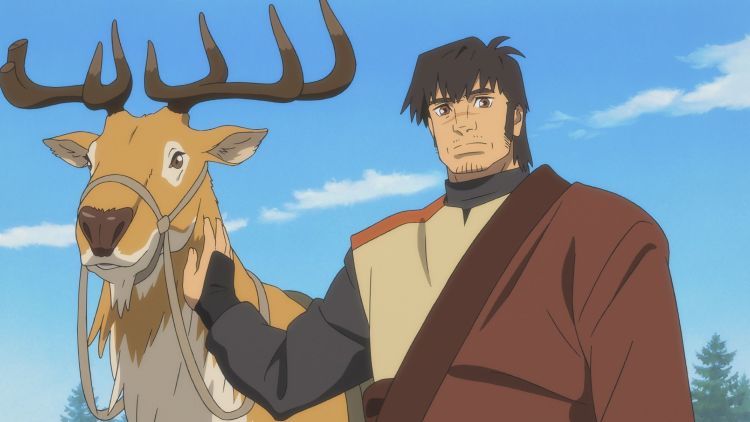
  • The Deer King – animated feature in which a former soldier and a young girl attempt to escape a deadly plague.
  • Junk Head– new theatrical edit of the sci-fi horror stop motion animation.
  • Pompo the Cinephile – anime adaptation of the movie-themed manga.

Documentaries

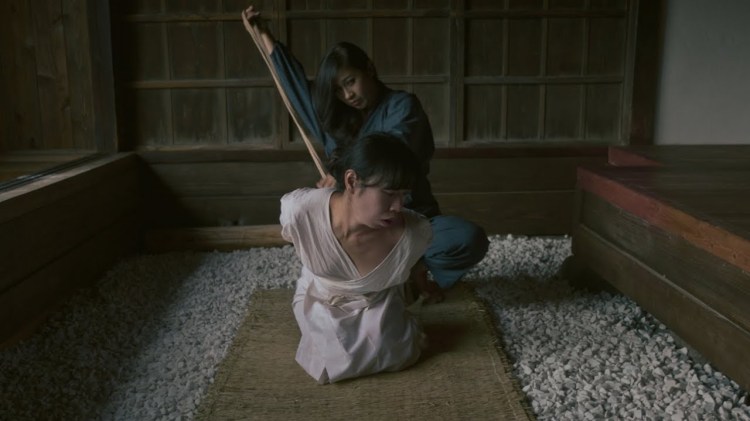
  • Bound – documentary focussing on female practitioners of traditional “shibari” bondage.
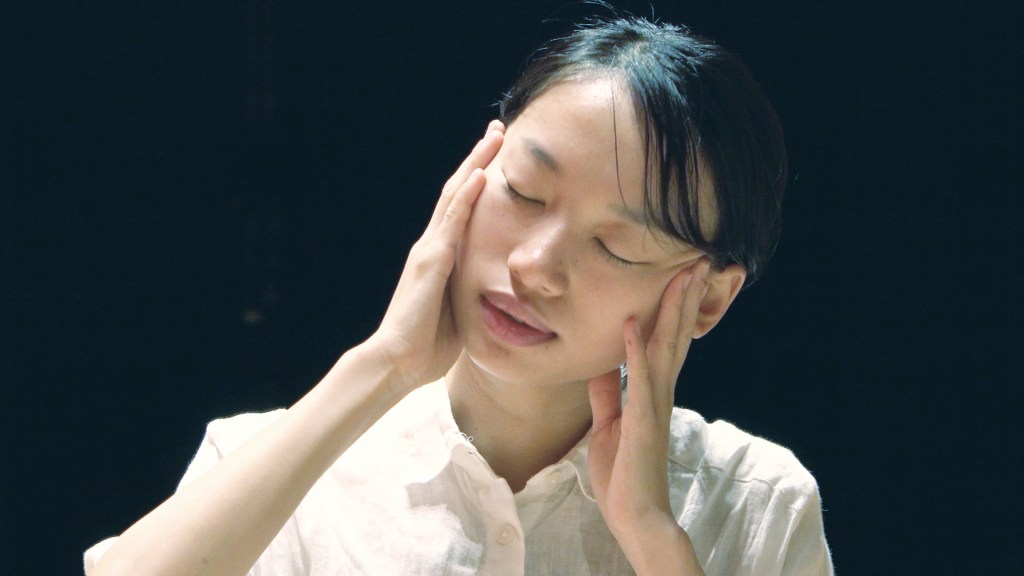
  • Double Layered Town / Making a Song to Replace Our Positions – Four young travellers relate the stories of the 2011 earthquake and tsunami in verbatim stage performances running concurrently with a fictional narrative set in 2031.
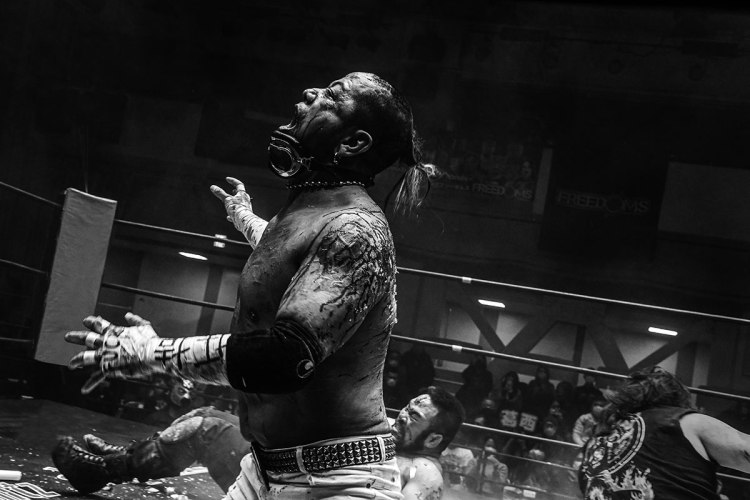
  • Jun Kasai Crazy Monkey – documentary focussing on Japanese pro-wrestler “Crazy Monkey”.
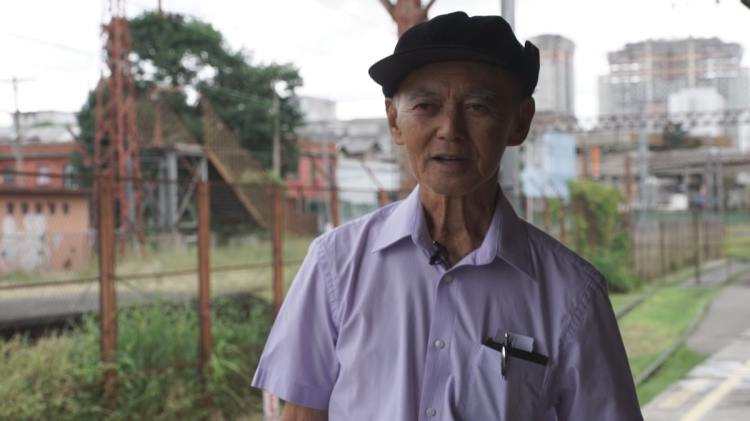
  • Okinawa Santos – documentary focussing on Okinawan migrants to Brazil and the their forced relocation during World War II.
  • Ushiku – Filmed mainly with hidden camera, Thomas Ash’s harrowing documentary exposes a series of human rights abuses at the Ushiku immigration detention centre. Review.

Special Screenings

Camera Japan 2021 takes place in Rotterdam 23rd – 26th September and Amsterdam 30th September – 3rd October. Full information on all the films as well as ticketing links can be found on the official website and you can also keep up to date with all the latest news via Camera Japan’s official Facebook pageTwitter account, and Instagram channel.