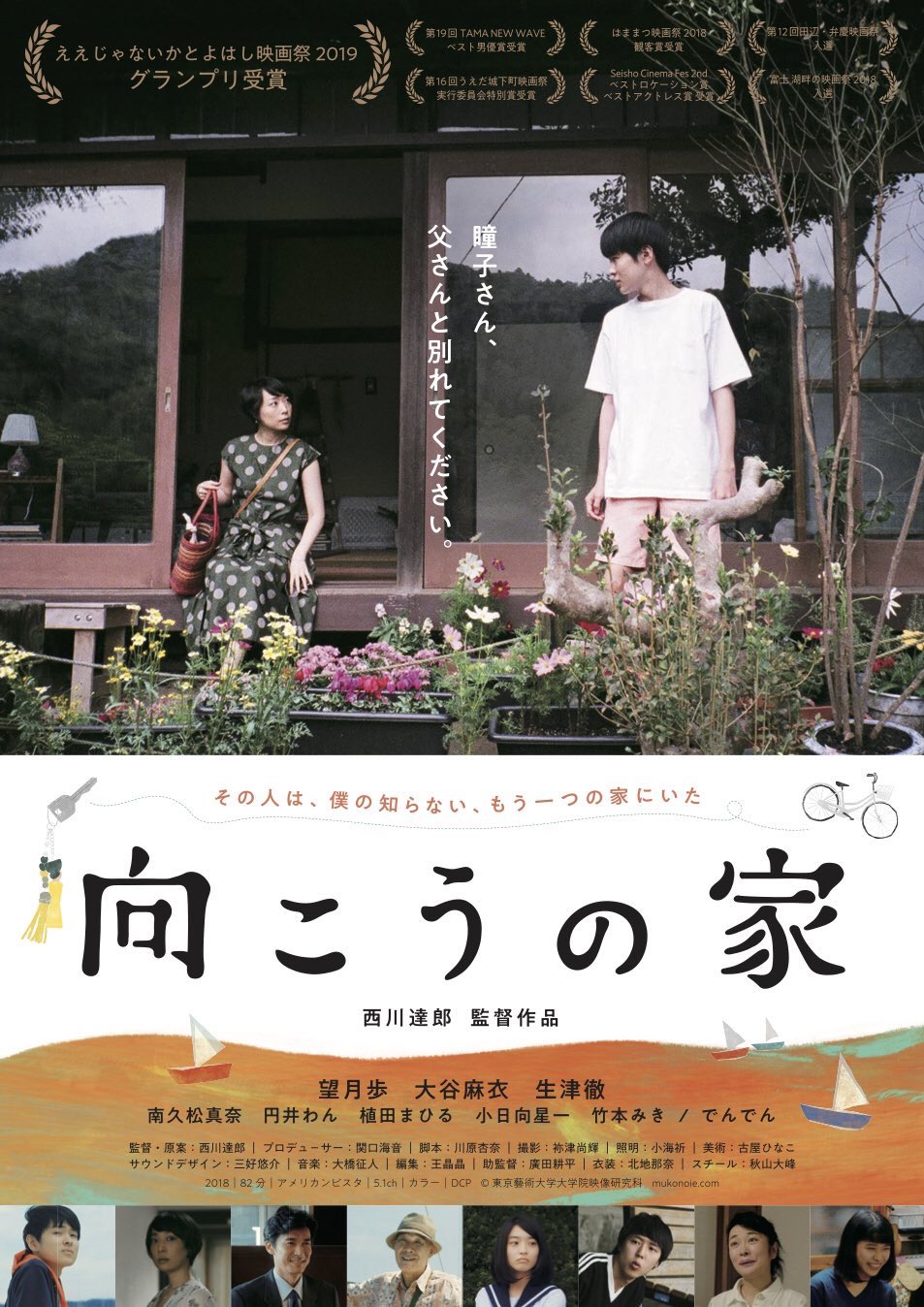
The Other Home (向こうの家, Tatsuro Nishikawa, 2018)

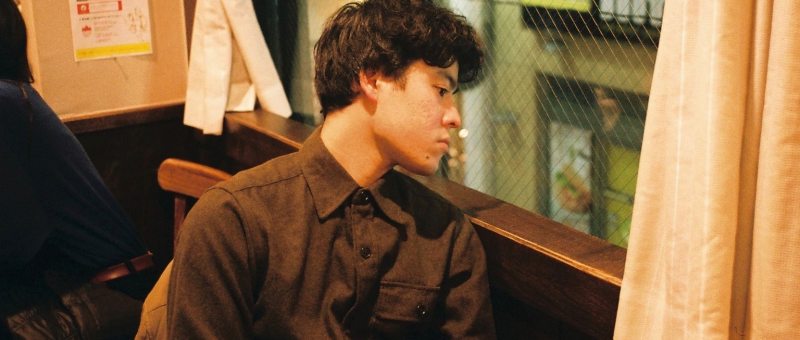
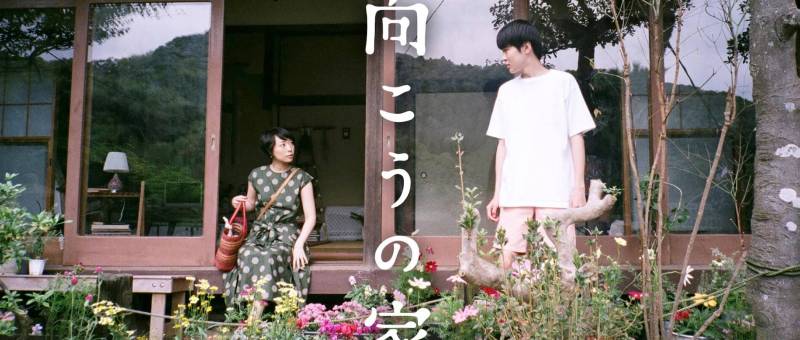
There comes a time in everyone’s life when they start to realise that things are not always as they appear and no matter how happy and settled your family life might seem, your parents aren’t perfect though they are probably doing their best. For Hagi (Ayumu Mochizuki), that moment comes at 16 when he gets fed up with school and takes some time off believing he might be able to learn more outside of the classroom than in. An unconventional coming-of-age tale, Tatsuro Nishikawa’s graduation project The Other Home (向こうの家, Mukou no Ie) is also a meditation on the modern family and the patriarchal order. 

Getting back to school after the summer break gets off to a rocky start when Hagi and his friend are told that the fishing club of which they are members is being shut down as the teacher who was in charge of it is scaling back her workload because she’s just got engaged and will eventually be leaving to get married. Hagi takes this in his stride, mostly at a loss over where to eat his lunch because his girlfriend, Naruse (Mahiru Ueta), for some reason thinks it’s embarrassing to eat alone in the classroom. In any case, Hagi reacts by deciding not to go to school at all. His parents don’t approve, but decide to give him some space to figure out what’s going on. Meanwhile, he’s beginning to wonder if it’s odd that his family never fight, his parents committed to talking things through peacefully rather than resentfully hiding their true feelings. 

Or, so he thought. There is something childishly naive in his conviction that because his parents never fight in front of him they never fight at all, though it’s true enough that he comes from a talking about things family in which his mother Naoko (Mana Minamihisamatsu), in particular, is keen that they share their thoughts and feelings honestly, looking forward to her husband Yoshiro (Toru Kizu) returning home each day after which they share a drink and make time to talk. It comes to something of a surprise to him then when his dad asks him to pick up a set of keys he’s forgotten and bring them to a cafe near where he works without letting his mother know. Hagi does as he’s told only to learn the keys are for a cheerful cottage by the sea which he’s been renting for his mistress, Toko (Mai Ohtani), with whom he now wants to break up preferably before the lease is due for renewal. Too cowardly to do it himself, Yoshiro enlists his teenage son’s help to break up with the woman he’s been cheating on his family with. 

Strangely, this revelation does not seem to sour him on his dad even if he realises the threat it poses to their happy family life. “Protecting the family peace. Men must uphold that promise” Yoshiro unironically tells his son, problematically implying that the way to do that is by covering up affairs rather than simply not having them. Dutifully Hagi heads over to “the other home”, only to be thrown out by Mr. Chiba (Denden), a friend of Toko’s who not unreasonably tells him that this is something his father should be dealing with himself rather than sending his teenage son to guilt his mistress into moving out of her house. Failing to engage with his father’s betrayal, Hagi nevertheless comes to sympathise with Toko who is about to be rendered homeless thanks to his father’s moral cowardice, staying with her in the cottage while lying to his mother that he’s doing an internship at his father’s company. 

Nevertheless, each of his parents is eventually found wanting as Toko teaches him the things they perhaps should have including how to ride a bike, an embarrassing oversight which had seen him deemed “uncool” by his exasperated girlfriend. The film has little time for Naoko’s talking about things philosophy, her husband merely lying to her while engaging in the same patriarchal double standards simultaneously insisting it’s a man’s duty to “protect family peace” while deliberately endangering it through an extramarital affair. Hagi too perhaps picks up these uncomfortably old fashioned ideas partly from his teacher who proudly shows off her engagement ring boasting that it cost her fiancé three months’ salary, the expense apparently proof that he intends to look after her well for the rest of her life as if she couldn’t do that herself. He begins to feel sorry for Toko as she outlines her life as a kept woman, a backroom full of unwanted presents from various men who too looked after her for a time, but in the end merely offers to look after her himself by quitting school to get a job so he can renew the lease to make up for his father’s moral cowardice.

The reason they were so happy, it seems, is that Yoshiro gave himself an escape valve. “Sometimes it’s hard for me to be dad” he admits, apologising for his inability to share his burdens honestly, his male failure neatly undercutting the tacit acceptance of the patriarchal authority which stands in contrast to Naoko’s ideal of a healthy relationship founded on emotional authenticity. Finally learning to ride a bike, Hagi finds himself entering a less innocent world as a young man now fully aware of the universe’s moral greyness if perhaps not quite so enlightened as he might feel himself to be.


The Other Home screened as part of Camera Japan 2020.

Original trailer (no subtitles)
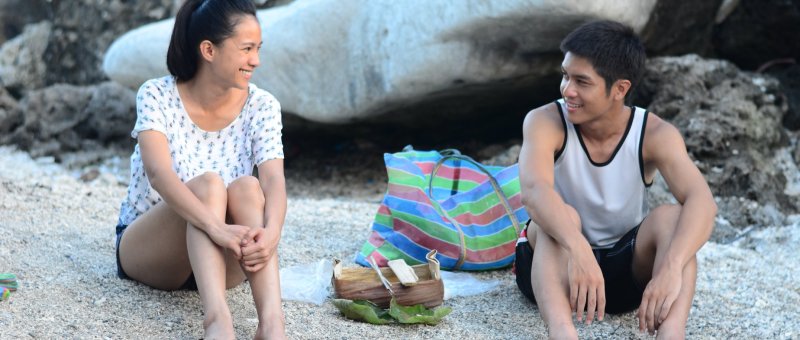
Pakeriran (巴克力藍的夏天, Lekal Sumi Cilangasan, 2017)

Two lost youngsters reconnect with their roots over one idyllic summer in Lekal Sumi Cilangasan’s gentle exploration of culture and identity, Pakeriran (巴克力藍的夏天). Produced by the Indigenous Peoples’ Cultural Foundation, Sumi’s gentle drama finds a city boy quite literally thrown in at the deep end when he returns home to his indigenous community while bonding with an equally lost young woman chasing the legacy of a father who abandoned her. 

As the film opens, university student Futing (Matam Hidaw) is lost in thought, gazing a pretty classmate and hardly listening to his friends as they plan the road trip they’ll be taking over summer vacation. That evening, however, he gets a panicked phone call from his mother telling him that his grandfather has been taken ill and he’s to come home as soon as possible. Futing doesn’t get a chance to explain he’s made other plans, and so finds himself on the first available train, his friend taking off with the girl he likes on the back of his bike as they drop him at the station before setting off on their summer adventure. He’s quite annoyed therefore when he arrives and discovers his grandfather is fine, he just sprained his ankle, but the rest of the family have taken off on holiday and left him to look after grandpa who is quite keen that Futing take part in the upcoming Sacepo festival in his stead. 

Having spent most of his life in the city, Futing no longer understands the local dialect nor does he know very much about traditional customs. Hanging around shyly outside after being instructed to attend a meeting to discuss the festival, Futing is brought in by an older man, Kacaw, who becomes his mentor translating for him as the elders heckle, disappointed that he can’t understand them and exasperated that he has no manners, failing to realise that he as the youngest should be pouring them wine and doing it in ceremonial manner. Tripping up on his way home he’s rescued by Lisin (Ipun Kanasaw), a young woman taking a working holiday at a cafe where they showcase the local cuisine for tourists, but leaves abruptly when he’s recognised by an old friend of his mother’s who asks him to explain the Sacepo festival to the newcomer, too embarrassed to admit he really has no idea what it’s all about. 

Lisin, meanwhile, is also on a quest to reconnect with her history through following in the footsteps of her foodie father who apparently went out one day and never came back. She thinks he might have passed through his village, so she’s patiently absorbing all it has to offer while quietly learning to assume responsibility, eventually forced to take charge when her mentor, Mrs Jiang (Ilid Kaolo), is delayed on her way home. Predictably enough, Futing’s desire to rediscover his ancestral culture is spurred on by his growing attraction to Lisin whose interest in the local customs fuels his own. Suddenly, he becomes invested in the idea of seizing his manhood through completing the ritual, determined to learn how to catch a fish in the traditional way, cooking it in water heated with rocks warmed by the sun. 

The titular Pakeriran refers to a rock island on the far side of an inlet which, it was said, the young could prove themselves men by swimming to and warriors by swimming around. Later, Futing discovers there are other, easier ways to reach Pakeriran but then that isn’t really the point. Through reconnecting with his culture, Futing develops a new respect for the natural world, concerned by all the rubbish he finds floating in the water some of it irresponsibly dropped by non-indigenous fishermen. An attempt to confront one of them brings home to him his marginalised position within Taiwanese society when he’s not quite arrested by local police who accuse him of illegally fishing on his ancestral land without a proper licence after being tipped off by the petty fisherman. Originally resentful, watching the photographs of his friends having fun on their trip roll in over social media, Futing comes to embrace his heritage as a member of the indigenous community as he comes of age, gaining a new appreciation for his place in the world. Beautifully showcasing the traditional culture of the Amis people, Pakeririan offers a rare insight into an all too often hidden side of Taiwanese life through the eyes of the two youngsters as they discover new sides of themselves though reconnecting with their heritage.


Pakeriran streams in the US Oct. 2 – 4 as part of Asian Pop-Up Cinema & TACCGC’s @Home with Taiwan Cinema: Love & Hope

Original trailer (English & Traditional Chinese subtitles)

London Korean Film Festival Announces Full Programme for 2020

The London Korean Film Festival returns for 2020 in an unprecedented digital edition bringing some of the best in contemporary Korean cinema to homes across the UK along with a few select physical cinema screenings in London. This year’s Special Focus is dedicated to Friends and Family reminding us of our essential connections as we continue to face the effects of the pandemic.

Opening

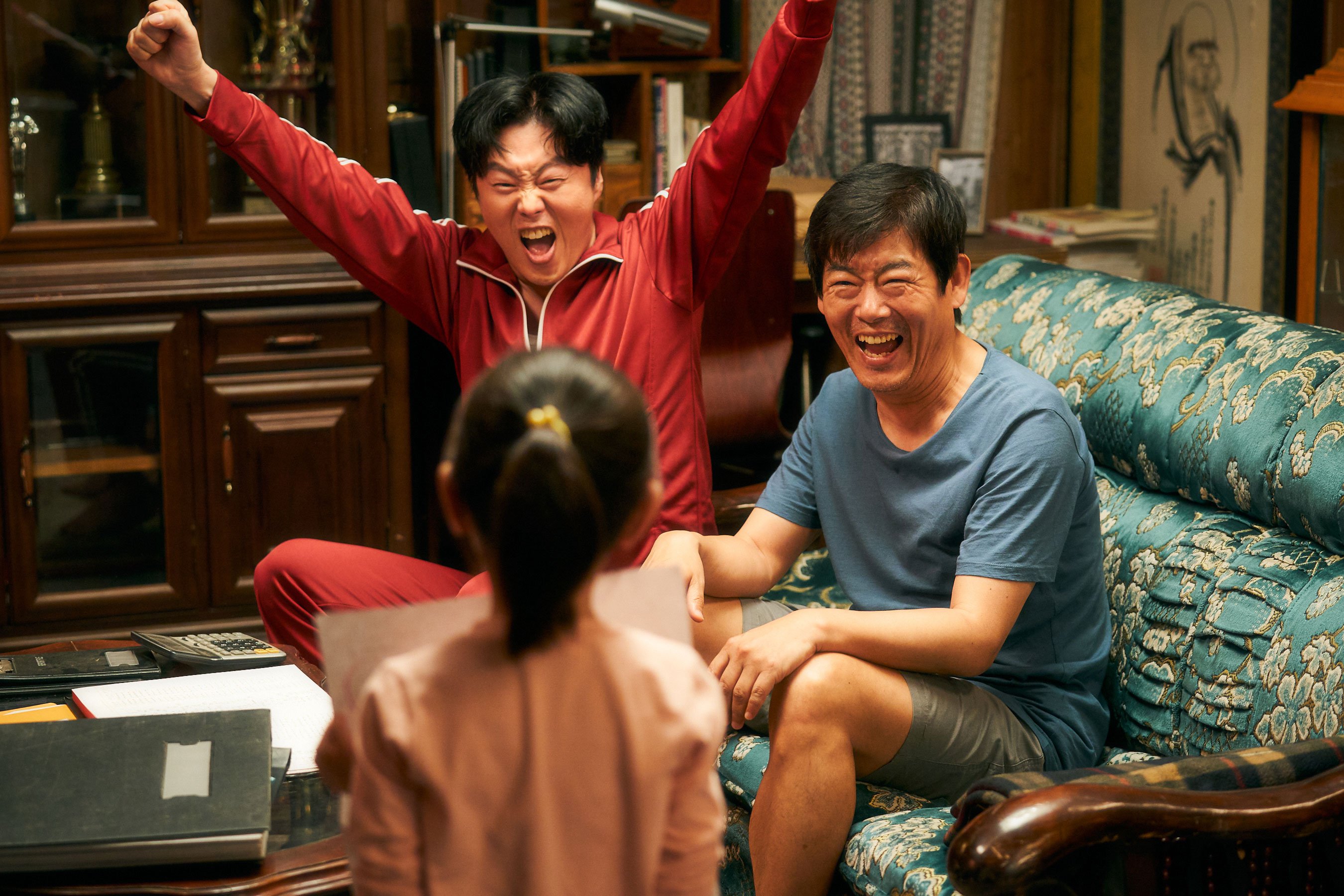
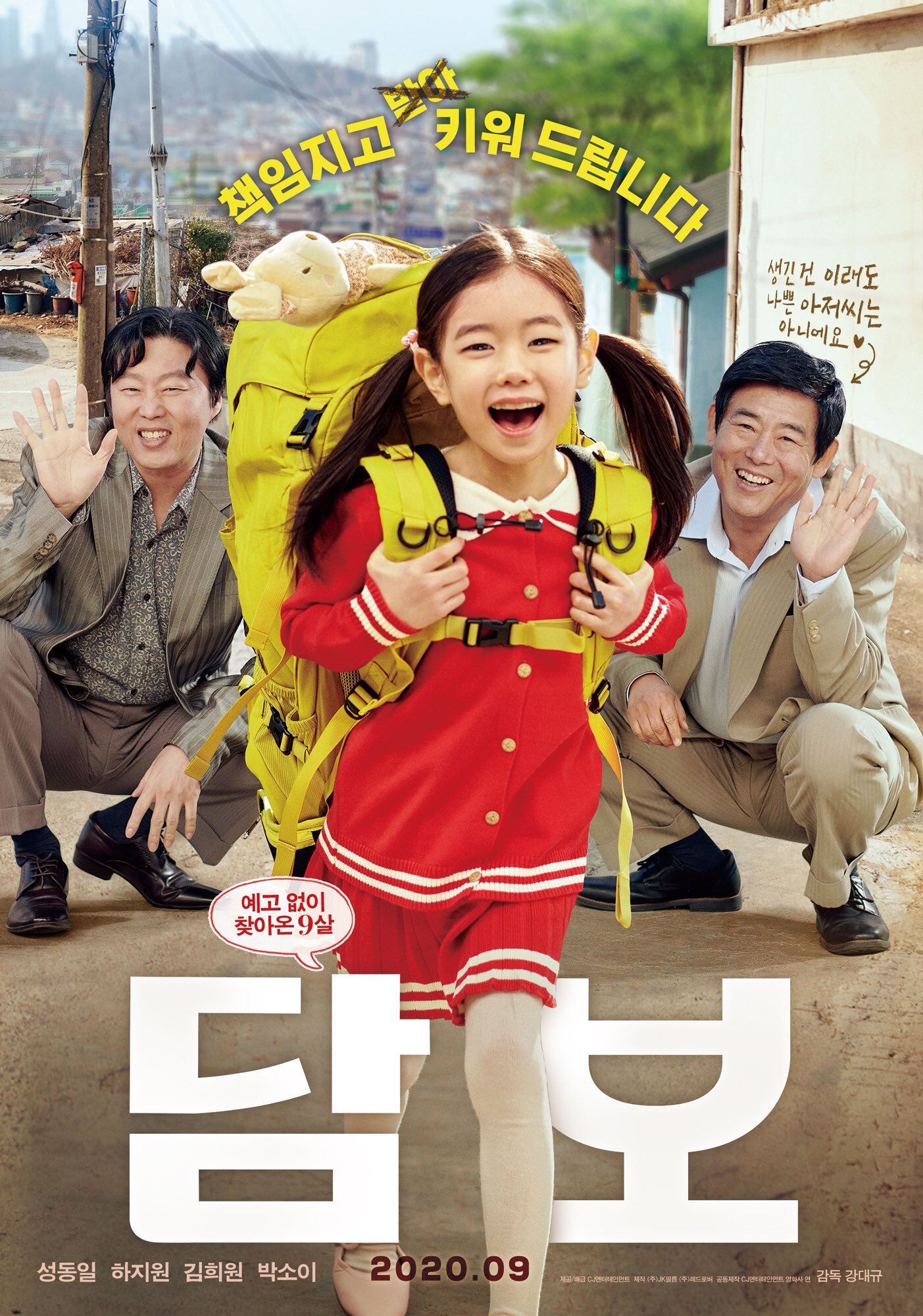
  • Pawn – tearjerking dramedy from Kang Dae-kyu in which a debt collector (Sung Dong-Il) becomes the accidental guardian of a little girl when her mother offers her up as collateral on a loan but is then deported for being an undocumented migrant.

Closing

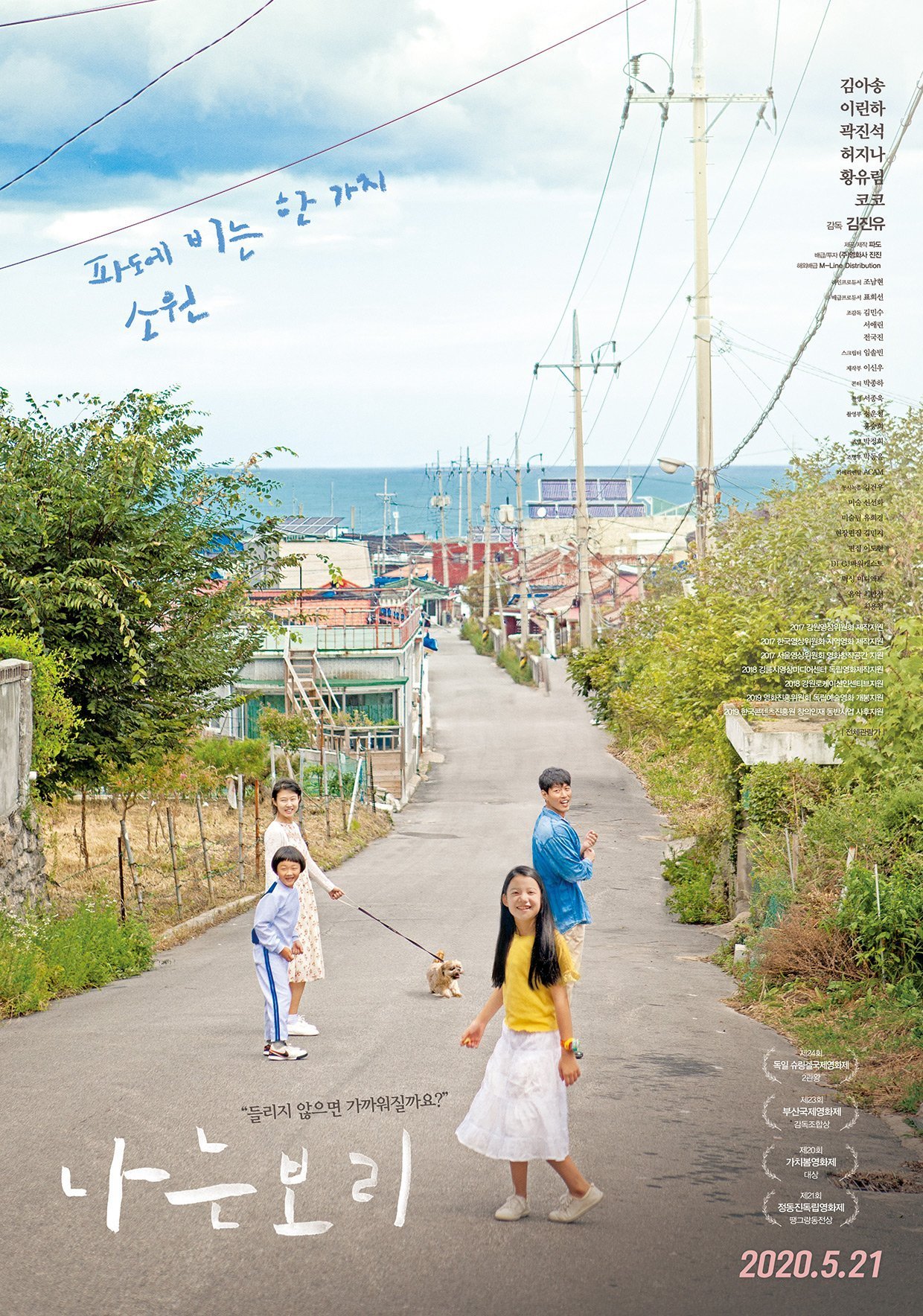
  • Bori – the only hearing member of her family, Bori struggles with the idea of difference as she tries to adjust to communicating verbally at school eventually wishing that she too were deaf.

Special Focus: Friends and Family

  • Family Ties – tripartite family comedy from 2006 following two unusual family units which eventually merge.
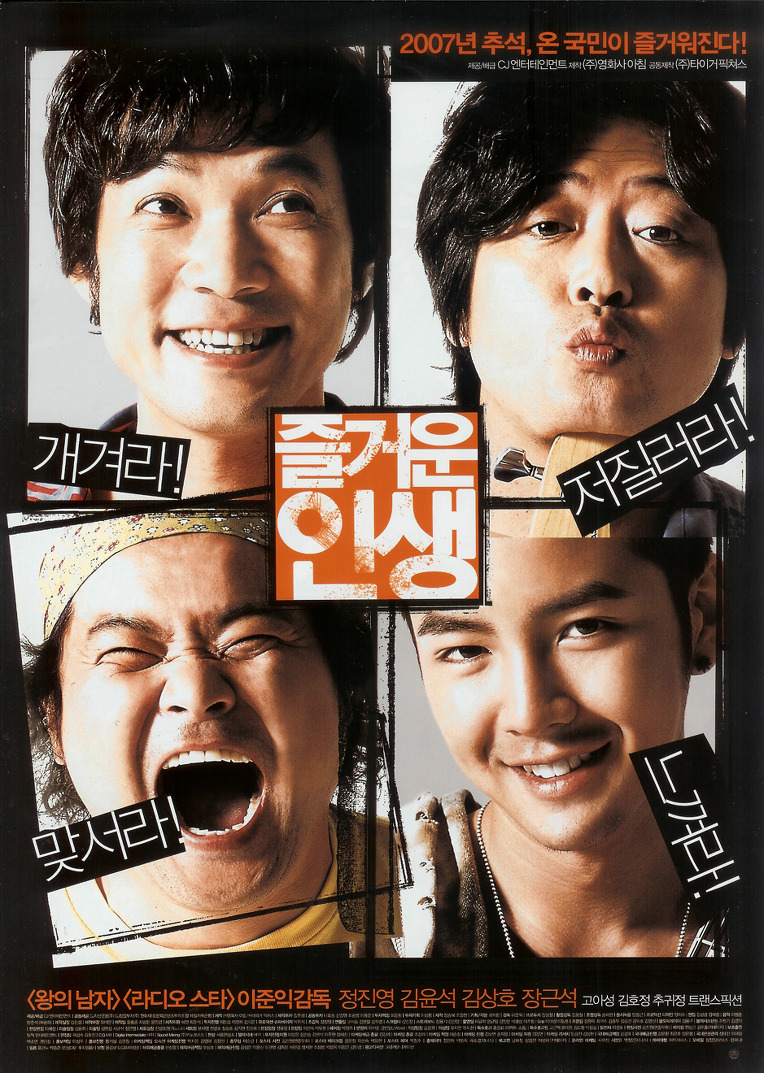
  • The Happy Life – 2007 musical drama from Lee Joon-ik in which former members of a college band decide to reform after the lead singer dies.
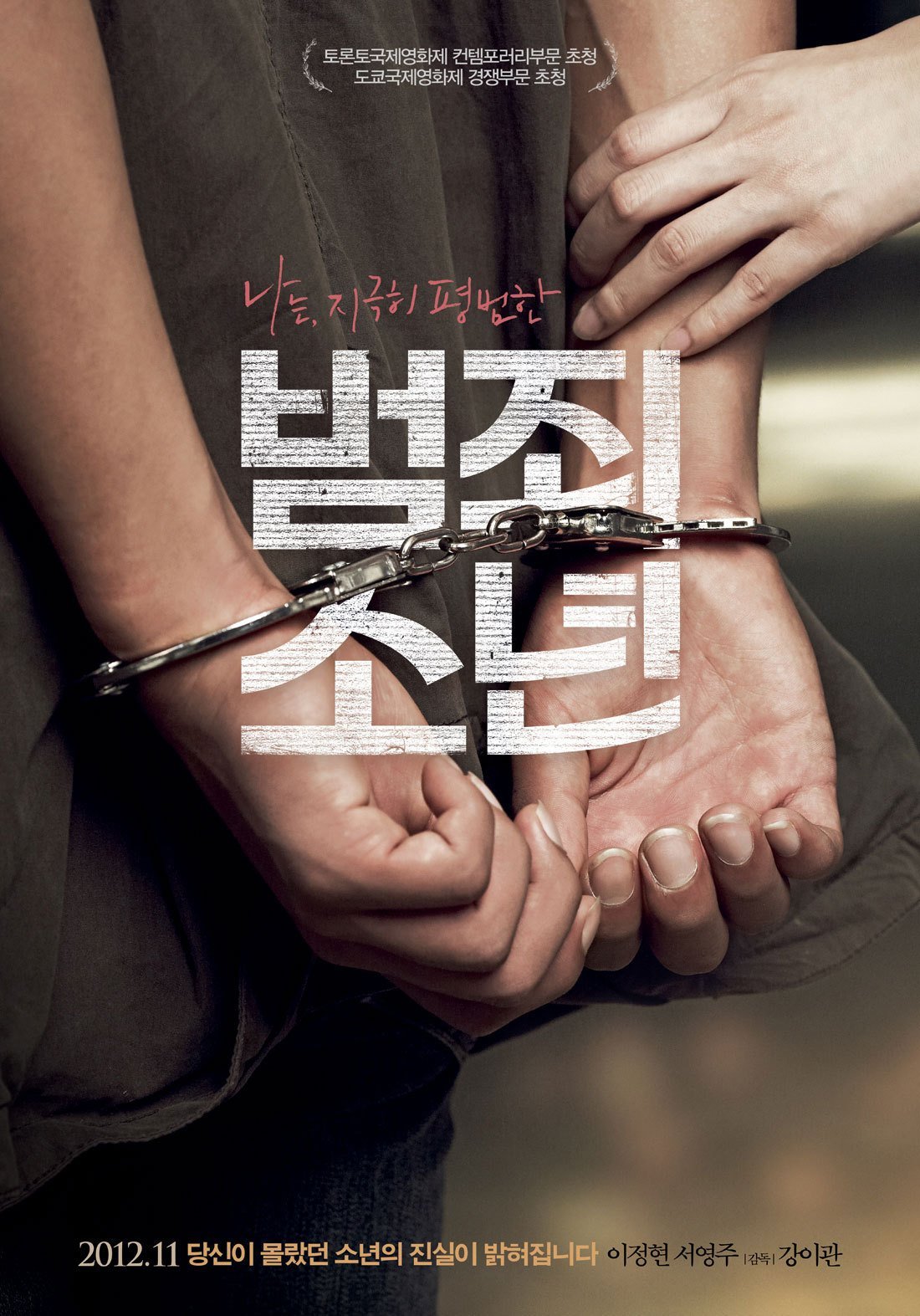
  • Juvenile Offender – 2012 drama from Kang Yi-Kwan in which a 16-year-old delinquent reunites with the estranged mother who gave him up at birth.
  • Intimate Strangers – Korean remake of the international hit Perfect Strangers in which a collection of respectable bourgeois couples have their lives upended after they agree to share all their mobile communications during the course of a dinner party. Review.
  • Moving On – moving coming-of-age drama in which a little girl and her brother move in with grandpa in the wake of their parents’ divorce.

Cinema Now

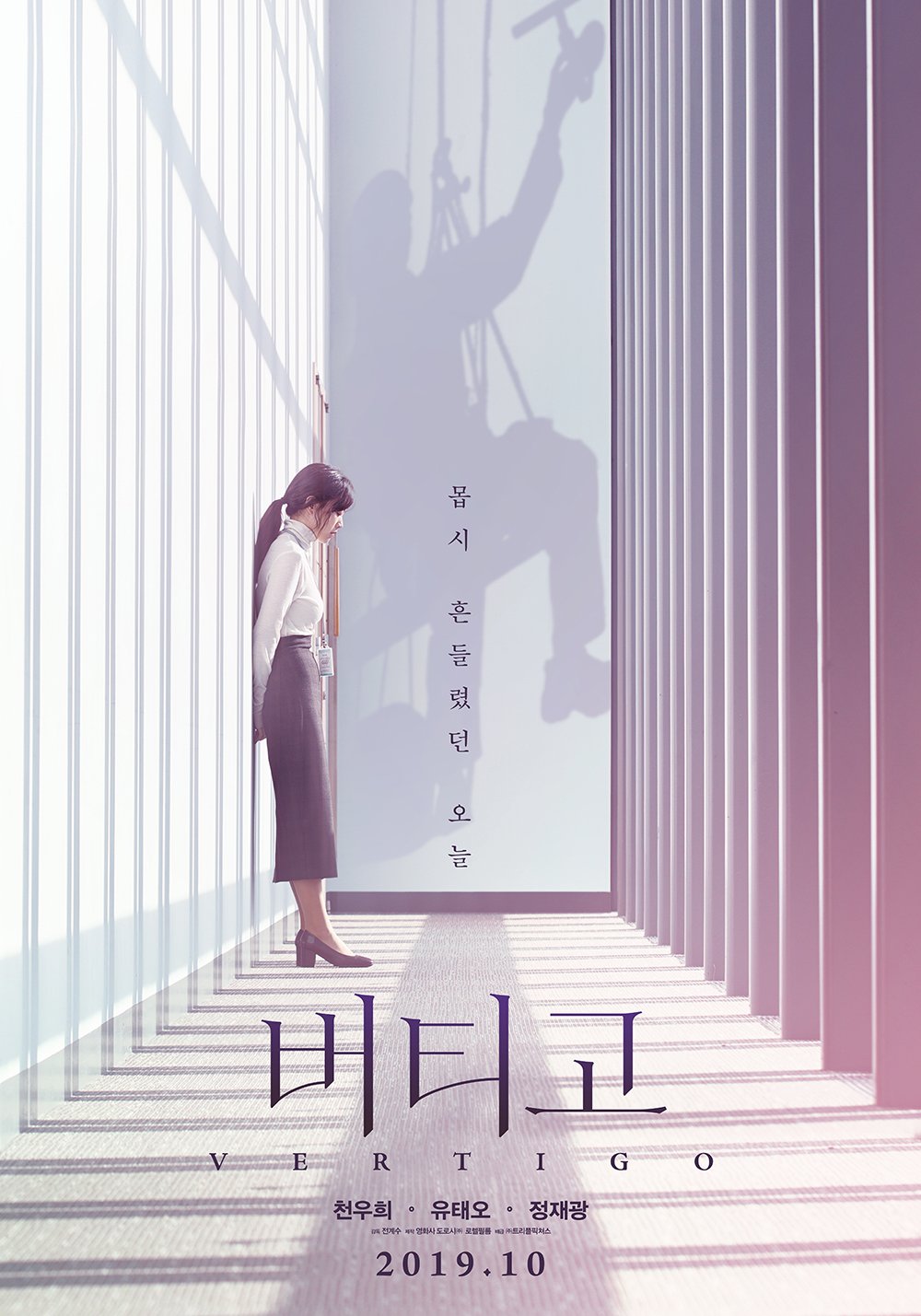
  • Vertigo – an office worker suffering existential vertigo is comforted by the presence of a fearless window cleaner. Review.
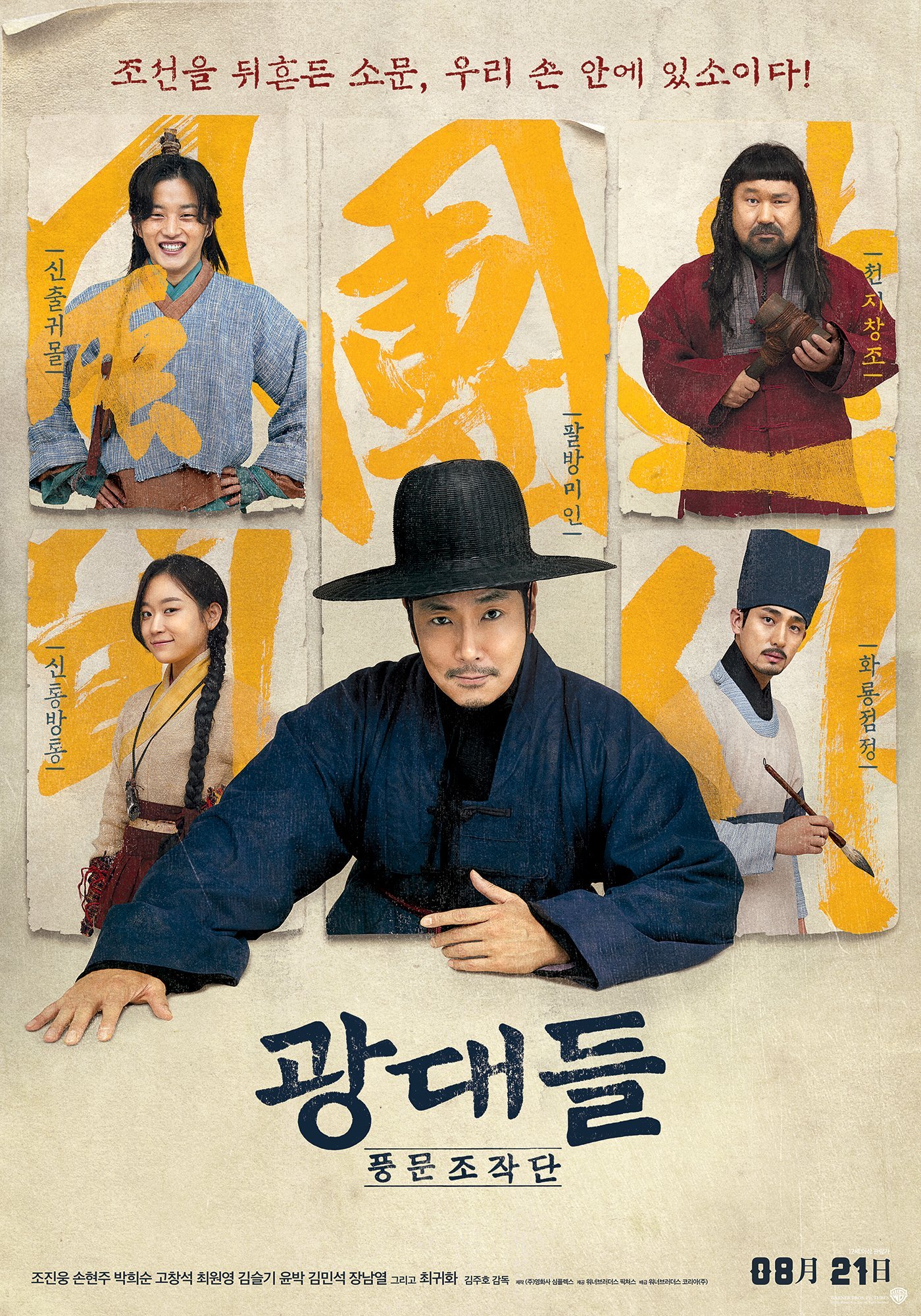
  • Jesters: The Game Changers – Joseon-era street entertainers get into trouble for spreading fake news in a period drama from The Grand Heist’s Kim Joo-ho.
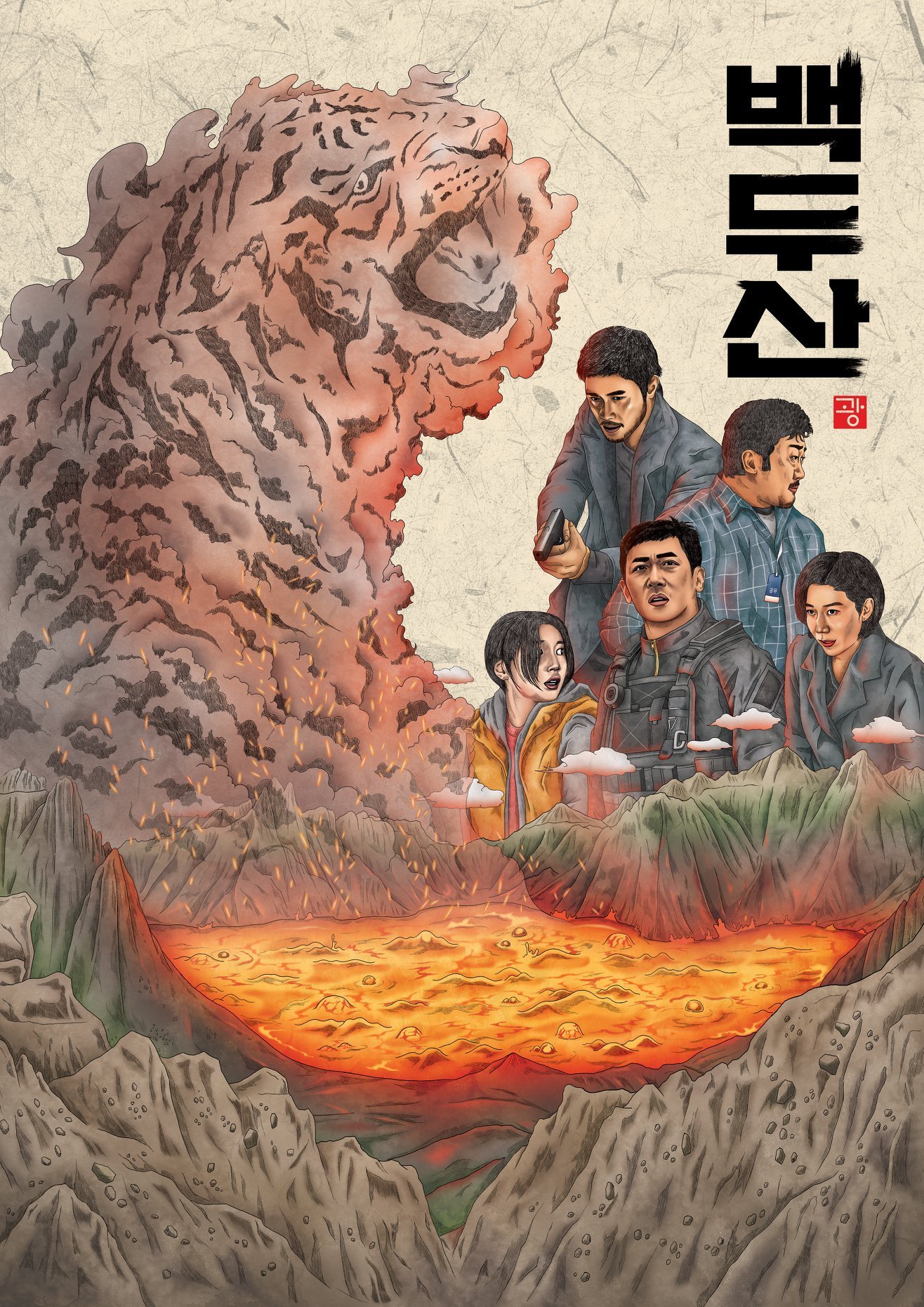
  • Ashfall – A bomb disposal expert with a baby on the way is dragged into a covert mission to the North when Mt. Baekdu suddenly erupts in Lee Hae-jun & Kim Byung-seo’s starry disaster movie. Review.
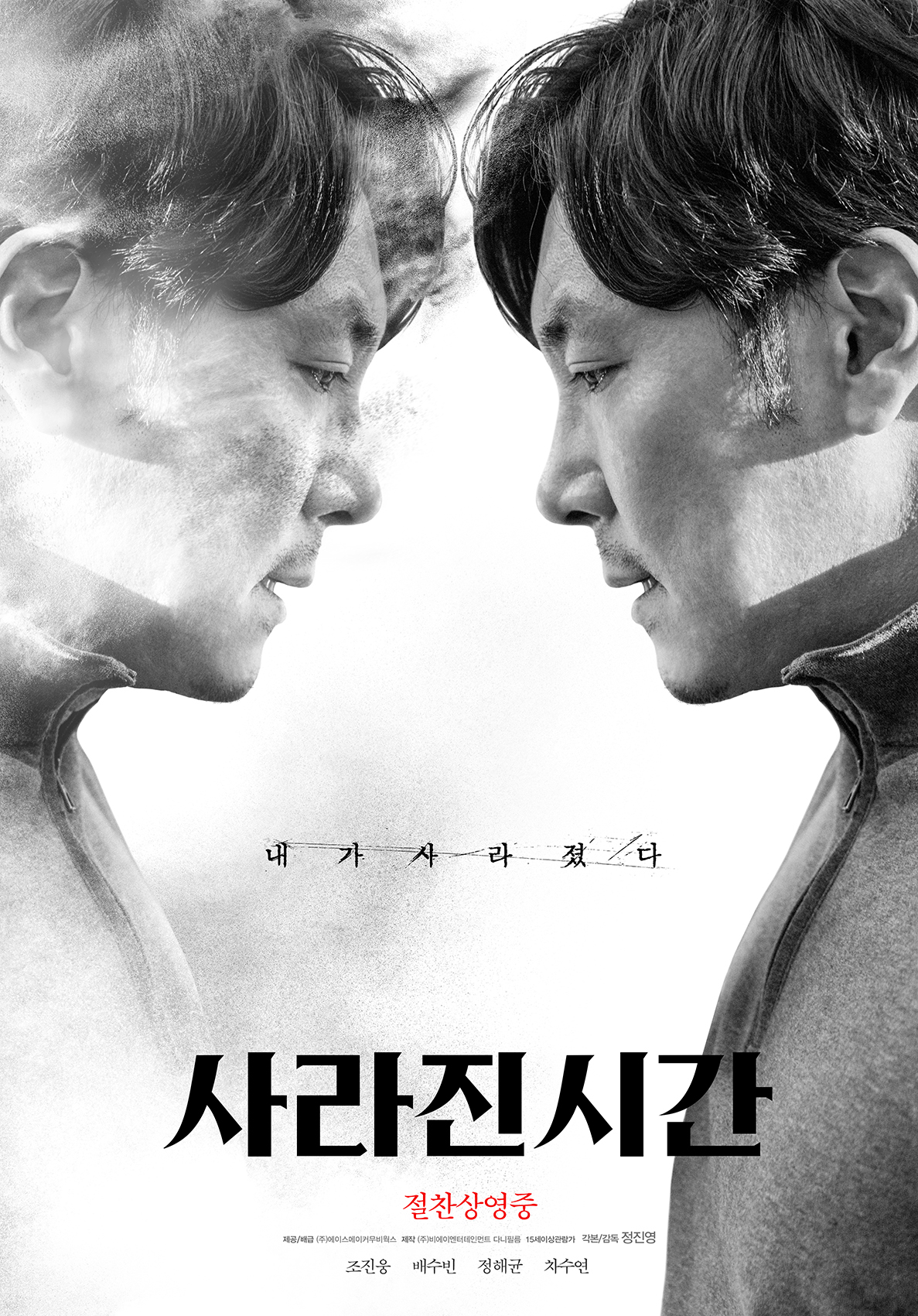
  • Me and Me – directorial debut from actor Jung Jin-young in which a policeman wakes up one day to discover he’s someone else. Review.
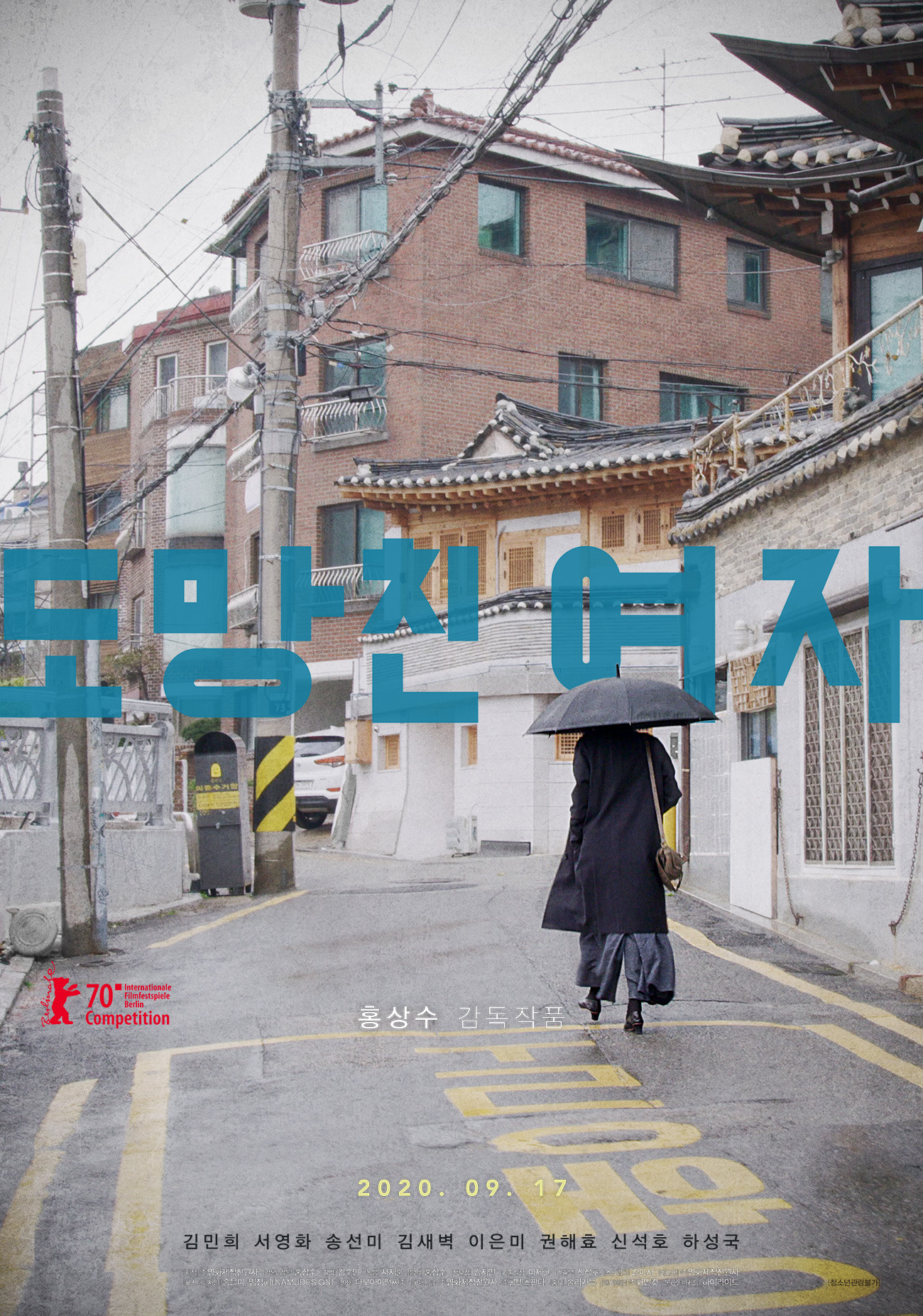
  • The Woman Who Ran – the latest from Hong Sang-soo starring Kim Min-hee as a married woman taking a solo vacation to visit old friends.

Women’s Voices

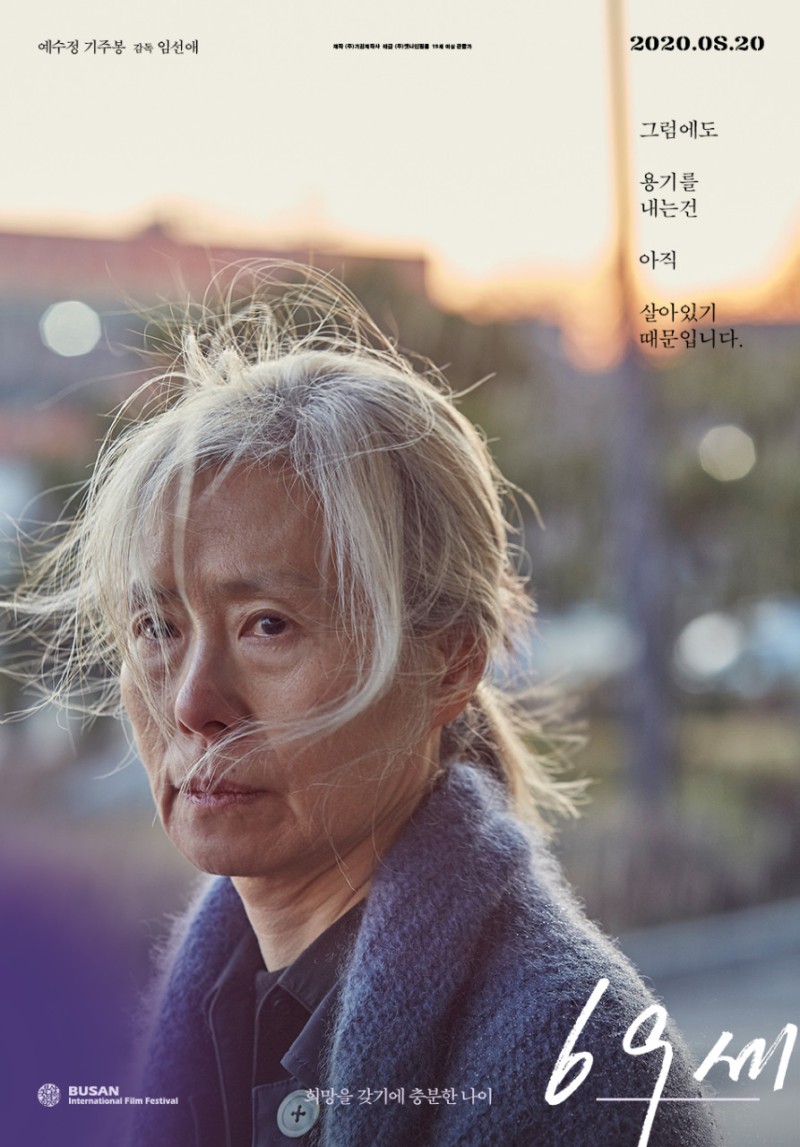
  • An Old Lady – hard hitting drama in which a 69-year-old woman struggles to get justice after she is raped by a nurse at a hospital.
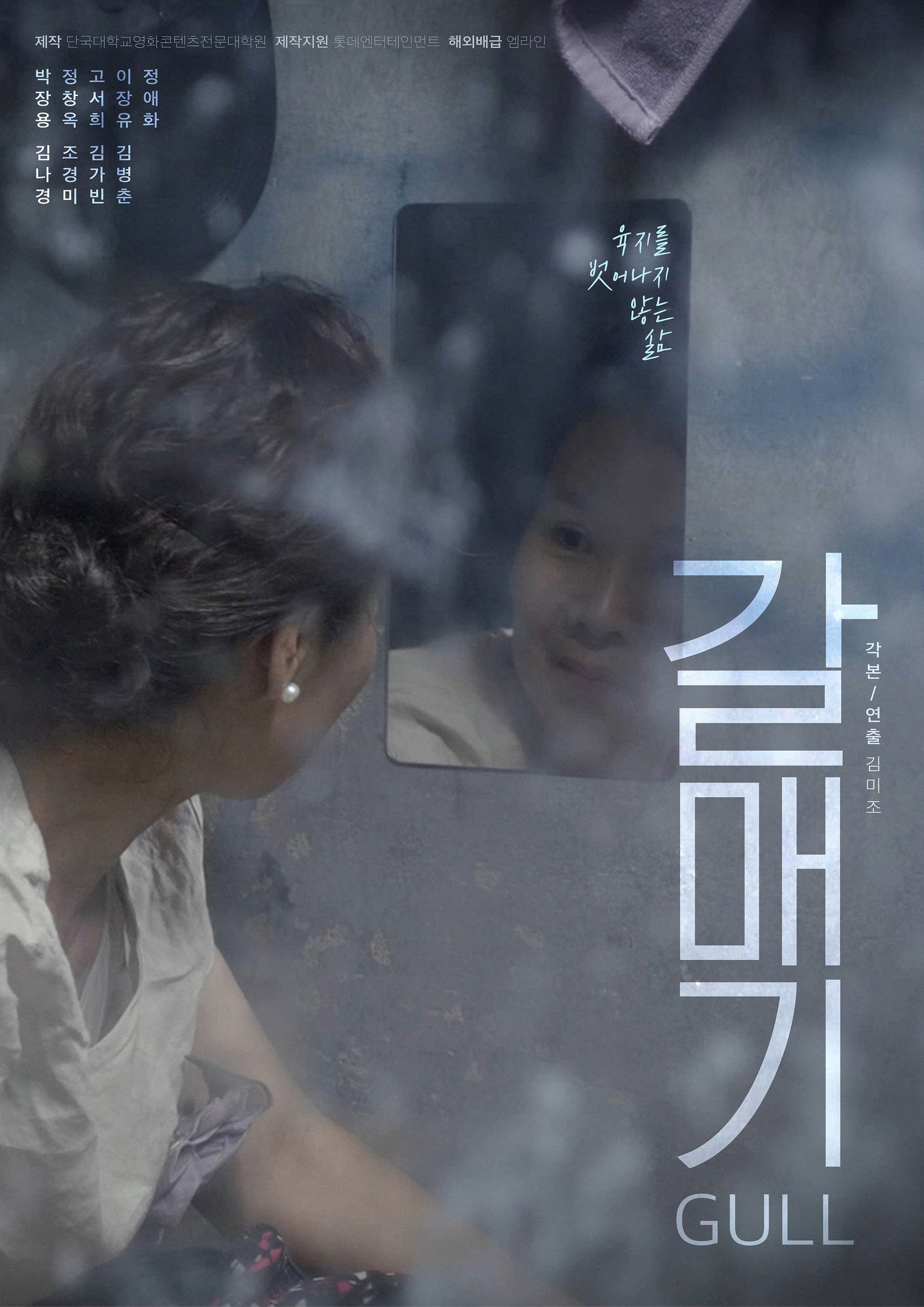
  • Gull – a middle-aged woman faces social ostracisation while seeking justice after being raped by an influential co-worker.

Classics

  • Eul-hwa – Byeon Jang-ho drama from 1979 based on a famous story in which a shamaness finds herself at the mercy of changing times and at odds with her son who has converted to Christianity.
  • Divine Bow – Im Kwon-taek’s 1979 drama starring Yoon Jeong-hee as a former shamaness who gave up her practice after a traumatic incident.
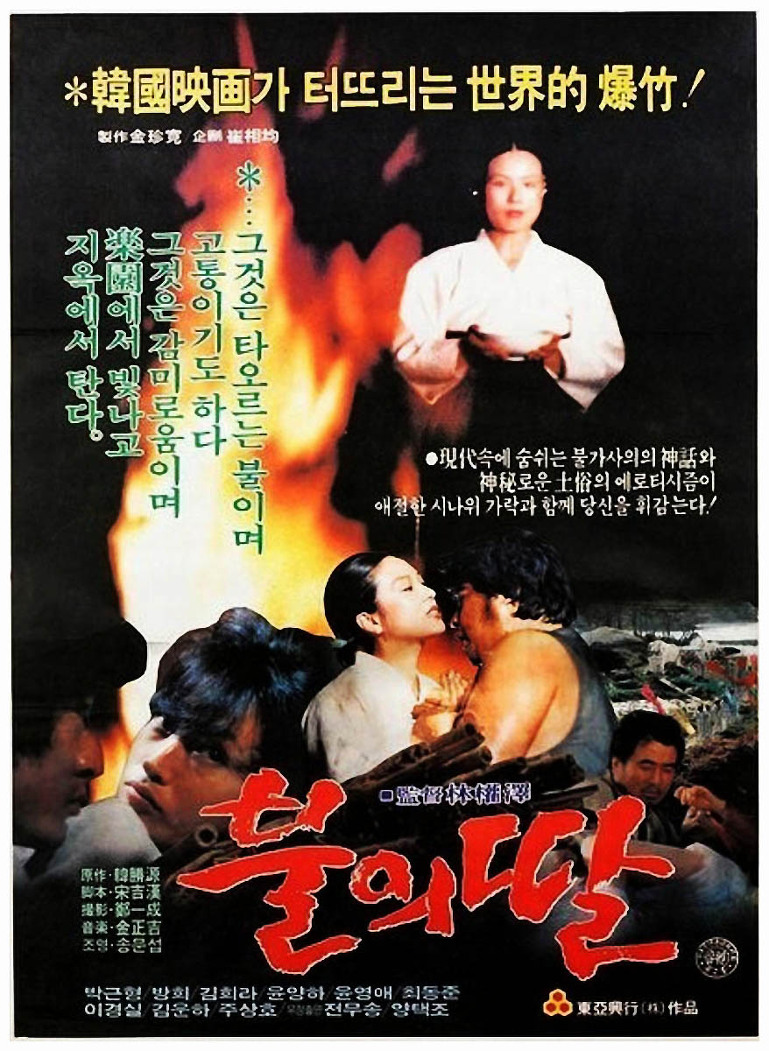
  • Daughter of Fire – Im Kwon-taek drama from 1983 in which a man from a shamanistic background who married a Christian is visited by his mother in his dreams.

Documentary

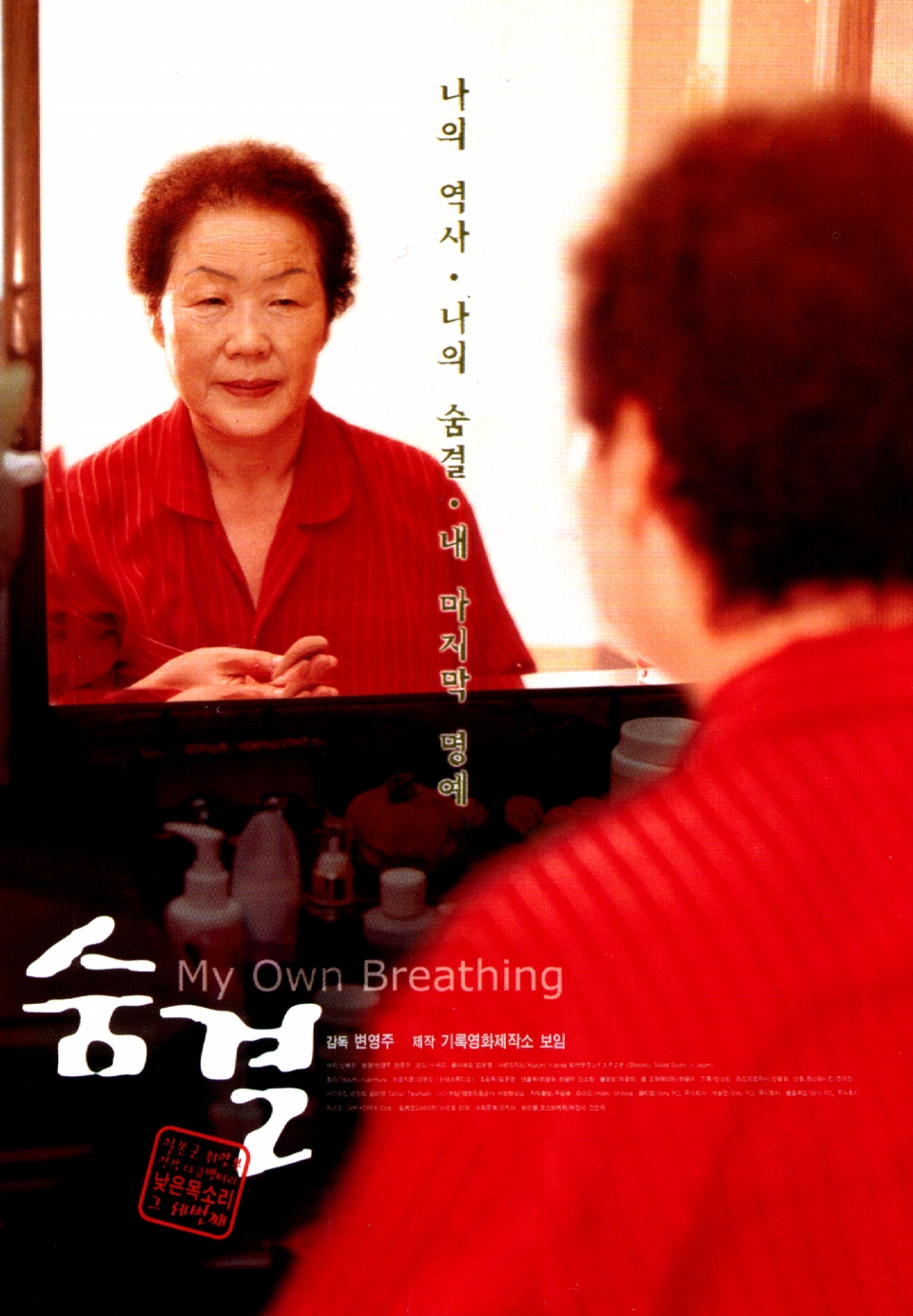
  • My Own Breathing – final instalment in a trilogy of films featuring testimony from former comfort women.
  • Itaewon – documentary following three women living in Itaewon

Animation

  • Underdog – a collection of stray dogs finds a place without humans where they are free to become themselves in this charming family animation.

Bong Joon-ho Shorts

The festival will also be showcasing a series of rarely seen early short films from Parasite director Bong Joon-ho.

  • Incoherence – 1994 student short
  • Influenza – 30-minute short from 2004 shot in front of real CCTV cameras in Seoul.
  • Some Light? – 2009 short directed by Kang Dae-hee featuring Bong in a rare acting appearance.

The London Korean Film Festival runs 29th October to 12th November online across the UK and in London cinemas. Full details for all the films as well as screening times and ticketing information will be available shortly via the official website and you can keep up with all the latest news by following the festival on FacebookTwitter, and Instagram.

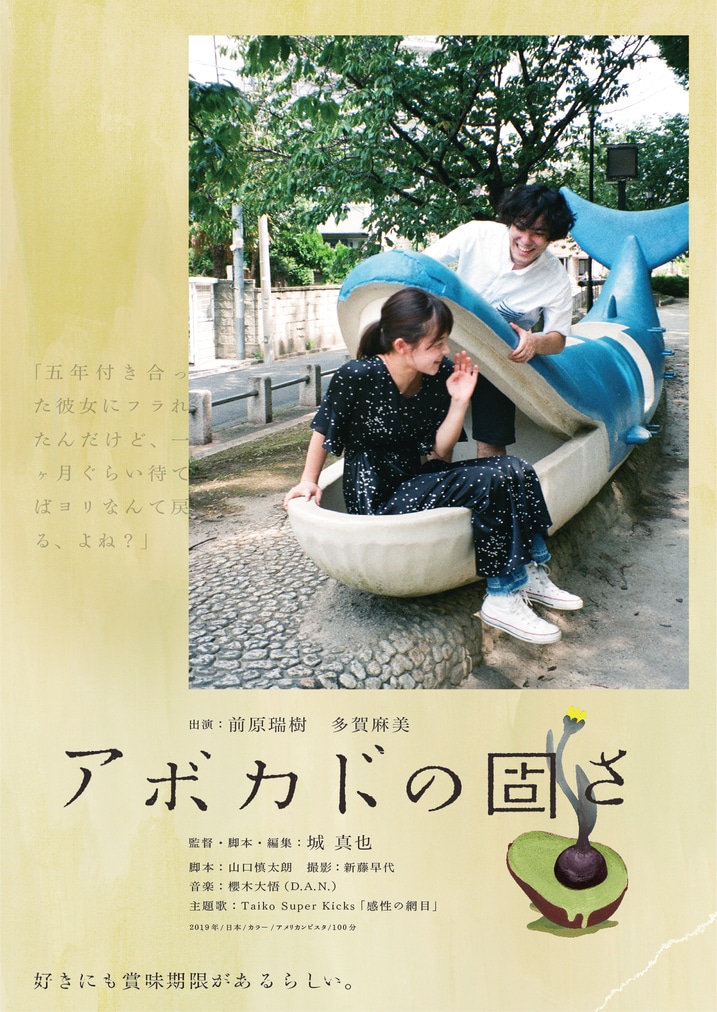
The Hardness of Avocado (アボカドの固さ, Masaya Jo, 2019)

“Reality might be bitter, but at least your coffee is sweet” according to the “gloomy” voiceover performed by aspiring actor Mizuki Maehara in Masaya Jo’s The Hardness of Avocado (アボカドの固さ, Avocado no Katasa). In many ways a tale of quarter-life inertia and youthful denial, Jo’s indie drama finds its struggling hero looking for the sweet spot, trying to grab the avocado at the opportune moment between rock hard and squishy mess but floundering in world which seems both continually confusing and perhaps inherently unfair. 

At 24, Mizuki (Mizuki Maehara) is a jobbing actor living with his sister (Zuru Onodera) in a small apartment. He’s been in a committed relationship with Shimi (Asami Taga) for the last five years and is already thinking about moving in together, asking her to help him pick out a sofa-bed after their date to the movies where she fell asleep and he ended up meeting a fan who recognised him from a previous film. Shimi, however, seems irritated, eventually answering Mizuki’s well meaning question about what she’d most like to do right now with the answer “break up”. In a pattern which will be repeated, Mizuki reacts somewhat petulantly, walking off with a “fine then” only to end up regretting it later. Unable to accept that Shimi is really ready to move on, he decides to give her (and himself) one month before, he assumes, they’ll get back together having each grown as people during their time apart. 

This baseless optimism and mild sense of self-centred entitlement are perhaps the very things that Mizuki is supposed to be outgrowing even as he struggles to get over Shimi. Having dated for five years, Mizuki took his relationship for granted, assuming it was settled and destined to go on forever. Shimi’s declaration comes as a complete surprise, shocking in its abruptness though we can see that she seems irritated by him and that it may be more than a temporary bad mood. She tells him that she needs “freedom” and time to herself, but it seems equally likely that, from her point of view, the relationship has simply run its course. Looking through his mementos, Mizuki finds a 20th birthday card from Shimi that promised she’d always be around to encourage him, but relationships entered in adolescence rarely survive the demands of adulthood and she, it seems, is after something more while all Mizuki seems to want is more of the same. 

Moping about the city, he engages in borderline misogynistic banter with his friends, occasionally irritating even them in his resentment towards a nerdy guy who has finally got a girlfriend. He finds himself applying for a job in a convenience store to make ends meet between auditions seated next to a pair of students who roll their eyes, mocking him for his lack of success as a man in his mid-20s still part-timing just like them. Meanwhile, he develops an unwise fondness for a woman he meets on a shoot, chatting her up at the afterparty but saying the quiet part out loud as he confesses his plan to have a fling while fully believing he’ll be getting back together with Shimi when the month is up. Despite the fact she has also told him she has a boyfriend, he suddenly declares his love to her, once again petulantly put out by her irritation as she points out how inappropriate he’s been seeing as all he’s done is talk about Shimi.

Shimi’s mother (Kumi Hyodo) can’t understand why she’d break up with someone as “nice” as Mizuki, and Mizuki is indeed “nice” if obviously imperfect, an earnest sort of man working hard to achieve his dreams, but she apparently wanted something less superficial, a more ”passionate and loving relationship” now that she’s outgrown adolescent romance. Mizuki is once again surprised when she brushes off his romantic overture, petulantly walking home while beginning to accept that something has indeed changed. Finally fastening the screws on his new chair (in lieu of the bed) he begins to regain some solo stability, a little more self-sufficient at least even if he still has some some growth to achieve on his own. A whimsical tale of millennial malaise and self-centred male entitlement, The Hardness of Avocado is a gentle advocation for learning to let go when something’s past its best while accepting that sometimes all you can do is set yourself right and start again. 


The Hardness of Avocado screened as part of Camera Japan 2020.

Original trailer (no subtitles)

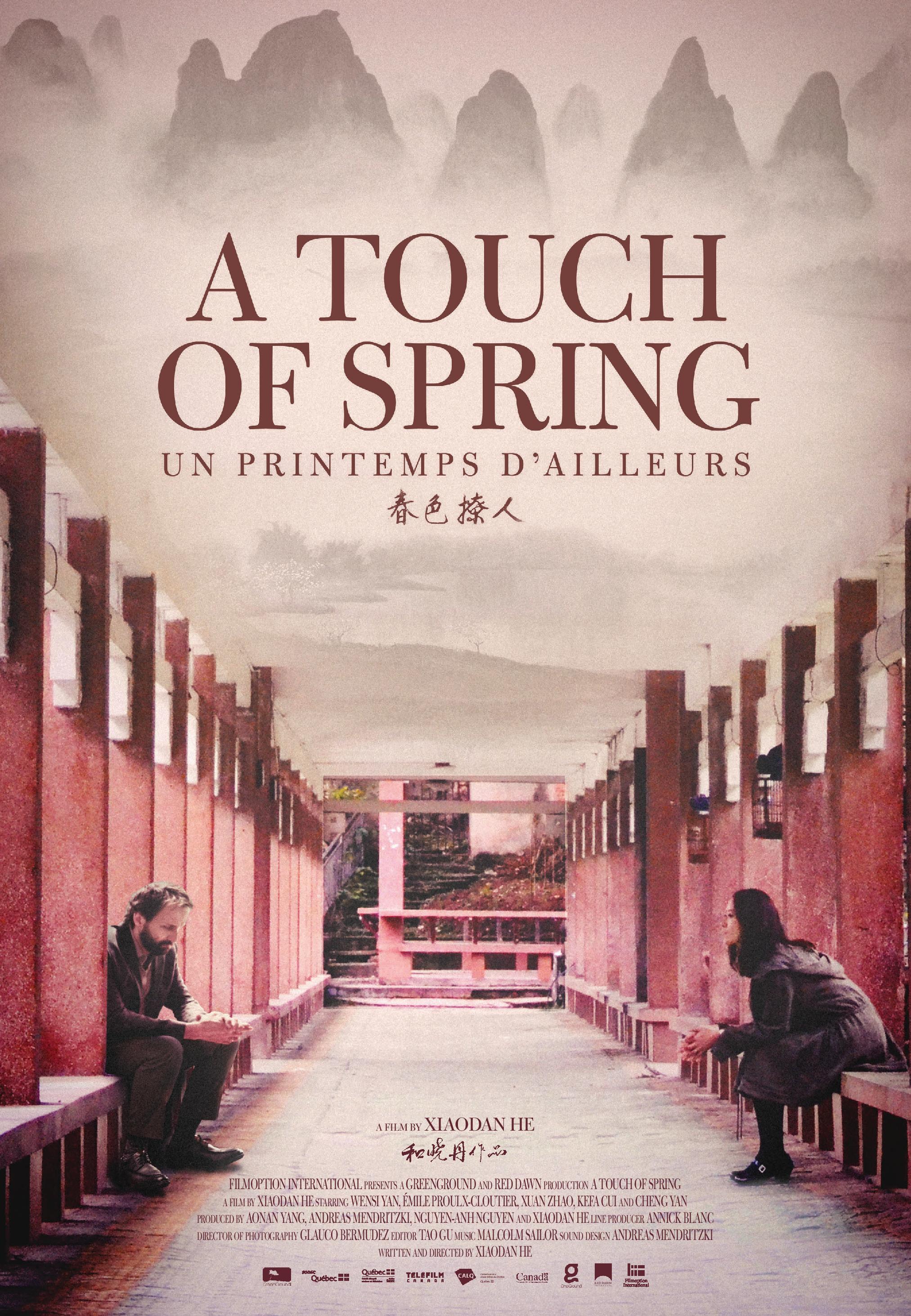
A Touch of Spring (Un printemps d’ailleurs / 春色撩人, He Xiao-Dan, 2017)

When you don’t know what to do, you go home, but what if home doesn’t quite exist for you anymore or trying to go back there only reminds you of all the reasons you chose to leave? Then again, perhaps “home” exists for just that purpose, a place you’re supposed to go to think things through before you ago back out into the world again. The heroine of He Xiao-Dan’s Chinese-Canadian co-production A Touch of Spring (Un printemps d’ailleurs / 春色撩人, Chūnsè Liáorén) is waiting for the thaw, trying to come to terms with the failure of her marriage and the unexpected directions her life may be about to take with or without her consent. 

Fang (Yan Wen-si) has been living in Montreal for the past 10 years, having married a French-Canadian man, Eric (Émile Proulx Cloutier). Her marriage, however, has become distant and she suspects Eric may be having an affair while a considerable strain has also been placed on the relationship because of their inability to conceive a child. When an attempt to confront Eric about his infidelity turns violent and counselling proves no help, it becomes obvious that the only option is divorce. Fang travels back to her hometown in Dazu which she hasn’t visited in the decade since she left and tries to figure things out while staying with her rather gruff grandfather (Cui Kefa). 

Immediately on her arrival, a taxi driver mistakes Fang for a tourist, but even on being told she’s a local quickly realises she’s been away a long time. Her home is not quite her home anymore. Fang’s grandmother has passed away and her grandfather has got married again to a cheerful, warmhearted woman who seems completely odds with the rest of Fang’s sad and grumpy family. The biggest issue is that Fang has not disclosed why she’s come back to China and so everyone is keen to ask about Eric, the lack of children, and her fancy ex-pat life in Canada. 

In fact, Fang is frequently described as the family’s most successful member precisely because she has moved abroad where she owns her own home and, they assume, lives a much higher standard of life. Meaning well, Fang’s new grandmother puts her foot right in it when she tells Fang that the highest success for a woman lies in marrying a good man. More in tune with modern Western values, Fang objects in part to the obvious sexism of her grandparents’ worldview, but it of course also touches a nerve as she finds herself trying to process the failure of her marriage while being too ashamed to admit that her “perfect” life in Canada wasn’t quite so perfect after all. Having separated from Eric, she’s determined to prove that she can make it on her own and doesn’t need a man to get by but is also lonely and feeling lost. Grandma provides some unexpected wisdom when she reveals that she lost her first husband in the Cultural Revolution and came to the same conclusion as Fang resolving never to rely on a man ever again, but is grateful to have met Fang’s grandfather who, despite his gruff appearance, is gentle and caring and has always looked after her. 

Meanwhile, in the therapist’s office, Eric struggled to come up with something good about his relationship with Fang other than that she loved him, supported his work, and took care of their relationship. Eric doesn’t seem to have been a very good husband, self-involved in the extreme, but the therapist is quick to ask somewhat insensitively if it wasn’t Fang’s inability to have children that has destroyed the marriage, a claim Fang rejects because she hasn’t yet accepted that she may be infertile. Despite her rejection of her grandmother’s patriarchal sexism, Fang craves motherhood, bonding with the lonely little girl of her cousin who has “abandoned” her with her parents to work alone in Chongqing. Fang has ambivalent feelings towards Hong who apparently “fell” into a life of drugs and backstreet gambling after a traumatic street attack and the rejection that followed it from her policeman father too embarrassed to report that his own daughter had been the victim of a crime. Something in Fang admires Hong’s subversive independence and wants to help her, especially if it helps her quit gambling, but she also resents that she has given up the thing Fang most wants in deciding not to raise her daughter but leave her with her parents. 

Reconnecting with an old friend who’s become a Buddhist and learned to respect simplicity in life begins to shift her perspective. “How can I stop this endless suffering?” she screams into a ravine. He tells her Buddha has a plan for that, but she might not like it. She repllies that she only believes in the reality right before her eyes. According to grandpa, young people suffer because they think relationships are all romance when the reality is “tolerance”. Grandma, by contrast, tells her that the secret of life is learning to see the beauty in every thing. “It’s good to be alive”, she sighs, “It’s a pity life is so short”. Spring finally comes to Fang’s life as she begins to clear up the literal mess of her failed relationship, no longer feeling like a powerless passenger on the great train of life but finally in charge of its direction. 


A Touch of Spring streams in the US Sept. 29 – Oct. 3 as part of the 11th season of Asian Pop-Up Cinema.

Original trailer (English subtitles)

Seven Days War (ぼくらの七日間戦争, Yuta Murano, 2019)

“Youth is the liberated zone of life” according to the voice of experience in Yuta Murano’s impassioned anime adaptation of the cult novel by Osamu Soda, Seven Days War (ぼくらの七日間戦争, Bokura no Nanoka-kan Senso). Featuring a number of meta references to the ‘80s original and live action movie, Murano’s stylistically conventional adaptation shifts the action to Hokkaido and the present day encompassing such themes as economic strife, systemic political corruption and small town nepotism, migration and exploitation, but is most of all a coming-of-age story as the rebellious teens meditate on the costs of adulthood, resolving not to become the vacuous and resentful adults they see all around them who have traded emotional authenticity for a mistaken ideal of civility. 

Obsessed with 19th century European military history, high schooler Mamoru (Takumi Kitamura) complains that no one takes any interest in him and remains too diffident to confess his feelings to the girl next door, Aya (Kyoko Yoshine), with whom he has been in love for the past six years. Hearing that Aya and her family will soon be moving away because her authoritarian politician father has been offered the opportunity to take over a relative’s seat in Tokyo gives him the boost he needs, nervously suggesting that he and Aya run away together so they can at least celebrate her upcoming birthday the following week. Aya surprises him by agreeing, but rather than a romantic getaway for two she decides to invite several not particularly close friends from school, holing up in a disused coal refinery on the edge of town. Once there, however, they realise someone has beaten them to it. Marret (Makoto Koichi), the child of undocumented migrant workers from Thailand, has been hiding in the building after being separated from their parents when the building they were living in was raided by immigration authorities. 

Though the group is not universally in favour, they quickly find themselves deciding to protect Marret while trying to help find the kid’s family using both their ingenuity in fortifying the coal refinery and their youthful know how in weaponising the internet and social media to win sympathy and fight back against the oppressive ideology of the authorities. Yet Marret finds it difficult to trust them because they occupy a liminal space between the idealism of childhood and the cynicism of maturity. Marret’s family came to Japan on the false promise of finding good employment only to be ruthlessly exploited, convincing the idealistic youngster that all adults lie and can never be trusted. Mamoru, whose name literally means “protect”, does his best to save everyone but temporarily gives in to despair, confessing that he is just an “optimistic child” lacking the power to do any real good, only later coming to a revelation that the problem with the duplicitous adults they’re rebelling against is that they continue to run from their emotions and the pain of not being able to be fully themselves for fear of not fitting in has made them cruel and cynical. 

Honda (Takahiro Sakurai), the conflicted assistant to Aya’s authoritarian father, tacitly approves of the teens, affirming that the young always fight for the things they believe in but then rebels against himself in doxxing them, exposing both their identities (sans Aya’s) and dark secrets online in an attempt both to intimidate and to drive them apart. But the kids run in another direction. They elect to share their truths and in the sharing neutralise the threat while gaining the confidence that comes with deciding not hide anything anymore. The sharing is it seems what matters, a collective unburdening which paves the way for emotional authenticity but sidesteps the need to consider the fallout from the concurrent revelations. A heavily telegraphed confession of same sex love, for example, is accepted by all though there is no explicit indication as to whether or not is reciprocated save that is in no way rejected. 

In any case, the kids decide that being their authentic selves is more important than conformity and make a mutual decision to respect the same in others, something which is eventually mirrored in those like Honda among the duplicitous adults touched by the kids’ pure hearted rebellion. Necessarily, that leaves the weightier themes such as the plight of undocumented migrants, the casual cruelty of the authorities, small-town corruption and persistent nepotism relegated to the background, perhaps superficially considered seen trough an adolescent lens, but nevertheless products of the inauthenticity of the cynical adult world the kids are rebelling against. A heartfelt advocation for the idealism and universal compassion of youth carried into a more open adulthood that comes with emotional authenticity, Seven Days War leaves its heroes with the spirit of resistance, defiantly themselves as they step into an adult world uncorrupted by cynicism or prejudice.


Seven Days War screened as part of Camera Japan 2020.

Original trailer (no subtitles)

When Love Comes (當愛來的時候, Chang Tso-Chi, 2010)

“I like the feeling of home” the conflicted heroine of Chang Tso-Chi’s When Love Comes (當愛來的時候, Dāng Ài lái de Shíhou) eventually admits, finally coming to an understanding of her admittedly unusual family even if not, it seems, fully aware of her place within it. A chronicle of displacements, cultural, familial, adolescent, and romantic, When Loves Comes is also in its own way an ode to female solidarity as well as a coming-of-age tale as its feisty young heroine gains the courage to step into herself while preparing for the role of matriarch in accepting her responsibility towards those around her. 

About to turn 16, Laichun (Lee Yi-chieh) is a rebellious teenager who enjoys scandalising her heavily pregnant mother by walking out in skimpy outfits and elaborate makeup. So displaced is she within her own family, that she is not invited to meet her new baby brother at the hospital but is asked to stay home looking after recently arrived uncle Jie (Kao Meng-chieh), her father’s younger brother who has learning difficulties and has come to live with them following the death of his grandmother. Laichun, however, goes out anyway, meeting her as we soon discover no good boyfriend Zongfu (Chris Wu Kang-ren) in a love hotel. Like any teenager, Laichun thinks she’s invincible but she’s also incredibly naive or perhaps merely in denial. By the time she realises she might be pregnant, it’s already too late for an abortion and Zongfu has vanished into thin air. 

“It’s because you’re a girl” a postman with whom Laichun had been engaged in an elaborate flirtation unironically tells her after her impassioned monologue railing against the unfairness of her situation, that Zongfu has vanished while she is blamed for everything, branded a “slut” simply for embracing her sexuality. Her pregnancy places a further strain on her familial relations, though she finds an unexpected ally in her emotionally austere second mother, her father’s first wife Xuefeng (Lu Hsueh-Feng). As we gradually come to understand, Laichun’s father “Dark Face” (Lin Yu-Shun) hailed from rural Kinmen and married into Xuefeng’s family. But Xuefeng was not able to have children of her own so she allowed Dark Face to take a second wife, accepting Laichun’s mother, former gangster Zihua (Ho Tzu-Hua), into their family. 

“I was scared to be responsible for him” Dark Face later admits of his brother, revealing that he left his island home in secret, abandoning Jie to their grandmother who cared for him until the day she died. Dark Face indeed struggles to understand Jie, often frustrated by quirks and frequent meltdowns, cruelly tearing up his drawings somehow incensed as if refusing his brother’s attempt to communicate with the world around him. Jie has been patiently filling a jar with pennies because his grandmother told him to save up for a wife, but like Laichun remains an outsider in the family with only Xuefeng willing to include him. Yet faced with her impending maternity it’s Laichun who eventually becomes his primary carer, patiently taking him to the bank to pay in all his pennies, embracing her responsibility as a member of a family. 

“I like the feeling of being protected”, Laichun had said, “so why is it that I end up looking after everyone else?” only figuring out later that perhaps that’s because they’re sometimes the same thing. Gaining a sense of confidence from her father who reassured her that “you can face whatever comes along” she begins to step into a maternal role, emerging with a new respect for each of her mothers and for the complicated yet functional unit which is her unconventional family. Chang both begins and ends with a birth, taking place on the same spot behind a screen in the family restaurant as the family is first destabilised and then repaired by its new additions. In the opening scene Laichun had been told off for flirting with a man in the family’s restaurant who told her he was unafraid of the “unlucky” table because he worked as a mortician only to get run over on his way out. At the conclusion she meets him again along with his wife who just happened to be the woman who was driving the car that hit him. Not so “unlucky” after all. Life is chaotic and unpredictable, sometimes it presents you with a problem that’s really a solution. “I really very much like the feeling of sunlight” Laichun affirms, no longer so worried about the dark skies, now more assured in herself and her family as she prepares to welcome a new life that anchors her to the old. 


When Love Comes streams in the UK until 27th September as part of the Taiwan Film Festival Edinburgh.

Original trailer (English subtitles)

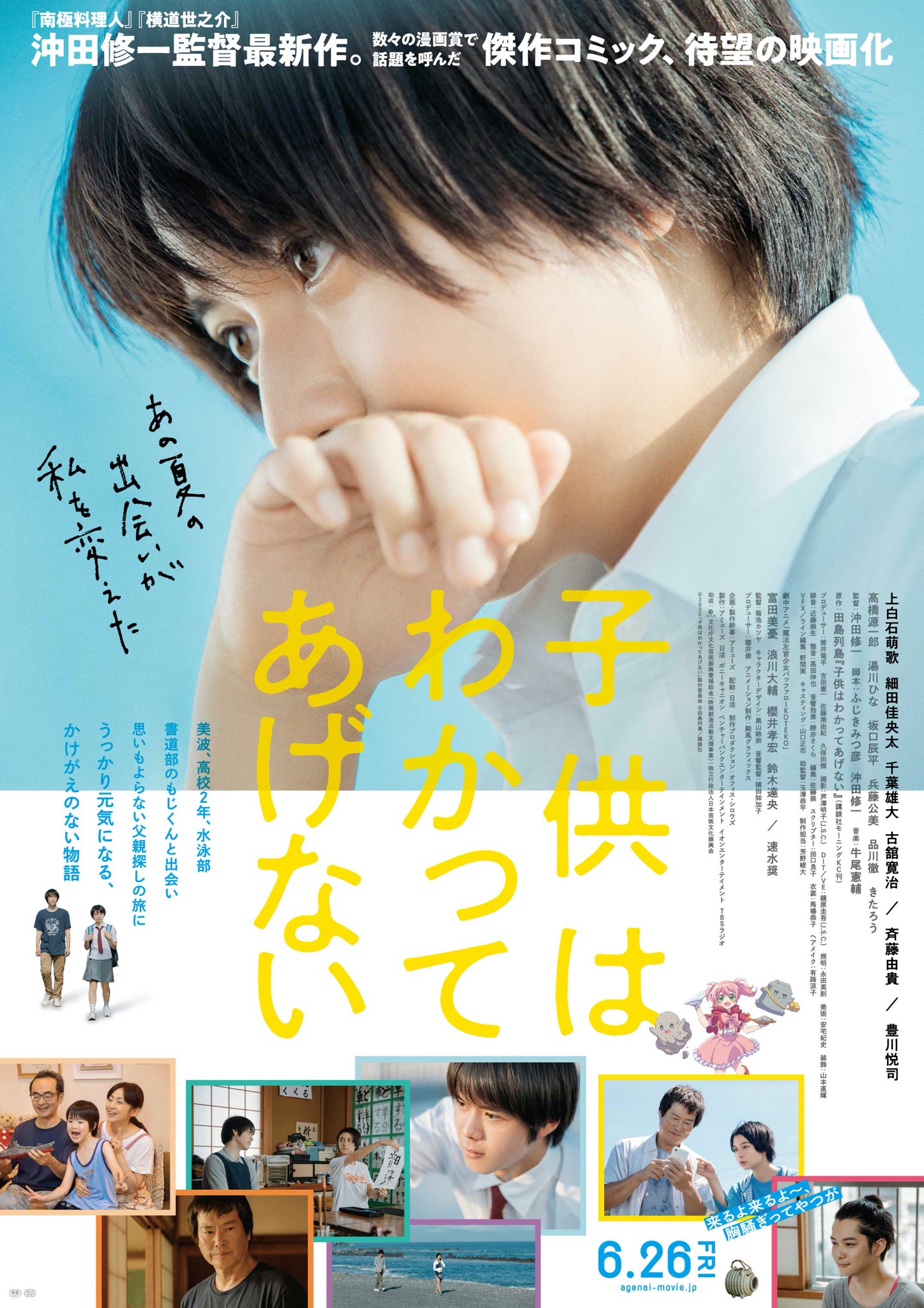
One Summer Story (子供はわかってあげない, Shuichi Okita, 2020)

“One man’s not enough to make a difference, you learn something and pass it on” the heroine of Shuichi Okita’s One Summer Story (子供はわかってあげない, Kodomo wa Wakatte Agenai) is told, learning about life from her philosophical, slightly defeated birth father. Adapted from the manga by Retto Tajima, Okita’s teen drama is in many ways a typical “summer story” in which a high schooler goes on a quietly life changing journey during one of the last summer breaks of their adolescent lives, but it’s also as much of his work is an empathetic plea for a kinder world built on mutual understanding and acceptance. 

Okita signals as much with his animated opening, taken from the heroine’s favourite show, Koteko, in which a magical girl plasterer helps “Count Cement” repair his relationships with his estranged children, Mortar and Concrete, from whom he had withdrawn in shame realising that without water he is nothing while his kids could still make something of themselves through becoming bridges and houses. Koteko is something of a touchstone for Minami (Moka Kamishiraishi), a regular high school girl and member of the swimming team moved to tears by the opening song which preaches that walls aren’t something to be overcome but a canvas on which you can plaster your dreams. At the pool one day, she spots a boy on the roof painting a picture she quickly recognises as Koteko, rushing up there to befriend him as a fellow fan. In addition to being a Koteko-lover, Moji (Kanata Hosoda) is the son of a prominent calligraphy family and it’s at his house that she finds a vital clue, a talisman which matches the one she got from her birth father for her last birthday. 

Immediately following the end of the opening anime sequence, Okita shows us a happy family scene in which Minami’s stepdad (Kanji Furutachi) hands her tissues while she cries to the ending theme, joining in with the dance while her mum (Yuki Saito) cooks in the background and her live-wire half-brother runs round in his pants. Her family setup might still be considered unusual in conservative Japan, in fact one of her friends even exclaims that they’d never have guessed that her stepdad isn’t her birth father on hearing her mother was married before, but they are clearly very close and loving, ordinary in the very best of ways. Minami isn’t unhappy or lonely at home, she isn’t really thinking too much about her birth father even if perhaps on some level curious but the talisman becomes a thread to tug on, sending her on a quest of self-discovery seeking some answers about her past as she begins to come of age. 

To do this, she enlists the help of Moji’s older sibling Akihiro (Yudai Chiba), a transgender woman disowned by the conservative, traditionalist family of calligraphers and now living above a bookshop while working as a “detective”. As the pair find out, it’s less high crime than missing moggies that are Akihiro’s stock in trade but she’s moved to have a go helping to find Minami’s dad after looking at her bankbook containing her life savings, not for the amount but because she remembers saving up herself at Minami’s age to fund her reassignment surgery. Invoicing her later, Akihiro bills her zero yen telling her merely to make sure she uses her money to help others when she grows up, echoing the film’s pay it forward philosophy as advanced by Moji who teaches kids calligraphy at his dad’s school, advising Minami that people can only pass on skills they’ve learned from others and so perhaps she could teach someone to swim. Her birth father Tomomitsu (Etsushi Toyokawa), a former cult leader who lost faith in himself for being unable to teach his innate mind reading ability to his followers, eventually tells her the same thing, that what’s important in life isn’t grandstanding, trying to change the world all on your own, but sharing what you know in a gentle process of continuity and change. 

Ironically enough and in true teenage fashion, Minami finds new security in family after lying to her mother about going on a school trip to find her dad, later realising her mother is only slightly hurt about the lying and not at all about her reconnecting her birth father. Through her extended stay with him at the seaside she begins to find the courage step into herself, accepting the position of teacher in helping a lonely little girl learn to swim, while also processing her growing feelings for the equally shy Moji who leaves her space to complete her quest on her own but chases after her when he thinks she really might be in danger. A gentle summer story Okita’s breezy drama has a pleasingly timeless, occasionally retro feel, full of summer warmth in its spirit of acceptance and mutual support as its surprisingly carefree youngsters come to an appreciation of themselves and each other as they push forward into a more adult world with confidence and compassion. 


One Summer Story screened as part of Camera Japan 2020.

Teaser trailer (English subtitles)

Ice Poison (冰毒, Midi Z, 2014)

“You know only too well that in Burma if we want to make money you either go to work in jade mines, but you can’t afford the trip, or you sell drugs” according to the cynical heroine of Midi Z’s Ice Poison (冰毒, Bīngdú) seducing an equally desperate farmer in an effort free herself from patriarchal oppression and reclaim her son from the family who bought her and refuse to let her go. 

In an ironic touch, the film begins and ends in fire as an unnamed young farmer (Wang Shin-hong) and his father (Zhou Cai Chang) burn their fields and harvest their crop only to lament their slender pickings. This year’s harvest has been poor and, according to the young man “everything is getting more expensive except the vegetables we grow”. Left with few options the old man and his son walk towards the town, calling in at various houses along the way gingerly asking for a loan to help make ends meet but everyone is in a similar position. The men of working age have all gone away to find employment, an older woman explaining that her husband is on a construction site while her son who returned from abroad has only been able to find work on a poppy farm and he won’t be paid until after the harvest is finished. Another woman explains that her son, unlike others, wanted to do things properly by applying for a work visa for Malaysia but was cheated by the broker, who then bribed the police when they reported him. Her son now intends to stay and get married which, perhaps surprisingly, she thinks is irresponsible when there’s no money and his older brother is still a bachelor. The last man relates the sorry tale of his son who was apparently poisoned in Thailand after spurning the advances of two local ladies and has since lost his mind. 

Shifting to his plan B, the old man plans to pawn his cow to borrow a scooter so his son can earn some money with a bike taxi, first asking the scooter’s owner for a loan but once again informed he’s strapped himself because one of his employees ran off and his China deal fell through. Rather than the scooter, he offers the young farmer a job, but they ultimately opt for a bloody bargain, placing the cow as a deposit under the agreement that if they can’t pay back the money for the scooter in a few months’ time the oil merchant may have it slaughtered though it breaks the old man’s heart. 

The young farmer had wanted to go and work in the jade mines, but his father discourages him not just because there’s war in the north but because everyone in the mines takes drugs and if he goes and gets himself hooked on meth where will they be then? The bike taxi business, however, does not exactly take off. The young man finds himself at the back of a crowd of pushier drivers literally blocking the exits of the buses that roll into town mobbing those attempting to disembark, but with such crushing poverty all around him it’s perhaps incongruous to assume many want to spend money on speedy transport. He finally manages to get a passenger, Sanmei (Wu Ke-xi), after realising she is also from the Chinese minority, driving her to a village where, it transpires, her grandfather lies dying, apparently waiting for her arrival and the burying clothes she brings with her from their ancestral home in China. The rites completed, she should go home but Sanmei doesn’t want to. As she tells her mother, she was tricked into a marriage to a much older man whose family are oppressively possessive, unwilling to let her bring her son to meet his grandmother for fear she wouldn’t come back. 

Hinting both at the crushing despair and the patriarchal strictures of their society, Sanmei’s mother tells her that she’s better off in China especially as her husband apparently treats her well enough when there are women who marry for love only to suffer domestic violence. But Sanmei keeps repeating that he’s not the man she loves and so she does not want to stay with him. What she wants is to reclaim her child and live an independent life in Burma where, she feels, there are better opportunities for making money. She’s determined to talk to her shady cousin, ignoring her mother’s advice not to get involved with him because he’s a notorious drug dealer. Her cousin indeed tells her that there’s money to be made for those who are bold in peddling “ice”, apparently the only the remaining marketable commodity. Before long she’s smoking it herself, roping in the young farmer who’s taken to making courier deliveries in the absence of passengers, telling him he’s simply ferrying her around and can claim plausible deniability of what it is she herself is transporting. 

Is Sanmei merely manipulating him, seducing the farmer to claim her new life in exploiting his boredom and despair, or was there perhaps a genuine connection born of mutual hopelessness that their poverty and impotence eventually destroys? Shooting in his own hometown, Midi Z paints a bleak picture of contemporary Burma as a scorched paradise in which the only sense of possibility lies in escape, employment abroad or drug-fuelled oblivion at home. Captured with documentary realism, Ice Poison eventually consumes our two heroes but its ultimate victim is a forgotten and unexpected one, nature dismembered at the hands of cruel and indifferent humanity. 


Ice Poison streams in the UK until 27th September as part of the Taiwan Film Festival Edinburgh.

International trailer (English subtitles)

Walking Dharma (如常, Hsieh Hsih-Chih & Chen Chih-An, 2019)

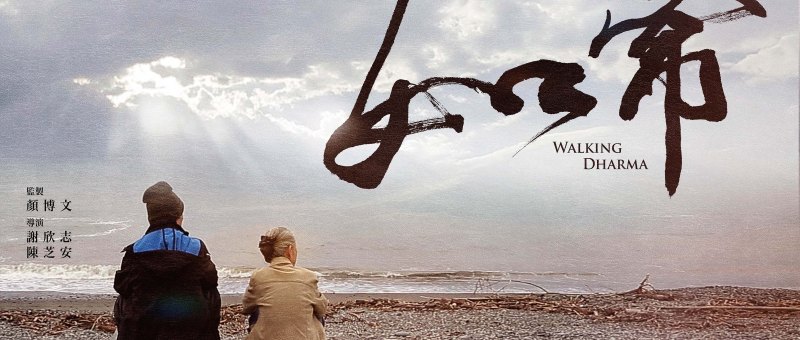
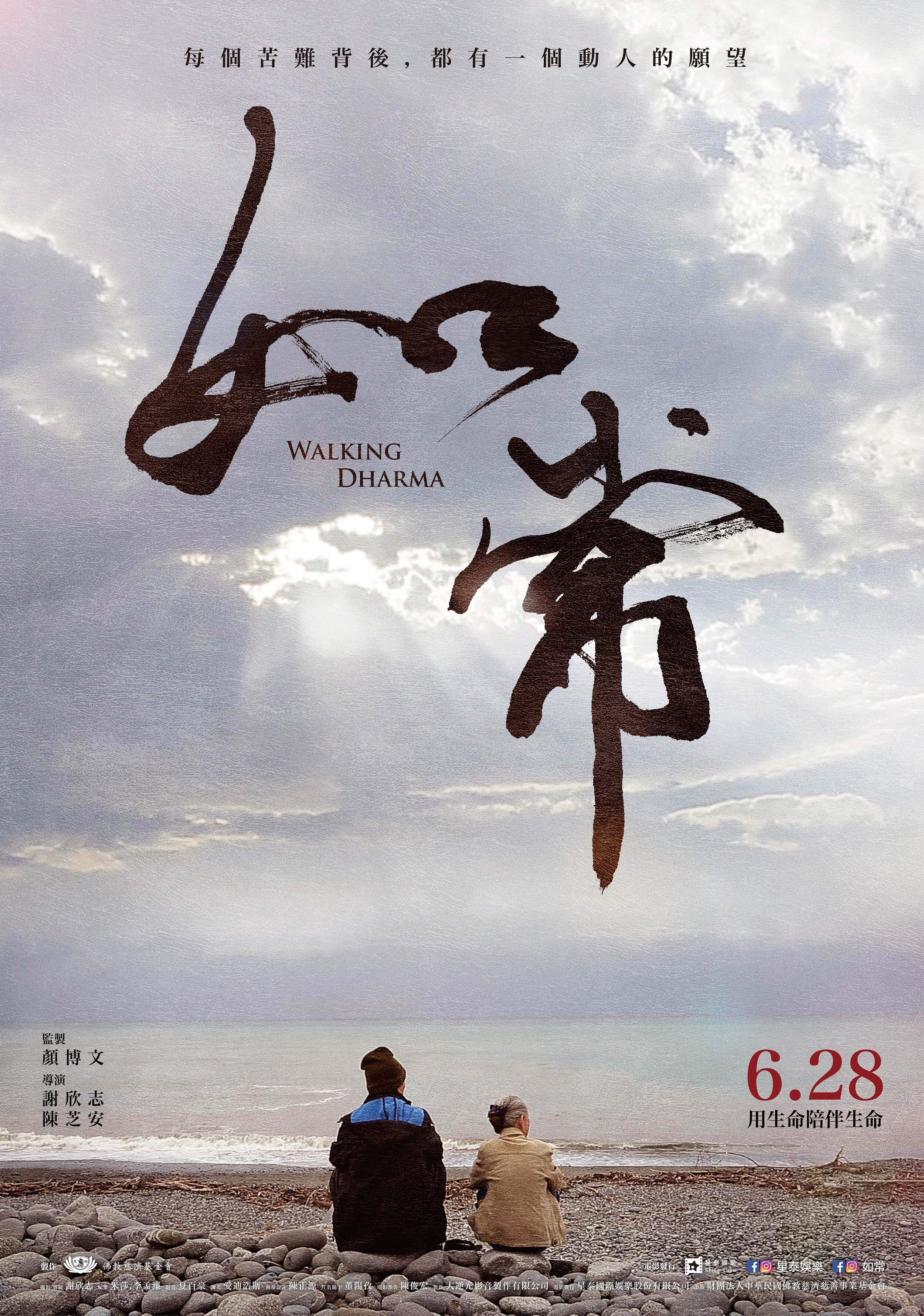
The image we hold of Taiwan is of a prosperous nation among the most liberal in Asia, yet behind the shining cities there are still those experiencing hardship who might perhaps have fallen through the cracks if it were not for the efforts of the volunteers from the Tzu Chi Foundation. In Walking Dharma (如常, Rú Cháng) documentarians Chen Chih-An and Hsieh Hsin-Chih spent 18 months shadowing some of the organisation’s members many of whom are themselves elderly and have experienced their own share of suffering but equally of mutual support which they have committed to passing on through helping others. 

Testament to changing times, the first recipient of the volunteers’ care is an elderly woman who has had a nasty fall. She later thanks them for all their help in Japanese, a reminder that she was born in another world, raised in the colonial era. She is also one of many isolated older people in the nation’s ageing population, living all alone either with no surviving family around to care for them or perhaps with children who for whatever reason are not able to leaving them entirely dependent on the kindness of the volunteers. The foundation organises a crew to come round and clear the large amount of debris in front of the woman’s home to make it safer for her so she won’t fall again while trying to sort out her medication and make sure she’s safe during an upcoming typhoon. 

Meanwhile, they are also there for children and families who find themselves in difficult circumstances particularly those in which a parent has passed away unexpectedly or is suffering with a chronic illness which both renders them economically vulnerable and places an undue burden on the children whose academic prospects are then reduced while they are needed to care for their parent and siblings. The organisation provides educational assistance to cover school fees for children who find themselves in difficulty, emphasising that education is their best path out of poverty. One young woman later makes a heartfelt visit to one of the elderly volunteers to thank him for all his support over the years which has helped her to gain a place at a prestigious university. Not everyone is convinced, however, including one elderly grandmother who is reluctant to allow her granddaughters to pursue education at high school and beyond, partly because she fears they will go off the rails like the mother who abandoned them to her, and partly for more selfish reasons in that she too will be left alone with no one to look after her in her old age. Thanks to the gentle advice of the volunteers, the grandmother eventually relents and allows the young women the freedom to pursue their dreams. 

Though the members are all obviously adherents of Buddhism and committed to the teachings of the Tzu Chi Foundation which is admittedly cast in an extremely uncritical light, they are prohibited from preaching while offering help as the organisation has a strict policy in place to pursue a secular outlook. The assistance they provide is offered without seeking anything in return save the greater happiness of those they help, gaining a sense of joy in human solidarity as they witness the difference their intervention can make in the lives of others. There are some who might not want what they’re offering, or at least all of it, including one young man and his hearing impaired father who insist that they’re fine with heating up water the old fashioned way and don’t see the point in getting it piped in with a modern heating system, but the volunteers take it all in their stride always respecting the wishes of those they’ve come to help while continuing to offer advice and companionship. 

Yet it takes its toll on them too, a doctor confessing that they often see members of the Tzu Chi Foundation coming in after pushing themselves too hard, failing to look after themselves in their commitment to helping others. All of the volunteers we meet are retirees, one elderly gentlemen later heartbroken when the decline of his own health prevents him from continuing to volunteer. Nevertheless, they all emphasise that helping others is what gives their life meaning, enriching their experience as they find joy in alleviating suffering. A gentle and heartwarming reminder that we’re all in this together, Walking Dharma is testament to the existence of goodness in an all too often indifferent world.


Walking Dharma streams in the US until Sept. 26 as part of the 11th Season of Asian Pop-Up Cinema.

Original trailer (English subtitles)