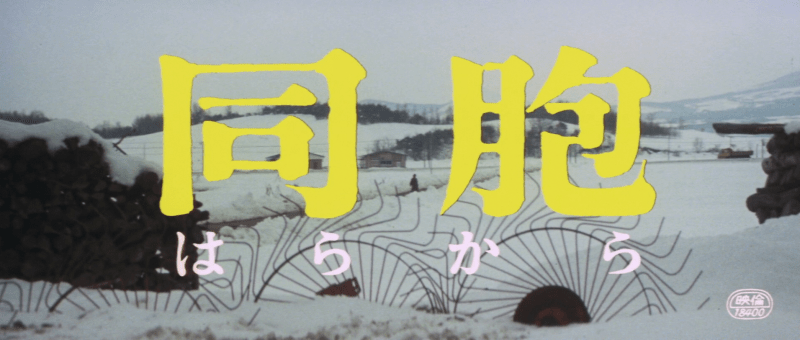
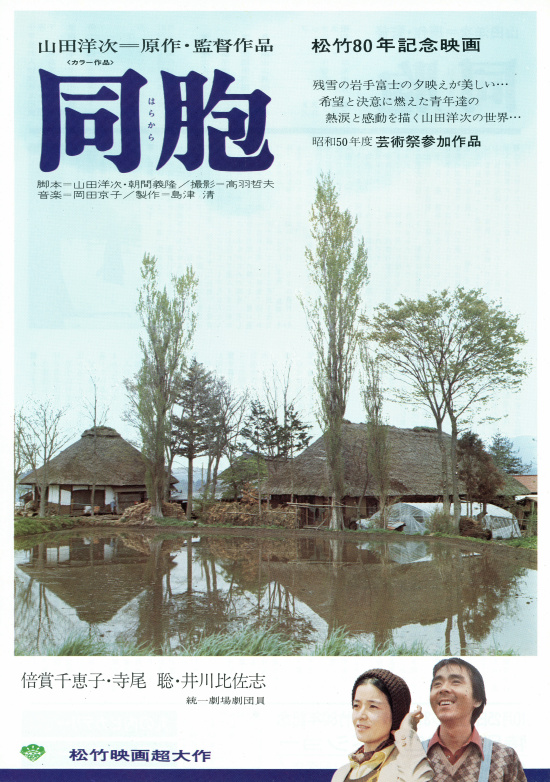
 Best known for the long running Tora-san series, Yoji Yamada has often been disregarded by international critics for a perceived over indulgence in sentimentality. Nevertheless, his films are often at pains to capture a Japan which is changing with a noted ambivalence towards the results of those changes. Home From the Sea had rooted itself in the difficult decision of a young couple in realising that their way of life was no longer sustainable in a rapidly modernising economy. The Village (同胞, Harakara) returns to a similar theme, once again harping on “furusato” while the conflicted younger residents of a farming village struggle with the decision to accept the life passed down to them by their parents or abandon it in favour of the bright lights of an urban future.
Narrated by Takashi (Akira Terao), a young farmer and president of the local youth club, The Village revolves around one heady spring in which the arrival of a sophisticated woman from Tokyo injects additional stimulation into the sometimes stagnant community. Takashi, in many ways a very typical resident of Matsuo and many other rapidly depopulating rural villages like it, has taken over his family dairy farm following the death of his father when he was relatively young. His brother, Hiroshi (Hisashi Igawa), took a factory job to help make ends meet and put Takashi through school but has now become embittered and resentful as the widowed father of two young girls. Trapped by circumstance he berates Takashi for his diffidence in remaining uncommitted to farm life while perhaps dreaming of something better that he is too afraid to pursue.
The arrival of Hideko Konno (Chieko Baisho) seems to give Takashi a new sense of purpose. Hideko works for an itinerant theatre company based out of Tokyo which makes a point of taking shows to remote areas which might not ordinarily get much access to the arts. The snag is that the locality will have to take the responsibility of producing the show and absorbing the shortfall should they fail to sell enough tickets to cover costs. Takashi is tempted but he’s also well aware of the risks – the investment is sizeable given the relative poverty of the rural area and the risks involved with failure extreme.
Yamada places the dilemma surrounding whether or not to produce the show at the forefront, but the questions are bigger than they might at first seem. It has to be said that farming, whatever its rewards, is an extremely hard life. As a character puts it in the emotively titled play “Furusato”, it’s disheartening when you get a bad harvest and all your work goes for nothing but it’s almost worse when the harvest is good and the value of your work drops exponentially. For Takashi and the others, the youth association is a much needed social outlet even if many of them regard it as something of a joke and rarely get around to doing very much with it. The idea of the play is attractive to them for several reasons, having something more interesting to do not the least among them, not to mention offering a valuable break in routine in what can often be an overly ordered and somewhat stagnant existence.
However, the very same reasons the play appeals to the youngsters are the ones their elders find suspicious. Having made their peace with rural life and learned to adapt to its rhythms, the older generation worry that the young ones are being swayed by outside influences and neglecting their work in favour of idle pursuits. Meanwhile, many of the youngsters have already left to try their luck in the cities, some of them returning and bringing new experiences back with them while others resolve to remain where the lights are brighter.
Setting the scene, Yamada reminds us the factories have long been encroaching on farmland and that this “ancient” way of life is becoming ever harder in a rapidly modernising economy, but through their involvement with the play and its extremely close to home themes, the members of the youth association are finally able to look at their village through new eyes, seeing not only its immense visual beauty for the first time but learning to reappreciate the value of community and friendship. Life in the city might be more glamorous but perhaps it’s no less hard and only lonely in a different way. At once a celebration of and lament for a changing rural landscape, The Village asks an accidentally profound series of questions about life and happiness but once again puts its faith in goodhearted people creating meaning from togetherness in a world that might otherwise set them apart.
Original trailer (no subtitles)









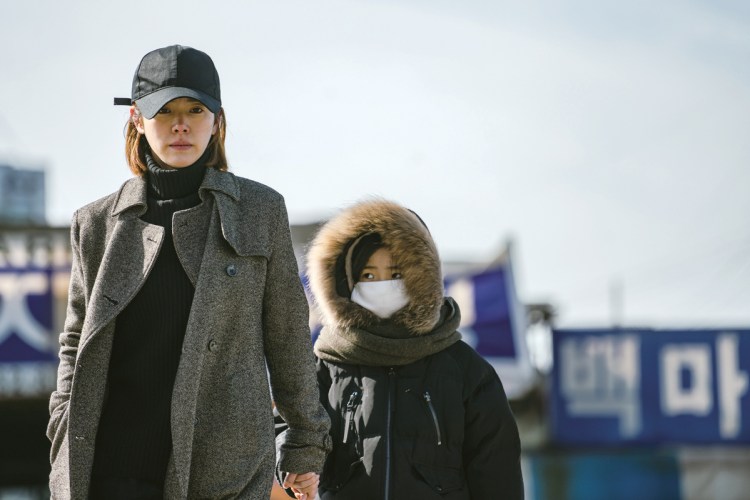 Han Ji-min stars as a salty, aloof ex-con who struggles to move past childhood trauma until she makes the fateful decision to save a neglected little girl who reminds her so much of herself.
 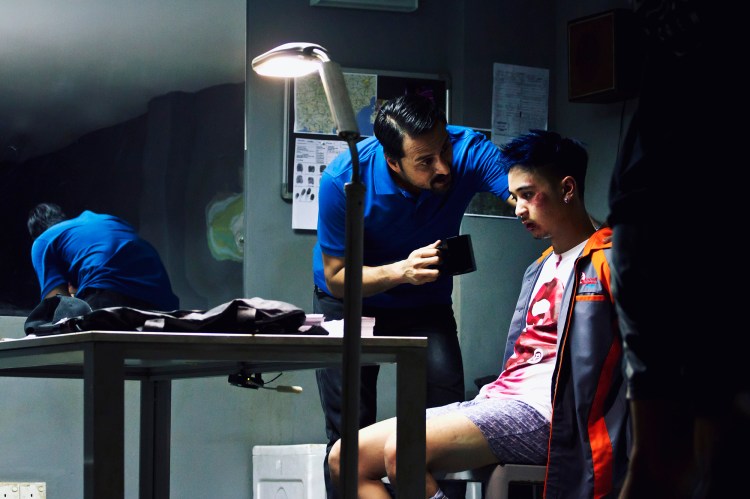 The debut feature from Zahir Omar, Fly By Night takes place in the Kuala Lumpur underworld where a gang of taxi drivers has clubbed together to extort well off passengers they pick up from the airport.
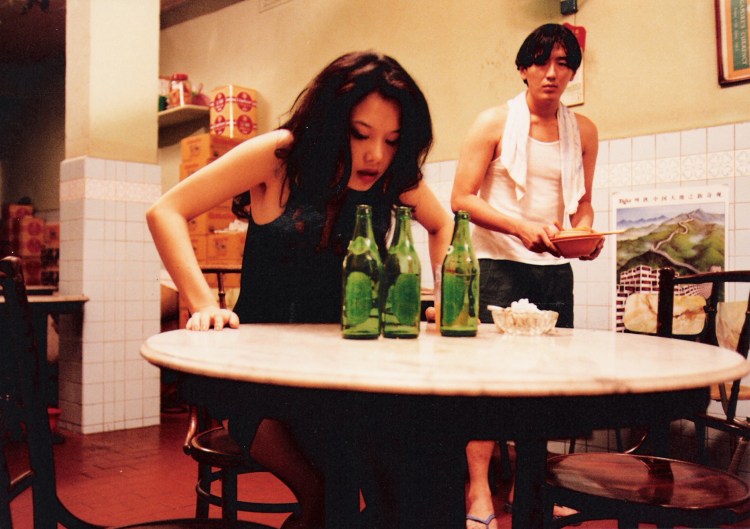 A Singaporean classic, Eric Khoo’s debut follows the awkward proprietor of a noodle shop with a crush on one of his customers, a sex worker who dreams of escaping her pimp and the city itself.
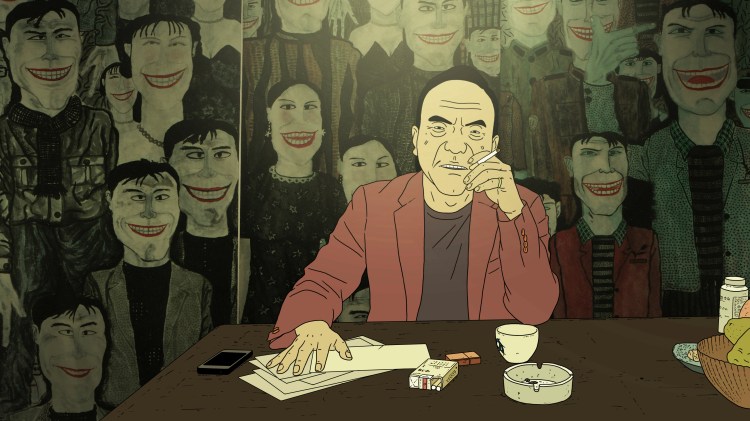 Liu Jian’s indie animation puts the modern China under the spotlight as a missing bag of money brings a collection of desperate souls together in the search for a way out of a dead end wasteland.
  Aaron Kwok stars as a deadbeat dad whose wife eventually leaves him alone with their young son. When loansharks come in pursuit of gambling debts, father and son are forced on the run and into a life of dubious moralities.
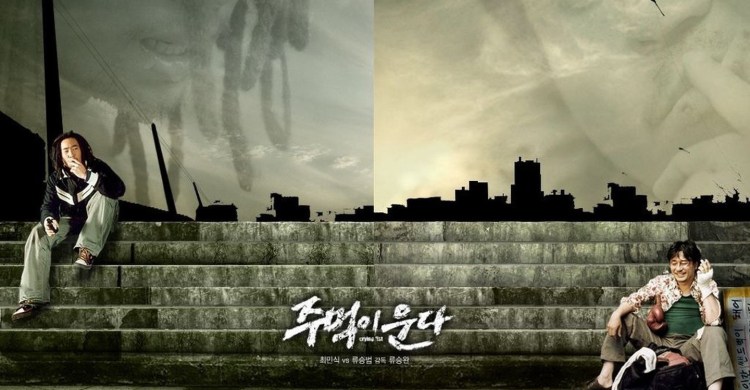 Ryoo Seung-wan’s boxing drama stars Choi Min-sik as a former olympic silver medalist who now makes ends meet getting beaten up for money on the streets of Seoul. Meanwhile, a troubled young man (played by Ryoo Seung-Bum) who learned to box inside is also looking for a way out. The pair meet in the ring where a more than cash is at stake.
 Actor turned director Yang Ik-June stars as a brutal gangster whose sentimental heart is restarted by a high school girl with a difficult home life only to discover life’s essential tragedies.
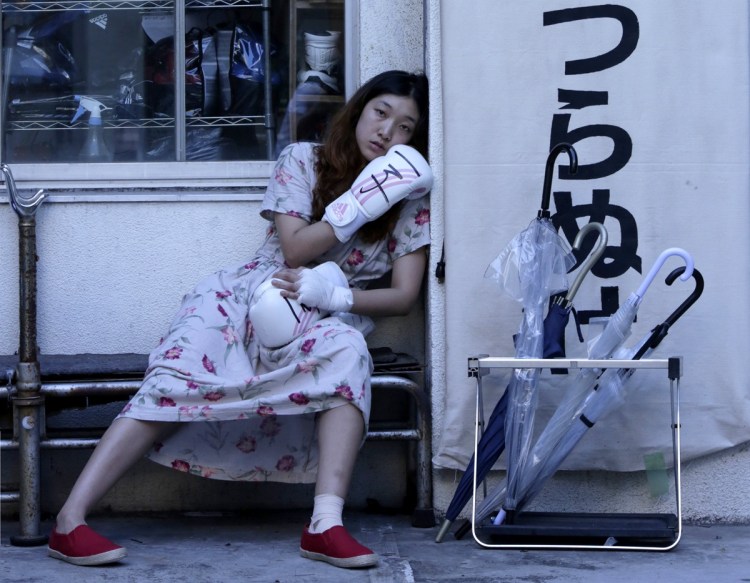 Sakura Ando stars as a 32-year-old slacker still living at home with her parents. A part-time job in a 100 yen store gives her new purpose when she strikes up a relationship with an amateur boxer and winds up entering the ring herself.
 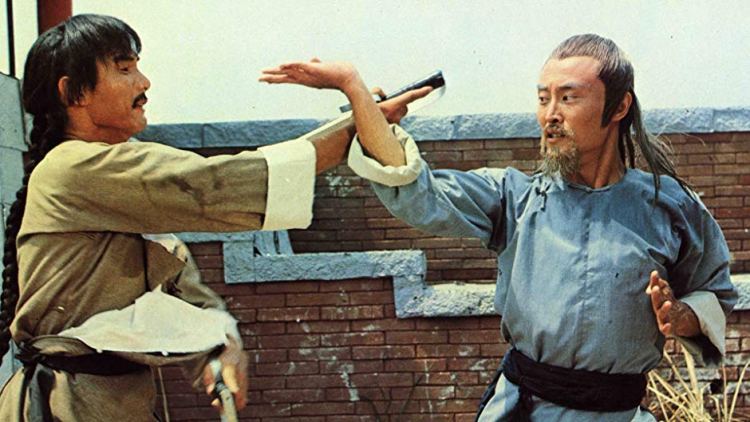 Jack Lung stars as a veteran kung-fu master about to retire when a young buck begs to become his disciple so that he can learn the skills to avenge his father.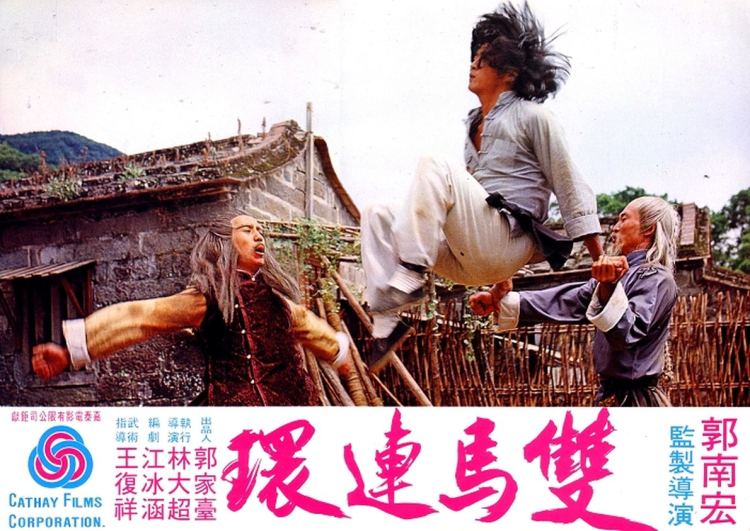
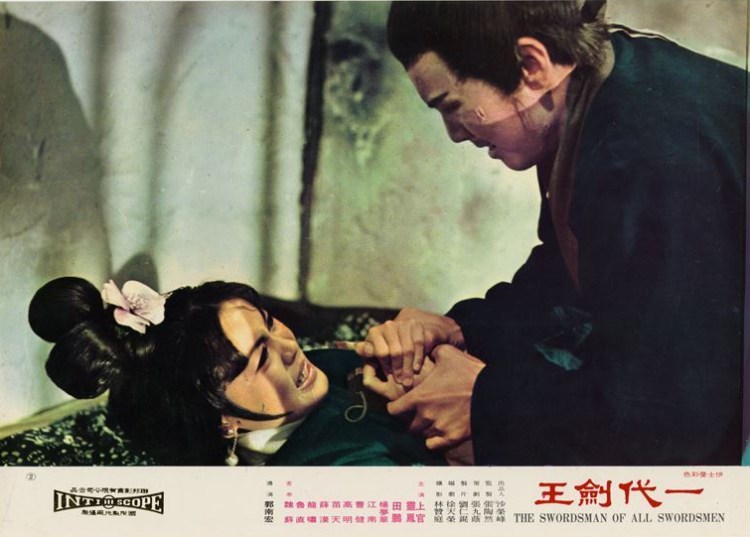 A top swordsman out for revenge against the bandits that killed his father runs into sword enthusiasts Black Dragon and Flying Swallow who may be enemies or allies.
 The clue is in the name…
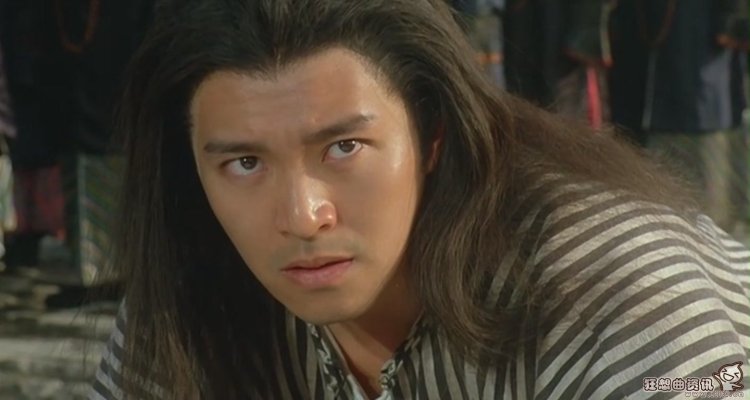 Stephen Chow stars in Gordon Chan’s loose retelling of the life of 19th century martial artist So Chan who finds himself joining the Beggars’ Sect after being caught cheating on his imperial exams and causing his family to be stripped of all their wealth.
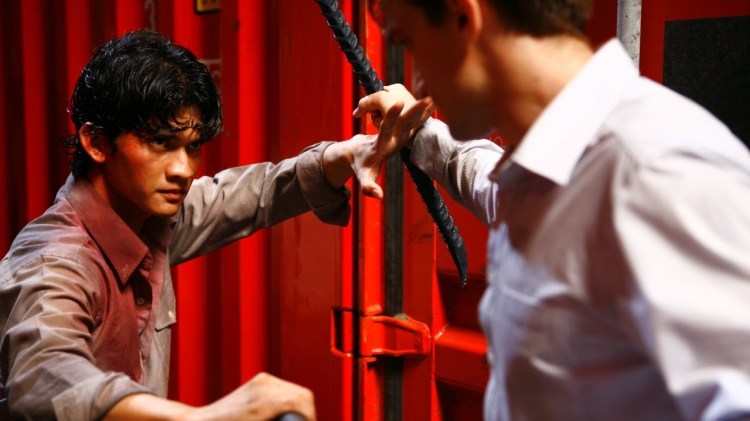 Indonesian action star Iko Uwais stars in Gareth Huw Evans early cult hit in which a young man embarks on his “merantau” – a coming of age ritual in which he must leave his village for the city where he rescues a brother and sister from a gang and finds himself at war.
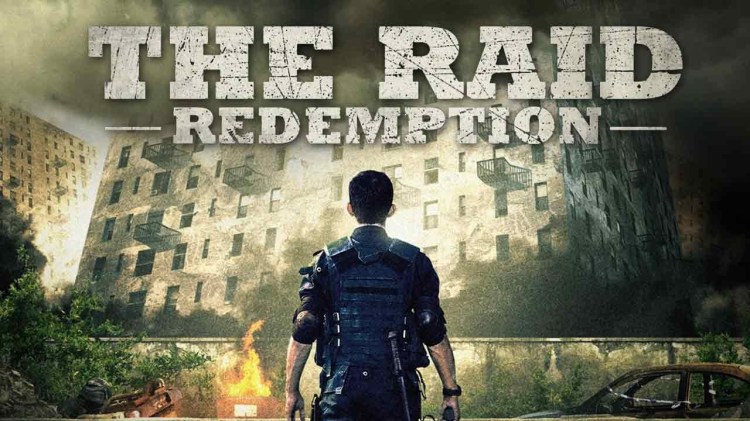 The sequel to Gareth Huw Evans phenomenally successful The Raid once again stars Iko Uwais as an intrepid SWAT member who finds himself having to fight his way out when a raid goes wrong.
 A party to close out the event taking place right after the final screening.
 Windows on Worlds