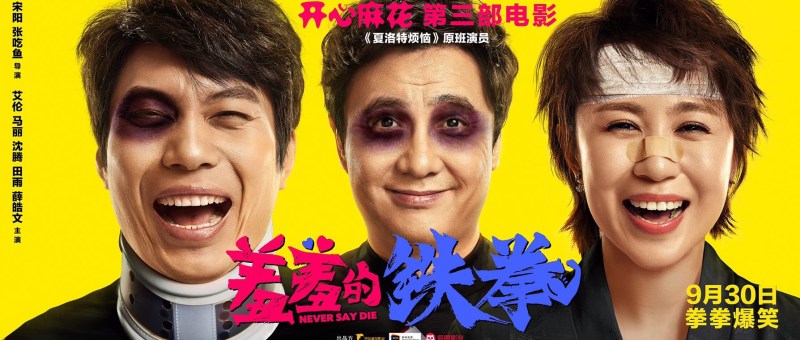
 Body swapping drama seems to have come back in style of late, though they’ve rarely been as funny as the surprisingly laugh out loud Chinese comedy Never Say Die (羞羞的铁拳, Xiūxiū de Tiěquán). Based on a stage play by the Chinese theatre company Mahua whose last effort Goodbye Mr. Loser did something similar only with time travel, Never Say Die is a story of never giving up, always getting even, and learning to understand yourself through someone else’s eyes.
Edison (Ai Lun) was once an MMA champion, but a scandal three years previously has left him disgraced and reduced to taking dives for his shady boss, Dong (Tian Yu). Edison has a reputation for being good at taking dives because he can make them look so “realistic”, and believes his special talent ought to earn him a few more dollars. Seconds after dramatically hitting the mat, Edison gets a call reminding him he’s late for a weigh-in at a “real” fight. When he gets there he’s confronted by a bulldog reporter, Xiao (Ma Li), who questions him about his history of taking bribes. Reacting angrily, Edison soon realises Xiao’s boyfriend is none other than top MMA fighter and arch-rival Wu Liang (Haowen Xue).
Just to make things more complicated, Xiao is also the daughter of Edison’s manager, Dong, whom she hates and is determined to expose for his corrupt dealings. Edison chases after Xiao when he and Dong discover her recording a very compromising conversation but after ignoring a warning sign the pair end up on a rooftop during a thunderstorm. Edison bumps into Xiao, kissing her by mistake and pushing her into the pool in which they then both get struck by lightning. Waking up in hospital, each of them discovers they’ve come back a little different than they remembered.
This being China with its relatively stringent censorship laws, the body gags are kept to a minimum with Xiao suddenly dropping her reporter’s poise for “manly” roughness and Edison becoming subtly effeminate. Both are horrified by the sudden colonisation of their own bodies and resentful that in order to look after it properly someone they intensely dislike is going to have to be very aware of their most intimate features. This is especially true of Edison who reacts to his new found femininity in the predictable way by fondling his own breasts and then having a fantastic time in a ladies’ only bathhouse (an extended set piece ironically set to YMCA).
The gag is simple enough but actors Ai Lun and Ma Li commit so totally to their new roles that the increasingly absurd situations ring true right up until the trio end up learning Kung Fu from a possibly gay, resentful deputy chief monk (Teng Shen) at a mountain retreat. Veering off from the standard rom-com route, Never Say Die makes a brief sojourn in revenge genre after Xiao finds out some unpleasant facts about Wu Liang (through being Edison) and decides she needs to get her own back by humiliating him in the MMA ring. Edison may have been a champ, but despite his physical training, Xiao is still an elegant female reporter who’s not exactly used to being in the middle of a fight.
Never Say Die does not manage to escape the inherently sexist bias of the gender swap movie, but it does its best to mitigate it. It is problematic, in one sense, that Xiao needs to “man up” to get revenge on her dreadful boyfriend and then is sidelined when it comes time for Edison finish the job for her, but on the other hand she is the more capable and pragmatic of the pair who teaches Edison how to get himself together whilst playing a supporting rather than leading role. Perhaps betraying its comedy stage show routes, the script may appear episodic and meandering but it’s all brought together in grand fashion at the end with nary a gag wasted. The lesson is that eventually you have to get off your high horse and really look at yourself and others whilst resolutely refusing to back down to dishonest bullies if you really want to earn the right to be happy in yourself. Hilarious and emotionally satisfying in equal measure, Never Say Die is an unexpected comic delight which proves surprisingly subversive even in its superficial innocence.
Currently on limited release in UK cinemas courtesy of Chopflix.
Original trailer (Mandarin, no subtitles)


 Running at BFI Southbank through October and November,
 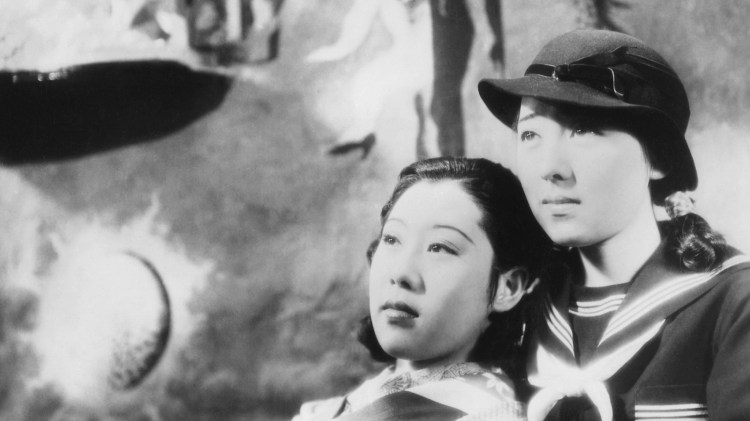 Starring Mizoguchi’s frequent leading lady Isuzu Yamada, Osaka Elegy centres on a switchboard operator who finds herself trapped in a ruinous relationship with her boss in an effort to save her father who has ruined himself through gambling debts.
 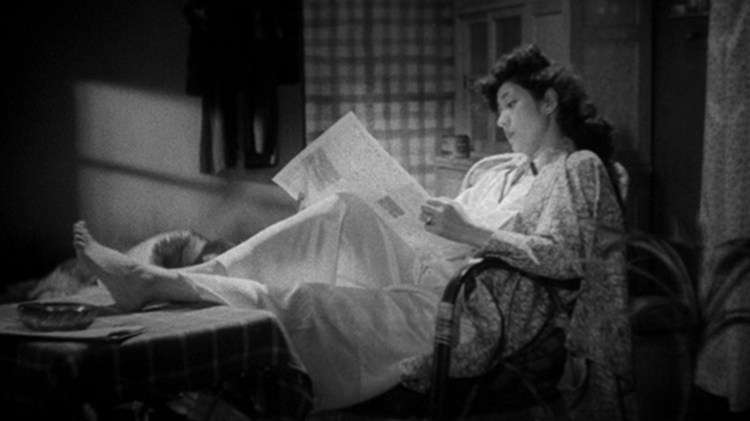 Women of the Night, completed in 1948, will screen along side Osaka Elegy (1936) and stars Kinuyo Tanaka in a tale of two sisters trying to survive in the ruined Osaka one of whom is a war widow and the other dangerously involved with a drugs smuggler. 35mm.
 Kinuyo Tanaka also stars in Keisuke Kinoshita’s 1950 melodrama Wedding Ring. Starring opposite Toshiro Mifune, Tanaka plays a housewife who travels back and fore from the seaside, where her sickly husband convalesces, to Tokyo where she runs her family’s jewellery store. A chance encounter with a strapping doctor (Mifune) on a train has unforeseen consequences as the pair grow closer and the husband begins to realise that he cannot provide the happiness his wife is seeking. 35mm.
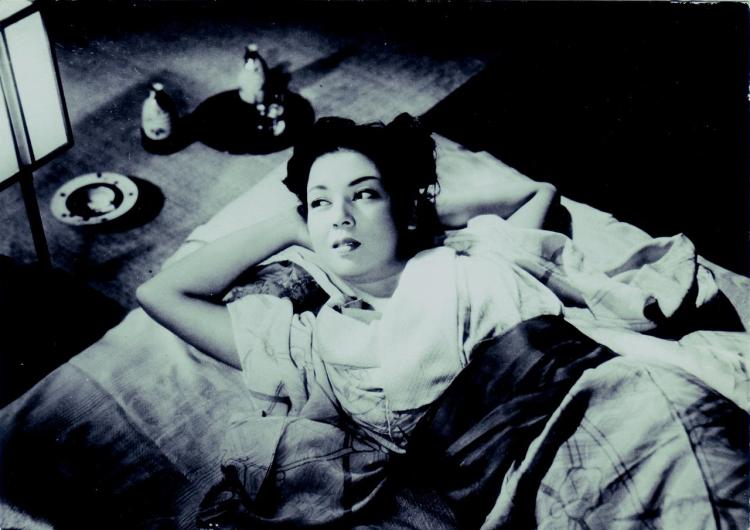 Clothes of Deception is directed by Kozaburo Yoshimura who was the subject (along with Kaneto Shindo) of the BFI’s previous
 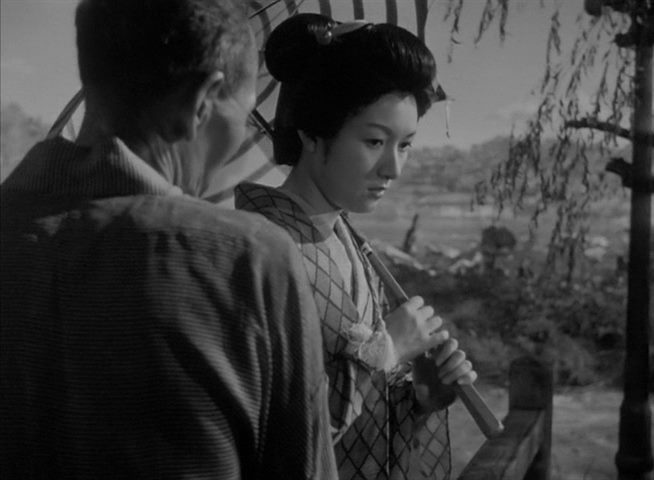 Shiro Toyoda’s melodrama stars Hideko Takamine as a divorced woman who becomes the mistress of an elderly money lender to support her father but dares to dream of a happier future after falling for a young student. 35mm.
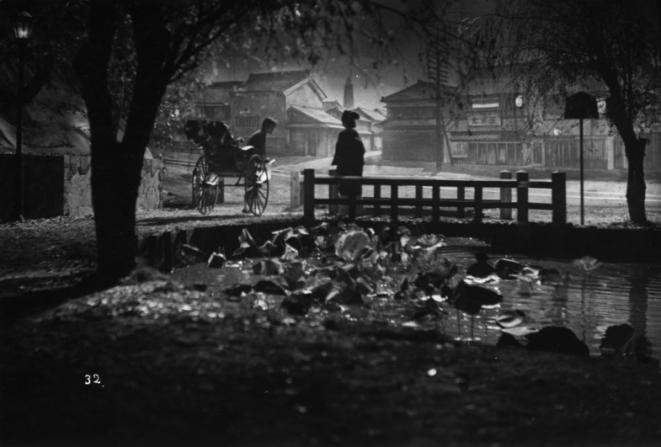 Tadashi Imai’s adaptation of a number of stories by 19th century writer Ichiyo Higuchi came top in Kinema Junpo’s best of list for 1953 and features three stories of women suffering at the hands of men. 35mm.
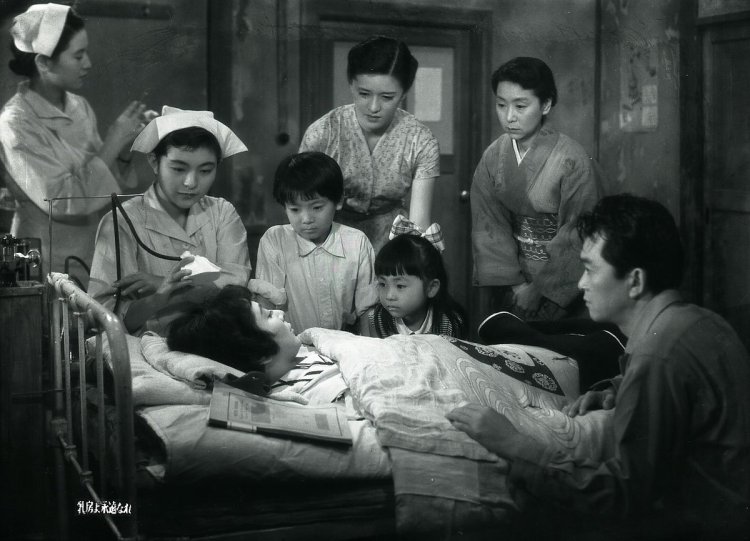 Kinuyo Tanaka, one of Japan’s great actresses, was not the nation’s first female director as she is sometimes described, but she was the first to have a career as a film director. The Eternal Breasts is Tanaka’s third directorial effort (following
 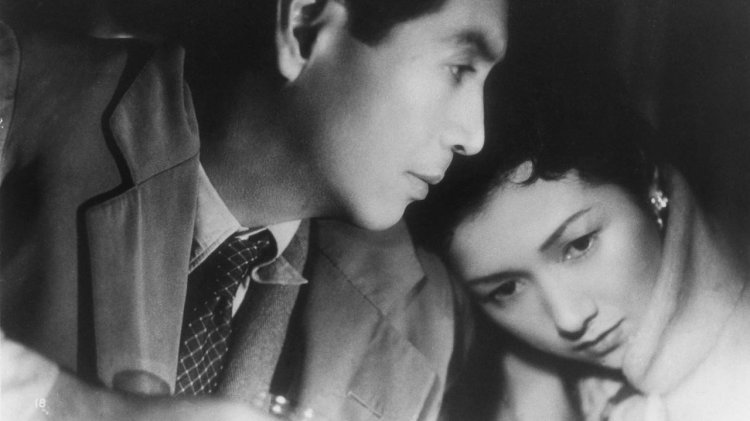 Hideko Takamine and Masayuki Mori play two former lovers cast adrift in the new post-war world world where their love is both impossible and impossible to escape. Naruse’s melancholy melodrama is the story of a woman who strives for self-determination while chasing a man who craves only respectability, as trapped and confused as her still divided nation. 35mm.
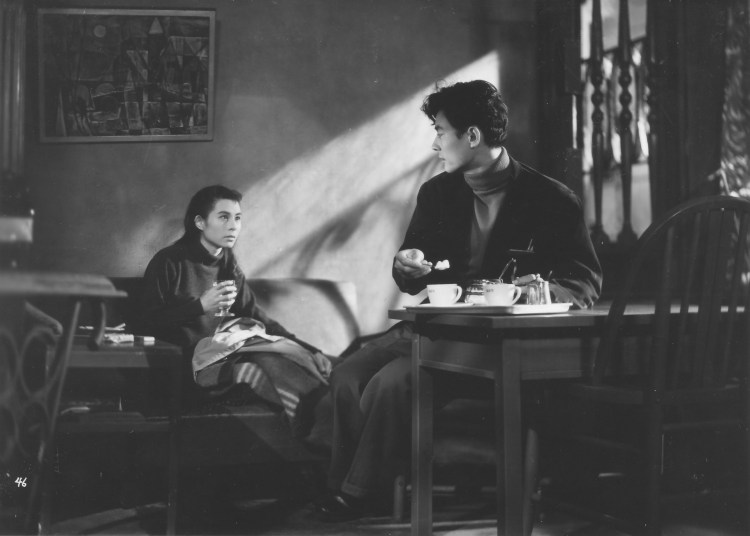 Masayuki Mori stars again in another romantic melodrama this time for Heinosuke Gosho (
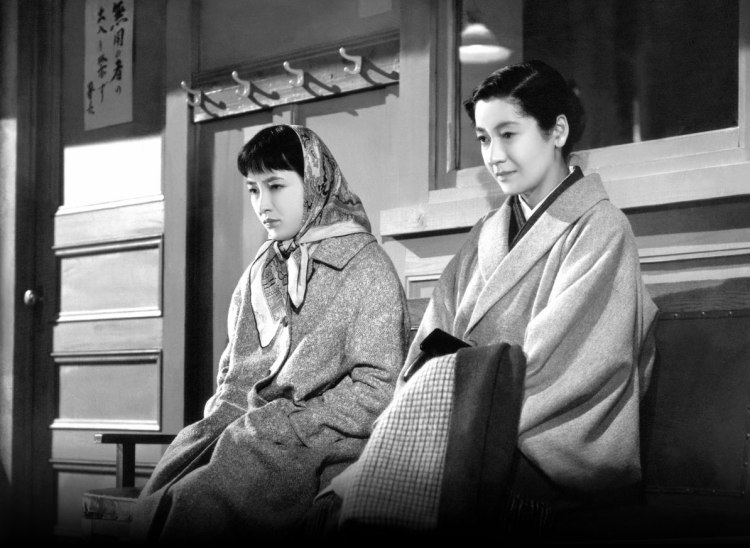 Among the darkest of Ozu’s post-war movies, Tokyo Twilight is a less forgiving family drama in which Setsuko Hara plays the older of two sisters who has returned home from a failing marriage with her little girl in tow only to find out that her unmarried student younger sister is facing an unwanted pregnancy.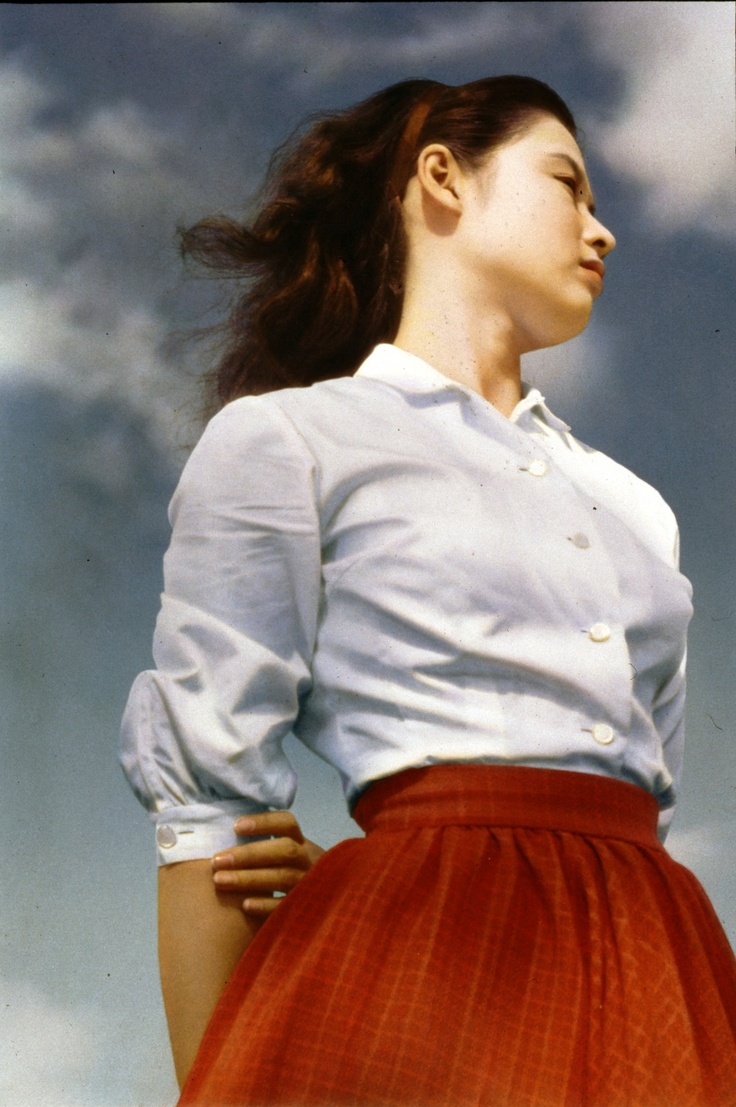
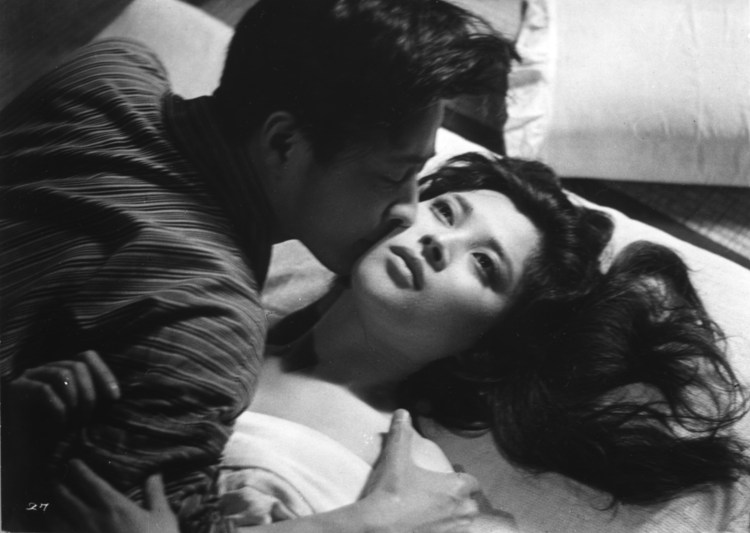 Soon after An Affair at Akitsu, also known as
 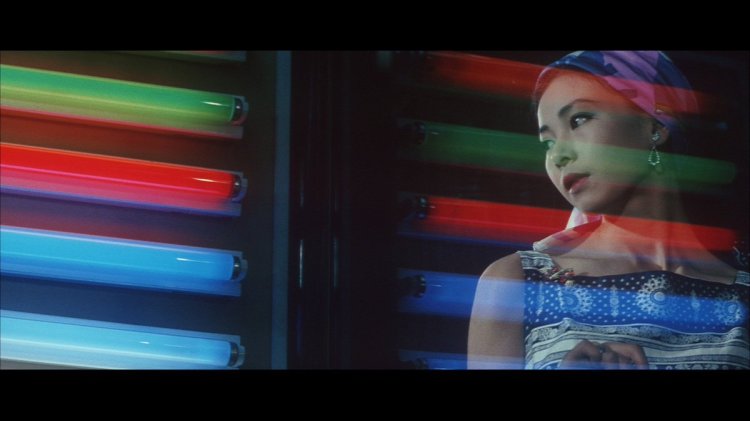 Recently restored, Noburu Nakamura’s The Shape of Night stars Miyuki Kuwano as a young woman forced into prostitution by a no good boyfriend. 35mm.







 Windows on Worlds