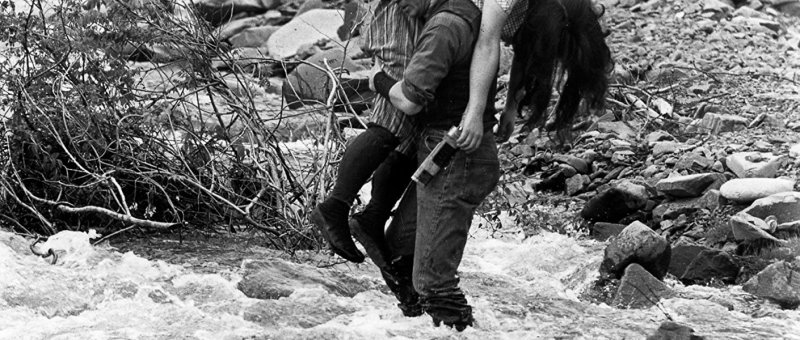
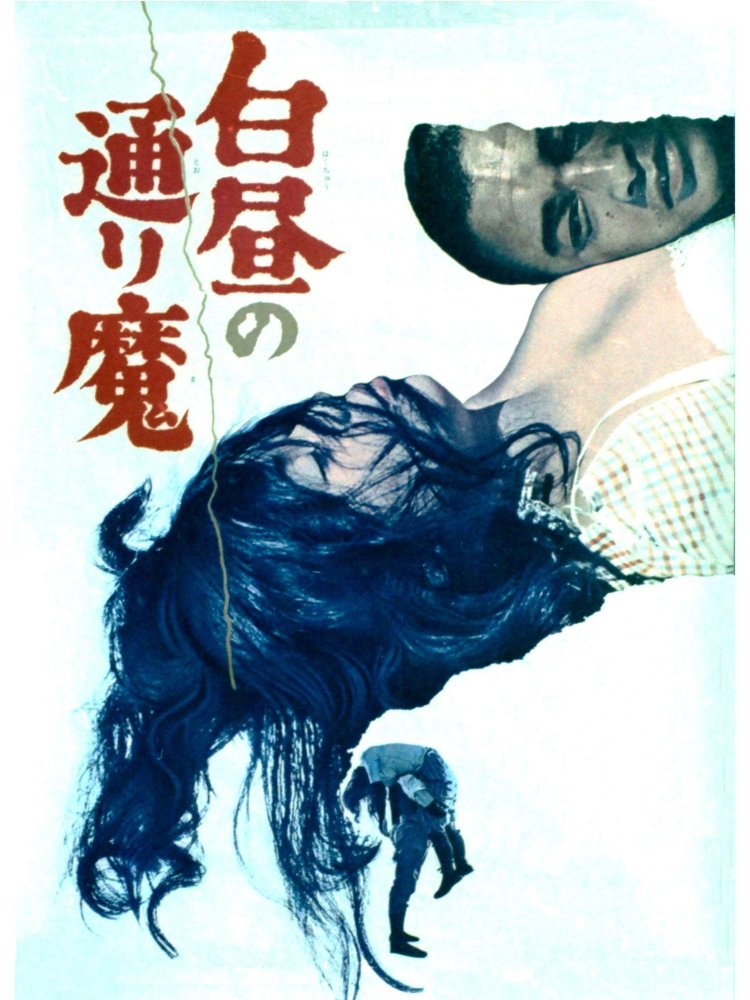
 For Nagisa Oshima, the personal is always political and urges for destruction and creation always inextricably linked. Violence at Noon (白昼の通り魔, Hakuchu no Torima), a noticeable shift towards the avant-garde, is a true crime story but the murder here is of idealism, the wilful death of innocence as manifested in the rampage of a disaffected sociopath whose corrupted heart ties together two women who find themselves bound to him in both love and hate. Each feeling responsible yet also that the responsibility for action belongs to someone else, they protect and defend the symbol of their failures, continuing on in despair and self loathing knowing that to turn him in is to accept the death of their idealism in its failure to reform the “demon” that won’t let them go.
Bright white gives way to the shadow of a man lurking behind bars. He opens a door and gazes at a woman doing the washing, lingering on her neck before he forces himself in. The woman, Shino (Saeda Kawaguchi) – the maid in this fancy household, knows the man – Eisuke (Kei Sato), a drifter from her home town, but her attempts at kindness are eventually rebuffed when she tells him to go back to his wife and he violently assaults her causing her to pass out at which he point he decides to spare her and murders her employer instead. Rather than explain to the police who Eisuke is, Shino offers only cryptic clues while writing to Eisuke’s wife, Matsuko (Akiko Koyama) – an idealistic schoolteacher, to ask for permission to turn him in and end the reign of terror her husband is currently wreaking as a notorious serial rapist and murderer.
Eisuke, Shino, and Matsuko are all inextricably linked by an incident which occurred in a failing farming collective the previous year. Matsuko, a kind of spiritual leader for the farming community as well as its schoolteacher, preaches a philosophy of absolute love, proclaiming that those who love expect no reward and that through the eyes of love all are equal. Meanwhile, Shino – daughter of a poor family, contemplates suicide along with her father after their lands are ruined by a flash flood and they are left without the means to support themselves. She enters into a loose arrangement with the former son of a village elder, Genji (Rokko Toura), exchanging a loan for sexual favours, later beginning develop something like a relationship with him but one which is essentially empty. Nevertheless when Genji suggested a double suicide she felt compelled to accompany him, only to survive and be “saved” by Eisuke who, believing her to be dead, raped what he assumed was her corpse before planning to dump her body in a nearby river.
It is this original act of transgression that underpins all else. Shino believes herself in someway responsible for Eisuke’s depravity, that his rape of her “corpse” was the trigger for the death of his humanity. Matsuko, meanwhile, sees herself as the embodiment of love – she “loved” Eisuke and thought her love could cure his savage nature and bring him back towards the light and the community. Matsuko was wrong, “love” is not enough and perhaps what she has come to feel for the man who later became her husband on a whim is closer to hate and thereby a total negation of her core philosophy. To admit this fact to herself, to consider that perhaps love and hate are in effect the same thing, is tantamount to a death of the self and so she will not do it. She and Shino are locked in a spiral of inertia and despair. They each feel responsible for Eisuke’s depraved existence, but each also powerless to stop him. Shino in not wishing to overstep another woman’s domain, and Matsuko in being unwilling to admit she has given up on the idea of forgiving the man who has dealt her nothing but cruelty.
Literally seduced by nihilism, Eisuke finally rejects both women. He claims they are responsible – that if Shino had married him instead of attempting double suicide with Genji he might not have “gone astray”, going on to characterise his crimes as “revenge” against his wife’s “hypocrisy”, but then he calmly states that he is the man he is and would always have done these terrible things no matter where and when he was born. Passivity has failed, blind faith in goodness has allowed a monster to arise and those who birthed him remain too mired in solipsistic soul-searching to do their civic duty. Too afraid to let go of their ideals and take decisive action, Shino and Matsuko choose to watch their society burn rather than destroy themselves in an act of personal revolution – Oshima’s thesis is clear and obscure at the same time, “Sometimes cruelty is unavoidable”.
Original trailer (no subtitles, incorrect aspect ratio)


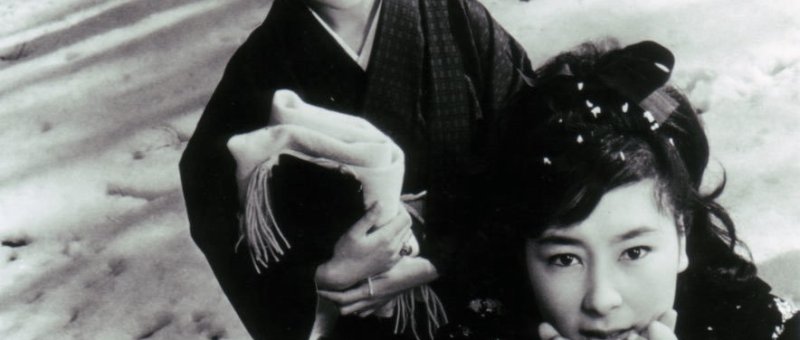
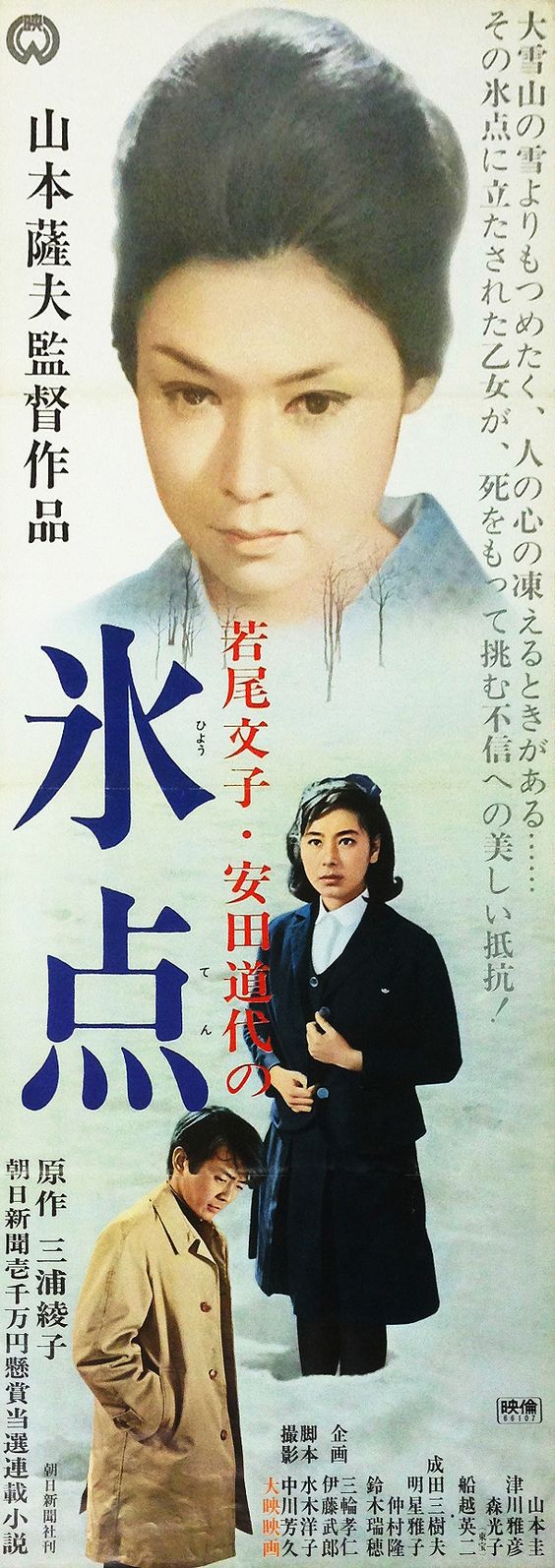
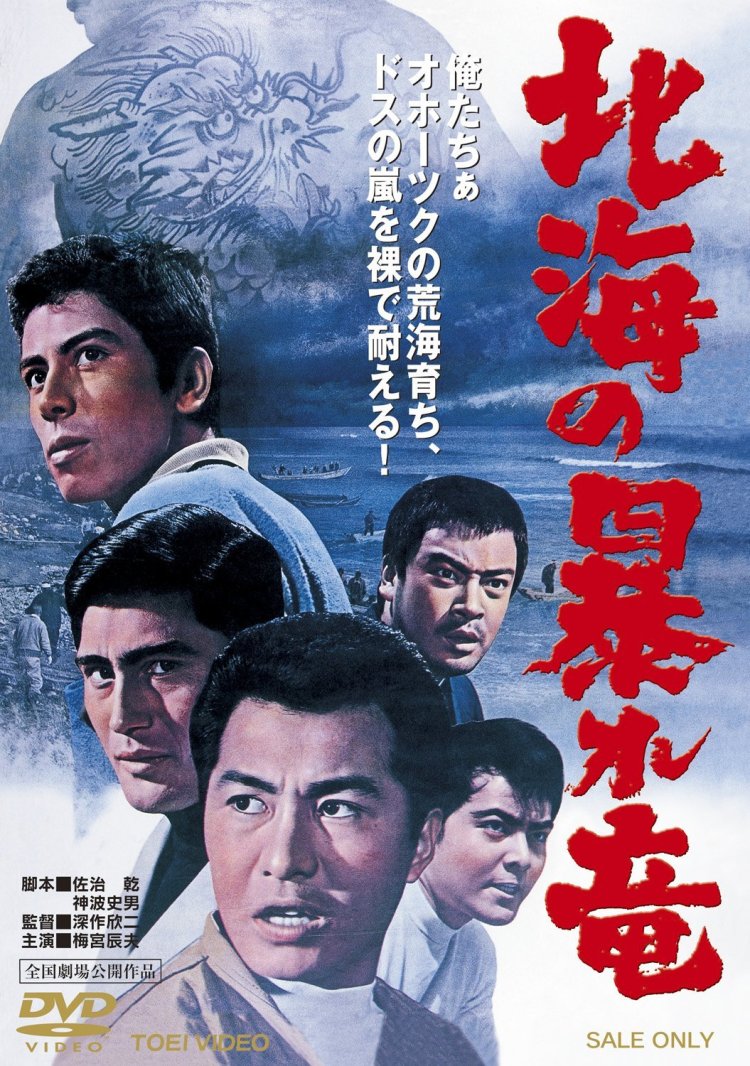
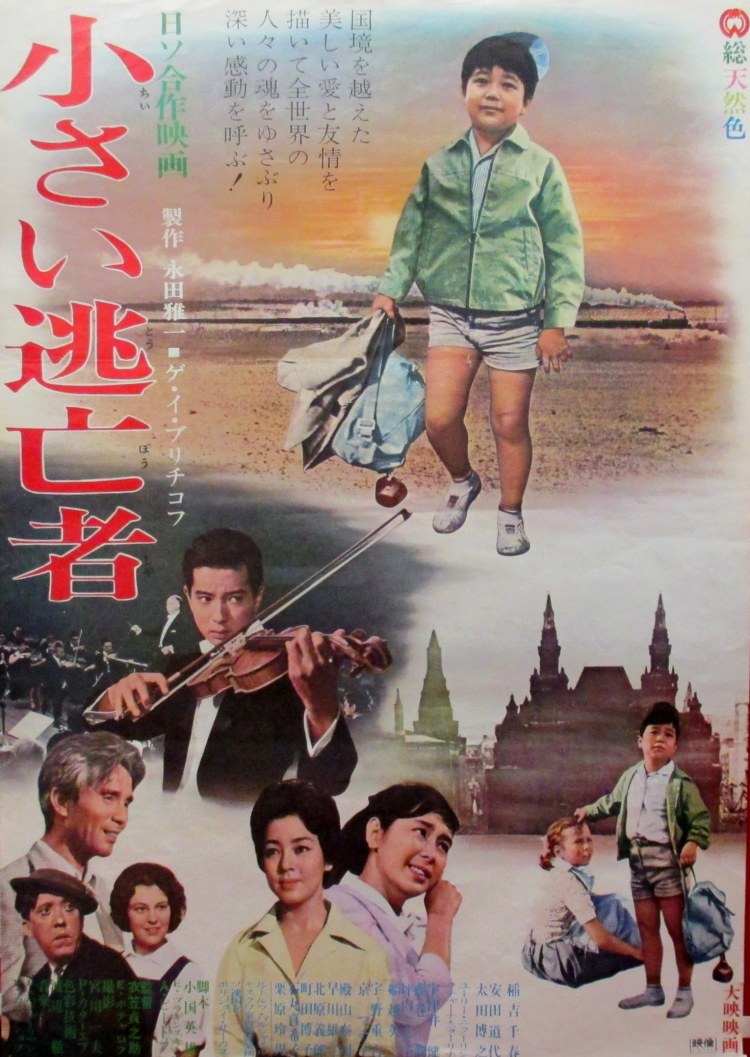 Teinosuke Kinugasa maybe best known for his avant-garde masterpiece The page of Madness even if his subsequent work leant towards a more commercial direction. His final film is just as unusual, though perhaps for different reason. In 1966, Kinugasa co-directed The Little Runaway (小さい逃亡者, Chiisai Tobosha) with Russian director Eduard Bocharov in the first of such collaborations ever created. Truth be told, aside from the geographical proximity, the Japan of 1966 could not be more different from its Soviet counterpart as the Eastern block remained mired in the “cold war” while Japan raced ahead towards its very own, capitalist, economic miracle. Perhaps looking at both sides with kind eyes, The Little Runaway has its heart in the right place with its messages of the universality of human goodness and endurance but broadly makes a success of them if failing to disguise the obvious propaganda gloss.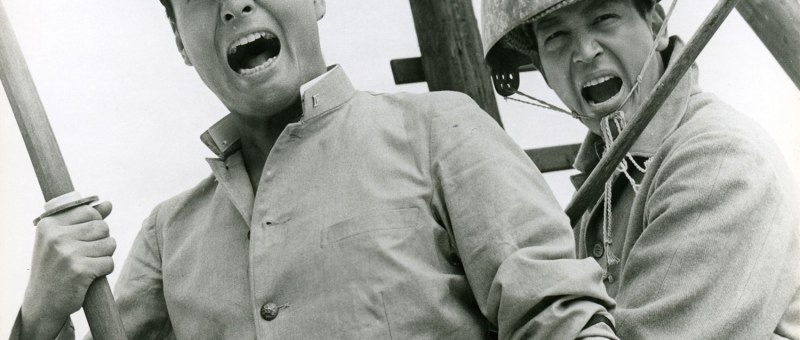
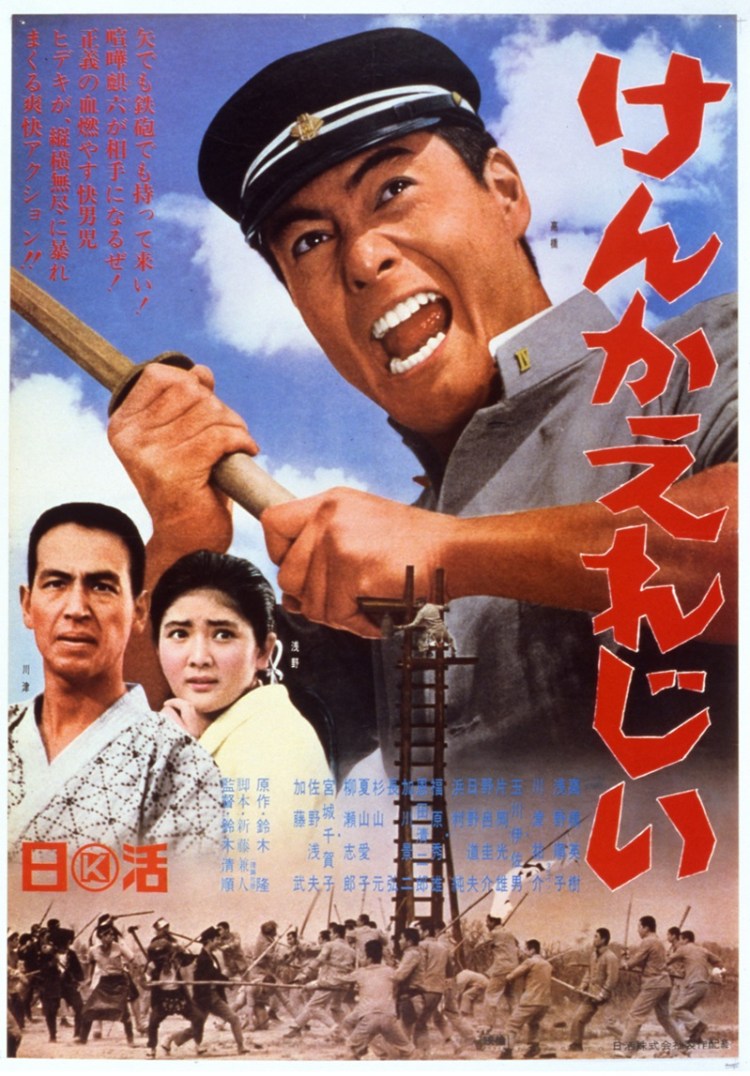 Ah, youth. It explains so many things though, sadly, only long after it’s passed. For the young men who had the misfortune to come of age in the 1930s, their glory days are filled with bittersweet memories as their personal development occurred against a backdrop of increasing political division. Seijun Suzuki was not exactly apolitical in his filmmaking despite his reputation for “nonsense”, but in Fighting Elegy (けんかえれじい, Kenka Elegy) he turns a wry eye back to his contemporaries for a rueful exploration of militarism’s appeal to the angry young man. When emotion must be sublimated and desire repressed, all that youthful energy has to go somewhere and so the unresolved tensions of the young men of Japan brought about an unwelcome revolution in a misguided attempt at mastery over the self.
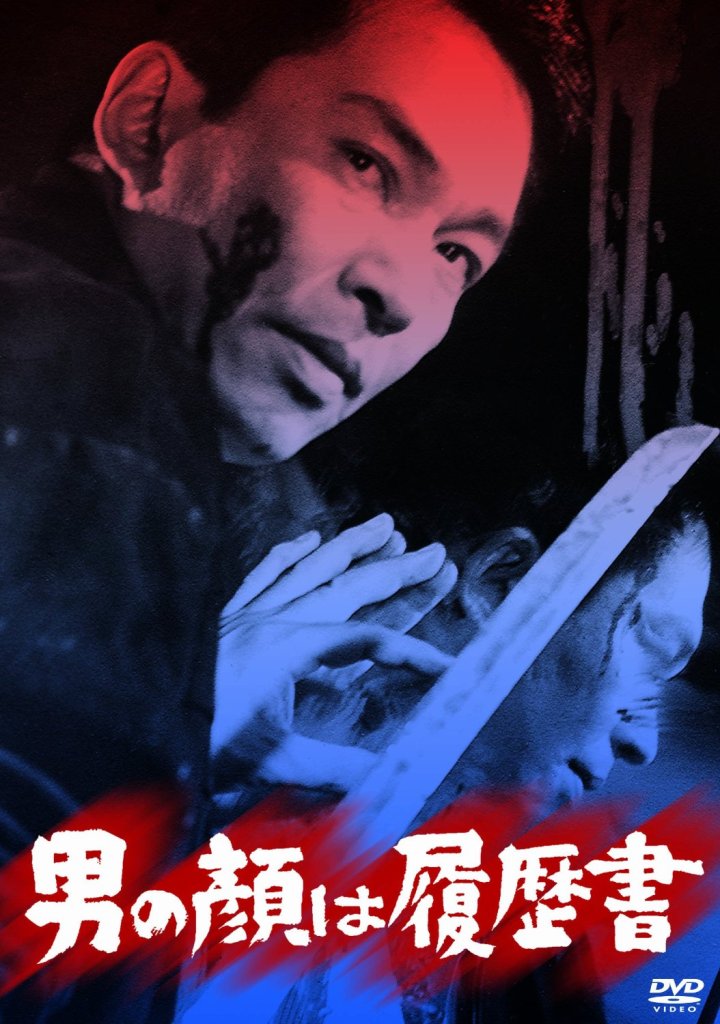 Japanese cinema has not been as shy as might be supposed in examining uncomfortable topics concerning the nation’s mid 20th century history but perhaps prefers to tackle them from a subtle, sideways viewpoint. By a Man’s Face Shall You Know Him (男の顔は履歴書, Otokonokao wa Rirekisho) is, in essence, a fairly straightforward gangster pic – save that the rampaging gangsters are a mob of “zainichi” Koreans rather than post-war yakuza or petty hoodlums. Less about what it is to be an outsider or the quest for identity in second generation immigrants, Kato’s film is about what it says it is about – a man’s face.
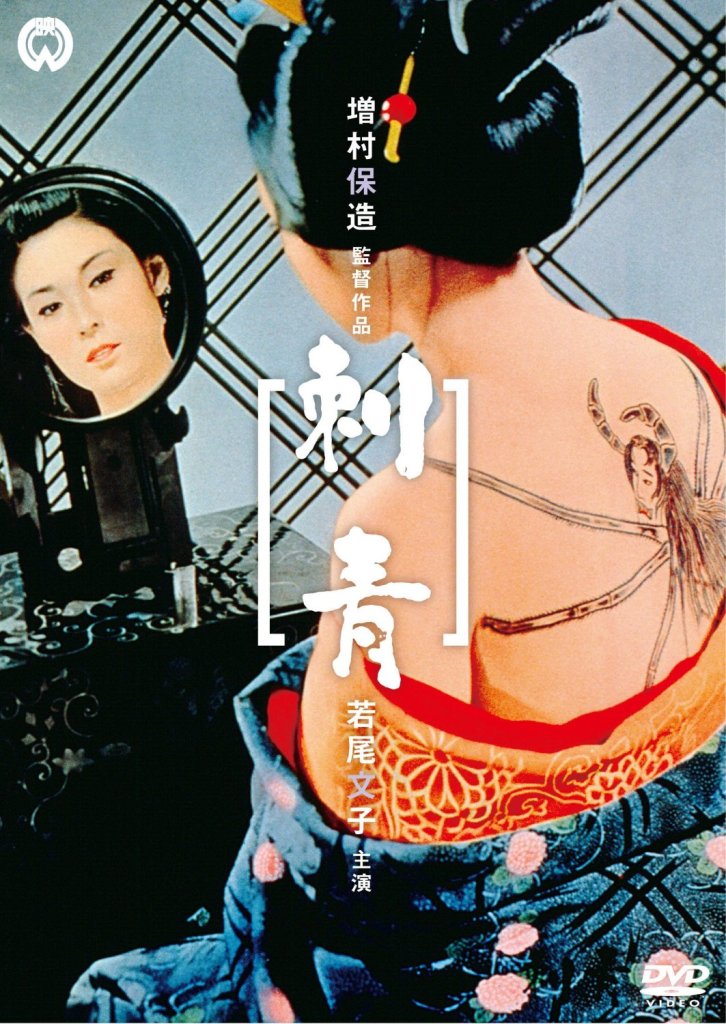 Irezumi (刺青) is one of three films completed by the always prolific Yasuzo Masumura in 1966 alone and, though it stars frequent collaborator Ayako Wakao, couldn’t be more different than the actresses’ other performance for the director that year, the wartime drama
 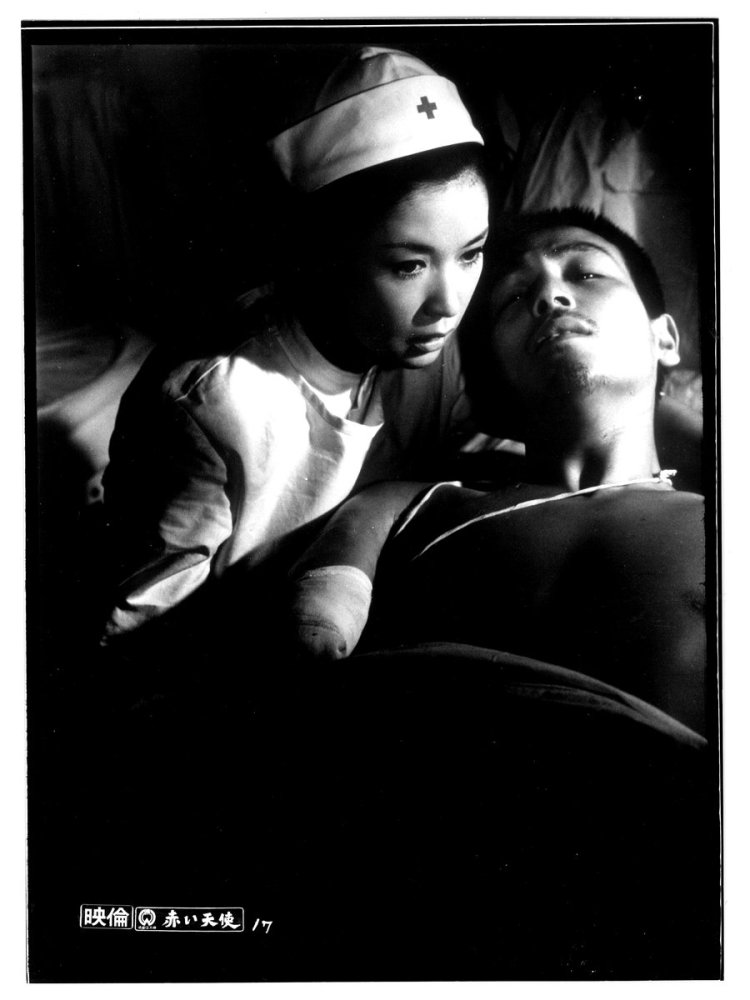 Red Angel (赤い天使, Akai Tenshi) sees Masumura returning directly to the theme of the war, and particularly to the early days of the Manchurian campaign. Himself a war veteran (though of a slightly later period), Masumura knew first hand the sheer horror of warfare and with this particular film wanted to convey not just the mangled bodies, blood and destruction that warfare brings about but the secondary effects it has on the psyche of all those connected with it.
 Windows on Worlds