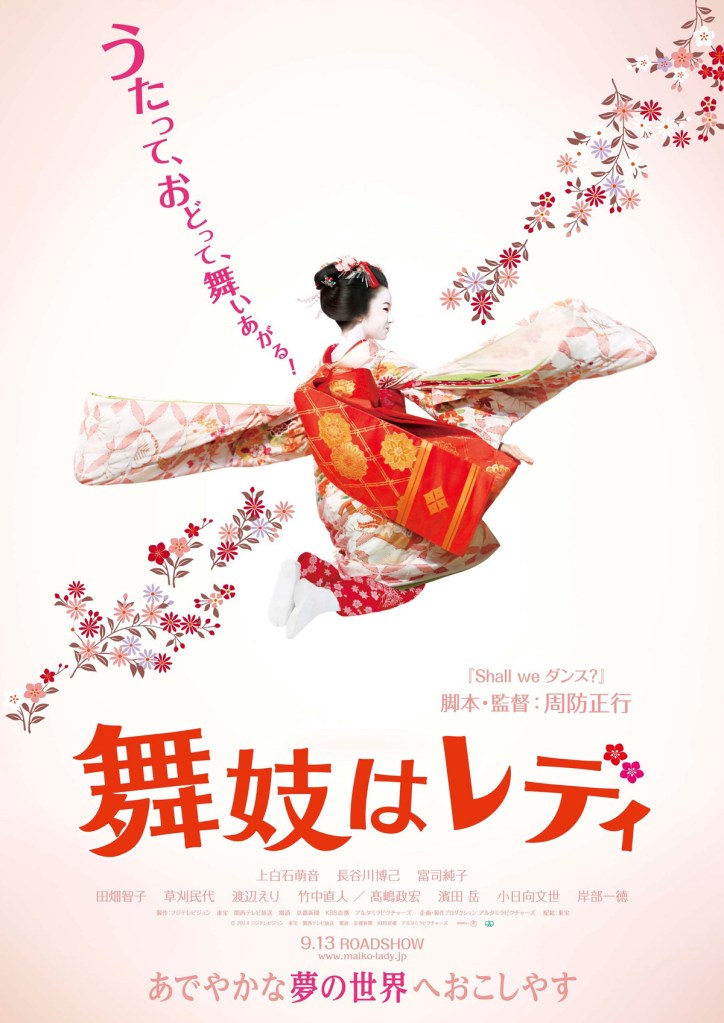
 When Japan does musicals, even Hollywood style musicals, it tends to go for the backstage variety or a kind of hybrid form in which the idol/singing star protagonist gets a few snazzy numbers which somehow blur into the real world. Masayuki Suo’s previous big hit, Shall We Dance, took its title from the classic Rodgers and Hammerstein song featured in the King and I but it’s Lerner and Loewe he turns to for an American style song and dance fiesta relocating My Fair Lady to the world of Kyoto geisha, Lady Maiko (舞妓はレディ, Maiko wa Lady) . My Fair Lady was itself inspired by Shaw’s Pygmalion though replaces much of its class conscious, feminist questioning with genial romance. Suo’s take leans the same way but suffers somewhat in the inefficacy of its half hearted love story seeing as its heroine is only 15 years old.
Country bumpkin Haruko (Mone Kamishiraishi) arrives in the elegant Kyoto geisha quarters with only one hope – to become a maiko! However, despite the scarcity of young girls wanting to train, Haruko’s hopes are dashed by the head geisha who finds it impossible to understand anything she’s saying thanks to her extraordinarily rare accent which is an odd mix of north and south country dialects. Luckily for her, a linguistics professor who has an unhealthy obsession with rare dialectical forms overhears her speech patterns and is instantly fascinated. Striking up a bet with another tea house patron, Kyono (Hiroki Hasegawa) takes on the challenge of training Haruko to master the elegant Kyoto geisha accent in just six months.
The teahouses and the culture which goes with them are a part of the old world just barely hanging on in the bright new modern era. Haruko first became infatuated with all things maiko thanks to an online blog kept by the teahouse’s only current star, Momoko (Tomoko Tabata) – the daughter of the proprietor still only a maiko at age thirty precisely because of the lack of candidates to succeed her. Despite this intrusion of the modern, the way of the geisha remains essentially the same as it has for centuries with all of the unfairness and exploitation it entails. Hence, most of the women working in the teahouses are part-timers brought in for big events with only rudimentary training and even those who have spent a significant amount of time learning their craft lament that they don’t get paid a real salary and even their kimono and accessories technically belong to the teahouse.
Despite being on the fringes of the sex trade, as the professor’s assistant takes care to warn Haruko, there’s still something glamorous about the the arcane teahouse world bound up in ancient traditions and complicated rituals of elegance. Haruko faces a steep learning curve as a clumsy country girl who doesn’t even know how to sit “seiza” without her legs going numb. Learning to speak like a Kyoto native may be the least of her worries seeing as she has to learn how to dress in kimono, play a taiko drum and shamisen, and perform the traditional dances to perfection.
This is a musical after all and so the maiko dance routines eventually give way to more conventional choreography and large scale broadway numbers. The title song is particularly catchy and resurfaces at several points though the score as a whole is cheerful and inventive, incorporating a classic broadway sound with modern twist fused with the traditional music of the teahouse. Naoto Takenaka makes a typically creepy appearance displaying a fine voice for a comic number dedicated to the art of being a male maid to a geisha house but the big set piece is reserved for a comic take on the “Rain in Spain” in which the linguistics professor oddly wonders where all the water goes when it’s “pissing it down in Kyoto”. Unfortunately much of this revolves around linguistic jokes which are impossible to translate though the scene as a whole does its job well enough in introducing us to Haruko’s travails in the world of elocution. Other routines featuring the backstories of some of the minor characters also have a pleasantly retro quality inspired by period cinema complete with painted backdrops and old fashioned studio bound cinematography.
Though charming enough, Haruko’s progress is perhaps too conventional to move Lady Maiko far beyond the realms of cheerful fluff. Though Suo wisely keeps the romance to a minimum, Haruko’s growing feelings for the professor as well as a possible connection with his assistant are a little uncomfortable given her youth and the age differences involved even if the professor remains completely unaware. Unlike the source material Haruko’s passage is otherwise presented without complication (save for brief forays into the darkside of the geisha trade) as the country girl makes good, achieving her goals through hard work, perseverance, and the support of the community. In the end it’s all just far too nice, but then that’s not such a bad problem to have and there are enough pretty dance routines and warmhearted comedy to charm even the most jaded of viewers.
Screened as part of the Japan Foundation Touring Film Programme 2017.
Original trailer (no subtitles)
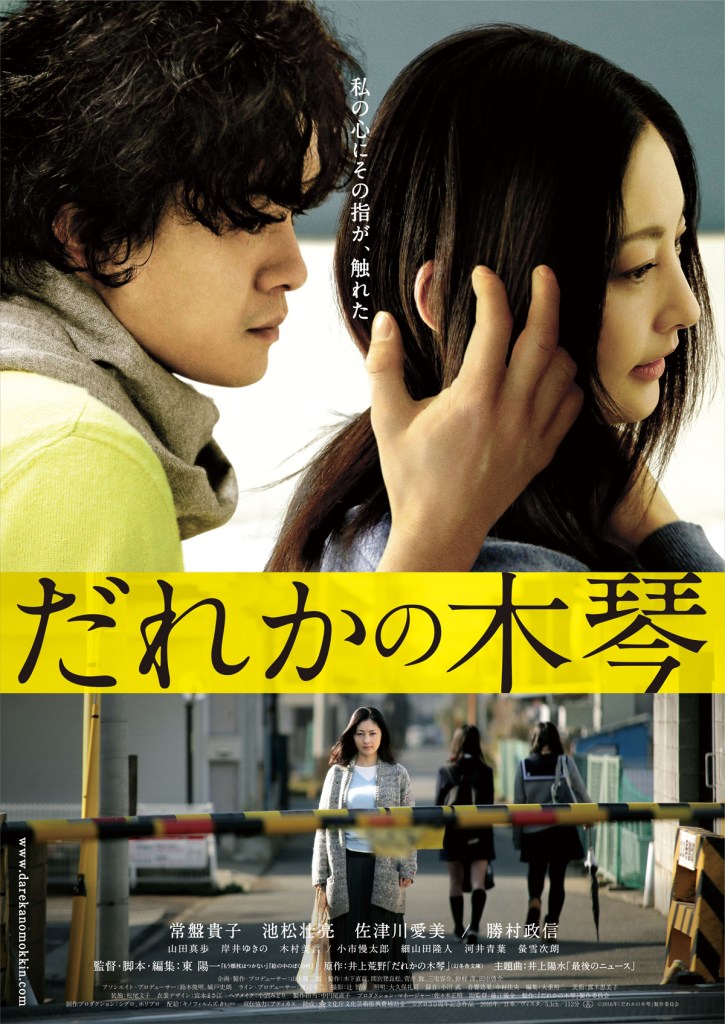 Yoichi Higashi has had a long and varied career, deliberately rejecting a particular style or home genre which is one reason he’s never become quite as well known internationally as some of his contemporaries. This slightly anonymous quality serves the veteran director well in his adaptation of Arane Inoue’s novel which takes a long hard look at those living lives of quiet desperation in modern Japan. Though sometimes filled with a strange sense of dread, the world of Someone’s Xylophone (だれかの木琴, Dareka no Mokkin) is a gentle and forgiving one in which people are basically good though driven to the brink by loneliness and disconnection.
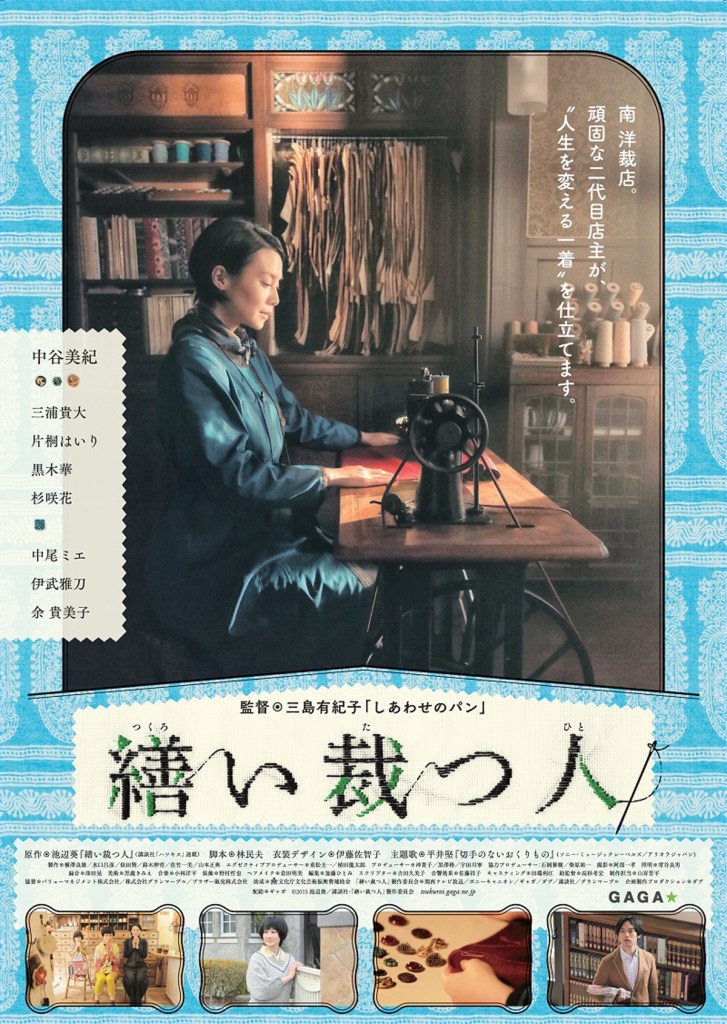 Tradition vs modernity is not so much of theme in Japanese cinema as an ever present trope. The characters at the centre of Yukiko Mishima’s adaptation of Aoi Ikebe’s manga, A Stitch of Life (繕い裁つ人, Tsukuroi Tatsu Hito), might as well be frozen in amber, so determined are they to continuing living in the same old way despite whatever personal need for change they may be feeling. The arrival of an unexpected visitor from what might as well be the future begins to loosen some of the perfectly executed stitches which have kept the heroine’s heart constrained all this time but this is less a romance than a gentle blossoming as love of craftsmanship comes to the fore and an artist begins to realise that moving forward does not necessarily entail a betrayal of the past.
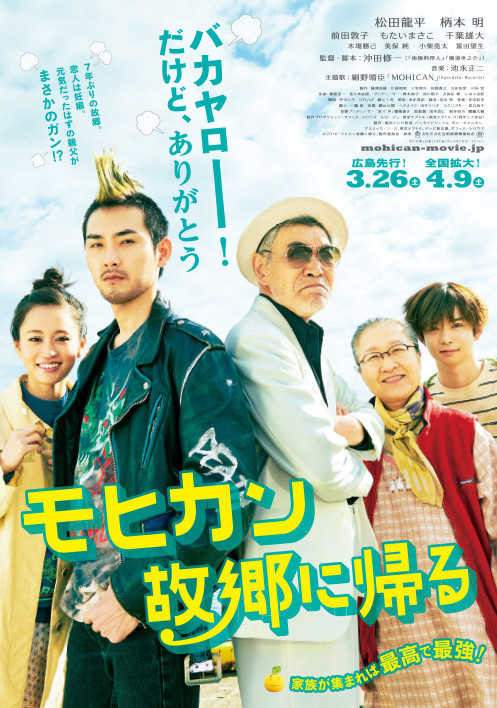 Japan may be famous for its family dramas, but there is a significant substrain of these warm and gentle comedies which sees a prodigal child return to their childhood home either to rediscover some lost aspect of themselves or realise that they no longer belong in the place which raised them. Shuichi Okita’s The Mohican Comes Home (モヒカン故郷に帰る, Mohican Kokyo ni Kaeru) includes an obvious reference in its title to Keisuke Kinoshita’s colourful 1954 escapade
 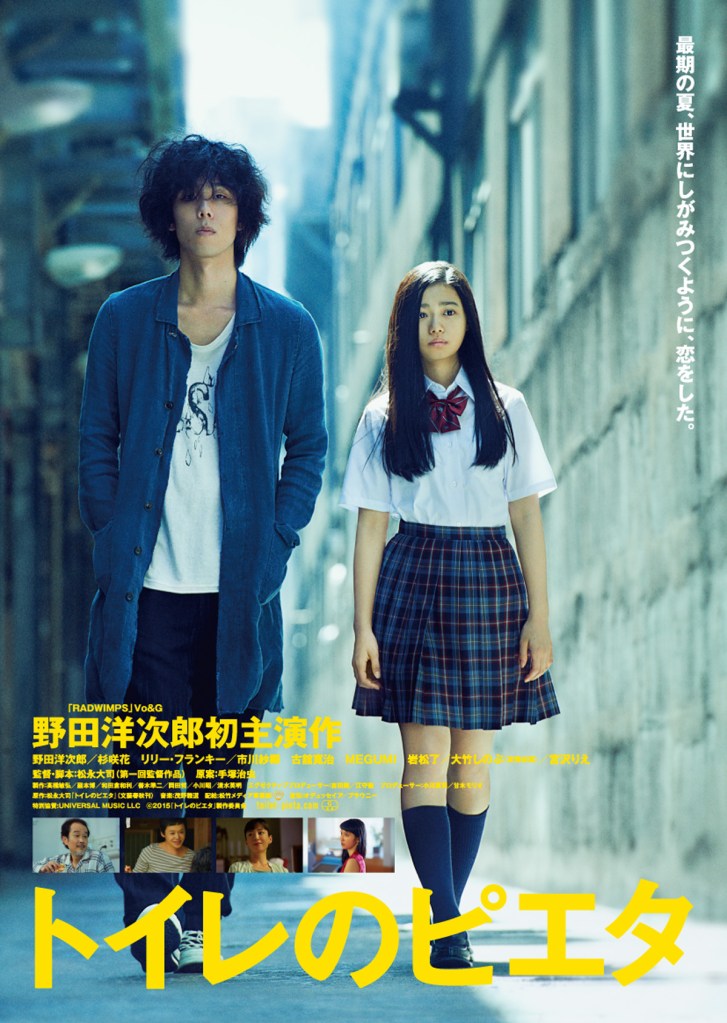 Somewhere near the beginning of Daishi Matsunaga’s debut feature, Pieta in the Toilet (トイレのピエタ, Toire no Pieta), the high rise window washing hero is attempting to school a nervous newbie by “reassuring” him that the worst thing that could happen up here is that you could die. This early attempt at black humour signals Hiroshi’s already aloof and standoffish nature but his fateful remark comes back to haunt him after he is diagnosed with an aggressive and debilitating condition of his own. Noticeably restrained in contrast with the often melodramatic approach of similarly themed mainstream pictures, Pieta in the Toilet is less a contemplation of death than of life, its purpose and its possibilities.
 They say the way to a man’s heart is through his stomach, but for some guys you’ll have to do a whole lot of baking. Based on the popular manga which was also recently adapted into a hit anime (as is the current trend) My Love Story!! (俺物語!!, Ore Monogatari!!) is the classic tale of innocent young love between a pretty young girl and her strapping suitor only both of them are too reticent and have too many issues to be able to come round to the idea that their feelings may actually be requited after all. This is going to be a long courtship but faint heart never won fair maiden.
 Tharlo producer Wang Xuebo looks north in this rare cinematic showcase for China’s Hui people, a largely Muslim ethnic group concentrated in the rural North West. Using a cast of non-professional actors, Knife in the Clear Water (清水里的刀子, Qingshui Li De Daozi) marries a neorealist aesthetic with a Tarkovskian poetry as a widowed man faces the coming end of his own life largely through his self identification with his faithful bull, about to be sacrificed in the name of dead for the pleasure of the living. Setting religion to one side, this tale of rural poverty and people eclipsed by a landscape that’s as unforgiving as it is beautiful has an infinitely timeless quality even if this traditional way of life is just as moribund as the bull which drives it.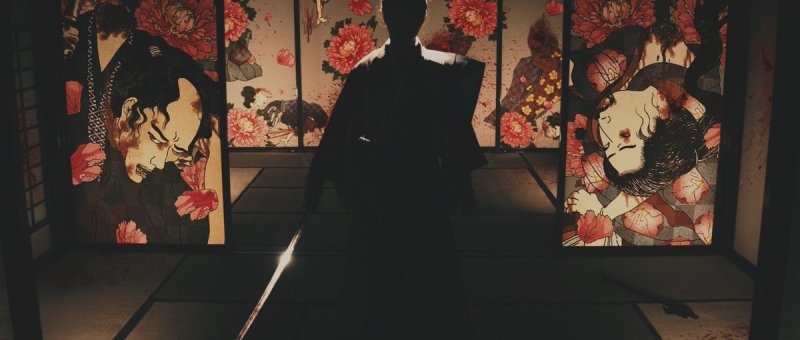
 All life is suffering, and all suffering is caused by desire. Ninko, the titular monk at the centre of this entertaining oddity from Norihiro Niwatsukino, seems to have taken this to heart and is suffering more than most in his attempts to reach Nirvana. Suffering of Ninko (仁光の受難, Ninko no Junan) takes its cues from the Hyaku-monogatari classical Japanese tales of ghosts and the supernatural as its seemingly comic story of a pretty monk and his ironic talent for attracting the wrong kind of attention gradually darkens until its unexpectedly strange finale. Visually striking if a little rough around the edges, Suffering of Ninko has a pleasantly organic quality as if its narrator were really making it up as she goes along only to tire of it a little by the end and give us a suitably spooky conclusion to send us on our way.
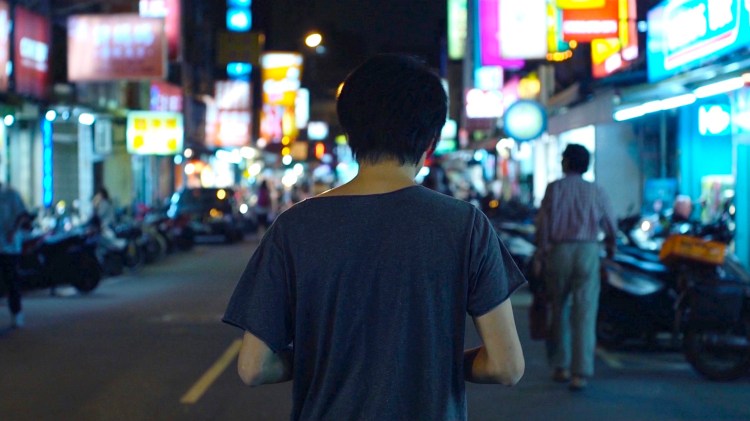 We don’t move forward in this dance, comments the lady currently being waltzed by a charming lost soul. Don’t worry, he says, that’s not a bad thing. Indeed, Out There, the first independent feature film from director Takehiro Ito exists in a fixed yet liminal space, here and not there as its protagonist finds himself without the proper place to be. Conceived as a way of salvaging some of the material collated for a documentary on the late Taiwanese director Edward Yang, Out There takes more of its cues from Tsai Ming-liang or even Lav Diaz in its preoccupation with the intersection between time, existence, and place. If that all sounds to weighty, there’s a little whimsy in here too, but the intent is a serious one as nationhood (or the lack of it), drifting cultures, love and history all conspire to confuse and distract the course of a young man in search of an identity which is entirely his own.
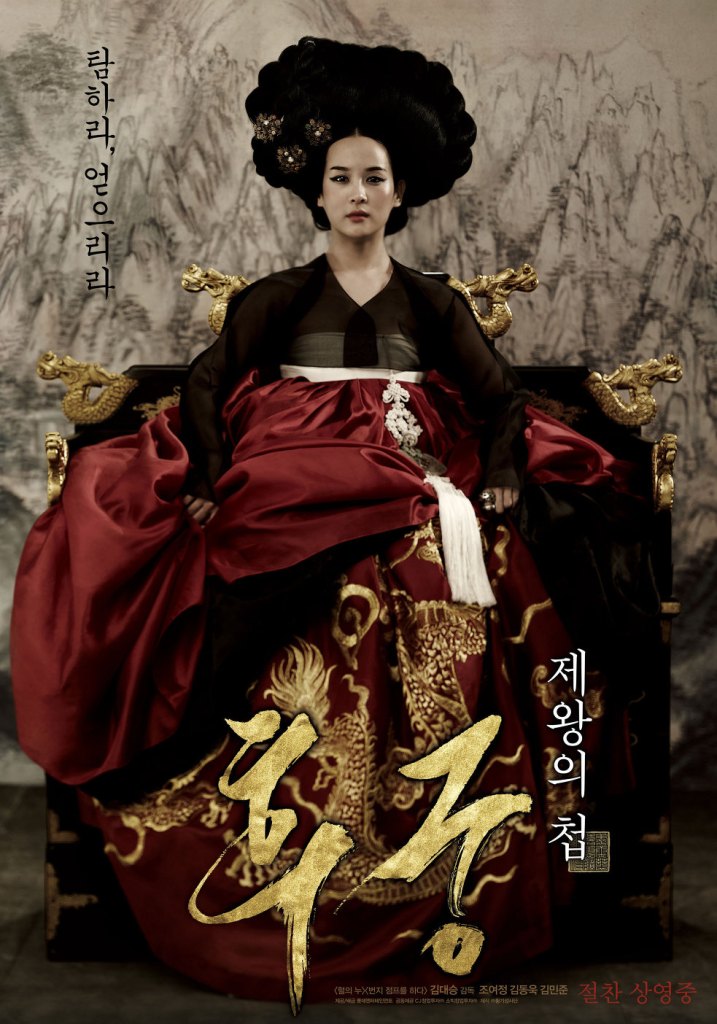 You can become the King of all Korea and your mum still won’t be happy. So it is for poor Prince Sungwon (Kim Dong-wook) who becomes accidental Iago in this Joseon tale of betrayal, cruelty, and love turning to hate in the toxic environment of the imperial court – Kim Dae-seung’s The Concubine (후궁: 제왕의 첩, Hugoong: Jewangui Chub). Power and impotence corrupt equally as the battlefield shifts to the bedroom and sex becomes weapon and currency in a complex political struggle.
 Windows on Worlds