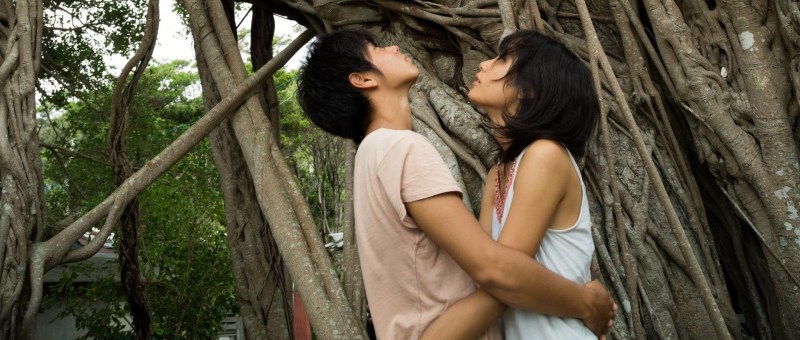
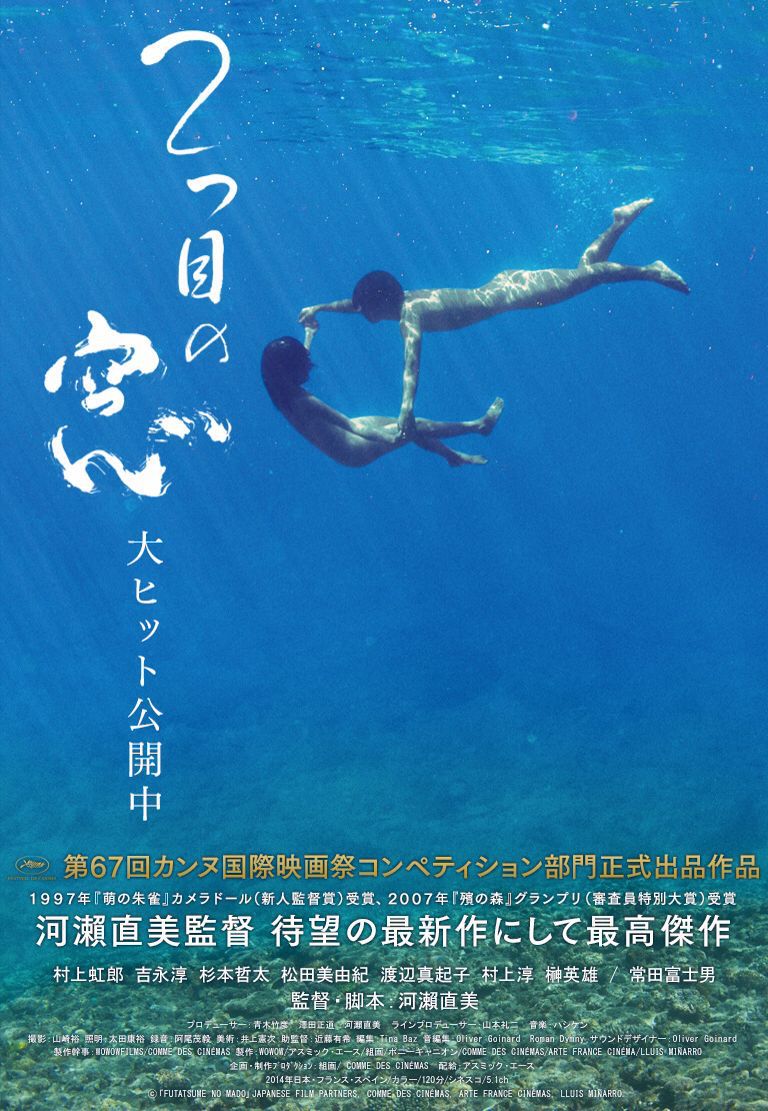
Still the Water (2つ目の窓, Naomi Kawase, 2014)

“Why is it that people are born and die?” asks the heroine of Naomi Kawase’s existential odyssey Still the Water (2つ目の窓, Futatsume no Mado). It’s a question with which the director has long been wrestling, though this time more directly as her adolescent protagonists ponder life’s big questions as they prepare to come of age. Moving away from the verdant forests of Nara Prefecture with which her work is most closely associated, Kawase shifts to the tropical beaches of Amami Oshima, a small island somewhere between Kyushu and Okinawa as two youngsters discover life and death on the shore while contemplating what lies beneath the sea. 

Opening with rolling waves and the graphic death of a goat, Kawase’s trademark visions of nature soon give way to night and the discovery of a tattooed man washed up on the shore made by moody teen Kaito (Nijiro Murakami) who leaves abruptly, walking past the confused figure of his tentative love interest Kyoko (Jun Yoshinaga) with whom he was supposed to meet. The next morning the townspeople are all aflutter with news of the body, confused by the sight seeing as there are few crimes in this community but admittedly many accidents. The cause of death however is an irrelevance, the import is in the body and what it represents. 

First and foremost, it turns the ocean into an active “crime” scene, placed off limits to the locals but Kyoko, a bold and precocious young woman, dives right in in her school uniform and all merely laughing as Kaito remains on the jetty asking her if she isn’t afraid. Raised in they city, Kaito finds the sea disquieting, apparently squeamish of its “stickiness”, describing it as something “alive” only for the bemused Kyoko to point out that she is a living thing too, exposing his essential fear of her as she kisses him and he freezes. On the brink of adulthood, Kaito is afraid to live, afraid of the “death” that change represents, and most of all afraid of the sea inside in the infinite confusion of human feeling. 

That confusion spills over into animosity towards his mother, Misaki (Makiko Watanabe), who, obviously at a different stage of life, exists in a world inaccessible to him. He’s at school during the day while she works evenings at a restaurant so they are rarely together and he’s quietly resentful on coming to the realisation that his mother is also a woman, berating her for daring to have a sex life and flying to Tokyo to attempt a man-to-man conversation with his absent father to figure out why their marriage failed. His dad, however, spins him some poetic lines about fate and romance which don’t really explain anything, paradoxically affirming that he feels more connected to Misaki now that they’re apart while admitting that age has shown him “fate” is less soaring emotion and more an expression of something which endures. 

Kyoko meanwhile is considering something much the same as she tries to come to terms with her shaman mother’s terminal illness, reassured by another priest that although her mother’s body will leave this world her warmth will survive. She and Kaito are treated to a lesson in nature red in tooth and claw as an old man slits the throat of a goat while the pair of them watch something die. “How long will it take?” Kaito asks in irritation, while Kyoko looks on intently until finally exclaiming that “the spirit has left”. Later she is forced to watch as her mother dies but even on her deathbed is painfully full of life, listening to plaintive traditional folksongs and moving her arms in motion with the music as the others dance. 

The old man, Kame, tells the youngsters that as young people they should live life to the full without regret, do what they want to do, say what they want to say, cry when they want to cry, and leave it to the old folks to pick up the pieces. But he also admonishes them for not yet understanding what lies in the sea. It’s Toru, Kyoko’s equally new age father, who eventually talks Kaito out of his fear which is in reality a fear of life, explaining that the ocean is great and terrible swallowing many things but that when he surfs it’s akin to becoming one with that energy and achieving finally a moment of complete stillness. Kaito needs to learn to “still the water”, to bear the “stickiness” of being alive to enjoy its transient rewards while the far more active Kyoko finds solace in her mother’s words that they are each part of a great chain of womanhood which is in itself endless, something Kame also hints at in mistaking the figure of Kyoko walking on the sand for that of her long departed great grandmother. 

Nature eventually takes its course and in the most beautiful of ways as the young lovers learn to swim in the sea in spite of whatever it is that might be lurking under the surface. Death and life, joy and fear and misery, the sea holds all of these and more but they roll in and out like waves hitting the shore and the key it seems is learning to find the stillness amid the chaos in which there lies its own kind of eternity.


Trailer (English subtitles)
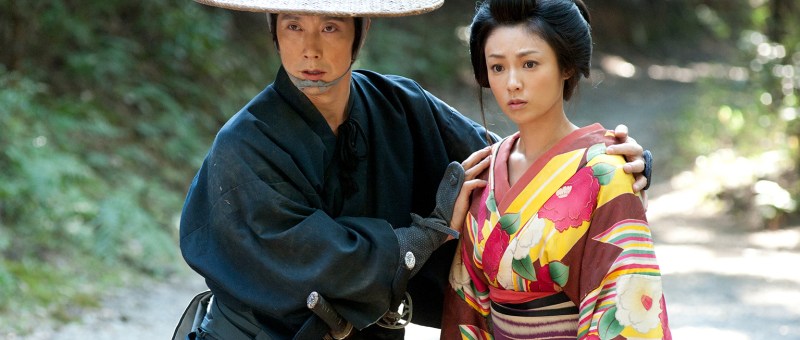
Samurai Hustle (超高速!参勤交代, Katsuhide Motoki, 2014)

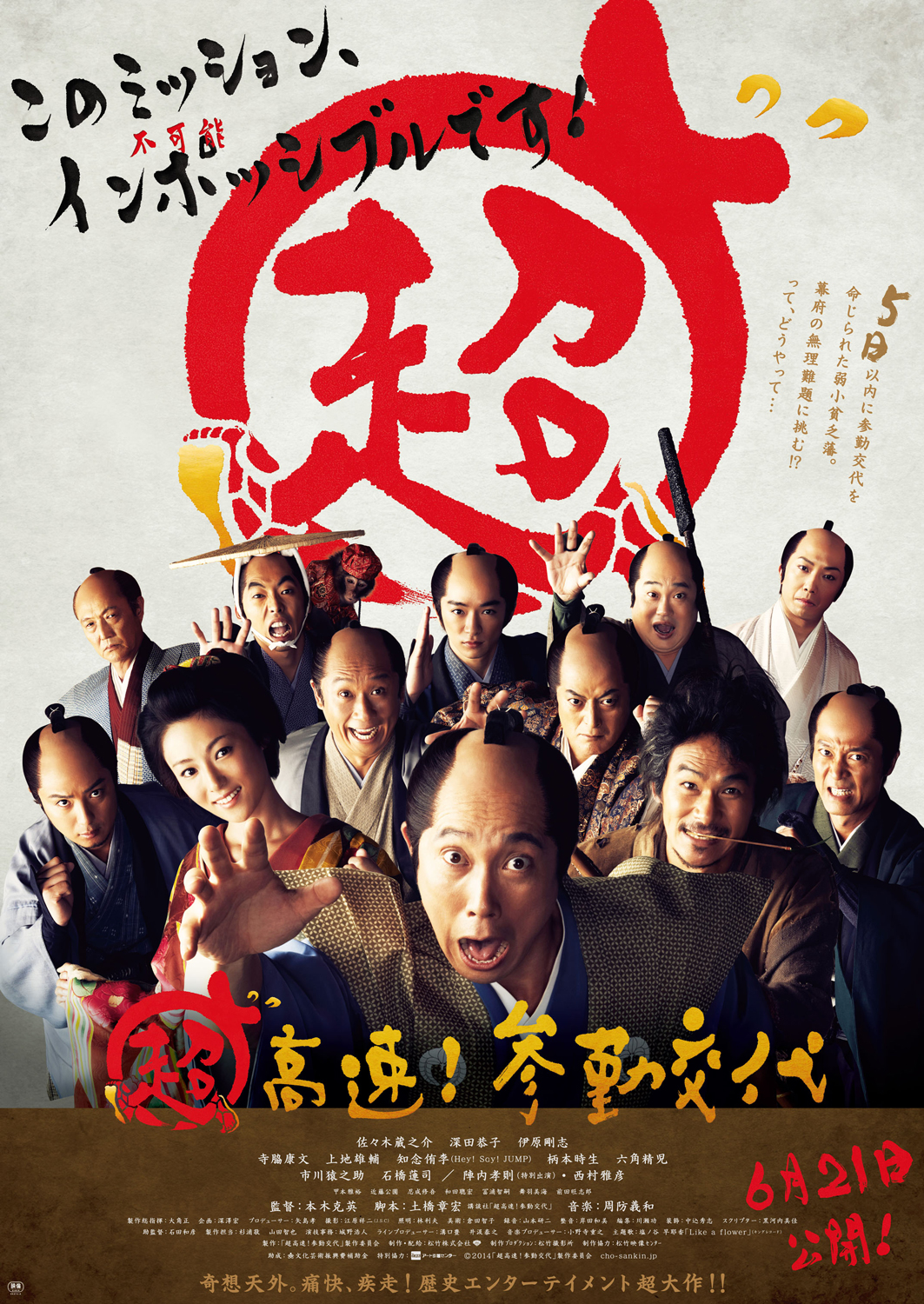
A kindhearted lord finds himself in deep trouble when he’s suddenly called back to Edo despite having just returned from his biennial service in Katsuhide Motoki’s jidaigeki comedy Samurai Hustle (超高速!参勤交代, Chokosoku! Sankin Kotai). Set in 1735, the film is in some senses unusual in pointing the various class biases even with the hierarchal samurai society as the tiny rural clan at the film’s centre are swept into intrigue by the machinations of an ambitious courtier who thinks they lied about their goldmine being extinct and plans to get his hands on it by dobbing them in to the Shogun.

The problem is that they really weren’t lying. The Yunagaya clan is dirt poor, especially after having spent a small fortune travelling to Edo and back. In this era, even distant lords were called to Edo every two years to serve at court. They were expected to parade to the capital in style, showing off their wealth and status as they go which is of course inordinately expensive. The expense was the point. Practices like these along with forcing clans to move domains on a whim were designed to weaken their resources so they’d have no recourse to rebellion even if they were even more annoyed about being forced to travel back and fore for no real reason. 

It took Lord Naito (Kuranosuke Sasaki) and his retinue 10 days to walk home, which is why it’s even more of a shock to get a letter telling them to high-tail it back in five or risk being dissolved by the shogun. Evil retainer Nobutoki (Takanori Jinnai) knows it’s impossible for them to arrive on time which is how he plans to get his hands on the gold. What he didn’t count on, however, is the unexpected scrappiness of a “backwoods samurai” who’s used to having to find ingenious solutions to difficult problems because he doesn’t have the money to solve them. Nobutoki is essentially a snob who looks down on country folk and thinks Naito does not befit the rank of a samurai anyway, sneering at his humble gift for the Shogun of some locally sourced daikon pickles. 

The homeliness of the daikon signals Naito’s down to earth nature as a fairly egalitarian samurai who doesn’t really care about hierarchy and status even if he knows he has to play the game. What he cares about is the safety and happiness of his people, which is one reason he’s going to bust his arse to get back to Edo and clear his name. Aside from his humanitarian principles, also giving away some of their rice stocks to neighbouring clans suffering during a time of famine, Naito is also thought of as an eccentric because of his severe claustrophobia which makes it impossible for him to close the door when using the bathroom, let alone travel in a palanquin, though he’s found an ingenious solution for that one too. 

In an odd kind of paradox, he becomes a defender to proper samurai values in his opposition to Nobutoki who plays fast and dirty, sending out ninja assassins on the road to try to ensure he won’t make it to Edo before the deadline. Meanwhile, he bonds with a feisty sex worker who, like him, is dealing with childhood trauma and is sick of entitled noblemen who look down on the poor despite being a fellow human who as she puts it poops and screws just like everyone else. In a way she frees him from the confines of his hierarchal existence by helping him overcome his claustrophobia, at least while she’s at his side, while he saves her from her oppression by transgressing class boundaries and bringing her into the samurai world if only as a concubine.

Nevertheless, as he warns her, being poor is hard even when you’re a samurai, and ironically his circumstances aren’t much better than hers even if he has a superficial level of comfort and security tempered by his genuine ability to appreciate the simple charms of daikon over fancy Edo cuisine. After all, sometimes samurai become peasants or peasants become samurai and for an impoverished lord like Naito the distinction is fairly thin, though he evidently does his best to protect those around him from both sides of the class divide while remaining unafraid to tell the Shogun exactly what he thinks of him. After all, you’ve got to roll with the times, especially if you’re a backwoods samurai at the mercy of a harsh and arbitrary system but also far enough away from the mechanisms of power to begin to ignore them. 


Trailer (no subtitles)

Chigasaki Story (3泊4日、5時の鐘, Takuya Misawa, 2014)

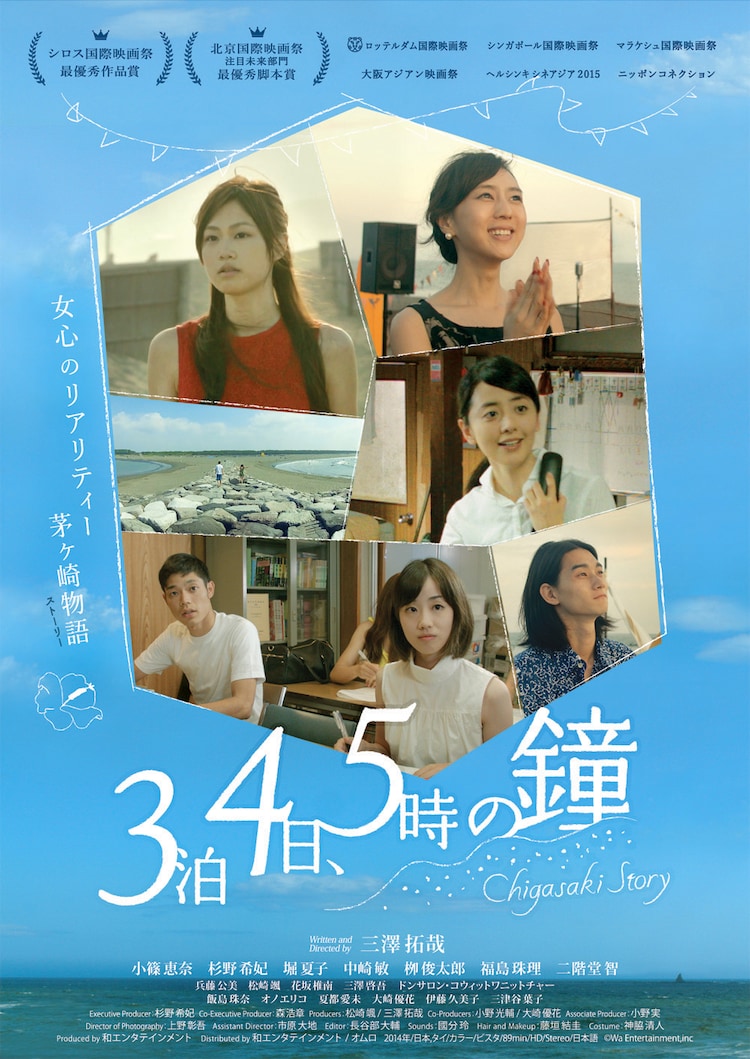
Desire and desperation bubble to the surface at a small hotel making preparations for a wedding in Takuya Misawa’s Chigasaki Story (3泊4日、5時の鐘, 3-paku 4-ka, 5-ji no kane). Though the English-language title may recall Ozu who wrote several of his most highly regarded films while staying at the inn, Misawa pays him only cheerful homage with a series of pillow shots apparently added only as an afterthought while his true inspiration seems to lie in the breezy Rohmerism that has come to dominate a certain strain of Japanese indie cinema over the last decade or so. 

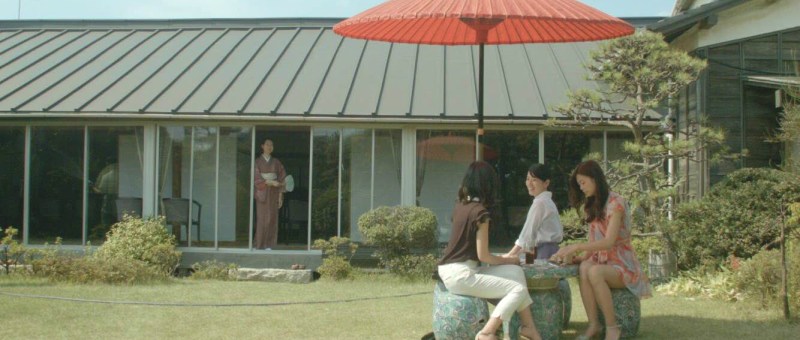
Accordingly the tale is set in the small seaside town of Chigasaki and most particularly at the 115-year-old Chigasaki Inn to which former airline ground crew Risa has recently returned following her marriage to a filmmaker named George whom she met in the course of her work. The couple have already held the ceremony and enjoyed a honeymoon in Hawaii but are now holding a celebratory party for their friends and family in Japan. Meanwhile the inn is also host to a contingent of university students from the same department in which local boy and part-time worker Tomoharu is studying archeology. 

Somewhat meek and mild-mannered, Tomoharu takes his job incredibly seriously and is generally found running around on errands for guests or else cleaning up but his presence becomes a disruptive factor caught between the two groups of visitors instantly captivated as he is on the arrival of Karin, a young and pretty former co-worker of Risa’s who has arrived with the comparatively uptight Miki who has missed nothing in this exchange and is already frustrated by her friend’s wanton behaviour. Miki undeniably has a point when she criticises Karin for putting Tomoharu in an awkward position by inappropriately flirting with him at his job especially as he seems shy and easily embarrassed, but in turn is perhaps also jealous on a personal level intensely irritated when she blows off a plan to visit an aquarium to hang out on the beach with Tomoharu at stupid o’clock in the morning. 

The row only highlights the differences between the mismatched friends though the tables are turned when Miki realises that the students are from her old university and in fact led by her former professor with whom she begins to grow close much to Karin’s consternation. Reverting to her student persona, “workaholic” Miki becomes carefree and uninhibited at once doling out pieces of sisterly advice to the younger women and imposing her company on the students by joining in on their field trip. Her behaviour may in a sense reflect her dissatisfaction with her life as she contends with overbearing bosses having taken over Risa’s role while complaining about Karin’s fecklessness at work and otherwise seemingly jealous of their ill-defined friendship. Risa meanwhile may also be harbouring a degree of doubt in her decision to quit her job, get married, and return to run the family inn especially as her new husband is off working until the day of the party and like everyone else there isn’t really anyone with whom she can share those feelings honestly leading to an unwise if possibility long-term act of rebellion against a potentially stultifying existence that places her at further odds with the already on edge Miki. 

Caught between the women Tomoharu also has a more age-appropriate suitor in an earnest young woman from his class, Ayako, who likes him because of his tendency to care for others while getting on quietly with his work. Attempts to communicate culminate in a lengthy game of ping pong as the angry little balls of truth are batted back and fore across the table until a third player enters the scene and disrupts the flow. Tomoharu had said that his work of piecing ancient bowls back together was different from a jigsaw puzzle because you don’t know what shape it’s supposed to be until it’s finished, which might in a way explain these intersecting relationships as they run through and across each other but ultimately ending up in the place that they’re supposed to be culminating in a wedding party which is either the calm after the storm, an intense act of hypocrisy, or something between the two. 


Trailer (no subtitles)

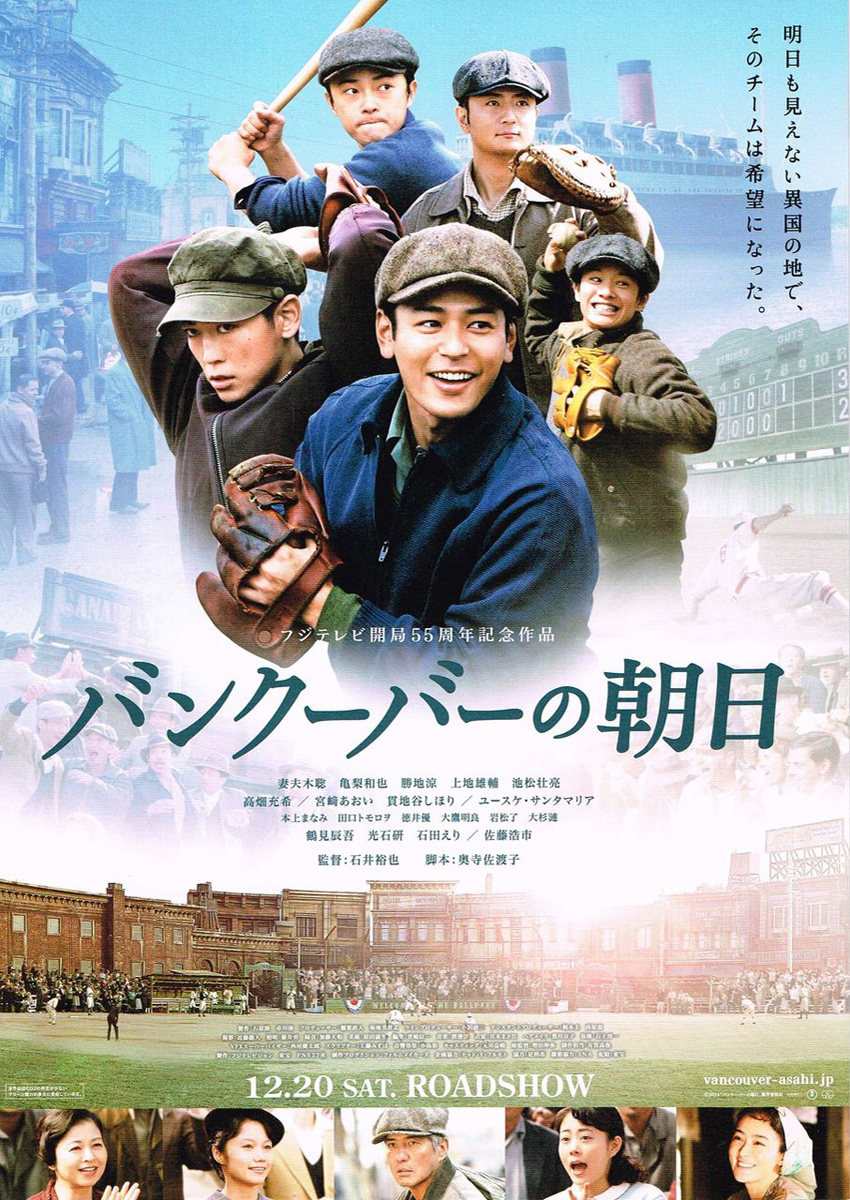
The Vancouver Asahi (バンクーバーの朝日, Yuya Ishii, 2014)

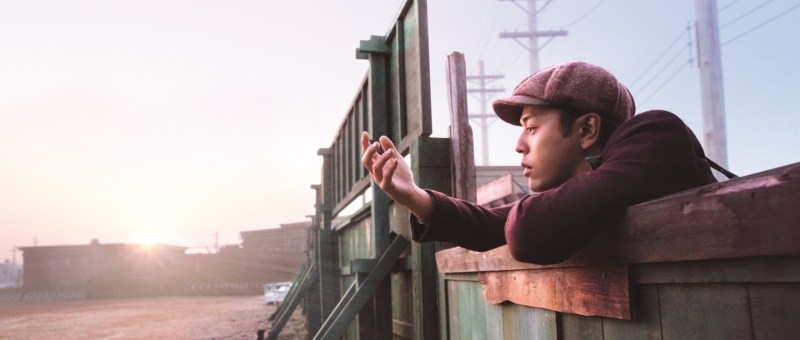
Second generation Japanese-Canadians stake their hopes on baseball in Yuya Ishii’s historical drama The Vancouver Asahi (バンクーバーの朝日, Vancouver no Asahi), inspired by the story of the Vancouver Asahi baseball team which was belatedly granted a place in the Canadian Baseball Hall of Fame in 2003. In many ways a conventional sporting movie in which the underdogs eventually triumph, Ishii does not shy away from the dark shadows of the 1930s even while framing the Asahi’s path to glory as a symbolic punch back against discrimination and oppression. 

As the hero, Reggie (Satoshi Tsumabuki), relates, many like his parents came to Canada at the beginning of the 20th century planning to work for three years and then return to a more comfortable life in Japan only to find themselves trapped in low-paid and exploitative work. Reggie’s main concern is that his drunken and dejected father Seiji (Koichi Sato) still sends the majority of his pay back relatives in Japan meaning their family live like paupers while as he never meant to stay he hasn’t bothered to learn the language or attempt to integrate into the local community. In fact, Reggie is their major breadwinner with his job at the sawmill but the only thing that makes his life worth living is playing baseball with the Vancouver Asahi baseball team even though they are regarded as something of a joke, always at the bottom of the league tables and never actually winning a game. 

The plight of Asahi is closely aligned with that of the immigrant community, divided as it is in its approach to integration with some feeling they should abandon their Japaneseness in order to better get along with Canadians and others fiercely determined to hang on to their traditions. When Reggie admits that they can’t win against the power of the Canadians it feels as if he’s talking about more than just baseball though his solutions are perhaps apt for both in realising that to beat strength you need to be smart. What he comes up with is essentially a bunt and run strategy that plays to their advantages of speed and lightness but also at times feels to him like a trick or a gimmick, an admission that they can’t compete in the normal way. “Why are you always apologising?” Reggie is repeatedly asked, his shyness and mumbling speech always seeking to keep the peace while his desire to offer justification is less as one Japanese old lady puts it “a bad habit of their culture” but a defence mechanism in an environment of potentially violent oppression. 

As Japanese migrants the family faces constant xenophobic micro aggressions, a woman at the hotel refusing to let Reggie’s bellboy friend Frank (Sosuke Ikematsu) carry her bags while they are also suspected as thieves or harassed by the local Canadians. Reggie’s hothead friend Kei (Ryo Katsuji) finds it increasingly difficult to keep his cool, not least as it turns out because his father was killed fighting for the Canadians in the last war and yet he is still treated as a dangerous outsider. Meanwhile, they are paid only half the wages of the Canadian workers, expected to work unreasonable hours, and can be fired without warning. Now an ageing man, Seiji is still a casual labourer fighting for a place on a truck to work at a quarry or construction site often in other towns away from his family in order to get more money. The team is constantly losing players because men lose their jobs and focus on finding new ones or moving away. As one old man laments, there’s no job security and even if you go to a Canadian university it won’t make any difference to your job prospects. Reggie’s sister Emi (Mitsuki Takahata) was on track for a scholarship only to have it pulled at the last minute when parents of the other kids complained it wasn’t right it was going to a Japanese girl. 

After the hotel fires all of its Japanese staff, Frank decides to go “back” to Japan where relatives will help him find work but pointing out to Reggie that he’ll still be seen as an outsider even there and there’s no guarantee anything will be any better in Japan. Poignantly the guys later catch sight of him in a newsreel as a soldier having been sent to the Machurian front. Once war breaks out they are discriminated against again, forced out of their homes and interned leaving all their property behind and destroying their small community, the Asahi included. The team’s unexpected success had forged a bridge between the Japanese and Canadian communities but it was not strong enough to survive the war. Stepping away from the sports movie, Ishii concentrates more on the ways they were betrayed, the team’s success later buried and forgotten while they find the advances they’d made washed away on the shore as if to suggest their strike back against an oppressive society could never be more than superficial while their position remains so precarious. 


Trailer (no subtitles)

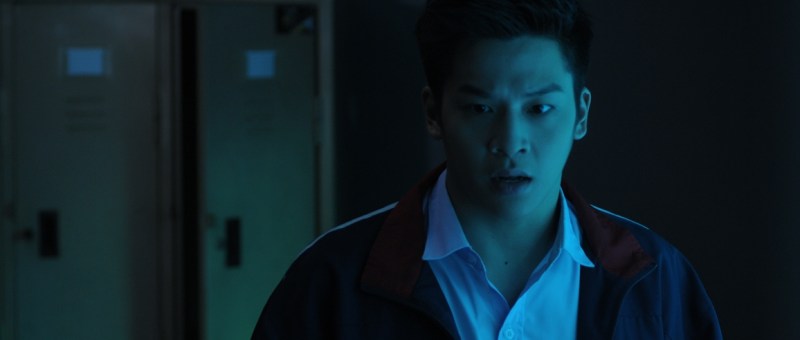
The Swimmers (ฝากไว้..ในกายเธอ, Sophon Sakdaphisit, 2014)

Fragile masculinity and male failure bring about tragic consequences in Sophon Sakdaphisit’s possibly ironically named psychological horror, The Swimmers (ฝากไว้..ในกายเธอ). Though some might alternately claim that its final resolutions are overly moralising or else morally ambiguous, it’s also true that the film otherwise has a progressive quality in suggesting that it wasn’t sex itself that was the problem but the failure to use protection and a subsequent inability on the part father to accept any responsibility for an unplanned pregnancy. 

At least, though it is revealed only gradually, it seems obvious to us that high schooler Perth (Chutavuth Pattarakampol) must have fathered Ice’s (Supassra Thanachat) baby and has kept quiet about it amid rumours that she took her own life after becoming pregnant. In actuality, there’s a lot more to it than that, but it appears as if he does this mostly out of a sense of awkwardness because Ice had been the girlfriend of his best friend and rival, Tan (Thanapob Leeratanakachorn), who, though they had broken up, is now determined to enact revenge on the dirtbag who got Ice pregnant and then presumably left her to deal with it on her own at which point she decided to end her life.

We can see that Perth idolises Tan and feels inadequate in his presence. After Ice’s death, he hooks up with another girl, Mint (Violette Wautier), and asks her if she would have been interested in him if hadn’t just won a gold medal in the swimming tournament. There are others that say he only won because Tan was not able to compete. Though Ice asks him to tell Tan about their relationship himself, Perth can’t do it and continues to act sheepishly around his friend out of some kind of bro code or fear of disappointing him. But we might also wonder if his desire for Ice is only a way of mediating his desire for Tan in the context of the obviously homoerotic relationship between them though in another sense it’s perhaps more that he simply wishes to become Tan and would be glad if he were out of the way. If that were the case, however, he’d forever be haunted by the spectre of his own inadequacy with no way of knowing if he could ever really have beaten his rival and psychologically will always be in second place. 

His failure to measure up to Tan also impacts on Perth’s fragile masculinity as his coach, who has begun an affair with his mother, pressures him to eat raw eggs to improve his stamina. The fact it’s eggs he’s eating has a continual irony while Perth begins to exhibit a degree of gender confusion as he puts on weight and loses his athletic physique. He’d jokingly told Ice, after explaining he didn’t bring a condom, that he’d carry the child if they got pregnant and is now convinced that, like the seahorses they’re learning about in class, he is actually gestating his unborn baby. Perhaps as Ice would have to have done, he wears baggy jackets, binds his belly, and attempts to hide his physique at the swimming pool in the hope of concealing what he fully believes to be a pregnancy that is also the result of his latent guilt for his treatment of ice coupled with the awkwardness of Tan finding out it was him who fathered her child.

Perth’s secrecy and cowardliness are directly contrasted with the equally problematic masculinity exhibited by Tan in his obsession with revenge which sees him attempt to hack Ice’s phone and social media accounts before later beating up another boy Perth had set up as a scapegoat. One could argue much of this could have been avoided if Perth had only been honest with Tan from the beginning about his relationship with Ice, but he was incapable of doing so and is willing to go to extreme lengths to conceal the truths about himself. Sophon Sakdaphisit, however, reveals them to us patiently and exposes Perth as an unreliable narrator, a snivelling coward and insecure sociopath who will do anything and everything to avoid facing reality. Though the film may suggest that he will face no consequences for his treatment of Ice, it simultaneously implies that he will forever be haunted by the spectres of his inadequacy, male failure, and hopelessness no matter how he may otherwise prosper in life.


International trailer (English subtitles)

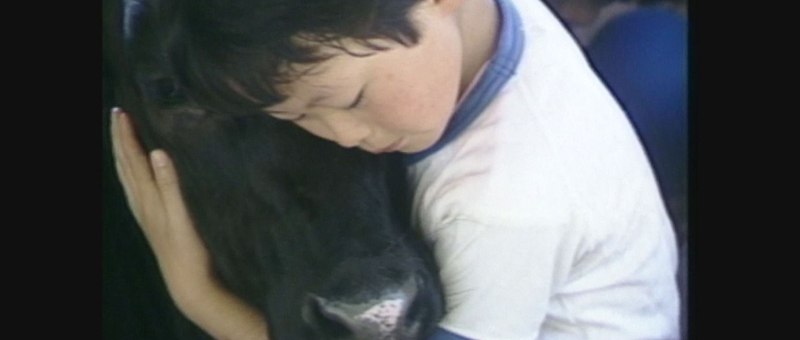
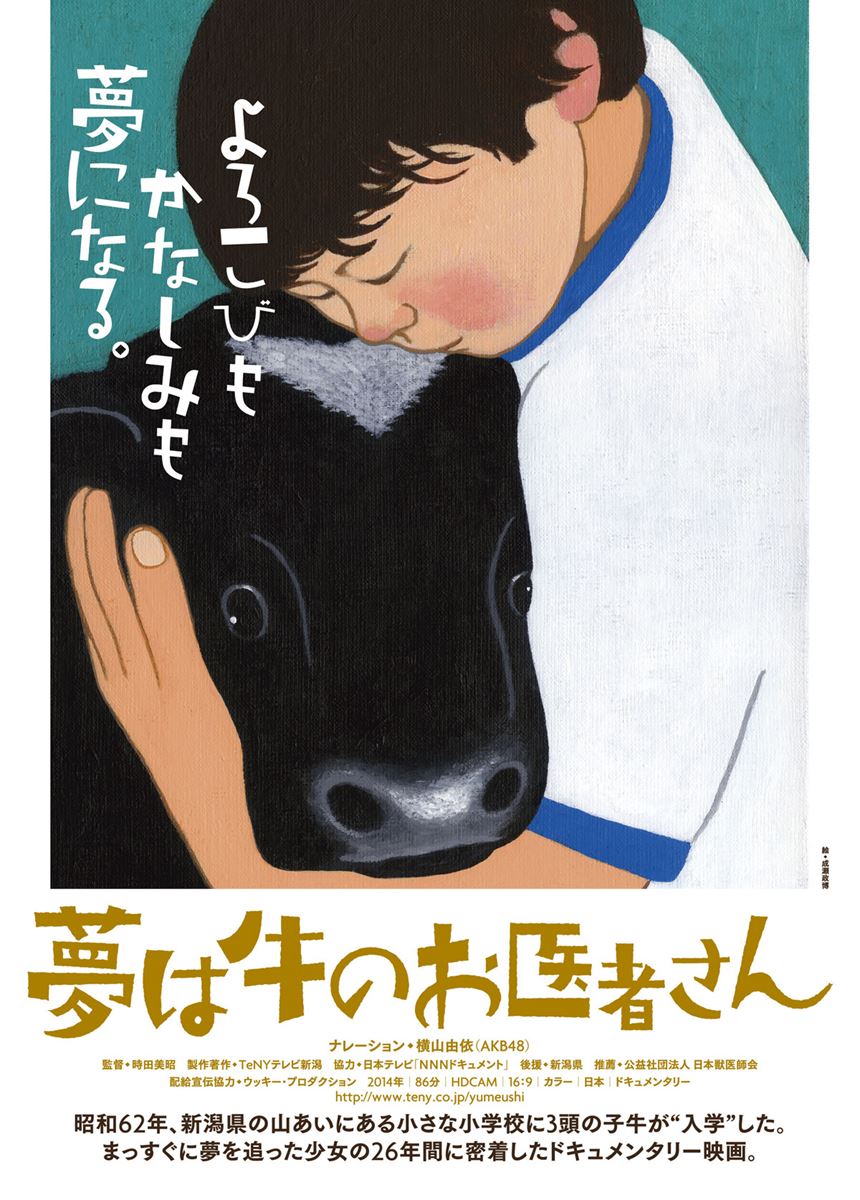
A Little Girl’s Dream (夢は牛のお医者さん, Yoshiaki Tokita, 2014)

The Japanese title of Yoshiaki Tokita’s observational documentary A Little Girl’s Dream (夢は牛のお医者さん, Yume wa Ushi no Oisha-san) is “I Want to be a Cow Doctor”. Following his heroine over a period of 25 years, Tokita attempts to tackle such varied themes as rural depopulation, the difficulties faced by those working in the agricultural industry in the late 20th century, and the changing ways of life in the countryside while essentially telling an inspirational story about a little girl who managed to achieve her childhood dream through hard work and perseverance and is now living a happy and successful life. 

As might be imagined, these competing themes produce a tension in Tokita’s filmmaking, not least among them the paradox in that by becoming a “cow doctor” Tomomi will necessarily become complicit with an industrial system in which it can never be forgotten that these are “economic animals”. Tokita opens the film with scenes from 1987 when he first began the documentary while filming a piece for NHK about a rural school which took on three calves as “new students” because there were no pupils admitted that year and therefore no graduation ceremony. These are all rural children and perhaps they are under fewer illusions about where their meat comes from, but it can’t be denied that raising an animal that will later be sold is emotionally difficult even for adults let alone nine-year-old children. 

Consequently many of them cry during the “graduation ceremony” they hold shortly before the cows are to go to auction (we later find out they were all bought by the same local dairy farmer who agreed to the children’s request they be kept together like siblings). Having become quite attached to them, Tomomi determined to become a vet after noticing many of the cows suffered from health problems. She adopts a “pet” cow at home, along with various other animals including a rabbit, though her family also raises cattle and it isn’t clear what actually happened to the calf in the long term. 

The documentary only briefly touches on the difficulties of rural living on remarking that the family, who were primarily rice farmers, began raising cows as a means of supporting themselves through the winter so that Tomomi’s father would not have to leave the village to look for other work as many of the other farmers are forced to do leaving their wives and children behind. It also only briefly touches on the problems of rural depopulation in referencing the small number of pupils in the school which eventually closed a short time after Tomomi graduated while she had to leave home at 15 and live in a dorm to attend high school because there was no local access to continuing education. By the time the documentary concludes, there are only 20 houses still occupied in her home village, her parents’ among them. 

Meanwhile, Tomomi’s father remarks on the change in his business circumstances following international trade deals which have made it more difficult for local farmers to compete. Despite the compassion that gave birth to Tomomi’s dream, it is impossible to escape the reality that these are “economic animals” and that there is a monetary value placed on their lives. She has to make life or death decisions based on cost effectiveness rather than what is kindest and inform the farmer when the treatment costs would exceed the amount they could expect to earn from the animal in the future whether in terms of meat, births, or milk. Tomomi’s father had originally objected to her desire to become a vet in part because of the physical demands of dealing with large animals but also the emotional in an uncertainty that a woman will be able to set compassion aside in the course of her work. 

There is then a minor irony, in that Tomomi achieves her dream of becoming a cow doctor but does so by switching focus in deriving the pride she feels in her work from her ability to assist farmers and their continuing faith in her. The passage of time is evident in Tokita’s changing media from the home video-style VHS of 1987 to a more commercial widescreen in the closing stretches, yet his scattershot capture of the key moments in Tomomi’s path towards fulfilling her childhood dream occasionally robs them of their power while he remains otherwise torn between his inspirational tale and the grimness that sometimes lies behind it.


Hello! Junichi (ハロー!純一,  Katsuhito Ishii, Kanoko Kawaguchi, Atsushi Yoshioka, 2014)

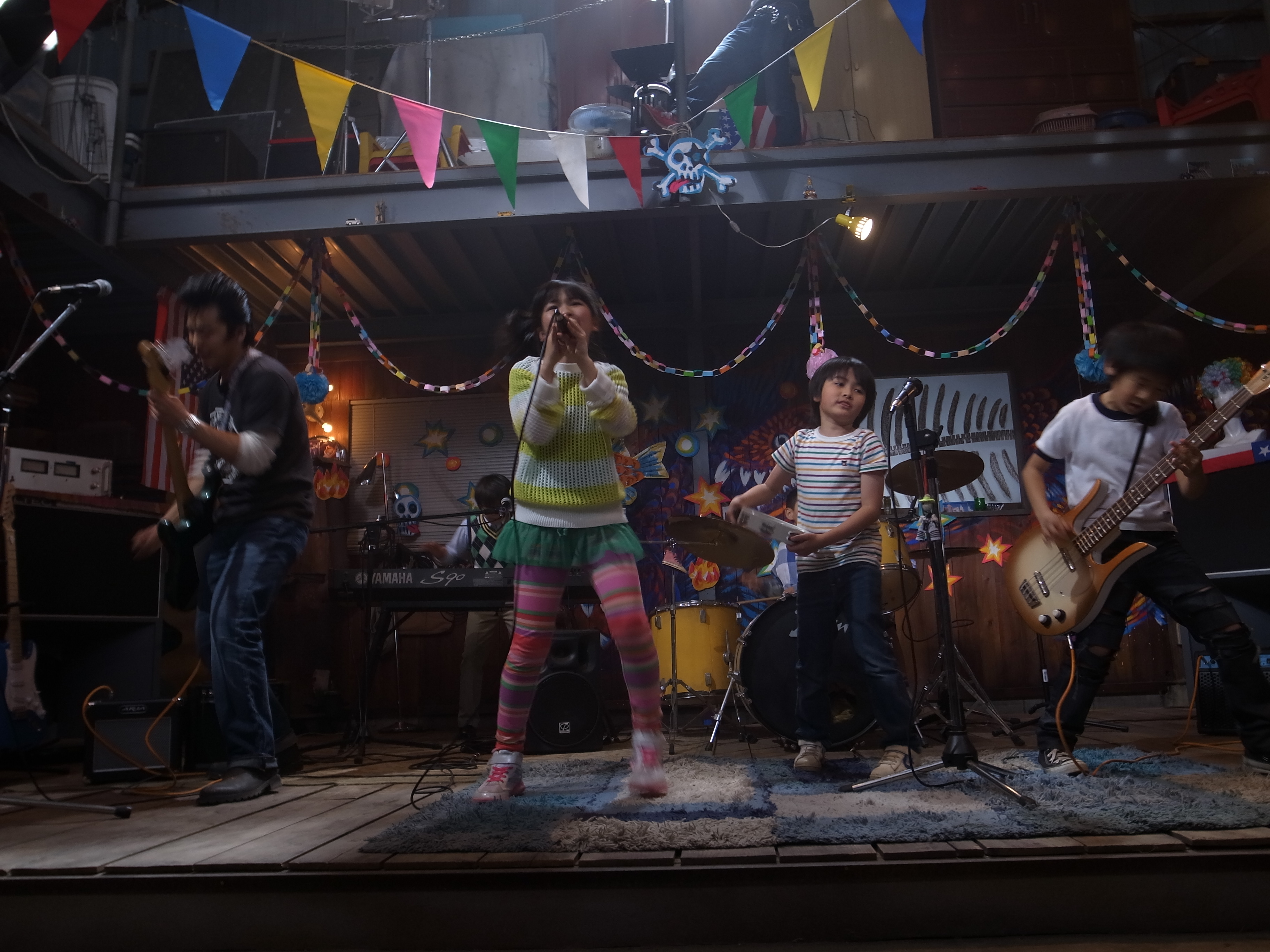
A collection of confused nine-year-olds decides the best way to solve all their problems is to start a band in charming kids ensemble movie, Hello! Junichi (ハロー!純一). Co-directed by Katsuhito Ishii, Kanoko Kawaguchi, and Atsushi Yoshioka, the film is more linear and less surreal than most of Ishii’s other work but has a refreshing take on the childhood adventure movie as the kids each deal with their various problems many of which still plague the adults around them. 

After all as kindhearted rocker Takao (Ryu Morioka) admits, the children aren’t really all that different from us. Shy and a little on the timid side, Junichi (Amon Kabe) is a peripheral member of his friendship group and perpetual fall guy who lists his only talent as the ability to carry everybody’s bags. His main problem is that he borrowed a rabbit-shaped eraser from his crush, Maeda, about a month ago and is too shy to return it. Now all he can think about is whether he should pluck up the courage or pretend to have forgotten. Things get more complicated when a new student teacher, the beautiful Miss Anna (Hikari Mitsushima), joins his school and confiscates the eraser as part of a cruel power game before agreeing to give it back if he helps her find out who scratched an offensive word into the side of her flashy car. 

Miss Anna is either the best teacher in the world or the absolute worst. She arrives dressed for a night out and puts on a cutie pie act for her dejected middle-aged boss Achikita (Yoshiyuki Morishita) which she immediately drops as soon as he leaves the room inappropriately giving the children far too much information about her personal life but they do at least get some maths out of it. She also smokes by an oil can round the back of the building and talks like an aggressive high school girl when her boss’ back is turned, but eventually comes round to her responsibility as a teacher after bonding with the kids. 

In comparison to some, Junichi’s problems aren’t really all that big except that his parents have to work late so he often has to prepare dinner for himself and his philosophising grandpa (Tatsuya Gashuin). Kuramoto (Yohei Hotta) meanwhile is beginning to act out at school because he’s got problems at home caused by his father’s gambling addiction which forces his mother (Chizuru Ikewaki) to run herself ragged just to stay afloat. With Miss Anna’s help, the kids decide to put on a concert for Mrs Kuramoto’s birthday which might on one level be charmingly naive but does in the end seem to cheer her up while allowing them to bond over their shared issues many of which are romantic in nature. 

During the opening sequence in the park, child actor Machida (Shoma Suginomori) had given the other boys some grown up love advice he picked up on set which amounted to getting girls to like you by giving them cliched compliments such as remarking on the beauty of their smile. It’s not terribly good advice and a little a bit patronising not mention insincere, but amusingly enough is the same approach eventually taken by Takao when he and Miss Anna awkwardly try to address their mutual attraction. In the end, she has to concede that she doesn’t know what to say either and they end up having a rather childish conversation about favourite foods which is all to say it doesn’t get any easier and the adults don’t necessarily know much more than the kids. 

Then again, there are some distinctly bad examples in Achikita’s thankfully ineffective attempt at workplace harassment and stalking of Miss Anna even if he eventually gives the most important life lesson in dressing down a trio of teenage bullies by telling them they have to learn love and appreciation or they’ll be weak men incapable of protecting anyone. Protecting people is something Junichi’s been worried about too, especially after failing to act when he spotted female classmate Tanaka (Rio Sasaki) duct taped to a pole by the bullies though she thankfully managed to save herself while uttering some particularly choice language for a nine-year-old. Still as his grandfather tells him he’s an unpolished stone. He has a weak side and a strong side and is still in the process of settling though the real business of growing up may be knowing which to be when. Charmingly quirky and infinitely warmhearted, Ishii, Kawaguchi, and Yoshioka masterfully capture an authentic sense of childhood anxiety while suggesting that none us is really so different after all. 


Hello! Junichi is out now the UK on blu-ray as part of Third Window Films’ Katsuhito Ishii Collection.

Original trailer (English subtitles)

Flowing Stories (河上變村, Jessey Tsang Tsui-shan, 2014)

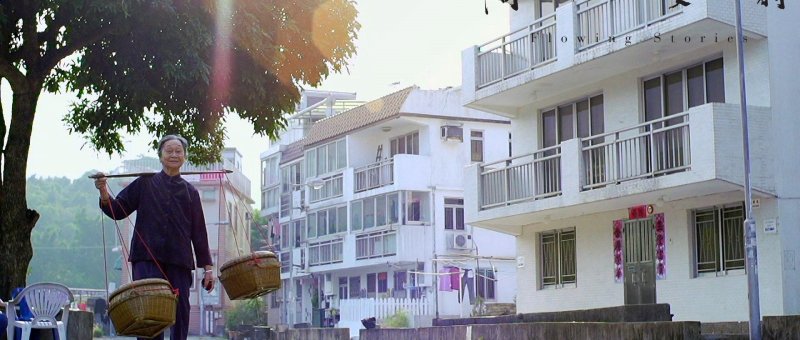
Shooting in her own home village, documentarian Jessey Tsang Tsui-shan spins a meandering tale of diaspora and dislocation in her 2014 documentary Flowing Stories (河上變村). Beginning in the small village of Ho Chung in which almost all of the residents have gone abroad to find work, the film charts the paths of migration along with the hardships discovered both at home and away while centring the village festival held every 10 years as a point of reunion as sons and daughters return in celebration of an idealised village life the modern world has denied them. 

Tsang begins her tale with Granny Lau, an elderly lady who lived next-door to her when she was a child whose relatives often brought her souvenirs from Europe. As Granny Lau explains, her life was always hard. She married Grandpa Lau at 19 in an arranged marriage but he left to find work abroad soon after, returning only a handful of times in 20 years during which they had several children Granny Lau had to raise alone. She describes her familial relationships as without affection, her husband a virtual stranger to her while she also had to work in the fields leaving her disconnected from her sons and daughters. Later, many of them traveled to Calais to work in the restaurant Grandpa Lau had set up with the intention of reuniting his family in France. 

The children who went also talk of hardship, being unable to speak the language and mixing only with other migrants from Hong Kong many from the same the village. Fourth daughter Mei Yong remarks that only the thought of the village festival kept her going when she came to Calais at 17 leaving all her friends behind and having nothing much to do other than work in the restaurant. Her sister-in-law says something similar, that when she arrived she was immediately put to washing dishes and only reprieved when the children were born but that wasn’t much better because the only source of entertainment available to them was to have dinner together. The second of the sisters Mei Lan moved to London with her husband and still doesn’t know the language, having regular mahjong parties with with her neighbours who are also from Hong Kong and many of them nearby villages. 

Most of the others say they don’t think they’ll ever move back, as Grandpa Lau eventually did, because they’ve spent more than half their lives abroad and have had sons and daughters who have grown up and made lives in other countries. But for Mei Lan it’s different because she has no children. She and her husband regret the decision to go abroad, suggesting they did so because their parents encouraged it thinking it would be easier for them to find work but really there were opportunities to be had in Hong Kong and they might have been happier living in a place where they spoke the language. 

But life is hard in every place, and equally for those who leave and those who are left behind. Some reflect on the changing nature of Ho Chung with its new settlement across the river dominated by detached houses which has, a daughter who moved to Edinburgh suggests, disrupted the sense of community. Where people once rarely closed their doors and neighbours wandered through each others homes helping each other out where needed, now everyone is scattered in disparate settlements. Then again, Granny Lau seems to think that sense of community is largely a myth explaining that in her day you had to do everything yourself, no one was going to feed your cow or plough your field if you couldn’t do yourself.

In her own way strangely cheerful in her stoicism, Granny Lau is a tough woman who asks why she would cry for a husband who was over 80 years old when he died, insisting that she had “nothing to be nostalgic about” and counting herself lucky as long as she has two meals a day. Now only around 900 people remain in the village, while it is said that the Shaolin Temple may be looking to build a new complex in the area as the natural vistas are disrupted once again by diggers further eroding the traditional qualities the village festival celebrates. The stories of migration flow in and out of Ho Chung taking pieces of the of the village with them as they go but equally leaving behind a melancholy sense of loss for a disappearing way of life.


Flowing Stories screened as part of this year’s Hong Kong Film Festival UK.

Original trailer (Traditional Chinese / English subtitles)

We Are Moluccans (Cahaya Dari Timur: Beta Maluku, Angga Dwimas Sasongko, 2014)

A motorbike courier finds himself torn between conflicting priorities when his community is threatened by internal strife in Angga Dwimas Sasongko’s inspirational sporting drama We Are Moluccans (Cahaya Dari Timur: Beta Maluku). As the title suggests, team sports provide a means of communal healing fostering both hope and unity among the young but even so the traumatic memories of the recent past prove hard to overcome while the older generation struggle in the wake of their own broken dreams and contradictory responsibilities. 

At the turn of the century, a violent conflict breaks out between Muslim and Christian communities who had until that point lived together in relative peace. With his motorcycle courier business disrupted by the ongoing chaos, former youth footballer Sani (Chicco Jerikho) begins coaching a collection of local boys mostly as a means of keeping them away from the immediate violence of the riots. As the situation begins to stabilise, his new responsibility to the children places a strain on his relationship with his wife, Haspa (Shafira Umm), who complains that he spends too much time giving back to the community while the family is struggling economically to the extent that she can no longer extend their tab at the grocery store. His old football friend Rafi (Frans Nendissa) is also struggling with his fishing business having lost most of his crew who fled the area’s violence and so the two of them begin to make the football club more formal but it soon becomes clear that they each have differing goals and responsibilities that endanger their partnership and the commitment they’ve made to the boys.  

At several points Rafi, not to mention Haspa, criticise Sani for what they see as irresponsibility while some of the other village men also accuse him of unmanliness for choosing to look after the children rather than fight with them to protect the village. His problem is that he’s too kind hearted but is entirely unable to order his priorities torn by the necessity of providing for his family and following through on the commitment he’s made to the neighbourhood boys. He often gives his hard won money away to those in need, angering his wife who cannot understand why he continues to help others rather protect his own family even giving away money he’d saved for their youngest daughter’s vaccinations and abruptly selling their goats without discussing it with her when she’d earmarked them as an emergency fund to pay the enrolment fees when the oldest daughter starts school. 

Because of the ongoing violence, many of the boys are in single parent families and live in relative poverty often needed to help out with their parent’s businesses. To begin with many are fine with them playing football so long as it keeps them safe but as they begin to grow older attitudes harden, many believing that it’s a “pointless” waste of time and too much of a distraction when the children should either be earning money or studying. Sani becomes a kind of surrogate father teaching the boys diligence and responsibility even if struggling with the same in his personal life but obviously cannot overcome the social and economic difficulties of small town life all on his own. His original goal was only to keep the children safe and ensure they had happy childhood memories that weren’t about hate, violence, and fear, whereas Rafi is much more ambitious floating the idea of opening an official football school while eventually deciding to run for public office further adding to Sani’s sense of personal inadequacy. 

“Nothing can destroy us as long as we have will to live a better life” Sani later tells the children, mistaken it seems in his belief that they would find it easier to overcome the differences between them when acting as head coach for a team representing the entirety of the local area. Many of the original team resent the introduction of “outsiders” from the nearby Christian town, but the difficulties turn out less to be about religion or community than trauma, the source of the problem being that the father of two of the Christian boys is a policeman whom another of the players blames for his own father’s death. While such tensions exist within the group the team continues to fail, losing not because of a lack of ability but because they cannot overcome the legacy of trauma to work together. The problem is only solved through a reassertion of their commonality as “Moluccans” rather than Muslim or Christian ironically forged in opposition to their current other which happens to be a team from Jakarta, the urban pitted against the rural. 

In any case, Angga Dwimas Sasongko’s inspirational drama eventually makes the case for mutual forgiveness as path toward putting the past to rest in order to move forward into a kinder and more prosperous era. The emotional closing scenes provide both a personal sense of acceptance in as Rafi begins to put his pride aside to support the local team while Muslims and Christians come together to listen to the nail-biting penalty shootout through their respective contacts in the auditorium after the TV broadcast cuts out before extra time. Demonstrating the power of sports to overcome cultural barriers, We Are Moluccans finally advocates for the right to dream as the youngsters begin to develop self-confidence and a sense of possibility while working together towards a clearly defined goal. 


We Are Moluccans streams in Poland until Nov. 29 as part of the 15th Five Flavours Film Festival.

Trailer (English subtitles)
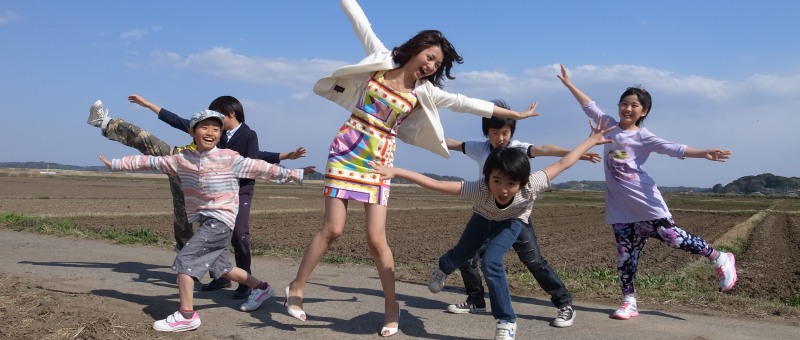
Seven Weeks (野のなななのか, Nobuhiko Obayashi, 2014)

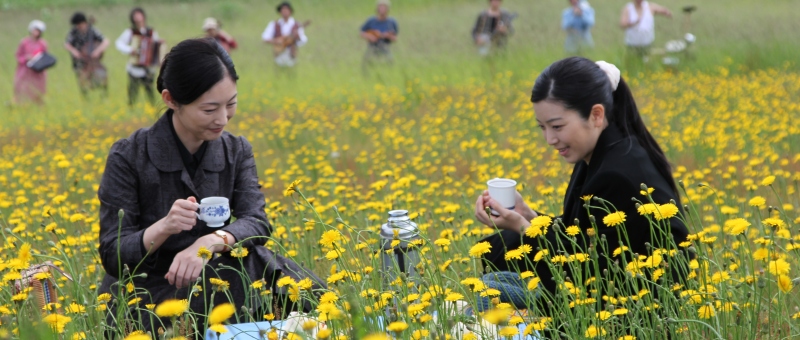
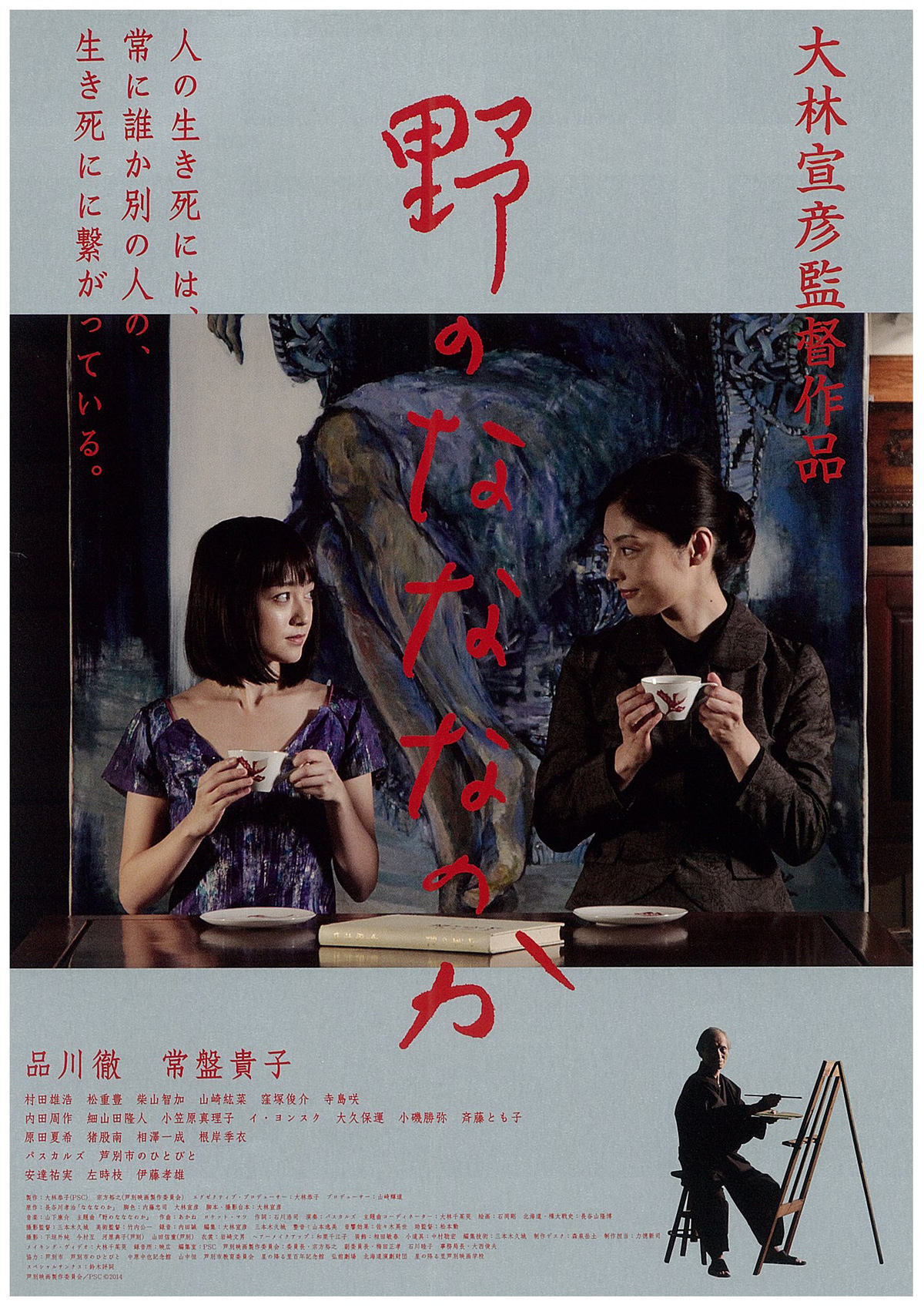
“A death is a history” runs an opening title card in Nobuhiko Obayashi’s poignant existential drama, Seven Weeks (野のなななのか, No no Nanananoka). Returning to some of the director’s key themes, Obayashi’s adaptation of the novel by Koji Hasegawa takes its name from the traditional Buddhist period of mourning reminding us that life and death is a continuous cycle in which all lives are necessarily tied to one another. Some may later ask if those connections are also constraints, thinking perhaps of the sometimes onerous burdens of family, but even they later reflect on the necessity of human ties while contemplating the confluence of the eternal and the transient. 

The death we’re being asked to witness is that of 92-year-old Mitsuo Suzuki (Toru Shinagawa), a former doctor and owner of what some view as a junk shop, who is discovered collapsed by his granddaughter Kanna (Saki Terashima) only to die a few days later at the time shown on his permanently broken wristwatch which also happens to be the time the Great East Japan Earthquake struck in 2011. Soon his extended family begin to arrive beginning with long widowed sister Eiko (Tokie Hidari), grandson Fuyuki (Takehiro Murata) and his daughter Kasane (Hirona Yamazaki), and Kanna’s brother Akito (Shunsuke Kubozuka) while Fuyuki’s brother Haruhiko (Yutaka Matsushige) and his wife Setsuko (Tomoka Shibayama) will make it only in time for the wake. Throwing all into confusion is the unexpected arrival of a mysterious young woman, Nobuko (Takako Tokiwa), later revealed to be a nurse who once lived with the family and fulfilled the role of mother for Kanna and Akito whose parents were killed in a car accident while they were still young. 

Nobuko is in many ways the key to a mystery yet also a cypher, more than one woman at the same time as if in a sense resurrected from Mitsuo’s traumatic memories of love and war in the time of his youth. At his wake, men of a similar age spin their own war stories, Eiko reminding the young that their youth was war and perhaps they’ve a right to romanticise it for all of its terrible cruelty. Mitsuo didn’t go to the front but found himself a victim of shifting borders, ironically a descendent of settler colonisers as a native of Hokkaido travelling to the disputed island of Sakhalin in search of a friend and in the company of the young woman who was engaged to him but with whom he was himself in love believing the war was over only to discover no one had told the Russians and that wars do not end at the same time for everyone, or for some at all. 

In an ironic touch, great-granddaughter Kasane participates in an excavation of an old mine once staffed largely by forced Korean labour, an elderly woman plaintively singing Arirang over the dig site, only to later visit a similar location which has become the “Canada World” tourist attraction including a replica of the house from Anne of Green Gables. As she, Eiko, and Kanna reflect on the changes in the town there’s a minor sadness that the mine has closed which seems somewhat incongruous, even as the wholesomeness of coal from the ground is favourably compared with the dangerously intangible qualities of nuclear energy. Nevertheless, conflicted nuclear engineer Haruhiko later stakes his future on renewable energy, neatly echoing the sense of circularity in a continuous cycle of death and rebirth in which one life is necessarily tied to another and therefore to all lives. 

“We got along with the Russians in Sakhalin before the war” Mitsuo’s friend Ono (Takao Ito) laments, musing on the senselessness of conflict in its propensity to draw lines between people which divide rather than connect. Mitsuo’s death is indeed “a history tying the past and future”, a minor allegory for that of his nation as he contemplates lost love and the end to wandering that is death which leads in turn to new beginnings. “You want to look away. You want to forget about it”, Mitsuo confesses, “but you can’t. You have to remember so that it’s never repeated”. Through their 49-day odyssey, the family members begin to edge their way towards a less anxious if still uncertain future. “We might lose people but not hope” Kanna expounds, recommitting herself to the hometown spirit while opening up to the possibility of romance, while her brother does something much the same, as does her uncle Fuyuki even as his daughter conversely gives up on a possibly inappropriate crush to shift into a more mature adulthood. “We will go on peacefully” runs the final title card, a mission statement for the foundation of a better world. 


Seven Weeks streams in the US July 9 – Aug. 6 as part of Japan Society New York’s Tragedies of Youth: Nobuhiko Obayashi’s War Trilogy season in collaboration with KimStim.

Original trailer (English subtitles)