Crazy Samurai Musashi (狂武蔵, Yuji Shimomura, 2020) [Fantasia 2020]

Action star Tak Sakaguchi rose to fame in Ryuhei Kitamura’s low budget zombie movie Versus, thereafter starring in a series of similarly pitched splatter and exploitation films as well as appearing in long running tokusatsu series Kamen Rider and making his own directorial debut with manga adaptation Be a Man! Samurai School in 2008. Much to fans’ disappointment, Sakaguchi announced his retirement as a performer in 2013, but has since made several high profile returns to the big screen including Yuji Shimomura’s Re:Born in which he played a former JSDF elite soldier living quietly in the countryside until an old enemy tracked him down. 

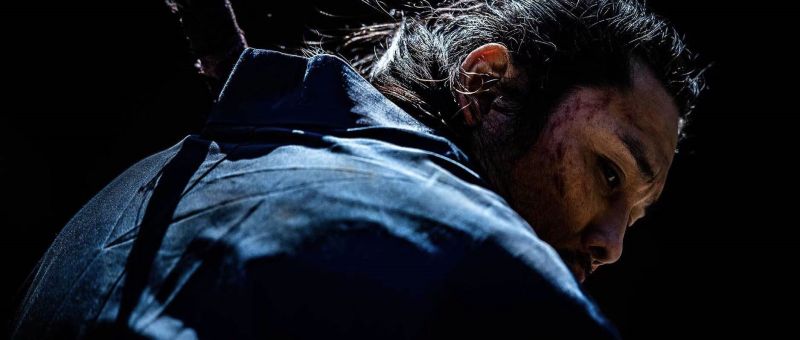
Again emerging from semi-retirement, Crazy Samurai Musashi (狂武蔵, Kurui Musashi) sees Sakaguchi reunite with Shimomura to play the most famous of legendary samurai Miyamoto Musashi in an all out action fest including a 77-minute one cut assault during which he singlehandedly kills 588 men. Unsurprisingly light on dialogue, the film credits Sion Sono with original concept and Atsuki Tomori with screenplay who do at least add a little context which frames this, to an extent, as a tale of merciless samurai hypocrisy and the fallacy of “honour” as a code for living. 

As the film opens, a small boy stares in wonder at a white butterfly before being reminded that he has, as the head of this clan, apparently challenged the great Miyamoto Musashi to a duel in revenge for his murder of two of their previous leaders. Affable retainer Chusuke (Kenta Yamazaki) tells the boy not to worry, he’s not going to let anything happen to him, but stops short of explaining that he’s really just a kind of bait. Nevertheless, Chusuke has his reservations about their plan. After all, it’s not very befitting of a samurai’s honour to challenge someone to a private duel but invite 400 retainers to the surprise party. 400 against one seems faintly ridiculous. It might even be embarrassing if anyone else finds out, but then as the priest (Yosuke Saito) says you can just kill them too. In any case, while Chusuke is talking to the priest and the mercenaries are busy arguing with the retainers, Miyamoto Musashi sneaks through the perimeter and fells the small boy who is technically the “leader” of the clan with one flying sword blow, kickstarting a scene of utter carnage as he attempts to fight his way out of the compound.   

“How many more?” Musashi asks in exasperation during a momentary pause, later doing a few calculations. He thought there’d be about 70, but it feels like he’s killed a few more than that. True to form, the samurai warriors largely follow the protocols of honour. They fight one-on-on, and only at the end does anyone attempt to attack Musashi from behind. He makes swift work of them, taking each man out with maximum economy, occasionally challenged by complete randomers who apparently aren’t even part of the clan, they just really don’t like him. Though necessarily repetitive, Shimomura’s innovative, non-stop fight choreography follows a realtime, broadly naturalistic logic in which duels are generally brutish and short. Musashi begins to tire as he continues to fight for his life, taking brief breaks for water, food, and existential questioning, before heading back into the fray. 

“Duty? Honour? Who gives a crap? I just wanna win” he later says in what is simultaneously a rejection and an embodiment of the samurai code. “I’ll die one day anyway” Musashi chuckles to himself before rejoining the fight, wilfully embracing the nihilism of the samurai existence that allowed him to kill a child without thinking twice. Chusuke failed to protect his honour, or save his clan, his earnestness perhaps betrayed by his mentor’s underhandedness in unwisely hiring vast numbers of mercenaries and sending his own unprepared students, many of whom simply flee (a wise decision), to face off against an unstoppable killing machine. Paradoxically, Miyamoto Musashi will survive because he doesn’t care about playing fair, he may not even care about surviving, all he wants is to win. “A kid who knows nothing of war”, Chusuke’s stubborn insistence on illusionary samurai honour will lead only to more suffering and violence while all Musashi can do is sigh in resignation and ready his sword. 


Crazy Samurai Musashi streams in Canada from 20th August to 2nd September as part of this year’s online edition of Fantasia International Film Festival.

International trailer (English subtitles)
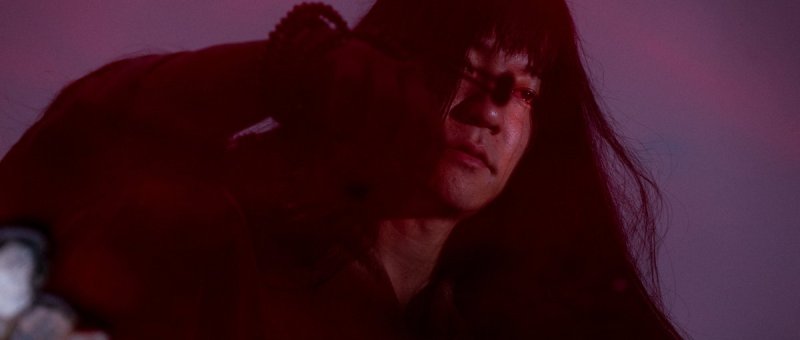
The Day of Destruction (破壊の日, Toshiaki Toyoda, 2020)

“I want to create a movie that exorcises Tokyo of its possession by the spectre of capitalism.” so goes the introduction* given by director Toshiaki Toyoda to the crowdfunding project for his latest mid-length movie, The Day of Destruction (破壊の日, Hakai no Hi). Set to open on July 24, the day which should have marked the opening of the 2020 Olympic Games had it not been for their postponement, The Day of Destruction returns Toyoda to the disillusioned rage of his early career in a painful wail of protest against an infinitely self-interested society in which there is “a price tag on our lives fluttering in the wind”. 

Toyoda opens in black and white with snow falling like ash across the gate of a shuttered mine. City slicker Shinno (Ryuhei Matsuda) has come to see the monster, and he’s brought an envelope of cash for just that purpose, handing it to former miner Teppei (Kiyohiko Shibukawa) now unemployed thanks to the “rumours” of what might be lurking in the darkness. Shinno presses on alone and discovers a pulsating, gelatinous mass at the end of his path but merely laughs, muttering “one hell of a monstrosity has been born, huh?” as he turns around and walks away seemingly unimpressed.  

Shifting into colour and the present day, Toyoda pans past the Diamond Princess cruise ship, controversially quarantined for two weeks in Yokohama Harbour, before taking us straight into the city of Tokyo and the Olympic stadium which he then implodes with the “Genriki” spiritual power later explained onscreen, ending on the face of a mummified monk. Back in the country, at the Mt. Resurrection-Wolf shrine mountain ascetic Kenichi (Mahi To The People) is attempting to mummify himself as a sacrificial offering to stop the “plague” which has been spreading since the monster’s discovery but his efforts are disrupted by an earthquake which sends him into existential torment from inside his coffin while collapsing the mine in which the monster had taken root. 

On his way to rescue Kenichi, Teppei, apparently a former monk himself now working as a mechanic, encounters a crazed salary man ranting that the monster has infected us all. He’s not the only troubled soul Teppei encounters, later passing a woman in the middle of her shopping screaming that we’re all in hell and it’s the monster’s fault, but as head monk and herbalist Jiro (Issei Ogata) points out, nothing can destroy the evil spirit haunting the town because you cannot kill what is intangible. You can’t end the plague by killing the monster, only by curing it because the monster is a part of nature too. Humans possessed by demons are cured by humans who might also in fact be demons themselves. There is only imperfection and co-existence. All you can do is show the way. 

The irony is that Kenichi, eaten up by rage and resentment over the death of his younger sister Natsuko (Itsuki Nagasawa) from the epidemic, thought he could change the world through prayer fiercely believing in the prophesied return of the Maitreya but if there is a Maitreya here it is Natsuko who appears to each of our heroes and eventually reveals the only real cure to her brother in instructing him to heal himself. Only by changing himself can he change the world. With the power of his Genriki, he knocked the demon of apathy out of Teppei but now he must point the finger within towards his own darkness, the rage and impotence that has in its own way made him selfish and left him blind to the true nature of sickness blighting his society. 

That sickness is embodied in the stadium that looms in the background of the hospital rooftop where Kenichi meets his sister, explaining that he sees no point in competition and that the Olympics are nothing more than a “greed-filled field day”. The crazed salaryman bangs on the palace doors begging to be let in, berating the “politicians, landowners, bankers, and monks” for locking themselves away in safety, refusing their responsibility to those like him. Kenichi says he’s going to change the world through prayer, but Natsuko, child of summer, tells him nothing will change, not her or her illness. You can’t change the world by withdrawing from it, mummifying yourself is not the answer in fact it’s the essence of the problem and somewhat symptomatic of Kenichi’s egotistical saviour complex. You have to start with yourself, but in the end we save each other or nothing ever changes. 

As topical as it’s possible to be, The Day of Destruction was shot in only eight days from June 22 to 30 with editing and postproduction on the incredibly rich sonic experience lasting until July 20 with the DCP arriving at cinemas the day before the release date of July 24 which is of course the “Day of Destruction” that should have marked the opening of the 2020 Olympic Games. It makes direct reference to the official wording of the government advice urging “self restraint” in light of the pandemic and situates itself in the “broken days of summer” of a lost year. Yet for all the fatalism and despair it also reminds us that “Everyone on Earth is a central player, we’re all in the same boat called Generation”, calling out for change but pointing an accusatory finger directly at the camera to remind us where the responsibility lies.


The Day of Destruction streamed for one day only as as part of this year’s Japan Cuts.

Original trailer (English subtitles)

*translation by Ben Dimagmaliw of Indievisual

Voices in the Wind (風の電話, Nobuhiro Suwa, 2020)

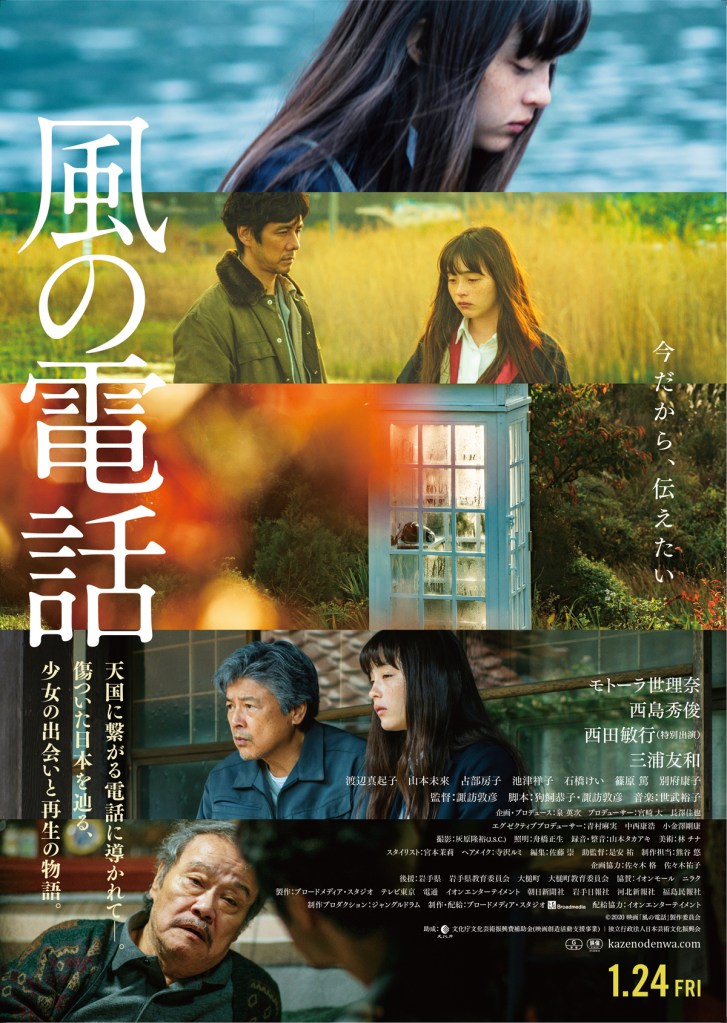
Shortly before the devastating earthquake and tsunami struck the coast of Japan in March 2011, a resident of Otsuchi constructed the “wind telephone” as a way of “communicating” with a relative who had recently passed away. As his words would obviously not reach him in the usual way, he hoped they might be carried on the wind though like a letter never intended to be sent, the sentiment is perhaps more important than the delivery. In the years since the disaster, over 30,000 people have picked up the receiver, hoping to reconnect in some way with those they’ve lost. Widely reported in the international media, the story of the Wind Telephone brought director Nobuhiro Suwa back to Japan for the first time in 18 years after a career mostly spent in Europe as a young woman attempts to come to terms with the past in order to find the strength to continue living in the wake of such devastating grief. 

Nine years old when the tsunami struck, 17-year-old Haru (Serena Motola) lost everything in a single moment. Her family home was destroyed, her parents and younger brother swept out to sea their bodies never found. Since then she’s been living in Kure, Hiroshima, with her aunt Hiroko (Makiko Watanabe) who suggests making a visit to Otsuchi to attend an event celebrating the town’s rejuvenation but Haru is understandably reluctant. When Hiroko is taken ill suddenly, however, she finds herself making the trip alone, reeling in her sense of abandonment and in search of some kind of answer to her sorrow. 

Throughout the course of her journey she encounters many other griefstricken souls, not all of them in a direct sense at least affected by the earthquake but carrying a heavy burden all the same. A concerned old man who spots Haru lying vacantly in a quarry and takes her home reveals that he did so in part because she had an absent look that reminded him of his sister who took her own life over a decade previously. “Stay alive” he pleads with her as he drops her off at the local station after a good meal and an oddly cathartic conversation with his elderly mother who spoke of her memories of the atom bomb and a relative who went to the city in search of his wife’s family but returned only with a funeral urn which, to her consternation, contained no bones only a button from a student’s jacket. 70 years later she still feels ashamed for her six-year-old curiosity to know what human bones looked like. 

This sense of what remains and what is swept away becomes central to Haru’s ongoing journey. It isn’t just the people who are gone, but the spaces they inhabited and memories contained within them. An elderly gentleman (Toshiyuki Nishida) finds himself reduced to tears while watching an old comedy he must have seen countless times before, overcome with grief on seeing the paddies and fields as they once were while a local folk tune plays in the background. The man who travels with Haru for much of the trip, Morio (Hidetoshi Nishijima), declares himself homeless but does in fact have a home only one he can’t bear to visit, while Haru’s no longer exists at all, reduced to foundations still partially submerged yet overgrown as nature begins to reclaim its territory. 

Meanwhile, she discovers other kinds of grief and displacement in meeting the family of a Kurdish refugee who went to Fukushima to help after the earthquake but is now indefinitely detained by immigration officials while they decide on his case. The man’s daughter, perhaps slightly younger than Haru, explains to her that she’s acted as an interpreter in hospitals for other Kurdish women who are often isolated and speak little Japanese. She’s decided that she’d like to become a nurse to go on helping people, but Haru can find little of her positive forward motion, stuck as she is in the past with no real concept of the future.

But then, there are also signs of life. The first people who pick Haru up hitchhiking are a cheerful heavily pregnant woman and her more serious brother. The woman confesses that she’s having the baby on her own, and that many did not approve of her decision thinking her too old at 43 to become a mother. “Isn’t it amazing how we can just make another person?” she exclaims, “It’s like there’s a whole little universe inside you”. In the midst of all this grief, there is life too, not to mention warmth and kindness such as that found in each of those who help Haru on her way until she finally reaches the telephone. 

Using mostly improvised dialogue, Suwa’s European arthouse aesthetic has an elegiac quality as Haru edges her way towards an accommodation with her grief, resolving to live on even in the wake of tragedy. “Because I’m alive I remember all of you” she adds, acknowledging her place with the grand sweep of history. “It’s OK”, Morio tells her, “you’ll be OK” speaking for himself as much as anyone else, looking towards a possible future if in memory of the irretrievable past.


Voices in the Wind (風の電話, Kaze no Denwa) is available to stream in the US until July 30 as part of this year’s Japan Cuts.

Original trailer (English subtitles)

Fukushima 50 (フクシマ50, Setsuro Wakamatsu, 2020)

The “Fukushima 50” (フクシマ50), as the film points out, was a term coined by the international media to refer to the men and women who stayed behind to deal with the unfolding nuclear crisis at the Fukushima Daiichi Nuclear Power Plant. Loosely inspired by Ryusho Kadota’s non-fiction book On the Brink: The Inside Story of Fukushima Daiichi which featured extensive interviews with those connected to the incident, Setsuro Wakamatsu’s high production value film adaptation arrived to mark the ninth anniversary of the devastating earthquake and tsunami which occurred on 11th March, 2011 and closes with a poignant callback to the plant’s role in Japan’s post-war reconstruction as the nation once again prepares to host the (now postponed) Olympics with a torch relay beginning at Fukushima as a beacon of hope as the country continues to rebuild in the wake of the disaster. 

Though inspired by real events Wakamatsu’s dramatisation is heavily fictionalised and while surprisingly frank for a mainstream film in its criticism of the official reaction to the disaster, is also quietly nationalistic while doing its best to pay tribute to the selfless sacrifice of the plant workers who stayed behind to do what they could many of whom had little expectation of surviving. Chief among them would be Izaki (Koichi Sato), an imperfect family man and veteran section chief, and the plant’s superintendent Yoshida (Ken Watanabe) who are both local men and old friends. Local, it seems, is later key with multiple appeals to the furusato spirit as each is at pains to point out that they stay not only to prevent a catastrophic meltdown that would leave most of central Honshu including Tokyo uninhabitable, but because they feel a greater duty to protect their hometown and the people in it. 

Meanwhile, they find themselves burdened rather than assisted by official support as government bodies’ political decision making undermines their attempts to avert disaster while the boardroom of TEPCO who operate the plant reacts with business concerns in mind. A few hours in the prime minister (Shiro Sano) decides to make a visit, in political terms he can’t not national leaders who don’t visit sites of crisis are never forgiven, but his presence actively hinders the recovery efforts. Referred to only as the PM, Wakamatsu’s film presents the man leading the nation as an ignorant bully overly obsessed with his personal image. He has little understanding of nuclear matters or the implications of the disaster, refuses to abide by the regular safety procedures required at the plant, and mostly governs through shouting. Beginning to lose his temper, Yoshida does his best to remain calm but resents the constant interference from those sitting in their offices far away from immediate danger while he does his best to contend with the increasingly adverse conditions on the ground, mindful of his responsibilities firstly to his employees and secondly to those living in the immediate vicinity of the plant who will be most at risk when measures taken to prevent meltdown will lead to an inevitable radiation leak. 

Yoshida’s hero moment comes when he ignores a direct order from the government to stop using seawater to cool the reactors, knowing that he has no other remaining options. Meanwhile, the government refuse offers of help from the Americans, who eventually make a strangely heroic arrival with Operation Tomodachi, discussing plans to move their families to safety while their commander reflects on his post-war childhood on a military base near the site of the nuclear plant. Japan’s SDF also gets an especial nod, granted permission to leave by Yoshida who is beginning to think he’s running out of time but vowing to stay and do their duty in protecting civilians in need. 

In essence, the drama lies in how they coped rather than the various ways in which they didn’t. The conclusion is that the existence of the plant was in itself hubristic, they are paying the price for “underestimating the power of nature” in failing to calculate that such a devastating tsunami was possible. They thought they were safe, but they weren’t. Perhaps uncomfortably, Wakamatsu mimics the imagery of the atomic bomb to imagine a nuclear fallout in Tokyo, harking back to ironic signage which simultaneously declares that the energy of the future is atomic while the plant workers reflect on the sense of wonder they felt as young people blinded by science back in the more hopeful ‘70s as the nation pushed its way towards economic prosperity. Frank for a mainstream film but then again perhaps not frank enough, Fukushima 50 is both an urgent anti-nuclear plea and an earnest thank you letter to those who stayed when all looked hopeless, suggesting that if the sakura still bloom in Fukushima it is because of the sacrifices they made.


Fukushima 50 is available to stream in the US until July 30 as part of this year’s Japan Cuts.

International trailer (English subtitles)
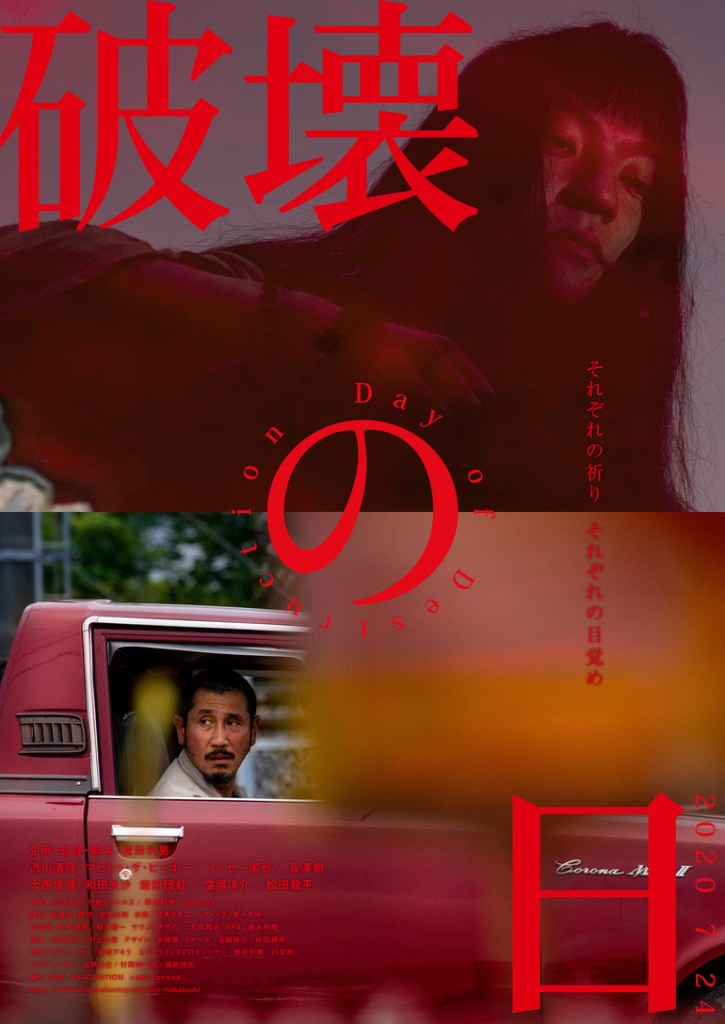
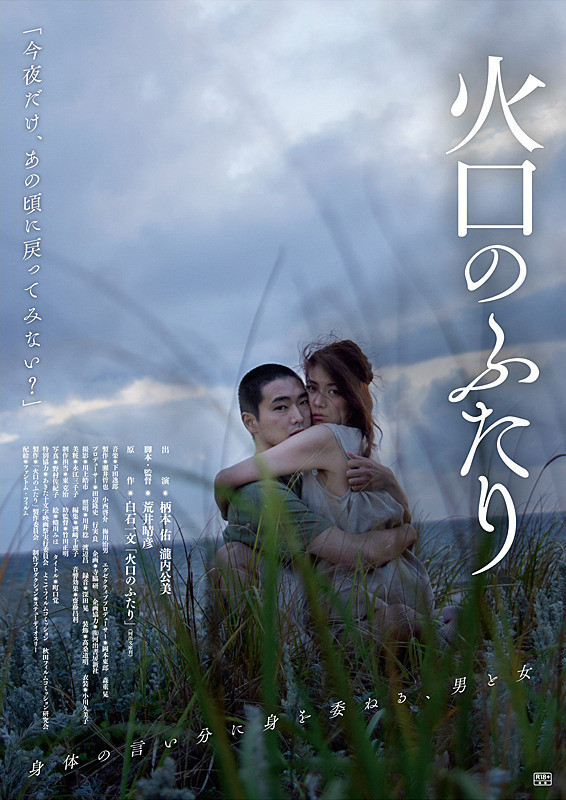
It Feels So Good (火口のふたり, Haruhiko Arai, 2019)

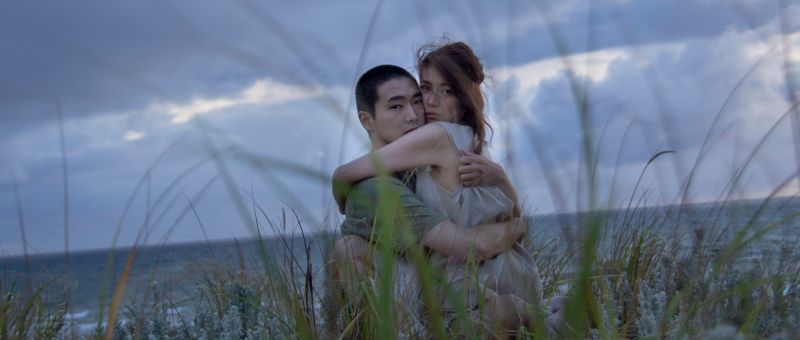
“It’s kind of erotic” a young man remarks watching the local bon odori, “Like dancing on the border between this world and the next”, the woman adds, “people who have died and are stuck in limbo”, “kind of like us”. In limbo is indeed where the lovers of It Feels So Good (火口のふたり, Kako No Futari) seem to be, perpetually awaiting the end of the world while wilfully retreating into the romantic past as they reheat their adolescent love affair from a perspective of experience.

Now approaching middle age, Kenji (Tasuku Emoto) is a dejected divorcee living an aimless life in Tokyo when he gets a call from his father (Akira Emoto) to let him know that his cousin, Naoko (Kumi Takiuchi), is getting married and would like to invite him to the wedding. He spins a yarn about needing to ask for time off from a job he doesn’t have, but packs up and leaves right away, staying in the old family home vacant since his mother died and his father remarried. Naoko visits him almost immediately, enlisting his help transporting a large TV set to the house she will be sharing with her fiancé, a major in the SDF currently engaged in disaster relief. Apparently still not over their aborted romance of more than a decade earlier, she determines to seduce her former lover for a one night stand, but the night of passion reawakens Kenji’s desire and eventually leads to a five-day holiday in which the couple cocoon themselves in intimacy awaiting the return of the absent major. 

Adapted from the novel by Kazufumi Shiraishi which was published in the immediate aftermath of the 2011 earthquake and tsunami, It Feels So Good finds itself in a moment of acute anxiety and existential threat. The lovers feel themselves in various ways already dead, in part because of the poetic affectation of a lovers’ suicide in which they imagined themselves swallowed by the crater of a dormant mount Fuji. The inactive volcano motif perhaps hints at the untapped potential of their still simmering passion, but also at their mutual emptiness as they attempt to find meaning in the aftermath of disaster. Naoko confides that she decided to get married, in part, because she wanted to become a mother after witnessing so much death, but later adds that she is also suffering from a kind of survivor’s guilt as a resident of Akita, in the disaster area but itself relatively untouched by death or destruction. Kenji, meanwhile, struggles to emerge from the ashes of his failed marriage which seems to have sent him into a self-destructive, alcoholic spiral, that cost him his career and left him living aimlessly in the city. 

Naoko spins their “temporary” affair as a return to the past, not really cheating just temporally displaced, as they hole up together in her marital home making the most of their time alternating between the bed and the dinner table engaging in two kinds of dialogue, that of the body and the other of the mind. Returning to a previous intimacy they marvel at the ease of their connection while edging their way towards a frank discussion of how and why their original affair came to an end, reflecting on shame and fear as they meditate on past choices and their future implications always aware that their present connection has an expiry date. That sense of an ending takes on existential connotations not only for the couple but for the wider world as they contemplate a coming disaster, refocussing their minds and desires on the here and now. “I should have listened to my body” Kenji laments, refusing to think of the future in favour of the present moment, “it’s now or never”.

It Feels So Good topped the Kinema Junpo Best 10 list for 2019, a feat doubly notable because it is directed by Haruhiko Arai who is, among other things, editor of rival publication Eiga Geijutsu (ethical concerns aside it took the top spot in their poll too). Arai began his career in pink film writing scripts for Koji Wakamatsu and there is something distinctly ‘70s in It Feels So Good’s nostalgic sensibility besides its plaintive retro folk score and theatrical dialogue. Nevertheless what he charts is two people learning how to live in a world of constant anxiety, sitting atop a volcano but choosing heat over ash, retreating into private passion as a protective bubble against existential uncertainty.


It Feels So Good is available to stream in the US until July 30 as part of this year’s Japan Cuts.

Original trailer (English subtitles)

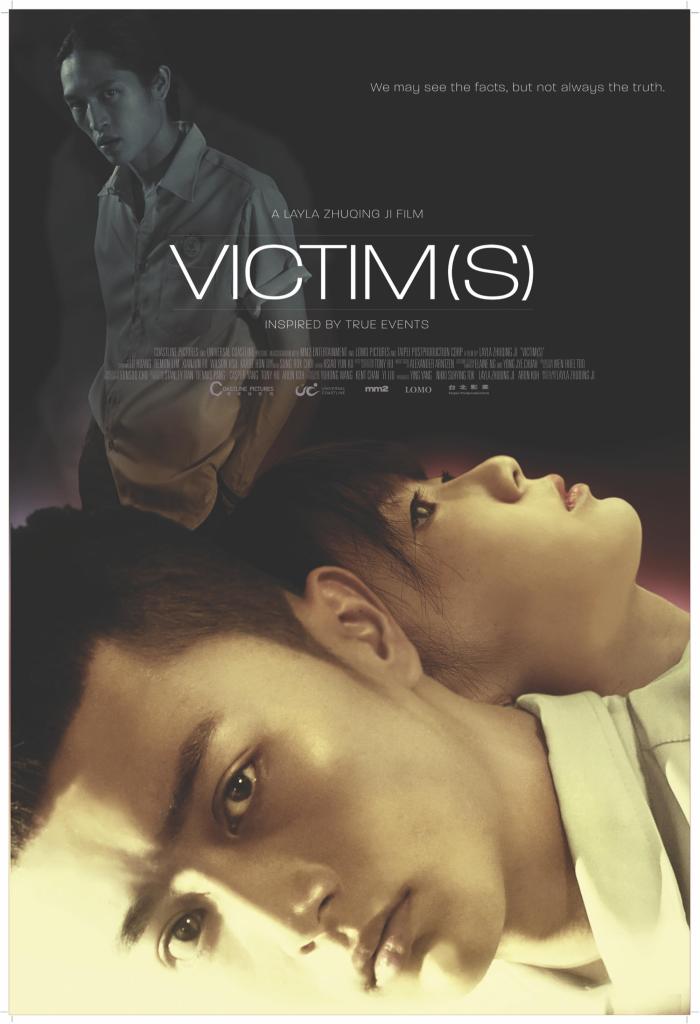
Victim(s) (加害者、被害人, Layla Zhuqing Ji, 2020)

“People don’t care about the truth, they just need someone to blame because that’s the easy thing to do” according to a secondary victim caught up in the complicated events which led to the killing at the centre of Layla Zhuqing Ji’s empathetic debut feature, Victim(s) (加害者、被害人, Jiāhàizhě, Bèihàirén). A tale of two mothers, Victim(s) does its best not to apportion blame to any one individual but points the finger at a rigid and austere conformist society in which conservative social codes and a culture of victim blaming conspire to restrict freedom and breed unhappiness. 

Cast in the roles of victim and killer are high school students Gangzi (Kahoe Hon), the son of a poor masseuse (Remon Lim) stabbed to death beside an ATM, and Chen (Fu Xianjun) son of a wealthy single-mother (Huang Lu) who some say made her money in questionable ways. Students at the school speak of discord between the two boys, describing Chen as strange, a bit of a loner with an unpleasant superiority complex that, coupled with his status as top of the class, led him to look down on those around him. They say he viewed Gangzi with disdain because of his working class background and was upset because they both liked the same girl, transfer student Qianmo (Wilson Hsu), but she turned him down in favour of Gangzi. After a few days on the run, Chen turns himself in and confesses to the crime but has a slightly different story, claiming that, in fact, he was bullied by the other kids including Gangzi partly because he was wealthy, they were roughing him up for money, and partly because he was an outsider at school widely disliked as a swot. 

Of course, both mothers are convinced their sons are perfect angels but are eventually led to discover that perhaps they didn’t know their children as well as they thought they did. The technological divide between the generations trumps that of social class with the kids largely living in an online world where the traditional prejudices are only magnified through teenage gossip. Rather than swapping notes like in the old days, they group chat during in lessons and reinforce social hierarchy through shame and bullying. Transfer student Qianmo quickly finds this out to her cost, becoming a target for the ruling group of popular girls after she declines to join their dance troupe, while the boys are determined to hit on her despite her obvious lack of interest. 

Qianmo was forced to give up dancing and leave her previous school which specialised in the arts because, it’s implied, her dance teacher was molesting her, yet she’s already been branded a “teenage slut” online for supposedly seducing him. The other girls are remarkably unsympathetic, engaging in sexualised bullying they proudly film and share amongst themselves. The boys are doing something similar, yet even though the point of these videos is that the kids share them widely to humiliate each other, they are never a part of the official investigation and the adults have no idea they exist. Qianmo is too afraid to report her bullying because she fears they’ll ask why it is she’s being bullied and then say it’s her own fault, while Chen who finds himself scapegoated after a homoerotic porn magazine is discovered in the dorm, simply fears reprisals. Questioned by the police the other kids all toe the line, afraid that they’ll become targets too for speaking the truth, all too happy to let Chen take the blame while allowing the awful status quo to continue but resentful that he will most likely wield his privilege to escape justice. 

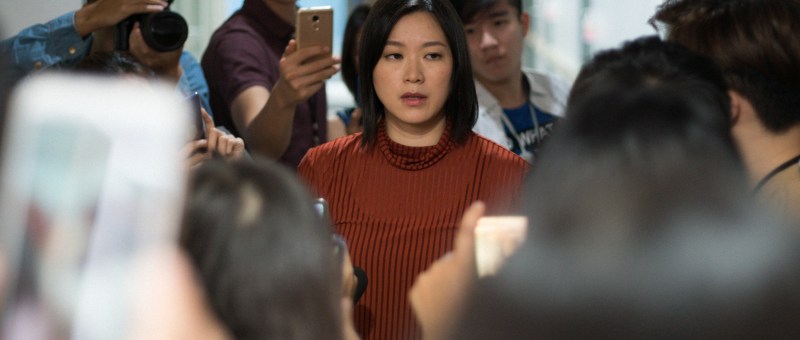
Chen meanwhile blames himself, repeatedly asking if he’s the the cause of others’ suffering while Gangzi works out his frustrations with his abusive father and repressed sexuality through delinquency. Both mothers desperately try to save their sons, but find themselves struggling to comprehend the gap between the image they had of the young men their children were becoming and the unpleasant truths they are beginning to discover. Meanwhile, external bullying from a media mob further obfuscates the truth, baying for blood and creating only more victims in the process as it insists its brand of socially conservative, compassionless justice be served at all costs. Yet against the odds, the women eventually come to a kind of understanding, choosing to accept the reality while protecting other victims, refusing the “easy” option of a prepackaged “truth” that neatly fits the needs the needs of a bullying society. Ji’s hard-hitting debut too refuses easy answers, finding that in the cycle of violence and abuse perpetrators and victims are often one and the same but each subject to the same petty oppressions contributing to an atmosphere of rigid social conformity which breeds nothing but misery.


Victim(s) streamed as part of this year’s Udine Far East Film Festival.

Original trailer (English subtitles)

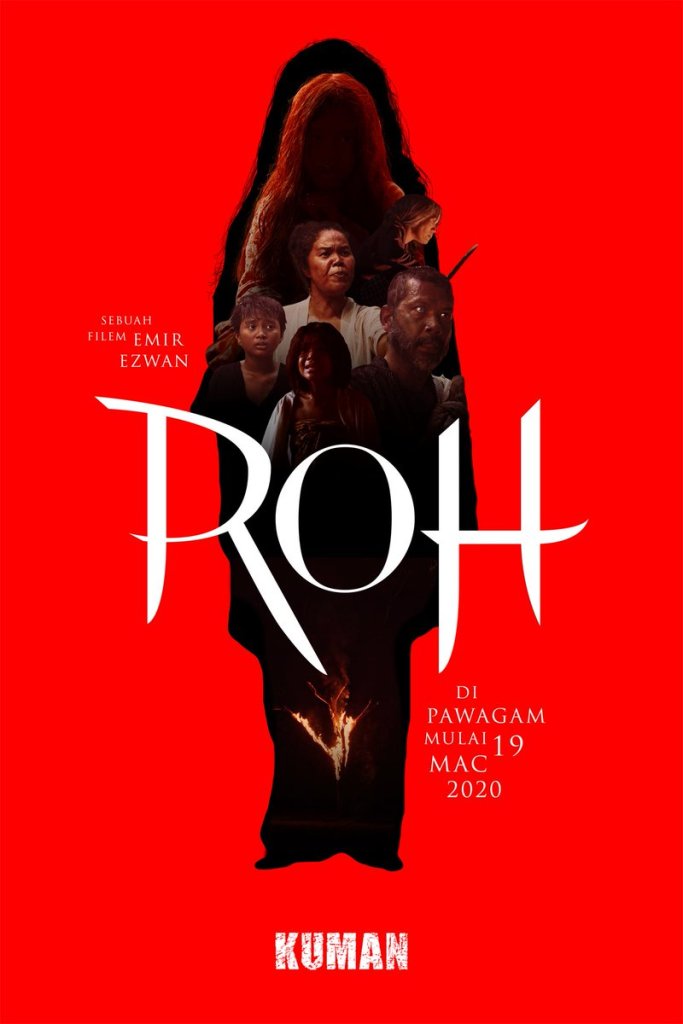
Soul (Roh, Emir Ezwan, 2020)

“We’re now living in a dangerous time. Many people are desperate and feel unsafe” according to the beleaguered single-mother at the centre of Emir Ezwan’s slow burn folk horror Soul (Roh). The latest film produced by Malaysian powerhouse Kuman Pictures which specialises in low budget horror, Ezwan’s tale of supernatural dread situates itself in a world in which there is “always something evil around us” and existential threat may arrive in the most unexpected of forms. 

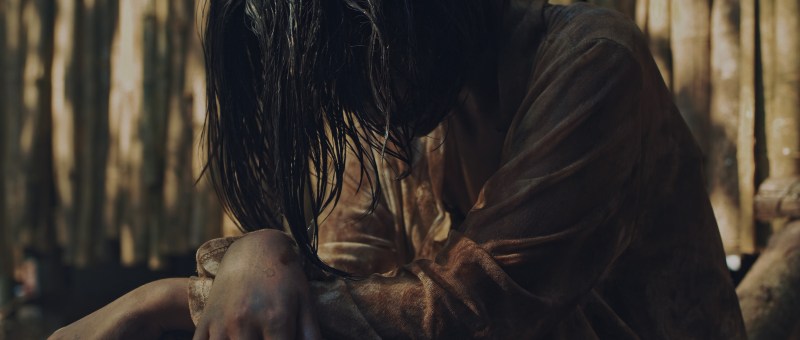
This a small family discovers to its cost when they come across a little girl (Putri Qaseh) wandering in the jungle and, as anyone would, take her into their home where they give her food and shelter while trying to find out where she’s come from and what might have happened to her. Unfortunately, however, after some ominous events, the girl tears apart one of their chickens and eats it raw before cursing them by issuing the prophecy that they will all be dead by the next full moon, thereafter slashing her own throat. The woman, Mak (Farah Ahmad), and her two children, daughter Along (Mhia Farhana) and son Angah (Harith Haziq), are obviously upset and afraid but have no idea what to do. They take the body further into the jungle and leave it there. After that more visitors arrive at their remote hut, a hunter with a spear and a milky eye (Namron), and a wise old woman, Tok (June Lojong), who always seems to be offering them advice only to remember that she has other important business to attend to before imparting it. 

Things only get worse for the woman and her children who, as far as we know, have done nothing wrong, only try to help a lost little girl. Living as they do on the edge of the forest, they are well acquainted with its duplicitous mysteries. “Never believe anything that you see or hear in the jungle” Mak cautions the children, scolding her hungry son who’d wanted to take a deer he and his sister found mysteriously hanging from a tree and bring it home to eat. Along fears a tiger, but logically someone put that deer there for a reason and might not be happy if someone walked off with it, though as far as the family knew they were the only ones nearby. Still they don’t seem to find anything odd in the sudden arrival of the old woman who tells them she’s come from across the river to gather herbs, warning them that there are bad vibes all round their house and something untoward is sure to befall them if they don’t take care. 

Caught between the wise woman and the vengeful man apparently hot on the trail of the little girl, the family has no idea who to believe or where to turn. The old woman tells Angah that he has no need to be afraid, evil is all around us but can only hurt through other humans which is why it’s better not to trust anyone. Yet supernatural threat is always lurking, waiting for an opportunity to strike. We have no power over you, it later confesses, all we had to do was whisper and you obeyed. Mak, alone with her children, is entirely cut off from the outside world. She has no idea what has happened in the village across the water, and no recourse to help outside of Tok and the power of prayer, something she is later accused of not having valued enough. She and her children are accidental bystanders in someone else’s spiritual battle, completely powerless and entirely at the mercy of those who selfishly pursue their own desires with little thought to the family’s lives. 

Ezwan conjures a deep atmosphere of existential dread as the darkness begins to seep out of the forest and engulf all around it. Mak warned the children that they shouldn’t go taking things out of the jungle, but despite the eerie superstitions of ghosts and ghost hunters she knew from her youth was all too easily tricked by something that walked out on its own and followed them home. There is darkness everywhere, and with darkness fire. “Your next life will be as eternal as your soul” the voice of darkness warns, make your choices wisely.


Soul is available to stream in Europe until July 4 as part of this year’s Udine Far East Film Festival.

Original trailer (English subtitles)

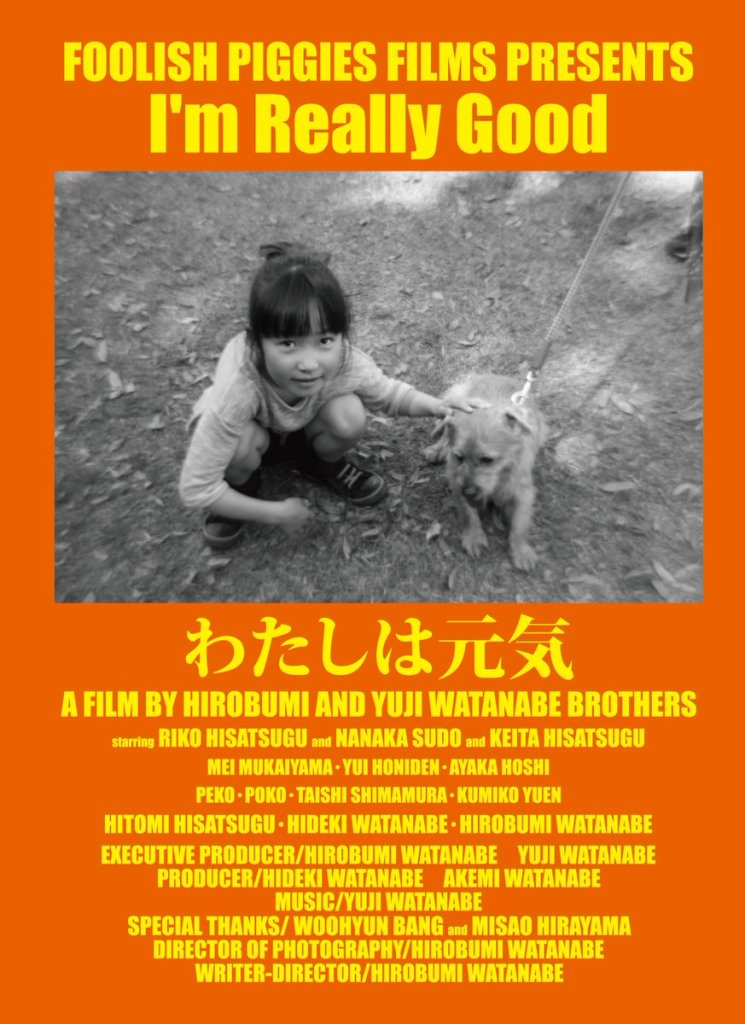
I’m Really Good (わたしは元気, Hirobumi Watanabe, 2020)

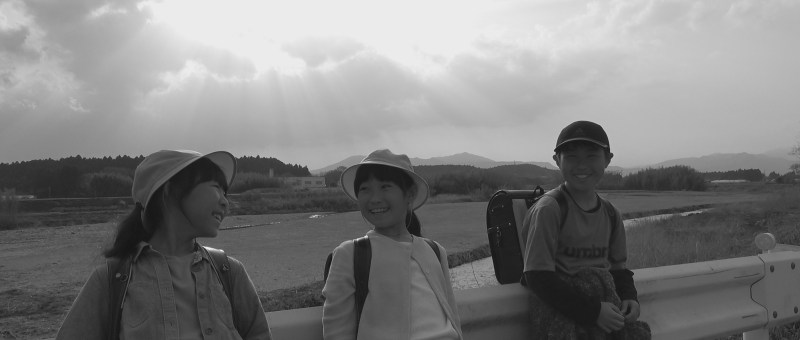
Hirobumi Watanabe has made a name for himself as a purveyor of deadpan wit, often shooting in a stark black and white and casting himself as a sometimes irate monologuer inhabiting a world of silence. With I’m Really Good (わたしは元気, Watashi wa Genki), however, he for the most part stays behind the camera which he operates for himself for the first time in the absence of regular cinematographer Bang Woo-hyun, and subverts the conceits of Poolsideman to show us the innocent world of childhood, following an energetic little girl through one ordinary, though as it turns out, packed with small incident day. 

After opening with a colour sequence in which Riko (Riko Hisatsugu), a very energetic young girl, shoots an encouraging iPhone video, Watanabe returns to a more familiar black and white to find her playing with her best friend Nanaka (Nanaka Sudo), and then waking up to the sound of bird song ready for a brand new day. Like the hero of Poolsideman, she is constantly exposed to the radio news though, we can assume, she is not the one who put it on or actively listening to it. The central irony is that, where Poolsideman’s hero found himself driven in dangerous directions by reports of death, violence, and war, Riko is largely indifferent to the current pensions crisis which seems to be dominating the news. As a child, pensions are not something she is particularly worried about, though in a very real sense this will one day affect her especially in its implications for Japan’s rapidly ageing society as the discussion moves on to potential tax reform and ideas to combat a stagnating economy. In any case, Riko carries on playing happily with her friends, the news washing over her as perhaps it should. 

Meanwhile, her days are filled with ordinary things like walking to school with her brother and Nanaka, chatting about what’s for lunch and what they had for dinner, playing shiritori, and enjoying the pleasant rural landscape. In the evening they make the exact same journey in reverse, returning to their homes where they do their homework and wait patiently for their parents to return from their jobs to make dinner. On this particular day, two unusual events occur the first being she’s ended up with Nanaka’s homework book by mistake and needs to return it. The second is a visit from a strange man with the bizarre name of Kamekichi Jinguji (Hirobumi Watanabe) who claims to be from a company selling textbooks that will send even the dimmest of students to the top of the class. 

Luckily Riko is not duped by Kamekichi whose rather bizarre scam is undermined when she tells him her dad’s a policeman which sends him into a bit of a panic, but his presence does perhaps hark back to the pensions crisis as Riko finds herself targeted by a problem which is usually associated with the elderly in being doorstepped by a fraudulent salesman taking advantage of the fact she is currently without responsible adults with both parents out working. He tries the same thing with Nanaka who is almost taken in, but catches her just after Riko has arrived to give the book back, pausing only to remind the girls that they are the future and it’s their job to build a better Japan. Particularly ironic advice from a guy conning children out of their pocket money in exchange for phoney textbooks, not to mention somewhat unfair in projecting the responsibility for fixing a series of social problems like the pensions crisis into the future when it’s people like him who should be fixing them now to make the better world possible while little girls like Riko and Nanaka play happily enjoying a carefree childhood. 

To that matter, Riko’s childhood seems to be pretty carefree. She hangs out with Nanaka, plays football, enjoys the pleasant country environment and is surrounded by loving family even if sad that her policeman dad often works late and can’t join them for dinner while her older brother is forever playing video games at the table. The politicians on the news debate what standard of life is appropriate, trying to get out of their responsibilities by splitting hairs about the “model family”, but Riko carries on enjoying her ordinary days oblivious to the troubles of the world around her. “I’m really good!” she affirms in her introductory video after politely enquiring after the viewers’ health, and it’s as good a mission statement as you’re likely to find. 


I’m Really Good is available to stream worldwide until July 4 as part of this year’s Udine Far East Film Festival.

Festival trailer (English captions)

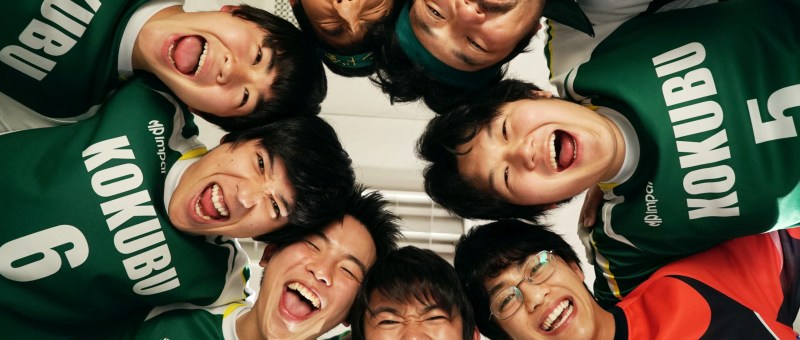
#HandballStrive (#ハンド全力, Daigo Matsui, 2020)

“Reach. Connect. Just like we used to” runs a vaguely inspirational slogan oft repeated in Daigo Matsui’s anti-defeatism teen drama #HandballStrive (#ハンド全力, #HandoZenryoku). We’ve never been so so “connected”, but as someone later puts it “people are selfish. They say whatever they like online” and the false affirmation of internet likes is a poor substitute for the earnest authenticity of those who know they’re giving their all for something they believe in. That’s a lesson that proves hard to learn for the teenage Masao (Seishiro Kato) who is, like many young men, filled with fear for the future and desperate to find some kind of control in world of constant uncertainty. 

In addition to the normal adolescent anxieties, Masao finds himself acutely burdened by a sense of despair as a survivor of the 2016 Kumamoto earthquake which destroyed his home, leaving him temporarily displaced. Thankfully, it seems his entire family survived, but three years on are still living in cramped temporary accommodation. In search of a sense of control, Masao is entirely wedded to his smartphone and an Instagram addict. Finding out that an old middle school buddy, Taichi (Shouma Kai), who moved away after the earthquake is now a top player on his high school handball team, a sport Masao has long given up, sends him looking back over old photos. Posting one on his feed proves unexpectedly popular, partly because it shows the temporary housing complex in the background and provokes sympathy in those who thought the photo was recent. Hoping to continue their Instagram high, Masao and his friend Okamoto (Kotaro Daigo) decide to attach an inspirational hashtag #HandballStrive and align themselves with the campaign to rebuild the area as residents of Kumamoto, only Masao has already posted all of his other handball photos so they need to get creative. 

It’s the creative part that eventually becomes a problem as the #HandballStrive phenomenon spirals out of control. Masao’s fond reminiscence about the sport was partly sparked by a pretty girl, Nanao (Haruka Imou), who plays on the high school team, but he really had no intention of ever stepping back on a court again until cornered by an intense young man, Shimada (Himi Sato), who is the de facto captain of the boys’ team by virtue of being its only remaining member. The boys find themselves press-ganged into joining too, but only ever halfheartedly, never intending to play for real only as a means of staging more photos to post online. 

As Shimada puts it, sometimes your heart connects the pass without you even looking. Masao finds himself lost, unable to fill in his career survey because he has no idea what it is he wants to do with his life and thinking about the future frightens him, in part because he is still intensely traumatised by the aftermath of the earthquake. What use is making plans when something terrifyingly unexpected can happen at any moment? He feels he has no control, and so he over invests in his phoney Instagram success as something stage managed and calculated, totally under his own authority. Masao looks around him for answers but isn’t convinced by what he sees, learning from his brother’s (Taiga Nakano) bubbly girlfriend (Mirai Shida) that he once dreamed of becoming a rock star to change the world through song but after the earthquake gave up on his dreams for the rewards of the practical, becoming a funeral director which is aside from anything else a steady job with relatively little competition. 

Masao gave up on his dream too in that he quit playing handball, or in essence retired from everything. Taichi carried on playing, which is to say that he carried on living and defiantly so, which may partly be the reason the two boys seem to have lost touch. “You always run away from things” an earnest player on the girls team taunts him, ramming home that they at least are serious even if they fail while he is so filled with insecurity that he never even tries. What he realises is that life is the ultimate team sport. “Things are out of control”, Taichi laments, “so let’s change them together” Okamoto suggests. To overcome his anxiety, Masao learns to focus not on the things he can’t control, like earthquakes, but on the things he can, what he can do right now to make a difference, finding meaning in the desire to strive for something even if it’s only handball glory. Perfectly in tune with his teenage protagonists, Matsui takes a standard shonen sports manga narrative and turns it into a manifesto for escaping existential despair as his conflicted heroes learn to connect, just like they used to, by reaching out to each other for support in an increasingly uncertain world.


#HandballStrive is available to stream worldwide until July 4 as part of this year’s Udine Far East Film Festival.

International trailer (English subtitles)
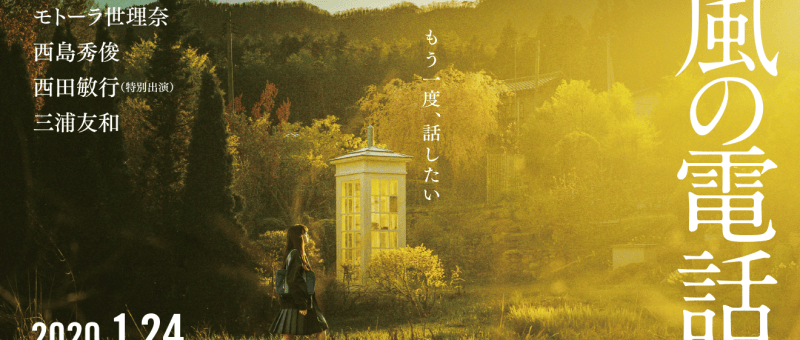
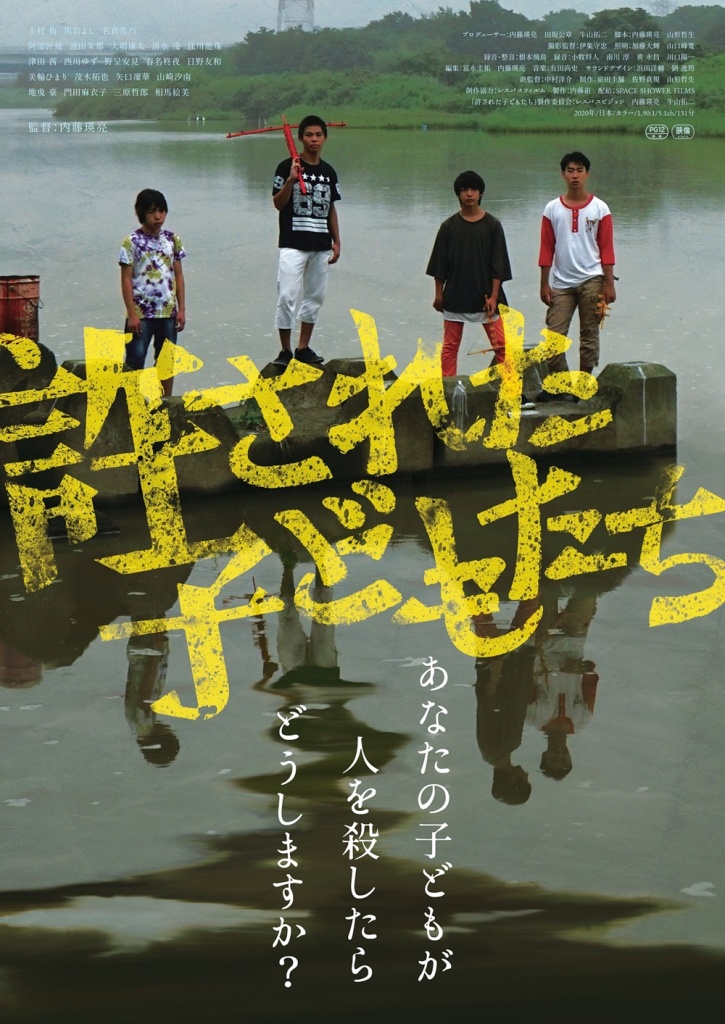
Forgiven Children (許された子どもたち, Eisuke Naito, 2020)

“You can’t steal a life and get off the hook” a sheepish young man is told by an unsympathetic police officer pushing him to confess his crime, but the “justice” he will later face will be of a less official kind. Eisuke Naito’s ironically named Forgiven Children (許された子どもたち, Yurusareta Kodomotachi) is, in some ways, a tale of sympathy for the bully in the acknowledgement that a bully can be a victim too, but it’s also a condemnation of a bullying society defined by pent up, misdirected rage in which wounded people take out their hurts for thousands of petty humiliations on those they see as in some way vulnerable in an attempt to prove that they are not. 

The “hero”, Kira (Yu Uemura), was mercilessly bullied in primary school. The first time we meet him he is wandering wounded, bleeding profusely while stumbling home without shoes. Some years later, now 13, Kira has a scar on his cheek and a mean look in his eye. At school he’s an angry young man and petty delinquent while at home a dutiful son cheerfully singing karaoke with his loving parents. Everything changes one day when he bullies another boy into bringing a homemade crossbow to the riverbank. Without really knowing why, Kira fires it and pierces him through the neck. Terrified, the other boys flee leaving Itsuki (Takuya Abe) to die alone by the water undiscovered for hours. 

Kira and the others are not that smart. They’re on CCTV heading to the riverbank, and there are messages on Itsuki’s phone from Kira telling him to meet them there. It is obvious they are involved though in legal terms the evidence is circumstantial. The policeman who visits encourages Kira to confess, implying it was an accident, or risk further punishment if he says he’s innocent and is later found not to be. Kira confesses, but his overprotective mother (Yoshi Kuroiwa) convinces him to recant, hires a fancy lawyer who bullies the only one of the other boys brave enough to tell the truth into straightening his story, and gets him off but the right wing internet trolls have already gone into overdrive and guilty or not Kira will not be allowed forget his crime. 

This is of course ironically another kind of bullying. The constant through-line is that Kira is the way he is because of the bullying he endured in primary school. He is a young man consumed by rage and taking revenge for being made to feel small and vulnerable by making others feel the same. After being forced to move around a few times, Kira ends up in a new school where they’re supposed to discuss how to address the bullying problem but worryingly most of the other kids have no desire to solve it. Rather than ask why people bully others, they universally blame the victims, insisting that it is their own fault simply for being the sort of people who get bullied. That might be because they are in some way different or vulnerable, but oftentimes is just a cosmic quirk of personality. Of course, bullies rarely think of themselves in those terms, which might be why one particularly vindictive young man voices the worrying principle of “justifiable bullying”, branding himself as a hero of justice as he prepares to unmask Kira as a murderer in hiding. 

Kira meanwhile remains conflicted, unable to come to terms with his crime or his internalised rage. Some might feel his bullying is indeed “justifiable” because in this case he is guilty and could make some of it at least stop by engaging in dialogue with Itsuki’s parents even if he cannot expect to be forgiven and must consent to carry the burden of his crime for the rest of his life, but it does not excuse the wholesale hounding of himself and family which prevents any kind of future restitution. Why is this society so angry that people go online to issue death threats against a 13-year-old boy over a crime that has absolutely nothing to do with them, what it is that they are really so outraged about? Kira is merely a product of an inescapable spiral of misdirected rage and emotional austerity. 

The children turn a blind eye to the bullying of others, or are encouraged to join in to avoid becoming victims themselves while adults claim to want to help but only contribute to the stigmatisation of those who are bullied. Kira says he thinks that he had a reason for doing what he did, but no longer remembers, later refocussing his rage on bullies to avoid having to recognise the bully in himself. But society is itself a bully, consumed by misdirected rage and a socially conservative tendency to blame and exclude rather than understand which ensures that there can be no end to the cycle of violence and abuse until society learns to look within itself. 


Forgiven Children was streamed as part of this year’s online Nippon Connection Film Festival.

Original trailer (English subtitles)