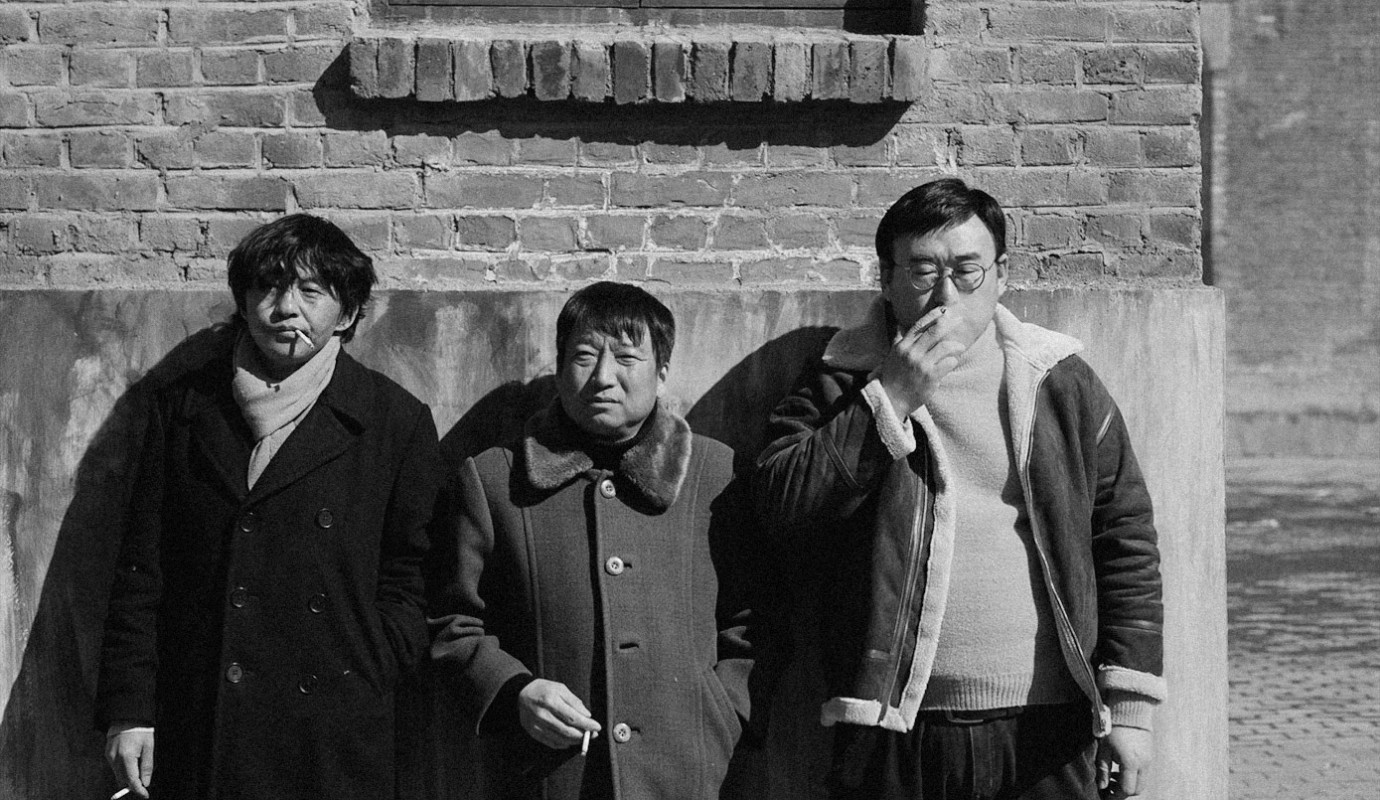
Bel Ami (漂亮朋友, Geng Jun, 2024)

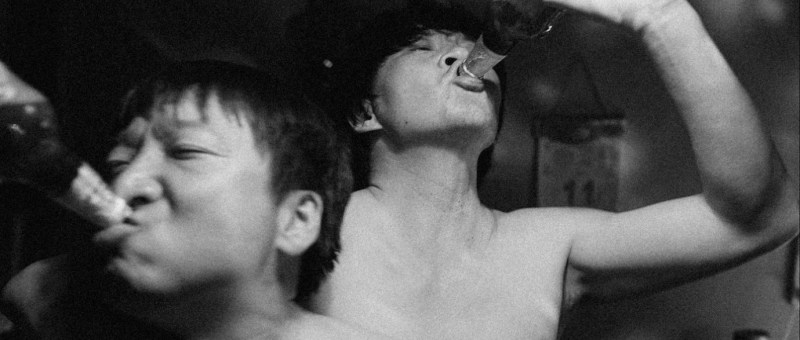
In the opening scenes of Geng Jun’s Bel Ami, a middle-aged man poses for a series of nude photos. The pictures and the poses echo a long history of queer iconography, but at first the man stands with his back to us. We can’t see his face, and he is hiding from us who he really is even as his nakedness suggests a desire for authenticity and a demand that we recognise his identity. “It’s repressive,” another man sighs, complaining that like everyone else he is forced to keep a part of himself hidden and is painfully lonely because of it. 

Like Geng’s other films set in Heilongjiang, Mainland China, the film’s queer themes would not play well with the censor’s board who are notoriously squeamish of any reference to the LGBTQ+ community and has found success only by screening in Taiwan where it won several categories at the Golden Horse Awards. There is a minor irony in play as a certain character makes clear in his rendition of the Internationale that the queer community in China has long referred to each other as “tongzhi” or “comrade” but do so to express solidarity against the oppressive authoritarian government which isolates and others them, preventing them from living authentically as full and free members of society. 

When Zhiyong spots a man he assumes to be gay in a cafe, he addresses him as “tongzhi”, but the man first denies his identity and responds to Zhiyong’s question about why he’s dressed in what he sees as a stereotypically gay manner if he’s not actually gay by saying that his son is really into rock music so he’s trying to look “cool”. He later confirms that he is actually gay and is annoyed his outfit is giving him away while similarly worried that Zhiyong will expose him. By contrast, a pair of lesbians sit in the next booth over and are overt and open in their relationship. They remark that the men behind them appear to be hiding something, while one insists that men have no morals or integrity. 

Xuanyu is, however, the most authoritarian of all as she keeps gay barber Quan, the prospective father of their child, under total surveillance. She insists on micromanaging his life, stalking him and installing a camera hidden in a clock in his barber shop. Her partner tells her love is freedom and asks if that’s what they give each other when they receive little of it from elsewhere, though it’s a question with no answer. Xuanyu is happy with the way that things are. She’d rather adopt than involve a man in their desire for a child and suggests just eloping while her partner says her parents would never accept it. Shooting in a crisp black and white that adds to the film’s breezy, deadpan humour, Geng switches to colour only once as Jing poses in a wedding dress only to be joined by a reluctant Quan suggesting a possible marriage of convenience that will satisfy both of their families and their filial obligations in the birth of their child. Quan leaves the frame as soon as possible, taking his flowers with him, for Xuanyu to enter now dressed in a black suit and occupying the space the groom.

Quan had been the lover of the man in the nude photos, Gang, but abruptly broke up with him. A baker who likes to strike back against an unforgiving society by hiding stands of his hair in his bread, Gang is also isolated and lonely, fearing he won’t be able to find another partner. He ends up meeting Zhiyong at an exclusive and very weird gay membership club run by “K” for King who gives Zhiyong the “codename” “Apollo” and immediately embarks on a sadomasochistic game pressuring Zhiyong for sexual favours as a means of joining the community expressing the way in which the oppressed oppress each other. While semi-stalked by an incredibly lonely and socially awkward restaurant owner, Zhiyong first runs from his queer identity but eventually finds a kind of hope and freedom in his relationship with Gang. They are each searching for connection and the freedom to love and be loved which is also in its way a means of resistance against entrenched authoritarianism. Don’t lose hope, they encourage each other while basking in the isolated patch of sunshine of the freedom they have found. 


Bel Ami screened as part of this year’s Queer East.
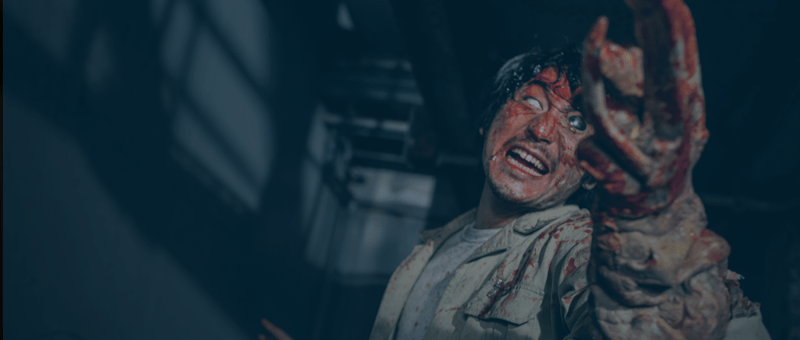
The Beast Hand (獣手, Taichiro Natsume, 2024)

This world makes monsters of us all in Taichiro Natsume’s low-budget indie body horror Beast Hand (獣手, Kemonote). In many ways, Osamu (Takahiro Fukuya) is pursued by his own left arm in his continual powerlessness and tendency towards self-destructive acts of crime and violence. But it’s also true that it isn’t just his hand that makes him monstrous to the world around him and that his “deformity” is also symbolic of the ways in which he is excluded from mainstream society.

Indeed, Osamu already lives a marginal existence in a cramped, reclaimed space on the edges of a town. Having served time in prison, he gets by doing casual labour and quite literally kicking the can down the road, while we also seem him shoplift a can beer after paying for his dinner. His life appears to be defined by futility even before Inui (Yota Kawase), a man with whom he seems to have shared a criminal past, arrives on his doorstep and barges his way back into his life. Technically on parole but having absconded from his probation office, Inui forces Osamu to give up the contact details for his old girlfriend, Koyuki (Misa Wada), who stopped visiting him in prison and was apparently so desperate to get away from him that she had “full body surgery” to essentially become someone else and start a new life.

Starting a new life is it seems something that they both want to do but are each unable to shake off the hold that Inui has over them. He, however, is in the same position and though he bullies and assaults them both, bows down before a man he met in prison who gave him extra food from the canteen. The old prison friend wants help on a job robbing the woman who still hands out physical pay-packets to workers at a local factory, but Inui turns him down stating that he’s still on parole and it’s too risky though secretly plotting to have Osamu do the job on his own. Predictably, it all goes wrong and Osamu ends up losing an arm only for Koyuki to drag him to a backstreet doctor who first refuses to help but then apparently experiments on him with a drug he’s researching into regenerative health with the consequence that Osamu’s arm grows back but as a monstrous lump of throbbing grey muscle that he is no longer able to fully control. At moments of high emotion, the arm takes him over and he’s transformed into a mindless, thrashing beast to the extent that Koyuki has to chain him to the wall to ensure her own safety.

Having bonded in their shared sense of subjugation, they once again attempt to change by living a more normal life in a small town by the sea. But even here, Osamu is rejected in part because of the arm itself, which he keeps disguised in bandages and a sling as if it were broken, and otherwise because of his secrecy about it which sees him fired by the kindly older gentleman running a factory where Osamu found temporary employment. Koyuki becomes pregnant, but financial pressures and the lingering anxiety about what kind of child this world might produce eats away at them. Osamu isn’t sure if the baby’s his or Inui’s nor which of those two options is better given that the child might inherit whatever’s infected his arm, while Koyuki is no longer certain about the viability of raising a child in their present circumstances. Both from single-parent families, they lamented that neither of them had the experience of being taken to the beach by their parents which seems to be the idyllic picture of a carefree childhood they’re trying to recapture.

But still they find themselves hounded and pursued, this time by a shady businessman who doesn’t want cure Osamu but to exploit him by ripping off his arm and using the technology for his own nefarious ends. The remorseful doctor also wants a tissue sample, but promises a salve in return that would at least subdue his violent impulses and allow him to live a more normal life. The implication is, however, that the only way Osamu can have the semblance of a happy family is by wilfully sacrificing himself and accepting that he has no place within in it. Condemned by his monstrousness to the edges of the frame, he accepts his liminality rather than railing against it and resigns himself to self-isolation as a permanent exile from a continually unforgiving society.


The Beast Hand is released in the US on DVD and blu-ray May 13 courtesy of Cleopatra Entertainment and available from MVD.

Trailer (English subtitles)

Peg O’ My Heart (贖夢, Nick Cheung Ka-Fai, 2024)

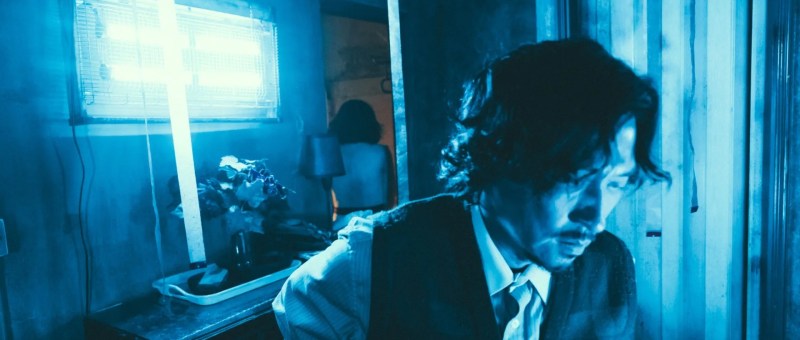
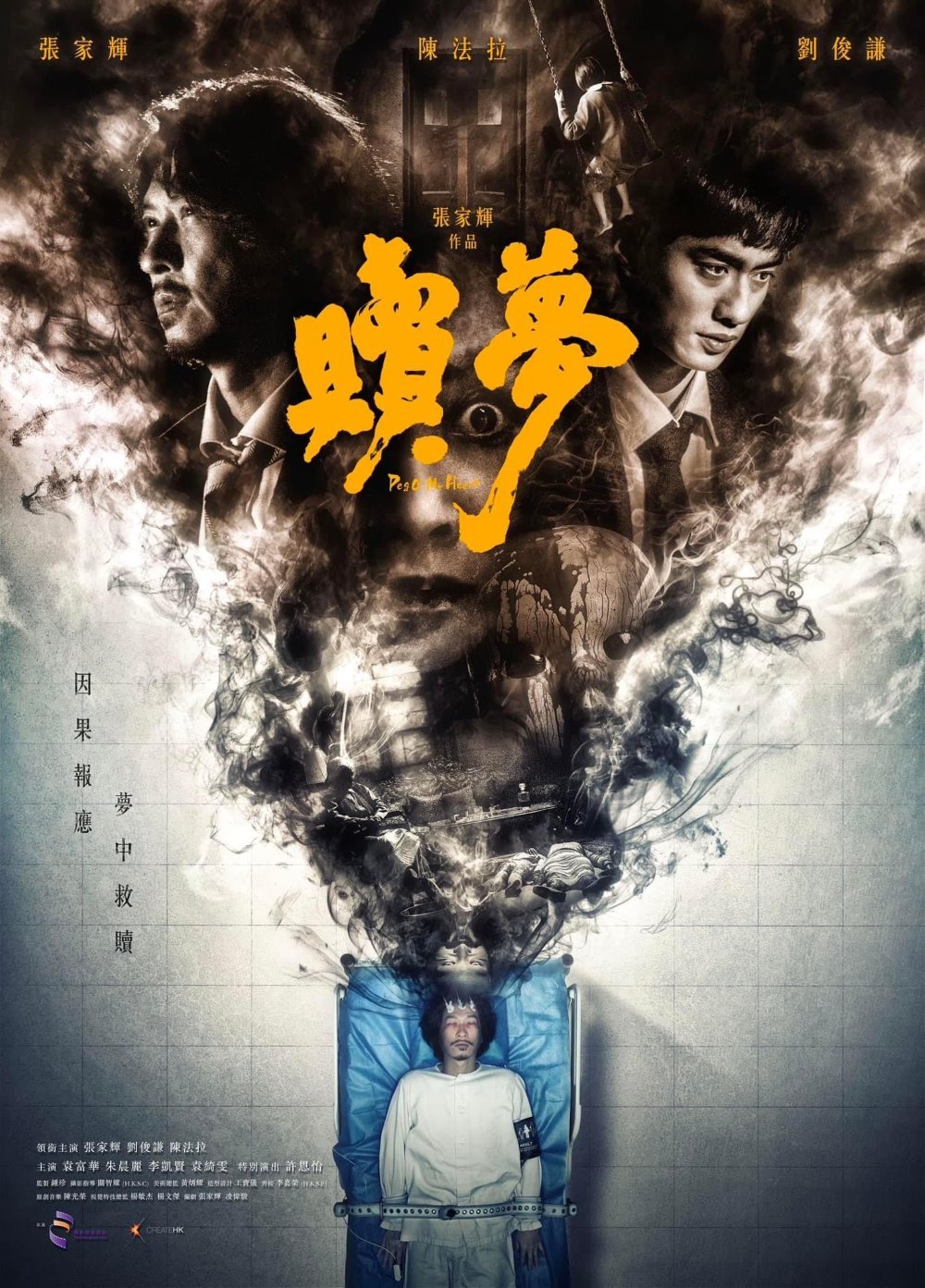
An insomniac taxi driver says he can’t sleep but he can’t wake up either. He finds himself plagued by bad dreams in an increasingly surreal Hong Kong that seems to exist more within the mind than the physical reality and populated by the orphaned ghosts of another era. Clearly inspired by the films of David Lynch with overt visual references to Lost Highway and Twin Peaks, Nick Cheung’s Peg O My Heart (贖夢) follows a maverick psychiatrist intent on actually treating his patients as he chases the taxi driver while in flight from his own trauma.

Dr. Man (Nicholas Cheung Ka-fai) is already in trouble for prying into the lives of his patients when his superiors, men in slick suits bickering in English, would rather he just get on with his job of prescribing pills. The first patient we see him treat is a teenage girl whose surreal dream sequence finds her on a swing in a room of blood while a giant baby doll looks on. Man notices an upturned doll’s head being used as a cup by one of her friends and begins to get a picture of what’s been going on. The apartment the girl lives in with her grandmother is cramped and grimy in the extreme despite the happiness banner on the door. The girl and her friends have taken to drugs to escape their own dissatisfying reality, but it led them to a dark place in which the boy abused the girl and left her with lasting trauma that blossomed into psychosis in much the same way’s Man’s own has. Nevertheless, in contrast to his bosses, he’s careful to remind her that she still has choices and it might not be the right time for her to have a child though he’ll help her whatever she decides.

In a strange way, it might be the taxi driver who’s responsible for her plight. In another life, Choi (Nicholas Cheung Ka-fai) was a high-flying financial analyst who could afford to give his wife a Mayfair flat on a whim, though you’d never guess it now. In those days, his hair was slicked back rather than long and wavy and his suit was finely buttoned rather than hanging loose. He wore glasses too, which he alarmingly no longer seems to do while driving. His eyes are red and puffy, his face pale like a ghost. On his return home, he and his wife have a number of strange rituals which make no kind of sense but hint at the extent that they have descended into a dream world, locked in by their guilt and the feeling that they are being tormented by a vengeful ghost. 

Then again, Choi’s heartless former colleagues describe him as being too sensitive for this line of work. They joke, a little misogynistically, that his wife was always the go-getter. Fiona (Fala Chen) was into stocks too, the pair of them playing a game of untold riches without any awareness of what it meant to gamble with other people’s money. His colleagues may have told him that’s exactly why it didn’t matter and it was silly to worry about it, but it seems Choi did worry, though the money distracted him from his moral quandary until the lack of it convinced him to betray an old friend with tragic and unforeseen consequences. 

Choi and Fiona are plagued by echoes of a single afternoon, one of sunlight and happiness that they unwittingly ruined with their insatiable greed. Dr. Man, meanwhile, says he has the same dream every night but can’t remember anything about it in the morning. That’s a contradictory statement in itself, though his loyal nurse Donna (Rebecca Zhu) doesn’t seem to have picked up on the holes in his story. In any case she introduces him to his previous boss, Vincent (Andy Lau Tak-wah), a former psychiatrist with an unexplained prosthetic arm, who has the power to enter other people’s dreams and seems to exist in more than one place at once, like the Mystery Man in Lost Highway. Exploring his dreamscape allows Man to reckon with his own trauma and subsequently learn to forgive and accept his father, though he may not, in fact, have faced himself fully or released his guilt even as he and Choi eventually share a similar fate. Are either of them awake, or still asleep? Did Man go through the mirror, or merely deeper inside it? The melancholy streets of contemporary Hong Kong take on a deathly hue trapping its traumatised denizens in an inescapable hell of guilt and regret from which they can never awake.


Trailer (English subtitles)

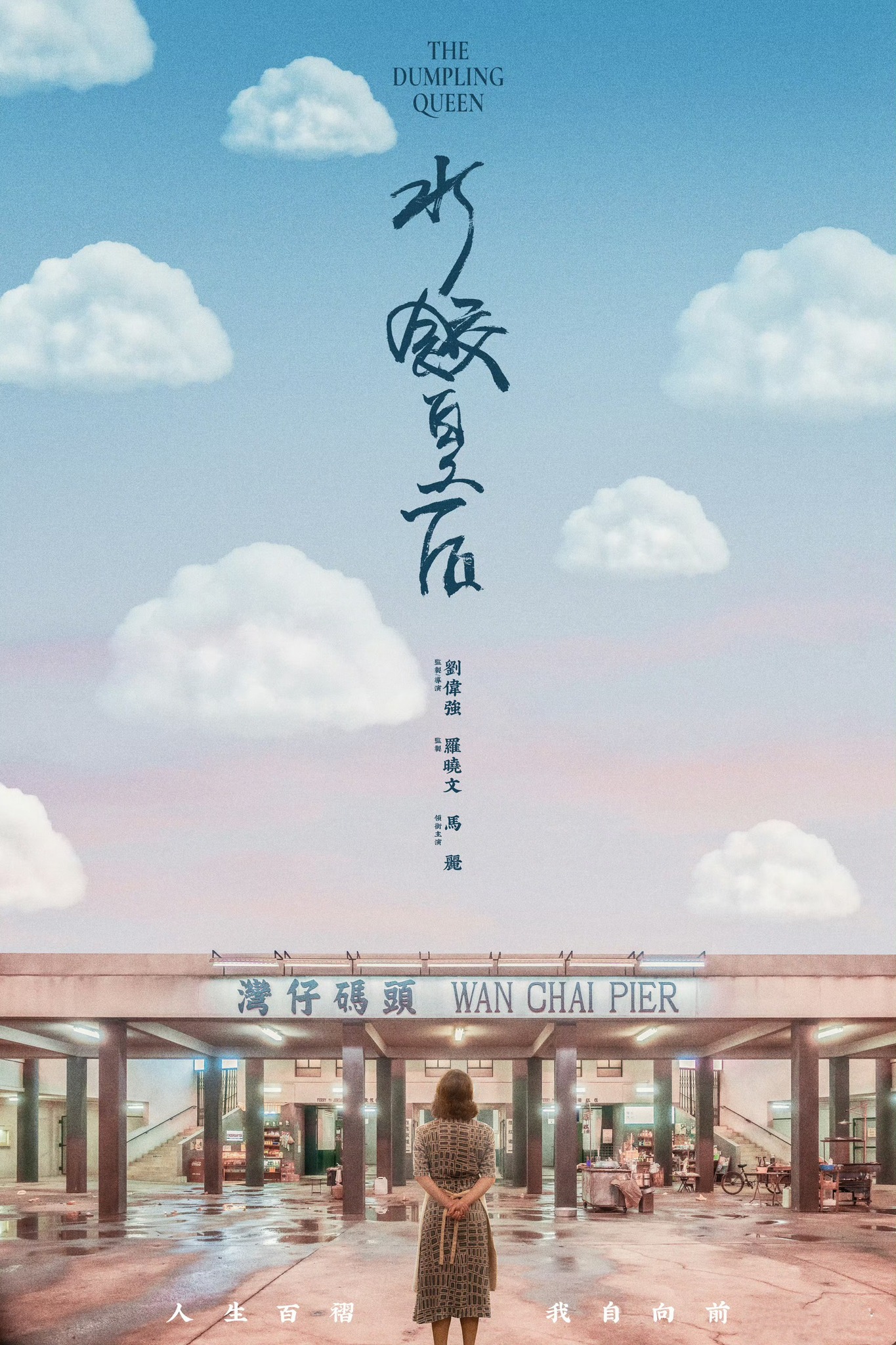
The Dumpling Queen (水饺皇后, Andrew Lau, 2025)

There are a lot of ironies and contradictions at the heart of Andrew Lau’s Dumpling Queen (水饺皇后, shuǐjiǎo huánghòu) inspired by the life of Zang Jianhe who founded the international dumpling empire Wanchai Ferry, but there’s no getting away from the celebratory joy it finds in the heroine’s hard-won transition from jilted spouse to successful entrepreneur. Then again, there might be something uncomfortable in the film’s framing and the repeated claim that Jianhe’s dumplings are about the warmth of familial bonds and reunion. Zong’s desire to kick back at American imperialism as manifested in the ubiquity of hamburgers and US-style delivery pizza by making Chinese dumplings accessible across the world is also an advocation for the One China philosophy in which the greater Chinese diaspora is connected as a family through “the taste of home.”

Beginning in 1977, the film is noticeably quiet about why anyone would be risking their lives to escape from Mainland China to Hong Kong, though this is what Jianhe is doing in her quest to be reunited with her husband, Hanzhou, who has been away for four years. Unfortunately, when she reaches the station at the border, Hanzhou’s mother (Nina Paw Hee-ching) rudely explains that she had him marry another woman in Thailand who has since borne him a son. Branding Jianhe a failure for giving birth to only daughters, she tells her that she can come with them but that she will be the second wife subservient to the mother of the family heir. She repeatedly claims this does not make Hanzhou a bigamist because Thai law supposedly gives him the right to marry more than one woman, though it seems the mother-in-law may not be aware that the pair were legally married in Mainland China as Jianhe’s traditional wedding photos would otherwise suggest. 

The fact that Jianhe is discarded for giving birth to daughters contributes to the film’s feminist undertones and sense of female solidarity as Jianhe strives to pass on the dumpling recipe she learnt from her own mother to the next generation of women and beyond. Jianhe must now find a way to fend for herself, which she eventually does through a combination of hard work, excellent business sense, and the supportive community around her. Though Jianhe and her children face some instances of prejudice against Mainlanders when they first arrive, they are helped by various people including enigmatic landlady Hong Jie (Kara Wai Ying-hung) who makes her a part of her boarding house community and tries not to pressure her about the rent out of consideration for the children,

But times are sometimes hard and Jianhe is directly contrasted with the woman across the way whose husband has a gambling problem and beats her. Having been injured in a workplace accident that leaves her unable to work as she had been before, Jianhe begins to feel hopeless and considers taking her own life only to be saved by her children and a neighbour who sells dessert soups, but the other woman is not as lucky and eventually makes a fateful decision, blaming herself for the man her husband has become. Jianhe is also given another shot at romance with a sympathetic policeman (Zhu Yawen) who comes from the same area of Mainland China and is taken by her dumplings, but he also wants to move abroad and Jianhe has already followed one husband to another country and it didn’t work out so well. It’s not so much that she sacrifices love for career success, the policeman could after all simply chose not to go, but that she no longer needs to compromise herself for marriage because she’s fulfilling herself through her business enterprise.

Just as the film doesn’t mention why Mainlanders came to Hong Kong, it doesn’t really go into why some Hong Kongers choose to leave save for a brief onscreen text mention about the beginning of the negotiations for the Handover though Jianhe is repeatedly keen to emphasise the universal Chineseness of her dumplings. She makes a deal with a Japanese department store, but threatens to walk when they try to make her change her packaging to bring it into line with their house style and thereby erase its cultural identity. She also refuses to allow them a monopoly after they demonstrate their lack of trust in her as a businesswoman, quickly realising she’s better off making deals with every supermarket on the island as well international flour companies. Jianhe is pretty quick to cotton to new technologies such as household refrigerators and the possibilities for frozen foods. But at the end of the day, she’s earnest and hardworking, sharing her success with her many friends who helped her along the way and always repaying kindness when she can. It’s an oddly utopian vision at times in which everyone seems to recognise Jianhe’s greatness and get out of her way, including a triad boss who helps her because she reminded him of his mother when she threatened one of his men with a meat cleaver,) but it also reinforces a sense of the One China family with the dumplings, now refined to suit local tastes, as the glue binding it together in the face of an onslaught of hamburgers and pizzas as harbingers of a cultural apocalypse.


International trailer (Simplified Chinese / English subtitles)

My Sunshine (ぼくのお日さま, Hiroshi Okuyama, 2024)

A golden light seems to pour into the life of Takuya (Keitatsu Koshiyama), a nervous young man with a stammer, as he stands transfixed by the elegant movements of a figure skater. As the world around him literally brightens, he begins to discover another side of himself, though it’s never quite clear if it’s Sakura (Kiara Takanashi), a moody teenage girl whose attitude to figure skating seems ambivalent at best, with whom he’s fallen in love or the simple act of figure skating itself. 

Drawing on autobiographical experience, Okuyama studied figure skating himself while his older sister trained to be a champion, My Sunshine (ぼくのお日さま, Boku no Ohisama) otherwise roots itself in the small-town Japan of the late ‘90s and 2000s in which being different was not exactly welcomed. But in fact, most people seem accepting of Takuya, if in a sometimes patronising way, viewing him as a boy with his head in the clouds and cutting him off when he attempts to speak rather than give him the time to finish. When the teacher is going around the class asking the children to read out a stanza of a poem each, he picks on Takuya and tells him to take his time, though the boy’s anxiety is palpable. The teacher may be caught between two options and struggling to decide which is better, not asking him to read at all to spare him from his classmates’ mocking which would also be to exclude him and reinforce a sense of inferiority in his otherness, or to ask him deliberately and try to encourage patience to teach him and the other children that there’s nothing wrong with the way he speaks. 

But in any case, Takuya is already something of an outsider in that he has no aptitude for sports and it’s never clear if he actually enjoys them or just participates because it’s what you do in this town to be man. When a recent arrival to the town and former international pro-figure skater Hiroshi (Sosuke Ikematsu) catches sight of him clumsily trying to teach himself how to dance like Sakura, it enlivens something in him that reminds him of the passion he once felt for skating. He finds himself wanting to help the boy, gifting him his old figure skating skates and teaching him for free before hitting on the idea of training him alongside Sakura as a pair.

Sakura isn’t all that keen to begin with, though at times, it seems as though she may not even like figure skating and is only doing it because her mother makes her. She tells Hiroshi that she isn’t aiming to become the best ice dancer and is a little resentful of being forced to go back to basics to meet Takuya’s skill level but goes along with it because the coach says so. What she thinks of Takuya isn’t exactly clear, though she seems to look down on him a little like the other kids who also mock him giving up ice hockey to do a “girl’s” sport. For her part she seems to have a crush on the handsome and mysterious Hiroshi that, like Takuya, she is unable to articulate. For this reason, along with an insecurity in her talent, she resents the special attention Takuya seems to be getting when it’s her mother who’s paying for the lessons and comes to the conclusion that he’s just more interested in him than her.

She may not altogether be incorrect. In his early coaching sessions with Sakura, Hiroshi doesn’t seem all that invested and is distracted by Takuya in the same way Takuya is distracted by the sunlight or the snow. In trying to help Takuya, he’s trying to help himself and for a time succeeds as the three of them generate a joyful familial relationship, culminating in a day skating on a frozen lake. But he too is unable to be honest about the fact that he came to this rural town to be with his partner who decided to take over the family business when his father passed away. Kai (Ryuya Wakaba) laughs off questions about whether he’s married yet, and the two men seem to live together quietly otherwise isolated from the community around them. When Sakura catches sight of them together, she realises something she may not really be equipped to fully understand, only further deepening her sense of resentment in an unreasonable feeling of betrayal. It isn’t really homophobia that motivates her as much jealousy when she suddenly brands Hiroshi as “‘disgusting” and accuses him of getting a kick out of making a boy do a girl’s sport, excusing her conviction that he prefers Takuya over her and potentially giving herself an out to quit skating (though it seems her mother’s not taking the hint).

But like Sakura, Hiroshi is also uncertain if this is the right place for him or if he and his partner can really live together in this small town permanently. Though he answers “of course” when Kai asks if he’s glad he came, Hiroshi pointedly gives no answer when he’s asked if he really wants to be here. Kai says that he hasn’t talked about skating like this for ages nor seemed so happy, suggesting that there may have been something missing in his life that the relationship didn’t compensate for and may not survive without. How his professional career ended is never explained, though his telling Sakura that he only got to compete internationally because of the lack of male dancers speaks to a degree of insecurity that contributes to a lack of ambition in his personal and professional lives. All three of them are, for varying reasons, unable to say what they really want or how they really feel. Though they find temporary solace in their fragile bond, it is only, as Takuya’s brother cruelly puts it, meant to last until the snow melts. Nevertheless, now dressed in a new school uniform clearly far too big for him that suggests he has some more growing to do, Takuya may have found a means of self-expression in dance that might give him the courage to speak his mind.


My Sunshine screened as part of this year’s Queer East.
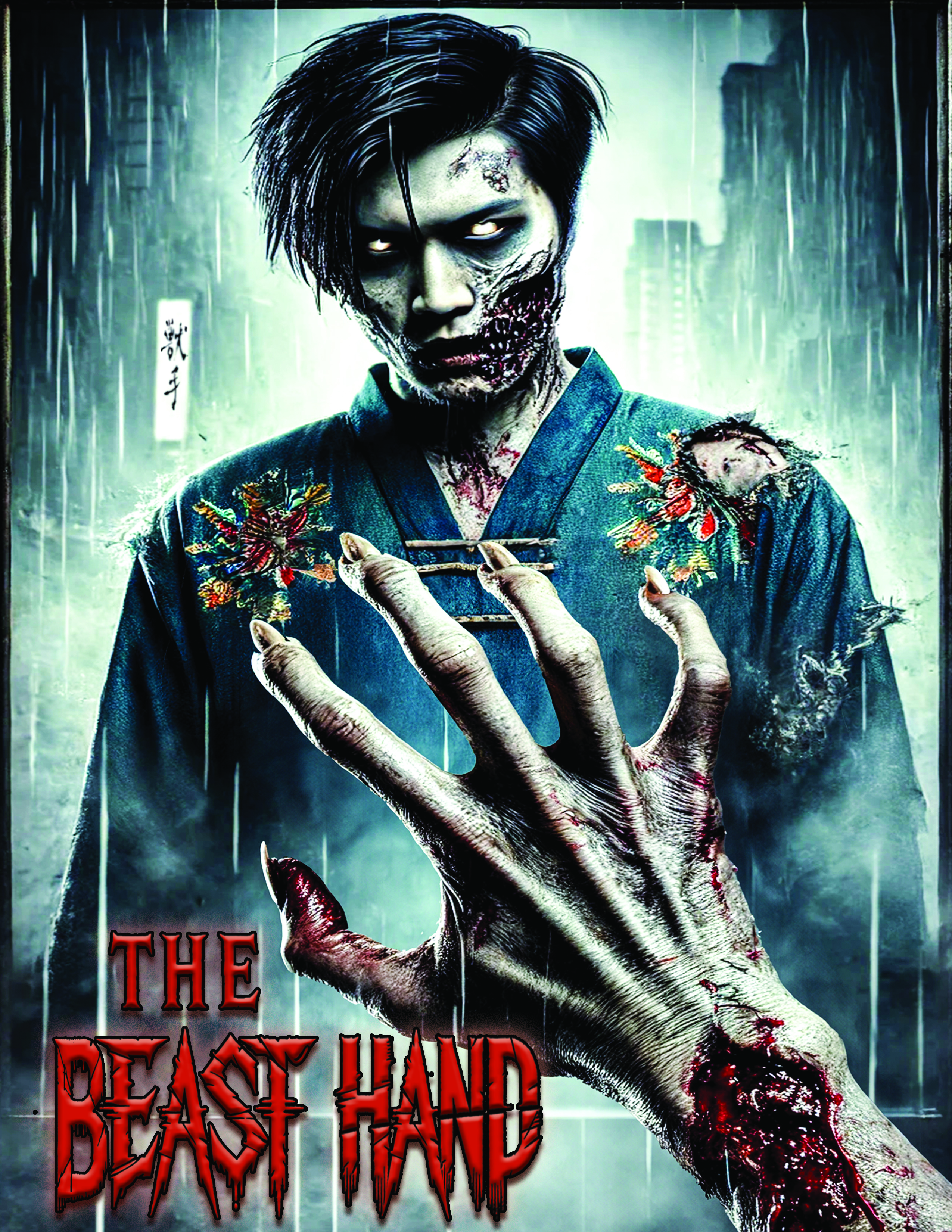
Trailer (English subtitles)

Silent Sparks (愛作歹, Chu Ping, 2024)

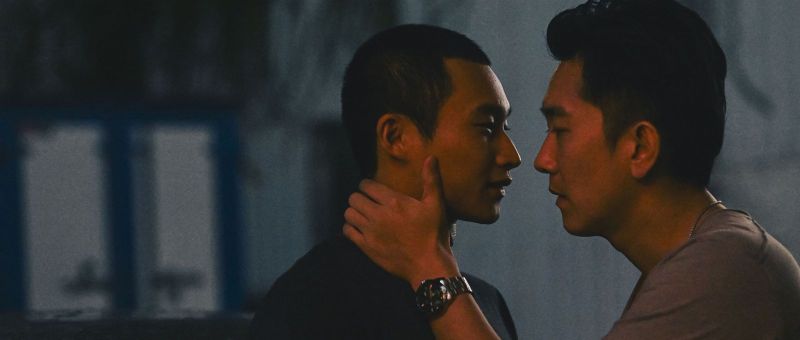
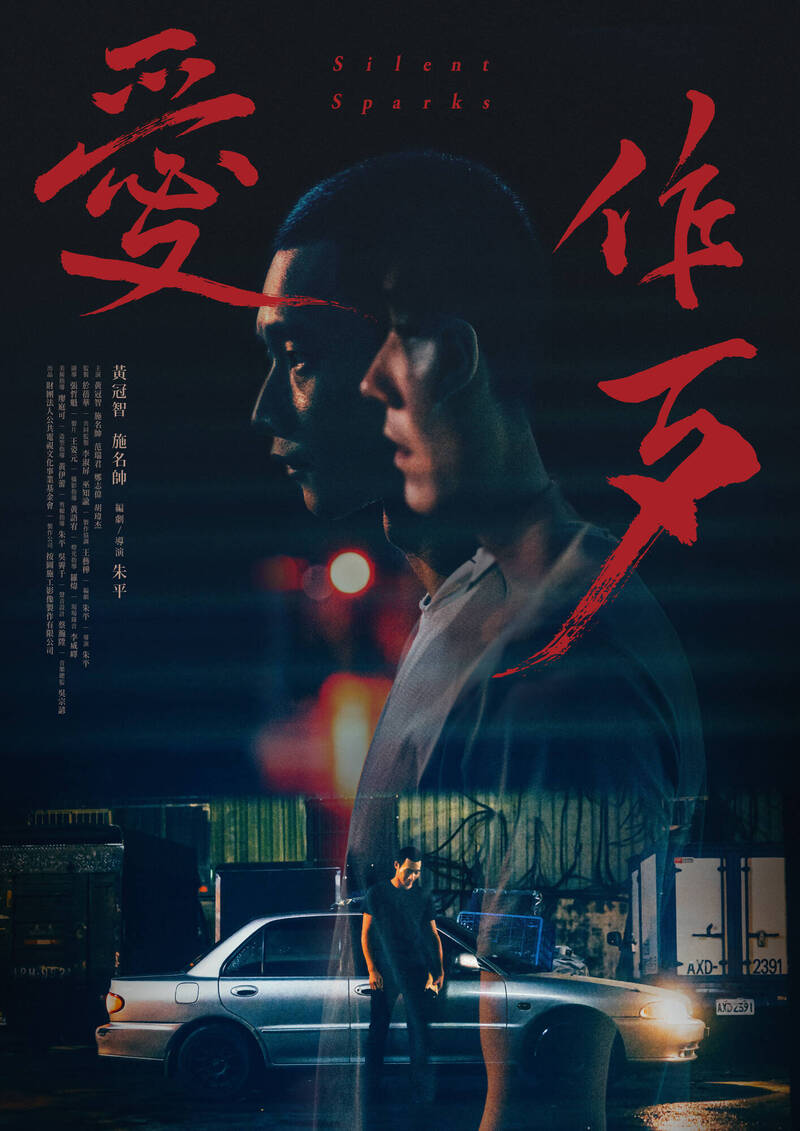
Recently released from prison, a young man discovers that it might be easier to be free behind bars than amid the incredibly homosocial world of urban gangsterdom in Chu Ping’s poignant LGBTQ+ drama, Silent Sparks (愛作歹, ài zuò dǎi). Pua (Akira Huang Guang-Zhi) is a kind of silent spark himself. As the gang boss describes him, he’s too rowdy and can’t keep his cool, which makes him a liability, but he’s also reticent and lonely, not to mention hurt by the seeming rejection when the man he fell in love with in prison ignores him on his release.

There is indeed a latent violence in Pua that hints at his frustration and inability to express himself. When we see him enter prison, he appears as a small boy lost in his own thoughts and silently crying, though he was sent there for breaking a man’s leg in a fight. Though he’s served his time, Pua is still paying off the monetary compensation he owes to the man whose leg he broke and otherwise struggles to get by, which leaves him almost dependent on the gang boss who agrees to take him under his wing as a favour to his mother. It seems that he once knew Pua’s long-absent father, presumably also a gangster, and plays a quasi-paternal role but only half-heartedly in seeing Pua more as a resource to be employed or otherwise an irritating burden he can’t quite seem to shake.

It was the gang boss who asked Mi-ji (Shih Ming-Shuai), his right-hand man, to “look after” Pua in prison. The boss sneers a little, and claims responsibility for saving him, adding that things could have ended up “real nasty” for him inside, by which he means “getting it up your ass”. The irony is that Mi-ji was Pua’s prison lover and Pua is excited about the idea of his release fully expecting to pick up where they left off. But the reunion between them is awkward. Mi-ji is not happy to see him. He speaks tersely and makes it clear he’s not exactly keen for a catch up while keeping one eye on the room in case anyone is getting the right idea. Though Pua continues to pursue him, Mi-ji is avoidant. Perhaps for him, it really was a prison thing that he’s embarrassed about on the outside, whereas Pua is more secure in his sexuality and less afraid of its exposure, only longing to resume the intimacy they once shared.

Mi-ji’s ambivalence hints at the toxic masculinity and entrenched homophobia of the world around them in which homosexuality is not really accepted and “getting it up your ass” is synonymous with defeat and humiliation. The irony is that Pua and Mi-ji were freer in prison where they could embrace their love without shame. Pua is imprisoned within the outside side world by virtue of being unable to be his authentic self, but is also trapped by his socio-economic prospects, which leave him dependent on the underworld and the dubious paternity of the gang boss. Expressing his frustration through violence damns him further in leaving him with mounting debts he can only hope to satisfy through acts of criminality. It is really on this side of the bars that the “real” prison lies, and it’s from this world that Pua longs to be released to return to the prison utopia of his love with Mi-ji.

Still, he cannot really escape his destiny, as his mother keeps reminding having read his tragic gangster fortune and trying to get him to eat rice noodles for 100 days to change his fate only to get her heart broken realising salvation for her son might mean something quite different than she had imagined and also take him away from her. Gritty in its gangland setting and hinting at the connections between political corruption and organised crime Chu’s slow-burn drama makes a hell of the contemporary society in which men like Pua find themselves trapped by toxic masculinities and hierarchal violence under an intensely patriarchal social order that permits them little sense of possibility or the ability to be their authentic selves and true freedom is to be found only within the homosocial world of a more literal “prison”.


Silent Sparks screens at Rio Cinema 5th May as part of this year’s Queer East.
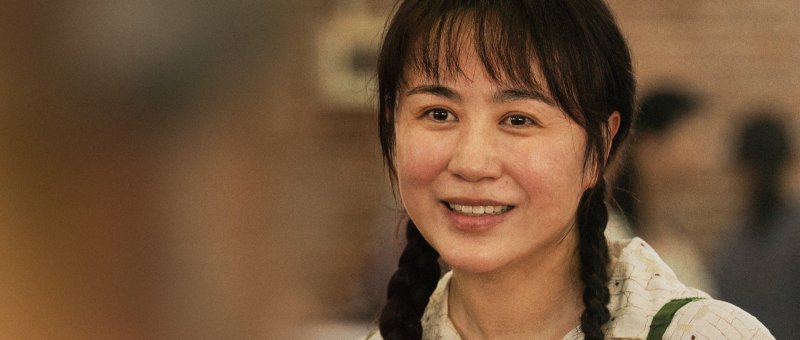
Trailer (Traditional Chinese / English subtitles)

Holy Night: Demon Hunters (거룩한 밤: 데몬 헌터스, Lim Dae-hee, 2025)

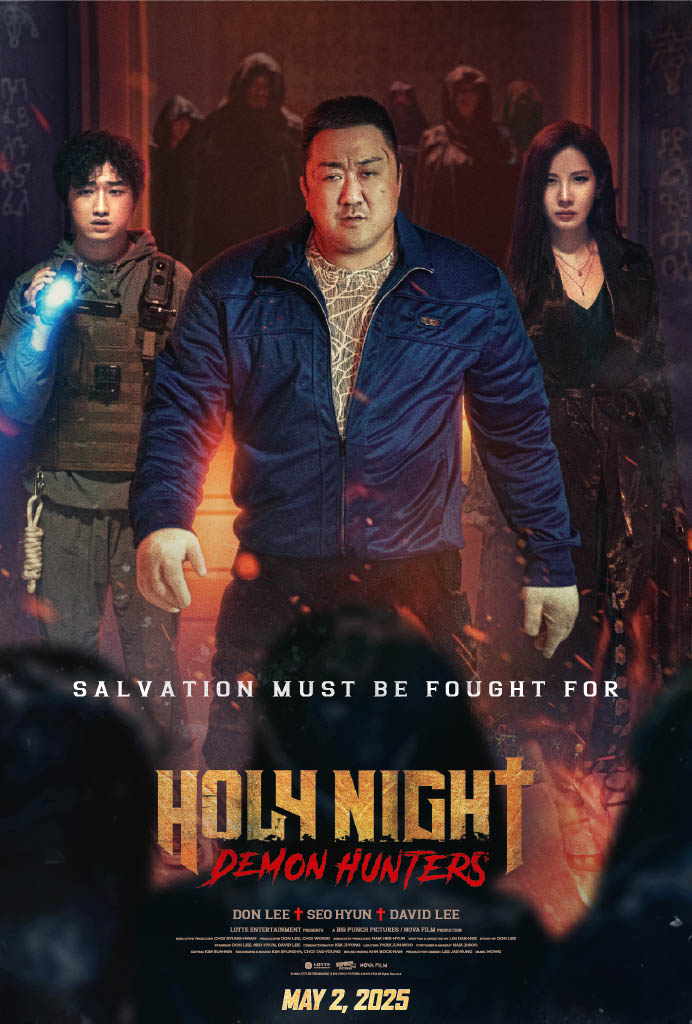
The mighty fists of Ma Dong-seok punch the Devil right back to hell in Lim Dae-hee’s supernatural action drama, Holy Night: Demon Hunters (거룩한 밤: 데몬 헌터스, Geolughan Bam: Demon Hunters). The latest in the long line of vehicles for the much loved star, the film is as much about its hero’s own demons as the more literal kind as he finds himself confronted by the past and his unresolved trauma while trying to save a young woman who seems to have been possessed by a powerful and malevolent supernatural entity.

Bow (Ma Dong-seok) runs a detective agency that specialises in supernatural crime and is often called in when the police run out of other options. He and his two assistants, Sharon (Seohyun), the exorcist, and Kim Gun (Lee David), the cameraman, are charged with a missing persons case that has links to a series of ongoing violent crimes apparently committed by “Worshippers,” or those who have chosen the dark side and are in league with the demons to “cause harm to people and spread evil”. Meanwhile, the team is also approached by a doctor, Jung-won (Kyung Soo-jin), who is at her wit’s end trying to treat her younger sister Eun-seo (Jung Ji-so). Eun-seo is currently being treated for schizophrenia but, Jung-won now suspects after taking advice from fellow doctor and Catholic priest Father Marco, she may actually be possessed.

The film’s worldview is indeed steeped in religion and though it doesn’t really get into it, there’s something a little discomforting in its positioning of Jung-won as a woman of science eventually forced to accept that her sister’s illness is demonic. Not only is the implication that those living with schizophrenia are inherently dangerous and, in fact “evil”, but also that they pose an ongoing threat as Bow fights off a corridor full of otherwise zombified patients who’ve been released from their cell-like rooms by the demonically empowered Eun-seo. 

Meanwhile, in contrast to other similarly themed Korean supernatural thrillers, the Catholic Church is presented uncritically as a source of infinite good and the only means of fighting the darkness the demons represent. The only note of uncertainty lies in Bow’s feud with Father Marco because he unwittingly appeased the demons after realising that Bow’s childhood friend Joseph, with whom he grew up in the same orphanage, is actually the incarnation of Lucifer. He chose not to say anything because he didn’t want to believe that Joseph could be “evil”. In any case, Bow’s trauma flows from the same source. He blames himself for being unable to stop Joseph when he attacked the orphanage, killing several children along with their shared maternal figure Sister Angela. Working with another nun, Sister Catalina, Bow is saving to open a new Catholic orphanage as a means of atonement while otherwise vanquishing other demons with his God-given gift, his fists.

It’s only in confronting his trauma that Bow is able to unlock his full power, which actually comes from the Devil, though he, like Sharon, has elected to use it for “good” rather than evil. Thus they are both in some sense fighting their darker impulses in rejecting the “evil” view of the world presented by the Worshippers who, the film suggests, very much walk among us in the guise of “good neighbours.” The film sets this cosmology up as a kind of comic book-esque universe and even slips into webtoon-style animation in the closing scenes as Bow takes on yet more ungodly forces and smacks them straight back to hell.

That said, there’s less of Ma Dong-seok punching bad guys than might be expected from this type of film, though there’s certainly room for his brand of deadpan, wisecracking humour that gives the team a lived-in feel even if they otherwise seem slightly underwritten as if this were the big-screen adaptation of a television series the viewer hasn’t seen. It also has less in common with previous exorcism dramas such as The Priests, The Divine Fury, or Devil’s Stay and seems to be influenced more by Hollywood films about demonic possession while otherwise taking visual inspiration from the Paranormal Activity series and ghost shows along with the odd J-horror jump scare. It also borrows J-horror’s technological anxiety in Eun-seo’s ability to make the digital signal twitch, though the film never particularly does very much with it. Nevertheless, it’s all carried along by Ma’s winning charm as an action star along with the committed performances of the cast even when not particularly well served by the material. 


Holy Night: Demon Hunters is in US cinemas now courtesy of Capelight Pictures.

International trailer (English subtitles)

1 Girl Infinite (Lilly Hu, 2025)

There’s a moment in Lilly Hu’s gritty Changsha-set drama 1 Girl Infinite in which the heroine, Yinjia (Chen Xuanyu), watches as a fishmonger bashes a fish to death. He repeatedly smacks its head into the ground and, in a moment of foreshadowing, hits it with his meat cleaver while the fish flails around helplessly, gasping for air and twitching its tail. Yinjia winces and half looks away, but also sees something of herself in the way this poor creature is tossed around and eventually gutted in much the same way that she feels herself to be battered by her society.

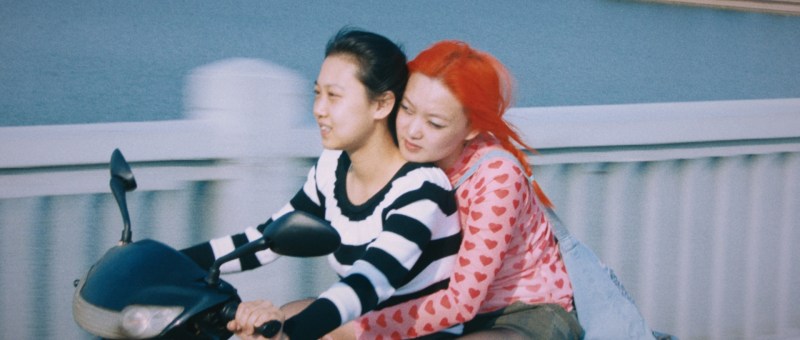
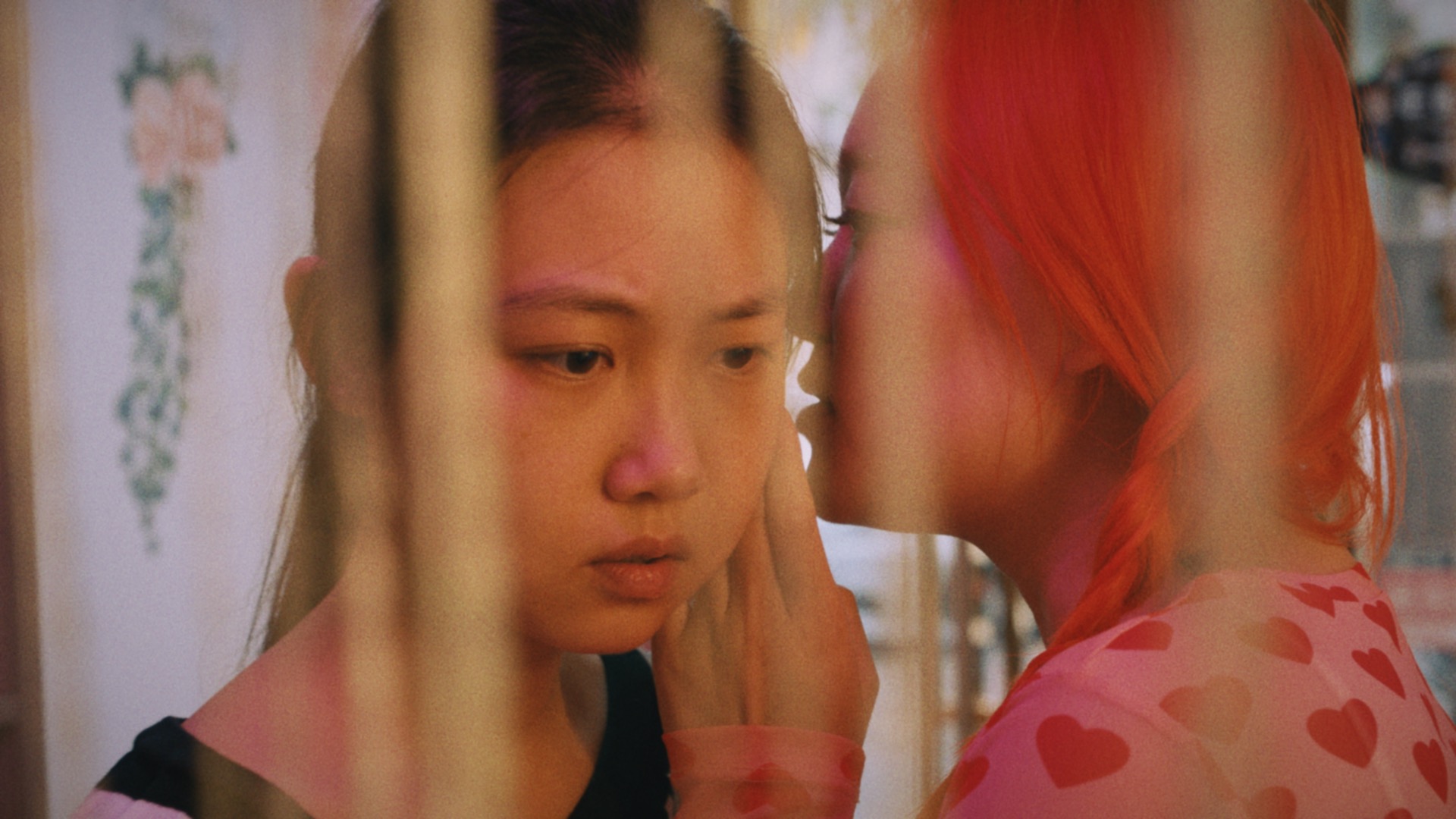
Indeed, the film opens with her reading her suicide note in which she states that however she may die it has nothing to do with Xia Yutong (Lilly Hu), though in actuality it has everything to do with her. Abandoned by both of her parents, 19-year-old Yinjia has adopted a quasi-maternal role over Tong Tong who lives in her apartment and shares her bed, though the relationship, from Tong Tong’s perspective at least, remains curiously ill-defined. In the early light of morning, Yinjia silently gazes at her sleeping figure, but Tong Tong often rejects her gestures of intimacy. She won’t let Yinjia hug her in the street because she’s “too heavy,” and there is a clinginess to Yinjia that spills over into possessiveness and control that might be off-putting, but equally it seems that Tong Tong pushes her away because she herself doesn’t know how to process this relationship or her feelings for Yinjia. 

Then again, perhaps it is really about not having anywhere else to go as she unconvincingly tells her friends when they complain she’s brought “that girl,” again. Tong Tong tells them that Yinjia is just some girl who won’t stop following her around and acts like she’s a drag, but is at other times clingy herself and in rare moments of freedom expressing a silent affection for Yinjia. Nevertheless, there is a marked contrast between the more straight-laced Yinja and Tong Tong’s punkish friends who seem to represent two opposing worlds. Yinja glares at them constantly, resenting their indiscriminate use of drugs and the dangerous situations it could get them into, but appears to want to rescue Tong Tong who might not actually want to be rescued.

When Tong Tong gets involved in another ill-defined and possibly transactional relationship with local drug dealer Chen Wen (Bo Yang), it further disrupts their dynamic and pushes Yinjia towards the edge as she falls into a self-destructive obsession while convinced that she will lose Tong Tong. Tong Tong is convinced that Chen Wen will take her to America, which it seems clear that he has no real intention to do, where people live in big houses and everyone has a job. In this way, he represents a more literal kind of escape from the problems of contemporary China in which she is trapped in a dissatisfying socio-economic position from which she sees no way out. After she loses her virginity to Chen Wan, the camera cuts to a Burberry bag containing a designer dress that echoes Tong Tong’s need for consumerist affirmation. 

Tong Tong clearly aspires to his life of wealth and comfort, but it’s equally true that Chen Wen’s financial stability is rooted in illegality and moral dubiousness in his indifference to the harm his line of business causes. When the girls visit his apartment, there’s another woman there that is being fed drugs and is eventually manhandled out when her reaction to them begins to annoy Chen Wen and his henchman. She may be a harbinger of what may become of Tong Tong if she gives in to this bargain and a further provocation for Yinjia who is determined to prevent her from doing so by any means necessary. It’s never quite clear whether either relationship is any more than transactional from Tong Tong’s point of view, or whether she’s really aware of the realities of her relationship with Chen Wen which he clearly doesn’t view with much seriousness, though she continues to refer to herself as his girlfriend and evidently really believed he meant it when he said he’d take her to America. 

Yinjia meanwhile glares at the world around her and strikes back self-destructively. She scores a partial victory in seeming to have impressed Chen Wen in the depths of her devotion and the lengths that she would go to to maintain control over Tong Tong, though it’s also somewhat hollow and ironic given that he almost certainly never meant to take her to America anyway nor keep her around very long. Left with no parental input or societal safety net, the two women are each adrift and left with only each other to rely on. Though locked in a somewhat toxic embrace, the relationship between them is the only hint of purity in their otherwise impure world of betrayal and exploitation.


1 Girl Infinite screens at Rio Cinema 3rd May as part of this year’s Queer East.
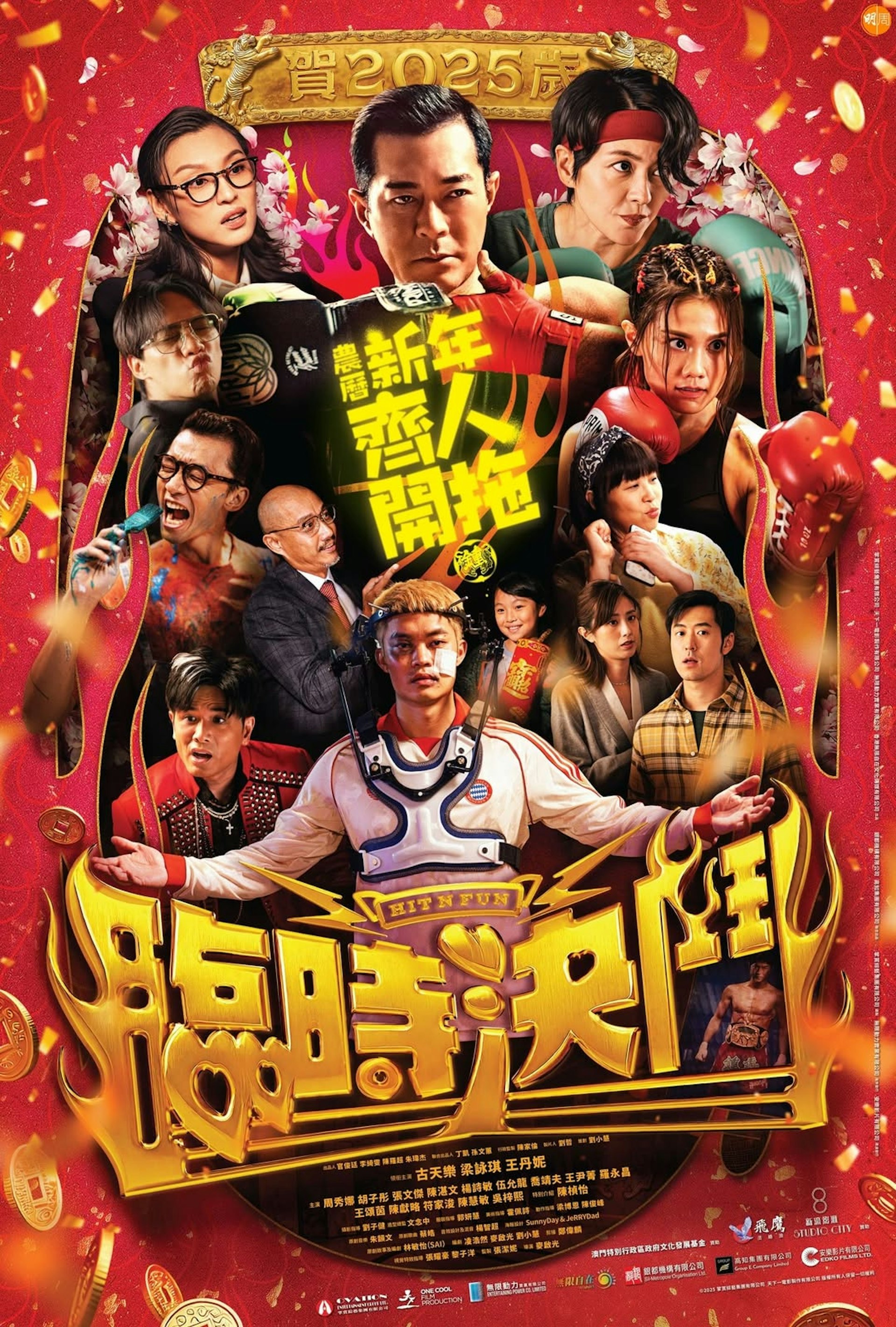
Hit N Fun (臨時決鬥, Albert Mak Kai-Kwong, 2025)

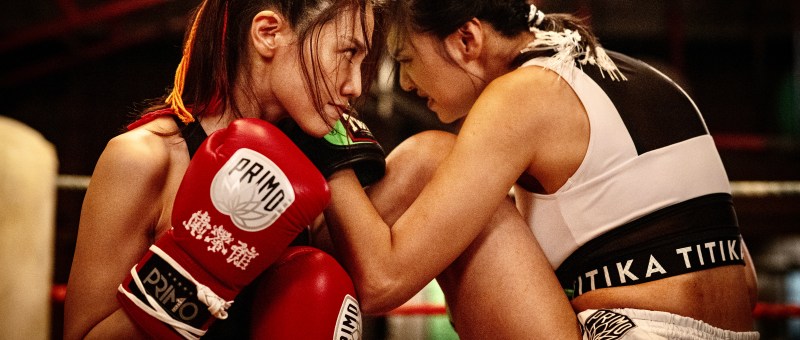
“There’s no point looking back,” according to the heroes of Albert Mak Kai-Kwong’s surreal Muay Thai comedy Hit N Fun (臨時決鬥), but then again it seems like victory lies in staying in the ring. No matter how many times you lose, you have to keep fighting because precisely because you have no expectation of winning. Bruce’s (Louis Koo Tin-lok) gym in Macao is then a remnant of a world on the brink of eclipse that he’s been desperately trying to cling on to only to come to the slow realisation that it may be time to let it go.

His wife Carrie (Gigi Leung Wing-kei) is experiencing something similar after trying to make a comeback as an actress. A promising opportunity goes awry when she realises it’s for an advert for a menopausal tonic and protests that’s she’s far too young for all that but is immediately shut down by the producer, Elsa (Louise Wong Tan-ni), who says she doesn’t even know who she is but is only using her as a favour to her aunt, Bridget (Harriet Yeung), who is Carrie’s manager. Carrie complains that she can’t get a foothold in the contemporary cinema scene partly because of a dearth of parts for women her age, while she’s equally too afraid to let go of ingenue roles and her image of herself as one to make the irreversible shift to playing mothers of adult women. But then it also seems that you can’t get anywhere without a huge following on social media, which is largely powered by young actors from big agencies with hundreds and thousands of fans. 

Meanwhile, Elsa can’t let go of her long-term boyfriend Daniel (Peter Chan Charm-man) who has been unsuccessfully trying to break up with her but has not yet disclosed that he’s now in a relationship with Surewin (Chrissie Chau Sau-na), a Muay Thai champion who started out at Bruce’s gym but left with his best student, Arnold (German Cheung), to start up on their own. Unlike Bruce’s traditional gym, Arnold’s is a slick, modern facility that pushes expensive package subscriptions and has a sideline in merchandising and fitness-related goods. In many ways the battle is between the wholesome sense of community presented by Bruce’s rundown school, and Arnold’s soulless corporate enterprise which doesn’t even really care that much about Muay Thai anymore.

Then again, the unlikely champion of this wholesomeness is Elsa, who decides she has to fight Surewin not exactly for Daniel but to avenge and vindicate herself. Even though it’s very unlikely that she could really beat a champion after an intense three months of training, Elsa is determined to give it a go more out of stubbornness and pride than anything else. But then all she really needs to do is stick around, much like Bruce. Elsa only needs to be standing after four rounds and as Bruce is fond of reminding her, if the final bell hasn’t rung, then you haven’t lost yet. 

While training at the gym, Elsa begins to loosen up a bit and shifts more towards the world of Bruce’s gym than her high-powered job that is founded in consumerism and geared towards selling people things they don’t want or need to distract them from a sense of dissatisfaction about their lives. But on the other hand, perhaps there’s no point in the kind of stubbornness that prevents you from moving forward. Bruce has an old leather sandbag in his gym that seems to embody its soul, yet it’s already leaking sand as if the building itself were bleeding. Ironically, it’s Arnold who eventually tries to save it while Bruce seems resigned.

What they reach seems to be a kind of compromise, utilising Elsa’s skills to modernise and expand the gym, which is really just another way of fighting if also perhaps a concession and decision to leave something behind. You could also read this as an allegory for the Hong Kong film industry which is increasingly leaning towards the Mainland but still hanging on though some might say losing its soul in softening any hint of localness. On the other hand, Hit N Fun is quite defiantly a homegrown comedy starring some of the biggest local stars from Louis Koo and Gigi Leung to Tony Wu and the rising star Louise Wong. It ultimately seems to say, we’re still here, and we’ll pick our battles, but we’ll keep fighting even if we can’t win because perseverance can be a victory in itself.


Trailer (Traditional Chinese / English subtitles)

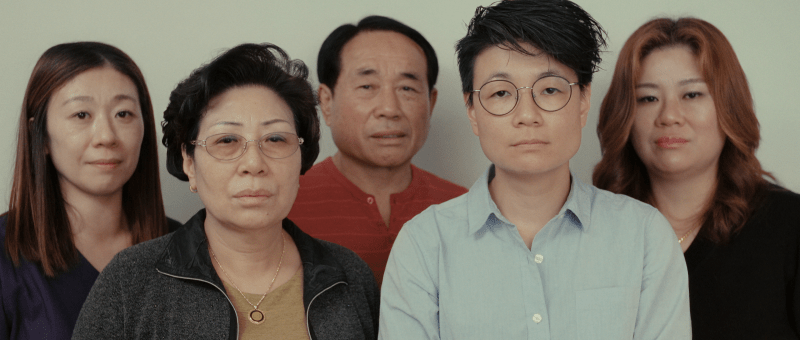
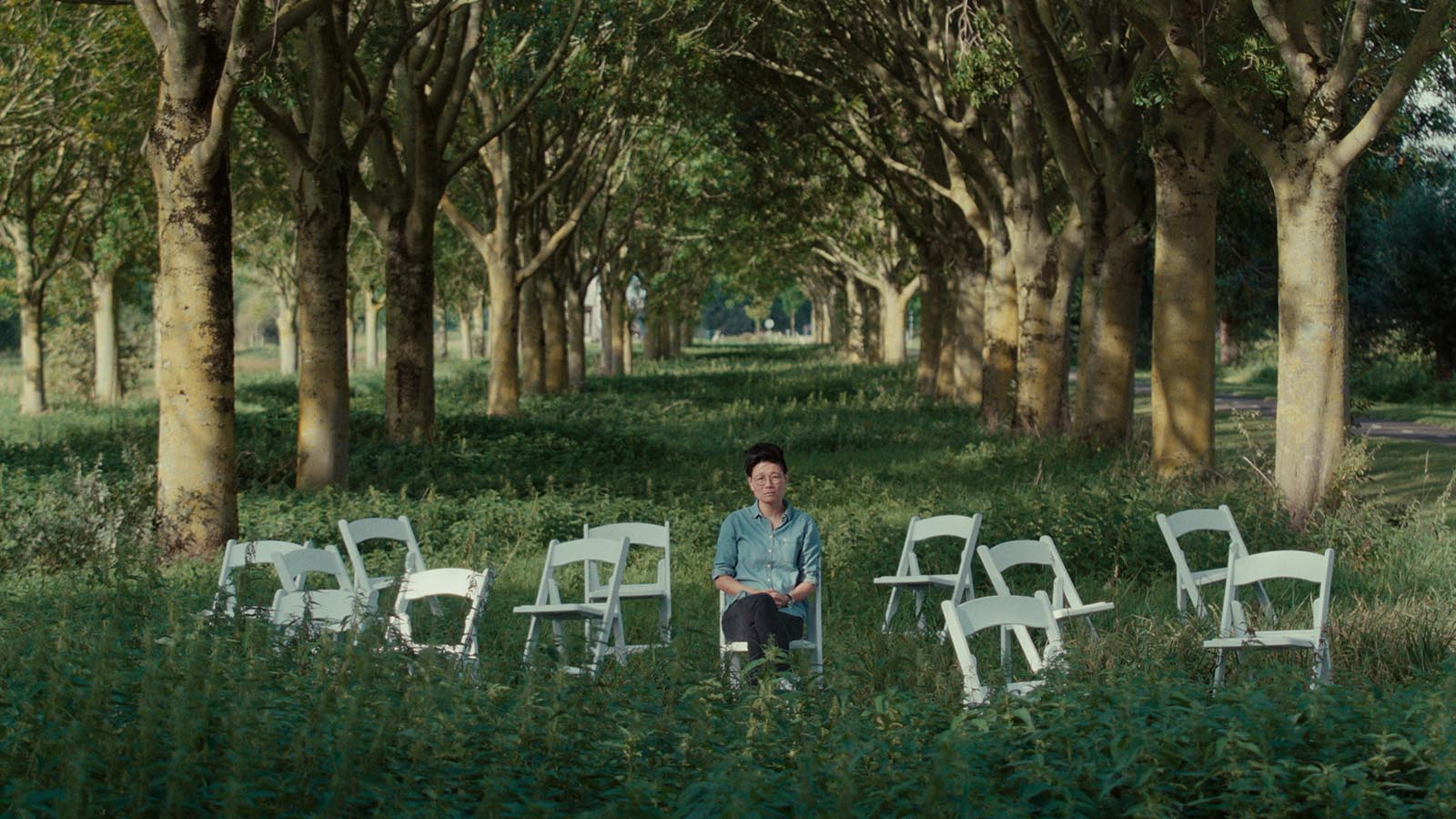
Between Goodbyes (Jota Mun, 2024)

There’s a small irony at the centre of Jota Mun’s documentary Between Goodbyes in that she often cuts back to  contemporary stock footage of television items covering the subject of adoptions in Korea. Pundits are full of panic about the rapidly expanding baby boom of the post-war era and concerned about a growing lack of resources to care for them. Fast-forward 50 years and the problem has reversed as the news items are full of panic about the ageing population and record low birth rate. Still, it’s clear that the nation has not yet fully reckoned with its history of international adoptions which employed dubious practices to separate parents from children and essentially sold babies abroad in a business model more akin to human trafficking. 

Mieke’s mother Okgyun is wracked with guilt about the decision she made to give her up, which was motivated mostly by her poverty, but also a series of social stigmas including that towards large families. With three children already, they simply couldn’t afford another and Okgyun had planned on an abortion though was talked out of it and advised to put the baby up for adoption on the promise that it would have a much better quality of life in America. Of course, the reality was not always so rosy and Okgyun and her husband have spent every moment of their lives since thinking about their missing daughter. Twenty years later, Mieke’s father became determined to find her and eventually discovered she had been sent to the Netherlands. 

For Mieke, the knowledge that her parents had wanted to find her was a source of comfort but also awkward and as she puts it “overwhelming”. Though to them she was their long-lost daughter, to her they were strangers and as she had been raised abroad, she could not even speak their language. Mieke had also experienced a series of other losses including that of her adoptive parents. An uncle and aunt had taken her in, but it didn’t work out leading to a further sense of rejection and abandonment. She describes finding a surrogate family in community but also hints at a constant sense of displacement, never quite feeling at home anywhere.

For these reasons, she found it difficult to relate to her birth parents when they first approached her and struggled to accept the intensity of their emotion. Later, her partner along with the film’s director, ask Mieke if she isn’t afraid of losing them too, as if she’s trying to stave off another abandonment by keeping them at arms’ length while also struggling to balance her own sense of identity caught between an interest in her Korean heritage and sense of belonging, and her Dutch upbringing and life in the Netherlands. There’s an also an additional sense of poignancy in that had Mieke been raised by her birth parents in Korea, she may not have been as free to live as her authentic self in a much more conservative social culture. A secondary reason that she’d avoided keeping in touch with her parents when they first contacted her was that she knew she would have to come out to them and was unsure as to how they’d react. 

Her birth family have, however, fully accepted her wife Marit, and though some of them may say they don’t quite understand, are fully supportive and just happy that she’s happy. On the other hand, it’s true enough that every reunion entails another goodbye with a concurrent sense of abandonment on each side. Another woman from a society supporting parents who gave their children up for adoption remarks that it’s only really with the reunion that the grieving process begins with the intense sense of loss for all missing years, the time and memories that have been stolen for each of them. Incomplete family portraits coloured by a sense of absence symbolise the longing for something that cannot be restored, while Mieke and her mother seem to be divided by an invisible wall. Still in overcoming the language barrier and learning to communicate in a much more direct way, the relationship begins to reforge itself. Perhaps as Okgyun says, there’s no such thing as complete happiness, but there is perhaps warmth and forgiveness and new beginnings that might not quite make up for lost time but do perhaps have the potential to become something else.


Between Goodbyes screens May 1 as part of this year’s San Diego Asian Film Festival Spring Showcase.

Trailer