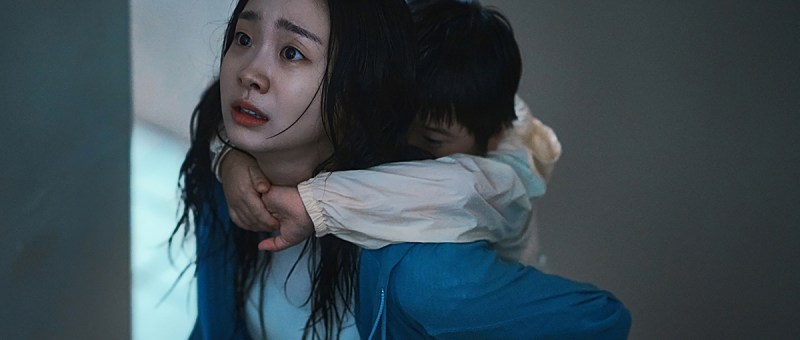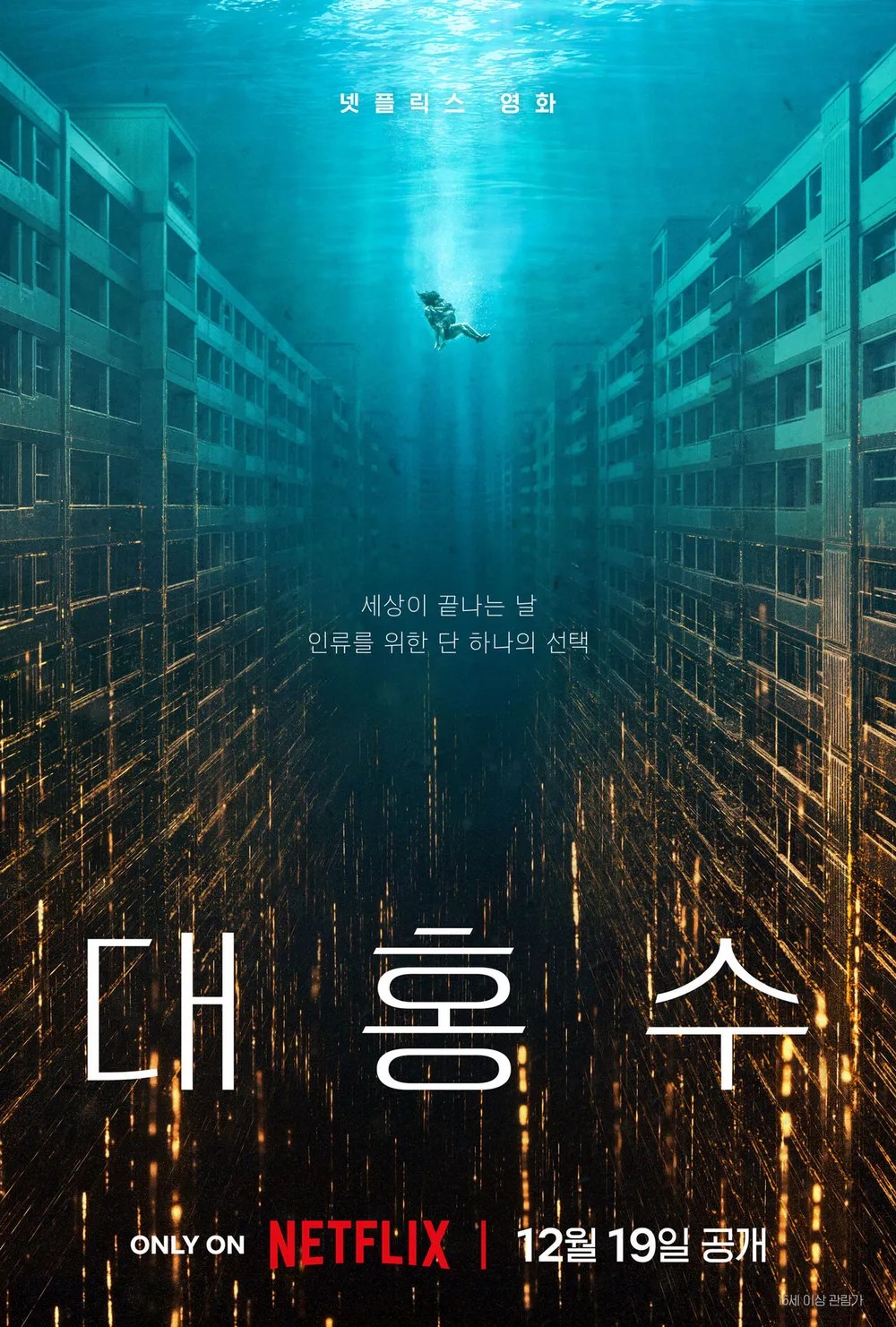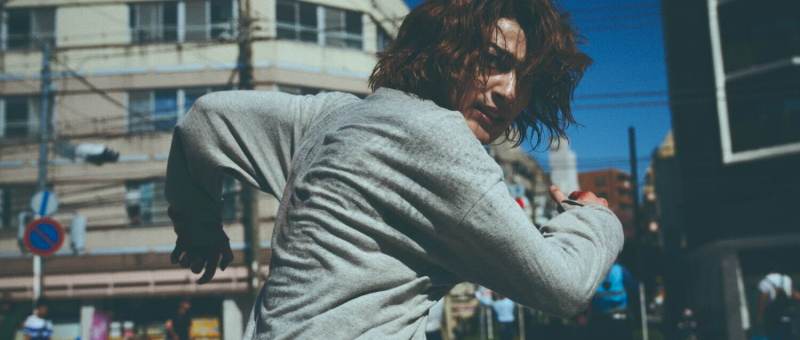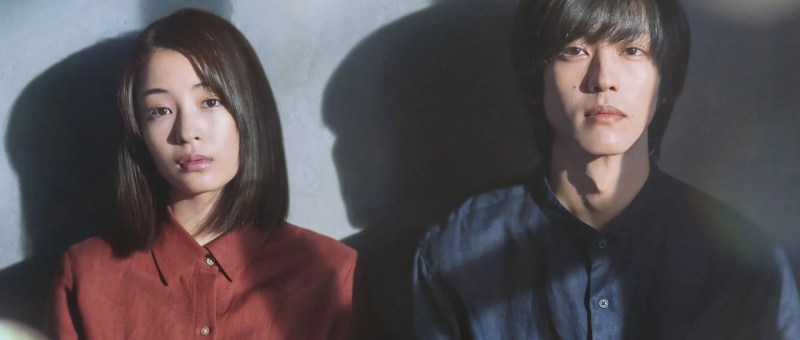
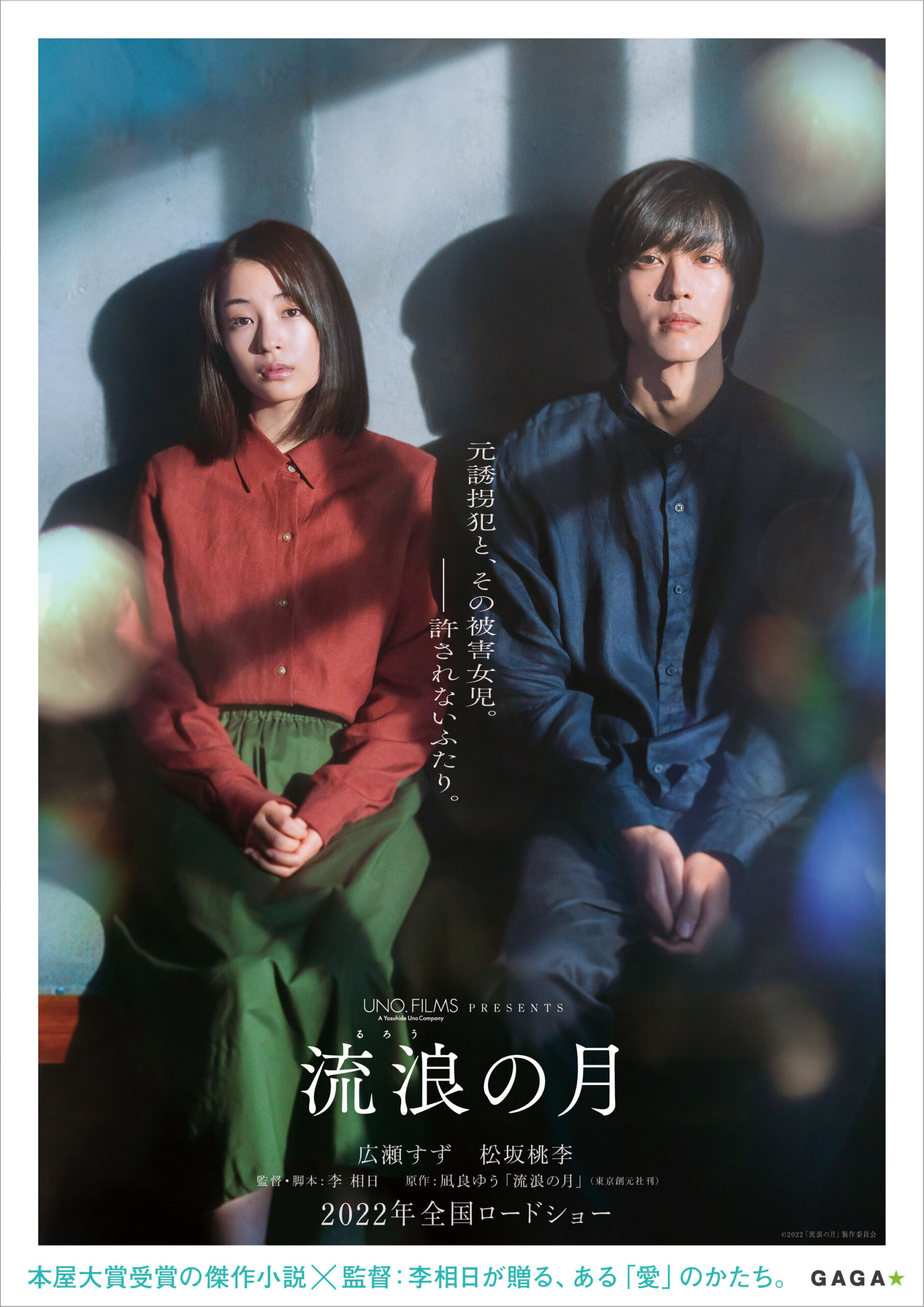
No Other Choice (어쩔수가없다, Park Chan-wook, 2025)

Most of the time, when someone says they had no choice, they’re paradoxically admitting that they had one, but they expect to understand the choice they’ve made because we would have done the same or can’t reasonably expect them to accept the consequences of the alternative. “No other choice,” on the other hand, is self-contradictory, clearly stating that a choice does indeed exist. Perhaps that’s why it seems so irritatingly disingenuous every time it’s said to Man-su (Lee Byung-hun), even if he eventually succumbs to its self-absolving qualities.

In any case, it’s this sense of powerlessness that’s at the centre of Park Chan-wook’s satirical drama as a middle-aged man finds himself suddenly exiled from the upper-middle-class lifestyle he’s worked so hard to build for himself when his company’s taken over by an American firm who have “no other choice” than to shed some staff. Man-su is blindsided by this corporate betrayal, attending self-help sessions that remind him there’s no such thing as jobs for life any more. Losing his job wasn’t his choice, but in some ways perhaps that makes it worse. 

What connects him with the other men in his position is that he’s obsessed with getting another job in the paper industry rather than exploring other options. All of these men are fixated on getting back what they feel has been taken from them. Not only is Man-su dead set on getting another job in paper, but on holding on to the family home from which he was displaced as a child and has only just managed to reclaim. To that extent, what he wants is a return to a past that doesn’t quite exist any more or exists only in his memory and is therefore unattainable.

Losing his job also leaves him displaced within his family as his sudden inability to keep them in the manner to which they’ve become accustomed eats away at his sense of masculinity. They’ve already had to exile the dogs, leaving his young daughter distraught, while his wife, Miri (Son Ye-jin), has started working again, further emphasising his failure as a provider. Witnessing one of the other men’s wives cheating on him with a much younger lover, Man-su too begins to fear that his wife no longer sees him as a man and will cheat on him too with someone who better fulfils the codes of masculinity. Yet it’s his stubborn male pride that undermines his positions much more than the unfortunate fact of having lost his job, which wasn’t after all something he had much control over. The wives are all much more pragmatic and come up with realistic solutions such as ruthless belt tightening and ceding a little ground by voluntarily giving up anything inessentials while encouraging their husbands to be a little more pragmatic and consider new directions rather stubbornly fixating on reclaiming the life they had before. 

That might be Miri decides to just sort of go with it even after beginning to suspect that Man-su has something to do with the disappearance of his rivals. At least he’s being proactive, even if it’s not really the best way to go about it, and by burying a few bodies there, he’s basically made it impossible to sell the house which is one goal achieved. It’s not losing your job that’s the problem, it’s how you deal with it, one of the other men’s wives insists as even Man-su ironically berates him for not listening to any of his wife’s “sensible” suggestions. Then again, the fact Man-su is eventually offered a job training AI replace him invites the suggestion that he’s basically killing all the other workers in the hope of clinging on to the wheel as soon as possible. The managers state they had “no other choice” about that too, and are grinning with the blinkered vision that prevents them from realising there’ll be no need for managers when there’s no one manage. 

In any case, the fact that Man-su walks around for with toothache for a significant amount of time echoes the hero of Aimless Bullet and suggests that perhaps things aren’t all that much different in the Korea of today caught between deepening wealth inequality, exploitative working conditions, and employment precarity presented by the rise of AI and increasingly globalisation. There is something quite sad about the devaluing of these skills in that what Man-su and the other men share is reverence for paper, the beauty and texture of it, along with the craftsmanship and pride in their work that now seems to belong to a bygone era. It seems that the dog-eat-dog world of capitalism leaves Man-su with “no other choice” than to do what he did and leave others with no other choice but him, but all he’s really done is seal his own fate in a futile attempt to hold on to a past that is rapidly slipping away.


No Other Choice screens as part of this year’s BFI London Film Festival.

Trailer (English subtitles)
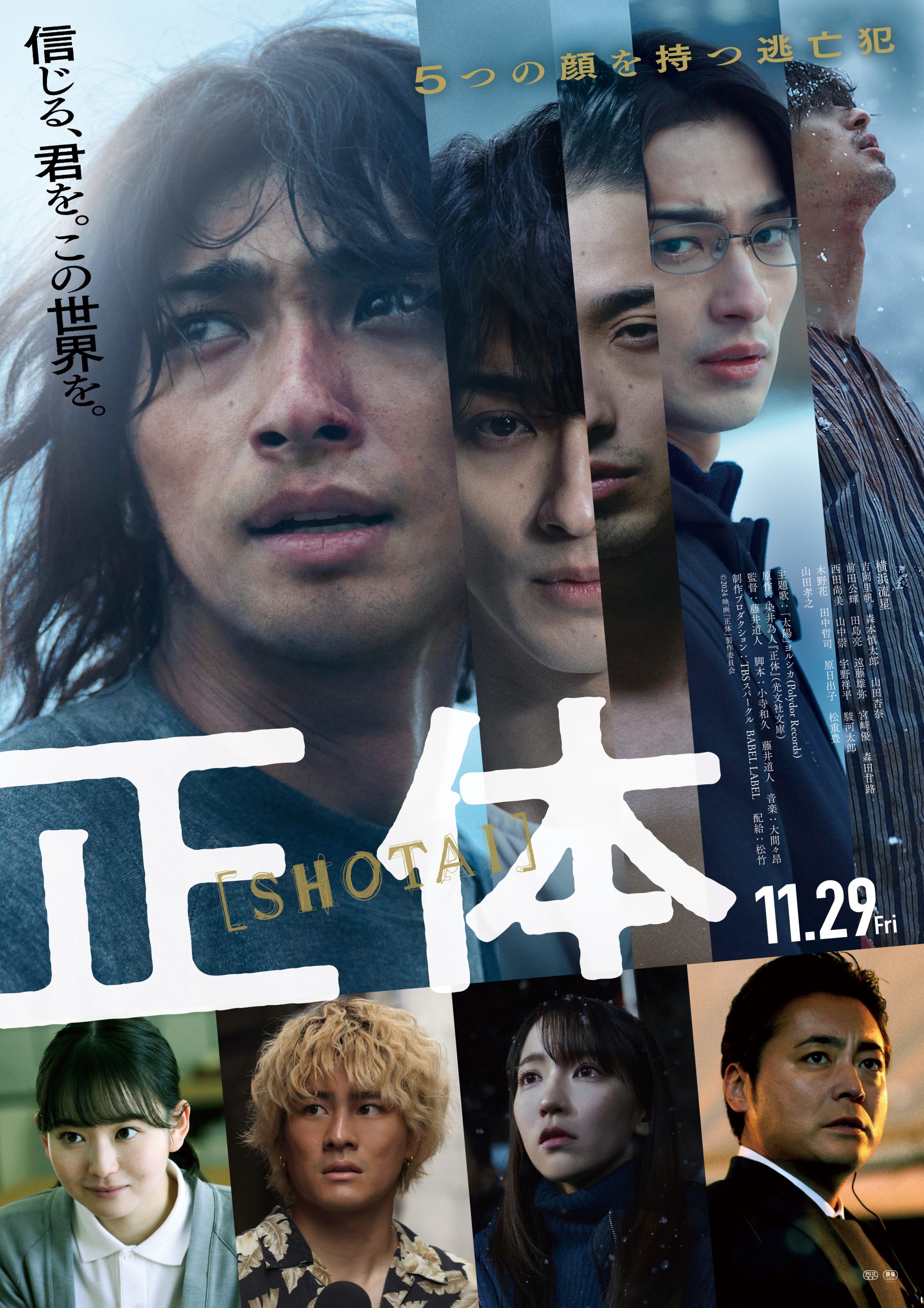
A Useful Ghost (ผีใช้ได้ค่ะ, Ratchapoom Boonbunchachoke, 2025)

Right at the beginning of Ratchapoom Boonbunchachoke’s A Useful Ghost (ผีใช้ได้ค่ะ, Phi Chaidai Kha), we see a man creating a classical-style relief that’s positioned in a tranquil spot surrounded by nature. It features people from all walks of life, a mother and her child, a monk, a scholar, a soldier, a labourer and so on, as well as a goat, and is later revealed to have the title “democracy monument”. But as soon as it’s put up, it’s brought violently down as developers move in to replace this oasis of peace with a modern shopping mall. 

The construction gives rise to more “dust” which is what’s polluting the country, directly linking rampant capitalism with the erosion of democracy. Even the home lived by the self-proclaimed “Academic Ladyboy” (Wisarut Homhuan) may one day be consumed as the traditional streets are replaced by yet more upscale shopping opportunities. In an effort to get rid of the dust that’s plaguing him, he buys a vacuum cleaner, but it turns out to be haunted and coughs in the middle of the night, spitting out all the dust he made it swallow. 

“Dust” is also a term that’s come to stand in for those exploited by this increasingly capitalistic society whose lives are afforded little value, such as factory worker Tok who died after being exposed to too much dust while working at a factory producing vacuum cleaners. Meanwhile, the factory owner’s son has just lost his pregnant wife, Nat (Davika Hoorne), to a respiratory illness caused by dust. Nat has also possessed a vacuum cleaner and reunites with her broken-hearted husband, March (Witsarut Himmarat), but finds herself increasingly compromised after sucking some of the dust out of a government minister’s eyes.

Nat’s desire to stay in the mortal realm longer than is proper is reminiscent of the classic ghost Nang Nak, but what she also becomes is a kind of class traitor increasingly involved with the oppressive regime and betraying her own people to ensure her personal survival. Government minister Dr Paul gets her in on his programme chasing ghosts through dreams and banishing them from people’s memories in order to erase their existence and history. When people refuse to give up their ghosts, he has them given electroshock therapy so that they forget them, as he once tried to do to March before Nat made herself useful to him. And so “dust” and “ghosts” have now become metaphors for those who resist as the souls killed not only during the 2010 massacre but Thammasat University massacre in 1976 rise again to make their presence felt. 

According to the Academic Ladyboy, that these ghosts came back at all is itself an act of resistance, as if these memories themselves could become reminders that resistance is possible and things weren’t always this way. He loathes Nat for the choices that she made in turning on her own, but she was also facing other kinds of oppression in never being accepted by her husband’s upperclass family who in themselves become a symbol of autocratic elitism. Her mother-in-law, Suman (Apasiri Nitibhon), who owns the factory and is unsympathetic towards Tok insisting his death was nothing to do with the working environment, submits herself to them too because like Nat she didn’t belong either and felt she had no other choice. Her eldest child Moss was taken away from her because she spoke a Northern dialect and they feared the child wouldn’t learn standard Thai. Now she tries to talk to her son’s Australian husband in Teochew, only for Moss to roll his eyes and say no one knows how to speak that outside Thailand. Just as they rejected Nat for being an outsider, they rejected Moss for being gay until he became useful to them.

The longer Nat stays beyond her allotted time, the more it corrupts her so on restoring her corporality she would betray even March, who has come to sympathise with the ghosts, in order to be allowed to stay and maintain her position. She’s the “useful ghost”, from a certain point a view, but from another, all the others are “useful” too in keeping the spirit of resistance alive. Quirky and surreal with its tales of haunted hoovers, obsessive bureaucracy, and factories where singing is randomly banned, not to mention truly awesome shoulder pads, Ratchapoom Boonbunchachoke’s deadpan absurdist drama is deadly serious where it counts right until its intensely cathartic conclusion.


A Useful Ghost screens as part of this year’s BFI London Film Festival.

Trailer (English subtitles)
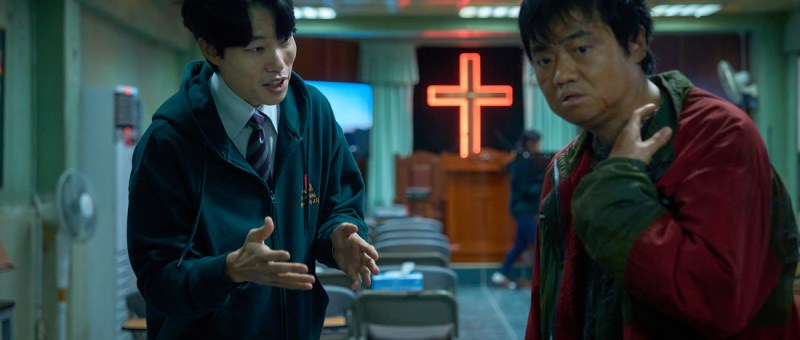
The World of Love (세계의 주인, Yoon Ga-eun, 2025)

Lee Jooin (Seo Su-bin) is a cheerful young woman, always laughing and joking. She tells people she’s okay, though some of them think she shouldn’t be, as if she can’t be telling the truth or what happened to her can’t be all that bad if she’s otherwise unaffected by it now. It’s like they’re telling her that she has no right to be happy, but must continue to live in suffering to conform to their idea of what a traumatised person looks like, otherwise she must be making it up for attention. 

Put like that, it seems very unfair. But it’s true enough that director Yoon Ga-eun plays with our prejudices deliberately withholding whatever it is that happened in Jooin’s life until the truth of it gently unfolds and we witness the radiating effects it’s had on her family and those around her. We at first wonder if she might have done something bad she’s expected to atone for, especially with the talk of lawyers and court cases, the fact her friends and teachers seem to regard her as a compulsive liar, and her sometimes aggressive physicality that sees her rough house with the boys and repeatedly end up in altercations with classmate Su-ho (Kim Jeong-sik) whose sister Noori attends her mother’s daycare.

Later, we might wonder if Su-ho is carrying something difficult to bear too. His mother doesn’t seem to be around, and he’s stepped into a maternal role caring for his sister to a degree that may seem obsessive. He’s started a petition against a convicted child abuser being released back into their community and is fixated on getting the entire school to sign it, even though it’s not really anything to do with him and simply saying they don’t want him back here is not particularly helpful seeing as he’ll have to go somewhere. Su-ho thinks he’s doing a good thing, but Jooin refuses to sign because she doesn’t like it that he’s written that being a victim of sexual assault ruins people’s lives. She tries to explain to him why it’s offensive, that he’s robbing those who’ve experienced sexual violence of the right to assume agency and suggesting they must forever be defined by their victimhood. She resents his patriarchal attitude and insistence that someone’s life could be “ruined” beyond repair because of a traumatic event that occurred to them personally outside of the problematic framing Su-ho’s way of thinking lends it. Su-ho, however, does not really listen but merely forces her to sign the petition anyway to fit in with everyone else so he’ll get his unanimous numbers, not that it really matters. 

We might also start seeing some of Jooin’s behaviour as a trauma response. Her love of Taekwondo a means of self-protection, her prankster persona a way of rebelling against her sadness with aggressive cheerfulness, but in that we may not be much better than Su-ho. Perhaps she just likes Taekwondo and is a natural comedienne. Maybe she just doesn’t care for apples. Not everything in her life radiates from her trauma. Meanwhile, we catch sight of things in others that suggest they may be suffering too. When Jooin grabs her friend Yura’s arm, she pulls away as if it were injured, tugging at her sleeve as if trying to hide it. Someone keeps writing nasty notes questioning Jooin’s behaviour, which they find confusing, and her authenticity as if she might simply be playacting something which to them is real.

Not being believed is another aspect of Jooin’s trauma. Even when she tells the truth, others accuse her of lying. Other women around her experience something similar, asked why they accepted money from or did not cut of contact with a man they say abused them even if that man was a close family member. Jooin’s father has abandoned the family and does not reply to her messages, rejecting her because of his own sense of guilt, while her mother is doing the best she can but has taken to drink. She also has a younger brother, Hae-in, with a burgeoning career as a stage magician, who may at times get forgotten amid everyone else’s needs. As part of his act, he has a section where he asks the audience to write their fears and worries on a card so he can magic them all away. But as much as he’s been secretly protecting his sister, there’s no spell you can cast to make all of this disappear. Jooin, meanwhile, writes her vocation as “love” and is indeed surrounded by it. “You’ll never know who I am, but I’ll never forget you,” the note writer later signs off, thanking her for speaking out and making them feel a little less alone while simultaneously liberating Jooin from her sense of fear and isolation. “Lying makes it hurt more,” little Noori advises Jooin’s mother, while Jooin has at least unburdened herself and assumed control of the world around her.


The World of Love screens as part of this year’s BFI London Film Festival.

Trailer (English subtitles)
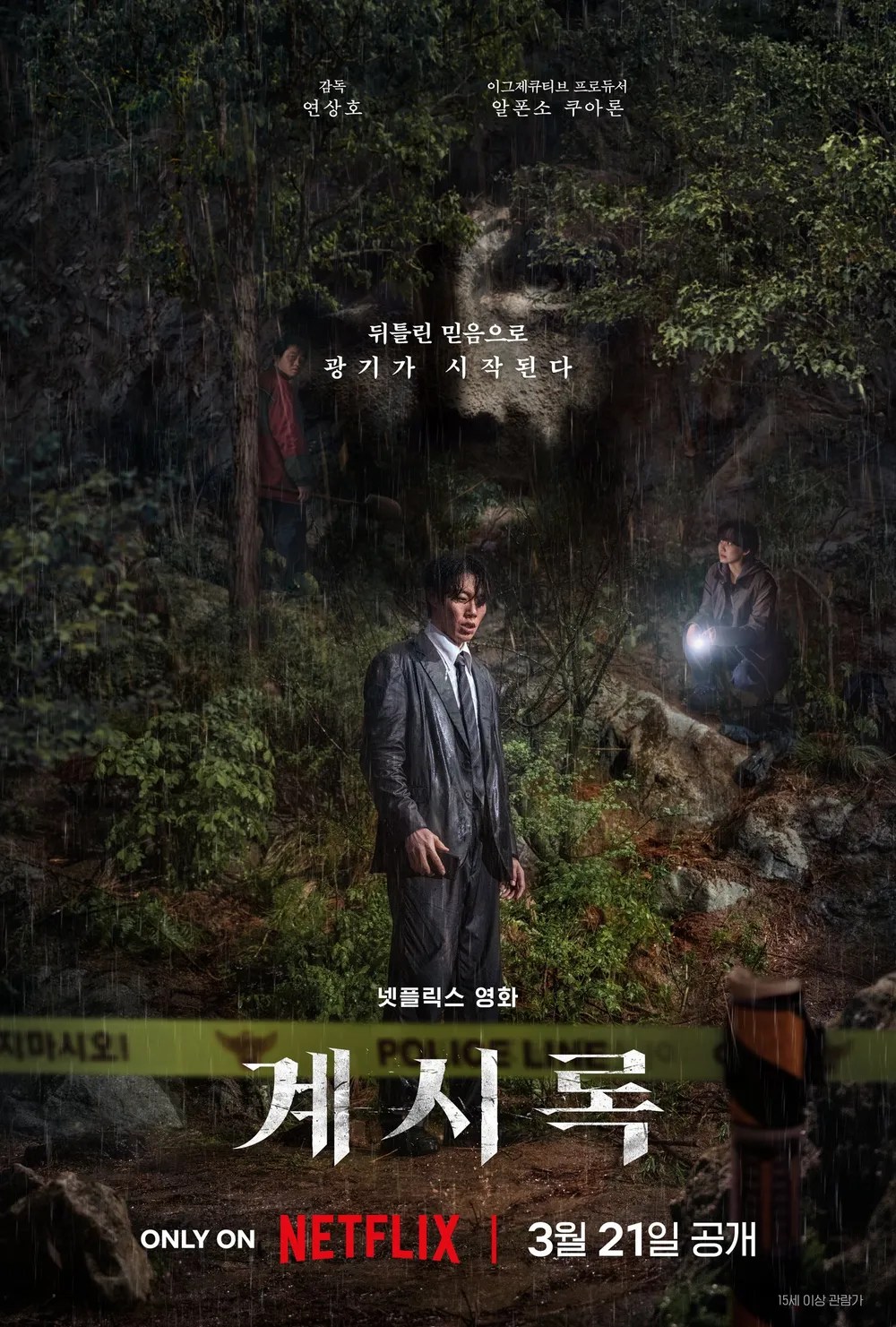
Ms. Apocalypse (세기말의 사랑, Lim Sun-ae, 2023)

It’s funny to look back now at how worried we were about the millennium bug and the birth of a new century, but it’s true enough that the anxiety and desperation were enough to make people act in strange and incomprehensible ways. The first part of Ms Apocalypse (세기말의 사랑, Sekimalui Sarang) is filmed in black and white hinting at the dull incompleteness of the heroine’s life even as she finds herself overcome with dread and begging the man on whom she’s developed a crush to run away with her so she won’t die here, at her aunt’s funeral, where her obnoxious cousin wants her to pour drinks for his boorish friends. 

Young-mi (Lee Yoo-Young) is a mousy, shy woman who keeps herself to herself. At the factory where she works as a bookkeeper, they’ve nicknamed her “Ms Apocalypse”, because her face is “chaotic”, while the men make fun of how unattractive they find her behind her back. The only one of them that’s nice to her is Do-young (Roh Jae-Won), a driver who started five months ago. Young-mi has developed a crush on him, but is too shy to do anything about it and ends up rebuffing most of his overtures such as the precious gift of extra sausages from the canteen. But Young-mi has also discovered that Do-young has been embezzling the cash he’s supposed to be collecting for deliveries. She obviously doesn’t want him to get in any trouble, so she’s been making up the shortfall out of her own pocket by taking on sewing on the side. Unfortunately, when a remorseful Do-young turns himself in, Young-mi ends up going to prison too for failing to report his crimes.

It’s on her release that colour returns to the film, as if Young-mi as had been spiritually and emotionally set free to start a new life in the new century. Yet the only person who comes to meet her is Do-young’s spiky wife Yu-jin (Lim Sun-Woo). Yuj-in is living with a degenerative illness that has left her paralysed from the neck down though she maintains sensation in the rest of her body. Though they are opposites, the two women share a strange affinity and have more in common than they might care to admit. While Young-mi’s life had largely been in service of her aunt to set her cousin Kyu-tae (Heo Joon-Seok) free, Yu-jin has a complicated relationship with her niece, Mi-ri (Jang Sung-Yoon), who has currently run away from home and is imprisoned by her condition in the same way Young-mi is trapped by shyness. While Young-mi is all too aware of the way that others see her as “weird” and unattractive, Yu-jin is a beauty who radiates elegance and imperiousness. She has what her friend Jun (Moon Dong-Hyeok) describes as a nasty personality but is basically a reasonable person who knows full well how dependent she is on the kindness of strangers. 

Young-mi is a kind person, but there’s a question mark over whether she stays with Yu-jin because she wants her money back and has nowhere else to go after discovering Kyu-tae has sold her aunt’s house, or has come to genuinely care about her. It seems at first that they’ve both been betrayed by Do-young, though it’s not as simple as it seems and it may be a misguided gesture of kindness that’s landed them all in this very messy situation. They are nevertheless united in their outsider status as women at the mercy of a patriarchal society. Just as Young-mi is mocked for her appearance, the carers hired to look after Yu-jin make crass and inappropriate comments about her body while even her closest friend, Jun, has exploited her disability to get a discount on his car as well as swapping some of her favourite designer shoes for fakes, though Yu-jin knows she can’t say anything or risk Jun abandoning her. Though Young-mi was the one looking after her aunt who had dementia and a drinking problem, she was always at the mercy of Kyu-tae as her closest male relative and unfortunately he chose to betray her.

Kyu-tae’s not quite ex-wife blames the Asian Financial Crisis, but it seems Kyu-tae was always a selfish and unpleasant person emboldened his position in the patriarchal society and the meekness of Young-mi who he knew would not be able to stand up for herself. But it’s a new century now, and Young-mi’s world is certainly more colourful, if perhaps no easier. She’s learned to fight her corner, but also to make space in it for others in warming to the complicated Yu-jin whose loneliness and vulnerability all come out as meanness though she is a kind soul too and like Young-mi looking for ways to begin moving forward. Now they’ve got over their millennium bug, they’re ready to join the new century and embrace whatever it is that it has to offer them.


Trailer (no subtitles)

Human Resource (Nawapol Thamrongrattanarit, 2025)

Fren (Prapamonton Eiamchan) has been having trouble sleeping. The doctor she visits to confirm her pregnancy tells her that she’ll have to stop taking her sleeping tablets, but to try gentle exercise such as walking on a treadmill instead. But Fren’s whole life is walking on a treadmill. The reason that she can’t sleep is that she works in HR for a terrible company and is knowingly bringing people into this world of cruelty and exploitation. She doesn’t really want to do the same for her baby, which is one reason she hasn’t told her husband Thame (Paopetch Charoensook) about the pregnancy even though they’ve been trying for two years.

Nawapol Thamrongrattanarit’s Human Resources paints a fairly bleak picture of contemporary Thailand which is all the more chilling for its seeming normality. Fren listens to radio hosts talk about how the economy is tanking, there are floods in the north and no one’s doing anything about it, and also apples might be full of microplastics. You should also fit a filter in your shower because there’s cadmium in the water despite the government’s assurances that it’s safe. No wonder everyone feels on edge. Fren is increasingly uncomfortable with her own complicity, but sees no real way around it.

The main problem is that she works for a bully for who demands an apology from her when she has to have a word with him about his workplace behaviour which includes throwing piles of paper in the face of employees. June hasn’t been coming to work, and according to Fren’s colleague Tenn (Chanakan Rattana-Udom), a few other employees quit their jobs like this too because they just couldn’t live this way any more. Between Jak’s rages, low wages, and the demand to work six days a week, they know they can’t keep staff and feel bad about trying to recruit people. Tenn laments that given the economy, someone will desperate enough to bite, while the pair of them make themselves feel better by deciding to be upfront in interviews about the working culture and letting the candidates decide for themselves.

But how much do you really get to decide? When Thame finds out about the pregnancy, the couple to go look around an expensive international school. Fren agrees that’s very nice and the children seem happy, but it wasn’t their choice to be here and no one’s ever asked them if their parents’ idea of a “decent” person is what they really want to be. To Fren, the international school seems like another level of complicity in perpetuating the inequality in society that’s fuelling the violence and resentment all around them. The candidates might not have the option of turning down these jobs, and Fren doesn’t really have the option to leave, either. But Tenn comes from money and he could always get a job at his family’s company, so in the end only he has the choice of whether to stay or go.

Lectures Fren attends talk about the working revolution and the threat of AI, insisting that the “average” worker is dead because those jobs are gone, so the only way to make a mark is to work yourself to death and make use of personal connections. That seems to be the route Thame is taking after becoming chummy with the police chief in the hope of selling him some of their ultra thin stab vests that are comfortable to wear all day long as if implying the world has already got to that point that you need to be wearing armour at all times. He has a worryingly authoritarian streak and is incensed by the moped drivers who keep going the wrong way up their one-way street. Thame refuses to back up and let them pass, though isn’t so brave when one of them jumps off his bike and begins pounding the windscreen with his helmet. Humiliated by his inability to combat this kind of violence despite having brought it on himself, Thame later runs the guy over deliberately and then gets the police chief to make it go away. 

Meanwhile, Fren feels as if all she can do is carry on walking the treadmill. The shutter at the car wash comes to symbolise that of the furnace at the crematorium where a colleague who took their own life because of overwork and bullying was laid to rest as if Fren’s life were a kind of living death. A famous woman convicted of a crime reveals she’s had an abortion because she didn’t want her son to be born in prison or to bring a child into that world. Fren isn’t sure she wants to either, but like everything else, she might not have much choice.


Human Resource screens as part of this year’s BFI London Film Festival.

Trailer (English subtitles)
No Parking (주차금지, Son Hyeon-woo, 2025)

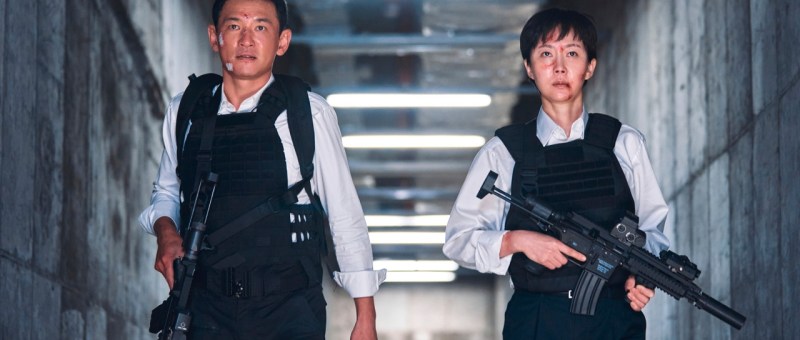
A small negligence can come back to bite you, according to the violent stalker at the centre of Son Hyeon-woo’s No Parking (주차금지, Juchageumji). Ho-jun (Kim Roi-ha) likes to punish the “rude”, though some might like to argue that whacking people with wrenches is also at the very least impolite, while his overall manner is distinctly unfriendly. It is, however, inconsiderate parking practices that eventually do for him when he becomes fixated on a neighbour of his wife’s who asks him to move her car while he’s in the process of murdering her. 

Yeon-hee (Ryu Hyun-kyung) was already fed up with the parking situation and has been trying to move though is struggling to do so for a variety of reasons. There’s a lot going on in her life, including a recent divorce and starting again after returning to Korea and the workforce after a 10-year absence. That’s perhaps why she’s stuck in a contract worker position which means she won’t be approved for the loan she needs for a lease on another property until she’s made a full-time employee. But, as someone suggests to her, her boss may have had an ulterior motive for offering her the job and, sure enough, begins sexually harassing her immediately after her welcome party. 

Hae-cheol (Kim Jang-won) and Ho-jun are both, in their ways, representatives of the patriarchal society. They both berate Yeon-hee for being “rude” to them, and react angrily when they feel disrespected. Hae-cheol is in fact already married with children, and repeatedly stresses his secure financial position and assets he insists would be Yeon-hee’s if she came over to him. He later describes his wife as a “fat pig” and moans that she let herself go after the marriage and children. “Yeon-hee needs to meet a guy like me,” he says, while refusing to take her refusal seriously. She asks him why he’s doing this to her and says that she’s going to quit her job, but that doesn’t stop him wandering around outside her home and declaring he’ll stay there until she comes out. 

Ho-jun hangs around outside her house too, though unfortunately, you can’t report someone to the police for loitering. He gets her name from a business card she’s left in the window of her car, which seems ill-advised, but he obviously knows where she lives anyway. He insists on having an apology for her having been “rude” to him when she asked him to move the car, though as she points out, it was “rude” not to park it properly and in any case she’s at the end of her tether with the traffic, her work situation, and precarious living conditions. Nevertheless, Ho-jun’s attitude is reflective of a wider misogyny in which he expects subservience from women and becomes violent when he doesn’t get it. He’s evidently been stalking his ex-wife and murders her on realising that she’s found another man. 

Yet Ho-jun also resents Hae-cheol, insisting that it’s because of men like him that women have become “arrogant”. Hae-cheol too expects Yeon-hee’s deference and repeatedly stresses that he’s a nice guy and can’t understand why she’s treating him this way. He doesn’t leave her any room to refuse and rejects her right to choose. Like Ho-jun, he fixates on her “rudeness” in not stopping to say goodbye to him when she was trying to leave work after realising he lured her there on false pretences at the weekend when no one else’s around so he could pressure her into going to dinner. He describes her as a “gift” from the universe to cure his loneliness, complaining that his family don’t care about him because he prioritised work and now has no emotional outlets. He repeatedly drops hints about making Yeon-hee full-time, while misusing his power and suggesting that doing so is contingent on her agreeing to the affair with him. Nevertheless, when rumours spread around the office it’s Yeon-hee who gets suspended even though none of it is true and it was Hae-cheol who was harassing her.

The film seems to suggest it’s this general level of frustration and anger with the contemporary society that leads to acts of violence over things which might be thought “trivial” such as parking provision, but then again inconsiderate parking is also a sign of selfishness or at least that everyone is so consumed by their own problems that they don’t have time to consider the effects of their actions on others. Or, maybe some people are just rude or like Ho-jun trying to assert their dominance by flouting the rules. In any case, small acts of negligence may indeed come back to strike you from unelected directions and the only real cure is to try to treat other people as people who are also tired and frustrated but whose lives would be made infinitely easier if people didn’t keep parking in front of their driveways.


Trailer (Korean subtitles only)

Exit 8 (8番出口, Genki Kawamura, 2025)

Shinjuku Station is notoriously difficult to escape. The endless labyrinthine corridors all look the same, lending the environment a degree of surreality that leaves you feeling anxious that actually you’re making no progress at all merely walking in circles and may do so until you die. It becomes a more literal hellscape for one “lost man” in Genki Kawamura’s elliptical adaptation of the popular video game in which the hero finds himself trapped in the same looping corridor where he is told he must turn back if he spots anything that isn’t as it should be and that he should do this eight times so that he can reach Exit 8 (8番出口, Hachiban Deguchi) and leave the station.

The figure 8 is an ellipsis in itself while simultaneously recalling the Noble Eightfold Path of Buddhism in which one must complete the eight steps to find Nirvana and escape the painful cycle of life and rebirth. It’s birth that most occupies the Lost Man (Kazunari Ninomiya) as, shortly before he enters the tunnel, he receives a call from the girlfriend (Nana Komatsu) he’s just broken up with telling him she’s pregnant. She says knows he always had an anxiety about becoming a father, but wants to know what he wants to do. Kawamura films this opening sequence in POV, at once recalling the film’s video game origins and placing us directly into this world in which we feel the Lost Man’s shock and disorientation as he stops suddenly and staggers while the world carries on around him. 

The tunnel is then a manifestation of his mental destabilisation as he tries to process impending fatherhood and make a decision about whether or not he wants this child. This is to an extent reflected in his name in which he is both geographically and mentally “lost” while unable to reach a decision. Inside the tunnel, he’s told not to “overlook” anything that seems like an anomaly as if he were trying to remake the world and teach himself which is the right path to take. Though as his equally unnamed girlfriend says in a sequence that may be a fantasy, future echo, or fractured memory, no one can really know which path is right and life is a continual act of faith that we will not come to regret the decisions we have made or the ones we failed to make. 

This is most obvious when the Lost Man encounters a little boy with a scratch on his face in the tunnel and immediately decides he’s an anomaly, only to discover he isn’t when the counter resets to zero meaning he made the wrong decision and has to start again. The boy seems to be another person trapped in the loop, though not previously on the same cycle as the Lost Man, but at the same time he comes to represent both the son the Lost Man may have and himself as a little boy. Likewise, the Walking Man (Yamato Kochi) that he encounters also seems to become the father that Lost Man fears becoming, and the one he never met. While the Walking Man eventually abandons the boy on discovering what could be Exit 8 to make his own escape, the Lost Man refuses to do so and begins to come to an accommodation with his own role as a potential father as well a responsible member of society. 

In the opening sequence, he’d stood by and done nothing as an obnoxious salaryman laid into a mother holding her crying baby on the train, the only white-dressed figure on this funereal carriage filled with people dressed in back on their way to work. Another loopee asks the Walking Man if being trapped in this purgatorial hellscape is really any different than his life in which he repeats the same actions every day in the daily grind of the salaryman and it does seem as he is looking for an escape from the soul-destroying meaninglessness of the corporate life otherwise hinting at his own failed paternity and flight from domestic obligation. Meanwhile for the Lost Man, he fears he isn’t ready to become a father in part because he’s only a temp worker and hasn’t anchored himself safely enough within adulthood to be able to support a wife and child. Still, he resents himself for not having stood up for the woman and her baby in being cowed into submission by the paternal figure of the salaryman and the fear of putting his own head above the parapet by refusing to mind his own business like everyone else with their heads buried in their phones.

But then again, how could you ever really know that you’ve found the “real” Exit 8 and it’s not just another “anomaly” presented by the loop. Perhaps you never actually escaped this labyrinth, only ventured deeper inside it. Or perhaps, you escape the loop when it’s time for you to do so because your mind is clear and you know which path to take. There’s a minor irony in some the decor with the subway etiquette poster reading “are you alright?” while intending to ask the reader if they’re sure they’re behaving appropriately on public transport, but also hinting at the Lost Man’s failure to intervene and the Walking Man’s indifference to others. In any case, the tunnel has its hellishness and terror but it can also lead you where you’re supposed to go, if only you allow it.


Exit 8 screens 8/9th October as part of this year’s BFI London Film Festival.

Trailer (English subtitles)
Samurai Fury (室町無頼, Yu Irie, 2025)

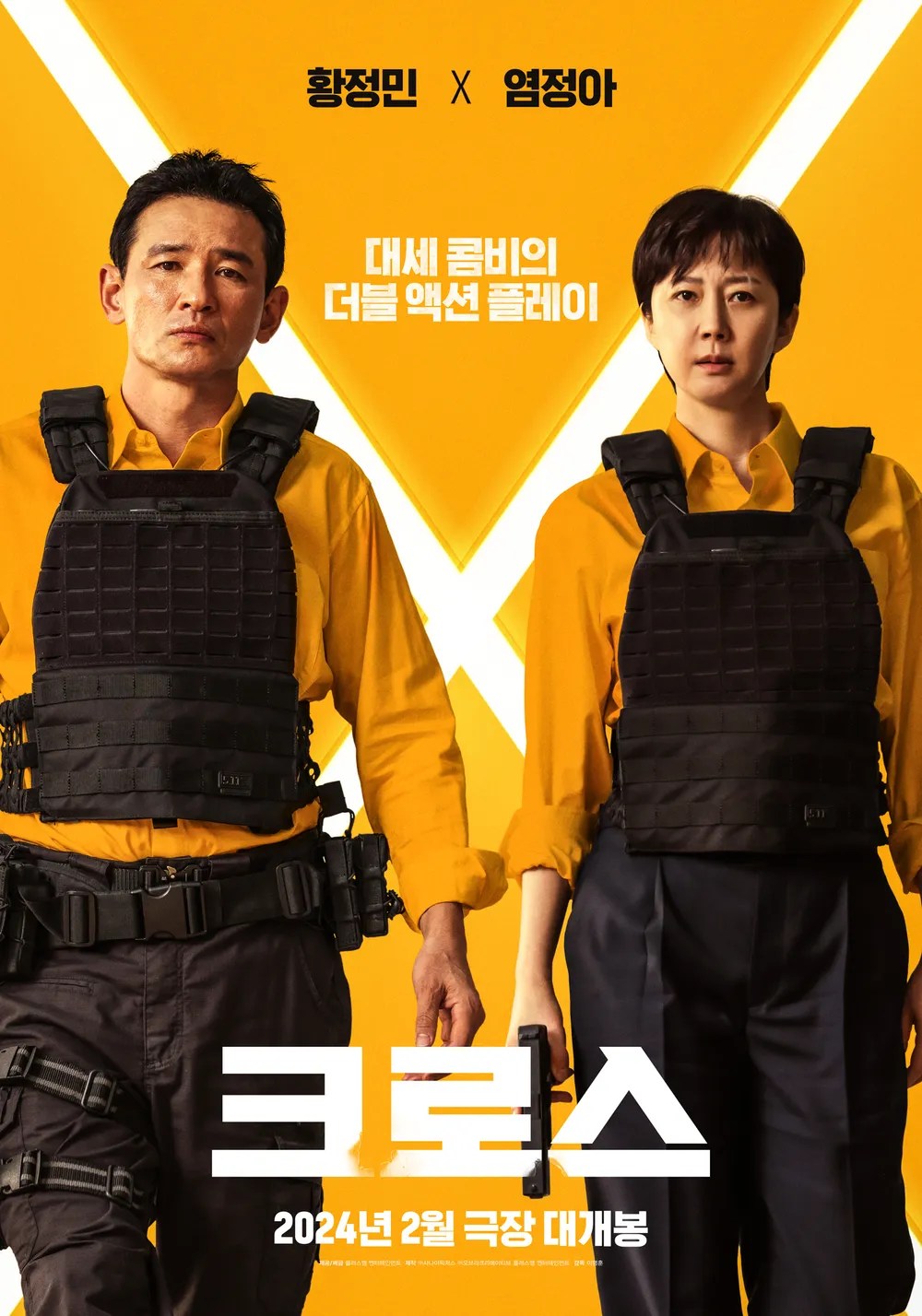
Retitled Samurai Fury (室町無頼, Muromachi Burai) for it’s US release, Yu Irie’s Muromachi Outsiders is indeed a tale of righteous anger though like many jidaigeki the rage is directed towards the corrupt samurai class and wielded by a ronin with a noble heart. Based on a novel by Ryosuke Kakine, it recounts a rebellion that took place five years before the Onin War that would lead to the end the Ashikaga Shogunate and initiate the Sengoku or warring states period that lasted until the Tokugawa era began. 

The cause is, really, the incompetent government of shogun Ashikaga Yoshimasa (Aoi Nakamura) who is largely seen here gazing out at his view from the palace in Kyoto which he is obsessed with rebuilding. Meanwhile, famine has taken hold following a period of drought that ended with a typhoon and flooding of the river Kamo, and the starvation has also led to a plague. Between the lack of food and disease, 82,000 people will die, but the government doesn’t really do anything because they don’t think the lives of peasants are all that important. This is of course very shortsighted because someone has to plant all that rice that gets delivered to the palace and they can’t do that if they’re too busy starving to death. In the opening sequences, peasants are whipped and beaten as they transport a giant rock for the shogun’s new garden, though when it gets there he doesn’t like it. Meanwhile, a giant pile of bodies in approximately the same shape is dumped at the edge of the river where they’re burning the dead.

The farmers are forced to take such onerous jobs for extra money because they can’t produce enough to pay their taxes which the samurai keep putting up. To make up the shortfall, they have to take out loans from usurious monks who seize their property or take their wives and daughters when they can’t pay. A young man pressed into working for debt collectors from the temple is told to kill a man who owed them money but hits the barrel beside him instead and exposes him for keeping his seed grain without which he won’t be able to plant more rice but they’re going to take that anyway which means that in the end everyone is going to starve. A village favoured by the hero, Hyoe (Yo Oizumi), is also subject raids from disenfranchised ronin who’ve taken to banditry to survive. 

Hyoe is also a ronin, but in his life of wandering he’s found a kind of freedom even as he straddles an awkward line, sometimes working with an old friend from the same clan, Doken (Shinichi Tsutsumi), who has turned the other way and is now the security chief for the government in Kyoto with his own gang of bandit dent collectors. Hyoe’s role is, ostensibly, to stop peasant uprisings, which he does, but mostly because he knows they’re pointless and the farmers armed with little more than hoes and stolen armour will simply be massacred, but he’s also secretly plotting a giant rebellion of his own, harnassing the forces of the ronin and the fed up peasants to storm the capital, burn the debt agreements, and rescue the women taken in lieu of payment. 

But to do so means he’ll have to betray his oldest friend and that he likely won’t survive. Still he thinks someone’s got to do something about this rotten world and sees a better one beyond it if only they can throw off the yoke of the samurai class that thinks peasants are the same bugs to squeezed dry under their boots. That’s perhaps why he trains a young successor, knowing that can’t remake the world with just this one assault on the mechanisms of government and that even if they get rid of the drunken fool Lord Nawa (Kazuki Kitamura), someone not all that different will pop up in his place. “Tax is supposed to improve people lives,” one of the revolters screams at a young soldier, not pay for a new wing at the palace, though it’s a lesson the young shogun seems incapable of learning even as the city burns all around him. 

Taking a leaf out of The Betrayal’s book, the climax is a lengthy action sequence in which Hyoe’s apprentice Saizo (Kento Nagao) takes on half the Kyoto garrison single-handed armed only with his staff. Though the themes are common enough for jidaigeki, though in truth jidaigeki mainly refers to films set in the Edo era under the Tokugawa peace, Irie modernises the way battle is depicted to incorporate wuxia-style wirework and rooftop chases along with martial arts training sequences for the young Saizo who learns the way of the warrior from a cackling old man with a long white beard (Akira Emoto) who has also taken in a young Korean woman (Rina Takeda) who was sold to a brothel by her father in just another one of the injustices of the era but has now become a badass archer and another of Hyoe’s righteous avengers. Solidarity is it seems the best weapon, along with biding your time and knowing when to retreat because this is a war that’s never really won but only held back while the powers that be never really learn.


Samurai Fury is released Digitally in the US Oct. 7 courtesy of Well Go USA.

Trailer (English subtitles)

Maru (まる, Naoko Ogigami, 2024)

Taken to task by a coworker (Riho Yoshioka) for allowing himself to be exploited as an assistant to an internationally famous artist who views them as little more than tools and takes all the credit for their work, Sawada (Tsuyoshi Domoto) asks if she knows who built Horyu Temple. He has to supply the answer himself, Prince Shotoku. But of course, he didn’t. It wasn’t  as If he drew up the plans or cut the wood with his own hands. 1300 carpenters built it, but no one thinks about them. Only about Prince Shotoku, because he commissioned the work and paid for it. Sawada doesn’t think what he’s doing is all that different, and that times haven’t really changed all that much. Not many people get to make a living doing what they love, so perhaps that’s enough for him. 

But his colleague asks if he sees himself more as a worker than an artist, as if she were unintentionally making a value judgement on the nature of art. The line between artist and artisan maybe so thin as to not exist, but why is it that we think of art which is perceived to have a practical application differently from that which we assume is intended only as a means of self-expression? “What about your own art?” she asks Sawada, but he doesn’t really have a notion of it because he’s been so focussed on earning a living as part of a wider capitalist superstructure in which art too is a commodity. Akimoto (Kotaro Yoshida) is basically running an art sweatshop mass-producing pieces for an international market and operating it like a brand in which everything is released under his own name. When Sawada falls off his bike and breaks his dominant arm, Akimoto simply fires him.

But then, things begin to get strange. Sawada draws some circles with his left hand and includes them with a few things he plans to sell to a second-hand shop where they’re picked up by a strange man who describes himself as a “magician who can’t do magic” and offers him fantastic amounts of money for his work even though all he did was draw a circle. Sawada discovers what he drew is called an “enso” and represents “serene emptiness”, but at the same time others seem to project whatever they want to see in the hole inside while Sawada himself is uncertain what should be there. The magician tells him that his follow-up work is no good because his enso are full of desire in his newfound lust for fame and riches, but at the same time he and his art have also become a commodity and like Akimoto he’s locked into producing more of what people want rather than expressing himself or finding artistic fulfilment. 

His colleague returns to attack him again. Now she criticises him for exploiting art to make money. “Art that’s expensive and just for a few wealthy people isn’t real art,” she says. She sticks to her message that the labour of those like her is being exploited and the world is set up for a few wealthy elites. Their chant of “we want sushi too” might seem flippant, but it represents the world that they’re locked out of. Sawada’s incredibly intense, struggling mangaka neighbour is obsessed with getting sushi too, though there’s plenty of it on the buffet at Sawada’s show which Sawada eyes hungrily. Eventually he’s reduced to grabbing some to eat on his own in a stairwell, signalling his liminal presence within this space. He’s the artist and it’s his show, but he isn’t really part of this world and no one’s really interested in him except when he’s giving mystical quotes as part of his marketing brand. 

The conclusion that he comes to that his art at least should exist for art’s sake. That all he ever wanted to do was paint as a means of being true to himself, only that simple desire has got lost amid the complications of modern life. It’s very hard to draw circles of serenity when you’re living in a rundown apartment block with a worrying subsidence problem and your neighbour screams all night in despair before punching a hole in your wall which you’ll probably have to pay to have fixed. Nevertheless, through Ogigami’s elliptical tale, Sawada does perhaps begin to find a path back to his own art or at least what art means to him which is after all what’s in the middle circle even if all anyone looks at is the edges. 


Maru screened as part of this year’s Camera Japan.

Trailer (no subtitles)

The Man Who Failed to Die (死に損なった男, Seiji Tanaka, 2025)

Feeling hopeless in his professional life and surrounded by a city of frustrated, angry people, comedy writer Ippei (Mizukawa Katamari) decides to end it all by throwing himself under the evening train, but as fate would have it, services are interrupted because of an incident at the previous station. Reconsidering his decision, he refunds his ticket and goes back to his life, but he soon finds himself haunted, in literal figural senses, by the other person who died and, in some senses, ended up saving his life.

Like his earlier film Melancholic, Seiji Tanaka’s The Man Who Failed to Die (死に損なった男, Shini sokonatta otoko) is partly about the things we don’t see which in this case is that many people are struggling and have fallen into despair believing they have no one and nowhere to turn. Before he decides to die, Ippei is knocked over by a cyclist who curses at him for being in his way before riding on, while a woman out running has no option but to jump over him and then carries on her way. Later, he bumps into a man at the station who becomes angry and aggressive, ironically telling him that he should “fuck off and die”. The implication is that in this city everyone is so busy rushing about and overworked that it’s left them frazzled and impatient, overly focussed on the demands placed on them and unable to notice or reach out to others. 

It’s another minor irony that Ippei works in comedy which is supposed to entertain people, cheer them up, and relieve their stress, but it’s actually very hard work and incredibly competitive. When he returns after his failed attempt to die, he’s cornered by his manager and a comedian who is annoyed that she hasn’t been given as many lines as the men and feels she’s being discriminated against on the grounds of her gender. Ippei tries to explain that she’s got the punchlines and there are fewer of them because the comedic rhythm, but it’s something that’s difficult to explain without performing the piece in front of an audience. He’s also been dumped by one of the groups he works with because they’ve chosen to go with a bigger producer who has better TV connections. The duo he’s working with now are struggling with some material that’s not really hitting home while preparing for a competition that’s only a couple of weeks away. Ippei suggests completely reworking the routine, but is obviously difficult for everyone and not least himself who’s going to have to come up with a killer idea in record time. 

Which is all to say he’s under a lot of stress, and if he did just hallucinate the ghost of the man who died in place of him, Tomohiro (Bokuzo Masana), that would be understandable. Tomohiro has unfinished business, and thinks that Ippei should take care of it for him seeing as he technically saved his life, but what he wants him to do is kill the abusive ex who’s started stalking his daughter again now the restraining order’s expired. The film sort of suggests that Wakamatsu (Yutaka Kyan) became violent because of these same stresses after losing his businesses during the pandemic, but nevertheless he’s a frightening and controlling presence while Aya (Erika Karata) is quite clearly terrified of him. Once again, when Ippei interrupts Wakamatsu in the street trying to force his way into Tomohiro’s house, another passerby picks up his dog and walks on without stopping to check if everything’s alright. Perhaps it’s fair enough that they didn’t want to get involved in a dangerous situation, but to speaks to the ongoing indifference of society in which few are willing step in and help women like Aya and men like Wakamatsu are allowed to go on bullying and tormenting those around them.

Getting involved in Tomohiro’s quest does however help Ippei to get a handle on his life and an acceptance that having failed to die he’s still here and has a chance to start again. He begins to realise that the reason he wanted to die was that although he had achieved his dreams of working in comedy, it all seemed quite meaningless and he’d lost sight of what took him there in the first place. Rather than contribute to the angry society around him, he resolves to be happy for other people’s successes and understand that even if someone appears to be successful it doesn’t necessarily mean they aren’t struggling or in need of help too. Filled with a gentle absurdity and good humour, the film is despite its darker themes an argument for a little more compassion and solidarity in the face of the constant pressure of a fast-paced society.


The Man Who Failed to Die screened as part of this year’s Camera Japan.

Trailer (no subtitles)