
Rabid (Erik Matti, 2021)

The last few years have obviously been stressful for everyone, but Erik Matti’s four-part pandemic-era horror anthology Rabid roots itself in the anxieties lurking below the simple fear of disease or strain of isolation painting a sometimes uncomfortable picture of the contemporary society. Ranging from class conflict to caring for the sick, brain drain, and economic despair, the four episodes find each of their protagonists trapped in a maddening world which no longer makes sense with little idea how they got there or how to escape. 

The first chapter, “Bad Luck is a Bitch”, for instance takes place entirely within the home of a wealthy family whose lives have not changed drastically under coronavirus restrictions because their jobs can be done from home and their livelihoods do not depend on the kind of business that requires face to face interaction. The trouble starts when mother Mayette (Cheska Diaz) takes pity on an old woman who comes begging at her door with a sign stating she is a deaf mute whose son passed away of COVID-19. Mayette invites her to stay in the family’s home as an act of kindness but also one that’s tinged with snobbery explaining to her husband they can do with more help seeing as their maid is no longer available. The old woman is later exposed as a witch using black magic to possess the family and take over the house. 

Her transformation could be red either as the family’s animosity towards the poor, the husband and daughter against taking the old woman in in case she has COVID-19, or as a manifestation of the poor’s resentment taking revenge on the rich for their lack of compassion. In any case it’s ironic that Mayette’s act of kindness has such devastating consequences for her family, the act itself corrected in the conclusion when she calls her daughter to help another beggar offering only food and sending the woman and her child on their way. Meanwhile the family’s attempt to get help from outside is frustrated by a breakdown of community trust during the pandemic when challenged by local patrols who remain suspicious of them and their health status, while the family’s modernity also undermines their safety their salvation coming only from the daughter’s boyfriend and his interest in the occult. 

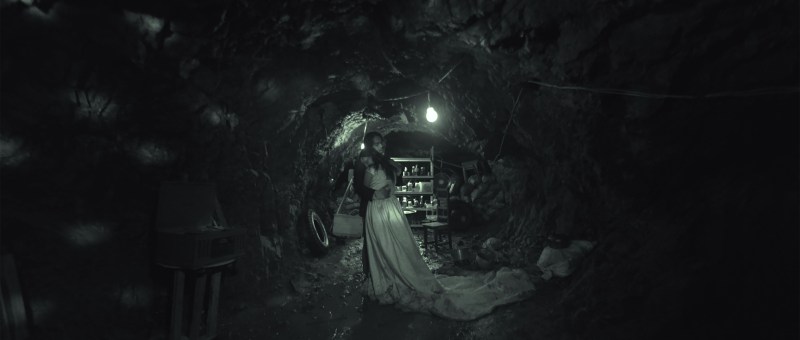
Chapter two’s “Nothing Beats Meat” by contrast is melancholy black and white treatment of love and isolation seemingly set in the midst of a zombie apocalypse in which a loving husband attempts to help his zombified wife beat her meat addiction by going cold turkey underground. Filled with a sense of fatalistic romance, the segment’s ironically upbeat ending asks what point there is in being well in a world of sickness when all the love and care there is will not bring the husband’s wife back to him leading him to decide that it is better to simply join her. 

The husband’s inner conflict feeds into the themes of the third instalment “Shit Happens” which is set in a small hospital and revolves around newly qualified nurse Becky (Ayeesha Cervantes) who is seen to be not entirely committed to her new job merely waiting it out until her visa arrives so she can go abroad. Exasperated nurse Reggie (Ricci Rivero) reveals that her predecessor only lasted three days for the same reason while he himself is working a double shift because of short staffing levels. He also accuses her of neglecting her work, avoiding its least pleasant aspects in conveniently forgetting to look in on a patient who had them soiled themselves and needed cleaning up. Beckoned into an alternate reality by the ghost of an old woman, she is soon confronted by her fears covered in poo and vomit while finally abusing the patient who is it seems taking revenge for the neglect she felt at the hands of her doctors while alive. This chapter both underlines the pressures on frontline health workers who are also dealing with their own fears and anxieties along with those of the patients who have no choice other than to trust them, and perhaps also offers direct criticism of those like Becky who only want to escape their responsibilities through chasing more lucrative work abroad. 

That sort of thinking is also in play in the final story, “HM?”, which is apparently a common abbreviation used in online selling meaning “how much?” and later takes on a different nuance when the heroine stumbles on a secret Russian food additive that must only be used in small quantities, as we discover, because it is extremely addictive turning those who overindulge into rabid zombies who lose all sense of reason trampling over each other to ease their craving. Widowed single mother Princess (Donna Cariaga) was in a difficult position having lost her job when ABS-CBN lost its media broadcast licence because of the political realities of Duterte’s Philippines and struggling to find a new one in the difficult economic conditions of the pandemic. Like many she decided to start an online side hustle as a home cook despite having no previous experience or talent but finds unexpected success thanks to the Russian serum only for the situation to get out of hand leaving her unable to cope with the demand on her business not to mention the zombified hordes who soon descend on her home. 

A fly buzzes through each of the instalments as if signalling the lingering malaise from class-based paranoia to pure desperation and the temptation of a quick fix. Inspired by original stories from Michiko Yamamoto, each of the tales paint a less than flattering picture of the contemporary society not limited to the stresses and strains of life in the middle of a pandemic but only exacerbated by them as pretty much everyone finds themselves trapped in a maddening world that no longer makes sense with no clear sign towards a wholly acceptable way out. 


Rabid streams worldwide until 30th April as part of this year’s Udine Far East Film Festival.

Original trailer (English subtitles)
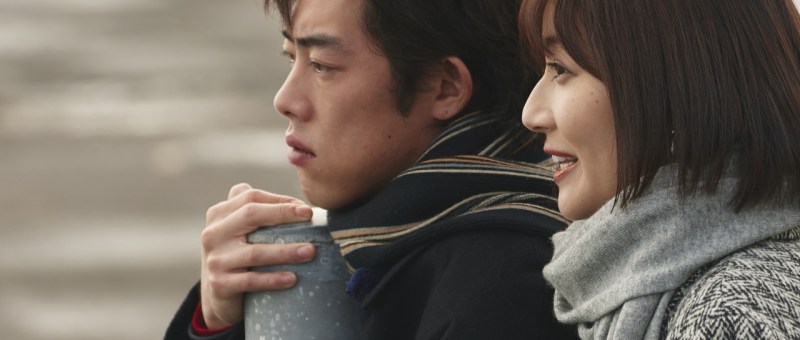
Far Away, Further Away (遠くへ,もっと遠くへ, Shinji Imaoka, 2022)

Is there an ideal way of coming to terms with the end of a marriage, or is better to take it as it comes? The heroine of Shinji Imaoka’s relationship drama Far Away, Further Away (遠くへ,もっと遠くへ, Tooku e, Motto Tooku e) thinks she has it all figured out and has started taking practical steps towards an efficient separation only to have the rug pulled from under her never having considered that her husband may also be unsatisfied and her attempts to mitigate his hurt feelings therefore less than relevant. Imaoka began his career in pink film and is probably best known outside of Japan for the erotic musical fantasy Underwater Love but has in recent years taken to more contemplative drama such as 2019 study in grief Reiko and the Dolphin, here continuing a key theme in the exploration of the difficulties in relationships between men and women. 

The main reason Sayoko (Manami Shindo) wants to leave her husband is that they’ve simply grown apart. Smiling gently at a sweet older couple looking at a two-seater sofa in the furniture store where she works, she reflects on their words that a marriage is weaker without common interests realising that she and Goro have none. A fishing obsessive, Goro usually retreats to his room after dinner to update his blog and fondle fishing equipment while her suggestion that she join him on his next trip is met with less than enthusiasm. Meanwhile, though she likes her job at the furniture store she’s beginning to feel as if she’s stuck in a rut and no closer to achieving her dreams of becoming an interior co-ordinator disappointed to discover a quote she’d written for younger couple who seemed happy enough in the shop screwed up in the park. One might assume they’ve obviously had an argument about it on the way home which probably isn’t anything to do with Sayoko but still she begins to wonder what the point is leading to Goro to advise her to quit her job laying bare the true source of his dissatisfaction in the marriage in that he was looking for a woman prepared to become a conventional housewife which in turn might explain why he’s not interested in the shared interests approach to marriage Sayoko suggests but prefers to maintain a separate lives model in which she takes care of the domestic while he has his work and individual hobbies to blow off steam. 

So distant from each other have they become that Sayoko hasn’t really realised she’s not the only one who wanted to end the marriage nor has he seemingly realised she’s in the process of leaving him. Her plan for a measured exit is nixed by her husband’s request for a divorce but through her quest to find a new apartment she gradually draws closer to lovelorn estate agent Yohei (Kaito Yoshimura) who is particularly interested in her story as his own wife, Mitsuko, left him seemingly out of the blue some years ago and he’s never really come to terms with it a part of him still assuming she’ll eventually come back. In a bid to find some closure Sayoko suggests they take off together to look for her so he can start to move on, heading north on a Hokkaido-bound road trip that takes her back to her own hometown where she reflects on her parents’ marriage after discovering her mother’s second life as a widow in which she has begun to fulfil herself as a singer no longer required to fulfil the role of the traditional housewife which Sayoko had rejected. 

Dealing with their respective baggage the pair grow closer and begin to move on together, further and further away until they reach the coast looking for a ferry to take them on to Sakhalin. The memories of old lovers retreat further and further away too, increasingly blurred and distant eclipsed by new ones even if a sense of loneliness remains. Contrasting the verdant natural vistas of rural Hokkaido with the greyness of Tokyo city life Imaoka adds a sense of childlike wonder as his heroine’s tendency to dance while repeating the same phrase with increasing intensity begins to rub off on her dejected love interest, making the case for striking out for a far off happiness rather than simply resigning oneself to an unsatisfying present. 


Far Away, Further Away screened as part of Osaka Asian Film Festival 2022

Original trailer (no subtitles)

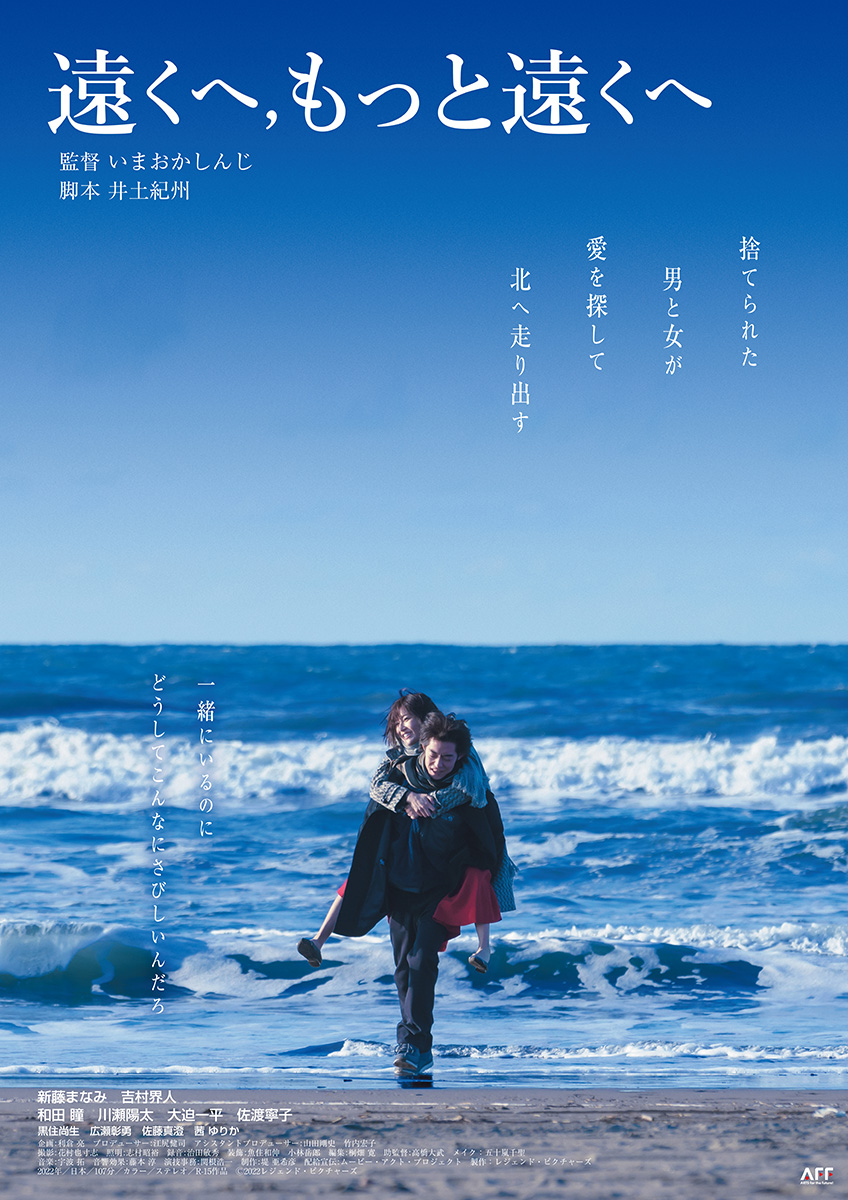
Tomb of the River (강릉, Yoon Young-bin, 2021)

“Why did you turn this place into hell?” a reformed gangster asks his defeated enemy only to be told that nobody made the world this way, it is just is. In any case, Yoon Young-bin’s purgatorial gangster epic Tomb of the River (강릉, Gangneung) finds itself in a world of conflicting moral values in which organised crime has become increasingly legitimised conducted by men in sharp suits sitting in elegant surroundings but no less thuggish, violent, and immoral than it ever was. 

The two opposing forces are hippyish middle-aged enforcer Gil-suk (Yu Oh-seong) whose boss has adopted an anti-violence philosophy, and the psychotic Min-suk (Jang Hyuk) whom we first meet as the only survivor of a smuggling boat massacre hiding in the hold eating the dead bodies of his comrades whom he may or may not have killed himself. The battle ground is a new casino resort in the previously peaceful rural backwater of Gangneung shortly to host the upcoming 2018 Winter Olympics. Gil-suk’s ageing boss decides to hand him the reins of the business but he objects out of old-fashioned gangster etiquette because the complex is technically located in an area handled by his colleague Chung-sub (Lee Hyun-kyun) who is currently in the boss’ bad books after a group of young people were found passed out having taken drugs in one of the karaoke rooms he manages. 

Gil-suk is perhaps a representative of disingenuous contemporary corporatised gangsters who still operate like thugs but do so with a veneer of elegance, his now elderly boss having achieved a state of zen in giving him small pieces of wisdom such as “don’t fight. If you fight you suffer whether you win or lose”. Gil-suk later echoes him when he tells his friend to leave Min-suk alone and that rather than fighting they should share a meal with him sometime instead acknowledging that his gang members’ lives seem to have been hard. But his compassion is as it turns out, misplaced, Min-suk is not the sort of man who can be befriended or softened with kindness for he is the personification of humanity’s baser instincts in unbridled selfishness and destructive desire. 

“I did it to survive” his underlings often justify themselves, believing they have no other option than to behave the way they do while Min-suk exploits the venality and misfortune of others as a kind of get out of jail free card promising to wipe their debts if they take the fall for his crimes. Sooner or later everyone betrays everyone else for reasons of greed or self-preservation, even Gil-suk eventually pulled towards the dark side while his policeman friend (Park Sung-geun) attempts to save him from himself. “What other choice did I have?”, he asks, but to conform to the dubious morality of the world around him. He criticises the police for a lack of action, but watches and does nothing as Min-suk carves up his entire squad of foot soldiers while patiently making his way towards him. 

The irony is that Gil-suk had been the good gangster, never wanting more than he needed and always happy to share. He is confused by the betrayal of his closest friends because he cannot understand their motivation. He had always thought of the resort as “ours” never considering that it could be “mine” while his friend tells him he should take it all because if he doesn’t someone else will. To prove his point Gil-suk tries to broker a peaceful solution by offering to share control with Min-suk in a process of appeasement, suggesting he take the club while he keeps the casino and they split the profits between them before eventually deciding to surrender it entirely in order to curry favour with an even shadier corporate gangster whose polite interest in the resort he’d previously rebuffed. 

Taking on spiritual dimensions in its gloomy backgrounds, battles fought under the light of a full moon, and the snow falling over the living and the dead in the melancholy final sequence Yoon’s hellish tale seems to take place in a gangster purgatory in which as Gil-suk finally announces romance really is dead, in its place only internecine violence and the intense desire to survive by any means possible mortal anxiety provoking only preemptive greed and cruelty. As Min-suk suggests “only death will end things” but everyone here is in a sense already dead only trapped in the eternal limbo of the gangster mentality. 


Tomb of the River streamed/screened as part of this year’s Udine Far East Film Festival.

International trailer (English subtitles)

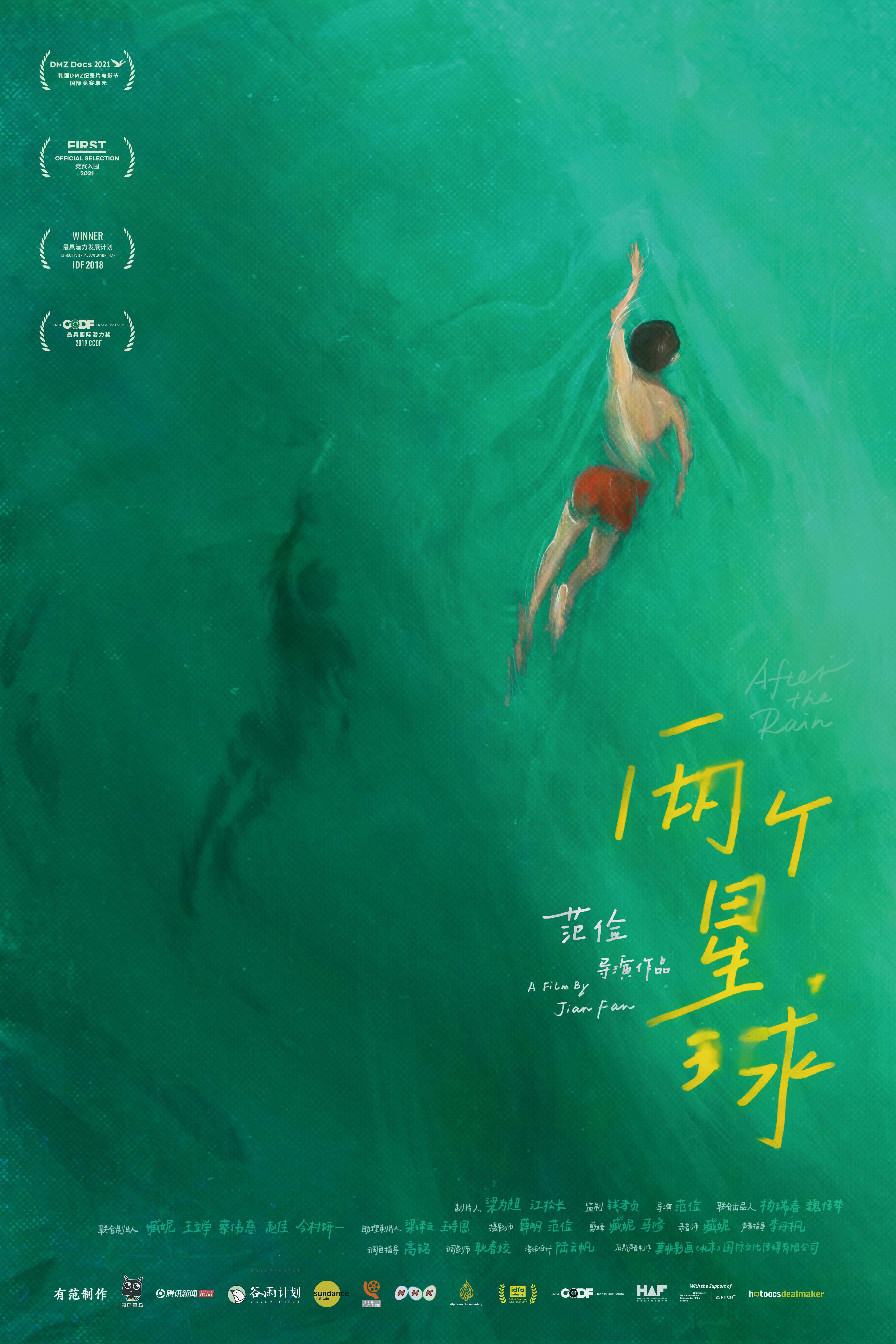
After the Rain (两个星球, Fan Jian, 2021)

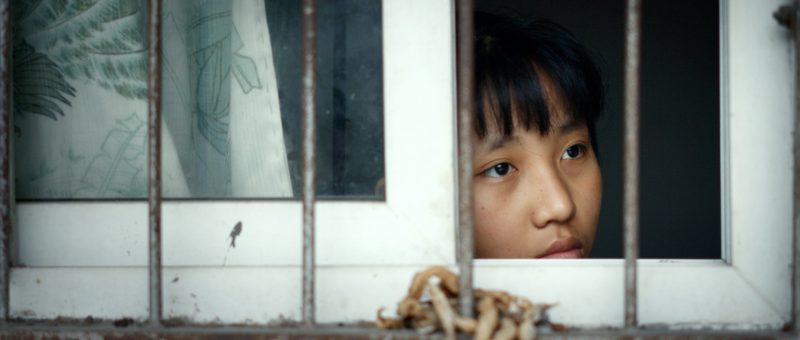
When the Great Sichuan Earthquake struck in 2008, 69,000 people lost their lives while a catastrophic blow was dealt to local infrastructure. With the One Child Policy then still strictly enforced, parents who had lost children in the disaster were offered government assistance in order to conceive a second child. It might be crass to describe these children as “replacements”, yet in one sense that is what they were intended to be. Jian Fan’s observational documentary After the Rain (两个星球, liǎng gè xīngqiú) follows two such children and their traumatised parents as they try to move on as a family in the wake of tragedy. 

Sheng is still haunted by his inability to rescue his daughter, Rain, from beneath the rubble of her school house. He and his wife Mei have decided to take part in the IVF programme and are hoping for a girl, believing in a sense that they’d be getting their daughter back. IVF doesn’t work out for them, but Mei conceives naturally a few months later and gives birth to a baby boy, Chuan. On what should be an unambiguously happy occasion, the sense of disappointment is palpable, Sheng in particular feeling cheated and resentful to have been denied a reunion with his daughter. Ying and her husband, meanwhile, are also unsuccessful with IVF but are simultaneously struggling to rebuild a relationship with their second daughter, Ranran, for whom they had to pay the second child fine subsequently sending her to stay with relatives in the countryside before bringing her back when their eldest girl, also called Rain, was killed in the earthquake. 

Both children are over burdened with the knowledge that they owe their existence to their sibling’s death, Mei bluntly telling Chuan that Rain’s life was sacrificed for his while later revealing that she sometimes dressed him as a girl as an infant while Ranran is forced to reckon with her parents’ decision to send her away only to be recalled when her sister died. At a memorial event other mothers discuss what they’ve told the children they conceived after the earthquake about their older siblings with most disapproving of Mei’s blunt approach fearing that such knowledge will burden their children or leave them feeling guilty and unloved but Mei is unrepentant. After all it is in a sense the truth. Because of the One Child Policy, the existence of these children would not have been possible had their elder sibling not have died in a such a horrifying way. 

Even so, Sheng in particular struggles to bond with his son catching himself letting it slip out that he wasn’t allowed to spend time with his daughter so he’s little interest in doing so with Chuan refusing to take him out to an amusement park harping on about how wasteful Chuan is and how much money he’s costing him. He constantly runs the boy down, criticising his performance at a school sports day and snapping at him at home with the obvious consequence that Chuan mainly ignores him and stays close to his mother though she is also at times unsympathetic, angry with him for crying while in pain after a medical procedure. 

A heartbreaking sequence sees little Chuan all alone and looking lost amid the graves at a memorial event for the earthquake while his parents talk with others in the same position, as if for a minute they’d forgotten he existed. Trapped in grief, Sheng still lovingly washes one of his daughter’s dolls on the rooftop and seems at times torn and remorseful complaining that it made him feel sad inside to notice there was no light in Chuan’s eyes but still harbouring resentment towards him as if blaming his son for “replacing” his daughter. Ying meanwhile recounts all the ways Ranran is different from Rain as if the differences sometimes upset her even if she is in a sense closer to her than she had been to her older daughter leaving her with an additional sense of guilt. 

“Losing a kid leaves your heart empty” Ranran’s grandma remarks each of the parents still struggling to come to terms with their loss while the children equally struggle to accept the absence of an older sibling they never knew of whose loss they are constantly reminded and expected to mourn. Nevertheless they are all doing their best trying to move past their grief and rebuild their lives but ultimately unable to let go of the traumatic past while their children grow away from them left with only loneliness and resentment. 


After the Rain screens at UltraStar Cinemas Mission Valley, San Diego April 25 as part of this year’s SDAFF Spring Showcase.

Original trailer (English subtitles)
Nothing Serious (연애 빠진 로맨스, Jeong Ga-young, 2021)

Through her first three features in which she also played the lead, Jeong Ga-young had established herself as a provocative indie voice casting herself as an often unsympathetic if transgressively frank heroine contending with the vagaries of the modern society. Nothing Serious (연애 빠진 로맨스, Yeonae Bbajin Romance), by contrast, marks her debut as a commercial film director and perhaps softens some of her harsher edges but nevertheless maintains her characteristic saltiness and often witty dialogue in what is otherwise closer to Nora Ephron than Hong Sang-soo. 

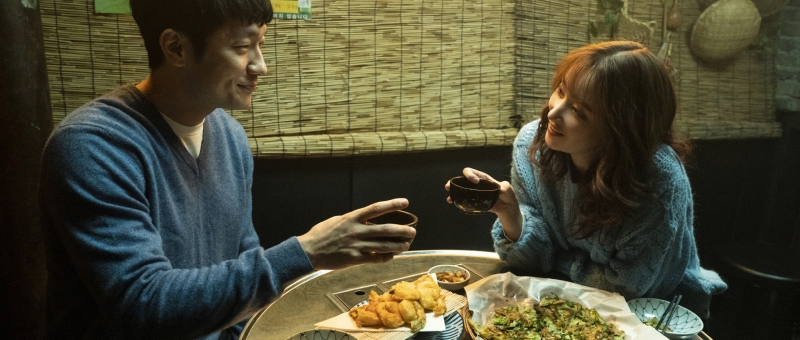
Though played by Jeon Jong-seo rather than the director herself, 29-year-old Ja-young is a classic Jeong heroine transgressively frank in terms of her sexuality and finding herself in something of a tailspin as she approaches her 30th birthday as a single young woman drowning in debt with neither career nor relationship success to boast of. Meanwhile across town nerdy magazine staff writer Woo-ri (Son Suk-ku) finds himself having to write almost all of the magazine himself in part he suspects as punishment for having helped a friend leave to start up their own online publication. His particular problem is that his boss has asked him to take over his friend’s sex column which is really not his thing especially as he’s in an on again off again non-relationship with colleague Yeon-hee (Lim Sun-woo) who has just informed him she’s getting engaged to her old boyfriend. 

Inevitably the pair end up meeting through dating app Love Bridge to begin with just for a no strings New Year one night stand only to inconveniently realise they quite like each. Even so, their personal issues continue to overshadow the relationship, those being Ja-young’s hurt and anxiety on hearing that an old boyfriend who treated her badly and broke her heart is getting married, and the fact Woori signed up to Love Bridge mainly to find inspiration for his column which becomes an unexpected hit with readers who prefer the slow-burn tease of their romance to the X-rated content of Woo-ri’s predecessor. 

While not really “dating” the couple continue to share their relationship woes with each other, Ja-young continually fed up with her attempts to meet “normal” men who don’t invite their mother on dates, turn out to be married, or are just plain odd. Her previous boyfriend branded her an insanely jealous “alcoholic nymphomaniac” while she simply tells it like it is as a sexually liberated young woman who refuses to feel ashamed for feeling desire but is also in her own way lonely and looking for companionship as perhaps is Woo-ri while conflicted in his betrayal of her even if he is careful not to use any identifying details in his column. 

Along with their romantic woes, the pair also share a sense of hopelessness about the future, Woo-ri disappointed in himself for his lack of success as a serious writer and Ja-young staking her hopes on a career in podcasting after being forced to leave a job at a radio station because of the awkwardness between herself and a colleague she’d previously dated. Interviewing her grandmother and a series of other women she fears were denied the right to become the protagonist of their own lives, always someone’s wife or mother looking after children or in-laws, she wonders if she’s managed it herself or if things are really as different now as she had thought them to be while she continues to struggle drowning in debt and loneliness with very little hope for the future. 

Jeong’s prognosis is, however, a little more hopeful than in her previous films Ja-young and Woo-ri each flawed but basically good falling in love despite themselves only to see their connection undermined by its superficial inauthenticity. If nowhere near as caustic, she retains her sense of playfulness, even throwing in a reference to her first film Bitch on the Beach not to mention the tiny animated heads emerging from the pair’s phones, through sophisticated dialogue instantly capturing a sense of the everyday life of the average 20-something in the contemporary society longing to overcome their sense of cynicism and believe in a genuine romantic connection. Strangely charming in its breeziness, Jeong’s commercial debut loses none of her wit but gains a little in warmth as these crazy kids learn to put their anxieties aside and give love a chance even if it turns out to be nothing serious after all. 


Nothing Serious screens at UltraStar Cinemas Mission Valley, San Diego April 23 as part of this year’s SDAFF Spring Showcase.

International trailer (English subtitles)

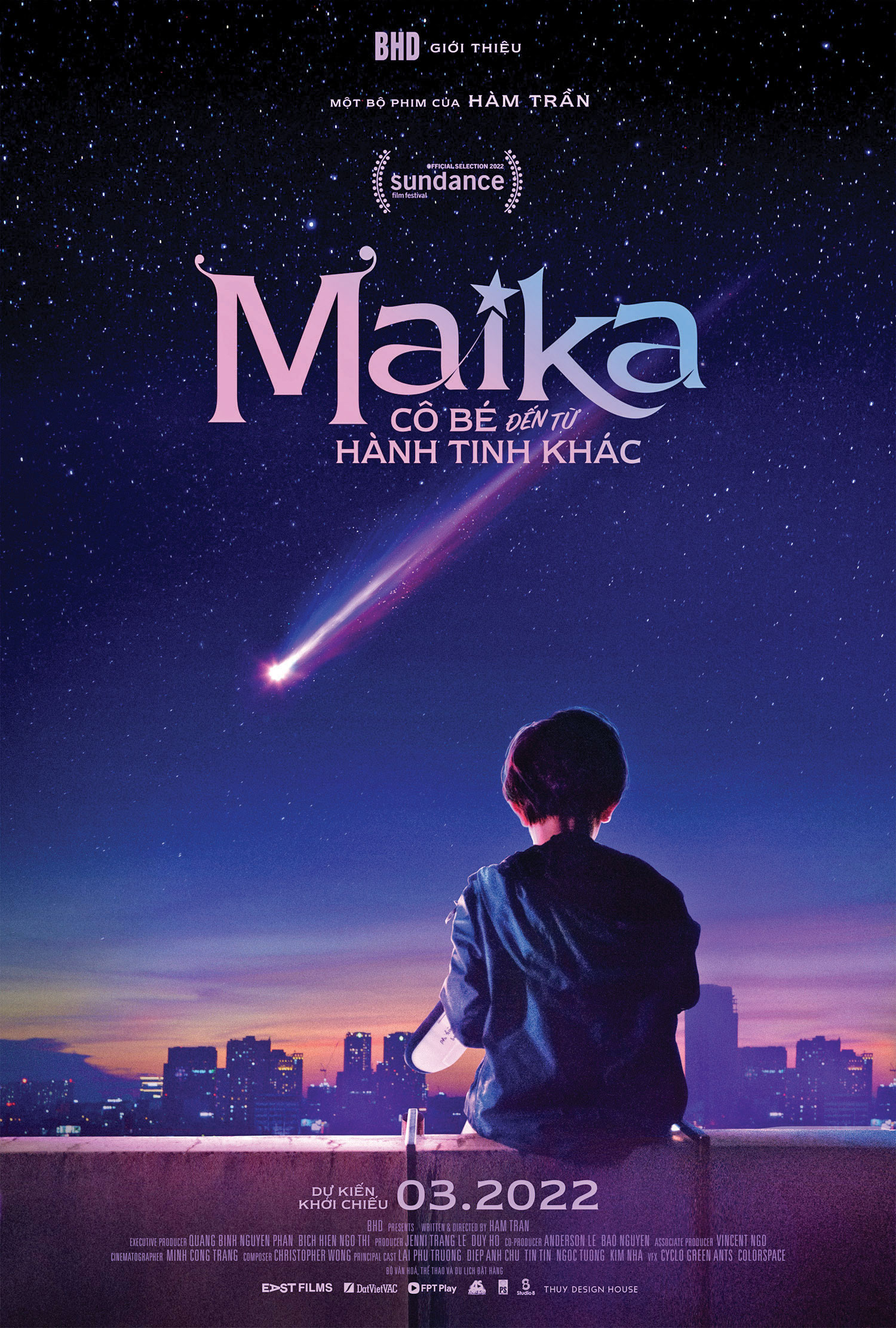
Maika: The Girl From Another Galaxy (Cô Bé Đến Từ Hành Tinh Khác, Ham Tran, 2022)

A small boy struggling to come to terms with loss learns to find accommodation with grief while helping a marooned extraterrestrial get back to her people in the delightful Vietnamese family film, Maika: The Girl From Another Galaxy (Cô Bé Đến Từ Hành Tinh Khác). A classic kids’ adventure movie, Ham Tran’s zany tale finds its young hero not only trying to reorient himself in a world of constant change but also attempting to process the wider sources of societal destabilisation such as rapid gentrification and shady billionaire scientists with dubious ambitions. 

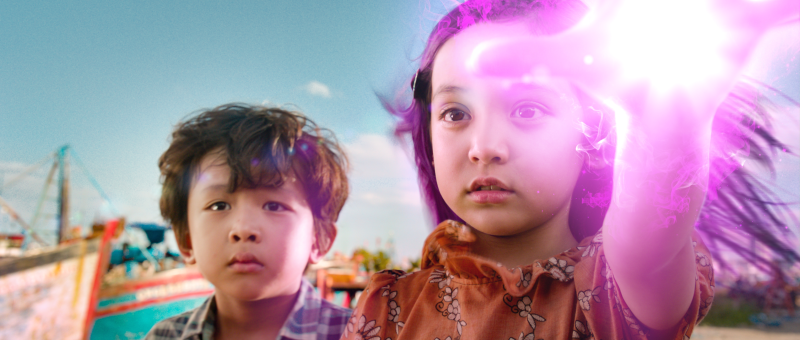
Eight-year-old Hung lost his mother to illness a year or so ago and is now living alone with his father Thanh who is forced to work long hours in his shop fixing mobile phones in order to clear the family’s mounting debts. Not only are they being constantly hounded by a pair of thugs working for a local gangster with a thing for Japan who wants to evict all the tenants so he can sell their building to developers to build more luxury apartments, but his best friend is moving to Saigon and his already busy dad seems to have become awfully friendly with pretty neighbour Miss Trang. When his father breaks a promise to watch a meteor storm with him, Hung goes out on his own and witnesses a strange sight which he later learns to be a UFO crashing to Earth subsequently discovering a young girl, Maika, who has been marooned and is looking for her comrade so she can contact the mothership and get a ride home. 

“Even fishes need friends” Hung’s friend had told him on leaving her fish with him so it could be close to his, and that’s true enough for Hung himself now left largely alone and looking for both companionship and adventure. Besides bonding with Maika, he also has a frenemy in a boy who lives in the upscale apartments whose drone keeps chasing his remote control aeroplane. CuBeo is a somewhat awkward boy who just wants to be friends with Hung but admittedly has a funny way of showing it, largely because he has asthma and his overprotective family don’t let him out to play with the other kids so he’s incredibly bored and intensely lonely despite all the high tech toys he has at home. Like Hung, he also seems to have lost his mother and has a workaholic father who rarely visits having left him and his older brother Bin largely in the care of a live-in tutor. 

Eventually any sense of class conflict between the two boys disappears as they gradually become friends while bonding over their shared quest to help Maika get back to her family battling the gangster thugs and shady billionaire Nghia who seems to have bought up half the area for his special space project and intends to exploit Maika’s advanced scientific knowledge after having impounded her spaceship. Of course, Nghia and the local gang boss turn out to be little different, in it for personal gain rather than any real interest in the evolution of mankind, while the kids just want to protect their friends and the world in which they live. Making full use of their shared skills, Hung and Beo have immense fun crafting their own weapons, modifying NERF guns to shoot silly putty or slapping their enemies in the face with kimchi, determined to save Maika from Earthly greed. 

Through this transitory friendship, Hung begins to come to terms with the loss of his mother while repairing his relationship with his dad and preparing to move on in making friends with Miss Trang no longer seeing her as a threat to his mother’s memory in learning that she’ll always be in his heart as will Maika. Boasting some impressive effects visualising Maika’s various powers and alien technology, Ham Tran’s retro world building otherwise has a defiantly down to Earth sensibility contrasting the inherent warmth of Hung’s cluttered home and friendly neighbourhood with Beo’s obvious loneliness in the emptiness of his white box high rise flat. Child-friendly humour and a healthy dose of silliness add to the whimsical charm, yet the central messages of learning to live with grief and loss even at such a young age are sure to touch the hearts of children and adults alike. 


Maika: The Girl From Another Galaxy screens at UltraStar Cinemas Mission Valley, San Diego April 23 as part of this year’s SDAFF Spring Showcase.

Original trailer (no subtitles)

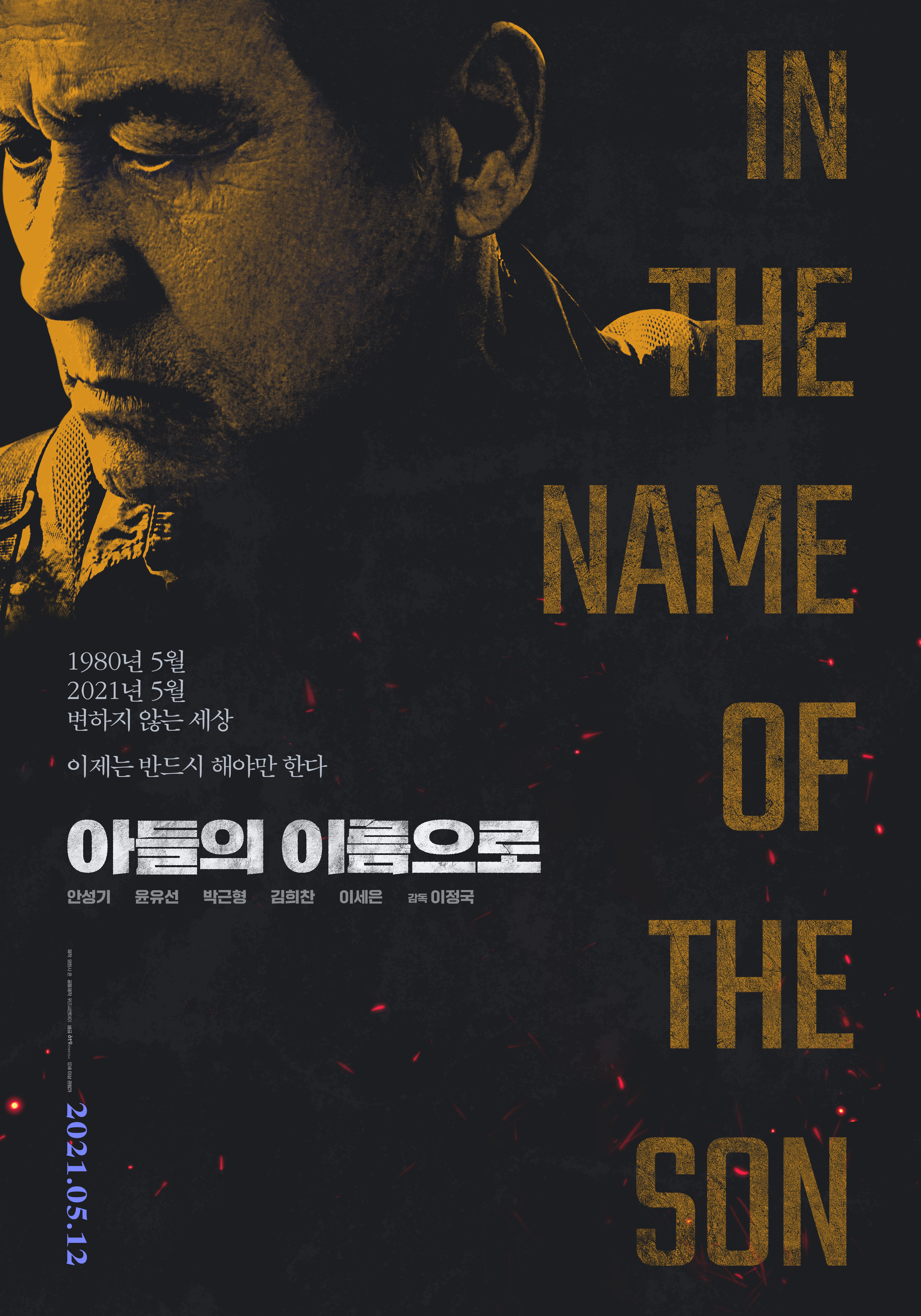
In the Name of the Son (아들의 이름으로, Lee Jung-gook, 2021)

Partway through Lee Jung-gook’s raw exploration of the radiating effects of historical trauma In the Name of the Son (아들의 이름으로, Adeurui ireumeuro), the conflicted hero quotes a line from In Search of Lost Time which his son had recommended to him, “pain is only healed by thoroughly experiencing it”. The quote in itself reflects the hero’s wounded state in having failed to reckon with the sins of the past, a failing which has cost him dearly on a personal level, while simultaneously hinting at a national trauma which has never been fully addressed by the contemporary society. 

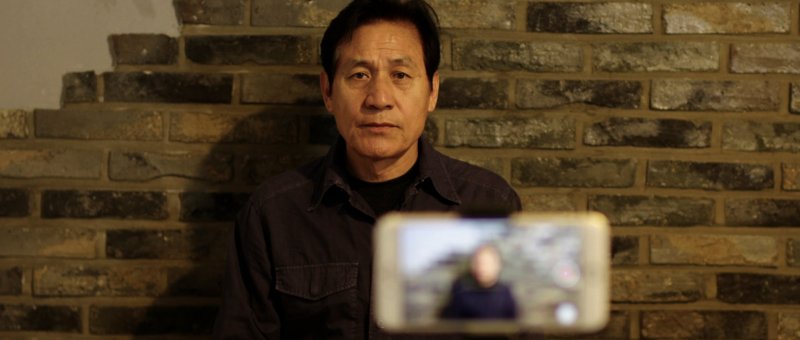
When we first meet ageing designated driver Chae-gun (Ahn Sung-ki) he’s preparing to hang himself in a forest before noticing a stray parakeet, presumably an escaped family pet, chirping nearby in desperation. Taking pity on the bird knowing it cannot survive on its own he gives up on his plans and takes it home. We can see that Chae-gun is a compassionate man, softly spoken, perhaps a little shy and distant yet caring deeply for those around him such as the ladies from Gwangju who run a cafe where he is a regular, while he’s frequently seen making phone calls to his son in America. Yet as we later discover he is also a man of violence with an old-fashioned, authoritarian mindset, ominously sliding off his belt to beat up a gang of kids who tried to dine and dash before making them come back to apologise and pay their bill and later doing the same to bullying classmates of the cafe owner’s son, Min-woo (Kim Hee-chan). 

He does these things less out of an old man’s disapproval of the younger generation’s lack of moral fibre than a genuine desire to help and most particularly the ladies at the cafe, but simultaneously takes Min-woo to task for a lack of manliness berating him in front of his bullies for not standing up for himself. These flashes of violence hark back to the hyper-masculine patriarchal attitudes that defined the years of dictatorship while also hinting at the buried self Chae-gun struggles to accept which so contrasts with his innate kindness and sense of justice. He too is angry and confused that those who ordered acts of atrocity such as the 1980 Gwangju Massacre have never been brought to justice and are living comfortable lives often still ensconced in country’s ruling elite such as former general Chairman Park whom he often drives home from a local Japanese restaurant to his mansion in a traditional village in the middle of Seoul. 

As we discover, Chae-gun has his own reasons for being preoccupied with Gwangju in particular, yet it’s the failure to reckon with the buried past that he fears erodes future possibility. In a metaphor that in truth is a little overworked, one of the new assistants at the cafe, also from Gwangju, is mute, literally without a voice until the buried truths of the massacre are symbolically unearthed allowing her to speak. Meanwhile, many of Chae-gun’s generation are succumbing to dementia, an elderly man constantly escaping from his nursing home to wander a local park looking for his teenage son who went missing during the uprising and was never seen again. Chairman Park remains unrepentant, blaming everything then and now on “commies” while explaining to Chae-gun that they were “patriots” not “murderers” bravely defending the Korean state and in any case God forgives all so they’ve no need to blame themselves. 

Park may feel no remorse but the unresolved trauma of Gwangju continues to echo not only through Chae-gun’s wounded soul but through society, a heated debate breaking out between a group young people of critical of the authoritarian past and a collection of older conservative nationalists who object to their criticism of President Park Chung-hee arguing that he rebuilt the economy and gave them the comfortable lives they live today. Yet what Chae-gun feels he owes to his son and implicitly to the younger generation is an honest reckoning with the past and his part in it while those who live with no remorse should not be allowed to prosper, guilt-free, as victims continue to suffer. What he’d say to those who thought that they bore no responsibility is that the greatest sin of all may have been in blindly following orders. Only by fully experiencing the pain of the national trauma can society hope to heal itself from the weeping wounds of the unresolved past.


In the Name of the Son streamed as part of the 14th season of Asian Pop-Up Cinema.

Original trailer (English subtitles)

My Big Mama’s Crazy Ride (큰엄마의 미친봉고, Paek Seung-hwan, 2021)

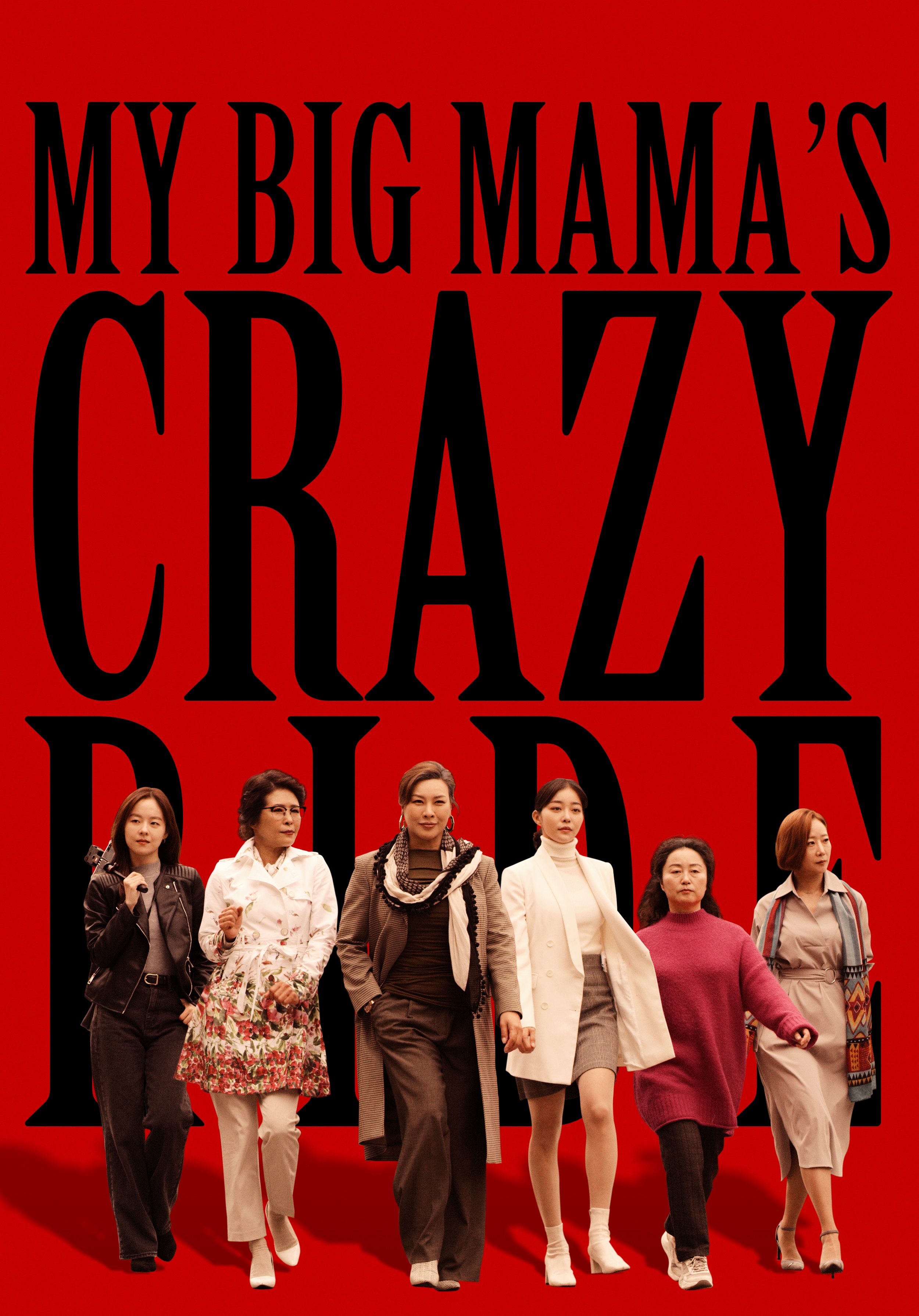
A veteran matriarch suddenly decides she’s had enough in Paek Seung-hwan’s indie comedy, My Big Mama’s Crazy Ride (큰엄마의 미친봉고, Keuneommaui michinbonggo). Taking aim not only at the deeply ingrained and hopelessly outdated patriarchal social codes of contemporary society, Paek also asks a series of questions about the concept of family with the wives and daughters-in-law repeatedly finding themselves described as “outsiders” yet expected to sacrifice their hopes and aspirations in dedicating themselves entirely to the “family” which more often than not treats them as unremunerated housekeepers. 

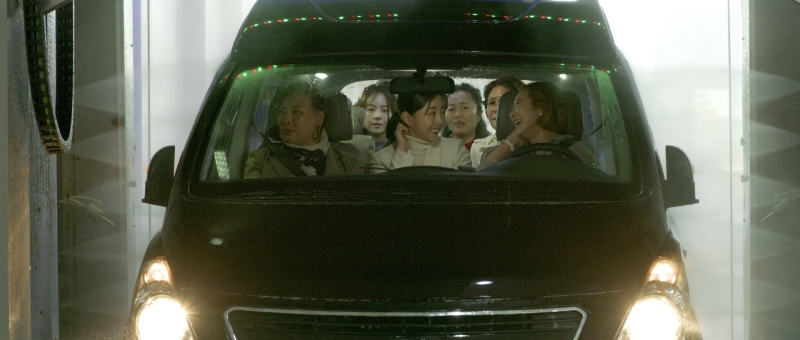
It’s easy enough to see why “Big Mama” Yeong-hui (Jung Young-joo) is fed up as her husband Han-il (Yu Seong-ju) barks orders from upstairs while she tries to sort out the food for the ancestral rites knowing the men are up there lounging around drinking just expecting everything to be done for them without needing to lift a finger to help. This year she’s choosing chaos, rounding up all of the other women in the family including Eun-seo (Kim Ga-eun) her nephew’s fiancée meeting the family for the first time and packing them into her minivan leaving the men to fend for themselves.  

This is a problem for them for several reasons the biggest being that it soon becomes clear they have no idea how to do anything for themselves, drill sergeant Han-il ordering his brother and sons to finish all the food prep within the hour while they search for YouTube videos to teach them basic cooking. They can barely even figure out how to make themselves some instant noodles while they wait, becoming progressively drunker to avoid facing the reality of their situation or accept that perhaps their treatment of their wives has been unfair or that they’ve taken all of their labour for granted. Old-fashioned authoritarian Han-il even approves of Yeong-hui’s flight in the beginning in the belief that she’s taken the other women out to teach them some discipline despite her having brought up the subject of divorce because of his own treatment of her. He doesn’t see his behaviour as essentially abusive because of the patriarchal social codes in which he operates believing this is simply the way that husbands are supposed to boss their wives. His brother and sons are little different though subordinate to him as head of the family, oldest song Hwang-sang (Song Dong-hwan) eventually kicking back but only after realising his mother may really leave profoundly shaking his foundations even as a grown man with a son of his own. 

Then again, aside from a potential divorce Yeong-hui is otherwise described as an “outsider” having married into the family most particularly when it comes to light that Han-il has sold some ancestral land and intended to keep the money for himself rather than share it amongst the other family members. When he sends the proceeds to Yeong-hui in a last ditch effort to get her to come home, it causes division on both sides with his brother Han-san (Yoo Byung-hoon) in particular objecting to the money leaving the family as Yeong-hui is technically a Lee and not a Yu while the women also think she should share the money with them rather than keep it for herself little knowing she was already planning to do so. Having serious doubts about marrying into this crazy family, Eun-seo, who is in any case Christian, isn’t sure why she was attending their ancestral rites anyway but if none of these women are actually “family” why is it they’re the ones expected to prepare the rites for the Yu ancestors? Yeong-hui sees the money in part as compensation for the unpaid labour she’s performed over the last 40 years while being shouted at and ordered around by her overbearing authoritarian husband. 

Thanks to YouTuber niece Hyo-jeong (Ha Jung-min) and sleazy tabloid journalist nephew Jae-sang (Cho Dal-hwan) the women’s flight ends up going viral and even making the evening news where they find mass support from other women in similar situations along with unexpected male solidarity though a big thumbs up from a series of male policemen seems a little unlikely given the threat they present to the entrenched social order in rebelling against the same kind of patriarchal male authority the police force itself represents. In any case, it becomes clear that Yeong-hui has simply chosen to celebrate her own ancestral rights in paying tribute to another woman whose name she only belatedly found out, the other women also revealing that they don’t even quite know each other’s given names because they’re so used to addressing each other only as daughter/sister-in-law or else as X’s mum to the extent that they’ve been robbed of an individual identity. Nevertheless through their transgressive road trip the women rediscover a sense of female solidarity while the men are forced to reckon with the way they treat their wives realising that if they want to keep their family together they’ll have to move with the times. 


My Big Mama’s Crazy Ride streamed as part of the 14th season of Asian Pop-Up Cinema.

Original trailer (English subtitles)
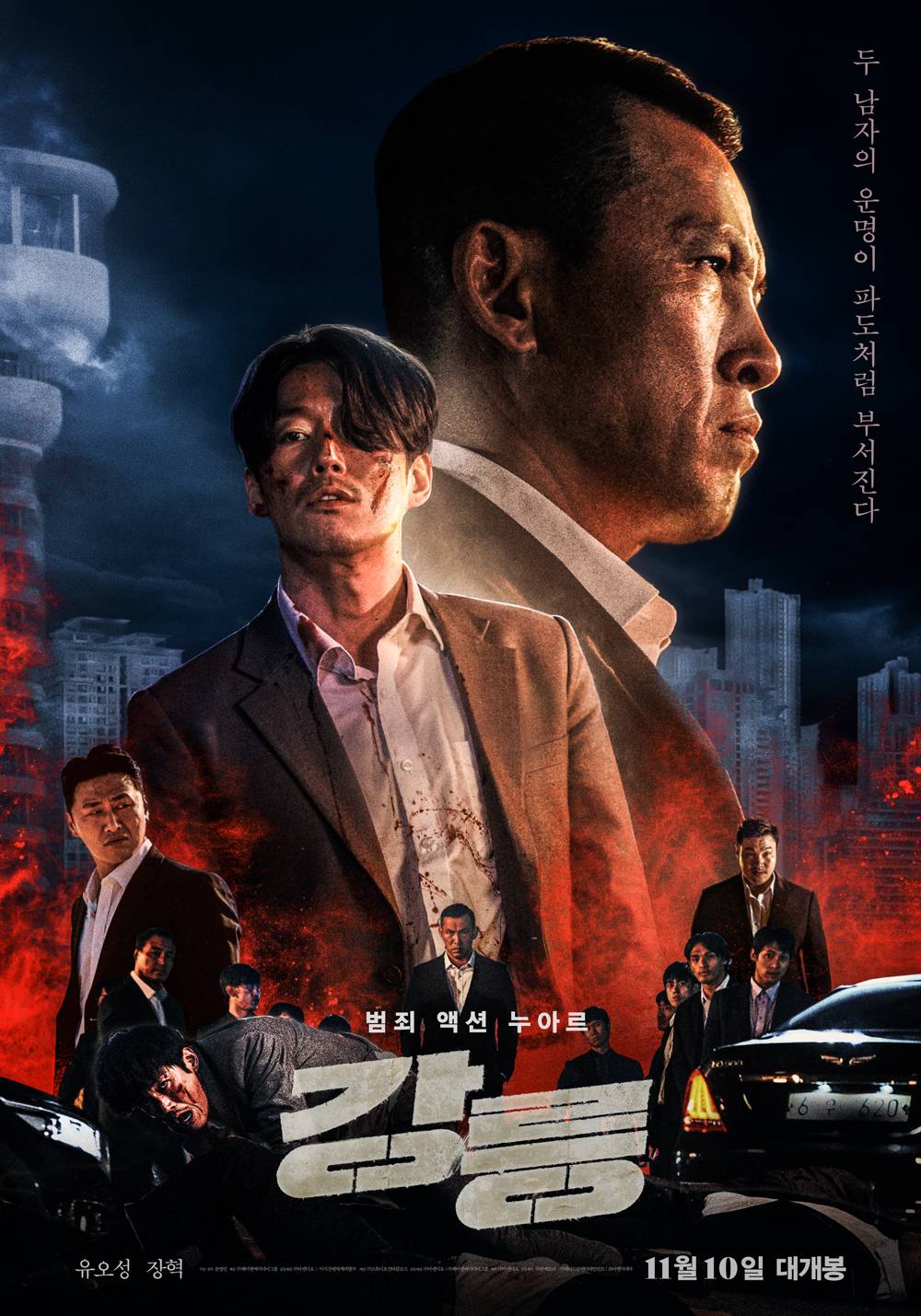
Switchback (スイッチバック, Shunnosuke Iwata, 2022)

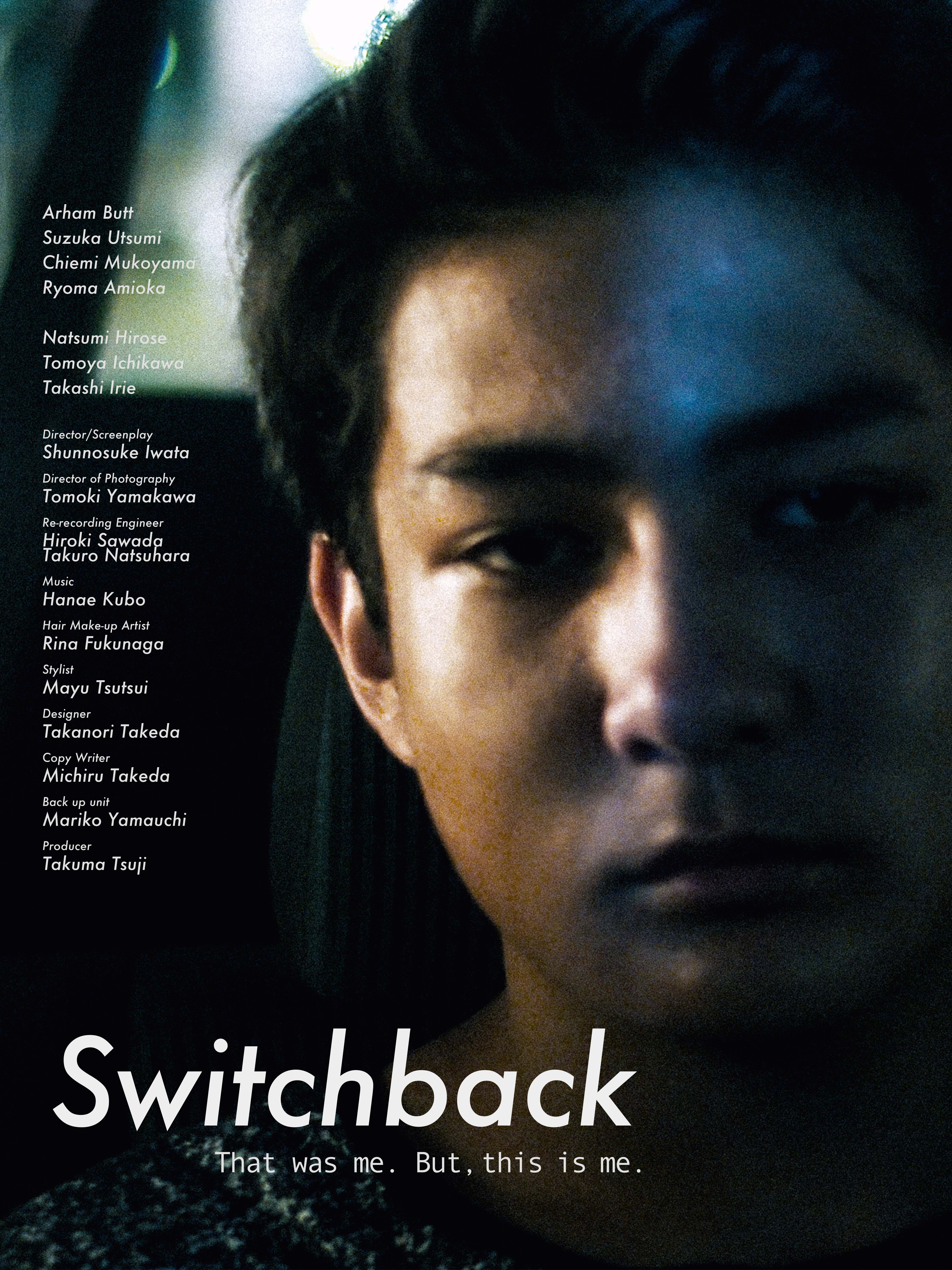
Really, everything in life is a learning experience but how should you feel if something that you thought was quite profound and serendipitous was actually engineered even if the way you reacted to it wasn’t? The young heroes of Shunnosuke Iwata’s Switchback (スイッチバック) find themselves caught in a moment of confusion uncertain how far they should trust the adult world while equally at odds with each other and trying to figure out what it is they may want out of life. 

Brazilian-Japanese teenagers Arham and Chiemi are attending a summer workshop project along with basketball enthusiast Suzuka while her childhood friend Eiichiro never actually shows up. Led by Tokyo influencer Rei, the kids will be working together in order to produce a video of a ball bouncing through the countryside. By reversing the footage to make it seem as if the ball is on its own little adventure she hopes to create a sense of the uncanny and with it a new perspective. Arham doesn’t quite get the point of it, but participates anyway and ends up forming a special bond with an old man in a wheelchair they encounter who has a hobby of flying drones. Yet when he finally arrives, Eiichiro claims to have seen the old man walking around and accepting something from Rei assuming he must be some kind of stooge and the children’s adventure they’ve all been on since has been a setup. 

Arham is very invested in the old man’s story and outright rejects Eiichiro’s suggestions that he isn’t “real”, carrying out an investigation into everything he told them about a former airfield that had been built in their town during the war and was later bought by a media company for recording aerial footage. What he discovers is that all of that seems to be true save for one crucial personal detail the old man had mentioned, leaving a grain of doubt in his mind while he continues to resent Eiichiro despite being unable to come up with a reason as to why he would lie. Eiichiro is in fact not quite telling the whole truth though he’s right about the old man, engaging in a kind of engineered adventure of his own but later offers the explanation that adults too are often frustrated and they may have tried to “destroy” Arham because they’re jealous of his cheerful and openhearted nature. 

Even though he concedes that he still experienced what he experienced for himself after meeting the old man, developing an interest in drones and learning a lot of local and aviation history, Arham is uncertain how he should feel about being manipulated, disappointed on trying to confront Rei and hearing exactly the same speech as she’d used in her influencer videos explaining her approach to life and art aiming to give young people a head start in gaining new experiences without them realising that they’re being taught something even if she doesn’t otherwise attempt to push them in a particular direction simply provide the catalyst for growth. Chiemi experiences something similar when she’s offered the opportunity to become a model, a skeevy older man repeatedly telling her she is suited to the work and may have a promising future, adding that she has a quality of ferocity that “Japanese” kids don’t while she complains that she dislikes being told what does and doesn’t suit her preferring to do as she pleases whether other people think it suits her or not. 

Suzuka meanwhile quietly struggles to fit in on her own having come to the town only eight years previously hinting that she and her family may have moved in the wake of the 2011 earthquake but stating only that she doesn’t like to talk of it either traumatised or fearing stigmatisation. Unity came first security second she claims of her basketball team reflecting on the positivity she experienced as they came together before a match in the face of their opponents. The kids perhaps do something similar as they each in their own way react to adult duplicity while deciding to take it in their stride embracing the experiences they’ve had as their own. Rei’s social experiment could easily have backfired leaving them cynical and indifferent, unwilling to believe in or pursue anything fearing that there is no objective truth only manipulation but in they end they run the other way, deciding to trust each other and themselves while creating new experiences of their own. Produced in celebration of the 50th anniversary of the town of Obu in rural Aichi Prefecture, Iwata captures the beauty of the local landscape along with the natural openness it engenders in allowing the children to become fully themselves as they ride their own individual switchbacks to adulthood.   


Switchback screened as part of Osaka Asian Film Festival 2022

Original trailer (no subtitles)

Action Hero (액션히어로, Lee Jin-ho, 2021)

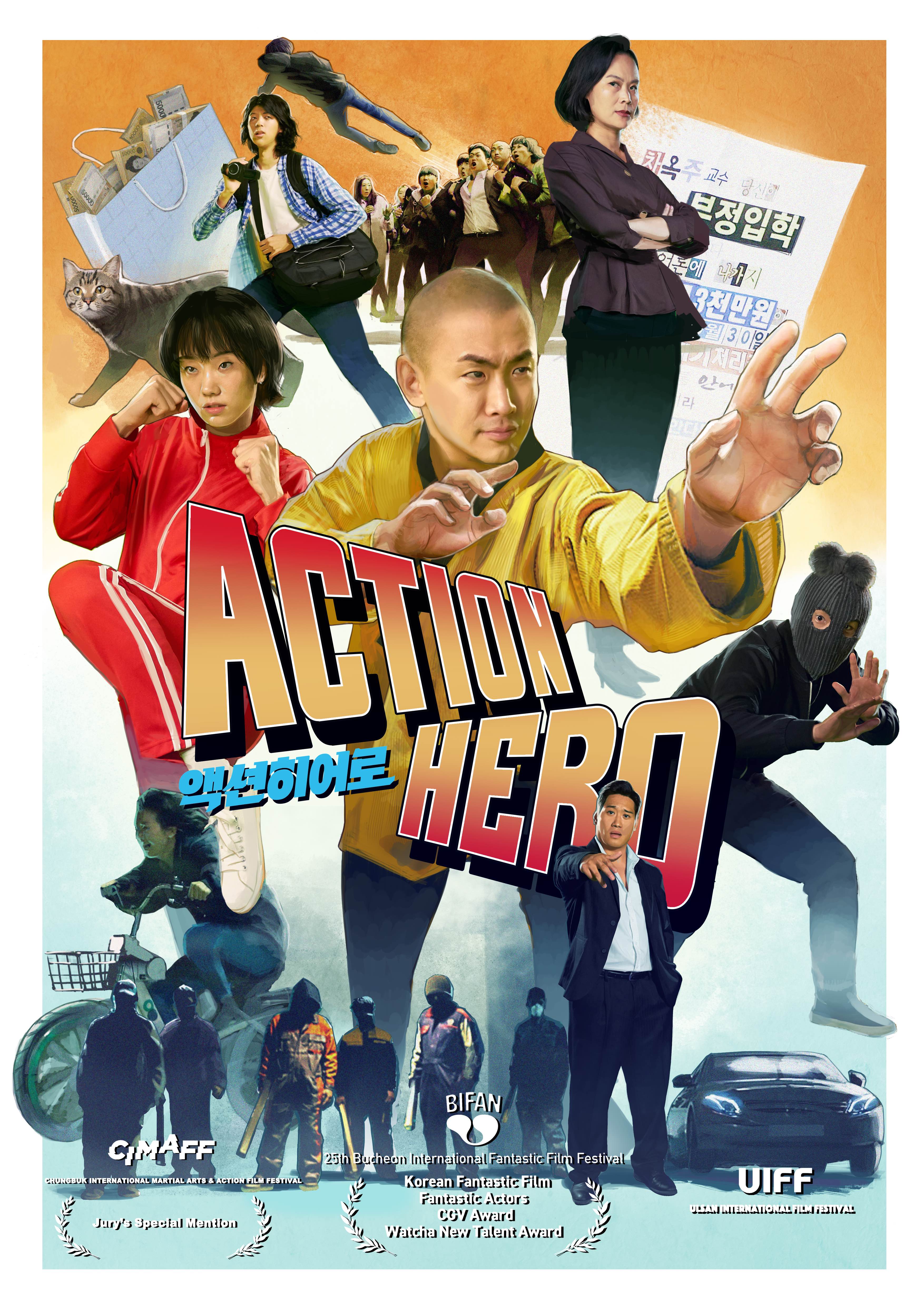
What better way to add a little authenticity to your movie than to unmask injustice live on camera? Lee Jin-ho’s indie action drama Action Hero (액션히어로) is a loving tribute to classic Shaw Brothers but also takes aim at the inequality at the heart of the contemporary society as the virtuous hero who says he just wants to be Jackie Chan starts a mini revolution in the student body after exposing the corrupt practices of their institution. 

Signalling his intentions early on, Lee opens with the “GB” “Golden Brothers” logo and a lengthy martial arts sequence spoken entirely in Cantonese with a classic Shaw Brothers-esque titles card, but as it turns out this is all an anxiety dream as the fearless hero finds himself unable to save a hostage because he cannot answer a question from the upcoming civil service exam. Dreaming of becoming an action star, Joosung (Lee Seok-hyung) decides to sit in on a film class which is where he meets Chanyeol (Lee Se-joon) who shows him a copy of an action movie shot by a former student, Sunna (Lee Joo-young), 10 years previously. Joosung decides to make his own film too and when he and Chanyeol accidentally come across a blackmail letter threatening to expose their professor’s falsification of records in order to admit the sons of wealthy men decide to stakeout the drop location hoping to apprehend the professor and the blackmailer and make it a part of their movie. 

Ironically enough, the previous Action Hero film had been about a culture of sexual harassment as Sunna herself starred as a martial arts avenger saving a young student from a lecherous teacher. 10 years on however Sunna still hasn’t finished her postgrad programme and is stuck as a teaching assistant working part-time at the campus coffee shop. Her colleague Jae-woo (Jang In-sub) is desperate for cash because he’s sick of this life and wants to open a friend chicken restaurant. Even Joosung is filled with despair for the future, working hard to pass the civil service exam even though it’s not something he actually wants to do. Meanwhile, the professor has been taking kickbacks so that chaebol sons with no talent can attend the university while their parents “support” from the sidelines. Perhaps conflicted in her actions, the offer of a promotion to department chair is enough to silence any qualms she might have hand while she’s eventually forced to confess all to the dean who is about to celebrate his 23rd re-inauguration which doesn’t exactly scream a commitment to democratic values. 

Yet through their “investigations” Joosung and Chanyeol discover that the institutional corruption in play was largely an open secret, so commonplace as to be dismissed as just the way things work. The justice-minded Joosung wonders why no one does anything, hoping that the students will eventually wake up to what’s going on and begin asking questions while wondering if they simply lack the “passion” to become their own kind of action heroes and demand integrity from their governmental body. Sunna, meanwhile, fed up with her impossible circumstances feeling as if she’s wasted too much time on Hong Kong cinema picks a different, not quite altogether altruistic path but later recommits herself to exposing the admissions fraud and corruption which go right to the heart of their institution. 

Lee continues to pay homage to the classic kung-fu movie with old school martial arts and use of freeze frame, Joosung wearing his Shaolin-style yellow top and Chanyeol at one point dressed as a classic kung fu master complete with long white beard only to discover themselves swept into a conspiracy deciding to unmask the injustice at the school. Then again, perhaps one action hero isn’t really enough to counter such ingrained corruption or the idea that this kind of impropriety has essentially become normalised and should just be accepted. Thanks to their adventures, each of the avengers is jolted out of their sense of inertia and powerlessness, Sunna realising she doesn’t need to let herself be exploited by her boss and can take control of her own future while Joosung and Chanyeol derive new hope for the future in squaring off against injustice. “The future is unclear, let’s persevere because we have each other” Joosung reflects in Cantonese on seeing the beginnings of a revolution on campus vowing to complete Action Hero 2 in the hope of a better tomorrow. 


Action Hero streamed as part of the 14th season of Asian Pop-Up Cinema.

International trailer (English subtitles)