A Woman (孔秀, Wang Chao, 2022)

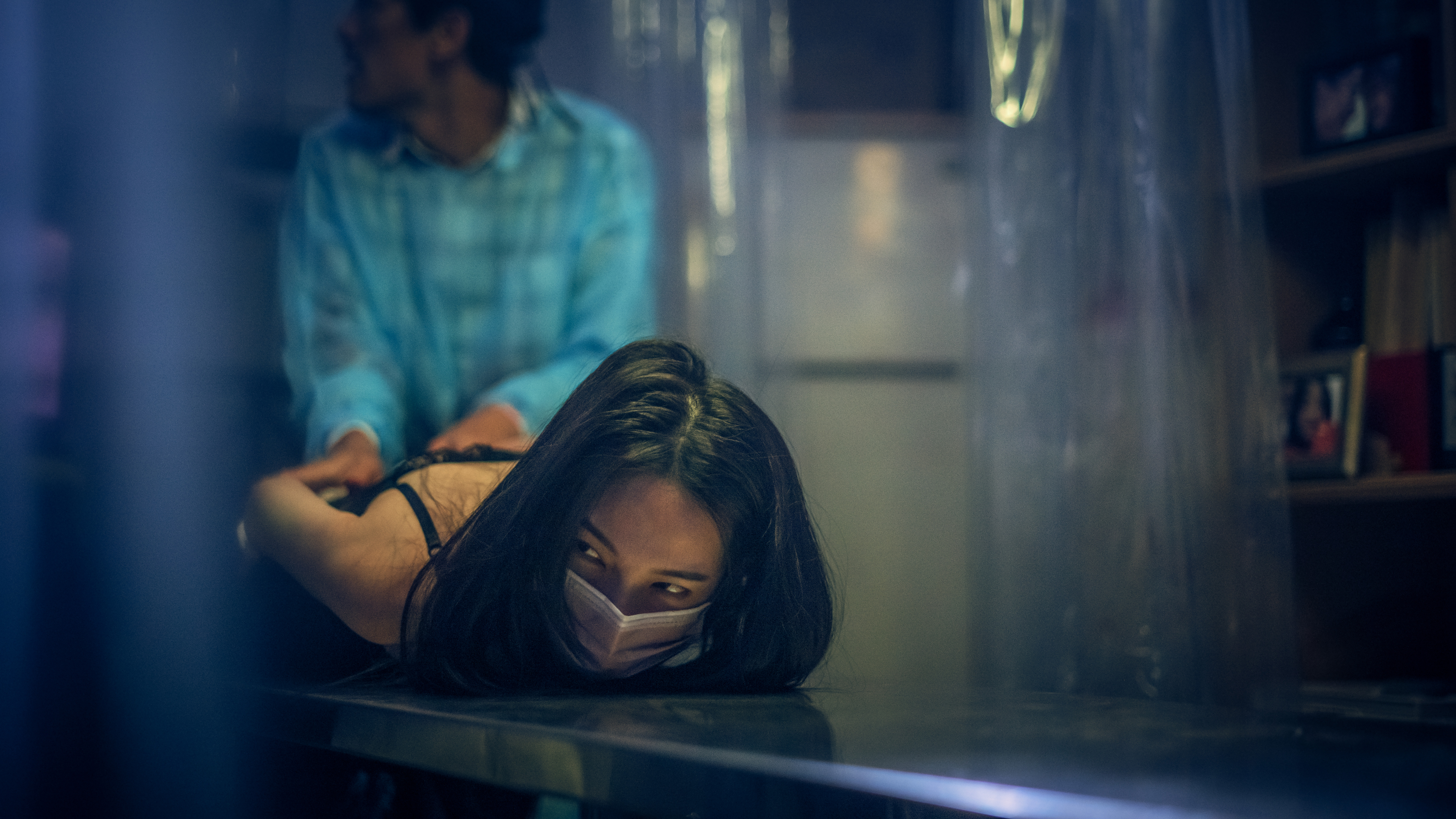
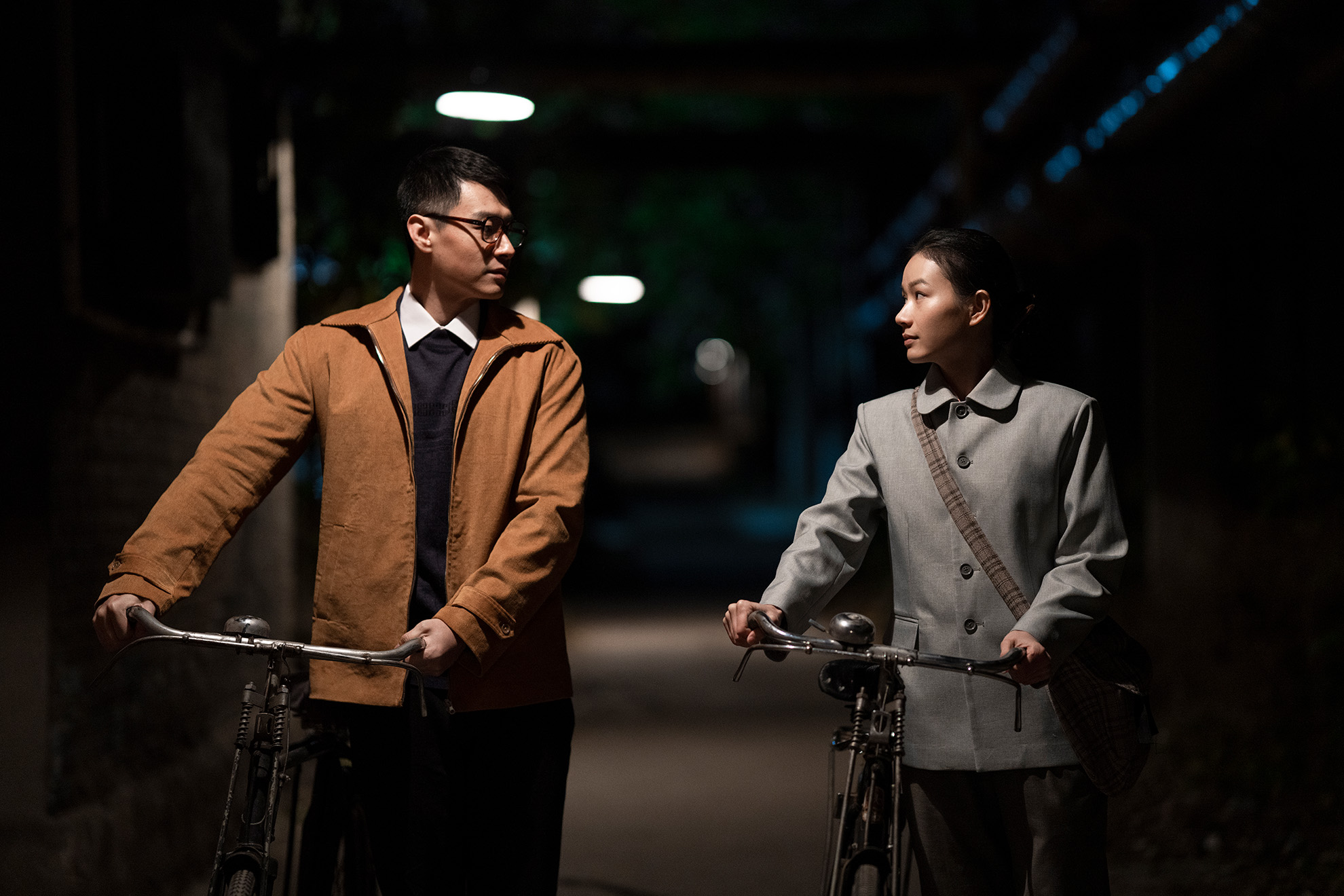
Adapted from Zhang Xinzhen’s autobiographical novel Dream, Wang Chao’s A Woman (孔秀, Kǒng Xiù) charts an ordinary factory worker’s path through the Cultural Revolution and gradual disillusionment with Maoism before eventually achieving her goals of becoming a novelist amid the social transformations of the 1980s. In some ways a victim of her times, Kong Xiu is ironically an “ironclad” woman overcoming all hardship but it seems unable to escape the patriarchal oppressions of a conservative society.

Opening in 1967, Xue (Shen Shiyu) is told by her mother that at almost 19 she is old not to be married and dutifully becomes the wife of a local man, Hanzhang (Wang Xuedong), whom she quite likes because he is an intellectual even though that is quite a problematic thing to be in the early days of the Cultural Revolution. Xue had once been told that she was the best writer in her class and gifted a book of Grimm’s Fairytales by her proud father, but partly because she is a woman and partly because of the times she is not permitted to finish school and begins working in a textiles factory. Nevertheless she feels proud to be a “worker” and seems to have bought into the Maoist ideology she is regularly required to chant out before work which insists that they serve the only god that matters in the Chinese people through the practice of their productivity. 

Chanting about feudalism and imperialism, Xiu is blind to the ways in which it is only the author of her exploitation that has changed for it is still others that profit from her labour giving little back with false promises of social good. She finds herself torn between two worlds, rejecting the feudalistic values of the peasant village where she grew up for the shining modernity of the city. Five years into her marriage, Xiu has two children and has moved into the factory women’s dorm while her relationship with the weak-willed Hanzhong flounders amid their obviously different desires. Hanzhong’s mother objects to Xiu’s modern womanhood, merely sneering when she explains that she’s a “worker” and viewing her as a failed wife who shirks her duties to their family by not returning on Sundays, her only day off, to help out on the farm. 

Meanwhile, she’s grown tired of Hanzhong’s sexual demands especially as he becomes Indignant on being asked to wear a condom and she wants no more children. She has already had more than one abortion and is warned by the doctor that she may be endangering her long term health if she carries on doing so with the same frequency. After divorcing Hanzhong she marries another man and has another son but almost dies in childbirth while her second husband, Yang (Zhu Dongqing), does not even bother to return until after the child is born. Dong, her first son, had been considered part of her husband’s family and so she lost him in the divorce, while Yang begins to reject her daughter, Xue, once his own child is born leading her to live with her widowed aunt, Jun, who explains that she wasn’t all that broken up about her husband’s death. He was a nice enough chap but the marriage was arranged by the Party and they were never really man and wife. 

A teenage Xue who’s taken to listening to cassette tapes of Teresa Teng songs in the park with a local boy throws back at her mother that she has no right to speak because she has never known love, something the film suggests that both Xiu and her sister have ben robbed of because of the oppressively patriarchal social codes of the feudal village and the Communist Party respectively. Xiu’s second marriage is worse than her first as Yang is violent, strangling or smothering her during sex she otherwise rejects, but she feels she cannot leave him once he becomes ill and is physically disabled. Meanwhile, her pride in her role as a “worker” at the factory begins to weaken as she sees through the cult-like chants and is tacitly accused of being a counter revolutionary for her lack of commitment having been betrayed by both her husband and someone she thought a friend who report her for having said out loud that the factory’s productivity drive was just PR fluff and lies knowing that they produce shoddy goods and cut corners just to look good on paper. 

The film begins to open up in the late 1970s once Mao is gone and the Cultural Revolution ended, Xiu remembering a love of literature while there is a sense of exuberant freedom now that you can read Rousseau out loud in the market square. The universities have reopened and even those of Xiu’s generation who missed out consider applying to make up for lost time, but then again attending a book party with sympathetic colleague Comrade Wu (Yu Qingbin) who has long carried a torch for her their brief moment of courtship is abruptly cut short when a patrol passes by and they have to turn out the lights for fear of being caught dancing. When Xiu eventually achieves her dreams and has a story published in the Workers’ Daily, the factory suddenly decides she’s a good role model after all and an embodiment of the spirit of the times even recruiting her to give a speech and displaying her manuscripts for the other workers to read. 

“It’s the past, don’t let it trouble you,” Xiu remarks on receiving a long overdue apology and in many ways it seems to be the way she lives her life which has been filled with hardship and heartbreak from the broken relationship with her eldest son who declines to return her letters to her seeming loneliness once again returning to the village a new woman but one also who stands astride the contradictions of a new China. Each step of her life is accompanied by the sound of a train, heralding her path towards “modernity” if coloured by a sense of loss in the persistent memory of what it once took from her. A poignant examination of the destructive social codes not only of the feudal era, but the false promises of equality under Maoism and the terrors of the Cultural Revolution, Wang’s drama may subversively suggest that it isn’t all sunshine and roses in an unseen contemporary China but nevertheless ironically hails its heroine’s “ironclad” resilience in the face of persistent social oppression.  


A Woman screens July 23 as part of this year’s New York Asian Film Festival.

Trailer (English subtitles)

Images: © LOCO FILMS all rights reserved
Geylang (芽籠, Boi Kwong, 2022)

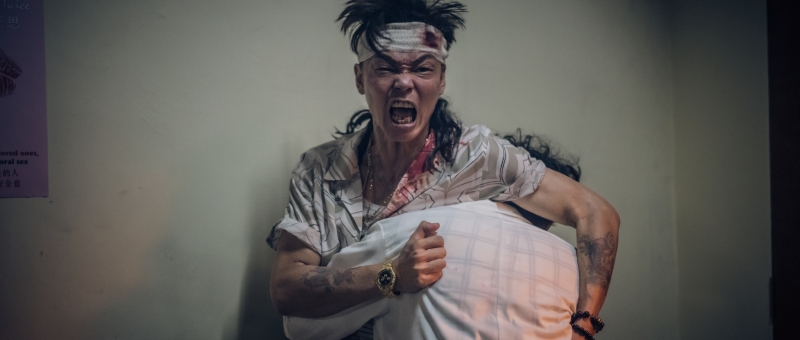
Close to the end of Boi Kwong’s Geylang (芽籠), a young woman compares herself to a butterfly whose wings have begun to disintegrate, trapping in her in the environs of the famous red light district along with several others who all seem to have been the victim of cruel coincidence one rainy night. The world is indeed shades of grey, each of them having “good” reasons for behaving the way they do but also perhaps also selfish, or greedy, or merely afraid and seeking escape. 

The strangest thing about this night in Geylang is that in the morning before it the body of a sex worker, Xiao Ling, was discovered near a remote stretch of road, only pretty much everyone seems to have forgotten about her and she is both incredibly central and an incidental detail in this karmic whirlpool of greed and desperation. Meanwhile, another sex worker, Shangri-La, is kidnapped by a crazed doctor trying to find a kidney donor for his seriously ill little girl. Shangri-La had also been in the middle of a blackmail plot against a politician running in the local election over a compromising video assisted by her pimp, Fatty, who is busy trying to care for his elderly father who has dementia. Meanwhile, activist lawyer Celine argues with her husband who is standing for office on a platform of cleaning up Geylang and is therefore unsupportive of her desire to continue to protect sex workers from violence and exploitation. 

What looks like simple greed turns out to be desperation born out of love and despair which nevertheless leads to little more than self-destruction. In a sense they are all seeking escape from Geylang, Fatty quite literally trying to run to Indonesia after his father ends up stabbing a loanshark to death, save perhaps Celine who may be seeking escape inside it in detailing her traumatic past and marriage to an abusive husband whom she no longer loves. The quest to retrieve the compromising video turns out to have a different purpose than we first thought, exposing another kind of prejudice that leads to shame and repression but also heartbreak and the hurt of betrayal. Love doesn’t have much currency in Geylang save perhaps the parental in the wholesome relationship between Fatty and his dad even if it is to an extent inverted in the mad doctor’s unethical determination to steal Shangri-La’s kidney. 

Even so, the election’s hypocrisy hangs over the rest of the action as a politician makes speeches about wanting to clean up the area as if the people who live there were just rubbish to swept away. Celine who runs Project Angel protecting vulnerable women working in the red light district feels differently but even she eventually reflects that the best way to protect herself is by gaining political power in addition to that granted to her by social position and wealth. She gives as good as she gets protecting a transgender sex worker from harrassment by a pair of obnoxious men but is also herself a victim of the ingrained misogyny of the world around her in which women’s bodies have been commodified yet have little value. Everyone seems to have forgotten Xiao Ling already, though there is quite a lot going on this particular night, as they scrabble for an exit.

Shot with noirish flair, the film surprises in its frankness amid the otherwise conservative Singapore painting a vivid picture of the other side of the underworld peopled by ordinary men and women just trying to by often in quite difficult circumstances. The irony is that the reason the video was so important wasn’t in its salacious content, but what it captured by mistake long after most had already stopped watching once again rendering its subject forgotten, a random after thought or loose end destined to remain untied. Dark moments of nihilistic humour hint at the sense of despair along with the cosmic irony that has drawn each of these people together united by their desire for a better life for themselves or others and their willingness to do whatever it takes to acquire it while seeking a way out of the neon-lit hell of Geylang only to realise that their tattered wings may no longer be able to carry them.


Geylang screens July 21 as part of this year’s New York Asian Film Festival.

Original trailer (Traditional Chinese / English subtitles)

Images: All Rights Reserved © 2023 MM2 Entertainment PTE Ltd J Team Productions PTE Ltd

The Tunnel to Summer, the Exit of Goodbyes (夏へのトンネル、さよならの出口, Tomohisa Taguchi, 2022)

A pair of lonely teens begin to find direction in their lives while investigating a mysterious phenomenon in Tomohisa Taguchi’s The Tunnel to Summer, the Exit of Goodbyes (夏へのトンネル、さよならの出口, Natsu e no Tunnel, Sayonara no Deguchi). Adapted from the series of light novels by Mei Hachimoku, the film asks if it’s worth sacrificing the present to reclaim the past for an uncertain future, but also has a few things to say about grief and guilt and the necessity of moving on even if in this case a little further ahead than most. 

The mysterious “Urashima” tunnel is so named in reference to the classic folk hero who spends a few days with a princess at the Dragon Palace and then returns home to find that it is 100 years later and everyone he knew is dead. The princess gave him a box telling him never to open it but of course he does and suddenly becomes an old man. As high schoolers Kaoru (Oji Suzuka) and Anzu (Marie Iitoyo) discover, the tunnel works in much the same way. A few seconds inside is hours out, though they say that if you reach the end your wishes will be granted. Each desiring something, the pair team up to investigate together and gradually fall in love but are also divided by the contradictory nature of their quests. 

Reluctant to reveal the reasons behind her interest in the tunnel, Anzu fears that her desires are trivial in comparison to those of Kaoru who is trying to restore his family by bringing back his little sister Karen (Seiran Kobayashi) who was killed falling from a tree. Kaoru claims that he wants to see the kind of world that Karen had envisaged where everyone was happy, but is also trying to deal with his grief and guilt and looking for the restoration of a sense of stability he once had in his family. Anzu, meanwhile, is insecure in her gifts as an artist and has been rejected by her parents for her desire to make manga like her penniless grandfather. Kaoru tries to convince her that she has talent already but Anzu seems to believe that she needs once in a generation flair in order to be able to make her mark even if they get stuck in the tunnel and emerge hundreds of years later into a world in which manga no longer exists. 

But as Kaoru later finds out, the tunnel only lets you take back something you’d lost. It does not grant wishes for something that never belonged to you. Kaoru never really stops to think about the practicalities of his quest such as the increased age difference between himself and Karen or how he’d explain her sudden resurrection, while Anzu doesn’t really reflect on the how meaningless her success would be if didn’t come from her own efforts even as they work together to solve the mystery of the tunnel as a way of working through their individual anxities. Though their first meeting had been frosty, the pair soon bond in their shared loneliness and fractured families but like most teenagers don’t quite have the confidence to say the big things out loud. 

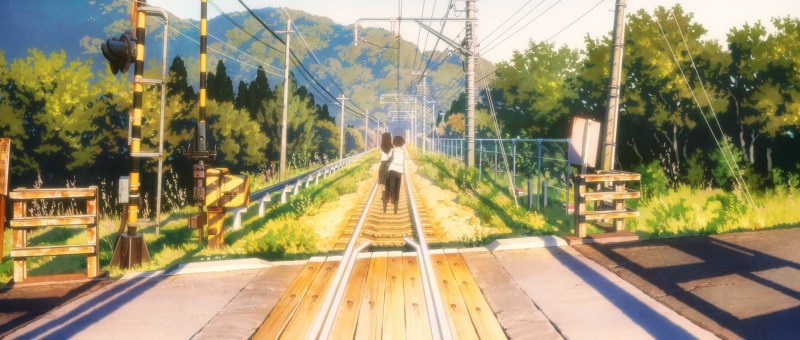
Taguchi makes the most of his summer countryside setting capturing the vibrancy of his surroundings from the cool blue sea to the bright yellow sunflowers near the train station while also hinting at the “boring” nature of small-town life in which there’s not much else to do than create your own adventure. Set in 2005, the film also has a meta time slip quality with its flip phones and minidisc players seemingly taking place in a more innocent age if also emphasising that the reason the teens can disappear for three days researching a tunnel is that their respective adults aren’t very bothered about what they’re doing or where they are. Each of them discover what it is they really wanted out of their mystical journey, if otherwise out of sync, as they learn to deal with their grief and insecurity before discovering the exit from the eternal summer of their youth into a less certain adulthood that no longer scares them but instead offers new opportunities amid the newfound solidarity of their togetherness.


The Tunnel to Summer, the Exit of Goodbyes opens in UK cinemas on 14th July courtesy of All the Anime.

International trailer (English subtitles)

Images: ©2022 Mei Hachimoku, Shogakukan/The Tunnel to Summer, the Exit of Goodbyes Film Partners

Let It Ghost (猛鬼3寶, Wong Hoi, 2022)

A collection of conflicted souls find themselves haunted by the ills of their society in the directorial debut from Wong Hoi, Let it Ghost (猛鬼3寶). Very much in the tradition of Hong Kong horror comedy, the three-part anthology takes pot shots at everything from hypocritical, narcissistic TV stars, and chauvinistic, homophobic men, to familial displacement caused by rampant gentrification while asking questions about who is haunting who in a society which seems to be constantly eroding around the edges.

The hero of the first chapter, Lark, is a self-centred actor currently playing the lead in the hit TV show Incarcerated Detective in which he has the nonsensical catchphrase “Justice will always stand on the side of Justice”. Though playing a figure of moral authority onscreen, Lark is privately anything but and is becoming fed up with the show because it’s getting in the way of his burgeoning movie career. Wong makes some subtle digs at how the entertainment industry works with Lark kept out at a drinking party with useful people he clearly doesn’t like but has to get along with while needing to get back for night shoots. When he gets pulled over by a cop, he panics because he’s been drinking but it turns out the guy was just a fan who wants an autograph. The policeman’s failure to investigate him turns deadly when a sleepy Lark ends up running over a young woman and then pushing her body down a mountain to conceal the crime. 

Lark finds himself quite literally haunted by the spectre of his guilt when he realises that the young woman he killed was the guest actress for the episode in which she was supposed to be playing a ghost. Taking method acting to extremes, she turns up anyway prompting some ironic comments from the director about representation and the Hong Kong spirit before he makes full use of her now unkillable body to get exactly the effect he wants for the scene. A late twist hints at Lark’s self-obsession and insecurity if also perhaps the mutability of stardom in which no one is ever really irreplaceable. 

Like Lark, the hero of the second chapter, Kwan, is also somewhat insecure but mostly in his lowly status as a taxi driver while his materialistic girlfriend appears resentful that he can’t give her a standard of life to match that of her snotty rich girl friends. In a recurrent motif, Kwan keeps making a point that he isn’t “homophobic” but several times makes homophobic remarks and later tells a young woman that the boys love manga she’s reading “defies the Chinese values of man and wife”, while titles of books in his cab include “cute wife, obey me tonight” and “Domineering Driver and the Dainty Wife”. An attempt to impress his girlfriend with a cheap “staycation” backfires when she is possessed by a “horny ghost” whose insatiable appetites eventually become more than he can handle. The film walks a fine line between satirising Kwan’s toxic masculinity and patriarchal views and accidentally endorsing them, potentially spilling over into homophobia in the punchline of its possession gag. 

In part three meanwhile, the venue is a moribund shopping mall where a young woman runs a bridal shop inherited from her mother. The half-shuttered mall already has a ghostly quality, as Fong points out no one goes to malls anymore, and it could in a sense be she and her friends that are haunting it though there is a more literal ghost of an abandoned child as a kind of symbol of the “orphans” of gentrification displaced from their homes and left with nowhere to go. Fong and her friend Edward decide to look for a nice couple to look after the ghost, Kat, who would then be reincarnated as their child but struggle with unexpected interference from a kung fu exorcist working for security who want to get rid of Kat so the building can be sold. 

There is quite a lot of haunting going on, be it the grim spectres of celebrity culture, sexism, or the gradual erasure of the old society which brings about its own ghosts in the eerie sense of emptiness with which abandoned buildings are imbued. Cynical humour and a thick slice of irony lend each of these ghostly tales a satirical quality hinting at the unreality of the everyday marked by a sense of displacement and emptiness in a disappearing Hong Kong. 


Let It Ghost screens at the BFI Southbank on 14th July as part of Focus Hong Kong.

Original trailer (English subtitles)

Tokyo Uber Blues (東京自転車節, Taku Aoyagi, 2022)

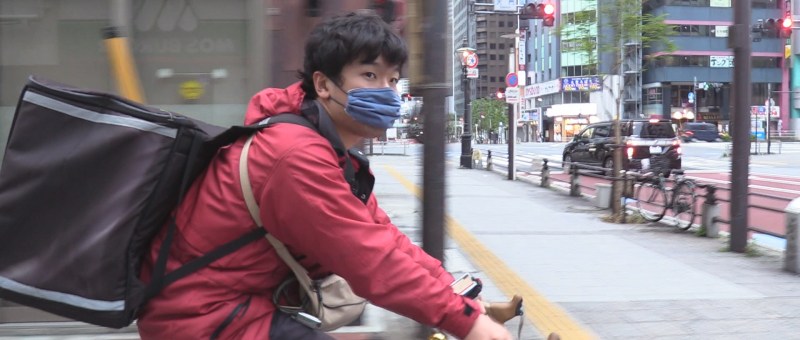
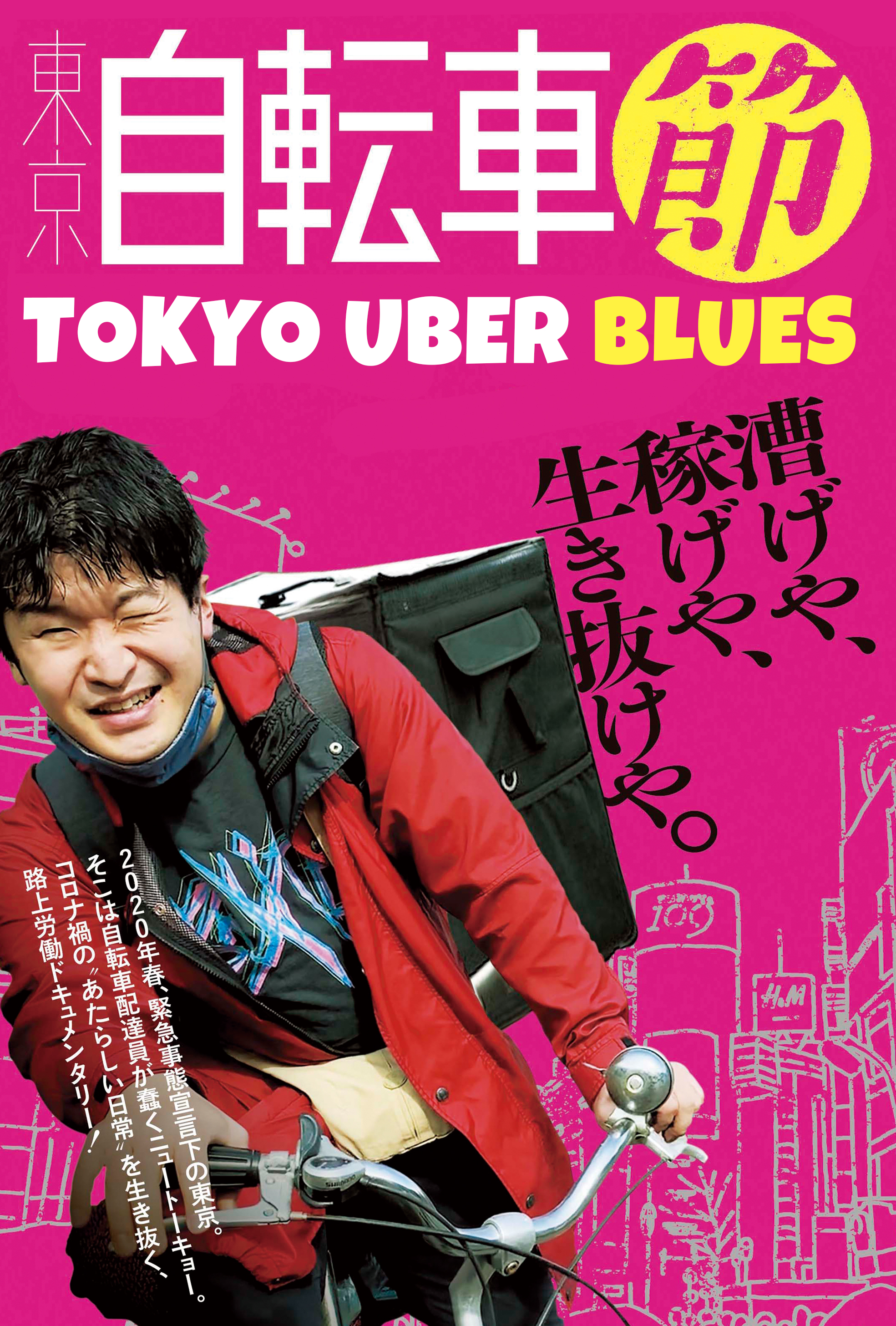
Aspiring filmmaker Taku Aoyagi had been working as a substitute driver, driving people home in their own cars after they’ve had a drink, for a company owned by his uncle in rural Yamanashi when the pandemic hit in early 2020. With bars closed and fewer people going out in general, he soon lost his job while saddled with significant student debts. In Tokyo Uber Blues (東京自転車節, Tokyo Jitensha Bushi), he documents his decision to move to Tokyo and become an Uber Eats delivery agent having heard of big opportunities to earn easy money amid the delivery boom of the pandemic. 

Aoyagi’s capture of himself is not always sympathetic and he often appears relatively naive even while trying to contend with the vagaries of the Covid-era economy. He’s fortunate enough to be invited to stay with a friend but soon finds that the work is much more difficult than he’d been led to believe and a nine-hour shift earns him only around 60 US dollars. Most of the orders he’s carrying seem inordinately small, biking half way across the city just to deliver one burger or a pair of bubble teas meaning of course that he’s only picking up a minimal amount in tips. The work is also physically taxing though obviously becomes less so as he gets used to it and is then able to upgrade to an electric bike. 

The film is much more about Taku’s direct experience as an Uber Eats deliveryman than it is about the gig economy, the precarious working environment, pandemic or life on the margins of a prosperous society at a moment of crisis but nevertheless makes small asides hinting at a disparity between the people who order the deliveries and those who deliver them. Taku reflects that people in high rise condos seem to order an awful lot of stuff and is left with mixed emotions on the one hand recognising that they provide the work for him but also mildly resentful that they seem to spend their money so frivolously when he can barely get by. He swings between considering the implications of Uber’s business model for its workers and fully believing that he is “connecting people” through his work. As time goes on it’s almost as if he’s beginning to lose to mind, rambling about his “quest” to master the system and become the ultimate Uber rider maximising his profits while describing himself and his colleagues as “hyenas” prowling the city ready to pounce on the next opportunity. 

Aoyagi does not go into the reasons he chooses to move out after staying with friends though it may perhaps just have been that he felt bad about imposing on them for so long or simply wanted his own space. An attempt to stay in a cheap hotel does not go as well as hoped and hints at his difficulties managing his money on an unpredictable income. For a while he becomes technically homeless, sleeping on the streets before finding refuge in overnight manga cafes when they eventually reopen. A jobbing actor he meets on the street gives him advice about where to find cheap food while an old classmate helps him out with Uber-related advice such as where to wait to find the prime gigs hinting at the various ways people will still help each other even while similarly desperate or in direct competition. 

Even so, he’s still receiving calls about his overdue loan payments and reflecting on the way the government chooses to spend its money. They tell people to stay at home, but what are you supposed to do if you don’t have one? Taku asks the actor where the homeless people go but he tells him they’ve all been bussed out of the city in preparation for the Olympics. When an air display takes place to celebrate the efforts of frontline workers, Taku briefly explains that he also felt as if they were celebrating his successful mastery over the Uber system only to later reflect that it cost about 30,000 US dollars which might not have been the best use of such a large amount of money. Still wearing grandma’s home made mask, he rides all over the city observing all sorts of people and ways of life but doesn’t seem to have found much of a way forward for himself or decided whether this system represents “freedom” or is inescapably exploitative as he realises that Uber doesn’t cover maintenance or repairs on the equipment he has to supply himself. “What a world this is,” he chuckles to himself riding into a “new normal” none of us quite understand. 


Tokyo Uber Blues screened as part of this year’s Nippon Connection

Original trailer (English subtitles)

My Anniversaries (オレの記念日, Kim Sungwoong, 2022)

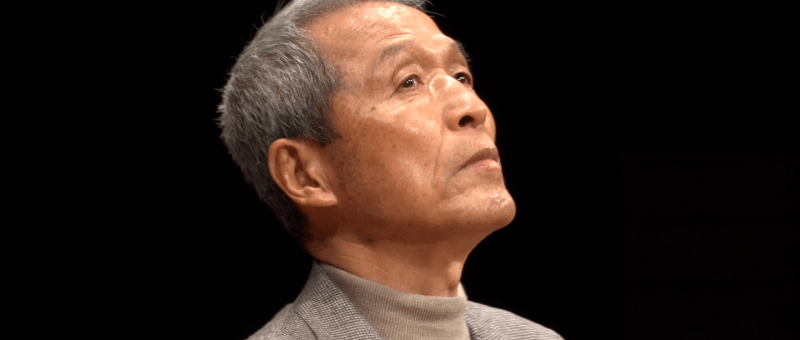
“Life can’t be all good things,” the cheerful hero of Kim Sungwoong’s documentary My Anniversaries (オレの記念日, Ore no Kinenbi) sighs rather incongruously given that he spent 29 years in jail for a crime he didn’t commit. As Shoji remarks walking around the prison where he was once incarcerated he only seems to remember the “fun” things rather than the cold or the low level horror that marked his life inside. What continued to weigh on him was the the injustice he suffered and the stigma of being called a murderer though he was innocent. 

Shoji Sakurai freely admits he was no angel in his youth and part of the reason he was pulled in by the police was because he was a considered a troublemaker they wanted to get rid of anyway. He and a friend, Sugiyama, were picked up together and accused of robbery and the murder of a 62-year-old loanshark. They had actually been together at the time in a completely different part of town but the police refused to listen to their alibi and railroaded each of them into false confessions. After pleading not guilty at trial claiming that their confessions had been forced, both men were sentenced to life in prison and each served 29 years. 20 years old when they went in, they were 49 and 50 and when they eventually came out. 

Yet the incongruous thing about Shoji is just how happy he seems to be. He isn’t particularly embittered by his experience and even at one point thanks the police because it’s because of them that he now gets to live a great life doing what he always wanted to do. Rather than be consumed by the hopelessness of his situation, Shoji decided to make the best of his incarceration by looking to the future and working hard to build a life for himself when he got out. He spent his time writing poems and songs and even though he hated making shoes on the prison production line became the best shoemaker in the place. Together with the director he revisits the prison on what appears to be some kind of open day with former guards running stalls in the courtyard. Shoji makes polite small talk with them as if they had been colleagues rather jailor and prisoner describing most of them as kind and only alluding to one who wasn’t while remarking that it’s usually the latter sort who earn speedy promotions. 

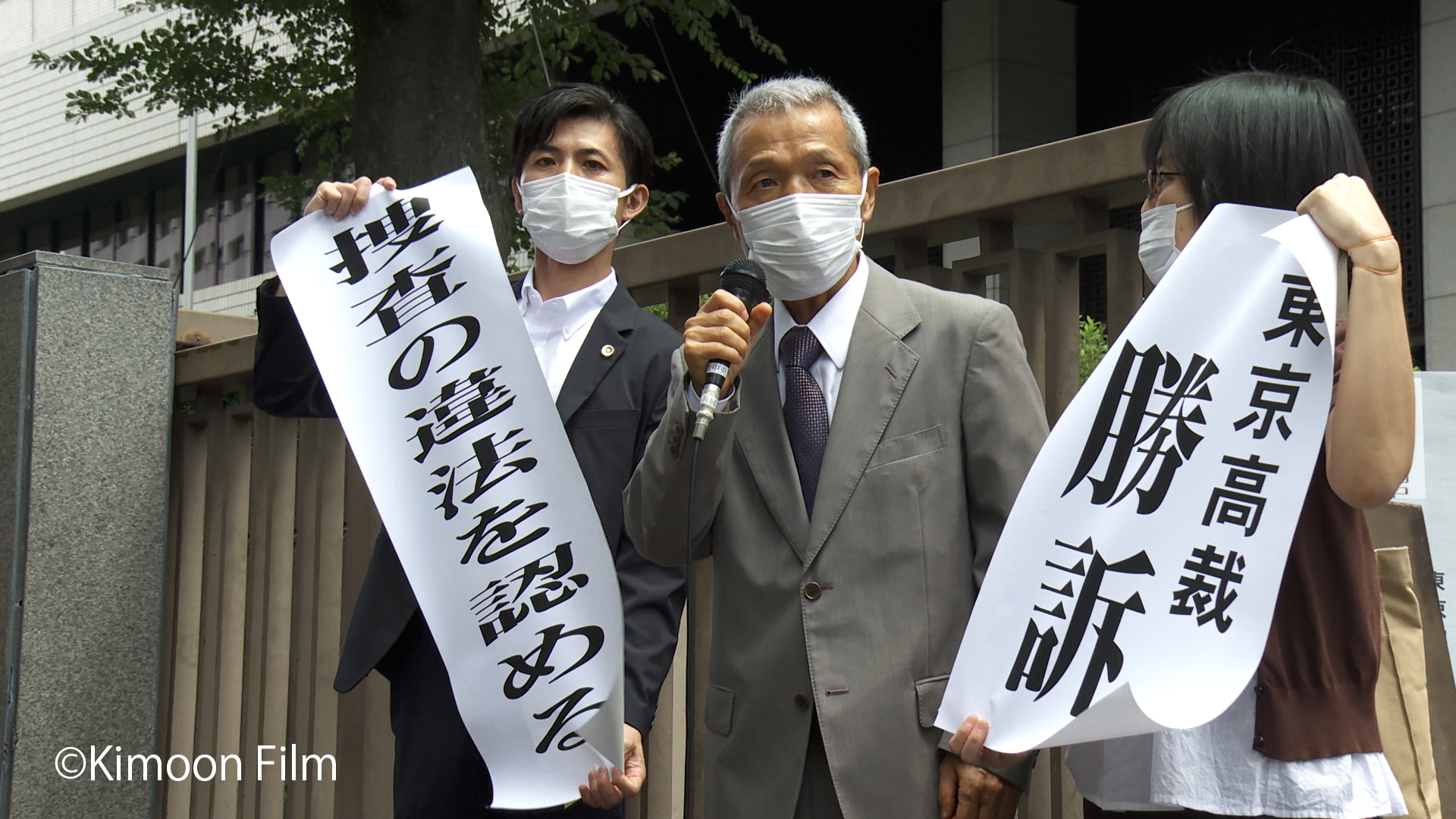
After release from prison both Shoji and Sugiyama continued to campaign for their convictions to be overturned which they finally were after a retrial victory, an incredibly rare event in Japan. Since then, he’s continued to advocate for changes to the judicial system and help others in a similar position to clear their names so that they can try to move on with their lives. In some senses, his sentence didn’t end when he was released because he was still the victim of a false conviction and continued to suffer under its weight, unjustly labeled as a murderer even if he admits he had once been a thief. Shoji met and married his wife Keiko not long after he had come out of prison and she describes him as having been almost glowing with the joy of his newfound freedom, but also recounts that he once tried to jump out of a window because of the hopelessness of his situation. 

His success in overturning his conviction gives hope to others like him who feared they’d spend the rest of their lives in prison labeled as a criminal for something they didn’t do or perhaps never even happened. Relentlessly cheerful, always cracking jokes, he assures them he can win and will continue striving until all the falsely convicted prisoners of Japan (of which there are many given the prevalence of forced confessions) are freed and the laws changed so that all the available evidence has to be presented to the court rather than only that selected by the prosecution. Even after being diagnosed with terminal cancer he continues to travel around the country and exclaims how “blessed” he is to have led such a good life. In many ways it’s the definition of a life well lived by a man who decided to be a cheerful in the face of adversity and did his best to chase happiness in whatever form he found it even in the darkest moments of his life in the knowledge that spring would one day finally arrive. 


My Anniversaries screened as part of this year’s Nippon Connection

International trailer (English subtitles)

Remembering Every Night (すべての夜を思いだす, Yui Kiyohara, 2022)

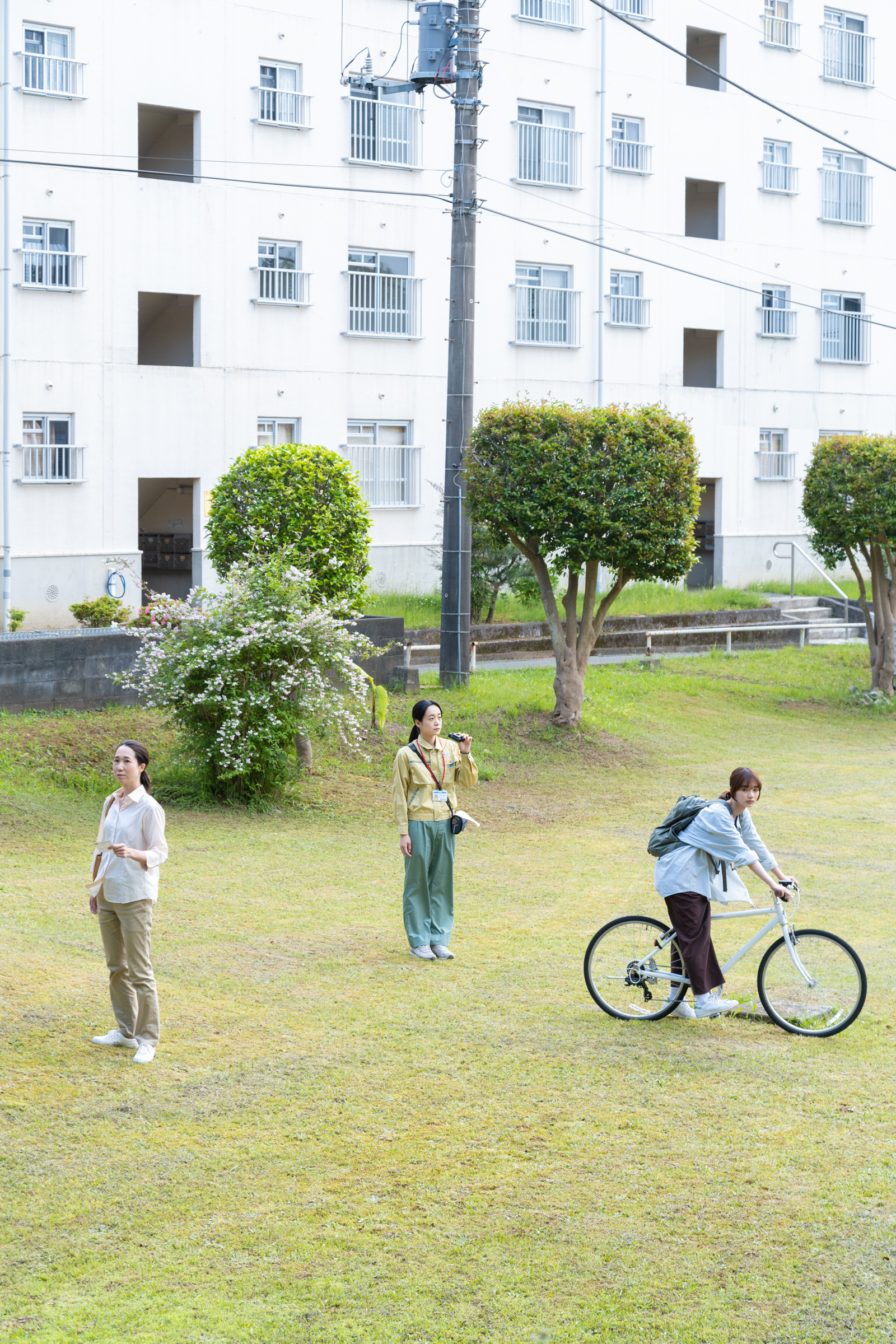
“It all looks the same here, it’s easy to get lost” a young man remarks on giving directions to a middle-aged woman who explains that she’s lived in this town for a long time but never been to this area before. Yui Kiyohara’s wistful drama Remembering Every Night (すべての夜を思いだす, Subete no Yoru wo Omoidasu) takes place in Tama New Town, which is as its name suggests a planned development on the outskirts of Tokyo and home to a large number of danchi housing estates which once symbolised a bright post-war future but now seem increasingly old-fashioned and in their own way lonely. 

Loneliness is an underlying theme in the lives of three women whose paths intersect over the course of a day one of whom, gas inspector Sonae, runs into an old lady who talks her ear off about how it’s not like it was when she and the other residents of the danchi were all young together and minded each other’s children to juggle work and domesticity. Now there are only old people, like herself, left. The man next-door, Mr Takada, has gone missing and is later found returning to a different home perhaps one he lived in many years ago in search of a wife who it seems may no longer be living.

They are all in a way looking for something. Chizu, whose name is ironically a homonym for “map”, is looking for several things and not least among them a job after being laid off from a kimono shop which is apparently short staffed without her. As she explains, today is her birthday and she feels like doing something “different” which is perhaps why she travels to another part of town clutching a change of address card for an old friend she’s otherwise lost touch with. She does indeed do several “different” things such as climbing a tree to retrieve a shuttlecock for a pair of mystified children who eventually walk off in embarrassment, and copying the dance moves of a young woman practicing in the park.

The young woman, Natsu, whose name means “summer”, like the children describes Chizu as “creepy” but like her is searching for something from the past in trying to come to terms with her grief over a friend who died the summer before. She visits his mother and tries to return the receipt for photos she had developed that Dai had taken before he died only for her to refuse to take them, explaining that she has plenty of photos that he took but ironically few of him. Natsu later tries to pick the photos up only for the sullen man at the store to suggest she’s waited too long and he might not have them anymore later looking through them himself in the back room where he converts analogue videos to digital. 

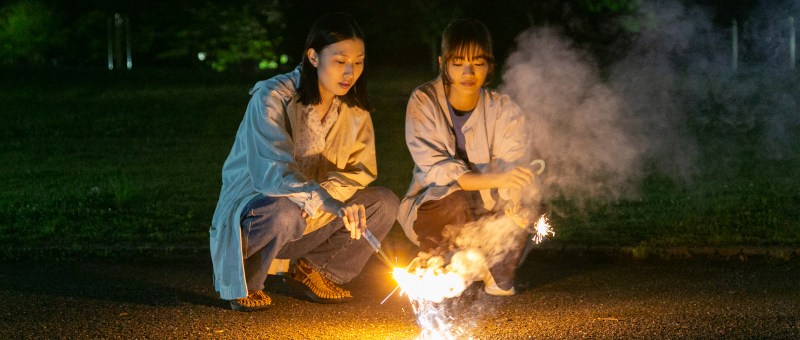
There is something poignant in the old home videos from 80s and 90s each featuring birthdays of small children doubtless now old enough to have children of their own appearing like ghosts from another era to remind us that time is always passing. After visiting an exhibition of Joumon pottery with her friend, Natsu wonders whether anyone will remember Dai in thousands of years’ time engaging in an act of remembrance lighting fireworks in the park as if reclaiming the memory from the photos she couldn’t bear to collect. The other women each end up alone, pondering past regrets in the darkness of a summer night on the edges of a city trapped in a labyrinth of memory in an almost imaginary landscape. 

The deliberate sameness of the Tama New City environment lends it an uncanny quality of otherworldliness, as if it had no real borders and the life here went on forever. It seems to us that Mr Takada has got the wrong house, but perhaps it’s us who’ve got the wrong world. Sonae soon discovers that the gas metre’s still running even though there’s no contract for that address while its seeming emptiness is undermined by the pot of fresh flowers growing happily on its doorstep. Perhaps the resident is, like these women, simply living their life largely invisible to us and just another presence that may one day cross ours whether we notice or not. Told with breezy serenity, Kiyohara’s playful summer drama circles the unreality of the everyday but finds in it a kind of comfort if perhaps tempered by melancholy. 


Remembering Every Night screened as part of this year’s Nippon Connection

International trailer (English subtitles)

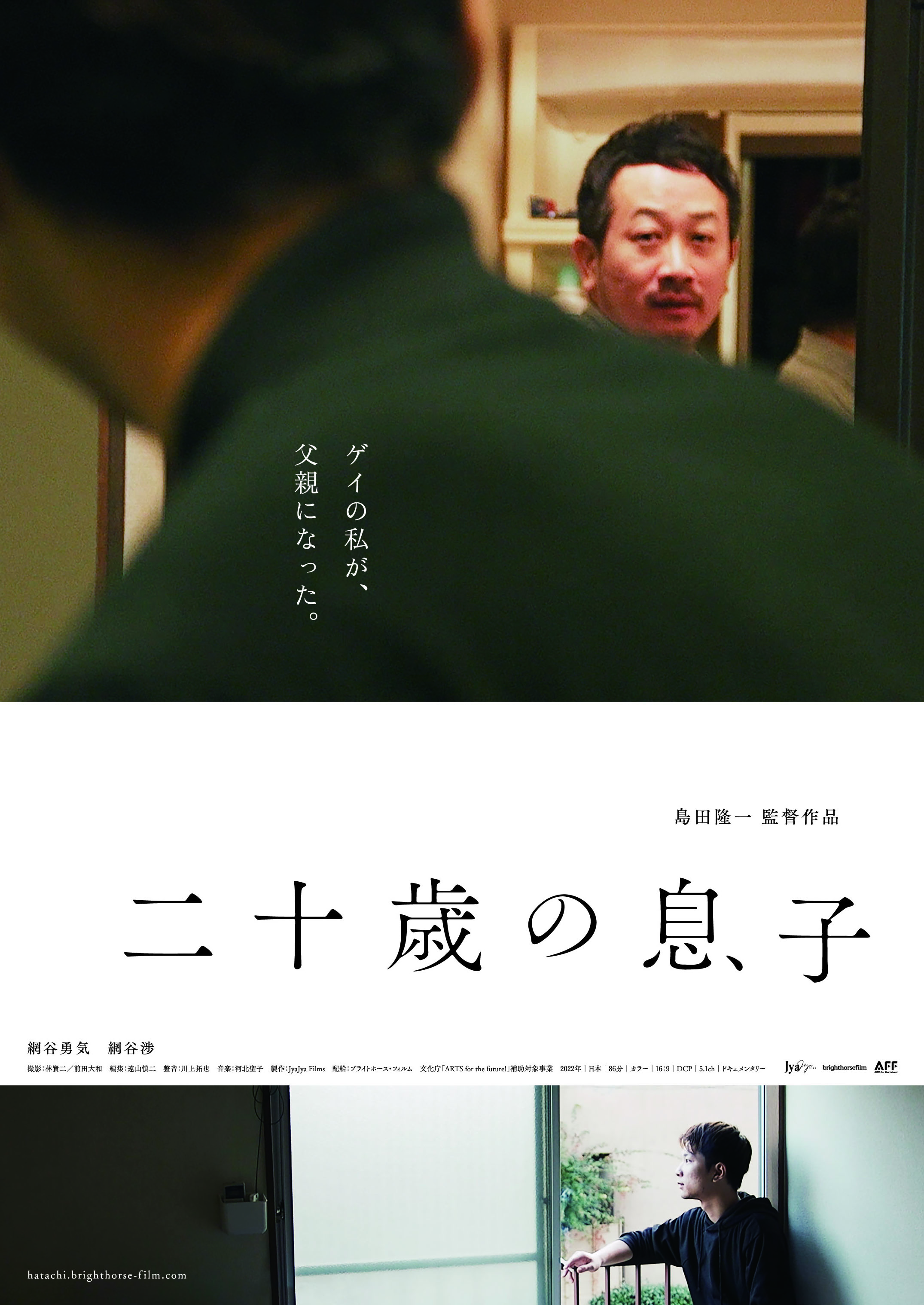
A Son (二十歳の息子, Ryuichi Shimada, 2022)

“It is simply how it should be” the father of the protagonist of Ryuichi Shimada’s documentary A Son (二十歳の息子, Hatachi no Musuko) remarks, explaining a concept of unconditional love to the 20-year-old man his own son has just adopted. The documentary never quite answers the question of exactly why Yuki made the decision to legally adopt Wataru aside from perhaps suggesting it’s a way of rejecting his own indifference to injustice, but otherwise attempts to draw comparison between the prejudice faced by members of the LGBTQ+ community and that towards children who grew up in the care system.

As Yuki later says, both LGBTQ+ people and foster children develop a habit of scanning people’s faces and watching out for any offhand remark they may make that would tip them off to the fact they are not a safe person to be open with. As he later relates, Wataru never knew his birth parents and suffered abuse in the care system. Looking for a place to belong, he ended up joining a biker gang, getting involved in petty crime, and being placed in juvenile detention which has left him with a criminal record. Even so, Yuki seems to have unshakeable faith in Wataru and is determined to provide him with a safe space and sense of permanency he hopes will allow him to feel a greater sense of confidence and security. 

In an outreach session, Yuki reveals that he knew he was gay from around 14 years old struggled to accept his sexuality after seeing the word “abnormal” listed under the dictionary definition of homosexuality. He too became violent and considered taking his own life which might explain why he empathises so strongly with Wataru, only he chose to come out to his parents instead who didn’t care at all and continued supporting him just the same. As his father later says, that’s just the way it should be. Yuki didn’t suddenly stop being their son just because he told them he was gay and all they ever wanted was his happiness. As parents, they support their children in whatever they want to so so if Yuki believes in Wataru then they’ll believe in him too immediately welcoming him to the family as their grandson much to Wataru’s mystification. He admits he’s not sure he could be so universally accepting should he one day have children of his own. 

Later in questioning his relationship with Wataru, Yuki explains that he’s also trying to teach him how to be a father in case he eventually becomes a parent but obviously struggles with the difficulties involved in becoming a father figure to man who is already a legal adult who may have ideas of his own and not always want to listen. Wataru can’t quite give a clear answer of why he accepted the adoption either aside from suggesting he wants to escape the social prejudice of being a man without a family, but perhaps also hints that family is what he’s been looking for or at least a place to belong that he can anchor himself to and go for help whenever he might need it. Yuki seems to think that by offering him a literal bed that it will help him turn his life around knowing that he will always have a safety net to fall back on. 

One of Yuki’s relatives nevertheless suggests she thinks Wataru’s optimism is merely “naive” as he pins all his hopes on a showbiz career, doing modelling gigs while working part-time in a cafe. He claims he wants to make something of himself by buckling down and working hard, insisting that his painful past can become a strength in lending him a unique profile rather than remaining something that will always drag him down. Yuki’s desire to become a father figure might also be branded as naive by some while he struggles with trying to find the right approach to allow Wataru to find his own way safe and secure that he’ll always have a home to go to. The documentary ends before it’s really possible to know how well the arrangement has worked out for either party and sometimes struggles to unify its twin themes of the abuses of the care system and a more generalised take on social prejudice towards minorities such as the LGBTQ+ community and orphans but nevertheless presents a broadly inspirational tale of intergenerational solidarity and the power of unconditional parental love. 


A Son screened as part of this year’s Nippon Connection

Original trailer (English subtitles)

Sayonara, Girls (少女は卒業しない, Shun Nakagawa, 2022)

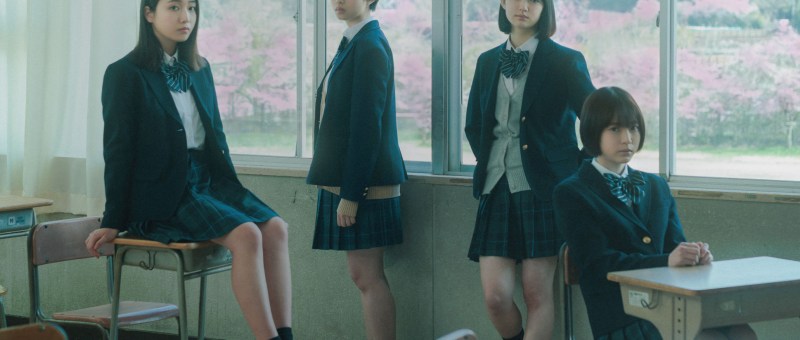
The end of high school takes on an additional poignancy for a collection of teens who realise they will be the last class to graduate before their school is demolished in Shun Nakagawa’s touching coming-of-age drama, Sayonara, Girls (少女は卒業しない, Shojo wa Sotsugyo Shinai). Adapted from a series of short stories by Ryo Asai, the film’s Japanese title is the more cryptic “girls don’t graduate” hinting at the ghost of adolescence that endures long after a literal graduation ceremony even as the teens find themselves attempting to move on into the “new world” of adulthood which necessarily means leaving youth behind. 

Set mainly over the graduation day itself and the day before, the film focusses on four girls who aren’t particularly connected to each other but are each experiencing differing kinds of adolescent anxiety as they approach the end of high school. Kyoko (Rina Komiyama) is perhaps the most typical in that her dilemma relates to the physical distance that will be placed between herself and her past when she leaves her provincial hometown to study in Tokyo. However, it isn’t the thought of leaving a familiar place for an unknown city that bothers her nor uncertainty in her choices, only that her relationship with her high school boyfriend Terada (Takuma Usa) seems as if it will end on a sour note because of the emotional distance between them as they prepare to take different paths in life. She envisages her future in Tokyo working as a psychologist while he plans to stay local and get a job as a primary school teacher. 

There doesn’t seem to be any suggestion that Kyoko would give up her ambitions to stay behind for Terada, and she herself fails to realise that he resents her for choosing Tokyo over him all of which has clouded their final days together despite the inevitability that they will have to end their relationship because the futures they each want for themselves do not align. There is also a slight dividing line between the kids who will not be going on to university at all but plan to look for work, those who plan to attend a local college and remain in their hometown, and those who have won prestigious university places to study in the capital. This is also of course the “graduation ceremony” for the school building itself, which has left Kyoko feeling wistful in realising that she will never be able to revisit this place that in a sense represents her youth. She would rather the building remain and be repurposed while Terada reminds that her romanticism is all very well but as he’ll be staying in the town for the rest of his life he’d rather it be replaced with something more practical like a shopping mall which is really the nexus of the problems in their relationships. 

But on the other hand, for the socially awkward Shiori (Tomo Nakai) the last three years have been nothing but torture, the school building, excluding the library, an unending hell. Yet her regret is that she has been unable to overcome her shyness and with graduation approaching fears that she will never be able to talk to people properly. With the help of her kindly librarian (Kisetsu Fujiwara) even she begins to forge new connections and realise she’s not quite so alone as she thought. Music club president Yuki (Rina Ono), meanwhile, is focussed on making someone else come out of their shell while dealing with discord as other members object to the results of free vote which has elected thrash metal lip synchers Heaven’s Door as the headline act for the graduation concert with the band members, except for one, refusing to play assuming that people only voted for them as a joke. 

Charged with giving the farewell speech at the graduation ceremony Manami (Yuumi Kawai) struggles with a more a literal kind of loss and the stolen futures of those who won’t ever be graduating high school but will be left behind in a kind of eternal youth. As part of her speech she reflects on the “new worlds” each of them will be stepping into and also on the series of encounters and farewells that will occur throughout their lives, but is also well aware of the poignant sense of guilt that comes with moving forward in a way that others never can. As the school will be demolished, in a way so will their youth but only in a less symbolic sense than it is for everyone who must make the difficult transition to adulthood with all the concurrent anxieties that may bring. In a sense the girls do not “graduate” so much as evolve, taking the ghosts of their younger selves with them as they go and leaving behind only a vague shade of their youth that will inevitably fade in time.


Sayonara, Girls screened as part of this year’s Nippon Connection.

International trailer (English subtitles)

Mondays: See You “This” Week! (MONDAYS/このタイムループ、上司に気づかせないと終わらない, Ryo Takebayashi, 2022)

If you got stuck in a time loop at work reliving the same week several times over, how long would it take you to notice? For the harried employees at a small creative agency in Ryo Takebayashi’s Mondays: See you “This” Week! (MONDAYS/このタイムループ、上司に気づかせないと終わらない, MONDAYS / Kono Time Loop, Joshi ni Kizukasenaito Owaranai), sleep deprivation and the mind-numbing sameness of their lives prevent them from realising that events have begun to repeat themselves and if it weren’t for the sacrifice of a suicidal pigeon they never might never wake up at all. Waking up is in many ways the point as the heroine is forced to reflect on the unintended consequences of her corporate drive while conversely accepting that sometimes you do have to take care of yourself for the good of all. 

Yoshikawa (Wan Marui) is on the verge of landing her dream job at another firm, but is determined to see out a particularly problematic project trying to mount a campaign for a miso soup-flavoured soda tablet to please an incredibly picky client. When her colleagues try to explain that they’re stuck in a time loop, she thinks they’re just messing around and ignores them along with their warning not to take a taxi to her meeting because she’ll get into a car accident and hurt her head. After a series of failed attempts, they finally convince her using the smack of a poor pigeon into the office window as a device to snap her out of their collective delusion. 

Amusingly enough, the plan to bust out of the time loop can only be enacted by following office protocol. Yoshikawa understandably asks why they can’t talk to the boss directly to discuss the problem, but soon discovers he won’t listen to her so they have to “escalate” the issue through the proper channels by waking each of the team members in order of seniority so the highest can bring the matter to the boss’ attention. The boss, Nagahisa (Makita Sports), is always the last to arrive at the office, though that might be a moot point seeing as the team are forced to work through the night even at the weekend and in fact rarely get to go home anyway. This level of sleep deprivation might fuel their belief that they’re stuck in a time loop, but equally they soon become to convinced that the boss is more directly to blame in wearing a cursed bracelet and unwittingly stopping time because he’s about to turn 50 and is realising that he has nothing to show for his life. 

As some of the employees remark, it’s like time has been repeating for the last ten years. They find little fulfilment in their work and are often exploited, expected to work extreme overtime which damages both their health and relationships with others. Yoshikawa’s boyfriend is becoming very fed up with her workaholic lifestyle and is on the verge of breaking up with a girlfriend who never has time for him while she throws everything she has into getting her dream job working for someone who tells her success comes to those who put themselves first. 

Yet being forced to work as a team alongside the colleagues she previously looked down on, Yoshikawa comes to a better appreciation of the values of community and recommits herself to pursuing their common goal of escaping the time loop even if it means sacrificing her big job opportunity. Then again, the team have a difficult time getting through to their boss in part because he’s too meek and incapable of putting his own interests first which is why he’s feeling maudlin about turning 50 while filled with regret in having failed to chase his dreams. 

There may be a slight irony in the employees being trapped in their office while trying to vicariously fulfil the dreams of their dejected salaryman boss, but there’s also something quite poignant in the team’s genuine desire to help him out of an existential hole if only so they can climb out too. “There’s not much you can do alone” he admits simultaneously selling both the value of teamwork and the importance of fulfilling one’s personal desires for a healthy and harmonious life in the office and out. Slickly edited and perfectly plotted, Ryo Takebayashi’s quirky time loop comedy neatly satirises the mind numbing absurdities of contemporary corporate culture but ultimately makes the case that there are things more important than work and to find them you’ll need to find a way to escape the never-ending drudgery of life at the office. 


Mondays: See You “This” Week! screened as part of this year’s Nippon Connection. It will also be screening in New York Aug. 6 as part of this year’s JAPAN CUTS.

Original trailer (no subtitles)