100 Yards (门前宝地, Xu Junfeng, Xu Haofeng, 2023)

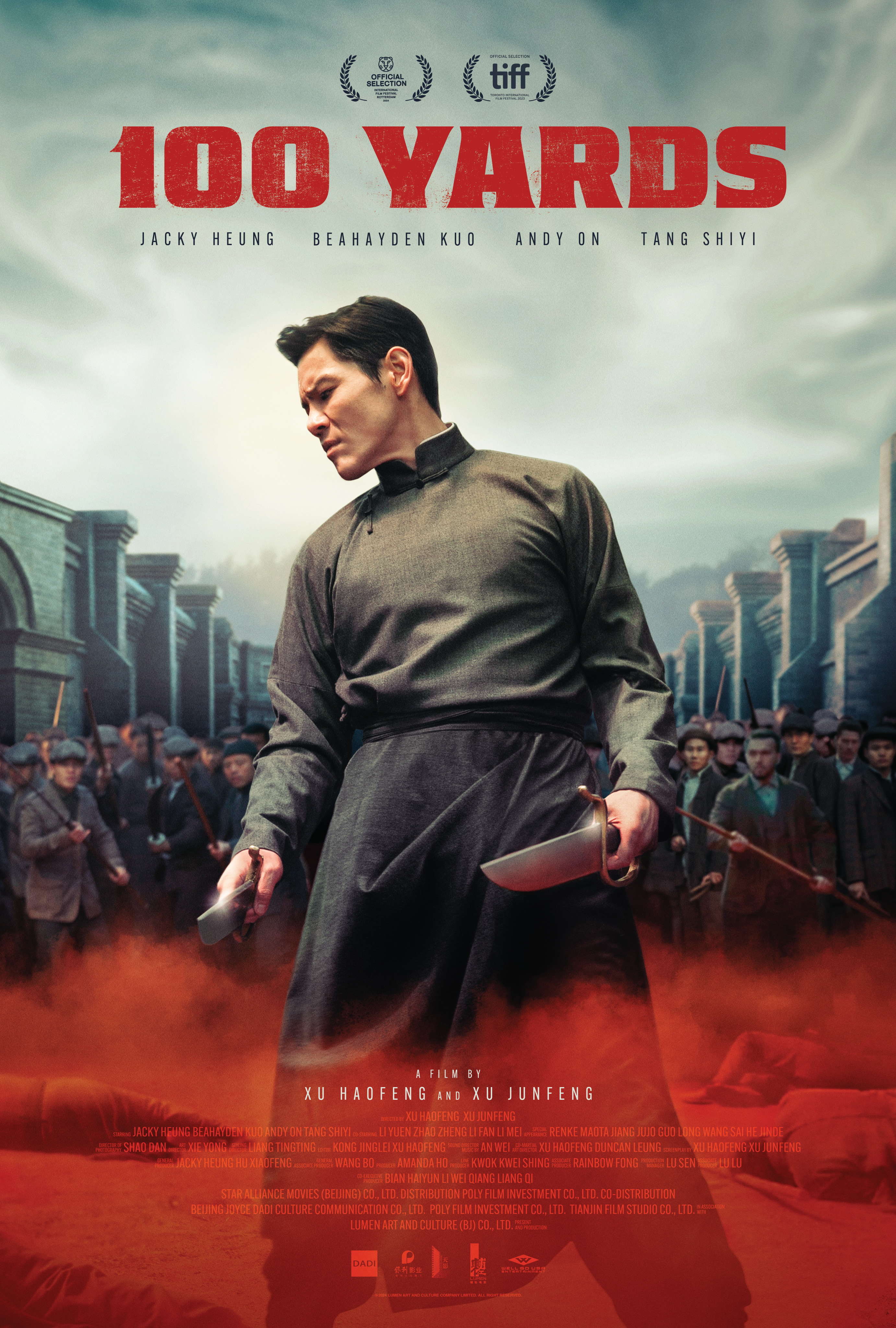
“When my father went to the market, I always thought he was a threat to you. I’ve only learned now that you were a threat to him.” Set in martial arts hotspot Tianjin in 1920, nothing is ever quite as it seems in Xu Haofeng & Xu Junfeng’s 100 Yards (门前宝地, ménqián bǎodì). As a young man replies, everyone has their part to play in keeping the peace, or at least some sort of balance that allows the city to function while otherwise caught between declining colonial interests, warlords, crooks and the old world represented by Shen’s house of kung fu.

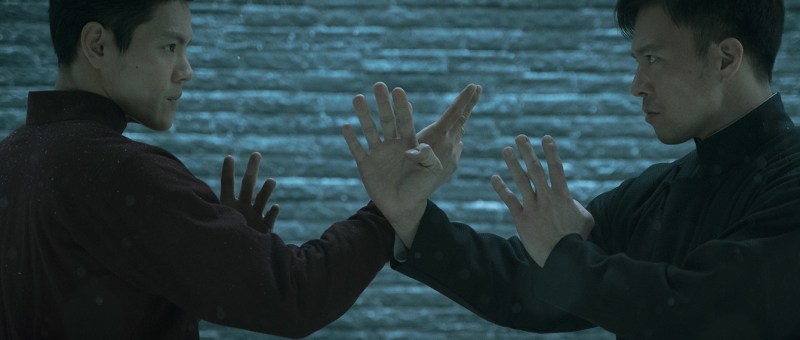
The struggle is in essence one of which way to lean. Old master Shen is dying. He must choose a successor and is stuck between his only son, An (Jacky Heung Cho), thought to be of insufficient skill, and his best apprentice, Quan (Andy On). Shen orders the two men to fight while he watches from his deathbed and admonishes each of them for holding back. Finally he tells Quan to beat An decisively or he’ll never learn and will simply be beaten by better masters later on. Quan knocks An out with a neck blow and inherits the school, but his management style immediately rankles former right-hand woman Chairmen Meng (Li Yuan).

Part of old Shen’s job had been to patrol the marketplace discouraging hoodlums from extorting the traders, but what An comes to realise is that it’s more like he cut a deal with them in which they permitted the illusion he controlled the gangs while he in turn turned a blind eye and allowed them to practice their art while wasn’t around. Everyone has their part to play, and like the 100-yard boundary around the martial arts school, it has clearly defined yet unspoken borders. Quan threatens these by recruiting hoodlums and Westerners into the martial arts society blurring what should be a hard barrier between martial artist and thug. He paints this as modernisation and egalitarianism, that he’s deliberately recruiting people from all walks of life so that they might all walk towards the future together. But in reality, Quan is merely a dictator in waiting quietly building up a personal power base that would make him unassailable in the martial arts world or otherwise.

An, meanwhile, has the desire to reclaim this space as one of greater nobility that keeps violence off the streets and settles disputes in gentlemanly fashion behind closed doors. Those who are defeated in a fair fight accept the results and consequences of their trial by combat with grace and honour. An signals his desire to leave the mainstream world and return to that of the Martial Arts Circle by breaking up with his longterm girlfriend Xia (Kuo Bea-ting) to pursue martial artist Gui Ying (Tang Shiyi) who is then also pursued by Quan in the belief she may know of the rumoured Fourth Fist Style of Shen’s family taught to her as a kind of safeguard against his eventual betrayal of the martial society. 

Xia is also caught between two worlds in that she is the illegitimate daughter of the Frenchman who runs the bank where Shen got An a job hoping that he would leave the martial arts world to live a “normal” life. Beaten by Quan, he takes the job and begins dressing in Western-style suits but is outraged when Xia’s father forces him to fight his bodyguards for the amusement of his guests. Tearing off his tie, he quits the job and goes back to wearing traditional Chinese dress while Quan, now essentially behaving like a mob boss, starts wearing colourful suits and sunglasses while taking violence to the streets and leading An to fight henchmen one by one until finally reaching him for their final confrontation. He forces An to fight with two short sabres with which he is unfamiliar in revenge for their previous duel in which Quan elected to use them falsely believing that this was Shen’s rumoured Fourth Fist technique which may not actually have existed.

In any case, An’s is then a battle of adjustment and acclimatisation in which he must learn to use these new tools on the go just as each of the men must learn to find an accommodation with rapidly changing 1920s society. The Xus’ action choreography is precise and complex, thrilling in its unpredictability while certain in its intent. The aim of the Martial Arts Circle is to minimise violence and so blows are often bated, we don’t need to see the connection because the winner is obvious. But there’s also a rawness and poignancy to the battle between An and Quan over a paternal legacy, the abandoned son yearning for acceptance and the talented apprentice nevertheless insecure in his master’s approval. The martial arts world is over, the conclusion seems to say, or in another way, perhaps it has only just begun as An begins his new life as a defender of a 100-yard fiefdom in a reclaimed post office just shy of its borders.


100 Yards is released Feb. 18 in the US on blu-ray and DVD courtesy of Well Go USA.

Trailer (English subtitles)

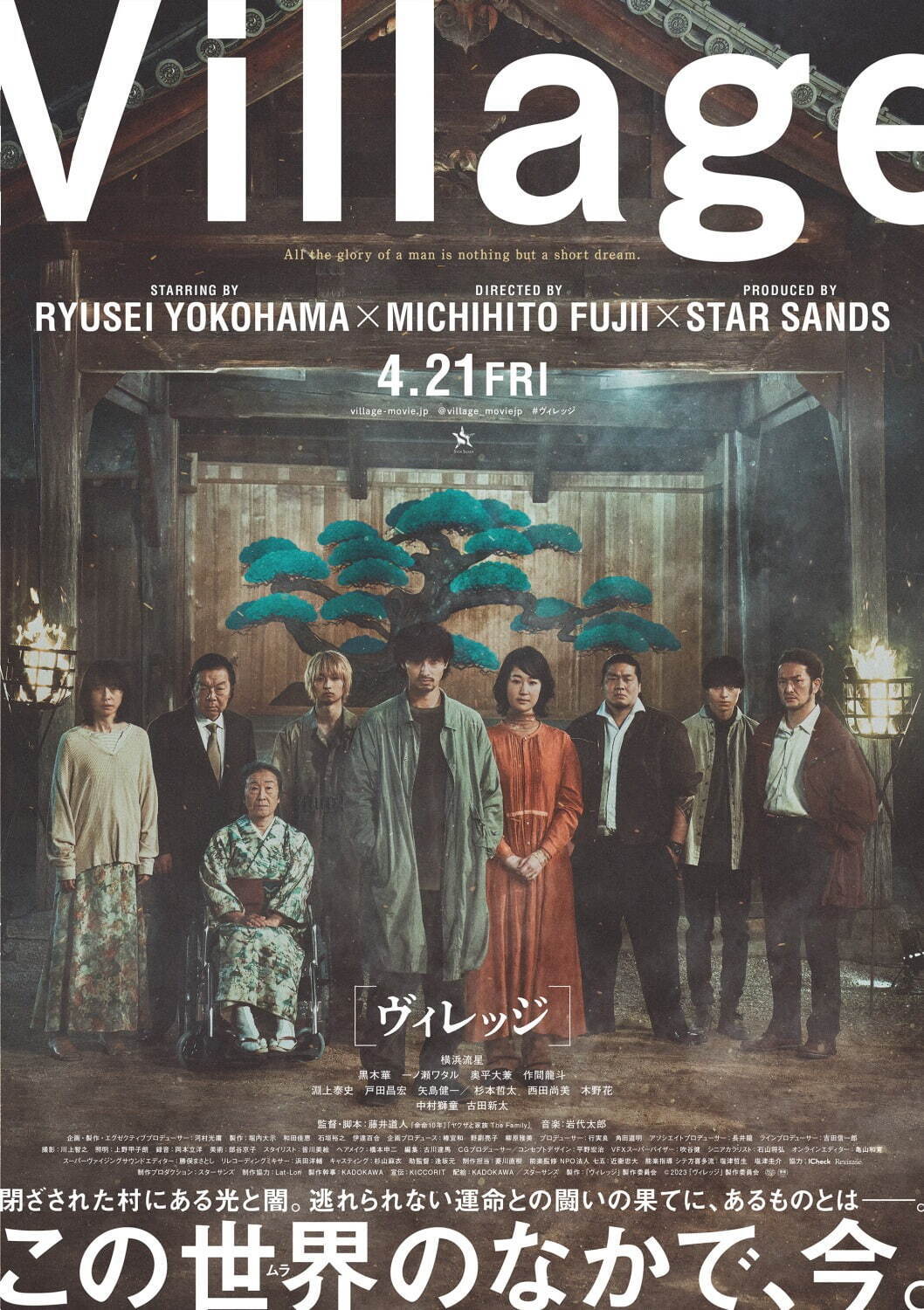
The Village (ヴィレッジ, Michihito Fujii, 2023)

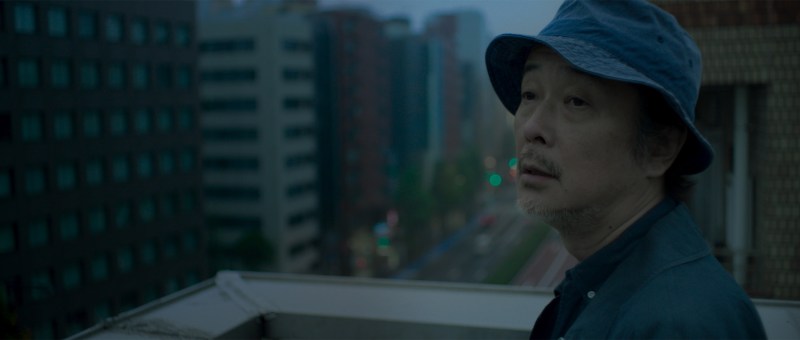
The toxicity of life in small-town Japan is manifested in a giant recycling plant in Michihito Fujii’s poetic drama, The Village (ヴィレッジ). Closely aligned with the noh play quoted in the opening title card, the film charts a young man’s simultaneous blossoming and corruption as he finds himself at the service of a demonic mayor and fighting for his place in a village that doesn’t need him but requires a sacrifice. 

In the opening scenes, mist rises over the mountain accompanied by noh recitation before we eventually arrive at a noh recital. These two images would seem to signal a kind of innate Japaneseness which has been corrupted by the presence of the recycling plant despite the economic benefits it’s brought to the area. The mayor, and boss of the plant, Ohashi (Arata Furuta), wants to extend it out across the other mountains in the region and boasts that though there may have been resistance at first now everyone is grateful to them for everything they’ve done for the village. 

Yu’s (Ryusei Yokohama) father was the last holdout against the plant and apparently ended up killing a man in an altercation thereafter taking his own life and burning down their family home. Because of the stigma surrounding his father’s actions, Yu has been ostracised by his community and is used as a perpetual kicking bag not least by Ohashi’s thuggish son Toru (Wataru Ichinose) at his job at the plant. His mother has also turned to drink and developed a pachinko problem which has resulted in massive debts to yakuza loanshark Maruoka (Tetta Sugimoto) who’s press-ganged Yu into working at the illegal dumpsite which is how the plant really makes its money.

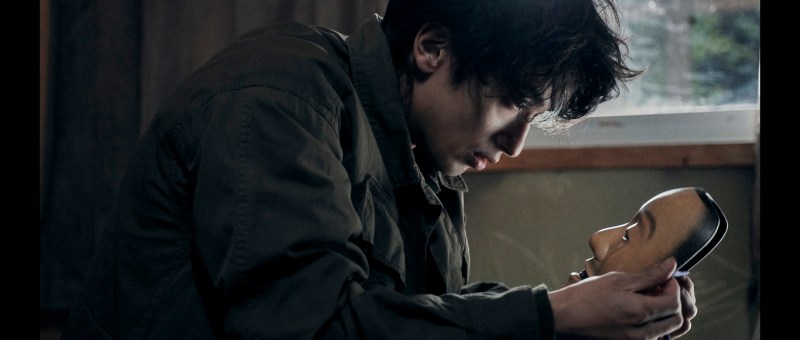
But his life begins to change when childhood friend Misaki (Haru Kuroki) returns to the village having apparently suffered a breakdown in Tokyo. Misaki’s resurfacing reinforces the purgatorial atmosphere as if everyone here were already dead. Having been away so long, only she immediately embraces Yu and simultaneously bonds with him in their outsider status. Encouraging him at work and at home, Yu gradually becomes more confident but equally dependent on the plant for his newfound status. When he’s suggested as the host of a TV documentary some of the locals object given his family background, but in contrast to his father’s opposition Yu is slowly seduced by the plant and the new life it offers him which seems almost too good to be true like a dream he is sure to be awoken from. In this, he mimics the man in the noh play who falls asleep in an inn and is transported to a world in which he is an emperor. He lives there happily for 50 years only to wake up again back in the inn and realise that really life is just a dream. 

Misaki hands him back his noh mask as means of separating himself from the world around him. She says that it forces you to confront yourself, and also perhaps implies a deeper connection with an idealised vision of pre-modern Japan uncorrupted by the greed and cynicism of a man like Ohashi who claims that “position is all that matters.” Toru had told Yu that the village didn’t need him, Misaki and Ohashi say it does though for different reasons. Yet Ohashi darkly suggests that it also needs a sacrfice, and in an odd way just as his father before him it may be Yu who sacrifices himself even at the cost of his idealised life. His encroaching cynicism is directly contrasted with the idealism of Misaki’s younger brother Keiichi (Ryuto Sakuma) who like he once was is meek and diffident yet certain in his idealism and unwilling to along with the lies and wrongdoing that increasingly define village life. Eventually, he leaves the village altogether.

Yu meanwhile achieves his destiny in bringing things full circle, conducting a kind of purification ritual that aims to rid the village of Ohashi’s corruption as symbolised by the giant rubbish tip which is slowly consuming the landscape. Yu’s problem was that he tried to make his life on top of all this filth and toxicity only to realise what the price of that new life might be. Conjuring the strange and oppressive atmosphere of small-town life where past is always present and petty prejudices die hard, Fujii spins a poetic tale of fatalism and redemption amid the misty mountains and ancient chants of a slowly dying village.


Trailer (English subtitles)

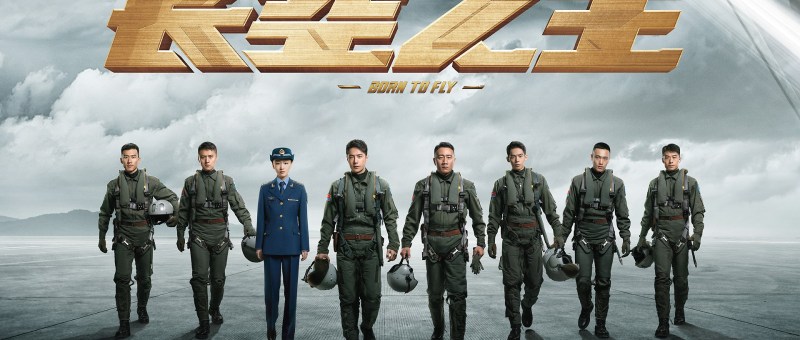
Born to Fly (长空之王, Liu Xiaoshi, 2023)

Elite test pilots set out to reclaim Chinese “dignity and security” through the development of a next generation stealth fighter in Liu Xiaoshi’s action drama, Born to Fly (长空之王, Chángkōng zhī Wáng). Clearly a riposte to Top Gun: Maverick (which was not approved for release in Mainland China), the film was originally scheduled as a National Day release and is another in a long line of “main melody” movies paying tribute to particular areas of military and civil service as evidenced by the use of actual voice recordings from downed pilots at the film’s conclusion and a lengthy pause on an aerial shot of the airmen’s cemetery praising those who gave their lives for the country. 

The main thrust is however that China is ready to defend itself. The film ends with a show of force much like that at the end of Operation Red Sea, though curiously for a propaganda film the implication is very much that China is lagging behind in terms of military technology and as the film begins lacks the necessary capability to hold its own against foreign aggression. The planes that stray into its airspace buzzing an oil rig and causing havoc with a sonic boom are never directly named as American but their pilots speak US-accented English while sticking one finger up and declaring “we can come and go wherever we want”.

To that extent, the central battle is as much between Western individualism and the collective spirit as it is a race for hegemony over the skies. Hot shot pilot Lei Yu (Wang Yibo) originally turns down the opportunity to join the elite test pilot squad because he wants to fight on the frontline and get personal revenge against the enemy planes. He also has a grudge against arch rival Deng Fang (Yu Shi) because he did not salute him after he beat him to a coveted Golden Helmet award and then accused him of cheating. What they have to set aside is, in contrast to the American Top Gun, the notion of “being the best” or engaging in an egoistic individual struggle to be named a winner. Instead, they must learn to work together for the common good so that China may be declared the winner as the planes they’ve risked their lives to perfect are in the best shape to protect frontline pilots and allow them to safeguard the Chinese people. 

Meanwhile, like other recent similarly themed main melody movies, the film is keen to sell the message that China stands alone and has been unfairly shunned by the international community. The leaders of the test pilot programme constantly complain that Western powers have refused to share technology with them or have attempted to limit their ability to innovate through embargoes and blackouts. They insist that China will have to create its own discoveries, but hint at an under-confidence in their ability to do so which is in some ways at odds with the usual propaganda messaging even if it spurs a sense of collective urgency that all hands are needed on deck to solve this particular problem before it’s too late. 

Lei’s unsupportive father even tells him point blank that he does not believe China can develop a stealth fighter and he is risking his life for nothing. Tellingly, Lei’s father had wanted to send him abroad and resents his decision to join the military. In order to serve his country, Lei must break a taboo by defying his father, while it’s later revealed that Deng’s father was a fighter pilot who was killed on the frontlines after winning an award while training in Russia. In another moment of surprising messaging, Deng wonders if his father might have survived if he’d been given a better plane to fly which is why he’s committed to the test pilot programme and the reason he’s eventually able to give up his ego and agree to assist Lei in testing his bright new idea for the stealth fighter rather than chasing glory for himself as the lead pilot. 

All of that aside, Lei is allowed the mild distraction of an extremely subtle romance with an airforce doctor played by Zhou Dongyu in a “special appearance” who decides to give up her transfer back to the south to commit herself to the test pilot programme after being touched by Lei’s grumpy heroism. In any case, the message is very much about pushing the limits as far as they will go while striving together for the common good. Jingoistic it may be but Liu manages to sell the aerial spectacle and sense of danger as his elite pilots risk all in the name of patriotism.


Trailer (Simplified Chinese / English subtitles)

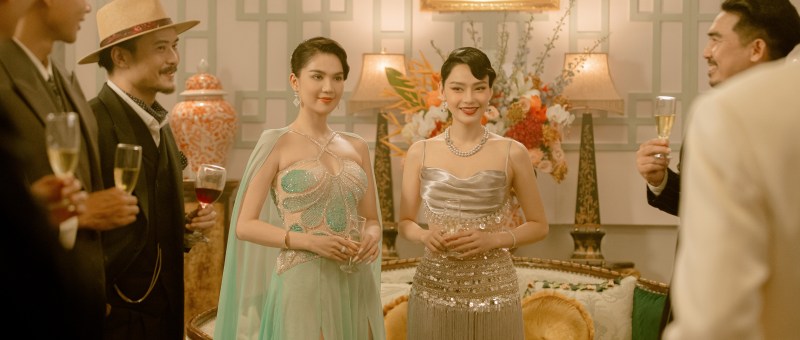
Sister Sister 2 (Chị Chị Em Em 2, Vũ Ngọc Đãng, 2023)

An ambitious young woman determined to escape the world of sex work resorts to a series of schemes to get close to the number one beauty in 1930s Saigon in Vũ Ngọc Đãng’s lighthearted melodrama Sister Sister 2 (Chị Chị Em Em 2). A thematic sequel to 2019’s Sister Sister, the film once again sees two women face off against each other knowing that only one can be the greatest beauty in the city while otherwise evoking a subtle message of female empowerment. 

Indeed as great beauty Ba Tra (Minh Hằng) points out, ordinary women can only be chosen by men while the extraordinary choose men for themselves. This is something in which Ba Tra has excelled, weaponising her beauty and sex appeal to capture the hearts of well to do bachelors who spontaneously offer her expensive gifts for which she need do nothing in return save continue to exist. Nhi (Ngọc Trinh), the top sex worker at a nearby brothel, wonders if Ba Tra is so different from herself only to be told by a gaggle of local women in thrall to her star image that Ba Tra’s situation is entirely different because of the power she wields over men by, essentially, refusing to give them what they want while Nhi crudely exchanges it for money and is largely at the mercy of those who will pay. 

The issue is in one sense control, Ba Tra seemingly possessing it fully and Nhi not at all. She is still indentured to the brothel having sold herself into sex work to pay for her mother’s medical treatment only for her mother to drop dead of shock as soon as she found out. But Ba Tra also has maternal troubles of her own in her “crazy gambler” mother who is forever emotionally blackmailing her for more money while caring nothing for her feelings. To be the first beauty is to make friends with loneliness, Ba Tra warns and there is a kind of sadness in her solitude as a towering image of beauty not quite allowed to be a whole person or display much of an interior life lest the spell be broken. There is then something quite poignant in the genuine connection that arises between the two sisters who after all have similar goals and outlooks even if it’s destined to end in heartbreak when Ba Tra inevitably realises she’s been schemed by the manipulative Nhi. 

Director Vũ Ngọc Đãng flirts with homoeroticism in the closeness of the two women as they dance together perfecting their art but does so mainly for titillation rather than romance, also resorting to family gratuitous nudity even if it does otherwise hint at Nhi’s “naked” ambition to raise herself from the lowest layer of the society to the highest or at least the highest that may be claimed by a woman in this period. The film at once hints at the oppressive nature of the 1930s society in which the only power a woman can achieve is that exercised through her body and then undercuts any sense of a feminist message with its contradictory conclusion that implies it is impossible for Nhi to escape her past and that she will always be a sex worker no matter what else she becomes. 

Nevertheless, Nhi does demonstrate her right to the top spot through her ability to outsmart Ba Tra who otherwise has savvily figured out how to use the society to her advantage through careful media management to make herself a star. As she says, Ba Tra only thinks about the next move, but Nhi has already plotted her trajectory towards the top and thought of every eventuality. Even so, Nhi is expected to pay for her “mad ambition”, putting her back in her place again and slapping down her rebellion against the social order. With mild comic undertones in all Nhi’s crazy plans which include faking her own death and almost killing Ba Tra so she can dramatically save her, Sister Sister 2 isn’t really setting out to explore the lives of women in the 1930s so much as set two against each other in a battle of the beauties but is surprisingly entertaining even in its wilful silliness. 


Trailer (English subtitles)
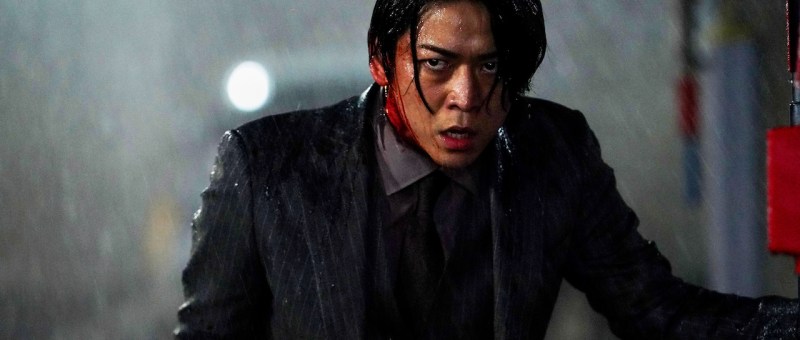
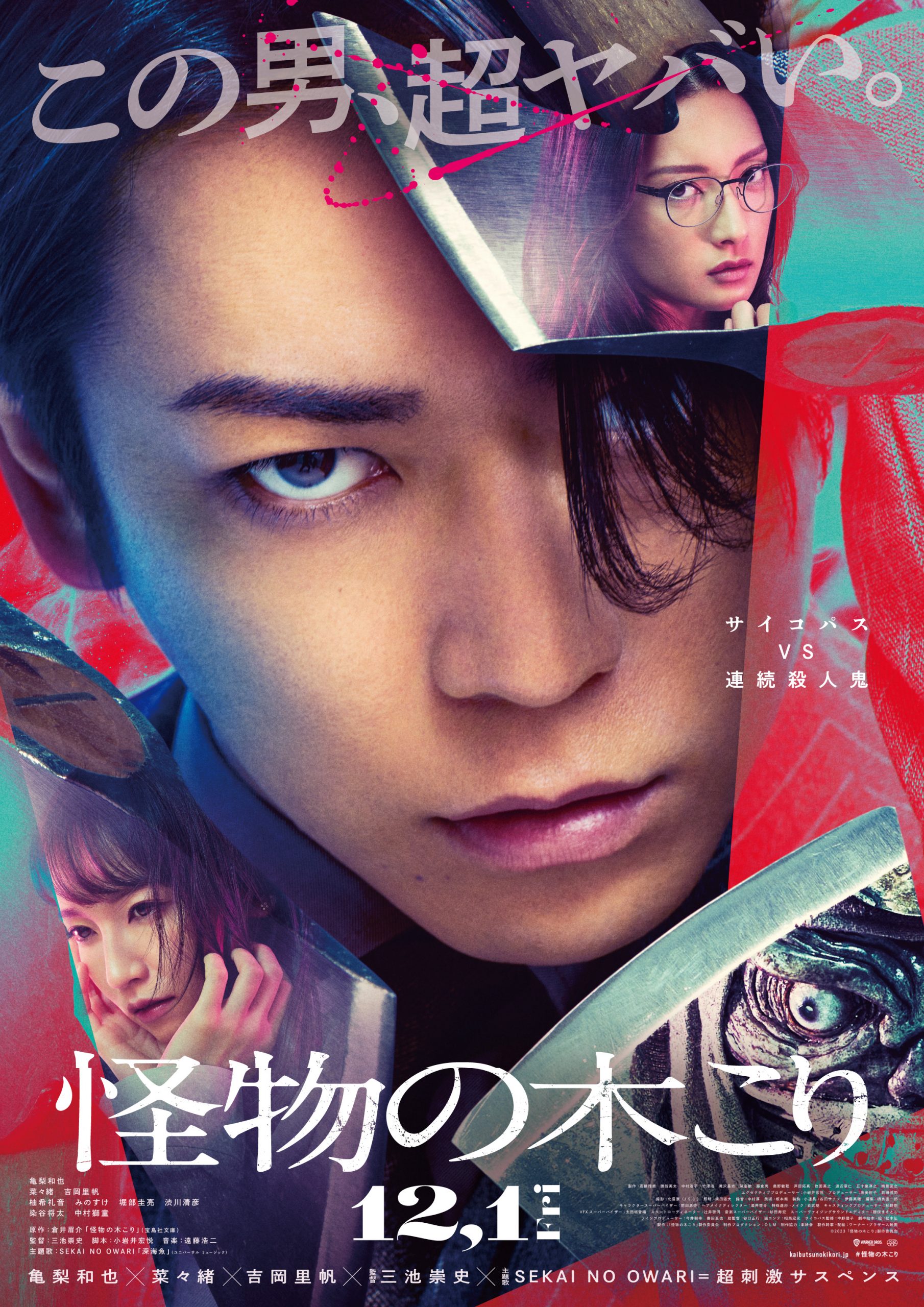
Lumberjack the Monster (怪物の木こり, Takashi Miike, 2023)

Could being a psychopath actually be better? It might be an attractive thought for some, the absolute freedom of living without emotional or moral constraint. Emotion is after all a difficult thing to bear, though life without it might also be lonely and unfulfilling leaving a void often filled by other desires such as a lust for wealth, status, power, or proof of superiority. Based on a novel by Mayusuke Kurai, Takashi Miike’s Lumberjack the Monster (怪物の木こり, Kaibutsu no Mikori) finds its hero at a point of existential crisis no longer certain of his true nature or identity.

The film takes its title from a fairytale featured in a picture book being read by a small boy who has been abducted and illegally experimented on. A monster begins living as a lumberjack in a small town where he begins killing and eating the residents, only no one notices. Eventually it realises that he spends more time being the lumberjack than the monster and is confused about his identity. With no friends left to talk to (because it ate them all), the monster decides to move to another town to make more friends but ends up sneaking into the house of a lumberjack, stealing a baby, and fashioning after itself to create another monstrous lumberjack.

This is in a sense what’s happened to Akira (Kazuya Kamenashi), now a lawyer who discovers he has a “neuro-chip” in his brain that suppresses his emotions after he’s attacked by a masked figure and it breaks re-introducing him to an unwelcome humanity. This is quite inconvenient for him in that he’s done quite a lot to feel guilty about, firstly participating in a scheme with his “friend” Sugitani (Shota Sometani), a natural-born psychopaths, to facilitate his experimentation on live humans, and secondly that he murdered his boss who is also his fiancée’s father to take over his law firm. Though the fiancée, Emi (Riho Yoshioka), seems to be afraid of him, it’s also true that simple proximity to her warmth and kindness may have begun to reopen his heart.

Of course, it could be true that the mad scientists who abducted the children accidentally picked up a few who were already psychopaths but in this case it seems like the chip did its job on each of the victims of the axe-wielding assassin. Meanwhile, we also see “psychopathic” traits in lead investigator Toshiro (Nanao) who admits that she will do whatever it takes to get to the truth even if it includes throwing out the police rulebook. Akira asks her if her desire to solve the case isn’t also a roundabout means of vengeance for the death of her brother, leaving her not so different from the assassin who is also extracting vicarious revenge on man-made psychopaths, but she replies that that’s exactly how a psychopath might see it while also deflecting a similar question from embittered cop Inui (Kiyohiko Shibukawa) who remarks that if the killer’s only taking out psychopaths then why bother stop them?

In some ways, Akira is like the lumberjack. He was simply being what he was and knew no different, but gradually beginning to rediscover his humanity is burdened with guilt and remorse now acutely aware not just of the feelings of others rather than their consequences but of his own feelings too. The couple who abducted the children claimed they were doing it to save their son, trying to reverse engineer psychopathy so they could cure him though their actions were themselves psychopathic and like the lumberjack they created only more monstrous children like themselves. Akira has it seems rediscovered the person he may have been if he had been raised in the loving family from which he was abducted and is determined to search for the meaning of life, but he is also responsible for the decisions he made as a man who knew no guilt or remorse and may in fact have to pay for the moral transgressions he was not fully aware he was making. Miike conjures a sense of the gothic in the creepy, candlelit mansion where the children were kept and otherwise sticks to standard procedural for the “real” world, but finally lands back in the realms of fairytale as his hero finds himself part of neither one world nor another while faced with a choice that may earn him redemption but also loneliness and futility.


Trailer (English subtitles)
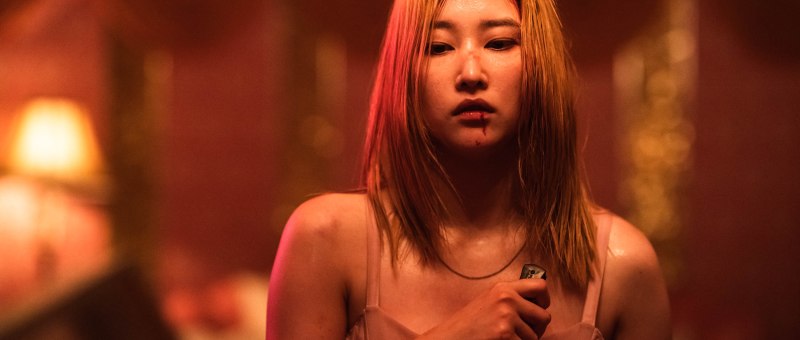
Ballerina (발레리나, Lee Chung-hyun, 2023)

“You’ve blown things way out of proportion,” according to a man who still doesn’t think he’s done anything to deserve dying for. But as his boss told him, though they may exploit women, sell drugs, and kill people, they have rules. Lee Chung-hyun’s pulpy action thriller Ballerina (발레리나) sees a former bodyguard go after the gangster who drugged and raped her friend with the consequence that she later took her own life.

In recent years there have been a series of real life scandals involving women being drugged in nightclubs and sexually assaulted with videos either uploaded to the internet or used as leverage for blackmail often to force women to participate in sex work. Ballerina Min-hee (Park Yu-rim), seemingly the only friend of bodyguard Ok-ju (Jeon Jong-seo), was raped by drug dealer Choi (Kim Ji-hoon) and thereafter quite literally robbed of the ability to dance. Preoccupied with her trauma, she missteps and injures herself ruining her dance career and leaving her with nothing. There is something quite poignant in the fact Choi sells the drugs in the small, fish-shaped bottles that usually house soy sauce in pre-packed sushi given that Min-hee later says that she wants to come back as a fish in her next life and live in the ultimate freedom of the sea. Dance to her seemed to be a means of finding a similar kind of free-floating freedom, but the trauma of Choi’s assault has taken that from her.

Meanwhile, the loss of Min-hee has robbed Ok-ju of something similar. On first re-connecting with her former high school friend, Ok-ju says she worked as some kind of corporate bodyguard but the organisation is clearly larger than that and involved with some additionally shady stuff that suggests her job may actually have involved some sort of spy and assassin work. In any case, it had left her feeling empty as if she were slowly dying inside. Only on meeting Min-hee does she finally start to feel alive again and has apparently left the organisation she was working for in order to live a more fulfilling life though she may not actually have achieved that just yet. There is nothing really to suggest there is anything more between the two women than friendship, though the intensity of Ok-ju’s feelings suggests there might have been.

Even so, there’s more to Ok-ju’s mission than simple revenge as she finds herself taking down the entire organisation in order to make her way towards Choi. She’s aided by another young woman dressed as a high school student (Shin Se-hwi) who looks to her for salvation, explaining that she has a plan, she’s just been waiting for someone like Ok-ju to show up and help her while the former handler Ok-ju turns to in search of support is also a woman making her mission one of female solidarity against ingrained societal misogyny. “You thought we were easy prey,” Ok-ju challenges Choi making it clear that he made a huge mistake though he continues to taunt her about Min-hee and deflect his responsibility insisting that he hasn’t done anything to warrant this kind of treatment because the abuse and trafficking of women is not something he regards as a big deal.

Ok-ju and the girl obviously feel differently. There’s something very satisfying about the way Ok-ju methodically cuts through a host of bad guys without granting them any kind of authority over her. The action sequences are often urgent and frenetic while showcasing Ok-ju’s skills and the lack of them in the male henchmen, but there’s also a fair bit of humour such as her using tins of pineapple to block knife attacks in the convenience store opener. The film indeed has its share of quirkiness such as the geriatric couple who arrive to supply Ok-ju with weapons but mainly have buckets full of revolvers that look like something out of the wild west before grabbing a flamethrower from the back, while the aesthetic also has a stylish retro feel with its purple and yellow colour palette. Pulpy in the extreme, the film’s stripped-back quality provides little background information and keeps dialogue to a minimum but more than makes up for it in its visual language and often beautiful cinematography.


Trailer (English subtitles)
Lonely Glory (わたしの見ている世界が全て, Keitaro Sakon, 2023)

A thoroughly unpleasant young woman gradually begins to realise that other people have feelings too and she has no idea what she’s doing with her life in Keitaro Sakon’s indie drama Lonely Glory (わたしの見ている世界が全て, Watashi no Mite Iru Sekai ga Subete). Haruka currently runs a startup geared towards helping people maintain good mental health which is ironic in the extreme because she has no understanding of or regard for the feelings of others. Yet as she says during a role play with an employee, the basic principle of their business is helping people identify their problems which she ironically does on returning home to her estranged family if not entirely for altruistic reasons. 

Before that, however, we see her be unnecessarily harsh during a staff evaluation later justifying herself to the boss that they needed to clear out those who are of no use. To her, the staff member’s feelings were irrelevant, she just informed them of their subpar performance. Her boss isn’t buying it. He tells her that her management techniques are counterproductive and that with multiple accusations of bullying behaviour she herself says she is unwilling to work on (because she doesn’t understand she’s done anything wrong) he has no option other than to ask for her resignation. Unfazed, Haruka decides to start her own startup, but is soon confronted with another crisis on learning that her mother has passed away. 

On arrival at the hospital and despite being the youngest sibling Haruka immediately takes over, seemingly unmoved, and opts for the cheapest funeral plan available. She didn’t come to her father’s funeral and her siblings didn’t expect to see her for this one either, but now she has an ulterior motive in that she wants to sell the family home and business to finance her new business venture despite the fact all three siblings still live there and two of them are financially dependent on the cafe/greengrocers for their living. Haruka is incredibly judgemental about her small-town siblings’ life choices branding them as delusional and generally carrying on with an air of superiority but it’s also true enough that they are all to a degree trapped, unable to move on with their lives while afraid to leave the safety of their childhood home. 

As she says, sometimes people just need a little push which is something that she can give them but it’s never quite clear if she genuinely cares or is motivated solely by the desire to manipulate her siblings into agreeing to sell the house. Divorced sister Miwako is fairly unfussed either way but oldest son Keisuke is consumed with shame in the idea of giving up the family business while Takuji has self-esteem issues and thinks everyone looks down on him for never managing to get a job since he finished university four years previously. Challenged by Keisuke’s much younger farm girl girlfriend Asuka on the nature of success, Haruka replies that it’s having everyone around you admit you were right which lays bare her own insecurity and need to dominate every situation that she’s in. But then ironically enough she does help each of her siblings identify their problems and then gain the courage to begin moving forward. 

The dissolution of the family business and the erasure of the family home becomes in its way liberating, less the glue that bound them together than that trapped them in a perpetual adolescence. Haruka begins to realise she’s not much better than the life coach scammer who sold her vulnerable brother false promises of easy success, and that the way she treats others can have unintended consequences but in the end she’s the one left rootless and bereft of direction after closing the shop. Perhaps that’s her lonely glory, the knowledge that she helped each of her siblings do what she now can’t (or maybe just that she got what she wanted and doesn’t know what to do with it). Told with a down to earth naturalism, Sakon’s indie drama is also a lament for the changing nature of small-town life and a loss of community as the closure of the store robs the locals of another neighbourhood hub ironically leaving Haruka all alone in the now empty space of her family home with a newfound sense of loneliness still searching for the right words and a new direction. 


Original trailer (English subtitles)

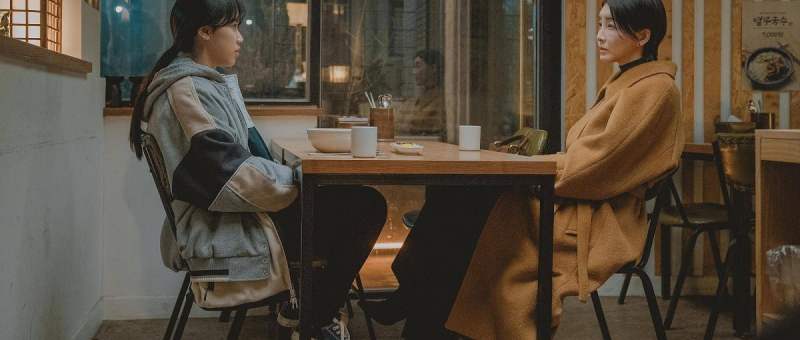
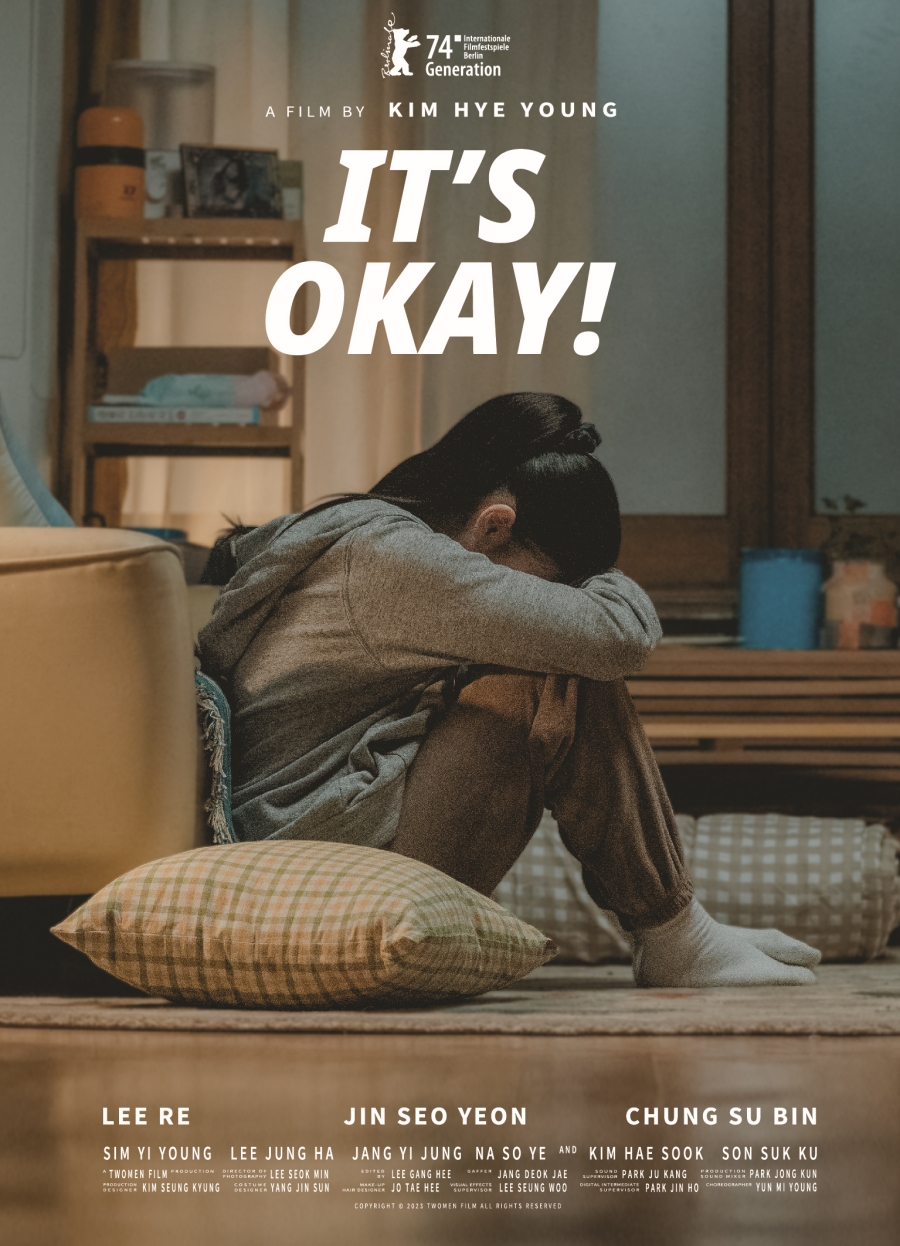
It’s Okay! (괜찮아 괜찮아 괜찮아!, Kim Hye-young, 2023)

The ironic thing about the title of Kim Hye-young’s debut feature It’s Okay (괜찮아 괜찮아 괜찮아!, Gwaenchanh-a Gwaenchanh-a Gwaenchanh-a!) is that for the most part it really isn’t but the ever cheerful heroine In-young (Lee Re) manages to face her hardship and loneliness with down-to earth-practicality and good grace. It’s her infectious happiness that begins to improve the lives of those around her, many of whom have their own issues often stemming from entrenched patriarchy, classism, and a conformist culture that railroads the young into futures they may not want and will not make them happy.

At least that’s how it is for Na-ri (Chung Su-bin), the star of Il-young’s traditional dance troupe who has developed bulimia partly to adhere to contemporary codes of feminine perfection but also as a means of asserting control over her life which is otherwise micromanaged by her mother, once a dancer herself but now a wealthy housewife who uses her privilege to ensure her daughter is always centrestage. For these reasons she crassly remarks that she envies Il-young whose mother was killed in a car accident leaving her orphaned and entirely alone but in Na-ri’s eyes free and independent. 

It’s Na-ri’s mother who later refers to Il-young as a “worthless” person who does not deserve and will not have the opportunity to steal Na-ri’s spotlight even if she were good enough to seize it. The other girls in the troupe resent Il-young because her fees are paid by a scheme set up to help children of single-parent families, though technically she isn’t one anymore. They think it’s unfair she doesn’t have to pay when they do and also look down on her for being poor and an orphan when the rest of them come from wealthy backgrounds and are serious enough about traditional dance to consider going on to study it at university. Il-young isn’t a particularly good dancer nor does she put a lot of effort into it, but unlike Na-ri whose dancing is technically proficient but cold Il-young dances with a palpable sense of joy.

That might be why she catches the attention of otherwise stern choreographer Seol-ah (Jin Seo-yeon) who harbours resentment towards Na-ri’s snooty mother but lives a life that seems very repressed, tightly controlled and devoid of the kind of exuberance that comes naturally to Il-young. Her palatial apartment is cold, neutrally decorated, and spotlessly clean while, contrary to Na-ri, she forgoes the pleasures of eating subsisting entirely on green health drinks. Her decision to take in Il-young after finding her secretly living at the studio after her landlord evicted her from the home her mother had rented, may also reflect her own desire for a less constrained life and the familial warmth which seems otherwise lacking in her overly ordered existence. Gradually nibbling at the fried spam Il-young has a habit of cooking in the morning, she begins to open herself to the idea of a less regimented, happier life.

The same is true for Na-ri who is fed up with being forced to live out her mother’s vicarious dreams, literally letting her hair down and abandoning her need for control and dominance to embrace more genuine friendships with the other girls including Il-young. The lesson seems to be that there’s too much pressure placed on these young women in a society that dictates to them who and what they should be while shunning those like Il-young who are defiantly who they are and all the more cheerful for it even in the face of their hidden loneliness. Yet as Seol-ah eventually tells her, you’re the centre of wherever you are and Il-young’s life is her own to live in the way she chooses.

What emerges is a sense of female solidarity in the various ways Il-young is also parenting Seol-ah as she at first perhaps grudgingly offers her support and acceptance while taking on a maternal role that allows her to break free of the rigidity which had left her so unhappy. Told with a true sense of warmth that belies an inner melancholia, the film advocates for laughing through the tears and meeting with the world with an openhearted goodness that in itself allows others to break free of their own grief and pain and discover a happiness of their own bolstered by a sense of friendship and community rather than live their lives isolated and alone to conform to someone else’s ideal.


It’s Okay! screened as part of this year’s London Korean Film Festival.

Trailer (English subtitles)
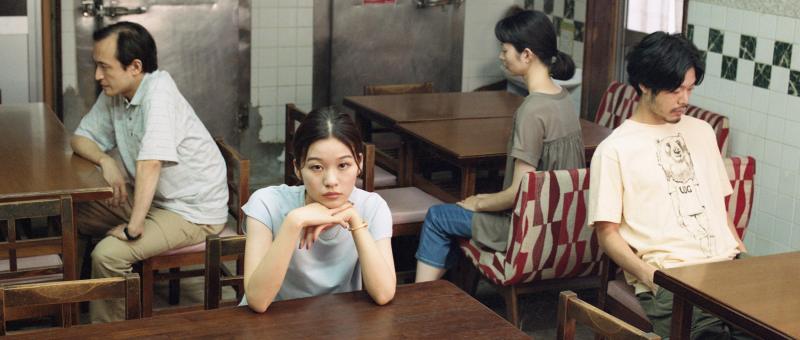
Concerning My Daughter (딸에 대하여, Lee Mi-rang, 2023)

The unnamed mother (Oh Min-ae) at the centre of Lee Mi-rang’s Concerning My Daughter (딸에 대하여) has only one wish, that her daughter will find a nice man to marry and have a few grandchildren. But Green (Im Se-mi) is gay and has been in a relationship with her partner Rain (Ha Yoon-kyung) for the last seven years though her mother doesn’t seem to accept that what they have together is “real” believing it to be some kind of delusion that’s holding Green back from her happy maternal future. 

When she suggests Green move back in with her after her attempt to secure a loan to help her out with the rising cost of housing is denied, it doesn’t seem to have occurred to her that Rain would be coming too while it perhaps seemed so natural to Green that it didn’t occur to spell it out. Green can at times be obtuse and insensitive, unfair both to her mother and to Rain who bears the unpleasant atmosphere with grace and tries her best to get along with her new mother-in-law who is openly hostile towards her and makes no secret of the fact she would prefer her to leave. Of course, some of these issues may be the same were it a heterosexual relationship as the mother-in-law struggles to accept the presence of the new spouse in the family home and the changing dynamics that involves, but Green’s mother’s resentment is so acute precisely because her daughter’s partner is a woman. She cannot understand the nature of their relationship because it will produce no children and to her therefore seems pointless. 

While her attitude is in part determined by prejudice and a sense of embarrassment that her daughter is different, it’s the question of children which seems to be foremost in her mind. Another woman of a similar age at her job at a care home remarks on her maternal success having raised her daughter to become a professor, but she also says that only by leaving children and grandchildren behind you can die with honour. Green’s mother is the primary carer for an elderly lady, Mrs Lee (Heo Jin), who had no children of her own though sponsored several orphans none of whom appear to have remained in touch with her. Now ironically orphaned herself in her old age, Green’s mother is the only one who cares for her while the manager berates her for using too many resources and eventually degrades Mrs Lee’s access to care Green’s mother suspects precisely because she has no family and therefore no one to advocate for her. 

It’s this fate that she fears for her daughter, that without biological children she will become a kind of non-person whose existence is rendered meaningless. Of course, it’s also a fear that she has for herself and her tenderness towards Mrs Lee is also a salve for her own loneliness and increasing awareness of mortality. Green is her only child, and she may also fear that she will not want to look after her as she might traditionally be expected to because her life is so much more modern as exemplified by the bread and pasta the girls bring into her otherwise fairly traditional Korean-style home. On some level she is probably aware that if she continues to pressure Green to accept a traditional marriage they may end up becoming estranged and she will be in the same position as Mrs Lee, wilfully misused by a cost-cutting care industry because they know there’s no one to kick up a fuss about her standard of care.

Even so, it doesn’t seem to occur to her that Rain could care for her daughter into their old age. Resentfully asking her why they “have to” to live together, Rain patiently explains that in a society which rejects their existence, in which they are unable to marry or adopt children, togetherness is all that they have. Green is currently engaged in a battle with her institution which has fired her colleague on spurious grounds but really because of her sexuality with claims that some students are “uncomfortable” with her classes. The violence with which the women are attacked is emblematic of that they endure from their society while even colleagues interviewing her invalidate Green’s concerns because she too is “one of them,” in their prejudicial way of speaking. 

Green’s mother had also, rather oddly, said that her daughter wasn’t like that when Rain reluctantly explained her difficulties at work and again resents that she’s making waves rather than keeping her head down and getting on with her career. Her decision to jump in a car with boxes of biscuits intending to smooth things over with Green’s boss by apologising on her behalf bares out her old-fashioned attitudes, though she too is shocked by the violence directed at Green and her colleague. When her lodgers ask about Rain, she tells them she’s her daughter’s friend, while she avoids the question when her colleagues ask, still embarrassed that her daughter has not followed the conventional path as if it reflected badly on her parenting. 

Yet through her experiences with Mrs Lee and Rain’s constant, caring patience she perhaps comes to understand that her daughter won’t be alone when she’s old and that she too does not need to be so lonely now. There’s something a little a sad in the various ways Green’s mother is told that her attachment to Mrs Lee is somehow inappropriate as if taking an interest in the lives of those not related to us by blood were taboo even if it’s also sadly true that it’s also in Mrs Lee’s best interests to ask those questions to protect her from those who might not have her best interests at heart. What the film seems to say in the end is that we should all take better care of each other, something which Green’s mother too may come to realise in coming to a gradual, belated acceptance of her daughter-in-law if in part through recognising that they aren’t alone and that it’s a blessing that her daughter is loved and will be cared for until the end of her days.


Concerning My Daughter screened as part of this year’s London Korean Film Festival.

Trailer (English subtitles)

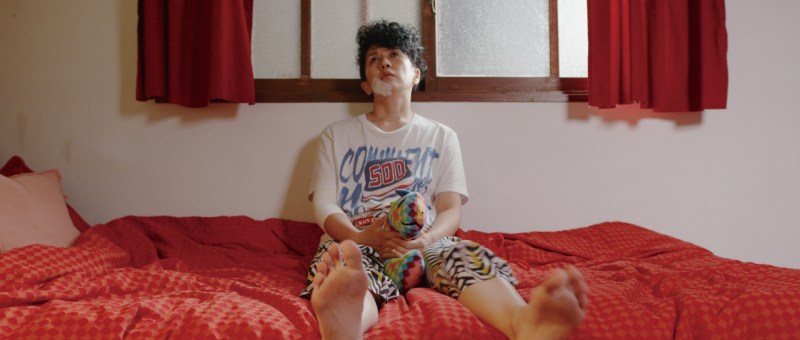
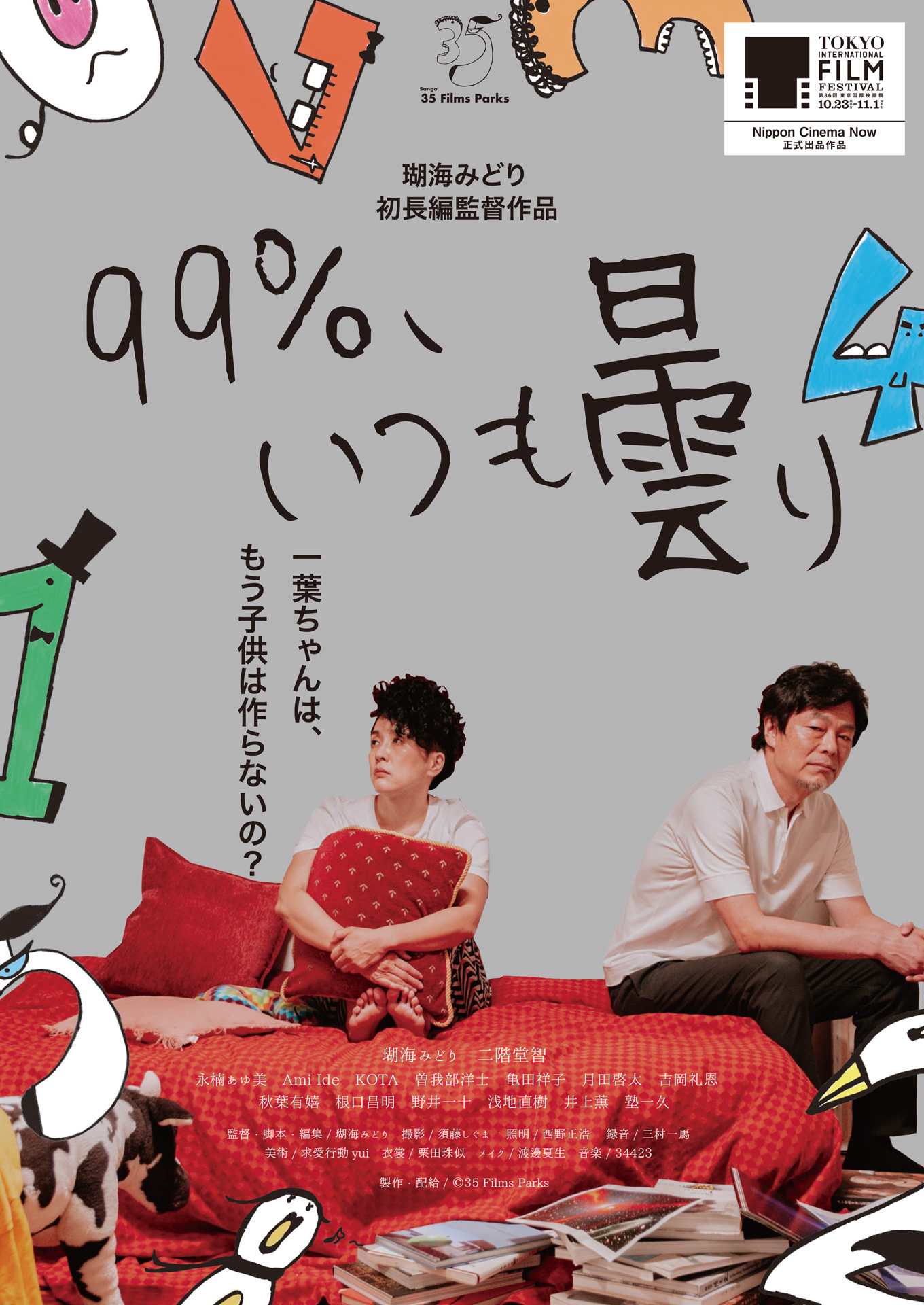
Till the Day I Can Laugh about My Blues (ブルーを笑えるその日まで, Karin Takeda, 2023)

A lonely, isolated young woman finds refuge in a new friendship only to worry it won’t survive summer’s end in Karin Takeda’s gentle adolescent drama, Till the Day I can Laugh About My Blues (ブルーを笑えるその日まで, Blue Wo Waraeru Sono Hi Made). Opening with a title card reading “to you and me back in the days,” the film has an autobiographical sensibility and boundless empathy for the kids who feel they don’t fit in, that no one notices them, and their lives will never we worth living.

You can tell that Ayako (Miyu Watanabe) is depressed by her opening dialogue, “I don’t like this weather,” said to perfectly blue skies. She says everything in her life is blue, and is so shy that she literally can’t speak. Her class are reading Night on the Galactic Railroad, and though she spends the entire time reading the line that she’s figured out is hers is put off when another student heckles her because of her quiet voice and just stands there gripping the paper while her teacher prompts her with the previous line. He then just moves on to the next student, but more out exasperation than empathy, doing nothing much else to help her. 

It’s not clear if Ayako was always this way or if something led to her becoming withdrawn but the other kids evidently regard her as weird while her former best friend Yuri (Rin Marumoto) has joined up with two popular girls who appear to be bullying her. Ayoko’s parents aren’t much help either, unfairly comparing her to her sister who wants to be a doctor all of which only makes Ayako feel even more useless and inadequate. It’s only when a mysterious old lady gifts her a kaleidoscope that Ayako’s outlook starts to improve and she befriends a another young girl she meets on the rooftop of the school who has a kaleidoscope too.

In discussing the passage of Night on the Galactic Railroad, which is about a friendship between two boys which ends abruptly in tragedy, a teacher asks what the milky way is made of before explaining that if you look at it through a microscope it’s full of tiny stars. Ayako too begins to see tiny stars while looking through the kaleidoscope, refracting her world and beginning to see the beauty of the light between the trees even if she’s cautioned that the patterns are pretty because you never see the same one twice. In any case, Ayako finds a kindred spirit in Aina (Sumi Kokona) but also suspects she may actually be the ghost of a girl who took her own life by jumping off the roof of the school, so their friendship can’t last past the start of the new term.

Like Giovanni in the story, Ayako has to figure out how to go on alone not just without Aina but in her complicated relationship with Yuri too who tells her she doesn’t like and hanging out with mean girls Natsumi and Nao but still joins in when they make fun of her. Some gentle words from a librarian who knows what’s she going through all too well remind her of the point of the story, that the boys still go on travelling together as Campanella still exists in Giovanni’s heart. But before all that she still ponders blowing it all to hell, saving the school goldfish but otherwise letting the place burn while wondering if she’ll ever be able to grow up. 

Shot with an etherial whimsicality, Takeda shoots Ayako’s world in shades of loneliness in which her literal inability to speak is almost a reaction to the fact no one listens. Pondering the fate of a goldfish that died because of another student’s neglect she laments that no one’s kind to you until die, a comment that later seems ironic but echoes her sense of alienation. She thinks her friendship with Aina is like a dream, but like she says not necessarily one they need to wake up from because whichever way you look at it their friendship is “real”, saving each of them and giving them strength to survive until the day they can laugh about their blues smiling at a memory rather than feeling sad and alone while looking for the tiny stars hidden in the fabric of the universe.


Till the Day I Can Laugh about My Blues screened as part of this year’s Camera Japan.

Original trailer (no subtitles)