Smashing Frank (搗破法蘭克, Trevor Choi, 2025)

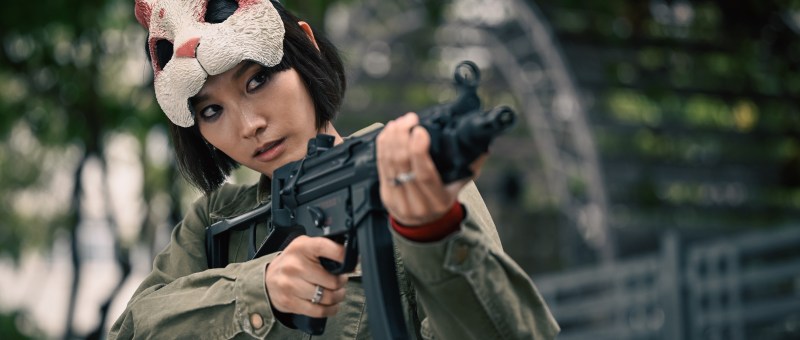
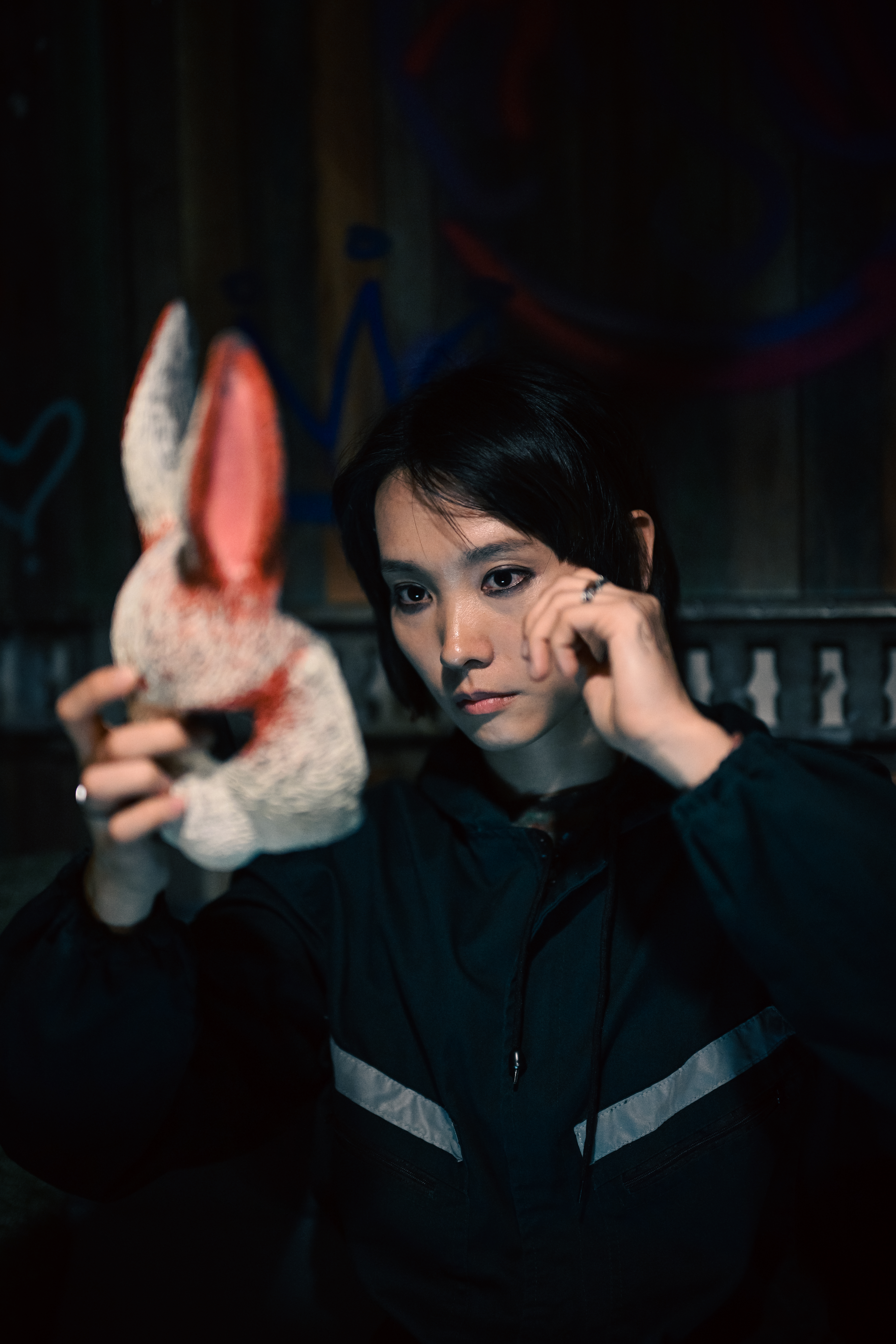
Youth’s attempt to televise its revolution results in unforeseen consequences in Trevor Choi’s crime thriller Smashing Frank (搗破法蘭克). Giving Hong Kong a kind of comic book gloss, Choi locates the source of corruption in a thuggish gangster posing as a businessman and laundering his ill-gotten gains through a fake church all while claiming to be working for the prosperity of the city. Fed up with a world so obviously corrupt, Ayla (Hedwig Tam) and her friends attempt to fight back through theft and their mission of becoming robbery influencers in social media. 

It later becomes apparent that Ayla is doing most of this as a kind of revenge. Her sister took her own life after being sexually assaulted and becoming pregnant, while Ayla sacrificed her own bright future by assaulting a “rich pervert”. Despite having gained a first-class degree and being on track for a job as a hotel manager, Ayla now appears to have gone rogue and has lost faith in mainstream society and law enforcement which turns a blind eye to certain crimes to keep the peace. After being sentenced to community service, she teams up with childhood friend Hugo (Locker Lam) and Tao Chun (Kaki Sham), a man convicted of voyeurism who becomes their getaway driver, to do crime she describes as a kind of performance art.

Yet Ayla claims she’s no kind of Robin Hood and mainly in this for herself and the glory, explaining that she uploads the videos for “fun”. Nevertheless, she eventually realises that everything links back to the Unity Haven Church and its shady CEO, Ho (Ben Yuen). Ho has already been featured in the news having been accused of misusing church funds and as the gang discover may have links to human trafficking and child exploitation. But he’s also pretty well entrenched within the infrastructure of the city and otherwise untouchable. As such, he comes to represent the corrupt authoritarianism of the contemporary society while Ayla and Frank echo the protestors of recent years. Given the opportunity for a giant payout, Ayla tells Ho where to go and explains that her generation never got to have nice things, so the reason she robbed his jewellery shop was to show them that luxurious mansions were being built in the slums. 

He may be one of the old men that’s ruining the world, but despite herself, Ayla seems to be consumed with a sense of injustice that the rich get away with their crimes while people like her sister and grandmother are left to suffer. Through her influencer revolution, she intends Frank to become a kind of militia resisting the hyper capitalistic society on behalf of the youth it has betrayed. As Hugo says, if he had a regular job he’d never be able to buy a house anyway while others seem equally fed up with disappointing corporate existences that no longer provide a decent quality of life. Ho may be all about making the city prosper, but it’s mostly for himself and his friends rather than the wider society. 

Chelsea (Renci Yeung), Chun’s former associate running badger games, even says that they didn’t really care that she blackmailed them because they had bigger things to worry about. There is then a kind of solidarity that exists between the team in their shared victimisation under men like Ho and desire for the liberation of those like them that gives their mission a weight beyond simple rebellion, even if the constant flirtation between Chelsea and Ayla dangles like an unresolved plot thread. Even so, Ayla’s recklessness reeks of desperation as Hugo points out they may all die the following day but perhaps it wouldn’t be so bad as continuing to live like this. The nihilism that colours their lives is all pervasive, and perhaps a reaction to the imposition of authoritarianism and failure of the protest movement that causes Ayla to launch her revolution in the distinctly youthful space of the internet and spread the word through social media which those like Ho cannot fully control. Hong Kong media does not, she claims, report on certain crimes in the interests of making the city feel safe and stable for men like Ho which is why she had to televise her revolution herself. It may be a forlorn hope, but it’s all she appears to have while otherwise trapped in a world of constant corruption.


Smashing Frank screened as part of this year’s New York Asian Film Festival.

Trailer (Traditional Chinese / English subtitles)
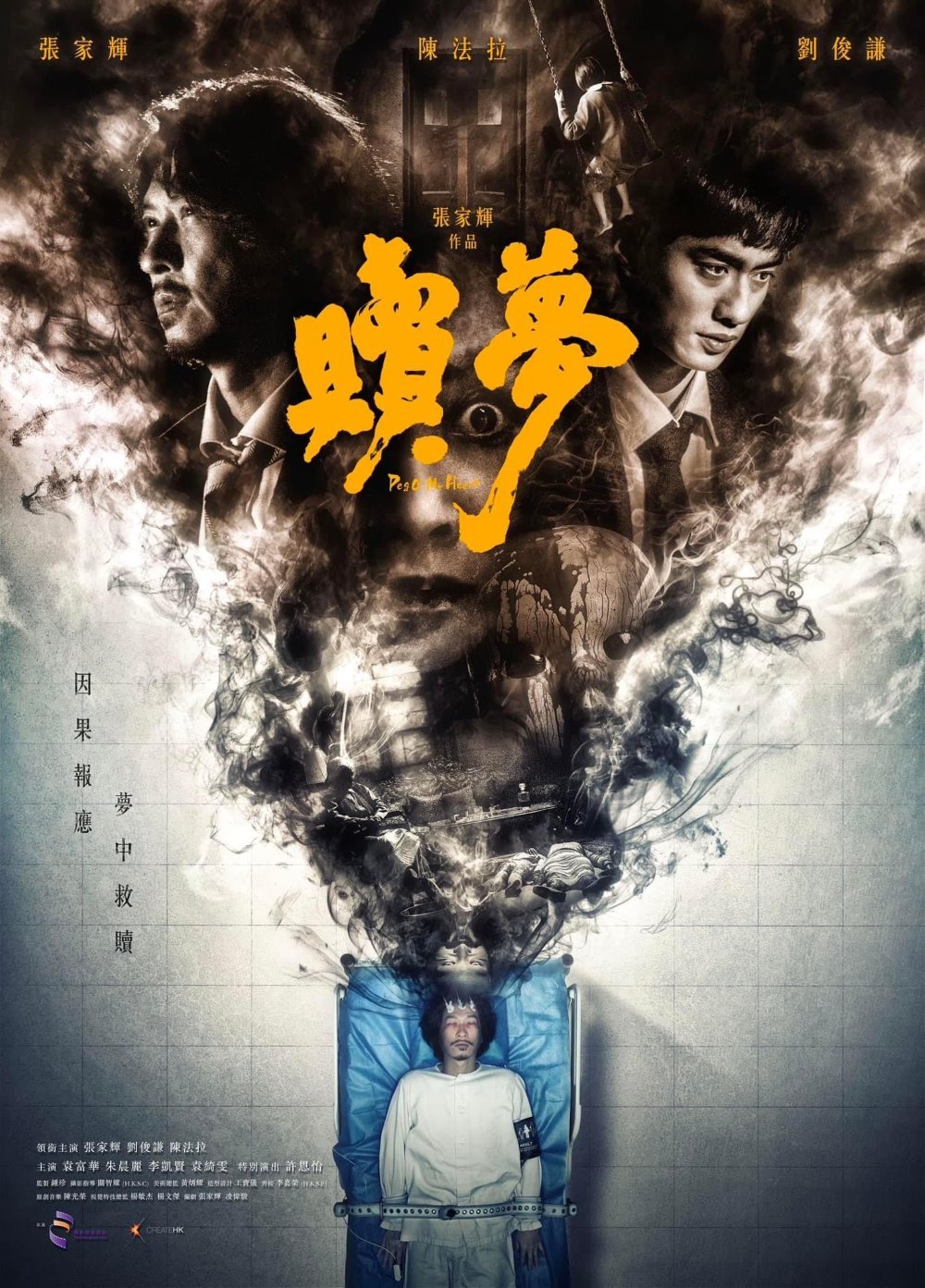
Peg O’ My Heart (贖夢, Nick Cheung Ka-Fai, 2024)

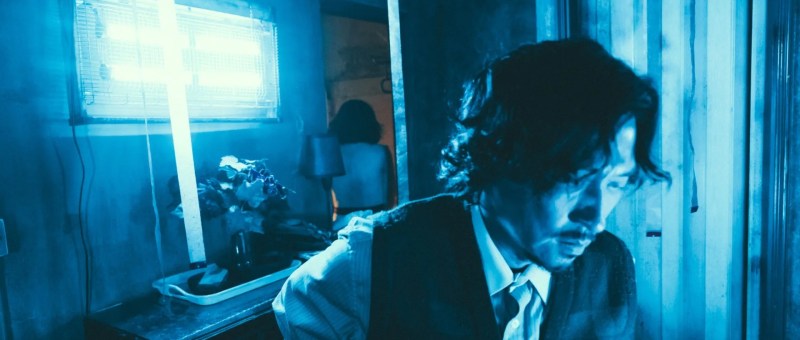
An insomniac taxi driver says he can’t sleep but he can’t wake up either. He finds himself plagued by bad dreams in an increasingly surreal Hong Kong that seems to exist more within the mind than the physical reality and populated by the orphaned ghosts of another era. Clearly inspired by the films of David Lynch with overt visual references to Lost Highway and Twin Peaks, Nick Cheung’s Peg O My Heart (贖夢) follows a maverick psychiatrist intent on actually treating his patients as he chases the taxi driver while in flight from his own trauma.

Dr. Man (Nicholas Cheung Ka-fai) is already in trouble for prying into the lives of his patients when his superiors, men in slick suits bickering in English, would rather he just get on with his job of prescribing pills. The first patient we see him treat is a teenage girl whose surreal dream sequence finds her on a swing in a room of blood while a giant baby doll looks on. Man notices an upturned doll’s head being used as a cup by one of her friends and begins to get a picture of what’s been going on. The apartment the girl lives in with her grandmother is cramped and grimy in the extreme despite the happiness banner on the door. The girl and her friends have taken to drugs to escape their own dissatisfying reality, but it led them to a dark place in which the boy abused the girl and left her with lasting trauma that blossomed into psychosis in much the same way’s Man’s own has. Nevertheless, in contrast to his bosses, he’s careful to remind her that she still has choices and it might not be the right time for her to have a child though he’ll help her whatever she decides.

In a strange way, it might be the taxi driver who’s responsible for her plight. In another life, Choi (Nicholas Cheung Ka-fai) was a high-flying financial analyst who could afford to give his wife a Mayfair flat on a whim, though you’d never guess it now. In those days, his hair was slicked back rather than long and wavy and his suit was finely buttoned rather than hanging loose. He wore glasses too, which he alarmingly no longer seems to do while driving. His eyes are red and puffy, his face pale like a ghost. On his return home, he and his wife have a number of strange rituals which make no kind of sense but hint at the extent that they have descended into a dream world, locked in by their guilt and the feeling that they are being tormented by a vengeful ghost. 

Then again, Choi’s heartless former colleagues describe him as being too sensitive for this line of work. They joke, a little misogynistically, that his wife was always the go-getter. Fiona (Fala Chen) was into stocks too, the pair of them playing a game of untold riches without any awareness of what it meant to gamble with other people’s money. His colleagues may have told him that’s exactly why it didn’t matter and it was silly to worry about it, but it seems Choi did worry, though the money distracted him from his moral quandary until the lack of it convinced him to betray an old friend with tragic and unforeseen consequences. 

Choi and Fiona are plagued by echoes of a single afternoon, one of sunlight and happiness that they unwittingly ruined with their insatiable greed. Dr. Man, meanwhile, says he has the same dream every night but can’t remember anything about it in the morning. That’s a contradictory statement in itself, though his loyal nurse Donna (Rebecca Zhu) doesn’t seem to have picked up on the holes in his story. In any case she introduces him to his previous boss, Vincent (Andy Lau Tak-wah), a former psychiatrist with an unexplained prosthetic arm, who has the power to enter other people’s dreams and seems to exist in more than one place at once, like the Mystery Man in Lost Highway. Exploring his dreamscape allows Man to reckon with his own trauma and subsequently learn to forgive and accept his father, though he may not, in fact, have faced himself fully or released his guilt even as he and Choi eventually share a similar fate. Are either of them awake, or still asleep? Did Man go through the mirror, or merely deeper inside it? The melancholy streets of contemporary Hong Kong take on a deathly hue trapping its traumatised denizens in an inescapable hell of guilt and regret from which they can never awake.


Trailer (English subtitles)

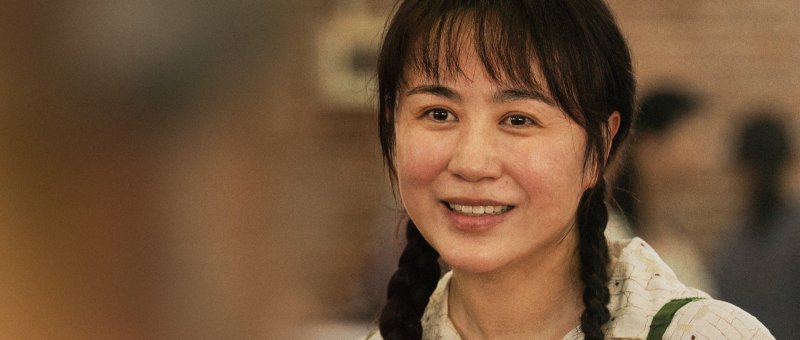
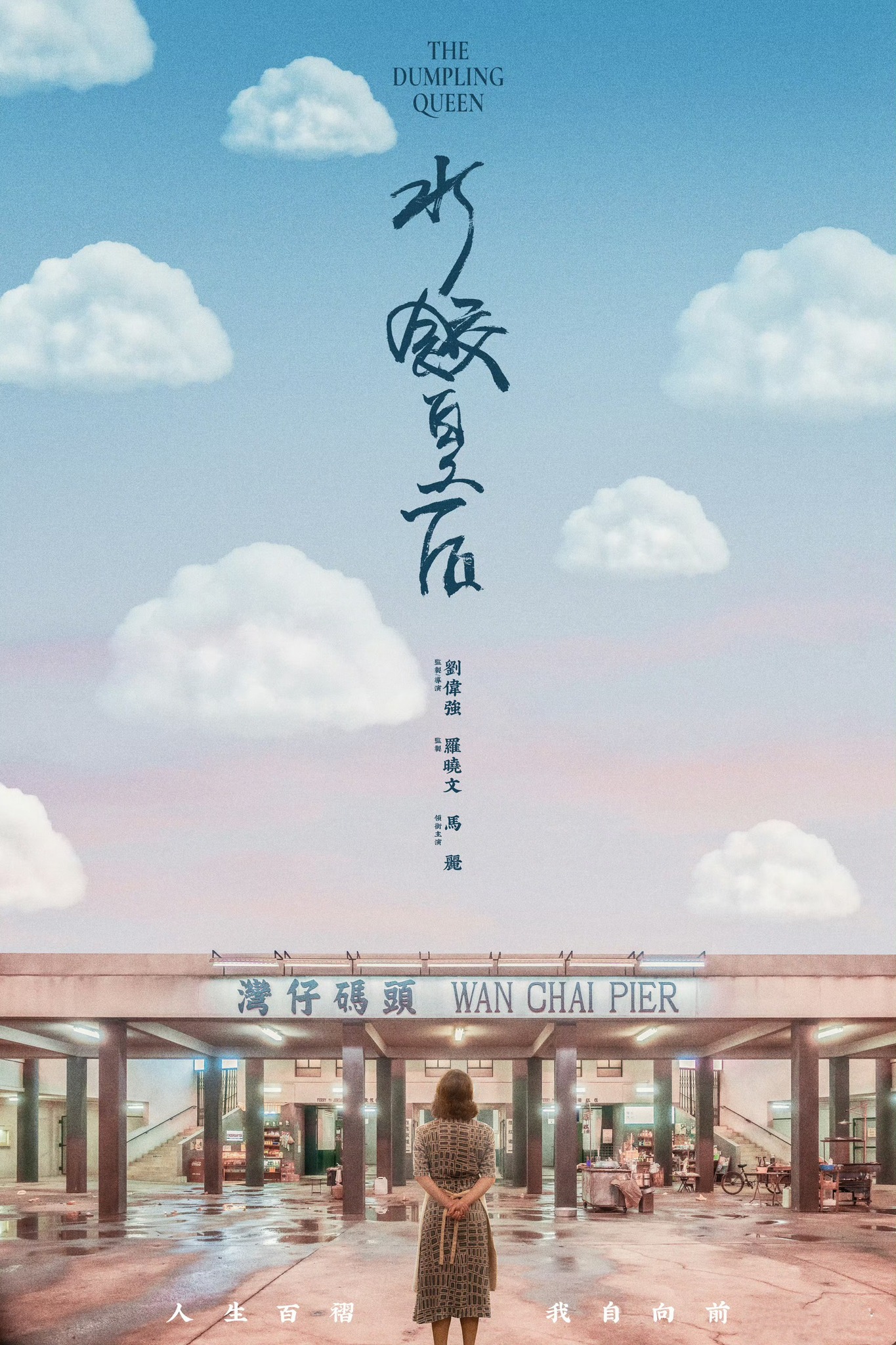
The Dumpling Queen (水饺皇后, Andrew Lau, 2025)

There are a lot of ironies and contradictions at the heart of Andrew Lau’s Dumpling Queen (水饺皇后, shuǐjiǎo huánghòu) inspired by the life of Zang Jianhe who founded the international dumpling empire Wanchai Ferry, but there’s no getting away from the celebratory joy it finds in the heroine’s hard-won transition from jilted spouse to successful entrepreneur. Then again, there might be something uncomfortable in the film’s framing and the repeated claim that Jianhe’s dumplings are about the warmth of familial bonds and reunion. Zong’s desire to kick back at American imperialism as manifested in the ubiquity of hamburgers and US-style delivery pizza by making Chinese dumplings accessible across the world is also an advocation for the One China philosophy in which the greater Chinese diaspora is connected as a family through “the taste of home.”

Beginning in 1977, the film is noticeably quiet about why anyone would be risking their lives to escape from Mainland China to Hong Kong, though this is what Jianhe is doing in her quest to be reunited with her husband, Hanzhou, who has been away for four years. Unfortunately, when she reaches the station at the border, Hanzhou’s mother (Nina Paw Hee-ching) rudely explains that she had him marry another woman in Thailand who has since borne him a son. Branding Jianhe a failure for giving birth to only daughters, she tells her that she can come with them but that she will be the second wife subservient to the mother of the family heir. She repeatedly claims this does not make Hanzhou a bigamist because Thai law supposedly gives him the right to marry more than one woman, though it seems the mother-in-law may not be aware that the pair were legally married in Mainland China as Jianhe’s traditional wedding photos would otherwise suggest. 

The fact that Jianhe is discarded for giving birth to daughters contributes to the film’s feminist undertones and sense of female solidarity as Jianhe strives to pass on the dumpling recipe she learnt from her own mother to the next generation of women and beyond. Jianhe must now find a way to fend for herself, which she eventually does through a combination of hard work, excellent business sense, and the supportive community around her. Though Jianhe and her children face some instances of prejudice against Mainlanders when they first arrive, they are helped by various people including enigmatic landlady Hong Jie (Kara Wai Ying-hung) who makes her a part of her boarding house community and tries not to pressure her about the rent out of consideration for the children,

But times are sometimes hard and Jianhe is directly contrasted with the woman across the way whose husband has a gambling problem and beats her. Having been injured in a workplace accident that leaves her unable to work as she had been before, Jianhe begins to feel hopeless and considers taking her own life only to be saved by her children and a neighbour who sells dessert soups, but the other woman is not as lucky and eventually makes a fateful decision, blaming herself for the man her husband has become. Jianhe is also given another shot at romance with a sympathetic policeman (Zhu Yawen) who comes from the same area of Mainland China and is taken by her dumplings, but he also wants to move abroad and Jianhe has already followed one husband to another country and it didn’t work out so well. It’s not so much that she sacrifices love for career success, the policeman could after all simply chose not to go, but that she no longer needs to compromise herself for marriage because she’s fulfilling herself through her business enterprise.

Just as the film doesn’t mention why Mainlanders came to Hong Kong, it doesn’t really go into why some Hong Kongers choose to leave save for a brief onscreen text mention about the beginning of the negotiations for the Handover though Jianhe is repeatedly keen to emphasise the universal Chineseness of her dumplings. She makes a deal with a Japanese department store, but threatens to walk when they try to make her change her packaging to bring it into line with their house style and thereby erase its cultural identity. She also refuses to allow them a monopoly after they demonstrate their lack of trust in her as a businesswoman, quickly realising she’s better off making deals with every supermarket on the island as well international flour companies. Jianhe is pretty quick to cotton to new technologies such as household refrigerators and the possibilities for frozen foods. But at the end of the day, she’s earnest and hardworking, sharing her success with her many friends who helped her along the way and always repaying kindness when she can. It’s an oddly utopian vision at times in which everyone seems to recognise Jianhe’s greatness and get out of her way, including a triad boss who helps her because she reminded him of his mother when she threatened one of his men with a meat cleaver,) but it also reinforces a sense of the One China family with the dumplings, now refined to suit local tastes, as the glue binding it together in the face of an onslaught of hamburgers and pizzas as harbingers of a cultural apocalypse.


International trailer (Simplified Chinese / English subtitles)

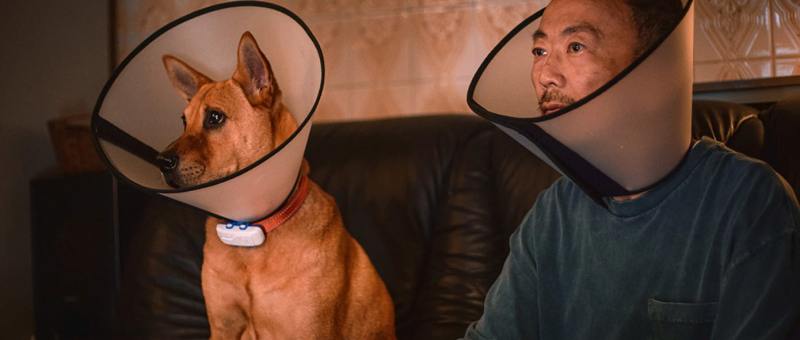
Alone No More (得寵先生, Daniel Ho & Thomas Lee Chi-wai, 2024)

A little dog literally and more figuratively saves the life of a grumpy old man in Daniel Ho & Thomas Lee Chi-wai’s warmhearted drama Alone No More (得寵先生). Touching on themes of old age loneliness, familial estrangement, animal cruelty, and life’s stray dogs, the film makes the case that all lives are important, both human and canine, and that we should try to forgive each other in the same way that dogs seem to continually forgive us.

In any case, it’s difficult to see why stray dog Roast Piggy chooses the grumpy Kai (Lawrence Cheng Tan-shui) to be her owner despite his animosity towards her. Kai is hostile to pretty much everyone and appears to have a strained relationship with his remaining family members from the resentful brother who became his boss at work to the daughter Zoie (Fish Liew) who rarely returns his calls. Having recently retired, it seems that Kai has not much else left to live for which might be why he makes the decision to end his life and leave his retirement fund for Zoie and her daughter. Luckily, Roast Piggy arrives just in time to save Kai and alert Una (Amy Lo) who runs a dog sanctuary and had been trying to catch her.

Though Kai tries to chase Roast Piggy away, she always comes back to him and he eventually comes to accept her but only after getting a lesson in what the consequences of calling animal control can actually be. The film doesn’t go into why Hong Kong seems to have such a large problem with stray dogs but the man at the pound says they euthanise thousands a year many of which are microchipped but have owners who either can’t be contacted or simply refuse to take the dog back. It turns out the Roast Piggy was abandoned by her former owner because a fortune teller told him she was bad luck and it does seem like other of the dogs were similarly released into the wild either because their owners no longer wanted them or because they could not afford to pay for their medical treatment. Una had wanted to adopt Roast Piggy herself if Kai wouldn’t take her, but is cautioned by her boyfriend Chan (Jay Fung Wan-him) that it could get expensive if the problem turns out to be that Roast Piggy had heart worms. Though Roast Piggy seems friendly and used to people, it is clear some of the other stray dogs have unfortunately been mistreated and require further rehabilitation before they can be put up for adoption with a regular family. 

The same might be said of Kai who does begin to mellow after taking in Roast Piggy and getting a new lease of life helping out at the dog sanctuary. Nevertheless, his relationship with his daughter who is married to a Canadian man having moved there with her mother as a child is a little harder to repair. Though Una encourages him to make amends, she also has a strained relationship with her mother she is otherwise unwilling to work on though there is no real reason why she should. This sense of disconnection feeds back into her relationship with boyfriend Chan who, conversely, is under his father’s thumb and as always does exactly as he’s told. It’s Chan’s money that’s bankrolled the sanctuary which adds an additional layer of complication, though he is perhaps being slightly unreasonable when he’s hurt that Una doesn’t agree to suddenly drop everything and move to Edinburgh with him because she wants to stay in Hong Kong to save stray dogs. 

In a way, Kai and Una are the ones left behind, he by his age and loneliness and she by her regret and isolation. It’s clear that Una has replaced relationships with people with those with dogs whom she finds it easier to talk to. A subplot about a horrible person who’s been putting down poisoned meat because they don’t like the dogs being around hints at the callousness and cruelty that led to them becoming strays in the first place but also to the prejudices that see those like Kai and Una excluded from mainstream society even if Kai was indeed a very difficult person to be around before meeting Roast Piggy. Nevertheless they too find sanctuary at the Warm Heart dogs home along with purpose and compassion in caring for these kindhearted animals who have so much love and forgiveness even towards those that tried to cast them out.


UK trailer (English subtitles)

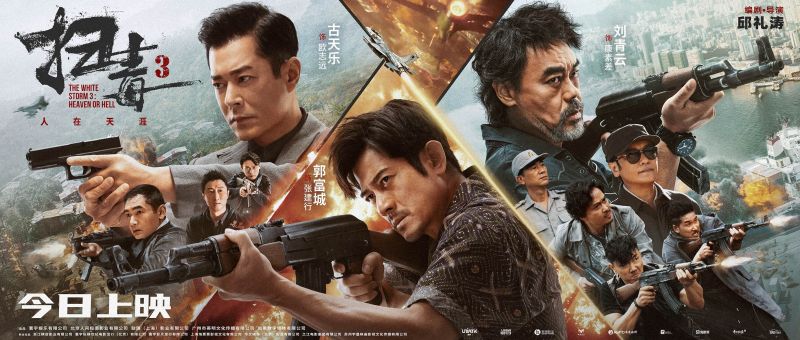
The White Storm 3: Heaven or Hell (掃毒3︰人在天涯, Herman Yau, 2023)

Who is the most foolish, the arch criminal who didn’t realise his two best buddies were undercover cops, or the cops that killed or took bullets for him? The latest in the White Storm series of standalone action thrillers with starry casts thematically dealing with drugs and organised crime, White Storm 3: Heaven or Hell (掃毒3︰人在天涯) like its immediate predecessor casts the net a little wider than just Hong Kong and is keen to stress the real victims of the international drug trade are the economically disadvantaged farmers who are left with no other option than to turn their fields to poppies. 

Back in Hong Kong, meanwhile, the film opens with local drug lord Suchat (Sean Lau Ching-Wan) retrieving a huge haul of drugs dropped in the ocean by helicopter only to be interrupted by the police who were watching all along. Suchat’s righthand man Yuen (Louis Koo Tin-Lok) blows his cover by pulling a gun to convince him to surrender, but Suchat chooses not to and in the firefight that ensues his other buddy, Hang (Aaron Kwok Fu-Sing), who is also an undercover cop and in fact very good friends with Yuen, is seriously wounded. In a show of loyalty, Suchat rescues Hang and manages to flee to Thailand where he sets up in his home village soon coming to the attention of the warlord who controls the local drug trade.

Describing the gang as the “rising stars of the Golden Triangle”, Suchat eventually cuts a deal with the general to provide security for his logistical operation in which drugs, mostly ice but also heroin, are transported inside fruit and other foodstuffs to be moved through the local market. Suchat had originally tried to set up his own operation only to fall foul of the general but also concedes that the margins in this game are fairly thin, no one in this area has any money to spend on drugs and there’s no point trying to produce them with the general in town so his only option is to provide a different service at another point in the chain. Hang becomes fond of the young woman who nurses him back to health, Noon, who explains that the only crop anyone is interested in is opium so aside from the food they grow for themselves it’s all they can produce to support themselves. There may a particular implication in her reply when Hang asks her if she’s ever considered moving that this even if this place is not a “home” because she has no remaining family members (her grandfather in fact seems to die of opium poisoning) it is still her hometown and why should she have to leave it. 

Before being taken to Thailand, Hang’s boss had worried that he might have spent too long undercover to successfully come back and it’s true enough that he seems to have become conflicted not only in his feelings for Noon but reflecting on the genuine brotherhood that exists between himself and Suchat whom he will eventually have to betray. Hang almost died for him, and Suchat repaid the favour by refusing to leave him behind. But on the other hand, there’s also a degree of homoerotic tension between himself and Yuen who rushes straight over to Thailand to rescue him once he’s able to make contact only to be frustrated when Hang tells him he has to go back to the village to save Noon who, as she’s already told him, does not actually want to leave despite the danger of constant violence from drug gangs and army raids. 

The film ends with the razing of the village of the Thai authorities who evidently decide the loss of life is justified in the necessity of stopping the general though it’s the ordinary farmers who lose their lives, families, homes and livelihoods because of their proximity to the trade in drugs. “I miss Hong Kong” Hang finally exclaims as if longing to shake off his undercover persona and recommitting himself to his role as a policeman but also perhaps hinting at a more subversive meaning as Yau ends on the clouds parting to reveal the famous city skyline amid picturesque terrain. Filled with a series of incredibly elaborate action sequences culminating in the all out warfare of the village raid, Yau’s heroic bloodshed subversion has its share of absurdity in the complicated relationships between its central trio and the ambivalent justice of its final resolution.


Original trailer (Traditional Chinese / English subtitles)