Normality is such a fragile thing. It only takes a few seconds for everything to fall apart and the life you’ve known until now to completely disappear. Facing intense personal scrutiny and frustrated with opposition lawmakers doing exactly what they’re supposed to do in a democracy by opposing policies they disagree with, President Yoon Suk-Yeol announced martial law via a television broadcast late at night after many people had already gone to bed or at any rate were not particularly paying attention to the news.
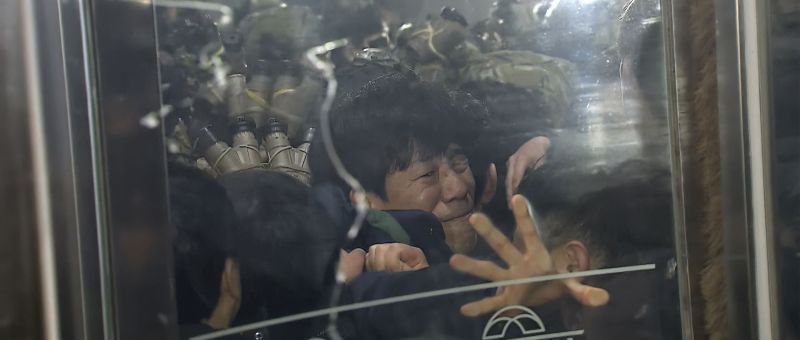
This was the first time that Martial Law had been declared since Chun Doo-hwan’s military coup in 1979. The democracy that the nation had carefully nurtured since Chun’s downfall in 1987 was under threat while Yoon ironically described opposition parties as a “legislative dictatorship” for blocking his policies. Following the declaration, ordinary citizens began to make their way to the National Assembly building to protest, but at the same time Yoon’s faction dispatched the police and army to encircle the building. Once martial law is declared, the president is supposed to attend the assembly for a free vote confirm its deployment, which Yoon failed to do while police and army made it difficult for lawmakers to enter the building and take their place to vote leading many, often not so young, officials to vault walls simply to enter the building.
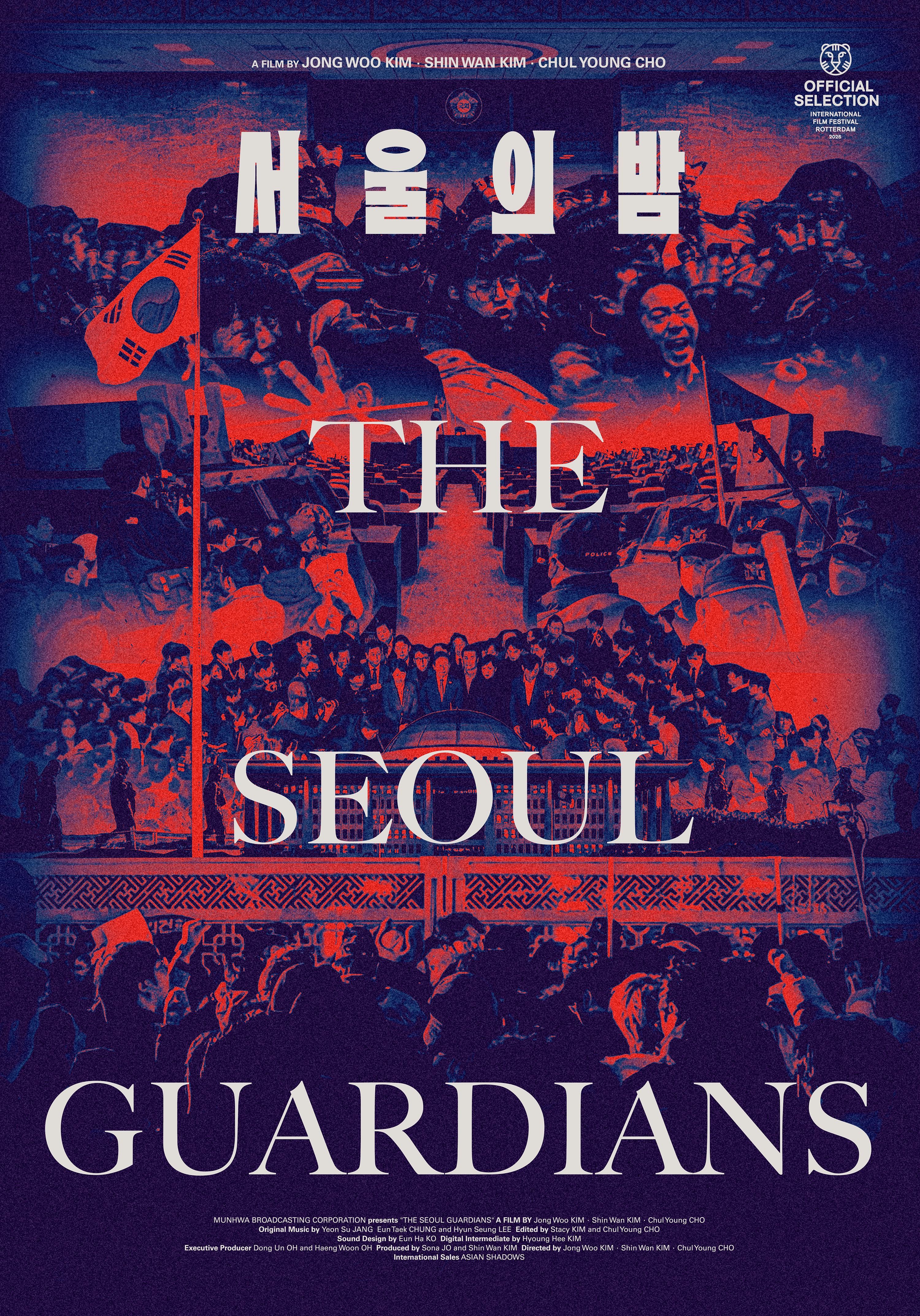
Comprised almost entirely of on-the-ground and stock footage and television news broadcasts, Kim Jong-woo, Kim Shin-wan, Cho Chul-young’s documentary viscerally depicts the sense of chaos and desperation of that night as the general population and lawmakers trapped inside the budding begin to realise that they have only this moment to stop the impending tragedy that Yoon has set in motion. “Remember Gwangju” some of the protestors shout. Interspersed with footage from 3rd December are flashes of newsreels from the Gwangju Massacre in 1980 in which state forces fired on protestors asking for the lifting the martial law that had been reinstated by Chun’s regime after he took power in a military coup shortly after the previous dictator, Park Chun-hee, was assassinated by the head of his own security team.
The similarities between the two protests are striking as both utter near identical chants with the only real way to tell which footage is from 1979 and which from 2024 is by the video quality and the clothes that people are wearing. The night of 3rd December could have turned out so differently if even a single thing had gone wrong. A soldier’s gun going off or policeman losing his temper could have provoked further violence and brought about a world of nightly curfews and curbed freedoms that seems almost unthinkable in the present day. A curfew has already been declared active from 11pm, so all of these people are already breaking the law, but they choose to stay anyway in order to defend this fragile democracy.
There are also, of course, those who are there to support Yoon and feel as if he’s been unfairly treated. To them, he’s only right to do what he’s done because those “commies” on the other side wouldn’t let him get on with his work. By including footage from Yoon’s impeachment hearing, the documentary makes clear that this is not something that ended in the early hours of 4th December with Yoon recognising the unanimous vote to lift martial law, but an ongoing battle to resist authoritarianism and protect democracy however imperfect that democracy may also be. The question then is how robust these systems really are and if Yoon actually will be removed for having committed this offence against the normal functioning of government with a blatant power grab that effectively constitutes and attempt coup.
All that was really standing between Yoon and martial law was the will of the people who were willing to risk their safety and comfort and preserve their freedom and democratic rights. They looked back to those who had lost their lives in Gwangju and said, “We will remember you. We will not allow this to happen again.” In this way, as the voiceover from co-director Kim Jong-woo points out, the dead save the living in a very real living memory of the costs of authoritarianism. Though the film may play out like a thriller as those inside the assembly set up baracades fearful that paratroopers will storm the building and others call out to the young soldiers to obey their conscious and walk away, it is never flippant about the serious of this moment, nor the truth that a significant minority continue support Yoon and his policies which leaves ordinary people once again the guardians of a fragile democracy that maybe shattered at any moment.
The Seoul Guardians screened as part of this year’s Fantasia International Film Festival.
Trailer (English subtitles)
 Windows on Worlds