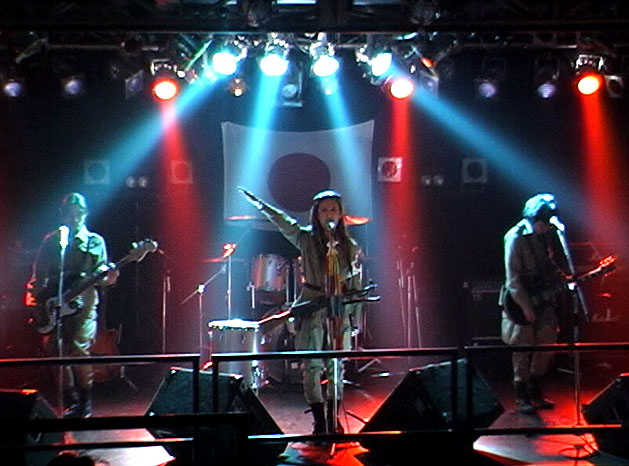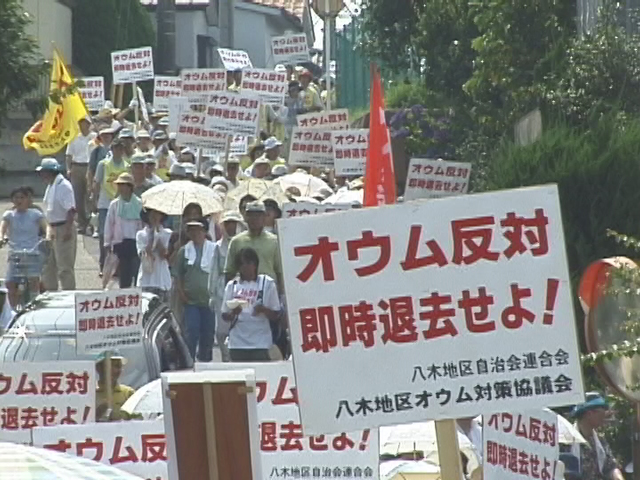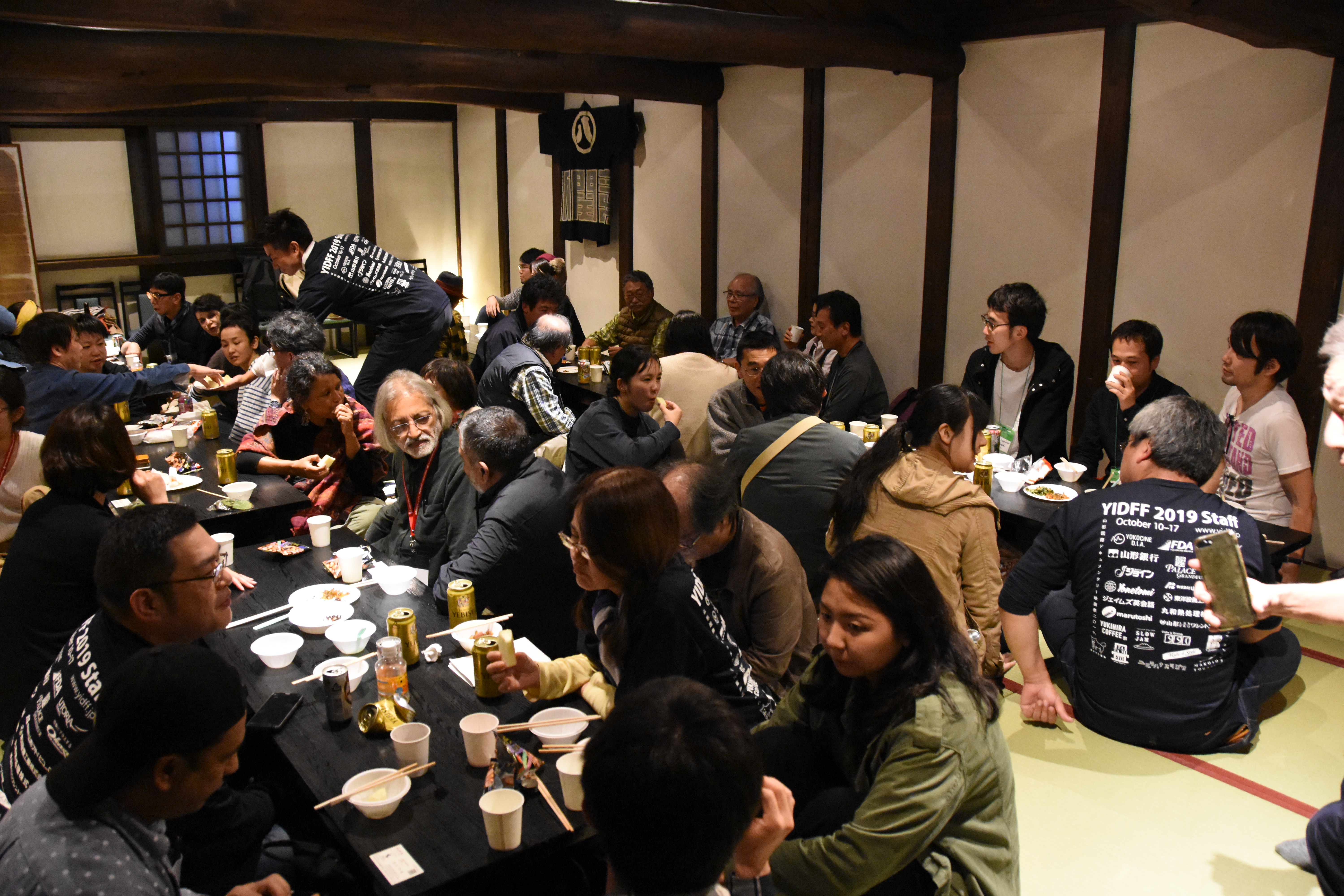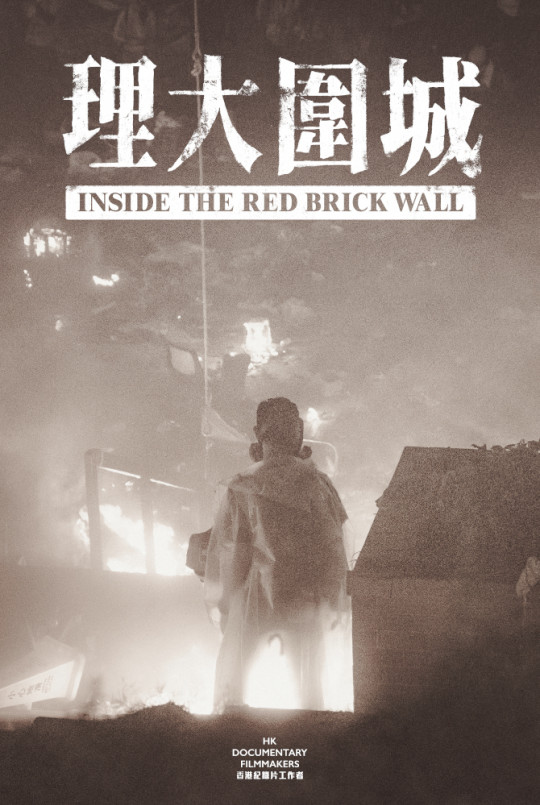
Inside the Red Brick Wall (理大圍城, Hong Kong Documentary Filmmakers, 2020)

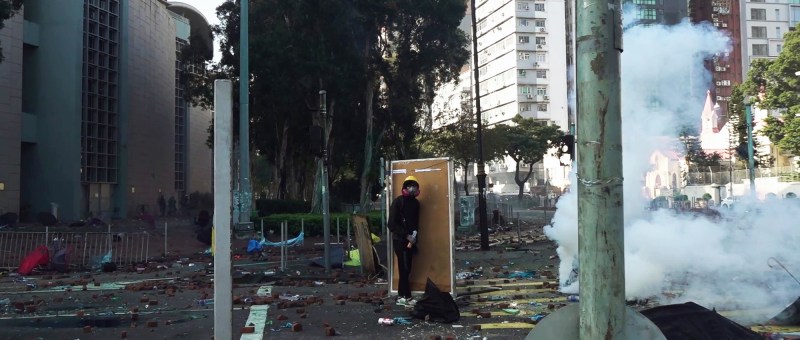
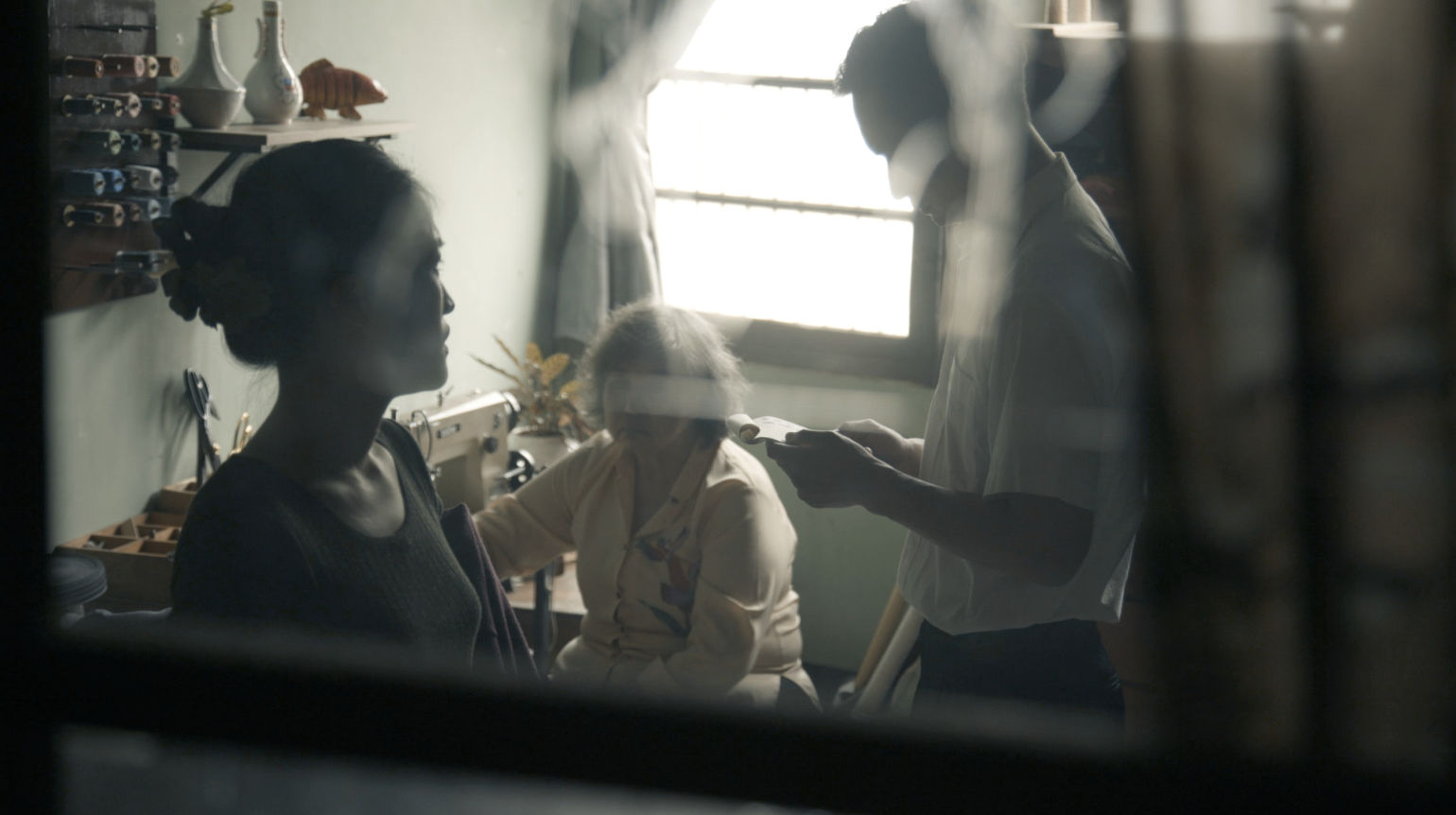
“We can’t afford to be afraid” insists a protestor trapped inside the siege of Hong Kong Polytechnic University during the 2019 protests sparked by opposition to the Extradition Law Amendment Bill. Credited only to the Hong Kong Documentary Filmmakers collective, its directors for obvious reasons choosing to remain anonymous, Inside the Red Brick Wall (理大圍城) is a visceral exploration of life behind the barricades as the trapped youngsters, some of whom are under the age of 18, grow increasingly frustrated and afraid, desperate for escape but fearful of police violence. 

The police, it has to be said, do not come out of this well. While the protestors blast local hip hop highly critical of law enforcement, the officers negotiating via loud speaker repeatedly troll them with ironic pop songs with titles such as “Surrounded” or “Ambush From Ten Sides” while otherwise taunting them with ridiculous insults and talking about going out to kill cockroaches. Such deliberate provocation at least giving the impression that they are merely looking for an excuse to storm the university does not endear them to the protestors trapped inside most of whom already want to leave but not if it means walking out into the arms of the police. With the mounting hysteria, it isn’t even the immediacy of the threat that causes the most anxiety but the possibilities of its aftermath, many fearing not just police brutality but sexual violence and that their mistreatment will not end with their arrest. This is one reason that many struggle to trust a cohort of high school principals who are permitted to enter the university in order to lead out some of the school-aged protestors, promising to protect them from the police batons in order to deliver them to their homes safely and directly. In return the protestors are asked to provide their IDs, leading many to fear they will simply be arrested the following morning. 

Nevertheless, as the situation inside begins to decline it becomes clear to many that they must leave by whatever means possible, some engaging in potentially dangerous escape attempts such as abseiling from a bridge to be met by friends on motorbikes, or exiting through the sewers. Others debate the wisdom of leaving at all, correctly as it turns out surmising that the police will eventually be forced to end the siege because allowing it to continue is simply far too expensive. Even so, these are extremely young people under intense strain, mentally and physically exhausted while also fearing for their lives. Remarking that many have made their wills, one young man insists it’s not death he fears, he’s prepared for that, but that he may die in here and no one would know.  

The necessity of hiding their faces, the documentarians are scrupulous in blurring even the faintest trace of identifiable features, adds to the sense of the collective which becomes in the eyes of some at least their best weapon of defence. Yet through repeated attempts to break through the blockade and the gradual shedding of those who cannot endure any longer deciding to accept the threat of arrest and surrender, the group necessarily weakened causing many to fear their reduced numbers leave them increasingly vulnerable. Some protestors loudly harangue their friends for leaving, while others offer only comfort as their fellow protestors tearfully apologise but can clearly remain no longer. A few pledge to wait it out while debating the ethical dimensions of leaving if it means abandoning those who are already too injured to make their own way out. 

In the midst of the action, the documentarians hover over blood-stained helmets and the aftermath of violence but are also relatively free to record police brutality seemingly ignored by officers otherwise pinning protestors to the floor and in some cases recklessly firing rubber bullets in close proximity even at one point appearing to fire directly at the back of a fleeing protestor’s head. Interrupting these scenes with shots of empty corridors – discarded clothing, a lone shoe inches away from the fire, all those battered umbrellas – the filmmakers evoke an almost apocalyptic atmosphere of total desolation offering little hope for the future in a society dominated by fear and authoritarianism. 


Inside the Red Brick Wall screened as part of this year’s San Diego Asian Film Festival

Trailer (dialogue free)

All About My Sisters (家庭錄像, Wang Qiong, 2021)

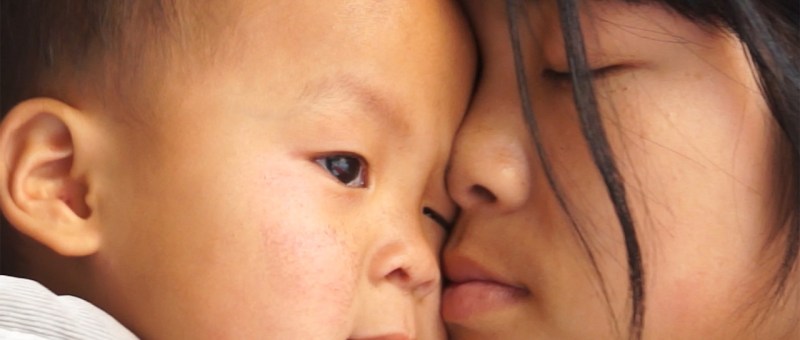
Following a series of demographic fluctuations including decreased infant mortality and increased life expectancy, the Chinese state began to impose population controls in the early 1970s finally introducing the infamous One Child Policy in 1980. Though the name is perhaps a misnomer given that numerous exceptions existed permitting certain families such as those in rural areas to have two children, the effects of the policy’s often violent and inhuman enforcement continue to linger despite its vast relaxation with most now permitted to have up to three children in an effort to combat the ironic side effect of China’s rapidly ageing society. Wang Qiong’s All About My Sisters (家庭錄像, Jiātíng Lùxiàng) is, quite literally, about her sisters but also all of the women of China past and present whose lives continue to be defined by cruel and thoughtless authoritarian government along with outdated patriarchal social codes. 

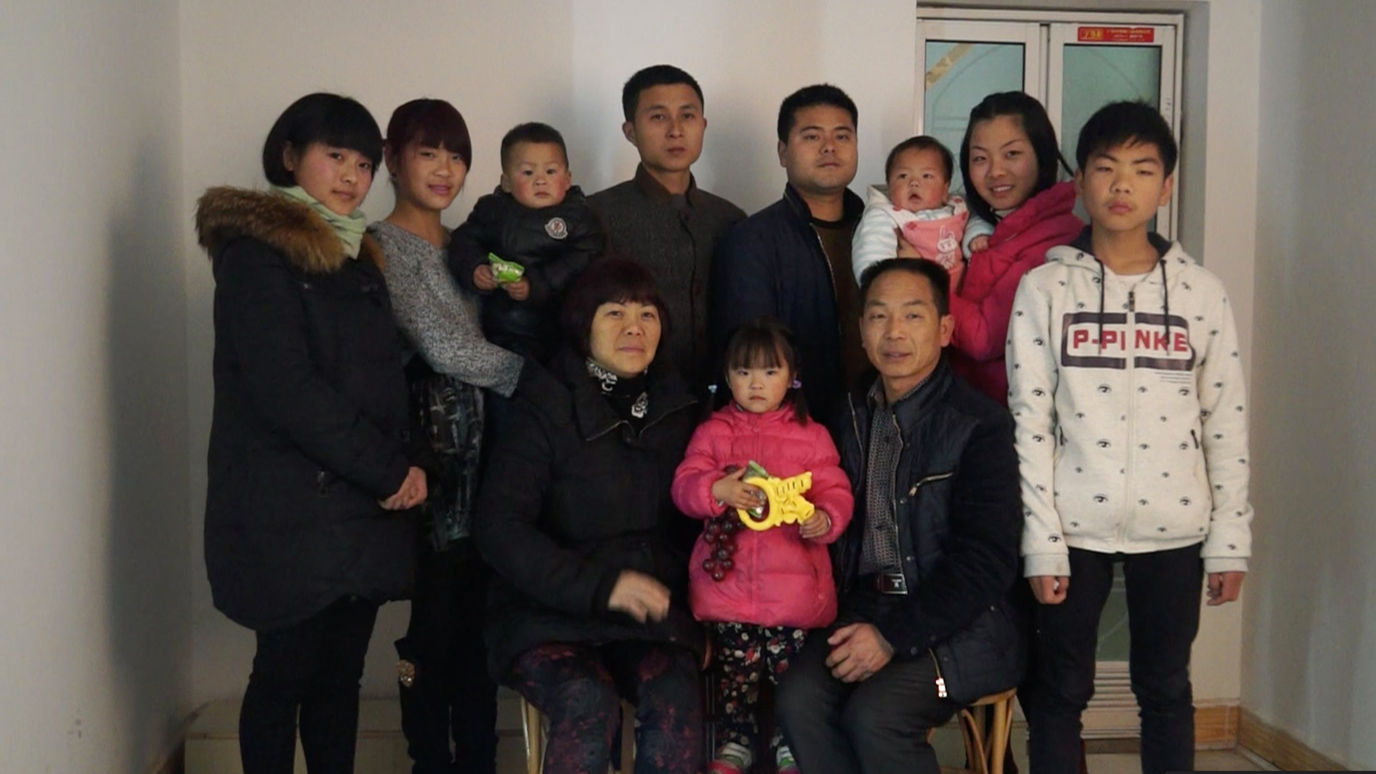
The sadness in her own family, however, locates itself in the liminal figure of her younger sister Jin, the family’s third child born at the height of the One Child Policy and therefore in some senses illegal. As Qiong’s mother Xiaoqing later recounts, she became pregnant seven times and each time a girl. She had four abortions, but was still determined to conceive a son in order to perform what she saw as her filial duty. Despite undergoing partial sterilisation in 1992, a country doctor helped her to maintain one functioning ovary expressly because she had not yet had a male child, Xiaoqing eventually had a son, Sifan, in 2002, but prior to that had already made the difficult decision to opt for a late term abortion when pregnant with Jin in the conviction the baby would be another girl. Ambivalent in her decision she also took herbs which she believes were responsible for counteracting the effects of the injections she was given to induce abortion allowing Jin to survive, but because of their poverty and the stringency of the One Child Policy Xiaoqing and her husband Jianhua decided to abandon the baby hoping someone who had a son already would take her in. Having left her outside an orangery, the couple were distraught to learn that Jin had only been moved to a better location outside a school where she apparently lay for several days. Eventually the decision was taken to retrieve her, Jianhua’s mother persuading his sister Jinlian and her husband Zhenggen to raise the child alongside their son Jun. 

This awkward situation has continued to present a fault line in the organisation of both families, Jin a member of both and neither at the same time. Having been lovingly raised by Jinlian and Zhenggen as their own until her early teenage years, it was impossible for Jin to avoid the reality of her abandonment and the knowledge that it would not have happened if she had been male. Though she lived in a different village, most seemed to be aware of the circumstances of her birth with local children mocking her for having been “picked out of the trash can”, a cruelty even more chilling on hearing the accounts of Qiong’s parents who recall being told by a doctor that if they did not want the baby who had been born healthy they should throw her in the bin then and there. Qiong herself recalls seeing the corpses of other late term abortions in a gutter on her way to school almost all of them female. The One Child Policy may not be so draconian as it once was, but the patriarchal mindset is still very much in place. Qiong’s older sister Li is currently pregnant with her third child and shocks her sister by revealing that she plans to have an abortion should the baby be another girl in order to avoid displeasing her husband. 

Li already had a son from a previous marriage who is, perhaps tellingly, not seen here and does not seem to be living with her presumably having remained with the father’s family in order to carry on their name. Asking her mother why everyone continues to value male children over female, Xiaoqing reflects that daughters become a part of someone else’s family when they marry and thereafter are responsible for looking after their in-laws. Only by having sons and gaining daughter-in-laws can you expect someone to be around to care for you in your old age.

It’s this rigid definition of family units which has caused so many problems for Jin who continues to refer to the uncle aunt who raised her as her parents while careful to refer to Xiaoqing and Jinhua as “your mother and father” when talking to Qiong, yet also encouraged to participate in filial rituals presenting gifts to her birth parents. The same problem occurs at her wedding when deciding which set of uncles should sit at the top table given her peculiar situation of having two sets of parents, worrying if her young son Chengxi will later be confused and wonder why it is he has three grandmas and grandads. For her part, she often loses her temper with him telling him that he’s a “useless baby” and “anyone is better than you”, a particularly heartbreaking moment occurring some years later while she berates him for having apparently bitten another child at school as he sadly removes a little paper heart from his forehead as if agreeing with her that he doesn’t really deserve it. Having married young trying to forge her own family while unable to repair the rifts with her parents and siblings, she contemplates leaving her husband who struggles with employment and has a gambling problem but ultimately decides not to because she doesn’t want her son to “live in a broken family” as she has done while simultaneously making him a “left behind child” as they head to the city in search of work and a little space from Jin’s overly complicated family situation. 

Even as she describes her father as “abusive”, and depicts her mother as a difficult person, Qiong is also careful to frame their actions within the confines of their times, the ultimate villain the cruel inhumanity of the One Child Policy. Xiaoqing’s brother was a local official in charge of the policy’s enforcement and tearfully declares himself haunted by the memory of exposing two of his own children in a forest behind the hospital in which they were born, preferring to regard it as water under the bridge and simply a consequence of the political reality he would have been unable to resist even had he chosen to. Meanwhile, Qiong’s elder sister remains somewhat complicit equally unwilling to confront a reality she sees as unchangeable while irritated by Jin’s attitude describing her as “childish” seeing as she is already a mother herself and should therefore “understand” the circumstances of her birth. We see countless signs in doctors’ offices reminding patients that “sex selective testing and abortion are prohibited”, but they only serve to remind that this is obviously something many people still consider when faced with the nation’s ever increasing wealth inequality and persistent patriarchal social codes which value sons over daughters. A complex examination of the ramifications of the One Child Policy through the prism of one particular family, Wang’s raw, personal documentary is an unflinching condemnation of repressive authoritarianism but also of continuing female subjugation in an unequal society. 


All About My Sisters screens in San Diego on Nov. 3 as part of this year’s San Diego Asian Film Festival

Trailer (English subtitles)

The Moon Represents My Heart (La luna representa mi corazón, Juan Martín Hsu, 2021)

Named for the classic song by Teresa Teng that connects the mother and son at its centre, Juan Martín Hsu’s documentary/fiction hybrid The Moon Represents My Heart (La luna representa mi corazón) sees the director himself making two trips from his home in Argentina seven years apart to see his mother in Taipei in part in order to investigate the circumstances surrounding the death of his father when he was six years old. It may be a minor spoiler to reveal that the truth remains frustratingly out of reach though he perhaps discovers other, equally hidden, familial traumas in the complicated history of post-war Taiwan. 

Martín and his brother Marcelo were born in Argentina where their parents ran a restaurant but his mother later elected to return to Taiwan while they stayed behind. The earlier visit in 2012 is apparently the first in the 10 years since his mother left, the difficulty of obtaining visas and the expense being the reasons he gives for leaving it so long. His next trip, however, is not for another seven years, he and his brother instantly remarking on the various ways his mother may or may not have aged. Martín seems to want to talk about his father, but his mother would rather not drag up the past. In fact so averse is she that she’s developed a habit of cutting the faces of those she doesn’t like or want to remember out of her photos which is why the boys complain they don’t have any of their father. While chatting about that, she advances that their father was murdered because of an extramarital affair he’d been having with a local woman, later claiming that he may have had a drug problem or been involved with organised crime. 

Mostly what she tells her son is that she was unhappy, having left a previous marriage because her husband was intensely patriarchal refusing to allow her go on working after becoming his wife. She met Martín’s dad after persuading her first husband to allow her to work at a restaurant and left with him for Argentina pregnant with her first husband’s child, Diego. But in Argentina her new husband was little different, actively preventing her from learning Spanish while also discouraging her from associating with other Chinese-speaking migrants, especially men. The boys speak to her in awkward Mandarin with the assistance of smartphone dictionaries while she complains that her Spanish was never good enough even after she began running the restaurant on her own. “You two wouldn’t be able to spend “la vida” in Taiwan” she explains, “just like your mum couldn’t spend “la vida” in Argentina”. 

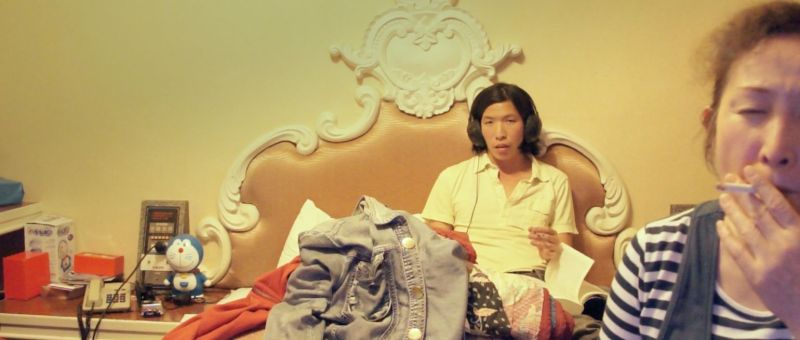
Martín’s mother keeps telling him to leave it alone, that he might not like what he finds he if keeps poking into his father’s death though as we find out later he has own traumatic memories of the night his father died along with a burning desire to understand why as if hoping to unlock the secrets of his history. In a raw hotel room exchange, his brother complains that he doesn’t feel part of this extended Taiwan family and is upset that Martín threatened to disown him if he refused to take part in the documentary, feeling a little tricked in having agreed to come only to be forced to participate while his brother seemingly ignores his discomfort. Yet while looking for his father Martín discovers a darker history of his grandfather’s suffering during the White Terror adding new layers to a legacy of familial trauma in the buried history of his maternal family as complicated as it already seemed to be. 

In between each of these difficult conversations and meetings with family members, Hsu splices brief fiction shorts along the theme of exile, the first featuring a returnee who emigrated as a young man leaving a lover behind who is now it seems about to marry someone else but carrying regrets, while another sequence follows a young woman preparing to go abroad but feeling terribly guilty about abandoning her mother. At times the sense of cultural dislocation seems unbreachable as the brothers accompany their mother and her partner to karaoke sessions and tourist excursions but then there’s the song and its universal ability to connect, Martín’s mother singing it firstly with a guitar and later a microphone almost like a long forgotten lullaby. Martín may not unlock the secrets of his father’s death, but does perhaps gain a new understanding of his mother, a resilient woman but also a perpetual victim of a patriarchal society, an oppressive regime, and finally of distance in the separations emotional and physical between herself and her sons. 


The Moon Represents My Heart screens in San Diego on Nov. 1 as part of this year’s San Diego Asian Film Festival

Trailer (English subtitles)

Teresa Teng – The Moon Represents My Heart

Wuhan Wuhan (武汉武汉, Chang Yung, 2021)

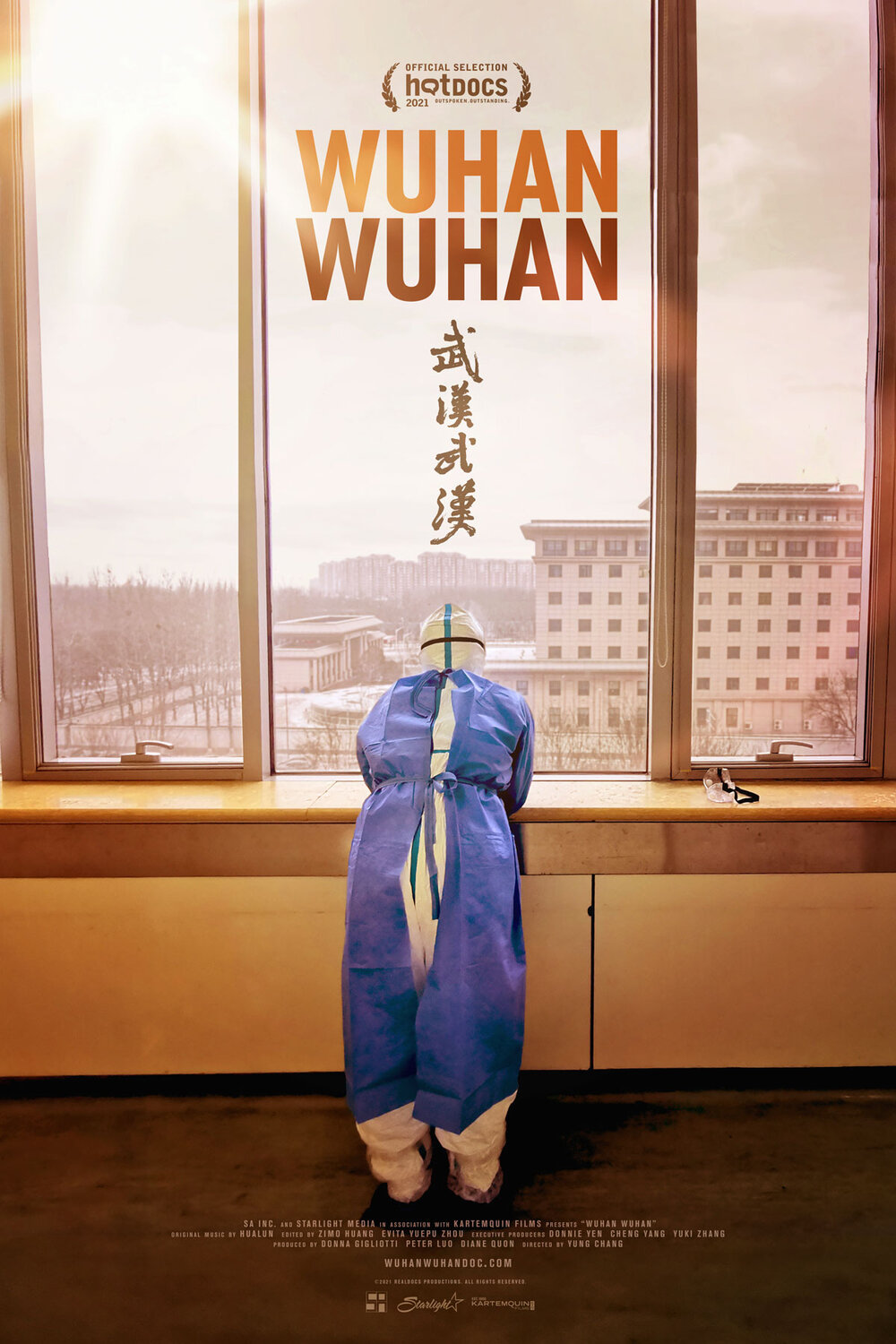
“Safety isn’t the issue right now. We have to keep moving forward” a harried doctor replies to a cabman’s question, like most it seems just getting on with it until it’s over. Like Wu Hao, Chen Weixi & Anonymous’ 76 Days, Chang Yung’s Wuhan Wuhan (武汉武汉, Wǔhàn Wǔhàn) documents the final stretches of the city’s intense lockdown beginning in February 2020 yet where 76 Days was largely a exploration of grief, panic, and confusion Chang’s documentary assembled remotely from 300 hours of footage shot on the ground by local camera crews perhaps reflects a new accommodation with the nature of the pandemic in its empathetic depiction of ordinary people going about their lives as normally possible. 

The first trail Chang picks up is that of factory worker Yin who has begun working as a volunteer driver ferrying medical staff between the hotel where they are being housed during the lockdown and the healthcare facilities where they are working. Yin explains he took the job more or less for something to do rather than be bored at home, but it also places a strain on his relationship with heavily pregnant wife Xu who is intensely anxious about catching the disease or that there may be other complications with the birth but no hospital space available to treat her. Through his various fares, Yin gets to see the other side of the pandemic as the medical staff honestly describe the situation on the ground which is often in contrast with the impression given by official channels. 

As for the medical staff themselves, ER Chief Zheng is quick to point out that much of the PPE they’ve received is not fit for purpose while his staff is already traumatised and close to burnout. Later a team of psychiatrists is sent in to provide support both to the frontline health workers and to the patients, most of whom are extremely grateful to the doctors and nurses if sometimes frightened and angry though one they’ve nicknamed grumpy grandpa continually refuses treatment and otherwise makes a point of pigheadedly insulting his nurse. Psychiatrist Zhang is also however under strain, learning via telephone that her father in her hometown has been diagnosed with a serious illness. Like many she is away from her family with no idea when she’ll be able to return to them. Nurse Susu, in the same position, receives a raw and difficult phone call from her small daughter who breaks down crying, unable to understand why her mother’s not coming home while all she can do is listen in heartbreak unable to explain or make a promise she knows she can keep as to when she’ll back. Zheng likewise makes calls to his wife and daughter, but also reveals that he’s asked an old friend to watch over them should the worst happen. 

Nevertheless, people try to find the small moments of joy where they can. At a temporary hospital for those whose cases are mild to moderate, a mass dance routine breaks out while patients otherwise try to keep active through group tai chi supporting each other while Zhang runs group therapy sessions on the other side of the wall. Worried part of the problem is that the patients can’t bond with them because the PPE erases their identity, some of the doctors print out photos to display on their chests while others are always quick to help, a collection of local hairdressers offering free haircuts to medical personnel to help prevent contamination and make PPE more comfortable. 

The overall impression is of a community managing, working together to get through the crisis while quietly getting on with the job. Chang apparently made his documentary partly with the rise in anti-Asian hate crime in mind, hoping to “humanise” the citizens of Wuhan by showing them as ordinary people living in extraordinary circumstances though others of course may read it slightly differently in its deliberate avoidance of the horrors of the virus save a few scenes of grieving relatives or terrified patients, the only indication of anxiety caused by the system seen in those at the temporary hospital hearing it’s about to close down and fearful of what might happen to them next. Nevertheless Chang’s empathetic documentary is at its best capturing the everyday reality, be it a husband running all over town trying to find somewhere selling a crib or a woman cooking yams in her room because she can cope with the virus but another one of those box meals might push her over the edge. 


Wuhan Wuhan streams in the US Oct. 6 – 12 as part of the 13th Season of Asian Pop-Up Cinema. It will also screen at Chicago’s Chinese American Museum on Oct. 9.

Original trailer (English subtitles)

Okinawa Santos (オキナワ サントス, Yoju Matsubayashi, 2020)

Brazil is home to the largest Japanese population outside of Japan, yet the fortunes and status of the Japanese migrants have been extremely variable since the first boat arrived in 1908. At the end of the Meiji era as the society attempted to transition from feudalism towards a modern economy, Japan was a poor country and with exclusionary acts often blocking migration to countries such as the United States many travelled to South America and in particular to Brazil, which was desperate to recruit cheap labour following the end of slavery, to seek their fortunes intending to return in a few years’ time having made enough to set themselves up at home. 

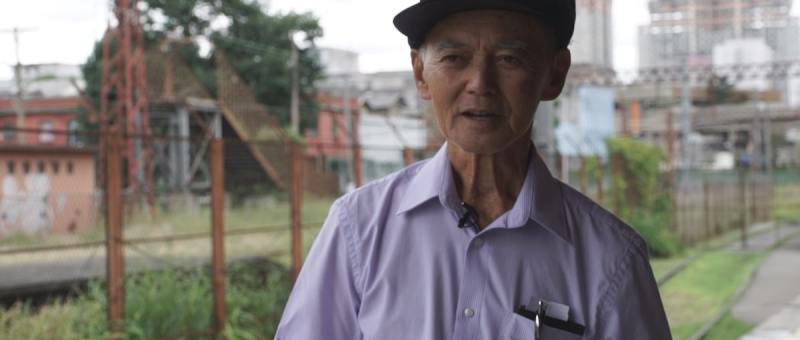
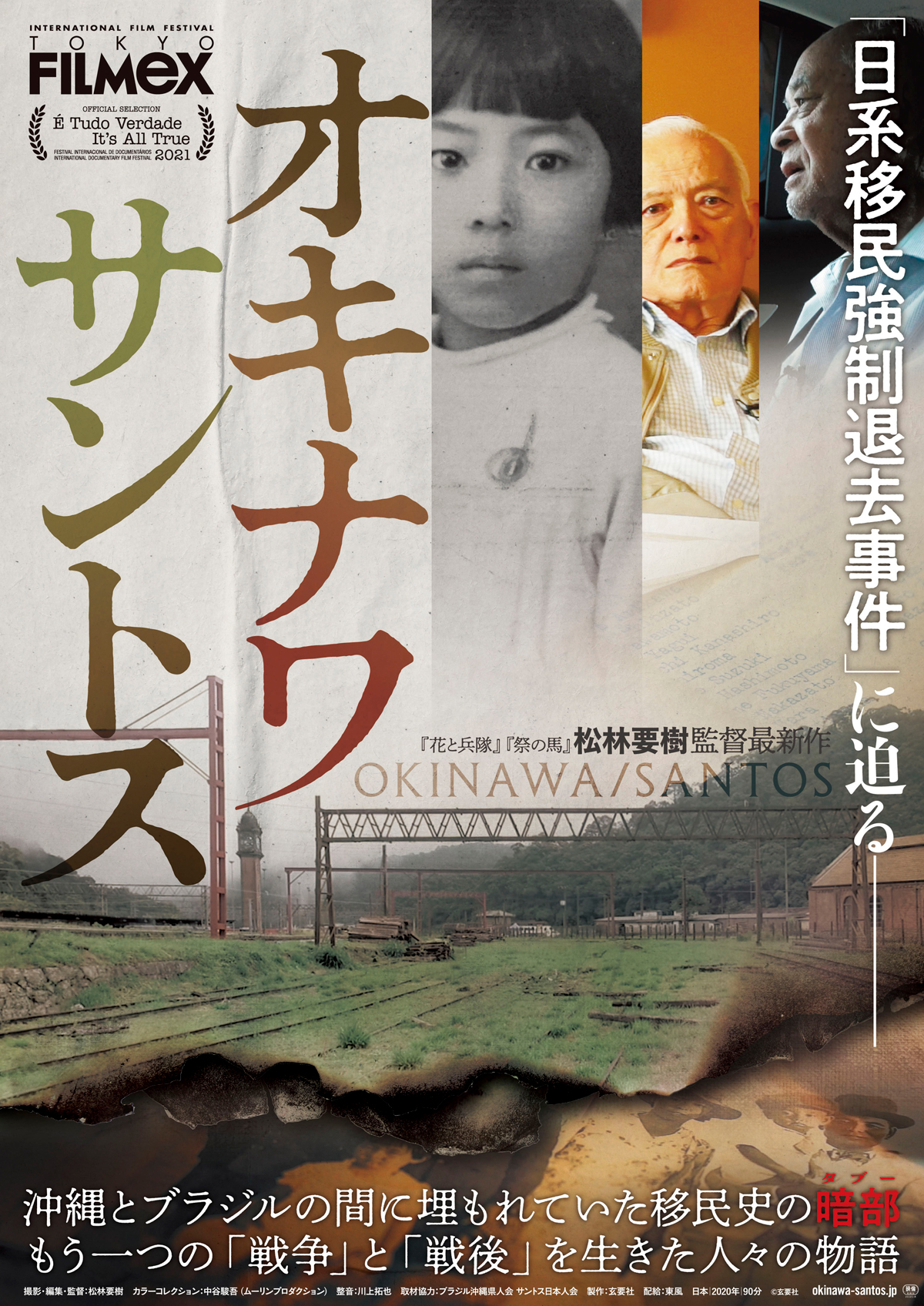
This is one reason given for why many settled in the harbour town of Santos, thinking it not worth their while to move further inland when they’d be going home soon enough. Yoju Matsubayashi’s documentary Okinawa Santos (オキナワ サントス), however, centres itself on a little known and traumatic episode of Brazilian-Japanese history, the forced relocation of the city’s Japanese community on July 8, 1943. Interviewing several of those who experienced the relocation first-hand many of whom were children at the time, Matsubayashi explores the position and legacy of the diaspora community the majority of whom hailed from the Okinawan islands rather the mainland. 

One of those interviewed explains that the rationale for the relocation was that Allied boats were sinking off the coast of Santos with alarming frequency and the authorities began to view the Japanese community, against whom there had already been a degree of prejudice, as potential spies. One now elderly gentleman recalls with sadness that his Brazilian friends abruptly stopped playing with him, calling him a “fifth columnist” in the streets. Japanese-language newspapers had already been shut down which is one reason few primary documents relating to the relocation exist, while speaking Japanese in public had also been banned. This might have seemed ironic to those who’d travelled from Okinawa where they also found themselves oppressed by the majority Japanese culture whose attempts at forced assimilation ran to banning the native Okinawan language, something they were comparatively free to preserve after relocating to Brazil

Midway through his documentary, Matsubayashi encounters this same divide even within the Japanese community receiving a phone call from a Brazilian-Japanese woman he’d interviewed who asks to be removed from the project apparently because of his interviewing so many from the Okinawan diaspora. An older man who later went into politics recalls the community having been largely segregated with the mainland Japanese often looking down on the Okinawans while each operated separate communal halls and intermarriage was frowned upon. Some hid their Okinawan heritage out of shame as Okinawans were regarded as not really “Japanese” but somehow other. This rift was apparently unhealed until the contemporary era though as the phone call implies may still to some extent survive. 

All were however subject to the relocation order as the now elderly children explain their fear and confusion in being cast out of their homes with little warning, having their farms looted while forced to leave most of their property and possessions behind. Crowded onto a train they were taken to an immigration centre in São Paulo before being moved on further into the interior but with little assistance or support dependent entirely on friends and relatives, other members of the diaspora, already living and farming inland. Many of the now elderly members of the community tearfully recount crushing poverty and discrimination, never having talked about their experiences even with their own children and describing them as unreal, like a sad dream from which they have never quite woken up. Meanwhile they continued to face prejudice after the war due to the presence of a minority group who couldn’t accept the Japanese defeat and apparently committed acts of terrorism against those who could, further harming the reputation of the Japanese community in mainstream Brazilian society to the extent that legislation was proposed to halt immigration from Japan which was finally defeated only on the grounds of democratic principle. Nevertheless, though many of those interviewed have been able to build happy, successful lives they are each affected by the traumatic legacy of forced displacement unable even to speak of their childhood suffering. 


Okinawa Santos screened as part of this year’s Camera Japan

Original trailer (no subtitles)

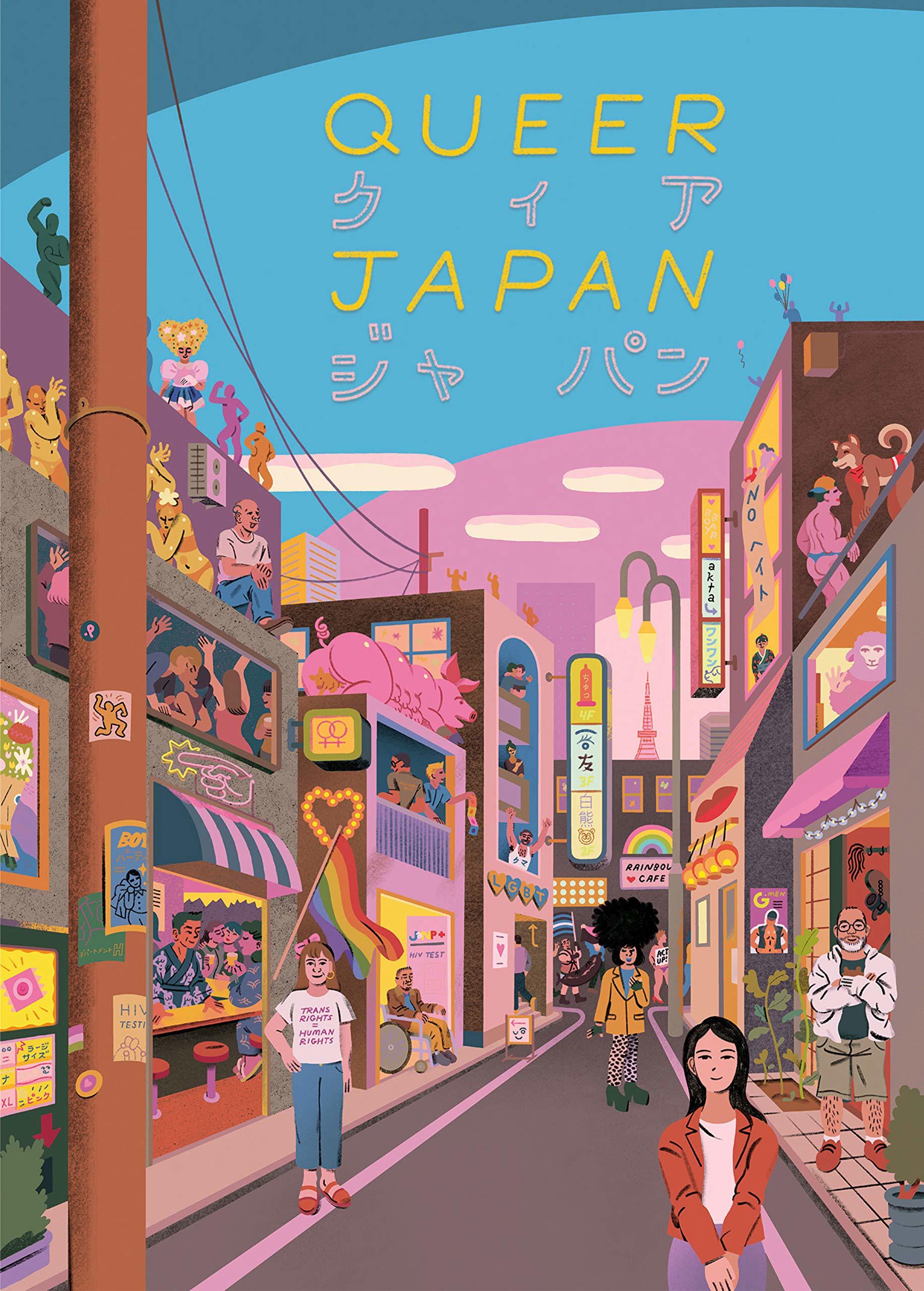
Queer Japan (クィア・ジャパン, Graham Kolbeins, 2019)

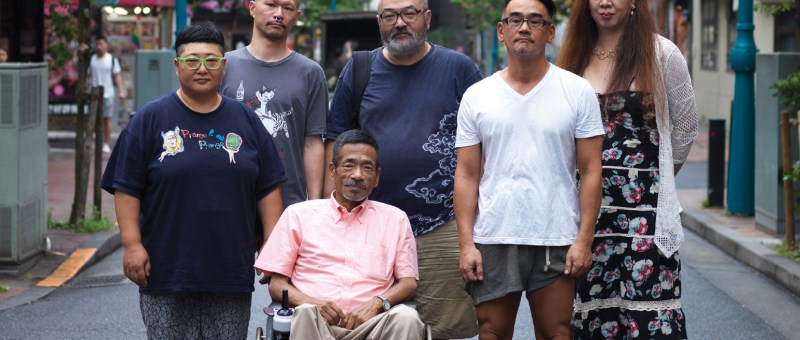
Japan has in recent years become a much more progressive place in which LGBTQ+ rights continue to advance though hopes that hosting the Olympics would finally provoke a shift in the political reality ultimately came to nothing with anti-discrimination and national equal marriage legislation still pending. Released in 2019, Graham Kolbeins’ comprehensive documentary Queer Japan (クィア・ジャパン) as its name suggests explores the lives of ordinary people across the spectrum of the LGBTQ+ community yet cannot perhaps avoid falling victim to, as one interviewee points out, a certain degree of exoticisation even while demonstrating the diversity present with the community itself.

Nevertheless, Kolbeins is keen to stress the warmth and solidarity found with the various subcultures he explores such as that surrounding Department H, a costume fetish ball at which all are welcome from gay furries and puppy play enthusiasts to avantgarde artists such as a young woman whose multi-person rubber pig giving birth is notable inclusion. As the club’s hostess, drag queen Margarette, points out the fetish scene often transcends ideas of gender, the club providing a totally safe, inclusive, and relaxed place where anyone can come to be themselves and find acceptance. 

That has not always been true when it comes to other aspects of the community as evidenced by the controversy surrounding lesbian bar Gold Finger which came under fire some years ago for refusing admittance to transwomen under its longstanding women only policy. Interviewed here Chika Ogawa outlines her original reluctance to admit transmen who had previously been frequent customers prior to transition but eventually reconsidered to team up with another group to host an evening geared towards transmen and masculine women as a place where the community can come together. 

As explained by activist Fumino Sugiyama, it is legally possible to change one’s gender in Japan though the conditions are somewhat draconian and require the surgical removal of reproductive organs which some have viewed as a breach of fundamental human rights. The change in the law was largely due to Japan’s first transgender lawmaker Aya Kamikawa who outlines how difficult her life had been unable to change her gender on her family register creating problems when trying to rent an apartment, access healthcare, or gain employment. She admits that the law passed was very strict, but laments the limits of what is possible under the current LDP administration and its ultraconservative outlook as evidenced by gaffe-prone politician Mio Sugita’s characterisation of the LGBTQ+ community as “unproductive” and therefore not deserving of social benefits. 

Pioneer of gay manga and G-Men co-creator Hiroshi Hasegawa remarks that the oppression faced by the community in Japan is often less direct than it might be elsewhere operating largely through societal shaming and a conformist social culture. Kolbeins discovers this to be true on visiting other cities such as Naha, Okinawa, where a cheerful dentist reveals that he only embraced his love of dancing at the age of 33 and spoke to no one for two years after receiving a bad reaction to coming out during university. Nevertheless, in the face of this indirect oppression the community has developed a sense of comprehensive, intersectional solidarity often coming out to counterprotest racist prejudice against ethnically Korean citizens and discovering that the anti-racist straight community often comes to Pride to support them in return. Bearing out this spirit of intersectionality, Queer Japan is fully subtitled in Japanese throughout while a deaf LGBTQ+ activist highlights the importance of proper sign language interpretation which is familiar with the community.

Even so, Japan’s LGBTQ+ community is subject to the same concerns as many others from around the world one Pride goer criticising the increasing commercialisation of the event, sympathetic that some degree of sponsorship is necessary to hold a celebration on this scale but also that you need to be accountable. Meanwhile a young trans person objects to the celebratory atmosphere insisting that all they want is to feel safe using the bathroom, love can wait. There is clearly work to do, but also much already accomplished one vox popper enthusiastically listing all of his various fetishes with thinly concealed glee while making a serious point about normalising condom usage. Featuring internationally well-known figures such as gay erotic manga pioneer Gengoroh Tagame alongside activists and ordinary members of the LGBTQ+ community, Kolbeins’ handsomely lensed doc showcases the diversity of queer life in Japan while never losing sight of the battles still to be won. 


Queer Japan screened as part of this year’s Queer East.

Original trailer (English subtitles)

No Smoking (Taketoshi Sado, 2019)

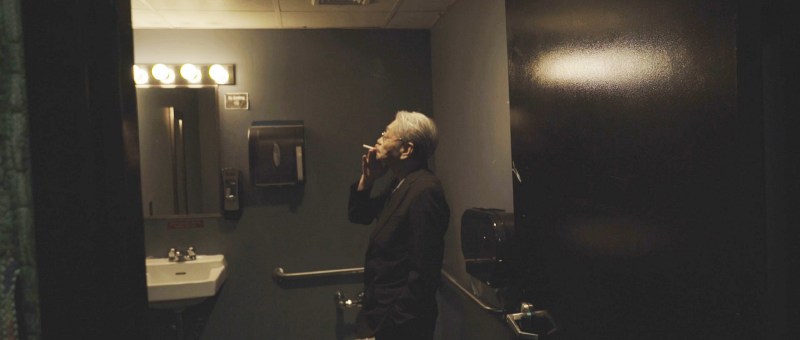
Celebrating the 50th anniversary of his musical debut in 2019, Haruomi Hosono has undoubtedly had a long and varied career shifting from countercultural folk rock to avant-garde electronica and bubble-era pop music. In later years, he’s become known internationally primarily for his film scores and particularly that of Hirokazu Koreeda’s Palme d’Or winning Shoplifters. Capturing footage from Hosono’s 2019 anniversary world tour, Taketoshi Sado’s documentary is equally meandering struggling perhaps to find a clear through line in regards to Hosono’s works. 

As such, it rockets through his early days with interesting family trivia such as his grandfather having been the sole Japanese Titanic survivor, his father’s secret dancing dreams, and his mother’s love of music. Picking up with his time at university, Sado more or less charts Hosono’s musical evolutions in chronological order though with little cultural context outside of a brief evocation of post-war devastation at the time of the musician’s birth. Accordingly he begins with Hosono’s uni folk rock band Apryl Fool which broke up after one album onto the hugely influential Happy End, various side projects, the avant-garde Yellow Magic Orchestra days, writing bubble era pop songs for idol stars such as Seiko Matsuda’s Tengoku no Kiss, and finally music for film composing the title track “Kaze no Tani no Naushika” for Hayao Miyazaki’s Nausicaä. 

Meanwhile, Sado shuttles between direct to camera monologues from Hosoda himself intercut with concert footage from the 2019 tour, legendary gigs, and rather a lot of Hosoda doing his famous silly walks. Sado does not include direct interviews with Hosoda’s collaborators or fellow artists, mainly allowing him to speak for himself, but does include footage of him with some who have been influenced by his music such as singer-song writer and actor Gen Hoshino who is apparently such a fan that he first met the artist while cosplaying his Harry Hosoda outfit from his famous Yokohama China gig, and LA musician Mac DeMarco who also appears onstage singing in Japanese at Hosoda’s LA concert. Actress Kiko Mizuhara and sister Yuka meanwhile also spend some time travelling with Hosoda in the UK appearing on stage in Brighton, while London’s Barbican Hall concert was also notable for the unexpected onstage appearance of Ryuichi Sakamoto briefly reuniting the Yellow Music Orchestra. 

The brief backstage footage from the event is among the more interesting in the slightly awkward interactions of the three band members despite Hosono’s claim that musicians can pick up where they left off with each other even after many years through the universal language of music. The 2019 tour however leaned heavily into Hosono’s boogie boogie covers rather than original tracks, while Sado seems content to mix and match between various concerts and adding vox pop comments from excited fans waiting to get in long after the first footage of the evening appears. Despite building towards the brief YMO reunion, he offers little commentary on relations between the former band members or why such an event is so viewed as so momentous. Rather he suggests that Hosono’s various musical projects existed more or less concurrently serving particular purposes in reflecting his specific creative desires. 

“The keyword is free, when when I touch what’s free my heart dances” Hosoda explains in one of his monologues, hinting at this process of continual meandering between musical genres that culminates perhaps paradoxically with revisiting the music of his childhood in American boogiewoogie. The film’s ironic title is apparently inspired by Hosono’s love of smoking, as he explains he needs cigarettes to create and there is music in a puff of smoke. Hosoda does indeed nip off for a puff rather a lot, often seen with a tobacco or electronic cigarette in his hand or else doing some of his silly walks. Footage from Hosoda’s diaries and early illustrations fill in the blanks of Sado’s rough chronology, though he does begin to rely on footage from other interviews particularly towards the documentary’s end. Despite offering a comprehensive if whistle-stop tour of Hosono’s varied discography, there’s no denying that No Smoking remains somewhat superficial offering, only an unannotated overview, but does undoubtedly offer insight in following the man himself as he celebrates such a significant career milestone. 


No Smoking streamed as part of this year’s Japan Cuts.

International trailer (English subtitles)

Seiko Matsuda – Tengoku no Kiss

Ascension (登楼叹, Jessica Kingdon, 2021)

Factory worker inspecting the head of a sex doll during assembly in Zhonghan City, Guangdong Province, China, as seen in Ascension, directed by Jessica Kingdon. Image courtesy of MTV Documentary Films.

“Work hard and all wishes come true” according to a propaganda slogan pasted on a wall in Jessica Kingdon’s interrogation of the Chinese Dream, Ascension (登楼叹, dēng lóu tàn). Working her way through its various layers, Kingdon’s observational doc addresses the ironies of the contemporary society defined by its intense and ever growing wealth inequalities. According to a speech made by a dubious CEO approaching the film’s conclusion, China is a “fair society” his logic being that only the morally responsible are entitled to profit and society will find ways to rob those who’ve acquired their riches though illicit means of their ill-gotten gains while the trickle down economy otherwise ensures “wealth redistribution”. 

His justifications are, it has to be said, hard to accept. Kingdon opens the film with an aerial shot of a rooftop swimming pool in which the trio of women cleaning it appear tiny next to its comparativeness vastness as they care for a facility they may not be entitled to use. Descending to street level, we’re assaulted by PA speakers advertising for labour with promises of comfortable work, some which can be done sitting down, with accommodation in spacious dorms with aircon thrown in. Anyone would think there must be some kind of tremendous labour shortage, but the wages are lower than low, and employers apparently still picky over what kind of people they employ, stating an age cap of only 38 while banning those with criminal records or tattoos along with dyed hair and piercings. The excessively tall are also not welcome hinting at conditions more cramped than the announcements imply. 

Taking her camera inside the factories, Kingdon discovers people reduced to the level of automata, machines among machines mechanically sorting cooked poultry or stamping packaging while watching TV drama on smartphones. Workers complain that their bosses cheat of them of their pay and feel the need to bribe them by buying lunch to curry favour. Yet Kingdon also uncovers the absurdity of the everyday, shifting from a production line producing plastic bottles to an artisan workshop staffed almost entirely by women in cheerful yellow outfits with red gingham aprons crafting uncannily realistic sex dolls presumably for extremely wealthy, sometimes demanding clients. A worker stops to snap a picture of the doll’s nipples with a tape measure next to them to send for approval, while others obsess over the proper colouring for the areola or complain that the chemicals irritate their skin.

Shifting up a gear, she visits a school for bodyguards where the instructor randomly plays with a little goat for some reason hanging around outside and is then stung by a bee. The need for bodyguards is perhaps another symptom of increasing inequality as the super rich discover their “success” has only made them anxious for their safety. On the flip side, another school is busy training butlers for those enamoured of the trappings of feudalism. The instructor explains that one of her clients got a job as a PA right away and his sole responsibility was squeezing his boss’ toothpaste for him, preparing it in a little cup. Meanwhile across town, others teach proper business etiquette most particularly to female employees. A pretty woman is China’s business card, one enthusiastically points out selling the importance of cosmetics, while another even more dubious course in entrepreneurship has its participants “deciding” to earn millions within the year and then triple the amount in the next five. 

While a woman plumps pillows in a fancy hotel suite, painstakingly stripping a rose of its petals to place on a pair of towels folded into the shape of a swan, the wealthy enjoy leisure time at a huge water park which boasts a tunnel ride through the aquarium where “mermaids” swim alongside sharks and stingrays. Others ride a literal “lazy river” sitting in rubber rings styled like frosted donuts. Guests at a fancy French dinner praise American freedom, while others complain that Westerners criticise China’s human rights record but how can you think about human rights when you’re so poor your entire existence is occupied with survival? Billboards at street crossings bear footage of other people crossing, while a picture of Xi Jinping sits in the corner of a garment factory where they sew clothes embroidered with the logo “Keep America Great” and another worker rolls her eyes at claims the place is haunted. China’s greatest export, it seems, is irony. Kingdon’s beautifully composed shots add to the sense of absurdity as does the score veering from eerie synths to jaunty theme park music implying that the entire nation has in a sense become a playground for the rich and powerful built on wilful exploitation and the thoughtless cruelties of intense consumerism. 


Ascension opens the 13th Season of Chicago’s Asian Pop-Up Cinema on Sept. 15 before opening at New York’s IFC Center on Oct. 8 courtesy of MTV Documentary Films.

Why You Can’t Be Prime Minister (なぜ君は総理大臣になれないのか, Arata Oshima, 2020)

When Shinzo Abe stepped down in September 2020 citing a recurrence of the chronic illness which had caused him to resign from the same position in 2007 he did so as Japan’s longest serving prime minster having held the post since 2012. The centre-right Liberal Democratic Party has rarely been out of power since its foundation in 1955 though the opposition Democratic Party of Japan did achieve a minor breakthrough in the 2009 election only to lose out again in 2012, its reputation tarnished by a perception that it had not done enough during the 2011 earthquake and tsunami crisis. 

This is the background which informs Arata Oshima’s probing documentary Why You Can’t Be Prime Minster (なぜ君は総理大臣になれないのか, Naze Kimi wa Soridaijin ni Narenai no ka) which follows idealistic politician Junya Ogawa over 17 years from his beginnings as a 32-year-old former bureaucrat standing on a platform of integrity in politics, to a no less idealistic yet perhaps weary middle-aged man now sitting as an “independent” representative. Oshima perhaps partly answers the central question in a lengthy series of opening titles attempting to explain Japan’s rather complicated electoral system which operates both first past the post and proportional representation components. Although mitigated by the additional proportional representation list seats, just as in the UK Japan’s political system remains biased towards the centre-right by virtue of the fact that the leftwing vote is split between a number of different parties. As Oshima also points out, Ogawa’s rival for a first past the post seat is a dynastic candidate whose family is prominent in the local area. 

The other problem, if you want to call it that, is Ogawa’s essential personality and (near) unshakeable idealism. He stands on a platform of integrity in politics in which politicians should be accountable to the people they serve believing that the government has become overly complacent and forgotten about the lives of everyday citizens, the Abe regime famously focussing on their key concerns such as constitutional reform and the military. As such he watches as his more ruthless colleagues surge ahead of him, local rival Tamaki always managing to secure a first past the post seat by playing the political game while he scrapes through on the reserve list. Yet later he makes a fatal mistake, allowing himself to be persuaded to join Yuriko Koike’s Party of Hope after the proposed merger with the DP during the 2017 election. Current governor of Tokyo, Koike is a prominent figure on the conservative scene and member of the ultra-nationalist Nippon Kaigi. It’s not surprising that many of Ogawa’s supporters felt disappointed and betrayed on his decision to follow his mentor Maehara, on the right of the DP, and join the new party which could not credibly claim to reflect the values he’d hitherto espoused while even those accepting his logic that he was simply lending his voice to a unified anti-Abe coalition were put off by Koike’s duplicity in immediately walking back on earlier promises by announcing she would not accept all DP members into the Party of Hope.

“Your face is pretty but your heart is black” is just one of the many comments he receives from disappointed voters while out canvassing, another actively distancing herself from him before angrily remarking that he should have joined the CDP, a rival leftwing party set up by a former DP member Edano which promised to accept anyone who wanted to join. Yet the problem might not be so much the party as Ogawa’s inner conflict, wrestling with himself that he should have stood as an independent even if acknowledging he would have had a much harder time campaigning with no party backing him. His decision obviously conflicts with his pledge of integrity, a broken promise it will prove extremely hard to overcome while his secondary battle is and always will be legacy of the DP’s failure in government leaving many to assume only the LDP is qualified to govern. Following the party’s electoral defeat he does indeed sit as an independent but obviously acknowledges that he has far less influence even than he had as a less powerful list seat representative. 

Ogawa himself attributes his inability to become prime minster by an arbitrary date he’d thrown out after the 2009 opposition win engendered a false sense of hope for long lasting political change to his lack of personal ambition unwilling to do whatever it takes to climb the ladder, preferring to pursue his political goals ahead of his own position. He describes himself as an “otaku of making Japan a better place” and brands himself a centrist while advocating for socialist policies such as a welfare state modelled on that seen in Scandinavia. His parents who along with his wife and children are very much involved in his campaigning wonder if he’s too “pure” for politics, that his inability to compromise is the reason he can’t gain a foothold in the political establishment yet he refuses to give up, later telling Oshima in an otherwise unnecessary Covid-themed coda that if he didn’t think he could be PM he’d stand down right away. Politics needs men like Ogawa, Oshima seems to say, but the electorate isn’t so sure.


Why You Can’t Be Prime Minister streams in the US until Sept. 2 as part of this year’s Japan Cuts.

Original trailer (English subtitles)

Satoshi Kon: The Illusionist (Satoshi Kon, l’illusionniste, Pascal-Alex Vincent, 2021) [Fantasia 2021]

“A genius but a nasty guy” is the way a former collaborator describes the late director Satoshi Kon, a sentiment echoed by others who’d worked alongside him though many also describe him as gentle if reserved remarking on his seeming impenetrability. Pascal-Alex Vincent’s documentary Satoshi Kon: The illusionist (Satoshi Kon, l’illusionniste) is less interested in illuminating the man than briefly sketching an overview of his career yet nevertheless seems to content to present him as an enigmatic figure filled with contradictions which his work, in some way, was intended to resolve. 

Skipping over Kon’s early life and beginnings as a manga artist, Vincent begins with Perfect Blue before proceeding through each of his features chronologically finishing with the incomplete Dreaming Machine. In essence a talking heads doc, he interviews a series of well-known figures in the anime world such as fellow directors Mamoru Oshii, Mamoru Hosoda, and Jin-Roh’s Hiroyuki Okiura, as well as those who had worked with Kon directly, the international filmmakers who’d found inspiration in his work such as Darren Aronofsky, Jeremy Clapin, Marc Caro, and Rodney Rothman, and experts in anime and manga history. 

In a sense, Vincent is less interested in Kon as a man than in the lasting impact of his oeuvre, which does in a sense lend an uncomfortable imbalance in implying Kon’s work is of greater importance because of the influence it went on to have on Western, particularly Hollywood, cinema. Kon’s impact on contemporary anime for example is not addressed in any real depth save for implying that it gave the art form permission to deal with more mature concepts and ideas which in itself implies that it up to that point had not done so. 

Yet even if Kon is described as “prickly”, an intense perfectionist unable to tolerate failure or resistance, he is also regarded as another kind of innovator in his determination to change the notoriously difficult, often exploitative working culture of the contemporary anime industry. Despite facing financial hardship, he ensured his crew members and animators were paid fairly while also determined to support the next generation of anime creatives. His goodbye letter published the day after he passed away similarly expresses concern for his animators now left adrift with Dreaming Machine destined to remain incomplete. A former colleague remembers Kon as a patient mentor and teacher, gaining a new appreciation for him when she dared to challenge some of the attitudes she found unpalatable in his work including his depiction of women only for Kon to reveal that the women in his films are often reflections of himself. Thus Mima’s torment is an expression of his own in dealing with the fractious politics of the anime and manga industry. 

According to others, the desire to address these issues was born of that to resolve the things he did not understand, Kon again describing the heroine of Millennium Actress’ quest to retrieve a lost key as like that of a director pursuing the idealised vision in his mind, finally arriving at the conclusion that what he loved was the chase itself. His work was frequently concerned with the interplay between dream and reality, yet his vision could sometimes be at odds with others’ describing Paprika as his “Sailor Moon” movie intended as a piece of commercial cinema about a dream hopping “magical girl”. Despite his perfectionism, his universe was anything but black and white, a space which held no place for those who embody evil and sought only to understand. According to an archive interview, Dreaming Machine would have marked a break with his persistent themes, aimed at children as well as adults though apparently also dealing with some darker ideas as mankind’s children attempt to survive their orphanhood. It’s this sense of contradiction which gives Kon’s work its power, at once a man who “radiated gentleness” but was unafraid to speak his mind, bluntly berating a colleague for not pulling his weight but hurt and confused when the colleague declined the opportunity to continue working together because of his intense management style. “He had two sides to him. He could be a nasty guy. A really nasty guy, OK? But I loved him” according to Madhouse’s Masao Maruyama, “He’ll always be in our hearts” a contradiction to the last.


Satoshi Kon: The Illusionist streams in Canada until Aug. 25 as part of this year’s Fantasia International Film Festival.

Original trailer (English subtitles)