Samurai Hustle Returns (超高速!参勤交代 リターンズ, Katsuhide Motoki, 2016)

At the conclusion of 2014’s Samurai Hustle, it seemed that samurai corruption had been beaten back. Corrupt lord Nobutoki had got his comeuppance and the sympathetic “backwoods samurai” Naito was on his way home having found love along the way. Of course, nothing had really changed when it comes to the samurai order, but Naito was at least carving out a little corner of egalitarianism for himself in his rural domain. 

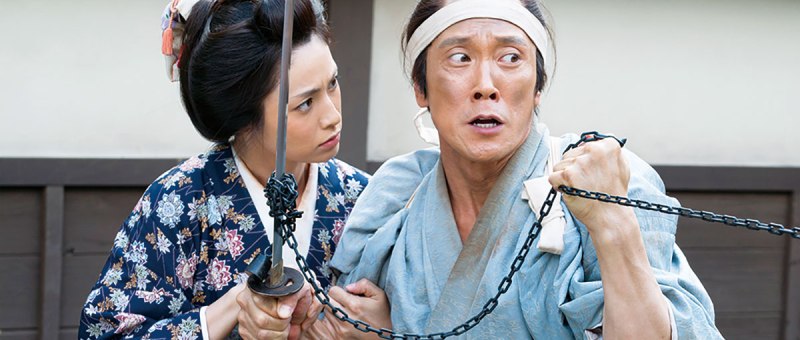
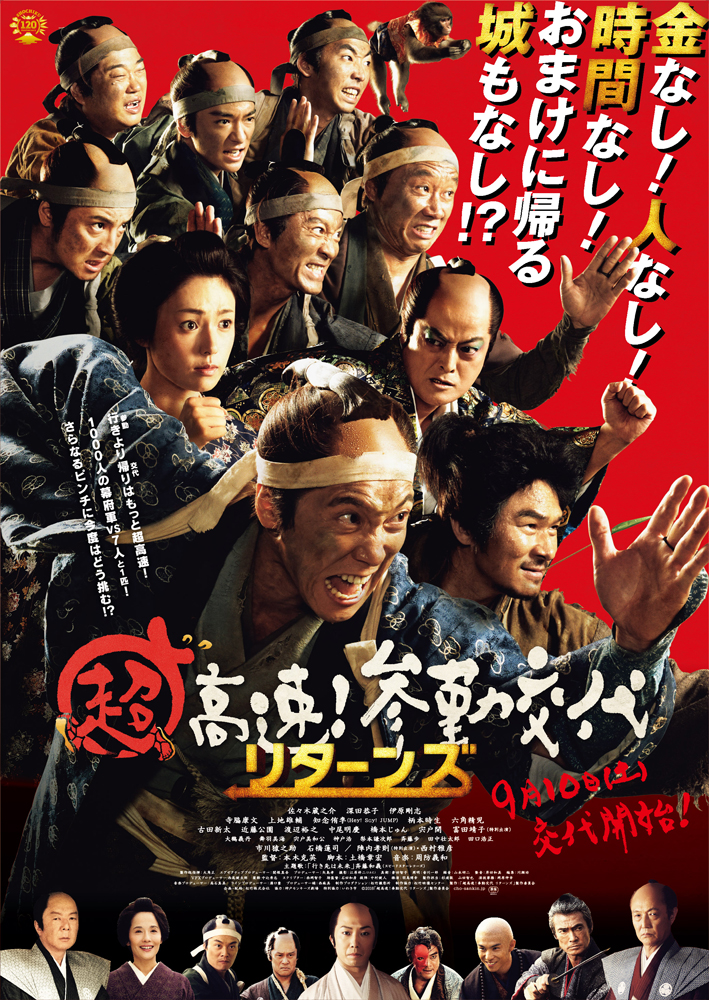
The aptly named Samurai Hustle Returns (超高速!参勤交代 リターンズ, Cho kosoku! Sankin kotai returns) picks up a month later with Naito (Kuranosuke Sasaki) taking a rather leisurely journey home in preparation for his marriage to Osaki (Kyoko Fukada) only to receive news that there has been a “rebellion” in Yunagaya. Predictably, this turns out to have been orchestrated by none other than Nobutoki who has been released early from his house arrest thanks to his close connections with the shogun but has been humiliated at court and is otherwise out for revenge with a slice of treasonous ambition tacked on for good measure. Just as in the first film, but in reverse, Naito and his retainers must try to rush home to get there before the imperial inspector arrives or else risk their clan being disbanded. 

Meanwhile, the shogun is absent at the wheel after having decided to resurrect an old tradition abandoned because of its expense and inconvenience to make a pilgrimage to Nikko. In an interesting parallel, the farmers are uncharacteristically upset with Naito, blaming him for the destruction of their fields because he wasn’t there to protect them. Naito also feels an additional burden of guilt given that, having run flat out all the way to Edo, he took his time coming back leaving his lands vulnerable to attack while he now risks losing the castle. Nobutoki wastes no time at all looking for various schemes to undermine him while secretly plotting to overthrow the shogun and usurp his position for himself. 

As in the first film, the battle is between samurai entitlement and the genial egalitarianism of Naito’s philosophy. “The real lords of Yunagaya are people like you who are one with the soil,” he tells the farmers, while Nobutoki sneers that “lineage rules supreme in this world, inherited wealth breeds more”. It doesn’t take a genius to read Nobutoki’s machinations as a reflection of his insecurity, that he invests so much in his rights of birth because he has no confidence in his individual talents. Naito counters that it’s the people around him that matter most, “people are priceless. Friends are priceless,” but Nobutoki rather sadly replies that people will always betray you in the end. Even the shogun eventually agrees that “anger brings enemies, forbearance brings lasting peace” but treats Nobutoki with a degree of compassion that may only embolden him in his schemes.

“Nepotism has endangered the shogunate,” the shogun ironically sighs apparently lacking in self-awareness even if beginning to see the problems inherent in the samurai society but presumably intending to do little about them. “No government should torment its people,” Naito had insisted on boldly deciding to retake his castle but even if this particular shogun is not all that bad, it’s difficult to deny that his rule is torment if perhaps more for petty lords like Naito than for ordinary people or higher-ranking samurai. Naito struggles to convince Osaki that she is worthy of his world and only finally succeeds in showing her that she has nothing prove and love knows nothing of class. The people of Yunagaya are impoverished but happy, satisfied with the simple charms of pickled daikon unlike the greedy Nobutoki whose internalised sense of inadequacy has turned dark and self-destructive. 

Then again, Naito is still a lord. He obeys the system out of love for his clan and a genuine desire to protect those around him but otherwise has little desire to change it actively even if his quiet acts of transgression in his closeness with the villagers and professions of egalitarianism are in their own way a kind of revolution in a minor rejection of the shogun’s authority to the extent that the time allows. Nevertheless, with his return journey he once again proves the ingenuity of a backwoods samurai getting by on his wits as he and his men race home to save their small haven of freedom from samurai oppression from the embodiment of societal corruption.


Trailer (no subtitles)
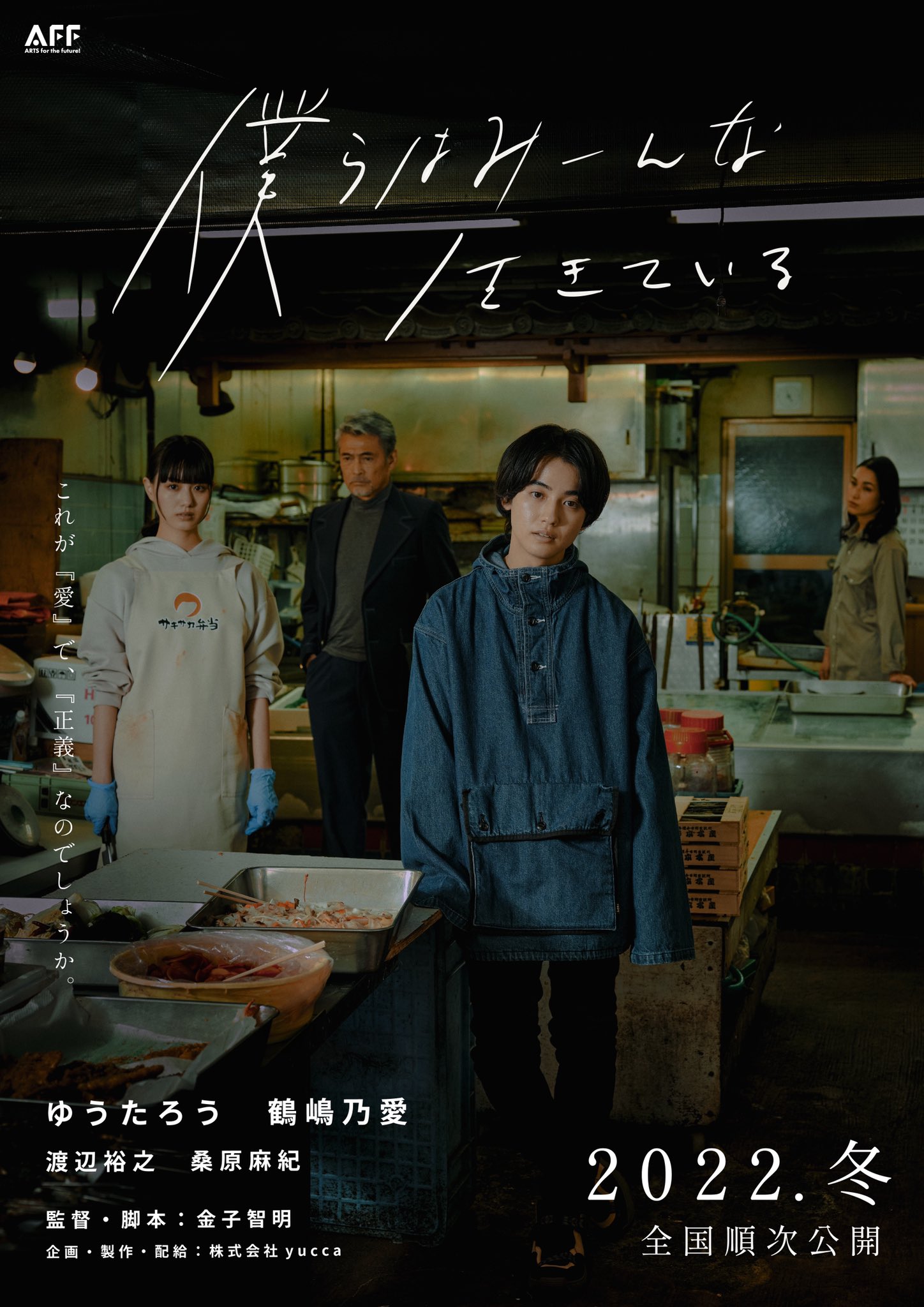
Dead Fishes (僕らはみーんな生きている, Tomoaki Kaneko, 2022)

Fearing he knows nothing of the world, a young man comes to Tokyo in search of experience but finds his horizons broadened a little more than he might have liked in Tomoaki Kaneko’s bleak indie drama Dead Fishes (僕らはみーんな生きている, Bokura wa Minna Ikiteiru). Legacies of poor parenting, either from an overabundance of love or.a lack of it, continue to cast a shadow over the futures of the young while love otherwise makes people do funny things that defy both logic and humanity.

One of the key reasons Shun (Yutaro) leaves his rural hometown is to get away from his parents and their tempestuous marriage though it’s also true that his mother has become more than a little possessive and he clearly does not want to end up trapped by her all his life. He dreams of becoming a writer, but tells new friend Yuka (Noa Tsurushima) that writing for him was more of an escapist than artistic exercise. Most of his books are of the kind where nothing really happens, a kind of wish fulfilment writing stories about the happy family he never had in which parents and children enjoy cheerful days out at the beach or the zoo, which is why he suspects publishers aren’t biting.

But Yuka has parental resentments too, explaining that her mother took her own life after her father abandoned them before she was born. She has a healthy distrust of adults and the in-built cynicism of someone twice her age but also resents herself for having been unable to enact revenge on her absent father. Nevertheless, she feels sympathy for the old people living in the local care home who have also been, according to her, “abandoned” by their families who no longer wish to care for them. Their boss, Yuriko (Maki Kuwahara), is currently caring for her mother who is suffering with dementia and occasionally becomes violent or refuses food though as the pair discover she is also mixed up with her much older boyfriend’s heinous scheme to help overburdened children knock off their elderly relatives through slow poisoning or an “accident” in return for a portion of their life insurance money.

The scheme both bears out the corrupted relationship between parent and child and the darkness of the contemporary society in which, as the Chairman (Hiroyuki Watanabe) says, the elderly can benefit their families only by dying. Despite having become aware of the goings on at the bento shop, neither Yuka nor Shun are particularly motivated to do anything to stop them, simply living on in resentment or disapproval. Yuriko tells him that he can’t understand her actions because he’s too young and has never been in love, but it’s also true that she was supposed to get a healthy payout for the slow poisoning of the man the Chairman made her marry for appearance’s sake who is likewise aware they’re planning to kill him but basically allowing them to because of love. Love is also the justification Shun’s mother gives when she arrives unnanounced and ends up talking to Yuka, explaining that she’s never thought Tokyo was right for her son so she’s found him a job back home which is after all not really her decision to make. 

But then again even Shun’s writing dreams become corrupted by the city when he’s hired to write a column for a pornographic magazine that’s only distributed in local brothels. Even the editor who hires him appears beaten down and desperate, explaining that he was once a writer too but seemingly ashamed of his current profession later decided to cut his losses and return to his hometown stopping to warn Shun only not to turn out like him or to let himself be changed by the environment he now finds himself in.

By contrast, Yuka’s flighty roommate Mika (Haruka Kodama) says she’d rather die than live with dead fish eyes escaping from her own despair and disappointment through casual sex work to supplement her income from working at a black company. Claiming that all you need in life is a money and good reputation, she’s planning to string this out until the end of her 20s in the hope of meeting a nice man to settle down with for a traditional housewife existence. Bleak in the extreme, Kaneko leads this moribund small town a sense of futility and emptiness and sees little way out for an orphaned generation other than to surrender themselves to the indifference of the world around them.


Original trailer (no subtitles)

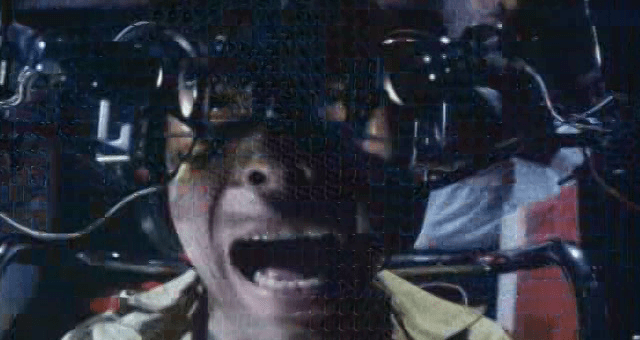
It’s All Right, My Friend (だいじょうぶマイフレンド, Ryu Murakami, 1983)

Ryu Murakami was already a prize-winning author who had successfully adapted his own novel for the screen when he began work on 1983’s It’s All Right, My Friend (だいじょうぶマイフレンド, Daijobu My Friend) yet he was perhaps an odd choice for the material. A big budget blockbuster produced by Toho, the film may have been intended to echo the kind of films Kadokawa was making with its teenage starlets and media mix strategy and like them is largely built around the title song performed by star Leona Hirota. But what might have worked as a countercultural piece of punk cinema if made on a shoestring by starving artists could not help but fail when blessed with the production values of a mainstream picture. 

A case in point, the film stars Hollywood actor Peter Fonda as an alien, Gonzy, who has lost the ability to fly causing him to plummet into an outdoor swimming pool where the three heroes are hanging out. Fonda delivers all his lines in English, while everyone else replies in Japanese. Gonzy explains that he was raised in the US by a kindhearted scientist who taught him to speak (his first words were “Merry Christmas”) but longs to visit his home planet. Meanwhile, he’s being hunted by a mysterious fascistic group of misogynistic eugenicists who want his genes for their cloning programme which hopes to eliminate the need for human women to exist at all. 

Doors have apparently already taken over factories, family restaurants, and psychiatric institutions such as the Tachibana Mental Hospital where they take heroes Monica (Yoshiyuki Noo) and Mimimi (Leona Hirota) and try to brainwash them to recognise a pigeon as an apple and aeroplane as a banana. They also drill into the brain of a young man they describe as a poor delinquent in order to turn him into an obedient drone, the implication being that they wish to turn mankind into a race of automatons and possibly resent women because they pose a threat to their plan. Then again, there is a distantly homoerotic quality to the relationships between the Doors, two of them later dying with clasped hands aside from all their strange musical numbers about how women are inferior and produce only substandard offspring.  

Ryuichi Sakamoto is credited as a composer on the film and the Doors’ henchman appear to be closely styled to resemble Yellow Magic Orchestra, often mimicking their dance moves while otherwise faceless and anonymous behind their identical sunglasses and slicked back hair. Murakami signals his intentions in the opening scene in which Mimimi has a dream sequence in the manner of classic Hollywood musical. She dances with an American sailor against a backdrop that strongly recalls the noir cinema of the late 40s until a car full of gangsters turns up and shoots him with a machine gun leaving her kicking around on her own. Music becomes the device that can break through the Doors’ programming, the drones beginning to twitch to Monica’s Harmonica provoking a vision of dancers in gold lamé that finally ends in a mass disco of liberation from the authoritarian thought police that restores Gonzy’s ability to fly. 

Even so, the reason he couldn’t was apparently his aversion to his personal kryptonite, tomatoes, whose voices he can hear whispering that they hate him and thereby suppressing his powers in reawakening memories of his childhood trauma along with his low self-esteem. To help him fly again, the gang engage in a series of crazy episodes including hang gliding in Saipan while Gonzy continues as an innocent with an incredibly vulgar sensibility eventually turning his “bazooka-like” ejaculate into a key weapon. There might be something in the echoing of an early ’80s anxiety about dangerous technology and weird techno-cults with shady motivations for their scientific endeavours though the irony is often buried under the swanky blockbuster production values and destabilising presence of Fonda who is quite literally in a different film from the rest of the cast by virtue of speaking his own language and being unable to understand what is going on. Even so, the film like the title song is essentially a kind of tribute to intercultural friendship in the bond that arises between the trio of aimless youths and the middle-aged space alien who’s trying to find his way home. Decidedly strange and defiantly surreal, Murakami’s weird countercultural blockbuster is a forgotten piece of 80s pulp but perhaps exposes something of the anxieties of a Japan heading towards the height of its prosperity and developing a fear of flying if not quite of tomatoes.


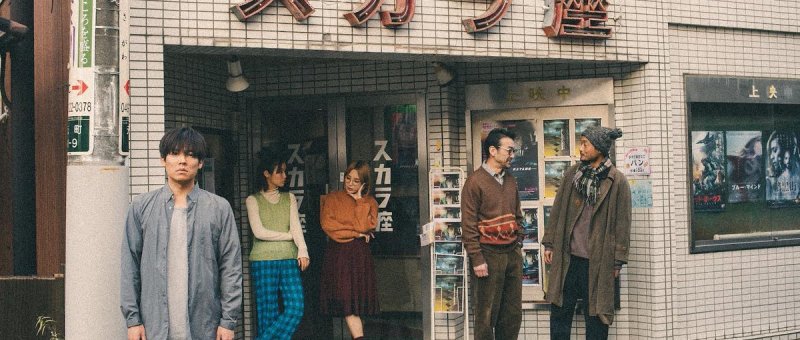
Twilight Cinema Blues (銀平町シネマブルース, Hideo Jojo, 2023)

Japan’s mini theatres have been in a status of crisis since the pandemic. Already struggling under the weight of changing times the immediate restrictions pushed many over the edge unable to entice older regulars back into screens or find a new audience among the young. This is doubly bad news for the industry as a whole as it’s mini theatres that allow indie films the platform they need to succeed and without them there is little avenue for films produced outside of the mainstream. Like Lim Kah-Wai’s Your Lovely Smile, Hideo Jojo’s Twilight Cinema Blues (銀平町シネマブルース, Ginpeicho Cinema Blues) similarly extols the virtues of the mini theatre which is not just somewhere to watch films but a place to belong that has room for anyone and everyone that wants to be there.

That’s more than true for Takeshi (Keisuke Koide), a struggling man approaching middle age who’s become near destitute and is almost sucked into a welfare scam targeting the homeless by a pair of shady yakuza claiming they run an NPO. At the orientation he runs into Kajiwara (Mitsuru Fukikoshi ), the owner of a mini theatre who declines to join the gangsters’ scheme but offers Takeshi the opportunity to bunk in his storeroom while working part-time little knowing that to Takeshi this particular mini cinema is like a return to source allowing him to rediscover his love of film.

But the mini cinema itself is also struggling. They simply don’t get bums on seats and Kajiawa is behind on paying his staff. Though they have a small collection of regulars, they aren’t enough to keep the lights on on their own. Even the projectionist is thinking he’ll probably retire along with the machine. Unable to afford new films, Kajiawara relies on cheap and easily licensable classics such as old favourite Casablanca but is largely unable to see away out of his situation while feeling guilty over ending what was effectively a family business and local landmark. The building’s 60th anniversary, 60 being a symbolic number in Japanese culture as it represents a full turn of the Chinese zodiac and literal new start, presents an opportunity to both Kajiawara and Takeshi to begin to move forward by renewing their faith in cinema.

The faith of Takeshi’s homeless friend Sato (Shohei Uno) needed no renewing. Though he had nothing, the ability to see a film twice a month made him feel human while the community at the cinema is perhaps the only one that still accepts him. He offers a small prayer after every film, and instructs Takeshi that he should the same. But his openhearted faith is also his undoing, allowing him to fall for the yakuza scam little realising they’ll force him to work for them taking half of the social security payments they helped him sign up for in the process. In the outside world, men like Sato find only exploitation and prejudice with cinema their only refuge.

Then again, filmmaking isn’t easy. A young woman who desperately wanted her debut film to play in her hometown cinema has based her first feature on the life of her father, a failed film director who drank himself to death (in a neat allusion to Oshima’s Cruel Story of Youth, her film’s title literally translates as “cruel story of a director”). Similarly, the suicide of a much loved assistant director has prevented those around him from moving on, preoccupied with the shock his death caused them in its suddenness and lack of obvious cause. They blame themselves sending their lives into a downward spiral that results in crushing financial debts and the end of a marriage. In some ways, the film is an ode to the ADs who keep everything running, including on occasions the director, and are in a sense the custodians of filmmaking.

Still, it’s clear that not everything can seamlessly repaired. Times have moved on even if some have been left behind and you can’t always simply reclaim what you’ve lost, but you can always start again with another spin of the wheel and make the most of what you’ve got. It won’t be the same, but that doesn’t mean it won’t be good. Jojo’s heartwarming tale of cinema has an undercurrent of darkness and despair running beneath, but also suggests that the silver screen can be a beacon hope when the world is at its bleakest and not least for those whose existence largely lies behind it.


Screened as part of this year’s Japan Foundation Touring Film Programme.

Original trailer (English subtitles)

Popran (ポプラン, Shinichiro Ueda, 2022)

“Wieners are stuck to the body, they can’t go flying!” a confused father attempts to convince his toddler son, but as the young boy had said that isn’t quite the case. The hero of Shinichiro Ueda’s Popran (ポプラン) has been, well, to put it bluntly, a bit of a dick to just about everyone in his life but when even his bits seem to have become tired of his schtick it can’t help but provide something of a wakeup call. More surrealist morality drama than scatological comedy, Popran’s heart at least is in the right place as its hero attempts to, literally, piece himself back together to repair his fractured integrity. 

As we first meet 30-ish entrepreneur Tagami (Yoji Minagawa ), he’s being interviewed for a documentary that wants to explore the real lives of well-known people. As might be expected, the opening questions are fawning, pointing out his vast success at such a young age as the developer of app and manga publishing platform but the atmosphere soon changes when they stray into less positive territory. It seems Tagami’s success might have come as a result of betraying his old friend and business partner, while he also abandoned his wife and child to chase success in Tokyo and apparently has become estranged from his parents. His well-meaning PR shuts down the interviewer’s attempts to ask anything remotely challenging, yet it’s obvious that something inside Tagami is dying even as he reads out a cheesy speech he’d written about the importance of following the compass of your heart from a cue card held up by his assistant. 

We can see what kind of man he is or has been when an excited employee approaches him in the corridor about an exciting project but, feigning politeness, he has to ask his assistant who the guy was once he’s gone. At a birthday party for one of their writers, he leers over a woman sitting behind him and offers to introduce her to their editing department when she tells him she’s interested in writing something herself despite his clearly stated policy of not running original material only buying rights to distribute perennially popular series. It’s after taking her to bed with false promises that he discovers his penis is missing. 

More than a symbol of his masculinity, the errant penis is an indictor of his misplaced desires and lack of both moral fibre and impulse control. To achieve success he’s screwed over countless people besides the young woman who seems to have been the last straw for his literally alienated genitalia leaving a trail emotional chaos in his wake. After discovering that he is not the only one to fall victim to the “Popran” phenomenon he is forced to face himself, his moral cowardice, anxieties, and fears, and reckon with his sense of inadequacy and disappointment. Just as in the message he’d delivered to the youngsters watching the documentary, he too needs to take a look at the compass of his heart and realise he’s been reading it wrong chasing down his penis with a butterfly net before realising he knew where it was all along he just needed to go back to where it all started and remember who he really is. 

Then again, there is perhaps something of frustrated masculinity in Tagami’s quest. As his friend point out, he makes all his money exploiting other people’s labour while offering nothing new of his own. In the interview, he’d said he wanted to be a mangaka but felt he wasn’t good enough so decided to become a distributor instead setting up the company with a colleague from the manga cafe where he was working. But they parted ways because his friend wanted to publish original material and with his eye on the bottom line Tagami forced him out. Where his friend is now running a small studio from his apartment and even while not wealthy creatively fulfilled, Tagami has become rich but empty. Obviously that’s not to say there’s no value in the kind of work he does, but he’s begun to appropriate others’ success as his own with no real thought for their well-being. Chasing his dick around is also in its way a desire to regain his creative mojo as symbolised in his re-energised commitment to publishing original material rather than simply raking in royalties from safe and stable classics.  

As is often pointed out to him, his fantastical tale sounds like something out of a manga though Popran is certainly less reflexive than Ueda’s previous efforts telling a story which is much smaller in scale though also in its way heartwarming as the hero is pulled around by the penises of past and present if not future before reaching a moment of emotional maturity that allows him to exercise a more healthy control over his desires knocking his dickish behaviour on the head to wise up and realise being a man’s about treating others with respect and dignity. Some things you can’t just stick back on if they fall off, but you can at least acknowledge that you should have treated them better and resolve to be happy that they have at least found better futures as you might yourself if only you can figure out which compass to follow. 


Popran streams in Germany until 6th June as part of this year’s Nippon Connection.

Original trailer (English subtitles)

Images: Ⓒ ”Popran” Film Partners

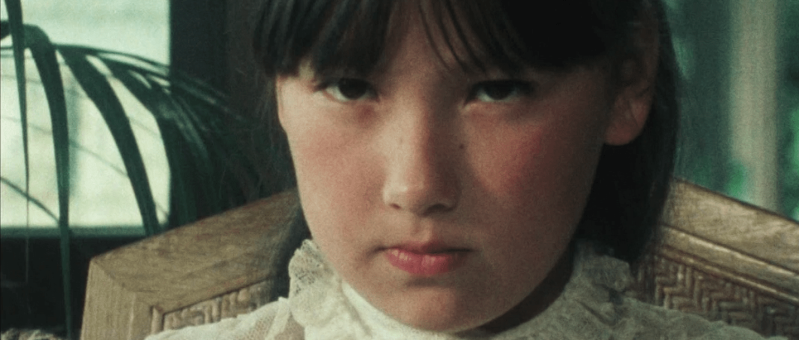
Lovely Devils (可愛い悪魔, Nobuhiko Obayashi, 1982)

Until fairly recently, the work of Nobuhiko Obayashi had been largely unappreciated in the Anglosphere where he is associated most closely with his debut film House which was itself somewhat grudgingly respected as a “crazy” midnight movie. He was however surprisingly prolific and especially so for a director working through the difficult 1980s in a 60-year career which ended only with his death after a protracted illness itself ironically announced on the day his final film, Labyrinth of Cinema, should have opened in Japanese cinemas had it not been postponed in light of the coronavirus pandemic. Produced for television in the same year as I am You You Are Me, Lovely Devils (可愛い悪魔, Kawaii Akuma) is among those which Obayashi did not script for himself but is penned by Machiko Nasu and apparently inspired by The Bad Seed though Obayashi later revised the script to remove traces of the original work unwilling to create a simple homage. 

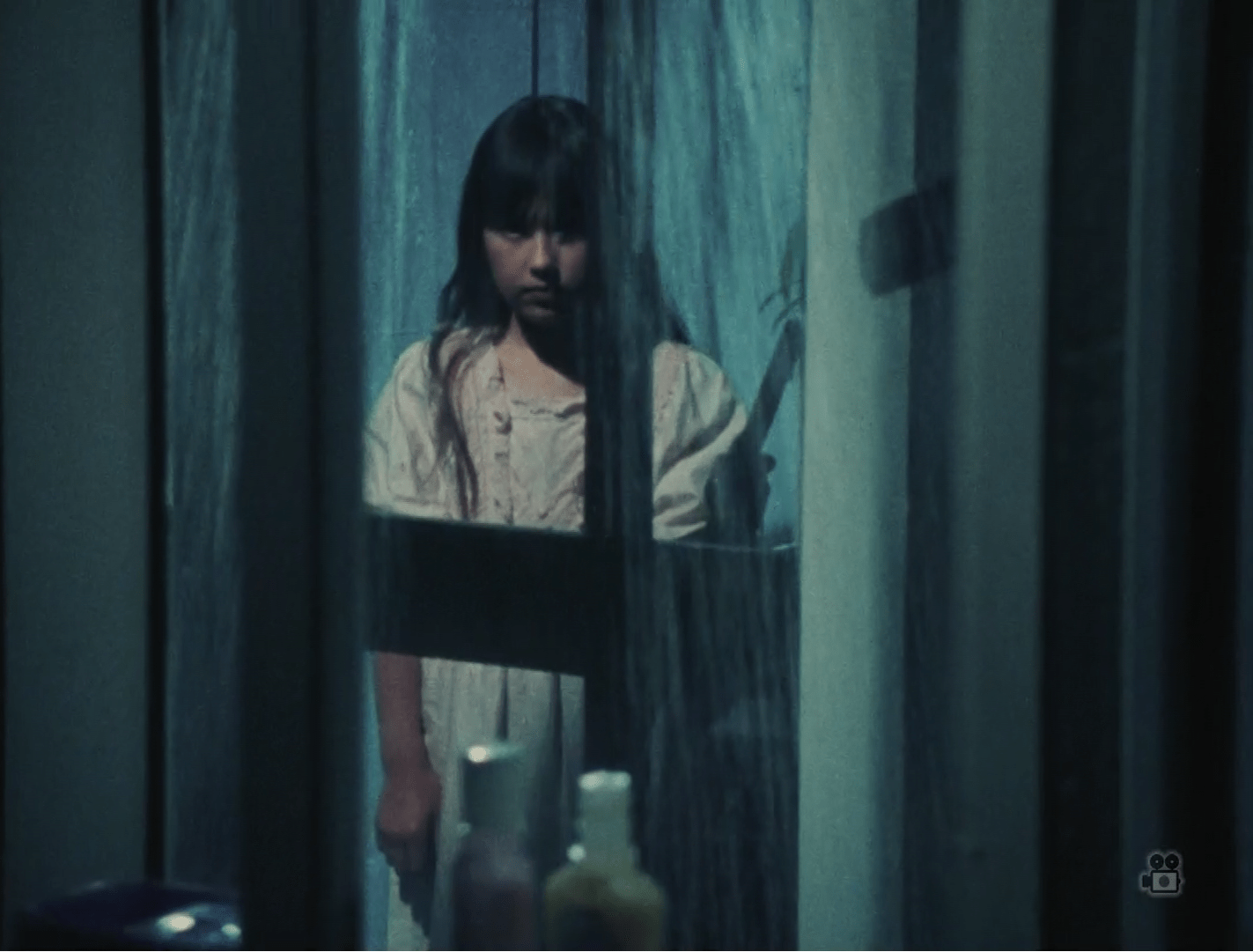
Similar in tone to Obayashi’s later The Deserted City, Lovely Devils is at heart a twisted gothic romance cautioning against the dangers of an excessive thirst for love. In ‘70s Japan, a wedding takes place at small church during which 5-year-old Alice, niece to Koji (Hiroyuki Watanabe) the groom, becomes overly attached to the veil of the bride, Fuyuko (Nao Asuka), and in the manner of entitled small children everywhere demands to be given it. Fuyuko tries to explain that she plans to hang on to the veil for the rest of her life as a keepsake and is sure that Alice will have an even prettier one of her own someday, but Alice creepily asks if that means she can have it when Fuyuko dies and, wanting to bring an end to the matter, she unwisely agrees. While everyone is busy assembling for the wedding photos in the garden, Fuyuko violently tumbles out of an upstairs window, her broken body landing on the patio below only to be met by Alice excited about collecting her veil. 

Meanwhile, at the same time in Vienna, Fuyuko’s exchange student sister Ryoko (Kumiko Akiyoshi) is in the middle of a difficult breakup with her local boyfriend Johann in which she, perhaps understandably, tells him to go die only to see him get hit by a car on his way out of her apartment. Overcome with guilt and grief in believing that she somehow killed Johann by wishing for his death, Ryoko goes quietly mad until her landlady contacts Koji who comes to bring her home and places her into a mental institution run by a convent in which the resident psychologist, Dr. Tsukahara (Toru Minegishi), is also a priest. After three years, Ryoko seems to be sufficiently recovered and so Koji asks his sister Keiko (Miyoko Akaza) to take her in as a governess to the now eight-year-old Alice (Tina Jackson). 

The central irony is that Ryoko is almost certainly not guilty of psychically killing Johann just someone who bitterly regrets saying something unkind in anger and having fate ironically follow through, where as Alice is definitely “demonic” and, as is later pointed out, a child who cannot discern right from wrong. In the liner notes for a later release for the film, Obayashi likened the figure of Alice who commits a series of murders with no conceptual understanding that it’s morally wrong to kill to that of himself as a thoroughly militarist boy in wartime who thought that Japan was just and everything outside Japan “bad”. Alice sees something she wants and has to have it. If someone else has it and won’t give it to her, they have to go (sometimes in quite elaborate ways). Ryoko’s battle is against the commonly held belief that eight-year-old girls are innocent angels, no one in their right mind (Ryoko has just been released from a psychiatric institution following a breakdown after all) would believe Alice capable of violent murder and especially not on the grounds that she simply wanted something trivial like a veil or a doll and was unable to accept that she could not have it. 

Later, Alice’s fragile, chain-smoking, dipsomaniac mother Keiko who always suspected there was something not quite right with her little girl attributes this extreme possessiveness to having discovered the body of her father after he unexpectedly hanged himself in their family home (it does not seem to occur to Keiko that perhaps he is merely the first victim, his ornate quill pen one of Alice’s favourite trophies). She thinks that lack of paternal love has made her seek attachment and permanence in objects but also dangerously in her uncle Koji whom she sees both as a surrogate paternal figure and as an incestuous love interest. It is also somewhat unfortunate that the actress playing Alice and the character herself is half-Japanese playing into an uncomfortable stereotype in gothic horror that posits these demonic qualities and romantic perversions as essentially an extension of foreignness, but in any case Obayashi leans in deep with the wedding imagery as Koji returns to rescue Ryoko in the white suit from his wedding firstly on her release from the hospital on which she too wears a white lace dress, and then subsequently with the still eight-year-old Alice who is dressed much the same only with the addition of an Edwardian-style sun hat to complete the look.  

It’s this final juxtaposition which pushes Ryoko towards accepting her imprisonment as a “criminal of love”, seeing herself and Alice as two of the same as if she really had caused Johann’s death through an excessive desire for a love he had but refused to give her in the same way Alice kills “out of a longing and thirst for love” sublimated into the acquisition of objects. Conjuring an intense and heady atmosphere of gothic unease with the remote country mansion and wandering ghostly brides, Obayashi once again plays with psychedelic surrealism with his romantic painted backdrops and characteristic use of colourplay particularly in flashback as Keiko recalls a sepia-tinged memory of the time they were “almost too happy”. Boasting high production values despite its TV movie genesis, Lovely Devils is defiantly an Obayashi production filled with his wistful sense of loss and nostalgia but also a deep darkness in its mildly disturbing, unconventional conclusion. 


Day and Night (デイアンドナイト, Michihito Fujii, 2019) [Fantasia 2019]

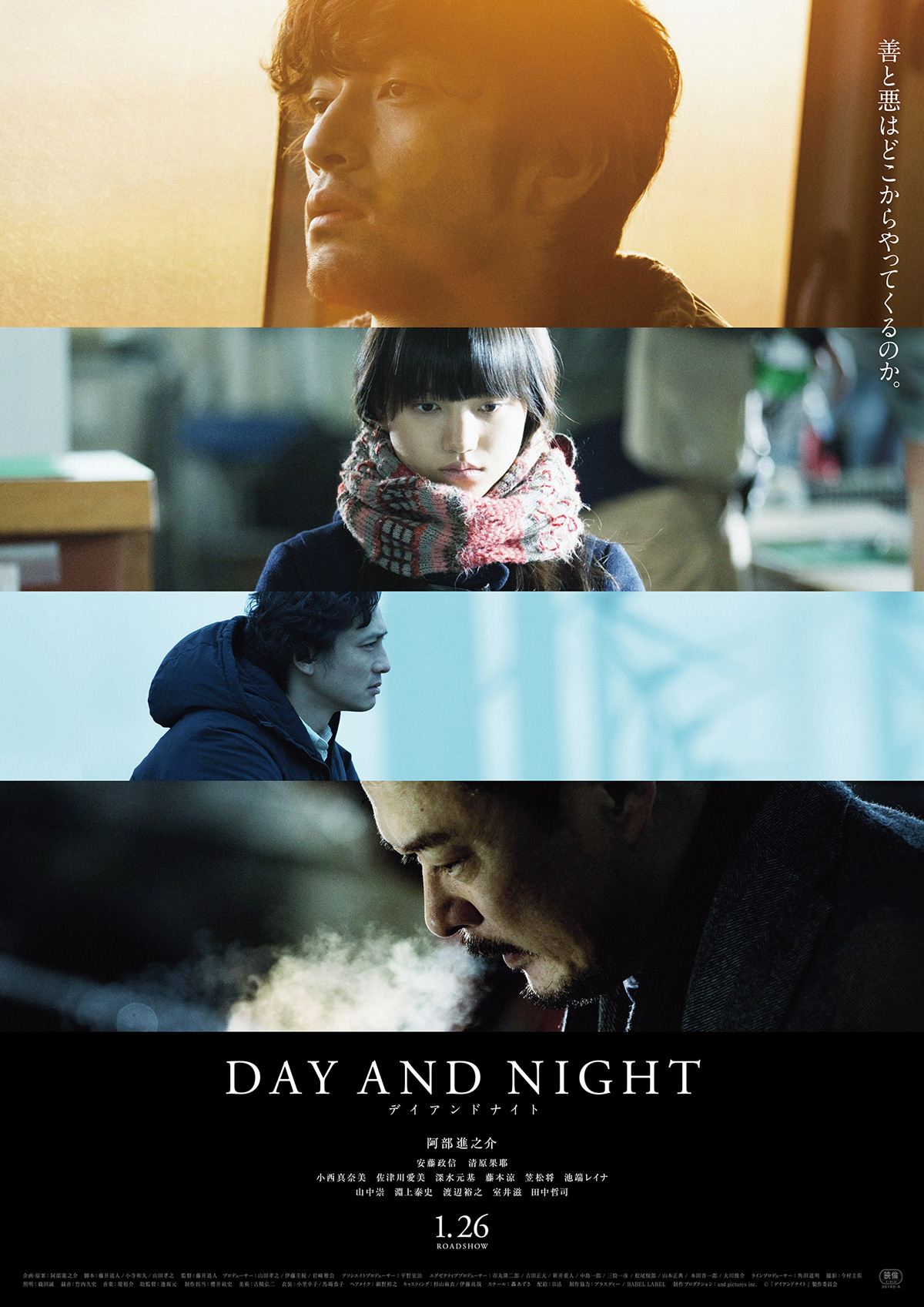
day and night poster 1Can two wrongs ever really make a right? Michihito Fujii’s Day and Night (デイアンドナイト) wants to ask if the difference between good and evil is really as stark as that between dawn and dusk, or if life is really more like twilight in which morality is a relative concept and acts cannot by judged individually but only as a part of the whole. What the hero discovers, however, is that the world is an inherently unfair place and it may not be possible to “win” against the forces of self-interest solely through being pure of heart.

The drama begins with a stunned Koji (Shinnosuke Abe) returning to his small-town home to graffiti scrawled across his fences and his father lying in repose inside after having apparently taken his own life. No one will quite explain to Koji what exactly has happened, but it seems there has been some unpleasantness surrounding his father’s auto business. Though most of the other townspeople including his old friends are civil, they are also frosty and obviously unwilling to address the subject of Mr. Akashi save to press Koji for money they might still be owed as employees.

Meanwhile, poking around the garage in search of answers, he runs into the mysterious figure of Kitamura (Masanobu Ando) who claims to have known his father well though Koji’s mother claims never to have heard of him. Seeing as Kitamura is the only person willing to speak to him, Koji ends up taking a job at the orphanage where he works which turns out to be a little different than he thought seeing as Kitamura is actually the head of a local crime ring which exists with the sole purpose of keeping the orphanage running.

Though Koij, like his father, is an upstanding, law-abiding young man, he is quickly pulled into Kitamura’s world of moral justifications when presented with his personal philosophy in which the greater good remains paramount. Kitamura steals cars by night, stripping the unsellable ones for parts, which is where Mr. Akashi came in having succumbed to a life of “crime” in order to support himself while his business was suffering. He also does some possibly less justifiable work in the red light district while making a point of beating up drug dealers because 80% of the kids in his care have a parent in jail for crimes related to substance abuse. In Kitamura’s view at least, these are all “justifiable”, morally defensible “crimes” given that they are necessary to ensure the protection of the orphans. Though the money is good and Koji does need it, they are not in this for personal gain but to protect something they feel is important.

As Kitamura puts it, Mr. Akashi put his faith in laws that are meant to protect people but in the end it killed him. Having discovered a serious flaw in the auto parts he received from a local company he did the “right thing” and blew the whistle but Nakamichi Autos is the major player in the local economy and many people did not take kindly to having their reputation called into question. Nakamichi rallied its supporters and had Akashi hounded into submission. As one of the former employees tells Koji, the truth “hardly matters anymore”. Nakamichi doesn’t care there is a minor flaw in their products because they feel the chance of a fatal accident is slim enough not to need to worry about and happy to let the risk continue as long as they maximise their profits.

Miyake (Tetsushi Tanaka), Nakamichi’s CEO, also has his justifications, insisting that there’s no such thing as right and wrong only the cold logic of numbers and that the death of one man will not change anything. Increasingly pulled into Kitamura’s world of crime, Koji opts for underhanded methods to expose the truth about Nakamichi and clear his father’s name but finds in the end that no one is interested in facts. Listening in to some of his father’s old employees enjoying their belated severance pay he is dismayed to hear them too justifying their actions as they each insist that they did what they thought was “best” for everyone, for a peaceful life, for their families.

In truth, Koji claims he hated his father. That he resented him for always working all the time. Now however he begins to see that Akashi was only trying to protect his family by providing for it. His father was a “good” man, and he did the “right” thing, but he also became involved with Kitamura’s morally questionable crime syndicate. Kitamura wants to protect the orphans and takes care of them well, but can he really justify his actions solely on the grounds that there is no honest way to care for children who are often victims of an unfair society the pressures of which have pushed their parents from the “moral” path? What Koji’s left with, broadly, is that “good” people do “bad” things for “good” reasons, but bad people do bad things because they’re selfish and so they hardly care about the consequences of their actions. He starts to believe that the only way to resist is to fight fire with fire, but discovers that the little guy is always at a disadvantage when there is too much vested interest in not “making trouble”. It turns out everyone is OK with the status quo, so long as it’s not their car that might suddenly lose its wheels. As Miyake says, “that’s just how society works”.

A bleak meditation on the wider nature of justice and moral greyness of the world, Fujii’s noirish drama suggests good and bad are less like day and night than a shady evening in which the only shining light is the greater good. The world, however, continues on in self interest and the “good” will always lose to the “bad” as long it compromises itself trying to play by the other guy’s rules. Koji finds himself torn between a desire to avenge his father and a new sense of fatherhood fostered by bonding with a teenage girl at the orphanage as he contemplates the existence of a line between good and evil and his own place along it, but his old fashioned “nobility” finds no answer in the infinitely corrupt moral dubiousness of the modern society.


Day and Night was screened as part of the 2019 Fantasia International Film Festival.

Original trailer (no subtitles)