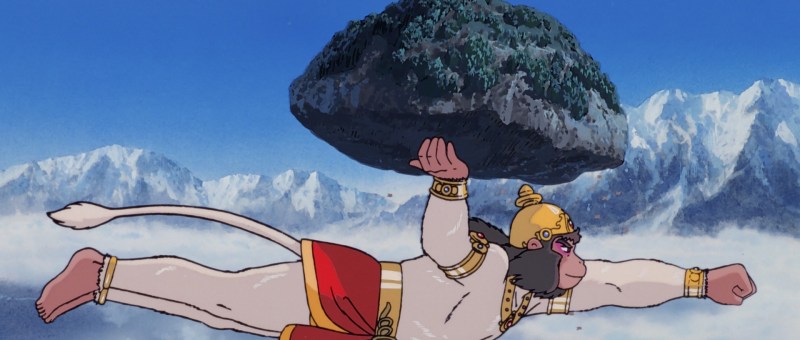
Ramayana: The Legend of Prince Rama (ラーマーヤナ ラーマ王子伝説, Ram Mohan, Yugo Sako, Koichi Sasaki, 1992)

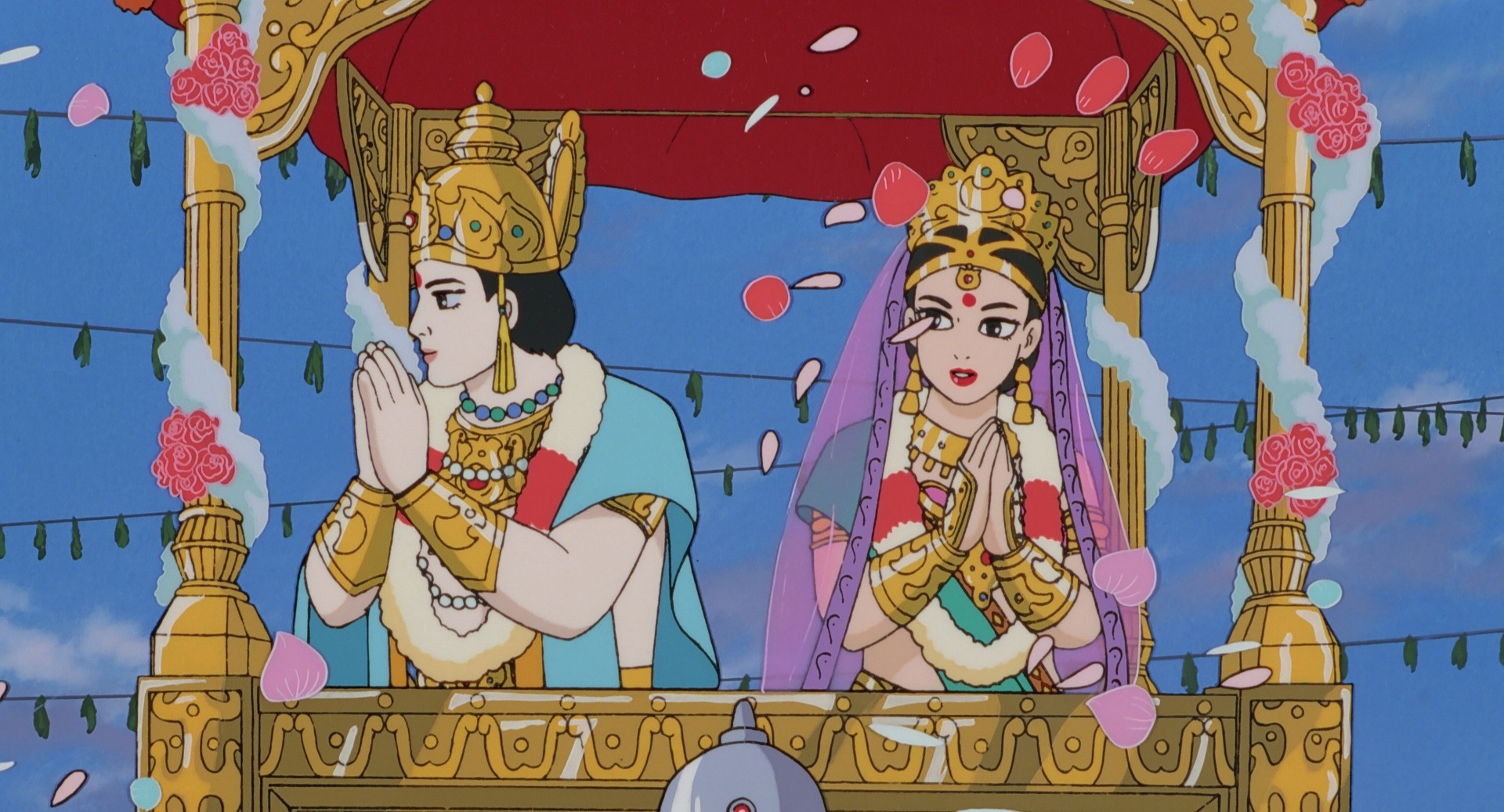
Raised in a Buddhist temple after an early orphanhood, documentary filmmaker Yugo Sako became a great devotee of Indian culture and apparently fell in love with the story of the Ramayana while filming a documentary for NHK, later reading as many as 10 different translations of the classic legend in Japanese. Certain that only animation could do justice to this epic tale of gods and demons, he proposed adapting it in the style of Japanese anime which was then gaining in popularity all over the world. 

It was though a somewhat sensitive topic. Following a minor misunderstanding concerning Sako’s documentary, complaints were submitted to the Japanese Embassy on behalf of religious organisations who objected to the film on the grounds that it was inappropriate for a Japanese company to adapt their national epic, that their culture was being misappropriated and that they worried the animation format may damage the ethics of the tale. Working with veteran director Ram Mohan, Sako had wanted to make the film in India with Indian animators but given all the difficulties he faced eventually decided to produce it in Japan bringing Mohan and other consultants with him to advise the Japanese animation team how best to reflect the local culture. 

Starring a cast of Indian actors, the film was released first in an English-language audio version only later dubbed into Hindi. In essence it follows Prince Rama (Nikhil Kapoor), the seventh of Lord Vishnu’s 10 incarnations and the first son of a good king, Dasharatha (Bulbul Mukherjee), who rules the happy and prosperous kingdom of Ayodhya. Rama is first called on to deal with a cannibalistic mother and son demon tag team terrorising the local forest but must then tackle the evil demon king Ravana (Uday Mathan) who kidnaps his beautiful wife, Sita (Rael Padmasee), in an attempt to intimidate him during a particularly low point in which he has been exiled to forest for 14 years because of some otherwise fairly gentle palace intrigue. Perhaps surprisingly, each of Rama’s three brothers are also goodhearted and righteous, possessing no desire to unseat him or usurp the throne for themselves despite the machinations of some around them. Rama is also well loved by his people who can see that he is a righteous person prepared to risk his life killing demons to protect them. 

Yet the lesson he learns through his journey to defeat Ravan’s darkness once and for all while rescuing Sita, is that it’s more important to be a good person than it is to be a good warrior. He laments that so many have lost their lives in this “avoidable war” and dreams of the day such sacrifices will no longer be necessary while even Sita begins to feel guilty on realising that people from a series of different kingdoms have died to win her freedom. Rama earns the censure of his brother Lakshman (Mishal Varma) when he suggests burning the bodies of fallen soldiers on both sides together, reflecting that they are all the same now and were so even before they died as were the creatures of the mountains and the sea. 

Even so, the difference is stark between the gloomy and ominous castle where Ravan holds court and the bright and airy chambers of government in Dasharatha’s home. The animation style is strongly reminiscent of the contemporary work of Studio Ghibli particularly in its depictions of the natural world along with the various demons with whom Rama comes into conflict which may not be surprising given that several key members of the creative team were Ghibli alumni. Yet it also reflects its Indian influences, featuring a soundtrack of traditional music along with several songs performed in sanskrit, musical sequences otherwise not generally a feature of this kind of animation in Japan. Epic in nature, it also employs the voice of a storyteller to fill in the blanks as Rama progresses from one adventure to the next while chasing his quest to free the world from darkness and war as represented by venal Ravan who is not above using trickery to disadvantage his foes nor wilfully sacrificing the lives of his men. Sadly, given the controversy which surrounded it, the film struggled at the box office and was largely relegated to a handful of festival screenings before being rediscovered by its intended audience after India’s Cartoon Network began regularly screening it finally allowing the film to take its place in animation history.


Ramayana: The Legend of Prince Rama screens at Japan Society New York on Jan. 20 as part of the Monthly Anime series.

Restoration trailer (Japanese narration, English voice track)
Japan Society Announces January 2023 Monthly Classics & Anime

Japan Society New York has announced the titles for its Monthly Classics and Anime strands for January 2023.

Jan. 18, 7pm: A Fugitive from the Past

World Theatrical Premiere of 4K restoration. Introduced by John David Baldwin, creator of http://www.uchidatomu.com/ and contributor to Arrow’s recent blu-ray release.

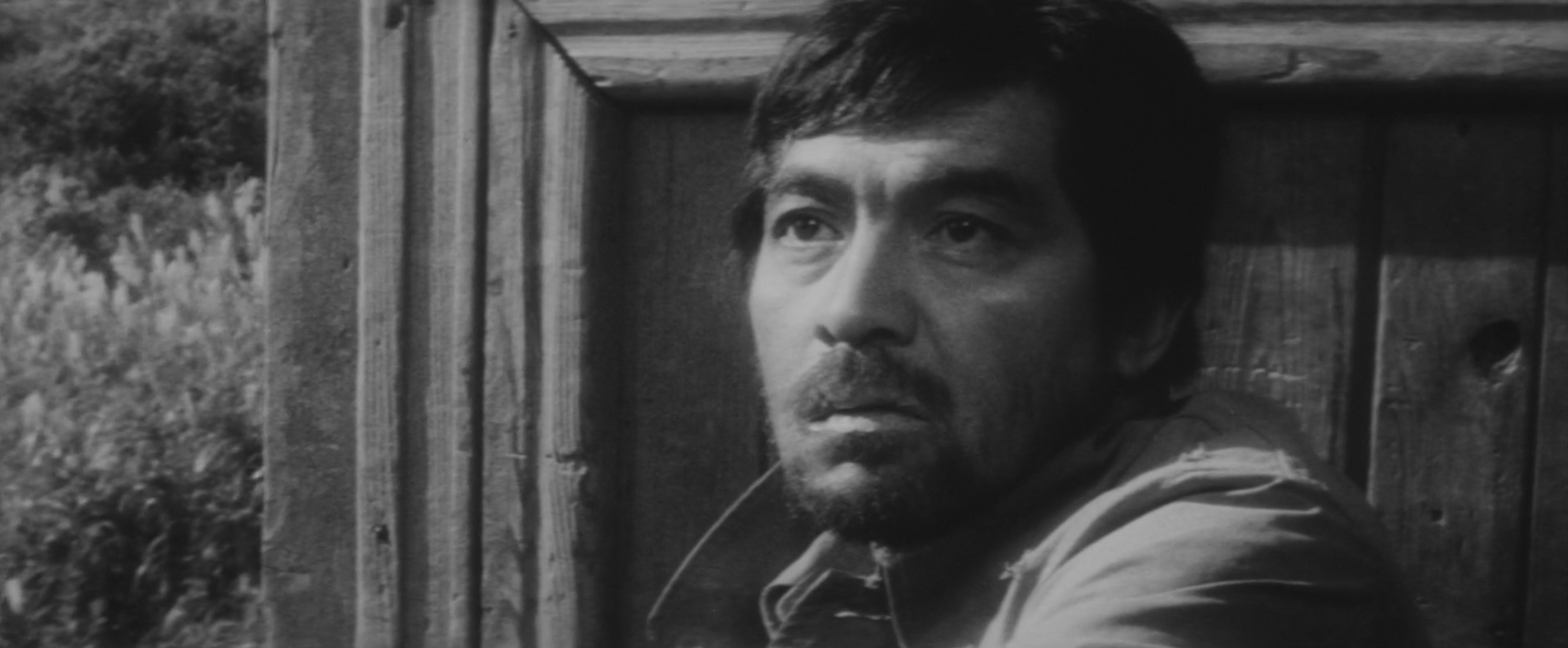
Also known as The Straits of Hunger, Tomu Uchida’s late career masterpiece stars Rentaro Mikuni as a man whose attempts to start again in the post-war era are frustrated by the reappearance of a woman from his past. Review.

Jan. 20, 7pm: Ramayana: The Legend of Prince Rama

Indo-Japanese co-production 10 years in the making adapting the sanskrit epic in which exiled prince Rama retreats to the forest where he incurs the wrath of the demon king Ravana. When his beautiful wife Sita is kidnapped, be becomes embroiled in a battle which will decide the fate of the kingdom.

The screenings take place in January, 2023 at Japan Society New York. Tickets priced at $15 / $12 students & seniors, and $5 Japan Society Members are on sale now via the official website and you can also keep up with all the year-round events by following Japan Society Film on FacebookInstagram, and Twitter.

April Story (四月物語, Shunji Iwai, 1998)

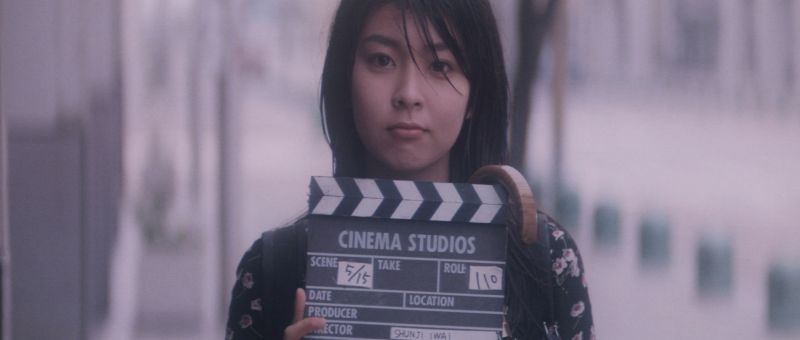
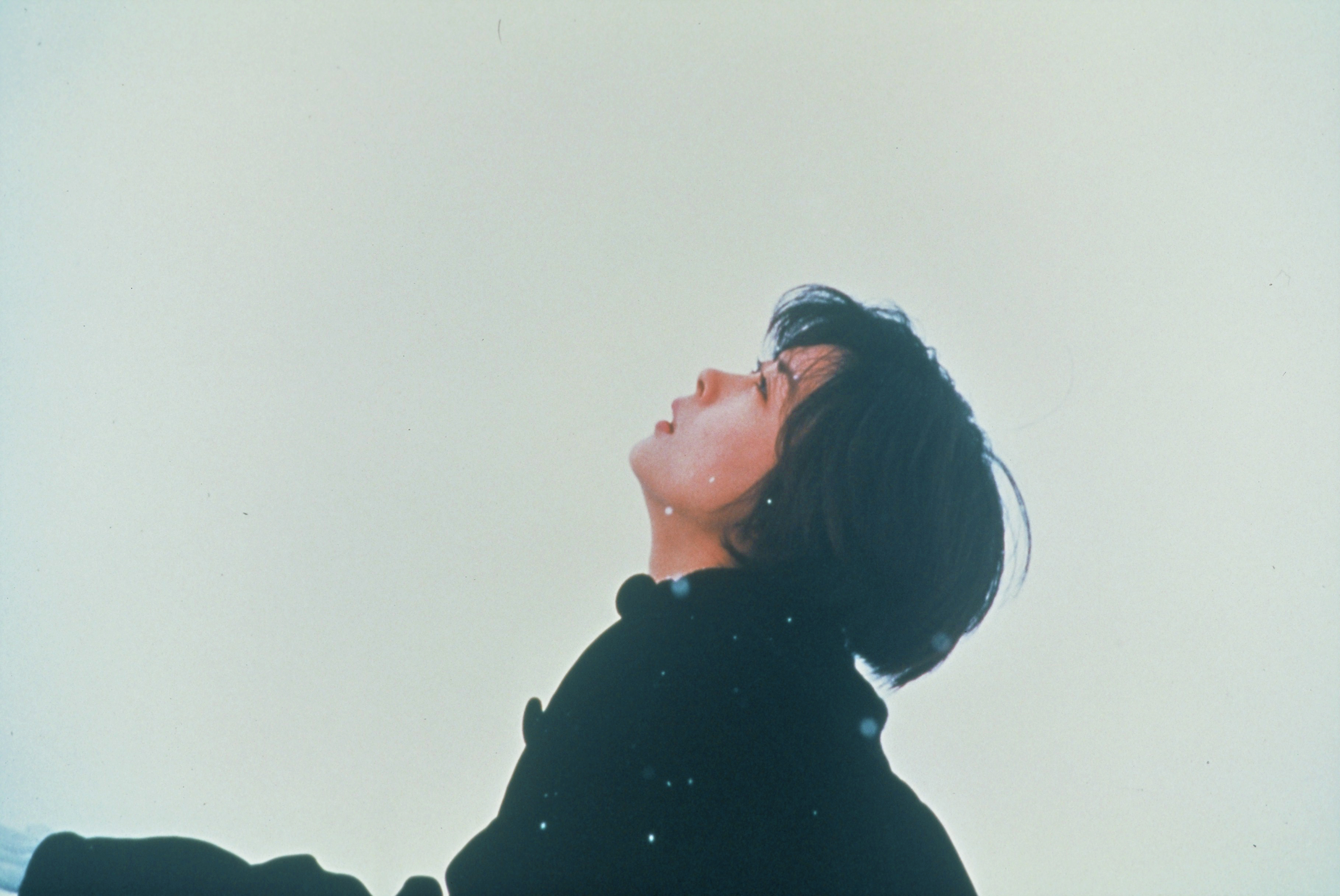
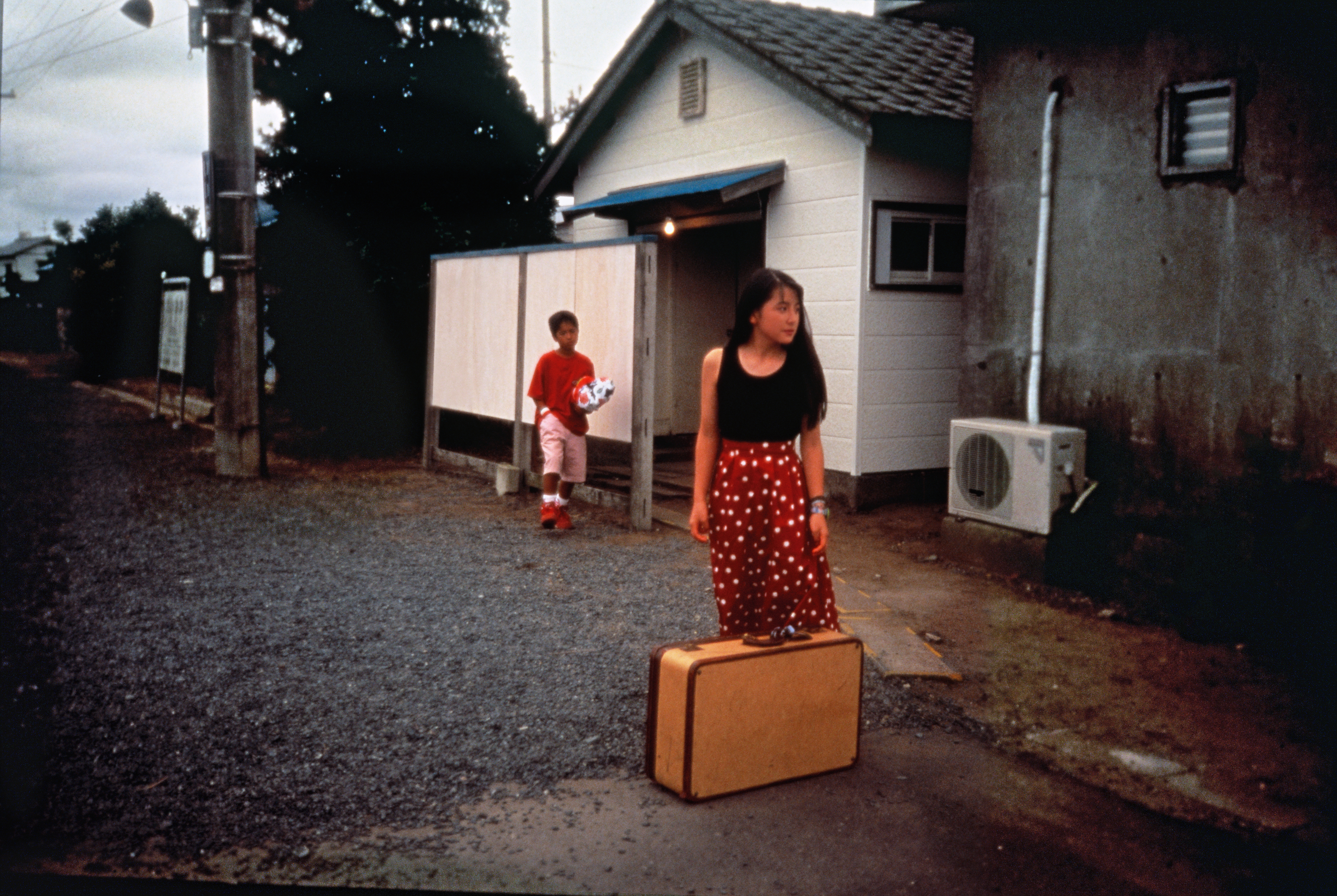
Shunji Iwai’s wistfully nostalgic coming-of-age drama April Story (四月物語, Shigatsu Monogatari) opens with a POV shot as its heroine awkwardly waits for her train to depart while her family, assembled on the platform, look back at her anxiously before the train door closes and the carriage begins to move. The girl says nothing but places a hand on the glass, freezing amid the snows of Hokkaido, as if bidding a silent goodbye now all alone as she makes her way towards her new life in the capital. 

Shot with the breezy soft focus associated with Iwai’s early work, the film positions its heroine’s growth alongside the blossoming of the cherry trees which in contrast to many other nations in Japan mark the beginning and end of a school year. Shy and somewhat reserved, Uzuki (Takako Matsu) does her best to seem grown up, managing the removals men while insisting on helping but mostly just getting in the way of their work until they finally tell her that, like many students, she’s brought far too much stuff and there’s no way it’s all going to fit in her modest two-room flat. She makes sure to introduce herself politely to her new neighbours bearing gifts, but is met with a wary indifference from the woman across the hall perhaps more accustomed to city living and less likely to be instantly trusting of a stranger. 

At the university some of her fellow students treat her like a country bumpkin asking stupid questions like whether it’s cold in Hokkaido and making fun of her snazzy jumper which is a little too heavy for Tokyo at the start of spring. In the cafeteria she takes it off and hangs it around her waist, embarrassed by her early fashion faux pas. One of the other girls, Saeko (Rumi), attempts to befriend her but as it turns out Uzuki has other things on her mind except for study and in fact Saeko may have an ulterior motive too that neatly reflects her own in looking for fresh recruits for the fly fishing club. 

In any case it’s as if the world gradually opens itself up to her, Uzuki riding the wide streets of the city on her bicycle through parks and under cherry trees before making her way to a particular bookshop. She discovers the dangers of city life while stopping in to watch a classic samurai movie, a beautifully realised historical fantasy homage to golden age cinema and old-fashioned serials in which Oda Nobunaga (Yosuke Eguchi) has managed to escape death at Honnoji Temple and is out for ironic revenge. A late arriving salaryman (Ken Mitsuishi) sits himself down a few seats away from her and surreptitiously tries to edge closer until she’s forced to flee the cinema leaving some of her belongings behind. Even so it doesn’t seem to dampen her enthusiasm for life nor for her unofficial mission and the the reason that’s brought her to Tokyo in the first place. 

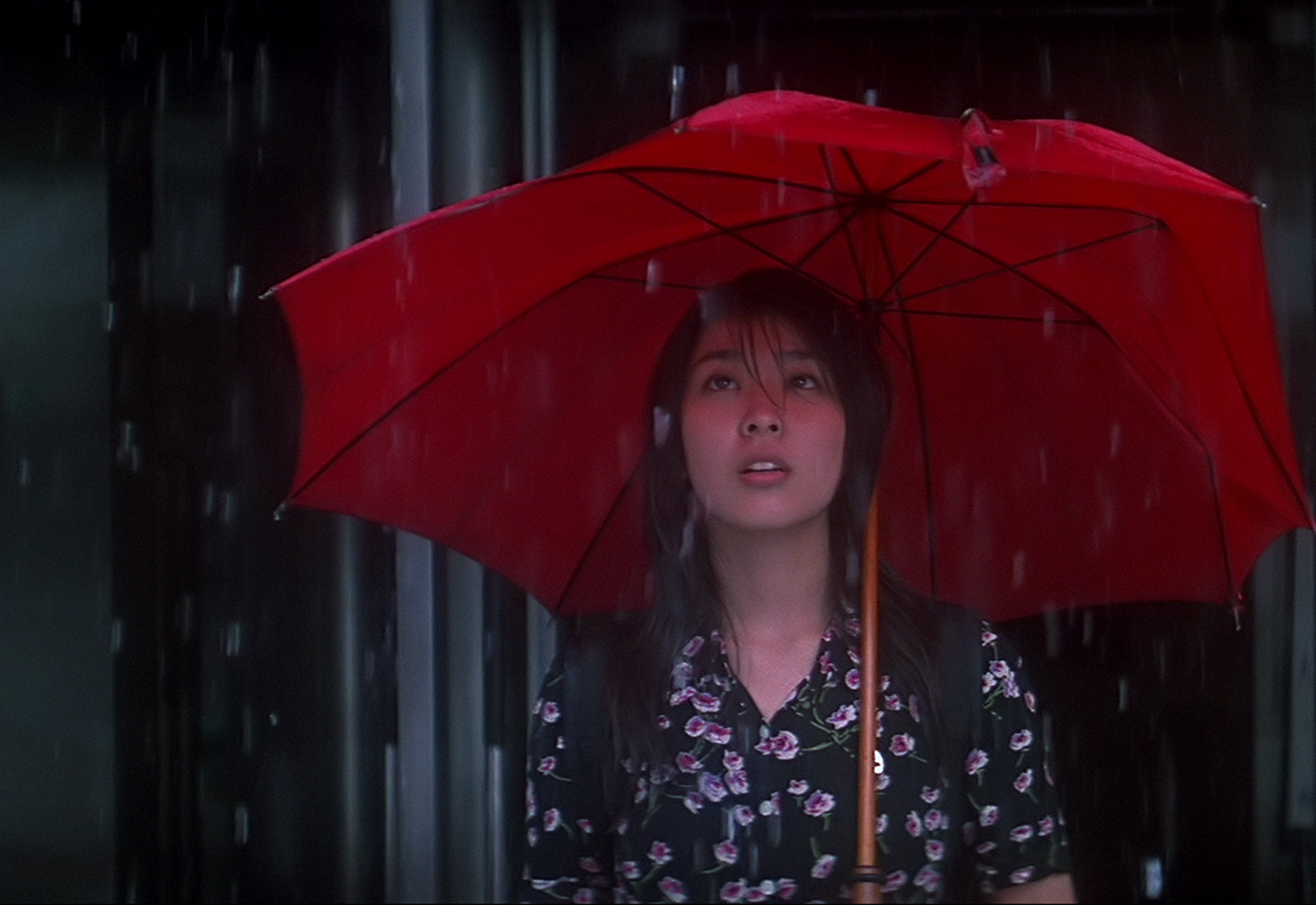
Iwai focusses on the domesticity of her newly independent existence, building a cosy nest in her tiny flat and attempting to cook for herself but finding her invitation to her neighbour for dinner politely rebuffed while uncertain if the fly fishing club is really for her given that the guy who runs it is condescending and incredibly full of himself. But then as she tells her mother on the phone she just wanted to try something new and there is something comfortable in the gentle rhythms of casting the fly especially as no one seems to do any actual fishing only practice in the park. She makes friends with the equally awkward Saeko and even finds her neighbour gradually opening up to the idea of friendship. Her world continues to expand until she’s finally ready to reconnect with the unrequited high school crush she followed to the city if admittedly in another slightly awkward meet cute involving a series of umbrellas, torrential rain, and a very patient gallery director. 

A self-declared “nice film”,  Iwai’s heartwarming drama is an innocent tale of first love and romantic obsession that is nothing other than sweetness and light. “A miracle of love” is how Uzuki chooses to describe her arrival in Tokyo and subsequent reunion with her romantic destiny, but it’s in the pursuit of love that she finally begins to come into herself and embrace the possibilities of life blossoming under the cherry trees of an unseasonably warm Tokyo.


April Story screens at Japan Society New York on Dec. 10 and will be available to stream online in the US from Dec. 9 – 23 as part of Love Letters: Four Films by Shunji Iwai

Original trailer (English subtitles)

Japan Society Presents Love Letters: Four Films by Shunji Iwai

Japan Society New York will pay tribute to one of the defining voices of ’90s Japanese cinema Shunji Iwai with four of his most representative films screening Dec. 9 & 10 with April Story also available to stream across the US until Dec. 23.

Friday, December 9 at 7:00 PM: Love Letter

A phenomenal hit across Asia on its 1995 release, Iwai’s intensely moving romantic melodrama sees two lost young women (each played by pop star Miho Nakayama) make a serendipitous connection through a misdirected letter that allows each of them to come to terms the traumatic past. Review.

Saturday, December 10 at 5:00 PM: Fireworks, Should We See It from the Side or the Bottom?

One of a number of shorts Iwai directed for anthology television series, Fireworks, Should We See It from the Side or the Bottom? won the Japan Film Director’s Guild Newcomer Award in 1993 and takes place over the climactic final day of school as boys argue about whether fireworks are round or flat depending on the angle you look at them from and a young woman decides to leave town. It also provided the inspiration for Akiyuki Shinbo & Nobuyuki Takeuchi’s 2017 anime Fireworks. Joint screening with April Story.

Saturday, December 10 at 5:00 PM: April Story

Also available to stream online in the US Dec. 9 to 23.

A beautifully lensed soft focus meditation of first love and new beginnings, Iwai’s perfectly pitched drama stars a young Takako Matsu as a lovelorn student who’s travelled from Hokkaido to Tokyo for university while chasing a high school crush. Joint screening with Fireworks, Should We See It from the Side or the Bottom?.

Saturday, December 10 at 7:15 PM: All About Lily Chou Chou

Screening on 35mm

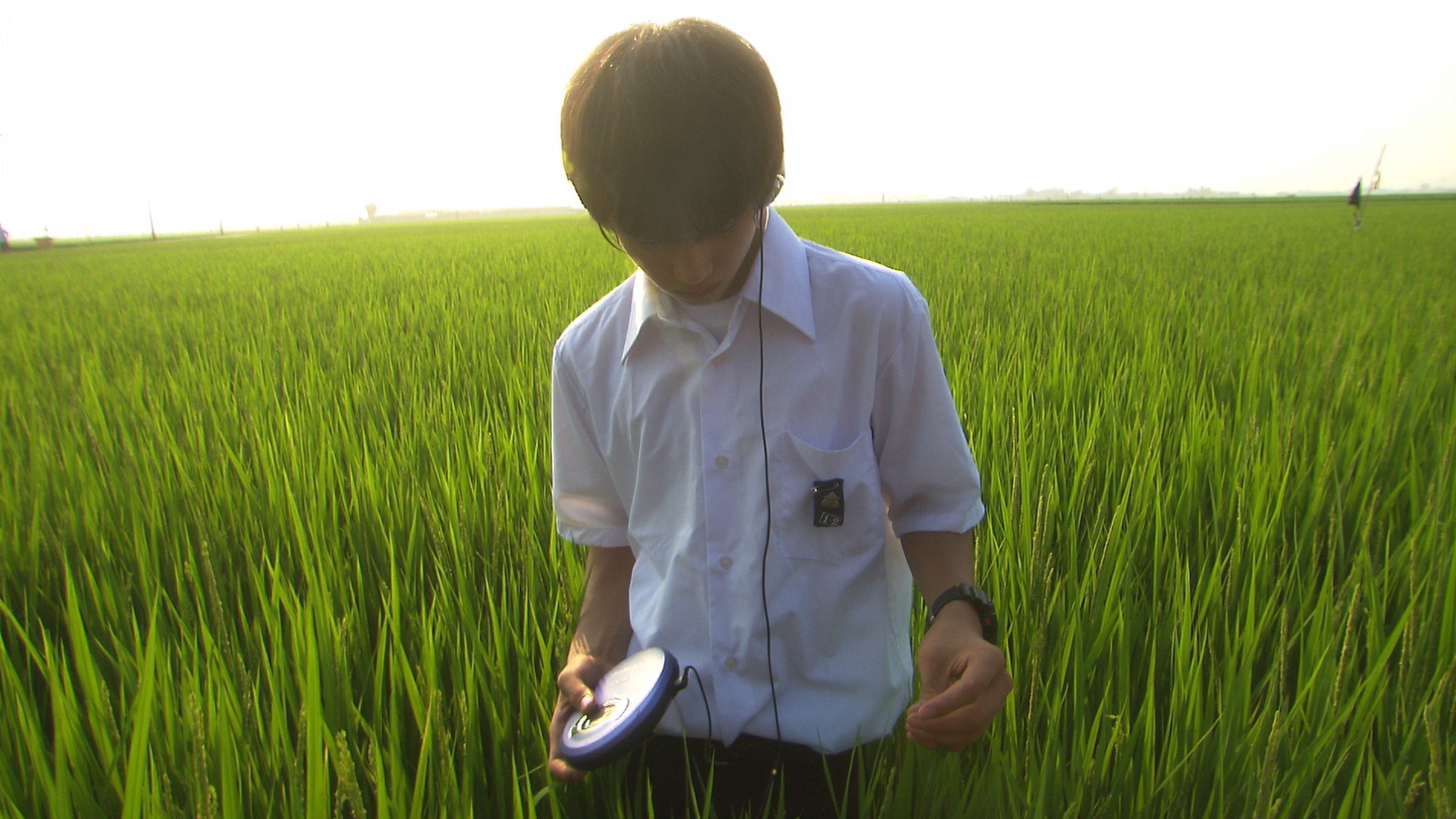
An elegy for the turn of the century teen, Iwai’s brutal bullying drama oscillates around the lives of two boys communicating via a message board dedicated to the Faye Wong-inspired pop star Lily Chou Chou.

Tickets for all the films priced at $15/$12 students and seniors /$10 Japan Society members are on sale now via Japan Society’s website while streaming rentals for April Story will be available from Dec. 9 priced at $10 (Japan Society members receive a 20% discount via coupon code) with a three-day viewing window. You can also keep up with all the year-round events by following Japan Society Film on FacebookInstagram, and Twitter.

Plan 75 (Chie Hayakawa, 2022)

In 2016, a 26-year-old man went on a violent rampage murdering 19 people at a care home for the disabled claiming that he had done it “for the sake of society”. Prior to his crime, the killer had written an open letter in which he stated that he dreamed of a world in which those with severe disabilities could be peacefully euthanised, while claiming that those with no ability to communicate had no right to life and were nothing more than a drain on society. An expansion of her earlier short featured in the anthology film Ten Years Japan, Chie Hayakawa’s Plan 75 opens with a sequence which appears to directly reference the 2016 mass killing but in place of the widespread outrage and reconsideration of a social stigma towards disability that followed in its wake, the government decides to implement a “voluntary” euthanasia program for those aged 75 and over in response to the “concerns” of the young in an ageing society. 

Intergenerational resentment does indeed seem to be a motivating factory, the killer in this incident feeling himself oppressed by the responsibility of caring for the elderly while simultaneously hemmed in by a stangnant economy and heirarchical society. He points out that Japanese people have always praised self-sacrifice on behalf of the nation and alludes to the archaic tradition of ubasute or throwing out the old in which elderly people were abandoned on mountainsides to die in time of famine. There is no denying that the Plan 75 initiative has its insidious qualities in placing undue pressure on elderly people to give up their lives in order not to “burden” the young, an elderly woman attending a cancer screening remarking that she feels a little awkward as if she’s “clinging on to life”, being somehow greedy in the simple desire to continue living. 

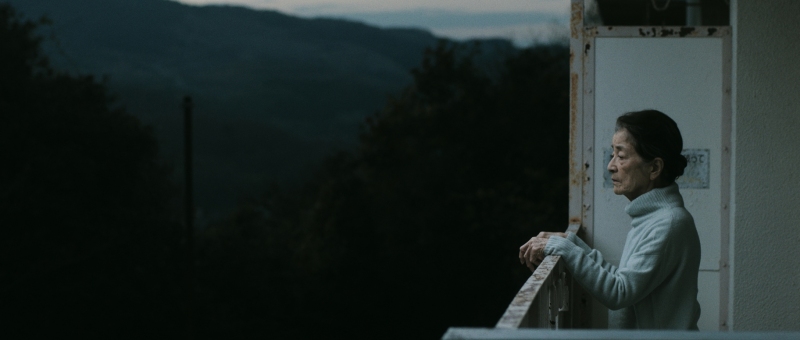
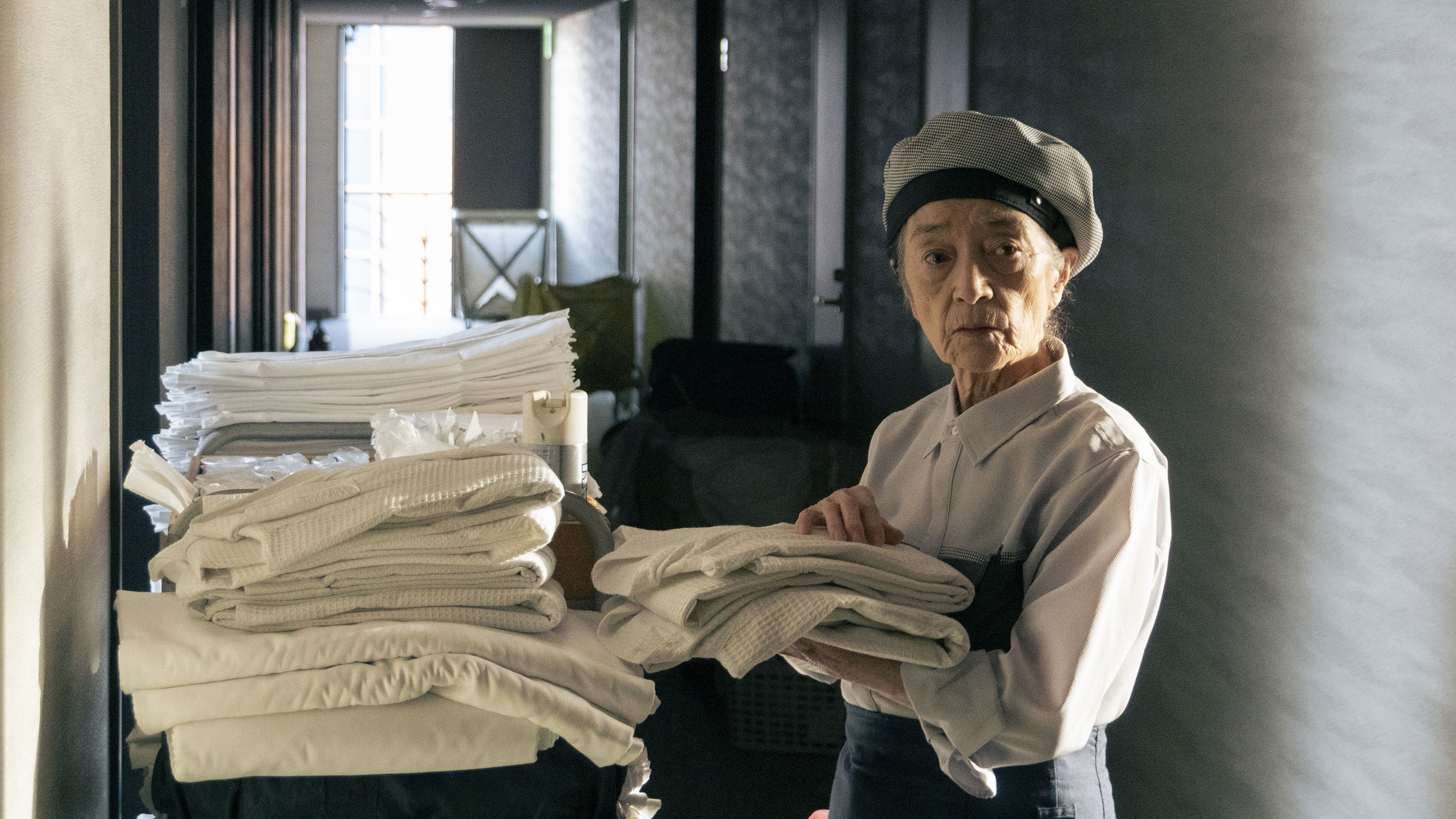
Meanwhile, their society has already abandoned them. 78-year-old Michiko (Chieko Baisho) had no children and lives alone supporting herself with a job as a hotel maid where all of her colleagues are also elderly women. When one of them has a fall at work, they are all laid off. The hotel claims that they’ve received complaints from guests about exploiting elderly people, but Michiko suspects it’s more like they don’t want one of them to drop dead in someone’s room. Not wanting to be a “burden”, Michiko is reluctant to apply for social security but even when she accepts she has few other options the desk at city hall is closed. Her building, like her now old, is set for demolition but no one is willing to rent to an unemployed 78-year-old woman nor is anyone willing to employ one. More and more Michiko is pushed towards Plan 75 if only to escape her loneliness. Being robbed of the opportunity to work also removes the opportunity for socialising especially as the other old ladies decide to move in with family and leave the area. 

This is in fact an integral part of the Plan 75 business plan with case workers specifically instructed to keep the applicants happy through regular phone calls while prohibited from meeting them in person to prevent the older person changing their minds having made new social connections that make their lives more bearable. In the quietly harrowing scenes at the processing centre, for want of a better term, it becomes obvious that the majority of those submitting to Plan 75 are women as staff members empty out their handbags, dumping their possessions into a large bin while setting aside anything of value such as watches or bracelets which are perhaps another valuable revenue stream for a callous government that sees the programme as a cost cutting exercise.  

Case worker Hiromu (Hayato Isomura) only becomes conflicted about Plan 75 after recognising an applicant as his estranged uncle and eventually discovering that despite sales claims of dignified funerals remains are often sent to landfill care of an industrial waste company. His uncle’s plight perhaps highlights the pitfalls of life in post-war Japan. Living hand to mouth working construction jobs all across the country he never had an opportunity to put down roots or save for his old age and is now living a lonely life of desperate poverty. Heartbreakingly he put his application in on his 75th birthday, an act Hiromu’s boss describes as almost heroic as if he couldn’t wait to sacrifice himself for the common good. Later a sign goes up that fixed addresses are no longer needed to apply, while the Plan 75 stand in a local park where they are in the process of putting bars on the benches so that homeless people can’t sleep there doubles as a soup kitchen. 

One has to ask, if there was money available for all of these resources to help people die why is it not available to help them live? A young woman assigned as Michiko’s handler appears to have second thoughts while bonding with her over the phone, tearfully reminding her she still has the right to withdraw (though it’s never mentioned if that means repaying the $1000 signing bonus) while Michiko’s life too has been brightened by this little bit of intergenerational friendship, itself cruelly commodified in the allotted 15-minute sessions included in the plan. Told with quiet restraint, Hayakawa’s vision of an eerily dystopian future in which human life is defined by productivity and all human relationships transactional, where loneliness is the natural condition and society itself has become little more than a death cult, is painfully resonant in our increasingly disconnected world. 


Plan 75 screens at Japan Society New York on Nov. 20 as part of The Female Gaze: Women Filmmakers from JAPAN CUTS and Beyond.

Festival trailer (English subtitles)

Images: © 2022 KimStim

She is me, I am her (ワタシの中の彼女, Mayu Nakamura, 2022)

A gentle sense of haunting lingers over the protagonists of Mayu Nakamura’s pandemic-era anthology She is Me, I am her (ワタシの中の彼女, Watashi no Naka no Kanojo). COVID-19 seems only to have exacerbated their sense of loneliness and regret, confronted by the ghosts of other lives and absent friends while having little else to do but think about past and future amid an atmosphere of anxiety. Yet within the lonely city there is space for fresh connection and new beginnings even if in themselves somewhat unexpected.

The sense of distance is obvious from the first episode, Among Four of Us, in which three university friends meet again after many years in a public park, only in reality they’re each sitting on their own in different parts of the city while connected by telephone. They speak briefly of their lives, each filled with disappointment one a struggling actor, one a conflicted housewife happily married but wondering what might have been, and the other living with a former lover who can’t forget their absent friend. Much of the conversation revolves around Sayoko who haunts them on this beautiful moonlit night as they each realise they’ve done little but think about her though she somehow slipped away from them and may have had sorrows and regrets of her own they never thought to ask about. 

It’s Sayoko who again seems to haunt the third chapter, Ms. Ghost, in which a young woman encounters an old lady sleeping on a bench near the station and realises they have more than a little in common. In fact it’s almost as if she were talking to an older version of herself, alone and beaten down by life, dreaming of past glories. Both women reflect not only on their broken dreams as country girls who came to the city to act, but on the various ways they’ve been displaced by the pandemic having lost their places of work and been left with nowhere else to go. Forced into sex work after her hostess bar closed down, the younger woman is haunted by a sense of danger that she might end up just another name in the newspaper killed by a violent man. 

Then again the lonely woman of part two, Someone to Watch Over Me, finds herself captivated by a delivery driver, Kazuya, who hastily polished off one of the meals she ordered but did not have the strength to eat. Becoming somewhat obsessed with him she continues ordering food only to have him eat it, but is conflicted on discovering a note of darkness in their relationship. When he tells her that she is not alone even if she thinks she is, it comes across as a much less comforting statement than he meant it to be hinting at the various ways having someone to watch over you isn’t always as nice as it sounds. She too is haunted by absence, along a with a vague sense of being watched that she may however uncomfortably have started to enjoy. 

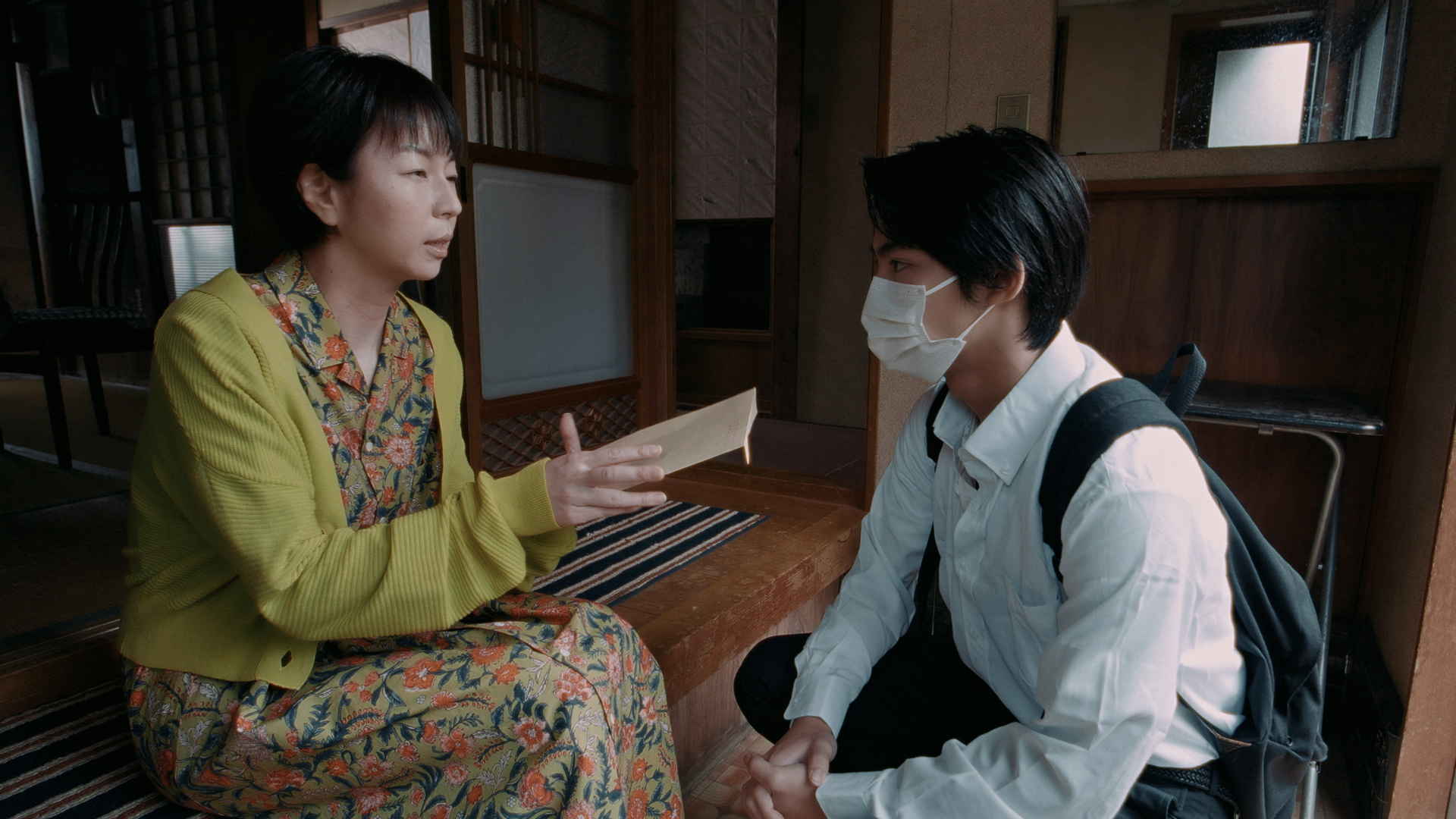
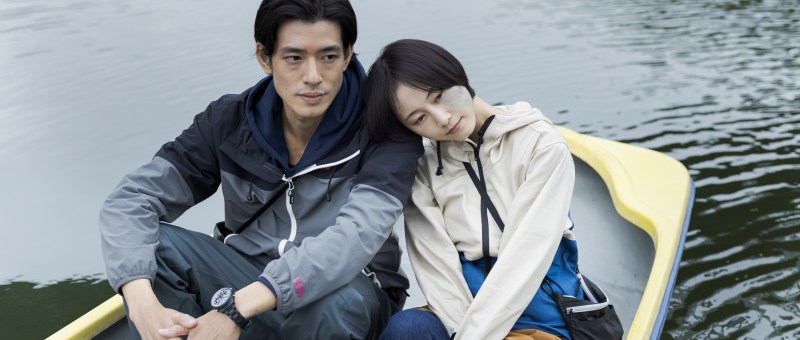
The heroine of the fourth episode, Deceive Me Sweetly, is haunted by the loss of her youthful dreams taken from her along with her high school lover, a photographer just like the delivery driver, by her declining sight. Yet she can perhaps see further than most and straight through the young man who arrives at her door attempting to run an ore ore scam poignantly claiming to be the brother that hasn’t contacted her in years. Struck by remorse, the young man begins to regret scamming this strangely trusting woman remarking that the real Kazuya wherever he may be must be lucky to have a family he could call in time of need, which the young man perhaps does not. While she is haunted by lost youth, the woman is also in a way haunting him like a mystical figure offering the hand of redemption and setting him free into a world that seems more open fuelled by the need to repay a debt of kindness to a woman he never really knew. Even in these days of lonely desperation, there can still be hope and connection. Filmed with dreamy minimalism, Nakamura’s four tales each starring actress Nahana and connected by seemingly random details discover a sense of the comfort in strangers that a city can offer even in the midst of its own loneliness. 


She is me, I am her had its World Premiere at Japan Society New York on Nov. 12 as part of The Female Gaze: Women Filmmakers from JAPAN CUTS and Beyond.

Original trailer (no subtitles)

Images: © 2022 Omphalos Pictures

The Nighthawk’s First Love (よだかの片想い, Yuka Yasukawa, 2021)

A young woman begins to regain a sense of self-confidence in the face of social prejudice when invited to consult on a film in Yuka Yasukawa’s adaptation of the Rio Shimamoto novel, The Nighthawk’s First Love (よだかの片想い, Yodaka no Kataomoi). Drawing inspiration from a Kenji Miyazawa story about an ostracised nighthawk bullied by a hawk who cannot accept that they are the same because he finds the nighthawk’s difference offensive, Yasukawa’s gentle drama is less about the transformational quality of love than it is about learning to accept oneself as distinct from the self that others see. 

A shy young woman, Aiko (Rena Matsui) keeps a distance with others because of a longterm sense of rejection owing to a prominent birthmark on her face. After agreeing to be interviewed for a book about people living with facial difference and disfigurement, Aiko is approached by filmmaker Tobisaka (Ayumu Nakajima) who just happened to chance on their photoshoot and was struck by what he describes as a quiet sense of strength in her reserve. Though Aiko is not originally keen on the idea of having someone turn her life into a film, she soon begins to bond with Tobisaka who does not appear to react to her birthmark and eventually embarks on a romance only to find herself insecure in his continuing attachment to a former muse and dedication to his craft. 

While visiting her publisher, Marie (Lisa Oda), Aiko encounters a curious little girl who touches her own face and bluntly asks Aiko if the bruise-like mark on her cheek hurts. Aiko answers patiently that it doesn’t and isn’t offended by the little girl’s question, but perhaps is by the mother’s reaction as she stares and wonders what to say before apologising for her daughter’s rudeness but not for her own. Aiko recounts something similar in recalling her childhood bullying in which the kids in her class nicknamed her “Lake Biwa” because the mark on her face resembled the famous landmark which they were learning about in school. Though they were being cruel to her, Aiko remembers that a part of her enjoyed the attention while the teacher’s attempt to shut her classmates down was in a way more painful as if it were the birthmark itself which was “horrible” rather than the kids’ comments. After that the other children began to avoid her, unsure what to say and perhaps blaming her for having gotten into trouble with the teacher. She explains that she worries people often drift away from her in part because of the birthmark itself and in part because of the way it influences her behaviour generating a vicious cycle of doubt, rejection, and loneliness. Tobisaka’s muse, Miwa (Miyuu Teshima), looks very much like her only without the birthmark and Aiko worries if she can keep him while fearing in her insecurity that their relationship is nothing but a long con designed to get her to agree to participating in the film. 

Yasukawa often frames Aiko looking into mirrors, at one point a reflection of her face appearing next to that of Miwa in her makeup on a poster for the film. Tobisaka gives her a compact mirror as a gift that he possibly intends to help her see herself though perhaps as he sees her, while she remains internally conflicted insistent that there’s nothing wrong with having a birthmark but carrying a degree of internalised shame and wondering if her life would be different without it. It’s another compact given to her by a similarly troubled friend that later grants her agency in realising that she does have a choice in displaying her birthmark or not even if deciding that she might not want to have it removed after discovering that it may be medically possible. Her supervisor advises her that attempting to become a different person in the pursuit of growth is nothing but a fantasy while she gradually comes to the realisation that change is not quite not quite what she’s looking for, quite literally freeing herself from her self-imposed imprisonment to embrace her authentic self. Her growth lies not simply in being loved by a man who may in a way be exploiting her, but in truly seeing herself and others for the first time. An elegantly lensed tale of self-acceptance, Yaskukawa’s gentle drama allows its diffident heroine the space to grow while becoming more rather than less of herself in defiance of a social prejudice that is all to often routed in the same insecurity she has now escaped.


The Nighthawk’s First Love screens at Japan Society New York on Nov. 13 as part of The Female Gaze: Women Filmmakers from JAPAN CUTS and Beyond.

Original trailer (no subtitles)

Dreaming of the Meridian Arc (大河への道, Kenji Nakanishi, 2022)

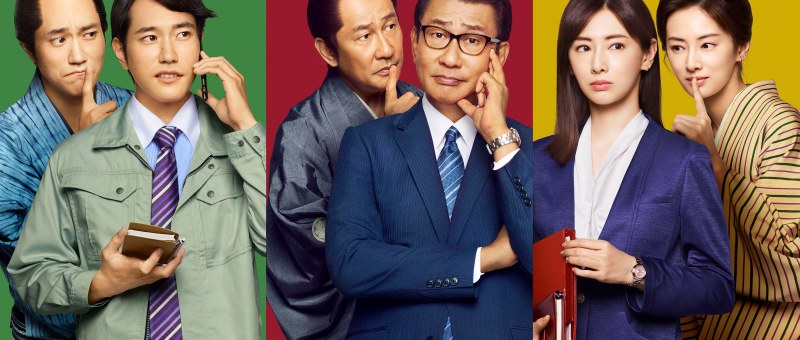
As it turns out, the modern world is not so different from the feudal after all. After realising that their friend and mentor has passed away, a team working together to create an accurate map of Japan in the early 19th century are immediately worried that their project will be axed as a part of a cost cutting exercise at the hands of the penny-pinching Shogun. Inspired by Shinosuke Tatekawa’s rakugo story, Kenji Nakanishi’s heartwarming dramedy Dreaming of the Meridian Arc (大河への道, Taiga e no Michi) tells parallel tales of hardworking civil servants trying to put their town on the map and Edo-era officials trying to avoid incurring the Shogun’s displeasure so they can ensure their late friend’s life’s work will eventually be finished. 

In the present day, the small town of Katori is trying to think of ways to raise its profile but according to junior civil servant Kinoshita (Kenichi Matsuyama) the programme proposed by the tourist board has little to offer in simply imitating the initiatives of other better known cities. As he points out, if tourists want to experience life in olden times there are lots of places they can do that already. Chief of General Affairs Ikemoto (Kiichi Nakai) idly suggests that they try and get local historical personannage Chukei-san, better known as Ino Tadataka the man who completed the first accurate map of the Japanese islands, featured as the subject of a year-long historical TV drama. Of course, Kobayashi from the tourist board (Keiko Kitagawa) thinks it’s a silly idea, but the governor likes it so Ikemoto now has a very difficult job not least because the governor wants him to convince a grumpy writer who hasn’t written anything in 20 years to handle the script. 

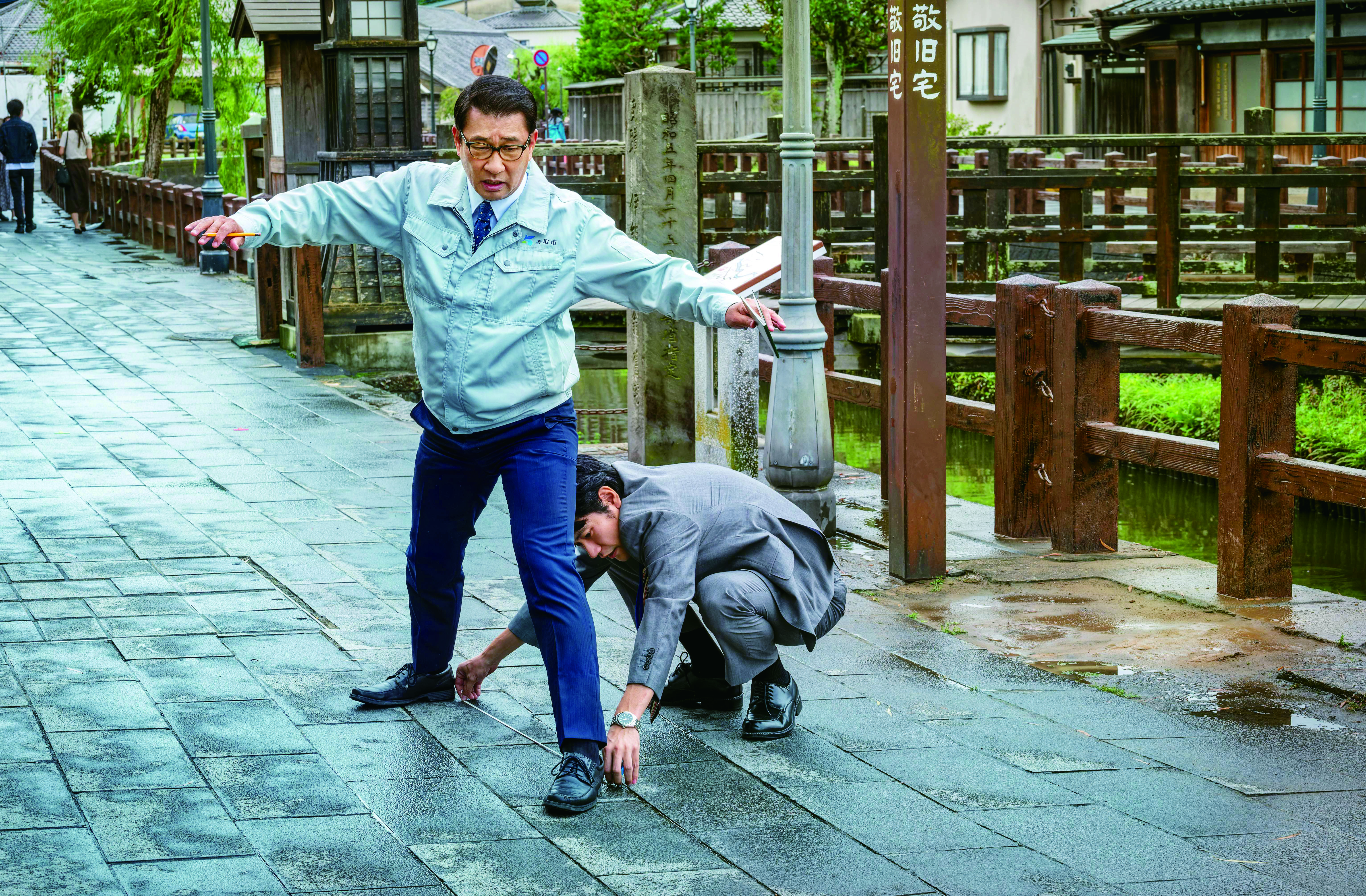
The reason Kato (Isao Hashizume) retired from screenwriting is that he too was fed up with placating commercially-minded executives and isn’t prepared to work on anything in which he doesn’t have full creative control which might be a problem a civil servant like Ikemoto could sympathise with if he wasn’t so desperate to bring him on board. It can’t be denied that the story of the map’s creation is itself fascinating if only in its technical detail of how these men were able to complete a map which almost perfectly aligns with modern aerial photography using only the technology of the early 19th century. As Kato points out, Tadataka was already in his 70s and the bulk of the work is simply walking all around Japan measuring it step by step. He’d only begun the project because he wanted to figure out the size of the earth by charting the Meridian Arc, but figured that out right away and still went on to work on the map for reasons largely unknown though later hinting a sense of anxiety in the late Edo society in believing that understanding the shape of the nation’s coastlines was the key to national defence in the wake of a Russian attack that had cost two of Tadataka’s local helpers their lives. 

Yet the drama idea is pretty much dead in the water after realising that Tadataka “died” three years before the map was completed. Fearing they’d lose their funding, Tadataka’s team buried him in secret and told people he was simply out on location while trying to finish the map before anyone found out knowing that their lives were at risk if the Shogun discovered they’d been lying to him and assumed they’d been doing it to continue claiming Tadataka’s stipend. To ram his point home, Nakanishi has the civil servants taking on the role of the mapmakers in Kato’s putative version of the story as they come together as a team to finish their mentor’s project but are eventually forgotten by history in much the same way as Ikemoto and his team will eventually be even as they too work for their betterment of their nation by taking care of the community. Ikemoto becomes something of a Tadataka figure, deciding to pickup a new skill in middle-age and aiming high in perfecting it (while slightly misleading the boss as he does so). A heartwarming tale of the value of teamwork and the perils of bureaucratic cost cutting, Nakanishi’s historical dramedy implies that not so much as changed in 200 years but that’s not entirely a bad thing as the dedicated team of civil servants do their best to put their city on the map.


Dreaming of the Meridian Arc screens at Japan Society New York on Nov. 12 as part of The Female Gaze: Women Filmmakers from JAPAN CUTS and Beyond.

Original trailer (no subtitles)

Images: ©2022 “Dreaming of the Meridian Arc” Film Partners

Wedding High (ウェディング・ハイ, Akiko Ohku, 2022)

“Today is the best day of our lives” a couple exclaim seconds before taking their marital vows, but if you think about it, isn’t that just a way of saying that it’s all downhill from here? Even the determined wedding planner at the centre of Akiko Ohku’s ensemble comedy Wedding High (ウェディング・ハイ) admits that a good wedding day doesn’t amount to a good marriage and it’s certainly true that almost everyone in attendance has rather overhyped the occasion insisting that it’s a grand turning point in their lives even if they aren’t the ones swearing eternal devotion at the altar. 

Groom Akihito (Tomoya Nakamura) didn’t even really want a wedding, they are after all expensive and time consuming, but is paranoid that not having one, or having one that’s not quite right, will eventually poison his relationship with his soon-to-be wife Haruka (Nagisa Sekimizu). For him the day has to go well, or at least Haruka has to feel as if she’s had the best day of her life, or their marriage will get off to a bad start. Meanwhile they’re under pressure from friends and family members trying to decide on a guest list especially considering that key guests are expected to handle entertainment with both sets of fathers and an eccentric uncle keen to get in on the action while it’s also customary to invite one’s boss to give a brief speech at the reception. 

Akihito’s boss Zaitsu (Katsumi Takahashi) doesn’t exactly try to steal the day but does invest it with a surprising degree of personal significance, oddly touched that Akihito has asked him despite his having been disgraced at work because of a sleazy scandal in his personal life. Zaitsu sees the wedding speech as a chance for a comeback, obsessively studying standup comedy determined to deliver a genuinely funny routine that will make everyone laugh and perhaps conclude that he’s not such a bad guy after all. For Akihito’s schoolmate Shinji (Akiyoshi Nakao) the wedding becomes something similar, allowing him to regain his creative mojo after hating himself for being trapped in variety television having dreamed of becoming an arthouse movie director when Akihito tasks him with directing a wedding video to be shown at the reception. Even one of Haruka’s friends from high school dance club launches into a story about how this is their big chance to make up for their final performance being cancelled due to injury by performing it again at Haruka’s wedding.

A subplot sees Haruka’s uni ex (Takanori Iwata) decide this is his big day too, planning to storm the ceremony and win her back. He’s convinced himself they only broke up because he reacted in the wrong way when she mentioned her parents’ wanted to introduce her to a guy for an arranged marriage and thinks she’s sent him a coded message that she’s being pressured into an unwanted union and needs rescuing before it’s too late. Somehow Maho (Ryoko Shinohara) manages to keep everything running smoothly, springing into action when the couple’s big day gets derailed by competitive speech making and pretty much everyone else trying to have their moment, yet as her colleagues remind her it’s the next couple’s big day too and the last thing they want to do is spoil that by trying to save Akihito and Haruka’s wedding from falling into complete chaos. 

Like most Japanese ensemble comedies, the resolution turns on the team pulling together to make everything work out. In this case, Maho’s speed wedding strategy leads to something genuinely beautiful and better than the original plan in allowing the couple’s friends and family who may not have known each other before to present a united front of support that neatly symbolises their union as a couple and makes their special day a little more special than it might have been if everything had gone smoothly. Almost everyone does indeed get something from the big day even if it wasn’t what they originally thought they wanted, seizing the chance for a new beginning or to put the past behind them. Asked to boil her speech down to the bare minimum a high school teacher (Hairi Katagiri) offers the simple advice “be happy” while Maho reflects on her role in the proceedings admitting that a good wedding day doesn’t necessarily mean you’ll have a good marriage but at least you’ll have a few good memories if it all goes wrong somewhere down the line. 


Wedding High screens at Japan Society New York on Nov. 11 as part of The Female Gaze: Women Filmmakers from JAPAN CUTS and Beyond

Original trailer (no subtitles)

Images: © 2022 Wedding High Film Partners

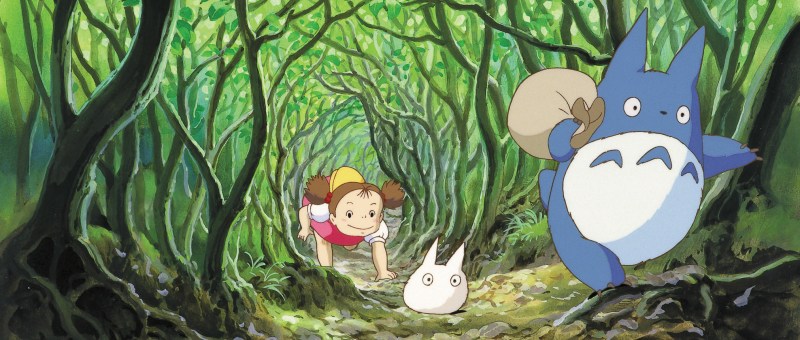
My Neighbor Totoro (となりのトトロ, Hayao Miyazaki, 1988)

© 1988 Studio Ghibli

“Trees and people used to be good friends” explains a father to his little girls newly arrived in the idyllic countryside of post-war Japan seeking respite from the destructive modernity that has made their mother ill. Released alongside the harrowing wartime drama Grave of the Fireflies, My Neighbor Totoro (となりのトトロ, Tonari no Totoro) is a charming tale of childhood adventure if not quite without its shades of darkness in which two sisters embrace the wonder of the natural world while trying to come to terms with mortality and the uncertainties of adulthood. 

Satsuki (Noriko Hidaka) and her younger sister Mei (Chika Sakamoto) have moved into a large, ramshackle house in a rural village on the outskirts of Tokyo for the benefit of their mother’s health while she remains in hospital a few miles away. Living with their cheerful father (Shigesato Itoi), a professor in the city, the girls rejoice in exploring their new environment learning of the dust bunnies that inhabited their home before they moved in. An old lady from the village (Tanie Kitabayashi) who’s come to help keep house until the girls’ mother returns home explains that she could see the “soot spreaders” too when she was a child but presumably not anymore. The idea that the soot speakers will soon move on appears to make the sisters sad, and everyone including the parents is quite excited about the idea of living in a “haunted house” even if it’s one that rattles a little in the wind. It’s younger sister Mei who later follows the trail of acorns that mysteriously appear in their home and encounters a series of strange forest creatures she names “Totoro” that eventually introduce the girls to a parallel world of magic and fantasy. 

Their father probably doesn’t believe them, but indulges the girls’ stories and adventures while encouraging them to embrace a sense of wonder in their environment along with something deeper and older than contemporary modernity. “You probably met the king of this forest” he explains to Mei, pausing to offer a word of thanks to the ancient tree he says first drew him to the house that will be their new family home. Whether Totoro is “real” or simply a childish fantasy he helps the sisters escape their anxiety over their mother’s absence, not least by introducing them to new life in the seeds the girls plant in their garden and patiently wait to grow. The oldest, Satsuki, is perhaps a little more aware, worried that her father might not have told her everything about her mother’s condition and processing the idea that there is a possibility she won’t come home to them. She wants to protect her sister from the same fears but perhaps can’t, eventually losing her patience with her and instantly regretful when Mei goes off in a huff and gets lost.

There is darkness in the village too, a floating sandal in a nearby lake giving rise to fears that a child may have fallen in and drowned, but there’s also the gentle strength of the community in the kindly old lady and her shy grandson Kanta (Toshiyuki Amagasa) along with all the other villagers who come out in force to look for Mei fearing she may have tried to visit her mother at the hospital on her own. The old lady prays furiously while muttering Buddhist sutras and it’s probably not a coincidence that Mei sits by a row of Jizo statues after realising that she’s lost not knowing what to do. The girls are always careful to offer thanks at the Jizo shrine just as their father thanked the tree though it’s Totoro and the Catbus that eventually bring them back together echoing a sense that in a just world kindness will always be repaid. 

The countryside is in many ways closer to that just world, largely free of the evils of modernity such as the pollution of industry that has corrupted the cities. Technology is often unreliable, dad’s train is late, telegrams bring bad news, and telephone calls result in anxious waits, but life in the village is peaceful and happy and the people help each other when times are hard. It may be an idealised vision of rural living, but there’s no denying its appeal. Evoking a sense of nostalgia in its beautifully painted backgrounds, Miyazaki’s gentle drama is like much of his work an advocation for the importance of nature as a source of healing but equally for wonder in the fantastical adventures of two little girls finding strength and possibility in the heart of the forest.


My Neighbor Totoro screens on 35mm at Japan Society New York on Nov.4 as part of the Monthly Anime series. Japan Society will also be hosting a talk with puppet artist Basil Twist on Nov. 10 delving behind the scenes of the Royal Shakespeare Company’s currently running stage adaptation.

Trailer (English subtitles)

Images: © 1988 Studio Ghibli