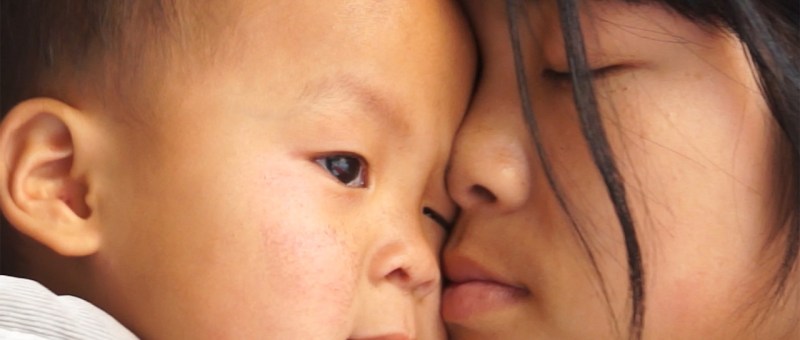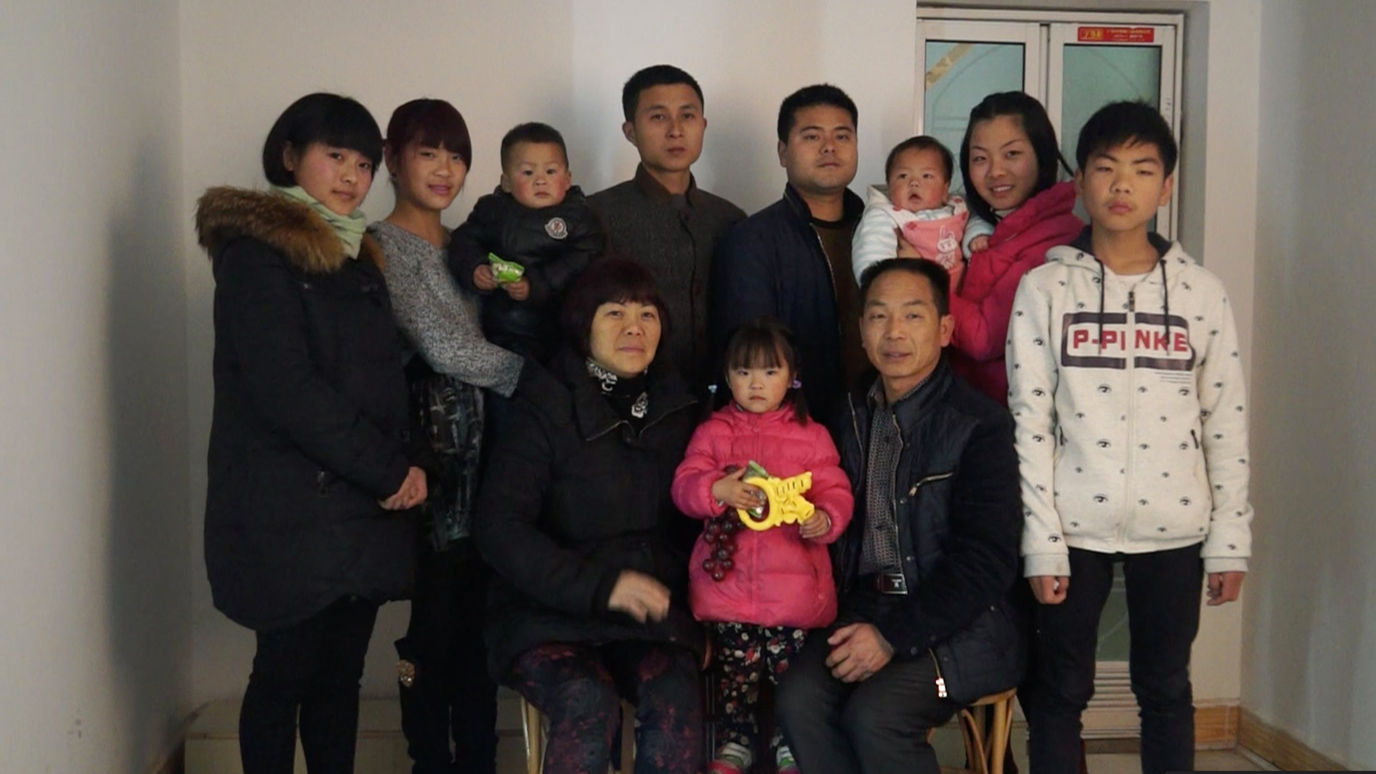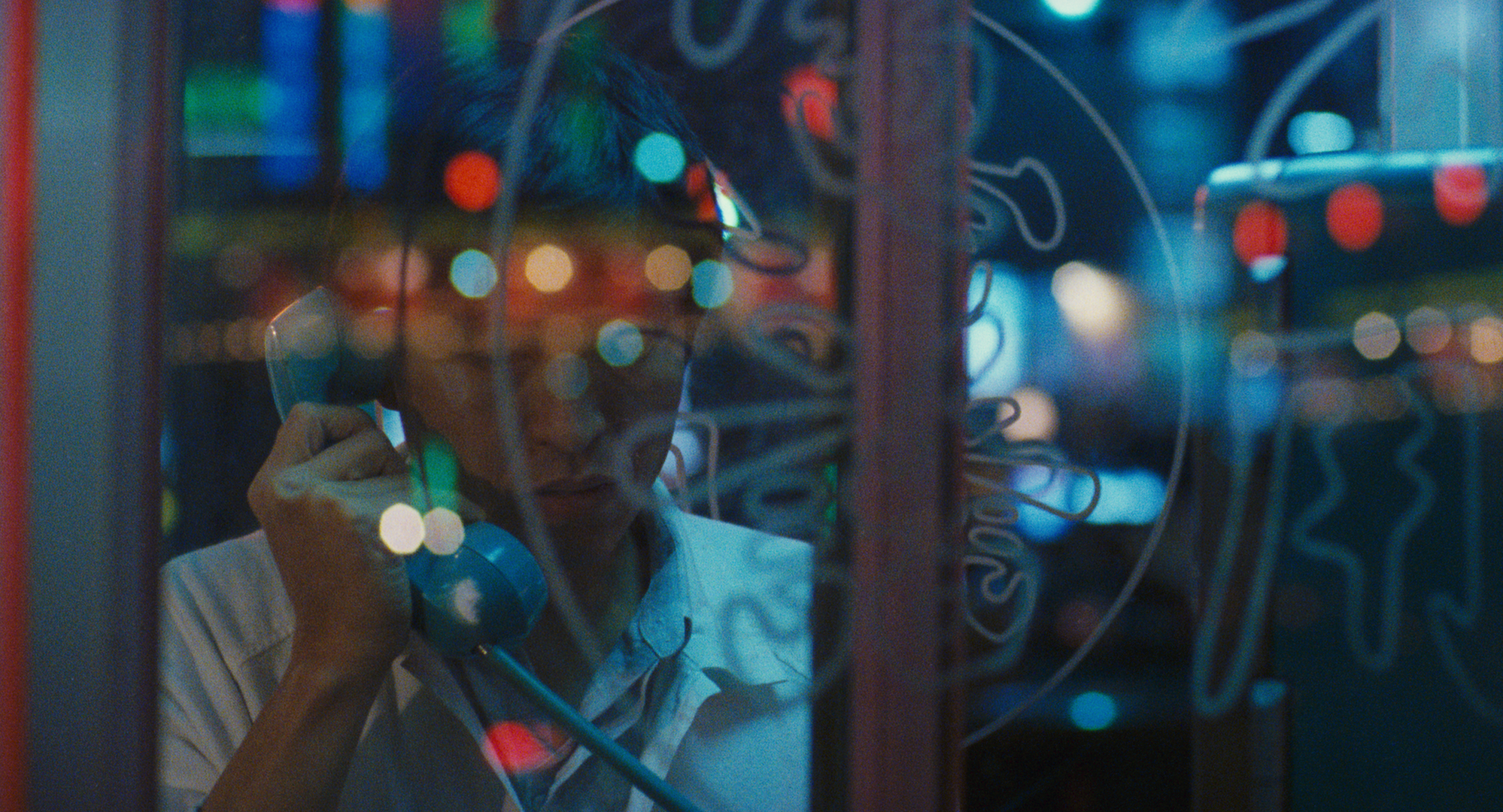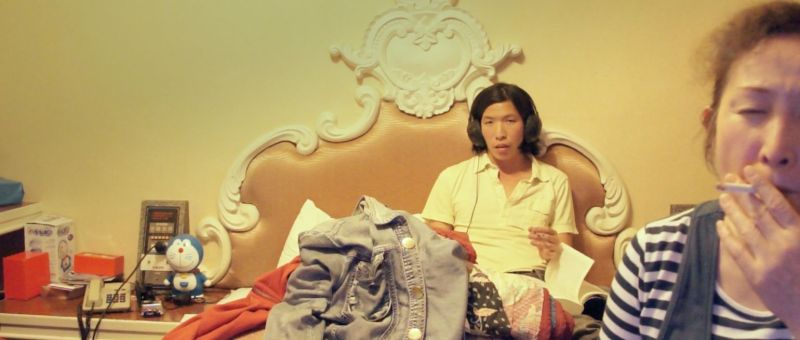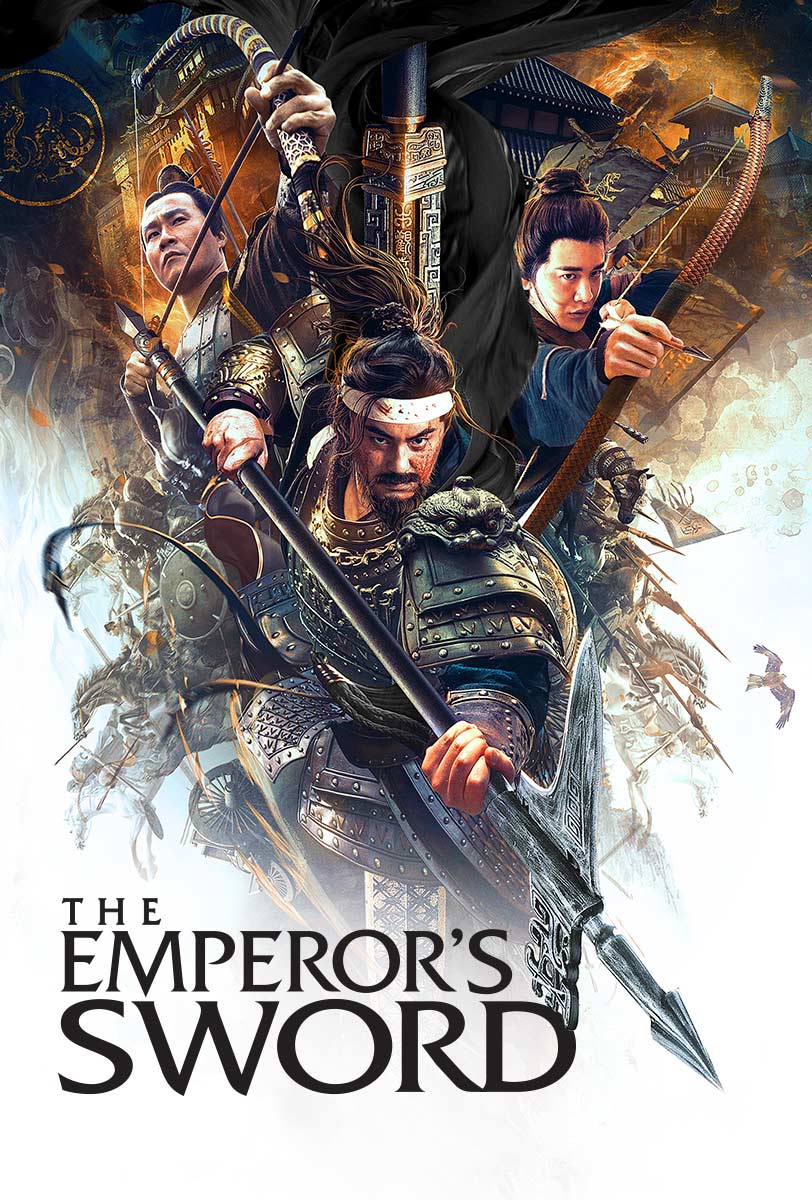
My Dear Friend (好友, Yang Pingdao, 2018)

“What’s right or wrong doesn’t matter anymore. Being at peace is what matters.” an old man insists, attempting to help his troubled companion regain a sense of himself at the end of his life. A magical realist fable, Yang Pingdao’s My Dear Friend (好友, Hǎoyǒu) quite literally sends its elderly heroes back into the past as if they had become unstuck in time but also bears witness to the inexorability of fate as events seem only to repeat themselves from one generation to the next. 

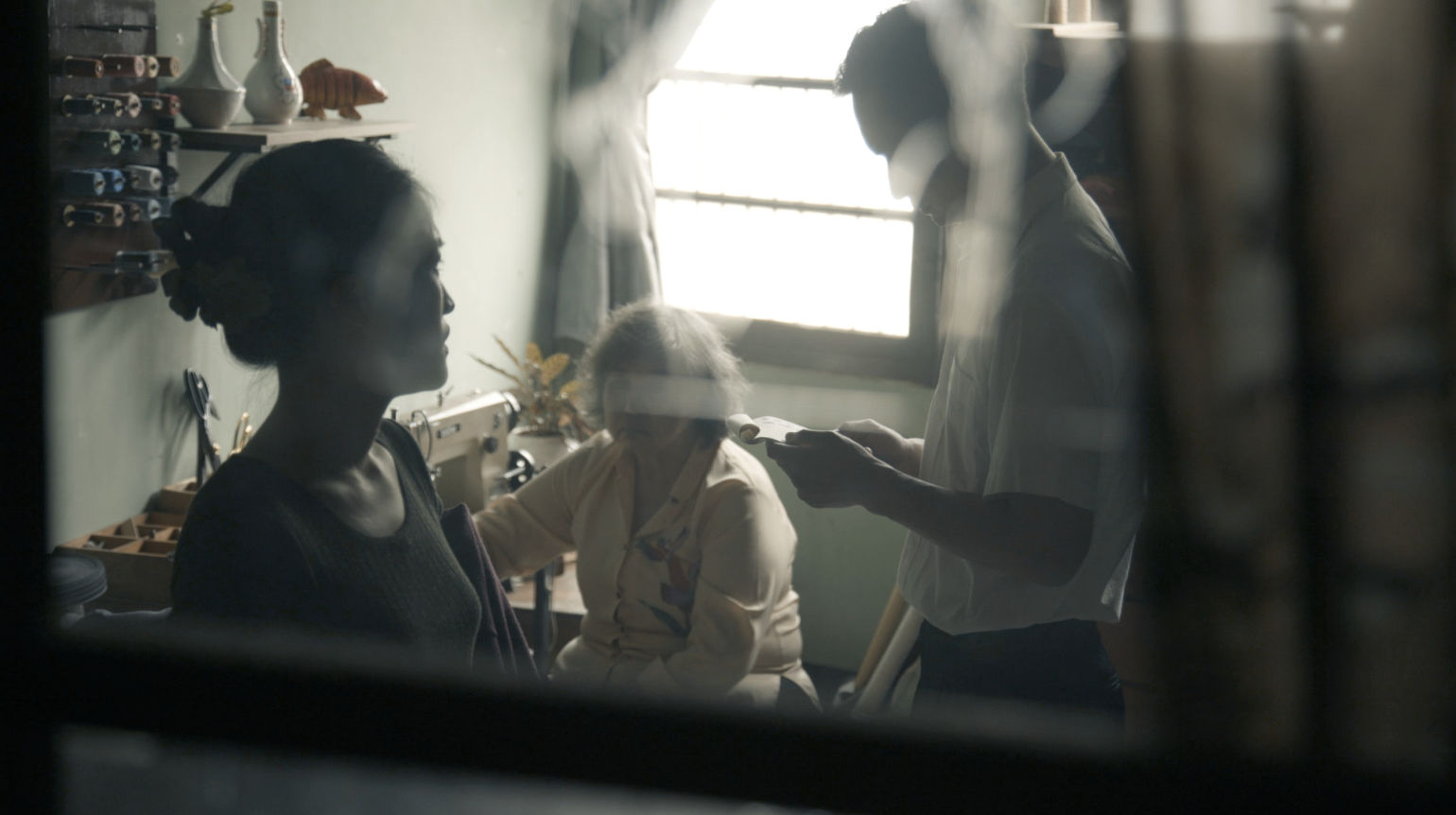
The film begins, however, with a literal intrusion of the present into the past as city girl Jingjing (Gabby So) drives her red saloon car, more suited to a morning commute than a trek through the mountains, into a rural village, rudely barging into the home of elderly couple A-Fang (Jiang Hong) and Shuimu (Luk Suk-Yuen AKA Robert Loh) in search of their grandson Yiming. Jingjing claims that she is pregnant and Yiming is the father, but now he’s ghosted her so she’s come to make him assume his responsibilities. Unfortunately Yiming isn’t there, but rather than scandalised or ashamed as one might have assumed them to be, A-Fang in particular and her husband seem to be both relieved and excited to the extent they don’t really want Jingjing to leave which might explain why her car won’t start the next morning. 

While staying with the elderly couple, Jingjing hears that absent fathers run in the family. Shuiming’s father disappeared suddenly without warning or explanation leaving his mother to raise him alone, while his son also abandoned Yiming to run off with an impoverished bar hostess who had four children of her own. Yiming’s mother remarried, leaving the boy with his grandparents. Jingjing asks why Shuimu didn’t leave and he doesn’t answer her, but following him around she may have stumbled on the answer in his 60-year, apparently secret friendship with a man of the same age who appears to be mute and intelligible to Shuimu alone. Zhongsheng (Lu Haoquan), as the man is called, is a man without a past apparently having no memory before the age of ten. Once her car is fixed, Shuimu asks Jingjing to drive them to another village 300km away where Zhongshen thinks he may be from, obsessed with a rumour about a child who survived a massacre by “four psychos” after falling into the river. 

Things that drift loom large. Shuimu muses on a giant fish head apparently washed down by the voiding of the dam the head then linking back to a strange pipeline that reminds them of a giant whale only without its mouth as if something had been uncapped or opened to the elements. Travelling through mist and fog, the trio stop their car in what seems to be the meeting of a wedding and a funeral as a procession passes by them made of men and women from another time, wearing donkey jackets and silently carrying umbrellas, seemingly filled with solemnity. Shuimu and Zhongsheng encounter younger versions of themselves, a version of their story replaying itself as the boys become men who might equally be Yiming and his friend in this strange place where past and present co-exist. 

Yet Shuimu is perhaps looking for the truth of himself as much as his friend, Zhongsheng’s name apparently originally his only his mother changed it on the advice of a fengshui master worried he lacked water (水 shui) and wood (木 mu) though Shuimu liked the other name better. He also gives Zhongsheng his own birthday, making of him another self, in a sense a secret shadow self unable to speak though Shuimu is always able to interpret his thoughts perfectly. He sees a similarity in Jingjing and A-Fang, one which she also sees, a little jealous of the younger woman’s freedom lamenting the simplicity of her wedding and harshness of her life since. Both sharp tongued they’ve become prickly in the unreliability of men, each searching A-Fang like Zhongsheng’s mother calling out at night for her wandering husband only hers always comes back. Don’t become like me, she tells Jingjing, pledging to drag Yiming back and give her the proper wedding she never had. 

Zhongsheng complains A-Fang haunts him like a phantom, yet everyone here is already a ghost literally haunted by historical trauma and parental failure. Shuimu and Zhongsheng search for truth and identity, but find themselves in a place they no longer recognise which in turns claims not to know them. Perhaps truth isn’t so important, Shuimu claims, as peace, deciding the entire earth is a grave, make your offerings where you will. Aided by the rolling mists, Long Miaoyuan’s ethereal photography adds to the sense of mythic grandeur in this long sad story of enduring male friendship and perpetual orphanhood carried away in the grand ever flowing river of life and death.


My Dear Friend screens at Curzon Hoxton on 18th September as part of this year’s Queer East.

Original trailer (Simplified Chinese / English subtitles)

Number 1 (男儿王, Ong Kuo Sin, 2020)

“What I don’t understand is your so-called rules and traditions. Just what good does it do?” a newcomer ironically asks of a veteran drag artist, having perhaps shed but not yet quite acknowledged his original prejudice towards those different from himself. Ong Kuo Sin’s cheerful drag dramedy Number 1 (男儿王, Nán’ér Wàng) examines attitudes to the LGBTQ+ community in the comparatively conservative nation of Singapore where sexual activity between men remains illegal even if the law is not heavily enforced, while subtly undermining oppressive group think as to what constitutes a “successful”, “normal” life. 

44-year-old Chow Chee Beng (Mark Lee Kok Huang) is a successful general manager at a construction firm where he’s worked for the last 17 years which is the entirety of his working life. It comes as quite a shock to him therefore when he’s unceremoniously let go, passed a letter of termination seconds after entertaining everyone with a song at the office New Year party. Given his experience, he perhaps feels that getting another job won’t be too difficult, but as various employers tell him he’s either “too old” or “too expensive” for the competitive Singapore job market. Faced with the prospect of telling his wife they’ll have to sell their luxury detached home because he can’t make the mortgage payments, Chee Beng is forced to accept the last resort offer from his recruitment advisor which happens to be as an AGM at local drag bar Number 1. 

Like many men of his age, Chee Beng has a rather conservative mindset and had been living a very conventional life of suburban, middle-class success. His wife Marie (Gina Tan) even complains to her sister-in-law that their new swimming pool is a little on the small side and she’s thinking of swapping it for a bigger one. Yet as his performance stint at the company party implies, he is perhaps holding a part of himself back thinking that his love of singing is frivolous or even a little taboo given his wife’s mild embarrassment. The drag bar is therefore firmly outside his comfort zone. Not only does he lack experience managing an entertainment venue, but finds it difficult to overcome his sense of discomfort with those living lives so different from his own. When one of the drag artists turns out to be a deserter from the army and is carted off by the military police, Chee Beng finds himself press-ganged into performing and discovers that he is something of a natural though he doesn’t understand why they have to lip-sync to pre-recorded tracks rather than singing live. 

Chee Beng’s point seems to hint at a concern about the ability to completely embody the performance and fully express himself, yet he’s also a straight man wading into a predominantly LGBTQ+ community he knows nothing about and insisting on having his own way. That brings him into an additional conflict with former number one Pearly (Kiwebaby Chang) who dragged him on stage in the first place because with only four performers she wouldn’t be able to stand in the middle. Pearly might feel that lip-syncing completes her performance because she lacks the ability to sing in a feminine register, yet Chee Beng ironically accuses her of mandating a no singing rule in order to mask her own weakness while simultaneously attempting to mandate live singing in order showcase his strength as a performer. 

But even if he’s come to feel at home in the drag community, Chee Beng continues to keep his new life a secret from his socially conservative wife. When a video of him singing at the club goes viral, Chee Beng’s wife and sister-in-law react by taking the children’s phones away as if seeing it is in some way harmful. Later on seeing a poster for the Queens she irritatedly tells Chee Beng they should be banned by the government for giving children “wrong ideas”. Meanwhile their son Mason is conflicted in being a boy asked to play the part of Mulan in the school play, claiming he dislikes the character of Mulan because she “lies” about who she is while his father can only sympathise offering the justification that sometimes people have to lie in order to protect those they love. When Chee Beng’s identity is exposed, little Mason begins receiving vile hate mail online and all his friends stop playing with him. Yet he doesn’t see anything wrong in “wearing a dress” and can’t understand why everyone, including his mother, seems so upset. Marie complains that Chee Beng’s new life is “confusing” for Mason, but he doesn’t seem confused at all because he hasn’t yet had time to absorb the “wrong ideas” from the conservative world around him. 

That conservative world has been a very dark place for some of the Queens, Pearly revealing that she believes her coming out drove her parents in Taiwan into an early grave, while bar owner Fa’s brother took his own life, and the gang experience homophobic harassment from a man who turns out to be the high school bully who made one of their live’s a misery. Nevertheless, the sudden and otherwise unexplained reversal in the attitudes of some seems more than a little contrived for an otherwise uncomplicated happy ending despite Chee Beng’s defiant message that he wants his son to grow up “different” in that he learns early on not to be prejudiced against those different from himself and goes on to be happy with whoever he is rather than blindly following the rules of social conformity. Drag is for everyone, and becoming a member of the supportive drag queen community even helping out fundraising for a local LGBTQ+ friendly nursing home, Chee Beng begins to see a different way life that opens his eyes to the constraints of the way he lived before swapping the trappings of extreme consumerism for personal fulfilment and compassion for others. 


Number 1 screens at London’s Genesis Cinema on 18th September as part of this year’s Queer East.

Original trailer (English subtitles)
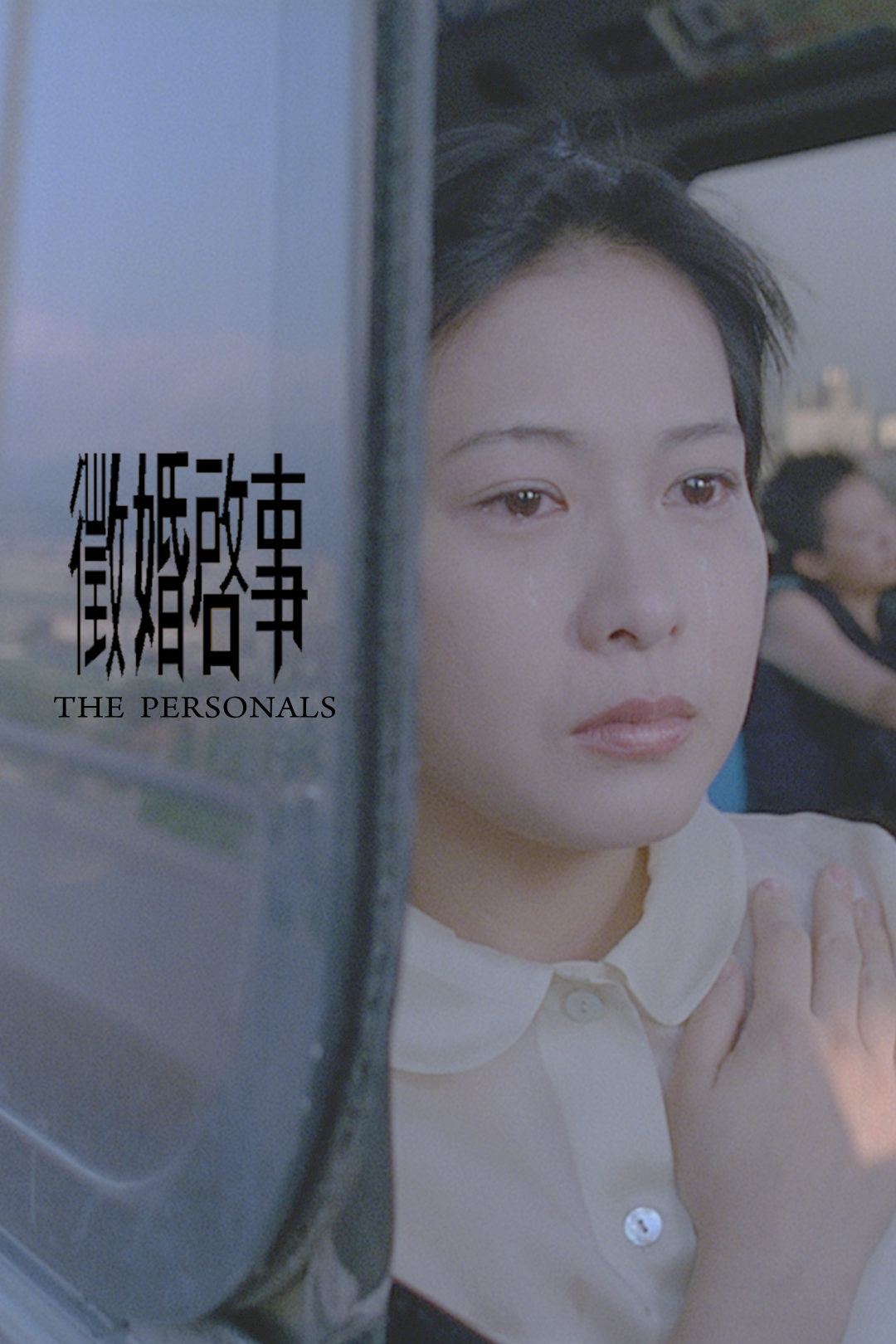
Never Stop (超越, Han Bowen, 2021)

“And what comes after the finish line?” an anxious novice asks of his mentor who has little answer for him, his singleminded pelt towards the end of the road later convincing him “running never leads anywhere” even as he continues to run away from his sense of shame and inadequacy. One of a number of sporting dramas emerging in the run up to the Tokyo Olympics, Han Bowen’s Never Stop (超越, Chāoyuè) ultimately suggests that in life there is no finish line while “winning” is perhaps more a state of mind than a medal and a podium. 

This is however a lesson former champion Hao Chaoyue (Zheng Kai) struggles to learn after his sprinting career comes to an abrupt halt. In 2009, he won gold in the Asian Games and publicly proposed to his reporter girlfriend in the middle of a packed stadium. 10 years on, however, he’s a washed up middle-aged man whose business is failing and marriage falling apart. His protege, Tianyi (Li Yunrui), is still flying high but approaching his late ‘20s is now also experiencing similar problems as Chaoyue had previously compounded by the fact he suffers from ADHD and is prevented from taking his medication because of anti-doping regulations which has left him mentally drained through overstimulation. 

Later, Chaoyue describes the athletes’ existence as like that of a lab rat forced to run around for little more reward than food and water. Nevertheless the source of all his problems is in his stubborn male pride, unable to accept the reality which is that he lost to nothing other than time in the perfectly natural decline of his ageing body which coupled with the extent of his injuries left him unable to maintain the peak physical performance of his earlier career. Petulantly quitting his original team, he tries an international super coach who refuses to sugarcoat the reality that Chaoyue has simply aged out of international athletics while throwing in a few racist micro-aggressions for good measure. Unable to move on, he attempts to trade on past glory but ironically continues to run away from his problems in refusing to accept he has no head for business while discouraging his young son from pursuing athletics despite his apparent love and aptitude for sports. 

Tianyi’s plight meanwhile highlights the external pressures placed on sporting idols in the internet age, his career suddenly on the rocks when he’s spotted taking pills and and damages his reputation losing his endorsement deals. Having idolised Chaoyue and essentially followed in his footsteps he now finds himself directionless and wondering what to do with the rest of his life. The appeal in running for him at least may have been in, as Chaoyue had described it, the intense focus and single-mindedness of the short distance sprinter in which everything except the runner and the finish line disappears, but without his medication Tianyi finds it increasingly difficult to concentrate often slow off the blocks in his initial confusion. 

The problem the runners face is ultimately one of self-confidence, motivated to give up on believing that they cannot fulfil the internalised ideal they have of a champion. Chaoyue remains unwilling to “lose”, running his business further into the ground and damaging his relationships with those around him out of stubbornness rather than making a strategic retreat or attempting to reorient himself in accepting he may need help with making his sneaker shop a conventional “success”. Feeling betrayed, he refuses to let his son run because running doesn’t lead anywhere but continues to run away from the humiliating spectre of failure rather than face it head on. Tianyi meanwhile looks for guidance and unable to find it struggles to find independent direction, but in confronting each other the two men begin to regain the confidence to keep going redefining their idea of success as striving for rather than reaching the finish line.

An unconventional sporting drama, Han’s inspirational tale nevertheless promotes perseverance and determination as the former champions overcome their self-doubt to realise that you don’t have to just give up if you feel you’ve lost your way and that there are always other ways of winning. There may be no finish line in life, but there are ways to go on living when your sporting life is over not least in supporting the sporting endeavours of others or as the post-credits coda less comfortably suggests monetising your name brand to build a sportswear empire that enriches both yourself and the nation. A late in the game slide towards a patriotic finale cannot however undo the genuine warmth extended to the struggling athletes as they resolve to keep on running no matter what hurdles lie in their way.


Never Stop streams in the US Sept. 15 to 21 as part of the 13th Season of Asian Pop-Up Cinema.

Original trailer (English subtitles)

Ascension (登楼叹, Jessica Kingdon, 2021)

Factory worker inspecting the head of a sex doll during assembly in Zhonghan City, Guangdong Province, China, as seen in Ascension, directed by Jessica Kingdon. Image courtesy of MTV Documentary Films.

“Work hard and all wishes come true” according to a propaganda slogan pasted on a wall in Jessica Kingdon’s interrogation of the Chinese Dream, Ascension (登楼叹, dēng lóu tàn). Working her way through its various layers, Kingdon’s observational doc addresses the ironies of the contemporary society defined by its intense and ever growing wealth inequalities. According to a speech made by a dubious CEO approaching the film’s conclusion, China is a “fair society” his logic being that only the morally responsible are entitled to profit and society will find ways to rob those who’ve acquired their riches though illicit means of their ill-gotten gains while the trickle down economy otherwise ensures “wealth redistribution”. 

His justifications are, it has to be said, hard to accept. Kingdon opens the film with an aerial shot of a rooftop swimming pool in which the trio of women cleaning it appear tiny next to its comparativeness vastness as they care for a facility they may not be entitled to use. Descending to street level, we’re assaulted by PA speakers advertising for labour with promises of comfortable work, some which can be done sitting down, with accommodation in spacious dorms with aircon thrown in. Anyone would think there must be some kind of tremendous labour shortage, but the wages are lower than low, and employers apparently still picky over what kind of people they employ, stating an age cap of only 38 while banning those with criminal records or tattoos along with dyed hair and piercings. The excessively tall are also not welcome hinting at conditions more cramped than the announcements imply. 

Taking her camera inside the factories, Kingdon discovers people reduced to the level of automata, machines among machines mechanically sorting cooked poultry or stamping packaging while watching TV drama on smartphones. Workers complain that their bosses cheat of them of their pay and feel the need to bribe them by buying lunch to curry favour. Yet Kingdon also uncovers the absurdity of the everyday, shifting from a production line producing plastic bottles to an artisan workshop staffed almost entirely by women in cheerful yellow outfits with red gingham aprons crafting uncannily realistic sex dolls presumably for extremely wealthy, sometimes demanding clients. A worker stops to snap a picture of the doll’s nipples with a tape measure next to them to send for approval, while others obsess over the proper colouring for the areola or complain that the chemicals irritate their skin.

Shifting up a gear, she visits a school for bodyguards where the instructor randomly plays with a little goat for some reason hanging around outside and is then stung by a bee. The need for bodyguards is perhaps another symptom of increasing inequality as the super rich discover their “success” has only made them anxious for their safety. On the flip side, another school is busy training butlers for those enamoured of the trappings of feudalism. The instructor explains that one of her clients got a job as a PA right away and his sole responsibility was squeezing his boss’ toothpaste for him, preparing it in a little cup. Meanwhile across town, others teach proper business etiquette most particularly to female employees. A pretty woman is China’s business card, one enthusiastically points out selling the importance of cosmetics, while another even more dubious course in entrepreneurship has its participants “deciding” to earn millions within the year and then triple the amount in the next five. 

While a woman plumps pillows in a fancy hotel suite, painstakingly stripping a rose of its petals to place on a pair of towels folded into the shape of a swan, the wealthy enjoy leisure time at a huge water park which boasts a tunnel ride through the aquarium where “mermaids” swim alongside sharks and stingrays. Others ride a literal “lazy river” sitting in rubber rings styled like frosted donuts. Guests at a fancy French dinner praise American freedom, while others complain that Westerners criticise China’s human rights record but how can you think about human rights when you’re so poor your entire existence is occupied with survival? Billboards at street crossings bear footage of other people crossing, while a picture of Xi Jinping sits in the corner of a garment factory where they sew clothes embroidered with the logo “Keep America Great” and another worker rolls her eyes at claims the place is haunted. China’s greatest export, it seems, is irony. Kingdon’s beautifully composed shots add to the sense of absurdity as does the score veering from eerie synths to jaunty theme park music implying that the entire nation has in a sense become a playground for the rich and powerful built on wilful exploitation and the thoughtless cruelties of intense consumerism. 


Ascension opens the 13th Season of Chicago’s Asian Pop-Up Cinema on Sept. 15 before opening at New York’s IFC Center on Oct. 8 courtesy of MTV Documentary Films.

Hello! Tapir (嗨!神獸, Kethsvin Chee, 2020) [Fantasia 2021]

“In this world, everything disappears eventually” according to the prophetic words of the absent father of young Keat in Kethsvin Chee’s charmingly retro children’s fantasy adventure Hello! Tapir (嗨!神獸, Hāi Shénshòu). At heart a tale of grief and a small child’s acceptance of death, Hello! Tapir is also one of gentle adventure as the hero and his two friends search for tapirs in the undergrowth but eventually discover an accommodation with loss in the knowledge that nothing’s ever really gone even if you can’t see it. 

Keat (Bai Run-yin) lives in a small fishing village with his fisherman father (Lee Lee-zen) and grandma (Lü Hsueh-feng) who sells seafood at the market. Captivated by his father’s improbabe tale of having encountered a tapir who eats people’s nightmares in the forest, Keat implores his dad to take him to see it too but Keat’s father Sheng is always too busy and often reneges on his promises. Ominous winds start to blow when news of a typhoon is broadcast over the radio while Keat is angry that no one woke him before his father left on the boat as he had asked them to do. Sure enough, not long after Keat discovers a commotion at the harbour and gathers there has been some kind of accident at sea. His father hasn’t come home and his grandma is frantic but he’s just a little boy and no one is telling him anything. 

Told from a child’s point of view, Chee’s melancholy tale perfectly captures the confusion and resentment of a small boy in the midst of crisis. Keat cannot conceive of the idea his father may never come home again, replying to his friend’s questions that he’ll be back maybe tomorrow or the day after that. After all, he was supposed to take him to see the tapir. Because he’s sure his dad’s coming back, he grows resentful towards his recently returned mother (Charlie Yeung Choi-Nei) who left the family some time previously and had been living in Taipei and his grandmother for taking his father’s place away by boxing up his clothes and preparing to sell the fishing boat which came back empty on its own for scrap. 

Meanwhile he attempts to secure his father’s legacy by searching for the tapir on his own, encountering a baby which later leads him into the forest and towards its giant parent sucking on golden nightmare orbs all the way. Tapirs are obviously not native to Taiwan and so their presence is as decidedly unexpected as their unusual appearance. You would’t expect to see one wandering through town unless it had recently escaped from a zoo, but they are perhaps Keat’s way of processing the loss of his father the adult tapir gently showing him what it was he most wanted but feared to know while comforting him with its reassuringly warm presence. 

On the cusp of adolescence, Keat finds himself squarely between two sets of overlapping worlds caught between the fantasy of nightmare-eating tapirs and the reality of his grief while also remaining firmly in the realms of childhood having innocent adventures with his two friends as they try all sorts of tricks to draw out the mystical creatures just as his mother deals with the difficulties of planning a funeral and making plans for the future without overburdening her son with impending change. Nobody tells Keat anything because he’s just a child and they think he won’t understand, but he understands that they’re not telling him and the knowledge further increases his sense of loneliness and alienation left entirely alone with his grief and anxiety. 

A beautifully drawn magical realist fable, Chee’s charmingly old fashioned kids fantasy adventure makes the most of its idyllic seaside setting replete with a warm and friendly atmosphere despite its concurrent tragedy. Keat is forced to face the reality of his loss, but does so while maintaining a sense of wonder for the natural world secure in the knowledge that all things disappear in the end, but it isn’t the end of the story and death is merely another part of life. Warm and empathetic, Hello! Tapir paints its coastal setting with an uncanny sense of magic coupled with a cosmological sense of security as its young hero begins to come to terms with his loss thanks to the gentleness of sleeping creatures. 


Hello! Tapir streamed as part of this year’s Fantasia International Film Festival

Original trailer (English subtitles)
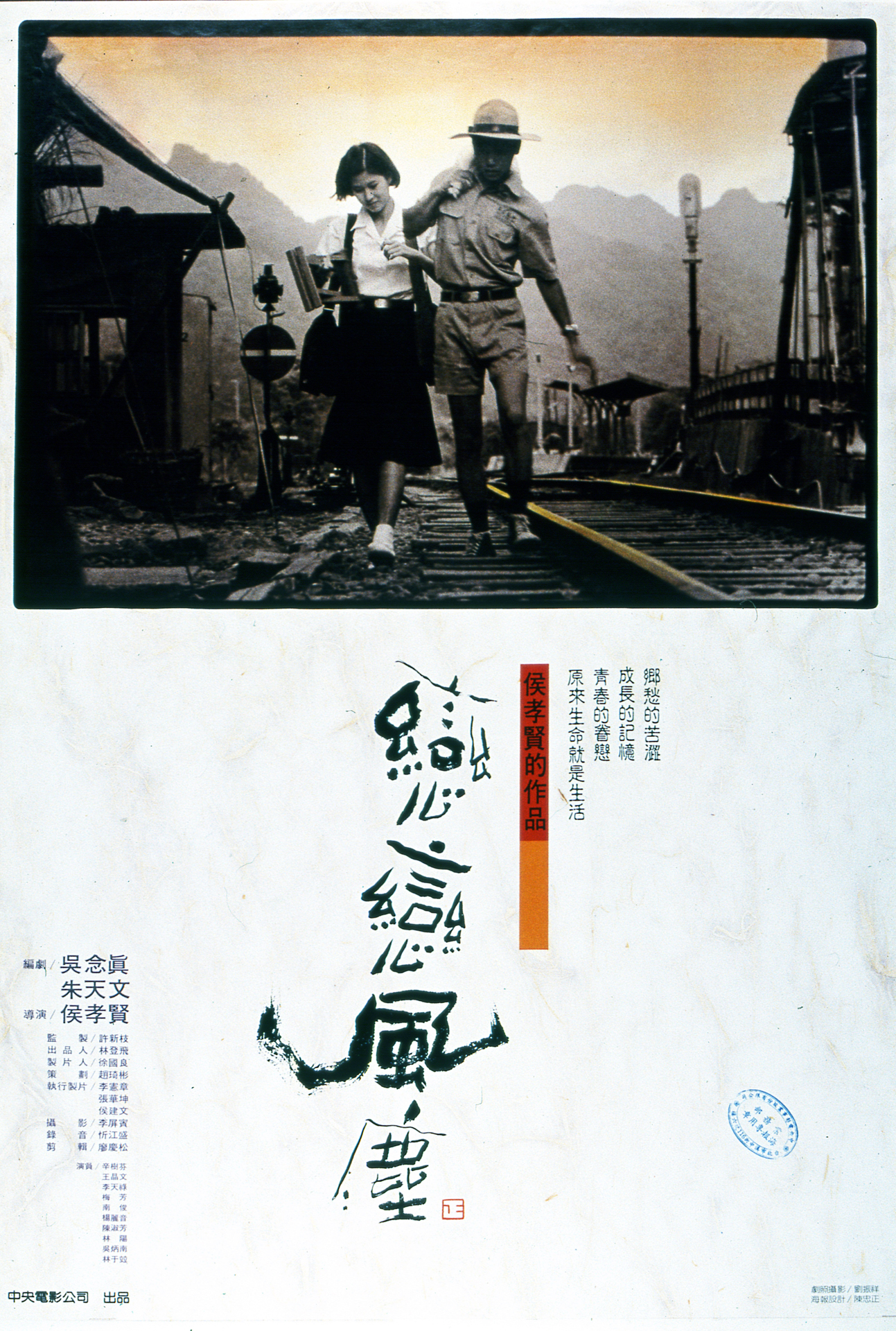
The Sadness (哭悲, Robert Jabbaz, 2021) [Fantasia 2021]

“You’re just like me, violent and depraved” a crazed aggressor sneers, almost victorious in his defeat in having goaded his target into bashing his head in with a fire extinguisher. A defiantly depraved tale, Robert Jabbaz’ zombie-adjacent horror The Sadness (哭悲, Kū Bēi) as the title implies suggests that the propensity for violence and cruelty lurks within us all merely waiting for some kind of trigger, in this case a deadly virus, to set it free. 

The film opens, however, with tranquility as young couple Jim (Berant Zhu Ting-Dian) and Kat (Regina) cuddle in bed before Kat’s alarm goes off. The mood begins to sour when Jim reveals they’ll have to cancel their upcoming holiday because he’s been offered work on a film and that is apparently something that’s been thin on the ground. As he turns on the TV, a pundit and a scientist argue about the “Alvin virus” which many people apparently believe is only a cold, though those people are obviously quite wrong (sound familiar?). The virologist continues to explain that the danger is the virus contains similar genetic material to rabies and he fears it may soon mutate into something seriously worrying. In any case, he finds it suspicious the virus has fetched up on the eve of an election and hints at the dubious immorality of politicising a public health crisis. Jim first encounters the afflicted on spotting an elderly person in a bloodstained nightgown who later turns up at his local cafe to bite several members of the clientele who then turn on him seemingly consumed by a violent and irrational rage.

Kat meanwhile experiences something similar as a madman with a knife rips through the carriage of the MTR in which she is currently sitting. Yet, as we discover, the violence and sadism is not entirely indiscriminate but informed by the underlying “sadness”, resentment, and anxieties of the infected person. Kat’s day had got off to a bad start when the middle-aged creep (Wang Tzu-Chiang) sitting next to her kept trying to chat her up only to go off a rant about the entitlement of pretty women when he’s only trying to be friendly after she threatens to call the police because he’s ignored all of her polite hints and requests to be left alone. Crazed, the train creep continues to stalk her determined to get his revenge. His rage and violence is fuelled by the pre-existing condition of his misogyny. 

The fact that Kat appears to be otherwise immune to the virus may suggest that she is a fairly well-adjusted person with no underlying sadnesses or personal resentments, yet she is apparently still capable of great violence when presented with the right trigger(s), in this case being existential terror. The infected meanwhile profess themselves in a state of ecstasy as they indulge their darkest desires. Jabbaz’ gore-fuelled odyssey is in truth a little too depraved, the sickening scenes of sadistic violence accompanied by copious amounts of blood not to mention scattered innards and severed limbs. “This is my kiss, I’m kissing you to death” a woman preens while holding a circular bone saw seconds after revealing that she always had trouble making friends but is beginning to feel as if she’s finally found her crowd. 

A minor irony is that this pandemic anxiety is expressing itself in Taiwan which up until recently at least had done a stellar job of suppressing COVID-19 largely thanks to the opposite of the impulses on display here. Yet there is also something of obvious satire in certain people’s refusal to listen to the science even as the president’s head literally explodes live on TV, while Jim picks up a brochure for reasonably priced apartments only to be told that the pandemic has also “depressed” the property market. His next-door neighbour, Mr. Lin thinks Alvin is a conspiracy theory designed to create economic instability those in the know can profit from later. He seems to have a nasty cold, but refuses to go to the doctor because it seems like a lot of bother when they’re just going to tell you to stay at home and rest. Mr. Lin’s theories are in part vindicated by another scientist who also thinks the government has been ruled by political concerns, too afraid of the economic consequences of a lockdown to contemplate ordering one even while knowing not to do so endangers public health. “Everything must be politics. There’s no room for truth” he laments, though as it turns out he isn’t free of his own darkness either. 

Not for the faint of heart, Jabbaz’s absurdist satire is a depraved journey through every kind of human degradation imaginable darkly suggesting that sadistic violence is never as far from the surface in the ordinary person, or indeed in ourselves, as we’d like to believe. “It feels like I’ve finally found a purpose in life” a member of the infected dreamily explains, embracing his life of ultra violence apparently freed of the burdens of contemporary civility. 


The Sadness screened as part of this year’s Fantasia International Film Festival.

Original trailer (English subtitles)
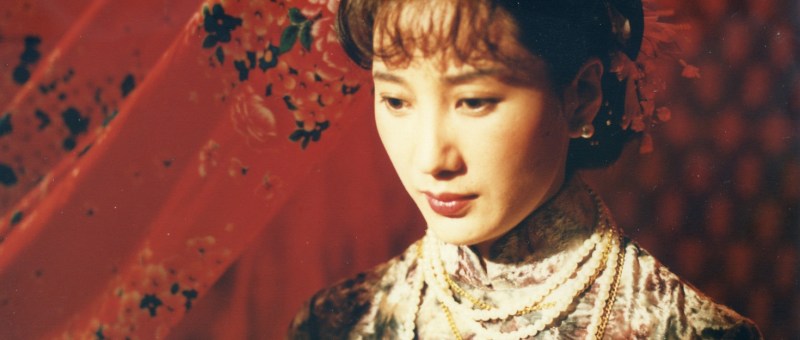
Anima (莫尔道嘎, Cao Jinling, 2020)

“The trees are not yours. You can’t protect them” an adopted son is repeatedly told, except they are his to the extent that they belong to everyone and the consequences of not protecting them, as he will sadly discover, may prove catastrophic. Set mainly in the 1980s in the remote Inner Mongolian mountain region of Moerdaoga National Forest Park, Cao Jinling’s timely eco drama Anima (莫尔道嘎, Mòěrdàogá) asks what happens when you pull the pegs out of the earth and then take them to market, linking the ‘80s economic reforms with the advent of environmental destruction, but eventually finds a kind of serenity in the beauty of the natural world and man’s innate connection with it. 

Linzi (Wang Chuanjun), so named because he was found abandoned in the forest as a baby, recounts his tale as a letter to the son he has never met beginning with the moment of childhood trauma which forever altered his destiny and set him at odds with adoptive brother Tutu (Si Ligeng). Out playing one winter while the grownups hunted, Linzi fell into an ice cave and found himself face to face with a bear. Though he felt sure the bear would not harm him, it panicked on hearing his mother’s cries. Hoping to save his brother, Tutu shot the bear but their mother was also killed and, as bears are sacred to the indigenous Ewenki tribe, finds himself an outcast for this act of spiritual transgression. The three remaining family members move to the edge of the forest in order to evade the bear’s curse, eventually joining the local logging industry though Linzi finds himself conflicted in his love of nature while all around him are content to ride roughshod over its majesty. 

While Linzi remains a guardian of the forest living a traditional rural life, Tutu is modernity personified falling in with a gang of shady gangsters running an illegal logging and smuggling operation. While the smugglers might be thought of as the bad guys, the logging company are little better. Linzi’s boss expresses exasperation with his reluctance insisting that if they don’t cut the trees down the smugglers will while constantly banging on about his quotas. Obsessed with making money and fearful of an oppressive social order, no one is thinking very much about the long term consequences of deforestation even as Linzi tries to explain to them that it takes a long time to grow a tree and they’re in danger of running out. When the literal flood comes, it will have devastating consequences for all involved. 

Aside from their differing views on the tradition/modernity divide, the relationship between the brothers further declines when Linzi encounters a feisty widow living alone in the forest (Qi Xi), herself transgressively killing bears for reasons of revenge seeing as her late husband was eaten by one. Linzi shyly falls in love with her, but so does Tutu who finds it difficult to accept the idea that his awkward younger brother has got himself a wife. “I am cursed forever” Tutu dramatically cries after having committed a double transgression of killing another bear and presenting its pelt as a wedding present, and then attempting to rape the bride. So traumatised is he by a sense of spiritual corruption that Tutu no longer feels connected to nature, an exile from the natural world, and self-destructively embraces the worst aspects of modernity believing that he deserves no better. 

Yet even Linzi finds himself betraying his ideals in order to feed his family, falling victim to the “tree breath spell” after participating in the removal of a great old tree. People keep telling him that he doesn’t own the trees and therefore has no right to decide what is done with them, but like everyone else he’s a man of the forest continually displaced while his world is dismantled all around him. He tries to warn the loggers they’re going too far, but they don’t listen to him until it’s already too late. The authorities attempt to fix the problem with a program of “reforestation” but if the price of untempered capitalism is the destruction of the natural world it is nothing more than an act of intense self harm. Linzi attempts to hold back the tide, but is himself exiled from modern society, a sprite bound by the forest unable to leave its boundaries and condemned to watch over it for all eternity as if in penance but also in deep love for the wonders of the Earth which few are now privileged to see. 


Anima screens on Aug. 8 at Film at Lincoln Center – Walter Reade Theater as part of this year’s New York Asian Film Festival.

Original trailer (English subtitles)

The Two Lives of Li Ermao (他她:李二毛的双重人生, Jia Yuchuan, 2019)

“The only thing I’ve ever wanted is someone with whom to live a normal life” Li Ermao explains thinking she’s found it only to have it slip through her fingers once again. Photographer Jia Yuchuan first met Ermao while working on a project with the LGBT community becoming as she describes it something like a big brother. Following her over 17 years, Jia’s documentary The Two Lives of Li Ermao (他她:李二毛的双重人生, Tā Tā: Lǐ Èrmáo de Shuāngchóng Rénshēng) witnesses her constant search for acceptance in a rigid and conservative society the pressures of which also contribute to her sometimes self-destructive behaviour. 

As Ermao explains in an opening onstage monologue, she is not a man dressing as a woman though once thought of herself as crossdressing before living as a “ladyboy” and now identifying as a transgender woman. Jia begins in a sense with her high point at which she has achieved a degree of success as a cabaret performer despite having no formal training in singing and is in what seems to be a positive and loving relationship with a young man, Jiang. Things start to go wrong when Ermao fails to capitalise on the possibility of recording an album while her self-destructive gambling habit begins to eat away at her relationship with Jiang who eventually leaves her. 

As Jia explains, Ermao would often drop out of contact with him for unexplained periods of time despite describing him as an indispensable big brother. After another self-destructive episode renting out her spare room to randomers from the internet to escape her loneliness, Ermao next calls Jia to introduce him to her new boyfriend, Long, over whom she has apparently just attempted to take her own life prompting him to call the police which ends both with her being evicted by her fed up landlady and arrested for the possession of illegal drugs. 

Worried about her elderly mother, Ermao takes Long with back to her hometown but quickly finds herself conflicted in this even more conservative environment where she’s “Li Guomin’s son”, the villagers by turns bemused and scandalised by her feminine appearance. Ermao ran away to live on the city streets following the death of her father who, we learn, was a notorious people trafficker who kidnapped and sold women and children including Ermao’s younger brother who he sent away to Hainan while rumoured to have eaten the corpse of the stillborn baby who would have been Ermao’s elder. This might go someway to explaining the animosity with which she is held in the village, along with the fact that as she’s been away so long and was not expected to return other farmers have long since colonised her land and are not minded to return it. Stubborn, Ermao pitches a tent and tries to make a living chicken farming on the tiny patch that remains in the hope of funding the completion of her confirmation surgery but is finally forced out by the local mayor who describes her as an “unwelcome stranger” in their community and asks her leave. 

Falling still further, Ermao finds it impossible to gain steady employment as a transgender woman eventually when getting back touch with Jia having made the decision to essentially detransition, preparing to have her implants removed while presenting as male in order to continue working at a factory producing components for iPhones. She fears her coworkers finding out that she is transgender and for good reason as she’s later brutally beaten by a male middle-aged colleague. Despite this she seems in a sense happier to have been reaccepted by her hometown, but soon finds herself rejected once again on learning that she is HIV+ and coming to the conclusion that she is “harmful to others” and should choose self-isolation. 

Despite their long years of friendship, Jia is not always sympathetic to Ermao’s plight nor does he condone her sometimes self-destructive behaviour or tendency to overdramatise while uncomfortably asking where a woman like Ermao belongs in the contemporary society before finding that it may have no real place for her. Rejected in the city and finding no refuge in her hometown, Ermao’s reversion to a male persona cannot help but feel like a defeat, her gradual decline from brassy cabaret star to melancholy recluse a result of her battering at the hands of an unwelcoming society unprepared to accept those who do not conform to its rigid ideas of gender and sexuality.


The Two Lives of Li Ermao screens at Genesis Cinema on 19th July as part of this year’s Chinese Visual Festival in partnership with Queer East.

Love Poem (情詩, Wang Xiaozhen, 2019)

“Dedicated to my dear wife” runs the ironic closing statement of Wang Xiaozhen’s meta marital drama, the equally ironically named Love Poem (情詩, Qíngshī). A love poem does indeed appear if in slightly different contexts, full of adolescent ardour and unrealistic promises of eternal devotion, while the marriage at the film’s centre begins to fracture under the weight of its focus. “I went too far to make this film” director Xiaozhen sighs, breaking the fourth wall in a moment of self-reflection that asks what’s left behind if you mine your personal life for art. 

Wang plays, at least, a version of himself, a film director harangued by his extremely fraught real life wife Zhou Qing who, in the handheld claustrophobic opening sequence which consists entirely of a long take focussed solely on her as she holds their snack-obsessed daughter in the back of the car, repeatedly accuses Xiaozhen of having an affair before asking for a divorce when they reach the house of her grandfather who lies dying and bedridden. The pair argue about the usual things, money mainly, but also the application of it. Xiaozhen is irritated by what he sees as his wife’s disrespect of his family having left their daughter with his parents over the summer but given them a token payment which might be the most insulting of all, no real use in failing to cover the child’s expenses while commodifying a family service which ought to be given if not exactly freely then with the expectation of reciprocity. She meanwhile later accuses him of exploiting her father who died shortly afterwards in order to make to his previous film while also failing to care for the family economically. He alternates between angrily implying that he indeed has been having an affair and pleading with his wife not to divorce him, claiming that he’s done nothing wrong while admitting that there might be someone else he fancies but it’s never gone further than that. When Xiaozhen gets into the back of the car with his wife, the fourth wall seems to dissolve entirely. He tries to comfort her, reminding Qing that it’s “only acting” even as their personal lives seem to have bled into the screen unbidden. 

Appearing an hour in only after this emotionally intense conclusion to the opening episode, the title card divides one “scene” from another as we find the couple again only changed. Xiaohzen picks up Qing, the camera now static and mounted on the bonnet, but this time she’s wearing glasses and has a calmer, softer demeanour. We can gather that in this scene she’s roleplaying the part of the “other woman” her first half counterpart was so incensed by, though the setting has changed to some years previously as Xiaozhen crassly elaborates on his romantic dilemma revealing that his girlfriend may be pregnant in which case he’ll be getting married and becoming a father, before confessing his feelings to another woman. She rightly takes him to task for his inappropriate declaration of love, taking the other woman’s side, while he expounds on his now or never emotional logic insisting that he had to say something now before the window forever closes but indifferent to the consequences for either of his two women. Once again the lines start to blur, the conversation diverges from its scripted direction while Xiaozhen the director reasserts himself. Qing becomes upset, reminding him that she’s not a professional actress and that his insistence in forcing her into the role of his lover is nothing if not cruel. “You don’t even see me as human” she complains, wondering if Xiaozhen views her as anything more than a prop for his movie making, while he admits in a shockingly honest moment that “seeing you cry makes me feel happy”.  

What are we to make of these scenes from a marriage, scenes and a marriage which are clearly in some senses and others “staged”? Xiaozhen is both director and husband, terrorising his wife and exploiting his relatives in order to create his art, but perhaps discovering that when you mine your personal life for inspiration all that’s left is a burrowed out husk of a former love. Then again, is this film actually a love poem in itself, an apologia of an imperfect husband to a long-suffering wife forced into a role she might not have elected to play? Truth and fiction and seem to blur uncomfortably in Wang’s meta meditation on the relationship between art and life, the performative qualities of “husband” and “wife”, and the potential costs of acting out your personal dramas onscreen but even in his self-lacerating cruelty Wang leaves himself the escape valve of irony as the emotional intensity dissipates in the Hong Sang-soo-esque cutesiness of the closing titles. 


Love Poem screens at the BFI Southbank on 17th July as part of this year’s Chinese Visual Festival.

As We Like It (揭大歡喜, Chen Hung-i & Muni Wei, 2021)

“It’s the crazy madness we call love” according to a series of bemused bystanders in Chen Hung-i and Muni Wei’s modernist take on the Shakespeare play, As We Like It (揭大歡喜, Jiēdàhuānxǐ). As the reframing of the title implies, no longer pleasing “you” but “we”, Chen and Wei’s all-female adaptation is an attempt to reclaim the stage taking a swipe at the Elizabethan prohibition on actresses while undermining the notion of a gender binary as the various lovers pursue their romantic destiny in defiance of heteronormative ideas of sex and sexuality. 

Rather than palace intrigue, however, the force which sends Rosalind (Puff Kuo) into the forest is romantic failure coupled with filial and financial anxiety. Her father, the Duke, has been missing for seven years and will shortly be declared dead at which point his company will be divided between the father of her best friend, Celia (Camille Chalons), and a random young man named Orlando (Aggie Hsieh) she was previously unaware of. Hoping to locate him, she winds up at a street fight in which she becomes Orlando’s eyes and he falls in love with her at first sight. For unclear reasons and drawing inspiration from traditional Taiwanese opera, Rosalind then decides to pose as a man, taking the name of Roosevelt, and later teaming up with Orlando in the hope of finding the Duke. 

Despite its best intentions, the awkward irony at the centre of As We Like It is that it accidentally ends up re-inforcing the patriarchal ideology it otherwise seeks to critique in that Rosalind’s romantic adventure turns out to be a series of manipulations at the hands of her long absent father. A romantic exile, it is she who remains unsure of her feelings, unwilling to admit the possibility that she is finally in love with Orlando and hiding behind the mask of masculinity in order to test her would-be-lover’s sincerity. The strange scavenger hunt the pair are forced to follow in order to find their way to the Duke amounts to a forced courtship, each of the pitstops another level up in terms of romantic intimacy culminating in an oddly eroticised ear cleaning date. While Orlando vacillates over whether it’s OK to fall for a boy because he reminds you of a girl, Rosalind is tasked with rediscovering her faith in romantic love which she does but only after talking to her father first. 

Celia, by contrast, seizes her own agency by defiantly seducing sometime antagonist Oliver (Joelle Lu) and becoming pregnant by him even before marriage. In this instance, Oliver is still the villain attempting to steal the business, even going so far as to send his thugs to chase Orlando down, the implication being that Celia’s love softens and then corrects him so that he might reconcile with his brother. Yet the final showdown introduces a new villain in the figure of Charles (J.C. Lei), Oliver’s chief thug apparently harbouring an unrequited crush on his boss and therefore extremely resentful of Celia. Yet her taunting of him asserting that hers is the final victory because she has done what Charles never could in conceiving Oliver’s child seems to fly in the face of the film’s otherwise egalitarian views on love, negating not only same sex love but also love between those unable to produce children uncomfortably heading back into a gender binary which makes maternity the essence of womanhood. This message is perhaps undercut by the closing moments in which Oliver and Celia argue about whether to buy boy clothes or girl clothes for the baby only for the shop assistant to advise a neutral white and cede the “choice” to the child in time but nevertheless seems an odd means of defeating the spectre of the unexpected antagonist driven to a dark place by the “madness” of love. 

Love’s “madness” may be the central theme though the sense of a world turned upside down is undermined by Celia’s maintenance of her position as a princess rather than relegation to the role of a peasant even as it affords her unexpected agency over the surprisingly pliable Oliver. The world’s uncanniness is fulfilled by its unreachability, set in an “internet-free” district of near future Taipei enhanced with frequent onscreen graphics where people send each other “slo-express” letter-pressed telegrams in place of “text messages” delivered by the human touch, implying perhaps that our increasingly depersonalised society is actively frustrating the path to love even while the idea of the idyllic and utopian Forest of Arden seems to have been co-opted by venal developers. Nevertheless, journeys end in lovers meeting to quote another play and love’s madness is eventually cured in its fulfilment. 


As We Like It screens on July 8 and streams online in Switzerland until July 10 as part of this year’s Neuchâtel International Fantastic Film Festival (NIFFF). Readers in London will also have the opportunity to see As We Like It at Genesis Cinema on 16th July courtesy of Chinese Visual Festival & Queer East

Original trailer (English subtitles)