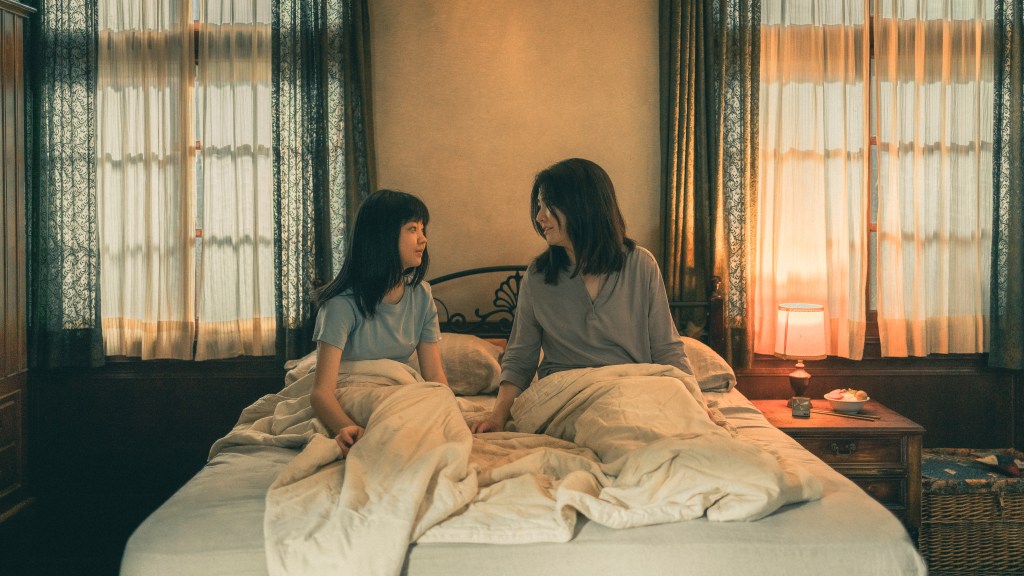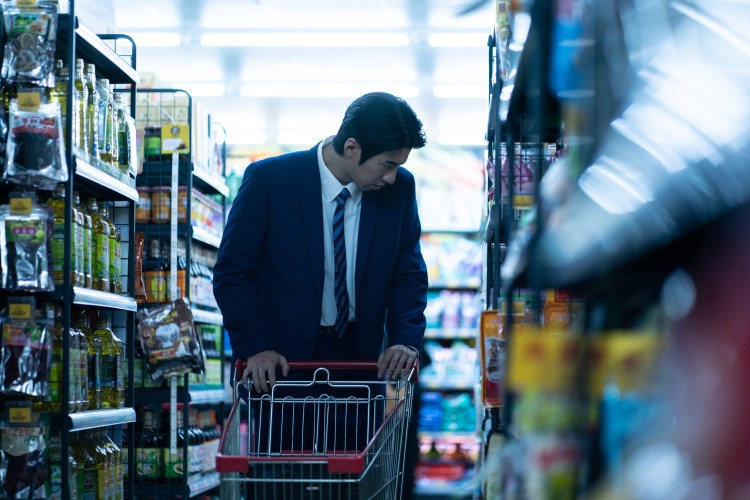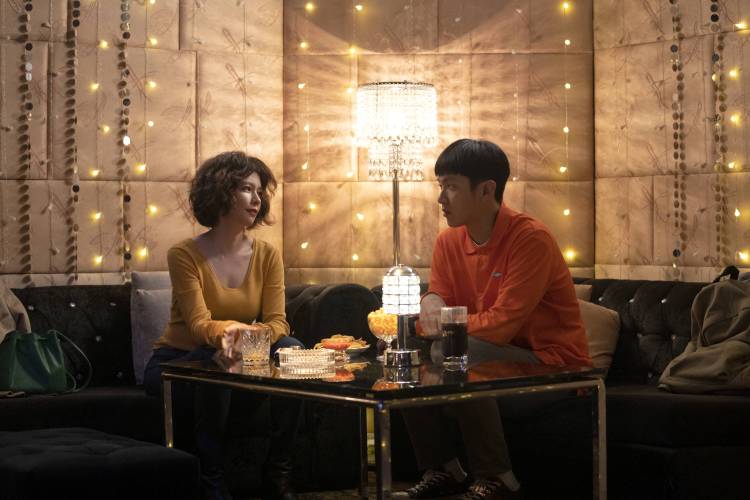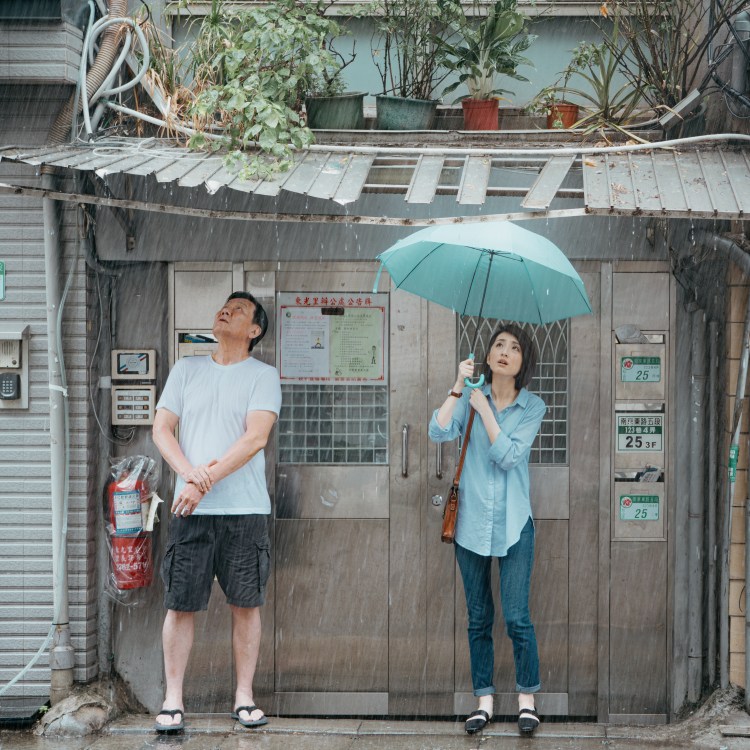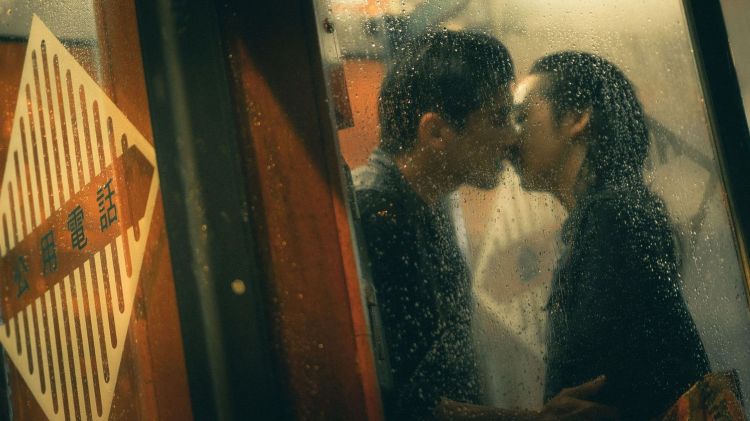
Lesson in Murder (死刑にいたる病, Kazuya Shiraishi, 2022)

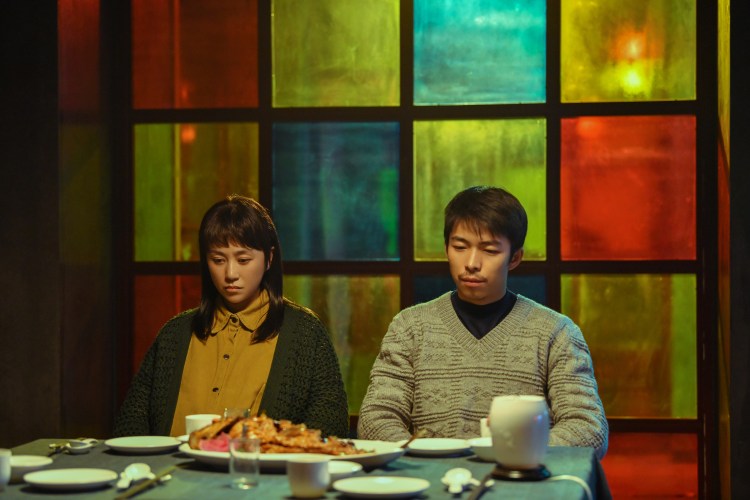
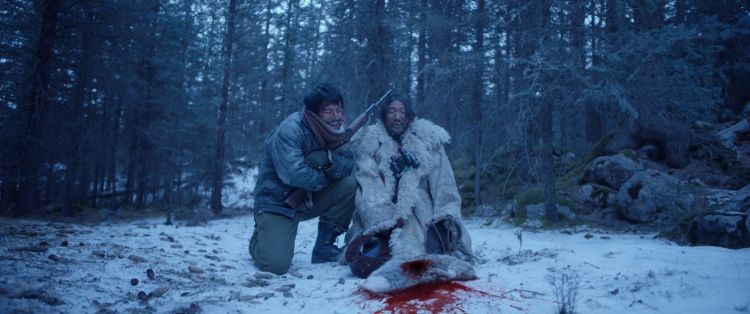
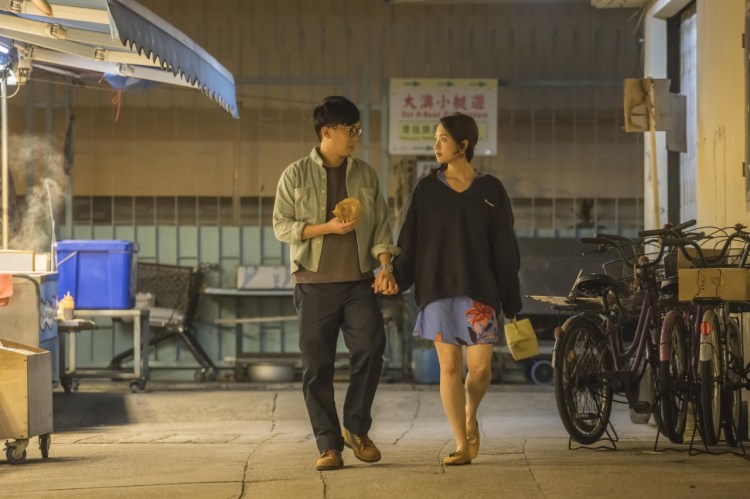
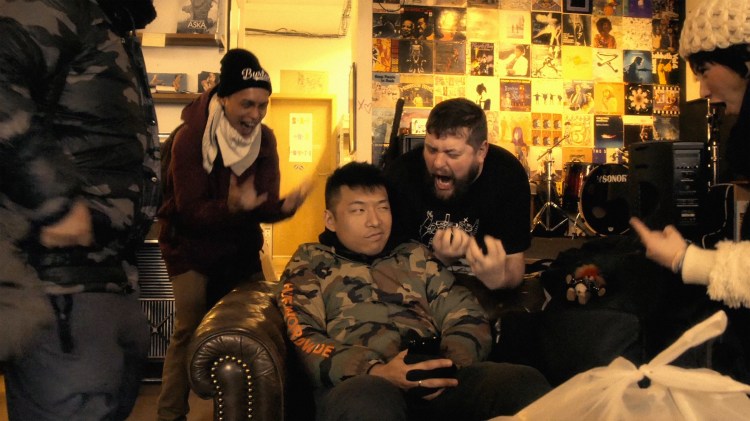
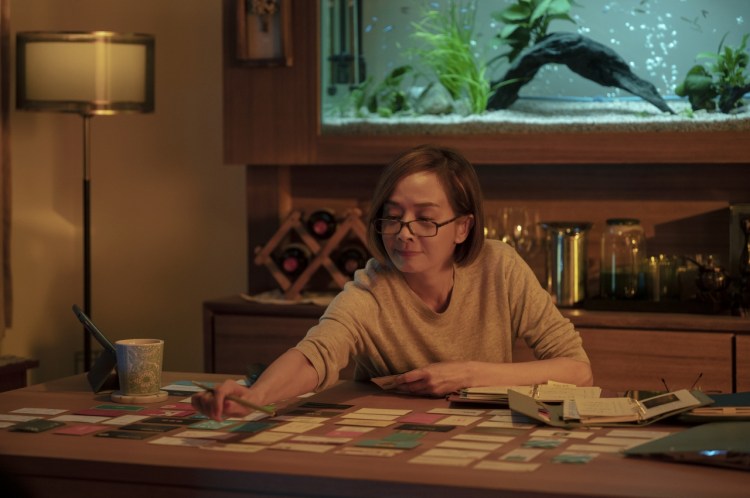
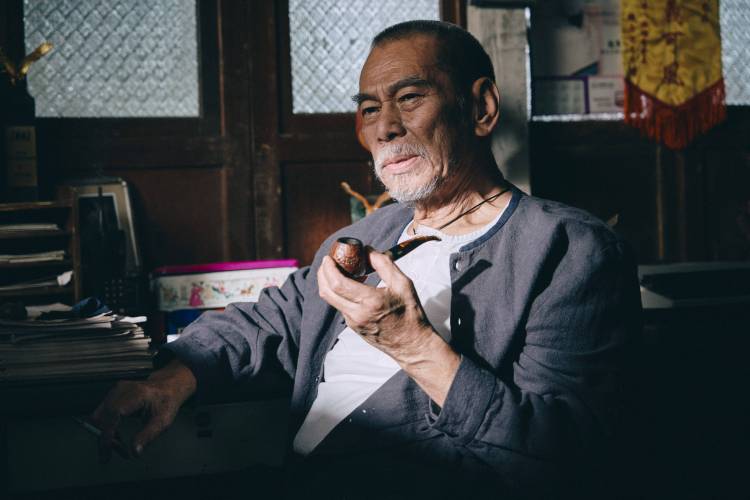
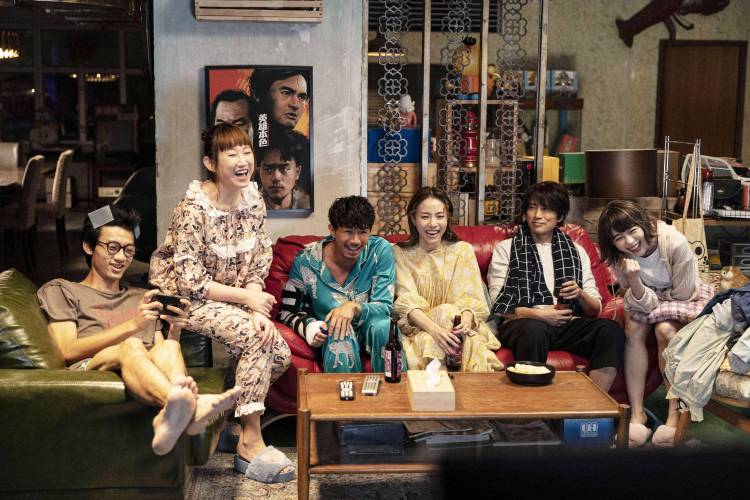
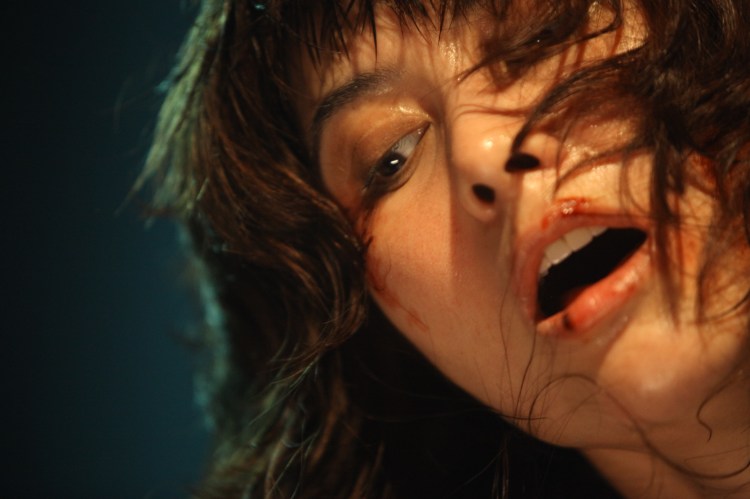
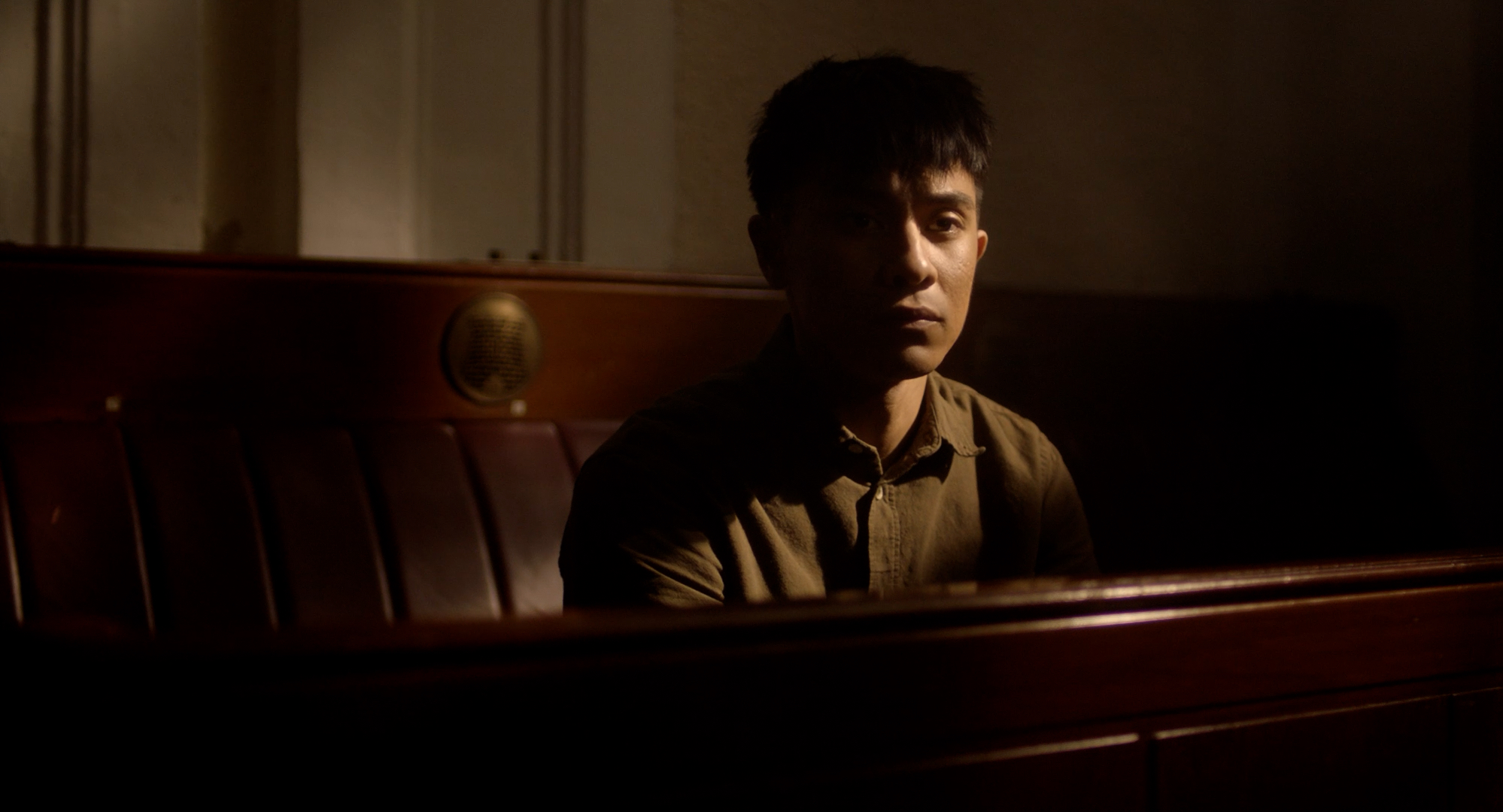
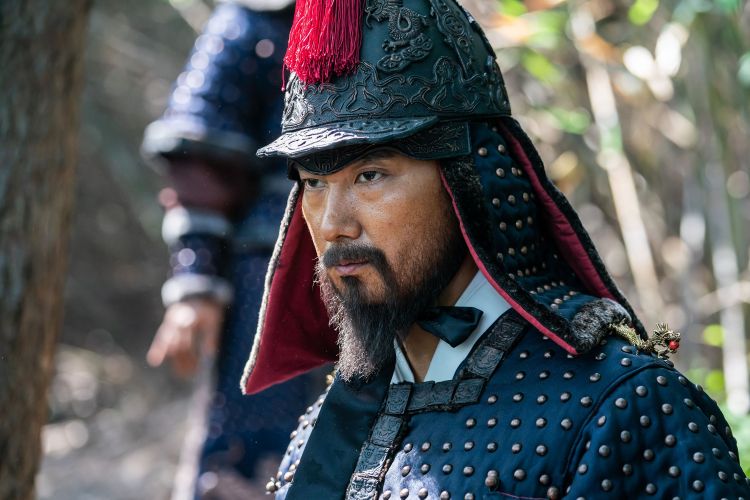
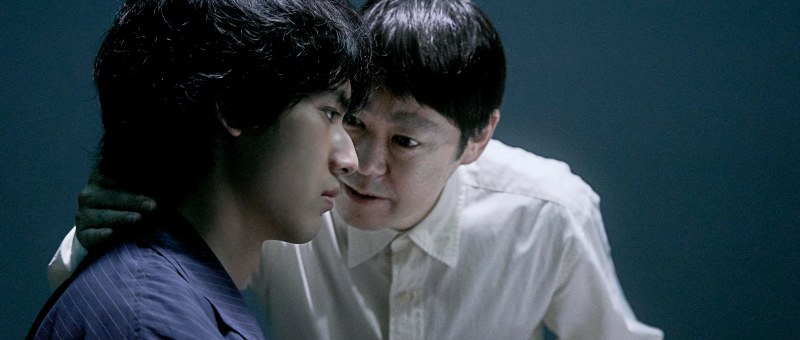
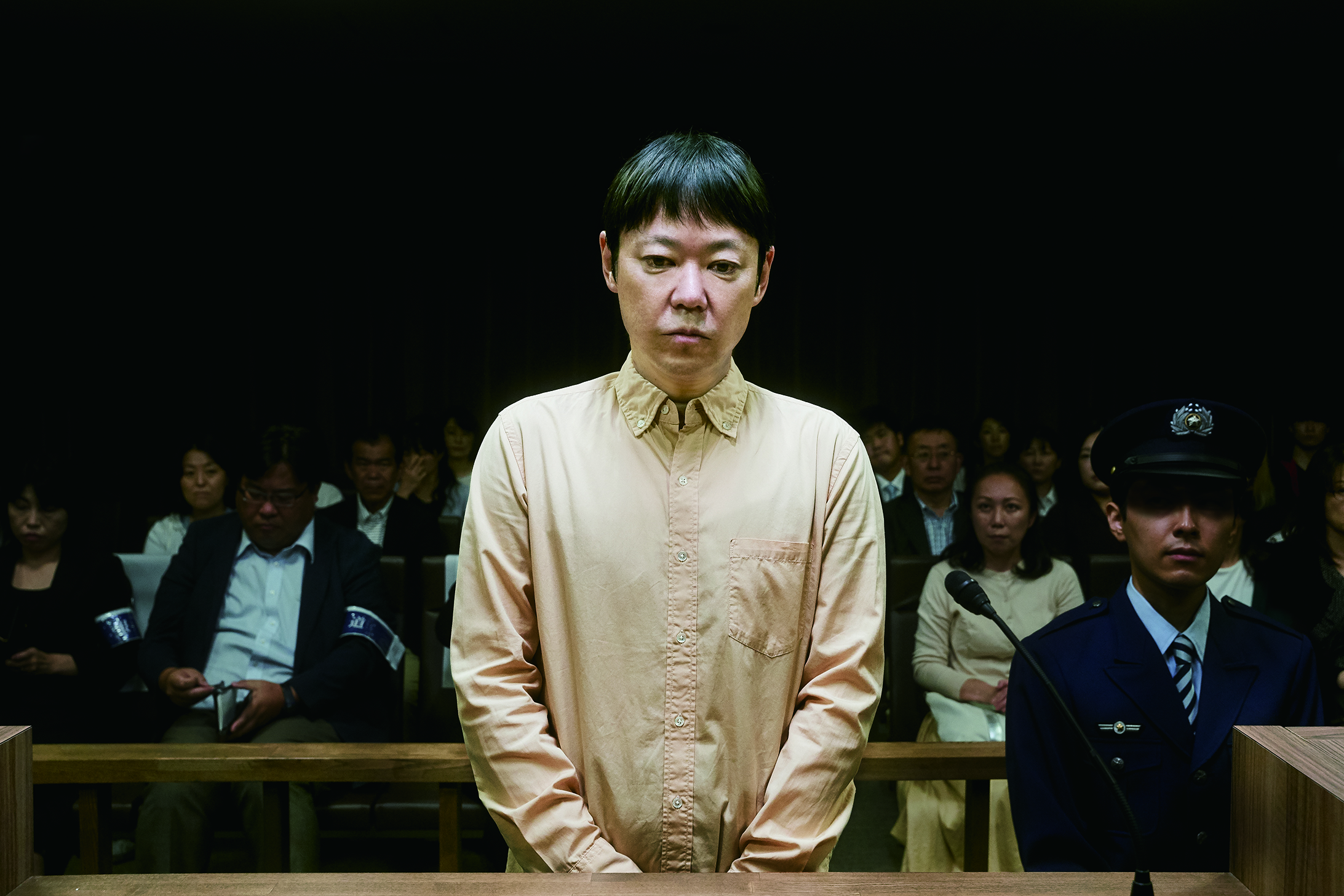
Parental disconnection and the legacy of abuse come under the microscope in a dark psychological thriller from Kazuya Shiraishi, Lesson in Murder (死刑にいたる病, Shikei ni Itaru Yamai). Adapted from the novel by Riu Kushiki, the film’s ironic Japanese title means something more like Sickness Unto Death Sentence and hints at an almost spiritual infection that spreads violence and cruelty as embodied by the moral vacuum at the film’s centre, a genial serial killer of stereotypically “good” kids chillingly played comic actor Sadao Abe. 

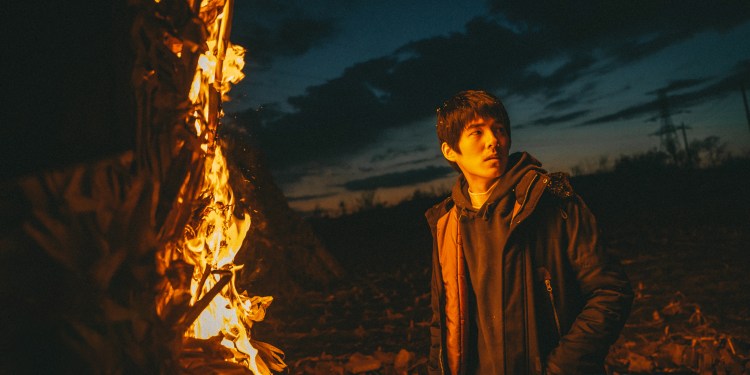
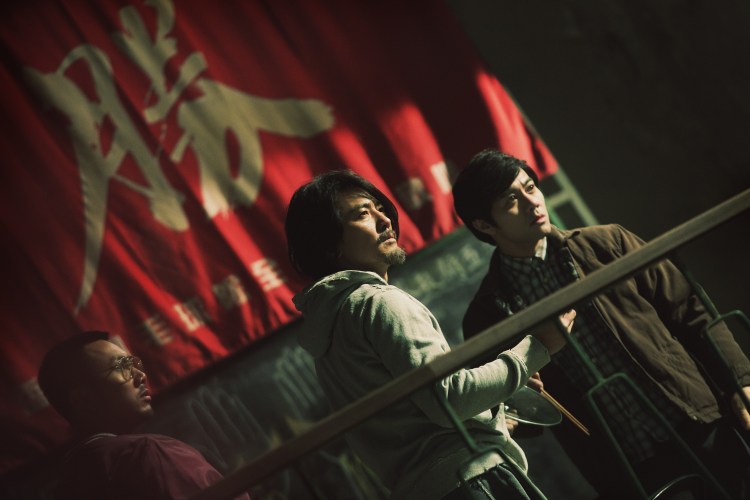
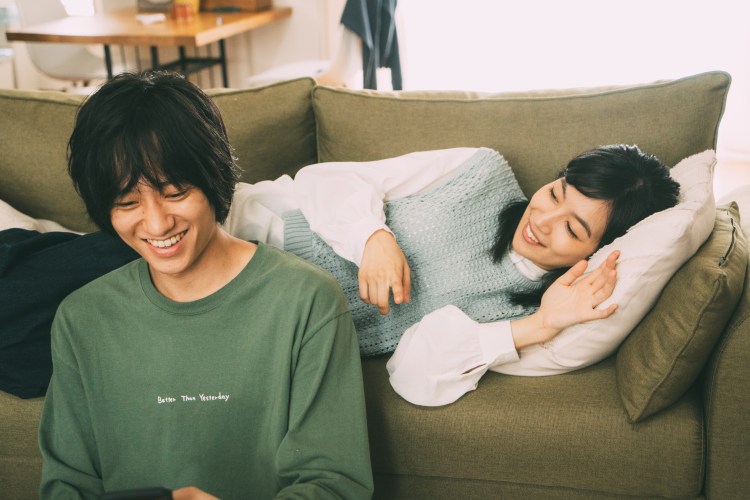
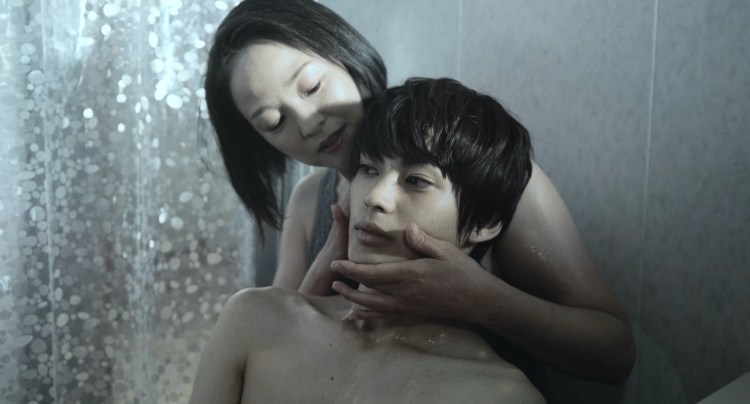
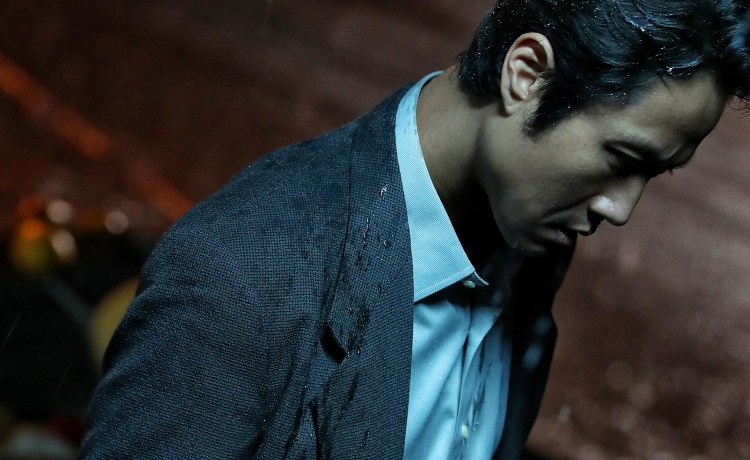
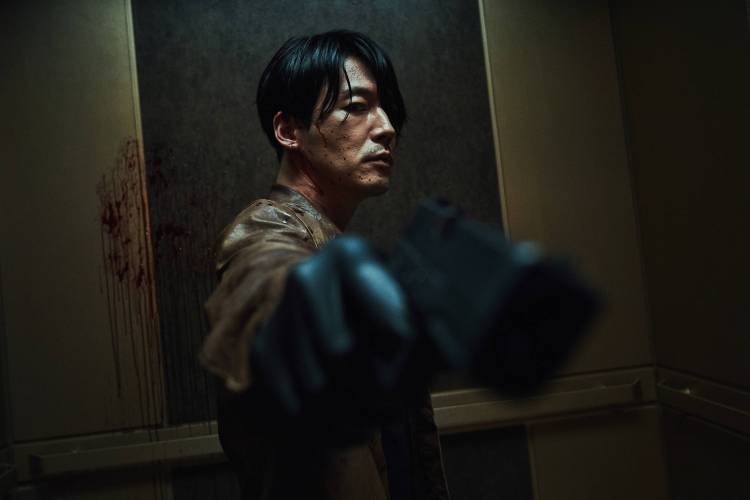
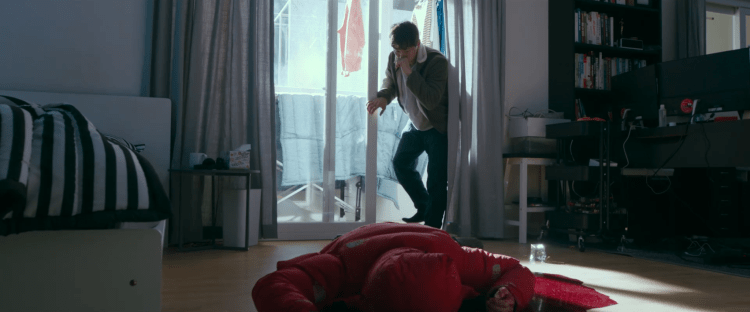
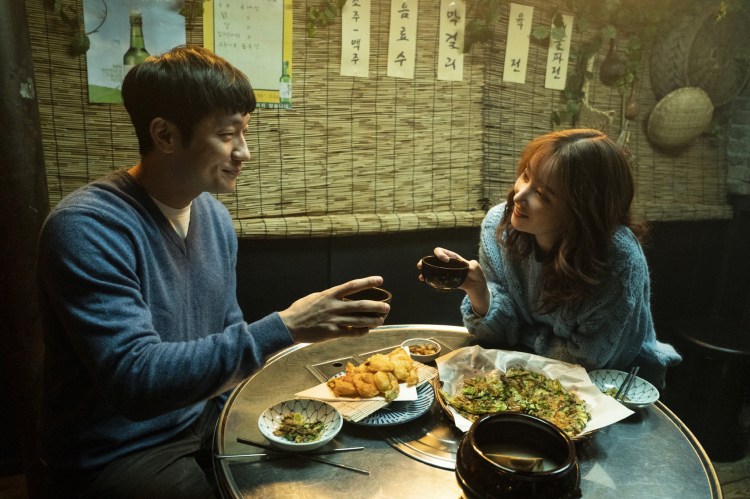
The psychodrama is played out, however, in the mind of young legal student Masaya (Kenshi Okada) who once frequented the popular bakery owned by Yamato (Sadao Abe) before he was exposed as the killer of 23 teens and one adult woman. On returning home for his grandmother’s funeral, Masaya is surprised to receive a letter from Yamato asking for his help. He admits killing the 23 teens (and perhaps more) but claims that he is not responsible for the death of the adult woman who after all does not fit his pattern. As he reveals, Yamato killed teens in their last year of high school and the grooming process which may have started even years before was central to his M.O. He delighted in winning their trust and then betraying it by torturing them to death in a smokehouse on the grounds of his isolated farmhouse. 

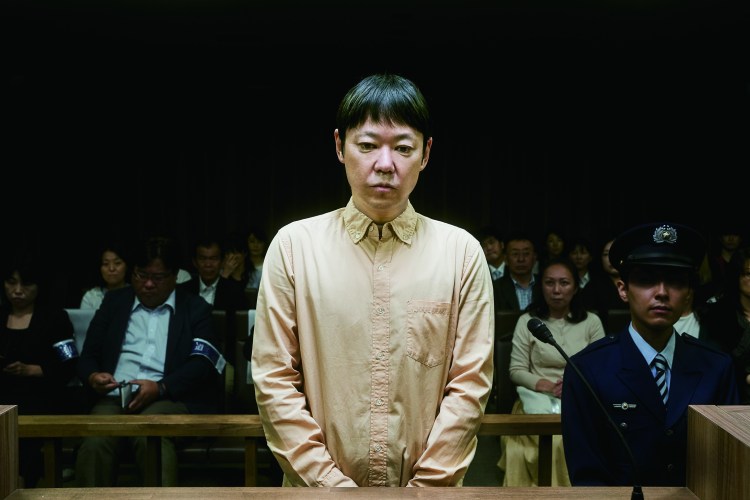
In court, Yamato explains that killing is simply “essential” to his being while insisting that he was caught because he became complacent rather than as a result of efficient policing. Yet he tells Masaya that it annoyed him that he never fell under suspicion, people always trusted him without question and he wanted to challenge that level of social complacency. In any case what’s clear is that he is and has always been a manipulative narcissist attributing those personality traits to his childhood abuse implying that they were a part of an abandoned child’s defence mechanism. He praised others to make them love and protect him, becoming drunk on the power he held over them. At first it seems as if his killings stem from resentment towards these “perfect” children who were well behaved and studied well in school but in fact the reason the children behaved in that way was often born of a desire for parental approval which made them vulnerable to Yamato’s grooming. “Repressed children have low self-esteem” he tells Masaya, an abused child himself, claiming that he wanted to help them grow in confidence through his persistent love bombing. 

Masaya is also on some level being groomed and may at times even be aware of it, but is so consumed with resentment towards his own father that he longs for a more sympathetic father figure and is even willing to accept to a serial killer as a potential paternal mentor. He becomes desperate to prove Yamato didn’t kill Kaoru (Ryo Sato), a 26-year-old office worker, almost forgetting that the killing of the 23 teens is not in dispute. His father resents him because the family run a prestigious school but Masaya was not academically gifted, bullying and beating both Masaya and his mother who is also an underconfident survivor of childhood neglect. She constantly asks for Masaya’s help making decisions, as do other survivors that he meets, while Yamato ironically tells him that the choice to investigate Kaoru’s death is entirely his own while wilfully manipulating him. Even so under his influence, Masaya’s own feelings of resentment towards the conservative society as mediated through middle-aged salarymen eventually bubble to the surface leading him on a dark path towards a potentially murderous destiny. 

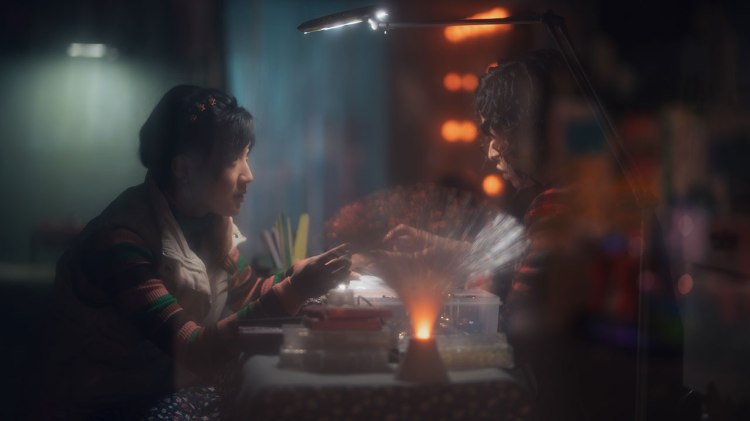
Then again, as much as Yamato tries to take control of the narrative Kaoru’s death would still have been as a result of his actions no matter who it was who actually killed her. In another uncomfortabe irony what he’s doing while clearly grooming Masaya is in a sense as he claimed to be doing with his victims restoring his self-confidence in forcing him to face his dysfunctional family situation while proving that he is capable of solving this crime and perhaps in the end solving it a little better than intended. A killer final twist lends an additional layer of insanity to Yamato’s banal evil while Shiraishi’s cool direction at times superimposing the faces of the two men one over another in the glass that divides them at the prison with the faces of the victims projected behind may suggest that darkness hangs all around us and more to the point within. 


Lesson in Murder screens at Lincoln Center 21st July as part of this year’s New York Asian Film Festival.

International trailer (English subtitles)

Images: ©2022 ”Lesson in Murder” Film Partners
Ox-Head Village (牛首村, Takashi Shimizu, 2022)

“A story about nothing” is how one middle-aged man jokingly dismisses a local legend about an ox-headed woman. Are urban legends just one big dad joke? Everybody who hears this story dies, so they say, which is obviously true whichever way you look at it though if it really were a curse it would have to move quickly or there’d be no-one to pass it on. As the heroine of Takashi Shimizu’s summer adventure horror movie Ox-Head Village (牛首村, Ushikubi Mura) discovers, however, there may be something to it after all in uncovering the dark history behind the local folklore. 

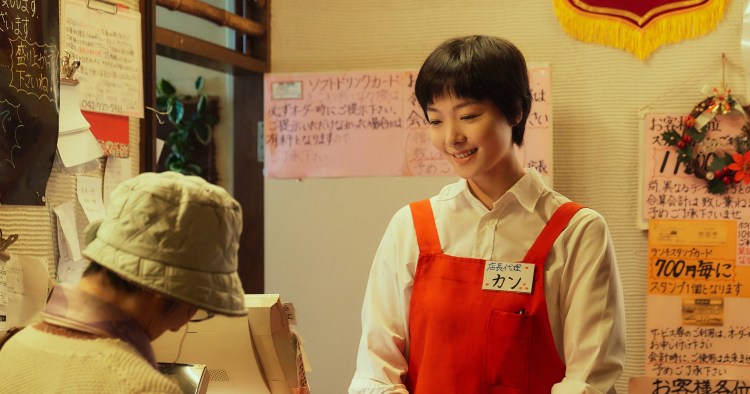
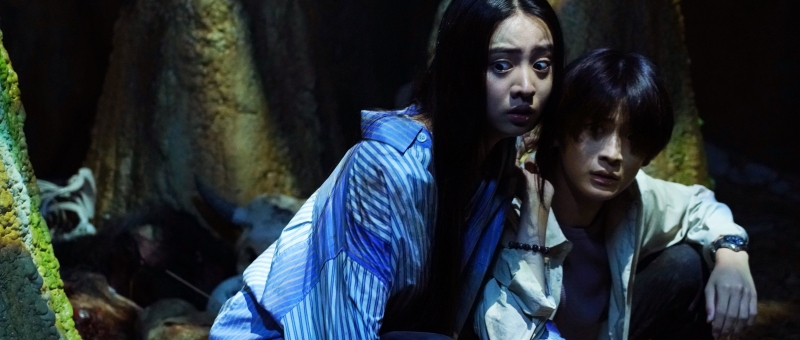
In her last year of high school, teenager Kanon (Koki) is beginning to experience strange events such as a series of mysterious scratches on her arm, odd bangs and noises at home, and her phone constantly playing a message about bad pennies and their tendency to keep turning up. Her friend Ren (Riku Hagiwara), who has a crush on her, shows her a viral video of some girls on paranormal live stream that goes wrong leading one, who looks exactly like her, to fall down a lift shaft and then mysteriously disappear. To find out what’s going on the pair head out into the country to the abandoned hotel where the shoot took place but end up battling supernatural malevolence born of the cruelty of previous eras. 

Like the previous two films in the “Village” trilogy, Ox-Head Village revolves around rural folkloric beliefs this time focussing on the suspicion cast against twins which in this village at least seems to have continued until the late 1960s. The root of the curse is the unnatural act of dividing something that should be one into two in attempting to separate pairs of twins leaving the one left behind, lonely, burdened with the residual stigma of being one of multiple births, and perhaps experiencing a little survivor’s guilt. In the film’s second sequence, bathed in yellow and shot with a 70s-style soft focus, two little girls kill a butterfly and bury it with its friends because it would just be lonely on its own. The resolution is that that which has been divided must be reunited in life or in death in order to end the curse, though as we later see that may not quite be the end of it. 

Meanwhile, though a supernatural horror film, Ox-Head Village is also part of a grand tradition of teen summer adventure movies. Kanon and Ren are about to embark on the last summer as high schoolers, the trip they take together as so many are is also about self-discovery as Kanon answers a few lingering questions about her past while searching for her doppelgänger. Her quest is also in its way about rescuing herself and laying to rest the sense of loneliness which has always plagued her. Along for the ride, Ren is perhaps more curious while obviously smitten hoping to cement his romance through a romantic road trip only to be blindsided by supernatural intrigue and country superstition. 

Nevertheless, there is something truly creepy about the innocent flowers the little girls draw along with the pre-modern superstition that informs life in the village. Though the sinister presence may in this case be firmly rooted in the past, they are able to mediate their curse through modern technology such as manipulating Kanon’s phone as a means of communication while using lift shafts to mimic the well which becomes the repository for the darkness of the village. As an old man puts it, a prejudice against twins might have been intellectually understandable in a time of famine, though morally indefensible and obviously absurd and out of place in the modern society. Even so, old beliefs have a way of persisting even if they are no longer clearly understood. 

Along with all the folk horror of ox-headed women, headless buddhist statues and “stories about nothing” there is the lingering dread of the lonely incompleteness visited on the little girls in yellow because of the outdated superstitions of an earlier era. Overcoming the curse requires both self-knowledge and self-sacrifice in order to heal the unnatural act of division which has been carried out but even this may not be enough to repair the damage of centuries of cruelty and prejudice. 


Ox-Head Village screens at Lincoln Center 19th July as part of this year’s New York Asian Film Festival.

Original trailer (English subtitles)

Images: © 2022 OX-HEAD VILLAGE Production Committee

Legendary in Action! (大俠Action!, Justin Cheung & Li Ho, 2022)

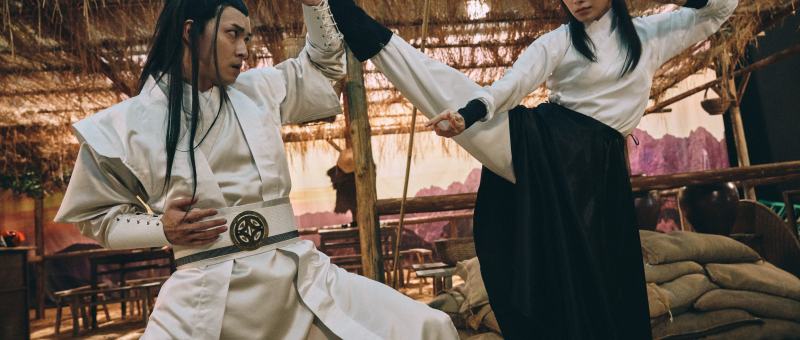
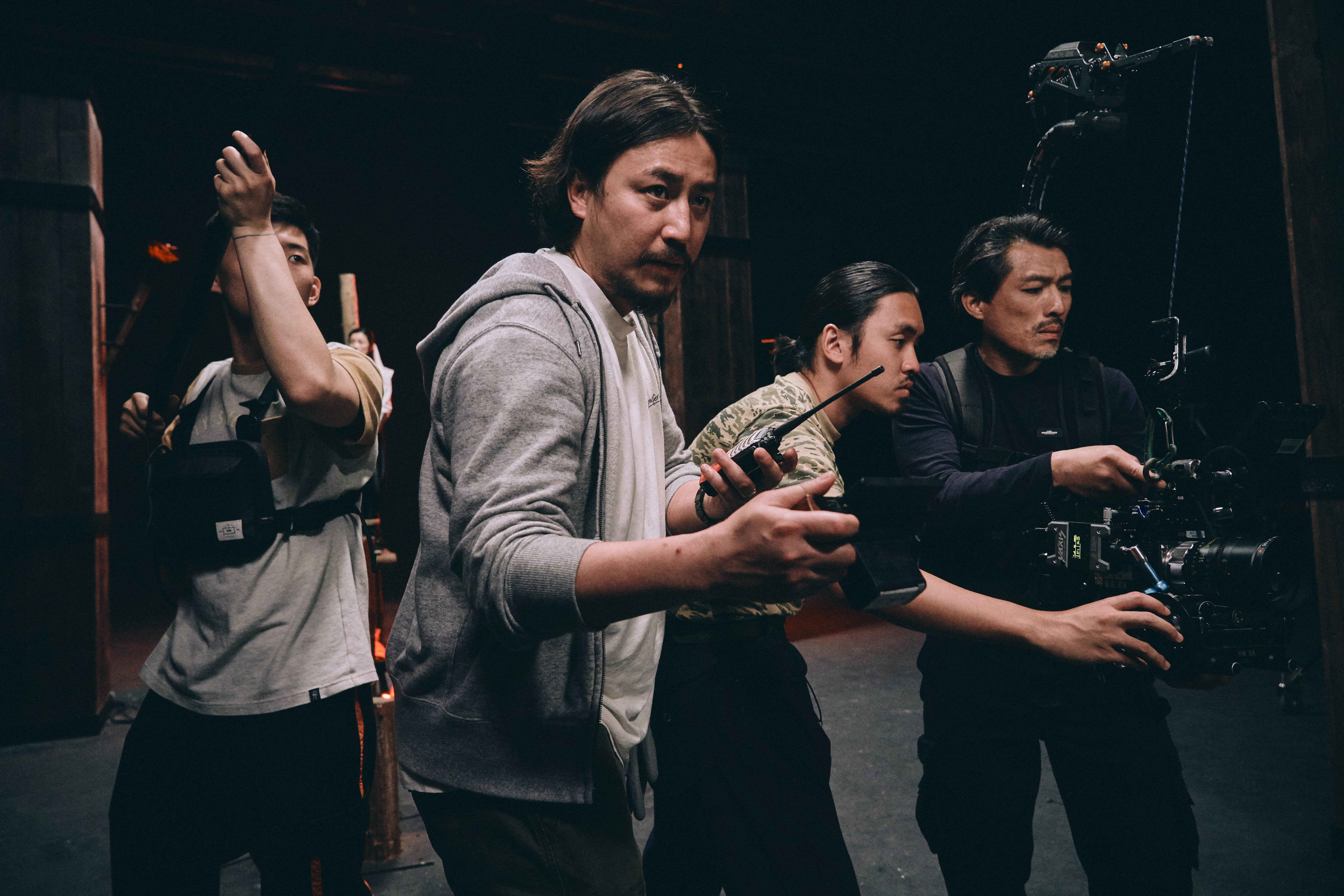
An unsuccessful film director looks for new opportunities in gaining closure with the past in Justin Cheung and Li Ho’s behind the scenes comedy, Legendary in Action! (大俠Action!). Echoing classic wuxia, the film finds its heroes searching for themselves while on a quest to revitalise the Hong Kong film scene in which they must battle unscrupulous investors, idol stars with limited acting experience, divided loyalties, the changing nature of the industry, and the ghosts of wuxia’s past. 

40-ish Tiger (Bill “Tiger” Cheung) made a big splash in his earlier career but when his first feature flopped he discovered that second chances are hard to come by in the contemporary film industry. Since then, he’s been making a living shooting sleazy shorts for live streamers while privately dying inside. When a mysterious investor turns up wanting to make a retro wuxia, Tiger is the perfect fit. Shopping an old script he’d written to provide an ending to a serial he loved as a child which was abruptly cancelled, he sets about fulfilling his childhood dream even recruiting the original star to reprise his role but soon finds out that the past is not so easily resurrected. 

This fact is brought home to him by irascible former action star Master Dragon (Chen Kuan-tai) who constantly reminds him that it wasn’t like this in his day usually because they had no health and safety regulations or working rights. Yet Master Dragon is also in a sense in search of himself in that he has begun suffering with dementia and is no longer able to separate fantasy from reality. Far too into his role, he ignores the script and attacks the actors playing bad guys for real but cannot quite recall his signature move while insisting on completing dangerous stunts by himself. He’d also insisted on trying to find the original actress to play the romantic lead, but finally settles for a feisty young woman, Greta (Wiyona Yeung), who is mostly in it for the cash but gradually warms to Master Dragon happy to know that someone cared for her after he waded in on her behalf when she was bullied by lecherous customers at the bar where she was working. 

Tiger meanwhile finds himself failing in his responsibilities as a husband and soon-to-be father, pouring everything into the film while neglecting his long-suffering wife who asks him why he thought now was a good time for his one last chance. When the shoot enters a crisis, he signs up for even more “meaningless” shorts and onerous employment contracts to get the money together to finish while asking his cast and crew to do the same, each of them facing their various issues while coming together as a team squaring off against the vagaries of the independent cinema scene.

Then again, Tiger doesn’t seem to have learned much about work life balance. Nor is Master Dragon a particularly good influence instructing those around him that if film is not their lives’ work, they shouldn’t be doing it. Master Dragon is on his own journey trying to reclaim his former self while dealing with the past just as Tiger is himself trying to bring something full circle in giving his childhood favourite the ending it deserves. In a closing speech, he aligns his struggles with those of the Hong Kong film industry in general positing the wuxia serial as a symbol of faded glory while implying that the contemporary film industry has run out of steam. “At some point we lost faith in Hong Kong Cinema”, he laments, complaining about rubbish films with bad scripts and terrible production values while praising the efforts of the crazy people who give their all to make them. 

“I won’t accept fate” he goes on, like the hero of a classic wuxia fighting for justice in an unjust world while insisting that it is possible to turn things around and restore the glory of Hong Kong film. Then again, as much as his film seems to bring closure and present a place from which to move forward perhaps its unwise to look for new directions in attempting to recreate the past rather than finding new ways to bring it with you into a more positive future. 


Legendary in Action! screens at Lincoln Center 17th July as part of this year’s New York Asian Film Festival.

Original trailer (Traditional Chinese / English subtitles)

Images: © Marigold Project

New York Asian Film Festival Confirms 2022 Lineup

New York Asian Film Festival returns for its 20th anniversary edition with another packed programme of recent East Asian cinema hits screening at Lincoln Center & Asia Society July 15 – 31. This year the festival will pay tribute to actress Josie Ho, while horror maestro Takashi Shimizu will receive the Screen International Star Asia Lifetime Achievement Award, and Hitoshi Abe the Screen International Star Asia Award. 

China

  • Before Next Spring – drama following a Chinese exchange student in Tokyo.
  • Fire on the Plain – a detective reunites with a childhood friend while investigating a cold case.
  • Manchurian Tiger – black comedy starring Zhang Yu in which a truck driver, his wife, his girlfriend, and a poet recovering from mental illness are caught up in a bizarre series of events
  • One and Four – Tibetan drama in which a forest ranger is surprised by a bloodied man entering his cabin.
  • Ripples of Life – Wei Shujun’s meta odyssey follows a Beijing film crew to a small town in rural China where everyone it seems is longing for escape. Review.
  • Virgin Blue – a young woman returns to spend her last college summer holiday with her grandmother.

Hong Kong

  • Chilli Laugh Story – an attempt to monetise mum’s chilli sauce places a strain on the family unit in Coba Cheng’s pandemic-era New Year comedy. Review.
  • Far Far Away – an introverted IT guy gets a crash course in romance when he ends up dating a series of women from the far flung corners of Hong Kong in Amos Why’s charming romantic comedy. Review.
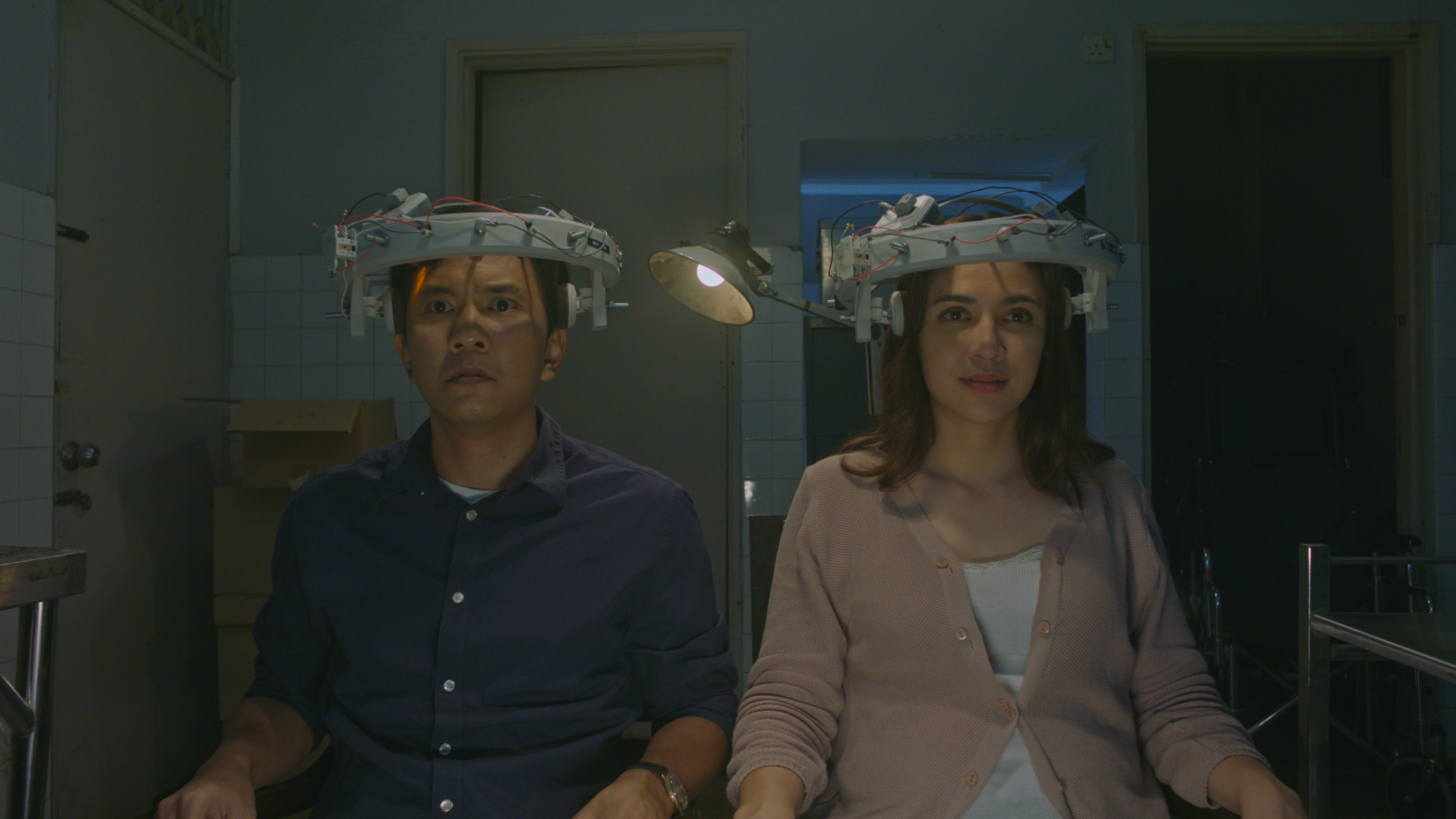
  • Finding Bliss: Fire and Ice—The Director’s Cut – actors, musicians and artists from Hong Kong go on an Icelandic roadtrip.
  • Mama’s Affair – latest drama from Kearen Pang (29+1) starring Teresa Mo as a woman who returns to work after raising her son.
  • Legendary in Action! – retro martial arts drama in which a formerly successful director gets a second shot at the big time by directing his childhood hero in a remake of a classic serial.
  • Table for Six – anarchic comedy from Men on the Dragon’s Sunny Chan in which a crisis erupts at a family dinner when one of the guests arrives with the host’s old flame.
  • We Are Family – ensemble comedy in which a struggling actor falls in with a troupe who hire themselves out as fake family members.

25th Anniversary program HKETO, CLASSIC MARATHON (presented with the support of the Hong Kong Economic and Trade Office in New York)

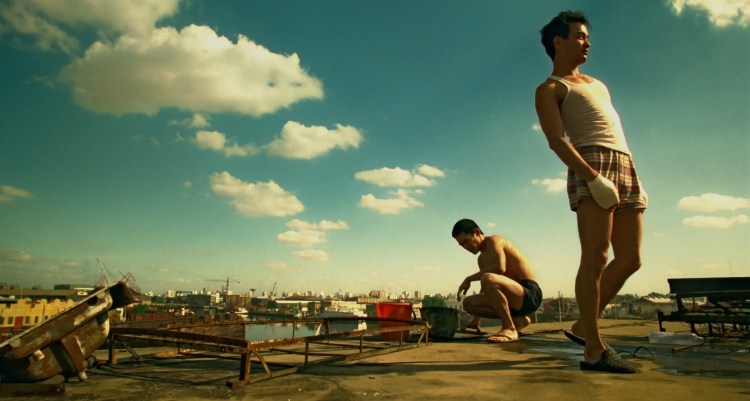
  • Happy Together – lovers on the run flee pre-Handover Hong Kong for Argentina to “start over” but discover only more loneliness and heartache in Wong Kar-Wai’s melancholy romance. Review.
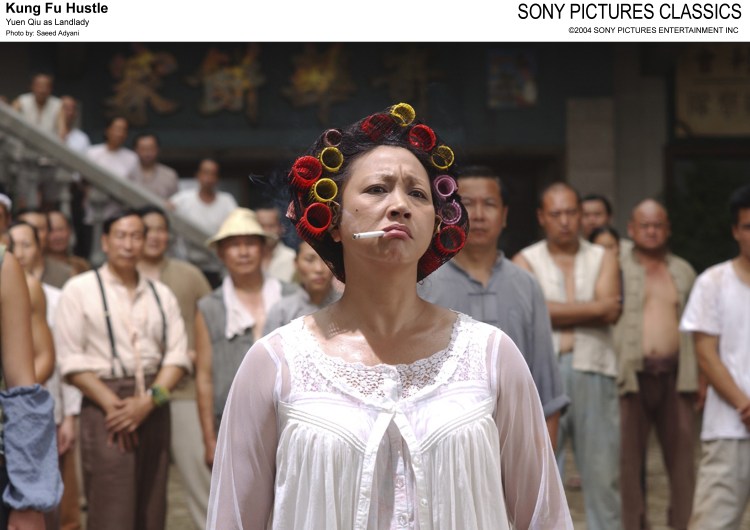
  • Kung Fu Hustle – 2004 classic from Stephen Chow in which an aspiring gangster messes with the wrong community.
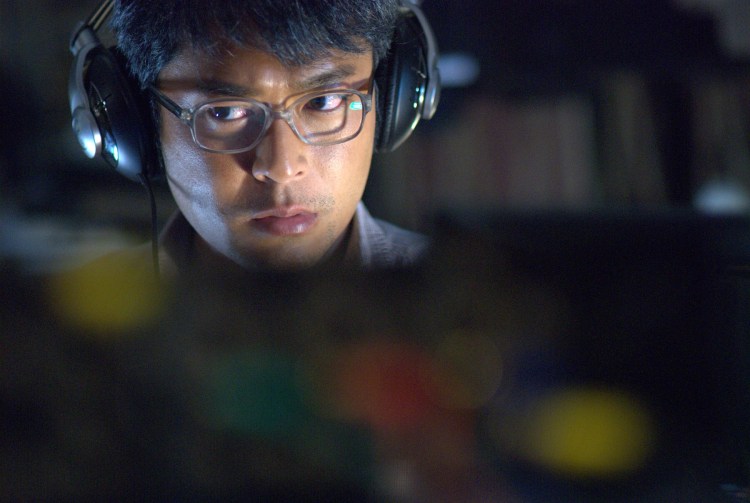
  • Overheard – 2009 thriller from Alan Mak and Felix Chong
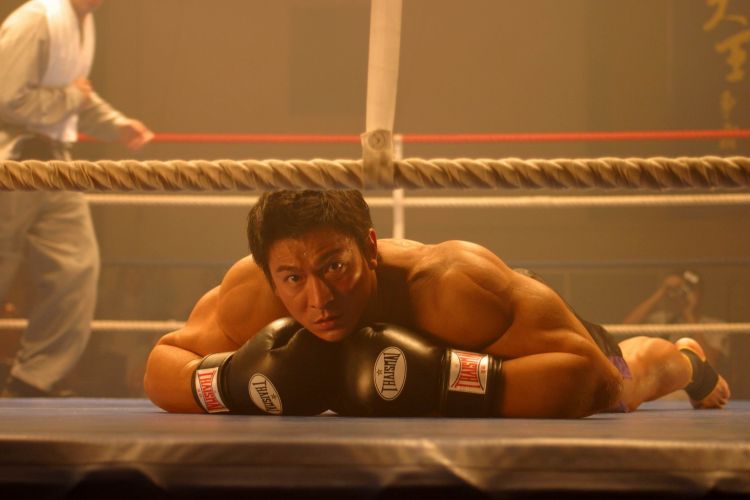
  • Running on Karma – Andy Lau stars as a former monk turned bodybuilder and exotic dancer who is gifted with the ability to see other people’s karma. Encountering a policewoman (Cecilia Cheung) whose karma is particularly bad, he decides to help her.
  • The Eye – 2002 horror from Danny Pang and Oxide Pang Chun in which a woman who receives a cornea transplant realises she can see ghosts.

Josie Ho Tribute (presented with the support of the Hong Kong Economic and Trade Office in New York)

  • Dream Home – 2010 Pang Ho-cheung horror in which a woman goes to extreme lengths to get her hands on an apartment.
  • Full Strike – 2015 sports comedy from Derek Kwok and Henri Wong.

Indonesia

Japan

  • Angry Son – a resentful young man comes to a better understanding of his place in the world while searching for his estranged father in Kasho Iizuka’s sensitive coming-of-age drama. Review.
  • Broken Commandment – adaptation of Toson Shimazaki’s novel Hakai from Kazuo Maeda.
  • Grown-ups – relationship drama in which two college students attempt to deal with an unplanned pregnancy.
  • Intimate Stranger – eerie indie drama in which a middle-aged woman looking for her son takes in a young man involved in telephone fraud.
  • Lesson in Murder – chilling serial killer thriller from Kazuya Shirashi starring Sadao Abe.
  • Offbeat Cops – comedy from Eiji Uchida starring Hiroshi Abe as a maverick cop demoted to the police band.
  • Ox-Head Village – horror in which a young woman travels to a remote region in search of her doppelgänger.
  • Ribbon – Written, directed by, and starring NON, Ribbon follows art student Itsuka who finds herself at a loss when her graduation project cannot be displayed as planned because of COVID-19.
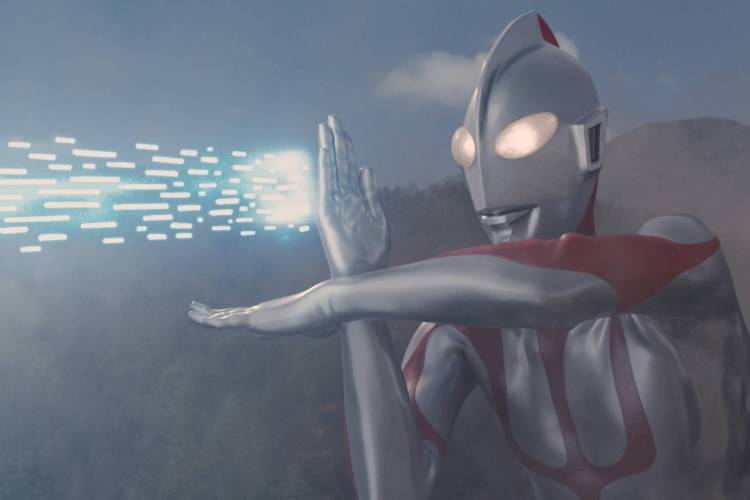
  • Shin Ultraman – big budget adaptation of the classic tokusatsu series directed by Shinji Higuchi with a screenplay by Hideaki Anno.

Malaysia

  • Imaginur – a man experiences strange events after taking his father to the hospital.

Mongolia

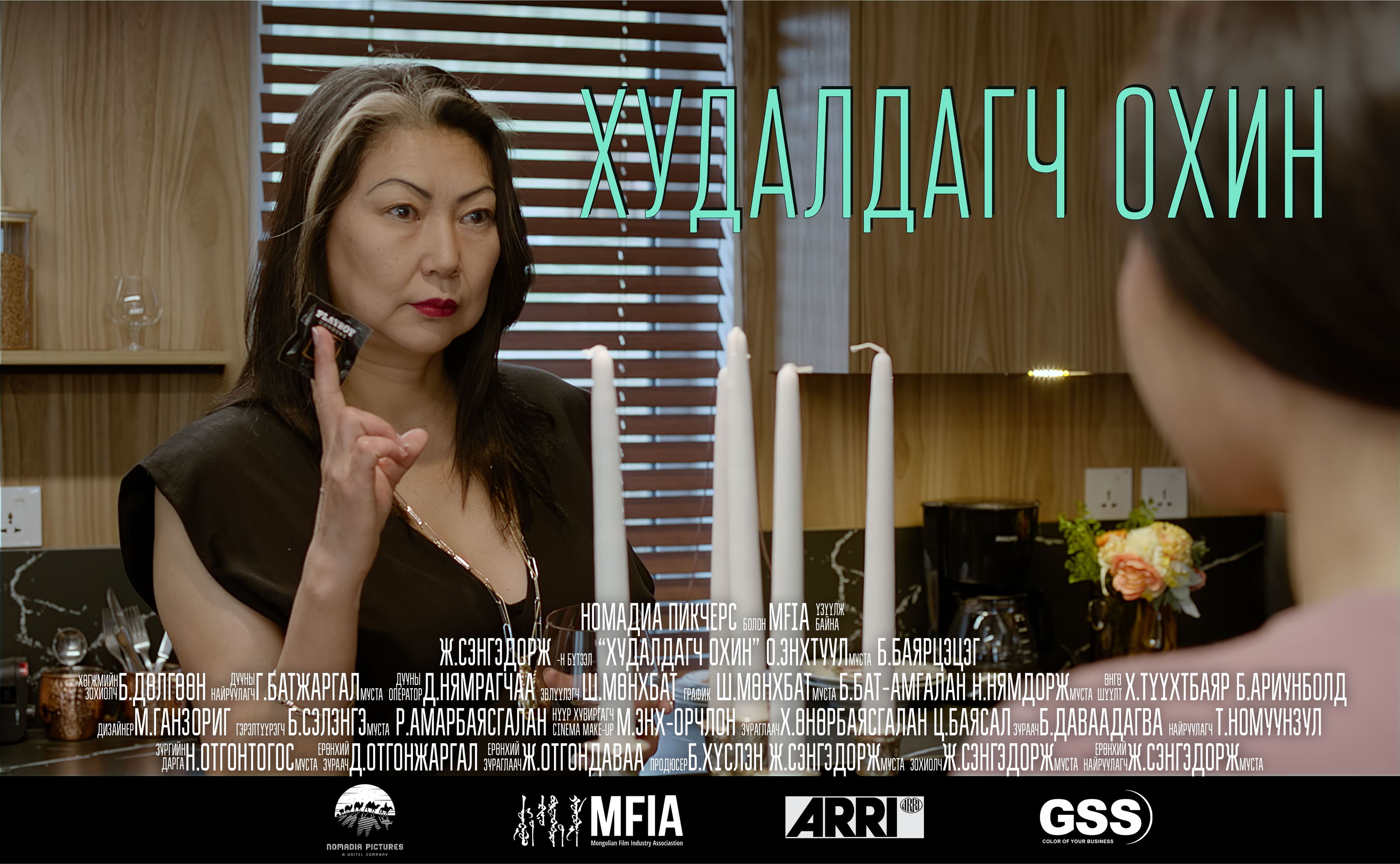
  • The Sales Girl – a diffident student begins to open up after befriending an eccentric middle-aged woman who runs a sex shop in Janchivdorj Sengedorj’s quirky comedy. Review.

Philippines

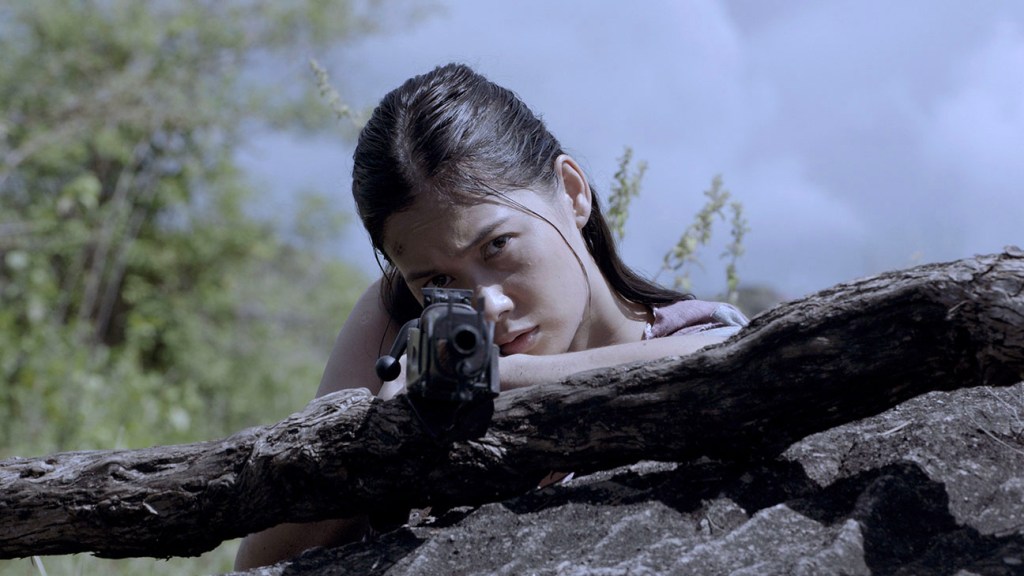
  • Arisaka – a police officer is ordered to escort an important witness but is ambushed and forced on the run.
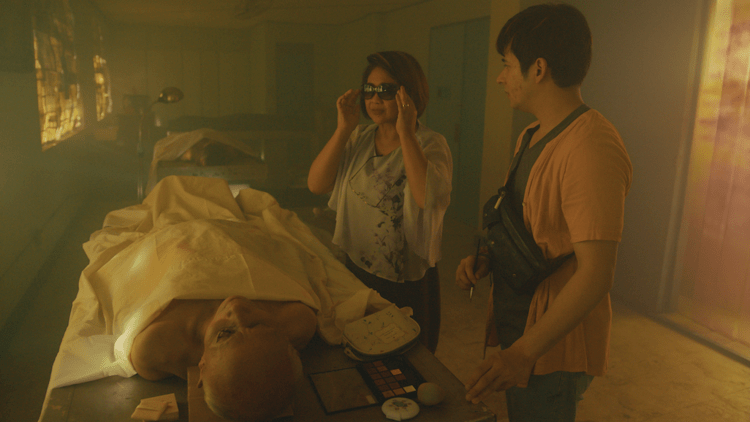
  • Big Night! – a happy-go-lucky beautician’s existence is turned inside out when he discovers he’s been placed on a “watch list” in Jun Robles Lana’s extremely dark comedy. Review.

Singapore

  • #LookAtMe – morality tale starring Thomas Pang as a pair of identical twins.

South Korea

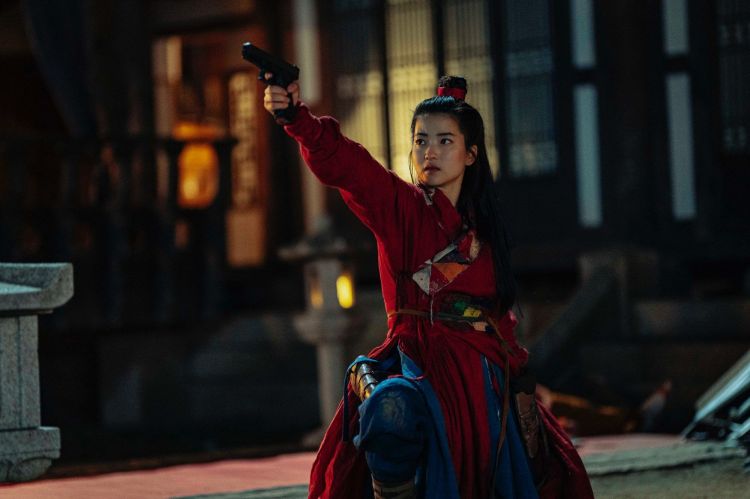
  • Alienoid – highly anticipated sci-fi drama from Choi Dong-hoon starring Kim Tae-ri in which aliens open a portal between feudal Korea and the present day.
  • Confession – mystery drama in which a man is accused of a locked room murder.
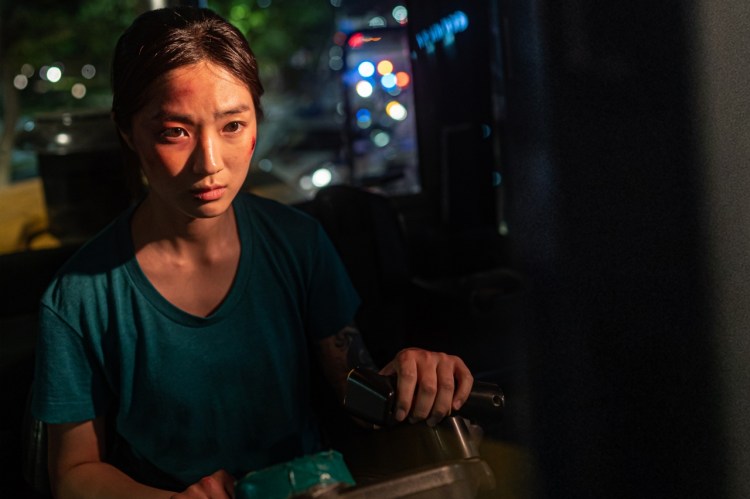
  • The Girl on a Bulldozer – an angry young woman attempts to turf out the forces of exploitation but discovers them to be far too well entrenched in Park Ri-woong’s steely social drama. Review.
  • Hansan: Rising Dragon – sequel to The Admiral: Roaring Currents following Admiral Yi Sun-sin (Park Hae-il).
  • Hot Blooded – gangster drama in which a low level mobster is dragged into a gang war.
  • I Am More – documentary following Itaewon drag queen More.
  • I Haven’t Done Anything – comedy following an out of work actor’s path to Instagram star.
  • The Killer – a former hitman is charged with babysitting a friend’s daughter only for her to be kidnapped by thugs
  • Next Door – comedy thriller starring Oh Dong-min as a young man who ends up investigating crimes for real while studying for the police exam.
  • Nothing Serious – A young couple meet through a hookup app and then inconveniently realise they like each other in Jeong Ga-young’s zeitgeisty rom-com. Review.
  • Stellar: A Magical Ride – dramedy in which a man comes to understand his father while on the run in his beat up Hyundae Stellar.
  • Perhaps Love – A blocked writer’s already complicated life is thrown into confusion when a young protege arrives to profess his love in Cho Eun-ji’s heartwarming dramedy. Review.
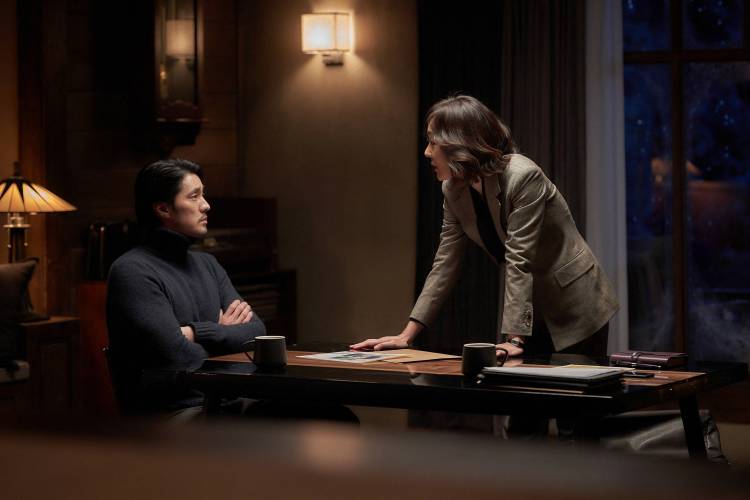
  • The Swordsman – a master swordsman is dragged back into the world of courtly intrigue years after renouncing the code of violence when his daughter is taken by slavers in Choi’s gritty action drama. Review.

Taiwan

  • The Funeral – folk horror in which a struggling single mother must fight for her daughter’s life.
  • Life for Sale – drama in which a struggling insurance broker decides to offer his own life on the internet.
  • Mama Boy – romantic drama in which a young man falls for a single mother working at a love hotel
  • My Best Friend’s Breakfast – campus romcom in which a young woman accidentally makes a guy think her friend has a crush on him.
  • Reclaim – drama in which a teacher’s life changes while trying to buy a bigger apartment.
  • Terrorizers – drama revolving around an angry young man who goes on a public slashing attack.

Thailand

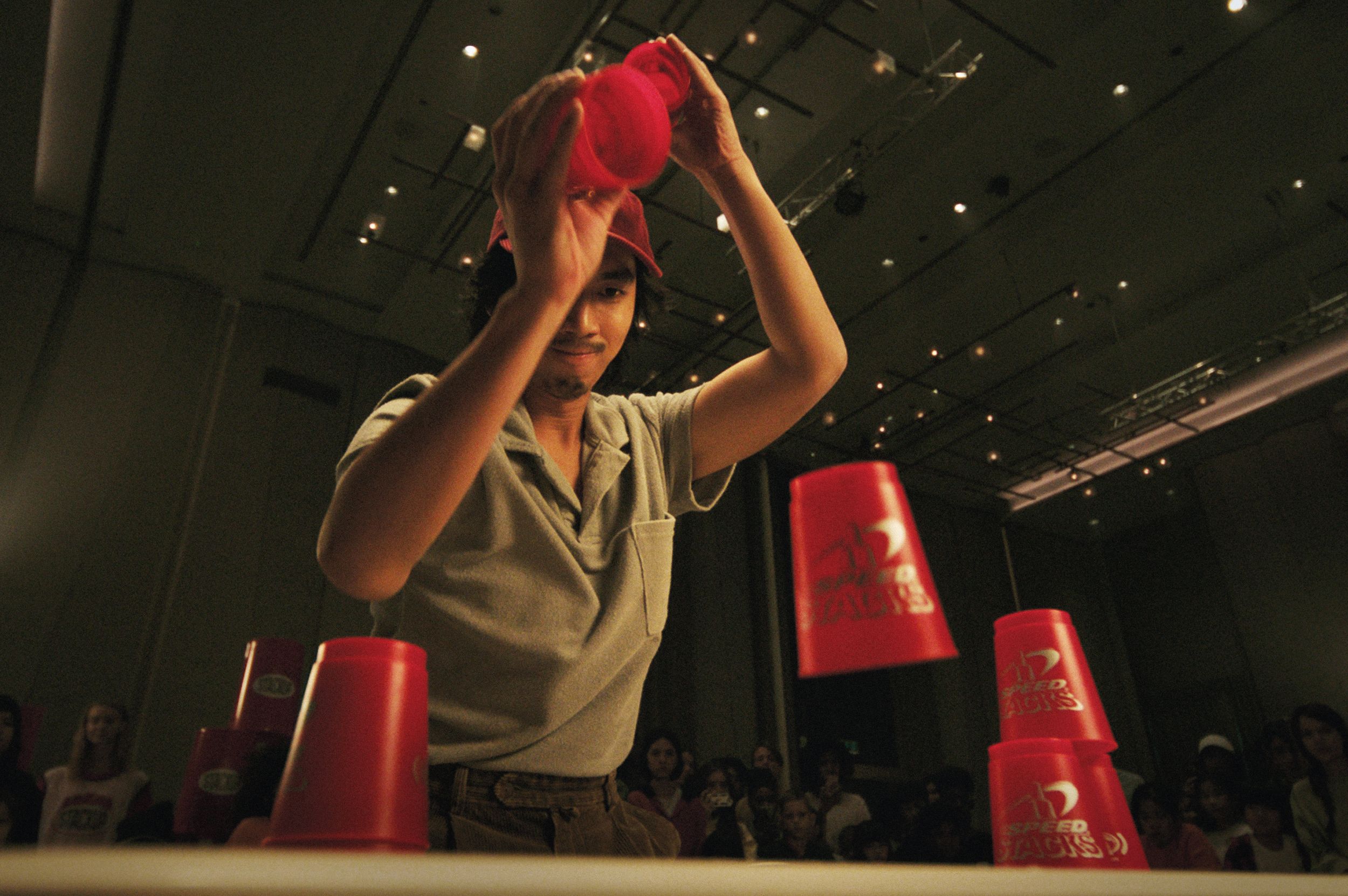
  • Fast & Feel Love – drama in which a world champion sport stacker has to learn to look after himself after his girlfriend dumps him.

The New York Asian Film Festival runs from 15th June to 31st July. Full details for all the films are available via the official website where you can also find screening times and ticketing information. You can also keep up with all the latest festival news via the official Facebook Page and Twitter account.

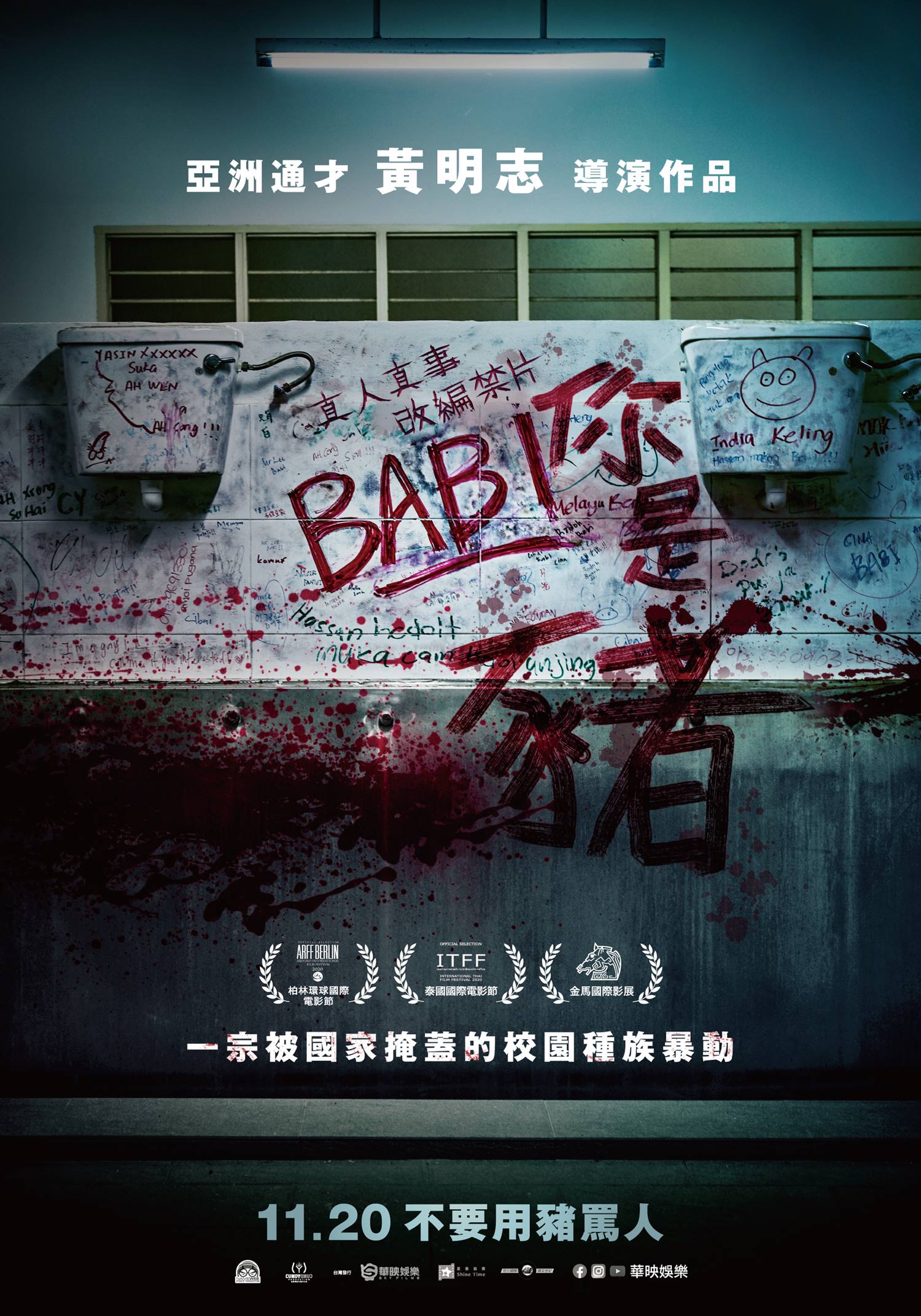
Babi (Namewee, 2020)

No stranger to controversy, Namewee’s latest, Babi, saw him once again questioned by the authorities when a complaint was lodged citing the film’s alleged “racist elements” which “tarnished Malaysia’s image” while the producer was also later accused of failing to gain the proper license for the film’s production. In fact, some were convinced that the film itself was fake and Namewee’s claims that it had been shortlisted for major international festivals were just bluster, yet it does really exist even if some really wish that it didn’t considering the rather bleak picture it paints of a society marked by racial discrimination and corrupted authority. 

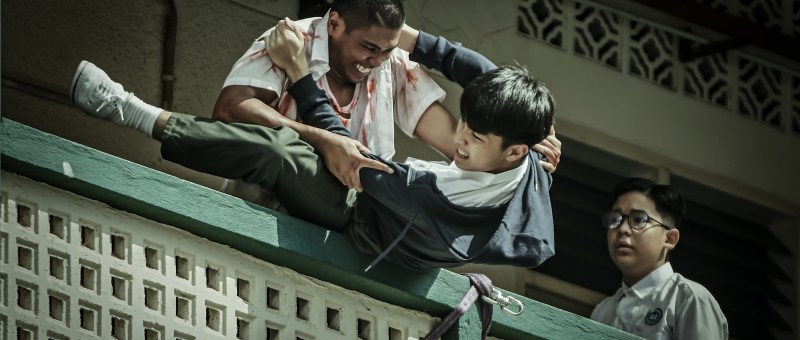
Namewee opens with a lengthy context sequence outlining major events which occurred in the year 2000 from the Australian Olympics to Bush’s election while claiming that the shocking story he’s about to tell is true but was never reported because, it’s implied, it was covered up by the authorities. A boy dies at an ordinary high school, apparently having gone over one of the balconies and landing in the courtyard below. The school, panicked, want to get this cleared up as soon as possible, preferably before going home time because they’d rather the parents didn’t find out about it and are desperate to keep it out of the papers. For all of these reasons, it’s best for them to call the boy’s death a suicide, yet empathetic and soon to retire police officer Singh insists on a full and proper investigation. 

What follows is a Rashomon-like series of alternative witness statements each of which move silently towards the truth. What’s certain is that a fight broke out between rival gangs in the cafeteria after rich kid Kiet’s coke was knocked over, he assumed deliberately. Kiet is an extremely unpleasant and entitled young man resentful that no one likes him but constantly harping on about his prominent father while showing off his wealth by, among other things, driving a BMW to school. This perhaps plays into an unpleasant stereotype as Kiet is a member of the ethnic Chinese community which, despite being a minority, is resented by some Malays the film suggests for its supposed stranglehold on the national economy. The Chinese minority, meanwhile, continue to suffer degrees of discrimination. The boy who died, Chong, had been turned down when applying for a university scholarship because of his ethnicity despite his Malay friend Yisin attempting to speak up for him with the teachers. 

The teachers are, however, not interested and apparently extremely racist themselves. Arch villain Mr. Nasir quite obviously has it in for anyone not Malay, snapping as the leader of the Indian boys is questioned that “Indians are all liars” which is even more awkward considering the lead policeman is an Indian Sikh. Bullying another Indian student, he likens the necklace he’s wearing to a “dog collar” while branding Chong an “outsider” and an “immigrant” when he dares to ask questions about the procedures for awarding scholarships which Mr. Nasir claims are intended for the indigenous community while continuing to insist that Chong must be rich simply because he is Chinese. 

Mr. Nasir is himself a symbol of everything that’s wrong with the contemporary society and an embodiment of the corrupt authority that provokes the boys’ rebellion. He is actively, even gleefully, racist and routinely abuses his power in the most heinous of ways, while the leaders of the Chinese and Malay gangs also lost fathers to corrupt authority figures. Aside from his racism, Mr. Nasir is also extremely homophobic, taking aside an effeminate Indian student, ripping off his accessories, and later humiliating him. Yet his chief complaint is about the word scrawled on the bathroom wall, “Babi”, meaning pig, which he takes as a mockery of Islam. 

As the closing captions explain, the teachers were later transferred while a number of students were expelled from the school though we cannot know the veracity of Namewee’s claims, no one has apparently ever reported on the case. The incident remains “unreported but not forgotten”. In any case there is genuine poignancy in the frustrated friendship between a Malay boy and his two Chinese friends, eventually corrupted by jealousy and resentment caused by societal conservatism and discrimination. Yet as bleak and nihilistic as the film’s conclusion may seem, it does allow a ray of light in the youngsters’ eventual rebellion against the corruption which so oppresses them, united if only in a moment by their desire to break free of its duplicitous constraints. 


Babi screened as part of this year’s New York Asian Film Festival.

Original trailer (English/Traditional Chinese subtitles)

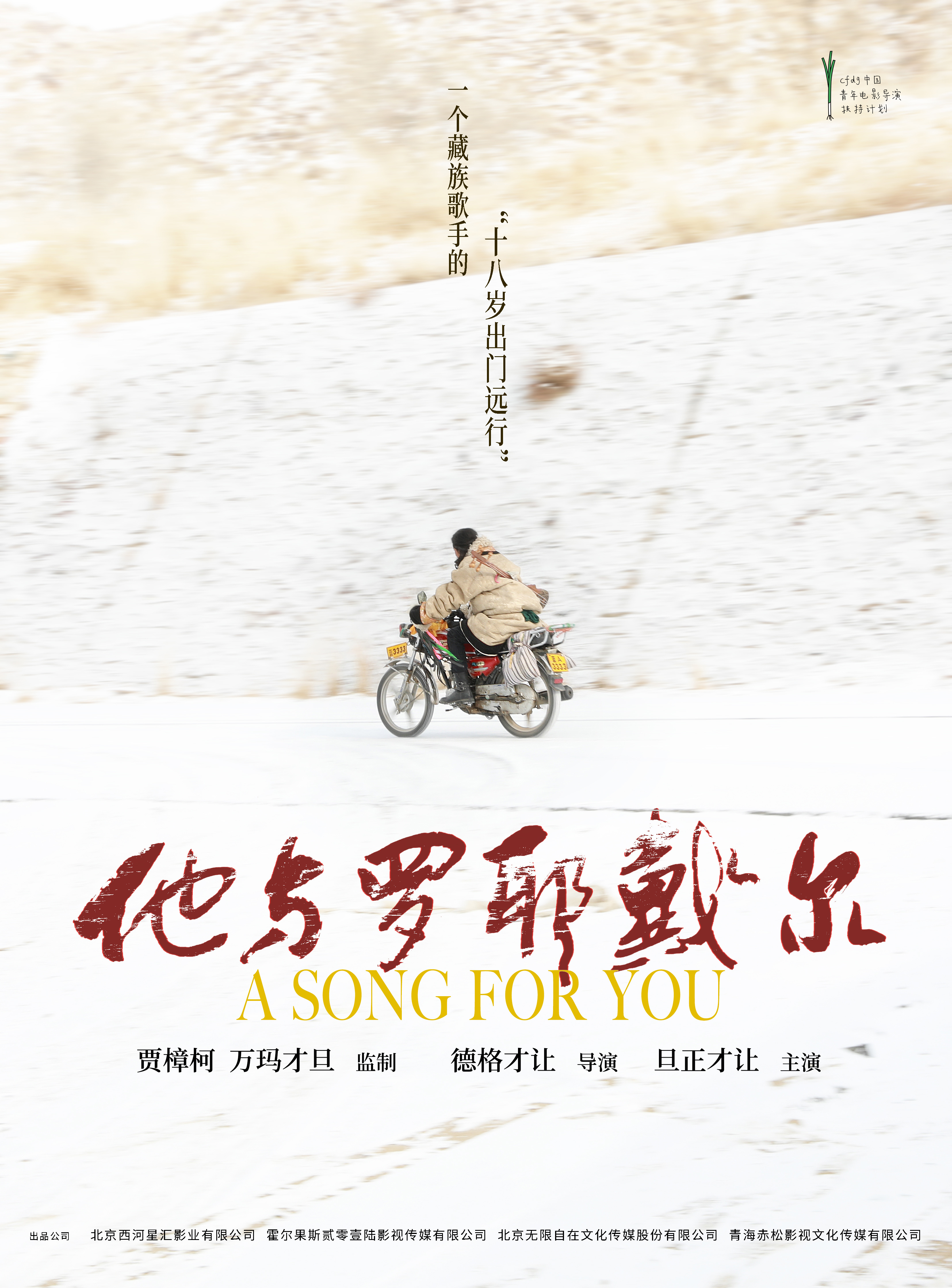
A Song for You (他与罗耶戴尔, Dukar Tserang, 2020)

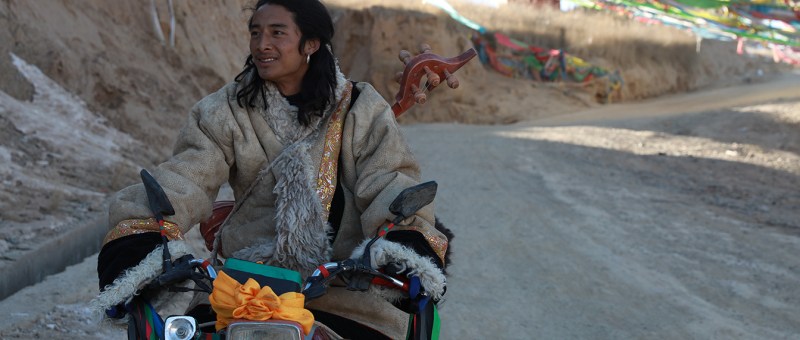
A resentful musician is confronted with the corrupting influences of modernity while trying to make it as a singer in the directorial debut from Dukar Tserang, A Song For You (他与罗耶戴尔, tā yǔ luó ye dài’ ěr) . Guided by the goddess of music, Ngawang travels from his home in the desert to the city and then still further while holding fast to the purity of his traditional art but perhaps begins to discover that evolution is not always betrayal while learning a little something from those he meets along the way even if his elliptical journey ends in its own kind of tragedy. 

The son of a prominent musician in his home community, Ngawang (Damtin Tserang) longs to prove himself as a singer but is also rigid and uncompromising, getting into a fight with a friend of a friend who mocks him for stubbornly playing his traditional Zhanian zither when others have long since moved on to mandolin. Lhagyal sings the praises of popular musician Samdrup who seems to be something of a sore point to Ngawang, kickstarting a rant in which he accuses him of corrupting the art of Amdo singing with his modern evolutions such as drum machines and electronic backing. Lhagyal meanwhile argues that Samdrup has in fact saved their art and without his innovations no one would be at all interested in folk singing to begin with. The two men butt heads, but it’s Ngawang who ends up looking like a prig especially after he fails to place in the singing competition in which he’s come to perform after having arrogantly boasted of his talent. 

It’s at the concert that he first lays eyes on a mysterious woman, another singer singing of the birth of Amdo music. Ngawang later comes to believe she is some kind of incarnation of the goddess of music, Loyiter, owing to the similarity she bears to an icon revealed once he accidentally breaks open a talisman his father had given him after having a tantrum that it clearly doesn’t work because he didn’t win the competition. The nameless woman advises that the reason Ngawang’s talent was not appreciated was because no one takes you seriously if you don’t have an album which is why he ropes in his feckless friend Pathar to help him get to Xining where it seems records are made.

It’s in the cities where he begins to feel his most severe pangs of culture shock, taken to a bar where he again spots the mysterious woman but this time she’s a rock singer named Yangchen who again begins helping him meet the right people to further his musical ambitions. The contrast between his songs which sing of the beauty of the natural world, and the highly corporatised, technologically advanced world of the music business couldn’t be more stark. Ngawang could not understand the words of Yangchen’s song even though he appreciated the melody because it was in Mandarin, while the design shop he uses for a poster ends up making an embarrassing typo in the Tibetan script which they are unable to read. Ngawang just wants to sing, but finds himself roped in to making a “video album” with an over zealous director who accuses him of having no presence and a lack of expression that make him unfilmable as a performer. 

In any case, it isn’t just in the cities that modernity has begun to seep into the traditional. Stopping off on their road trip to deliver the sister of a man who ambushed them and then gave them a brief musical lesson to a monastery, Ngawang encounters a little boy begging in the street who seems to be homeless and alone. Noting the oversize Zhanian on his back he asks the boy for a song, which he sings in a melancholy rendition of life’s unfairness that some children have wealthy parents, some poor, and some none at all. Ngawang is embarrassed to realise he only has large notes, but the boy cheerfully pulls out a lanyard with a QR code Ngawang could have scanned to pay him via WeChat if only he had his phone. Throughout his wanderings Ngawang comes to a new understanding of the world around him which softens his rigidity while informing his music with a greater sense of openness even as he fails to notice a note of foreshadowing in Yangchen’s troubles only later realising he’s been away from home too long and there is always a price to be paid even if you serve the goddess of music. A light hearted musical odyssey and brief tour of the Tibetan plains, Dukar Tserang’s soulful road movie is an ode to singing for the love of it but also to openness and friendships, no matter how brief, made along the way. 


A Song for You screened as part of this year’s New York Asian Film Festival.

Trailer (English subtitles)

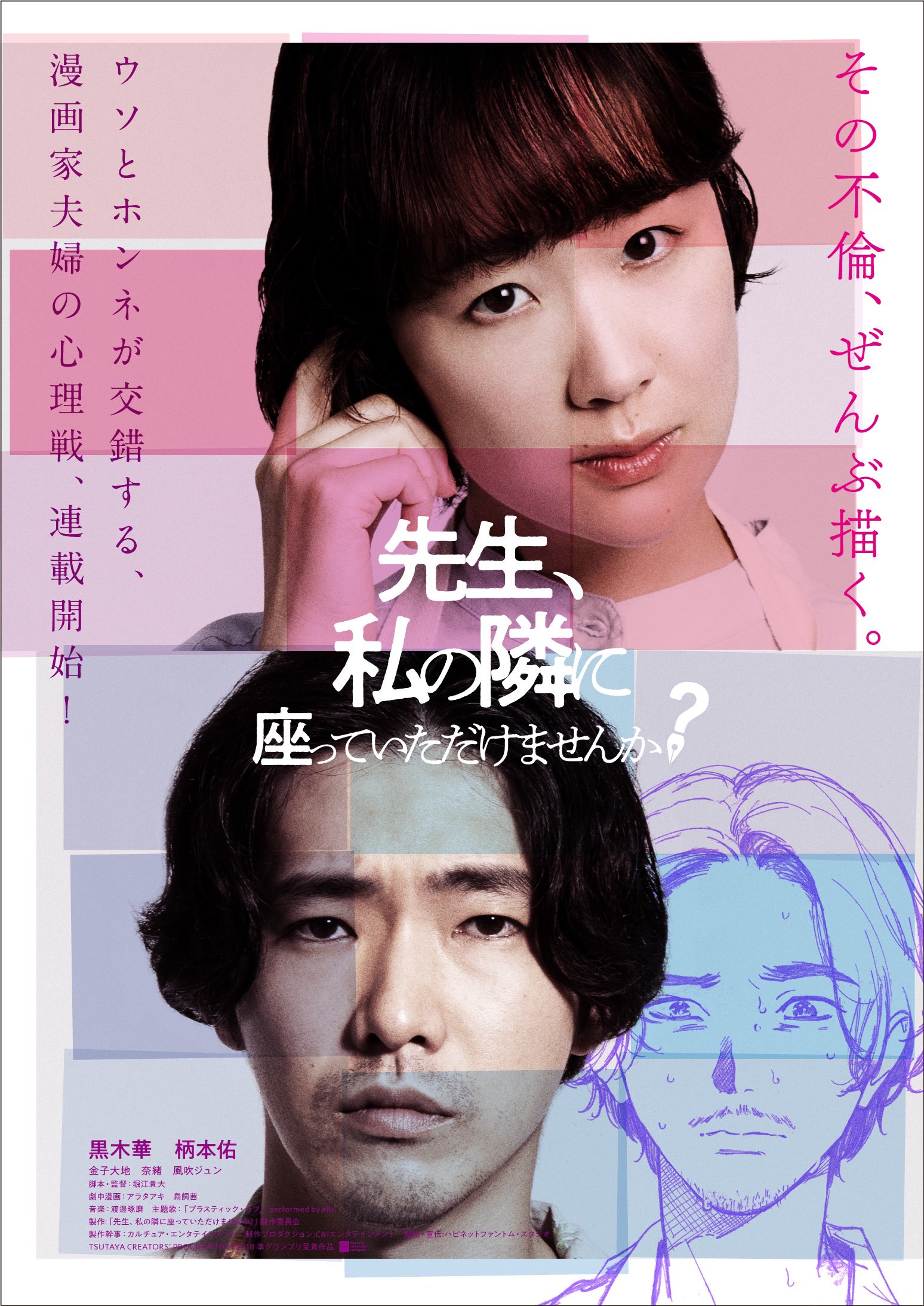
Sensei, Would You Sit Beside Me? (先生、私の隣に座っていただけませんか?, Takahiro Horie, 2021)

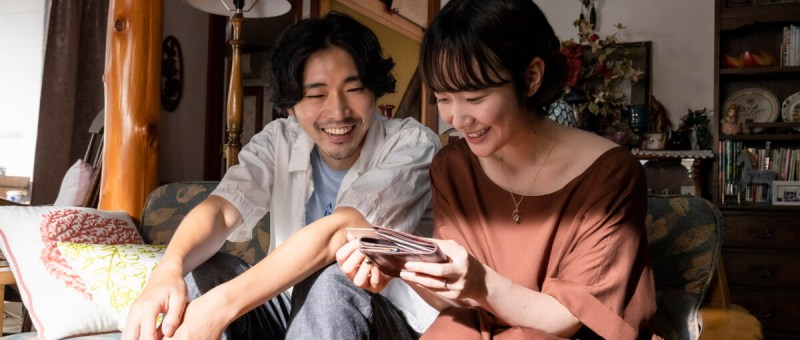
An under-confident mangaka tries to save her moribund marriage through a passive aggressive attempt at “realism”, but then is that really what she wants? What is she really up to? Takahiro Horie’s anti-rom-com Sensei, Would You Sit Beside me? (先生、私の隣に座っていただけませんか?, Sensei, Watashi no Tonari ni Suwatte Itadakemasenka?) is more complicated than it first seems, a tale of romantic revenge, of a woman’s determination to reclaim her independence, or perhaps even a slightly cynical not to mention sexist story of a betrayed wife’s attempts to rekindle her moody husband’s creative mojo in the hope of reigniting the spark in their marriage. What transpires is however a literary game of cat and mouse as a suddenly alarmed husband attempts to get ahead of the game through the transgressive act of reading his wife’s diary. 

A successful manga artist, Sawako (Haru Kuroki) has just completed a long-running series assisted by her husband of five years, Toshio (Tasuku Emoto) who was once a bestselling mangaka himself but hasn’t worked on anything of his own since they got married. Toshio appears to be prickly on this subject, and is in something of a bad mood while Sawako’s editor Chika (Nao Honda) waits patiently for the completed pages. Seemingly suspecting something, Sawako asks Toshio to escort Chika back to the station with the intention of following them only she’s interrupted by a phone call from the police to the effect that her mother (Jun Fubuki), who lives out in the country, has been in an accident and broken her ankle. Sawako and Toshio decide to go and stay with her while she recovers, though a change of scene seems to do little to relieve the pressures on their marriage. 

Indeed, on their first night there Toshio remarks that it’s been a while since they’ve slept in the same room which might go some way to explaining the distance in their relationship. Aside from that, Toshio superficially seems much more cheerful perhaps putting on a best behaviour act for his mother-in-law who makes a point of telling her daughter how “great” her husband is and how she’s almost glad she broke her leg because it’s brought him to stay. Her gentle hints to Sawako to let her know if there’s something wrong elicit only a characteristic “hmm” while she otherwise makes only passive-aggressive comments which suggest she fears her marriage may be on the way out. Having long been resistant to the idea of learning to drive even though she grew up in the country, Sawako starts taking lessons at a nearby school cryptically explaining to Toshio that perhaps she’d better learn after all because she’ll be stuck when he leaves her. 

Sawako’s “driving phobia” as she first describes it appears to be a facet of her underlying lack of self-confidence. She simply doesn’t trust herself to take the wheel and cannot operate without the safety net of someone sitting next to her. Having not got on with the grumpy old man she was originally assigned, Sawako gains the courage to take her foot off the brake thanks to a handsome young instructor, Shintani (Daichi Kaneko), who makes her feel safe while slowly giving her the confidence to trust in herself. The implication is that Toshio has been unable to do something similar in part because he’s so wrapped up in his own inferiority complex over his creative decline complaining that nothing really moves him anymore. When Chika advises Sawako choose a more “realistic” subject for her next series, she passively aggressively decides to go all in with a clearly autobiographical tale of adultery that suggests she is well aware her husband and editor are having an affair behind her back while the heroine experiences a passionate reawakening thanks to her handsome, sensitive driving instructor. 

Of course, Toshio can’t resist reading her “diary” and obsessing over how much of it is “true”. Perhaps Sawako intended just this effect, driving her husband out of his mind with guilt and jealousy indulging in a little revenge whether in fantasy or reality. The irony is that there are at least three “senseis” floating around including Sawako herself with the eventual decision of who, if anyone, she wants to sit beside her the unanswered question of her “revenge” manga. Her real revenge, however, may lie in her determination to grab the wheel, reclaiming agency over her life along with a new independence born of her ability to drive and therefore decide its further direction while toying with Toshio’s inner insecurity in order to effect a plan which is far more insidious than it might first seem. Filled with twists and turns, Horie’s cynical love farce eventually cedes total control to its seemingly mousy heroine as she gains the confidence to go solo or hand-in-hand as it suits her towards a destination entirely of her own choosing. 


Sensei, Would You Sit Beside Me? screened as part of this year’s New York Asian Film Festival.

International trailer (English subtitles)

The Old Town Girls (兔子暴力, Shen Yu, 2020)

The left behind children of decaying industrial China find themselves at the mercy of a corrupted parental legacy in Shen Yu’s neo-noir tragedy The Old Town Girls (兔子暴力, Tùzi Bàolì). Each longing for escape but living in defeat, the three young women at the film’s centre search for signs of possibility in a world they fear has already rejected them but encounter only darkness and futility brokered by the broken adults apparently unable or unwilling to parent or protect them from the world their indifference has forged. 

Beginning at the narrative’s conclusion, Shen introduces us to a frantic woman, Qu Ting (Wan Qian), an anxious man Shui Hao (An Shi), and the confused Ma (Pan Binlong) as they desperately search for their missing daughters apparently kidnapped for a ransom none of them could ever hope to be able to pay. Fed up with the whole thing, Shui Hao determines to go to the police while Qu Ting is reluctant, fearful that the kidnappers will kill their daughter Shui Qing (Li Genxi), Ma simply going along with it. At the police station, however, they receive a call to say the girls are safe and Shui Qing is already at home but there’s more going on here than we first assumed other than Ma’s sudden heart attack on being told that his daughter Yueyue (Zhou Ziyue) has simply gone to visit a friend in another town. 

Flashing back some days before the climactic night, we realise that Shui Hao and Qu Ting are long separated and Shui Qing is living a miserable life rejected by her stepmother who coldly tells her to stay out a little longer because her parents are visiting and they don’t want any “outsiders” at dinner. At an open air noodle stand, she happens to catch sight of the radiant Qu Ting realising her mother has returned but unsure if she recognises her. The two women awkwardly reconnect, Qu Ting making it clear that she will be leaving in a few days and isn’t keen on having a teenage girl cramp her style, but gradually bond as they begin to spend more time together. 

What immediately becomes clear is that Qu Ting is somewhat arrested and emotionally immature, hanging out with Shui Qing’s high school friends Jin Xi (Chai Ye) and Yueyue as if she were a teenager but inappropriately allowing them to drink wine at dinner as if they were on a girls’ night out. Lonely and rejected by her stepmother Shui Qing longs for approval, but also to save her mother who is currently living in an abandoned theatre and seemingly desperate for money she claims is for a “project”, later implying that when it’s over she may start a business and be with her daughter full time but soon enough Shui Qing is pulled into an urban world of gangsters and loansharks governed by rules she is ill-equipped to understand. 

Her friends, meanwhile, have their own problems. Rich kid Jin Xi carries self harm scars on her arms and seems to be the only one at school not wearing a uniform. Her wealthy parents work away in the city and so Jin Xi is largely left alone as abandoned and fearful as Shui Qing but also filled with resentful anger. Yueyue perhaps has the opposite problem in that she feels trapped by her controlling, abusive father, Ma. Raised by wealthy relatives until her father returned, Yueyue longs to be free of him but he refuses to let her go even though the relatives are keen to adopt her and can obviously promise a more comfortable way of life and better opportunities for the future than the impoverished Ma. 

“Everyone’s looking for a carefree paradise” according a mournful pop song heard on the radio and it’s certainly true of the three girls and Qu Ting each looking for something more if unsure exactly of what it is or how to get it. Shui Qing yearns for maternal approval but ends up playing mother while Qu Ting finally accepts her corrupted maternity only in the most tragic of maternal sacrifices in attempting to protect her daughter from the radiating darkness her return has cast over her life. “It doesn’t matter if our dreams sink they’ll just be floating bottles” the girls cheerfully uttered, but each of them find themselves unanchored longing for the security of parental affection and dependability but left largely alone quasi-orphaned by the demands and contradictions of the modern China. Shen’s melancholy neo-noir is a stark coming-of-age tale which finds little place for innocence in the contemporary society relegating it only to the space of memory a casualty of parental disconnection and adolescent futility. 


The Old Town Girls streamed as part of this year’s New York Asian Film Festival.

Original trailer (English subtitles)

Last of the Wolves (孤狼の血 LEVEL2, Kazuya Shiraishi, 2021)

“The Showa era’s over. We don’t use guns now, business is our battlefield.” a recently released foot soldier is told, finding himself in a whole new world emerging from a not so distant past of turf wars and street scuffles into a late bubble wonderland of besuited corporatised gangsters. Set in 1988, Kazuya Shiraishi’s Blood of Wolves had been about the twilight of post-war gangsterdom forever associated with an era that was literally about to pass. Set three years later in the twilight of the bubble economy and an already established Heisei, Last of the Wolves (孤狼の血 LEVEL2, Koro no chi: Level 2) finds no longer rookie cop Hioka (Tori Matsuzaka) taking on the mantle of his late mentor Ogami, attempting to broker peace by getting uncomfortably close to yakuza. 

At the end of the previous film, Hioka had managed to engineer a truce between rival gangs Odani (with whom he is affiliated), and Irako through pushing top Odani guy Ichinose to take out boss Irako. Three years later, the peace has held and in any case Heisei yakuza no longer take violence to the streets. The release of crazed Irako foot soldier Uebayashi (Ryohei Suzuki), however, threatens to destabilise the local balance of power. Despite mournfully declaring that he doesn’t intend to wind up back in prison, Uebayashi’s first call on release is to the sister of one of his guards whom he rapes and kills in quite gruesome fashion. Hioka is put on the case and partnered with a genial veteran, Seshima (Yoshiko Miyazaki), weirdly excited about investigating a murder at this late stage of his career, but quickly realises that Uebayashi’s recklessness is primed to destroy everything he’s built. 

Having started out a straightlaced rookie, Hioka has fully incorporated the Ogami persona dressing in sharp suits and sunshades, driving a sports car, and hanging out with the Odani guys, while also using his girlfriend’s little brother Chinta (Nijiro Murakami) as a mole in rival gangs. As a cynical reporter points out, however, Ogami was essentially “undercover” in that he understood hobnobbing with yakuza was part of his job and something he did solely to keep civilians safe by preventing another street war. Hioka has started to lose his way, enjoying himself a little too much and already way out of his depth as the fragile peace he’d brokered by less than ethical means begins to crumble beneath his feet. 

Having been in prison, Uebayashi is unaware of the various ways in which the world has changed seeking to return to old school rules of gangsterdom, ironically lecturing his superiors on the absence of jingi (honour and humanity) in their new corporate existence. He’s a monster and a sadist, but his violence is also a result of the horrific abuse he suffered as a child which led to an equally heinous act of revenge while as a member of the ethnic Korean Zainichi community, like Chinta and his siblings, he continually faces discrimination and social oppression. His first act on release is of revenge against the guards who relentlessly tortured him in prison, the murdered woman’s brother confessing that they wrote him up as a model prisoner in the hope he’d be released early so they wouldn’t have to deal with him anymore.  

Yet what Hioka and Uebayashi have in common is that they’re both pawns in a game they were unaware was being played. As it turns out the police corruption Hioka discovered during the previous film did not go away, and in certain senses they liked things the way they were before. Hioka’s truce is very bad for business for a certain subset at least. They might be minded to let a dangerous killer go loose if it disrupts Hioka’s attempt to suppress the criminal underworld to manageable levels. Mimicking the classic jitsuroku, Shiraishi throws in occasional voiceover from an anonymous narrator along with freeze frame and montage while skewing still darker in the levels of depravity among these desperate men fighting over the scraps of a world already in terminal decline even as the bubble seems fit to burst. Shiraishi ends on a note of change with the institution of the organised crime laws which have contributed to the ongoing decline of the yakuza, a relic of the Showa era unfit and unwelcome in the modern society, but also discovers that for good or ill there may yet be wolves in Japan.


Last of the Wolves screened as part of this year’s New York Asian Film Festival.

Teaser trailer (English subtitles)

All U Need Is Love (總是有愛在隔離, Vincent Kok Tak-chiu, 2021)

All things considered, there are worse places to quarantine than a five star hotel especially if it’s free but then again forced proximity with those you love, or those you don’t, can prove emotionally difficult. An old school ensemble comedy, Vincent Kok’s All U Need Is Love (總是有愛在隔離) features a host of A-list stars each providing their talent for free in order to support the struggling Hong Kong film industry in the wake of the COVID-19 pandemic but as its name suggests eventually offers a small ray of hope that the enforced period of reflection may have fostered a spirit of mutual solidarity and personal growth. 

Kok opens, however, with a tense chase sequence as a shifty looking man runs from the authorities at the airport only to be picked up by the PPE-clad Epidemic Task Force who whisk him away to a secret location where he’s placed inside a weird bubble and interrogated by Louis Koo. Several more top HK stars including Gordon Lam fetch up in the bubble each implicating the Grande Hotel as the centre of of a coronavirus cluster at which point an order is given to place it under total lockdown requiring everyone inside to remain for a 14-day quarantine. 

Essentially a series of intersecting skits, Kok’s ramshackle drama nevertheless has its moments of satire as the hotel chief takes to the stairs for an inspirational speech in which he frequently slips into English and bizarrely likens himself to the captain of the Titanic because we all know how well that went. He spends the rest of the picture trying to escape without anyone noticing while his dejected security guard/brother tries to bump him off. Meanwhile, two gangsters develop a homoerotic bromance while plotting how best to profiteer off the pandemic through smuggling anti-COVID paraphernalia just as panic buying takes hold on the outside. 

Nevertheless, it can’t be denied that All U Need Is Love is also guilty of some rather old fashioned, sexist humour particularly in the antics of a pair of old men (Tony Leung Ka-Fai and Eric Tsang reprising their roles from Men Suddenly in Black) and their minions who misled their wives in order to embark on a sexual odyssey only to have their plans both improved and then ruined by the quarantine order. Meanwhile, a young couple who were in the hotel preparing for their wedding banquet ironically scheduled for the last day of the quarantine find themselves at loggerheads as the man gets cold feet over his fiancée’s bridezilla micromanaging, and her father undergoes a total makeover while continuously watching Japanese pornography in his room. 

Watching it all, a little girl, Cici, becomes the moral voice of the pandemic innocently hoping that nature will continue to heal itself even after the sickness ends. It’s she who shows the gangsters the error of their ways in pointing out that if they steal all the anti-COVID equipment then they will end up being more at risk because no one else is protected, while she also softens the heart of the hotel’s cynical manager to the point that he too makes a lengthy speech about becoming a better person thanks to his experiences during in the pandemic. 

During their enforced proximity friends and strangers have indeed needed to rediscover their love for their fellow man as they band together in mutual solidarity waiting for their freedom. Culminating in an oddly uplifting wedding decked out with balloons and messages from friends and family played via iPad, Kok’s anarchic ensemble farce does its best to discover a silver lining among the fear and anxiety of the pandemic as it ironically brings people together through driving them apart. Along with his A-list cast, Kok throws in a series of movie parodies and pop culture references from an impromptu rendition of Baby Shark to a surprise appearance from the Landlady from Kung Fu Hustle as well as a suitably random cameo from Jackie Chan. Repurposing the traditional Lunar New Year movie, All U Need is Love is a classic nonsense comedy designed to lighten the mood in these trying times while celebrating the essence of Hong Kong cinema through, arguably, its most idiosyncratic of genres. 


All U Need Is Love streamed as part of this year’s New York Asian Film Festival.

Original trailer (Traditional Chinese/English subtitles)