
 Marriage, eh? Bit of a rollercoaster. Lee Byeong-heon’s sex farce What a Man Wants (바람 바람 바람, Baram Baram Baram) takes two ordinary couples and exposes the various hypocrisies which underpin their existences as they battle boredom and excitement in turn before finally figuring out exactly which relationship(s) they would ideally like to be in full time. The sexual politics are distinctly old fashioned, as is the male fantasy wish fulfilment at the film’s centre, but Lee chooses wryness over cynicism in asking if a little infidelity here and there might actually strengthen an otherwise shaky connection.
Seok-guen (Lee Sung-min) used to design rollercoasters all over the world, but now he drives a taxi on Jeju and gets his kicks “picking up” fares. That’s not to say he doesn’t love his wife, the patient Dam-deok (Jang Young-Nam), but he enjoys the thrill of the chase and favours instant gratification over the patient pleasures of married life. Seok-guen is often aided and abetted in his assignations by his straight laced brother-in-law, Bong-soo (Shin Ha-kyun), who is married to Seuk-guen’s forthright sister, Mi-young (Song Ji-hyo). Bong-soo doesn’t really approve of Seok-guen’s carrying on and doesn’t see the appeal of extra-marital affairs, but realises he has little choice other than to help Seok-guen out or risk his family life imploding. The couples live next-door to one another and are extremely close.
The trouble starts when Seok-guen tries to pick up the alluring Jenny (Lee El) at a pool bar. Bong-soo, not normally smitten, is seemingly hit by a lightening bolt and finds himself suddenly fantasising about another woman. Seok-guen had long been urging Bong-soo to have an affair (which is odd seeing as Bong-soo is married to his little sister), but he probably hadn’t envisaged him stealing Jenny out from under him. Flattered when Jenny starts paying him attention, Bong-soo succumbs only to make a rookie mistake of going home with her panties in his jacket pocket. Bong-soo takes revenge for years of being an alibi and blames the whole thing on Seok-guen who is mock thrown out by Dam-deok though she only really means to teach him a lesson rather than get rid of him for good.
The problem with Jenny is she’s not really real. She’s an embodiment of a male fantasy that might as well have been conjured up by the otherwise dull Bong-soo. With her sexy outfits, self consciously cute way of speaking, and frankly unbelievable interest in a boring failed restaurateur you really have to wonder if she’s not some kind of spy or a master criminal lining up a mark (except that neither Seok-guen or Bong-soo have any money). Sadly, no. She’s just the archetypal sexpot ripped straight from a ‘70s farce with little more to her character than sauciness with a side order of harlotry, despite the valiant efforts of actress Lee El who attempts to imbue her later emotional scenes with depth and sincerity to make up for her underwritten role. Jenny repeatedly claims to know what men “want” and then gives it to them, like some sort of temptress from a folktale, never allowed to express what it is she might “want” but only ever hanging around to be “won” by one of the two guys.
Bong-soo and Seok-guen undergo a role reversal when an unexpected tragedy forces Seok-gun to reassess his philandering ways while Bong-soo becomes a practiced adulterer. The marriage of Mi-young and Bong-soo is already on shaky ground – their sex life is all but dead and they’ve been having trouble conceiving. Mi-young is addicted to social media while Bong-soo spends his spare time building LEGO models, and in addition to being marital partners they also co-own an “Italian” restaurant which Bong-soo has long wanted to turn into a Chinese one (he trained as a Chinese chef) but Mi-young continually ignores his dream despite the fact that the restaurant is permanently empty and about to go bankrupt. Partly mid-life crisis, Bong-soo’s affair is motivated by a need to reassert his “manhood” while Jenny flatters him, strokes his ego, and does all the “wifely” things the “bossy” Mi-young refuses to do.
Yet just as Seok-guen said they would, Bong-soo’s fortunes improve thanks his to philandering – he becomes a better chef, the business takes off, and Mi-young (paradoxically) seems to develop more faith him as well as additional respect for his increasing “manliness”. Both men, through their interactions with the almost non-existent Jenny, are then forced to consider what, or who, it is they really want though Lee’s message seems to be that there are “secrets” in every marriage and perhaps it’s better not to ask too many questions if you want to maintain a happy married life. Cynical, though gleefully so, What a Man Wants is a salty affair but one which ultimately places its faith in “love” to find its way home despite the messiness of the journey.
What a Man Wants was screened as part of the New York Asian Film Festival 2018.
International trailer (English subtitles)



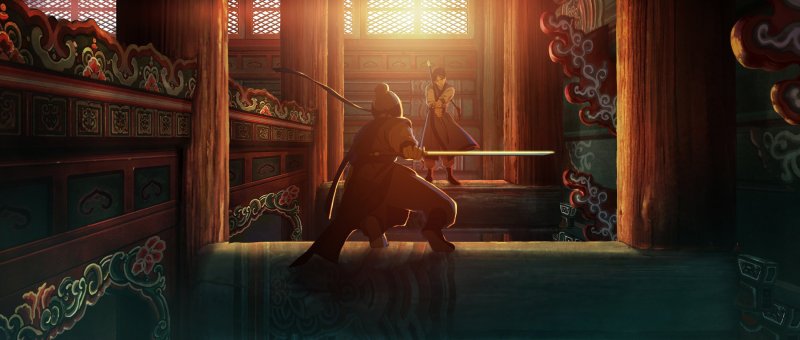

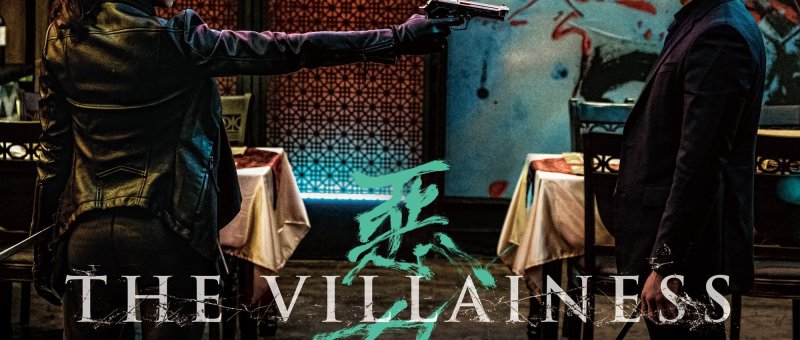
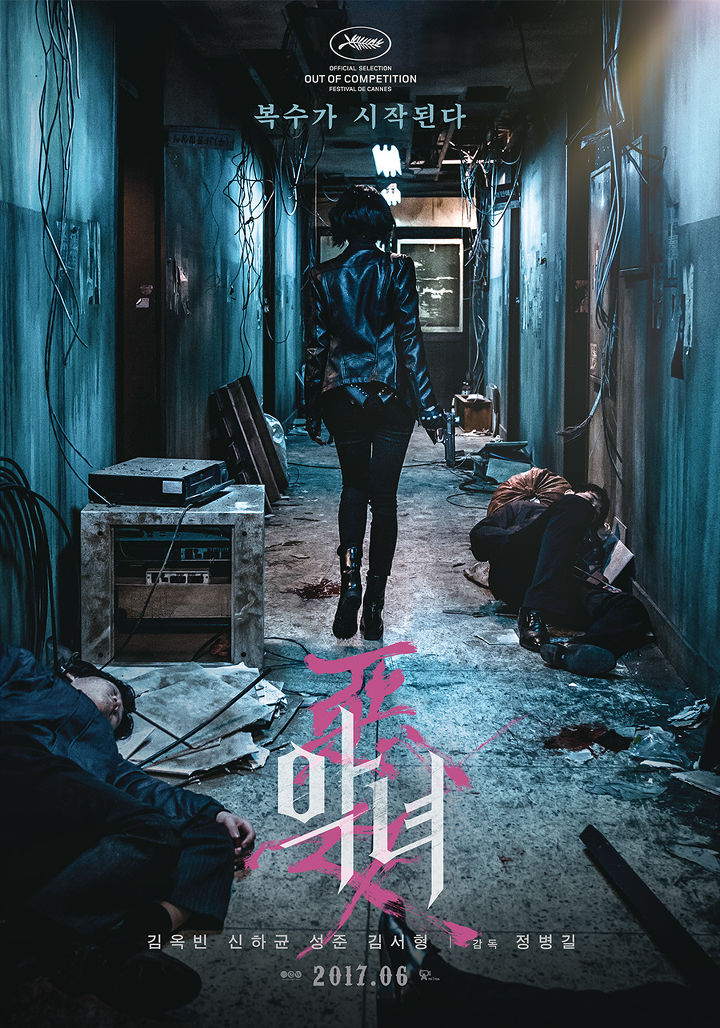 Vengeance is a doubled edged sword, it cannot help but wound the wielder. The heroine of Jung Byung-gil’s ironically titled The Villainess (악녀, Aknyeo) has more to be revenged of than even she knows. Yes, the narrative beats are familiar and Jung has clearly drawn inspiration from Luc Besson’s seminal hit woman movie La Femme Nikita as well as the long history of female revenge films from Lady Snowblood to Kill Bill, but he does it with style and style is always hard to argue with. A new kind of action cinema, The Villainess makes a performer of its camera, darting frantically like an animal on the run and then drifting listlessly between dreamlike visions of half remembered traumas. Jung remains firmly in B-movie territory but owns it, unafraid to embrace the genre’s more extreme qualities and all the better for it.
 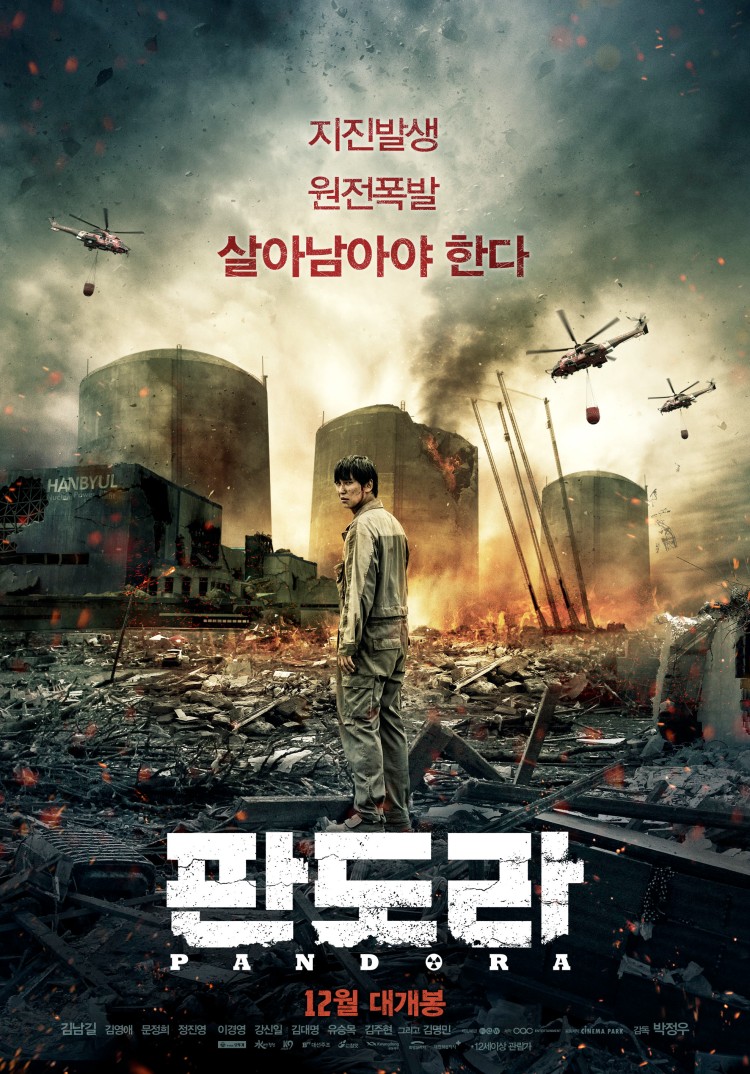 In a time of crisis, the populace looks to the government to take action and save the innocent from danger. A government, however, is often forced to consider the problem from a different angle – not simply saving lives but how their success or failure, decision-making process, and ability to handle the situation will be viewed by the electorate the next time they are asked who best deserves their faith and respect. Pandora (판도라) arrives at a time of particularly strained relations between the state and its people during which faith in the ruling elite is at an all time low following a tragic disaster badly mishandled and seemingly aided by the government’s failure to ensure public safety. Faced with an encroaching nuclear disaster to which their own failure to heed the warnings has played no small part, Pandora’s officials are left in a difficult position tasked with the dilemma of sacrificing a small town to save a nation or accepting their responsibility to their citizens as named individuals. Unsurprisingly, they are far from united in their final decision.
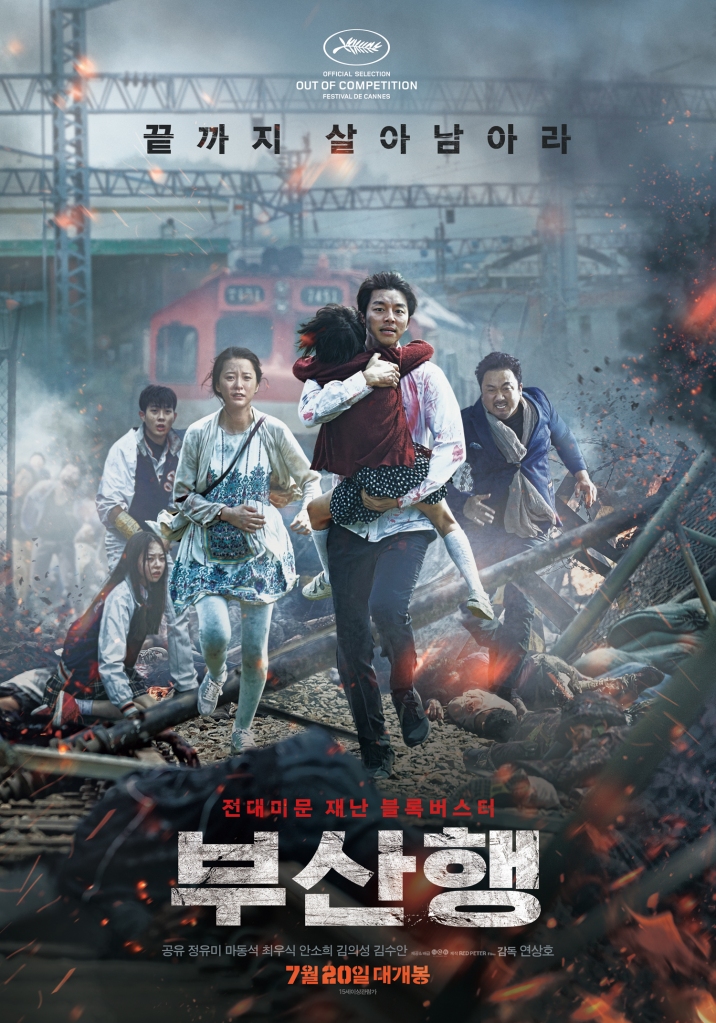 Many people all over the world find themselves on the zombie express each day, ready for arrival at drone central, but at least their fellow passengers are of the slack jawed and sleep deprived kind, soon be revived at their chosen destination with the magic elixir known as coffee. The unfortunate passengers on an early morning train to Busan have something much more serious to deal with. The live action debut from one of the leading lights of Korean animation Yeon Sang-ho, Train to Busan (부산행, Busanhaeng) pays homage to the best of the zombie genre providing both high octane action from its fast zombie monsters and subtle political commentary as a humanity’s best and worst qualities battle it out for survival in the most extreme of situations.
 Windows on Worlds