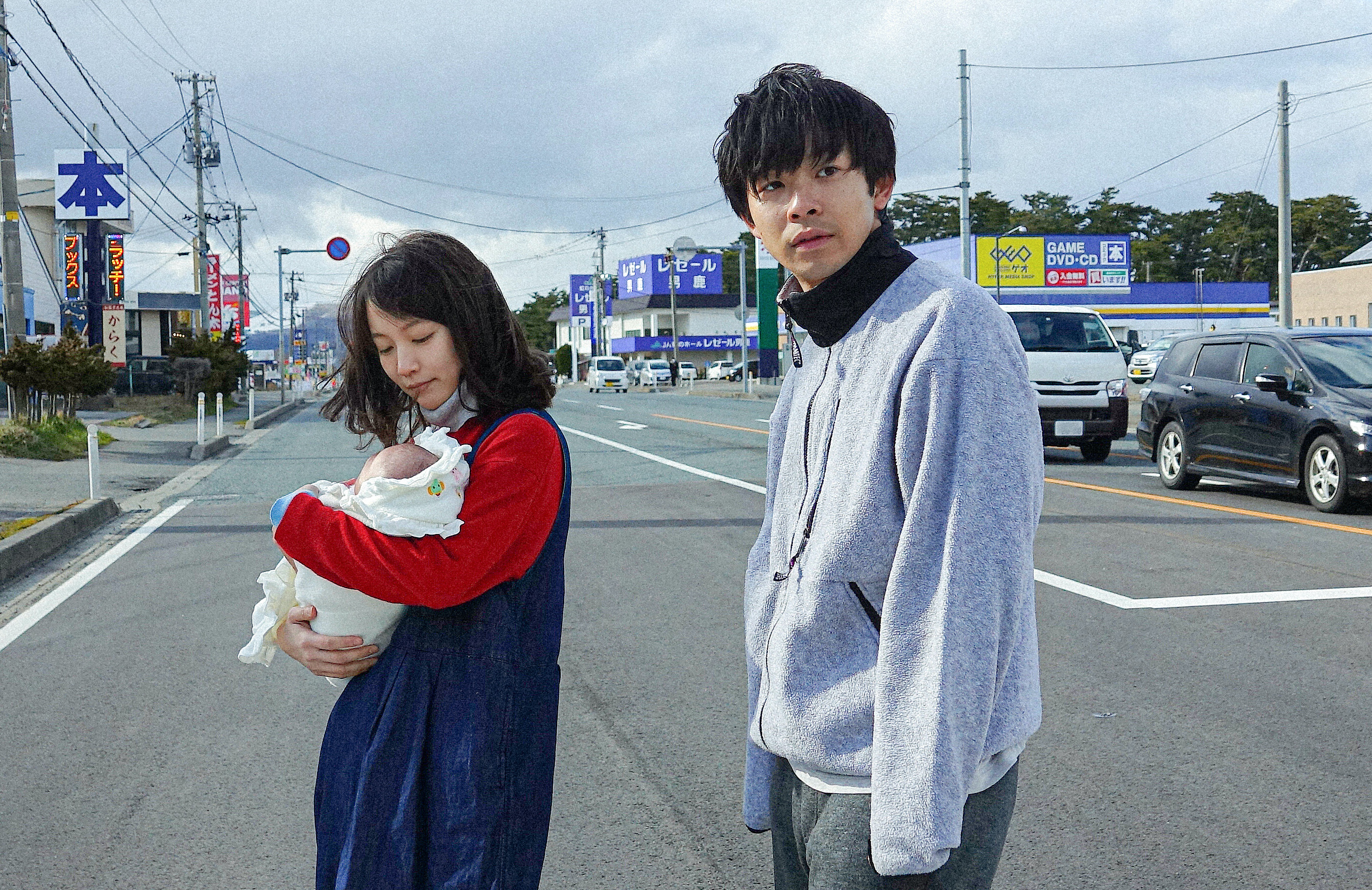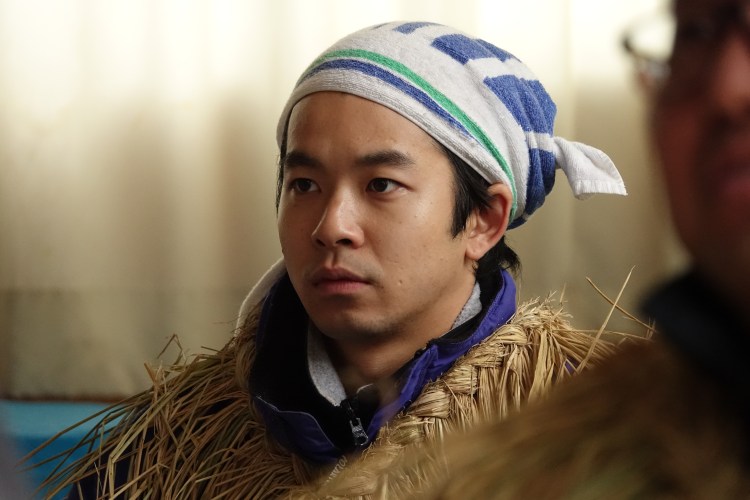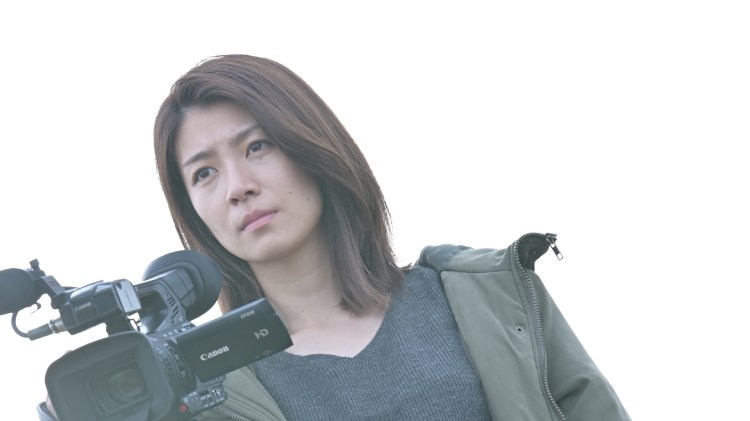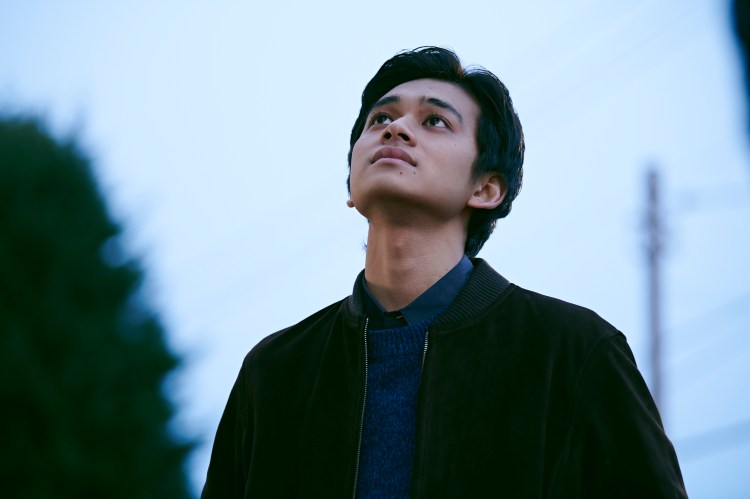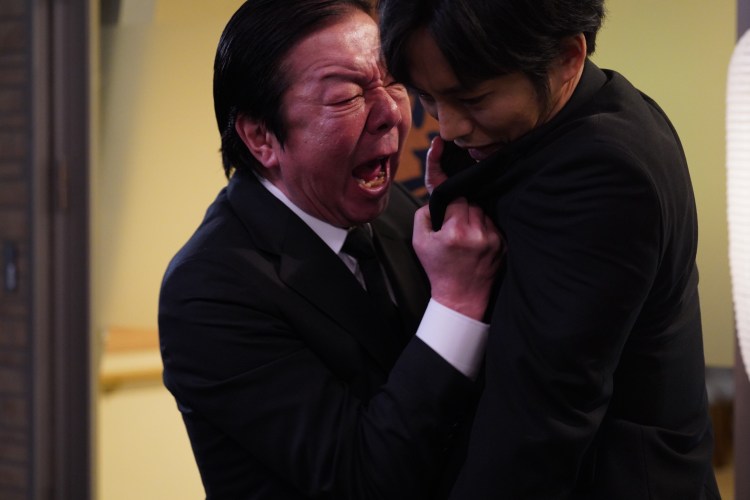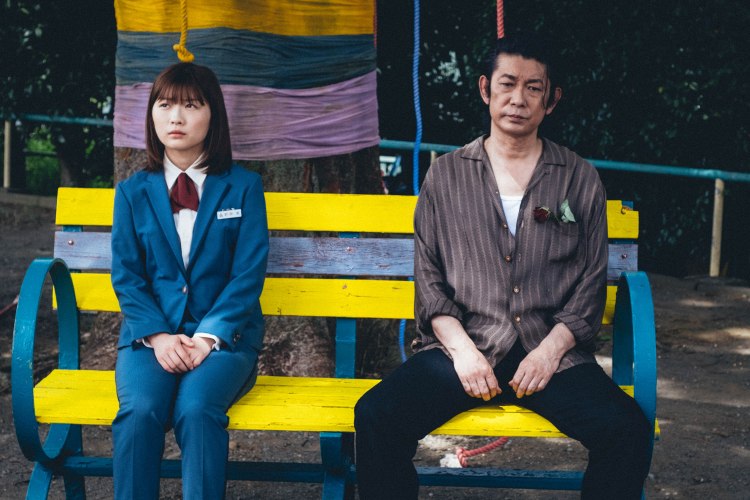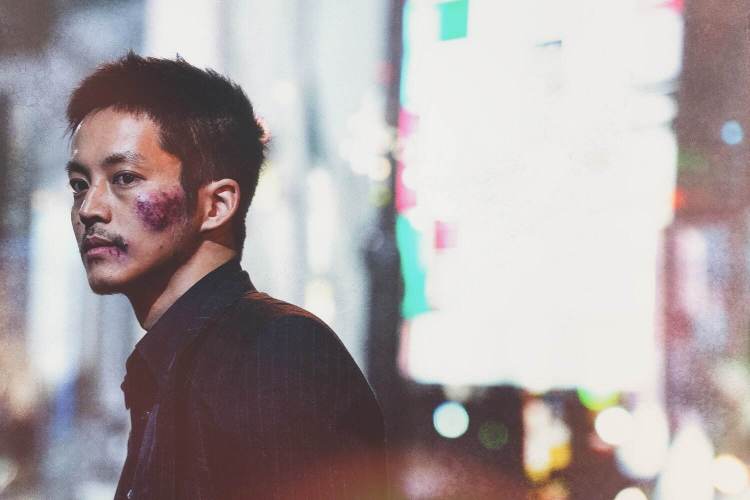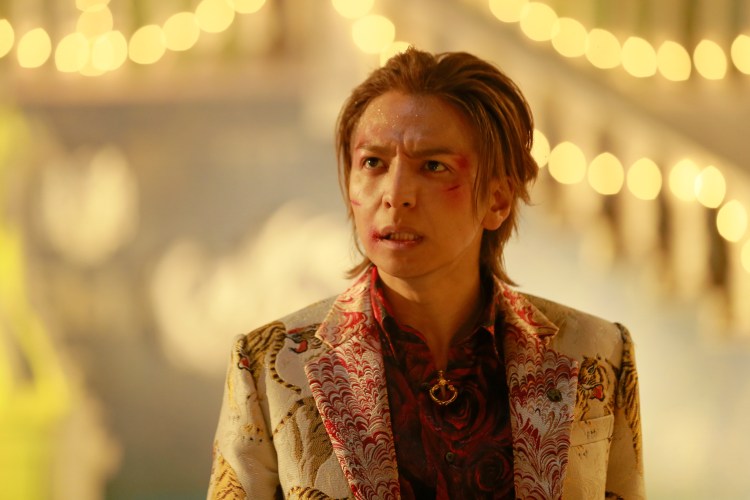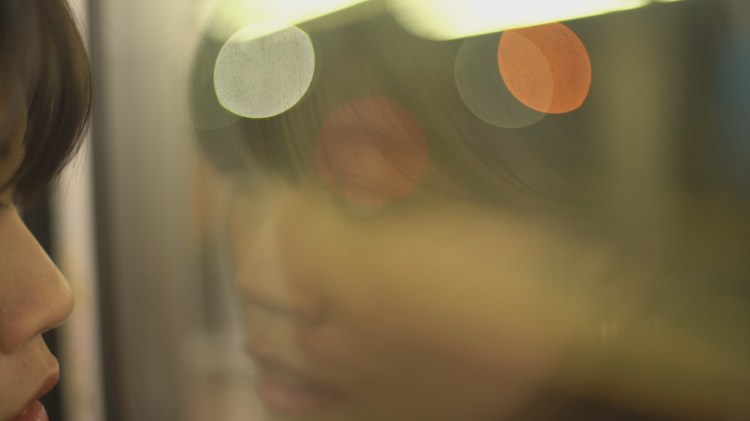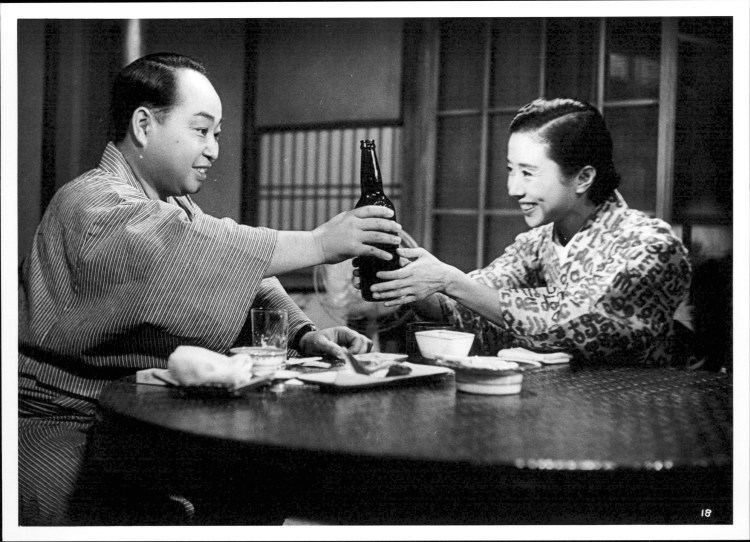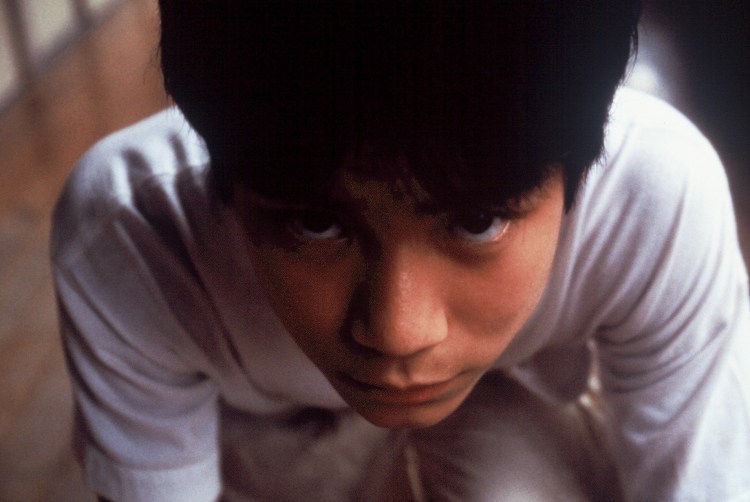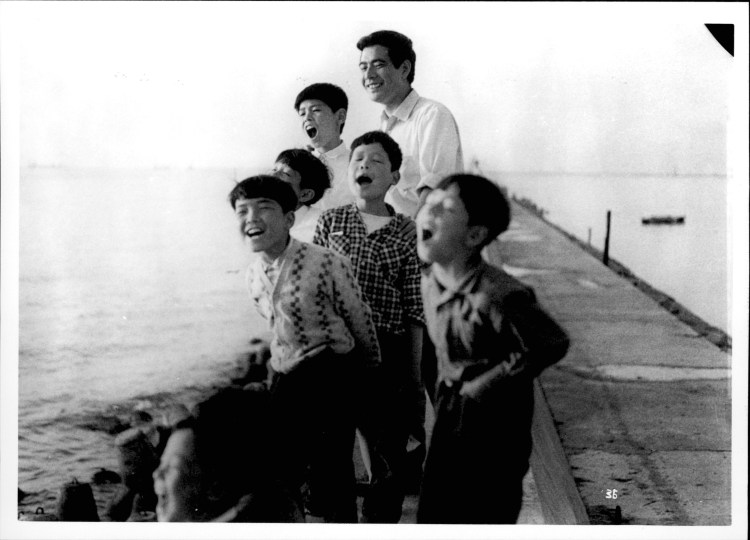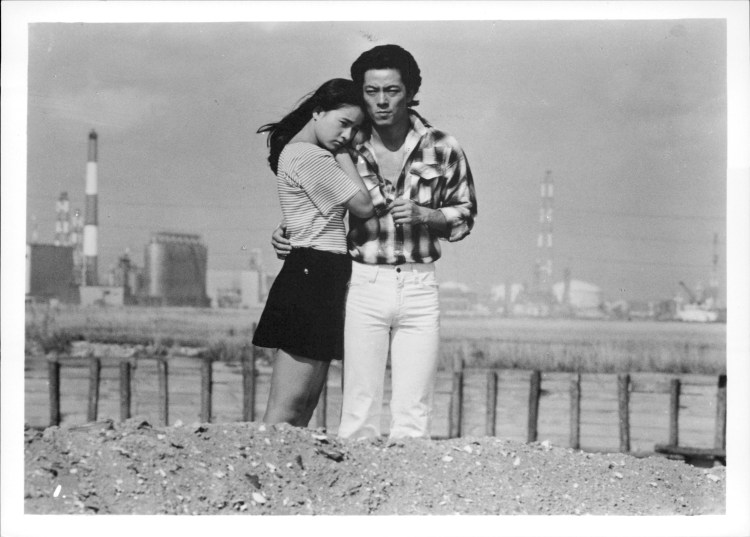
Parasite in Love (恋する寄生虫, Kensaku Kakimoto, 2021)

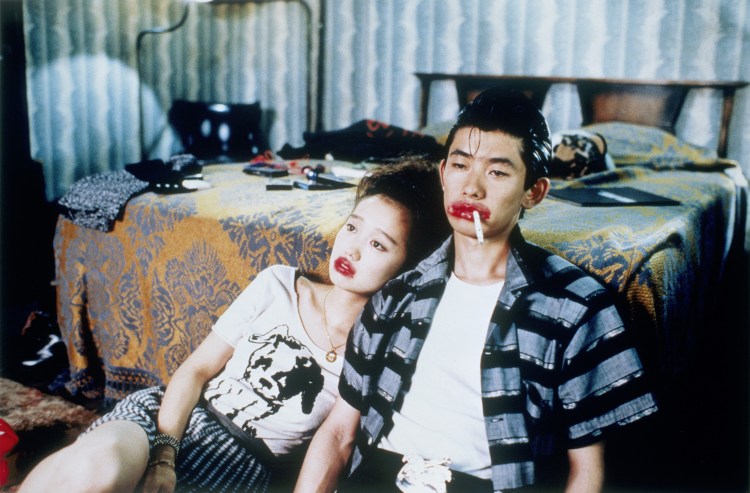
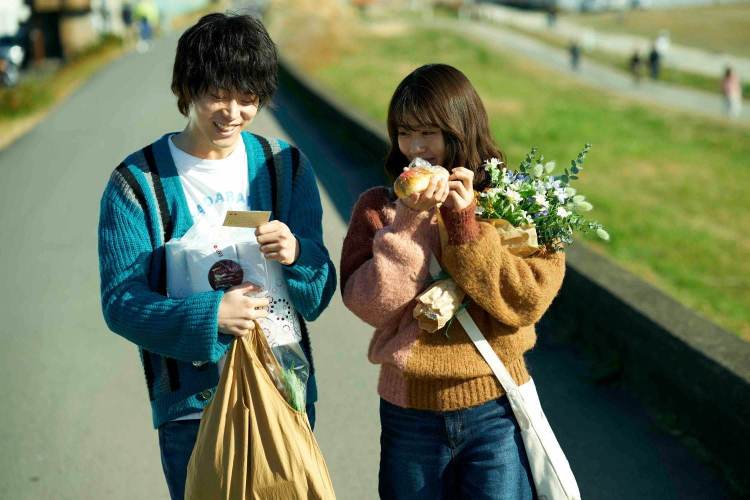
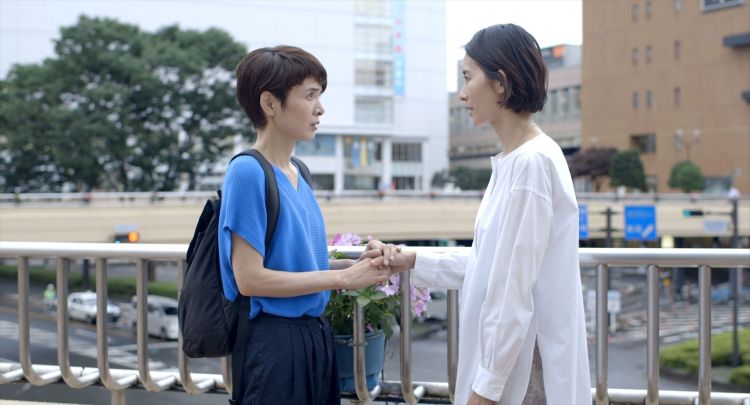
A pair of exiles from mainstream society develop a bond that allows for mutual evolution, but are their feelings genuine or the result of a love bug and does it really matter anyway? Kensaku Kakimoto’s adaptation of the light novel by Sugaru Miaki Parasite in Love (恋する寄生虫, Koi suru kiseichu) finds a germophobic man planning to plant a virus to destroy the world he thinks has rejected him coming to care for a young woman who cannot face the glare of a judgemental society while asking if love were a sickness would you really want to be “cured” and if its sacrifice would be worth the price of living a “normal” life. 

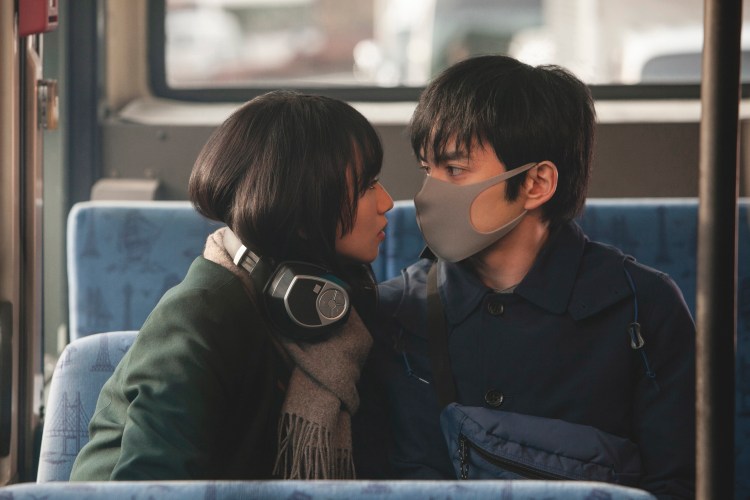
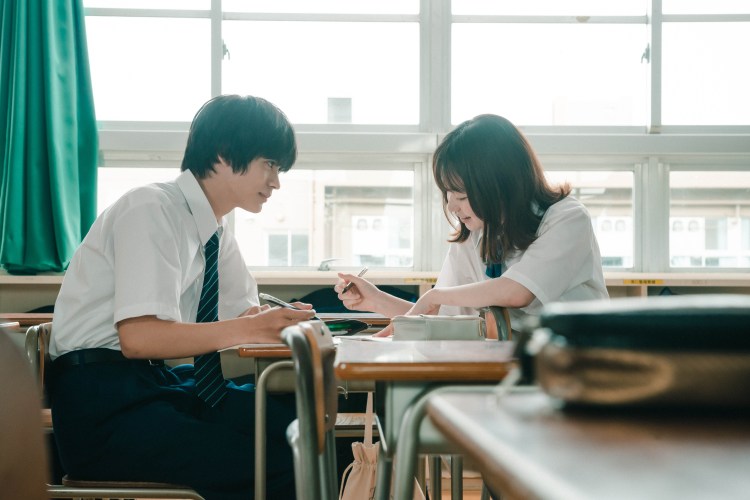
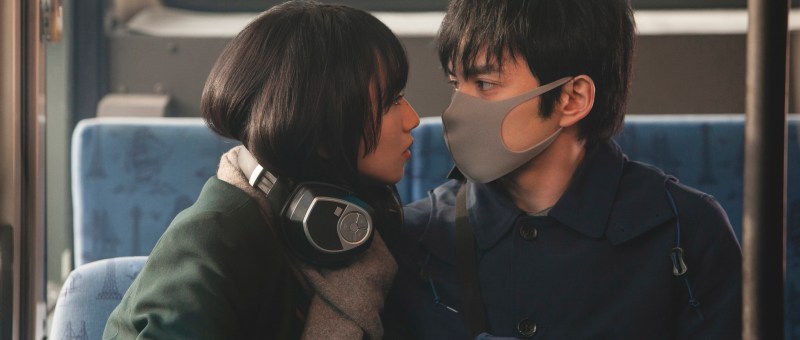
Kosaka (Kento Hayashi) lost his parents to suicide at eight years old and has been alone ever since. He is terrified of the world around him believing that everything and everyone is covered in dangerous pathogens and leaves his apartment, where he is busy writing a virus designed to disrupt communication between devices in an ironic revenge for his own inability to connect, only when necessary. On one such trip, however, he runs into high schooler Hijiri (Nana Komatsu) who cannot bear to see other people’s eyes and wears headphones to block out the interpersonal noise of the mainstream society. Where Kosaka chooses isolation because he fears infection, Hijiri is convinced she has a life-limiting parasite in her brain which is infectious to others and does not want to pass it on. 

Approached by an intimidating middle-aged man, Izumi (Arata Iura), Kosaka is charged with “looking after” Hijiri in part to find out why she’s been skipping school. She too lost her mother to suicide which her grandfather (Ryo Ishibashi), a mad scientist, has told her is down to a parasite in her brain, the same one that Hijiri has, which eventually drove her to take her own life while it seems simultaneously rejecting the role of his own authoritarianism in which he attempted to force her to have the parasite removed against her will refusing to listen when she insisted her feelings were her own whether he chose to recognise them or not. Hijiri’s quest is similarly one for personal autonomy in the face of her grandfather’s attempts to excise what he sees as abnormal in what amounts to a modern day lobotomy. 

Then again, it’s difficult to argue with the thesis that the relationship between Hijiri and Kosaka is inappropriate given that he is a 27-year-old man and she is a high school girl, which would be one thing if the scientists had not originally forced them together after discovering that Kosaka has the same parasite in his brain and the mutual evolution their pairing would produce would allow them to remove the problematic bug more easily. As the pair hang out together doing “normal” things such as riding public transportation and eating in cafes, gradually the masks and earphones disappear as they give each other the strength to face a hostile environment with an open question mark over whether it’s all down to the bugs or they’ve fallen in love for real. Hijiri’s dilemma is just as in the story she tells of a man who was infected with a parasite that made him love his cat to the exclusion of all else, if they really want to be “cured” or if the price of sacrificing their love and the essence of who they are is worth paying for the right to reenter mainstream society. 

As Izumi admits, our bodies are full of bugs and perhaps some of them have more power over us than we’d like think. How much control do you really have over your own biology anyway? Kakimoto’s quirky drama only ever flirts with darkness in Kosaka’s original desire to burn the world out of his intense resentment, and in the mad scientist grandfather’s patriarchal insistence on controlling his granddaughter’s emotional life, removing any hint of what is deemed unconventional to turn her into a perfectly “normal” member of a conservative society. Suggesting that romantic destiny may indeed be akin to a parasitic infection, the film nevertheless comes down on the side of the lovers as they discover solidarity in difference and decide to live their lives the way they see fit parasites or not. 


Parasite in Love streamed as part of this year’s Nippon Connection.

Original trailer (no subtitles)

Let Me Hear It Barefoot (裸足で鳴らしてみせろ, Riho Kudo, 2021)

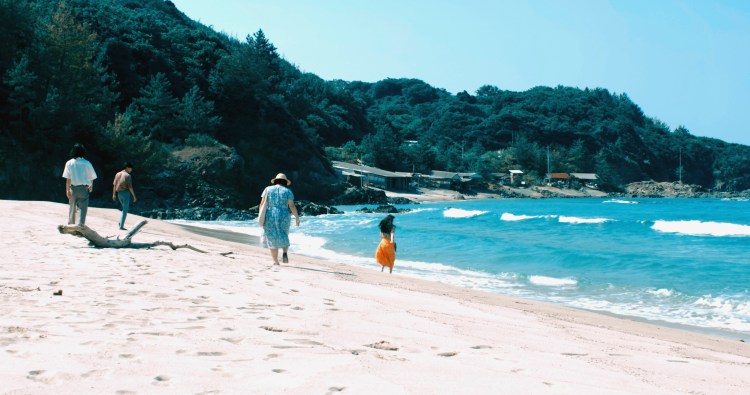
“I can touch it if I reach out” one of the heroes of Riho Kudo’s second feature Let Me Hear It Barefoot (裸足で鳴らしてみせろ, Hadashi de Narashite Misero) claims as he narrates a fantasy trip to Iguazu Falls, but his tragedy is that he can not reach out and neither can his friend or really anyone in this suffocating enclave of moribund small-town Japan. As in her debut Orphan’s Blues, Kudo finds her heroes trapped with a space of artificial nostalgia and yearning for escape while in constant dialogue with Wong Kar-Wai’s melancholy romance Happy Together as the two young men process their frustrated desires not only for each other but for an end to the loneliness that defines each of their lives. 

Naomi (Shion Sasaki) is lonely in part because he feels trapped. Having dropped out of university he’s working in his father’s (Masahiro Komoto) recycling depot while his best friend and high school sweetheart Sakuko is about to move to Canada. He first catches sight of the enigmatic Maki (Tamari Suwa) at the local pool after trying to learn to swim to effect change in his life and later bonds with him along with a mysterious old woman, Midori (Jun Fubuki), who has lost her sight and claims to have travelled the world in her youth. What the boys later discover is that Midori had not been entirely honest in that her travels had been vicarious, related to her by a third party long since departed whom she did not want to forget. Following a health scare she tries to give Maki her savings telling him to travel the world in her stead but he soon discovers that she was sadly mistaken about amount she’d put away. Lacking the heart to tell her, Maki decides to use an old tape recorder to fake trips to famous places ironically mirroring her final confession that her friend had never travelled either but made all the stories up for her benefit. 

The tape recorder conceit of course directly recalls Happy Together as does the final destination of the Iguazu Falls while hinting at the unattainable freedom each of the young men yearns for as mediated by their desire to travel the world. “We can go anytime” Maki tries to convince Naomi in his mounting desperation though each of them on some level knows they will never leave nor escape their sense of loneliness. Maki describes himself as feeling as if he is trapped within a magnetic field, surrounded by people but unable to touch them. A man permanently at odds with his environment, Naomi feels the same but their feelings for each other are complex and confusing. In a repeated motif one reaches out to touch the other but suddenly pulls back, their repressed desire expressed only through increasingly intense play fighting until one is finally unable to go on with the subterfuge and unsuccessfully attempts to address their unresolved romantic tension. 

Much of their courtship occurs in Naomi’s converted garage bedsit, a space filled with unwanted relics of the past from countless VHS and discarded books to TVs and radios. The garage is his literal safe space, Naomi explaining to Maki that he feels the urge to collect things out of a sense of security that they are safe here even if they disappear from the outside world. “Memories will stay” Maki reminds him, but that’s not good enough for Naomi who ironically can only trust the things that he can touch. Preoccupied with a sense of loss he is unable to move forward, cannot take hold of himself or his desires wishing to preserve the past at all costs while Maki has learnt to live in the moment able to let go but adrift in the present. 

“We may not even be alive tomorrow” Naomi wails in desperation, feeling as if he’s running out of time while boxed in by his equally lonely, disappointed father as a vision of his future self worn down by small-town life and a persistent sense of futility. The two men are forever divided, literal glass standing between them in the closing scenes in which they can no longer touch even if they wished it. Small-town life is it seems the place dreams go to die as symbolised in Sakuko’s eventual defeated return, Naomi left only with resignation to the life he had rejected in an acceptance of the failure of his unfulfilled desires. “I don’t want to forget” he claims echoing Midori’s explanation for her mysterious tattoo while left only with the ironic words of Maki’s cassette tape in their melancholy echo of the romantic impossibilities of Happy Together, “we need to start over”. 


Let Me Hear It Barefoot streamed as part of this year’s Nippon Connection.

Images: (c)PFF Partners

Under the Stars (星の子, Tatsushi Omori, 2020)

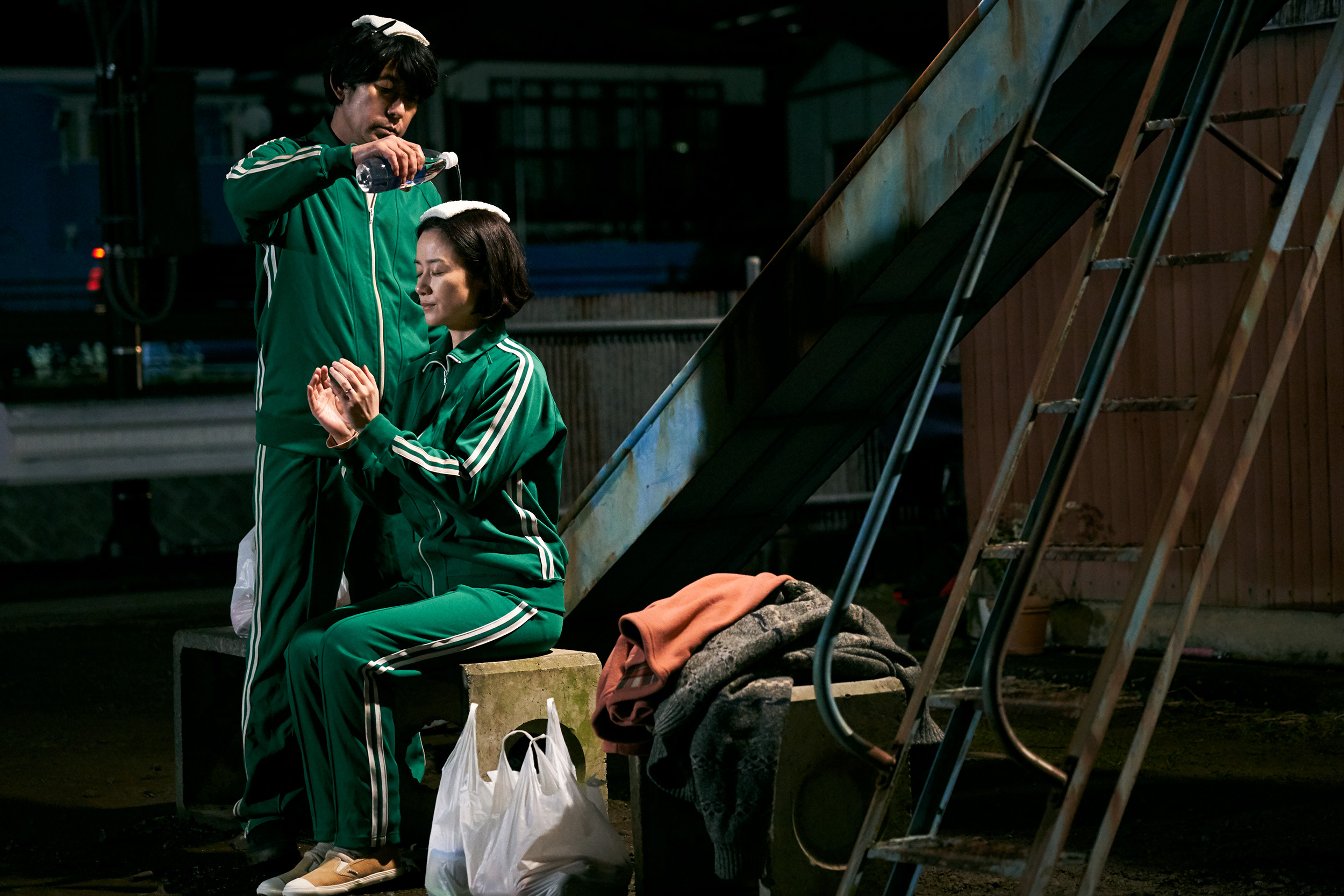
“The time of realisation comes and then that person changes” according to the words of a new religion guru. The sentiment is true enough, even if the meaning is slightly different from that which she’d intended. Young Chihiro, however, the heroine of Tatsushi Omori’s adaptation of the novel by Natsuko Imamura Under the Stars (星の子, Hoshi no Ko), is indeed approaching a moment of realisation as she begins to question everything about the world around her as it had been presented throughout the course of her life. 

As a baby, Chichiro (Mana Ashida) had suffered from severe eczema which had left her in terrible pain and her parents suffering with her in witnessing her distress. On the advice of a colleague, Chichiro’s father (Masatoshi Nagase) decides to try using “Venus Blessed Water” which is apparently full of cosmic energy that can cure all ills. Chihiro begins to recover and her parents become devotees of the cult which produces it eventually alienating her older sister, Ma (Aju Makita), who is unable to reconcile herself with the outlandish beliefs they advance and rituals they conduct. 

For Chihiro, however, the cult is all she’s ever known so it is in that way “normal” and it’s never really occurred to her to question it even after her sister’s mysterious “disappearance”. But as she approaches the end of middle-school, a few well placed questions from her classmates give her pause for thought wondering if her parents’ claims about the miracle water could possibly be true or if, as her best friend Watanabe (Ninon) wonders, they are simply being scammed. After all, if water could solve all the world’s problems it would either be ridiculously expensive or completely free and if you could stay healthy by placing a damp towel on your head then everyone would be doing it. Her parents claim they don’t get colds because the water boosts their immune system, but perhaps they’re just lucky enough to be the kind of people who don’t often get that kind of sick or the fact that they obviously spend almost all their time in the bubble of the cult reduces their exposure. 

Her crunch point comes when her handsome maths teacher (Masaki Okada) on whom she has a crush spots her parents doing the ritual in a park and exasperatedly points them out as complete nutcases. When she eventually tells him who they are, he inappropriately calls her out in front of the entire class by telling her to get rid of her “weird” water while subtly undermining her religious beliefs with advice about how to avoid getting colds or other potentially dangerous seasonal viruses. Omori presents the cult neutrally, hinting that the discrimination Chihiro is facing as a member of a “new religion” may be unfair while the beliefs of traditional religions may seem no stranger to the unfamiliar and to criticise them so directly would be deemed unacceptable in any liberal society. In a sense perhaps we all grow up in a kind of cult only latterly questioning the things our parents taught us to be true. Chihiro’s uncle Yuzo meanwhile had once tried to use science and experience to undermine her parents’ beliefs, he and Ma swapping out their holy water for the tap variety to prove to them that they are being duped only for them to double down and refuse to accept the “truth”. 

Uncle Yuzo and his family eventually offer Chihiro a place to stay in the hope of getting her out of the cult but are also of course asking her to betray her parents by leaving them. She remains preoccupied by the fate of her sister, particularly hearing rumours about the cult supposedly disappearing those who turn against them, but is torn between her growing doubts and love for her parents while privately suspicious about the fate of a child much like herself kept locked up by his mum and dad who say he’s terribly ill and unable to speak (which doesn’t exactly support the cult’s claims of universal healing), but who knows what might actually be true.

Shoko (Haru Kuroki), the wife of the guru Kairo (Kengo Kora), is fond of reminding the younger members that they are not there of their own free will which is of course true whatever the implications for fate and determinism because they are children whose parents have forced them to attend which might explain their sense of resentment or what she implies is “resistance” to their spiritual messaging in urging them to make an active choice to accept the cult’s teachings. Chihiro is coming to a realisation that she may be on a different path than her parents but delaying her exit while they too are possibly preparing her for more independent life. Lighter than much of Omori’s previous work despite its weighty themes, Under the Stars is also in its way about the end of childhood and the bittersweet compromises that accompany it. 


Under The Stars streamed as part of this year’s Nippon Connection.

Original trailer (no subtitles)
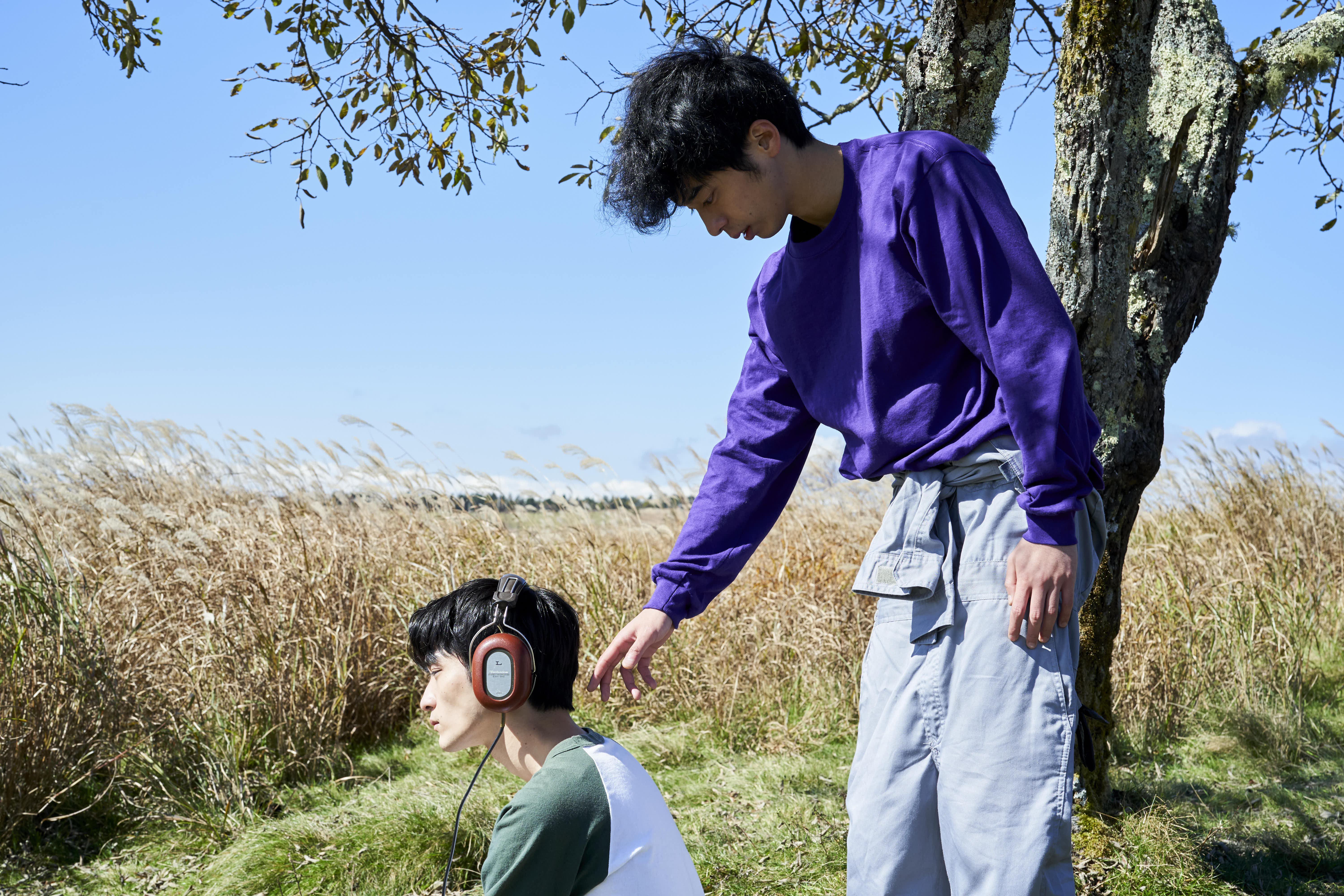
Images: (c) 2020 “Under the Stars” Production Committee

The Mole Song: Final (土竜の唄 FINAL, Takashi Miike, 2021)

“He’s horny and looks like a fool but you can count on him” according to top mob boss Todoroki and it’s as good a description as any of the hero of Takashi Miike’s adaptation of the manga by Noboru Takahashi, The Mole Song: Undercover Agent Reiji. Billed as the conclusion of the trilogy each of which is scripted by Kankuro Kudo, The Mole Song: FINAL (土竜の唄 FINAL, Mogura no uta Final) arrives almost 10 years since the series’ first instalment and five years after the second as Reiji (Toma Ikuta) proceeds towards his ultimate target and staves off the next evolution of organised crime.

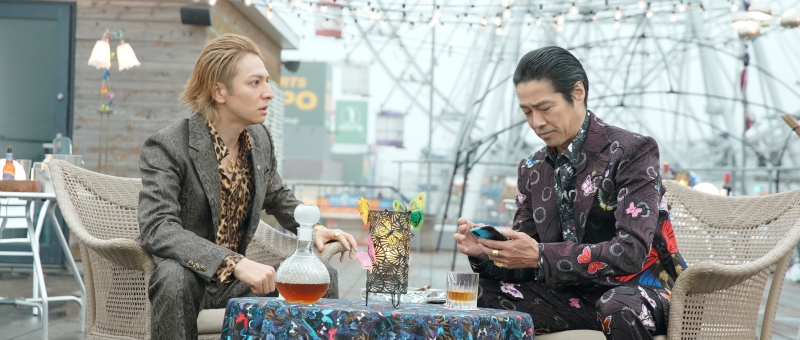
To rewind a little, as film frequently does in flashbacks to the earlier movies, Reiji was a useless street cop facing a host of complaints not least for being a bit of a creep upskirting the local ladies until offered the opportunity to go undercover in the yakuza in order to break a drug smuggling ring run by ageing boss Todoroki (Koichi Iwaki). No longer technically a law enforcement officer because undercover operations are apparently illegal in Japan, Reiji has begun to find himself torn between his ultimate mission and the codes of gangsterdom not least in his relationship with sympathetic, old school yakuza Papillon (Shinichi Tsutsumi) so named for his love of butterflies many of which adorn his brightly coloured suits. 

Reiji’s inner conflict may ironically mirror the giri/ninjo push and pull central to the yakuza drama as he begins to realise that in completing his mission of taking down Todoroki he will end up betraying Papillon who once saved his life at the cost of his legs. Papillon meanwhile is presented as the idealised figure of the traditional yakuza in his fierce opposition to the drugs trade in the conviction that all they do is make people’s lives miserable and destroy families. He alone maintains the traditional ideas of brotherhood that underpin the underworld society in which a boss is also a father and betrayal is a spiritual if also in a sense literal act of suicide. His opposite number, meanwhile, Todoroki’s son Leo (Ryohei Suzuki), is the evolution of the post-Bubble yakuza, highly corporatised and essentially amoral. Papillon compares him to a mutant butterfly fed on coca lives that will eventually kill all of those with which it is confined while Leo himself claims that he intends to redefine the concept of the yakuza for the new generation. 

Caught between policeman and gangster, Reiji’s identity confusion is mediated through his relationships with Papillon on the one hand and pure-hearted love interest Junna (Riisa Naka) on the other. Each of them at one point tells Reiji that he is dead to them, thereby exiling him to the other side temporarily or otherwise. His yakuza traits which include the perversity which plagued him before endanger his otherwise innocent love for Junna in his inability to control his impulses, upsetting her by revealing a possible fling with a local woman while working on the drug deal in Italy, while his inclination towards police work that informs his sense of “justice” places him at odds with Papillon even though they are in many ways pursuing the same goal in keeping Japan free of dangerous drugs and the crime at surrounds them while purifying the contemporary yakuza of the pollution they have caused and restoring it to the pure ideal of another kind of “justice” advocated by Papillon which Todoroki has in a sense betrayed. 

As the film makes clear, the traditional yakuza is in any case on its way out with successive law enforcement initiatives that perhaps unfairly in some senses prevent them from living their lives. Todoroki’s guys defend their choices to the more idealistic Papillon under the rationale that they can’t open bank accounts, rent apartments, or even make sure their kids have lunch to take to school, so they have to dirty their hands with these less honourable kinds of work. Leo is simply a turbo charged version of their determination to survive. As eccentric cat-like gangster Nekozawa (Takashi Okamura), making a shock reappearance, explains it isn’t as if they can go straight either because who’s going to hire a former yakuza for a regular job? 

There may be in a sense a sympathy for those caught out by their choices with no real way back, a more liberal view of “justice” leaning either towards that by their own code or a simple rejection of the amoral selfishness of those who think nothing of ruining the lives of others for their own gain. With plenty of call backs to earlier instalments, Reiji once again opening the film buck naked with in this case a vase for modesty, Miike maintains the same slapstick sense of humour frequently employing zany animation and even a puppet show to express Reiji’s sometimes simplistic way of thinking. The film even unexpectedly shifts into tokusatsu in its closing sequence, bearing out the similarity in the titular “mole song” to the classic Mothra refrain, while placing Reiji and Papillon back into their respective roles having perhaps exchanged something between them in continuing to pursue their shared goal of a drug-free society. 


The Mole Song: Final streamed as part of this year’s Nippon Connection.

Original trailer (English subtitles)
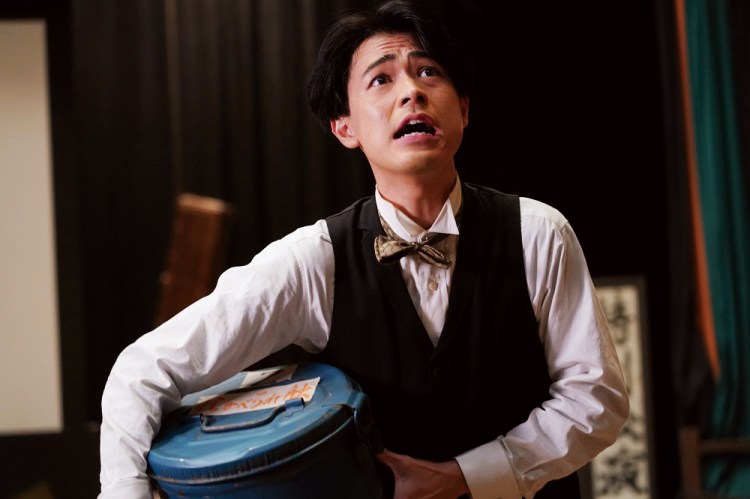
Images: Ⓒ2021 FUJI TELEVISION NETWORK/SHOGAKUKAN/JSTORM/TOHO/OLM ⒸNOBORU TAKAHASHI/SHOGAKUKAN

The End of the Pale Hour (明け方の若者たち, Hana Matsumoto, 2021)

A series of youngsters contend with disillusionment amidst the failure of the salaryman dream in Hana Matsumoto’s adaptation of the “I Novel” by Masahiko Katsuse, The End of the Pale Hour (明け方の若者たち, Akegata no Wakamonotachi). United by a chorus of “it wasn’t supposed to be this way”, the choice left to them is to resign themselves to life’s disappointment or to take a gamble on a happier future which though it might not work out might grant them a greater feeling of control over an existence which often seems pointless and unfulfilling. 

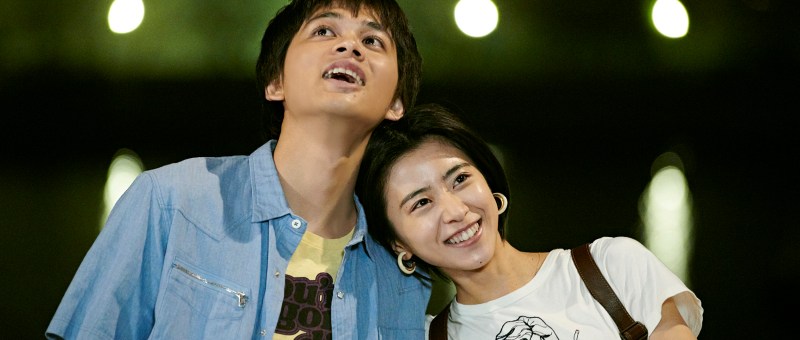
The unnamed protagonist (Takumi Kitamura) is already feeling a degree of trepidation even at a gathering that has been organised by a brash fellow student who crassly brands it the “winners’ party” to celebrate that they’ve all been able to line up jobs for after graduation in a competitive employment market. He ends up leaving with an equally bored woman (Yuina Kuroshima), a graduate student a little older than him, and drifts into a relationship with her that seems doomed to failure not least in her constant reminders that “everything ends sometime” and “our youth will be over soon, we need to enjoy it now”. The man insists that their youth won’t end just because they’ve entered the working world but in a sense it of course does, his sparkler fizzling out portentously as he’s forced to think of the future. 

A recent trend has seen large numbers of graduate recruits quit their company jobs within the first three years for reasons the man and his new workplace friend Naoto (Yuki Inoue) quickly discover. Japanese companies generally hire en masse in the spring and then shuffle employees into various departments after a probationary period sometimes letting the ones who don’t make the grade go entirely. Though he had done well in the preliminary tasks and hoped to be assigned to the prestigious planning department where the real work gets done, the man is assigned to the “General Affairs” section of office dogsbodies marked out from the regular salaryman workers by their uniform jackets which make it clear that their work is considered menial mainly concerned with setting up furniture for meetings, taking care of maintenance tasks such as replacing light bulbs, and dealing with interoffice complaints. He is constantly told off for not stamping his documents properly only for someone to explain to him that he needs to make sure his name appears at the correct angle to symbolise his bowing to the boss on paper in an example of the rigid office culture for which the young have increasingly little patience.  

Part of the man’s problem is his passivity. He’s dissatisfied with the system but is at heart conventional and lacks the courage to break with it. The woman is seemingly less so, a free spirit who’s chosen a path she believes to be more creatively fulfilling excited that she might make something that will one day be in someone’s hands. But then as we discover she is more conventional than she first appears, her openness and enthusiasm perhaps partly fantasy to mask the disappointment that she too feels that her life has not turned out as she thought it would. The man remarks that he likes walking around at twilight because it’s the only moment in which he can feel free, a moment of infinite possibility in the liminal space between one day and the next in which today is already over but tomorrow has not started. Later Naoto will say something similar of their youthful days as fresh hires filled with resentment but also determination, railing against the system until the early hours of the morning, describing it as the “magic hour” of their lives though they never knew the light was dimming. 

Such dejection may be slightly unwarranted given that none of them are even 30 by time of the film’s conclusion despite the minor greying of their hair. In any case, the man seems to have come to an acceptance of youth’s end, taking the spirit of the twilight with him as he charts a new, if still conventional course, choosing not to jump ship like his friend but tentatively make an application to get out of General Affairs into a better salaryman job. “It’s been a magic time, hasn’t it?” the woman had said of their brief holiday, “like a dream” but one from which she knows, and perhaps he does too, they’ll soon have to awake. Expressing the anxieties of contemporary generation dissatisfied with their overly corporatised lives in a rigid and conservative society, The End of the Pale Hour nevertheless ends with a sense of the dawn and the promise of new beginnings if tinged with the glow of youthful nostalgia. 


The End of the Pale Hour streams in Germany until 6th June as part of this year’s Nippon Connection.

Original trailer (English subtitles)
Any Crybabies Around? (泣く子はいねぇが, Takuma Sato, 2020)

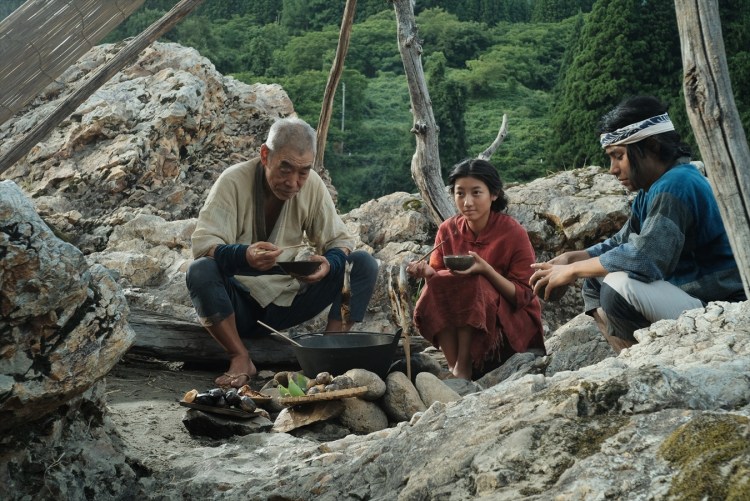
“Get your act together” an exasperated new mother exclaims, but it seems even new fatherhood isn’t quite enough to jolt the aimless hero of Takuma Sato’s paternity drama Any Crybabies Around? (泣く子はいねぇが, Nakuko wa Inega) into accepting his responsibility. Fatherhood is indeed a daunting prospect, however Sato isn’t interested solely in Tasuku’s (Taiga Nakano) attempts to “grow up” and embody the ideals of masculinity in a patriarchal society but also in the nature of fatherhood itself along with its legacies and the effects of male failure on those caught in its wake. 

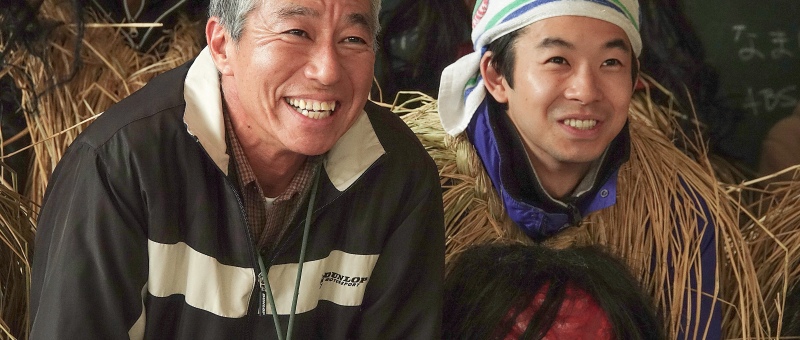
Everyone in the small town of Oga seems to be aware that Tasuku has undergone a shotgun marriage though it’s more the subject of gentle ribbing than scorn or disdain. Many remark on his relative youth, though he’s perhaps not so much younger than his parents might have been when he was born it’s just that times have changed. In any case, his wife, Kotone (Riho Yoshioka), is beginning to get fed up with him worried that he isn’t ready to be a father and isn’t taking the responsibility seriously enough. As young men do he still drinks like a single man and is vulnerable to peer pressure. Kotone begs him not to participate in the local Namahage festival but he insists they have to keep the tradition alive while apparently feeling an obligation to Mr. Natsui (Toshiro Yanagiba) who ensures it continues. She makes him promise not to drink, and he does his best in the beginning but, paradoxically, the Namahage is a drinking festival. Soon enough, Tasuku has had a little too much and beginning to feel hot takes off all his clothes, running around in the nude save for the large oni mask on his face while local reporters there to cover the traditional festival decide to make him a viral sensation. Unable to bear the shame, Tasuku abandons his wife and child and runs away to anonymity in Tokyo. 

The irony is that introducing the festival to the reporters, Mr. Natsui had flagged it up as a bastion of family values, that it’s not about “scaring” children but teaching them “good ethics” while reassuring them that their fathers will always protect them. According to Mr. Natsui, those children then grow up to become fathers who protect their offspring, Tasuku’s unfortunate streaking somewhat undermining his argument. It’s interesting in a sense that Tasuku is himself fatherless, his father having passed away some years earlier leaving not much of himself behind other than the oni masks he carved for the Namahage. Tasuku’s brother (Takashi Yamanaka), who was supposed to be getting married but apparently did not perhaps because of Tasuku’s scandal, later becomes upset on deciding to sell the family business lamenting that he was able to save “nothing” of his father, rejecting the Namahage mask that Tasuku offers him as “trash” while acknowledging perhaps that the Namahage is all is he left them along with the transitory lessons it imparts. 

Tasuku was clearly not quite ready to be a dad, but having spent some time growing up and hearing that his father-in-law has passed away leaving his ex with little choice than to work as a bar hostess on the fringes of the sex trade, he decides to go home and try to make amends. He swears repeatedly that he won’t run away again and will do whatever it takes until he’s forgiven, but still he flounders failing to find secure employment while periodically visiting his grandmother in a nursing home and helping his mother (Kimiko Yo) out selling traditional ice creams at local tourist attractions. “You’re not the only one who can be Nagi’s father” she reminds him as he perhaps begins to realise that there are some bonds you can’t repair even if you’re eventually forgiven for having broken them. 

Performing the Namahage forces Tasuku uncomfortably into the role of the authoritarian father safe scaring the child in order to instil in them a sense of confidence that encourages them not to be afraid of life, in the way that he may ironically be, because there will always be someone there waiting to catch them. The ability to protect a family is a defining feature of the masculine ideal, and the Namahage in its way perpetuates outdated ideas of gendered social roles while Tasuku’s mother and even grandmother are always there for him with unconditional acceptance, supporting him even in the depths of his “disgrace” and encouraging him to move forward even if that means accepting defeat. Keeping the Namahage alive is also in a sense to preserve the paternal legacy, just as Tasuku’s father may have passed nothing else down to his sons so Tasuku may find he has nothing more to offer, perhaps no longer a “crybaby” but still struggling to shift into the role of the father even while belatedly coming of age in the knowledge that he may have left it too late. 


Any Crybabies Around? streams in Germany until 6th June as part of this year’s Nippon Connection. For viewers outside of Germany it is also available to stream in many territories via Netflix.

International trailer (English subtitles)
Nippon Connection Confirms Full Lineup for 2022!

Nippon Connection, the largest showcase for Japanese film anywhere in the world, returns for its 22nd edition with another packed programme of in-person screenings in Frankfurt 24th – 29th May with a selection also available to stream online 30th May to 6th June. This year’s Nippon Honor Award goes to Masatoshi Nagase who stars in several of the features included in this year’s lineup.

Nippon Cinema

  • Any Crybabies Around? – a young father gets caught drunk and disorderly at a festival and runs away to the city before trying to repair his familial bonds after returning some years later.
  • The Asadas – latest from Ryota Nakano starring Kazunari Ninomiya in a real life story of a photographer who begins taking photos of survivors of the Tohoko earthquake.
  • A Balance – an idealistic documentarian’s journalistic ethics are strained when she uncovers scandal close to home in Yujiro Harumoto’s probing social drama. Review.
  • The End Of The Pale Hour – an office worker falls in love but is devastated when his girlfriend suddenly breaks off contact.
  • Intolerance – latest from Keisuke Yoshida in which the father of a teenage girl killed by a car while running away after being accused of shoplifting takes revenge.
  • Just Remembering – bittersweet love story from Daigo Matsui inspired by Jim Jarmusch’s Night on Earth.
  • Last Of The Wolves – no longer an earnest rookie, a corrupted Hioka attempts to keep the peace in Heisei Hiroshima in Kazuya Shirashi’s Blood of Wolves followup. Review.
  • A Madder Red – latest from Yuya Ishii starring Machiko Ono as a widowed single mother struggling under a highly stratified society in the midst of the coronavirus pandemic.
  • The Mole Song: Final – final instalment in Takashi Miike’s Mole Song Trilogy scripted by Kankuro Kudo and starring Toma Ikuta as undercover cop Reiji.
  • My Brother, The Android And Me – a lonely researcher attempts to ease his existential anxiety by building a simulacrum of himself in Junji Sakamoto’s gothic sci-fi chiller. Review.
  • Mystery Train – 1989 Jim Jarmusch classic starring Masatoshi Nagase and Youki Kudoh as Elvis-obsessed tourists visiting Memphis. Screening with German subtitles only
  • Parasite In Love – romantic drama starring Kento Hayashi and Nana Komatsu in which a mysophobic man falls in love with a scopophobic girl.
  • Popran – outlandish comedy from Shinichiro Ueda in which an arrogant CEO’s genitals decide to leave him and he has to find them within six days or lose them forever.
  • Sensei, Would You Sit Beside Me? – a mangaka and her cheating husband become locked in a cat and mouse game of ambiguous revenge in Takahiro Horie’s deliciously cynical anti-rom-com. Review.
  • Small, Slow But Steady – drama from Sho Miyake starring Yukino Kishii as a young deaf woman dreaming of becoming a pro-boxer.
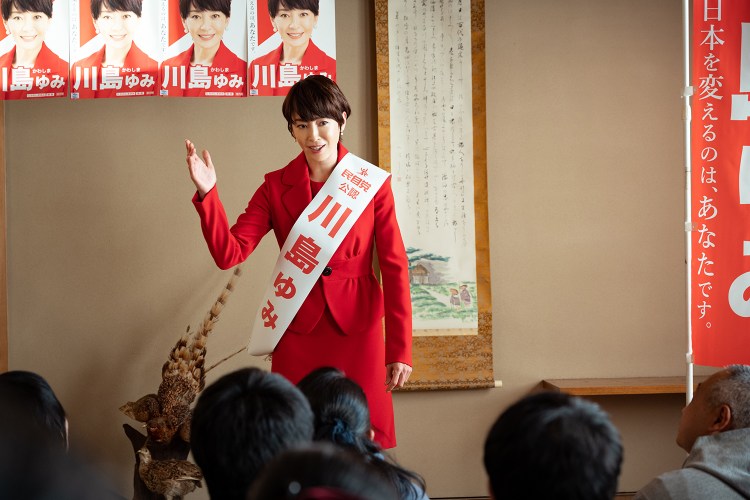
  • The Sunday Runoff – comedy drama starring Rie Miyazawa as a politician’s daughter who decides to run for her father’s seat when he passes away suddenly in office.
  • Talking The Pictures – an aspiring benshi finds himself dealing with issues of crime and authenticity in Masayuki Suo’s heartfelt tribute to the not so silent movies. Review.
  • They Say Nothing Stays The Same – an ageing boatman finds himself adrift on the great river of time in Joe Odagiri’s exquisitely shot, ethereal meditation on transience and goodness. Review.
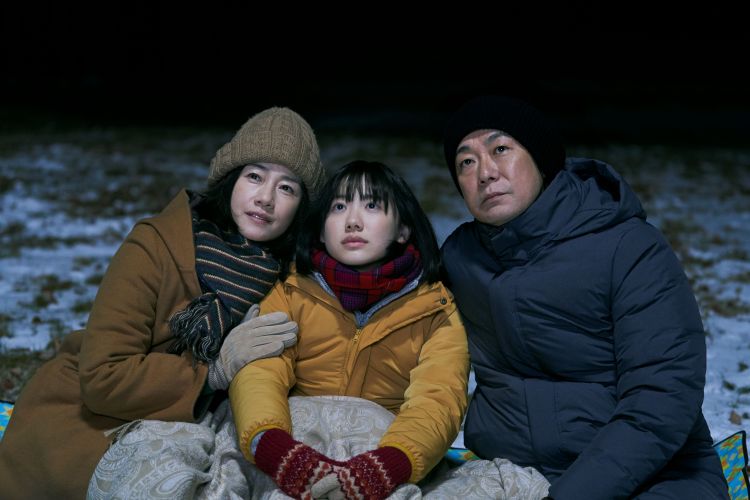
  • Under The Stars – latest drama from Tatsushi Omori starring Masatoshi Nagase and Tomoyo Harada as parents who enrol in a mysterious cult when holy water cures their daughter’s eczema.
  • We Made A Beautiful Bouquet – romantic drama from Nobuhiro Doi (Flying Colors) starring Masaki Suda and Kasumi Arimura as a young couple who meet after missing the last train home.
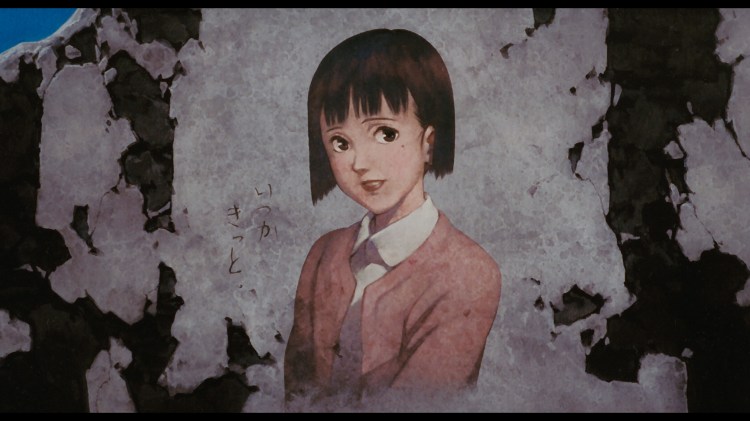
  • What She Likes… – high school drama in which a young man who feels unable to be open about his sexuality bonds with a young woman who is heavily into BL literature.
  • Wheel Of Fortune And Fantasy – a series of chance meetings and a healthy dose of fantasy lead a collection of wounded souls towards a kind of liberation in Ryusuke Hamaguchi’s whimsical triptych. Review.

Nippon Animation

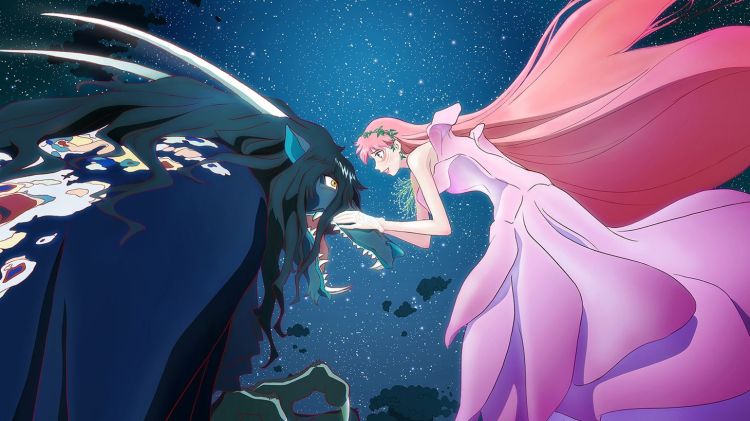
  • Belle – Mamoru Hosoda reinterprets Beauty and the Beast as a grieving young woman becomes an in-app idol star but is also threatened by the presence of a mysterious dragon. Screening in Japanese with German subtitles only.
  • Dozens Of Norths – feature animation by Koji Yamamura.
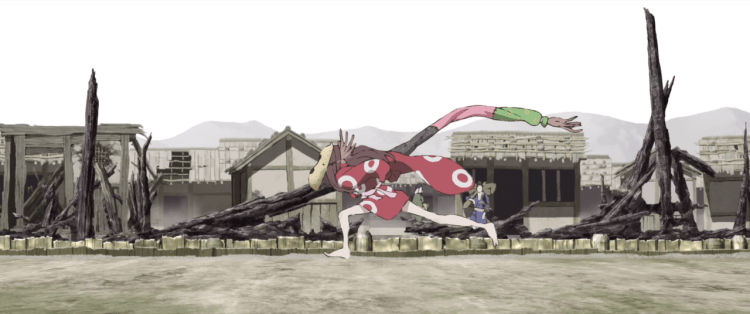
  • Inu-Oh – a blind Biwa player and a cursed young man exorcise the spirits of the Heike through musical expression in Masaaki Yuasa’s stunning prog rock anime. Review.
  • Millennium Actress – Satoshi Kon’s 2001 feature voyaging through Japanese cinema history through the eyes of a golden age actress.
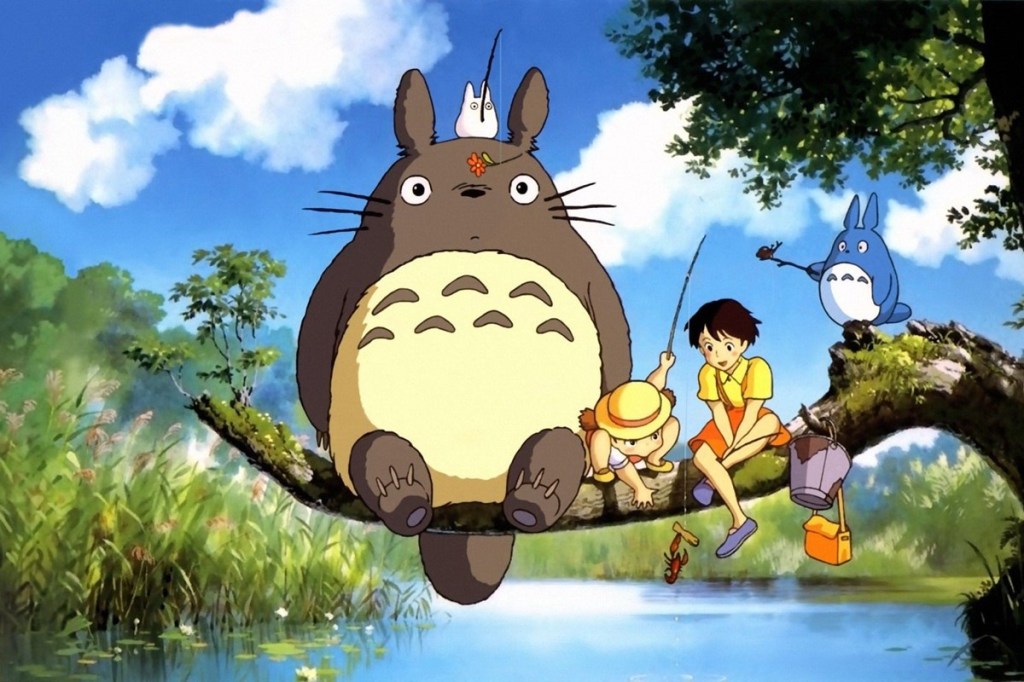
  • My Neighbor Totoro – Hayao Mizayaki’s 1988 classic in which two sisters befriend a mystical forest creature after moving to the country. Screening in German..
  • Sing A Bit Of Harmony – a mysterious transfer student quickly becomes popular but has a hidden secret.

Nippon Visions

  • Angry Son – a resentful young man comes to a better understanding of his place in the world while searching for his estranged father in Kasho Iizuka’s sensitive coming-of-age drama. Review.
  • Backlight – LGBTQ+ drama set in Onomichi in the 1970s in which a student brings home a friend from university.
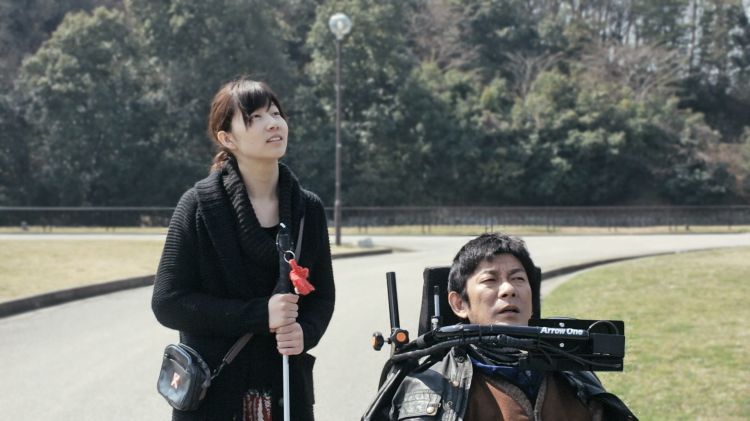
  • Just The Two Of Us – a man paralysed from the neck down and the blind woman who cares for him find themselves struggling against the prejudices of an ableist society in Keita Fujimoto’s empathetic social drama. Review.
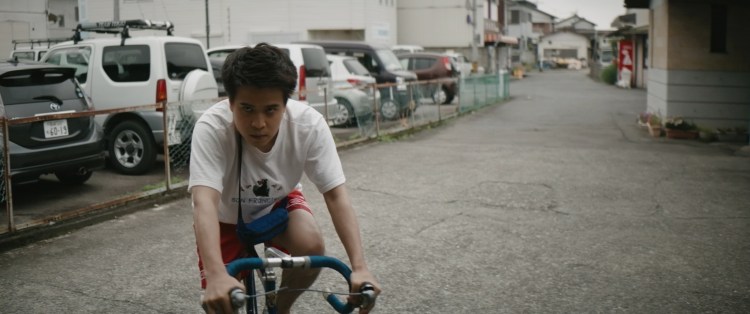
  • Let Me Hear It Barefoot – LGBTQ+ drama in which two men bond while recording sound tapes for a blind woman who longs to travel the world.
  • Melting Sounds – displaced youngsters begin to find a new sense of place thanks to a warmhearted young woman and an old man’s ambient sound obsession in Kahori Higashi’s quirky drama. Review.
  • Mr. Suzuki -A Man In God’s Country- – near future tale in which an umarried 44-year-old woman attempts to find a partner in order to escape being drafted to solve the declining birth rate.
  • Ninja Girl – an ordinary young woman gains the courage to stand up to injustice after discovering her ninja heritage in Yu Irie’s absurdist political satire. Review.
  • One Day, You Will Reach The Sea – powerful drama from Ryutaro Nakagawa in which a young woman struggles to come to terms with the loss of a friend who went missing in the 2011 tsunami. 
  • Pure Japanese – action drama from Daishi Matsunaga in which an action star takes it upon himself to protect a young girl.
  • Ring Wandering – drama revolving around a manga artist planning a series about wolves.
  • Song of a Dying Summer – melancholy summer youth drama.
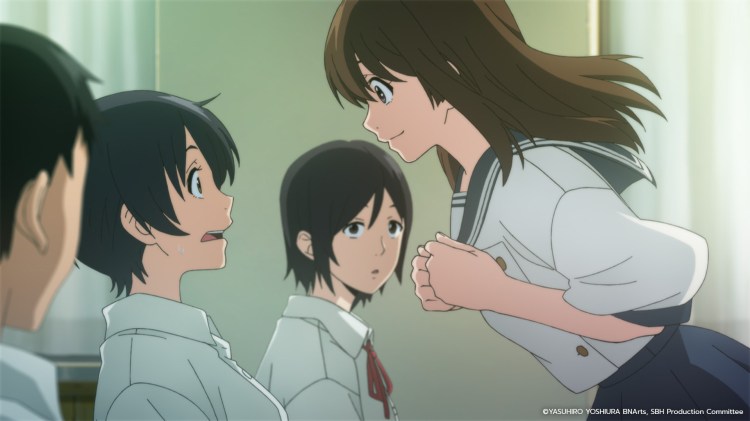
  • Unlock Your Heart – teen romantic drama in which a high school girl befriends her crush’s girlfriend.

Nippon Docs

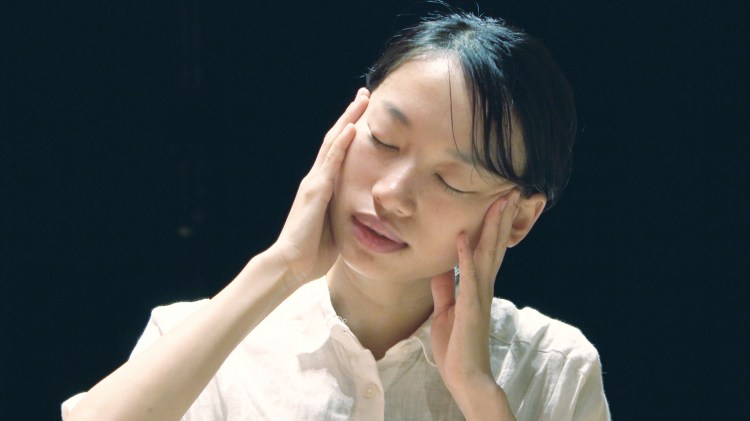
  • Double Layered Town / Making A Song To Replace Our Positions – four young travellers relate the stories of the 2011 earthquake and tsunami in verbatim stage performances running concurrently with a fictional narrative set in 2031.
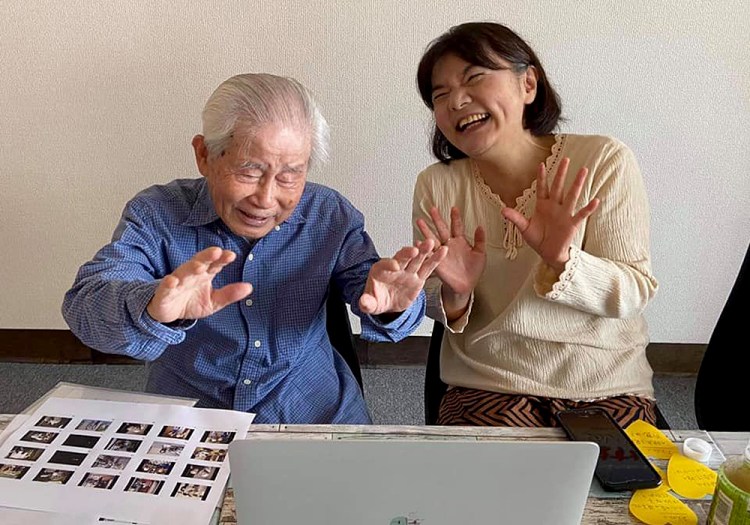
  • I Go Gaga, Welcome Home Mom – Naoko Nobutomo’s follow up to I Go Gaga.
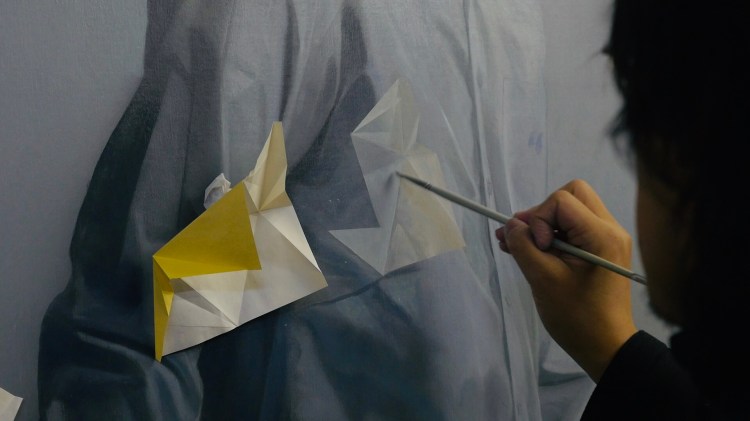
  • Origami – documentary following artist Atsushi Suwa as he creates a portrait of a deceased young man.
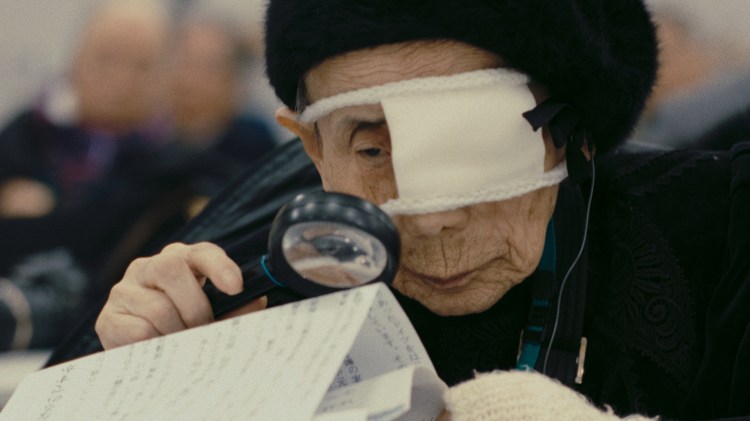
  • Paper City – documentary following three survivors of the fire bombing of Tokyo as they attempt leave a record of the wartime tragedy.
  • Salaryman – documentary exploring the mythos behind the salaryman.
  • Satoshi Kon, The Illusionist – Pascal-Alex Vincent paints an enigmatic picture of the late Perfect Blue director.
  • Target – documentary focussing on the life of Takashi Uemura who wrote the article in the Asahi Shimbun about wartime sex slavery later branded a fabrication by conservative commentators.
  • Tokyo Kurds – documentary exploring the lives of young Kurdish refugees in Japan.


Nippon Retro


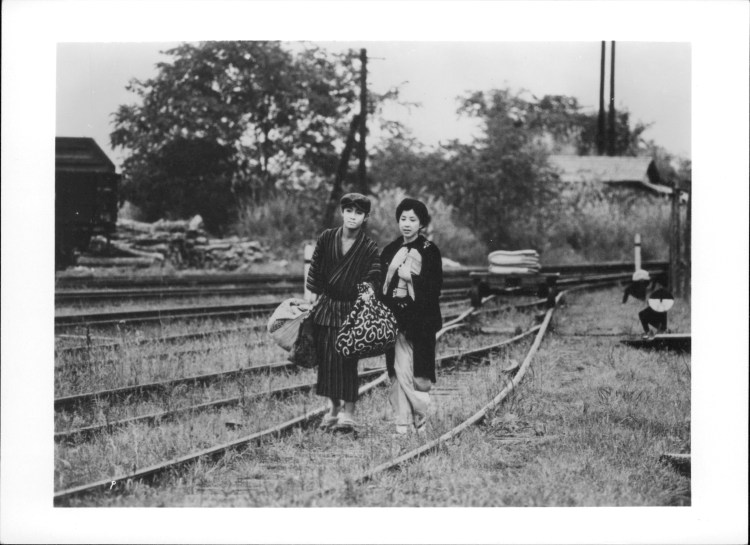
  • The Approach Of Autumn – 1960 Mikio Naruse drama in which a little boy moves to Tokyo with his mother after his father’s death.
  • Canary – post-Aum drama from Akihiko Shiota in which a young boy raised in a cult bonds with a girl seeking escape from an abusive home.
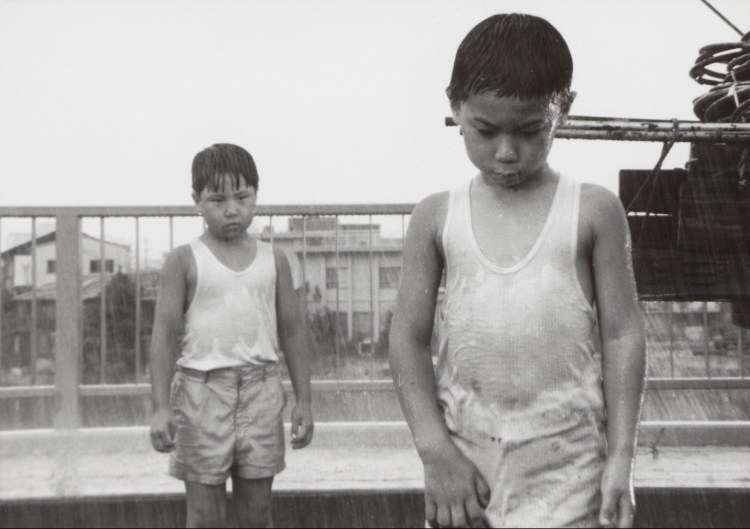
  • Children Hand in Hand – Susumi Hani’s remake of the 1948 film by Hiroshi Inagaki in which a group of schoolboys learn to mediate their friendship.
  • Muddy River – the innocent friendship between two boys is disrupted by the post-war reality in Kohei Oguri’s quietly devastating 1981 drama. Review.
  • Pastoral Hide And Seek – 1974 avant-garde autobiographical drama from Shuji Terayama.
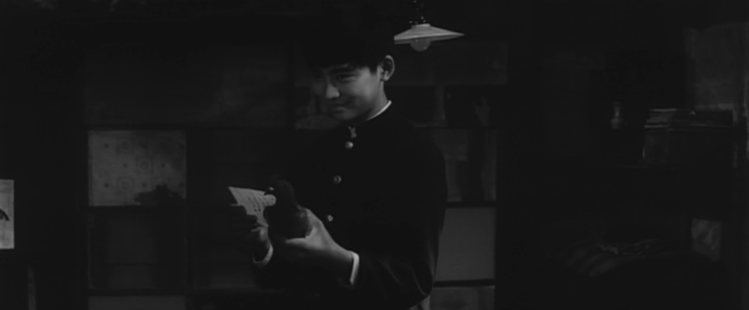
  • A Town Of Love And Hope – a young man’s pigeon selling scam eventually ruins his cross-class friendship with a wealthy young woman in Nagisa Oshima’s biting sociopolitical drama. Review.
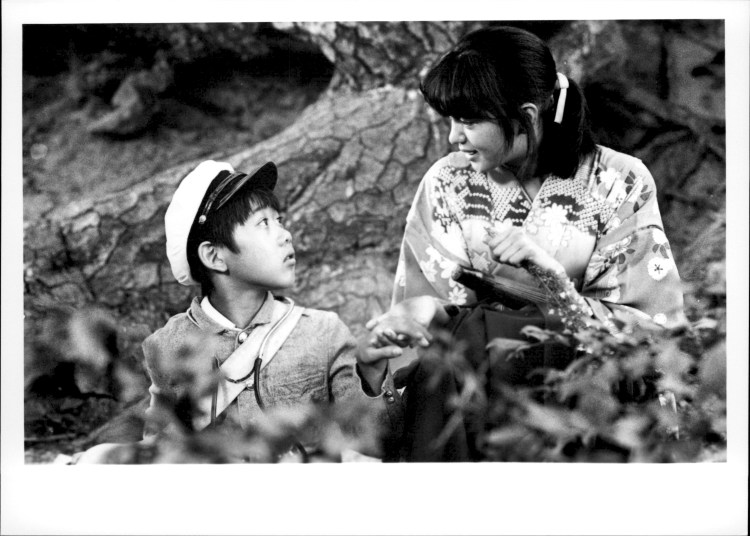
  • The Young And Wild – 1986 childhood drama from Nobuhiko Obayashi in which a young boy falls in love with an older woman soon to be sold into sex work.
  • Young Murderer – 1976 ATG drama in which a young man murders his father in a dispute over his girlfriend.

Nippon Connection takes place in Frankfurt, Germany from 24th – 29th May. Tickets are available from 7th May via the official website where you’ll shortly be able to find full details on all the films as well as timetabling information. A limited selection of films will also be available to stream online 30th May to 6th June (the full lineup will be revealed May 29). Unless otherwise stated, films screen in Japanese with English subtitles. You can keep up with all the latest information by following the festival on FacebookTwitterYouTubeFlickr, and Instagram.