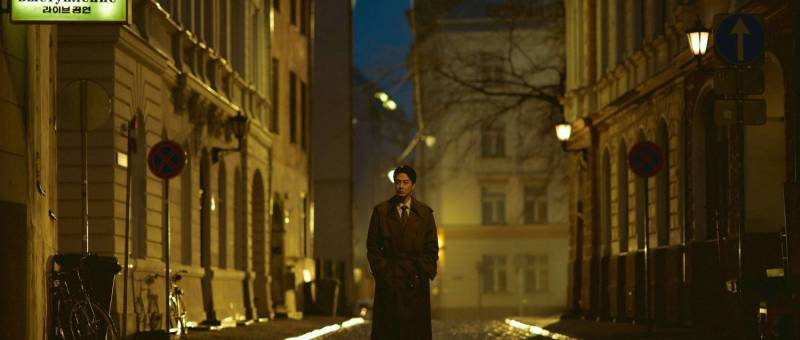
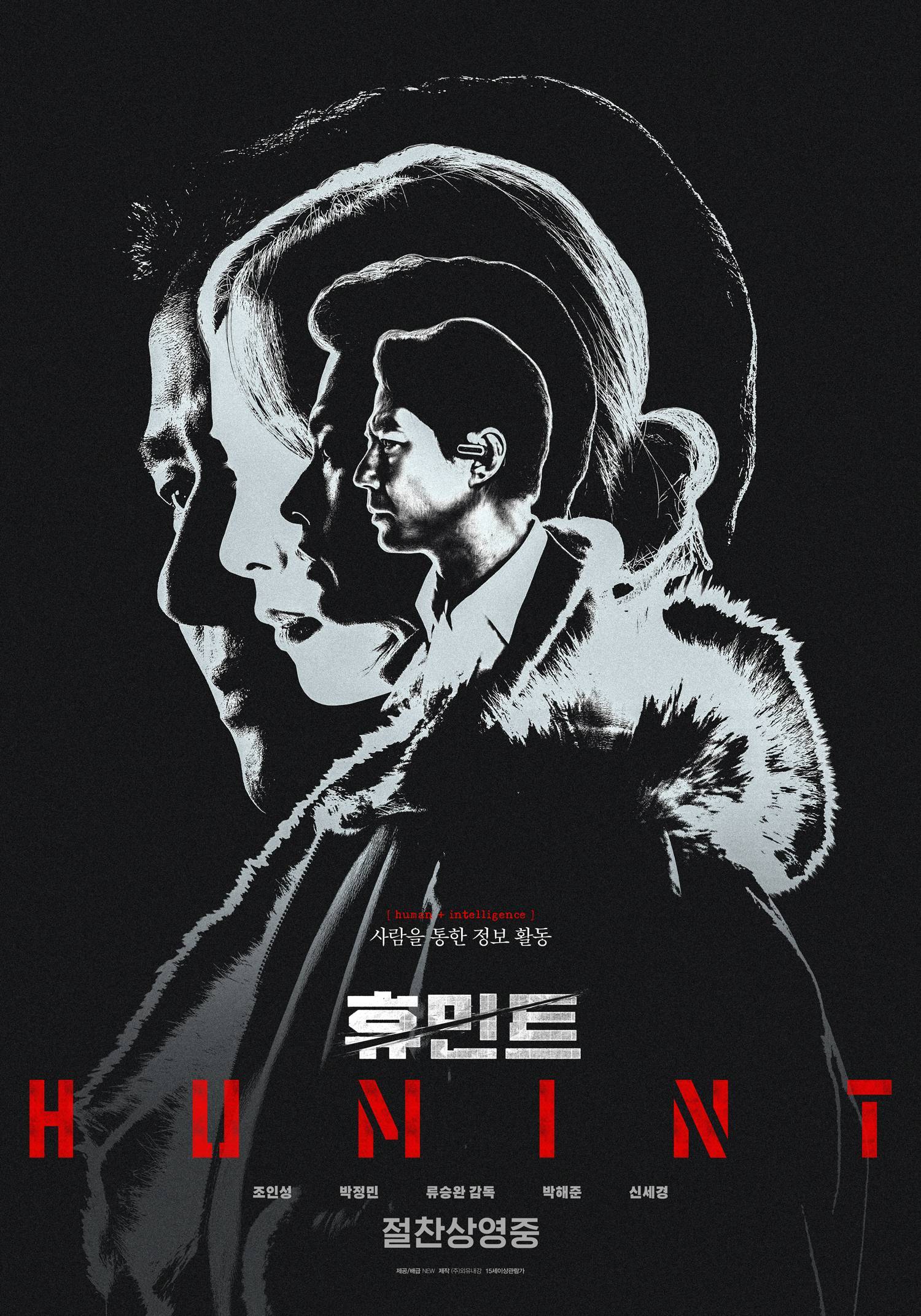
There’s something ironically dehumanising about the term “human intelligence”. Even the security services who court them seem to look down on their informants, viewing them more as traitors to their own side than those who’ve come over theirs. We have to ask ourselves if either side is really any better than the other. As Zo’s boss tells him, everyone’s just using each other to survive. There doesn’t seem to be a lot more to this world than that, just desperate struggle and cynicism.
Ryoo Seung-wan’s Humint (휴민트) is, like many similar films, at least as equally critical of the South as it is the North as the idealistic NIS officer finds himself an outlier among his comparatively coldhearted colleagues. In the course of his mission trying to find out who’s selling drugs to teenagers in Korea, Zo (Zo In-sung) uncovers a human trafficking network operated by the Russian mafia targeting North Korean women possibly with the complicity of their government. But his bosses don’t care about that, they just want the drugs, and it’s a bonus that they come from the North. Zo dangles the possibility of salvation in front of a woman trapped in a South East Asian brothel, but when it comes down to it, his boss won’t approve her rescue. They’ve effectively killed her, but all his boss tells him is that you have to get used to this sort of thing and you can’t afford to get hung up on each and every informant.
Still, what they’re asking them to do is necessarily dangerous and any promise they may make about protecting their informants is a lie. On the other side, the North sends young women to Vladivostok as “foreign currency earners” ostensibly working in a restaurant, but actually used as honeytraps drugging their clients and sleeping with them to get them hooked. Seon Hwa (Shin Se-kyung) is, ironically, in this position because the North does not seem to have kept its promises either. Her mother has advanced cancer, but her treatment needs money and so her father started smuggling to get it. When he got caught, her whole family was disgraced. She had to drop out of university and begin working as a foreign currency earner, breaking her engagement with top torturer Geon (Park Jeong-min). Geon is in town because he suspects the locale consular official is complicit with a series of mysterious disappearances of North Koreans near the Russian border, and he’s right.
Hwang (Park Hae-joon) is certainly a slippery individual, apparently making Vladivostok his own personal fiefdom and, in the end, over playing his hand in trying to use Seon Hwa to take out Geon when he could probably just have let her go to make Geon leave him alone. “Do what you have to do to survive”, most people seem to say and it’s clear that personal relationships cannot reallysurive in this world in which human life is cheap. Seon Hwa and Geon’s romance was broken by the brutality of the North Korean regime, but it seems that the South is unwilling to save them. When Zo realises that Seon Hwa’s cover has been blown, he breaks protocol to try and save her, not wanting another woman’s death on his conscience. But though he unmasks the human trafficking ring, he’s reprimanded by his superiors who still complain that they’ve not made enough progress on the drugs case because Zo got sidetracked by the trafficked women.
The women are, obviously, the ones who suffer because of these too regimes and perhaps by extension the division of Korea. Seon Hwa does her best to fight back, saving the other women so they can escape together, but is finally left with nothing. She has no country, and only asks to be sent somewhere where nobody knows her to start again. Expressing a new cold war anxiety born of geopolitical fluctuations as the South contends with the uncertainties of the North’s interplay with Russia and China, Ryoo’s espionage thriller has a retro quality, but also hints at contemporary unease, suggesting finally that there are really no good guys left and even idealists like Zo are compromised by their allegiance to an inhuman regime. Zo and Geon may become temporary allies in their quest to save Seon Hwa, but just as often point their guns a each other in Ryoo’s impressively staged action scenes amid a constant atmosphere of mistrust and betrayal.
Trailer (English subtitles)
 You gotta know how to hold ‘em, know when to fold ‘em, know when to walk away and know when to run. Apparently these rules of the table are just as important in the cutthroat world of the Korean card game Hwatu as they are in the rootinest tootinest saloon bar. Like most card games, having the winning hand is less important than the ability to play your opponent and so it’s more a question of who can cheat the best (without actually breaking the rules, or at least being caught doing so) than it is of skill or luck. A second generation sequel to 2006’s Tazza: The High Rollers, The Hidden Card (타짜-신의 손, Tajja: Shinui Son) is a slick, if overlong, journey into the dark, underground world of gambling addicted card players which turns out to be much more shady than the shiny suits and cheesy grins would suggest.
