Smugglers (밀수, Ryoo Seung-wan, 2023)

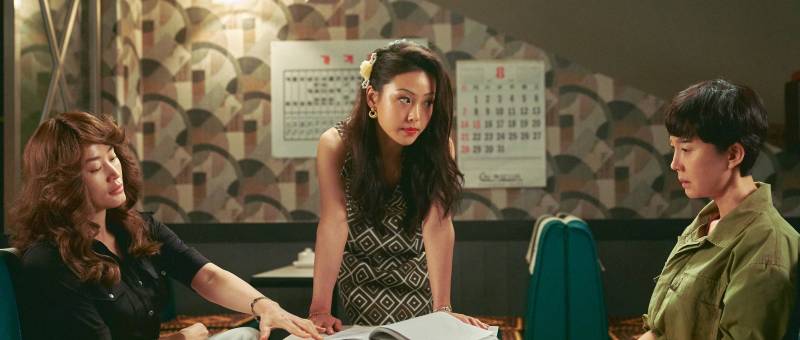
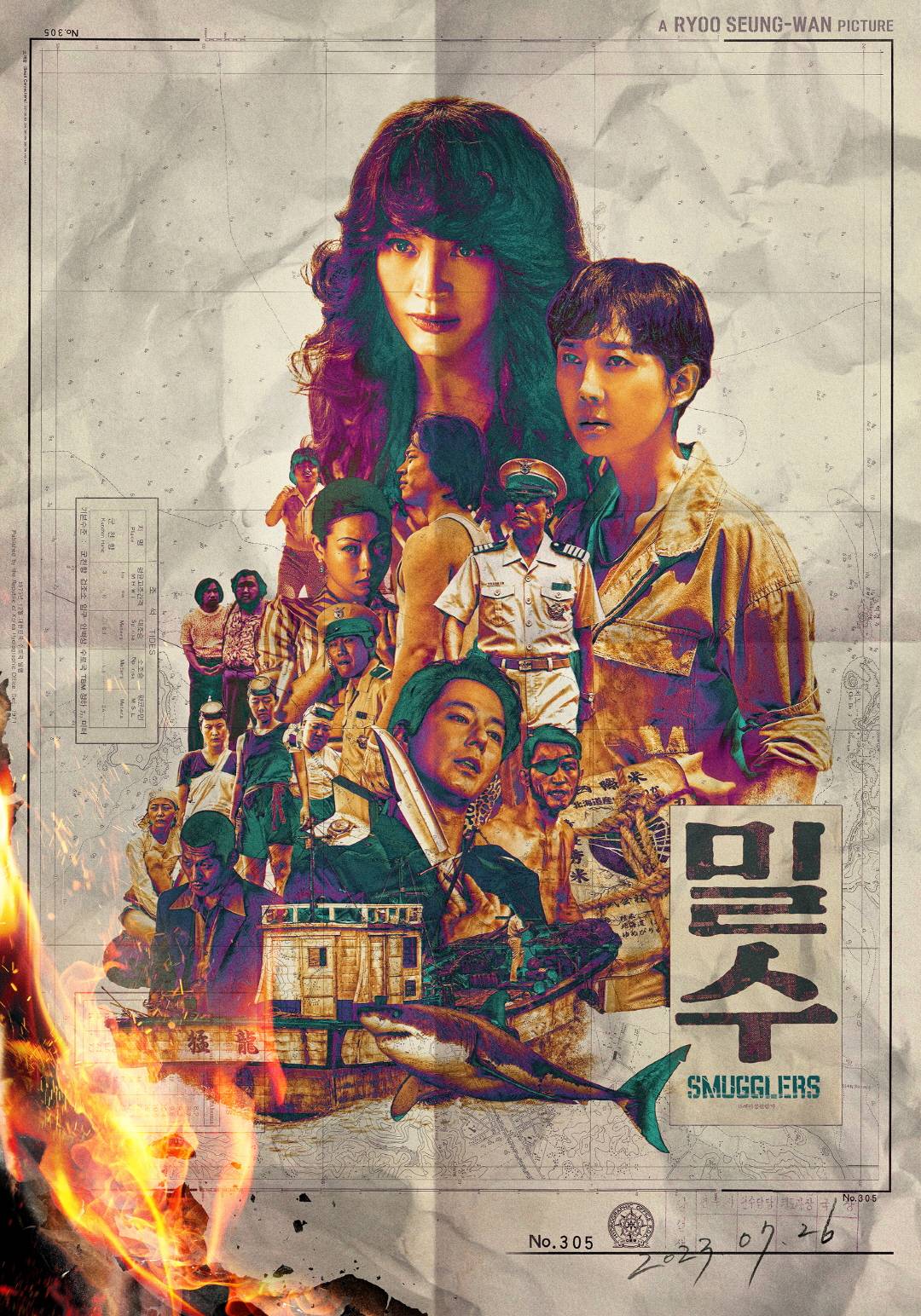
A collection of free divers decide it’s time to take control of the boat in Ryoo Seung-wan’s 1970s-set action drama, Smugglers (밀수, Milsu). The smoke rising from factory chimneys in the opening sequence as the fisherwomen pull into port ought to tip us off that this is partly a story of capitalistic corruption taking place during the economic miracle late into the rule of dictator Park Chung-hee. These factories may have made some rich and provided jobs for local men who can no longer make a living from the land, but it’s also destroyed the livelihood of these traditional divers. They return with a full haul, but are dismayed to discover that all of the shell fish is rotten because of the chemicals illegally spilled into the water by the local plants while the authorities have either been bribed or turn a blind eye.

This is, in a lot of ways, the prevailing culture, as customs officers can also be bought off or choose to turn a blind eye when it suits them. One man is seen arriving by boat wearing several pairs of jeans to sell on the black market, while others carry bags full of foreign cigarettes and other contraband items the customs officials would be within their rights to “confiscate”. A local man starts putting pressure on the captain of the boat that drives the divers to start picking up other things have been dropped into the ocean, as it seems that everyone’s doing it anyway and there aren’t any other ways to make money in the local economy. He isn’t very happy about it, but his daughter Jin-sook (Yum Jung-ah) and her friend Choon-ja (Kim Hye-soo) along with most of the other women are blinded by the vast amounts of money they begin receiving that allow them to start living the high life in a growing local culture of excess as symbolised by the presence of a nightclub. Even gangster Kwon, when he arrives a few years later, is surprised to discover that this rural backwater has its own cinema and entertainment scene.

Kwon (Zo In-sung) is also someone who has been corrupted by his time serving in the Vietnam War, having lost his humanity and become ruthless to the extent of sadistic violence. Nevertheless, he’s also someone whom Choon-ja later thinks that she can manipulate on returning to the harbour town two years after escaping from the scene of the arrest when the other women were captured by police. That she ran off and has not been seen again leads some to the inevitable conclusion that she sold them out and made a new life in Seoul on the proceeds. There is then a degree of mistrust between herself and Jin-sook who suffered personal tragedy and spent time in prison while Choon-ja bided her time, waiting to put her plan in action. 

For much of the running time, the audience is a long way ahead of the cast in figuring out what actually happened during the first failed smuggling mission which makes the final revelations fall rather flat, yet it comes to something that the women largely find themselves powerless and divided in the face of male authority. Jin-sook has not inherited her father’s boat as it has been taken over by Hammer (Park Jeong-min) who was only a lowly assistant when she was arrested. She continues to be at his mercy despite being the de facto leader of the divers without whom the smuggling operation would fall apart. The return of Choon-ja then gives them an opportunity to leverage female solidarity and turn the tables on the men who exploit their labour and offer little in return.

Jin-sook’s initial reluctance to work with Choon-ja results in one of the divers going out into shark-infested waters and losing a leg in desperation to feed her family. Ironically, her husband had already lost an arm in a maritime accident, preventing him from working. The mistrust she faces also bears out Choon-ja’s claim that when you’re poor, the blame will always fall on you even if you haven’t done anything wrong. In the end, these women have only themselves to rely on if they want to turn the boat around. The film really kicks into gear in the third act as it enters conspiracy heist mode and Ryoo engages in his characteristically well-designed action sequences including a mass knife fight in a hotel and an impressive underwater sequence in which the divers have to fend off both assassins and sharks while trying to retrieve the bounty. Where it really excels, however, is in period detail and the sense of camaraderie that arises between the women as they finally become determined to seize the wheel.


Trailer (English subtitles)

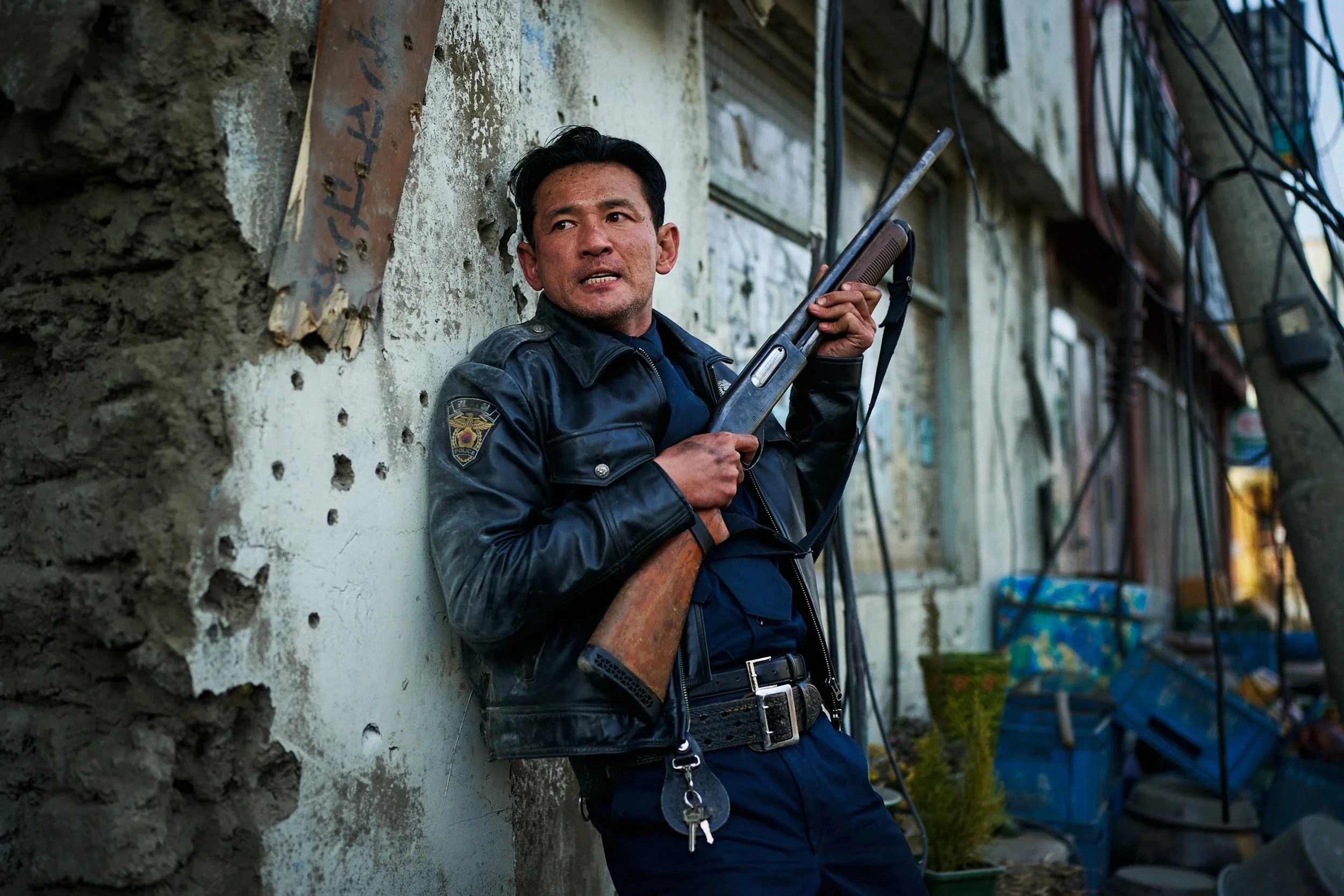
Humint (휴민트, Ryoo Seung-wan, 2026)

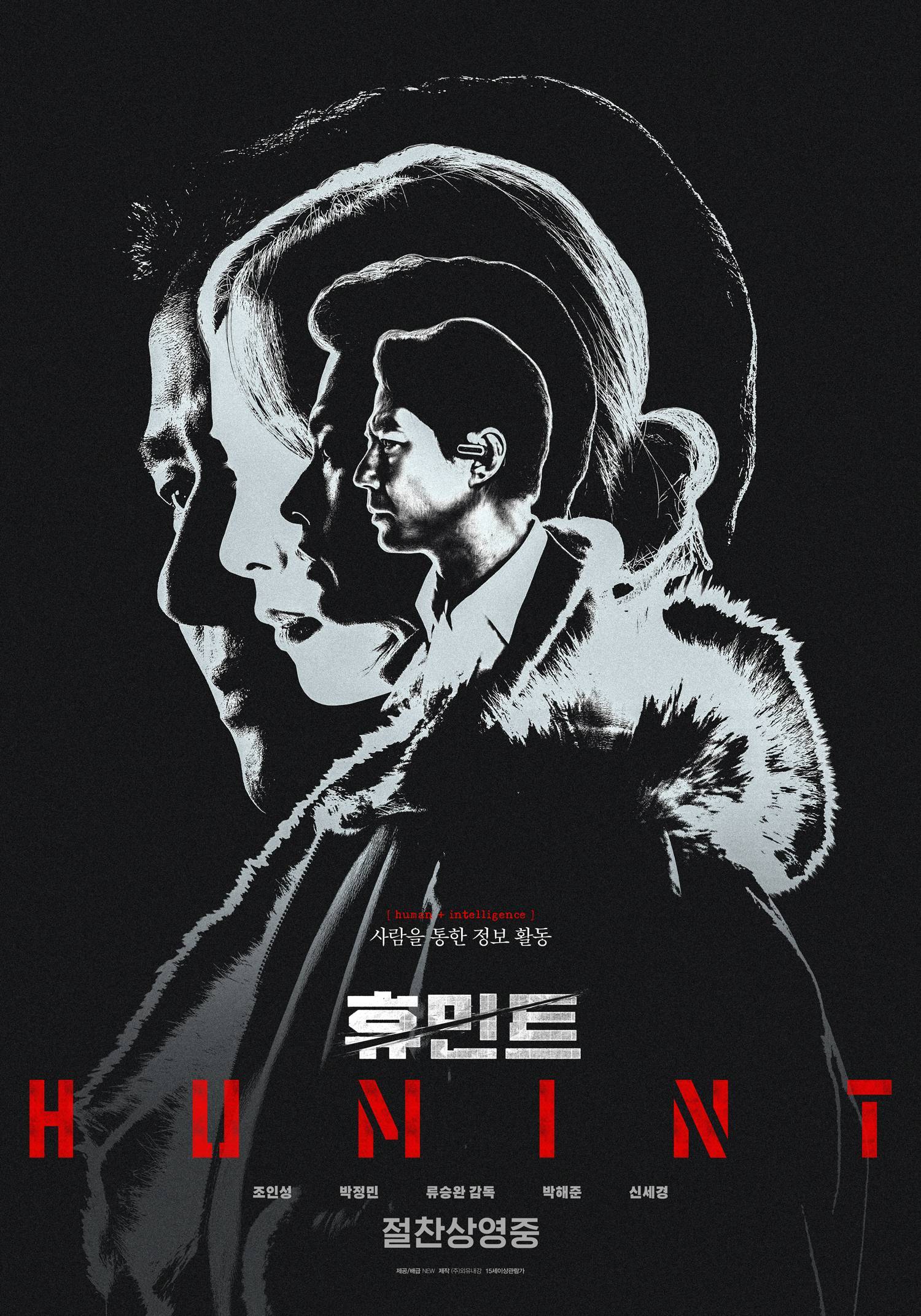
There’s something ironically dehumanising about the term “human intelligence”. Even the security services who court them seem to look down on their informants, viewing them more as traitors to their own side than those who’ve come over theirs. We have to ask ourselves if either side is really any better than the other. As Zo’s boss tells him, everyone’s just using each other to survive. There doesn’t seem to be a lot more to this world than that, just desperate struggle and cynicism.

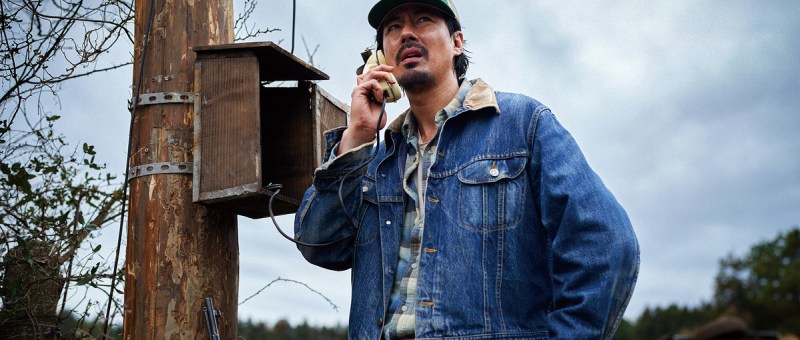
Ryoo Seung-wan’s Humint (휴민트) is, like many similar films, at least as equally critical of the South as it is the North as the idealistic NIS officer finds himself an outlier among his comparatively coldhearted colleagues. In the course of his mission trying to find out who’s selling drugs to teenagers in Korea, Zo (Zo In-sung) uncovers a human trafficking network operated by the Russian mafia targeting North Korean women possibly with the complicity of their government. But his bosses don’t care about that, they just want the drugs, and it’s a bonus that they come from the North. Zo dangles the possibility of salvation in front of a woman trapped in a South East Asian brothel, but when it comes down to it, his boss won’t approve her rescue. They’ve effectively killed her, but all his boss tells him is that you have to get used to this sort of thing and you can’t afford to get hung up on each and every informant.

Still, what they’re asking them to do is necessarily dangerous and any promise they may make about protecting their informants is a lie. On the other side, the North sends young women to Vladivostok as “foreign currency earners” ostensibly working in a restaurant, but actually used as honeytraps drugging their clients and sleeping with them to get them hooked. Seon Hwa (Shin Se-kyung) is, ironically, in this position because the North does not seem to have kept its promises either. Her mother has advanced cancer, but her treatment needs money and so her father started smuggling to get it. When he got caught, her whole family was disgraced. She had to drop out of university and begin working as a foreign currency earner, breaking her engagement with top torturer Geon (Park Jeong-min). Geon is in town because he suspects the locale consular official is complicit with a series of mysterious disappearances of North Koreans near the Russian border, and he’s right. 

Hwang (Park Hae-joon) is certainly a slippery individual, apparently making Vladivostok his own personal fiefdom and, in the end, over playing his hand in trying to use Seon Hwa to take out Geon when he could probably just have let her go to make Geon leave him alone. “Do what you have to do to survive”, most people seem to say and it’s clear that personal relationships cannot reallysurive in this world in which human life is cheap. Seon Hwa and Geon’s romance was broken by the brutality of the North Korean regime, but it seems that the South is unwilling to save them. When Zo realises that Seon Hwa’s cover has been blown, he breaks protocol to try and save her, not wanting another woman’s death on his conscience. But though he unmasks the human trafficking ring, he’s reprimanded by his superiors who still complain that they’ve not made enough progress on the drugs case because Zo got sidetracked by the trafficked women. 

The women are, obviously, the ones who suffer because of these too regimes and perhaps by extension the division of Korea. Seon Hwa does her best to fight back, saving the other women so they can escape together, but is finally left with nothing. She has no country, and only asks to be sent somewhere where nobody knows her to start again. Expressing a new cold war anxiety born of geopolitical fluctuations as the South contends with the uncertainties of the North’s interplay with Russia and China, Ryoo’s espionage thriller has a retro quality, but also hints at contemporary unease, suggesting finally that there are really no good guys left and even idealists like Zo are compromised by their allegiance to an inhuman regime. Zo and Geon may become temporary allies in their quest to save Seon Hwa, but just as often point their guns a each other in Ryoo’s impressively staged action scenes amid a constant atmosphere of mistrust and betrayal.


Trailer (English subtitles)