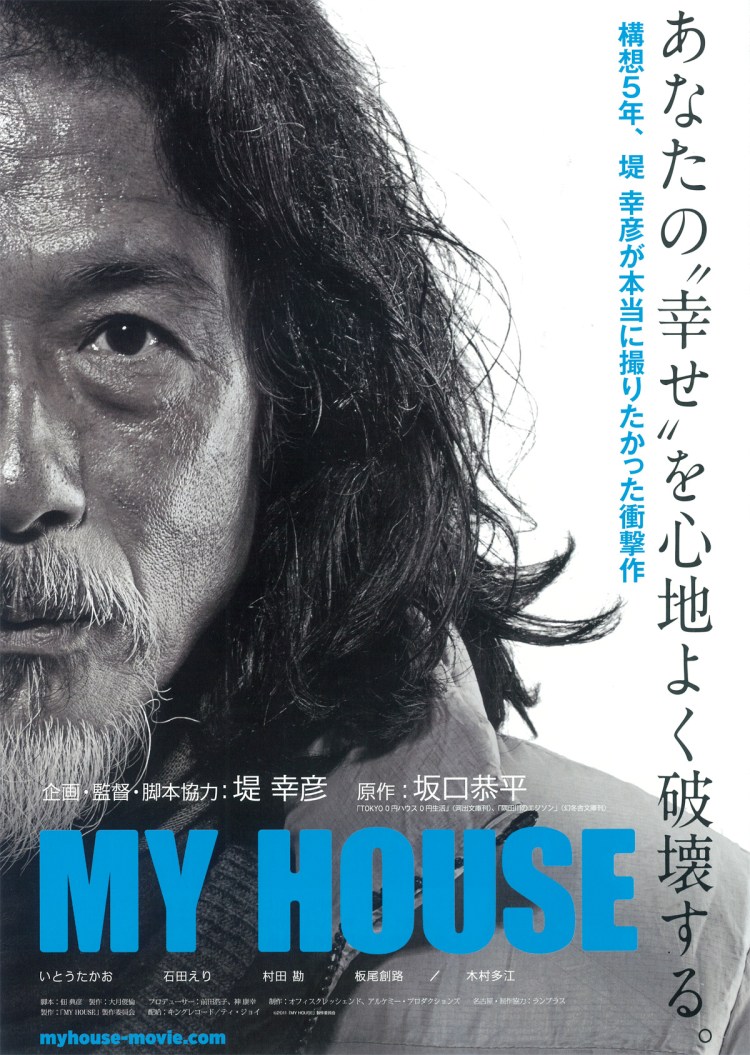
Yukihiko Tsutsumi has made some of the most popular films at the Japanese box office yet his name might not be one that’s instantly familiar to filmgoers. Tsutsumi has become a top level creator of mainstream blockbusters, often inspired by established franchises such as TV drama or manga. Skilled in many genres from the epic sci-fi of Twentieth Century Boys to the mysterious comedy of Trick and the action of SPEC, Tsutsumi’s consumate abilities have taken on an anonymous quality as the franchise takes centre stage which makes this indie leaning black and white exploration of the lives of a group of homeless people in Nagoya all the more surprising.
The film begins with its hero, Suzumoto, pulling a cart followed by his friends with other supplies and equipment. Arriving at their appointed destination, the men and women embark on a process they’ve obviously enacted a thousand times before. Dismantling their cart, they arrange the components for a kind of prefab house made out of found materials and propped up on crates.
Though the life may seem impossible to those from the outside – as it does to the well meaning men from the council eager to get the mini commune to move on by dangling a promise of sheltered accommodation or assistance, but thanks to Suzumoto’s innovations they have access to many of the benefits of the modern world from television to laptops. The main source of income comes from recycling – collecting tin cans, bottles, cardboard etc to be sold back to scrap merchants and recycling plants. It’s not easy money to make and there isn’t much of it but Suzumoto has his routine well worked out and is able to maximise his takings by cutting deals with householders and businesses for handiwork in return for what is essentially rubbish.
Getting into a discussion with a hotelier, Suzumoto is offered a regular job and a place in company accommodation but turns it down. He likes his life. It might seem hard to others and it is annoying to be continually dismantling and rebuilding your house, but the innovation appeals to him. He likes to work and to make things work. He wouldn’t want to be cooped up and constrained by the world of contracts and salaries and taxes.
The freedom and simplicity of Suzumoto’s life is contrasted with a seemingly ordinary middle class household which is defined by its tension and sterility. School boy Shota is an ace student but his austere father pushes him hard, allowing him little freedom or responsibility. Nursing a mild addiction to Pepsi, Shota’s only friend is the pet turtle he keeps in a tank in his wardrobe. While his father returns home only to shout at everyone and then go to bed, Shota’s mother is as obsessed with cleaning as he is with Pepsi and rarely leaves the house. Talking to almost no one, Shota’s mother’s existence is one of cold rigidity, living in fear of her domineering husband and accidentally neglecting her stressed out son in the process.
Through a series of inevitable coincidences the two worlds will clash with tragic consequences on each side. Tsutsumi doesn’t seek to glamorise life on the streets or paint it as some kind of hippyish quest for better living, but he does dare to suggest that Suzumoto’s self reliance and inner calm are much more healthy than the fear and repression which make Shota’s home as much of a prison as the tank he traps his turtle in. Suzumoto and his friends are looked down on, hassled by the authorities, and accused of crimes they did not commit but they are the victims and not the instigators of violence. Tension bubbles over and misses its target as rage against authority and society at large is redirected towards its most vulnerable citizens.
Suzumoto takes all of this in his stride, as he always does, dismantling his house only to rebuild somewhere else hoping only to continue the cycle while Shota is left to ruminate on the consequences of his actions still trapped inside the empty pressure cooker of his family home. Tsutsumi’s elegantly composed black and white aesthetic adds to the contemplative edge as two worlds are thrown into stark contrast but the one central tenet is the enabling factor for both – the intense pressures and total indifference of the mainstream world towards those attempting to live within in it.
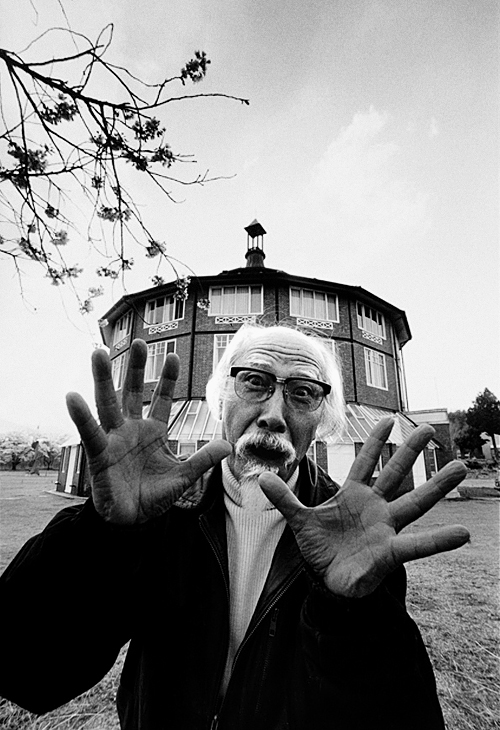
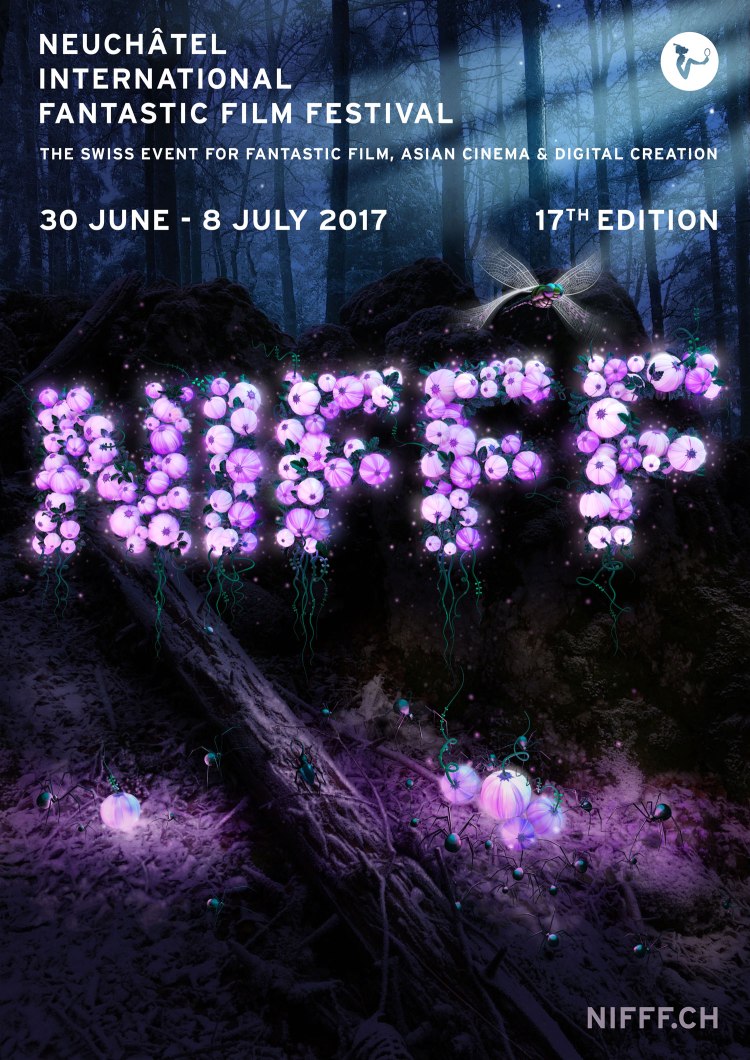
Since its launch in 2000, the Neuchâtel International Fantastic Film Festival has become one of the major Swiss film events. Set to return from 30th June to 8th July, the 17th edition of the festival which has an annual special focus on Asian cinema will pay tribute to the late Seijun Suzuki who sadly passed away in February of this year.
Around 10 of Suzuki’s best works will be screened during the festival alongside a number of recent cinema hits from Asia to be announced at a later date.
The 17th Neuchâtel International Fantastic Film Festival runs from 30th June to 8th July 2017 and will have a special focus on genre cinema. The festival will also host a series of outdoor cinema events as part of the NIFF Invasion strand including a screening of Cheung Kwok-ming’s Twinkle Twinkle Little Star (1983), and Tsui Hark’s A Chinese Feast (1995) is set to screen as one of five films selected to celebrate the nomination of Neuchâtel as a city of taste.
You can keep up with all the latest festival news via the official website, Facebook, and Twitter account
For one reason or another, the 1970s gave rise to a wave of disaster movies as Earthquakes devastated cities, high rise buildings caught fire, and ocean liners capsized. Japan wanted in on the action and so set about constructing its own culturally specific crisis movie. The central idea behind The Bullet Train (新幹線大爆破, Shinkansen Daibakuha) may well sound familiar as it was reappropriated for the 1994 smash hit and ongoing pop culture phenomenon Speed, but even if de Bont’s finely tuned rollercoaster was not exactly devoid of subversive political commentary The Bullet Train takes things one step further.
A bomb threat has been issued for bullet train Hikari 109. This is not a unique occurrence – it happens often enough for there to be a procedure to be followed, but this time is different. So that the authorities don’t simply stop the train to find the device as normal, it’s been attached to a speedometer which will trigger the bomb if the train slows below 80mph. A second bomb has been placed on a freight train to encourage the authorities to believe the bullet train device is real and when it does indeed go off, no one quite knows what to do.
The immediate response to this kind of crisis is placation – the train company does not have the money to pay a ransom, but assures the bomber that they will try and get the money from the government. Somewhat unusually, the bomber is played by the film’s biggest star, Ken Takakura, and is a broadly sympathetic figure despite the heinous crime which he is in the middle of perpetrating.
The bullet train is not just a super fast method of mass transportation but a concise symbol of post-war Japan’s path to economic prosperity. fetching up in the 1960s as the nation began to cast off the lingering traces of its wartime defeat and return to the world stage as the host of the 1964 olympics, the bullet train network allowed Japan to ride its own rails into the future. All of this economic prosperity, however, was not evenly distributed. Where large corporations expanded, the small businessman was squeezed, manufacturing suffered, and the little guy felt himself left out of the paradise promised by a seeming economic miracle.
Thus our three bombers are all members of this disenfranchised class, disillusioned with a cruel society and taking aim squarely at the symbol of their oppression. Takakura’s Okita is not so much a mad bomber as a man pushed past breaking point by repeated betrayals as his factory went under leading him to drink and thereby to the breakdown of his marriage. He recruits two helpers – a young boy who came to the city from the countryside as one of the many young men promised good employment building the modern Tokyo but found only lies and exploitation, and the other an embittered former student protestor, angry and disillusioned with his fellow revolutionaries and the eventual subversion of their failed revolution.
Their aim is not to destroy the bullet train for any political reason, but force the government to compensate them for failing to redistribute the economic boon to all areas of society. Okita seems to have little regard for the train’s passengers, perhaps considering them merely collateral damage or willing accomplices in his oppression. Figuring out that something is wrong with the train due to its slower speed and failure to stop at the first station the passengers become restless giving rise to hilarious scenes of salarymen panicking about missed meetings and offering vast bribes to try and push their way to the front of the onboard phone queue, but when a heavily pregnant woman becomes distressed the consequences are far more severe.
Left alone to manage the situation by himself, the put upon controller does his best to keep everyone calm but becomes increasingly frustrated by the inhumane actions of the authorities from his bosses at the train company to the police and government. Always with one eye on the media, the train company is more preoccupied with being seen to have passenger safety at heart rather than actually safeguarding it. The irony is that the automatic breaking system poses a serious threat now that speed is of the essence but when the decision is made to simply ignore a second bomb threat it’s easy to see where the priorities lie for those at the top of the corporate ladder.
Okita and his gang are underdog everymen striking back against increasing economic inequality but given that their plan endangers the lives of 1500 people, casting them as heroes is extremely uncomfortable. Sato keeps the tension high despite switching between the three different plot strands as Okita plots his next move while the train company and police plot theirs even if he can’t sustain the mammoth 2.5hr running time. A strange mix of genres from the original disaster movie to broad satire and angry revolt against corrupt authority, The Bullet Train is an oddly rich experience even if it never quite reaches its final destination.
Nippon Connection is the largest festival dedicated to Japanese Cinema anywhere in the world and returns in 2017 for its 17th edition. Once again taking place in Frankfurt, the festival will screen over 100 films from May 23 – 28, many of which will also welcome members of the creative team eager to present to their work to an appreciative audience.
This year’s festival has a special focus on documentary film – an area often neglected by other mainstream film festivals. Leaving heavier topics to one side, documentaries already announced to headline the strand include Atsushi Funahashi’s idol documentary Raise Your Arms and Twist – Documentary of NMB48 (道頓堀よ、泣かせてくれ! DOCUMENTARY of NMB48, Doutonbori yo, Nakasetekure! Documentary of NMB48)
Director Atsushi Funahashi has hitherto been known for hard hitting fare such as the Fukushima documentary Nuclear Nation as well as narrative films including the heartrending Cold Bloom and cross cultural odyssey Big River. Consequently he steps into the slowly growing genre of idol documentaries from the refreshing position of a total novice. Adopting an objective viewpoint, Funahashi rigourously dissects this complicated phenomenon whilst taking care never to misrepresent the girls, their dreams, or their devoted fanbase.
Trailer (no subtitles)
Returning to the internationalist leanings of Funahashi’s Big River, Kimi Takesue’s 95 and 6 to Go sees the director begin a collaborative project with her widowed grandfather – a Japanese immigrant to Hawaii.
Shot over six years, 95 and 6 to Go begins with a stalled fim project and some unexpected grandfatherly advice but eventually develops into a moving meditation on life, love, loss, and endurance.
Trailer:
In a neatly circular motion the last of the three highlights of the documentary section takes a look at one of the giants of Japanese cinema – Toshiro Mifune.
Previously screened at the BFI London Film Festival, Steven Okazaki’s documentary Mifune: The Last Samurai focuses firmly on Mifune’s place within the history of samurai cinema through exploring not only his life but also the early history of “chanbara” movies and the genre’s later echoes in American cinema as related by talking heads including Steven Spielberg and Martin Scorsese.
Of course there will also be a host of narrative features on offer with frequent Nippon Connection favourite Kiyoshi Kurosawa’s Daguerrotype (Le Secret de la chambre noire) a definite highlight.
Back in 2012, Kiyoshi Kurosawa planned his first international movie, 1905, which would have featured 90% Chinese dialogue and was set to shoot in Taiwan with stars Tony Leung Chiu-Wai, Shota Matsuda and Atsuko Maeda. Sadly, political concerns of the day put paid to 1905, and so Daguerrotype marks Kurosawa’s first foray into non-Japanese language cinema. Starring one of France’s most interesting young actors in Tahar Rahim, this French language gothic ghost story takes the director back to his eerie days of psychological horror.
Trailer (English subtitles)
Returning to modern day Japan, Capturing Dad director Ryota Nakano’s second movie Her Love Boils Bathwater (湯を沸かすほどの熱い愛, Yu o Wakasu Hodo no Atsui Ai) is another suitably offbeat family drama.
Pale Moon‘s Rie Miyazawa stars as a warmhearted woman who discovers she only has a short time left to live and is determined to get her estranged family back together whilst saving the family bathhouse. Rie Miyazawa won the Japan Academy Prize best actress award for her role in Her Love Boils Bathwater, with supporting actress Hana Sugisaki also taking home a prize at the 2017 awards.
Original trailer (English subtitles)
Family drama is, after all, Japan’s representative genre and is featured once again with Miwa Nishikawa’s adaptation of her own novel, The Long Excuse (永い言い訳, Nagai Iiwake).
Masahiro Motoki makes a welcome return to leading man status as a self-centered B-list celebrity and former author who finds himself largely unmoved after his wife is killed in an accident but later bonds with the bereaved children of her best friend who died alongside her.
Original trailer (English subtitles)
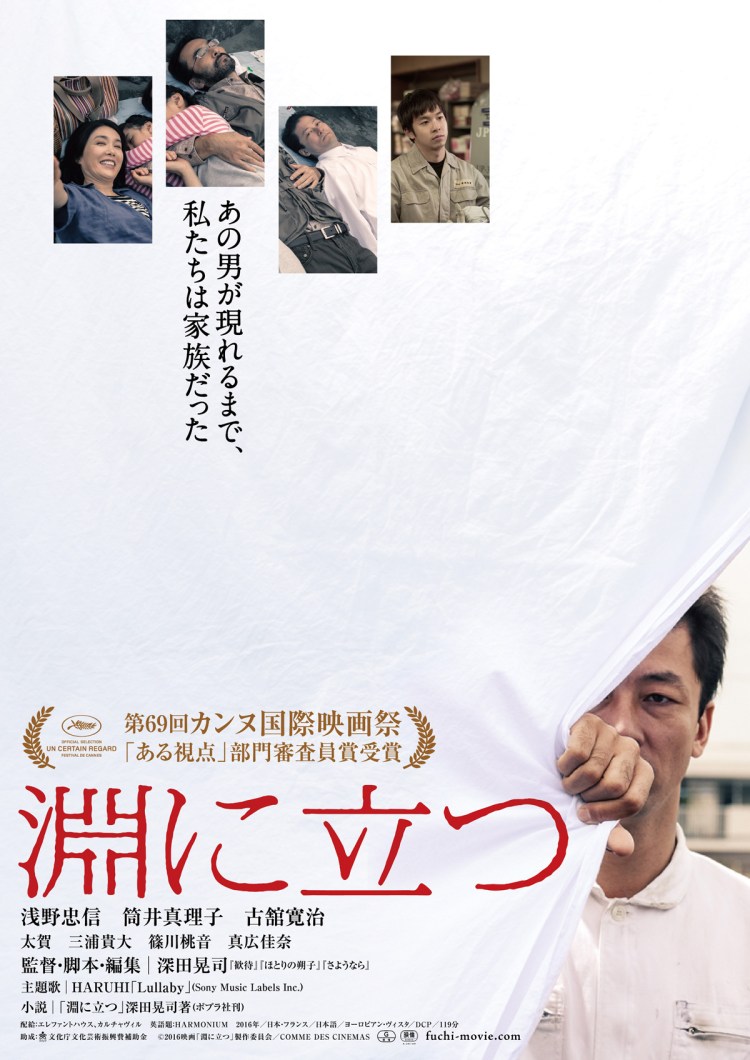
When talking of family drama, one most often thinks of Ozu and of the gentle passing of time as the old are left alone to contemplate the vagaries of life and young ones make a start on their own. Koji Fukada’s Harmonium (淵に立つ, Fuchi ni Tatsu) is not Ozu, it’s not the wry eye of Yoshimitsu Morita in The Family Game, or of Sogo Ishii in the Crazy Family, it’s a harsh and unforgiving look the status of the modern family unit.
You can check out our review of this one from the London East Asia Film Festival and it’s also scheduled for a UK release courtesy of Eureka Entertainment in June 2017 following a cinema run from 5th May.
Eureka trailer (English subtitles)
It would be a stretch to describe Tetsuya Mariko’s Destruction Babies (ディストラクション・ベイビーズ) as a family drama but in a way it sort of is in its dissection of the relationship between two orphaned brothers.
Beyond nihilism, Destruction Babies paints a bleak prognosis for the youth of Japan who live without hope, disconnected from reality, and know only the sensation of violence. You can check out our review of the film here from its screening in the Japan Foundation Touring Film Programme, and it’s also currently available in the UK courtesy of distributor Third Window Films.
Original trailer (English Subtitles)
Concluding the list of newer mainstream releases is the first in the festival’s anime strand – Naoko Yamada’s A Silent Voice (聲の形, Koe no Katachi).
Distributed in the UK by Anime Limited, this alternately heartrending and heartwarming drama examines the effects of social stigma, disibility, and the legacy of cruelty as its perfectly matched central pair confront the ghosts of their respective pasts and futures. You can check out our review from the Japan Foundation Touring Film Programme over here (mild spoilers for the concluding half of the film).
International trailer (dialogue free, English captions)
Revisiting the past in an altogether different sort of way, Nippon Connection will also play host to two films from Nikkatsu’s Roman Porno Reboot Project. Roman Porno was a fairly short lived offshoot of the “pink” genre, essentially softcore pornography intended to bring the dwindling cinema audiences back through the promise of sex and (sometimes) violence. In celebration of the 45th anniversary of the Roman Porno line, Nikkatsu have brought it back as a special tribute with five directors hired to film their take on the classic genre – Sion Sono, Hideo Nakata, Akihiko Shiota, Kazuya Shiraishi and Isao Yukisada.
The first of two featured in the festival is Kazuya Shiraishi’s Dawn of the Felines (牝猫たち, Mesuneko Tachi) . From the director of Twisted Justice and Devil’s Path, Dawn of the Felines follows the adventures of three prostitutes in Tokyo’s red light district.
Trailer (English subtitles, NSFW)
Akihiko Shiota directed one of the best (and criminally underseen) films of the 2000s in 2005’s Canary and his instalment in the Reboot series, Wet Woman in the Wind (風に濡れた女, Kaze ni Nureta Onna), proved an unexpected festival hit receiving high praise from critics at Locarno.
Shiota’s film follows a former playwright who tries to get out of town for some peace and quiet but runs into a nymphomaniac waitress instead. Oh well, a change is as good as a rest?
Original trailer (English subtitles, NSFW!)
The full programme is announced on 29th April when tickets are also expected to go on sale via the official Nippon Connection website. You can also keep up with the festival via their Facebook Page,Twitter account, and Instagram.
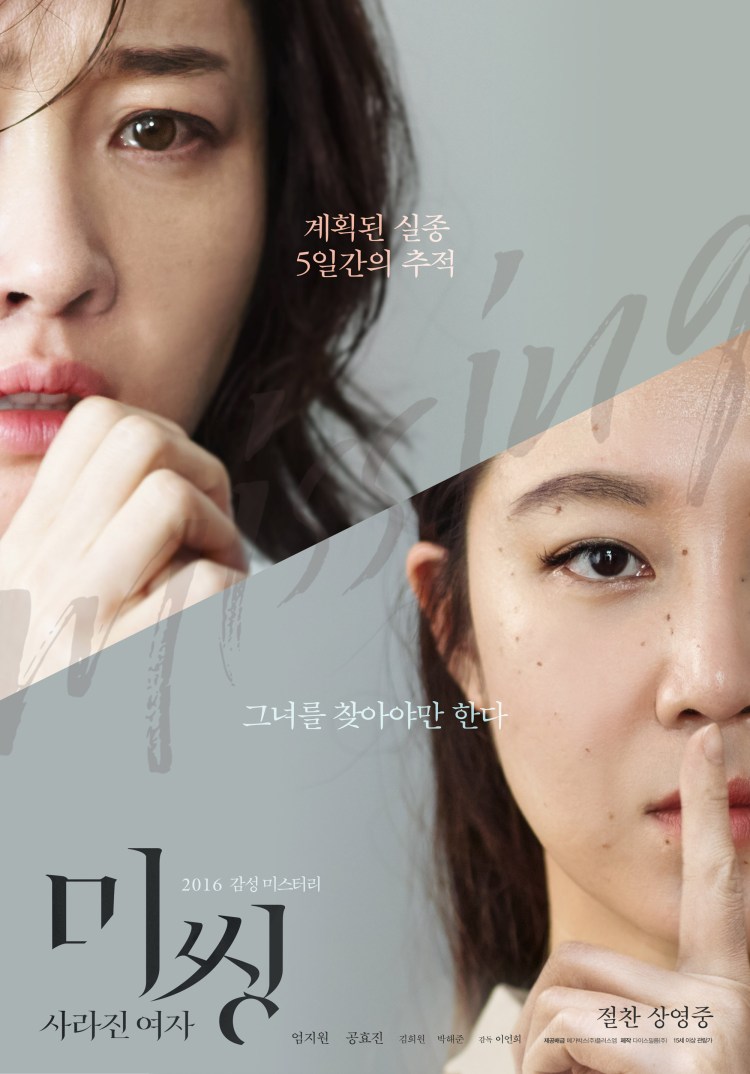
Since ancient times drama has had a preoccupation with motherhood and a need to point fingers at those who aren’t measuring up to social expectation. E Oni’s Missing plays out like a Caucasian Chalk Circle for our times as a privileged woman finds herself in difficult circumstances only to have her precious daughter swept away from her just as it looked as if she would be lost through a series of social disadvantages. Missing is partly a story of motherhood, but also of women and the various ways they find themselves consistently misused, disbelieved, and betrayed. The two women at the centre of the storm, desperate mother Ji-sun (Uhm Ji-won) and her mysterious Chinese nanny Han-mae (Gong Hyo-jin) are both in their own ways tragic figures caught in one frantic moment as a choice is made on each of their behalves which will have terrible, unforeseen and irreversible consequences.
Ji-sun is a busy woman. Recently divorced from her philandering doctor husband, Ji-sun is in the middle of a nasty custody battle over her daughter, Da-eun, which she has technically already lost though refuses to concede. Seeing as Ji-sun is barely ever at home (and when she is, she’s often still working), Chinese nanny, Han-mae is on hand to help her out. Han-mae’s Korean is imperfect, but she’s good with Da-eun and seems to have the knack for calming both the little one and her mum.
Other than the custody battle heating up as Ji-sun’s mother-in-law is intent on getting her grand-daughter away from her son’s awful former wife, Ji-sun’s life was functioning pretty well, all things considered. When she comes home one day and realises Han-mae and Da-eun aren’t around she’s a little put out but assumes they’re just delayed, have stopped off with friends, or are off somewhere having a lovely time without her. When they haven’t comeback by nightfall Ji-sun starts to worry.
Missing does its best not to judge either of the women. Though there is the subtle criticism of Ji-sun’s parental absenteeism, it’s largely manifested through her own feelings of guilt and fear as she’s placed in the difficult position of unexpected, middle-aged single parenthood. Divorced from her cold-hearted, selfish, lothario of a husband, Ji-sun would have needed to get a high paying job and maintain a middle class lifestyle to have any hope of keeping her daughter though the need to maintain both of those things would necessarily mean that she won’t be able to spend a lot of time with her child. Torn between the need to prove she can support herself alone and the need to play a fuller role in her daughter’s life, Ji-sun is understanably squeezed from both ends and left with little choice about any of it.
The problems both she and Han-mae face are those of an inherently sexist and intolerant society which forces them to prove themselves as women and judges them harshly when it believes they’ve deviated from the expected course. Ji-sun’s bosses make overtly sexist comments towards her, exclaiming that this is why they “don’t like employing mothers”, the police don’t want to believe her kidnap story because she’s just another hysterical woman, and her ex-husband knows he can take their daughter simply because he’s a man with a good job and a ready home.
Han-mae’s life has been darker and crueller, though hers is a greater struggle as she finds herself in an even lower status through being non-Korean and having poor language skills. Language skills are something she’s actively been denied in order to keep her from trying to escape a life of serfdom but in any case Han-mae’s prospects are not good. Ji-sun’s investigations take her to some very dark places as she searches for her child and begins to understand the reasons why she was taken. As a mother, as woman, and as a human being it is impossible to not to understand why Han-mae’s story ends the way it does, but it’s also impossible to not acknowledge a degree of unwittingly complicity in her ongoing suffering.
The last scene brings us unwelcomely back to that early debate surrounding the true mother and the unbreakable bond between a parent and a child, solving a complex problem neatly and smoothing it over with the gloss of emotion. Early on in the courtroom, Ji-sun says she’d do whatever it it took to keep her daughter, even run away with her if she had to. Later she says so again to a shady guy in a police cell who has more idea of what “anything” might mean, but Ji-sun was already doing quite a lot for Da-eun in running herself ragged just for the right to be near her. Neither Ji-sun or Han-mae were in any way at fault in the series of events which brought them to this point, a decision was made for them which was to have terrible, irreversible consequences. The two women are victims of the same oppressive social codes, but life is very different for each of them and if Ji-sun had been guilty of anything at all it was a blinkered way of living in which women like Han-mae are a barely visible presence except when needed to fulfil their allotted role.
Reviewed as part of a series of teaser screenings for the London Korean Film Festival 2017 the next of which, Queen of Walking, takes place at Regent Street Cinema on 22nd May 2017 at 7.30pm.
Masahiro Shinoda, a consumate stylist, allies himself to Japan’s premier literary impressionist Yasunari Kawabata in an adaptation that the author felt among the best of his works. With Beauty and Sorrow (美しさと哀しみと, Utsukushisa to Kanashimi to), as its title perhaps implies, examines painful stories of love as they become ever more complicated and intertwined throughout the course of a life. The sins of the father are eventually visited on his son, but the interest here is less the fatalism of retribution as the author protagonist might frame it than the power of jealousy and its fiery determination to destroy all in a quest for self possession.
Middle-aged author Oki (So Yamamura) is making a trip to Kyoto in order to hear the New Year bells but whilst there he wants to reconnect with someone very dear to him whom he has not seen for a long time. 15 years previously, Oki, already around 40 and married with a young son, had an ill advised affair with 16 year old Otoko (Kaoru Yachigusa). Oki’s indiscretion was discovered after Otoko fell pregnant and gave birth to an infant who sadly died after just a few months provoking Otoko’s own suicide attempt. Oki turned the traumatic events into a best selling novel which made his name and has not seen Otoko during the intervening years. Now a successful painter, Otoko has remained unmarried, still traumatised by her youthful experiences, and is currently in a relationship with a female student, Keiko (Mariko Kaga).
Keiko, a beautiful though strange young woman, will be the cause of much of the sorrow resulting from Oki’s decision to visit Otoko after all these years. Angry on her lover’s behalf, Keiko takes it upon herself to exact revenge for the wrong which was done to Otoko at such a young age, ignoring her lover’s pleas to leave the situation well alone.
Perhaps surprisingly, Shinoda avoids the temptation to retain Oki’s central viewpoint by attempting to survey the various threads which bind and constrain each of the protagonists, locked into a complex system of love, jealously, pain and obsession. Oki sows the seeds of his own downfall in his improper relationship with a teenager over twenty years younger than himself whom he has no intention of marrying seeing as he is already married and even has a child. Little is said about the original affair save for the effect it had both on Otoko and on Oki’s marriage which endures to the present time even though it appears Oki continues to pursue other women outside of the home. Not only does Oki turn his scandalous love life into a best selling novel, but he makes his wife, Fumiko (Misako Watanabe), type it up for him, forcing her to read each and every painful detail of his relations with another woman.
During the writing of the novel, Fumiko begins to become ill, depressed and listless, but not out of suffering or disgust – what she feels is jealousy but of a literary kind. Fumiko laments that Oki has written an entire book about Otoko, but never thought to write one for her. Even if depicted as some kind of harridan or vengeful, shrewish woman, Fumiko wanted to be Oki’s muse and was denied. Otoko, by contrast never wanted anything of the sort and has lived quietly and independently ever since her traumatic teenage love affair with a married, older, artist. Her feelings, complicated as they may be, are the motivation for the actions of her obsessive lover, Keiko, determined on taking “revenge” for pain Otoko is not entirely certain she feels. Keiko’s jealously has been roused by Oki’s return and the possibility that it may reawaken Otoko’s youthful romantic yearnings. Unwilling to surrender her beloved to another, she sets about destroying that which may come between them, perfectly willing to destroy both herself and the woman she claims to love in the process.
Oki is, after all, a novelist and therefore apt to ascribe a kind of narrative to his life which may ignore its more ordinary baseness. His equally sensitive son, Taichiro (Kei Yamamoto), brings up the subject of Princess Kazu and the glass panel and lock of hair which were discovered with her body and muses on whether these belonged to her husband, as is said, or her “true love” as seems to be suggested by the evidence at hand. Loves true and false are played off against each other but the forces at play are less grand romances than petty lusts and obsessions. Keiko wants to own her lover absolutely but her games of revenge cause Otoko only more pain and take her further away from that which she most loves towards the film’s dark and ambiguous conclusion in which the innocent are made to suffer for other people’s transgressions.
Otoko’s suffering is largely ignored by all concerned though it’s clear that the loss of her child is a deep wellspring of pain which has become the dominant force in her life. Misused and abandoned, Otoko has sought only quietness and solitude living independently and without the need for male contact. Keiko, whilst crying out that she hates men and is going to destroy the family of the man who has destroyed her lover, acts only out of selfishness, refusing to see how far her actions are wounding the woman she loves even as she sets out to make a weapon of her beauty and turn it on the male sex.
Shinoda films with his characteristic aesthetics adopting a position of slight distance as his protagonists gaze at reflections of themselves and talk through mirrors yet refuse the kind of introspection which a novelist like Oki would be expected to project. A final moment of high drama is offered in a series of freeze frames, as if the emotions are too big and complex to be understood as a whole but can only be grasped in painful fragments snatched from among the resultant chaos. With Beauty and Sorrow conjures the idea of nobility in romance, enhanced by the inevitability of its failure, but for all of its aesthetic pleasures and enduring sadness this is not the elegant coolness of romantic tragedy but the painful heat of love scorned as it festers and corrupts, spreading nothing other than pollution and decay.
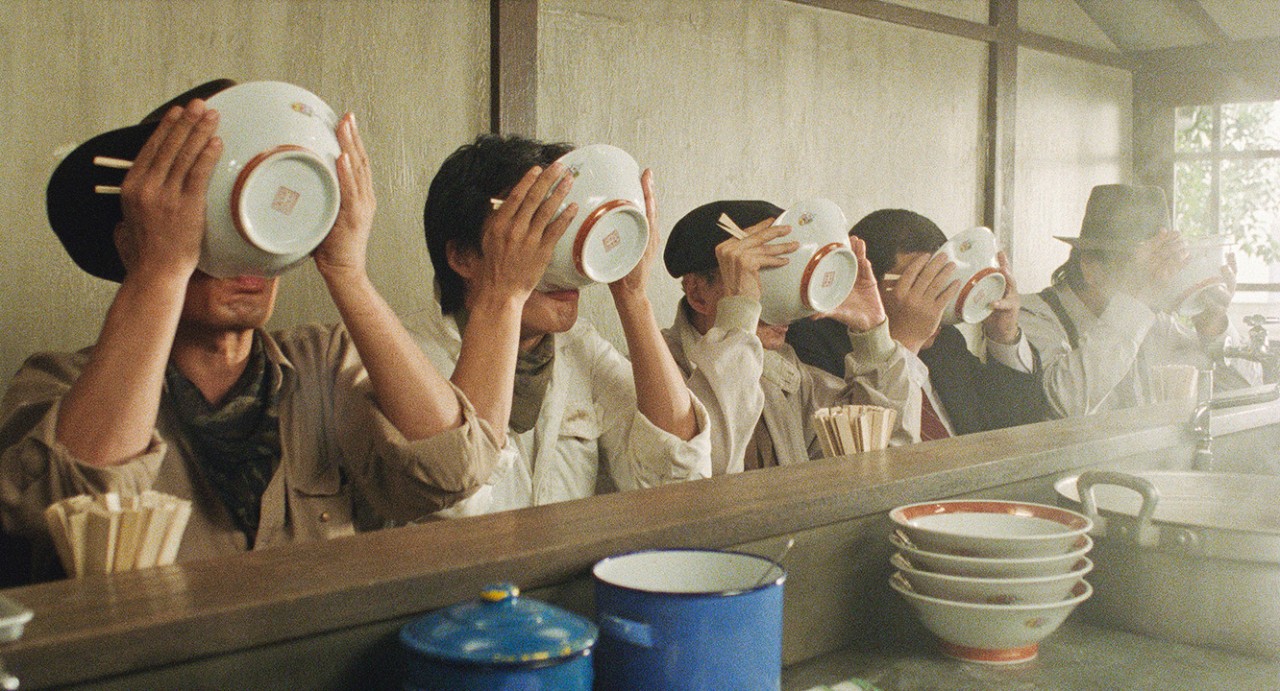
The 4K restoration of Juzo Itami’s classic ramen western Tampopo is released on blu-ray in the UK on 1st May 2017 courtesy of The Criterion Collection but there will also be a one off chance to see the movie on the big screen at Picturehouse Central.
The screening takes place on 17th May at 6.30pm and tickets are already on sale via the Picturehouse website.
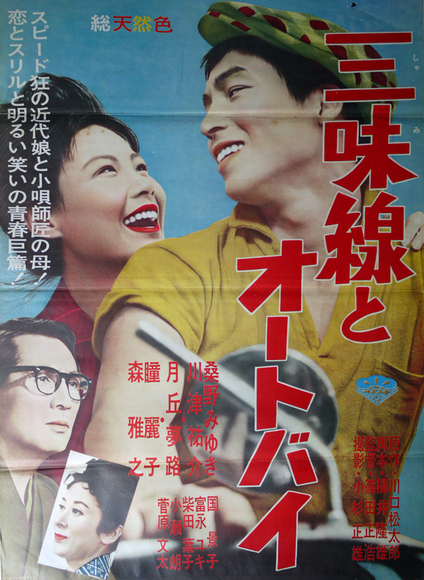
Masahiro Shinoda’s first film for Shochiku, One-Way Ticket to Love, over which he’d been given a fairly free rein did not exactly set the box office alight. Accordingly, he then found himself relegated to studio mandated projects with set scripts designed with the studio’s house style in mind. Love New and Old (三味線とオートバイ, Shamisen to Otobai, also known as Shamisen and Motorcycle) is just one of these studio pictures, taking him away from the beginnings of a promising collaboration with avant-garde poet and playwright Shuji Terayama begun in Dry Lake (Youth in Fury) and Killers on Parade. Despite the banality of its melodramic tale of mother and daughter strife caused by changing times, secrets and social mores, Love New and Old plays into several of Shinoda’s recurrent themes and allows him to further indulge his tendency for visual flamboyance with a widescreen colour canvas.
Regular teenager Hatsuko (Miyuki Kuwano) hangs around with the “nice” kind of biker gang, clinging onto her upper class boyfriend Fusao (Yusuke Kawazu) as they ride around the city making use of all the new freedoms available to the young people of the day. Hatsuko lives alone with widowed mother Toyoeda (Yumeji Tsukioka), a minor celebrity known for giving lessons in traditional “kouta” singing on local television. Despite Hatsuko’s rather headstrong nature, she and her mother are very close and have a broadly happy life together in the small house they share which doubles as her mother’s studio.
Things change when Hatsuko and Fusao get into an accident on the bike which leaves them both in hospital. It just so happens that the doctor who ends up treating Hatsuko, Kuroyanagi (Masayuki Mori), is an old friend of her mother’s from before the war. During Hatsuko’s extended convalescence the pair rekindle their long abandoned romance but tension soon arises when the still youthful Hatsuko begins to resent this change in her familial relations. Having come to think of her mother as a kind of pure, saintly figure the idea of her as woman with a woman’s needs and desires profoundly disturbs her.
Shinoda frames this twin tale of women in love as series of embedded conflicts – between generations, between eras, and between a mother and a daughter whose relationship must necessarily change as one comes of age. There is also an additional burden placed on the relationship by means of a long buried secret regarding Hatusko’s birth, the man she had regarded as her father, and the newly resurfaced figure of the doctor who, it seems, has always been in Toyoeda’s heart. Despite the fact that one might assume all of the resentment towards a new relationship would come from the maternal side, Toyoeda is generally supportive of her daughter’s right to choose a boyfriend only warning her that the boy’s parents had acted with hostility following the accident and there may be class based trouble ahead given the fact that her mother is “only a kouta teacher”.
The doctor, a melancholy and perceptive figure, is the first to notice the effect his unexpected return is having on the previously happy mother daughter relationship. Correctly remarking that young people of Hatsuko’s age have much more clearly defined ideas about “morality”, especially as it relates to the older generation, Kuroyanagi can see why Hatsuko may have reservations about her mother remarrying. In this he is very much correct. Even setting aside the slight cultural squeamishness concerning second marriages, Hatsuko’s reaction to her mother’s new romance is one of deep disgust and confusion. Though she recognises that her feelings are unfair and will only cause her mother additional suffering, she cannot bring herself to accept the idea of her mother taking a lover and eventually bringing this new element into their extremely close relationship.
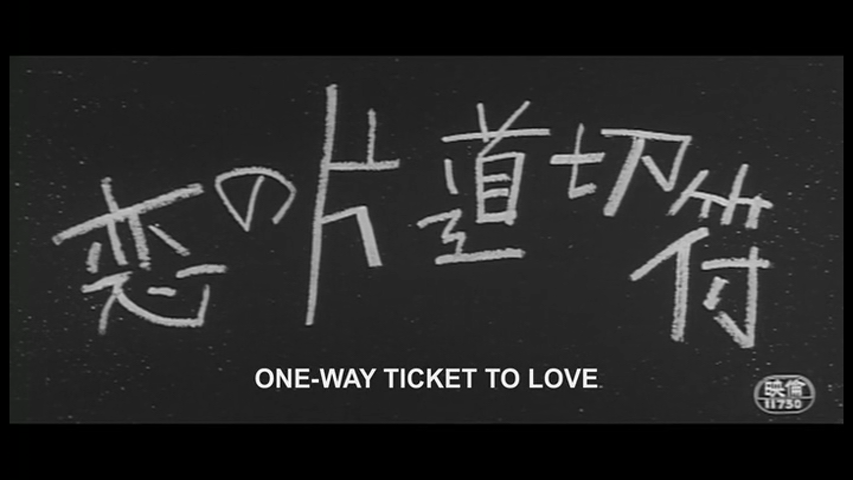
Eventually Hatsuko moves out to live with a friend while Fusao, who had been absent from the picture thanks to his parental machinations, finally reappears and seems to want to resume their relationship whatever the final cost to his own familial relations. Ending on a bittersweet note after which secrets are revealed, confessions are made, and hearts are bared, the film seems to want to remind us that life is short and unpredictable – there is no time for the kind of petty discomforts which lead Hatsuko to force her mother to choose between the man she loved and her daughter. After beginning with an innovative title sequence, Shinoda’s approach is more straightforward than in some of his more visually adventurous work of the period but makes good use of dissolves and interesting compositions to bring a little more substance to this otherwise generic Shochiku programme picture.
Although Masahiro Shinoda has long been admitted into the pantheon of Japanese New Wave masters, he is mostly remembered only for his 1969 adaptation of a Chikamatsu play, Double Suicide. Less overtly political than many of his contemporaries during the heady years of protest and rebellion, Shinoda was a consummate stylist whose films aimed to dazzle with visual flair or often to deliberately disorientate with their worlds of constant uncertainty. Like so many of the directors who would go on to form what would retrospectively become known as the Japanese New Wave, Shinoda also started out as a junior AD, in this case at Shochiku where he felt himself stifled by the studio’s famously safe, inoffensive approach to filmmaking.
By the late ‘60s that approach was itself failing and so the studio began to take a few chances on new young directors including Shinoda who was afforded the opportunity to script and direct his first feature – One-way Ticket to Love (恋の片道切符, Koi no katamichi kippu). Studio mandated programme picture as it was, Shinoda still had to play by some of the rules – notably that the title song which is a Japanese cover of the 1959 Neil Sedaka hit needed to feature prominently. Shinoda does indeed showcase the song throughout the film though he also paints a dark and unforgiving picture of the burgeoning talent management industry whilst sympathising with those trapped in the underworld to which the effects of growing economic prosperity have yet to trickle down.
Down on his luck 20 year old alto-sax player Kenji Shirai (Kazuya Kosaka) has resorted to hanging around stations in Tokyo alongside a host of other unemployed artists trying to get picked up for a job and having little success. His luck changes when a young female talent fixer, Miss Yoshinaga (Yachiyo Otori), finds herself in need of an alto sax player with immediate effect. Kenji is elated to find work but somewhat troubled when the club is abruptly raided, giving him a taste of the precariousness of the underground club scene. Nevertheless, Yoshinaga hands him a card and tells him to come to her office tomorrow in case she has any more work for him.
On his way home, Kenji comes across a distressed woman crying her heart out dangerously near a high bridge. Fearing she is about to commit suicide, Kenji comforts her and then takes her home for the night before introducing her to Yoshinaga the next day in the hope that she may also have work for a young woman – she does, but as a nudie dancer. Mitsuko (Noriko Maki) reluctantly takes the job leaving Kenji conflicted but there’s more drama in both of their lives to come in the form of “The Japanese Elvis” Ueno (Masaaki Hirao), Mitsuko’s married ex-boyfriend Tajima, and an errant pistol belonging to Kenji’s petty yakuza roommate.
Although Shinoda was less noticeably political than many of the other directors of the time, his sympathy remains with those who feels themselves to be oppressed or have in someway been cast aside by an unforgiving world. Kenji in particular feels himself to be just such a person, remarking that the world is a cruel place in which people look after their own interests and are prepared to use and discard those less fortunate in order to get what they want. Describing himself and Mitsuko as nothing more than offerings fit for burning on the altar that is the post-war economy, Kenji’s sense of hopelessness is palpable. Despite having acted to rescue Mitsuko from her suicidal contemplation, he feels powerless to help her in any other way and honestly tells her so each time she comes to him for comfort or assistance. Though his earnestness has an honest quality in its determination not to deceive, it also has an air of cowardice as he refuses to even discourage the woman he loves from doing something he knows she will regret because he has already decided that resistance is futile.
Mitsuko, by contrast, finds herself entirely without agency. Betrayed by the man she loved on discovering that he was already married and had been stringing her along, she finds it difficult to adjust to living life alone. Consequently she finds herself wooed by the big idol star of the day, Ueno, and then swept into a studio scam in which the pair are tricked into a sexual relationship with dire consequences for both. Ueno, who sings the all important title song at several points throughout the film, might be in a more comfortable position than Kenji but he is no more free. The studio’s prime cash cow, Ueno is pimped out to his hoards of screaming teenage girls and denied anything like a private life outside of studio control. As the latest dancer at the club, Mitsuko is assured that she’s going out there a rookie and coming back a star but her fate, along with Ueno’s, is entirely in the hands of the managers who can make or break a career at will.
If the interpersonal drama fails to convince, Shinoda makes up for it with unusually dynamic and interesting cinematography much more like the youth movies Nikkatsu were making at the time than the usual Shochiku stateliness. Looking much more like the European New Wave, Shinoda makes fantastic use of tracking shots and unusual framing to draw attention to the isolation of his protagonists. The club set finale featuring the title song is a masterclass in tension as Kenji roams around the audience, caught among the crowd of screaming girls before pausing for an up close contemplation of Ueno which leads him to his final decision. A programme picture, but one in which Shinoda declared his stylistic intentions if not his scripting prowess. One-way Ticket to Love dazzles with visual flair but never captivates on anything other than a superficial level as its story of love frustrated by social inequality and controlling authority fails to deliver on the melancholy promise of the title.
Final sequence featuring the title song by Masaaki Hirao (English subtitles)
The premier European showcase for East Asian cinema, Udine Far East Film Festival, has now announced the complete programme for the 19th edition set to take place from 21 – 29th April, 2017.
There are a total of 83 movies in the lineup this year from Cambodia, China, Hong Kong, Indonesia, Laos, Japan, Malaysia, South Korea, the Philippines, Taiwan, Thailand, and Vietnam including narrative, documentary, brand new and classic films.
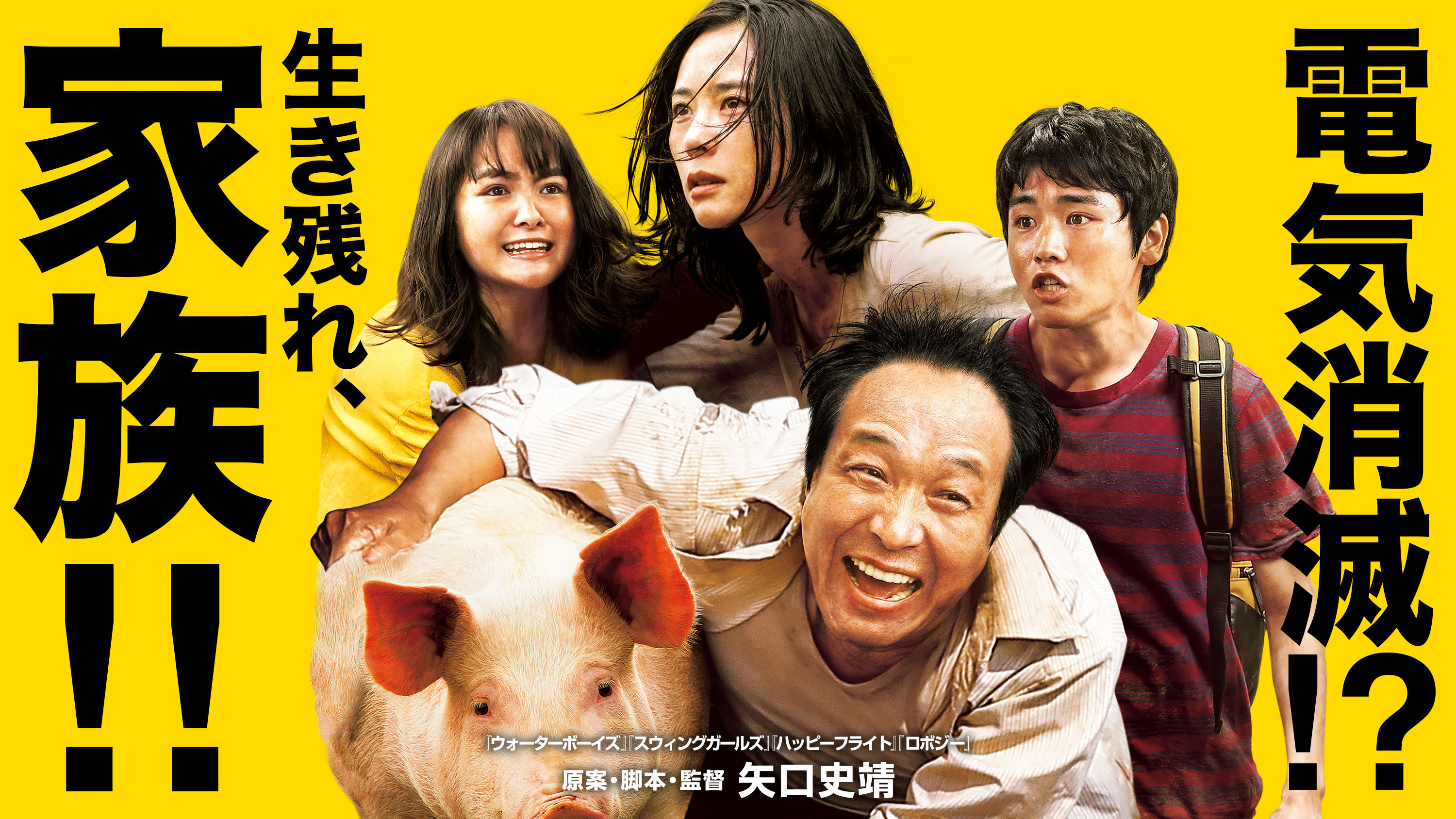
The festival will open with the latest film from Shinobu Yaguchi (Water Boys, Swing Girls, Wood Job) – Survival Family (サバイバルファミリー) in which an ordinary Tokyo family decides to escape from the city following a long term power outage.
Original trailer (English subtitles)
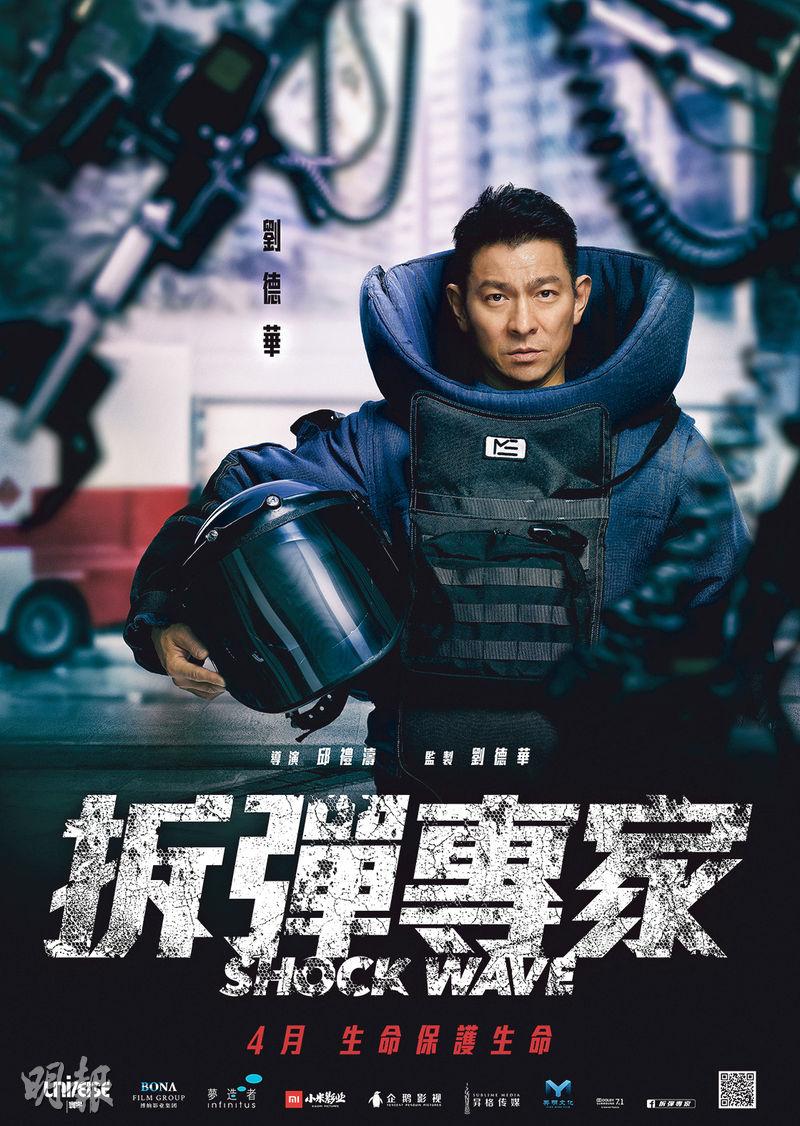
Herman Yau’s Shock Wave (拆彈專家) – a HK thriller starring Andy Lau will close the festival on April 29
Take a look at Andy in action in the official trailer (English subtitles)
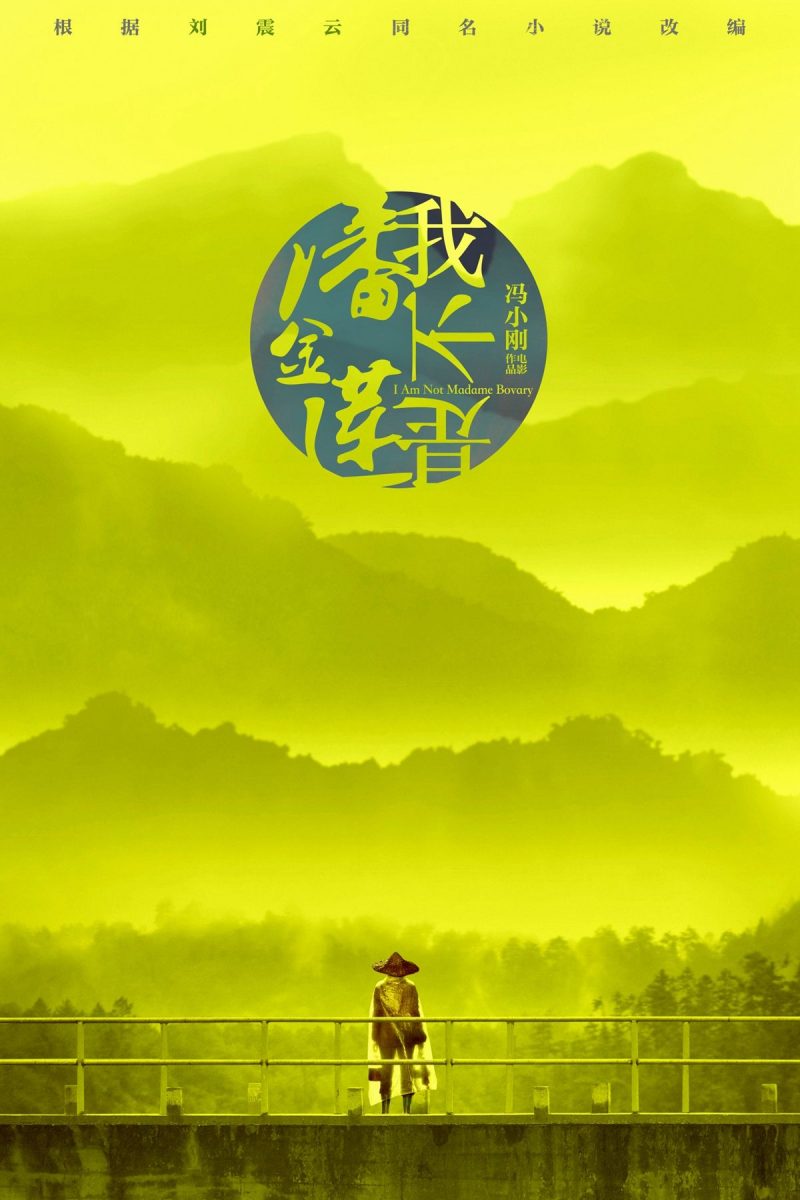
Other highlights include Feng Xiaogang’s I Am Not Madame Bovary (我不是潘金莲, Wǒ Búshì Pān Jīnlián)
Starring Fang Bingbing, this story of a small town woman taking on the Chinese legal system after her husband falsely accuses her of having an affair has been picking up awards all along the international festival trail.
Trailer (English subtitles)
The latest film from Naoko Ogigami (Kamome Diner, Megane) Close-Knit (彼らが本気で編むときは, Karera ga Honki de Amu Toki wa)
A heartwarming tale of a little girl who takes refuge at the home of her uncle and his transgender girlfriend, Close-Knit marks a welcome return to the warm and quirky Ogigami world.
Trailer (English subtitles)
Another director making a welcome return is Nobuhiro Yamashita whose two 2016 releases both arrive at the festival.
My Uncle (ぼくのおじさん, Boku no Ojisan) stars Ryuhei Matsuda as an eccentric philosophy lecturer who leeches off his nephew’s family until he unexpectedly meets a woman, falls in love, and follows her to Hawaii!
Trailer (no subtitles)
Yamashita’s Over the Fence (オーバー・フェンス) is also featured in the festival
Among Yamashita’s more serious films, Over the Fence stars Joe Odagiri as a broken hearted young man who returns to his hometown after his wife leaves him.
Trailer (English subtitles)
There will also be a special screening of one of Yamashita’s earliest efforts, Ramblers – you can check out our review here but this tale of two not quite friends lost in the mountains is filled with Yamashita’s trademark laidback style and laconic humour.
Hitoshi One’s Scoop! which scooped up a few awards of its own will also be a part of the Japanese strand.
Loosely based on a 1985 film by Masato Harada, Scoop! Stars Masaharu Fukuyama as an amoral paparazzo.
Park Kwang-hyun’s Fabricated City (조작된 도시, Jojakdwen Doshi) is set to bring some high-tech thrills to the cinema screen
Ji Chang-wook plays a top gamer who suddenly finds himself trapped in a real world conspiracy when he is framed for a shocking crime.
Trailer (English subtitles)
Meanwhile fans of gothic horror can content themselves with Lim Dae-woong’s House of the Disappeared (시간위의 집, Shiganwiui Jib)
This mystery/thriller stars Kim Yunjin as a former housewife released from prison 25 years after her husband and son disappeared leaving her accused of a crime.
Trailer (English subtitles)
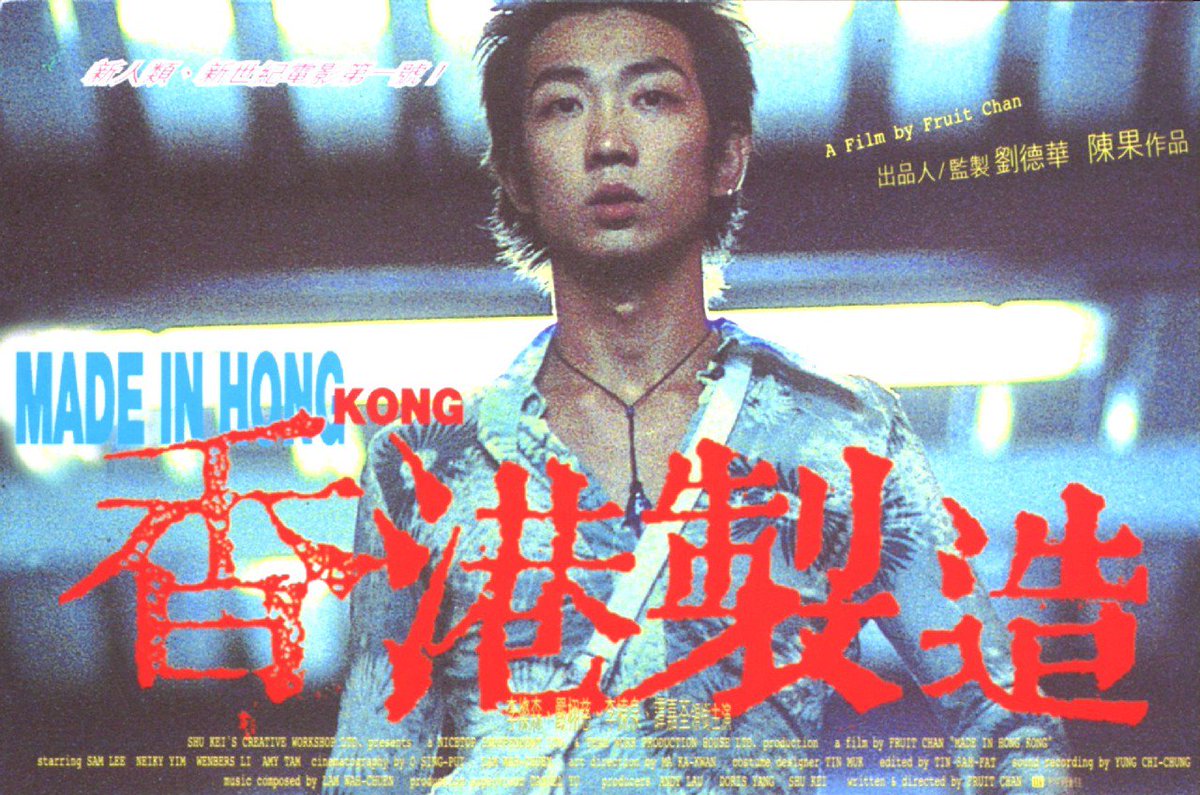
The festival will also be marking 20 years since the Hong Kong hand over with a selection of cinema hits released between 1997 – 2017. The new 4K restoration of Fruit Chan’s long neglected Made in Hong Kong is a definite highlight.
There will also be a small strand of recent Chinese indie including Knife in the Clear Water (清水里的刀子) which we reviewed thanks to Festival Scope’s partnership with International Film Festival Rotterdam.
Restored classics include a screening of the late Seijun Suzuki’s Branded to Kill, as well as three Philippine films from the ’70s and ’80s, Brocka’s Cain and Abel, De Leon’s Moments in a Stolen Dream, and O’Hara’s Three Years Without a God.
The full list of 83 movies includes:
CAMBODIA (1)
Jailbreak, Jimmy HENDERSON, prison-martial arts-dark comedy, Cambodia 2017, International Premiere
CHINA (6)
Duckweed, HAN Han, time-warp nostalgic drama, China 2017, International Festival Premiere
Hide and Seek, LIU Jie, class-struggle thriller, China 2016, European Premiere
I Am Not Madame Bovary, FENG Xiaogang, eternal lawsuit dramedy, China 2016, Italian Premiere
Mr. Zhu’s Summer, SONG Haolin, bitter-sweet school drama, China 2017, World Premiere
Someone to Talk to, LIU Yulin, divorce drama, China 2016, Italian Premiere
Soul on a String, ZHANG Yang, Tibetan-western road movie, China 2016, Italian Premiere (with Trento Film Festival)
HONG KONG/CHINA (3)
Kung Fu Yoga, Stanley TONG, Jackie-Bollywood style-action comedy, China/HK /India 2017, Italian Premiere
Extraordinary Mission, Alan MAK, Anthony PUN, drug-war-action-drama, China/HK 2017, International Festival Premiere
Soul Mate, Derek TSANG, girls-best friends drama, HK/China 2016, European Premiere
HONG KONG (7)
Love Off the Cuff, PANG Ho-cheung, crazy cool comedy, China/HK 2017, International Premiere
Mad World, WONG Chun, mental illness drama, HK 2016, Italian Premiere – “Creative Visions: Hong Kong Cinema 1997-2017”
A Nail Clipper Romance, Jason KWAN, surf and steel romance, HK/China 2017, International Premiere
Shed Skin Papa, Roy SZETO, quirky father-son drama, China/HK 2016, European Premiere
The Sleep Curse, Herman YAU, blood-splattered horror, HK 2017, European Premiere
Shock Wave, Herman YAU, explosive action drama, HK/China 2017, International Festival Premiere – Closing Film
Vampire Cleanup Department, CHIU Sin-hang, YAN Pak-wing, hopping vampire comedy-romance, HK 2017, Italian Premiere
INDONESIA (1)
My Stupid Boss, UPI, zany office comedy, Indonesia 2016, European Premiere
JAPAN (13)
At the Terrace, YAMAUCHI Kenji, sophisticated drama, Japan 2016, International Premiere
The City of Betrayal, MIURA Daisuke, extramarital romance, Japan 2016, International Premiere
Close-Knit, OGIGAMI Naoko, transgender-family, Japan 2017, Italian Premiere (with Torino Festival LGBTQI Visions)
Hamon: Yakuza Boogie, KOBAYASI Syoutarou, cinephile gangster dark comedy, Japan 2017, International Premiere
Hirugao – Love Affairs in the Afternoon -, NISHITANI Hiroshi, starred-crossed romance, Japan 2017, World Premiere
Love and Other Cults, UCHIDA Eiji, offbeat youth drama, Japan 2017, World Premiere
My Uncle, YAMASHITA Nobuhiro, hipster comedy, Japan 2016, European Premiere
Over the Fence, YAMASHITA Nobuhiro, not-longer-young love story, Japan 2016, European Premiere
Policeman and Me, HIROKI Ryuichi, age-inappropriate romance, Japan 2017, European Premiere
Satoshi: A Move for Tomorrow, MORI Yoshitaka, Japanese chess drama, Japan 2016, European Premiere
Scoop!, ONE Hitoshi, paparazzi thriller, Japan 2016, International Festival Premiere
Survival Family, YAGUCHI Shinobu, ecotherapy disaster movie, Japan 2017, European Premiere – Opening Film
TEIICHI – Battle of Supreme High -, NAGAI Akira, manga-like political satire, Japan 2017, World Premiere
MALAYSIA (1)
Mrs K, HO Yuhang, grindhouse western comedy, Malaysia/HK, 2016, European Premiere
SOUTH KOREA (13)
Bluebeard, LEE Soo-youn, serial killer at large, SK 2017, Italian Premiere
Canola, CHANG, lost daughter-drama, SK 2016, European Premiere
Confidential Assignment, KIM Sung-hoon, North-South buddy-buddy cops, SK 2017, International Festival Premiere
Derailed, LEE Sung-Tae, Young&Dangerous drama, SK 2016, International Premiere
Fabricated City, PARK Kwang-hyun, high-tech videogame thriller, SK 2017, International Festival Premiere
House of the Disappeared, LIM Dae-woong, haunted house thriller, SK 2017, International Premiere The Last Princess, HUR Jin-ho, period melodrama, SK 2016, Italian Premiere
Master, CHO Ui-seok, political crime thriller, SK 2016, International Festival Premiere
New Trial, KIM Tae-yun, wrongly-accused legal drama, SK 2017, International Festival Premiere
The Prison, NA Hyun, jailhouse action drama, SK 2017, Italian Premiere
Run-Off, KIM Jong-hyun, zero-to-hero ice hockey drama, SK 2016, European Premiere
Split, CHOI Kook-hee, bowling-action-drama, SK 2016, International Festival Premiere Vanishing Time: A Boy Who Returned, UM Tae-hwa, lost-in-frozen-time, SK 2016, Italian Premiere
THE PHILIPPINES (3)
Die Beautiful, Jun Robles LANA, multicolour transgender dramedy, The Philippines 2016, Italian Premiere (with FVG Pride)
Mercury Is Mine, Jason Paul LAXAMANA, black violent comedy, The Philippines 2016, International Premiere
Seclusion, Erik MATTI, religious horror, The Philippines 2016, European Premiere
TAIWAN (4)
52Hz, I Love You, WEI Te-sheng, St. Valentine musical, Taiwan 2017, European Festival Premiere
At Café 6, Neal WU, coming-of-age dramedy, Taiwan 2016, European Premiere
Godspeed, CHUNG Mong-hong, gangster meets taxi-driver, Taiwan 2016, European Premiere
Mon Mon Mon Monsters, Giddens KO, school bullying comedy horror, Taiwan 2017, European Premiere
THAILAND (3)
One Day, Banjong PISANTHANAKUN, romance on the snow, Thailand 2016, European Premiere
Siam Square, Pairach KHUMWAN, ghost-youth-drama, Thailand 2017, International Premiere
Take Me Home, Kongkiat KHOMSIRI, homecoming horror, Thailand 2016, European Premiere
VIETNAM (1)
Tam Cam: The Untold Story, Thanh Van (Veronica) NGO, Cinderella meets wuxiapian, Vietnam 2016, European Premiere
Out Of Competition
DOCUMENTARIES (3)
Mifune: The Last Samurai, Steven OKAZAKI, director’s cut, Japan/USA, 2016, Italian Premiere
Old Days, HAN Sun- hee, SK 2016, Italian Premiere
Sunday Beauty Queen, Baby Ruth VILLARAMA, The Philippines/HK 2016, Italian Premiere
INFO SCREENING (1) Ramblers, YAMASHITA Nobuhiro, from the manga of Tsuge Yoshiharu, Japan 2004, Italian Premiere
CREATIVE VISIONS: HONG KONG CINEMA 1997-2017 (10)
Made in Hong Kong, Fruit CHAN, HK 1997 – restored version 2017, International Premiere
A Simple Life, Ann HUI, HK 2012
Accident, Soi CHEANG, HK 2009
After This Our Exile, Patrick TAM, HK 2006
Infernal Affairs, Alan MAK, Andrew LAU, HK 2002
Ip Man, Wilson YIP, HK 2008
Kung Fu Hustle, Stephen CHOW, HK 2004
Love in a Puff, PANG Ho-cheung, HK 2010
The Mission, Johnnie TO, HK 1999
The Grandmaster, WONG Kar-wai, HK 2013
CHINA NOW: NOT FOR COMMERCIAL USE (4)
Fish Tank, LIU Haoge, experimental animation short, China 2016, Italian Premiere Knife in the Clear Water, WANG Xuebo, drama, China 2016, Italian Premiere
The Road, ZHANG Zanbo, documentary, China/Denmark 2015, Italian Premiere
What Happened in the Past Dragon Year, SUN Xun, experimental animation short, China 2014, Italian Premiere
FRESH WAVE SHORTS (4)
Even Ants Strive for Survival, REN Xia, HK 2017, European Premiere
First of May, LAM Chi-yu, HK 2017, European Premiere
Life on the Line, Ashley CHEUNG, HK 2017, European Premiere
Speak Low, WONG Fong-yi, HK 2017, European Premiere
RESTORED CLASSICS (4) Branded to Kill, SUZUKI Seijun, Japan 1967 – restored version 2016, International Festival Premiere
Cain and Abel, Lino BROCKA, The Philippines 1982 – restored version 2016, International Premiere
Moments in a Stolen Dream, Mike DE LEON, The Philippines 1977 – restored version 2016, European Premiere
Three Years Without God, Mario O’HARA, The Philippines 1976 – restored version 2016, Italian Premiere
The festival takes place in the Northern Italian town of Udine from April 21 – 29, and you can find out all about how to attend via the official website which also includes details of the extensive program of special events running alongside the main film festival.
 Yukihiko Tsutsumi has made some of the most popular films at the Japanese box office yet his name might not be one that’s instantly familiar to filmgoers. Tsutsumi has become a top level creator of mainstream blockbusters, often inspired by established franchises such as TV drama or manga. Skilled in many genres from the epic sci-fi of Twentieth Century Boys to the mysterious comedy of Trick and the action of SPEC, Tsutsumi’s consumate abilities have taken on an anonymous quality as the franchise takes centre stage which makes this indie leaning black and white exploration of the lives of a group of homeless people in Nagoya all the more surprising.
 Since its launch in 2000, the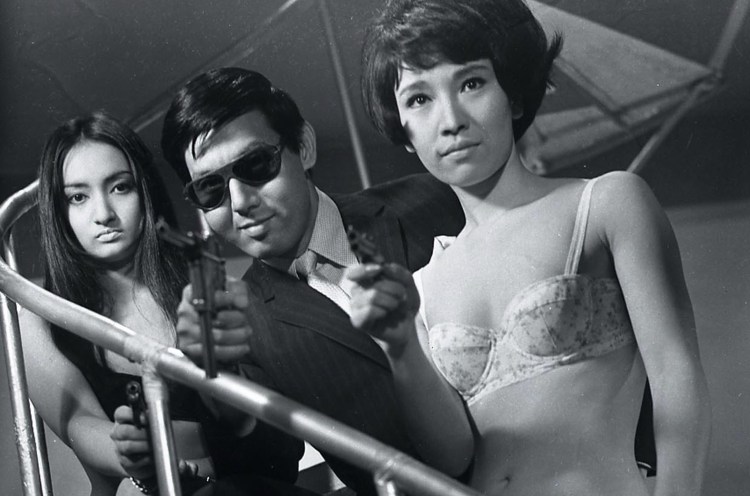
 The 17th Neuchâtel International Fantastic Film Festival runs from 30th June to 8th July 2017 and will have a special focus on genre cinema. The festival will also host a series of outdoor cinema events as part of the
 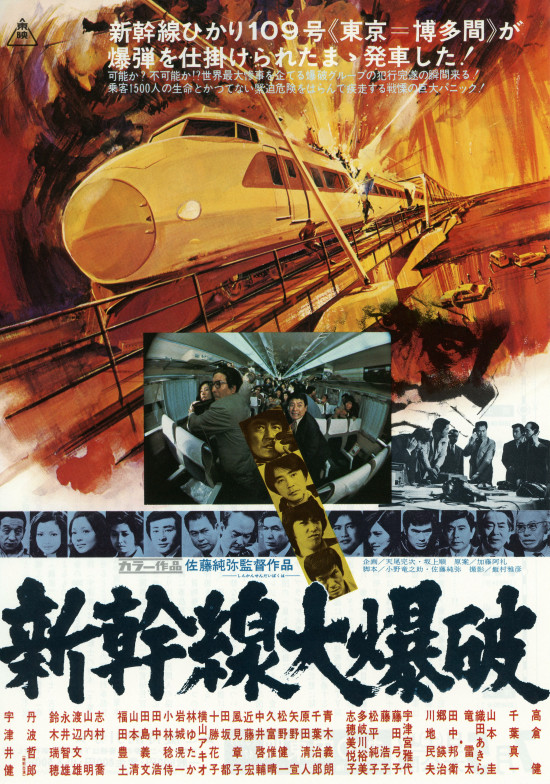 For one reason or another, the 1970s gave rise to a wave of disaster movies as Earthquakes devastated cities, high rise buildings caught fire, and ocean liners capsized. Japan wanted in on the action and so set about constructing its own culturally specific crisis movie. The central idea behind The Bullet Train (新幹線大爆破, Shinkansen Daibakuha) may well sound familiar as it was reappropriated for the 1994 smash hit and ongoing pop culture phenomenon Speed, but even if de Bont’s finely tuned rollercoaster was not exactly devoid of subversive political commentary The Bullet Train takes things one step further.
 Nippon Connection is the largest festival dedicated to Japanese Cinema anywhere in the world and returns in 2017 for its 17th edition. Once again taking place in Frankfurt, the festival will screen over 100 films from May 23 – 28, many of which will also welcome members of the creative team eager to present to their work to an appreciative audience.
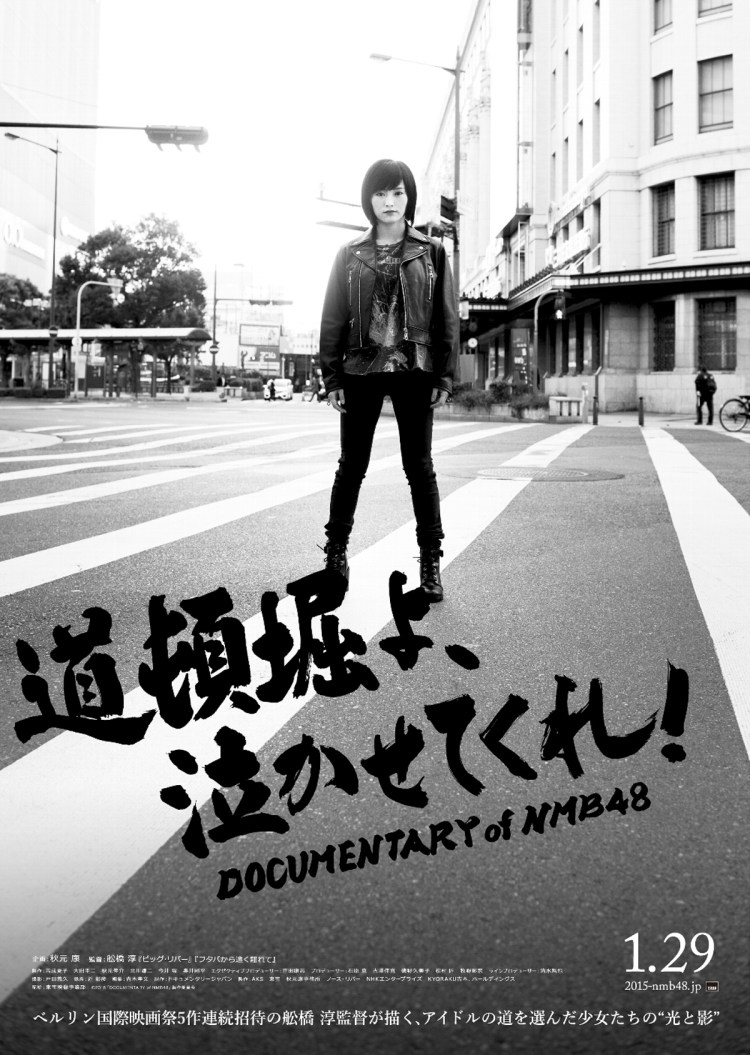 Director Atsushi Funahashi has hitherto been known for hard hitting fare such as the Fukushima documentary Nuclear Nation as well as narrative films including the heartrending Cold Bloom and cross cultural odyssey Big River. Consequently he steps into the slowly growing genre of idol documentaries from the refreshing position of a total novice. Adopting an objective viewpoint, Funahashi rigourously dissects this complicated phenomenon whilst taking care never to misrepresent the girls, their dreams, or their devoted fanbase.
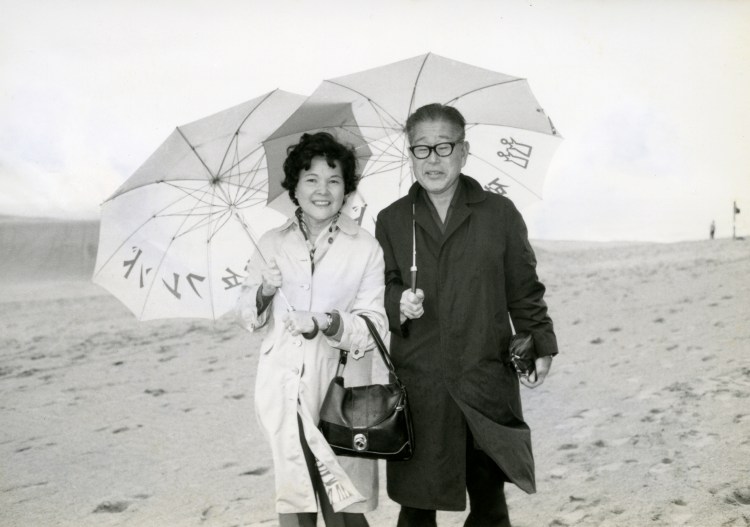 Shot over six years, 95 and 6 to Go begins with a stalled fim project and some unexpected grandfatherly advice but eventually develops into a moving meditation on life, love, loss, and endurance.
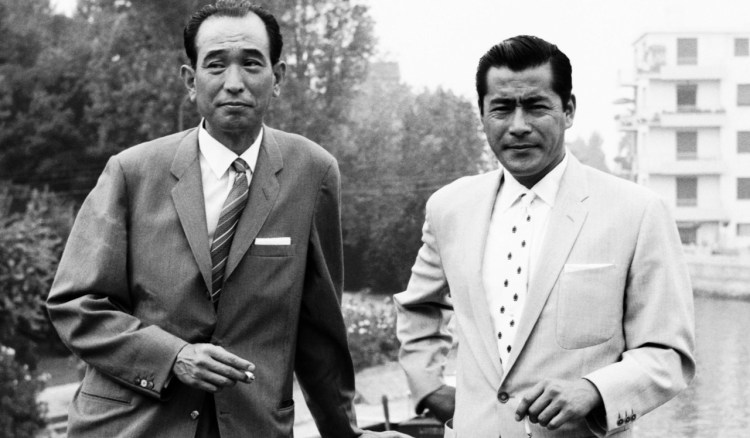 Previously screened at the BFI London Film Festival, Steven Okazaki’s documentary Mifune: The Last Samurai focuses firmly on Mifune’s place within the history of samurai cinema through exploring not only his life but also the early history of “chanbara” movies and the genre’s later echoes in American cinema as related by talking heads including Steven Spielberg and Martin Scorsese.
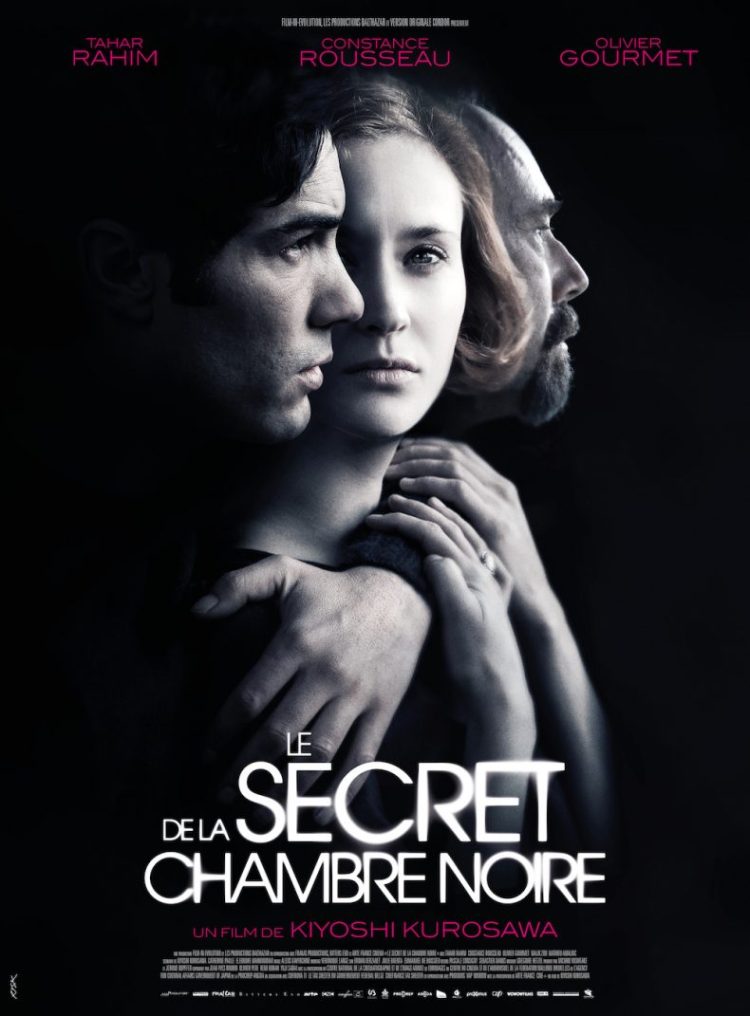 Back in 2012, Kiyoshi Kurosawa planned his first international movie, 1905, which would have featured 90% Chinese dialogue and was set to shoot in Taiwan with stars Tony Leung Chiu-Wai, Shota Matsuda and Atsuko Maeda. Sadly, political concerns of the day put paid to 1905, and so Daguerrotype marks Kurosawa’s first foray into non-Japanese language cinema. Starring one of France’s most interesting young actors in Tahar Rahim, this French language gothic ghost story takes the director back to his eerie days of psychological horror.
 Masahiro Motoki makes a welcome return to leading man status as a self-centered B-list celebrity and former author who finds himself largely unmoved after his wife is killed in an accident but later bonds with the bereaved children of her best friend who died alongside her.
 You can check out our
  Beyond nihilism, Destruction Babies paints a bleak prognosis for the youth of Japan who live without hope, disconnected from reality, and know only the sensation of violence. You can check out our review of the film
 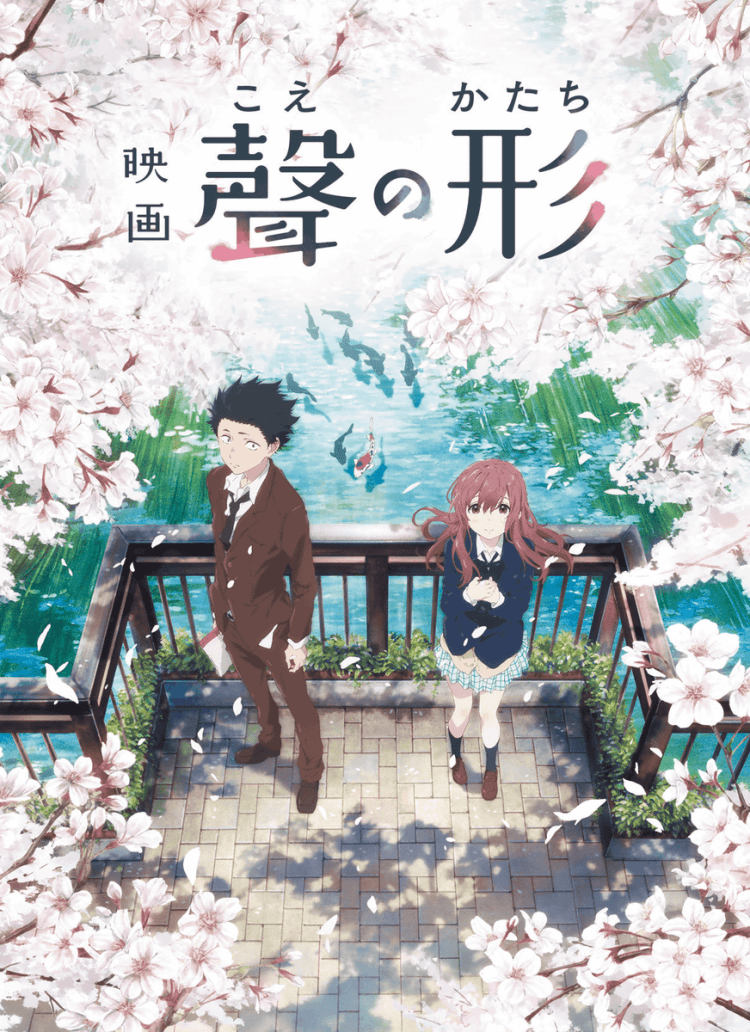 Distributed in the UK by Anime Limited, this alternately heartrending and heartwarming drama examines the effects of social stigma, disibility, and the legacy of cruelty as its perfectly matched central pair confront the ghosts of their respective pasts and futures. You can check out our review from the Japan Foundation Touring Film Programme over
 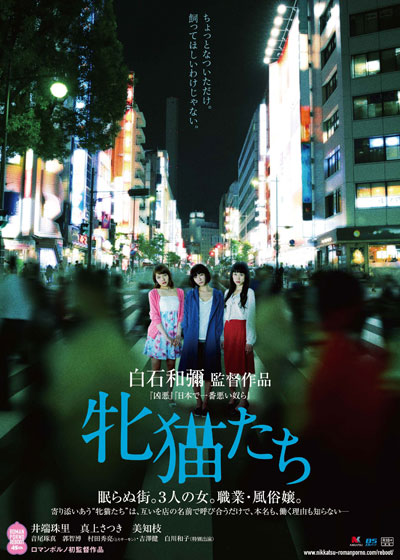 From the director of Twisted Justice and Devil’s Path, Dawn of the Felines follows the adventures of three prostitutes in Tokyo’s red light district.
 Shiota’s film follows a former playwright who tries to get out of town for some peace and quiet but runs into a nymphomaniac waitress instead. Oh well, a change is as good as a rest?
 Since ancient times drama has had a preoccupation with motherhood and a need to point fingers at those who aren’t measuring up to social expectation. E Oni’s Missing plays out like a Caucasian Chalk Circle for our times as a privileged woman finds herself in difficult circumstances only to have her precious daughter swept away from her just as it looked as if she would be lost through a series of social disadvantages. Missing is partly a story of motherhood, but also of women and the various ways they find themselves consistently misused, disbelieved, and betrayed. The two women at the centre of the storm, desperate mother Ji-sun (Uhm Ji-won) and her mysterious Chinese nanny Han-mae (Gong Hyo-jin) are both in their own ways tragic figures caught in one frantic moment as a choice is made on each of their behalves which will have terrible, unforeseen and irreversible consequences.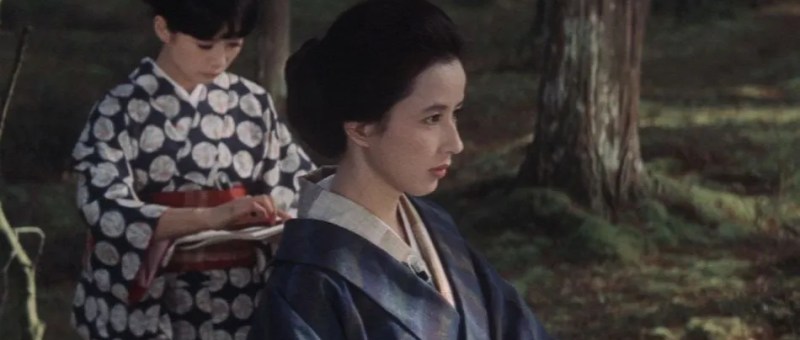

 The 4K restoration of Juzo Itami’s classic ramen western Tampopo is released on blu-ray in the UK on 1st May 2017 courtesy of The Criterion Collection but there will also be a one off chance to see the movie on the big screen at Picturehouse Central.
 Masahiro Shinoda’s first film for Shochiku,
  Although Masahiro Shinoda has long been admitted into the pantheon of Japanese New Wave masters, he is mostly remembered only for his 1969 adaptation of a Chikamatsu play, Double Suicide. Less overtly political than many of his contemporaries during the heady years of protest and rebellion, Shinoda was a consummate stylist whose films aimed to dazzle with visual flair or often to deliberately disorientate with their worlds of constant uncertainty. Like so many of the directors who would go on to form what would retrospectively become known as the Japanese New Wave, Shinoda also started out as a junior AD, in this case at Shochiku where he felt himself stifled by the studio’s famously safe, inoffensive approach to filmmaking.
 The premier European showcase for East Asian cinema,
  The festival will open with the latest film from Shinobu Yaguchi (
 Take a look at Andy in action in the official trailer (English subtitles)
 Starring Fang Bingbing, this story of a small town woman taking on the Chinese legal system after her husband falsely accuses her of having an affair has been picking up awards all along the international festival trail.
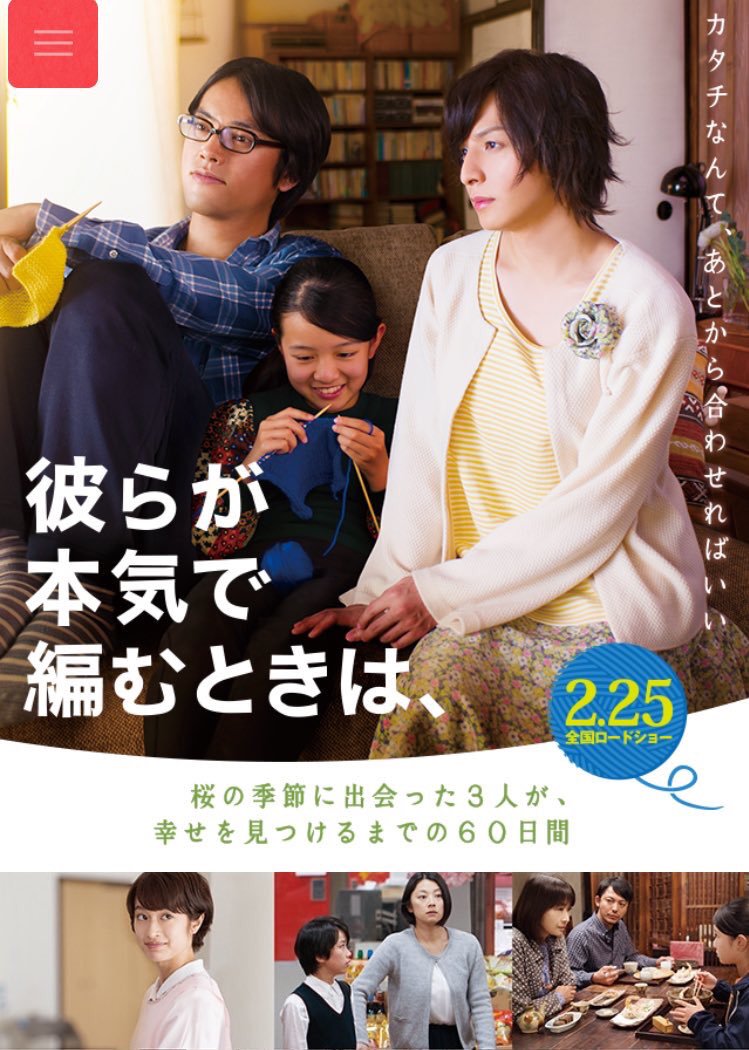 A heartwarming tale of a little girl who takes refuge at the home of her uncle and his transgender girlfriend, Close-Knit marks a welcome return to the warm and quirky Ogigami world.
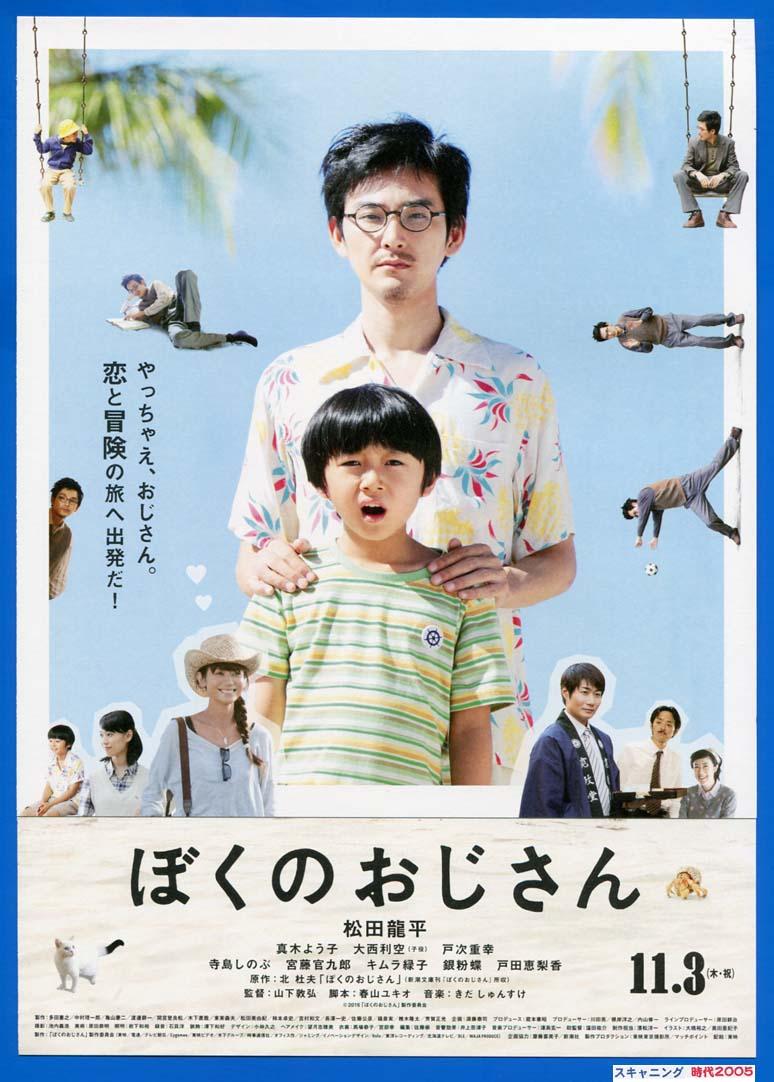 My Uncle (ぼくのおじさん, Boku no Ojisan) stars Ryuhei Matsuda as an eccentric philosophy lecturer who leeches off his nephew’s family until he unexpectedly meets a woman, falls in love, and follows her to Hawaii!
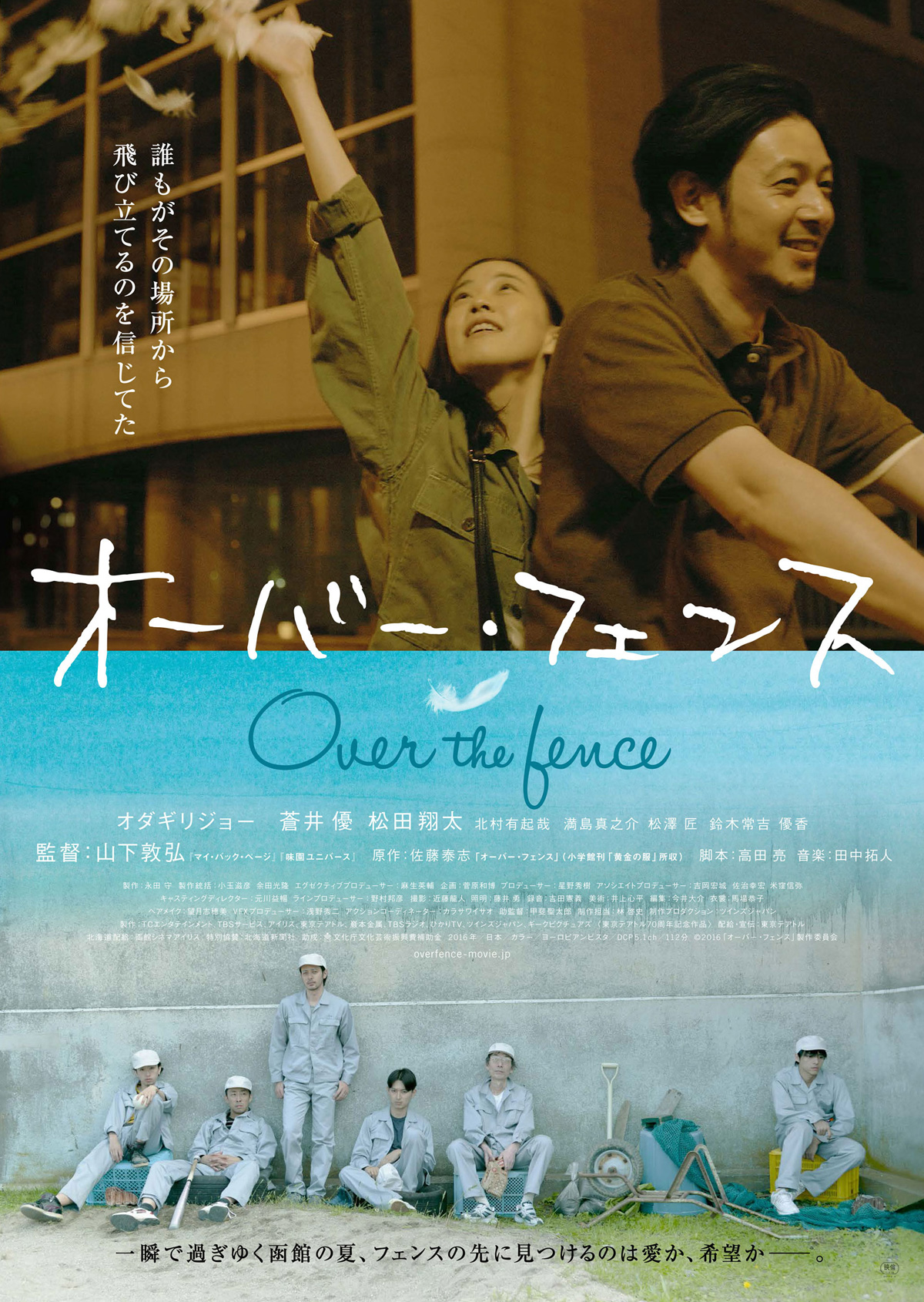 Among Yamashita’s more serious films, Over the Fence stars Joe Odagiri as a broken hearted young man who returns to his hometown after his wife leaves him.
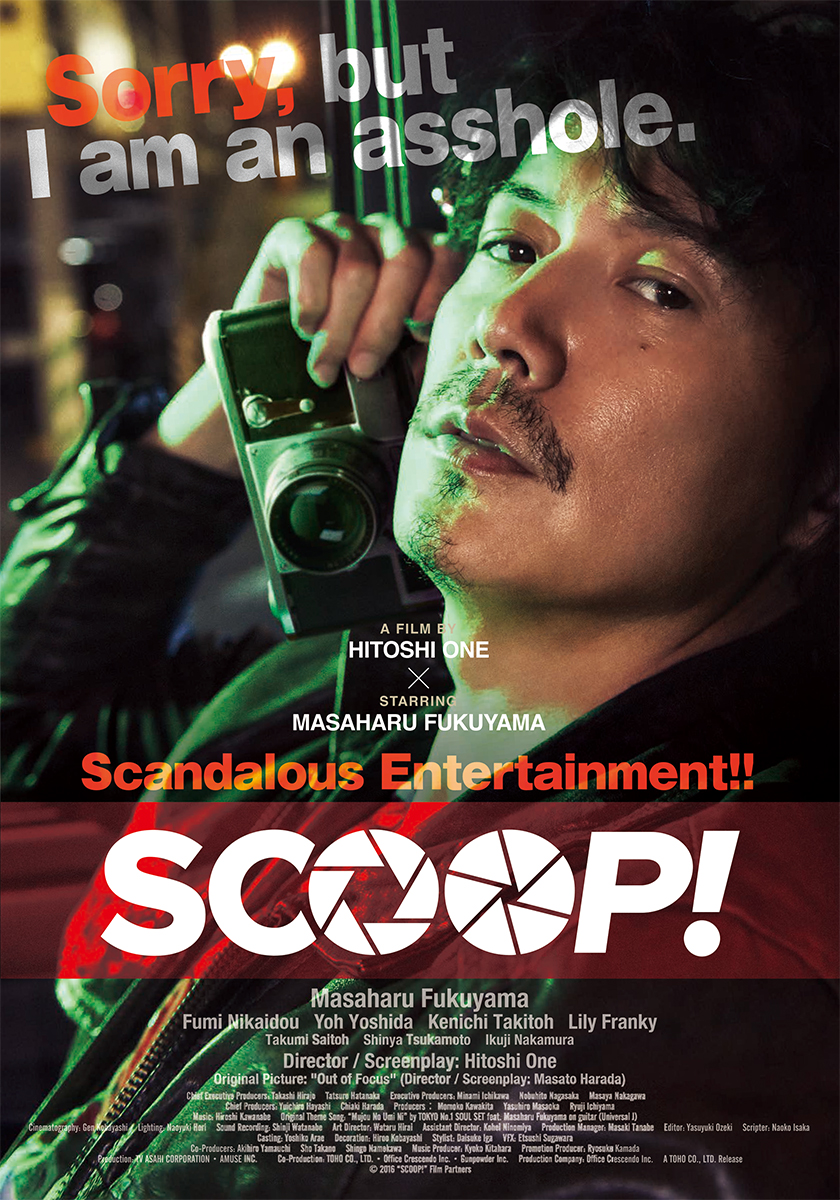 Loosely based on a 1985 film by Masato Harada, Scoop! Stars Masaharu Fukuyama as an amoral paparazzo.
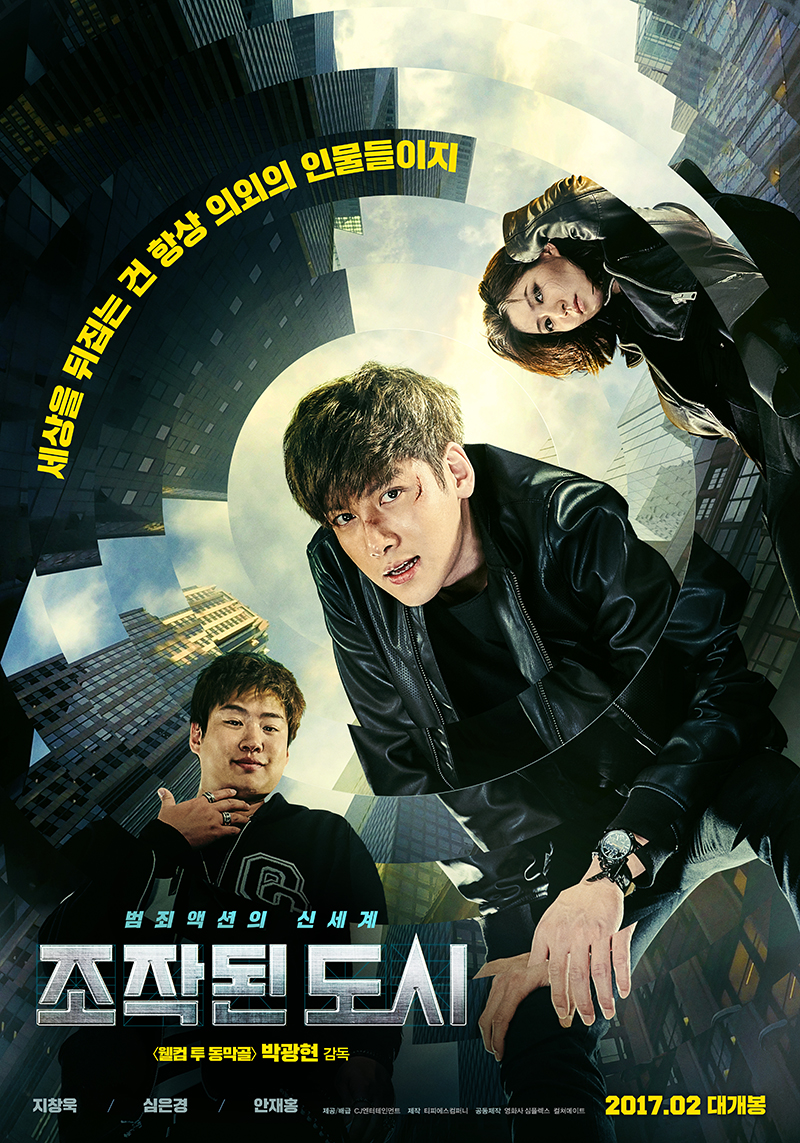 Ji Chang-wook plays a top gamer who suddenly finds himself trapped in a real world conspiracy when he is framed for a shocking crime.
 This mystery/thriller stars Kim Yunjin as a former housewife released from prison 25 years after her husband and son disappeared leaving her accused of a crime.
 There will also be a small strand of recent Chinese indie including Knife in the Clear Water (清水里的刀子) which we
  Windows on Worlds