461 Days of Bento: A Promise Between Father and Son (461個のおべんとう, Atsushi Kaneshige, 2020)

“This is a story about my lunch every day. Nothing more, nothing less” the hero of Atsushi Kaneshige’s slice of comfort cinema, 461 Days of Bento: A Promise Between Father and Son (461個のおべんとう, 461ko no Obento), claims though it is of course something more than that. Based on an essay by musician Toshimi Watanabe who himself starred in Dad’s Lunch Box, Kaneshige’s gentle drama is another in the recent series inspired by the “papaben” phenomenon of fathers suddenly taking an interest in domestic matters by preparing tasty, nutritious and elegantly prepared packed lunches for their school-aged children. 

Obviously inspired by Watanabe’s real life, 461 Bento opens with cheerful home video footage of the early years of hero Kouki (Shunsuke Michieda) before shifting darker as the relationship between his parents begins to sour eventually ending in divorce. Kouki is given a choice whether to live with mum or dad, remaining behind in the family home with musician Kazuki (Yoshihiko Inohara) while his mum Shuko (Emi Kurara) moves out taking the tree they planted together with her. With the stress of the divorce, young Kouki ends up failing his high school entrance exams and is set back a year, eventually getting in the following spring. Hoping to encourage him, Kazuki offers to make a bento lunch every day for the next three years on the condition that Kouki pledges to not to skip school. 

In true papaben tradition, Kazuki ends up getting far too into the art of bento filling the kitchen with new gadgets while sometimes coming into conflict with his bandmates through investing all of his creative energies in innovative lunch recipes. Yet Kouki isn’t quite convinced by his father’s newfound passion, assuming it’s merely a new hobby he’ll soon get tired of rather than something he’s actively doing out of love for his son. Consequently, he’s originally a little embarrassed when his classmates appear unduly impressed by the quality of his dad’s work though it later helps him make a few friends which had otherwise been a little difficult seeing as he is a year older than everyone else. 

Being a year older continually weighs on Kouki’s mind, adding to the already onerous pressures of high school life his sense of anxiety intensifying as graduation nears. He complains he feels creepy hanging out with younger kids, and insists he can’t afford to fail and risk being held back again even older than everyone else at the beginning of college. Meanwhile he’s lowkey resentful towards his father blaming him for the end of his parents’ marriage while also seemingly ambivalent towards his mother for giving him the choice of where to live unfairly blaming her for leaving him even though it was his own choice to stay with his father. He rebels passive aggressively against his parents’ gentle support as they refuse to pressure him insisting he be free to do and be what he wants, while floundering in confusion over the next steps in his life. 

Kazuki is fond of telling him that everything will work out in the end, life’s not a race after all, only for Kouki to fire back that everything always works out for him because he just does whatever he wants and forces everyone else to go along with it which is why his mum left. Harsh words, but not without truth as new girlfriend Maka (Junko Abe) expresses something similar confessing that being with Kazuki makes her feel lonely and as he lives so defiantly in the moment it’s difficult to believe in the future of their relationship. Kouki cruelly tells Shuko he can choose a father for himself suggesting he might move in with his mother and her new boyfriend, but contrary to expectation Kazuki is serious about fatherhood giving his son the space for his adolescent angst while trying to be quietly supportive through his bento endeavours. 

The papaben phenomenon may be in itself a little sexist in exoticising a perfectly ordinary task just because it’s being done by a man thereby ironically reinforcing the idea that children’s lunches are a woman’s responsibility, but it does undoubtedly broker a reconciliation between father and son as the young Kouki begins to come to an understanding of his father’s love for him, overcoming the trauma of his parents’ divorce and gaining the courage to step forward into an independent future. A heartwarming coming-of-age tale, 461 Bento is about more than a boy’s lunch but also of the quiet power of unconditional love as mediated through the most ordinary act of care.


461 Days of Bento: A Promise Between Father and Son screened as part of this year’s Camera Japan

Original trailer (no subtitles)

Madame X (Lucky Kuswandi, 2010)

“With the force of rainbows I will punish you all” transgender superhero Madame X exclaims as she takes on bigotry and self-interest to fight for human rights in a largely oppressive social culture. Despite emerging from long years of authoritarian military dictatorship in 1998, Indonesia’s LBGTQ+ community finds itself in a marginalised position with homosexuality still taboo and illegal under religious law in certain parts of the country. Lucky Kuswandi’s high camp, pure punk tale of a transwoman embracing her inner power to claim her place in society while standing up against intolerance is a bold advocation for a more compassionate world but also a whole lot of anarchic fun. 

It’s transgender hairdresser Adam’s (Amink) birthday and unbeknownst to her, her life is about to change. A mysterious client arriving at the salon warns her that she shouldn’t go dancing because there’s a kind of dance so dangerous it might end her life. Adam ignores her and goes anyway but is set up by her awful boyfriend and captured by anti-gay vigilante group Bogem who bundle all the transwomen in the place into their pickup truck for “recycling”. During the journey, Adam’s best friend Aline (Joko Anwar) is killed by Bogem leader Storm who turns out to be the head of the National Morality Front, a political party denying any ties to far right violence. Taken in by an LGBTQ+ friendly Lenggok dance studio in the dreamily named village Beyond the Clouds, Adam struggles to rebuild her life but receives a new mission when Aline appears to her in angelic form and demands vengeance. 

“There’s no place for us in the real world” Adam explains at the bar when a potential client asks what a nice girl like her is doing in a place like this, telling him that there are no “normal” jobs for women like her and so she has no other option than to make ends meet through sex work. Bogem refers to the transwomen as “trash”, as if they’re cleaning up the city while touting magnanimity in their intention to “recycle” them so they can be returned to mainstream society as “normal” men. Despite having three wives, their identities hidden by their colour-coded burkas, Storm preaches old fashioned family values but later is revealed to have ties to human trafficking mediated through Tarjo (Ikhsan Himawan), a local man continually dressed like a religious leader who himself is hiding an aspect of his sexuality from his sweet and innocent fiancée Ratih (Saira Jihan) whom he has convinced to give up her career as a lenggok dancer to become a “migrant worker”.

Lenggok, a traditional Indonesian dance, turns out to be the one that the mysterious woman said would end Adam’s life which is one reason she was reluctant to take it up, but only because the way former military instructor Uncle Radi (Robby Tumewu) is teaching it is really a martial art. Radi is himself in a happy longterm relationship with trans woman Auntie Yantje (Ria Irawan) who now uses a wheelchair because the strain of living has taken such a profound toll on her health as she and Radi attempted to stand up to injustice. With the help of mute servant Din (Vincent Ryan Rompies), they’ve built a secret base behind their bedroom filled with amazing gadgets made out of cosmetics and accessories, as well as a beautifully designed superhero suit just waiting for a hero. Adam can only embrace her destiny as Madame X by first accepting her national legacy in Lenggok dance, along with her identity as a transwoman and the trauma of her first love. 

Told in flashback, the melancholy story of Adam and Harun becomes a point origin in the tragedy of love destroyed by oppressive patriarchal authority. “You’re the one ruining my son” Harun’s father claims before literally scarring his own boy and leaving him with an internalised homophobia which encourages him to blame Adam for arousing in him such taboo desires. Yet Adam fights back with the tools used against her, vanquishing her foes with the power of the rainbow. Rich with pop culture references from the Bond-esque opening titles to a Sailor Moon meets Wonder Woman transformation scene imbued with its own particular irony, Madame X is an anarchic tale of high camp hijinks but also a heartfelt origin story for a transgender superwoman claiming her space and standing up for the oppressed in an increasingly hostile environment.  


Madame X screened as part of this year’s Queer East.

Original trailer (no subtitles)
Taiwan Film Festival Edinburgh Announces Lineup for 2021 Hybrid Edition

Following last year’s inaugural online edition, the Taiwan Film Festival Edinburgh returns for 2021 in a hybrid format featuring a few in-person screenings as well as an extensive online programme running entirely for free in the UK from 25th to 31st October.

IN-PERSON SCREENINGS in Glasgow and Edinburgh

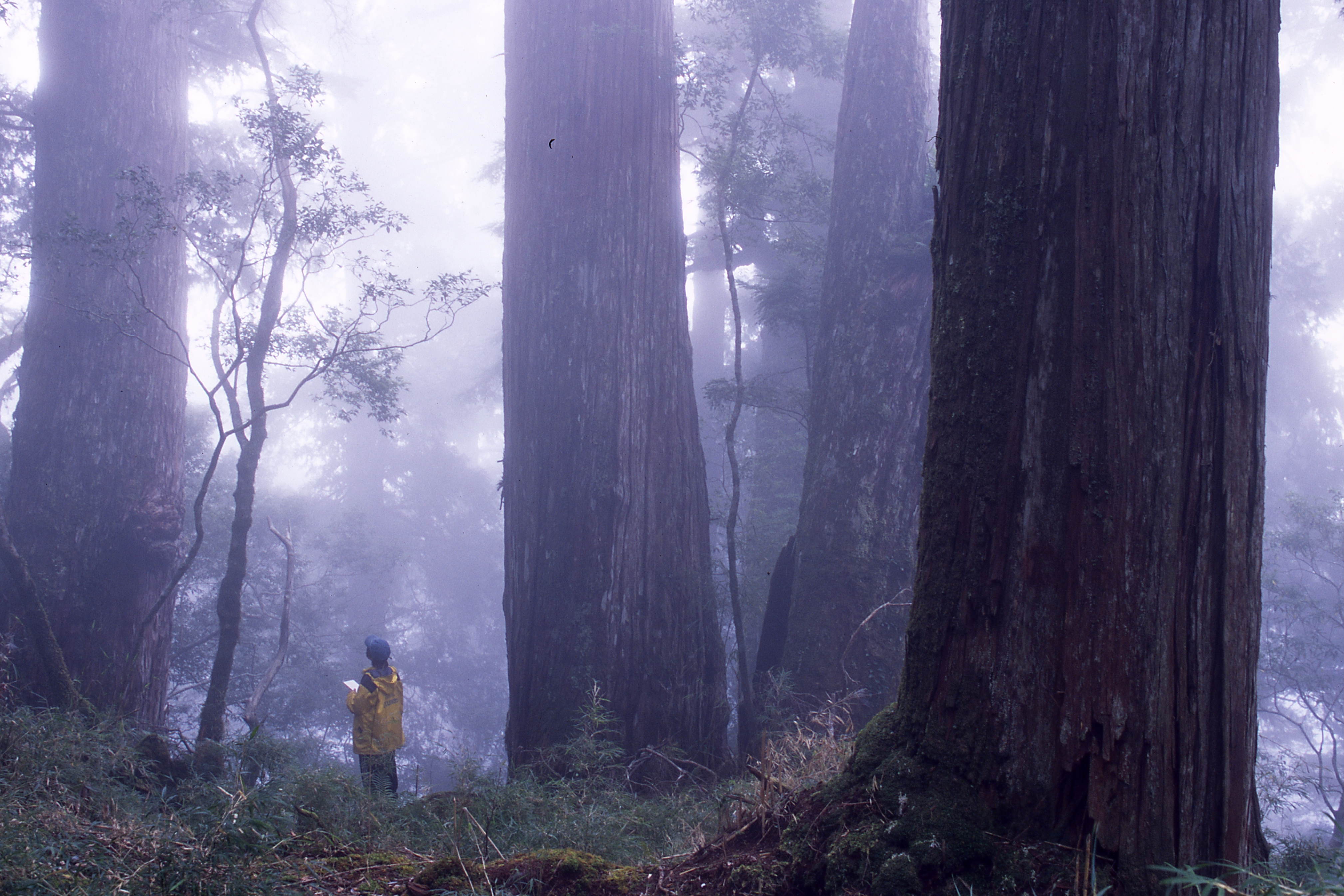
Sacred Forest 神殿| Ke Chin-Yuan| 2019 | 60 mins

In-person screening on 25 October at Glasgow Film Theatre; tickets on sale soon.

Ecological documentary exploring Taiwan’s unique ecosystem from the point of view of six different groups each with different interests and specialities as they explore the majesty of the forest.

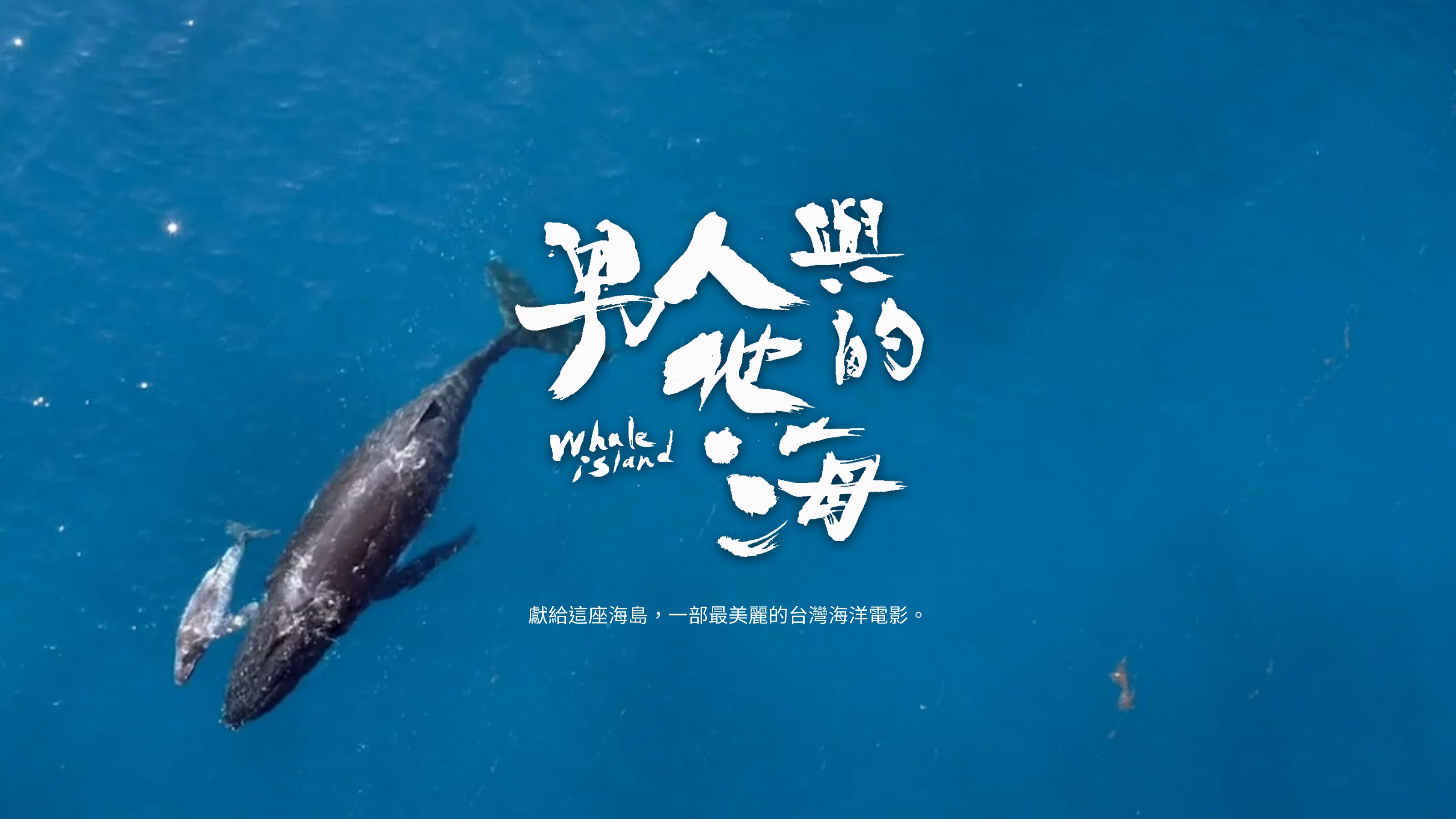
Whale Island 男人與他的海 | Huang Chia-Chun| 2020 | 108 mins | UK Premiere

In-person screening on 30 October at Glasgow Film Theatre; tickets on sale soon.

Capturing the power and mystery of the sea, Huang’s beautifully shot nature doc contemplates Taiwan’s relationship with the oceans which surround it. Review.

Sounds in Silence double bill at 6.30pm on 27 October in Summerhall, Edinburgh; also online 28-31 Oct on Festival website.

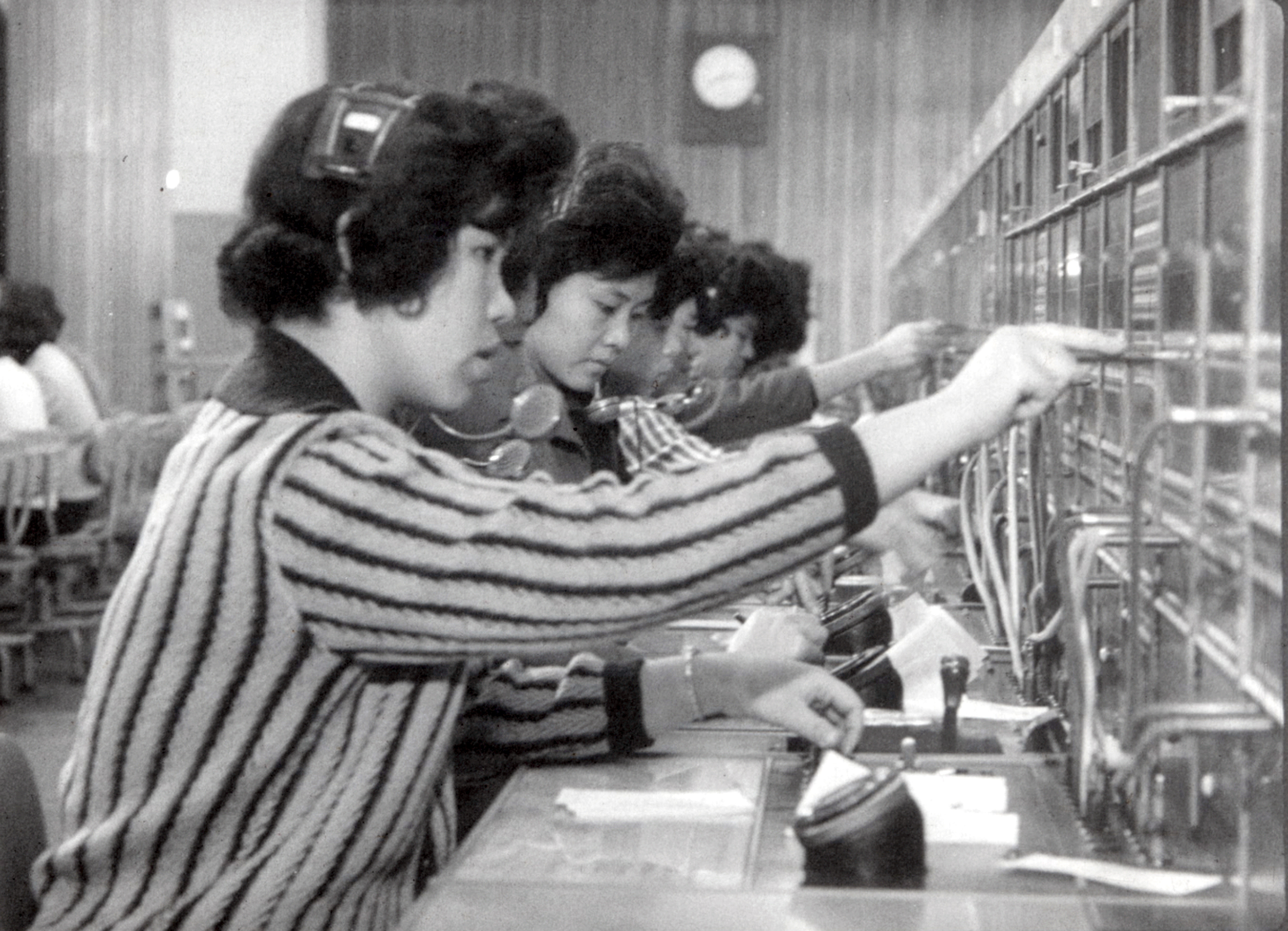
A Morning in Taipei 臺北之晨 | Pai Jing-jui | 1964 | 20 mins | UK Premiere

1964 documentary short capturing a newly industrious Taipei in which a variety of individuals go about their regular morning routines.

Deng Nan-guang’s 8mm Movies 鄧南光8mm家庭電影| Deng Nan-guang| 1935-1941| 57 mins| UK Premiere

A collection of home video-style recordings captured between 1935 and 1941 and bearing witness to an overlooked era of Japanese occupation in the shadow of the second world war.

DIGITAL SCREENINGS on the Festival website between 25 and 31 October 

The Best Secret Agent 天字第一號 | Chang Ying | 1964 | 102 mins

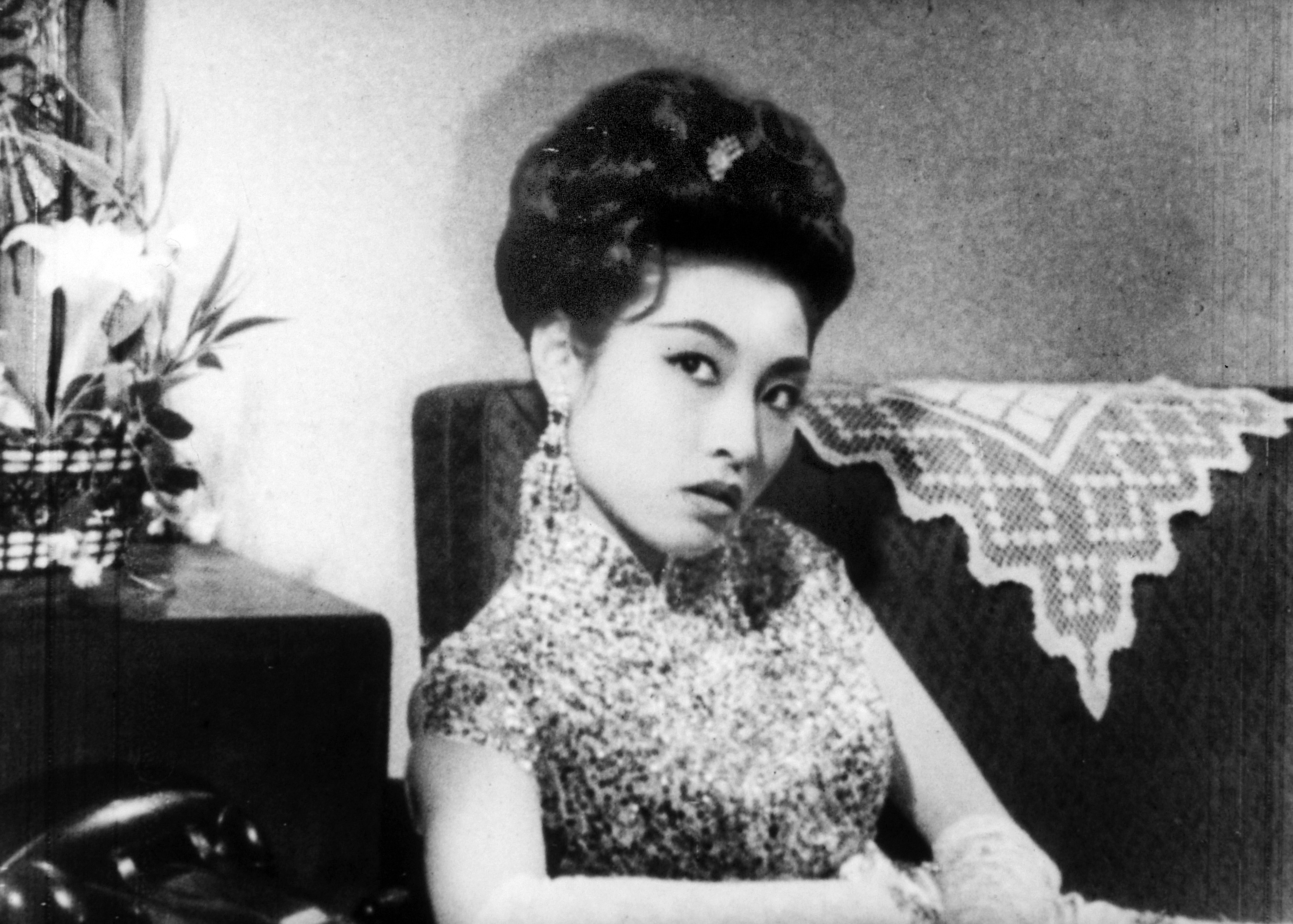
Taiwanese-language remake of a popular film from 1945 in which a young woman flees the Japanese occupation with her father and falls in love with a kind and idealistic young man. When her father is killed in an airstrike, she realises she must give up on romance in order to avenge his death by becoming a master spy!

Foolish Bride, Naive Bridegroom 三八新娘憨子婿| Hsin Chi | 1967 | 101 mins

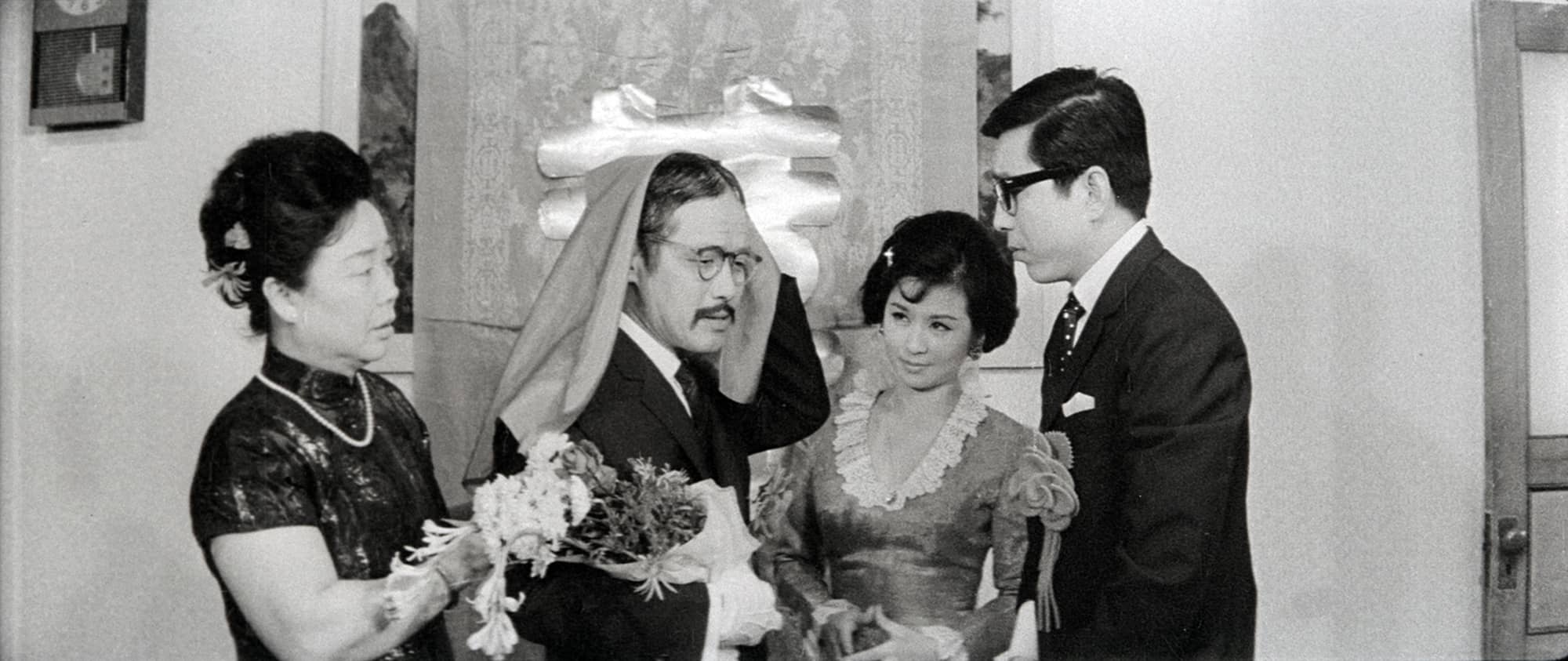
A naive young couple’s desire to marry is frustrated by the revelation their parents were once lovers in Hsin’s delightful screwball rom-com. Review.

Dangerous Youth 危險的青春 | Hsin Chi | 1969 | 95 mins

A recently dumped delivery driver becomes fond of a waitress and tries to get her another job after meeting a guy who runs a cabaret bar but the job turns out to be as an escort to an elderly millionaire.

The Homecoming Pilgrimage of Dajia Mazu  大甲媽祖回娘家| Huang Chun-ming | 1975 | 27 mins | UK Premiere

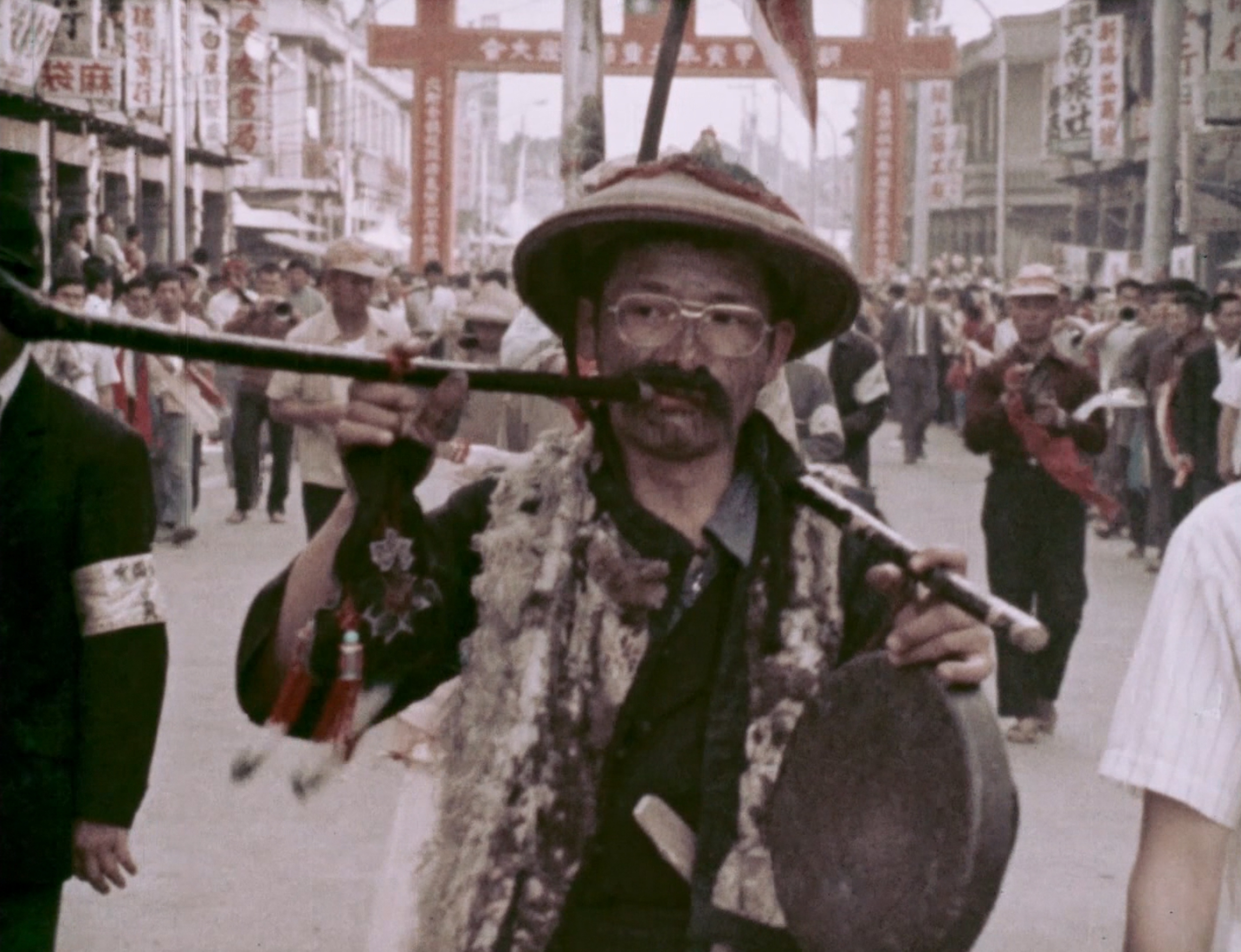
Documentary capture of the annual Taoist celebration of the Dajia Mazu Pilgrimage from 1974. This recently restored edition features the original language track in Taiwanese Hokkien once banned under the KMT’s Mandarin-only policy.

Taipei Story 青梅竹馬 | Edward Yang | 1985 | 115 mins

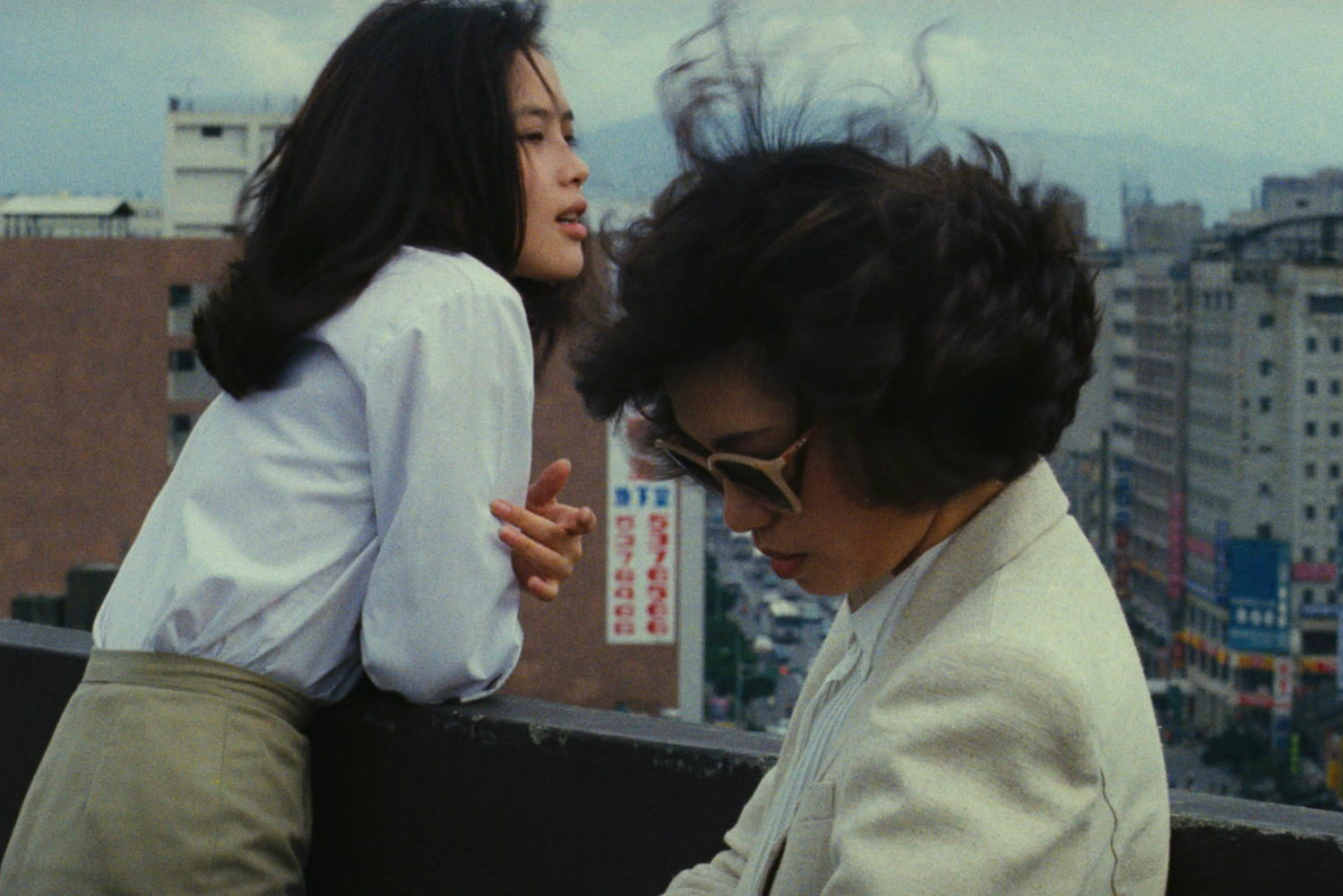
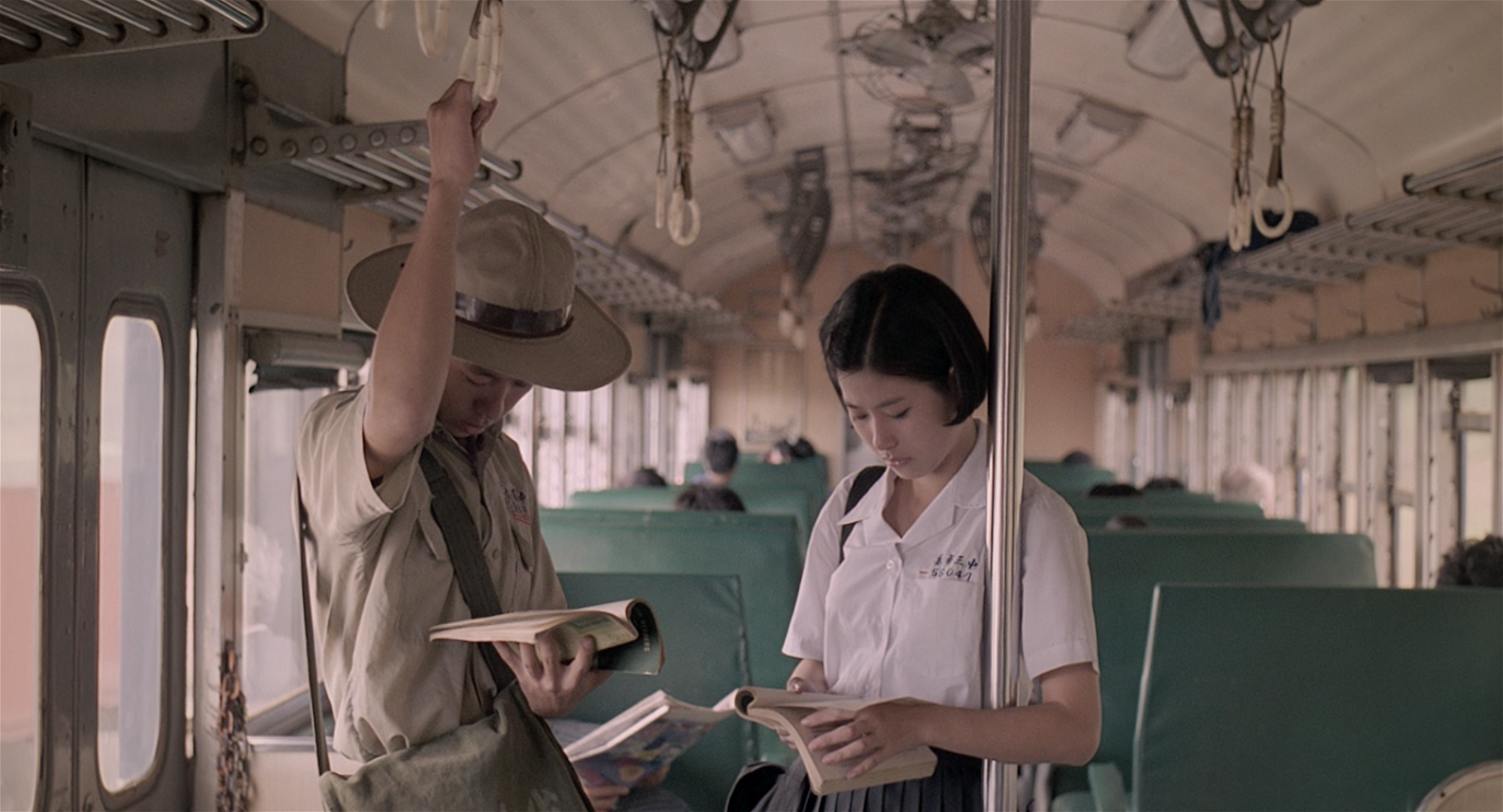
Edward Yang’s landmark 1985 drama in which an independent, financially secure woman is determined to move forward while her boyfriend (played by film director Hou Hsiao-Hsien) remains trapped in the past.

Dust in the Wind 戀戀風塵 | Hou Hsiao-Hsien | 1986 | 109 mins

A young couple from a rural village travel to Taipei hoping to make enough money to marry, but their dreams of romance are crushed when the boy is drafted into the Republic of China Army.

Peony Birds 牡丹鳥 | Huang Yu-shan| 1990 | 107 mins | UK Premiere

Melodrama exploring the troubled relationship of a mother and daughter bound by mutual resentment. A Q&A session with director Huang Yu-shan will also be available via the streaming platform.

Hill of no Return 無言的山丘 | Wang Tung | 1992 | 175 mins

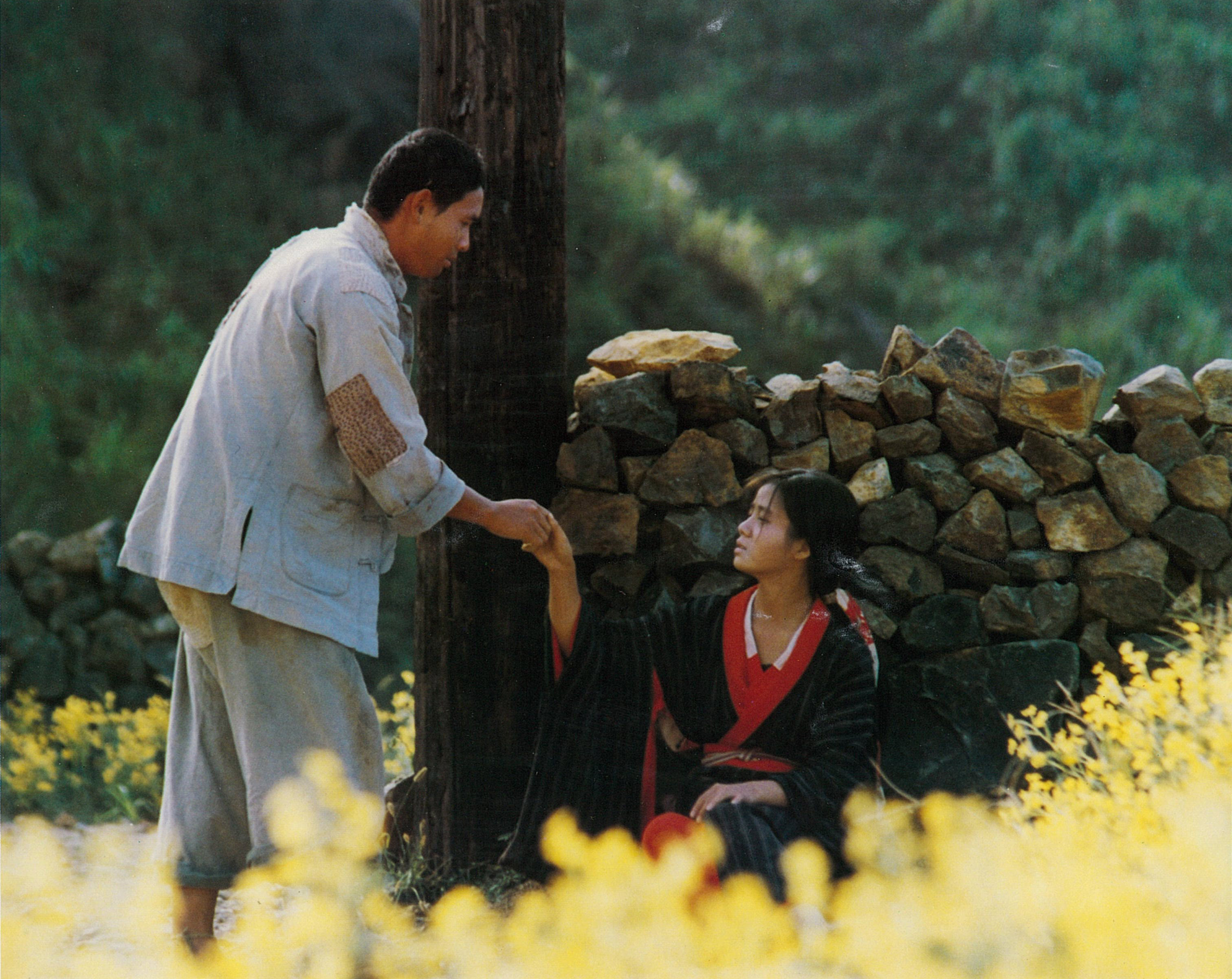
Two brothers leave home after the deaths of their parents to work at a Japanese-run goldmine in 1927 but rather than the riches they dreamed of find only exploitation and disappointment. A Q&A session with director Wang Tung will also be available via the streaming platform.

The Personals 徵婚啓事 | Chen Kuo-Fu | 1998 | 105 mins

A heartbroken eye doctor quits her job at a hospital and plans to get married, placing a personal ad to find the perfect partner in this humorous exploration of the ’90s Taipei dating scene.

Splendid Float 豔光四射歌舞團 | Zero Chou | 2004 | 73 mins

A Taoist priest with a sideline as a drag artist falls for someone who later disappears without saying goodbye leaving him wondering if something terrible may have occurred.

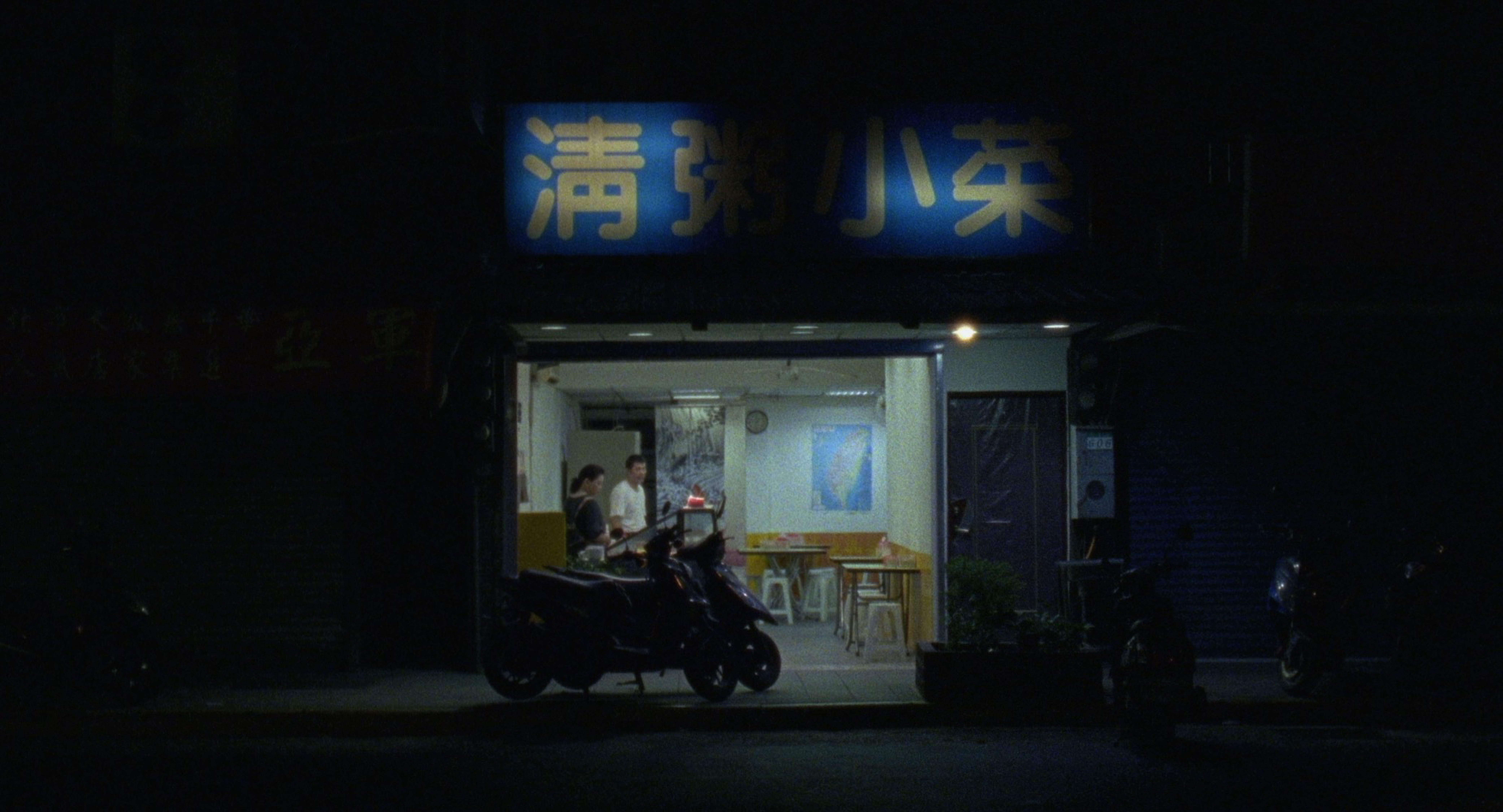
Closing Time 打烊時刻 | Nicole Vogele | 2018 | 116 mins

Documentary from Swiss filmmaker Nicole Vogele following the city’s nighttime economy from the vantage point of an ageing couple’s late night eatery.

Taiwan Film Festival Edinburgh takes place online and in-person 25th to 31st October, 2021. All films stream for free in the UK via the official platform though ticket numbers are limited and early booking is advised. Full details are available via the official website and you can also keep up with all the latest details by following the festival on FacebookTwitter, Instagram, and YouTube.

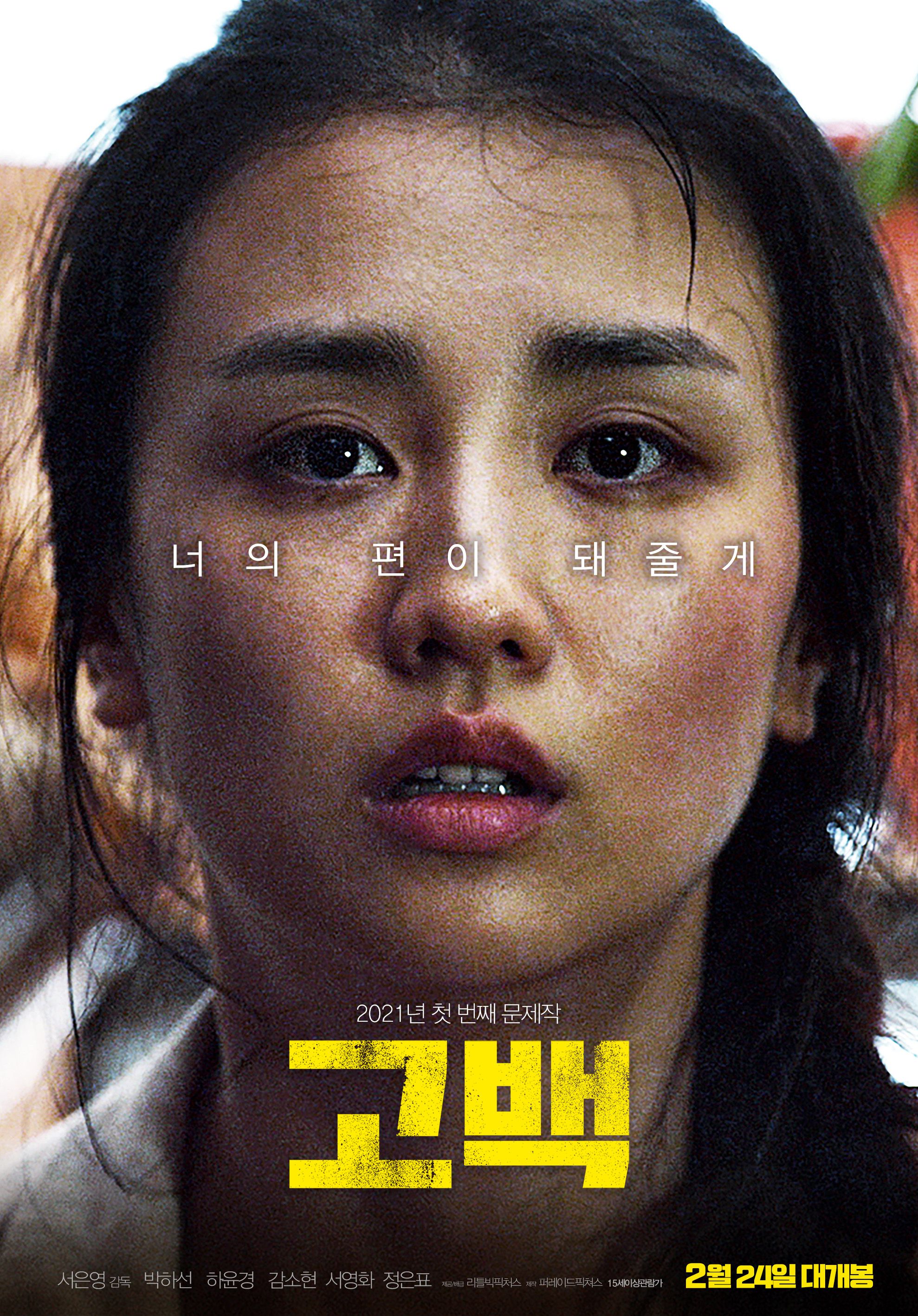
Go Back (고백, Seo Eun-young, 2020)

“I guess bruises disappear because they sink deep inside of you” a traumatised woman explains in Seo Eun-young’s emotionally complex social drama, Go Back (고백, Gobaek). Literally translating as “confession” the film’s title hints at a neater conclusion than is ultimately offered in this complicated web of trauma, abuse, and patriarchal violence. While perhaps making an awkward defence of law enforcement through its idealistic if sometimes authoritarian heroine, Seo never shies away from suggesting that women suffer disproportionately in a society which often refuses to take their safety seriously. 

This message is brought home in the opening sequence in which rookie policewoman Ji-won (Ha Yoon-kyung) is out jogging while a news item plays on a large screen reporting on the investigation into the murder of a female tourist which the police have apparently bungled. Shortly after she runs into another woman who seems troubled with stains around the rolled sleeves of her shirt which look like they could be blood. The woman recognises Ji-won as a policewoman, though she can’t remember having met her before, but refuses her offer of help before leaving with a little girl. When a ransom note is sent to the media asking everyone in the country to donate a token amount of money to save a kidnapped child, Ji-won can’t shake the idea that the woman is somehow involved. 

The woman, O-sun (Park Ha-sun), is a social worker at a nearby welfare centre where she has acquired a reputation for being somewhat volatile, on one occasion having been arrested for grabbing the father of one her clients around the neck. O-sun and her boss Mi-yeon (Seo Young-hwa) are worried that a local girl, Bo-ra (Gam So-Hyun), is being physically abused by her father who has an alcohol dependency problem but are apparently powerless to do much about it despite the fact that their apartment is filthy and Bo-ra often misses school. Their problem is that many people still believe that physical punishment is an appropriate method of discipline and so it’s easy for abusers to insist they have done nothing wrong even when it’s clear there is an abusive pattern of behaviour in play, while knocks and bruises are often written off as the result of horseplay. Even a doctor’s evidence is apparently not enough to have a child removed from an abusive environment, another client of theirs hospitalised and needing cranial surgery yet likely to be returned to his parents against medical advice insisting his injuries can only be the result of longterm abuse. 

This attitude contributes to a claim made by both Ji-won and O-sun that people are often too afraid to ask for help from the authorities, the tacit explanation being that they don’t believe the authorities can help them or may in fact make the situation worse. Ji-won’s theory is that victims don’t report crime because they fear reprisals from their aggressors, something later born out by her attempt to help a young woman after spotting a suspicious man lurking outside her house while off duty. Ji-won flashes her badge and scares him off, but the man comes back later and this time he doesn’t wait outside. The woman had been reluctant to accept her help fearful that just that sort of thing might happen if he saw her talking to the police. Meanwhile she finds herself subject to low level sexist micro aggressions at work where they make her the literal poster girl for community policing while refusing to let her go on night patrol. Like O-sun she’s accused of caring too much and failing to regulate her emotions, but is also patronised by a male detective pissed off after she solves cases he couldn’t be bothered to investigate properly seemingly wounding his male pride and undercutting his authority by overstepping her responsibility as a uniformed officer. 

Nevertheless, despite the incompetence and disinterest exhibited by her male colleagues, Ji-won’s shining idealism becomes an awkward defence of law enforcement which skews accidentally authoritarian in her fierce love of justice. Brought in to discuss policing as a career, she advises a class of primary school children to snitch on their friends if they spot them doing something “suspicious” like harming animals or starting fires which might seem fair enough but also insists that lack of eye contact indicates guilt which might further discourage shy or traumatised kids from asking for help. She criticises the male officers for being too concerned with punishing criminals and not enough with protecting the innocent, but also insists on retribution rather than appreciating that keeping people safe is a more complex matter than simply locking “bad people” away.

Acutely aware of the legacy of her own trauma, O-sun is desperate to save Bo-ra from the same fate but is at a loss as to how given the resources available to her under the law. Bo-ra meanwhile worries about all the other disadvantaged children and hopes someone’s going to do something to help them too. All is not quite as it seems, but Ji-won and O-sun ultimately discover a sense of solidarity in their mutual desire for equality in justice while uniting to protect Bo-ra from the legacy of trauma. Tightly plotted, Seo’s mystery drama casts a patriarchal and indifferent society as its primary villain but also makes heroes of those who try, however imperfectly, to help those who need it no matter what society might say.


Go Back screens in Chicago on Sept. 24 as part of the 13th season of Asian Pop-Up Cinema 

International trailer (English subtitles)
Secrets of 1979 (弓蕉園的秘密, Zero Chou, 2021)

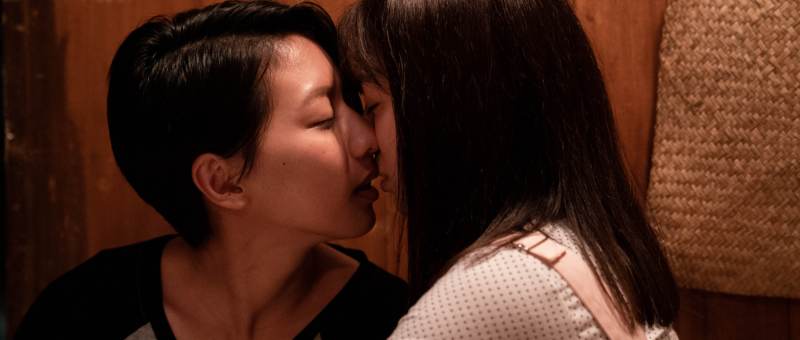
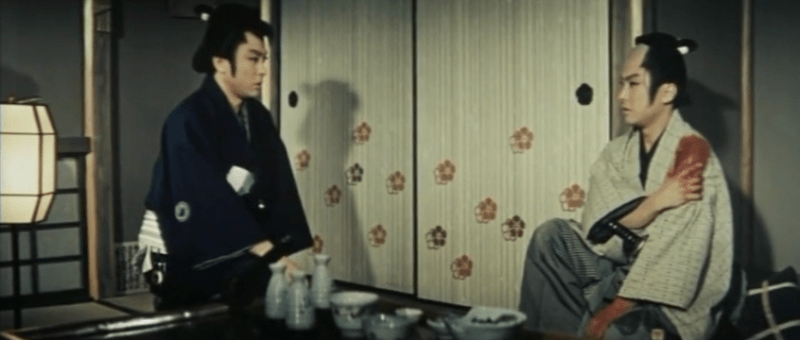
Love is a political act in the latest film from Zero Chou, Secrets of 1979 (弓蕉園的秘密, Gōng Jiāo Yuán de Mìmì). As history repeats itself, a now ageing woman is called back to the past on witnessing the Hong Kong democracy protests triggering memories of the Kaohsiung Incident and her youth fighting for political freedom in martial law Taiwan. Chou’s betrayed heroine dreams of a future in which all voices can be heard and all loves embraced, a future that in some senses may have come to pass, yet tragically too late for some forced to believe that their love must forever remain a secret. 

Malaysian student Shu-lan (Daphne Low) falls for Kuan (Chen Yu), the daughter of a banana plantation owner majoring in art as part of a teacher training programme. The pair draw closer while sharing a room, and a bed though partly because those two things are mainly the same, over the summer while Shu-lan takes a job at the farm but their innocent romance is soon overshadowed by the revelation that Kuan’s brother Siu (Hsu Yu-ting) has become involved with the movement against martial law producing a magazine critical of the government. Though they could never know it, their love will lie at the centre of a political divide, cruelly used against them even while they commit themselves to the battle for freedom and human rights. 

Soon after the film opens, a young man walks into Shu-lan’s classroom with application forms to join the nationalist governing party of the martial law one party state, the KMT. The idea does not seem popular among the students, but some are interested if treating it with a degree of irony explaining that they’d only be joining to take advantage of the generous perks which include free travel back to your hometown to vote and access to scholarships, or else because it may be advantageous in their future careers. Shu-lan is fiercely disinterested and attempts to politely decline, but the recruiter, Chih-hsiang (Sean Sun), has an obvious crush on her and won’t take no for an answer thrusting a form into her hand to think about later while lowkey resentful as she distances herself from him to leave with Kuan. 

Kuan, meanwhile, has just been subjected to an unpleasant grilling in her art class when she tried to stand up for a painter rumoured to be gay provoking a homophobic rant from several of her classmates who then openly mock her for being a lesbian. Perhaps surprisingly the rumour of homosexuality does not cause either of the girls particular problems with the authorities or their fellow students save for further irritating the extremely creepy, generally evil, and cruelly manipulative fascist Chih-hsiang who views it as merely another bargaining chip in his pointless quest to convince Shu-lan who has no interest in men (or members of the KMT) to go out with him. The problems that Shu-lan faces which are partly set up by Chih-hsiang so he can save her from them, are largely to do with her status as a foreign national and involvement with politics accused of collaborating with communists for listening to Chinese folk songs sent by her teacher in Malaysia. 

These are all reasons, along with her treatment at the hands of the authorities, that eventually convince her she must renounce her love for Kuan in order to keep her safe in fear that she too will be implicated as a politically suspicious person. Prior to that, she’d been learning Taiwanese and hoped to stay living on the banana farm with Kuan whose family seem relatively relaxed about the relationship, only for their love to be stamped out by oppressive authoritarianism and the machinations of a petty and jealous man. The bookending sequences set in the present day and featuring a Kuan who seems much older than a woman who’d only be in her mid-60s remind us that though Taiwan may have become a relatively progressive place in which same-sex marriage has been legalised, the battle is never really won as the young people of Hong Kong too campaign for freedom and democracy. But Kuan is left only with her secrets and her sadness stuck in the summer of 1979 and a love never to be told. 


Secrets of 1979 screens at Lexi Cinema on 21st September as part of this year’s Queer East. It is also available to stream in many territories via GagaOOLala.

Original trailer (English subtitles)

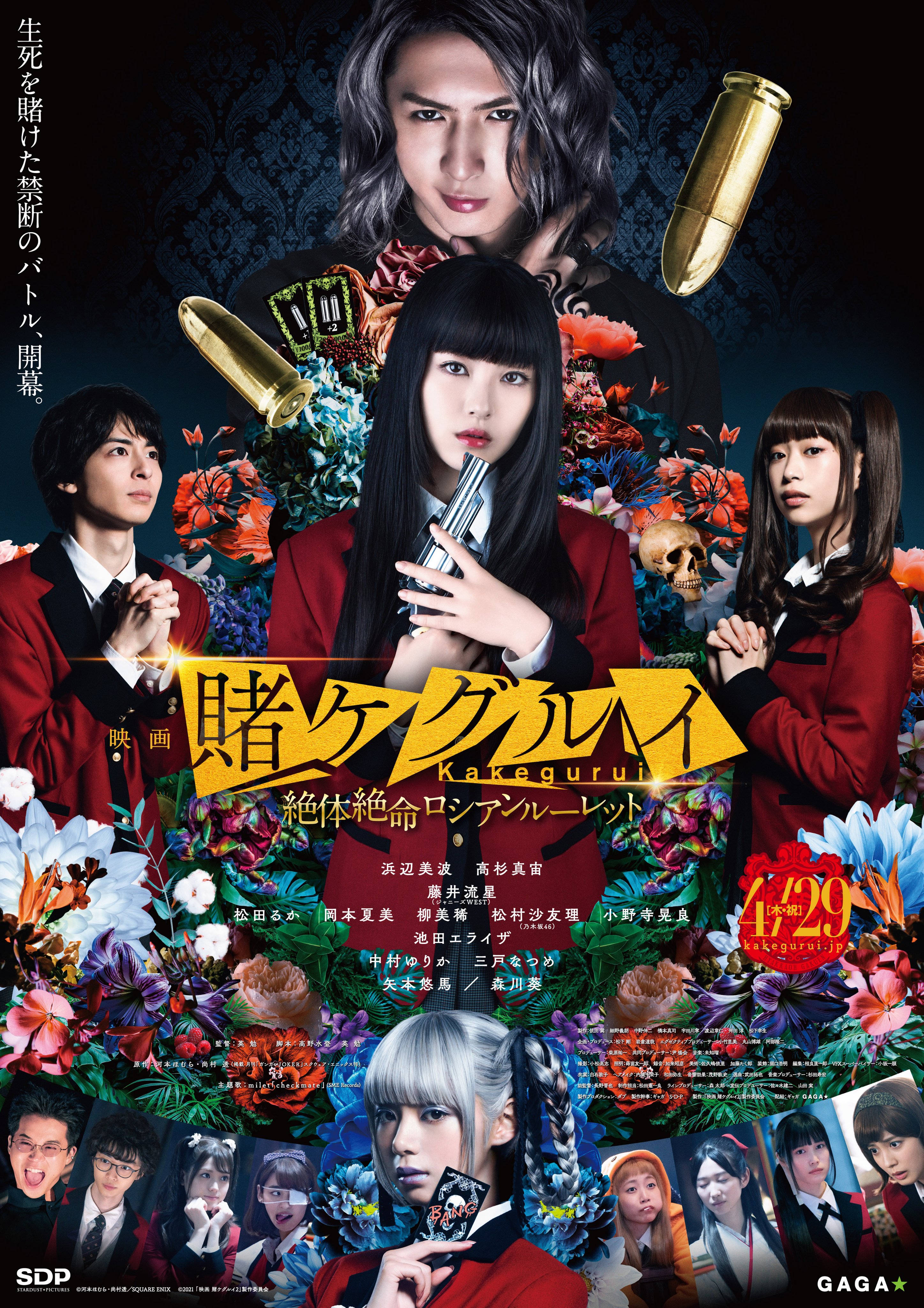
Kakegurui 2: Ultimate Russian Roulette (映画 賭ケグルイ 絶体絶命ロシアンルーレット, Tsutomu Hanabusa, 2021) [Fantasia 2021]

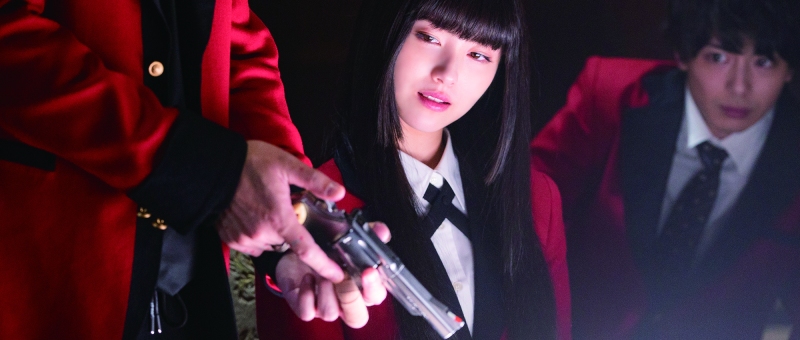
Closet revolutionary or compulsive gambler, Yumeko Jabami (Minami Hamabe) continues to be a thorn in the side of the Student Council in the sequel to hit movie Kakegurui, itself a sequel to a two-series live action drama adapted from the manga by Homura Kawamoto. Set as the opening expositionary narration explains at school for the elite Hyakkaoh Academy where social hierarchy is determined by skill in gambling, Ultimate Russian Roulette (映画 賭ケグルイ 絶体絶命ロシアンルーレット, Eiga Kakegurui: Zettai Zetsumei Russian Roulette) sees the rattled Student Council making a counterproductive and potentially ruinous decision in bringing back a previously exiled player in the hope of permanently neutralising Yumeko. 

Makuro Shikigami (Ryusei Fujii) was suspended some years ago for his part in the “House Pets’ Curse” which led to most of the school being demoted to its lowest, near untouchable ranks. At Hyakkaoh Academy, students are required to pay a tithe to the Council and those who can’t pay end up as “House Pets”, humiliatingly treated as cats and dogs. Yumeko’s friend Meari (Aoi Morikawa) fears she may have fallen foul of the curse herself having hit a lengthy losing streak, but it’s not until Shikigami begins twisting the situation to his advantage that Yumeko is snared by his manipulative trap. 

Yumeko, meanwhile, is in the middle of a depressive episode largely down to her reluctance to take part in the school’s upcoming sports’ day. Just as in the previous film her long game was better cakes in the cafeteria, her end goal here is trying to get the event cancelled by whatever means possible. In any case, we also witness another dark side to the oppressive rule of the Student Council as a demoted Maeri finds herself in a literal chain gang forced into hard labour building the facilities for the sports festival in what seems to be a minor dig at preparations for the Olympics. Yumeko and Meari are, however, responsible gamblers in that they refuse to bet on other people’s safety or at least refuse to be complicit in games which are designed to inflict harm or cruelty on others. 

As Shikigami explains in his opening monologue, the skills needed for gambling are strategy, ability to read your opponents, and a killer instinct. This is something Yumeko knows well, she plays players not games and sees straight through Shikigami realising that his crazed psychopathy is an act to mask the meticulous quality of his external manipulations. Nevertheless she is also caught out by her unwillingness to put her friends in danger, willingly sacrificing herself instead. The Student Council too are seemingly caught off guard little realising that Shikigami presents just as much of a threat to their authority as Yumeko and is equally uncontrollable with far fewer principles. Still as Student Council President Kirari (Elaiza Ikeda) ominously reflects, “there must be chaos before order”. 

In any case, they find themselves awkward allies in facing off against Shikigami in the promised game of Russian roulette mediated through a card game but played for real. The Student Council leaves itself surprisingly vulnerable in a loophole which allows House Pets to challenge them directly overruling all of the other school regulations, while Shikigami too falls victim to his own arrogance never quite expecting to be challenged having achieved his primary goals of seizing control of the school via the Council. The only way to beat him is to play him at his own game, disrupting his self-serving plotting and tendency to cheat in an insult to the art of gambling while undermining his confidence in his own intellectual superiority. “Only a twisted mind could beat you” he says of Yumeko believing himself to be a twisted mind though as it turns out perhaps not quite twisted enough. 

Temporarily siding with authority in order to put a stop to Shikigami’s authoritarian potential, Yumeko does not so much challenge the system as work around it while protecting herself and her friends from Shikigami’s machinations. What she defends is in a sense gambling itself, rejecting Shikigami’s intention to subvert it to his own advantage. Maintaining the same absurdist, manga-esque aesthetic as the first film complete with cartoonish CGI pupil shrinking, slick onscreen graphics, and even this time a random musical number, Hanabusa significantly ups the ante with bomb threats and unexpected Satanism while leaving the door open for the next instalment with Yumeko’s final instruction to “Bring on the Madness”. 


Kakegurui 2: Ultimate Russian Roulette streamed as part of this year’s Fantasia International Film Festival

International trailer (English subtitles)
No Smoking (Taketoshi Sado, 2019)

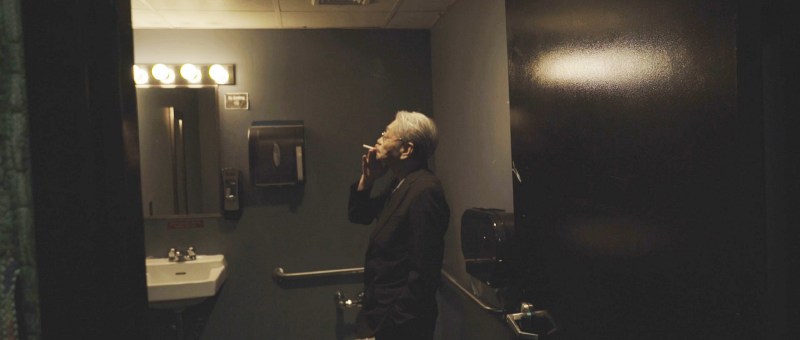
Celebrating the 50th anniversary of his musical debut in 2019, Haruomi Hosono has undoubtedly had a long and varied career shifting from countercultural folk rock to avant-garde electronica and bubble-era pop music. In later years, he’s become known internationally primarily for his film scores and particularly that of Hirokazu Koreeda’s Palme d’Or winning Shoplifters. Capturing footage from Hosono’s 2019 anniversary world tour, Taketoshi Sado’s documentary is equally meandering struggling perhaps to find a clear through line in regards to Hosono’s works. 

As such, it rockets through his early days with interesting family trivia such as his grandfather having been the sole Japanese Titanic survivor, his father’s secret dancing dreams, and his mother’s love of music. Picking up with his time at university, Sado more or less charts Hosono’s musical evolutions in chronological order though with little cultural context outside of a brief evocation of post-war devastation at the time of the musician’s birth. Accordingly he begins with Hosono’s uni folk rock band Apryl Fool which broke up after one album onto the hugely influential Happy End, various side projects, the avant-garde Yellow Magic Orchestra days, writing bubble era pop songs for idol stars such as Seiko Matsuda’s Tengoku no Kiss, and finally music for film composing the title track “Kaze no Tani no Naushika” for Hayao Miyazaki’s Nausicaä. 

Meanwhile, Sado shuttles between direct to camera monologues from Hosoda himself intercut with concert footage from the 2019 tour, legendary gigs, and rather a lot of Hosoda doing his famous silly walks. Sado does not include direct interviews with Hosoda’s collaborators or fellow artists, mainly allowing him to speak for himself, but does include footage of him with some who have been influenced by his music such as singer-song writer and actor Gen Hoshino who is apparently such a fan that he first met the artist while cosplaying his Harry Hosoda outfit from his famous Yokohama China gig, and LA musician Mac DeMarco who also appears onstage singing in Japanese at Hosoda’s LA concert. Actress Kiko Mizuhara and sister Yuka meanwhile also spend some time travelling with Hosoda in the UK appearing on stage in Brighton, while London’s Barbican Hall concert was also notable for the unexpected onstage appearance of Ryuichi Sakamoto briefly reuniting the Yellow Music Orchestra. 

The brief backstage footage from the event is among the more interesting in the slightly awkward interactions of the three band members despite Hosono’s claim that musicians can pick up where they left off with each other even after many years through the universal language of music. The 2019 tour however leaned heavily into Hosono’s boogie boogie covers rather than original tracks, while Sado seems content to mix and match between various concerts and adding vox pop comments from excited fans waiting to get in long after the first footage of the evening appears. Despite building towards the brief YMO reunion, he offers little commentary on relations between the former band members or why such an event is so viewed as so momentous. Rather he suggests that Hosono’s various musical projects existed more or less concurrently serving particular purposes in reflecting his specific creative desires. 

“The keyword is free, when when I touch what’s free my heart dances” Hosoda explains in one of his monologues, hinting at this process of continual meandering between musical genres that culminates perhaps paradoxically with revisiting the music of his childhood in American boogiewoogie. The film’s ironic title is apparently inspired by Hosono’s love of smoking, as he explains he needs cigarettes to create and there is music in a puff of smoke. Hosoda does indeed nip off for a puff rather a lot, often seen with a tobacco or electronic cigarette in his hand or else doing some of his silly walks. Footage from Hosoda’s diaries and early illustrations fill in the blanks of Sado’s rough chronology, though he does begin to rely on footage from other interviews particularly towards the documentary’s end. Despite offering a comprehensive if whistle-stop tour of Hosono’s varied discography, there’s no denying that No Smoking remains somewhat superficial offering, only an unannotated overview, but does undoubtedly offer insight in following the man himself as he celebrates such a significant career milestone. 


No Smoking streamed as part of this year’s Japan Cuts.

International trailer (English subtitles)
Seiko Matsuda – Tengoku no Kiss

The Phantom Goblin (まぼろし天狗, Nobuo Nakagawa, 1962)

“Everything is money these days” as a pirate king cheerfully proclaims in Nobuo Nakagawa’s tale of Edo-era corruption, Phantom Goblin (まぼろし天狗, Maboroshi Tengu). Perhaps named to capitalise on Nakagawa’s reputation for spookiness, Phantom Goblin features no real ghosts and only metaphorical goblins in the bright red tengu masks sported by the hero’s mysterious clan while otherwise conforming to the Toei programmer house style and starring jidaigeki superstar Hashizo Okawa in a double role as brothers separated at birth and reunited by their resistance towards the inherently corrupt authority of Edo society. 

Drawing parallels with the present day, the film opens at a bawdy banquet at which corrupt councillor Tanuma (Isao Yamagata) is being entertained by a pair of local social climbers with a floor show of dancing girls. Shortly after the performance begins, however, one of the women collapses writhing in agony and loudly crying out for drugs. Embarrassed, the lords would rather this not get out deciding to finish the woman off and dump her body in a nearby well. Unfortunately for them, the plan is interrupted by local policeman Shuma Moriya (Hashizo Okawa) who arrives in time to hear the woman exclaim the words “drugs” and “mastermind” before she passes away. Determined to figure out the truth, Moriya heads to the not so secret hideout of a local gang but is shot in the arm and has to take refuge in an inn where he encounters a man who looks just like himself, Kyonosuke Asakawa (also Hashizo Okawa) of the Goblin clan, who eventually sends him to his estate to recover and assumes his position as policeman in order to root out the truth. 

A former hatamoto who apparently resigned his position after finding himself unable to support corrupt lords, Kyonosuke declares himself “frustrated with how things are run”, realising that the system is rotten beyond repair on hearing that Moriya has been fired by a corrupt magistrate apparently in league with the conspirators. While comparatively rare in Edo-era dramas, drugs are a controversial subject in any age but in keeping with the sensibilities of the early ‘60s Phantom Goblin eventually slips into the Sinophobia then rampant in contemporary crime dramas as it becomes clear the drugs trade in the feudal economy is being driven by Chinese pirates trafficking it in from overseas while weak willed lords enable their rise to power. 

There is however a touch of conservatism in Kyonosuke’s desire to see justice served in that he fears a world in which “if you can buy power and position with money, then one day we will have a chief counsellor who is a pirate”. While he’s undoubtedly got a point, it’s also true that he is in a sense protecting his own privilege conveyed by birth rather than worth in addition to rejecting the influence of the “foreign” as he raises his sword against a Chinese pirate in order to target the corrupt lords who’ve been collaborating with him in order to bolster their own power and position. Kyonosuke wanted to “clean out evil in Edo”, but eventually succeeds rather ironically in simply becoming a part of the system himself after having supposedly cleaned it out by getting rid of the “obviously” corrupt elites. 

Recovering from his shoulder injury and flirting with the adopted sister of Kyonosuke, Moriya is largely relegated to a secondary role though the secret brotherhood of the two never develops into much of a plot point even as they bond as men too honest for the world in which they live. Nor do the respective romantic dilemmas ever materialise even as the conflicted figure of a female bandit in love with the noble policeman is forced to pay for her crimes with her life, unable to progress into the purified world the brothers are about to create. Working in the Toei house style, Nakagawa abandons his taste for the strange or otherworldly contenting himself only with a few ironic tengu masks and the literal shadows surrounding the shady mastermind while indulging in genre staples such as the comic relief provided by Kyonosuke’s bumbling retainers and the double casting of Hashizo Okawa as two brothers alike in both appearance and sensibility who find themselves unable to accept the increasing corruption of their society and determine to oppose it. 


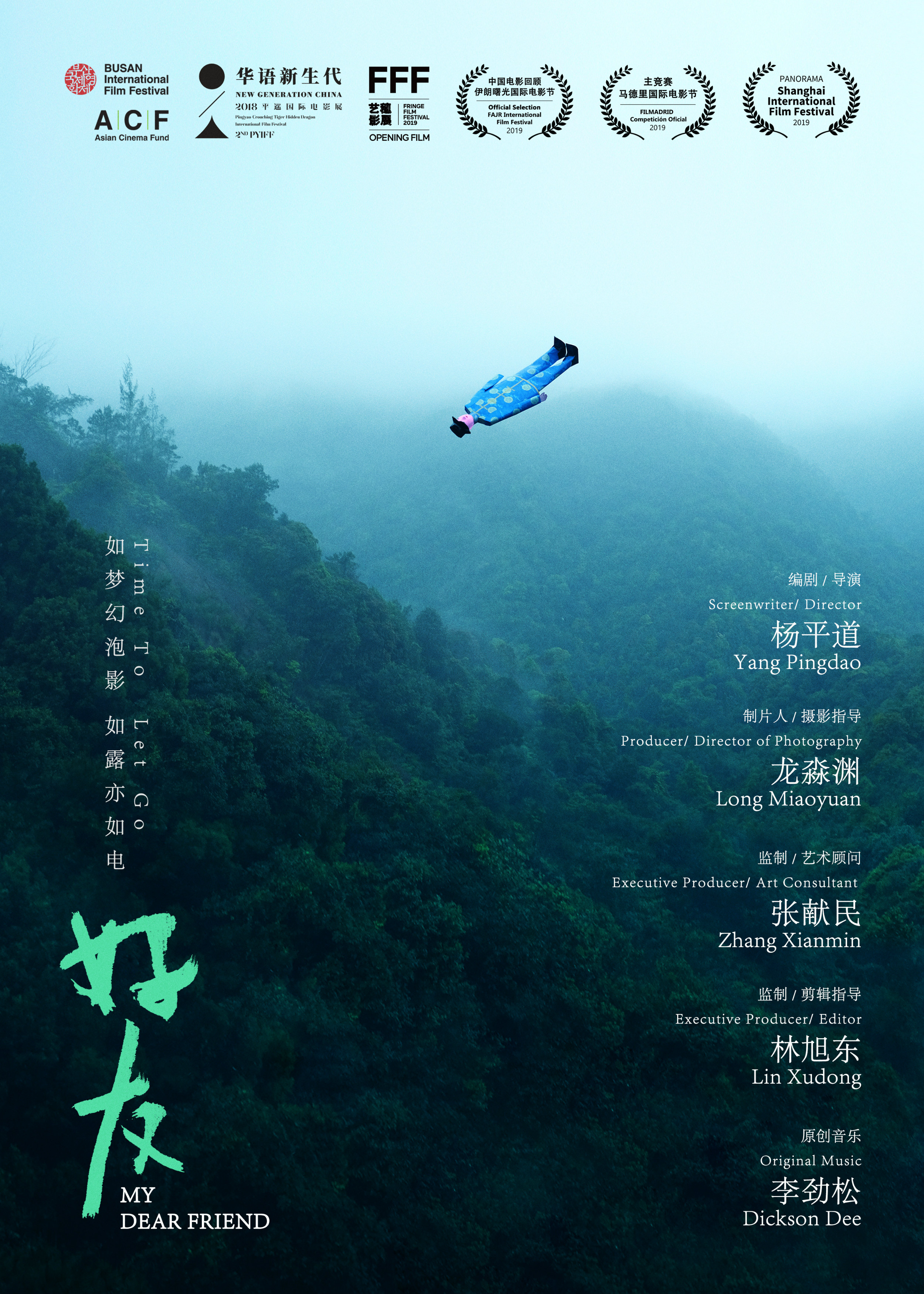
My Dear Friend (好友, Yang Pingdao, 2018)

“What’s right or wrong doesn’t matter anymore. Being at peace is what matters.” an old man insists, attempting to help his troubled companion regain a sense of himself at the end of his life. A magical realist fable, Yang Pingdao’s My Dear Friend (好友, Hǎoyǒu) quite literally sends its elderly heroes back into the past as if they had become unstuck in time but also bears witness to the inexorability of fate as events seem only to repeat themselves from one generation to the next. 

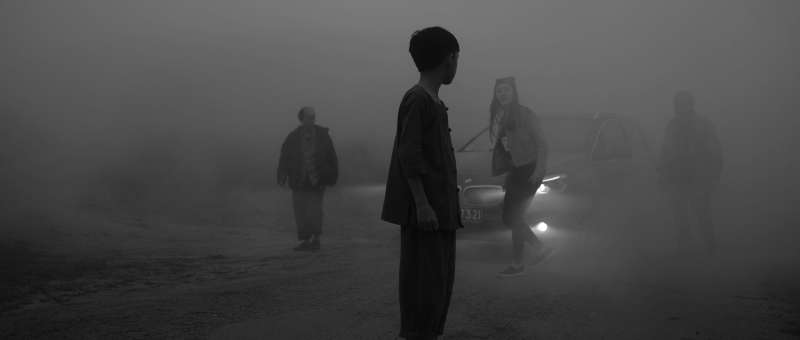
The film begins, however, with a literal intrusion of the present into the past as city girl Jingjing (Gabby So) drives her red saloon car, more suited to a morning commute than a trek through the mountains, into a rural village, rudely barging into the home of elderly couple A-Fang (Jiang Hong) and Shuimu (Luk Suk-Yuen AKA Robert Loh) in search of their grandson Yiming. Jingjing claims that she is pregnant and Yiming is the father, but now he’s ghosted her so she’s come to make him assume his responsibilities. Unfortunately Yiming isn’t there, but rather than scandalised or ashamed as one might have assumed them to be, A-Fang in particular and her husband seem to be both relieved and excited to the extent they don’t really want Jingjing to leave which might explain why her car won’t start the next morning. 

While staying with the elderly couple, Jingjing hears that absent fathers run in the family. Shuiming’s father disappeared suddenly without warning or explanation leaving his mother to raise him alone, while his son also abandoned Yiming to run off with an impoverished bar hostess who had four children of her own. Yiming’s mother remarried, leaving the boy with his grandparents. Jingjing asks why Shuimu didn’t leave and he doesn’t answer her, but following him around she may have stumbled on the answer in his 60-year, apparently secret friendship with a man of the same age who appears to be mute and intelligible to Shuimu alone. Zhongsheng (Lu Haoquan), as the man is called, is a man without a past apparently having no memory before the age of ten. Once her car is fixed, Shuimu asks Jingjing to drive them to another village 300km away where Zhongshen thinks he may be from, obsessed with a rumour about a child who survived a massacre by “four psychos” after falling into the river. 

Things that drift loom large. Shuimu muses on a giant fish head apparently washed down by the voiding of the dam the head then linking back to a strange pipeline that reminds them of a giant whale only without its mouth as if something had been uncapped or opened to the elements. Travelling through mist and fog, the trio stop their car in what seems to be the meeting of a wedding and a funeral as a procession passes by them made of men and women from another time, wearing donkey jackets and silently carrying umbrellas, seemingly filled with solemnity. Shuimu and Zhongsheng encounter younger versions of themselves, a version of their story replaying itself as the boys become men who might equally be Yiming and his friend in this strange place where past and present co-exist. 

Yet Shuimu is perhaps looking for the truth of himself as much as his friend, Zhongsheng’s name apparently originally his only his mother changed it on the advice of a fengshui master worried he lacked water (水 shui) and wood (木 mu) though Shuimu liked the other name better. He also gives Zhongsheng his own birthday, making of him another self, in a sense a secret shadow self unable to speak though Shuimu is always able to interpret his thoughts perfectly. He sees a similarity in Jingjing and A-Fang, one which she also sees, a little jealous of the younger woman’s freedom lamenting the simplicity of her wedding and harshness of her life since. Both sharp tongued they’ve become prickly in the unreliability of men, each searching A-Fang like Zhongsheng’s mother calling out at night for her wandering husband only hers always comes back. Don’t become like me, she tells Jingjing, pledging to drag Yiming back and give her the proper wedding she never had. 

Zhongsheng complains A-Fang haunts him like a phantom, yet everyone here is already a ghost literally haunted by historical trauma and parental failure. Shuimu and Zhongsheng search for truth and identity, but find themselves in a place they no longer recognise which in turns claims not to know them. Perhaps truth isn’t so important, Shuimu claims, as peace, deciding the entire earth is a grave, make your offerings where you will. Aided by the rolling mists, Long Miaoyuan’s ethereal photography adds to the sense of mythic grandeur in this long sad story of enduring male friendship and perpetual orphanhood carried away in the grand ever flowing river of life and death.


My Dear Friend screens at Curzon Hoxton on 18th September as part of this year’s Queer East.

Original trailer (Simplified Chinese / English subtitles)
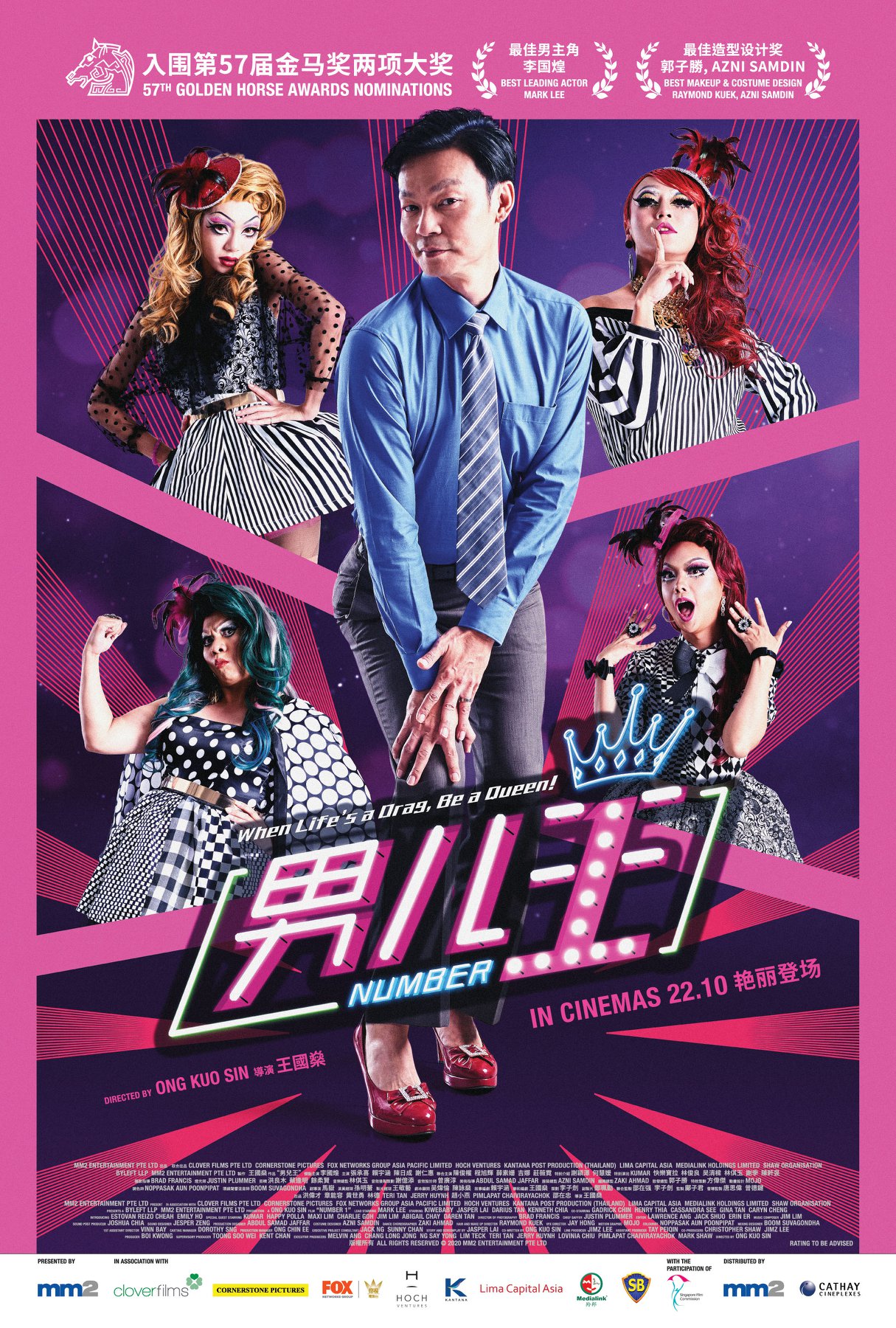
Number 1 (男儿王, Ong Kuo Sin, 2020)

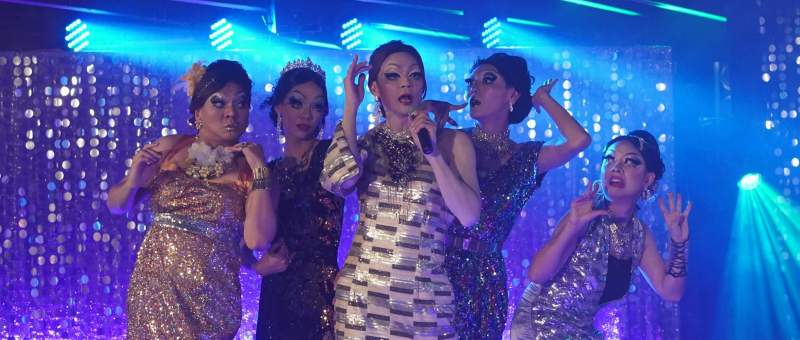
“What I don’t understand is your so-called rules and traditions. Just what good does it do?” a newcomer ironically asks of a veteran drag artist, having perhaps shed but not yet quite acknowledged his original prejudice towards those different from himself. Ong Kuo Sin’s cheerful drag dramedy Number 1 (男儿王, Nán’ér Wàng) examines attitudes to the LGBTQ+ community in the comparatively conservative nation of Singapore where sexual activity between men remains illegal even if the law is not heavily enforced, while subtly undermining oppressive group think as to what constitutes a “successful”, “normal” life. 

44-year-old Chow Chee Beng (Mark Lee Kok Huang) is a successful general manager at a construction firm where he’s worked for the last 17 years which is the entirety of his working life. It comes as quite a shock to him therefore when he’s unceremoniously let go, passed a letter of termination seconds after entertaining everyone with a song at the office New Year party. Given his experience, he perhaps feels that getting another job won’t be too difficult, but as various employers tell him he’s either “too old” or “too expensive” for the competitive Singapore job market. Faced with the prospect of telling his wife they’ll have to sell their luxury detached home because he can’t make the mortgage payments, Chee Beng is forced to accept the last resort offer from his recruitment advisor which happens to be as an AGM at local drag bar Number 1. 

Like many men of his age, Chee Beng has a rather conservative mindset and had been living a very conventional life of suburban, middle-class success. His wife Marie (Gina Tan) even complains to her sister-in-law that their new swimming pool is a little on the small side and she’s thinking of swapping it for a bigger one. Yet as his performance stint at the company party implies, he is perhaps holding a part of himself back thinking that his love of singing is frivolous or even a little taboo given his wife’s mild embarrassment. The drag bar is therefore firmly outside his comfort zone. Not only does he lack experience managing an entertainment venue, but finds it difficult to overcome his sense of discomfort with those living lives so different from his own. When one of the drag artists turns out to be a deserter from the army and is carted off by the military police, Chee Beng finds himself press-ganged into performing and discovers that he is something of a natural though he doesn’t understand why they have to lip-sync to pre-recorded tracks rather than singing live. 

Chee Beng’s point seems to hint at a concern about the ability to completely embody the performance and fully express himself, yet he’s also a straight man wading into a predominantly LGBTQ+ community he knows nothing about and insisting on having his own way. That brings him into an additional conflict with former number one Pearly (Kiwebaby Chang) who dragged him on stage in the first place because with only four performers she wouldn’t be able to stand in the middle. Pearly might feel that lip-syncing completes her performance because she lacks the ability to sing in a feminine register, yet Chee Beng ironically accuses her of mandating a no singing rule in order to mask her own weakness while simultaneously attempting to mandate live singing in order showcase his strength as a performer. 

But even if he’s come to feel at home in the drag community, Chee Beng continues to keep his new life a secret from his socially conservative wife. When a video of him singing at the club goes viral, Chee Beng’s wife and sister-in-law react by taking the children’s phones away as if seeing it is in some way harmful. Later on seeing a poster for the Queens she irritatedly tells Chee Beng they should be banned by the government for giving children “wrong ideas”. Meanwhile their son Mason is conflicted in being a boy asked to play the part of Mulan in the school play, claiming he dislikes the character of Mulan because she “lies” about who she is while his father can only sympathise offering the justification that sometimes people have to lie in order to protect those they love. When Chee Beng’s identity is exposed, little Mason begins receiving vile hate mail online and all his friends stop playing with him. Yet he doesn’t see anything wrong in “wearing a dress” and can’t understand why everyone, including his mother, seems so upset. Marie complains that Chee Beng’s new life is “confusing” for Mason, but he doesn’t seem confused at all because he hasn’t yet had time to absorb the “wrong ideas” from the conservative world around him. 

That conservative world has been a very dark place for some of the Queens, Pearly revealing that she believes her coming out drove her parents in Taiwan into an early grave, while bar owner Fa’s brother took his own life, and the gang experience homophobic harassment from a man who turns out to be the high school bully who made one of their live’s a misery. Nevertheless, the sudden and otherwise unexplained reversal in the attitudes of some seems more than a little contrived for an otherwise uncomplicated happy ending despite Chee Beng’s defiant message that he wants his son to grow up “different” in that he learns early on not to be prejudiced against those different from himself and goes on to be happy with whoever he is rather than blindly following the rules of social conformity. Drag is for everyone, and becoming a member of the supportive drag queen community even helping out fundraising for a local LGBTQ+ friendly nursing home, Chee Beng begins to see a different way life that opens his eyes to the constraints of the way he lived before swapping the trappings of extreme consumerism for personal fulfilment and compassion for others. 


Number 1 screens at London’s Genesis Cinema on 18th September as part of this year’s Queer East.

Original trailer (English subtitles)