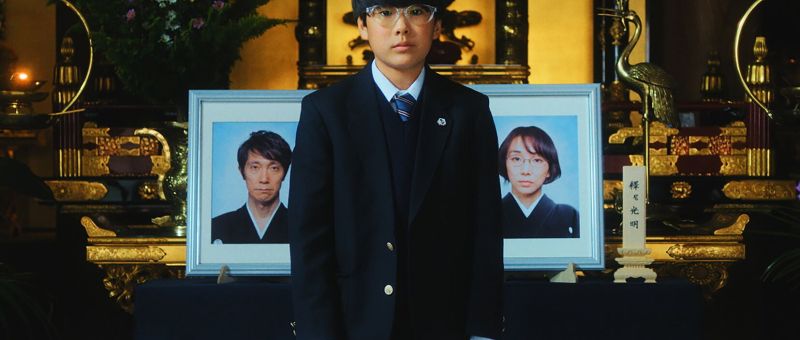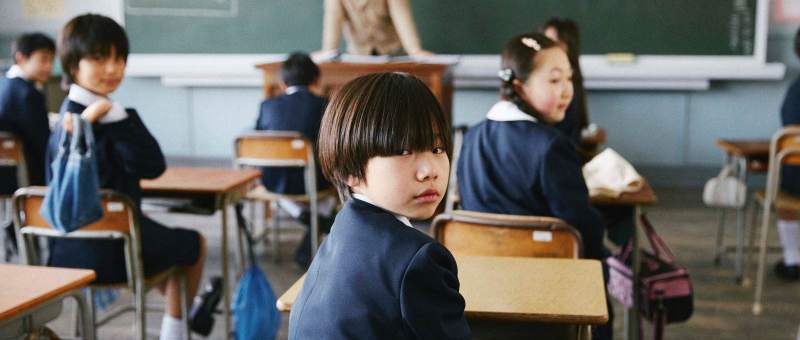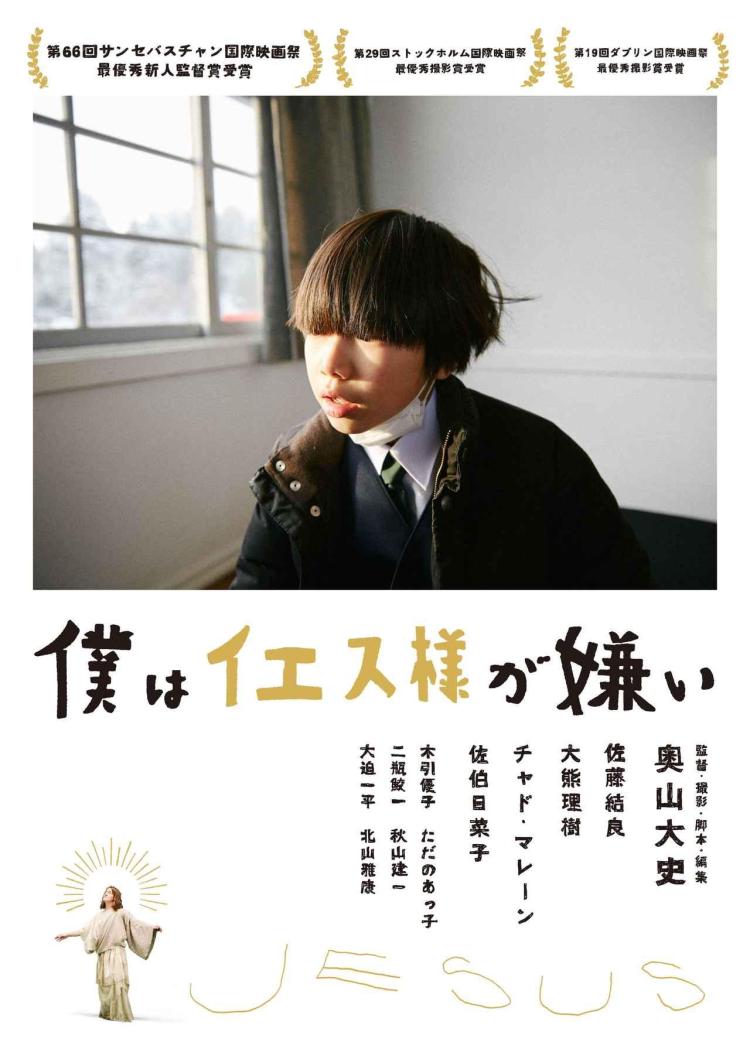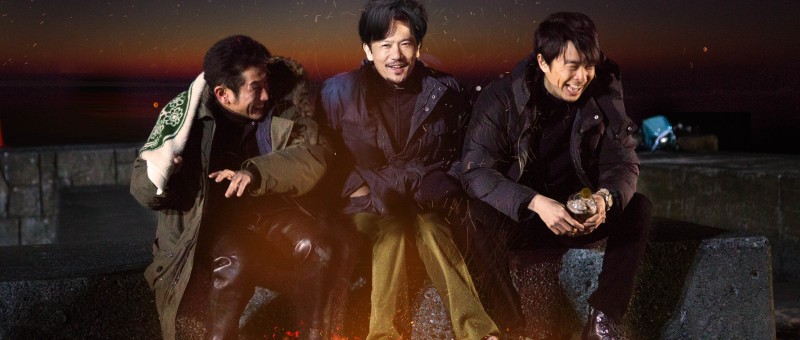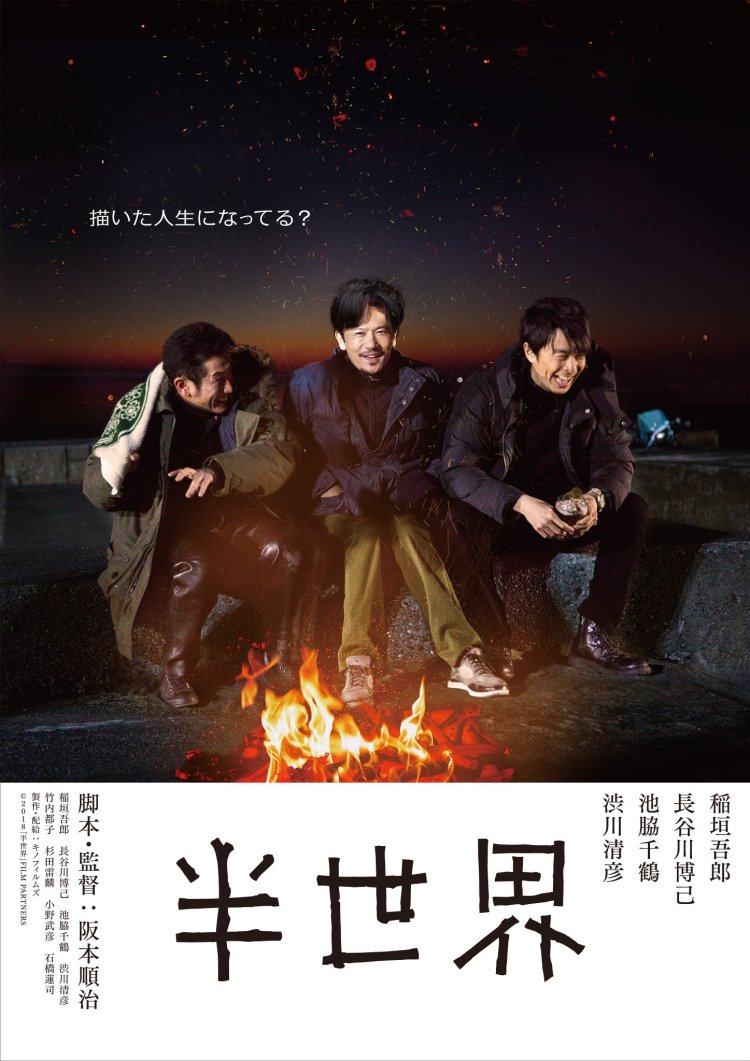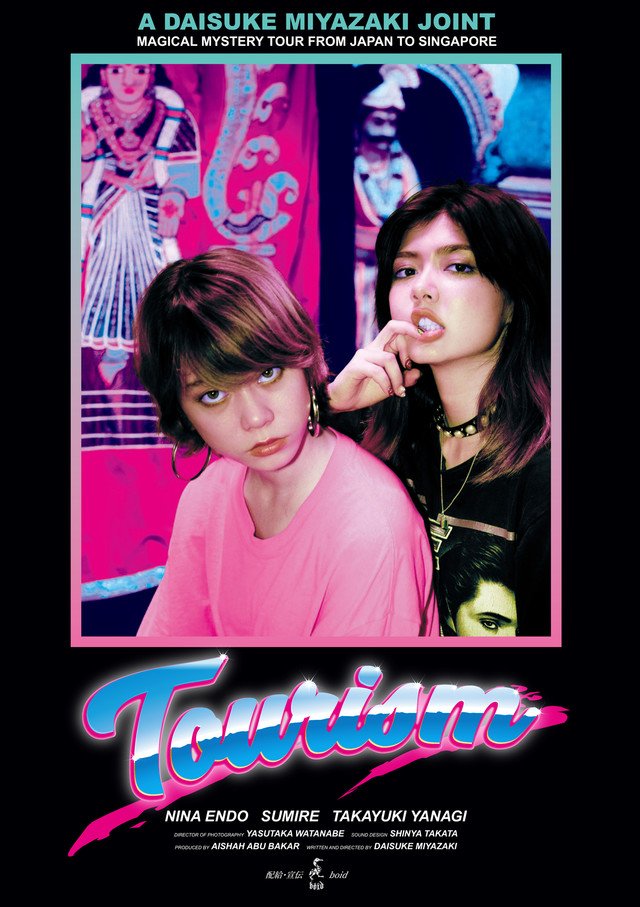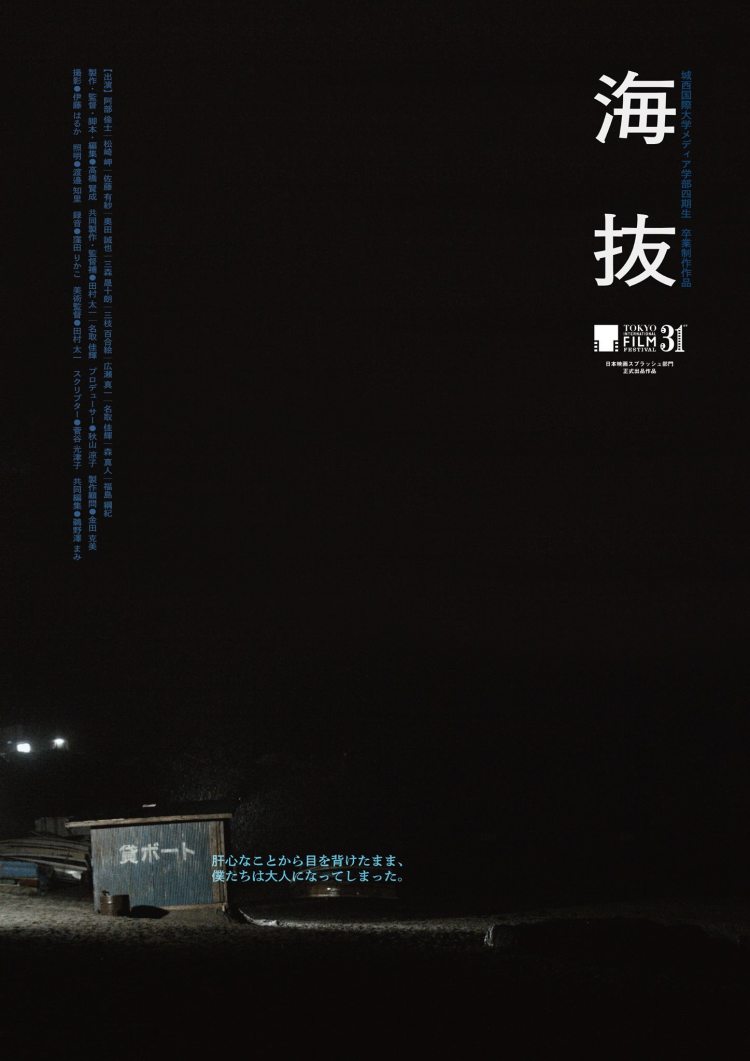
The Inugami Family (犬神家の一族, Kon Ichikawa, 1976)

the inugami family 1976 posterUnlike many of his contemporaries, Kon Ichikawa was able to go on working through the turbulent ‘70s and ‘80s because he was willing to take on purely commercial projects. The phenomenal and hugely unexpected success of 1976’s The Inugami Family (犬神家の一族, Inugami-ke no Ichizoku) set him in good stead for the rest of the decade during which he followed up with another four movies starring Koji Ishizaka as the eccentric detective Kosuke Kindaichi as featured in the novels of Seishi Yokomizo each of which was a bonafide box office success partially thanks to the effect of Haruki Kadokawa’s intensive multimedia marketing strategy then still in its infancy. In fact, Ichikawa would return to the sordid world of the Inugamis for his final picture in which he dared to remake his “greatest hit” with a now much older Koji Ishizaka reprising his role exactly 30 years later. Ichikawa might have been making “commercial” movies, but he never lost his experimental spirit.

Old Sahei Inugami (Rentaro Mikuni) finally drops dead in 1947 after a lifetime of seemingly doing exactly as he pleased. As a 17-year-old orphan he was taken in by a kindly priest and thereafter founded one of the biggest pharmaceuticals companies in Japan which is to say he leaves behind him a vast estate and desirable name. Unfortunately, he also leaves a messy family situation. Sahei was never legally married, but fathered three daughters with three different women who each have a son. In his 50s, he also fathered a son with his maid who would be about the same age as the grandchildren if anyone knew where he was. Sahei’s will, which in dramatic fashion can only be read with everyone present, leaves everything to a young woman, Tamayo (Yoko Shimada), who isn’t even part of the family but was doted on all the same by the elderly patriarch. In order to inherit, Tamayo must consent to marry one of the three grandsons – Suketake (Takeo Chii), Suketomo (Hisashi Kawaguchi), or Sukekiyo (Teruhiko Aoi) with whom she seems to have shared a past attachment. The will stresses that she is free to choose though if she decides to marry someone else entirely, the fortune will be divided in five with one part each to the grandsons and the rest to the maid’s son. As one can imagine, the daughters are furious.

Kindaichi is called in by a clerk (Hajime Nishio) at the solicitor’s office who has seen the will and finds it all decidedly strange (plus he’s in love with Tamayo so it’s very bad news for him). The clerk gets murdered before he can spill the beans, but the solicitor himself, Furudate (Eitaro Ozawa), decides to enlist Kindaichi’s help in figuring all of this out before it claims any more lives. Unfortunately, claim more lives it will.

Greed, as ever, is at the root of all evil but like the other entries in the Kindaichi series the crimes are largely a result of the world which surrounds them. Old Sahei made his money in some dubious ways. Ingratiating himself with the rich and powerful, later becoming a militarist for what seems like opportunistic reasons, he got himself special dispensation to grow poppies for their medicinal properties. Which is to say, he got rich selling opium to the masses. Inugami pharmaceuticals profited hugely from suffering incurred in wars spanning the century – with Russia, with China, through the first world war and the second. There was Inugami, ready to fuel the fire by numbing the pain.

Yet it’s his own unresolved emotional suffering that seems to have sent him such a dark and amoral path. Later we discover that a strange and emotionally difficult set of circumstances involving a quasi-incestuous, bisexual love triangle seem to have left him craving something to numb his own pain but only succeeding in passing it on to those around him. Firstly through the women he kept around to satisfy his carnal desires and then sent away, keeping the children with him but in a loveless, austere home. The sisters – Matsuko (Mieko Takamine), Takeko (Miki Sanjo), and Umeko (Mitsuko Kusabue) share an uneasy sort of camaraderie but are quick to turn on each other when it becomes clear that only one of them will inherit the family fortune and that they are now each rivals for the hand of Tamayo.

Like their grandfather, the Inugami boys are not an especially good catch. Two of them eventually attempt to rape Tamayo in an attempt to force her into marriage through shame (despite the fact that one has already fathered a child with his cousin), while she also has her doubts that Sukekiyo, with whom she has always felt a connection, is really who he says he is. Having gone away to the war, Sukekiyo did not return home after being demobbed because of intense survivor’s guilt. He also sustained severe burns to his face which require him to wear a latex mask over his entire head making positive identification difficult seeing as his voice, which he rarely uses, is also changed.

Rather than submit himself to the necessarily pokerfaced approach common to prestige murder mysteries from across the globe, Ichikawa uses the saleability of the property as an excuse to go all out. His tone varies wildly, almost to the point of parody in his frequent cuts to Kindaichi causing another of his famous anxiety induced dandruff avalanches. The blood eventually flies as do severed heads while upended corpses do handstands in lakes. The story of the Inugami family is a strange one filled with moments of bizarre whimsy but somehow it all works. As in many a Japanese mystery, the past refuses to die and the guilty eventually realise how misguided their enterprise has been, but there is hope for those left behind if they can free themselves from the cycle of guilt and suffering on which the Inugami name was built.


Original trailer (no subtitles)

Mundane History (เจ้านกกระจอก, Anocha Suwichakornpong, 2009)

mundane history posterIs it possible to live without past or future, exist entirely within the pureness of the now? Anocha Suwichakornpong contemplates the bubble existence in her complex debut, Mundane History (เจ้านกกระจอก, Jao Nok Krajok). Class conflict jostles with the fading grandeur of a declining bourgeoisie while two young men lament their broken dreams, one believing himself a prisoner of his privilege and the other trapped by economic inequality. Yet despite their differences, the familial disconnections, and the austerity of their “soulless” environment, a connection is eventually formed making way for a rebirth, new life birthed in the ashes of the old.

Pun (Arkaney Cherkam), a nurse from a humble background, has travelled from the north to take a job as the full time carer for the son of a wealthy man, Ake (Phakpoom Surapongsanuruk), recently paralysed from the neck down after a mysterious accident. As Pun tells an intimate acquaintance, perhaps his sister, on the telephone, the house is beautiful but drenched in hopelessness and everyone within it seemingly dead inside.

Moody and resentful, Ake is now a virtual prisoner within his father’s household. Enraged by his new found impotence, he treats Pun with contempt, ironically enough embodying the role of the young master which is perhaps the key to his anger with his distant, austere father who has essentially outsourced his son’s care and then had him walled up at home like a guilty secret. Ake angrily refuses visitors, either embarrassed by his disability or not wanting to witness their pity, and spends his days doing nothing at all but staring blankly into the middle distance, unable to reconcile himself to the terrifying “mundanity” of his repetitive, unchanging existence.

As Ake becomes used to Pun’s gentle presence and allows himself to be cared for, a friendship begins to arise. Both men dreamed of becoming writers, one developing an interest in photography and the other film, but neither of them found their dreams fulfilled. Ake’s sense of defeat is palpable as he finds himself literally trapped by his father’s legacy, unable to escape the claustrophobic world of the family home and consumed by resentment as he convinces himself that his dream of becoming a film director is now unattainable thanks to his disability. Pun, meanwhile, is equally melancholy, perhaps secretly resentful but outwardly making the best of the hand he’s been dealt. From a humble background and orphaned young with siblings to support, his artistic dreams were taken from him by bad luck and socio-economic oppression though it hasn’t killed his kindly heart. 

The austere coldness of Ake’s father and the mansion’s emotional deadness perhaps represent an older generation’s longing for the safeties of an authoritarian world of rigid class boundaries and feudalistic loyalties. Ake’s housekeeper, the prim and proper Somjai (Anchana Ponpitakthepkij), is a relic of this all but forgotten world – a career servant who has silently watched Ake grow as her own youth faded and finally decides to puncture the class divide only to ensure its survival in urging Ake to maintain his stiff upper lip and avoid giving in to despair. Somjai resents Pun’s awkward, liminal status in the house as the only other member permitted to walk freely in the upstairs world and seeks to him keep down, eating with the other servants where he belongs. Pun, like the cook Kaew – also a northerner, doubts he can stay in this world indefinitely, already tired of its energy sapping rigidity and entrenched class-based social codes.

Ake’s resentment towards his father is also a rebellion against his old fashioned authoritarianism which stifles the natural desire of the young for freedom. Now literally unable to escape unaided, Ake feels as if his father has trapped him, deliberately, within the confines of his own value system with no possibility of salvation. The house is, in a sense, the eternal present that Pun and Ake talk about in one of their few moments of blissful togetherness as they lie alone on the grass lawn staring at the blue sky, but the inertia crushes them, driving young men to despair. A trip to the planetarium coupled with Ake’s youthful student films provides an opportunity for rebirth if only in destruction. Stars burn out, destroy themselves, but become nebulas in the process. Anocha Suwichakornpong’s fragmentary narrative is indeed nebulised, pulsing in brief fragments until the whole somehow connects and sparks into life. The spiritual rebirth echoes the political, the desire of youth to break free reasserts itself and the mundane history of an ordinary life regains its cosmic grandeur.


Original trailer (English subtitles)

Danger Stalks Near (風前の灯, Keisuke Kinoshita, 1957)

Keisuke Kinoshita is often regarded as a sentimentalist but he wasn’t completely immune to bitterness and cynicism as many of his farcical comedies bear out. Danger Stalks Near (風前の灯, Fuzen no Tomoshibi) begins in serious fashion as a trio of young toughs set on burgling the home of an elderly woman they assume has money but quickly descends into absurd dark humour as we discover there’s just as much money-grubbing thievery going on inside the house as out.

Two street toughs bully a nervous young man who needs money to get back to the country into joining them in a plot to rob a suburban house owned by a mean old woman whom they assume must be hiding a serious amount of cash inside. Having watched the place before, they know that it’s generally just housewife Yuriko (Hideko Takamine), her young son Kazuo (Kotohisa Saotome), and grumpy grandma Tetsu (Akiko Tamura) at home during the day after husband Kaneshige (Keiji Sada) has gone to work at his lowly job as a shoe salesman. Today, however, their aspirations towards crime will be thwarted because it’s all go at the Sato residence – flouncing lodgers, sisters with issues, tatami repair men, and mysterious faces from the past all mean that today is a very bad day for burglary but a very good one for entertainment.

Kinoshita deliberately upsets the scene by casting familiar actors Hideko Takamine and Keiji Sada in noticeably deglammed roles – she with a ridiculous pair of large round glasses and he with a giant facial mole designed to make them look “ordinary” but accidentally drawing attention to their star quality in the process. The Satos are, however, a very ordinary family in that they’re intensely obsessed with money and with their own precarious status in the improving but still difficult post-war economy. Tetsu is Kaneshige’s step-mother which is perhaps why he urges his wife to put up with her tyranny seeing as Tetsu is old and will probably not be around much longer, which means it’s just a waiting game until they inherit the house. Whatever else she may be, Tetsu is a mean old woman whose only hobbies are penny pinching and occasional trips to the cinema where she watches heartwarming dramas about filial piety. Her haughty attitude is perhaps why the crooks assume there is cash in the house but sometimes mean people are mean because they really don’t have money rather than just being stingy by nature.

Nevertheless, Tetsu’s iron grip is slowly destroying the family unit. Kaneshige (whose name ironically means “money multiplying” and uses a rather pretentious reading for his name kanji which are often misread by the postman etc) sneaks home to tell his wife he’s won second place in a competition, worrying that if Tetsu finds out she’ll expect her share of the prize money. The old woman is so mean that she even keeps her own stash of eggs in her personal cupboard along with tea for her exclusive use and takes the unusual step of locking the doors when Yuriko is out running errands because she feels “unsafe” in her own home – an ironic state of mind once we discover how exactly Tetsu was able to buy this house as a lonely war widow in the immediate aftermath of the defeat.

Tetsu is, in a fashion, merely protecting her status as matriarch in oppressing daughter-in-law Yuriko by running down her every move as well as those of her sisters whom she criticises for being dull despite their “cheerful” names but also chastises for lack of traditional virtues. Sakura (Toshiko Kobayashi) pays a visit to the Satos because she needs help – her husband has been accused of embezzlement, but is also hoping Yuriko is going to feed her in return for help with domestic tasks only the pair eventually fall out over a missing 30 yen and some crackers. Meanwhile, second sister Ayame (Masako Arisawa) also turns up but with a “friend” (Yoshihide Sato) in tow whom she hopes can become their new lodger after they ended up throwing the old one out because she burned a hole in the tatami mat floor through inattentive use of an iron. Neither Tetsu nor Yuriko could quite get their head around previous tenant Miyoko’s (Hiroko Ito) liberated, student existence of rolling in late after dates and lounging around reading magazines but a male lodger wasn’t something they had in mind either.

Persistent economic stressors have begun to wear away at family bonds – Tetsu is not a nice old woman, but it probably isn’t nice to be living in a house where you know everyone is just waiting for you to die. At least little Kazuo is honest enough to admit he only likes grandma when she gives him candy. Yuriko seems to be a responsible figure for both her sisters, but resents their relying on her for money while enjoying the various gifts they bring to curry favour including a large amount of fish cake from the prospective lodger/Ayame’s intended (if he doesn’t wind up being swayed by the dubious charms of the seductive Miyoko who insists on sitting in her empty room for the rest of the day because she already paid today’s rent). Meanwhile, Yuriko’s attempt to palm off a pair of unwanted tall geta that were a “present” from Kaneshige’s boss (who also heard about the prize money) leads to an accusation of attempted murder as if she hoped Tetsu might topple to her death after trying them on! The burglars have wasted all day sitting outside watching the ridiculous comings and goings as they bide their time waiting to strike only for the police to arrive on a completely unrelated matter. Turns out, inside and outside is not so different as you might think in a society where everything is a transaction and all connection built on mutual resentment.


Titles and opening scene (no subtitles)

The Wind in Your Heart (心に吹く風, Yoon Seok-ho, 2017)

the wind in your heart posterYoon Seok-ho is best known for his work in Korean television drama which included several of the series thought of as kickstarting the “Hallyu” wave. Chief among these is Winter Sonata which proved extremely popular in Japan and is also cited as a major inspiration for the short-lived boom of “junai” or “pure love” movies in the early 2000s. The Wind in Your Heart (心に吹く風, Kokoro ni Fuku Kaze) brings things full circle – making his feature debut, Yoon brings his brand of romantic melodrama to Hokkaido for a re-evaluation of first love, middle-aged regrets, and an escape from real world cynicism to a world of beauty and innocence.

Video artist Ryosuke (Hidekazu Mashima) has been in living in London for many years but is currently staying with a friend in Hokkaido on a working holiday. When his pick up truck breaks down in the middle of nowhere he chances in to a nearby cottage in the hope of using the phone, only to find a ghost from the past standing in the doorway – Haruka (Masumi Sanada), his high school sweetheart whom he has not seen in 23 years. Obviously a lot has happened – Haruka is married with a grown-up daughter, but seems sad and lonely. Ryosuke is only in town for a couple more days, but the pair make the most of their time to reconnect and think about what might have been and why it wasn’t, as well as what might still be if someone finds the courage to boldly pursue their desires.

Well, that might be a little strong – this is a story of innocent, chaste love, rather than a hot and passionate affair. The Wind in Your Heart does indeed share much in common with the classic “junai” in its nostalgic look back to innocent teenage romance and yearning to return to a time when everything seemed so simple and love was all that mattered. It is, however, sadder – we’re not told exactly what made Haruka decide to forget Ryosuke after he left for university in Tokyo, only that she went through some tough times. Likewise we don’t really know why Ryosuke didn’t try harder to find out, save that perhaps he thought that was what she wanted and respected her decision. Nevertheless, Ryosuke has remained unmarried and apparently still carries a torch 23 years later. All the pair have are mutual regrets and a shared sense of nostalgia for a future they feel they lost because of things that happened to them in their youths.

Now, things might be different. Haruka is obviously miserable in her marriage. Her daughter has left for university, her husband is working away in Taiwan, and she’s left at home all alone with her horrible mother-in-law. Ryosuke asks her if she’s happy and she can’t answer. She doesn’t want to talk about her husband whom she doesn’t seem to like very much. When we eventually meet him he is drunk, bossy, and insensitive. It’s no wonder Haruka might dream of running off with her idealised first love but when all is said and done she lacks the conviction to do it. She is simply too conventional, too bound by social obligation, to consider throwing caution to the wind and embracing her own happiness.

It might be patronising to suggest that Haruka is a stand-in for the expected audience – unhappy, under appreciated middle-aged women who perhaps feel trapped by a conservative society and long for escape from their humdrum lives through an innocent romance, but then that does very much seem to be the screenwriter’s intention. Haruka hesitates – her hand always hovering over door handles as if they were triggers, unsure which door to open and which direction to choose, ultimately making her decisions far too late. Unlike the more positive resolutions of a junai romance which allow the left behind to come to terms with their loss and resolve to live on with happy memories rather than sorrow, Haruka is left only with the crushing realisation that it really might be too late and she’s made a lifetime’s worth of poor choices though she does at least begin to find a degree of fulfilment in re-embracing her youthful dreams previously crushed by the unforgiving attitudes of her family.

Filming in Hokkaido, Yoon maintains a notably Korean sensibility in his static camera and straightforward composition which prioritises simple conversation between two people, only occasionally wandering off into poetic reveries in which the sun embraces the wind in a bracing Hokkaido spring. Reaching for something deeper than it manages to grasp, The Wind in Your Heart lands in standard melodrama territory, never quite managing to lend its central romance the weight it seems to want, but nevertheless doing its best to strain the heart with a tale of inescapable middle-aged misery in lives lived through the power of what might have been.


Original trailer (no subtitles)

New York Asian Film Festival Launches First Ever Winter Showcase

nyaff winter showcase 2019

A regular summer fixture in the New York film calendar, the New York Asian Film Festival is launching its first ever winter showcase set to run Feb. 1 – 3 & 8 – 10 at SVA Theatre. Running under the title “Crazy Broke Asians” the festival will present 15 films showcasing the lives of ordinary people from across the region.

Miss Baek 

Han Ji-min will be in attendance for a Q&A following the film.

Miss Baek still 1Han Ji-min stars as a salty, aloof ex-con who struggles to move past childhood trauma until she makes the fateful decision to save a neglected little girl who reminds her so much of herself. Review.

Fly By Night

fly by night still 1The debut feature from Zahir Omar, Fly By Night takes place in the Kuala Lumpur underworld where a gang of taxi drivers has clubbed together to extort well off passengers they pick up from the airport.

Mee Pok Man 

Cinema still: Mee Pok Man starring Michelle Goh and Joe Ng##########x##########A Singaporean classic, Eric Khoo’s debut follows the awkward proprietor of a noodle shop with a crush on one of his customers, a sex worker who dreams of escaping her pimp and the city itself.

Have a Nice Day

MUBI Have A Nice Day_Still_1© 2017 Nezha Bros Pictures Company Limited, Le-joy Animation StudioLiu Jian’s indie animation puts the modern China under the spotlight as a missing bag of money brings a collection of desperate souls together in the search for a way out of a dead end wasteland. Review.

After this Our Exile

after this our exileAaron Kwok stars as a deadbeat dad whose wife eventually leaves him alone with their young son. When loansharks come in pursuit of gambling debts, father and son are forced on the run and into a life of dubious moralities.

Crying Fist

crying fist bannerRyoo Seung-wan’s boxing drama stars Choi Min-sik as a former olympic silver medalist who now makes ends meet getting beaten up for money on the streets of Seoul. Meanwhile, a troubled young man (played by Ryoo Seung-Bum) who learned to box inside is also looking for a way out. The pair meet in the ring where a more than cash is at stake.

Breathless

breathless still 1Actor turned director Yang Ik-June stars as a brutal gangster whose sentimental heart is restarted by a high school girl with a difficult home life only to discover life’s essential tragedies.

100 Yen Love

100 yen love still 1Sakura Ando stars as a 32-year-old slacker still living at home with her parents. A part-time job in a 100 yen store gives her new purpose when she strikes up a relationship with an amateur boxer and winds up entering the ring herself. Review.

7 Grandmasters

7 grandmasters still 1Jack Lung stars as a veteran kung-fu master about to retire when a young buck begs to become his disciple so that he can learn the skills to avenge his father.

The Mystery of Chess Boxing

mystery of chess boxing

7 Grandmasters’ Li Yi-min returns as another youngster seeking revenge! Originally the kung-fu school’s dunce he gets his game on when the chef teaches him how to fight, eventually teaming up with the inventor of chess kung fu to take down the mysterious Ghost Face Killer.

The Swordsman of All Swordsman

swordsmen of all swordsmenA top swordsman out for revenge against the bandits that killed his father runs into sword enthusiasts Black Dragon and Flying Swallow who may be enemies or allies.

Secret Screening

nyaff secretThe clue is in the name…

King of Beggars

king of beggars 1Stephen Chow stars in Gordon Chan’s loose retelling of the life of 19th century martial artist So Chan who finds himself joining the Beggars’ Sect after being caught cheating on his imperial exams and causing his family to be stripped of all their wealth.

Merantau

merantau still 1Indonesian action star Iko Uwais stars in Gareth Huw Evans early cult hit in which a young man embarks on his “merantau” – a coming of age ritual in which he must leave his village for the city where he rescues a brother and sister from a gang and finds himself at war.

The Raid Redemption

the raid redemptionThe sequel to Gareth Huw Evans phenomenally successful The Raid once again stars Iko Uwais as an intrepid SWAT member who finds himself having to fight his way out when a raid goes wrong.

Lunar New Year Party

nyaff lunarA party to close out the event taking place right after the final screening.

The New York Asian Film Festival Winter Showcase runs February 1 – 3 & 8 -10 at SVA Theatre. Tickets and passes are currently on sale via Eventbrite where you can also find full details for all the films along with screening times. You can also keep up with all the latest news including the upcoming summer season via the festival’s official website, Facebook page, and Twitter account.

Singing Lovebirds (鴛鴦歌合戦, Masahiro Makino, 1939)

singing lovebirds still 5With things the way they were in the Japan of 1939, you might have expected cinema to have taken a universal turn to the dark side but surprisingly enough there was still room on the silver screen for silliness as the improbable marvel of Singing Lovebirds (鴛鴦歌合戦, Oshidori Utagassen) makes plain. Legend has it that musical master of the jidaigeki Masahiro Makino threw Lovebirds together in record time in order to fill a production gap after big time star Chiezo Kataoka was struck down by appendicitis in the middle of filming On the Road with Yaji and Kita. Kataoka is also Lovebird’s nominal male star though his appearance is understandably limited (his scenes were shot later and apparently in a matter of hours) leaving veteran actor Takashi Shimura to pick up the slack as an antiques obsessed disenfranchised former samurai who finds himself at the centre of a dastardly plot orchestrated by the higher ups to solve an ongoing romantic crisis among the youngsters.

The crisis revolves around the handsome Reizo (Chiezo Kataoka) – a young ronin betrothed to a young lady from a well to do family, Fujio (Fujiko Fukamizu), whose father is keen to make the marriage official as quickly as possible. Reizo, however, has fallen for Oharu (Haruyo Ichikawa) – the daughter of ronin umbrella maker Shimura (Takashi Shimura). Meanwhile, Reizo has also become an object of affection for the daughter of a wealthy local merchant, Otomi (Tomiko Hattori), who is spoilt and entitled to the extent that Reizo’s resistance only enflames her ardour. If all that weren’t enough to be going on with, a randy local lord (Dick Mine) is also actively chasing most of the women in the area and after getting turned down by Otomi has his sights set on Oharu.

Peaceful times allow for small bursts of chaos and ongoing romantic silliness which is where we find our conflicted heroes, yet there is a persistent strain of anxiety in the precarious lives of the disenfranchised ronin who find themselves trapped in a cycle of wilful degradation which prevents them from taking on work unbefitting of a gentlemen and, consequently, permanently on the brink of starvation. Umbrella making, a frequent ronin-friendly occupation in the world of the jidaigeki, is one such way of making ends meet, but Shimura can only afford to feed his daughter barley much to her consternation. Rather than use his meagre resources for short term satisfaction he’s decided to “invest” them in various “antiques” which he believes both bolster his status and can be sold to provide a dowry for Oharu when she decides to marry.

Unfortunately, Shimura is mistaken – he’s not got as good an eye for antiques as he thought and is a well known mark for the local hawker. Everything he has is a fake and he’s wasted a small fortune on useless trinkets. Shimura’s antiques mania also leaves him open to other kinds of scams and manipulation when he gets himself into a small amount of debt to the randy lord and Fujio’s dad (Mitsuru Toyama) who have tricked him in order to try and get Oharu out of the Reizo picture and into the lord’s bedchamber. Unlike many Jidaigeki dads, however, Shimura is a nice guy and tells the higher ups where to get off because what kind of father sells his daughter for the price of a pretty tea bowl?

Shimura’s logic might not make much sense to the lords, or to many other residents of the jidiaigeki world, but is perfectly in keeping with the film’s surprisingly humanist morality in which all are made to realise that greed is bad, money is silly, and at the end of the day all that really matters is true love (even if you have to live in a hovel and survive on barley gruel for the rest of your life). Even the spoilt Otomi is finally forced to realise that you can’t force love and the best you can do is try to support other people’s happiness while you wait for yours to come along (which it is more likely to do once you start being nicer to everyone including your long suffering manservant).

Bright, cheerful, and filled with zany humour Singing Lovebirds is a refreshingly warmhearted piece of eminently hummable escapist fluff providing a much needed distraction from the austere world of 1939 in which its particular brand of anti-capitalist humanism would seem to be extremely out of place. Nevertheless, the corrupt and oppressive samurai order gets a much needed comeuppance, the little guy realises he doesn’t need to play their game anymore, and a young woman realises the only person she needed to feel good enough for was herself. A happy ending for all and an umbrella wielding dance routine to boot – who could ask for anything more?


Brief clip (extremely poor quality, no subtitles)

A Way Out (出路, Zheng Qiong, 2016)

a way out posterThe duplicitous dichotomies of the modern China have become a permanent fixture in the nation’s cinema though mostly as a symbol of conflicted ideologies as some yearn for a return to an imagined past egalitarianism and others merely for a brake on the runaway train of capitalist materialism. Zheng Qiong’s documentary A Way Out (出路, Chūlù) follows the lives of three youngsters chasing the “Chinese Dream” albeit in their own particular ways only to discover that, in the end, despite the best intentions of those who might seek to lessen the advantages of privilege, birth may be the biggest factor in deciding one’s destiny.

Zheng opens with a little girl, Ma Baijuan, in rural Gansu. Her sing-song voice playing over her cheerful stride to school through the narrow mountain paths hints at a natural curiosity, a desire to know the “why” of everything, but Baijuan is only reciting by rote what it is says in her school book. Her education, which is received at a village school segregated by sex where she is one of only two little girls learning simple facts about the world around her while the boys next-door get a crash course in elementary maths, is largely a matter of questions and answers rather than thought or enquiry. Nevertheless, she excitedly tells us that she will soon be going on to the middle school in the nearest town and then hopefully to a college in Beijing after which she will make a lot of money and buy a new house for her family with a proper well so they can get water.

Meanwhile, 19-year-old Xu Jia has already repeated the final year of high school twice in the hope of bettering his exam grades to get into a good university. Like many of his contemporaries, Xu sees a degree from a reputable institution as the only “way out” of small town poverty. He is willing to sacrifice almost anything to make it happen and thinks of little else than achieving his dream of a getting a steady job at a stable company and then getting married in order to reduce the burden on his ageing single mother.

Xu may think that a white-collar job is the only path to success but others do not quite see things the same way. Yuan Hanhan is introduced to us as a 17-year-old “high school drop out” but is in fact a talented artist and bona fide free spirit. After brief stint in a hippy cafe, she eventually achieves her dream of studying abroad at art school in Germany where she struggles to adapt to the relatively laidback quality of European society, affirming that in a developed nation like Germany no one sees the need to go on developing. She complains that Germans only need to do their routine jobs like little stones arranged in a line by the country – perhaps an ironic statement given the restrictive nature of Chinese society but also one with its own sense of logic which places the insistent work ethic clung to by Xu on parallel with an economic model which may already be out of date.

Xu gets his start as a telephonist making cold call insurance sales where the staff are drilled like a military cadre to regard their pencils as machine guns as their mics as grenades, their jobs not means of survival but an enterprise for the common good which drives tax receipts to benefit the entire nation. In a sense he has found his “way out” though his life will be one of soulless corporate drudgery, a fact brought home by his mother’s casual appraisal of his wedding album which features her son in a series of intensely romantic photographs in which he has “absolutely no expression”. Meanwhile, Hanhan remains a free spirit. Even if she never quite felt at home in Germany, she maintains a healthy interest in the wider world and is determined to forge her own path rather than become simply one of many identical “little stones”. For Baijuan, however, the future is much less rosy. Her grandfather, commiserating that perhaps she didn’t have the kind of aptitude for schooling that she might have liked, regards a woman’s education as unimportant, as Baijuan’s only “way out” is a “reliable” man whom they would like to find for her as soon as possible.

As Hanhan puts it in her philosophical closing speech, when it comes down to it birth is the most important factor of all. Simply by being born wealthy in Beijing she had advantages that others do not have. Baijuan’s fate is sealed in being born to a poor farming family in a remote rural region, while Xu constantly refers to his “family situation” as the reason he feels he has to become a success as soon as possible, hitting all the social landmarks at all the expected junctures. Each of our protagonists is looking for a “way out” of their unsatisfactory circumstances, and each of them finds it, but perhaps not quite in a way everyone would view as ”satisfactory”. Zheng’s vision of the new China is one in which the old ideology has failed, leaving behind it only an entrenched social hierarchy from which there may be no “way out” save a willing refusal to comply.


A Way Out was screened as part of the Chinese Visual Festival’s New Year programme at the BFI Southbank and is also available to rent online via Vimeo.

Trailer (English subtitles)
Boyhood (少年期, Keisuke Kinoshita, 1951)

Boyhood (Kinoshita) screencapIt’s easy to look back in judgement with the benefit of hindsight, but much less so to see clearly in the moment. Keisuke Kinoshita’s Boyhood (少年期, Shonenki), arriving just six years after the events that it depicts, is a painful if sympathetic look at the conflicts of the age seen through the eyes of a conflicted adolescent as he struggles to understand his place in a world which is becoming ever colder.

In the spring of 1944, 16-year-old Ichiro (Akira Ishihama) and his mother (Akiko Tamura) investigate the possibilities of retreat, back to the country and away from the increasingly fraught and dangerous city. Their first prospect which offered the comfort of family nevertheless proves too inconvenient and so Ichiro’s mother decides perhaps Suwa, a rural area not quite so out of the way, might be better even if it would mean starting all over again with no friends or family to offer support. Ichiro, however, doesn’t want to leave at all. He is afraid of being thought a coward and doesn’t see why he should have to leave his school and classmates behind just because there’s a war on. If he had his druthers, he’d be a pilot dropping bombs, not a resentful schoolboy torn between his feelings for his family and the increasingly austere demands of militarism.

Ichiro may be 16, and if it were not for his poor health perhaps he might already have been drafted, but he seems younger and is trapped in the difficult gulf between boy and man which makes him petulant and occasionally unreasonable. His father (Chishu Ryu), a professor of English literature, is a well known social liberal which is a problem that eventually makes it impossible for the family to stay on in the city. They decide to sell the house and move to Suwa, allowing Ichiro to stay behind alone as a lodger for the family of greengrocers who are the new occupants, but despite his insistence on his independence Ichiro is not yet ready for self sufficiency and misses his family, especially his mother, dearly, while he also experiences harsh treatment from the military instructors at school thanks to his general lack of soldiering aptitude.

Like his nation, Ichiro is lost in a fog of confusion – torn between the prevailing ideology of the age and that of his gentle hearted father. His problem is that as he is still “a child” and the conditions in which they find themselves make openness difficult, nobody is willing to talk to him seriously about the issues at hand – his father perhaps less out of fear or reticence than because he is acutely aware that his son must come to his own conclusions even if those conclusions prove contrary to his own. Thus, much to Ichiro’s consternation, he refuses to allow him to enrol at a military academy but does not explicitly state why, leaving him with only the vague idea that his father is “anti-war” and therefore a social pariah in a nation where everyone is expected to do their duty.

Ichiro begins to resent his father for the family’s plight, certain that he is the reason they were forced out of their home and also the ongoing cause of his mother’s suffering as she finds herself becoming the family breadwinner as an unlikely milk lady – a job she was only able to get thanks to the friendship of a gregarious neighbour, herself a fellow evacuee in a similar position. Far from the community spirit such situations are said to engender, Ichiro and his family find themselves perpetually excluded, viewed with suspicion as “outsiders” and at the bottom of the pile when it comes to the distribution of resources. “Extra” people get only the extra after the real villagers have had their fill. Meanwhile, Ichiro is bullied by the full on fascists at school, one of whom is the son of a local military commander and has fallen completely under the militarist spell.

Everyone is always telling Ichiro that he will come to understand when he is older. Being young, he resents this intensely but eventually comes to see that they were right, some things can only be understood with the weight of experience. With the war’s end and the eventual defeat of militarism, the fog begins to lift, allowing him to see that the prevailing ideology is not always the correct one and that there’s something to be said for quiet resistance and sticking steadfastly to one’s principles even if it would be much easier to go along with the majority. His father, however, reminds him that those who chose to do just that can hardly be blamed and will likely suffer in whatever is to come. They will need the all love and compassion in the world in order to find a new, less destructive path than the one they had been obliged to walk through a time of fear and madness. Using imperialistic song and propaganda to ironic, somewhat chilling effect Kinoshita presents a characteristically empathetic portrait of a “difficult age” in the life of a young man and his country who each find themselves emerging from chaos and confusion into something completely unknown and perhaps frightening but open and filled with possibility.


Title sequence and opening (no subtitles)

Something Like, Something Like It (の・ようなもの のようなもの, Taiichi Sugiyama, 2016)

something like, something like it posterSadly passing away at the young age of 61 in 2011, Yoshimitsu Morita had been relatively prolific in his 25-year career, leaving behind him a hugely varied back catalogue that ran from zany idol movies to prestigious literary adaptations. His recurrent concerns, however, were relentlessly populist – he wanted to make films that ordinary people could enjoy which intensely reflected the time in which they were made. Five years after his death, one of his early ADs chose to pay tribute to his mentor by drawing inspiration from Morita’s 1981 feature debut, Something Like It. Something Like, Something Like It (の・ようなもの のようなもの, No Yona Mono no Yona Mono) brings the original cast back together with a few new faces from the late director’s more recent works to recreate yesterday’s pleasures for today’s audiences.

Our hero this time round is young Shinden (Kenichi Matsuyama). Well, he’s not really all that young despite being the lowest ranking rakugoka on the roster. Now 30 and beginning to lose hope, Shinden is a former salaryman well known for taking his time. Meanwhile, the 13th memorial service for the late master is fast approaching and the troupe’s patron has decreed she wants to see the return of an old friend – Shintoto (Katsunobu Ito) who abruptly disappeared right after the funeral. Seeing as Shinden is not so hot at rakugo, the other guys task him with tracking down Shintoto in the hope of convincing him to make a return to the stage so the patroness doesn’t decide to remove her patronage.

Rakugo – the traditional art of comic storytelling, is a rarefied affair. It requires extreme rigour from the performer in order to make often extremely familiar tales funny in all the right places. Shinden isn’t very good at it because he’s too stiff all over. Poor at reading social cues, he has an urge to point out tiny and embarrassing mistakes like a slightly frayed curtain or a wonky sign. He might not be best placed for finding and then convincing a sad old man to take back up the career he’d sworn to lay down. Nevertheless, once Shinden manages to find Shintoto and realises he’s made an extremely circular journey, he makes himself his disciple and commits himself to doing all Shintoho’s odd jobs in the hope he’ll finally finish the “Pop-Eyed Goldfish” routine that the patroness so wants to hear.

Taiichi Sugiyama* was an AD on Something Like It but is only making his own feature debut 25 years later. Reassembling the old cast, Sugiyama remains true to an old formula and his genial retro comedy certainly has an old fashioned quality right down to the cutesy jazz score which feels right out of the ‘80s. More modern additions come in the form of Kenichi Matsuyama (who starred in Morita’s final film, Train Brain Express) back on comedy form with a typically left of centre performance as the archetypal “cannot read the air” aspiring rakugoka whose tendency towards literalism as well as that to be distracted by minor imperfections threatens to ruin his career before it’s even really begun. That’s not to mention his nascent crush on his mentor’s daughter Yumi (Played by Keiko Kitagawa who made her feature debut in Morita’s Mamiya Brothers) and mild jealousy over the other various young and good looking men she seems to take an interest in.

Through getting closer to the now somewhat schlubby but basically good hearted Shintoto, Shinden learns to loosen up a bit and his Rakugo perhaps improves even if he also figures out when it’s best to make a sacrifice on someone else’s behalf. Shintoto too rediscovers his talent for comedy, if not the love. Morita never had much of a “signature” style – his films were in a sense tailor made to suit a particular purpose, but Sugiyama remains firmly within the world of early ‘80s comedy, allowing the everyday to brim with silliness as Shinden pursues his roundabout quest before coming quite literally full circle and then finding his feet again. A man pays tribute to his late mentor, mentors someone else, and then absents himself from the frame to let his pupil grow. One generation retreats and another rises – an age old story, but one that like a rakugo tale shines in the telling.


*IMDB and some other sites list his name as Yasukazu but according to the JFDB and Shochiku the official reading of his name is Taiichi.

Chinese release trailer (English & Traditional Chinese subtitles)

One Cut of the Dead Triumphs at 61st Blue Ribbon Awards

One Cut of the DeadAhead of the official ceremony on 6th February, the Blue Ribbon Awards has released its list of winners for the 61st edition which honours films released in 2018. Runaway box office hit One Cut of the Dead (released on 28th January in the UK courtesy of Third Window Films) has taken the top spot while Kazuya Shirashi, who took last year’s prize for Birds Without Names, has retained the Best Director award for the three films he released last year – The Blood of Wolves, Dare to Stop Us, and Sunny (not to be confused with the remake of the Korean film by the same name which also makes it into the top 10).

Individual Awards

Best Film: One Cut of the Dead

Best Actor: Hiroshi Tachi (Life in Overtime)

Best Actress: Mugi Kadowaki (Dare to Stop Us)

Best Supporting Actor: Tori Matsuzaka (The Blood of Wolves)

Best Supporting Actress: Mayu Matsuoka (Shoplifters / Chihayafuru Part 3)

Best Newcomer: Sara Minami (Shino Can’t Say Her Name)

Best Director: Kazuya Shiraishi (The Blood of Wolves / Dare to Stop Us / Sunny)

Top 10

In addition to naming individual prizes, the Blue Ribbon Awards also reveals its “Best 10” films of the year which are presented in no particular order.

One Cut of the Dead (カメラを止めるな!)

One Cut of the Dead still 1One Cut of the Dead has already devoured the Japanese box office and now finds itself the winner of the prestigious Blue Ribbon Award for best film. Opening with a 40 minute single take of zombie mayhem, this hilarious horror comedy begins with a film crew trying to make a zombie movie in an abandoned water filtration plant with a dark past only for some uninvited guests to turn up and join the fun…

Released in the UK by Third Window Films on 28th January.

The Chrysanthemum and the Guillotine (菊とギロチン)

chysanthemum and the guillotine still 1The recently prolific Takahisa Zeze retreats to the Taisho era for a tale of sumo and revolution as a band of anarchists known as the Guillotine Society find themselves fascinated by an itinerant troupe of female sumo wrestlers shortly after the Great Kanto Earthquake of 1923.

The Blood of Wolves (孤狼の血)

blood of wolves still 1Kazuya Shirashi, winner of this year’s best director award, pays tribute to the world of Battles Without Honour in an ’80-style neo-noir in which a straight-laced rookie is partnered with a veteran rogue cop who leads him straight into the heart of darkness. Review.

Sunny: Tsuyoi Kimochi Tsuyoi Ai (SUNNY 強い気持ち・強い愛)

sunny japan bannerNot to be confused with Kazuya’s Shiraishi’s Sunny, Hitoshi Ohne’s Sunny: Tsuyoi Kimochi Tsuyoi Ai is a remake of the classic 2011 Korean film by Kang Hyeong-cheol in which a dying 40-year-old woman reunites with her high school friends from 1990 to relive her memories of a bubble-era adolescence.

Recall (空飛ぶタイヤ)

recall bannerA CEO discovers dark secrets about his own company when a tire comes off one of their trucks and kills a young mother.

Dare to Stop Us (止められるか、俺たちを)

dare to stop us still 1Another of three films released this year by Best Director winner Kazuya Shiraishi, Dare To Stop Us revolves around the legendary figure of Koji Wakamatsu – a hugely influential director of pink film who sadly passed away in 2012 following a traffic accident. Set at Wakamatsu Productions between 1969 and 1972, the film is told from the point of view of female crew member Megumi Yoshizumi, played by Best Actress winner Mugi Kadowaki.

Every Day a Good Day (日日是好日)

every day a good day still 1Starring the legendary Kirin Kiki in one of her final performances, Every Day a Good Day is inspired by the writings of Noriko Morishita and revolves around the serene elegance of the traditional tea ceremony.

Asako 1 & 2 (寝ても覚めても)

Aasako 1 & IIA conflicted young woman struggling to move on from lost love falls for a guy who looks just like her ex but can’t decide whether to embrace the fantasy of unresolved romance or the security of a steady relationship in Hamaguchi’s complex yet playful comedy drama adapted from the novel by Tomoka Shibasaki. Review.

Shoplifters (万引き家族)

Shoplifters still 2This year’s Palme d’Or winner, Shoplifters earns Hirokazu Koreeda another spot in the top 10 with a hard hitting tale of marginal lives and manufactured families which continues the long line of Japanese films asking what exactly family means in an increasingly disconnected society. Review.

Yakiniku Dragon (焼肉ドラゴン)

yakiniku dragon bannerDirected by third generation Zainichi director Wishing Chong, Yakiniku Dragon revolves around a Korean-Japanese family in the early ’70s who run a yakiniku restaurant on the outskirts of Osaka.

Source: Eiga Natalie