The City Of Betrayal (裏切りの街, Daisuke Miura, 2016)

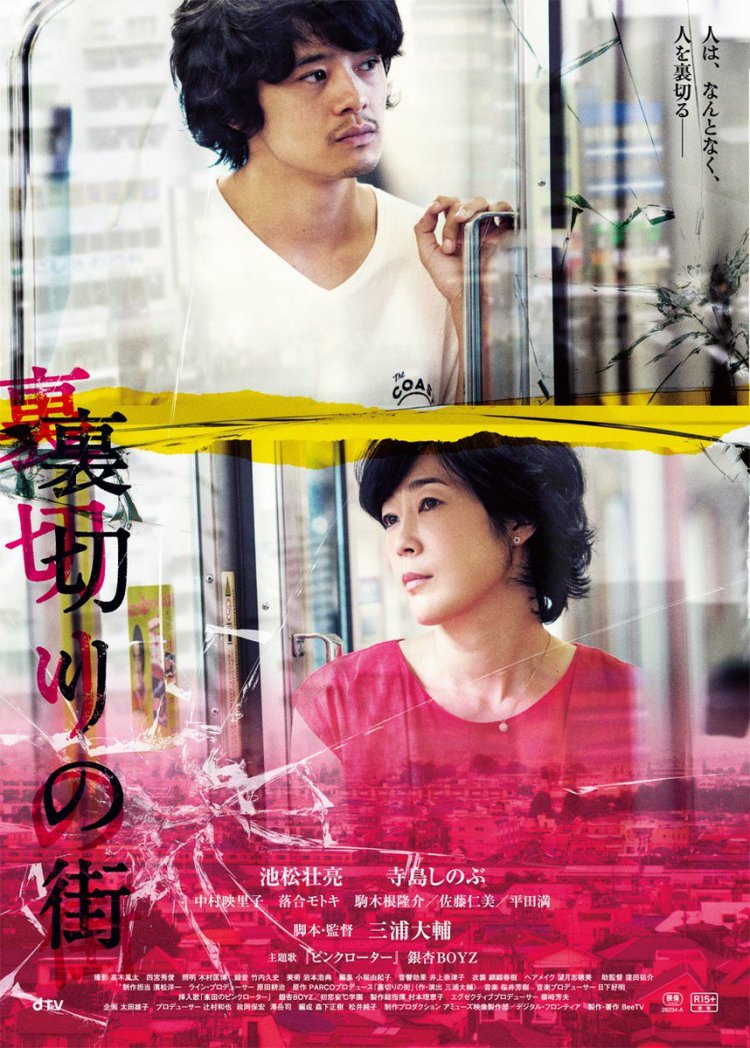
city of betrayalWhat is it that makes one person betray another? Following Love’s Whirlpool, playwright and Be My Baby author Daisuke Miura returns to the world of messy modern love with a tale ridden with infidelity and the impossibility of trust. Despite being in outwardly successful relationships, the central characters find themselves seeking something, trying to eclipse some element of dissatisfaction which is more with themselves than with their partners by burying it in a meaningless affair which only becomes less meaningless as time goes on. Formerly a TV drama now recut for the big screen The City of Betrayal (裏切りの街, Uragiri no Machi) is a melancholy and contemplative piece but one which shares Miura’s rather depressing view of romance with its inherent difficulties and contradictions.

Yuichi (Sosuke Ikematsu) is a young man with a part-time job he never bothers to go to and a successful girlfriend, Satomi (Eriko Nakamura), who is content to pay all the bills and even give him pocket money to out drinking with his friends. Bored at home, Yuichi checks porn sites and chats on a meet up board for casual sex. When he sees a message from “Tomo” popup wondering if anyone nearby is up for some no strings fun, he jumps right on it. Yuichi tells “Tomo” that he works in mass communications and reassures her that he’s not all that bad looking so there’s nothing to worry about.

“Tomo” claimed to be 30 and in the fashion business, but really she’s Tomoko Hashimoto (Shinobu Terajima), a 40 year old housewife who is convinced her husband has been having an affair. Tomoko is not unhappy with Koji (Mitsuru Hirata) – a salaryman of a similar age to herself, he’s a good man, considerate and well mannered if a little dull. Like Yuichi and Satomi, Tomoko and Koji enjoy a full relationship and get on pretty well even if there are the usual little niggles hiding beneath the cheery facade.

Despite having met up for casual sex, the start of Yuichi and Tomoko’s affair is a slow one in which Tomoko originally changes her mind, aware of the large age difference between herself and Yuichi and afraid it would put him off. Spending time together just as friends, the pair grow closer before heading into a love hotel for an experience which is not altogether successful. Still, they continue to meet up at regular intervals behind their partners’ backs.

The cheating and the subterfuge doesn’t sit well with either of them, but their secret affair fulfils needs which weren’t being met elsewhere. Neither Yuichi or Tomoko is particularly unhappy in their relationships but each were in their own way deeply unhappy. Yuichi’s masculine pride is hurt by his girlfriend’s status as the breadwinner while he cannot seem to get his act together, find a job, and make a success of himself. Later on he tells Tomoko that part of the reason he liked spending time with her was that she never scolded him for being the way he is, she just accepted him at face value. Tomoko by contrast, was perhaps looking either for revenge against her possibly adulterous, sometimes neglectful husband or a something more straightforward than her slightly strange marital arrangements. Though Koji is generally attentive and a goodhearted, kind person his ministrations sometimes have the whiff of manipulation and Tomoko has reasons to be suspicious of his ongoing friendship with someone called “Tamura” from “work” whom no one else at work seems to know.

In actuality it turns out that there are no faithful relationships, as one character puts it “there are many truths”. A man can love his wife and his mistress and that’s not necessarily a contradiction, much as it might seem so to the accidentally adulterous Yuichi. Despite the bond generated by their shared loneliness, the relationship between Yuichi and Tomoko remains casual, in one sense, though Yuichi eventually contemplates leaving his girlfriend and suggesting Tomoko leave her husband to allow them to start a new life together, probably knowing that it’s impossible. A lengthy post-credits sequence seems to provide a melancholy if reassuring coda as the lovers return to their respective spheres each having achieved a kind of “success”, though perhaps are no more fulfilled in themselves than they had been before. Another despairing look at modern love from Miura, The City of Betrayal is human at heart, rather than moralistic, arguing for the mature view whilst at the same time offering an ambivalent defence of conventionality.


The City of Betrayal was screened as part of the Udine Far East Film Festival 2017.

Original trailer (no subtitles)
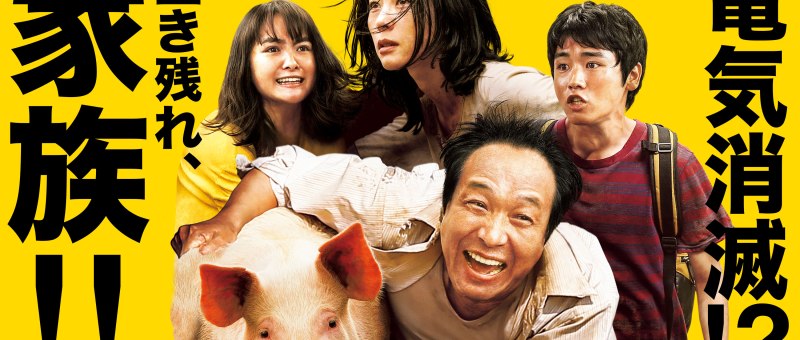
Survival Family (サバイバルファミリー, Shinobu Yaguchi, 2017)

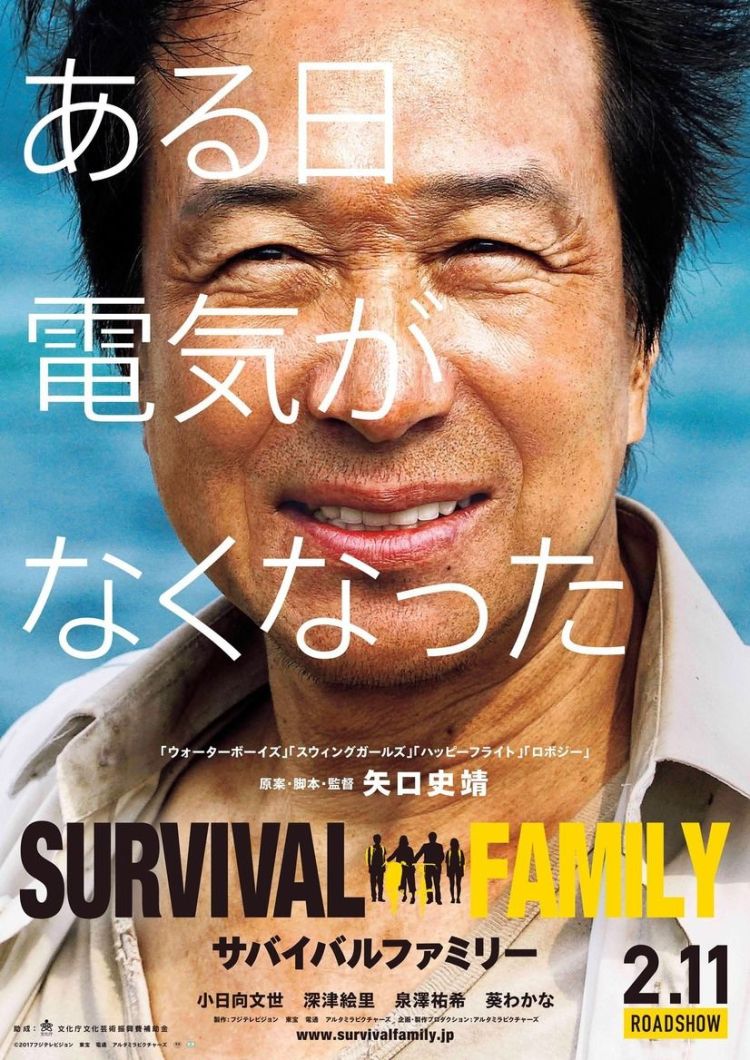
survival family posterModern life is full of conveniences, but perhaps they come at a price. Shinobu Yaguchi has made something of a career out of showing the various ways nice people can come together to overcome their problems, but as the problem in Survival Family (サバイバルファミリー) is post-apocalyptic dystopia, being nice might not be the best way to solve it. Nevertheless, the Suzukis can’t help trying as they deal with the cracks already present in their relationships whilst trying to figure out a way to survive in the new, post-electric world.

Receiving a package from grandpa fills the Suzukis with horror more than gratitude. Mum Mitsue (Eri Fukatsu) can’t bring herself to cut the head off a fish and the sight of the giant bug that crawls out of the lettuce is just too much to bear. Her teenage daughter, Yui (Wakana Aoi), is not very excited either, tapping her smartphone with her fake nails, while her son Kenji (Yuki Izumisawa) spends all his time alone in his room with headphones permanently attached. Mr. Suzuki, Yoshiyuki (Fumiyo Kohinata) – the family patriarch, is a typical salaryman, obsessed with work and often in bed early.

All that changes one day when Yoshiyuki’s alarm clock does not go off. There’s been a power outage – nothing works, not the TV, not the phone, not even the tower block’s elevator. Being the salaryman champ he is, Yoshiyuki tries to make it into to work in other ways but the power’s out across the city and there’s nothing to be done. Everyone is sure the power will come back on soon, but days pass with the consequences only increasing as supermarket shelves become bare and water frighteningly scarce. After his boss decides to take his chances in the mountains and a neighbour dies as a direct result of the ongoing power shortage, Yoshihyuki decides to take the family on the road to find Mitsue’s country bumpkin father in the hope that he will have a better idea of how to survive this brave new world.

Yaguchi is quick to remind us all of the ways electricity defines our lives, even if we’ve begun to forget them. Not only is it a question of mobile phones being out and lifts being out of order, but gas appliances are also electric ignition as are the pumps which drive the water system. So used to the constant stream of electricity, no one quite realises what its absence means hence Yoshiyuki’s big idea is to get a plane from Haneda airport. Ridiculous as it may seem, he’s not the only one to have underestimated the part electricity plays in flight and the aviation industry as the airport is swamped by people trying to escape the rapidly disintegrating city. Credit cards no longer work leading to long checkout lines as the old ladies with their abacuses make a startling return to checkouts while bemused shoppers attempt to use the ATM machine to get more cash.

Cash itself still has worth, at least for a time. Eventually the barter system takes over as food and water become top price commodities. A very flash looking man tries to trade genuine Rolex gold watch and later the keys to his Maserati for food but is roundly informed that none of his hard won prizes is worth anything in this new back to basics era. Thanks to Mitsue’s housewife skills of frugality and haggling, the family are able to get themselves a small stockplie of resources but find themselves tested when the less fortunate ask them for help.

The crisis brings out both the best and the worst in humanity. As the family make their escape from the city on a series of bicycles, they pass a succession of salesmen all upping the price of bottled water by 100% each time. Profiteering is rife as the unscrupulous procure ordinary foodstuffs to be sold for vast amounts of money. Yet the Suzukis rarely find themselves on the wrong side of trickery and even encounter a few kindly souls willing to help them on their journey such as a gang of cycle wear clad survival experts and a very forgiving farmer who takes the family in when they help themselves to one of his escaped pigs (a sequence which allows Yaguchi to go on another Swing Girls-style pig chase only without the slo-mo and classical music).

Forced to reconnect, the family become closer, gradually coming to know and accept each other whilst finding new and unknown talents. Living simply and harmoniously has its charms, ones that don’t necessarily need to disappear if the power ever comes back on. The only certainty is that you can’t survive alone, and who can you count on if you can’t count on family?


Screened as the opening night movie of the Udine Far East Film Festival 2017.

Original trailer (English subtitles)

The Secret of the Telegian (電送人間, Jun Fukuda, 1960)

The-Secret-of-the-Telegian-images-df0ac23f-302b-4e88-8ec7-5423f55f51cPlaced between The H-Man and the Human Vapor, The Secret of the Telegian (電送人間, Denso Ningen) is another in Toho’s series of “mutant” movies in which “enhanced” humans find themselves turning monstrous because of ill-advised scientific endeavours. Like many in the series, Telegian has an ambivalent attitude towards scientific research, both proud and fearful. This might be 1960, but the roots of the threat once again stem back to wartime crimes and the impossibility of trust as a man long thought dead teleports himself out of his fictitious grave to wreak a terrifying and bloody revenge on those who have wronged him.

People running screaming out of the “Cave of Horrors” might not be such an unusual sight but this time it’s not papier-mâché ghosts or fancy tricks which have produced such a reaction but a real life bloody murder. The dead man, Tsukamoto, has the end of a bayonet in his chest and a cryptic letter in his pocket asking him to come to this very spot in order to learn “the truth about what happened 14 years ago”. The police are baffled, as is science journalist Kirioka (Koji Tsuruta) who is excited to discover a strange wire at the crime scene. Eventually, the trail leads to a nationalistic, military themed cabaret bar run by former lieutenant Onishi (Seizaburo Kawazu).

The bar is more or less a front for Onishi’s smuggling operation but what has him worried is that a former associate, Taki (Sachio Sakai), may think that he and another former solider, Takahashi, may have reclaimed some stolen gold and declined to share the proceeds. Onishi, Takahashi, and Taki have all received ominous gold discs which seems to point back to their failed bid to pocket some of the Emperor’s gold during the last days of the war. Charged with looking after a top scientist working on teleportation technology, Onishi decided he’d rather have the cash instead stooping so low as to kill both the researcher, Nikki (Takamaru Sasaki), and one of his subordinates who tried to stop him – Tsudo (Tadao Nakamaru). The gang were interrupted stealing the gold but went back a year later only to find the bodies and the treasure vanished without a trace.

Tsudo, now living under an alias, is hellbent on revenge not only against the men who left him for dead but indirectly against their entrenched treacheries as betrayers of their duty, country, and morality. Unlike the the villain of The Invisible Man Vs Human Fly, Tsudo is not among those who feel themselves betrayed or abandoned by their country, left out in the cold in the new post-war world, but one who has a deep seated need to make those who’ve wronged him pay for their treachery. Onishi’s strange militarism themed bar only adds insult to injury given his extremely unpatriotic conduct, though it is perhaps in keeping with the traditionally opportunist nature of nationalists throughout history.

Despite the familiar setup, the science takes a back seat as Fukuda pushes the procedural over the sci-fi and so it remains unclear to what extent, if any, the presence of the teleportation equipment is responsible for Tsudo’s strange behaviour. The teleporting Tsudo is, it has to be said, an odd man. Turning up to complain about late deliveries of the refrigeration equipment he needs for the special metals involved in the experiments,  Tsudo’s manner is creepy in the extreme, robotic yet somehow malevolent. Predictably he develops a fondness for the saleswoman, Akiko (Yumi Shirakawa), who coincidentally lives near to the first murder victim and also becomes the love interest of intrepid reporter Kirioka.

Fukuda keeps things simple over all, stopping to pay an extensive homage to Jacques Tourneur’s Cat People, though there’s a wry sense of humour at play in the bizarre fairground beginning and odd production elements such as the incongruous club and its dancing girls who are, ironically enough, entirely painted in gold. Eiji Tsuburaya’s involvement is largely limited to the transportation effect which is extremely impressive in its execution and has an appropriately unsettling feeling. Not quite as coherent as other examples of its genre, The Secret of the Telegian has a slight tonal oddity in its almost nationalistic discussion of false nationalism, literally taking aim at those who preach patriotism yet cynically betray their country, robbing it not just literally but spiritually. Even so, Fukuda’s take on the mutant formula has enough tongue in cheek humour and sci-fi inflected drama to keep most genre fans happy.


Original trailer (no subtitles)

Latitude Zero (緯度0大作戦, Ishiro Honda, 1969)

latitude zero1969. Man lands on the moon, the cold war is in full swing, and Star Trek is cancelled prompting a mass write-in campaign from devoted sci-fi enthusiasts across America. The tide was also turning politically as the aforementioned TV series’ utopianism came to gain ground among liberal thinking people who rose up to oppose war, racial discrimination and sexism. It was in this year that Godzilla creators Ishiro Honda and Eiji Tsuburaya brought their talents to America with a very contemporary take on science fiction in Latitude Zero (緯度0大作戦, Ido Zero Daisakusen). Starring Hollywood legend Joseph Cotten, Latitude Zero gives Jules Verne a new look for the ‘60s filled with solid gold hotpants and bulletproof spray tan.
International scientists Dr. Ken Tashiro (Akira Takarada) and Dr. Jules Masson (Masumi Okada) are in the middle of a bathysphere alongside American reporter Perry Lawton (Richard Jaeckel) when a volcano suddenly erupts. Rescued by a passing sub, the team soon notice there’s something very strange about this serendipitous crew. To begin with, the doctor treating their injuries is a svelte young blonde woman in a skimpy outfit, and then there’s that plaque on the bridge which says the boat was launched in 1805, and why won’t Captain McKenzie (Joseph Cotten) tell them which country this very expensive looking rig belongs to?

All these questions will be answered in due course but the major revelation concerns the futuristic city of Latitude Zero – a secret underwater world where top scientists and other skilled people who have been “disappeared” from the surface conduct important research free of political constraints. Despite the peace and love atmosphere, Latitude Zero is not without its villains as proved by exile Malec (Cesar Romero), McKenzie’s arch nemesis who has set out to kidnap a prominent Japanese scientist before he can make his way to the city. Malec is hellbent on taking McKenzie down and has drifted over to the scientific dark side by conducting brain transplant experiments to create his own army of bizarre creatures to do his bidding.

There may be a cold war going on but Latitude Zero is more or less neutral when it comes to its position on science and scientists though when push comes to shove it leans towards negative. Malec, played by Batman’s Ceasar Romero, is a moustache twirling villain of the highest order who will even stoop to transplanting the brain of his own lieutenant into a lion as well as making other strange creatures like giant rats and weird bats to try and destroy McKenzie’s enterprises yet those enterprises are the entire reason for the existence of Latitude Zero. Towards the end of the adventure, Lawton points out to McKenzie that his world is essentially selfish, stealing all the best minds for his underwater paradise and secreting their discoveries away rather than sharing them with the the surface. McKenzie sympathises but deflects his criticism with the justification that mankind is currently too volatile and divided to take part in his project, though they do try to drip feed the essentials all in the name of making the world a better place.

Lawton further shows himself up by trying to loot Latitude Zero which has an abundant supply of diamonds it barely knows what to do with. What is does with them is experiment – jewels are worthless baubles here, the value of the diamonds is purely practical. Similarly, they have a taste for solid gold clothing which might explain the skimpiness of their outfits were it not for the fact the precious metal holds no other value than being stylish.

Unlike other subsequent US co-productions such as Fukasaku’s Virus, Latitude Zero was filmed in English with the Japanese cast providing their own English language dialogue (with various degrees of success). A second cut running fifteen minutes shorter was later prepared for the Japanese market with the entire cast dubbed back into Japanese and dropping McKenzie’s often unnecessary voice over. Given a relatively high budget, Honda and Tsuburaya once again bring their unique production design to life with intricate model shots and analogue effects complete with a selection of furry monsters even if they’re operating on a level that owes much more to Star Trek than Godzilla. It’s all very silly and extremely camp but good clean fun with a slight layer of political subversiveness which displays a noted ambivalence to the neutrality of utopia even whilst hoping for the day when the world will finally be mature enough to pursue its scientific destiny without polarised politics getting in the way.


Original trailer (English version)

My House (Yukihiko Tsutsumi, 2012)

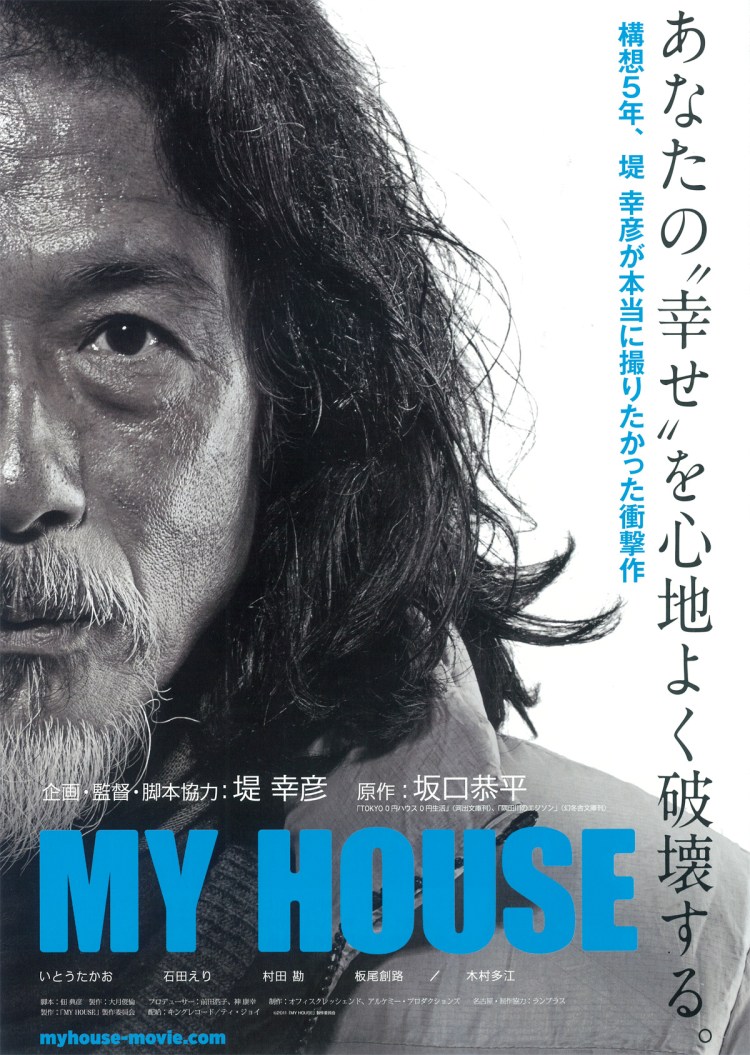
my houseYukihiko Tsutsumi has made some of the most popular films at the Japanese box office yet his name might not be one that’s instantly familiar to filmgoers. Tsutsumi has become a top level creator of mainstream blockbusters, often inspired by established franchises such as TV drama or manga. Skilled in many genres from the epic sci-fi of Twentieth Century Boys to the mysterious comedy of Trick and the action of SPEC, Tsutsumi’s consumate abilities have taken on an anonymous quality as the franchise takes centre stage which makes this indie leaning black and white exploration of the lives of a group of homeless people in Nagoya all the more surprising.
The film begins with its hero, Suzumoto, pulling a cart followed by his friends with other supplies and equipment. Arriving at their appointed destination, the men and women embark on a process they’ve obviously enacted a thousand times before. Dismantling their cart, they arrange the components for a kind of prefab house made out of found materials and propped up on crates.

Though the life may seem impossible to those from the outside – as it does to the well meaning men from the council eager to get the mini commune to move on by dangling a promise of sheltered accommodation or assistance, but thanks to Suzumoto’s innovations they have access to many of the benefits of the modern world from television to laptops. The main source of income comes from recycling – collecting tin cans, bottles, cardboard etc to be sold back to scrap merchants and recycling plants. It’s not easy money to make and there isn’t much of it but Suzumoto has his routine well worked out and is able to maximise his takings by cutting deals with householders and businesses for handiwork in return for what is essentially rubbish.

Getting into a discussion with a hotelier, Suzumoto is offered a regular job and a place in company accommodation but turns it down. He likes his life. It might seem hard to others and it is annoying to be continually dismantling and rebuilding your house, but the innovation appeals to him. He likes to work and to make things work. He wouldn’t want to be cooped up and constrained by the world of contracts and salaries and taxes.

The freedom and simplicity of Suzumoto’s life is contrasted with a seemingly ordinary middle class household which is defined by its tension and sterility. School boy Shota is an ace student but his austere father pushes him hard, allowing him little freedom or responsibility. Nursing a mild addiction to Pepsi, Shota’s only friend is the pet turtle he keeps in a tank in his wardrobe. While his father returns home only to shout at everyone and then go to bed, Shota’s mother is as obsessed with cleaning as he is with Pepsi and rarely leaves the house. Talking to almost no one, Shota’s mother’s existence is one of cold rigidity, living in fear of her domineering husband and accidentally neglecting her stressed out son in the process.

Through a series of inevitable coincidences the two worlds will clash with tragic consequences on each side. Tsutsumi doesn’t seek to glamorise life on the streets or paint it as some kind of hippyish quest for better living, but he does dare to suggest that Suzumoto’s self reliance and inner calm are much more healthy than the fear and repression which make Shota’s home as much of a prison as the tank he traps his turtle in. Suzumoto and his friends are looked down on, hassled by the authorities, and accused of crimes they did not commit but they are the victims and not the instigators of violence. Tension bubbles over and misses its target as rage against authority and society at large is redirected towards its most vulnerable citizens.

Suzumoto takes all of this in his stride, as he always does, dismantling his house only to rebuild somewhere else hoping only to continue the cycle while Shota is left to ruminate on the consequences of his actions still trapped inside the empty pressure cooker of his family home. Tsutsumi’s elegantly composed black and white aesthetic adds to the contemplative edge as two worlds are thrown into stark contrast but the one central tenet is the enabling factor for both – the intense pressures and total indifference of the mainstream world towards those attempting to live within in it.


Original trailer (no subtitles)

Neuchâtel International Fantastic Film Festival to Pay Tribute to Seijun Suzuki

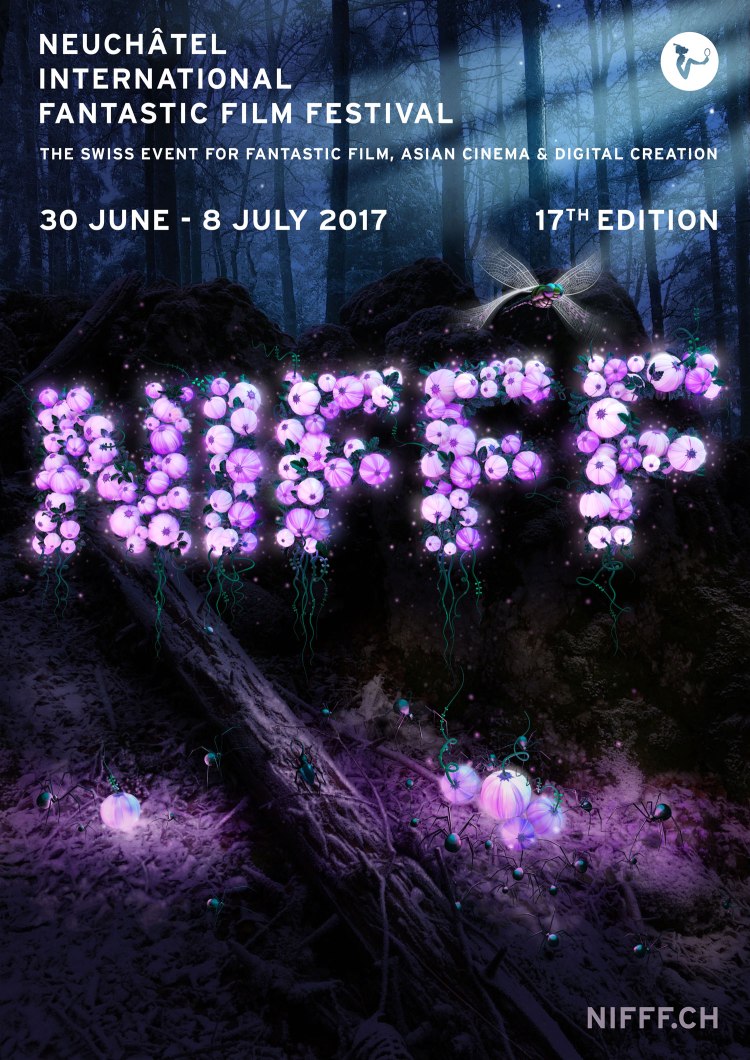
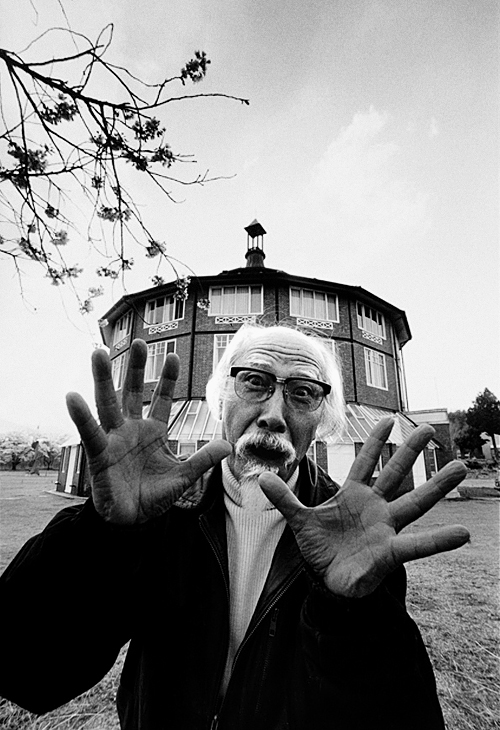
suzukiSince its launch in 2000, the Neuchâtel International Fantastic Film Festival has become one of the major Swiss film events. Set to return from 30th June to 8th July, the 17th edition of the festival which has an annual special focus on Asian cinema will pay tribute to the late Seijun Suzuki who sadly passed away in February of this year.

branded to kill

Around 10 of Suzuki’s best works will be screened during the festival alongside a number of recent cinema hits from Asia to be announced at a later date.

affiche-rvb-avec-banner-webThe 17th Neuchâtel International Fantastic Film Festival runs from 30th June to 8th July 2017 and will have a special focus on genre cinema. The festival will also host a series of outdoor cinema events as part of the NIFF Invasion strand including a screening of Cheung Kwok-ming’s Twinkle Twinkle Little Star (1983), and Tsui Hark’s A Chinese Feast (1995) is set to screen as one of five films selected to celebrate the nomination of Neuchâtel as a city of taste.
You can keep up with all the latest festival news via the official website, Facebook, and Twitter account

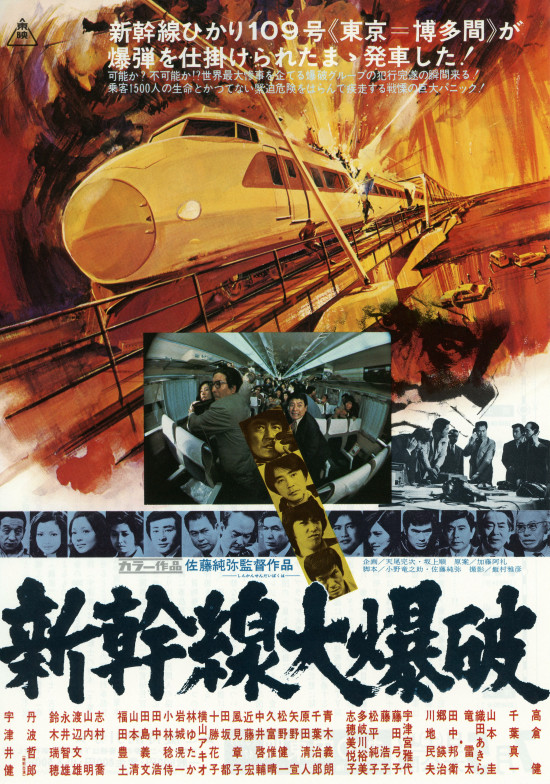
The Bullet Train (新幹線大爆破, Junya Sato, 1975)

bullet train posterFor one reason or another, the 1970s gave rise to a wave of disaster movies as Earthquakes devastated cities, high rise buildings caught fire, and ocean liners capsized. Japan wanted in on the action and so set about constructing its own culturally specific crisis movie. The central idea behind The Bullet Train (新幹線大爆破, Shinkansen Daibakuha) may well sound familiar as it was reappropriated for the 1994 smash hit and ongoing pop culture phenomenon Speed, but even if de Bont’s finely tuned rollercoaster was not exactly devoid of subversive political commentary The Bullet Train takes things one step further.

A bomb threat has been issued for bullet train Hikari 109. This is not a unique occurrence – it happens often enough for there to be a procedure to be followed, but this time is different. So that the authorities don’t simply stop the train to find the device as normal, it’s been attached to a speedometer which will trigger the bomb if the train slows below 80mph. A second bomb has been placed on a freight train to encourage the authorities to believe the bullet train device is real and when it does indeed go off, no one quite knows what to do.

The immediate response to this kind of crisis is placation – the train company does not have the money to pay a ransom, but assures the bomber that they will try and get the money from the government. Somewhat unusually, the bomber is played by the film’s biggest star, Ken Takakura, and is a broadly sympathetic figure despite the heinous crime which he is in the middle of perpetrating.

The bullet train is not just a super fast method of mass transportation but a concise symbol of post-war Japan’s path to economic prosperity. fetching up in the 1960s as the nation began to cast off the lingering traces of its wartime defeat and return to the world stage as the host of the 1964 olympics, the bullet train network allowed Japan to ride its own rails into the future. All of this economic prosperity, however, was not evenly distributed. Where large corporations expanded, the small businessman was squeezed, manufacturing suffered, and the little guy felt himself left out of the paradise promised by a seeming economic miracle.

Thus our three bombers are all members of this disenfranchised class, disillusioned with a cruel society and taking aim squarely at the symbol of their oppression. Takakura’s Okita is not so much a mad bomber as a man pushed past breaking point by repeated betrayals as his factory went under leading him to drink and thereby to the breakdown of his marriage. He recruits two helpers – a young boy who came to the city from the countryside as one of the many young men promised good employment building the modern Tokyo but found only lies and exploitation, and the other an embittered former student protestor, angry and disillusioned with his fellow revolutionaries and the eventual subversion of their failed revolution.

Their aim is not to destroy the bullet train for any political reason, but force the government to compensate them for failing to redistribute the economic boon to all areas of society. Okita seems to have little regard for the train’s passengers, perhaps considering them merely collateral damage or willing accomplices in his oppression. Figuring out that something is wrong with the train due to its slower speed and failure to stop at the first station the passengers become restless giving rise to hilarious scenes of salarymen panicking about missed meetings and offering vast bribes to try and push their way to the front of the onboard phone queue, but when a heavily pregnant woman becomes distressed the consequences are far more severe.

Left alone to manage the situation by himself, the put upon controller does his best to keep everyone calm but becomes increasingly frustrated by the inhumane actions of the authorities from his bosses at the train company to the police and government. Always with one eye on the media, the train company is more preoccupied with being seen to have passenger safety at heart rather than actually safeguarding it. The irony is that the automatic breaking system poses a serious threat now that speed is of the essence but when the decision is made to simply ignore a second bomb threat it’s easy to see where the priorities lie for those at the top of the corporate ladder.

Okita and his gang are underdog everymen striking back against increasing economic inequality but given that their plan endangers the lives of 1500 people, casting them as heroes is extremely uncomfortable. Sato keeps the tension high despite switching between the three different plot strands as Okita plots his next move while the train company and police plot theirs even if he can’t sustain the mammoth 2.5hr running time. A strange mix of genres from the original disaster movie to broad satire and angry revolt against corrupt authority, The Bullet Train is an oddly rich experience even if it never quite reaches its final destination.


Original trailer (no subtitles)

Nippon Connection 2017 to Showcase Japanese Documentary

Mifune_Last_SamuraiNippon Connection is the largest festival dedicated to Japanese Cinema anywhere in the world and returns in 2017 for its 17th edition. Once again taking place in Frankfurt, the festival will screen over 100 films from May 23 – 28, many of which will also welcome members of the creative team eager to present to their work to an appreciative audience.
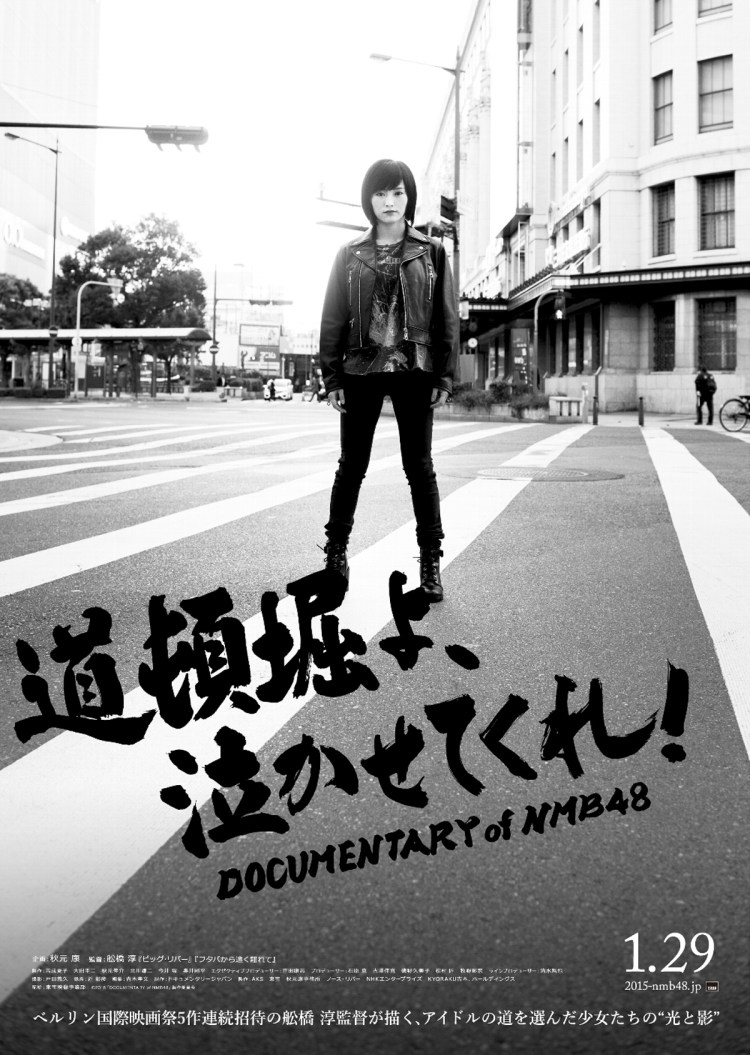
This year’s festival has a special focus on documentary film – an area often neglected by other mainstream film festivals. Leaving heavier topics to one side, documentaries already announced to headline the strand include Atsushi Funahashi’s idol documentary Raise Your Arms and Twist – Documentary of NMB48 (道頓堀よ、泣かせてくれ! DOCUMENTARY of NMB48, Doutonbori yo, Nakasetekure! Documentary of NMB48)

raise your arms and twistDirector Atsushi Funahashi has hitherto been known for hard hitting fare such as the Fukushima documentary Nuclear Nation as well as narrative films including the heartrending Cold Bloom and cross cultural odyssey Big River. Consequently he steps into the slowly growing genre of idol documentaries from the refreshing position of a total novice. Adopting an objective viewpoint, Funahashi rigourously dissects this complicated phenomenon whilst taking care never to misrepresent the girls, their dreams, or their devoted fanbase.
Trailer (no subtitles)

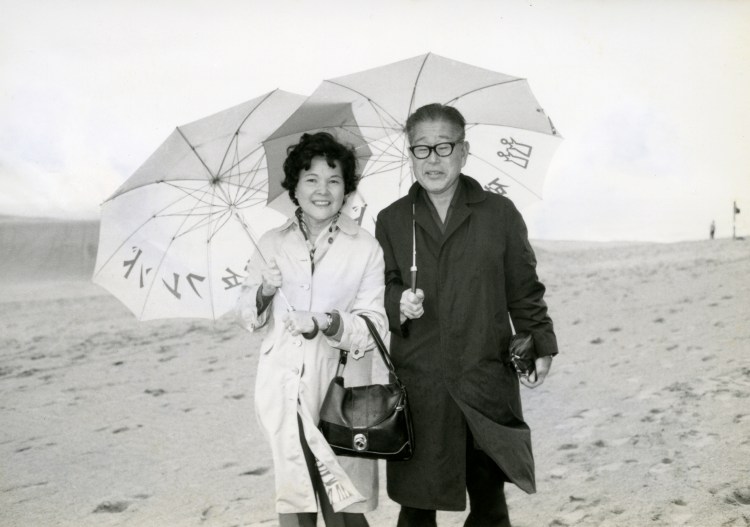
Returning to the internationalist leanings of Funahashi’s Big River, Kimi Takesue’s 95 and 6 to Go sees the director begin a collaborative project with her widowed grandfather – a Japanese immigrant to Hawaii.

95_And_6_To_Go_Still4Shot over six years, 95 and 6 to Go begins with a stalled fim project and some unexpected grandfatherly advice but eventually develops into a moving meditation on life, love, loss, and endurance.
Trailer:

In a neatly circular motion the last of the three highlights of the documentary section takes a look at one of the giants of Japanese cinema – Toshiro Mifune.

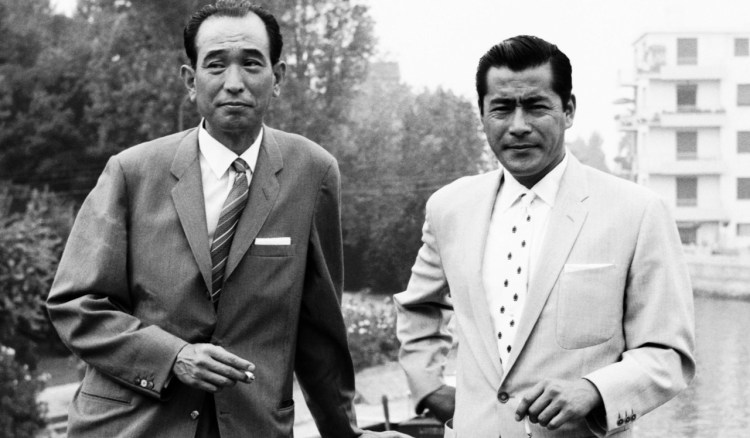
Kurosawa-Mifune-VenicePreviously screened at the BFI London Film Festival, Steven Okazaki’s documentary Mifune: The Last Samurai focuses firmly on Mifune’s place within the history of samurai cinema through exploring not only his life but also the early history of “chanbara” movies and the genre’s later echoes in American cinema as related by talking heads including Steven Spielberg and Martin Scorsese.
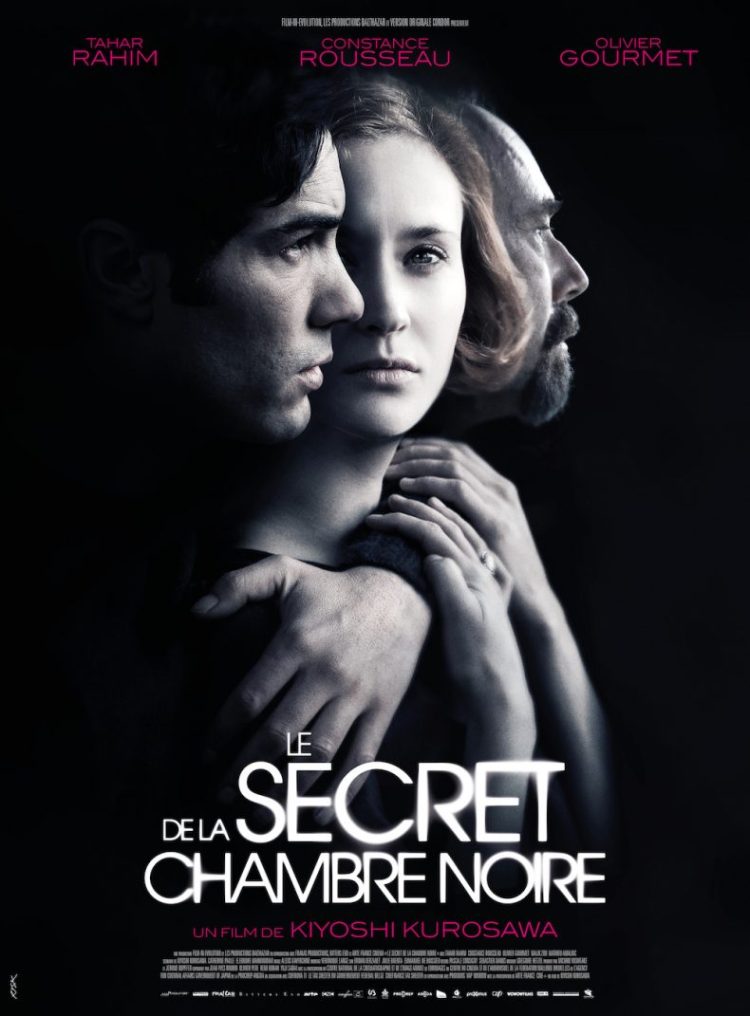
Of course there will also be a host of narrative features on offer with frequent Nippon Connection favourite Kiyoshi Kurosawa’s Daguerrotype (Le Secret de la chambre noire) a definite highlight.

Le-Secret-de-la-chambre-noire-affiche-filmosphere-790x1071Back in 2012, Kiyoshi Kurosawa planned his first international movie, 1905, which would have featured 90% Chinese dialogue and was set to shoot in Taiwan with stars Tony Leung Chiu-Wai, Shota Matsuda and Atsuko Maeda. Sadly, political concerns of the day put paid to 1905, and so Daguerrotype marks Kurosawa’s first foray into non-Japanese language cinema. Starring one of France’s most interesting young actors in Tahar Rahim, this French language gothic ghost story takes the director back to his eerie days of psychological horror.

Trailer (English subtitles)

Returning to modern day Japan, Capturing Dad director Ryota Nakano’s second movie Her Love Boils Bathwater (湯を沸かすほどの熱い愛, Yu o Wakasu Hodo no Atsui Ai) is another suitably offbeat family drama.

her love boils bathwaterPale Moon‘s Rie Miyazawa stars as a warmhearted woman who discovers she only has a short time left to live and is determined to get her estranged family back together whilst saving the family bathhouse. Rie Miyazawa won the Japan Academy Prize best actress award for her role in Her Love Boils Bathwater, with supporting actress Hana Sugisaki also taking home a prize at the 2017 awards.

Original trailer (English subtitles)

Family drama is, after all, Japan’s representative genre and is featured once again with Miwa Nishikawa’s adaptation of her own novel, The Long Excuse (永い言い訳, Nagai Iiwake).

long excuse posterMasahiro Motoki makes a welcome return to leading man status as a self-centered B-list celebrity and former author who finds himself largely unmoved after his wife is killed in an accident but later bonds with the bereaved children of her best friend who died alongside her.
Original trailer (English subtitles)

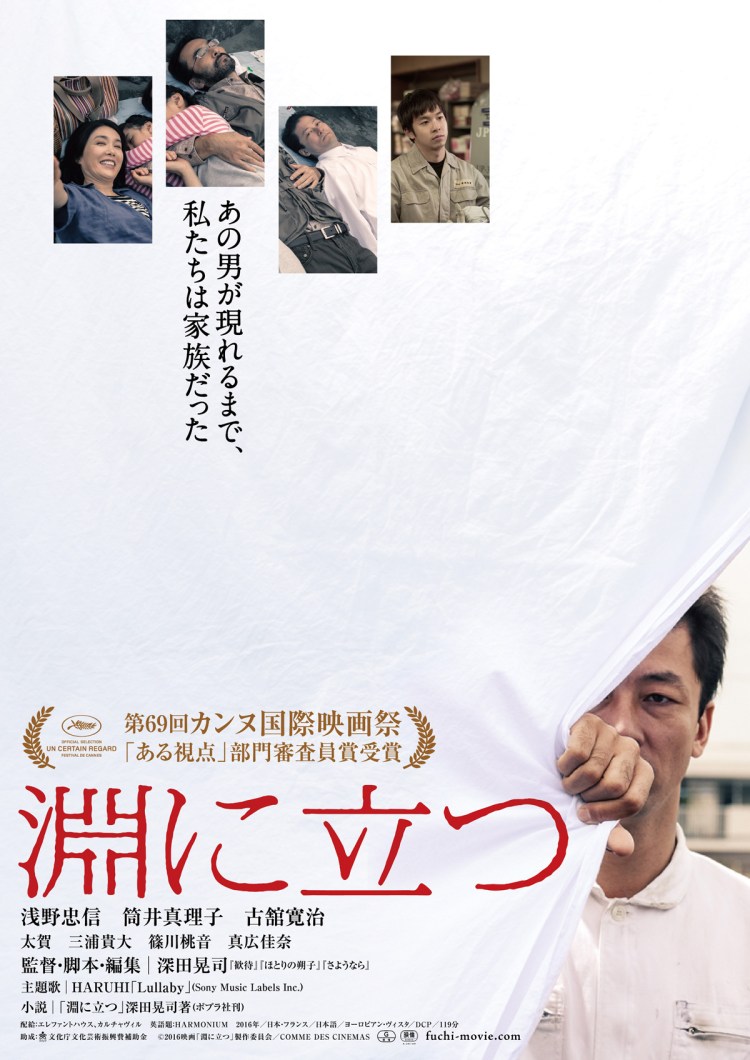
When talking of family drama, one most often thinks of Ozu and of the gentle passing of time as the old are left alone to contemplate the vagaries of life and young ones make a start on their own. Koji Fukada’s Harmonium (淵に立つ, Fuchi ni Tatsu) is not Ozu, it’s not the wry eye of Yoshimitsu Morita in The Family Game, or of Sogo Ishii in the Crazy Family, it’s a harsh and unforgiving look the status of the modern family unit.

harmoniumYou can check out our review of this one from the London East Asia Film Festival and it’s also scheduled for a UK release courtesy of Eureka Entertainment in June 2017 following a cinema run from 5th May.

Eureka trailer (English subtitles)

It would be a stretch to describe Tetsuya Mariko’s Destruction Babies (ディストラクション・ベイビーズ) as a family drama but in a way it sort of is in its dissection of the relationship between two orphaned brothers.

destruction-babiesBeyond nihilism, Destruction Babies paints a bleak prognosis for the youth of Japan who live without hope, disconnected from reality, and know only the sensation of violence. You can check out our review of the film here from its screening in the Japan Foundation Touring Film Programme, and it’s also currently available in the UK courtesy of distributor Third Window Films.
Original trailer (English Subtitles)

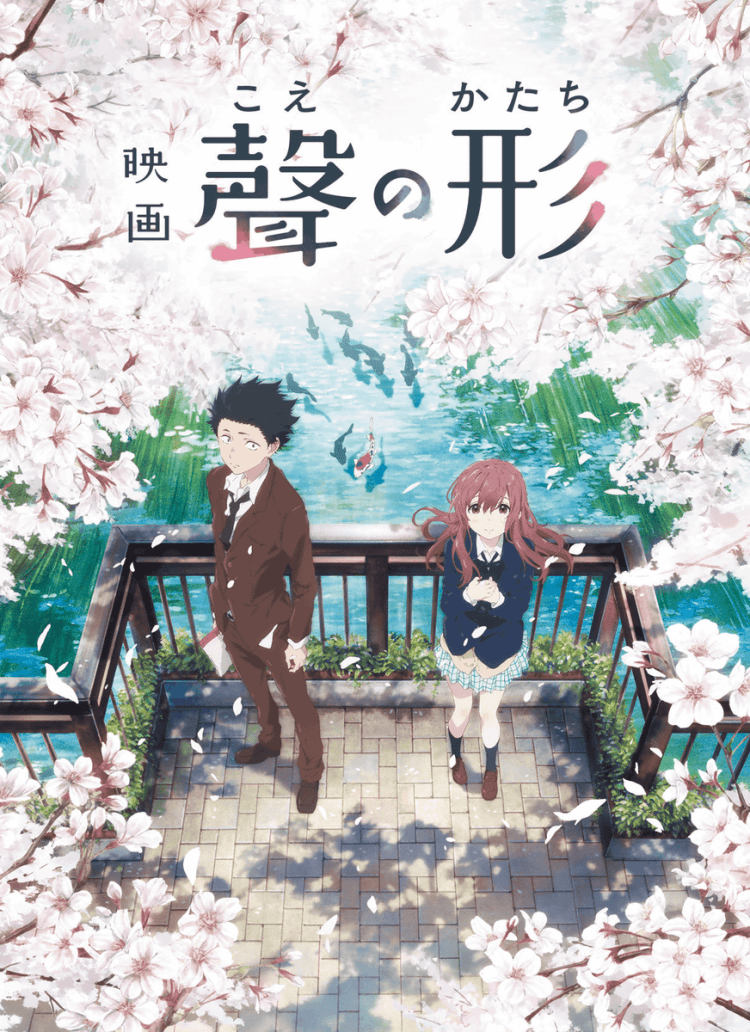
Concluding the list of newer mainstream releases is the first in the festival’s anime strand – Naoko Yamada’s A Silent Voice (聲の形, Koe no Katachi).

silent-voiceDistributed in the UK by Anime Limited, this alternately heartrending and heartwarming drama examines the effects of social stigma, disibility, and the legacy of cruelty as its perfectly matched central pair confront the ghosts of their respective pasts and futures. You can check out our review from the Japan Foundation Touring Film Programme over here (mild spoilers for the concluding half of the film).
International trailer (dialogue free, English captions)

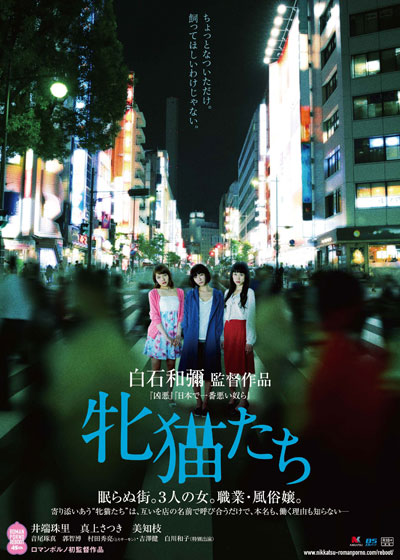
Revisiting the past in an altogether different sort of way, Nippon Connection will also play host to two films from Nikkatsu’s Roman Porno Reboot Project. Roman Porno was a fairly short lived offshoot of the “pink” genre, essentially softcore pornography intended to bring the dwindling cinema audiences back through the promise of sex and (sometimes) violence. In celebration of the 45th anniversary of the Roman Porno line, Nikkatsu have brought it back as a special tribute with five directors hired to film their take on the classic genre – Sion Sono, Hideo Nakata, Akihiko Shiota, Kazuya Shiraishi and Isao Yukisada.

The first of two featured in the festival is Kazuya Shiraishi’s Dawn of the Felines (牝猫たち, Mesuneko Tachi) . dawn of the felinesFrom the director of Twisted Justice and Devil’s Path, Dawn of the Felines follows the adventures of three prostitutes in Tokyo’s red light district.

Trailer (English subtitles, NSFW)

Akihiko Shiota directed one of the best (and criminally underseen) films of the 2000s in 2005’s Canary and his instalment in the Reboot series, Wet Woman in the Wind (風に濡れた女, Kaze ni Nureta Onna), proved an unexpected festival hit receiving high praise from critics at Locarno.

wet woman in the windShiota’s film follows a former playwright who tries to get out of town for some peace and quiet but runs into a nymphomaniac waitress instead. Oh well, a change is as good as a rest?

Original trailer (English subtitles, NSFW!)

The full programme is announced on 29th April when tickets are also expected to go on sale via the official Nippon Connection website. You can also keep up with the festival via their Facebook Page, Twitter account, and Instagram.

Missing (미씽: 사라진 여자, E Oni, 2016)

missing posterSince ancient times drama has had a preoccupation with motherhood and a need to point fingers at those who aren’t measuring up to social expectation. E Oni’s Missing plays out like a Caucasian Chalk Circle for our times as a privileged woman finds herself in difficult circumstances only to have her precious daughter swept away from her just as it looked as if she would be lost through a series of social disadvantages. Missing is partly a story of motherhood, but also of women and the various ways they find themselves consistently misused, disbelieved, and betrayed. The two women at the centre of the storm, desperate mother Ji-sun (Uhm Ji-won) and her mysterious Chinese nanny Han-mae (Gong Hyo-jin) are both in their own ways tragic figures caught in one frantic moment as a choice is made on each of their behalves which will have terrible, unforeseen and irreversible consequences.
Ji-sun is a busy woman. Recently divorced from her philandering doctor husband, Ji-sun is in the middle of a nasty custody battle over her daughter, Da-eun, which she has technically already lost though refuses to concede. Seeing as Ji-sun is barely ever at home (and when she is, she’s often still working), Chinese nanny, Han-mae is on hand to help her out. Han-mae’s Korean is imperfect, but she’s good with Da-eun and seems to have the knack for calming both the little one and her mum.

Other than the custody battle heating up as Ji-sun’s mother-in-law is intent on getting her grand-daughter away from her son’s awful former wife, Ji-sun’s life was functioning pretty well, all things considered. When she comes home one day and realises Han-mae and Da-eun aren’t around she’s a little put out but assumes they’re just delayed, have stopped off with friends, or are off somewhere having a lovely time without her. When they haven’t comeback by nightfall Ji-sun starts to worry.

Missing does its best not to judge either of the women. Though there is the subtle criticism of Ji-sun’s parental absenteeism, it’s largely manifested through her own feelings of guilt and fear as she’s placed in the difficult position of unexpected, middle-aged single parenthood. Divorced from her cold-hearted, selfish, lothario of a husband, Ji-sun would have needed to get a high paying job and maintain a middle class lifestyle to have any hope of keeping her daughter though the need to maintain both of those things would necessarily mean that she won’t be able to spend a lot of time with her child. Torn between the need to prove she can support herself alone and the need to play a fuller role in her daughter’s life, Ji-sun is understanably squeezed from both ends and left with little choice about any of it.

The problems both she and Han-mae face are those of an inherently sexist and intolerant society which forces them to prove themselves as women and judges them harshly when it believes they’ve deviated from the expected course. Ji-sun’s bosses make overtly sexist comments towards her, exclaiming that this is why they “don’t like employing mothers”, the police don’t want to believe her kidnap story because she’s just another hysterical woman, and her ex-husband knows he can take their daughter simply because he’s a man with a good job and a ready home.

Han-mae’s life has been darker and crueller, though hers is a greater struggle as she finds herself in an even lower status through being non-Korean and having poor language skills. Language skills are something she’s actively been denied in order to keep her from trying to escape a life of serfdom but in any case Han-mae’s prospects are not good. Ji-sun’s investigations take her to some very dark places as she searches for her child and begins to understand the reasons why she was taken. As a mother, as woman, and as a human being it is impossible to not to understand why Han-mae’s story ends the way it does, but it’s also impossible to not acknowledge a degree of unwittingly complicity in her ongoing suffering.

The last scene brings us unwelcomely back to that early debate surrounding the true mother and the unbreakable bond between a parent and a child, solving a complex problem neatly and smoothing it over with the gloss of emotion. Early on in the courtroom, Ji-sun says she’d do whatever it it took to keep her daughter, even run away with her if she had to. Later she says so again to a shady guy in a police cell who has more idea of what “anything” might mean, but Ji-sun was already doing quite a lot for Da-eun in running herself ragged just for the right to be near her. Neither Ji-sun or Han-mae were in any way at fault in the series of events which brought them to this point, a decision was made for them which was to have terrible, irreversible consequences. The two women are victims of the same oppressive social codes, but life is very different for each of them and if Ji-sun had been guilty of anything at all it was a blinkered way of living in which women like Han-mae are a barely visible presence except when needed to fulfil their allotted role.


Reviewed as part of a series of teaser screenings for the London Korean Film Festival 2017 the next of which, Queen of Walking, takes place at Regent Street Cinema on 22nd May 2017 at 7.30pm.

Original trailer (English subtitles)

With Beauty and Sorrow (美しさと哀しみと, Masahiro Shinoda, 1965)

with beauty and sorrw

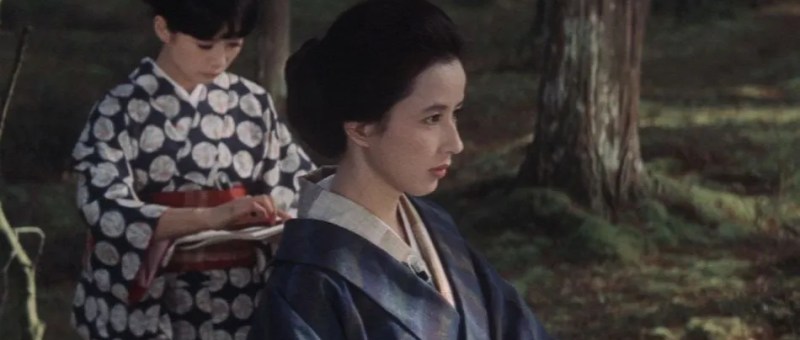
Masahiro Shinoda, a consumate stylist, allies himself to Japan’s premier literary impressionist Yasunari Kawabata in an adaptation that the author felt among the best of his works. With Beauty and Sorrow (美しさと哀しみと, Utsukushisa to Kanashimi to), as its title perhaps implies, examines painful stories of love as they become ever more complicated and intertwined throughout the course of a life. The sins of the father are eventually visited on his son, but the interest here is less the fatalism of retribution as the author protagonist might frame it than the power of jealousy and its fiery determination to destroy all in a quest for self possession.

Middle-aged author Oki (So Yamamura) is making a trip to Kyoto in order to hear the New Year bells but whilst there he wants to reconnect with someone very dear to him whom he has not seen for a long time. 15 years previously, Oki, already around 40 and married with a young son, had an ill advised affair with 16 year old Otoko (Kaoru Yachigusa). Oki’s indiscretion was discovered after Otoko fell pregnant and gave birth to an infant who sadly died after just a few months provoking Otoko’s own suicide attempt. Oki turned the traumatic events into a best selling novel which made his name and has not seen Otoko during the intervening years. Now a successful painter, Otoko has remained unmarried, still traumatised by her youthful experiences, and is currently in a relationship with a female student, Keiko (Mariko Kaga).

Keiko, a beautiful though strange young woman, will be the cause of much of the sorrow resulting from Oki’s decision to visit Otoko after all these years. Angry on her lover’s behalf, Keiko takes it upon herself to exact revenge for the wrong which was done to Otoko at such a young age, ignoring her lover’s pleas to leave the situation well alone.

Perhaps surprisingly, Shinoda avoids the temptation to retain Oki’s central viewpoint by attempting to survey the various threads which bind and constrain each of the protagonists, locked into a complex system of love, jealously, pain and obsession. Oki sows the seeds of his own downfall in his improper relationship with a teenager over twenty years younger than himself whom he has no intention of marrying seeing as he is already married and even has a child. Little is said about the original affair save for the effect it had both on Otoko and on Oki’s marriage which endures to the present time even though it appears Oki continues to pursue other women outside of the home. Not only does Oki turn his scandalous love life into a best selling novel, but he makes his wife, Fumiko (Misako Watanabe), type it up for him, forcing her to read each and every painful detail of his relations with another woman.

During the writing of the novel, Fumiko begins to become ill, depressed and listless, but not out of suffering or disgust – what she feels is jealousy but of a literary kind. Fumiko laments that Oki has written an entire book about Otoko, but never thought to write one for her. Even if depicted as some kind of harridan or vengeful, shrewish woman, Fumiko wanted to be Oki’s muse and was denied. Otoko, by contrast never wanted anything of the sort and has lived quietly and independently ever since her traumatic teenage love affair with a married, older, artist. Her feelings, complicated as they may be, are the motivation for the actions of her obsessive lover, Keiko, determined on taking “revenge” for pain Otoko is not entirely certain she feels. Keiko’s jealously has been roused by Oki’s return and the possibility that it may reawaken Otoko’s youthful romantic yearnings. Unwilling to surrender her beloved to another, she sets about destroying that which may come between them, perfectly willing to destroy both herself and the woman she claims to love in the process.

Oki is, after all, a novelist and therefore apt to ascribe a kind of narrative to his life which may ignore its more ordinary baseness. His equally sensitive son, Taichiro (Kei Yamamoto), brings up the subject of Princess Kazu and the glass panel and lock of hair which were discovered with her body and muses on whether these belonged to her husband, as is said, or her “true love” as seems to be suggested by the evidence at hand. Loves true and false are played off against each other but the forces at play are less grand romances than petty lusts and obsessions. Keiko wants to own her lover absolutely but her games of revenge cause Otoko only more pain and take her further away from that which she most loves towards the film’s dark and ambiguous conclusion in which the innocent are made to suffer for other people’s transgressions.

Otoko’s suffering is largely ignored by all concerned though it’s clear that the loss of her child is a deep wellspring of pain which has become the dominant force in her life. Misused and abandoned, Otoko has sought only quietness and solitude living independently and without the need for male contact. Keiko, whilst crying out that she hates men and is going to destroy the family of the man who has destroyed her lover, acts only out of selfishness, refusing to see how far her actions are wounding the woman she loves even as she sets out to make a weapon of her beauty and turn it on the male sex.

Shinoda films with his characteristic aesthetics adopting a position of slight distance as his protagonists gaze at reflections of themselves and talk through mirrors yet refuse the kind of introspection which a novelist like Oki would be expected to project. A final moment of high drama is offered in a series of freeze frames, as if the emotions are too big and complex to be understood as a whole but can only be grasped in painful fragments snatched from among the resultant chaos. With Beauty and Sorrow conjures the idea of nobility in romance, enhanced by the inevitability of its failure, but for all of its aesthetic pleasures and enduring sadness this is not the elegant coolness of romantic tragedy but the painful heat of love scorned as it festers and corrupts, spreading nothing other than pollution and decay.


Original trailer (no subtitles)