The London Korean Film Festival has always made a space for documentary in its packed out programme but for this year’s edition they’ve decided to go a little further and give it a spotlight of its own with two weekends dedicated to the art. On August 11/12, and 18/19, six short and feature lengths films will be screened with directors Kim Dong-won and Song Yun-hyeok making an appearance to present their work.
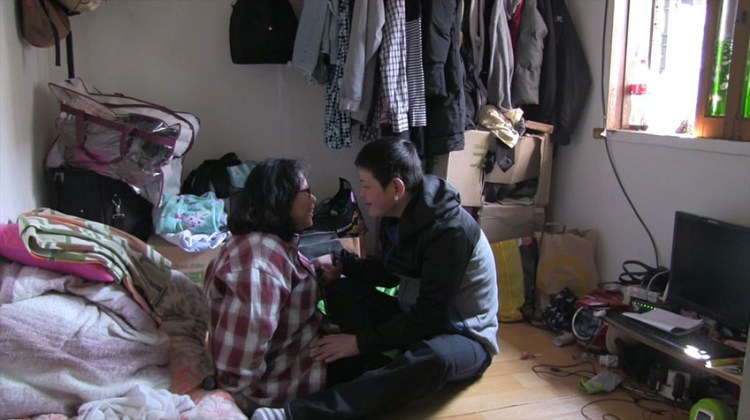
Song Yun-hyeok examines the social reality behind the prosperous facade of contemporary Korean society through the lives of those living in “slice rooms”. Director Song Yun-hyeok will also be in conversation with Nam In Young following the screening.
Kim Dong-won’s 1988 documentary Sanggyedong Olympics follows the resistance movement towards urban regeneration amongst a community north of Seoul who had been unfairly evicted from their homes without proper compensation or adequate time to find new accommodation. Kim planned to stay only one day but ended up living amongst the community for three years.
The 6 Day Struggle at the Myeongdong Cathedral, completed during 1996-7, looks back at the pivotal 1987 sit-in which became a catalyst for the June democracy movement.
Following the two short docs, Kim Dong-won will also be in conversation with Nam In Young.
In what many consider his masterpiece, Kim Dong-won examines the lives of the “unconverted” – North Korean “spies” who refuse to renounce their communist beliefs despite longterm imprisonment in the South. Refused the possibility of returning to the North on release, most were left without support in South Korea facing economic hardship and social stigma, dependent on solidarity networks to help them integrate into society. Kim follows two such men over a decade as they try to rebuild their lives in the fluctuating political climate of the ’90s.
The film will be followed by a conversation with Kim Dong-won chaired by Chris Berry.
A roundtable panel discussion chaired by Professor Chris Berry discussing the Korean independent documentary scene from the late ’80s to the present. Nam In Young of Dongseo University will provide an overview of filmmaking collectives within the sociopolitical history of South Korea while directors Kim Dong-won and Song Yun-hyeok will be on hand to offer their personal experiences.
Park Bae-il’s Soseongri follows a community of elderly farmers facing rural depopulation problems who find themselves in conflict with the police when the decision is taken to place the THAAD anti-aircraft system in their village.
Kim Dong-won’s most recent film pays tribute to North American Jesuit priest, Jung Il-woo, who dedicated his life to improving the lives of the poor in South Korea.
All the events are free to attend but tickets must be booked in advance via the links above. Full details for all the films are available via the official website, and you can keep up with all the latest news via the festival’s Twitter, Facebook, Flickr, Instagram and YouTube channels
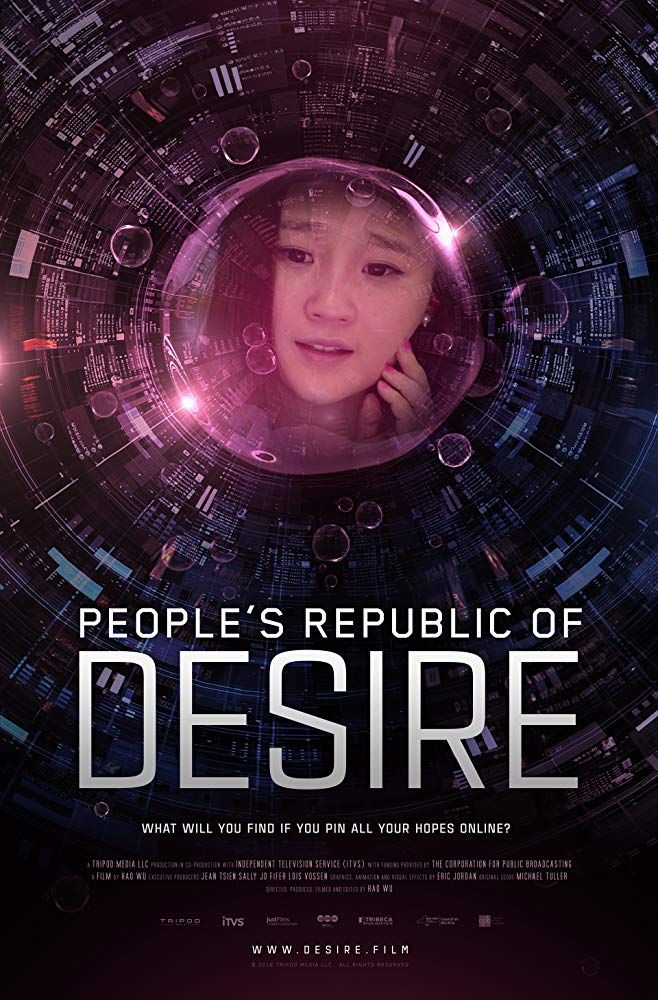
Can you outsource a dream? According to Wu Hao’s People’s Republic of Desire (欲望共和国, Yùwànggònghéguó), many in modern China have resigned themselves to doing just that. Feeling lonely, disconnected, hopeless, they turn to people just like them who’ve been luckier and have not yet decided to give up the fight. Video streaming service YY acts like the future’s version of pirate radio, lining up a selection “personalities” male and female offering pretty much anything from stand up comedy and political diatribes to off key singing and a window into someone else’s every day life from breakfast to dinner. Of course, it all comes at a price – one which YY gleefully takes a 60% cut of, but there are hidden costs too – to a society, to the deluded fans, and even to the aspiring stars themselves forced into various debasing acts in the knowledge that their time in the spotlight will soon come to an end.
Wu follows two very different YY stars – 21-year-old former nurse Shen Man, and Big Li – a former migrant worker whose rough voice and man’s man attitudes have endeared him to a host of other “diaosi” fans. “Diaosi”, once an unpleasant slur meaning “loser” and most often applied to those stuck in the lower orders of China’s rapidly increasing social equality gap, has been reclaimed by those who self identify with its sense of ironic hopelessness. As Shen Man explains, YY works as a kind of pyramid system in which millions of dreaming diaosi throw money they don’t really have at online stars in the hope of connection while Tuhao – the nouveau riche looking for new ways to splash the cash, act as patrons deciding the direction of the service.
What many diaosi forget to factor in is that in reality the entire service is run by agents and promoters who push their various stars to steal “votes” from their online fans. YY is not a public service platform, but a vast money making machine which sucks in cash from every conceivable angle. As cynical patron Songge points out, those seeking fame on YY cannot expect to make any money. In order to win the site’s popularity contest, they need to get an agent and their agent will need to spend a vast amount of money to promote them which the star will then need to make back.
Shen Man, on one level naive, is perfectly aware of the way the system works. She knows she needs to keep her fans happy or they’ll leave. Like Big Li she’s a poor girl made good, a figure her female fans can look up to as someone just like them that’s been able to escape the world of diaosi drudgery. Her male fans, by contrast, are probably looking for something different. Some of them like the idea of her ordinariness, that she comes from the same place they do and is therefore attainable while also being unattainable thanks to her quickly acquired wealth which allows her to live the life of a modern princess. There is however a cost. In order to hook more fans the youthful 21-year-old has already spent a lot of money on extensive plastic surgery (perhaps veering dangerously close to destroying her “natural charm” selling point), and is expected to play nice with her sometimes insulting clientele. One patron, chatting idly on the phone, tries to throw money at her in return for sex whilst simultaneously insisting that she’s not like the other YY girls who will do anything for money. Shen Man points out that she has money already and is not that sort of girl while her patron continues along the same line of argument insisting that all you need to do get a girl is flash the cash.
Big Li, by contrast, is much less cynical. He recognises that he’s become a kind of leader for his diaosi brothers and is eager not to let his fans down. Married to YY talent manager Dabao and with a young son to take care of, Big Li is originally grateful for his rock star life, but the pressure begins to get to him and he longs for the simple days of the village filled with the warmth of family and friends rather than the lonely false connection of YY’s race to fame mentality. Big Li genuinely cares, but this is his downfall. He wants the freedom that YY promises and refuses to play the game, but the game continues to play him.
Adoration quickly to hate. Shen Man finds herself out in the cold when she is publicly slut shamed, accused of taking money from fans in return for sexual favours, earning the nickname of “300 Man” as a woman who can be brought so cheaply she has no value at all. The constant double standard – that she must be beautiful and desirable, yet pure and chaste, has something to say about the nature of China’s conservative social values even in a modernising age. Once your reputation has gone it cannot be rebuilt and even the loyalist fans will find themselves moving on. Big Li might not have to put up with the same kind of pressures as Shen Man, but is personally hurt when fans call him “scammer” because of his constant failures to take home the big prize.
So what of the fans themselves? There are those who’ve made vast amounts money thanks to China’s rapidly modernising economy and don’t know what to do with it other than show off by giving it away. They too are trying to buy connection through becoming patrons, “owning” someone less fortunate and taking pleasure in dictating their lives. Meanwhile, on the opposite end of the scale, the diaosi have all but given up on their own dreams and so “enjoy” investing money to “support” the dreams of those just like them out of a sense of frustrated solidarity.
The picture Wu paints of modern China is one of a world spiralling out of control in which intense loneliness and alienation have corrupted the nature of social connection. Money rules all. Wealth is all that matters and in the crowded online world, if you want to be noticed you’ll have to pay. Interactions are bought and paid for with petty, entirely virtual trinkets, while in the offline world all there is is work and sleep and cheap fast food. Only the platform is the winner, as one unlucky hopeful puts it. The sad truth is that everyone knows it’s a losing game and has resigned themselves to conceding defeat in a society already leaving them behind.
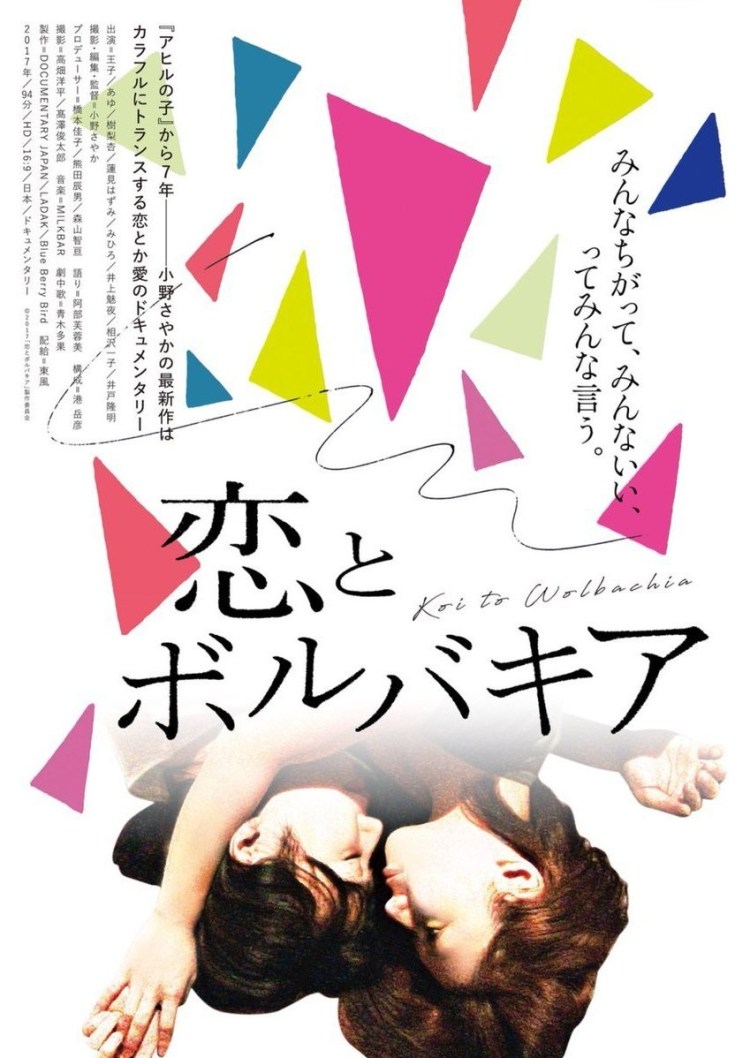
Documentarian Sayaka Ono turned the camera on herself and her family seven years ago with her graduation project/debut feature The Duckling. Returning with her second feature after spending the intervening years in TV documentary, Ono tackles a subject perhaps more distant from her personal experience in exploring the lives of sexual minorities and particularly of transgender women in generally conformist Japan. Love and Wolbachia (恋とボルバキア, Koi to Wolbachia) takes its name from that of a parasitic bacteria which can cause its host to change sex. Love may very well be a kind of virus, but Ono seems more interested in answering the question of why someone might decide to live as a woman in a society so often hostile to them.
The first two protagonists Ono introduces us two were born intersex. Despite their personal feelings, each was encouraged to take hormones to conform more closely to their external appearance. Forced to make a perhaps false binary choice, or in essence being deprived of the right to make it for themselves, each has attempted to live in the way which bests suits their authentic selves though they often encounter discrimination and/or hostility from those around them.
The question of gender in and of itself appears more important to some than others. Another of our protagonists, Miya, refers to herself as a “makeup man” and runs a bar which acts as a kind of community space and refuge for other transgender and non-binary people who often have nowhere else to turn. Nevertheless, Miya struggles with her partner’s decision to undergo gender confirmation surgery and finds it difficult to understand why someone would be willing to put themselves through so much pain and suffering for something she sees as an external concern. For Miya the question of “gender” seems moot, not quite something requires only an individual identification but which scarcely requires one at all. It is she feels, in essence, something culturally defined which an individual is free to accept or reject in claiming their own personal identity as distinct from from social codes dictated by society.
Yet Miya also finds herself a victim of these social codes in a desire to provide protection to those who need it only to find herself ill equipped to cope with the intense responsibility of accidentally becoming a community leader if one without a particular political agenda save wanting to make other people’s lives easier. The question of gender roles becomes a more obvious problem in the relationship between lesbian Julian and her transgender partner Hazumi. Criticised by some of her friends for dating a transwoman, Julian also struggles with a perceived expectation to adopt a “masculine” role within the relationship, that Hazumi expects her to provide protection while also becoming the dominant partner which she seems to feel does not fit her personality. Conversely, Julian also longs for a conventional home and family as a married couple with children yet Hazumi wants to transition fully and, having left a marriage and a child to live a more authentic life, worries that starting another family with Julian may prevent her from achieving her dream.
A conventional family life also seems to have prevented 50-year-old Ichiko from pursuing her desire to live as a woman, having lived in a time when few knew such things were possible. A father with three children, most of her resources are given over to their care but she still finds time to enjoy a more authentic life and participate in the community. Like Ichiko, Mihiro began wearing women’s clothing after admiring her wife’s outfits only she later decided to leave her marriage and retains a male personality only for work. Having fallen in love with a man who himself feels uncomfortable with the culturally defined notions of “masculinity”, Mihiro is heartbroken to realise he already has a live-in girlfriend and worries his impression of their relationship may not match her own. This rings eerily true given a solo interview in which he jokingly laments Mihiro’s purehearted approach to romance which he believes leaves her open to male manipulation.
Ono does not particularly explore the lives of transmen, perhaps an anomaly seeing as Japan is one of few nations to have elected a transman to office (Japan also elected its first transgender female politician back in 2003), preferring to explore the place of trans and gay women in a society which can be deeply misogynistic and relentlessly conformist. Mihiro’s supportive mother, watching her carefully applying her makeup, remarks on how much time men must save in not needing to bother. Mihiro partially corrects her – wearing makeup is a choice which is open to women but not perhaps to men and choice, it seems, is the main thing or not so much “choice” but freedom to live in the way you choose rather than the way which is chosen for you by your society.
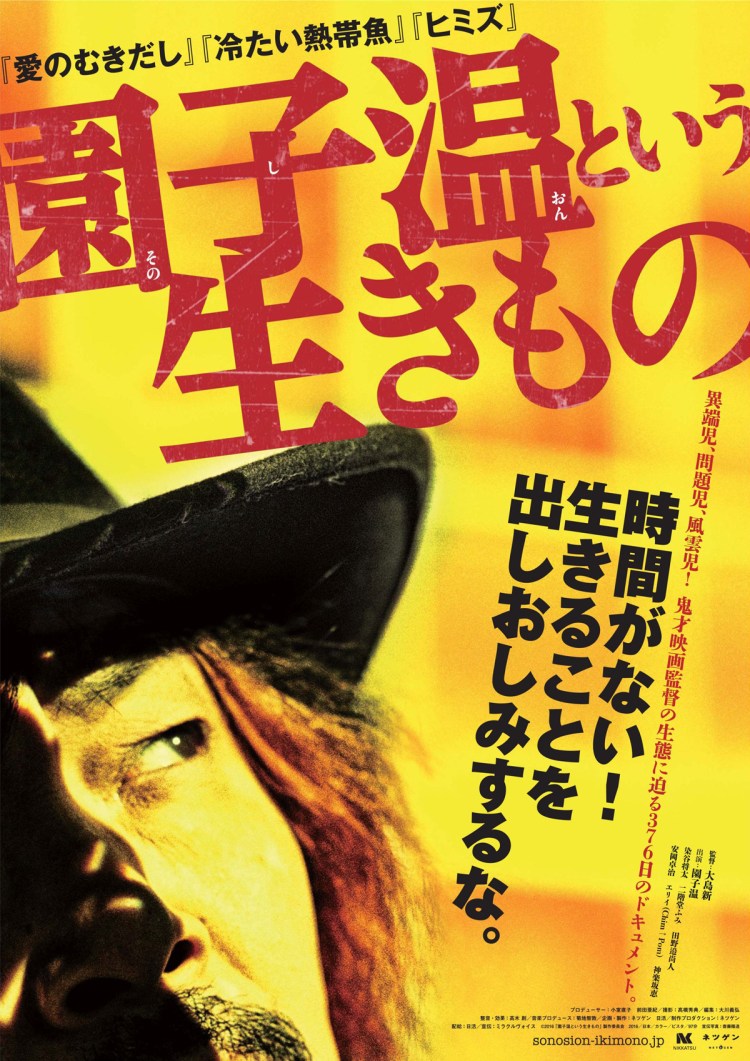
Sion Sono has acquired something of a reputation for controversy. His frequent denouncements of his nation’s cinema in which he sets himself up as a kind of “anti-Ozu” perhaps place him in line with the great 1960s iconoclast Nagisa Oshima who also proclaimed that his distaste for Japanese cinema extended to “absolutely all of it”. Funnily enough, The Sion Sono (園子温という生きもの, Sono Sion to Iu Ikimono) – a documentary exploring the director’s work, is helmed by Oshima’s son, Arata, though he is at pains to show a different side to the artist known as Sion Sono, keying in to the various aways his art reflects his life and vice versa.
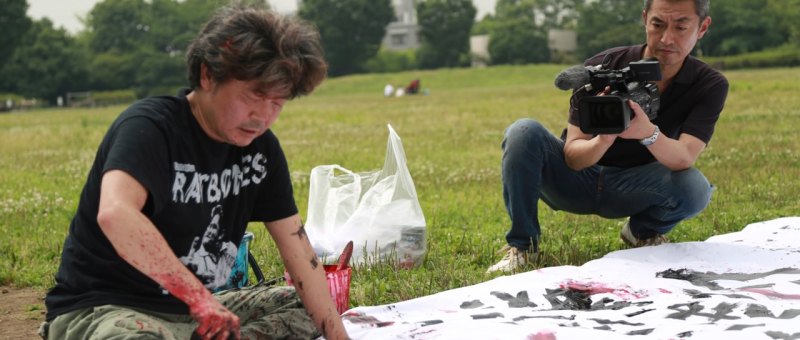
Shot during 2015, the documentary follows the twin processes of the production of The Whispering Star (one of five films Sono would release that year), and a landmark art exhibition which led straight back to the director’s origins as an avant-garde street protestor with the performance art collective “Tokyo Gagaga”. These joint concerns perhaps highlight a minor conflict in Sono’s working life as he reveals during a casual conversation in referencing the “indecent” work that had been mostly occupying his time over the previous year. Expressing both fear and gratitude for finally gaining the opportunity to work a more personal project (the script for The Whispering Star had been written almost 20 years previously), Sono jokes that he’ll finally be getting “clean” only to immediately relapse by making The Virgin Psychics – the big screen adaptation of a sci-fi TV series he had also directed which largely consisted of lewd juvenile humour.
To rewind slightly, Sion Sono had been making films for almost 20 years before getting mainstream festival attention in the early 2000s with Suicide Club and Noriko’s Dinner Table. His profile was further enhanced by the international success of serial killer thriller Cold Fish and the Venice recognition of Himizu even if it’s the 4-hour epic and sleeper cult hit Love Exposure which has become synonymous with his name for many Western viewers. In the opening to camera interview, Sono is asked about his “controversial” image and overseas success to which he laments that Japanese audiences are wary of anything unconventional and particularly allergic to the “wacky Japan” tag that often dogs attempts to sell Japanese media overseas. Unorthodox views or ways of working are unwelcome, as are those who live in unorthodox ways.
Perhaps for these reasons, 2015 saw Sono diving headfirst into the populist with mixed results. Avowing at a press conference that he believes in “quantity over quality”, Sono commits himself to simply making films hoping some of them might turn out OK. Thus his more straightforwardly commercial projects, Shinjuku Swan for example, are often filled with unconventional ideas but perhaps lack the sense of attack found in his more potent work, covering a lack of substance with intentional boldness. The Whispering Star, as we see, brings him full circle. Picking up the Tarkovskian influences seen in one of his most impressive early features – the sadly neglected The Room, the minimalist sci-fi drama also encompasses his compassion for the people of Fukushima whose ongoing strife has become a recurrent concern from the ruined landscapes of Himizu to the more directly political Land of Hope.
It’s this essential sense of compassion which Oshima’s documentary seems keenest to capture. Through in person interviews with some of Sono’s frequent collaborators including Himizu’s Shota Sometani and Fumi Nikaido who characterise the director as an eccentric uncle, and his actress wife Megumi Kagurazaka (the lead in Whispering Star) who breaks down in tears remembering the sometimes difficult days of their earlier collaborations, Sono’s art emerges less as an attack on a conservative society than an exercise in melancholy sarcasm that, at heart, believes the world can be better than it is. A friend of his puts this quality best when she (part correcting herself for triteness) states that despite his sometimes controversial approach, she believes he just wants everyone to be happy and is attempting to transcend his own ideas in order to cut through to something new.
Then again perhaps Sono puts this best himself in accidentally citing a life philosophy. Art is not about good and bad; life is not about good and bad. “Paint! Express! Live!” – what better encapsulation of an artist’s credo could there be?
Released by Third Window Films as part of a double feature pack with The Whispering Star.
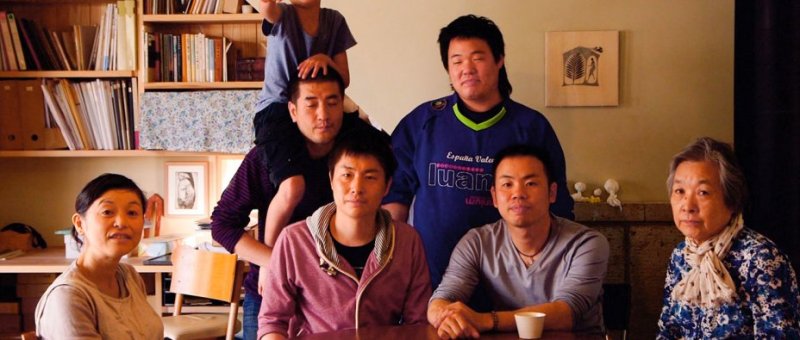
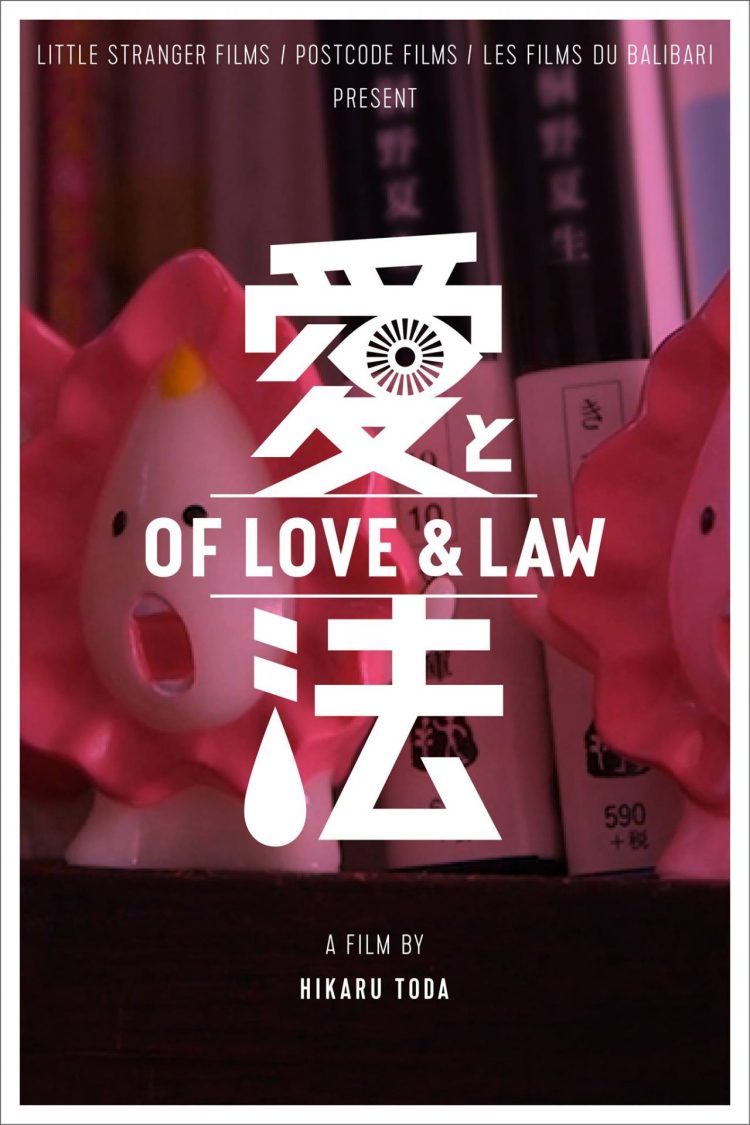
In Japan the nail which sticks out is hammered down. Conformist societies promise mutual support, but all too often only when it suits the collective – those not deemed part of the club are wilfully left to fend for themselves with the dangled promise of readmission if one promises to reform and abide by the rules. We first met the couple at the centre of Hikaru Toda’s Of Love & Law in her previous documentary, Love Hotel, which documented their struggles with discrimination in frequently being turned away by establishments who did not wish to rent a room to two men. A same sex married couple in Japan’s second city of Osaka, Kazu and Fumi run their own law firm and operate under the mission statement of representing those who often find themselves without a voice in a culture which favours silence.
Opening at a local Pride event, the camera attempts to capture some talking heads but no one will bite. Asked for comments, the visitors each refuse to show their faces, revealing that they aren’t fully out, fearing that it might cause problems for them at work, or just embarrassed to go on the record about something so taboo. Though the law practice is not limited to representing LGBT issues, they are clearly a key concern to Fumi and Kazu who spend their “free” time engaging in outreach projects trying to foster a little more education and understanding of sexual minorities. Kazu brings this home when he tells his own coming out story in which his stunned mother exclaimed that she’d never heard of anything like this and therefore could not understand it. The problem wasn’t prejudice, it was ignorance mixed with fear.
Ignorance mixed with fear could equally well describe most of the cases brought against Kazu and Fumi’s clients. The protagonist of the second strand – artist and mangaka Rokudenashiko whose legal troubles even made the foreign press, attributes many of these issues to an inability to “read the air” or aquedately understand the unspoken rules of society and then silently abide by them. The law firm makes a point of defending those who have chosen to fly in the face of social convention, flying a flag for the freedom of choice in a society which often deliberately suppresses it.
The freedom of choice is certainly a key issue for the teacher suing the Osakan school that fired her for refusing to stand for the national anthem. Arguing that standing when one is forced to stand is hardly a declaration of patriotism and fearing the lurch to the right which has made even implicit indifference to the Imperial family a hot button issue, the teacher puts her foot down but finds that few will listen. Similarly, Rokudenashiko finds herself arrested for obscenity regarding her vagina themed artwork while the court undermines its own argument by accidentally proving that her work has socio-political merit.
Yet Rokudenashiko and the teacher have each, in a sense, made a firm decision to challenge the intransigence of their society, hoping to prevent a further decline even if not overly hopeful of improvement. Other clients on the roster include a fair few who are accidentally undocumented through no fault of their own thanks to Japan’s arcane and idiosyncratic legal system which makes it difficult to register births of children born out of wedlock or in difficult family circumstances meaning that youngsters sometimes grow up without the proper papers leading to problems with accessing education, employment, healthcare and welfare provisions. Getting someone a birth certificate who doesn’t currently “exist” can prove a taxing ordeal, especially as government officials often regard children born to “immoral” women as “unworthy” of care or attention.
Getting a call from the mother of a victim, Fumi is shocked when she makes a point of enquiring about the nationality of the perpetrator. He is unsurprised but disappointed in witnessing the various ways one oppressed person (both the victim and plaintiff are from impoverished, single parent backgrounds) can turn their oppression back on others as an odd kind of social revenge. Luckily, however, there are good people everywhere such as the fine young man Fumi and Kazu end up temporarily fostering after his care home is unexpectedly closed down. Kazuma accepts their relationship without a second thought, enjoys learning to cook from Fumi and blends right into Kazu’s extended family who each seem as warm and accepting as the couple themselves. Family is not about a register, it’s having a place to go where they’ll always take you in. Fumi doesn’t trust society because society shirks its responsibilities, but thankfully there are those who know better and continue on in hope tempered with patience.
For various reasons, external commentators on Japanese culture have long held the view that the idea of “death” takes on a much more central position in the lives of ordinary people than it might elsewhere. Death is, however, as much of a taboo in Japan as it is elsewhere – few want to talk about the process of death and dying, of illness and of caring for the sick. Perhaps as a way to evade this particular paradox, there is another tradition in which those aware of their own impending death write a kind of letter for those they will leave behind. Like a testament which accompanies a will, the “isho” can include biographical details, confessions, advice and apologies by way of a final word of parting and a demonstration of having accepted one’s death.
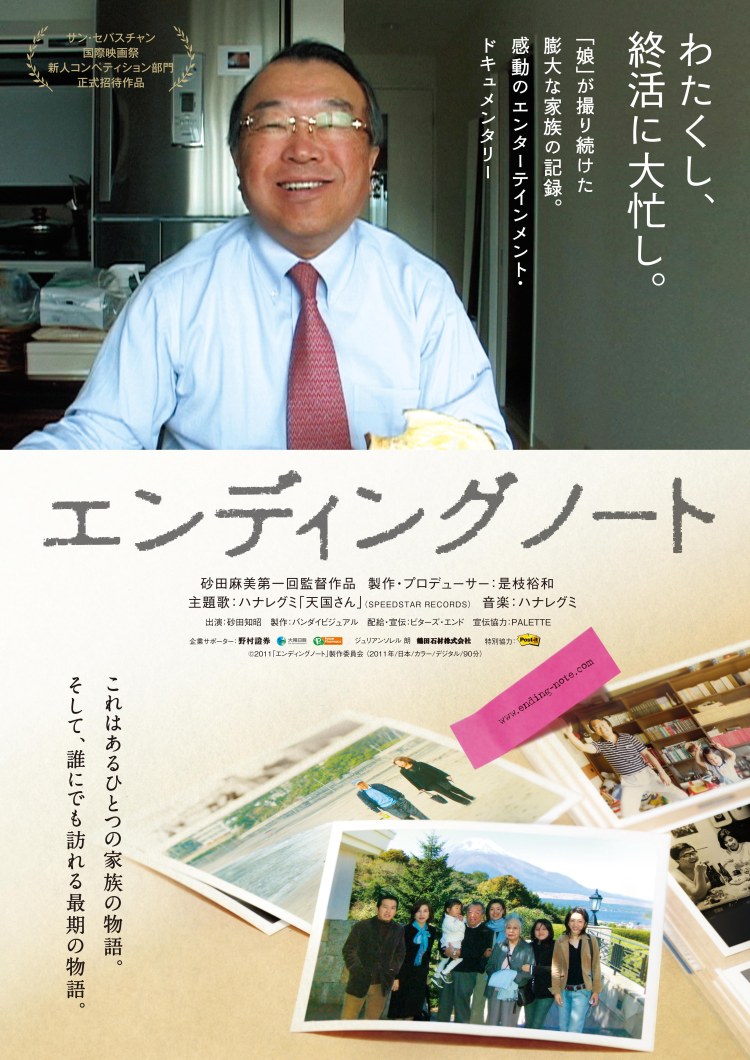
This concept is what inspires the subject of Mami Sunada’s documentary, Death of a Japanese Salesman (エンディングノート, Ending Note), in his desire to create an “Ending Note” when diagnosed with terminal stomach cancer shortly after retiring from a lifetime spent as a regular salaryman. Tomoaki Sunada’s “Ending Note” is intended to be something warmer than an isho and completely divorced from any legal concept but nevertheless a kind of letter saying the things it was too hard to say out loud.
Sunada captures her father’s last days with equal parts affection and detachment. Tomoaki is a humorous man whose wide grin and dry wit help to alleviate what is an unavoidably heavy subject as he comes to terms with the aggressive nature of his illness. The thing is, Tomoaki never gets round to writing that “Ending Note” because he’s just too busy living to think about dying. What he writes is a kind of bucket list which runs from typically practical concerns such as looking at venues in which his funeral might be held and talking over converting to Christianity, to definitively patching things up with his wife and getting to see his three grandchildren again who live abroad in America because of his son’s job.
Living in America Tomoaki’s son perhaps has things a little easier than his father did (even if he’s inherited Tomoaki’s notorious attention to detail and meticulous planning). As Tomoaki puts it in one of Sunada’s flashback moments, middle-aged men like him built the modern Japan. Exclaiming “The company is life!”, albeit with an ironic smile on his face he leaves for work just as he did every morning for over forty years at the same company and for most of it in marketing and sales. The traditional Japanese family demanded a strict division of labour with men pouring their efforts and emotions into their careers and women, supposedly, subsuming their hopes and desires into creating a happy family home. During their working lives, therefore, men like Tomoaki rarely got to see the families they were working to support, placing undue burdens on their wives and appearing as little more than absent disciplinarians to their children. Retirement offers an opportunity to finally become a part of family life, enjoying the days out and long lunches often so impossible for a company man, but Tomoaki has been robbed of the right to enjoy his old age by a cancer diagnosis received almost immediately after the end of his career.
Sunada in effect writes her father’s Ending Note for him, both through the film and the voice over narration she herself delivers written in her father’s playfully ironic authorial voice. Taking cheeky potshots at herself as the “accidental” youngest child whose still unmarried state apparently weighs on her dying father’s mind, Sunada adds both bite and warmth to her “father’s” final words as he waxes philosophical on death and the afterlife while trying to plan pragmatically for his own eventual end. The whimsical indie score also lends to the lightness of the exercise but Sunada does not shy away from the rapidity of her father’s decline or cruelty of his illness, taking her camera away only at the moment of death. Raw and painful, Sunada’s fearsome exploration of the process of dying is one of ordinary tragedy but also becomes a glorious celebration of life from all of its sadness and difficulties to shared laughter and the joy of new arrivals.
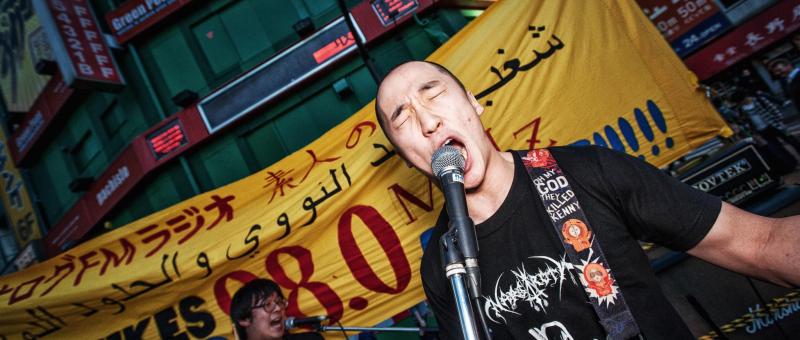
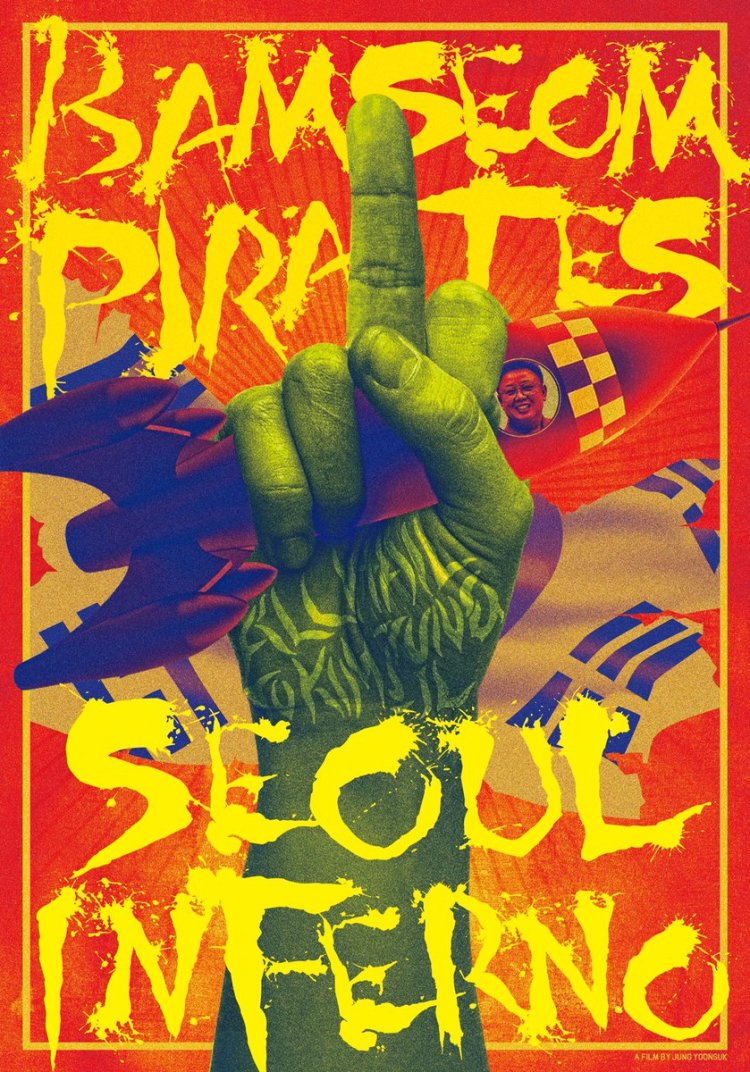
Given its long and turbulent political history, Korea has become good at the art of the peaceful protest. Bamseom Pirates Seoul Inferno (밤섬해적단 서울불바다, beomseom Haejeok-dan seoul bulbada) arrives just after another political storm has passed, but trouble once again hovers on the horizon courtesy of noisy neighbours. Yet it’s not so much the literal threat of the Kims in the North that’s the problem, but the way that fear is used and abused to serve certain needs – this is where avant-garde punk duo Bamseom Pirates aim their carefully crafted arrows. Unfortunately for them, they are too clever for their own good and their reliance on sarcasm leaves them frequently misunderstood.
The Bamseom Pirates are drummer Kwon Yong-man and bassist Jang Sung-geon – two young men living the life of starving artists in Korea’s underground music scene. As Jang points out, other bands smash expensive guitars but Bamseom Pirates smash rubbish picked up from around the derelict buildings where they play their shows to small crowds of likeminded youngsters. Though violence is often an integral part of many “punk” scenes, the clashes here are not born of over exuberance or warring factions of bands and their followers but of hired thugs deliberately sent in to make trouble, limiting freedoms of assembly and expression.
Kwon’s lyrics are deliberately incendiary but violence is not in the band’s agenda. Filmed over several years, Jung Yoon-suk’s documentary finds the pair performing at several protests and rallies usually in support of progressive causes including opposing privatisation, and labour reform. Though he is repeatedly pressed to explain himself, Kwon refuses to pin his convictions to the mast of any recognisable political faction, nervously aligning himself with the defunct Progressive Party and then only vaguely in citing an agreement with their progressive causes. This refusal is key to Kwon’s artistic statement as he finds himself attacked from all sides – the left, who might be assumed to be his allies, tear him down for his bourgeois upbringing and education at an elite university, but on the other hand one can’t say anything that sounds too lefty lest one be accused of being a “communist” and therefore North Korean sympathiser.
Bamseom Pirates rely heavily on irony and so they can’t resist pushing this central dichotomy to its natural limit. Thus Kwon’s signature song is called “All Hail Kim Jong-il!”, but as it turns out the song isn’t about that Kim Jong-il at all, but all the other unfortunate people throughout history who share his not particularly uncommon name and are now tainted by association. North Korea being the most taboo issue of the day, it comes up frequently in the band’s songs in which they often point out the uncomfortable truths about their neighbour – in particular, the theoretical benefits of socialism such as workers rights and a welfare state that should be (but aren’t) in place in North Korea but can’t be adopted into the South because of persistent fear of “Communism”. The fear of “Communism” has become a stick with which to beat the progressive cause or really any cause the conservative society does not want to engage with, shutting down all debate and undermining the “democracy” the previous generation fought so hard to win.
This all comes to a head when the band’s manager finds himself falling foul of Korea’s longstanding censorship laws regarding North Korea designed to prevent “acts which benefit the enemy”. Park, a high school friend of Kwon, and a jack of all trades who runs a small indie record label printing CDs for underground bands, is just as acerbic as the boys and frequently makes ironic comments about North Korea on his Twitter account, even once asking the Dear Leader to buy him some chocolate. Nevertheless, when he retweets a North Korean account he’s immediately arrested and brought in for questioning as a possible North Korean sympathiser. His brand of sarcasm is just too subtle for the censor, and he finds himself on the receiving end of an extremely harsh punishment which is in no way helped by Kwon’s honest testimony clarifying their stance on the North.
Park faces prison for making a stupid joke on Twitter while his lawyer sensibly points out that if he had said the same thing in North Korea, he’d already be dead. He would not last five seconds on North Korean soil and clearly has no desire to go there. Rather than simply capture events, Jung leans in on the central irony of the situation in its suggestion that perhaps there’s not as much difference between the democratic South and the despotic North as might be hoped when it comes to encouraging a full and frank freedom of expression.
Yet despite the satirical content of their music, Bamseom Pirates remain refreshingly unpretentious and keen to make fun of themselves as well the current political crisis of the day. There’s no posturing or claim of a great masterplan to change society through the power of punk. The boys just want to play their music to likeminded people and have fun while doing it. This self effacing charm makes their extremely loud and energetic performances a joy to watch, though Jung also captures their anarchic spirit in several music videos accompanied by garish onscreen captions featuring the lyrics plus the explanation that the sound balance has been “deliberately” miscaptured to represent the “imbalances” in modern Korean society and that the band’s various musical mistakes have also been left in in testament to their artistic integrity. Bamseom Pirates do not claim to speak for their generation, but they do all the same as the young fight back against the “mainstream” of a conservative society, refusing to accept the gradual erosions of the freedoms the preceding generation fought so hard for but have failed to protect.
Nippon Connection is the largest festival dedicated to Japanese Cinema anywhere in the world and returns in 2017 for its 17th edition. Once again taking place in Frankfurt, the festival will screen over 100 films from May 23 – 28, many of which will also welcome members of the creative team eager to present to their work to an appreciative audience.
This year’s festival has a special focus on documentary film – an area often neglected by other mainstream film festivals. Leaving heavier topics to one side, documentaries already announced to headline the strand include Atsushi Funahashi’s idol documentary Raise Your Arms and Twist – Documentary of NMB48 (道頓堀よ、泣かせてくれ! DOCUMENTARY of NMB48, Doutonbori yo, Nakasetekure! Documentary of NMB48)
Director Atsushi Funahashi has hitherto been known for hard hitting fare such as the Fukushima documentary Nuclear Nation as well as narrative films including the heartrending Cold Bloom and cross cultural odyssey Big River. Consequently he steps into the slowly growing genre of idol documentaries from the refreshing position of a total novice. Adopting an objective viewpoint, Funahashi rigourously dissects this complicated phenomenon whilst taking care never to misrepresent the girls, their dreams, or their devoted fanbase.
Trailer (no subtitles)
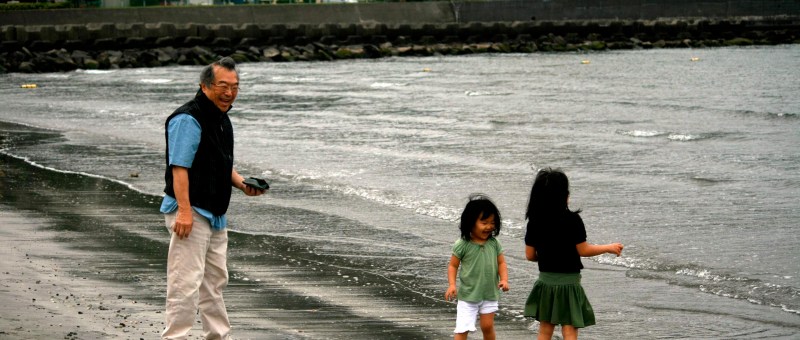
Returning to the internationalist leanings of Funahashi’s Big River, Kimi Takesue’s 95 and 6 to Go sees the director begin a collaborative project with her widowed grandfather – a Japanese immigrant to Hawaii.
Shot over six years, 95 and 6 to Go begins with a stalled fim project and some unexpected grandfatherly advice but eventually develops into a moving meditation on life, love, loss, and endurance.
Trailer:
In a neatly circular motion the last of the three highlights of the documentary section takes a look at one of the giants of Japanese cinema – Toshiro Mifune.
Previously screened at the BFI London Film Festival, Steven Okazaki’s documentary Mifune: The Last Samurai focuses firmly on Mifune’s place within the history of samurai cinema through exploring not only his life but also the early history of “chanbara” movies and the genre’s later echoes in American cinema as related by talking heads including Steven Spielberg and Martin Scorsese.
Of course there will also be a host of narrative features on offer with frequent Nippon Connection favourite Kiyoshi Kurosawa’s Daguerrotype (Le Secret de la chambre noire) a definite highlight.
Back in 2012, Kiyoshi Kurosawa planned his first international movie, 1905, which would have featured 90% Chinese dialogue and was set to shoot in Taiwan with stars Tony Leung Chiu-Wai, Shota Matsuda and Atsuko Maeda. Sadly, political concerns of the day put paid to 1905, and so Daguerrotype marks Kurosawa’s first foray into non-Japanese language cinema. Starring one of France’s most interesting young actors in Tahar Rahim, this French language gothic ghost story takes the director back to his eerie days of psychological horror.
Trailer (English subtitles)
Returning to modern day Japan, Capturing Dad director Ryota Nakano’s second movie Her Love Boils Bathwater (湯を沸かすほどの熱い愛, Yu o Wakasu Hodo no Atsui Ai) is another suitably offbeat family drama.
Pale Moon‘s Rie Miyazawa stars as a warmhearted woman who discovers she only has a short time left to live and is determined to get her estranged family back together whilst saving the family bathhouse. Rie Miyazawa won the Japan Academy Prize best actress award for her role in Her Love Boils Bathwater, with supporting actress Hana Sugisaki also taking home a prize at the 2017 awards.
Original trailer (English subtitles)
Family drama is, after all, Japan’s representative genre and is featured once again with Miwa Nishikawa’s adaptation of her own novel, The Long Excuse (永い言い訳, Nagai Iiwake).
Masahiro Motoki makes a welcome return to leading man status as a self-centered B-list celebrity and former author who finds himself largely unmoved after his wife is killed in an accident but later bonds with the bereaved children of her best friend who died alongside her.
Original trailer (English subtitles)
When talking of family drama, one most often thinks of Ozu and of the gentle passing of time as the old are left alone to contemplate the vagaries of life and young ones make a start on their own. Koji Fukada’s Harmonium (淵に立つ, Fuchi ni Tatsu) is not Ozu, it’s not the wry eye of Yoshimitsu Morita in The Family Game, or of Sogo Ishii in the Crazy Family, it’s a harsh and unforgiving look the status of the modern family unit.
You can check out our review of this one from the London East Asia Film Festival and it’s also scheduled for a UK release courtesy of Eureka Entertainment in June 2017 following a cinema run from 5th May.
Eureka trailer (English subtitles)
It would be a stretch to describe Tetsuya Mariko’s Destruction Babies (ディストラクション・ベイビーズ) as a family drama but in a way it sort of is in its dissection of the relationship between two orphaned brothers.
Beyond nihilism, Destruction Babies paints a bleak prognosis for the youth of Japan who live without hope, disconnected from reality, and know only the sensation of violence. You can check out our review of the film here from its screening in the Japan Foundation Touring Film Programme, and it’s also currently available in the UK courtesy of distributor Third Window Films.
Original trailer (English Subtitles)
Concluding the list of newer mainstream releases is the first in the festival’s anime strand – Naoko Yamada’s A Silent Voice (聲の形, Koe no Katachi).
Distributed in the UK by Anime Limited, this alternately heartrending and heartwarming drama examines the effects of social stigma, disibility, and the legacy of cruelty as its perfectly matched central pair confront the ghosts of their respective pasts and futures. You can check out our review from the Japan Foundation Touring Film Programme over here (mild spoilers for the concluding half of the film).
International trailer (dialogue free, English captions)
Revisiting the past in an altogether different sort of way, Nippon Connection will also play host to two films from Nikkatsu’s Roman Porno Reboot Project. Roman Porno was a fairly short lived offshoot of the “pink” genre, essentially softcore pornography intended to bring the dwindling cinema audiences back through the promise of sex and (sometimes) violence. In celebration of the 45th anniversary of the Roman Porno line, Nikkatsu have brought it back as a special tribute with five directors hired to film their take on the classic genre – Sion Sono, Hideo Nakata, Akihiko Shiota, Kazuya Shiraishi and Isao Yukisada.
The first of two featured in the festival is Kazuya Shiraishi’s Dawn of the Felines (牝猫たち, Mesuneko Tachi) . From the director of Twisted Justice and Devil’s Path, Dawn of the Felines follows the adventures of three prostitutes in Tokyo’s red light district.
Trailer (English subtitles, NSFW)
Akihiko Shiota directed one of the best (and criminally underseen) films of the 2000s in 2005’s Canary and his instalment in the Reboot series, Wet Woman in the Wind (風に濡れた女, Kaze ni Nureta Onna), proved an unexpected festival hit receiving high praise from critics at Locarno.
Shiota’s film follows a former playwright who tries to get out of town for some peace and quiet but runs into a nymphomaniac waitress instead. Oh well, a change is as good as a rest?
Original trailer (English subtitles, NSFW!)
The full programme is announced on 29th April when tickets are also expected to go on sale via the official Nippon Connection website. You can also keep up with the festival via their Facebook Page,Twitter account, and Instagram.
You might think there could be no more diametrically opposed directors than Akira Kurosawa – best known for his naturalistic (by jidaigeki standards anyway) three hour epic Seven Samurai, and Nobuhiko Obayashi whose madcap, psychedelic, horror musical Hausu continues to over shadow a far less strange career than might be expected. However, Dreams is a major aberration in Kurosawa’s back catalogue, eschewing his more straightforwardly conventional approach for an exercise in surrealist social commentary inspired by classic noh theatre traditions. Obayashi was also on hand in an ancillary capacity, capturing the making of a late Kurosawa classic. This is no mere “making of”, as the opening crawl makes clear, but an in depth examination of Kurosawa’s career to date conducted director to director with reverence and sensitivity for a veteran talent.
Broadly moving through the film chronologically, Obayashi includes a decent amount of typical “behind the scenes” footage from the first episode in which the young I unwisely peeps on a solemn fox wedding, right through the to classic turn from Chishu Ryu as a wise old man living a natural life in harmony with the rhythms of the Earth. The footage is captured on a selection of video cameras typical of the time with all of their low grade resolution though they often capture unexpected sides of the production process. On set, Kurosawa is a genial if sometimes exacting presence, taking the time to apologise after speaking a little too harshly to a child actor, thanking his crew for waiting around so long in the cold, and reminding them to take care travelling home on the icy roads.
Where the film differs from the general “making of” DVD extras is in the typical Obayashi touches in the presentation of his material which is assembled from over 190 hours of footage and runs half an hour longer than the film itself. Obayashi is very keen to showcase Kurosawa’s artistic storyboards, often contrasting the illustrations either with the raw live footage or completed film by means of super imposition or split screen. Later he also adds in animatic storyboard manipulation, overlapping with the completed footage similarly bleached into a manga-esque black and white outline. Obayashi then spins the other way with an even more meta approach by incorporating classic cinematic references as in the opening and closing of the iris, classic Kurosawa side and horizontal wipes, and setting Kurosawa’s meeting with a foreign director inside the frame of a film negative itself. Neatly moving from a concept drawing to placing the finished image within that same panel, Obayashi takes us from thought to realisation by means of a simple yet effective visual technique.
The second biggest draw is in the intercut footage from a long discussion between the two directors in which Obayashi interviews Kurosawa about his long career and working methods. Illuminating his ideas of Dreams in particular Kurosawa states his intentions to chart the course of a life very similar to his own, but also emphasises what he feels has become the central theme of his work – humanity and its refusal to choose the path of happiness. Obayashi also raises the sometimes controversial topic of the position of women in Kurosawa’s cinema which is often said to be overly masculine. Kurosawa semi-rejects this view of his work, but admits that early criticism left him less willing to engage with women’s stories. After casting Setsuko Hara in No Regrets for Our Youth, her character was frequently criticised as being “unwomanly”, or appearing too masculine in her behaviour. A claim Kurosawa rejects, but this unwillingness to accept the existence of “strong” women from critics looking for reflections of their own world view seemingly put him off the idea of attempting to capture women’s stories, lacking the confidence to do so properly.
Moving from black and white to colour and using montages and super impositions, Obayashi re-orders and re-imagines his recollections just as van Gogh does his world through his paintings in one of the film’s most elaborate sequences. “Making of Dreams” therefore becomes a much more interesting title than it first appears, not only detailing a “making of” this particular film but all films in so far as a film is a dream. A meeting of minds in more ways than one, Obayashi’s film demonstrates his reverence and affection for the veteran director but his contribution amounts to more than a simple exchange of views and experiences in a mutually illuminating commentary on the careers of these essentially very different artists.
To date, Toshiaki Toyoda has released only one feature length documentary. Unchain (アンチェイン), the story of four boxers from Toyoda’s own home town of Osaka, was released between his debut feature, Pornostar, and followup film Blue Spring, but Toyoda had, in fact, been following his subjects since the mid-90s as they battled with themselves, the ring, and life’s unending tests. Like the fictional heroes of many of Toyoda’s subsequent works, his real life subjects are frustrated young men seeking release through a pugilistic purgatory all the while finding themselves trapped against the ropes.
The film takes its title from the ring name of the group’s lynchpin, “Unchain” Kaji who, it has to be said, may be the most “unchained” person whoever lived. An angry young man from unusual family circumstances in which he discovered he’d been adopted by an uncle as a baby only after his adopted father had died and he was in the process of applying for a driving license, Kaji took to boxing early only to wash out after just seven bouts.
Losing each and every match he ever fought and eventually forced to leave the ring on medical grounds, Kaji remained in the world of boxing as an ardent supporter of his boxing friends – long haired Garuda, second generation Korean Nagaishi, and “shoot boxer” (Japanese kick boxin based mixed martial arts) Nishibayashi. A big hearted man who wanted to make a difference and help people, Kaji drifted through several occupations post boxing from working in an all night cinema and DJ-ing to caring for disabled children. However, his violent impulses always got in the way of his good intentions and an enraged attack on a job centre in which he took the younger Nishibayashi with him for support landed him in a mental hospital where he stayed for the next few years.
Toyoda then follows the other three boxers as they continue their quest for glory in the ring but encounter mostly defeats and setbacks. Garuda and Nishibayashi fight hardest to stay with Nishibayashi eventually giving up after a brutal defeat leaves him with a sour looking wound under his eye, but Nagaishi drifts away from boxing after marrying Kaji’s former girlfriend, Sachiko, and becoming a father to her two children as well as a few of his own later on. The only one to find fulfilment outside of the ring, Nagaishi eventually finds his place as a family man, given a new kind of hope by familial bond rather than fraternal opposition.
Toyoda makes no secret of the fact that he staged some scenes and slightly manipulated his footage but his documentary approach shares much with his narrative filmmaking in its study of young men looking for an escape through violence. Kaji describes the ring as a place where is killing legal but also as a kind of promised land they’ve all been trying conquer. As his name suggests, Kaji was seeking freedom through the ring, a chance to let his soul fly, but never found it leading to his life of picking fights with anyone and everyone. The Kaji released from the hospital is a calmer, though perhaps no less passionate, figure, but one who finds his friends waiting for him with a mix of good humour and exasperation. Even the potentially difficult reunion with Nagaishi finds Kaji in a philosophical mood, grateful for all his friend has done for him and harbouring no ill will.
Filming with mostly the low grade digital cameras of the time, Toyoda captures the fight sequences either from high balconies or heat of the action ringside. Garuda’s final fight is captured unusually well thanks to Toyoda’s fortunate position which allows him to literally get right up in Garuda’s face at a crucial point when it seems all may be lost. Sticking to mostly a talking heads approach, Toyoda also incorporates other archive footage from family photos to documents and news reports as well as a handful of street scenes and recreations offered with Toyoda’s distinctly surreal visual flare. Like many of Toyoda’s heroes, Unchain and his friends are trying to live free in an oppressive environment where they each have reasons to feel constrained thanks to their socio-economic circumstances. They may not find their release, but their quest goes on, alive in the ring even if floundering outside it.
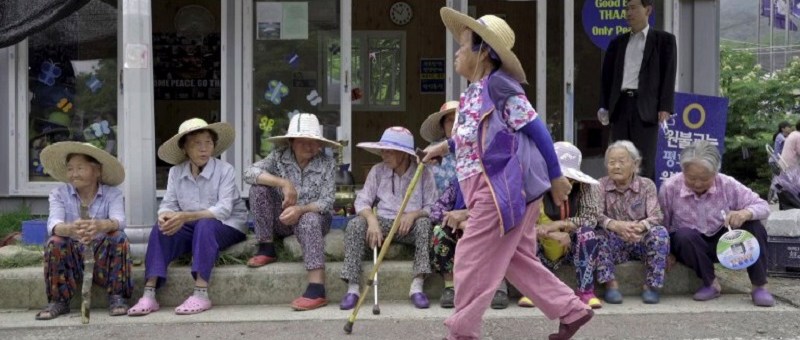



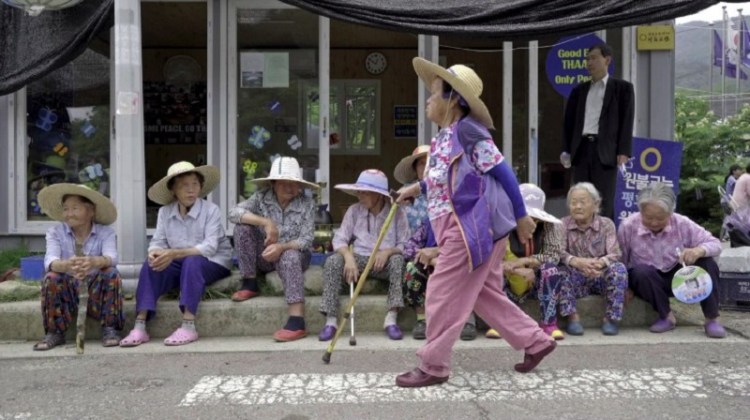 Park Bae-il’s Soseongri follows a community of elderly farmers facing rural depopulation problems who find themselves in conflict with the police when the decision is taken to place the THAAD anti-aircraft system in their village.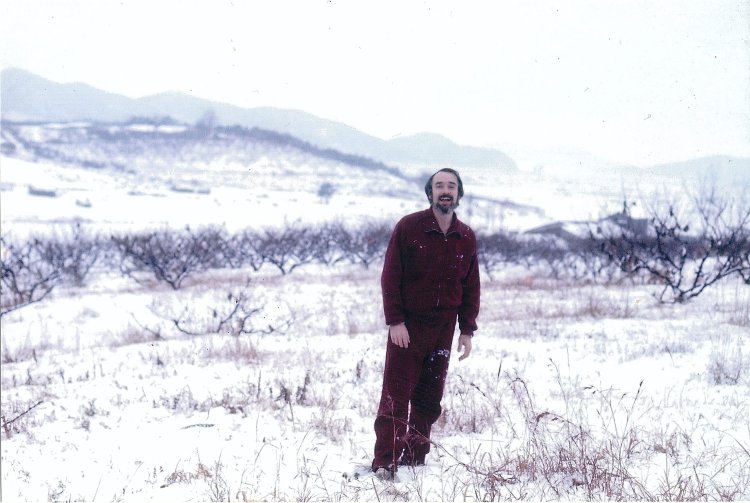


 Nippon Connection is the largest festival dedicated to Japanese Cinema anywhere in the world and returns in 2017 for its 17th edition. Once again taking place in Frankfurt, the festival will screen over 100 films from May 23 – 28, many of which will also welcome members of the creative team eager to present to their work to an appreciative audience.
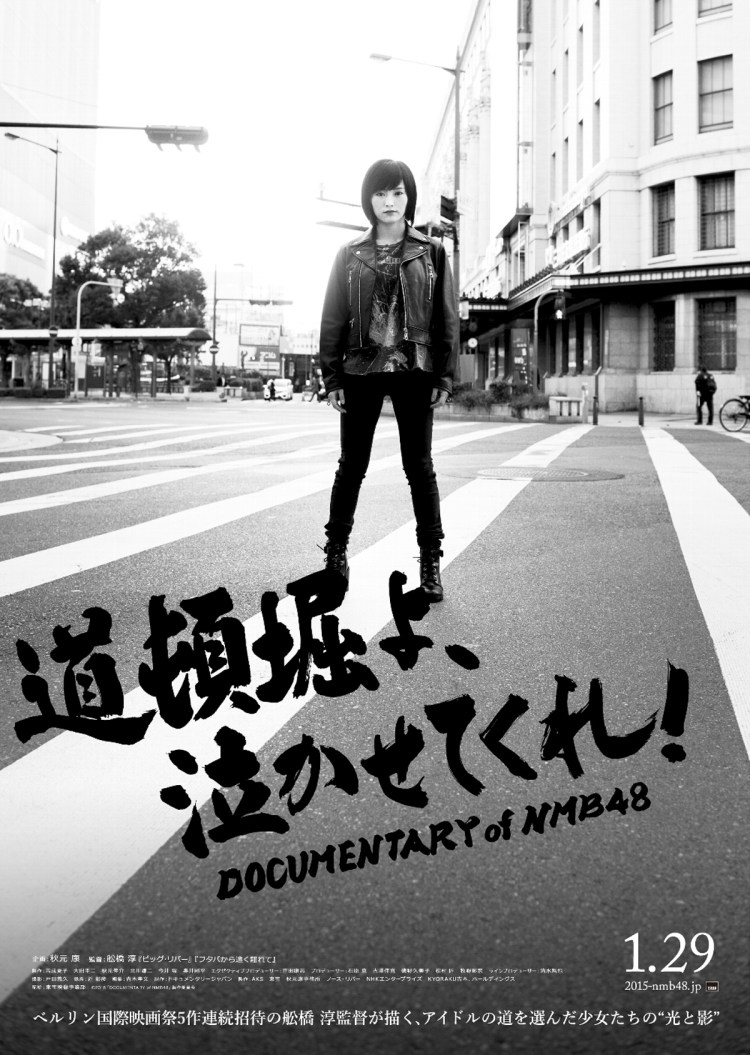 Director Atsushi Funahashi has hitherto been known for hard hitting fare such as the Fukushima documentary Nuclear Nation as well as narrative films including the heartrending Cold Bloom and cross cultural odyssey Big River. Consequently he steps into the slowly growing genre of idol documentaries from the refreshing position of a total novice. Adopting an objective viewpoint, Funahashi rigourously dissects this complicated phenomenon whilst taking care never to misrepresent the girls, their dreams, or their devoted fanbase.
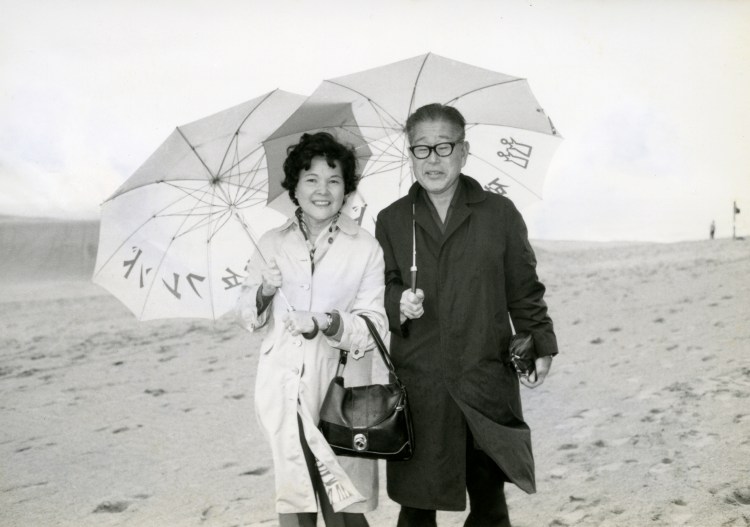 Shot over six years, 95 and 6 to Go begins with a stalled fim project and some unexpected grandfatherly advice but eventually develops into a moving meditation on life, love, loss, and endurance.
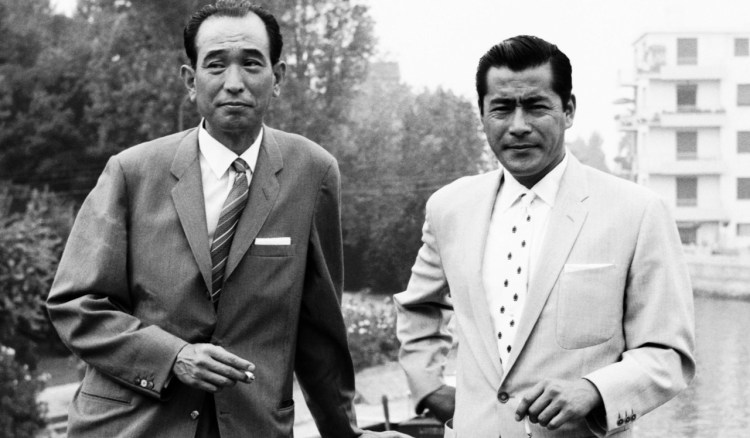 Previously screened at the BFI London Film Festival, Steven Okazaki’s documentary Mifune: The Last Samurai focuses firmly on Mifune’s place within the history of samurai cinema through exploring not only his life but also the early history of “chanbara” movies and the genre’s later echoes in American cinema as related by talking heads including Steven Spielberg and Martin Scorsese.
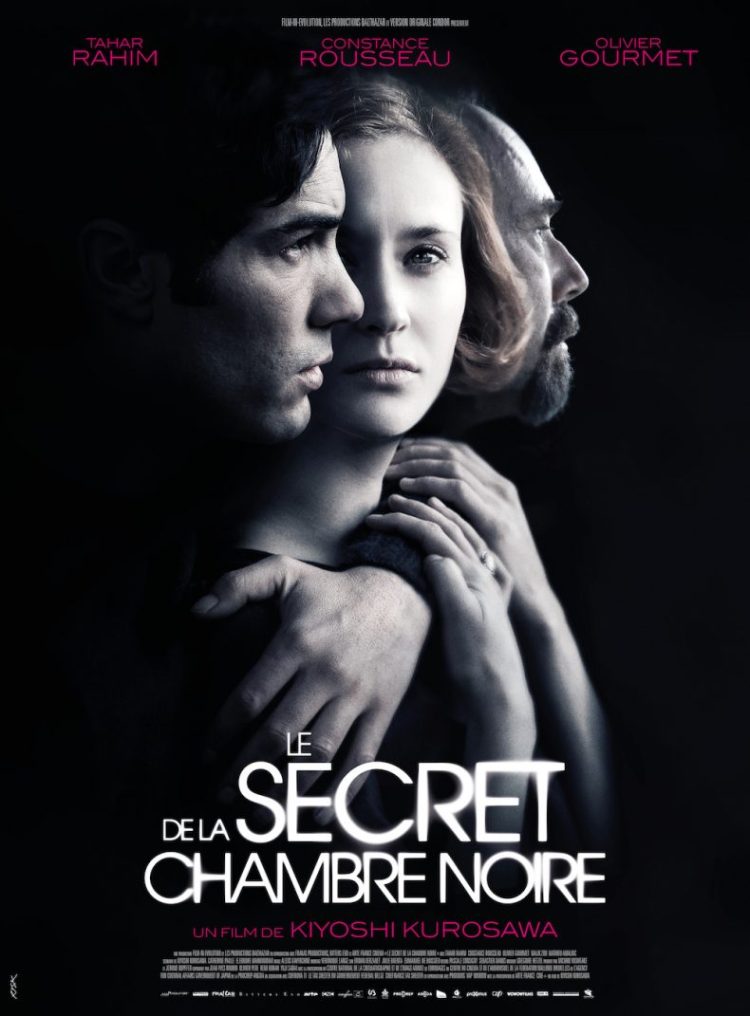 Back in 2012, Kiyoshi Kurosawa planned his first international movie, 1905, which would have featured 90% Chinese dialogue and was set to shoot in Taiwan with stars Tony Leung Chiu-Wai, Shota Matsuda and Atsuko Maeda. Sadly, political concerns of the day put paid to 1905, and so Daguerrotype marks Kurosawa’s first foray into non-Japanese language cinema. Starring one of France’s most interesting young actors in Tahar Rahim, this French language gothic ghost story takes the director back to his eerie days of psychological horror.
 Masahiro Motoki makes a welcome return to leading man status as a self-centered B-list celebrity and former author who finds himself largely unmoved after his wife is killed in an accident but later bonds with the bereaved children of her best friend who died alongside her.
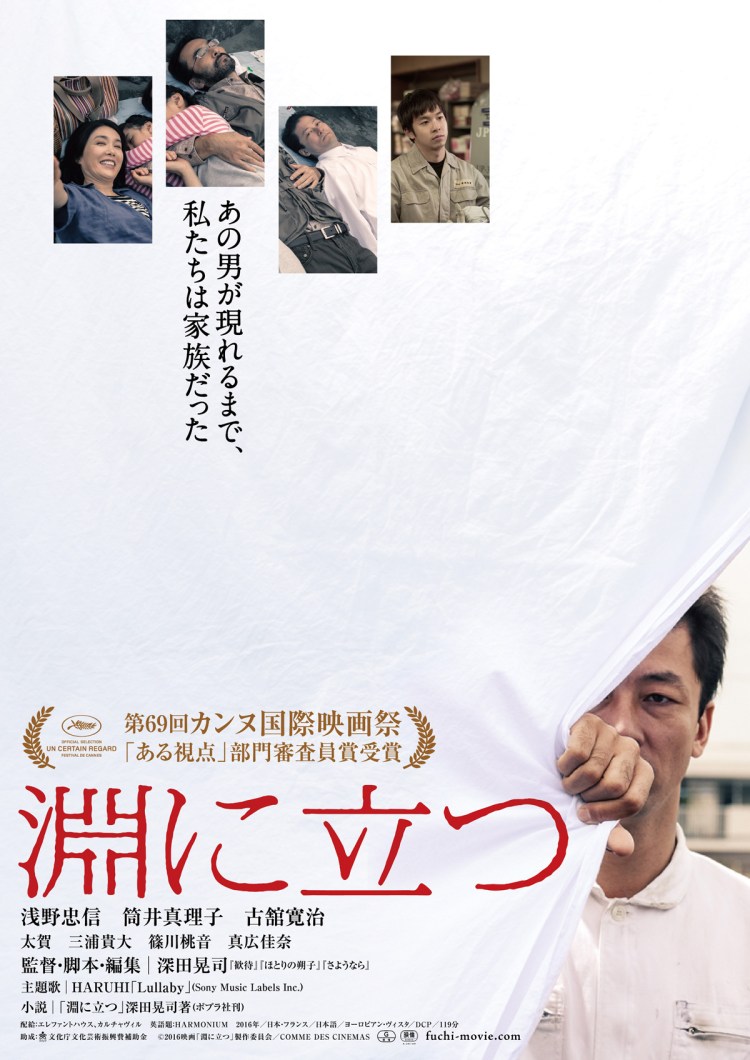 You can check out our
  Beyond nihilism, Destruction Babies paints a bleak prognosis for the youth of Japan who live without hope, disconnected from reality, and know only the sensation of violence. You can check out our review of the film
 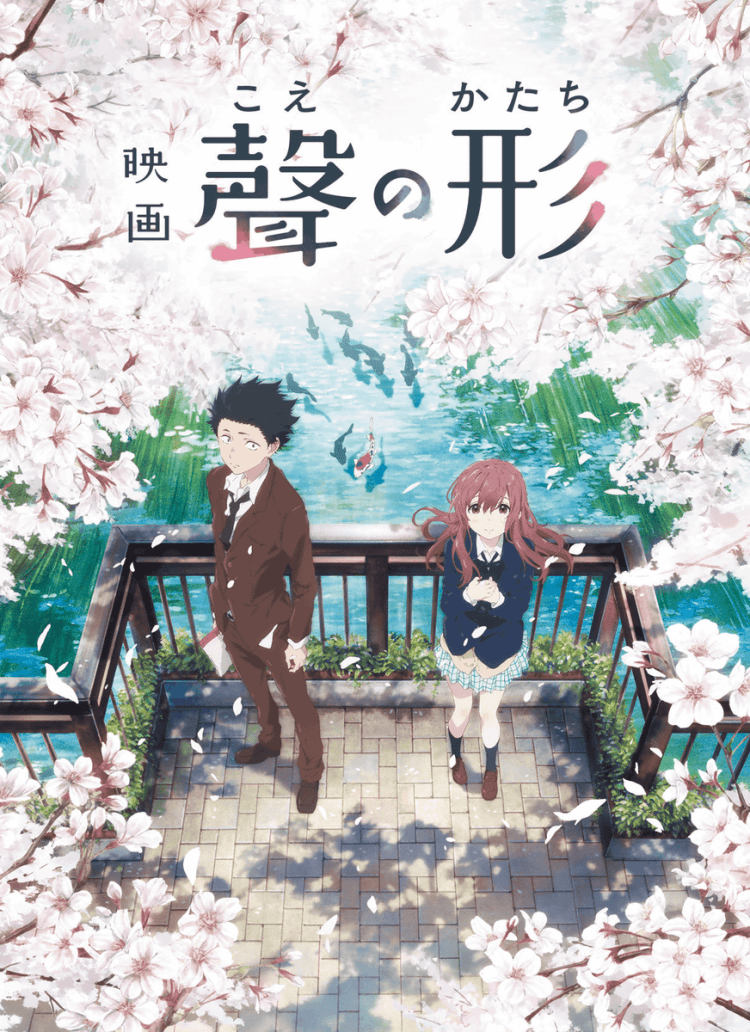 Distributed in the UK by Anime Limited, this alternately heartrending and heartwarming drama examines the effects of social stigma, disibility, and the legacy of cruelty as its perfectly matched central pair confront the ghosts of their respective pasts and futures. You can check out our review from the Japan Foundation Touring Film Programme over
 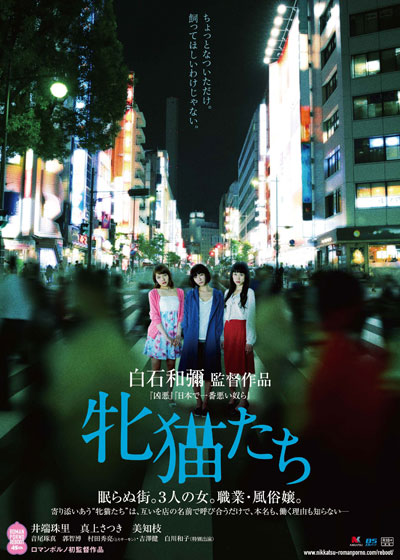 From the director of Twisted Justice and Devil’s Path, Dawn of the Felines follows the adventures of three prostitutes in Tokyo’s red light district.
 Shiota’s film follows a former playwright who tries to get out of town for some peace and quiet but runs into a nymphomaniac waitress instead. Oh well, a change is as good as a rest?
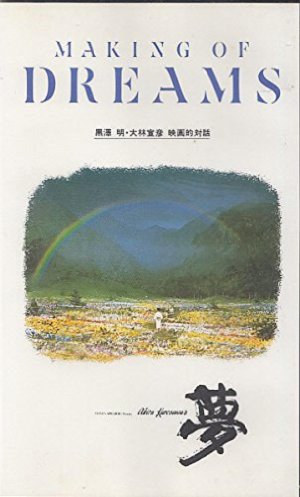 You might think there could be no more diametrically opposed directors than Akira Kurosawa – best known for his naturalistic (by jidaigeki standards anyway) three hour epic Seven Samurai, and Nobuhiko Obayashi whose madcap, psychedelic, horror musical Hausu continues to over shadow a far less strange career than might be expected. However,
 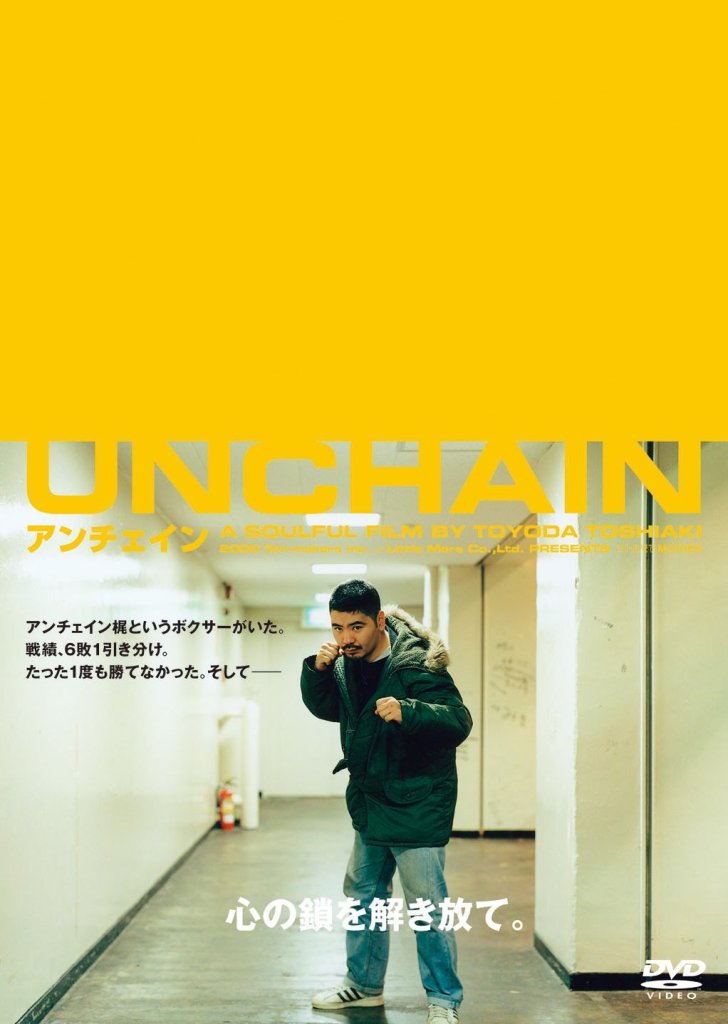 To date, Toshiaki Toyoda has released only one feature length documentary. Unchain (アンチェイン), the story of four boxers from Toyoda’s own home town of Osaka, was released between his debut feature,
  Windows on Worlds