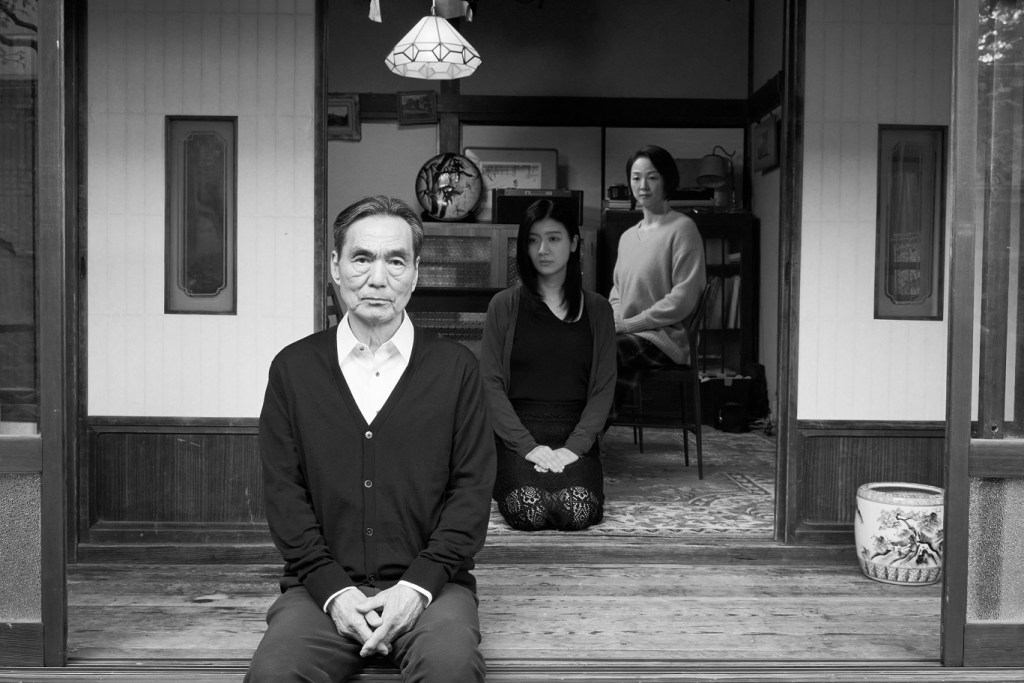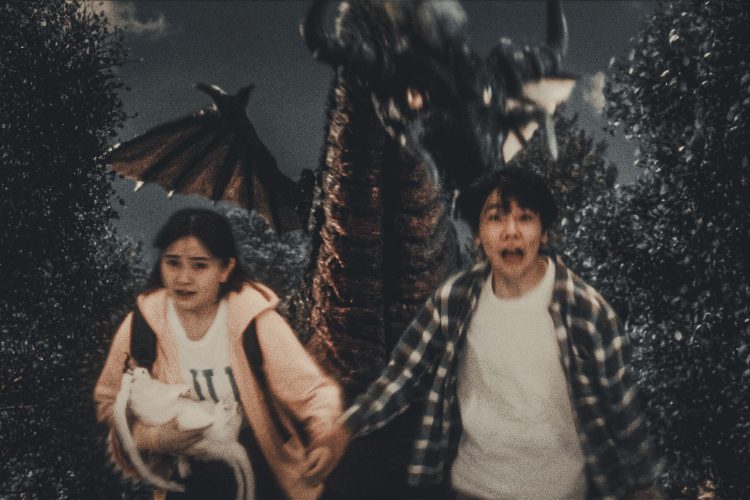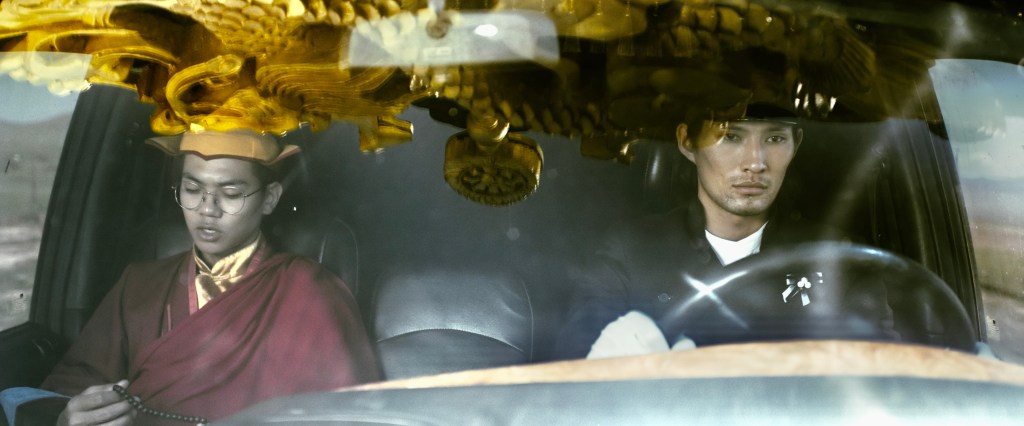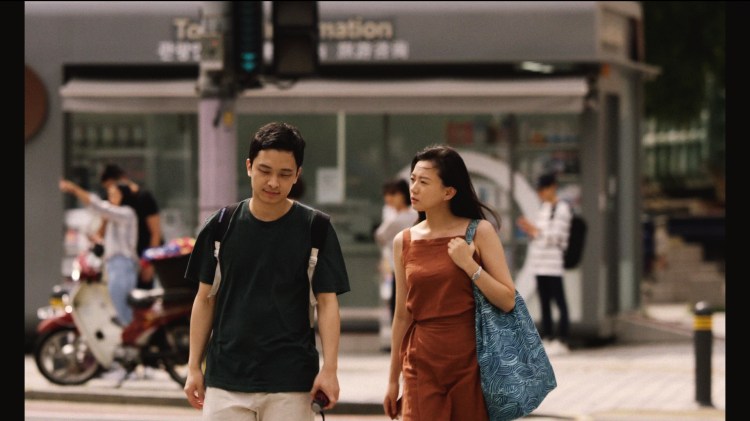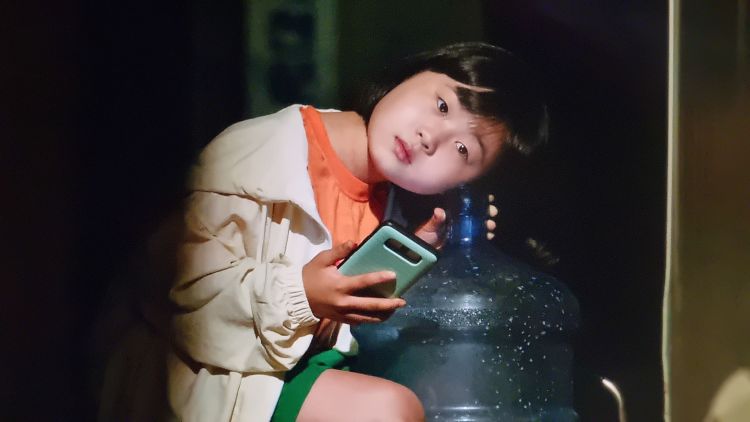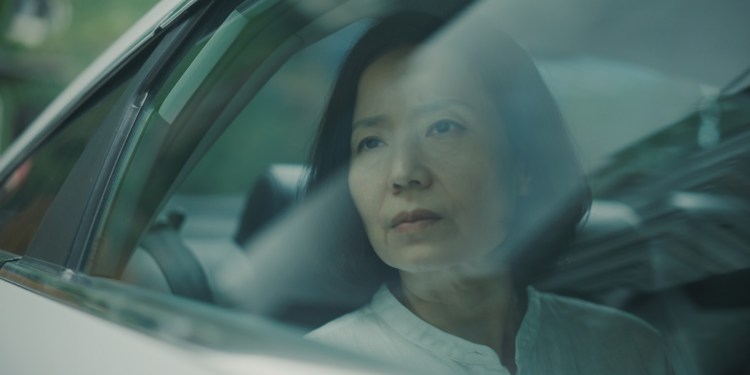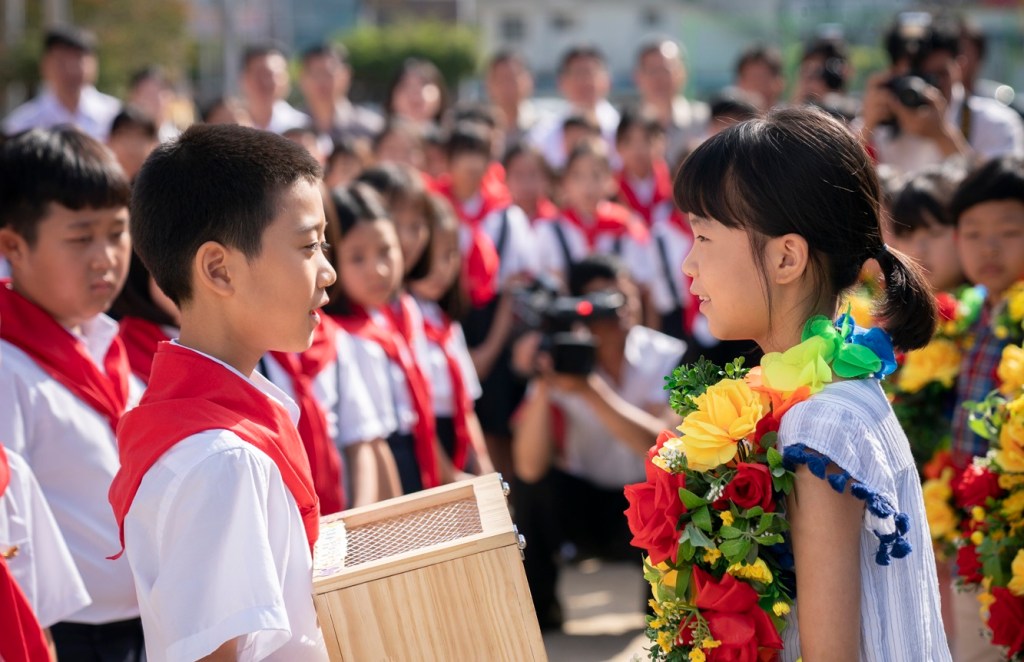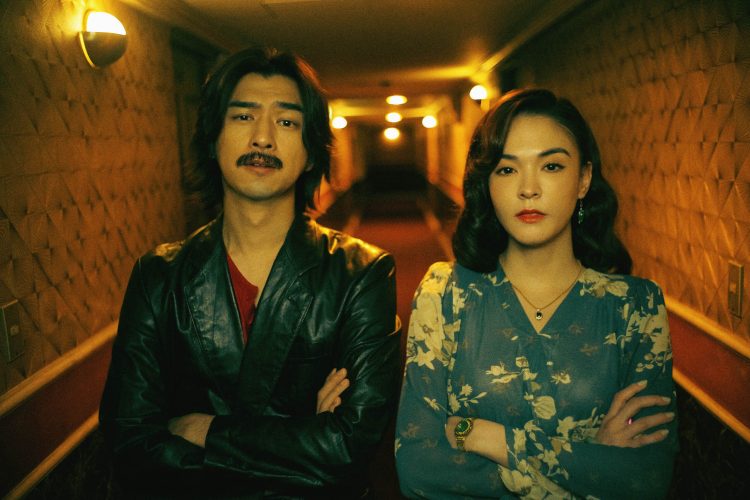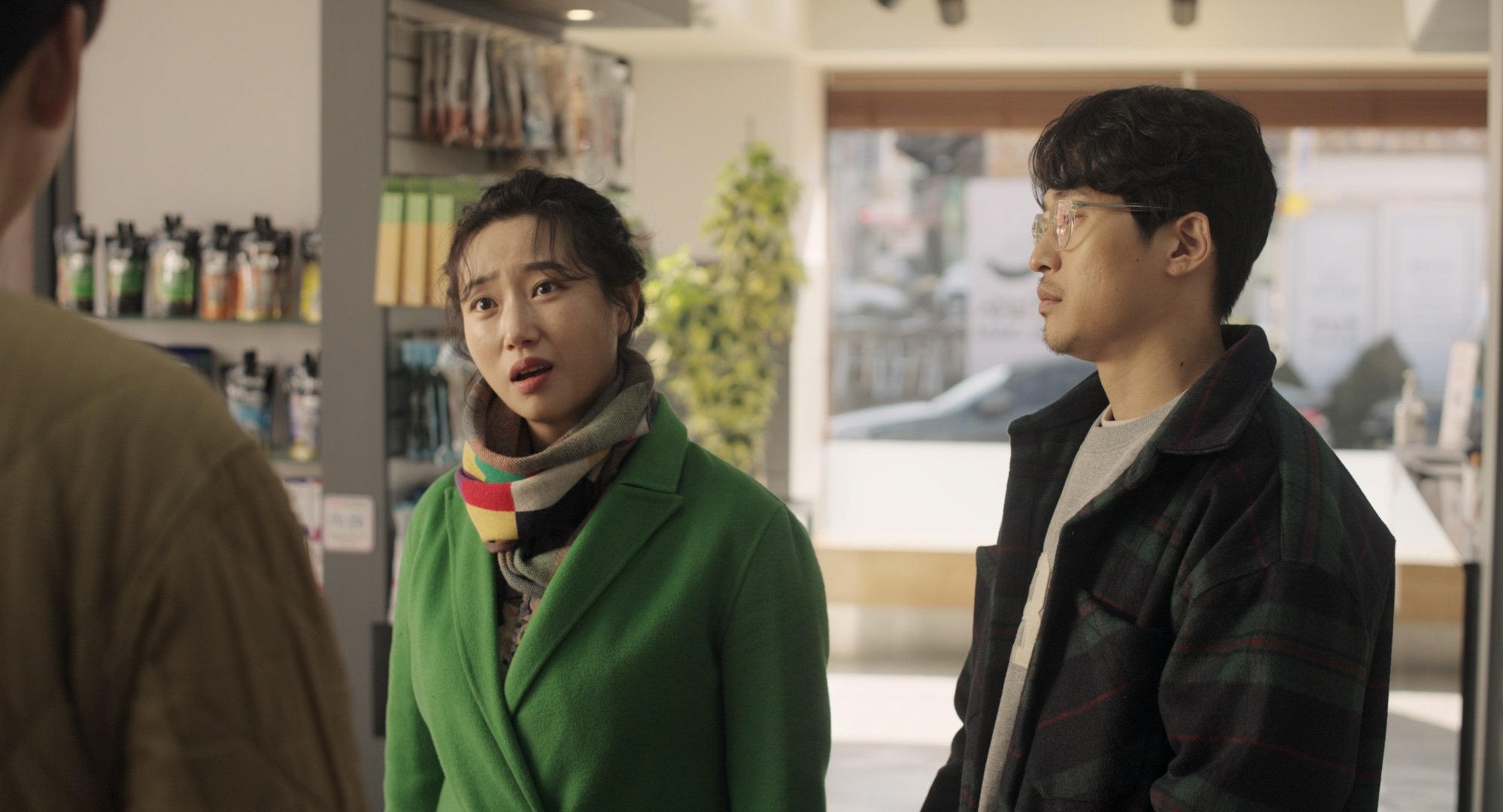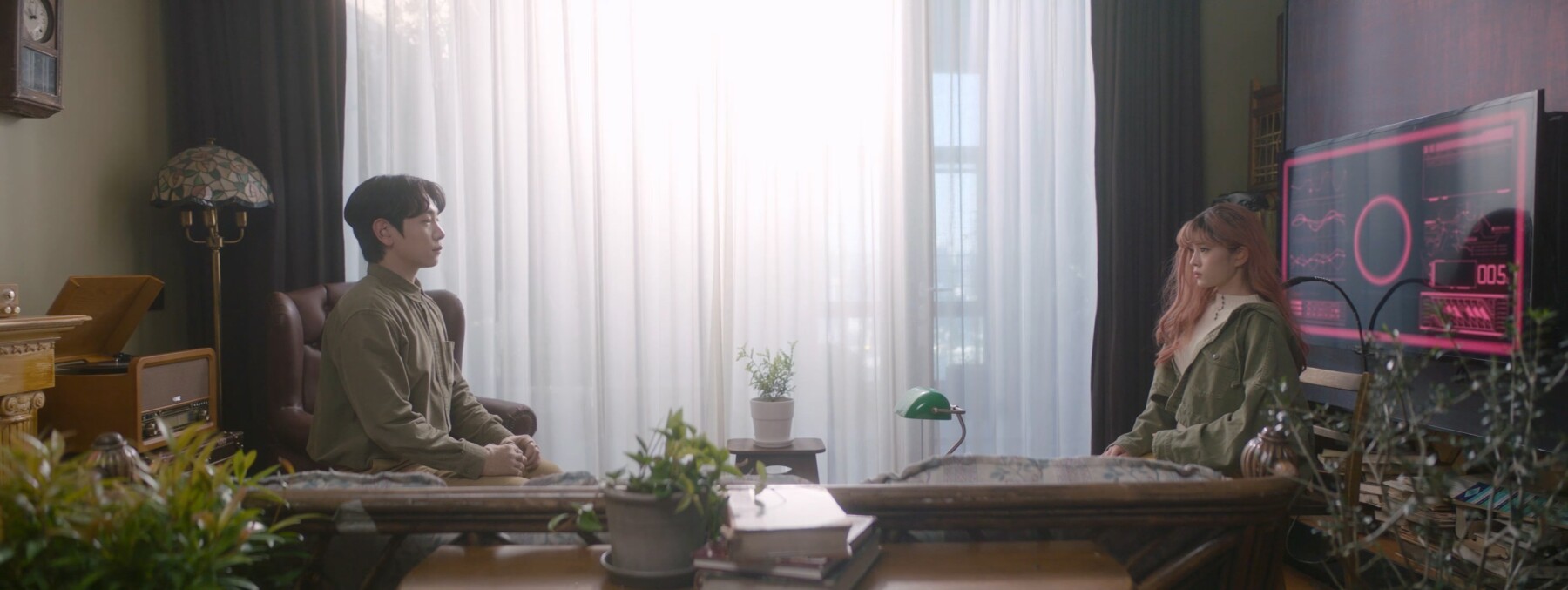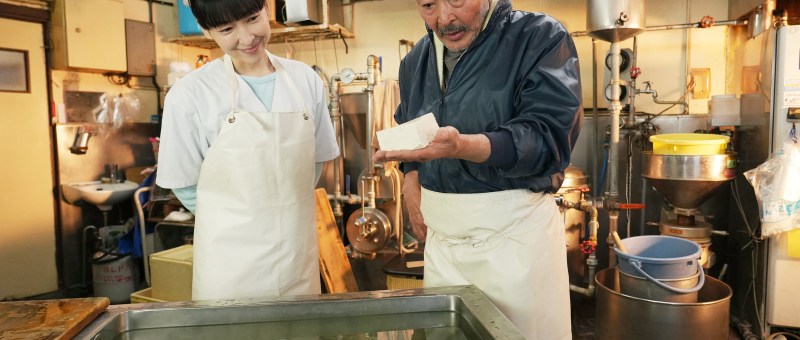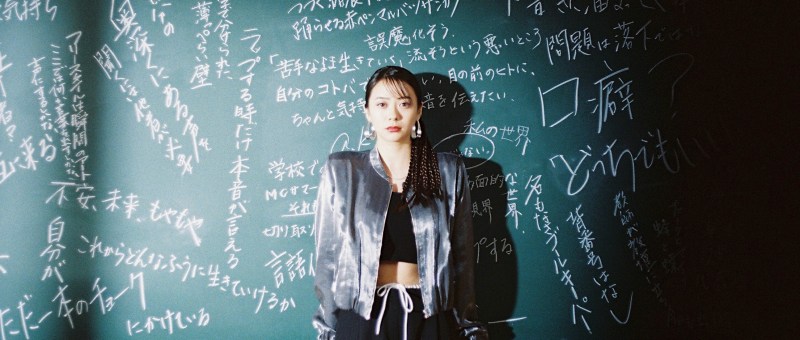
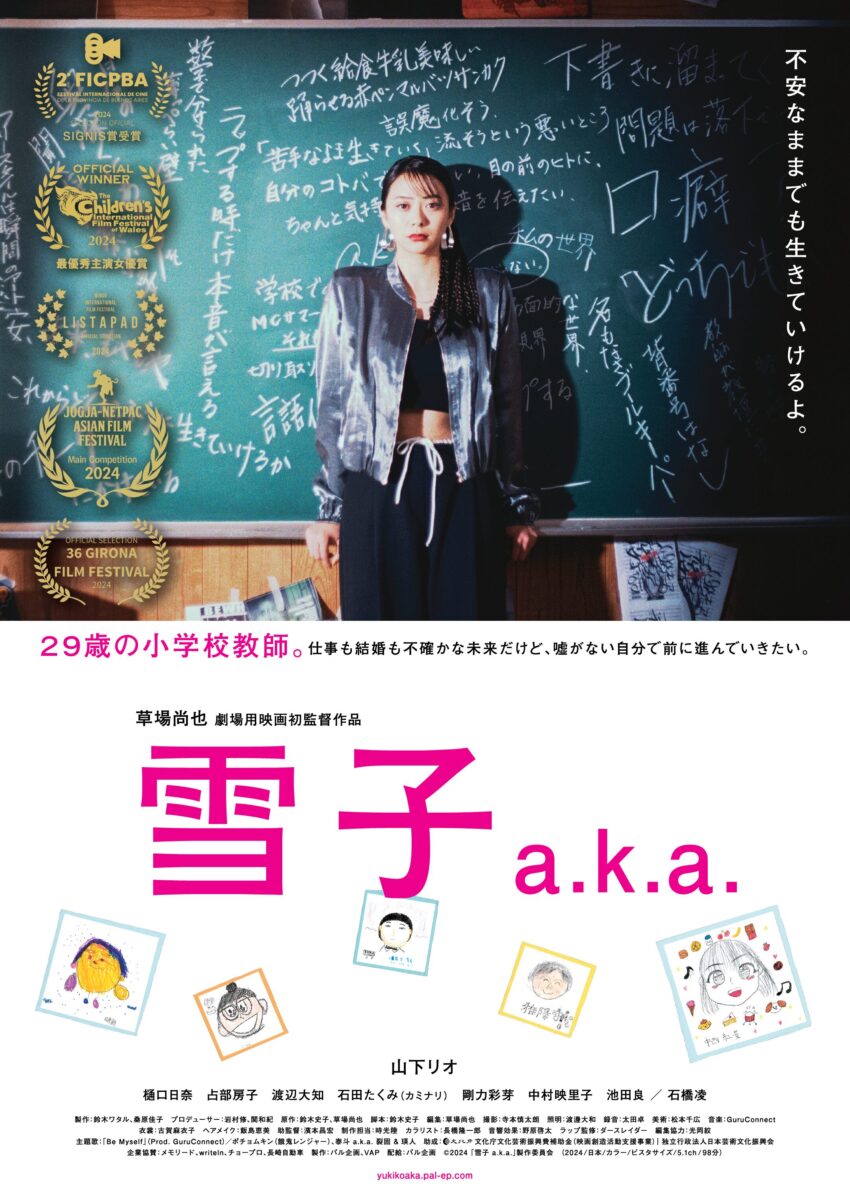
Yukiko a.k.a (雪子 a.k.a., Naoya Kusaba, 2024)

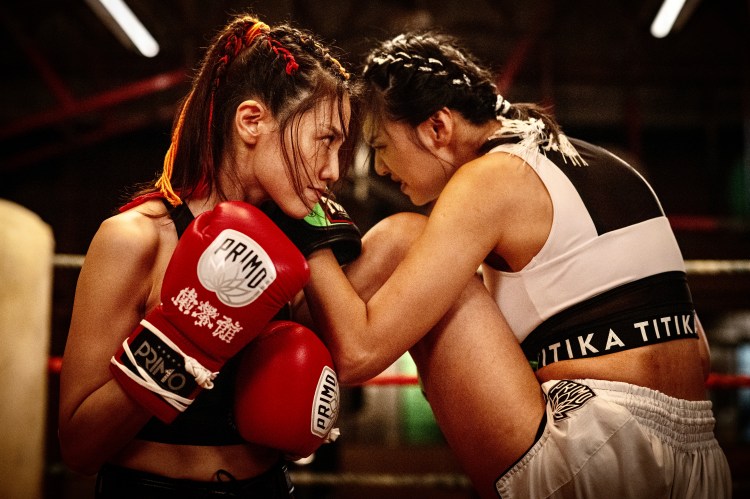
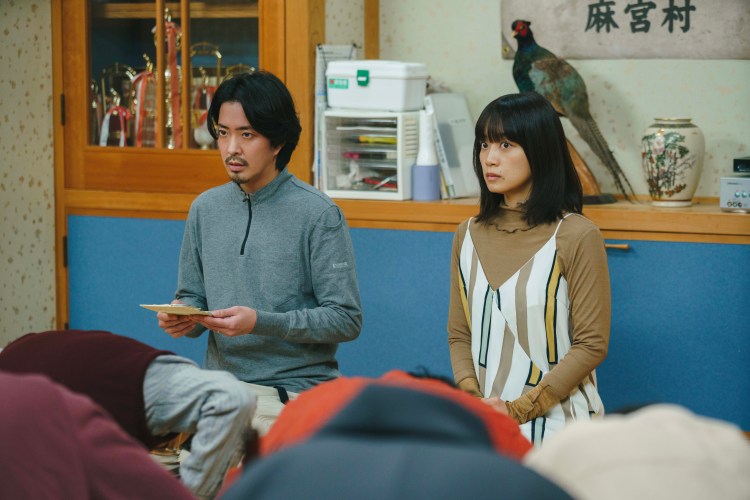
“Leave no one behind,” is the theory underpinning the SDGs that primary school teacher Yukiko (Rio Yamashita) is teaching to her students, but it’s also a practice that she unconsciously puts into practice only largely tends to forget to include herself. Timid and insecure, she makes little mark on the world around her and is afraid to express herself which she fears also interferes with her ability to interact with the children worrying that her reticence to speak up because she’s too worried they’ll say it’s all her fault prevents her from asking them if they’re alright or they need any help or guidance. 

It’s only through the possibly surprising hobby of rap music that she finds an outlet where she can be herself and say everything that’s on her mind, only most of her raps are all about her anxiousness and inability to communicate. She has however found a supportive community in a local park where there are a group of rappers who seem to have her back and encourage her to get more into the hobby by participating in rap battles so she can express herself more. It seems though that part of her anxiety stems from a sense that she’s approaching a crossroads in life and is in many ways dissatisfied. She’s been in a long-term relationship with another teacher, Kodai (Daichi Watanabe), she met when they were both students but as he’s been assigned to another school a long way away, they only meet up at weekends.

All around her, her friends are getting married and it seems Kodai may also be ready to pop what seems to most an inevitable question, but there’s something that seems to be holding her back. Kodai later tells her that he doesn’t like the her that does rap, which suggests in a way that he doesn’t really want the version of her that can express herself or is confident in saying what she does and doesn’t want. He’s much more interested in the timid Yukiko who meekly goes along with what he wants and is too afraid to rock the boat. A fellow teacher, Riho (Hina Higuchi), has an ambition to be married with a child before 30, which is surprising to Yukiko and often criticised for being old fashioned. Yet what the film seems to insist is that neither perspective is wrong, merely different, and largely a matter of what suits each individual. Riho is cool in her own way for living her life the way she chooses even if it conflicts with the prevailing attitude of the contemporary society and it’s this sense of empowerment that Yukiko is really seeking as an older teacher, Ohsako (Fusako Urabe), explains. With her short hair and serious demeanour it might be assumed that the kids wouldn’t like Ohsako, but she’s actually their favourite and perhaps precisely because of her self-assuredness. In contrast to the ultramodern Riho she likes to hand write and draw her teaching materials as a means of transmitting sincerity and integrity to the children while acting as a voice of authority between the teachers. 

Indeed, it’s Ohsako who largely teaches the film’s lessons and Yukiko how to embrace herself so that she can communicate better with the students explaining that her ability to pick up on the same anxieties in them is much more valuable than anything else. Locking eyes with a distressed young girl during a PE lesson, she quickly figures out that she’s experiencing menstrual cramps and is able to take her to the nurse’s office for some positive help and support. Meanwhile, she struggles with two boys in her class one of whom has become a school refuser and hikikomori. She visits Rui at his home every week with handouts but fails to make a breakthrough until she too is brave enough to expose her own fears and doubts. His deskmate Kotaro is now forced to join in with the girls either in front or behind when they’re asked to do pair work because of the painfully empty seat next to him.

But then unbeknownst to Yukiko, times have changed. Rui is not completely isolated but has been communicating with his friends, including Kotaro, through video games which as Kotaro’s father says is just as real to the children as talking in person. He’s also got really into educational apps and might have actually learned more by himself at home, which isn’t great for Yukiko’s self-esteem but at least he’s doing alright even if she might be becoming obsolete. Meanwhile the school still insists on making the kids read out loud to their parents who are then supposed to fill in a comment sheet but Kotaro writes those himself because his mum’s too busy. Nervously challenged by Yukiko, Kotaro’s mother asks what the educational point of the exercise is. She says she has her own way of communicating with her son and doesn’t have time for this meaningless bit of form filling. Yukiko’s insistence that it’s only 10 minutes belies a lack of understanding that Kotaro’s mother, who seems to be a working lone parent, simply doesn’t have another 10 minutes in her day. Still, the point is that Yukiko doesn’t really know the educational point of the exercise but has only been doing it because it’s what you do without giving it any real thought. 

But as Ohsako had said, maybe neither way is wrong, it’s just a matter of personal taste. Through her rap music hobby,  Yukiko begins to accept another side of herself while gaining the courage to be more confident and express herself more freely. She realises that it doesn’t really matter if she wins a rap battle or not because even putting herself out there was a minor victory that convinces her she has the power to do things with her life and live it in a way that best suits her while teaching similar lessons to the children and finally listening to her own advice.


Yukiko a.k.a screens in Chicago 22nd March as part of the 19th edition of Asian Pop-Up Cinema.

Trailer (English subtitles)
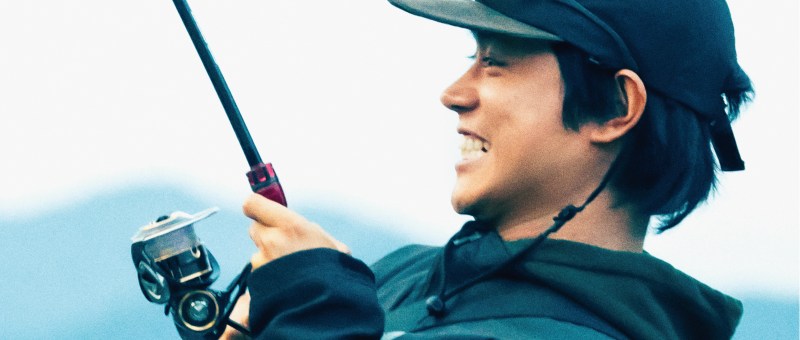
Sunset Sunrise (サンセット・サンライズ, Yoshiyuki Kishi, 2024)

In a way, the 2020 coronavirus pandemic presented a kind of turning point in which it became possible to envision a different kind of future brokered by technological advance in which society was no longer ruled by the dominance of the cities. If people could work remotely from anywhere, then they could easily improve their standard of living by moving to more rural areas for cheaper rents and healthier environments. Assuming the infrastructure was in place to allow them to do so, they could also support and reinvigorate communities struggling with depopulation in which the young have all left for the cities leaving the elderly behind to fend for themselves.

It’s an elegant solution that solves many of the problems of the contemporary society, but change isn’t always as straightforward as it seems as the hero of Yoshiyuki Kishi’s Sunset Sunrise (サンセット・サンライズ) finds out after he jumps at the chance to move into an abandoned house in Tohoku for a fraction of the rent he’d have to pay for a flat in Tokyo if he didn’t still live with his parents. The catch is, however, that houses have souls too and are more than just places to live for those that own or inherit them. Momoka (Mao Inoue), who decides to put her own empty house on the market, has her reasons for not wanting to live there herself nor for selling it completely but renting it out is also emotionally difficult. In the end, she only really does it after being put in charge of the town’s empty house problem at her job working for the council and thinking she should probably start with her own. Not knowing what to charge, it hadn’t really occurred to her someone would be as interested as Shinsaku (Masaki Suda), a fishing enthusiast longing to escape his salaryman life in the city for something a little more traditional in a peaceful rural area. 

Then again, that’s not to say that Shinsaku is a traditionalist and his decision quickly sparks controversy but also attracts the attention of his boss who senses a promising business opportunity. Momoka’s is a slightly special case, but Japan is filled with these so-called “akiya” which might, amid the work from home revolution of the pandemic, now be attractive to young professionals looking for a better environment to start a family. Houses generally start to deteriorate quite quickly when no one lives in them, and it’s true a lot of them need some work doing but it’s an idea that could work out well for everyone. Younger people who can’t find decent living space in the cities would be able to afford larger homes in the country where they would also then be contributing and integrating into the local community to provide support for its elderly residents.

Shinsaku becomes a part of the local community quite quickly and strikes up a friendship with an elderly woman whose children have all moved to Tokyo and rarely visit now that their own children are getting older. They’ve asked her to move to Tokyo with them, but as she points out, it would be the same as them moving back. There’s nothing for her to do there, and she’d have no friends. She’d only feel in the way and that she was getting under her daughter-in-law’s feet. Nevertheless, they fear for her especially as the area is still dealing with the scars of the 2011 earthquake which have left many clinging to a now bygone past. Once Momoka and Shinsaku start working with his boss on the akiya project, they find it hard to convince the inheritors of the houses to agree. Though they won’t live there, they might want to pop back a few times a year just for the memories and somehow can’t bear to part with their childhood or relative’s homes. But Shinsaku points out, it doesn’t necessarily have to be a case of either or and the renovation projects they undertake modernise the houses in a sympathetic way that brings them up to date with modern living yet honours the past even sometimes incorporating some of the previous resident’s furniture and belongings while issuing a caveat that the owners are welcome to visit should they wish to.

Essentially, the idea is a kind of co-existence with the past but also with unresolved trauma such as that presented by the earthquake and the ongoing pandemic. Momoka too is struggling to move on and while a gradual romance seems to arise between herself and Shinsaku, she isn’t sure she can ever let the past go though he makes it clear it’s okay to bring it with her. For his part, despite the initial fears of the early pandemic period and the suspicion of him as an outsider, Shinsaku’s quickly taken in by the community and adapts to a more rural way of life with relative ease though his boss’ big plan is rather undermined by his later insistence that he come back to Tokyo to run the project from the office like a many a contemporary CEO rolling back promises of flexible working environments that make this kind of utopian ideal much harder to materialise. In any case, there’s something quite refreshening in the eventual resolution just to do their own thing, not particularly paying attention to labels or what other people might think, but just doing what makes them happy right now. As an old fisherman’s song says, the sun sets but then it rises again. Scripted by Kankuro Kudo and adapted from a novel by Shuhei Nire, the film has kind of wholesome optimism that is rooted in a sense of continuity but also the potential to start again and make a new life inside the old that is less bound by outdated social norms than brokered by the gentle solidarity between people and a generosity of spirit that allows all to seek happiness in whatever way they choose.


Sunset Sunrise screens in Chicago 22nd March as part of the 19th edition of Asian Pop-Up Cinema.

Trailer (English subtitles)

Asian Pop-Up Cinema Returns for 19th Edition

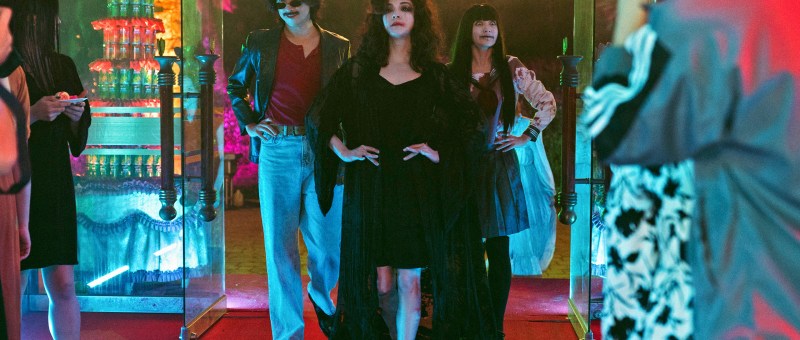
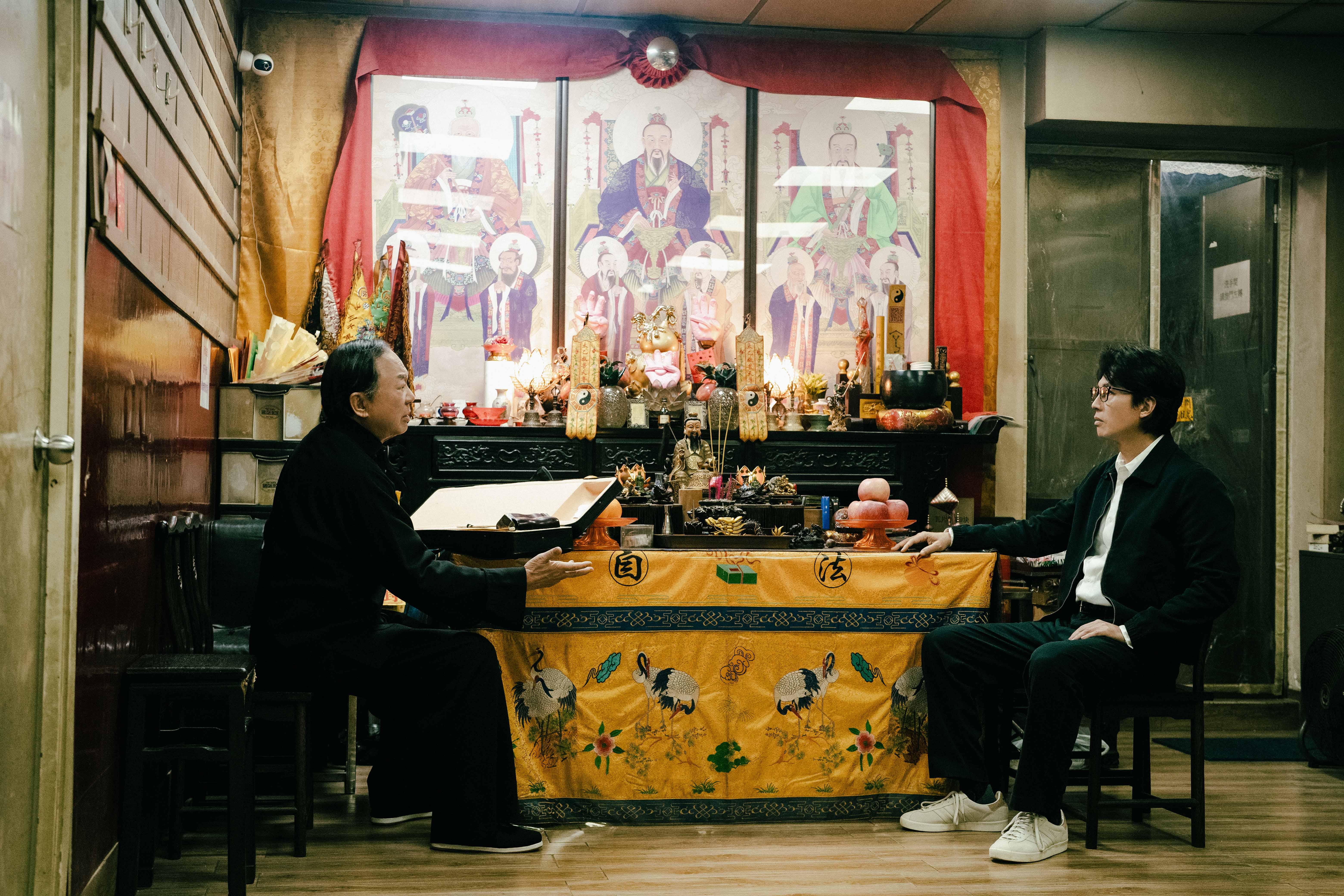
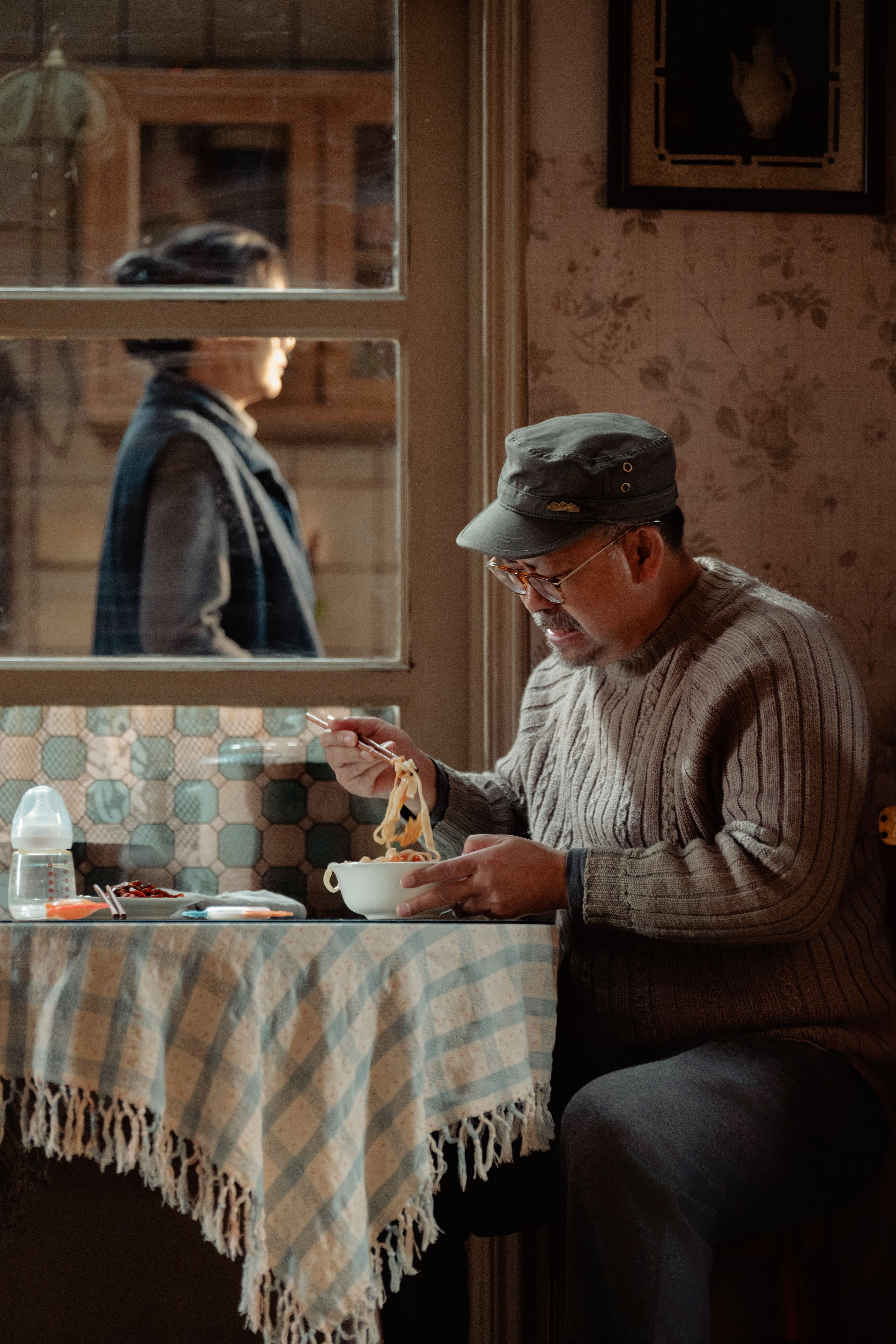
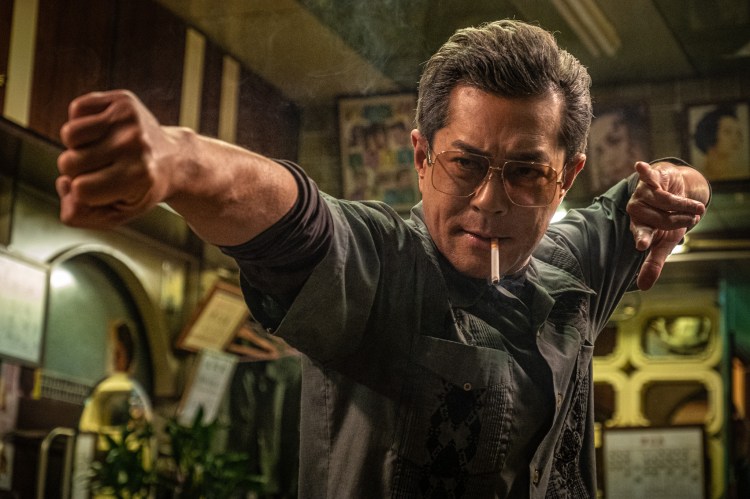
Chicago’s Asian Pop-Up Cinema returns for its 19th edition March 20 to April 13 in a new format featuring a juried competition with 16 films vying for the coveted inaugural prize. Taiwanese horror comedy Dead Talents Society will open the festival with director John Hsu and star Chen Bo-lin, also the recipient of the Bright Star Award, attending to present the film. Producer Daisuke Sato will also be attending the closing film Brush of God to collect the posthumous lifetime achievement award for late director Keizo Murase, while actress Michelle Wai and director Anselm Chan will be in attendance for the Centrepiece Film, the director’s cut of The Last Dance.

Here are the East Asian films included in this year’s programme:

China

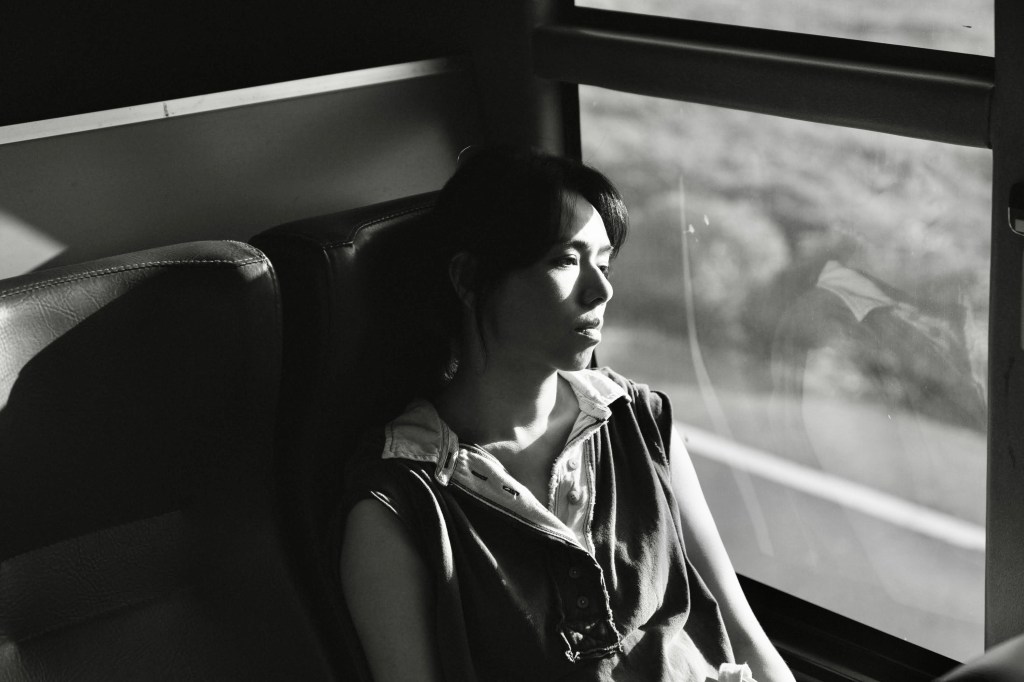
  • Like a Rolling Stone (出走的决心) – powerful drama inspired by the real life story of a middle-aged woman who decided to go travelling in order to escape her oppressive marriage.
  • A Long Shot (老枪) – a former sharpshooter finds himself unbalanced amid the corruptions of China’s 90s economic reforms in Gao Peng’s intense social drama. Review.

Hong Kong

Indonesia

  • Crocodile Tears (Air Mata Buaya) – the intensely claustrophobic relationship between a mother and son is disrupted when the boy meets a girl in Tumpal Tampubolon’s eerie maternal drama. Review.

Japan

Malaysia

  • Indera – horror film in which a father takes his daughter to the countryside to cure her illness after a stand off between villagers and government forces in 1985.

Mongolia

Singapore

  • Stranger Eyes (默視錄) – a fracturing family is confronted with the cracks in its foundations when they begin receiving strange DVDs after the disappearance of their daughter in Yeo Siew Hua’s elliptical drama. Review.

South Korea

Taiwan

  • Dead Talents Society (鬼才之道) – faced with disintegration a teenage ghost must learn how to seize the stage in John Hsu’s zany horror comedy. Review.
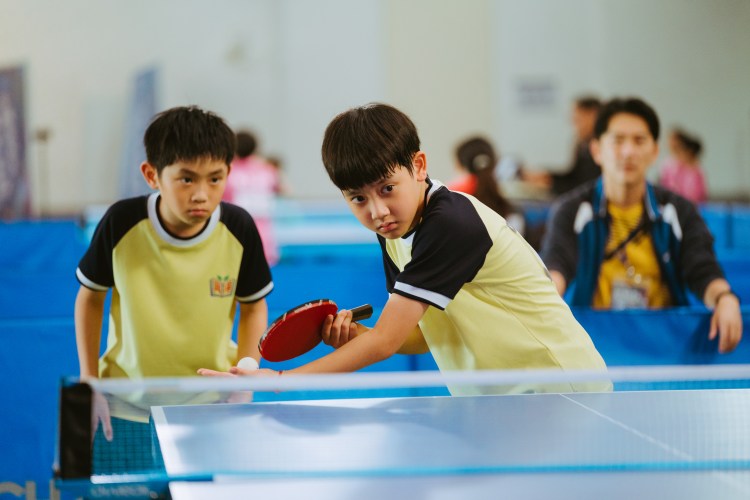
  • Doubles Match (乒乓男孩) – two little boys dream of making the national table tennis team but their friendship is disrupted when one is sent to school in the city.
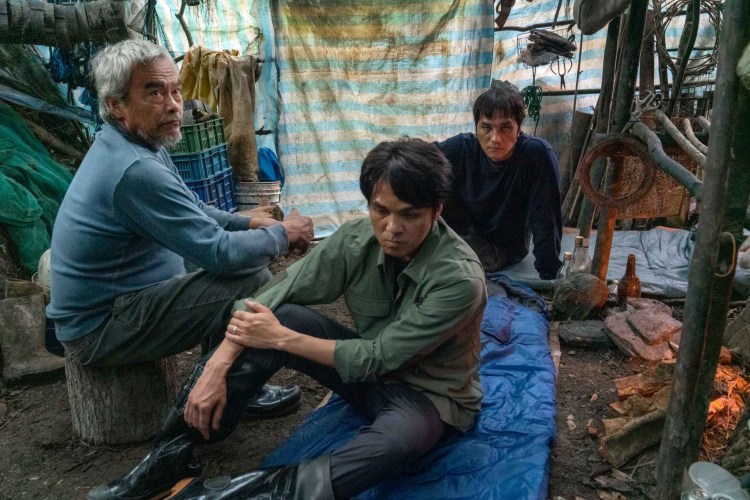
  • Hunter Brothers (獵人兄弟) – Yuci’s peaceful life is disrupted when his brother is released from prison after serving time for the hunting accident that killed their father.
  • Old Fox (老狐狸) – a young boy begins to absorb all the wrong lessons while drawn to his enigmatic landlord in Hsiao Ya-chuan’s 80-set coming-of-age drama. Review.
  • Yen & Ai-Lee – gritty drama in which a young woman is released from prison after killing her abusive father only to learn her mother (played by the iconic Yang Kuei-mei) is dating another abusive man.
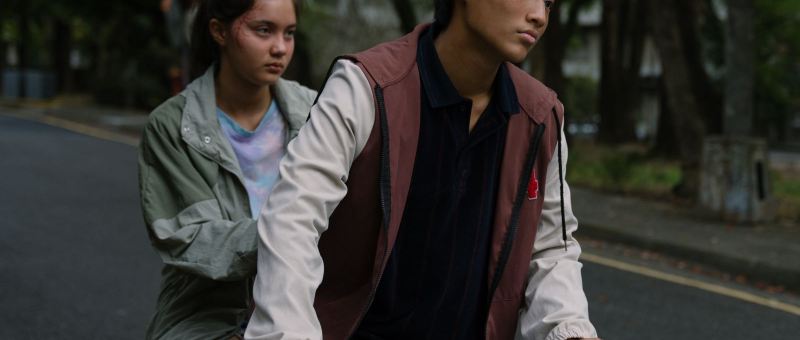
  • The Uniform (夜校女生) – drama set in 1997 in which a girl is forced to attend an elite high school as a night student but becomes friends with one of the day pupils.

Thailand

Asian Pop-Up Cinema Season 19 runs in Chicago March 20 to April 13. Further details are available via the official website and you can also keep up with all the latest news by following Asian Pop-up Cinema on FacebookX (formerly known as Twitter),  Instagram, and Vimeo.

The Fallen Bridge (断.桥, Li Yu, 2022)

Li Yu’s mystery thriller The Fallen Bridge (断.桥. duàn.qiáo) finds itself at a series of contradictions in the modern China and its film industry. The film was an unexpected box office success, though largely because it falls into a new category of boy band film in starring TFBoys’ Karry Wang locking in an audience of ardent fans much as Jackson Yee’s presence in Better Days had though it also plays into ongoing anti-corruption theme in recent cinema while simultaneously adopting a mildly positive stance towards whistleblowers if specifically within the field of construction.

It is of course an unescapable fact that hypercapitalistic working practices and ingrained corruption have led to numerous public safety failures with bridge collapses unfortunately a fairly common occurrence. This one is particularly problematic as a skeleton is discovered encased in the concrete during the cleanup effort. From the way it’s posed, it appears the man may have been buried alive. A preserved piece of paper found in a bag accompanying the skeleton states his intention to take his concerns to the head of the construction project that the structure is unsafe and should be entirely rebuilt. Of course, that would be incredibly expensive, embarrassing, and disadvantageous to others who have used the bridge as a way of forging connections with important people.

The bridge’s collapse is therefore also symbolic in pointing to the fracturing instability of these relationships along with that between college friends Zhu Fengzheng (Fan Wei), the project manager, and Wen Liang (Mo Chunlin), the would-be-whistleblower. Fengzheng has also been raising Liang’s daughter Xiaoyu (Ma Sichun) who was 12 at the time her father disappeared after seemingly being disowned by her mother who was under the impression he had runaway with his mistress. Now in her 20s and an architecture student, Xiaoyu becomes determined to learn the truth even as she begins to suspect Fengzheng who has otherwise become a second father to her and does at least seem to care for her as a daughter while his own son is apparently living in Australia. Teaming up with a fugitive, Meng Chao (Karry Wang), on the run for killing the man who raped his sister, she begins plotting her revenge while a police investigation into the bridge collapse and an additional suspicious death otherwise seems to flounder.

Though it may not mean to (as it seems unlikely to please the censors) the film gives tacit approval to vigilante violence in subtly suggesting that “official” justice is rendered impossible because of the complex networks of corruption that exist within the soceity. Meng Chao says the man who raped his sister was a judge which is why he had to kill him, while Xiaoyu seems to desire individual vengeance believing the police aren’t investigating properly but refusing to go to them with key evidence because she wants to kill her father’s killer herself. While carrying out their investigation, the pair end up adopting the wily daughter of another casualty of the villain’s greed and form an unlikely family unit marking them all out as good people who have been betrayed by the system which is itself corrupted by the nation’s headlong slide into irresponsible capitalism. 

Even so, revealing the villain so early weakens the suspense while their own motivations are left unexplored, assumed to be merely greed if perhaps also a wish to remain connected to influential people and be thought of as important at the cost of the lives of the general public (along with those of often exploited labourers) endangered by shoddy construction practices. It isn’t entirely clear how they intended to deal with the fallout of their machinations to cover up their past misdeeds, especially as the sub-standard work on the bridge has already been exposed though obviously could be blamed on others no longer around to defend themselves, but perhaps it all amounts to crazed self-preservation pitched against the righteousness of Xiaoyu and Meng Chao who are after all wronged parties in China’s deeply entrenched judicial inequality. Nevertheless, we get the inevitable title card (left untranslated in the overseas release) explaining that justice was served and a censor-pleasing ending that still in its way suggests the police are incapable of solving these crimes and that the petty corruptions of small-town life are otherwise impossible to prosecute. 


The Fallen Bridge streamed as part of the 18th Season of Asian Pop-Up Cinema.

Original trailer (English subtitles)

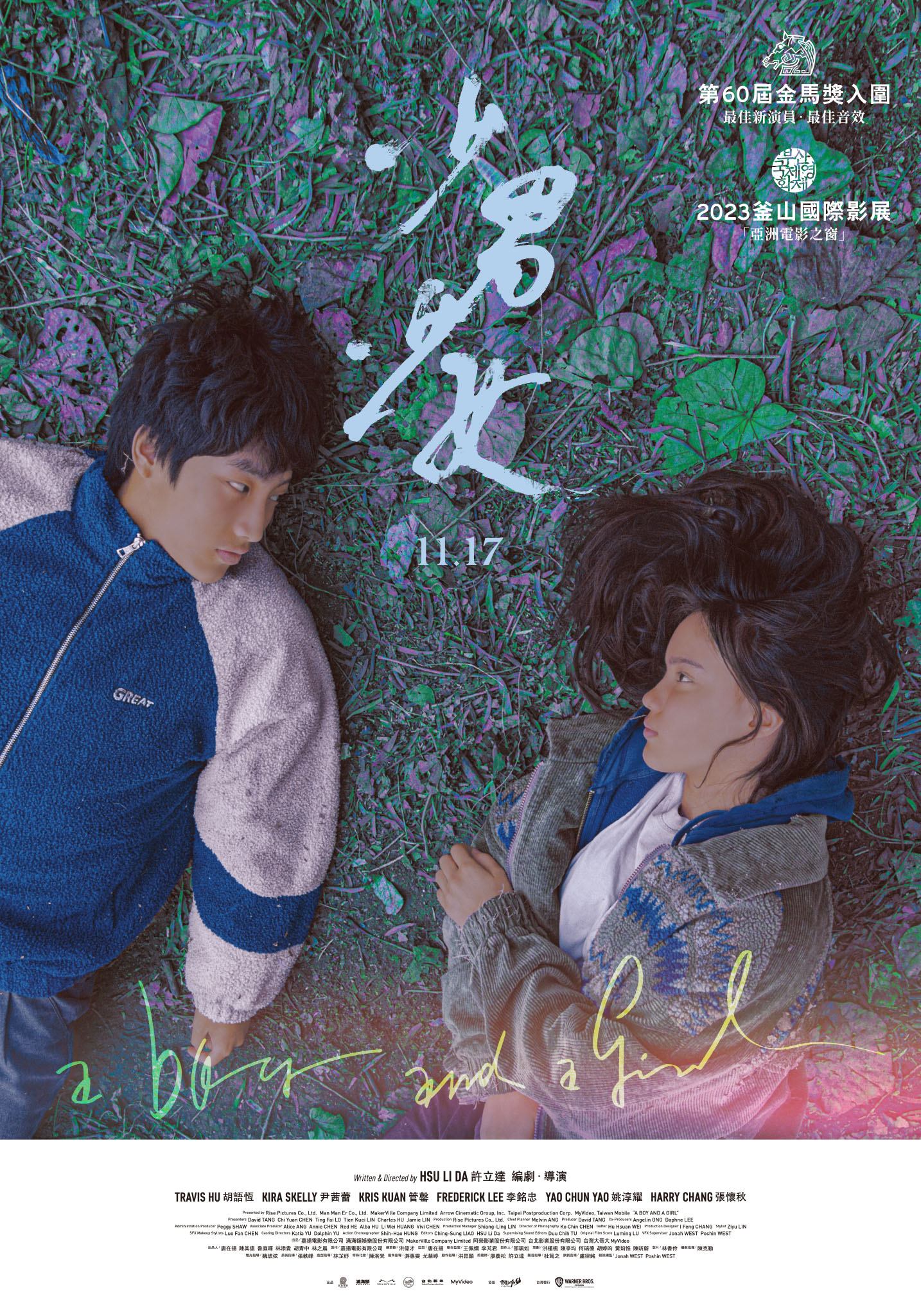
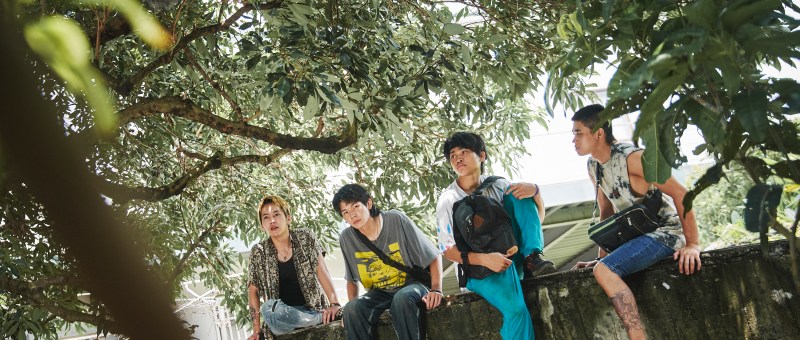
A Boy and a Girl (少男少女, Hsu Li-Da, 2023)

A young man on the cusp of adolescence longs to escape his miserable circumstances but gradually finds himself succumbing to the corruption all around him in Hsu Li-Da’s bleak coming of age drama, A Boy and a Girl (少男少女, shàonánshàonǚ). Though the title may sound like a cheerful rom-com, Hsu’s film is closer to anti-romance as the ill-defined relationship between the two provokes unforeseen changes and eventually dangerous situations. 

In any case, all the Boy’s trouble’s start when his phone gets broken in the middle of a deal to sell in game points signalling an abrupt end to his escapist dreams. He’s desperate to get another one, but his mother can’t afford it and has problems of her own in that the hostess bar she runs is in financial trouble and she’s had to enter a sexual relationship with a local thug just to keep it running. The Boy catches them at it, and looks on voyeuristically laying bare his oedipal desires coupled with a moralistic objection to the act and resentment towards the gangster.

For these reasons he becomes determined to escape his moribund small town along with the hostess bar where his mother works by fighting back against adult duplicity. After meeting the Girl and gaining access to her phone, he discovers that she had been involved in a sexual relationship with their PE teacher which had resulted in a pregnancy. The pair of them attempt to blackmail the teacher with screen caps of his incriminating messages to her, but the plan backfires. The teacher doesn’t feel under threat and gets two of his underlings to beat the Boy up rather than pay. The Boy is morally outraged by the teacher’s behaviour and thinks someone ought to do something, but doesn’t know what to do so lands on blackmail as a form of punishment though as it turns out the Girl was less interested in vengeance or money than whether the teacher really loved her. Like the Boy, the Girl is mostly alone. She claims not to know who her mother is, while her father is suffering with an illness.

As expected they plot their escape together, but events soon overtake them. With the blackmail scheme ruined, the girl settles on sex work and the Boy becomes a kind of pimp if a conflicted one frustrated by the Girl’s whimsical businesses sense which sees her tell a potential client to forget about the money because he’s not quite as hideous as all the others. Meanwhile, she starts giving the boy a drug called Little Devil which causes those who take it to laugh manically and commit acts of extreme violence. Left without a moral arbiter the boy has nowhere to turn. Not only can he not talk to his mother’s boyfriend, but eventually encounters a corrupt cop whose immediate reaction is to tout for a bribe or, as he would have it, protection money. 

In this very messed up environment, all relationships have become transactional. Gradually the Boy begins to behave like those around him and takes on the codes of the masculinity with which he is presented, posturing and squaring up to his mother’s boyfriend in contest over ownership of her. His mother wants escape too, but is afraid and constrained by the persistent misogyny of the present society even if, ironically, her work her also leans into it in running a karaoke bar where the some of the hostesses are encouraged to undress. The more they try to escape, the tighter the noose seems to grow refusing to let any of them leave and denying them even the hope of better life.

Already cynical, the Girl is resigned to her fate and in fact no longer really resisting it save for interactions with the Boy. Told that her father is much sicker than they thought and needs an expensive operation, the Girl suggests that she doesn’t intend to pay while the Boy tries his best to get cash to pay off the ganger, free his mother, and keep the bar only to be confronted with his naivety. The picture Hsu paints of contemporary Taiwan is bleak and unforgiving, refusing either of the pair the prospect of a happier future and guaranteeing only misery for all in a land of cheats and gangsters in which a good heart is weakness few can afford.


A Boy and a Girl screened as part of the 18th Season of Asian Pop-Up Cinema.

Original trailer (English subtitles)

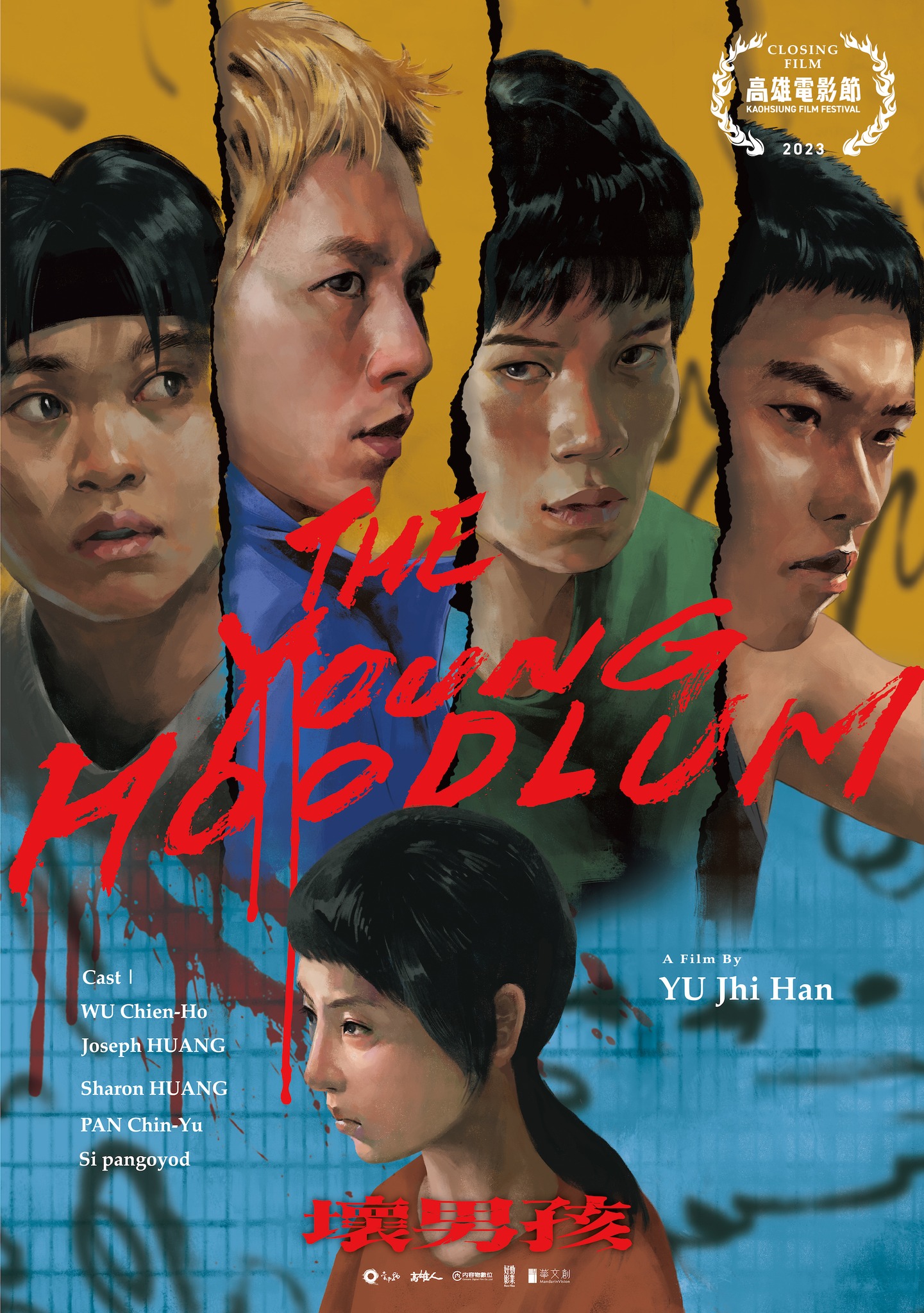
The Young Hoodlum (壞男孩, Yu Jhi-Han, 2023)

Seemingly abandoned by their society, the four young men at the centre of Yu Jhi-han’s The Young Hoodlum (壞男孩, huài nánhái) survive on petty crime and brotherhood yet their bond is soon disrupted by the presence of a privileged young woman. Contrasting the circumstances of these boys who find themselves without parental support and the girl who resents her parents for micromanaging her life the film makes a point of criticising the inequalities of the contemporary society if succumbing to a potentially unintended misogyny.

With no family to rely on, the boys are largely dependent on a local gangster, Xiao-hei, for whom they’ve become runners withdrawing cash with stolen cards then putting it in a locker for another of his men to pick up. Having left home after his father, who has issues with alcohol, almost set the house on fire, Cheng-han is also caring for his younger sister who comes to view each of the other boys as additional brothers with the five of them forming a close, quasi-familial unit. 

But that unit is disrupted by the arrival of Pin-Ran, an aspiring influencer from a background of extreme wealth who appears to be living in a luxury hotel while hiding out from her parents who, she says, arranged everything in her life so far including a place at a foreign college. Cheng-han is captivated by her and struck the kindness she showed his sister but also uncomfortable in her upperclass world while she, by contrast, is just really a tourist in his having fun experiencing poverty and the transgressive acts the boys must perform just to survive. She gets a thrill out of conning a young woman out a small amount of money at a bus station and convinces the guys to help her exploit one of her fans in a badger scam but she could of course walk away at any point and return to her privileged life which is not an option open to any of the boys. 

Even so, when her parents finally cut her off she decides on drastic action to get back at them and help the boys out of a jam after a questionable decision that puts them on Xiao-hei’s hit list. From the first, she creates discord within the group with it’s old leader, Shi, resentful both of the way she seems to have taken charge and of the way Pin-ran chose to distribute the loot taking the bulk herself and then splitting their cut between the four of them. Shi feels he’s not getting his proper due either from Xiao-hei or Pin-ran and is quickly getting fed up with the futility of his situation. He feels he needs the money to support the other guys and Cheng-han’s sister, while another of the boys has an additional motive in needing to pay for medical treatment for his grandmother all of which makes them desperate and reckless. 

The opening voiceover reveals that one of Cheng-han’s friends was killed in the summer with Yu drip feeding information trying to explain how the brotherhood of the boys imploded to the extent that one of them died, but ultimately returns to the themes of rich and poor as we can see Pin-ran getting advice from a fancy lawyer while each of the boys some of whom are still below the age of majority are questioned alone with no legal representative present. Shi had asked Cheng-han if he was more afraid of being dead or being poor, explaining his desperation in his intense fear of poverty insisting that he would rather not live at all than continue to suffer. The irony is that the boys find themselves in this position because of parental neglect or abandonment while Pin-ran has rejected her parents for being overly attentive and railroading her into a life she may not want. Her position within the gang necessarily disrupts its dynamic with Cheng-han trying to keep the peace while Shi in particular is pushed to extremes by increasing desperation. Yu’s bleak friendship drama in the end suggests that the innocent will end up paying for the poor decisions of those around them and that ultimately the borders of class and gender cannot be overcome for rich girls like Pin-ran can always count on parental support while boys like Cheng-han will have to fend for themselves.


 The Young Hoodlum screened as part of the 18th Season of Asian Pop-Up Cinema.

Original trailer (English subtitles)

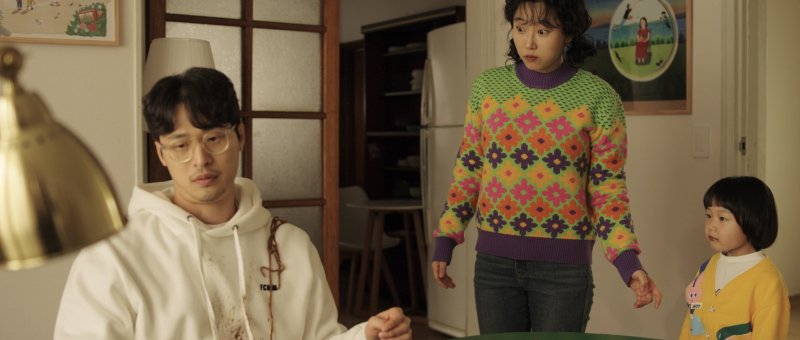
Cat Kiss (고양이 키스, Hwang Soo-bin, 2022)

A widowed single father’s life is suddenly thrown into disarray when his son’s decision to take in a local stray cat forces him to confront the trauma of his wife’s death in Hwang Soo-bin’s light-hearted drama, Cat Kiss (고양이 키스, Goyangi Kiss). Less a study in the inertia of grief than an empathetic tale of how caring for others can reopen a heart that was closed, the film leans in hard to its cat-themed metaphors of finding comfort and support in expected places. 

In any case, since his illustrator wife passed away Young-hee’s (Oh Dong-min) been unable to venture into her drawing room without having a panic attack. That might be why his son, Jae-in (Shin sua), decides to hide a kitten in there that he claims followed him home from a school trip. Unfortunately, Young-hee is allergic to cats and immediately wants to get rid of it but is convinced not to by Ro-un (Ryu Abel), an energetic and cheerful woman who runs a local repair shop and comes to fix their leaky roof.

Fixing the roof is partly what she carries on doing, bonding with the family and trying to help them move on with their lives through turning the drawing room into a cat room in a kind of compromise with Young-hee’s allergies only it’s as much the emotional connection that he’s allergic to as the feline itself. The same might be said of his odd relationship with his neighbours, a family of three who live across the way that includes a little girl Jae-in sometimes plays with. Finding Young-hee collapsed after a panic attack, the neighbours tell him he can always come knock on their door if he has a problem but he isn’t really ready for that kind of connection yet. 

Young-hee’s grief-stricken inertia is plain from his expressionless face and generally melancholy aura. Even Jae-in remarks that he’s always sad a little moody. Ro-un’s mission is to make the family smile again though she has an uphill battle but equally, Young-hee does not try to deflect her attentions which some might see as overbearing given that she’s more or less forced him to erase the last traces of his late wife from their home, but as if responding to a cat kiss slowly allows her into their lives and hearts as a more positive influence amid their melancholy.

She meanwhile is carrying a heavy burden of her own which goes a little beyond the loss of her cat which closely resembles that rescued by Jae-in. They are all in a sense stray cats looking for someone to take care of them and restore some of what they’ve lost. Even the family across the way which Young-hee had so envied has its sources of tension stemming from the unfulfilled desires of the parents with salaryman dad dreaming of becoming a dancer and the mother looking for more things to do outside the home now her daughter’s a little older. The daughter meanwhile has a hangup of her own in regards to traditional femininity, resentful that people have said Jae-in is prettier than she is despite being boy, and criticising her being “strong”. 

Another strong woman, Ro-un tells her not to be afraid of her physicality though her choice of words somehow backfires. A kind of runaway herself, she too is trapped in a state of inertia by a traumatic past she hasn’t fully dealt with while remaining upbeat and relentlessly cheerful as a kind of coping mechanism for the blows life has dealt her. Focussing on the cat provides them with a roundabout way of communicating and an opportunity for developing a shared intimacy that gently guides them back into the world. 

Despite the melancholia of the situation, Hwang keeps the tone light and adds a little quirky, down to earth humour including small instances of animation echoing Young-hee’s late wife’s occupation as an illustrator. Somewhere between offbeat romcom and grieving drama, the film is a kind of testament to the healing power of cats along with their tendency to find good people to take care of them just as those who become cat butlers slowly begin to open their hearts while generally making the world a slightly less unfriendly place.


Cat Kiss screened as part of the 18th Season of Asian Pop-Up Cinema.

International trailer (English subtitles)

OUT (Hiroshi Shinagawa, 2023)

Delinquent dramas have been having a bit of a moment over the last few years and like many Hiroshi Shinagawa’s manga adaptation OUT is a comic retro throwback to the genre’s ‘80s heyday. Some of the action may seem a little a outdated, but macho posturing will never really go out of style and there is genuine heart in the newfound brotherhood between local punk Kaname (Koshi Mizukami) and the recently released Tatsuya (Yuki Kura) who is torn between trying to go straight and rejoining the ultra manly society of the biker gangs.

Then again it quickly becomes clear that part of the problem is too many people have already given up on Tatsuya and are eagerly relishing the prospect of his failure. Having spent a few months in juvenile detention for fighting, he’s no desire to go back but is also resentful about the lack of control he now has over his life if grateful to have been taken in by an uncle and aunt who run a Korean barbecue restaurant in Chiba. Their faith in him makes him want to live up to it, but equally he can’t bring himself not to respond to challenges of masculinity rather comically insisting that he square off with new rival Kaname through a game of sumo so he won’t break the terms of his parole by hitting someone. As might be expected, the two men become friends through fighting but Kaname turns out to be the deputy leader of a local biker gang bringing Tatsuya once more into contact with random and pointless violence. 

This is the double meaning of “out”, not only that Tatsuya is “out” of juvie and and outsider to the gangs in Chiba but also and outlaw by nature who can’t be tamed by the demands of the civil society. Yet what he’s confronted by is a new sense of masculinity that’s not founded solely on dominance through violence, status or macho posturing but love and brotherhood. A young woman he takes a liking to, Chihiro (Yuki Yoda), wastes no time telling him she thinks he’s pathetic in his ongoing obsession with his male pride while trying to make him realise that there are people who care for him and would be upset if he went and got himself killed which makes his whole way of life completely irresponsible.

But at the same time, the rival gang that’s after his new friends has shifted into violence and murder, making money through trafficking drugs and blackmailing women into sex work after incapacitating them and threatening them with sex tapes. Obviously, even his newfound code of manliness means he must stand up to this new kind of injustice even if it sends him back to prison. What he learns from Chihiro is that kindness is more attractive than coolness while his uncle gives him a similar lesson, econouraing him to channel his rebellious energy in a more positive direction just as he now dedicates his whole life to protecting his wife and the restaurant. 

Shinagawa approaches the material with a sense of humour undercutting the ridiculousness of the male posturing with gently mocking affection. He maintains some of the key elements of the genre such as the surreal manga-style hairdos while embracing its essential outlandishness. The fight scenes themselves are also surprisingly violent if also a little ironic as he cuts between gang leader Atchan (Kotaro Daigo) jumping on a guy’s face to Tatsuya’s aunt remarking that he seems like a nice kid. Some degree of CGI has evidently been employed to aid the visceral of the violence as we think we see faces coming in for a pummelling along with impressive drop kicks, though the mass brawls are in themselves well choreographed and dynamic while remaining within the realms of what a petty street punk could do reasonably do. Shinagawa also leans into the manga origins with frequent use of line drawings in scene transitions and character introductions. In essence Tatsuya is attempting to reclaim his self-esteem, finally embracing the of repeated phrase “Im stupid, but I’m not trash” to claim the right to live a less chaotic life while recommitting himself to knuckling down in the barbecue restaurant in defiance of those who thought him to be worthless, finally out of his self-imposed prison and into a happier future.


 OUT screened as part of the 18th Season of Asian Pop-Up Cinema.

Original trailer (English subtitles)
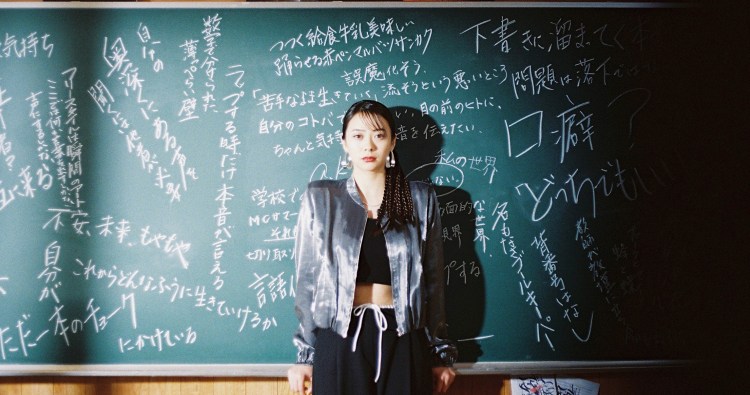
My Favorite Love Story (어쩌면 해피엔딩, Lee Won-hoi, 2023)

Robots aren’t programmed to love autonomously according to Oliver (Shin Joo-hyup), a helperbot seemingly abandoned by his long lost owner, or as he terms it, friend, James in Lee Won-hoi’s quirky musical romance, My Favourite Love Story (어쩌면 해피엔딩, eojjeomyeon happy ending). It’s an odd thing to say in a way, what does it mean to love “autonomously”? Or perhaps he is simply alluding to the fact that there must obviously be some robots who are programmed for love even if “love” is as good a word as any to describe the way he’s bonded to James that causes him to wait by the window like a wife willing her husband back from the war. 

Oliver rarely leaves the apartment and enjoys conversation only with a handful of potted plants and the postman who delivers vintage copies of Life magazine, jazz records, and repair kits daily. We can see that Oliver’s word is small and frozen in time, though he looks out on a Seoul that seems to him a paradise while we’re told that it’s so polluted people have started evacuating to Jeju Island. It’s because of the pollution that production of helper robots has been stopped along with that of repair kids. There is something quite poignant about the forced ageing Oliver undergoes having been abandoned by a society that valued him only for his usefulness and now prevents him from being able to repair himself as if he were suddenly denied basic medical treatment and regarded always as a lesser being. On the road trip he eventually takes with the more cynical Claire (Kang Hye-in), he encounters signs that reads “no robots” while doing his best to act human despite his obvious awkwardness. 

While Oliver is upbeat and content to wait for James certain that he’ll one day return, Claire is carrying heavier baggage stemming from her treatment by her former owners that convinces her humans are all bad and ready to discard them at any moment. Needing to borrow his charger, she bamboozles her way into Oliver’s life and convinces him to go on a trip to Jeju to look for James and unexpectedly finds herself falling in love along the way. But as Oliver says, love isn’t something that’s in their programming. After all, love causes lots of problems so why would we code it into machines we’ve built solely to serve us?

In any case, the discovery they make is that love is sad and also impossible in the knowledge that will someday inevitably end. Claire’s needs for repairs are more urgent than Oliver’s, while the world around them also seems to be crumbling and not least because of human negligence. They consider simply editing their memories to remove the new discoveries they’ve made about themselves and the world not to mention love in order to return to the state of inertia in which they existed before each just waiting for something while quietly falling apart.

Adapted from a one act fringe musical, the score has a contemporary Broadway feel which perhaps isn’t surprising given that it was written by an American musical theatre composer and sparked for the book writer by a chance encounter with the Damon Albarn song Everybody Robots in Brooklyn. Thematically, it asks whether it’s worth paying the price of love given that every romance has an expiry date even if theoretically a robot to could live forever were it not for humanity destroying the planet and then callously abandoning them. The original title translates as the more apt “maybe happy ending” hinting at the sense of inevitability in the pair’s constant reunions and desire for reconnection though they still seem reluctant to place their faith in love alone even as the world around them continues to improve and the skies above Seoul are clear once again. With its retro aesthetics and cineliteracy, the film ads a degree of timelessness to its quirky tale of robots finding love while attempting to deal with their abandonment issues in a world of human indifference and in fact settles for a different kind of inertia in the cycle of a tentative romance that might one day result in a happy ending.


My Favorite Love Story screened as part of the 18th Season of Asian Pop-Up Cinema.

International trailer (English subtitles)

Takano Tofu (高野豆腐店の春, Mitsuhiro Mihara, 2023)
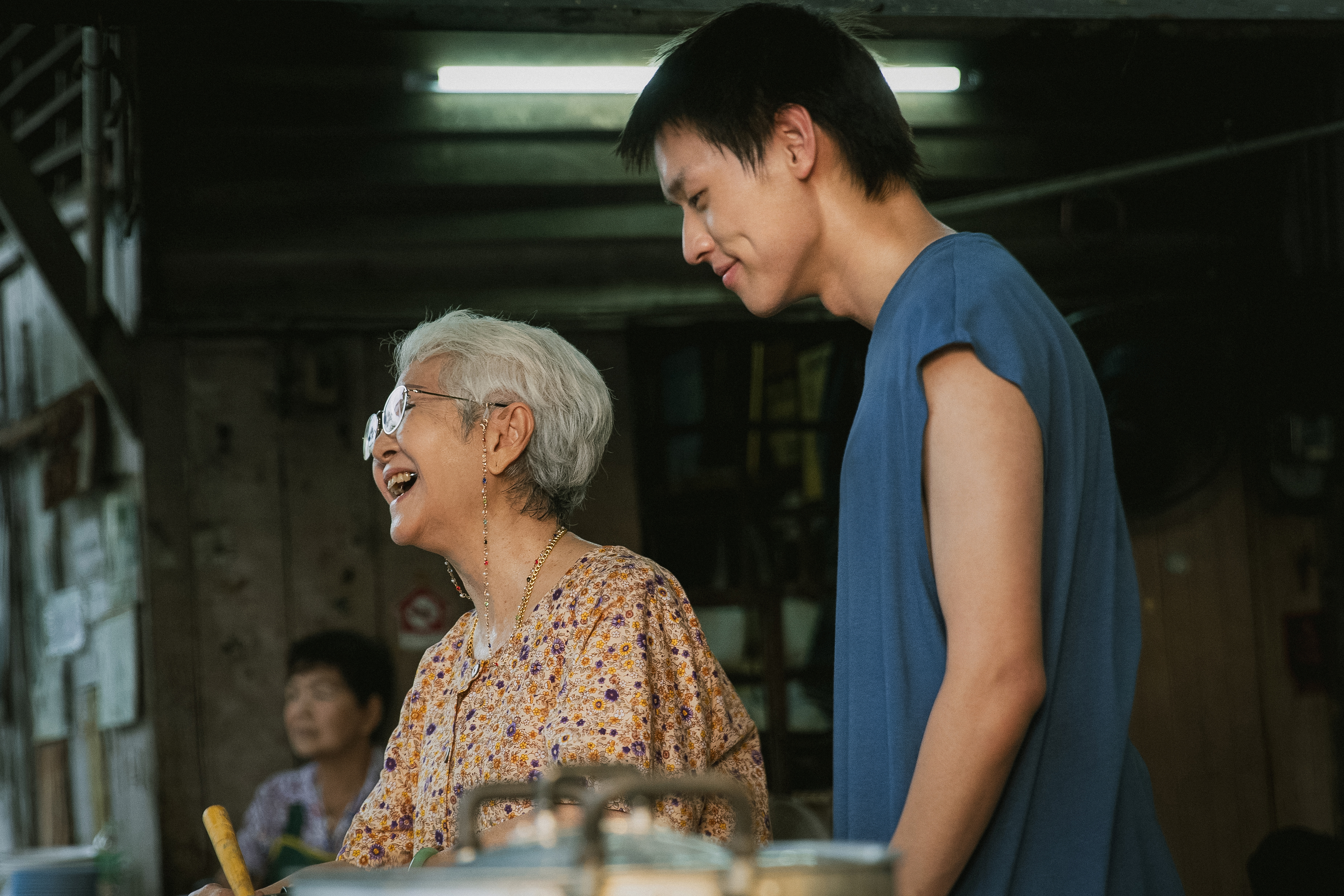
There’s an untranslated title card at the beginning of Mitushiro Mihara’s poignant dramedy Takano Tofu (高野豆腐店の春, Takano Tofu-ten no Haru) that describes the film as a story about the end of Heisei and it is in many ways about the end of an era, or perhaps of eras, but equally new beginnings and the eternal wellspring of life. With subtle hints of Ozu playing out as a kind of mashup of Late Autumn and Late Spring, it suggests that it’s never really too late to find happiness or to start something new even while preserving the best of the old. 

Harbingers of change are, however, lingering on the horizon as a customer to Takano Tofu remarks agreeing with daughter Haru (Kumiko Aso) that they need to innovate to stay in the game when the big new supermarket opens a few streets away. But change is not something father Tatsuo (Tatsuya Fuji) is keen on and especially when it comes to his tofu which is why he’s cancelled Haru’s popular new product of fried tofu and cheese despite its popularity and is also dead against her idea of expanding their network to sell in Tokyo.

There is something inherently comforting about the peacefulness of this quiet corner of Onomichi as Mihara captures it even if it also seems like a place out of time more Showa even than Heisei with its family businesses and old-fashioned shopping arcade. But equally there’s an underlying loneliness and answered longing along with a sense of lives disrupted by historical circumstance. Ironically enough, Tatsuo receives news from the hospital that one of the arteries to his heart is blocked requiring an operation to get everything working again and then immediately bumps into an old woman about his own age with whom he eventually bonds over the shared traumas of living in post-war Japan along with the lingering social stigma towards those affected by the dropping of the atomic bomb. We later learn that the failure of Haru’s marriage was in part caused by her father-in-law’s prejudice fearing her irradiated genes would contaminate his bloodline.

Then again, perhaps the pity expressed towards Fumie (Kumi Nakamura) as a woman who never married plays into outdated and sexist social attitudes that also lead Tatsuo and his friends to decide to find a mate for Haru given his sudden mortality crisis and fear that like Fumie she will be left alone when he eventually passes away. Of course, what it amounts to is a bunch of old men trying to decide who a middle-aged woman should marry while deliberately avoiding asking her if that’s even something she’s interested in. Having experienced marriage already perhaps she’s no desire to do so again and is perfectly happy the way things are. In any case she’s infinitely capable of finding a husband for herself if she wanted one. The prospective match they come up with for her is perfect on paper, youngish, handsome, wealthy and cultured, yet as it turns out what Haru might prefer is someone more ordinary, down to earth, and straightforward ironically enough just like tofu. 

As she later says, Tatsuo’s tofu has the flavour he gives it. Nicely textured, surprisingly soft on the inside, with a slight hint of astringency. There may be a minor pun involved in the Japanese title in that it can be read either as “Haru of Takano Tofu”, or as the meaning of her name implies “Spring at Takano Tofu” hinting both at a sense of transience and resurgence as Tatsuo takes in the cherry blossoms with Fumie and reflects on all they’ve experienced throughout the long years, the hardship and heartbreak of the post-war era. Yet as he says life is for living and it’s as much as you can hope for to look back and laugh at a life well lived. Maybe some things don’t need to change all that much, like carefully produced artisanal tofu as rich in soul as those who make it, but there’s always room for a little innovation and tiny chances for new happiness that could easily pass you by if you aren’t willing to take a risk or two and place a bet on change.


Takano Tofu screened as part of the 18th Season of Asian Pop-Up Cinema.

Original trailer (no subtitles)