The Gangs, the Oscars, and the Walking Dead (江湖無難事, Kao Pin-chuan, 2019)

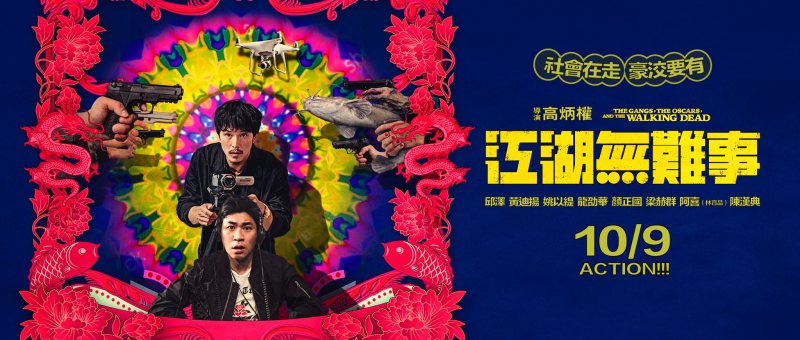
You remember that film back in the ‘80s where those guys go to their boss’ house for a party only he’s dead but they want to have a good time without being murder suspects so they pretend that he’s alive, only it turns out he was going to have them killed because they found out about his massive fraud and embezzlement? The Gangs, The Oscars, and The Walking Dead (江湖無難事, Jiānghú Wú Nán Shì) is kind of like that, if lacking the mild critique of rampant consumerism. 

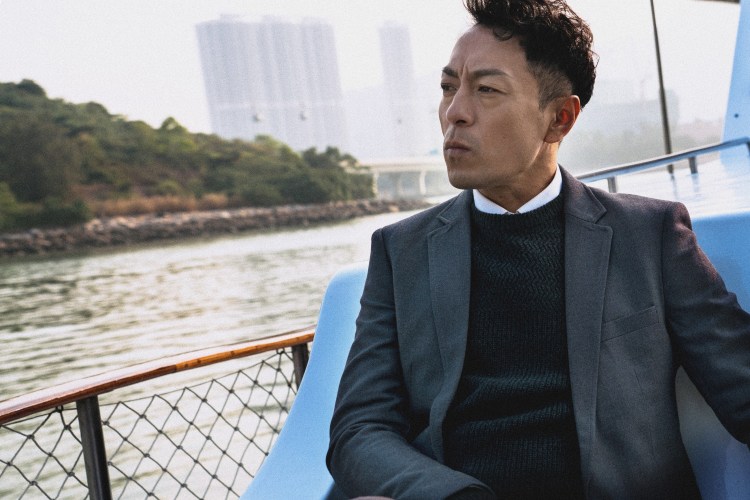
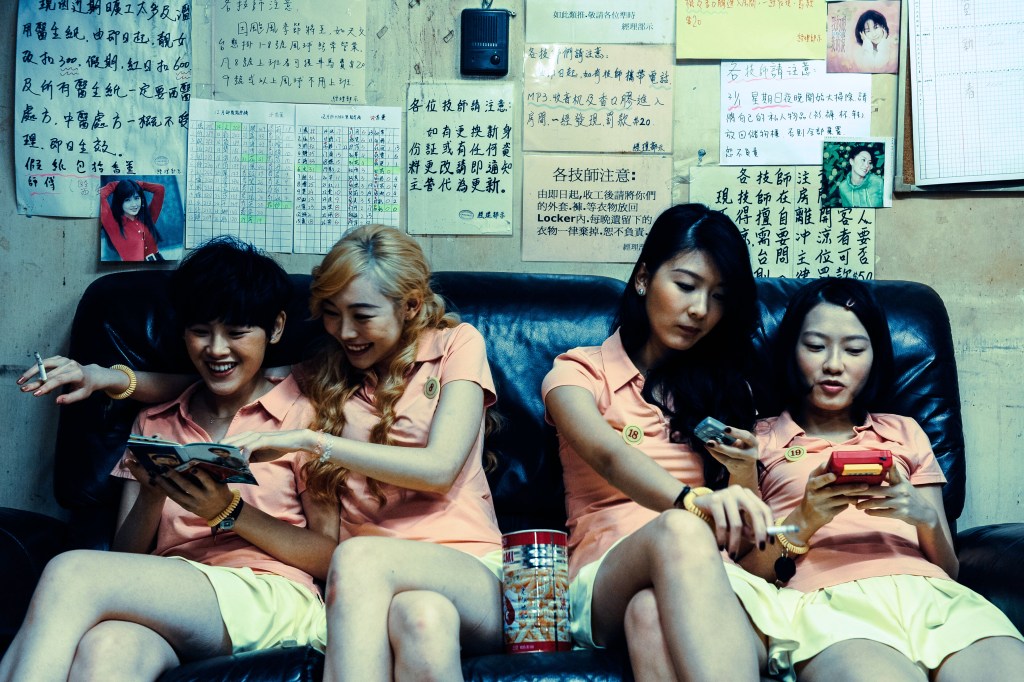
Our heroes are BS (Roy Chiu), a film producer, and his director/childhood best friend Wenxi (Huang Di-yang). Wenxi is a lifelong film buff who decided he had to grow up and make a zombie movie after falling in love with hopping vampires from Hong Kong. BS has been trying to make his friend’s dream come true, but the production gets derailed when the lead actor is engulfed by a sex scandal and the guys end up taking on odd jobs to make ends meet one of which involves filming the funeral of a recently deceased mob boss who later joined the boy scouts to give back to the community. The job goes just about as wrong as it’s possible to go seeing as they manage to set fire to the corpse, but somehow they manage to impress Boss Long (Lung Shao-hua) who agrees to fund their movie on the condition that part of it is shot in Japan, and his girlfriend Shanny (Yao Yi-ti) gets to play the lead. 

The second part is more of a deal breaker than the first because Wenxi’s long gestating zombie script revolves around a pure and innocent high school girl who quickly gets zombiefied during the initial outbreak but somehow retains her humanity while a heroic PE teacher/gangster falls in love with her as they fail to survive the apocalypse. Shanny is many things, but passing for a high schooler will be a stretch and in Wenxi’s eyes at least she is neither beautiful nor “pure”. To be fair, Shanny does look as if she may have suffered a lot in her life, but Wenxi’s peculiar obsession is with a mole on her face which he seems to find unsightly. In any case, it’s not a problem for very long because Shanny ends up dying during a freak accident at the launch party leaving the guys with several problems of a different order. Afraid of Boss Long, they decide to hire a top SFX artist and manipulate Shanny’s body as if she were a puppet so no one knows she’s dead. 

Sadly the film has little sympathy for Shanny who is treated more or less as a human plot device, a ridiculous figure of fun who seems to have sealed her own fate by being an “immoral” woman involved with a man like Boss Long who is, we find out, using her in more ways than one as are his not so loyal henchmen. Latent misogyny later gives over to mild homophobia as the boys figure out that Shanny got her unusual looks after getting plastic surgery to look like her favourite drag queen, so they decide to try asking him to help out, playing into an extended joke about Boss Long being fooled into canoodling with a man.

The theme, however, is brotherhood and loyalty not only between BS and Wenxi, but also Boss Long, Shanny/drag queen Hsiao Ching, and the gang. You have to die to figure out who your real brothers are, according to Boss Long, and it’s a lesson which gets put to pretty good use by just about everyone. At the end of Wenxi’s screenplay, everyone is supposed to become a zombie – the ultimate end of the world pay off for anxiety suffers, at least you won’t have to worry about getting zombified anymore, but is intended to render everyone “equal” so the world is “fair”. There is something quite ironic therefore in their unwitting zombification of Shanny, exploiting her body even after death while playing at being tough guy gangsters so they can make a film with zombies in it they are certain will win an Oscar. Aside from all that, however, the Wenxi gets his “happy” ending which eventually honours Shanny’s memory while cementing a feeling of brotherhood and acceptance placing Hsiao Ching firmly at the boss’ side as they look forward to a bright new movie making future founded on the ashes of the violent past.


The Gangs, the Oscars, and the Walking Dead was screened as part of this year’s Osaka Asian Film Festival.

Original trailer (English / Traditional Chinese subtitles)
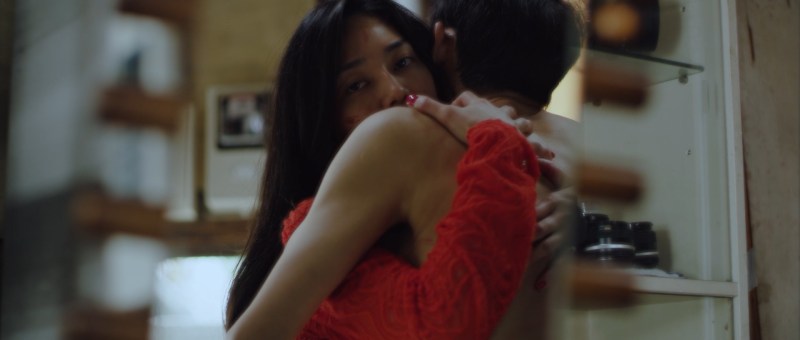
Woman of the Photographs (写真の女, Takeshi Kushida, 2020)

(C)PYRAMID FILM

“We can only love ourselves through others’ eyes” according to an increasingly obsessed young woman desperately trying to “fix” her image of herself through retouching her photo. An inverted take on Woman of the Dunes, Woman of the Photographs (写真の女, Shashin no Onna) sees the world of a bug-obsessed photographer with a talent for “improving” on reality disturbed by the arrival of a mysterious dancer who falls from a tree in the forest into his previously ordered existence.  

Kai (Hideki Nagai), a middle-aged man dressed in an old fashioned white suit, operates a small photo studio taking official photos for things like funerals and omiai arranged marriages. As we later find out from his only regular human contact, the funeral director from across the road (Toshiaki Inomata), Kai’s mother died in childbirth and his father opened this shop to support his son. Kai has taken over but has an intense fear of women and lives alone save for his pet praying mantis with whom he regularly eats his preferred dinner of microwave pizza. 

It’s on a regular bug hunting trip that Kai is struck by the beautiful figure of Kyoko (Itsuki Otaki) tumbling out of a nearby tree and causing herself manageable if painful injuries including a nasty gash along her collarbone. Not wanting to go to a hospital, Kyoko gets Kai to take her to a pharmacy and patches herself up, later accompanying him home where he takes some photos of her to post on her Instagram, retouching them to get rid of the traces of wounds. Despite Kai’s silence, she manages to convince him to have dinner with her in a nearby restaurant and later to allow her to stay the night, after which she becomes a more permanent fixture in his life. 

A former dancer now Instagram star, Kyoko originally thinks nothing of getting Kai to clean up her photos to rid them of unsightliness, but is mildly disturbed to watch him do it. In a reverse Dorian Gray effect, Kai must scar the image to repair it, scrubbing away traces of unwanted “reality” in an act which seems to contradict the true nature of photography. “A good lie can make people happy” according to the funeral director who regularly uses Kai’s services to create suitably solemn photos of the suddenly deceased, but Kyoko isn’t so sure. Ever since she asked Kai to soften her reality, her followers have begun to desert her and she’s losing her lucrative sponsorship deals. The apologetic lady from the agency points out that she’s diverging from the “image” her fans expect from her and if she wants to keep them she’ll have to be the Kyoko they want her to be. 

Kyoko doesn’t quite like that, she’d like to be more authentic. Hisako (Toki Koinuma), meanwhile, an unexpected regular to the studio, is of the opposite opinion. In her view, retouching the photo allows her to be more herself, reflect her true essence through manipulating her image. Asking if she hasn’t got things the wrong way round, Kyoko wonders if the men she’s sending them to will be confused or disappointed that the photo and the reality don’t match but Hisako counters her that a man falling in love with her idealised self would only bring her closer to it. The self reflected in the eyes of others is the true self and only through others’ eyes can you find self love, according to Hisakao. Ironically, Kyoko has been looking for something similar through her Instagram success, but begins to resent the extent to which it is changing her, encouraging her to hide the parts of herself others might find ugly in order to gain acceptance. 

Deciding not to retouch the photos, however, has the opposite effect. Her fans love her again, bowled over by her authenticity, but at the same time perhaps she’s engaging in a strange kind of self-exploitation. Her wounds will, after all heal. Could she be tempted into a life of continued self-harm just for likes? Kyoko begins to lose her sense of self, as if she doesn’t quite exist online or off, caught between the “real” and the “ideal”.

Kai, meanwhile, remains silent but also captivated by the conflicted Kyoko. His life has been one of isolation, afraid of female touch and contented only among his insects. Yet like Kyoko he’s learning that scars can be beautiful because wounds are a sign of life. Waking up to connection and desire, he learns a different lesson from the lifecycle of the praying mantis realising that the male’s greatest pleasure lies in surrendering its body so the female can continue in life and creation. He no longer fears being devoured, but honours the true connection of mutual exchange. Inverting the conclusions of Woman of the Dunes, Kai finds himself liberated not by a sense of simplicity in life but by its complication, accepting all the richness it has to offer in joy and pain, engaging in his own strange mating dance as a man with a camera capturing his subject in all of her essential beauty. 


Woman of the Photographs was screened as part of this year’s Osaka Asian Film Festival.

Original trailer (English subtitles)

Sunshine Family (Kim Tai-sik, 2019)

Sometimes it’s easy to lose track of what’s really important while chasing illusionary success, but you’ll remember soon enough if you hit a crisis. So it is for the members of the “Sunshine Family”, the Mapalads currently living overseas in Seoul where dad works for a travel company. The Mapalads are finally preparing to move back to Manila with a house already paid for, but when dad has an accident in his car it throws all of their plans into disarray. Yet in needing to come together to combat adversity, the family is in a sense repaired as they each come to appreciate each other for who they are while remembering that they have a collective responsibility. 

That “accident” occurs one Christmas while dad Don (Nonie Buencamino) is driving home after a work/leaving party. He’s had a little bit too much to drink and is distracted by a phone call from his boss when a woman suddenly jumps out into the road and collides with his car. Don is obviously upset, hugging the oversize snowman plushie he was travelling with for comfort as he stops to check on the woman who he is certain is either dead or at least in a very bad way. Frightened of getting into trouble he drives off and leaves her, calling his dependable wife Sonya (Shamaine Buencamino) for support. 

Sonya, understandably unamused, berates her husband for never having cared enough for his family. If only he hadn’t spent so much time drinking with colleagues, playing golf, and singing karaoke, he might not have got himself into this kind of mess. Sonya hijacks a passing forklift truck and shifts the damaged vehicle into their home through a window, planning to dismember it to hide the evidence of Don’s transgression so they can all go home together as planned. 

As in most family dramas, it’s Sonya who has a plan and is determined to ensure the survival of the family. Unlike the 1992 Japanese comedy Hit-and-Run Family which apparently inspired the film, the Mapalads are strangers in a strange land though they’ve also become estranged from each other while Sonya feels increasingly unappreciated seeing as her kids are growing up and her husband is always working. As Don later points out, the crisis gives her a new sense of purpose as she formulates a series of ingenious plans to cover up Don’s crime. “Nothing is important if we’re not together” she tells him. Family means leave no man behind. 

Don, meanwhile, is forced to confront a potential failure of paternity. It is indeed he who has endangered the integrity of his family through his carelessness, but he’ll also have to admit that he’s been neglecting his responsibilities in a mistaken belief that bringing home the bacon is all that’s required of a “good father”. He hasn’t noticed that his wife is lonely and unhappy, or that his children each have secrets of their own. His waking up to all of those facts is a gradual, not always positive process, but eventually leads him to realise that it’s time for him to be a “real” father which obviously means recommitting to his family. 

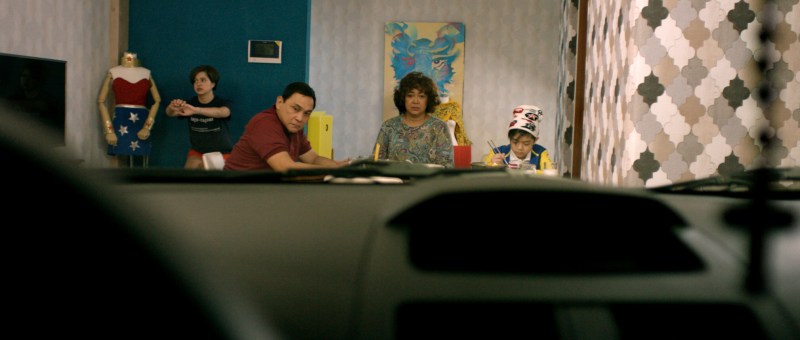
In perhaps a change from the norm, that’s also true for the kids who need to rediscover a sense of solidarity and acceptance in the family unit. Oldest and now grownup daughter Shine (Sue Ramirez) has been secretly dating a Korean policeman (Shinwoo), which presents a dilemma now that the family is set on moving back home. She’s worried her conservative father might not accept her new love, but the situation is of course further complicated by the ongoing crisis and his proximity to law enforcement. Meanwhile, little Max (Marco Masa) has been caught wearing lipstick at school. Sonya doesn’t understand why that’s a problem but the school seem to think it’s not appropriate and might cause offence to other pupils. Always keen to support her kids, Sonya puts on her Wonder Woman outfit to tell Max that it’s OK to be different, and in any case his family will always love him no matter what, while also doing her best to react to her daughter’s romantic crisis in a broadly supportive manner. 

In fact, the family also end up adding an additional member in the form of the old grandpa from next-door (Han Tae-il) who has mild dementia and keeps wandering off because his daughter-in-law (Park Se-jin) isn’t very invested in looking after him. Eventually, everyone is wearing overalls and helping to dismantle the car, a symbol of the empty consumerism which has divided them. Don, meanwhile, is torn about the best way to serve his family – do the “right” thing and turn himself in, or continue covering up his crime so they can all go home to the Philippines together. In predictable fashion, the crisis resolves itself with the help of benevolent law enforcement, while even the nosy neighbour from next-door seems like she might have learned some lessons about familial bonding or at least be about to move past a crisis of her own. Thanks to their brush with crime, the Mapalads have rediscovered the meaning of family and can finally go “home” at last. 


Sunshine Family was screened as part of this year’s Osaka Asian Film Festival.

Original trailer (English subtitles)

Your Name Engraved Herein (刻在你心底的名字, Liu Kuang-hui, 2020)

Taiwan is often thought to be the most socially liberal of Asian nations and was the first to legalise same sex marriage in 2019, but a little over 30 years ago things were very different. Many thought that the lifting of martial law which had been in place for 38 years would usher in a new era of freedom only to discover that society is slow to change and despite a gradual opening up the old prejudices still remain. So it is for A-han, the hero of Liu Kuang-hui’s Your Name Engraved Herein (刻在你心底的名字, Kè Zài nǐ Xīndǐ de Míngzi) who finds himself struggling to accept his sexuality as young man coming of age in changing times. 

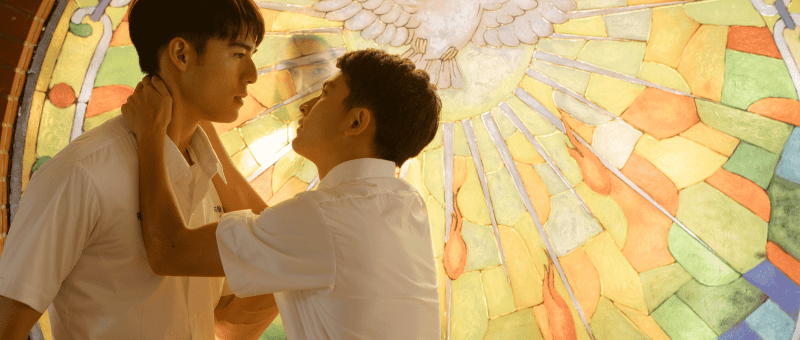
In 1987, as martial law is repealed, A-han (Edward Chen) is a student at a Catholic boys boarding school run along military lines. Many things are changing, but the school is much the same, as the principal Dirty Head (Ta Su) makes plain in conducting an impromptu inspection of the boys’ bunks looking for anything untoward. Nevertheless, A-Han and his friends sneak out at night to play in a band and hang out with girls. A-Han’s reticence is put down to shyness, but the reason he’s not much interested is that he’s taken a liking to a rebellious student, Birdy (Wang Shih-shien), only he’s not quite sure how to interpret his feelings or how to come to terms with them. 

This is in part because the school itself is extremely homophobic with the boys actively policing suspected homosexuality as a means of homosocial bonding. When the gang are caught sneaking out, band leader Horn (Barry Qu) targets an effeminate boy he accuses of dobbing them in, beating him up in the bathroom little knowing that A-han is hiding in a nearby stall after bringing ointment to Birdy who has also been caned. A-han emerges from the stalls after Horn hears a noise and is encouraged to join in the fun, handed a baseball bat and asked to participate in a literal act of queer bashing to prove his manhood. To his shame, A-Han prepares to comply, only to be saved by Birdy who breaks cover to rescue the other boy while casting scornful looks at Horn and the gang but most especially at the hypocritical A-Han. 

Taking his nickname from the Alan Parker film, Birdy may indeed be as “wild” as his namesake, but his rebelliousness has its limits and perhaps masks an internalised sense of shame. Nevertheless, he connects with the conflicted A-Han and the boys generate an intense friendship that of course has tension at its centre. A trip to Taipei to mourn the death of the president brings them closer, but also makes them feel ashamed as they witness a protester holding up a sign to the effect that homosexuality is not a disease and marriage is a human right being carted off by plain clothes police while the uniformed kind lurk in the shadows behind. Martial law may be over, but not everyone is free. As A-Han grows bolder, Birdy finds himself travelling in the opposite direction, dating a rebellious female student, Banban (Mimi Shao), as a kind of beard in the frustrated hope that he may “save” A-Han from his homosexuality by denying their feelings before they can fully develop. 

The central irony is that because of the changes to the educational system the high school is now required to take female pupils and the hardline Catholic, militarist teachers are paranoid about “misbehaviour”, even putting up a chainlink fence to divide the girls from the boys. Romance is forbidden even for heterosexual couples, and homosexuality unthinkable. A-Han finds himself trying to talk to his priest, Father Oliver (Fabio Grangeon), who would like to be more sympathetic but cannot offer him much by the way of advice. Later we discover that Father Oliver left his native Montreal to escape religious oppression and joined the priesthood to mask his own homosexuality, finally leaving the Church to live a more authentic life only many years later when such things were more acceptable. 30 years on A-han travels to a much changed Montreal where he sees lesbians dancing happily in bars and men kissing in the street with no one batting much of an eyelid. He reflects on all that’s changed and all the wasted time he and others like him were forced to endure hiding who they were, living in a world without love. A melancholy lament for the lost opportunities of a repressive society, Your Name Engraved Herein ends on a note of hope in which first love can blossom once again in a less restrictive world where all are free to love without shame.


Your Name Engraved Herein made its World Premiere as part of this year’s Osaka Asian Film Festival.

Original Trailers (English subtitles)

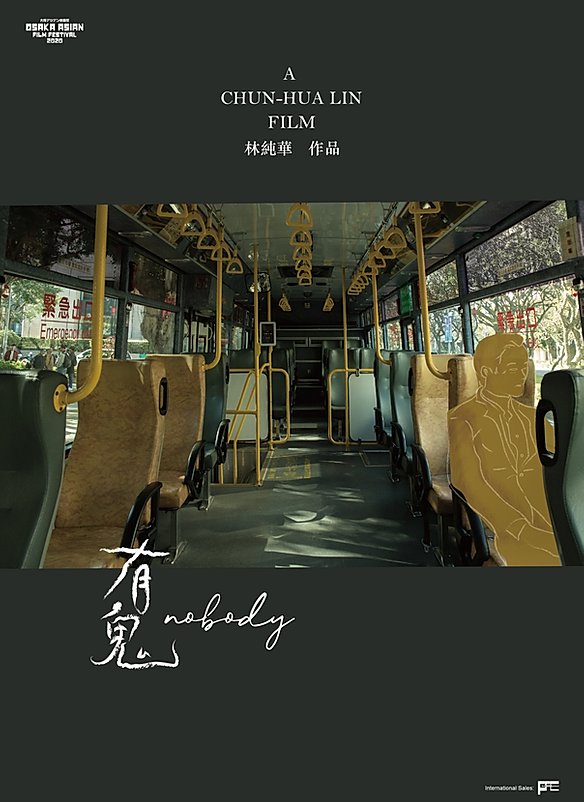
Nobody (有鬼, Lin Chun-hua, 2020)

“Everyone has secrets that they don’t want others to know” according to the hero of Lin Chun-hua’s Nobody (有鬼, Yǒu Guǐ). He is indeed quite correct, everyone is in one sense or another living a lie, pretending to be something they’re not and often for quite complicated reasons which make them unhappy but convince them that their unhappiness is a kind of victory. Yet, there is no true connection without vulnerability and the sharing of a secret can be the most profound of intimacies, even if the connection itself is, perhaps wilfully, misunderstood by others. 

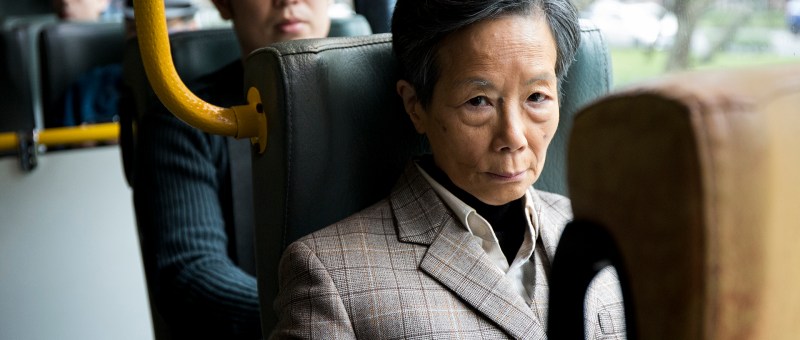
Credited only as “Weirdo” (Jian fu-sang), an old man lives in an illegally occupied attic space on top of an old-fashioned apartment building that he now finds difficult navigate due to his increasing mobility issues. For unclear reasons, he spends his days riding the bus to the hospital but making sure to spit somewhere along the journey, a habit which has made him the bane of bus drivers across the city. Thoroughly fed up, one particular driver decides to throw Weirdo off his bus by force despite his old age and relative frailty, causing him to sustain an injury to his head.

When he gets back to his apartment, Weirdo finds an unexpected intruder – teenager Zhenzhen (Wu Ya-ruo) who has snuck in in order to spy on the apartment opposite where her father meets his mistress. Zhenzhen is from a wealthy though conservative home where her mother, Yuping (Huang Jie-fe), is the perfect housewife but makes a point of prioritising her husband and son, leaving Zhenzhen feeling innately inferior simply for being female. Determined to be allowed to use the apartment to spy on her dad, Zhenzhen starts following Weirdo around, mostly trying to bully him into submission but Weirdo treats her the way he treats everyone else, simply ignoring her as if she didn’t exist. 

The original Chinese title means something more like “haunted” or more literally “there are ghosts” and in some senses it’s tempting to think of Weirdo as a ghost himself as he deliberately attempts to walk through the world as if he existed in a different plane. He is however haunted by lost love and a terrible sense of guilt that keeps him alone in his attic dressing the same way he dressed forty years previously though his hands are now too weak to be able to tie his tie. And then there are those secrets, things he feels obliged hide in the most literal of ways because others simply wouldn’t understand. 

What Zhenzhen discovers is that her family is full of secrets, but exposing them might cause more harm than good. She videos her father with another woman intending to expose him to her mother, but Weirdo tries to warn her that she’s the one that will probably end up hurt if she tries to use other people’s secrets against them. On the surface her family is a vision of upper-middleclass respectability, but her father’s having an affair, her mother is desperately unhappy, and her golden boy brother has secrets of his own. Challenged, Zhenzhen’s father resents her intrusion and points out that he provides for them as if his family life is just for show while he satisfies his desires outside of it, shutting down his wife’s admiration for her sister’s career as a pop idol manager by reminding her that she has a husband, home, and children while her sister has “nothing” because she is a single career woman and in his view an unsuccessful one. Yuping meanwhile is a taut, repressed, and unfulfilled middle-aged housewife actively lashing out at her daughter while sweetly supporting her husband and son, but tries to exorcise her own desires by teaching piano on the side and finding unexpected pleasure in flirtatious banter with one of her sister’s handsome idol stars. 

Nobody is exactly being honest, but it’s the way we live our lives because like it or not secrets are the lifeblood of civility but also an impermeable barrier to connection. Unable to bond with her prim and proper mother, Zhenzhen finds support from Weirdo who begins to open up despite knowing that Zhenzhen’s superficial niceness was only a ploy to get into the apartment, perhaps connecting with her sense of loneliness and betrayal as a young woman discovering that to one extent or another everyone lives a lie. Yet sharing the truth if only with one person can be its own kind of salvation, allowing youth and age to save each other from a world riddled with hypocrisy. 


Nobody made its World Premiere as part of this year’s Osaka Asian Film Festival.

Original trailer (English / Traditional Chinese subtitles)
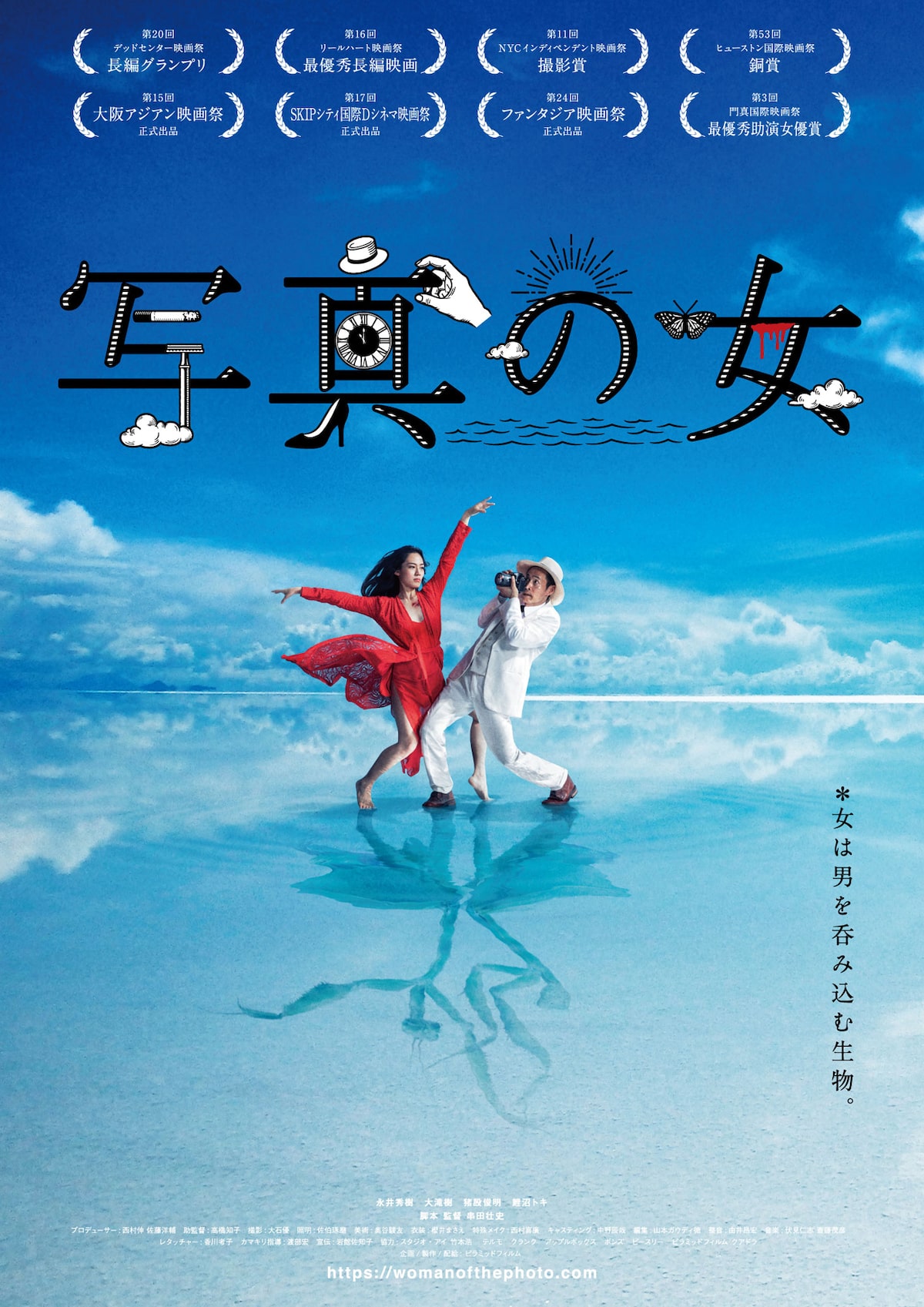
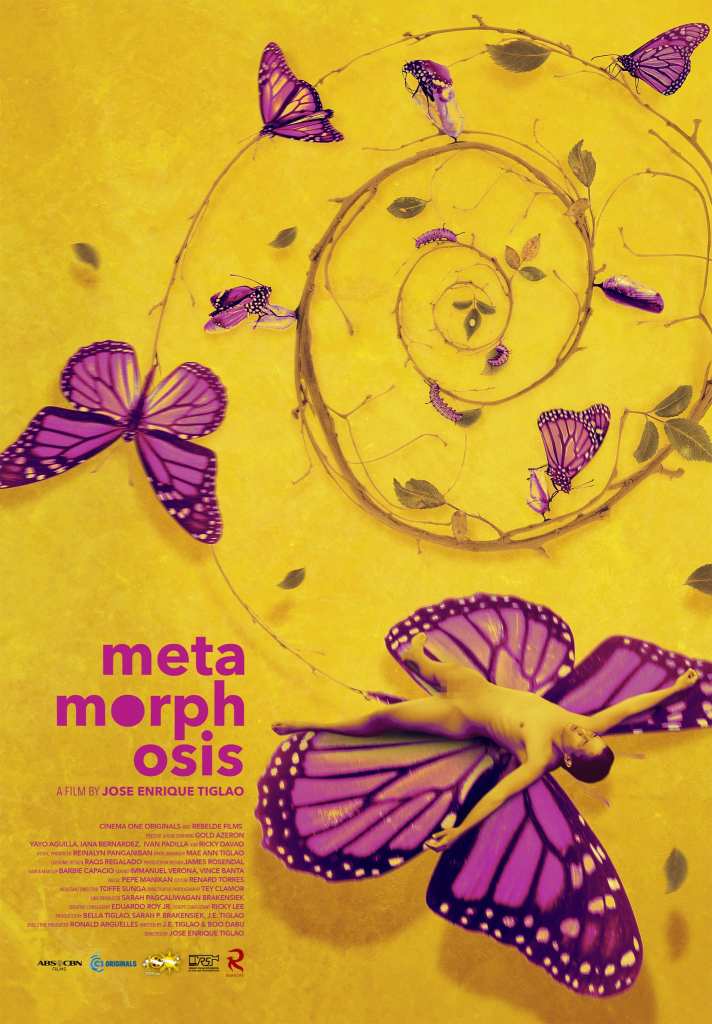
Metamorphosis (Jose Enrique Tiglao, 2019)

“Everyone has a secret, but not all secrets are bad” according to Angel (Iana Bernardez), a sex worker and 24-year-old returnee to high school who befriends the lonely Adam (Gold Azeron) as he contends with an adolescence more challenging than most. Exploring the often underrepresented theme of intersexuality, Jose Enrique Tiglao’s Metamorphosis follows its conflicted hero as he struggles to come to an acceptance of who he is and wants to be while faced with the sometimes old fashioned, conservative attitudes of those around him. 

14-year-old Adam is already something of an outcast at school, often getting into fights with one particular boy who who keeps making a point of throwing homophobic slurs at him during class which go completely unchallenged either by the teacher or fellow pupils. Adam gives as good as he gets, but remains very much on the margins, until that is a beautiful young woman transfers into his class and ends up working with him on a class project because as usual no one else wanted to work with him. Somewhat strangely, Angel is 24 years old but in a regular high school class with a bunch of 14 year olds, which is a definite incongruity, but quickly becomes friends with Adam who offers to show her some of the local sites including a picturesque swimming hole. It’s during their outing that Adam discovers a change in his physique – he has begun to menstruate.

Adam and his family have always known that he was intersex though he has been raised as a boy which, for the moment, is what he most closely identifies as. The fact that he has started to menstruate forces him to engage on a deeper level with a sense of identity, struggling to accept the intrusion of this new and definitely female element of his physical body while also embracing his nascent sexuality. It’s Angel, making a somewhat age inappropriate attempt at seduction, who becomes Adam’s first ally, affirming that there isn’t anything wrong with him and suggesting that he reframe his perspective and think of himself as someone who is both rather than neither. 

That’s easier said than done, however, seeing as Adam comes from a conservative home with a father who is a pastor giving sermons about how God created male and female in his own image. Obviously concerned for their son’s health, Adam’s parents consult their family doctor who directs them to a specialist in Manila. Dr. Abraham (Ivan Padilla) is sympathetic, but also perhaps too definitive in immediately trying to offer reassurance with “we can fix this” as if Adam is in someway broken and in need of repair. That idea continues to present a problem when it is discovered that he has a functioning womb and vagina, leading the doctor and Adam’s father to conclude that he is more female than male and should therefore have his maleness removed. Nobody really tries to talk to Adam about this. Dr. Abraham tells him that he needs to be “ready” and also that he has to want this himself, but doesn’t make much of an effort to listen to him, telling him only that “the things that are not needed we will remove”. 

Adam’s father immediately starts referring to him as his daughter and makes arrangements for the surgery without explaining to Adam what exactly will be happening to him. He also suggests selling their mango farm and moving to another town where no one will know them as if Adam is some kind of dirty secret. Meanwhile Adam has begun to explore his sexuality, attracted both to the handsome Dr. Abraham, and the supportive Angel, uncertain if he should be feeling any contradiction between the two. People seem to be telling him that he needs to conform to being only one thing, negating both his own ability to choose and the right not to. Only the family doctor points out that many families in other countries have regretted forcing premature confirmation surgeries on children who later came to resent them, and that whatever happens should be up to Adam to decide, forcing a reconsideration on the part of Adam’s mother who realises her husband has been keeping valuable information from her regarding her son’s health. 

Ultimately, however, Metamorphosis offers a strong message of acceptance as Adam begins to embrace himself as he is rather than conform to a false binary gender identity.  “I only want one thing” he tells Dr. Abraham, “to be happy”. Adam gains the courage to be completely himself, emphasising that intersex identities are not broken or corrupted but beautiful in themselves, while making it plain that if others cannot learn to step outside of socially conservative norms of gender and sexuality then it is they who need to change.


Metamorphosis was screened as part of this year’s Osaka Asian Film Festival.

Original trailer (English subtitles)
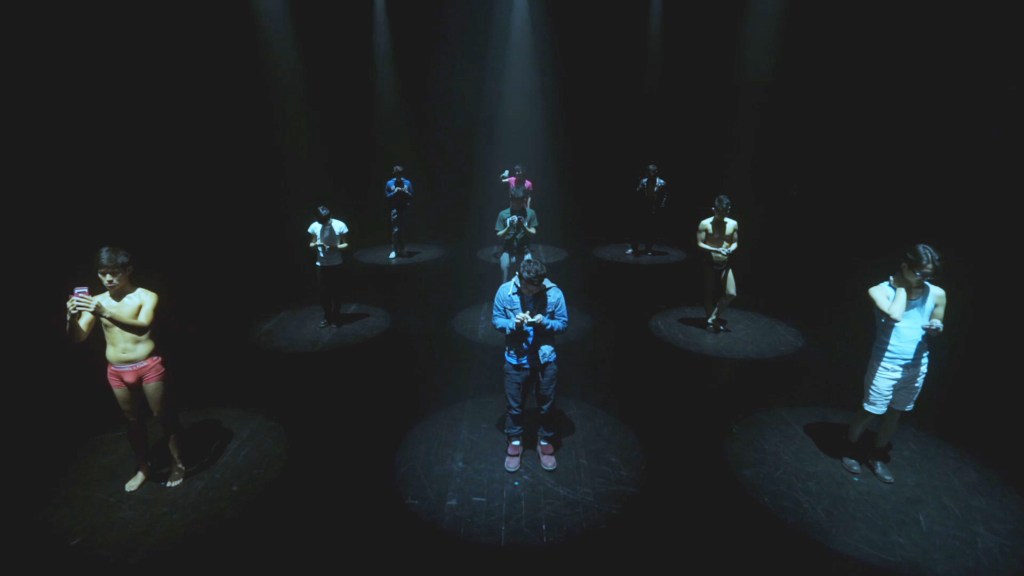
Queer East Film Festival Reveals Full Programme For Inaugural Edition

The Queer East Film Festival has announced the complete programme for its inaugural edition running at venues across London from 18th April to 2nd May. This year’s lineup features a diverse selection of films both classic and contemporary exploring LGBTQ+ life in East Asia opening with Hong Kong transgender drama Tracey, and closing with a 35mm screening of landmark Taiwanese teen movie Blue Gate Crossing.

Tracey

18th April, Lexi Cinema Plus Intro by How Wee Ng, University of Westminster

50-something Tai-hung is a married father of two grown-up children living a conventional life in contemporary Hong Kong, but a phone call informing him that a childhood friend has passed away forces him into a reconsideration of his life choices and a long delayed acceptance of a transgender identity in Li Jun’s moving drama. Review.

The Shepherds (UK Premiere)

19th April, Lexi Cinema Plus Intro by by Christopher Brown, University of Sussex

Documentary focussing on the lives of LGTBQ+ Christians in Taiwan.

Between the Seasons (UK Premiere)

21st April, Lexi Cinema

Hae-soo moves to a new city and opens a cafe where high schooler Ye-jin becomes a regular and eventually starts working. The two women draw closer but each have closely guarded secrets.

Funeral Parade of Roses

22nd April, Deptford Cinema

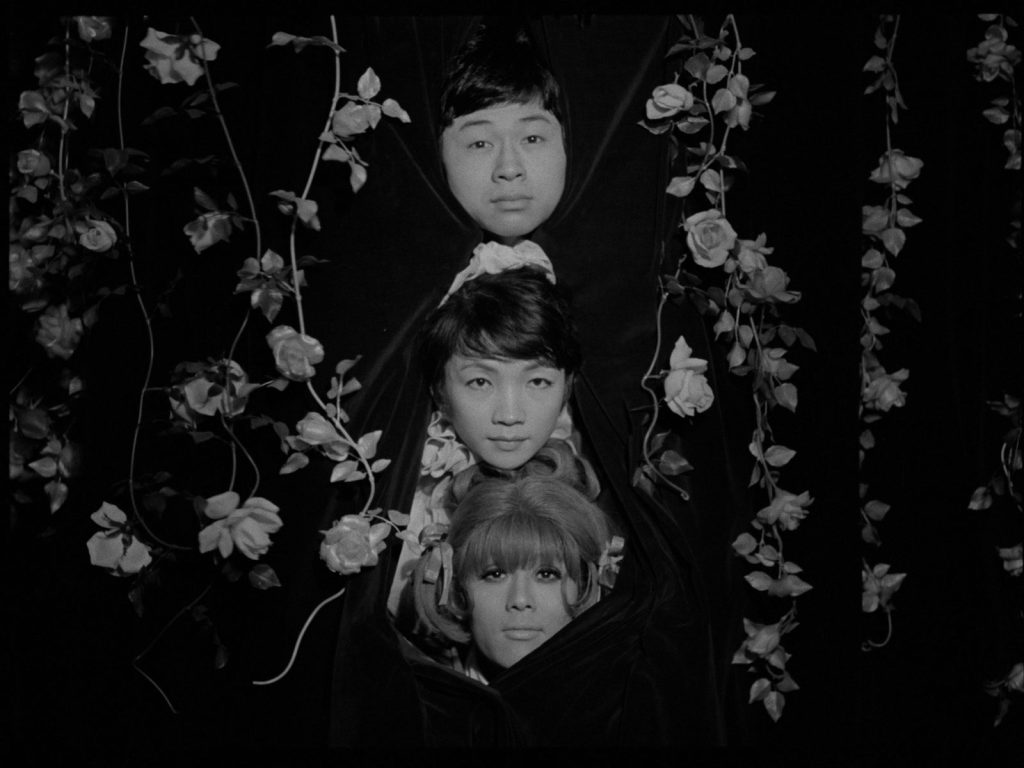
Toshio Matsumoto’s avant-garde classic inspired by Oedipus Rex and starring Peter as a bar hostess involved in a complicated love triangle with drag queen Leda and bar owner Gonda.

Memories of My Body (UK Premiere)

22nd April, Barbican plus intro by film critic Eric Sasono

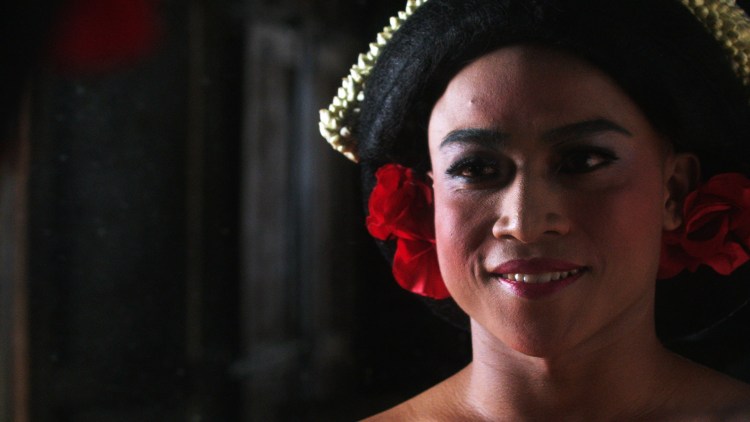
A Lengger dancer looks back on his life as a tale of growing acceptance of sensuality lived against a turbulent political backdrop. Review.

Sisterhood (UK Premiere) + Director Q&A

24th April, Barbican. Followed by a ScreenTalk with director Tracy Choi

A woman returns to Macau after 15 years in Taiwan and begins reconsidering her relationship with her best friend, realising the emotions she felt for her may have been romantic in Tracy Choi’s subtly political melodrama.

Girlfriend Boyfriend – GF*BF

25th April, Lexi Cinema Plus Intro by by Christopher Brown, University of Sussex

Yang Ya-che’s modern classic in which the friendship between three young people fighting for democracy at the tail end of the Martial Law era is tested by their conflicting feelings for each other.

A Dog Barking at the Moon

26th April, Curzon Goldsmiths

A pregnant writer returns home to Beijing to visit her family with her French husband and is struck by the realities of her parents’ unhappy marriage in which her mother has retreated into a bizarre buddhist cult and her father has taken a male lover.

Malila: The Farewell Flower

26th April, Lexi Cinema

Reeling from tragic loss, a young man reunites with the love of his youth only to discover he has terminal lung cancer and has chosen to forgo all treatment in Anucha Boonyawatana’s melancholy mediation of love, life, and transience. Review.

Spider Lilies + Director Q&A

26th April, Genesis

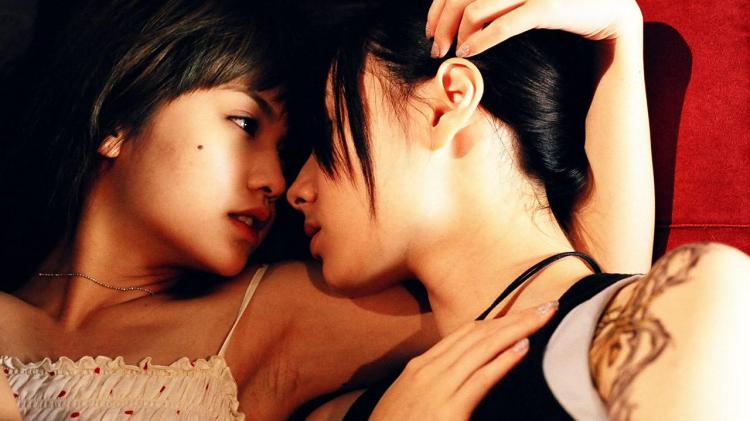
Zero Chou’s lesbian classic in which a web-cam girl visits a tattooist’s studio and becomes obsessed with the spider lily tattoo on her arm. Hoping to get to know her better, she asks her to give her the same tattoo but the experience reawakens memories which threaten to force the two women apart.

Lilting

27th April, Prince Charles Cinema

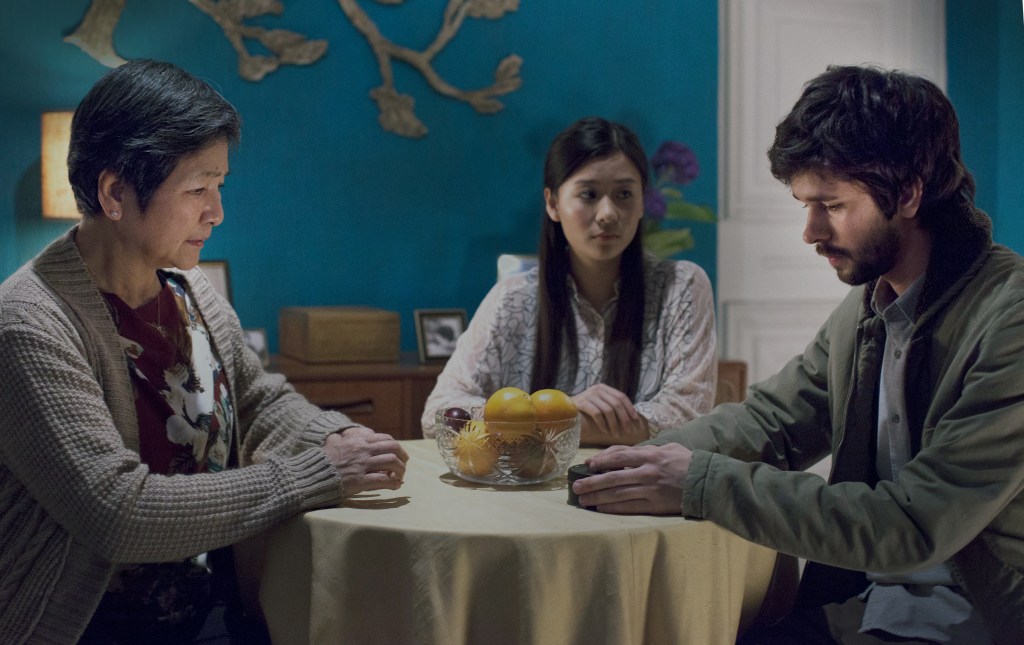
A man tries to connect with the mother of his late partner who speaks only Cambodian-Chinese and remained unaware of her son’s sexuality in Hong Khaou’s deeply moving debut feature.

Turning 18

27th April, Regent Street Cinema

Documentary following the lives of two indigenous Taiwanese girls who meet on a vocational training programme and each experience difficult family circumstances.

The Wedding Banquet

28th April, Rio Cinema

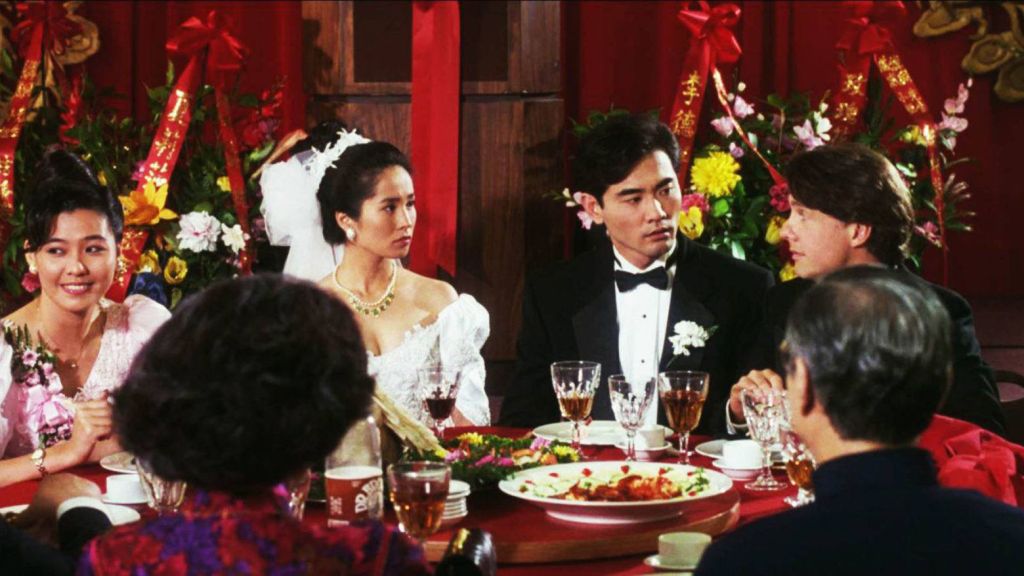
Ang Lee’s 1993 Asian-American classic in which a gay Taiwanese New Yorker agrees to participate in a green card marriage to a Chinese artist to get his nagging parents off his back.

Queer Japan

29th April, Prince Charles Cinema

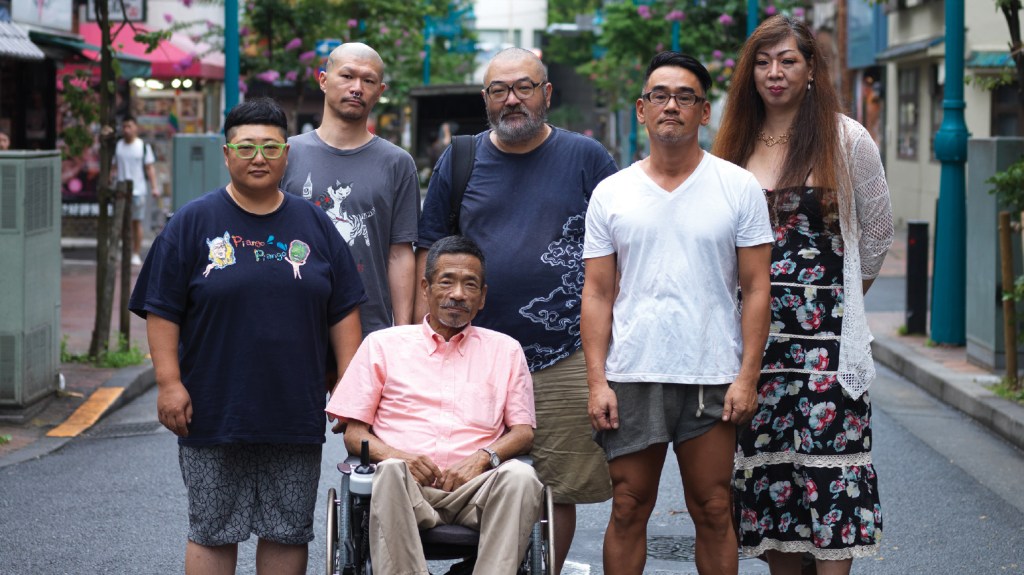
Graham Kolbeins’ documentary exploring LGBTQ+ life in contemporary Japan including contributions from mangaka Gengoroh Tagame (My Brother’s Husband), drag queen Vivienne Sato, and Aya Kamikawa who recounts her path to becoming the first transgender elected official in Japan.

Song Lang

30th April, Barbican

Beautifully tragic romance set in ’80s Saigon in which a conflicted street punk falls in love with a Cai Luong opera singer. Review.

The Teacher (UK Premiere)

1st May, Genesis Cinema Plus Intro by Christopher Brown, University of Sussex

A teacher’s personal and professional lives are destabilised by his support for equal marriage and relationship with a closeted, HIV+ older man.

Looking For? (UK Premiere) + Director Q&A

2nd May, Rio Cinema followed by a Q&A with directors Tung-Yen Chou and Popo Fan.

Documentary exploring questions of intimacy in contemporary gay life interviewing men from Taipei, Beijing, New York and London to find out what it is they’re looking for.

Blue Gate Crossing (35 mm)

2nd May, Genesis Cinema Plus Introduction by Christopher Brown, University of Sussex.

Taiwanese classic from Yee Chih-yen starring Gwei Lun-mei and Chen Bo-lin as high school students pursuing conflicting romantic destinies.

Queer East 2020 runs at venues across London from 18th April to 2nd May. Full details for all the films as well as ticketing links can be found on the official website, while you can also keep up with all the latest news by following Queer East on Facebook, Twitter, Instagram, and YouTube.

Spring Tide (春潮, Yang Lina, 2019)

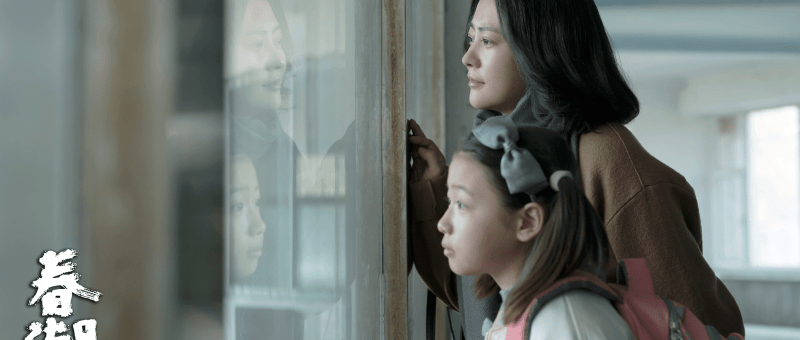
Toxic motherhood takes on strangely subversive, allegorical tones in Spring Tide (春潮, Chūn Cháo), Yang Lina’s painful examination of the relationships between three generations of Chinese women, each in different ways victims of the times in which they live. It’s true enough that the folk tunes sung so happily are often odes to the “motherland” which betray none of the eeriness of their propagandistic intentions in their full hearted endorsement of nation as family, but the darkness is inescapable as we see their metaphors made flesh in a woman destroyed by her sense of disappointment in life and in turn destroying her daughters literal and metaphorical in a pathological attempt to give her life meaning. 

30-something Jianbo (Han Lei) is a socially conscious investigative journalist whose refusal to let sleeping dogs lie is a constant thorn in the side of her more conservative editor. At home, meanwhile, she’s mother to nine-year-old Wanting (Qu Junxi), who, we later realise is being raised by Jianbo’s feisty mother, Minglan (Elaine Jin Yan-ling), while she splits her time between the family’s backroom and a bed in a student dorm with occasional nights spent with an intense yet silent musician. 

Aside from the obvious emotional disconnection, the fracture lines between mother and daughter are also ideological. Jianbo is a post-80s generation woman, she wants to hold mother China to account because she wants her society to be better than it is. She unroots scandal and corruption and brings them to light through the power of the press, trying to create real social change through shaming the populace into better patterns of behaviour. But her mother Minglan lived through the Cultural Revolution, because of all she’s suffered she thinks that things are fine the way they are and criticising the beneficent state is like scolding the person that raised you. Caught in the middle, Minglan’s fiancé Zhou (Li Wenbo) espouses contradictory views, at once proud to have Jianbo as a daughter because “journalists are the conscience of a country”, but also grateful for the iron rice bowl system that gave him a steady job, not to mention a pension and the old person’s flat that’s allowed him to meet Minglan. 

Minglan’s life has indeed been full of suffering, though it is perhaps surprising how casually she and her friends remark on the terror they experienced during their youth while continuing to sing the old patriotic songs. “My motherland and I can’t be apart for a moment”, according to patriotic hit My People, My Country (我和我的祖国), but its tones suddenly seem sinister in their breeziness as we’re forced to consider the icy Minglan as a stand-in for China as a toxic mother, insisting that she must be respected and that her children must repay their debts to her, no matter how abusive she has been and may continue to be. To her friends in the retirement community, Minglan is a warm and caring woman, running the choir and organising local events, but she’s also blindsided by the suicide of a friend who took her own life because of an entirely different kind of filial disappointment coupled with existential loneliness. Minglan can’t understand why she did it, but in characteristic fashion largely makes it all about herself in lashing out at Jianbo when she points out that Mrs Wang was not as happy about their (read: Minglan’s) potential retirement plan as Minglan had believed her to be. 

“When were you going to realise this was a family and not a battlefield?” Jianbo asks her mother knowing that she can make no further reply. The tug of love over motherhood of Wanting is, in many ways, a tussle over the future of China. Minglan digs her nails in, telling Wanting a few hurtful truths about her mother while insisting that you really can’t trust anyone anymore but that’s OK because grandma loves you, while Jianbo remains powerless to reassume her maternity knowing that her only weapon is to avoid unduly antagonising her mother in the hope that she won’t end up alienating Wanting in the same way Minglan alienated her. All that exists between them now is a torrent of resentment, Minglan seeing her daughter only as the symbol of all her frustrated desires, and Jianbo knowing she’s become a sad and lonely woman solely because her mother refused to love her in the way she wanted to be loved. Jianbo is determined that she won’t let Minglan’s “vanity and hypocrisy” corrupt her pretty, sensitive daughter, pushing her towards an “ignoble and ridiculous life”. She wants Wanting to be free of this chain of abuse and all its authoritarian gaslighting, but has no mechanism to free her other than distance. 

Wanting, by contrast, is cheerful and kind. She has absolutely no filter and is entirely unafraid of asking difficult questions, but is also brave and strong, willing to stand up for others. A little girl in her class who happens to be from the Korean minority is criticised for her “poor” Mandarin and ordered to switch seats but her new buddy refuses to sit with her because he claims not to be able to understand what she’s saying. Wanting immediately pipes up that she understands perfectly, instantly becoming the girl’s best friend and visiting her home which appears to be one of immense harmony and happiness where her dad whirls her round while proudly singing Arirang, standing in stark contrast to Minglan’s joyous yet somehow self-involved recitals. China as an authoritarian mother may be losing its grip on power, while Jianbo’s generation struggles to free itself from the trauma of toxic parenting, but there is perhaps hope for Wanting as she and her friend decide to leave the patriotism showcase to follow the spring tide right out into a wide river of joy and freedom.


Spring Tide was screened as part of this year’s Osaka Asian Film Festival.

VIDEOPHOBIA (Daisuke Miyazaki, 2019)

(C)VIDEOPHOBIA PARTNERS

How can you really be sure who you are when your image of self is entirely dependent on external validation? In this brave new age of video technology, none of us are any longer custodians of our own image, we leave impressions of ourselves everywhere we go and most particularly online where anyone and everyone is free to do with them as they please. Intellectually, we all know this already. We use the internet ourselves, not always responsibly, and have become so used to seeing CCTV cameras on every street corner that we no longer register their presence. We live our lives under observation, but even so the realisation that our image has been captured without our knowledge can be a profound violation. 

So it is for Ai (Tomona Hirota), a permanently exhausted young woman who has returned to her Osaka home after failing to make it in Tokyo (or rather, as she points out, Kanagawa). Ai is currently taking acting classes while making ends meet with a side gig as a shopping mall mascot (another masked role). She spends her nights smoking while wearing a face mask and making anonymous connections with strangers via cybersex websites. That is until she goes on a rare night out with some people from acting class and meets a handsome man in a bar (Shugo Oshinari) who tells her that it’s too early for names before taking her back to his improbably swanky apartment for a one night stand. Ai notices that there’s a strange looking camera pointed at them from a nearby shelf but thinks nothing of it, and after rather mechanistic sex clasps hands with her new lover as if an intimate connection has finally been forged. 

It’s therefore a double shock for her when she spots a mysterious video on a porn website which appears to have been shot in the apartment where she spent the previous night. Pressing play her worst fears are confirmed, a sex tape featuring Ai and the guy from the club seems to have been uploaded online. She tries to confront him and is told that the camera is a vintage 8mm model for display purposes only which contains no film and admittedly would be very difficult to process. Confused, she leaves, but is even more disturbed when more videos start appearing online which could not have been taken by the static camera on the shelf. She then discovers that the guy has vanished, the apartment wasn’t even his but is being illegally sublet on Airbnb by a company registered in Indonesia. 

That last piece of info Ai gets after going to the police to whom she gives her name as “Park”. Though the policewoman is sympathetic enough and never directly judges Ai, she’s embarrassed to have to explain that she went home with a guy whose name she still doesn’t know and has no other evidence except the video site. Trying to be reassuring, the policewoman reminds her that there are billions of hours of video already online so the chances of someone seeing hers are extremely small and, in any case, they don’t even think it looks like her in the video anyway. 

Rather than reassured, Ai becomes even less certain. If that isn’t her in the video, then who is she? She takes the police up on their recommendation of a support group but finds it a bizarrely uncanny experience in which each of the other participants tells a near identical story about an ex posting an old photo on social media which contributed to the failure of their present relationship. The support group mirrors her acting class in which an abrasive director instructed them all to take on personas which were the opposite of their own, literally swapping identities. Pushed into a corner, one of the students eventually snapped and attacked the teacher whose intense approach was, according to some, also an act designed to elicit the best performance. 

If we’re all “acting”, and our image is susceptible to theft, then what really can we say constitutes our “identity” in the digital age? The support group is fond of chanting that “You haven’t changed” hinting at an essential presence that exists outside of immediate perception, but everyone in the support group is verging towards some kind of creepy group think defined by “shared” trauma. In the end, Ai resorts to desperate measures, literally taking control of her image by changing it, but can she really be said to have escaped herself and should she even want to? Wearing the face mask eerily reminiscent of Eyes Without a Face, she gazes out of her balcony window and thinks she sees “herself” walk past on the street below. Thanks to the powers of technology we have made division of ourselves, no longer the primary hosts of our own image. 


VIDEOPHOBIA was screened as part of this year’s Osaka Asian Film Festival.

Original trailer (English subtitles)
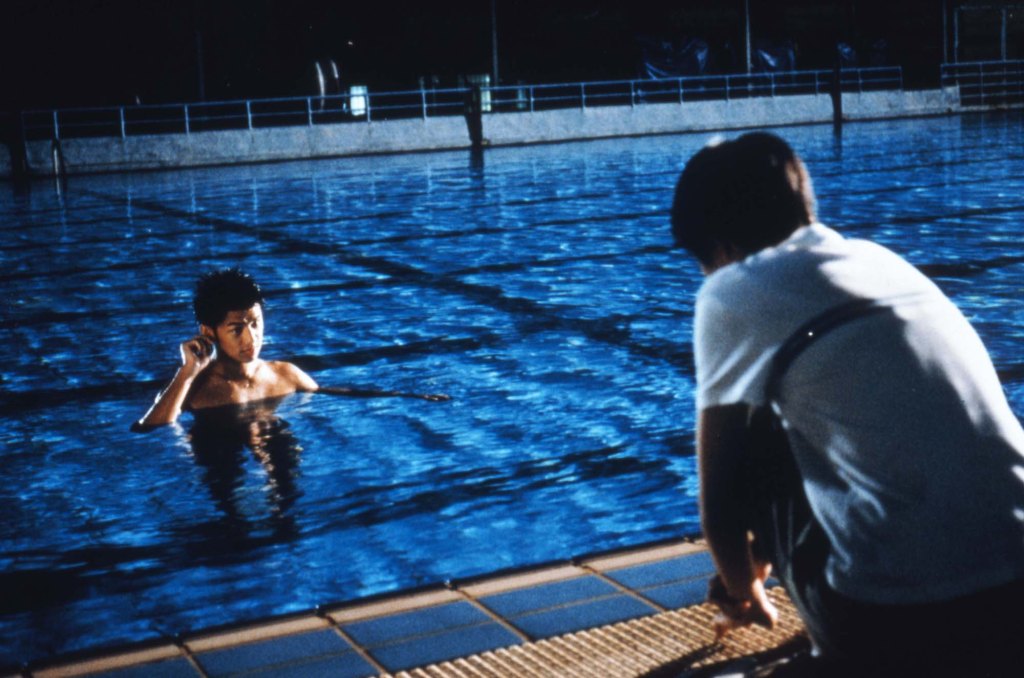
Write About Love (Crisanto Aquino, 2019)

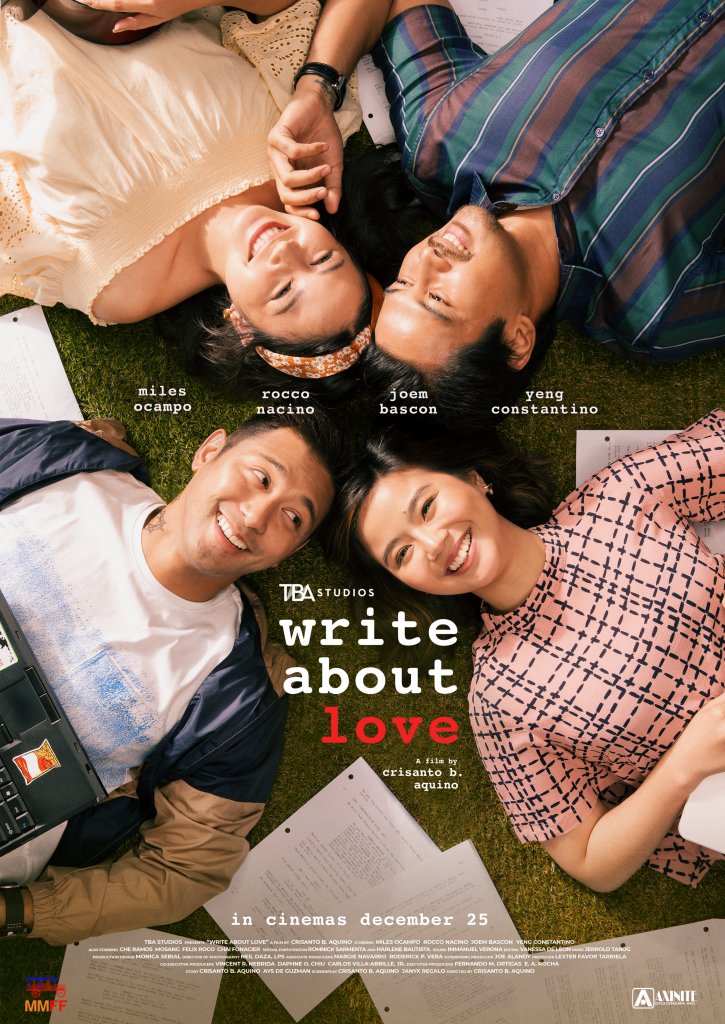
Write what you know, the old adage goes, but can you really write about love if you’ve never been in it? The debut feature from Crisanto Aquino, Write About Love concerns itself not only with romance but with love in a wider sense as mediated through the act of creativity. Two writers are forced into an awkward collaboration working in some senses at cross purposes but eventually find common ground as their shared endeavour pushes them towards acts of self interrogation as they attempt to write a sincere romance with an ending that satisfies all. 

Credited only as “female writer” (Miles Ocampo), a young woman obsessed with rom-coms successfully pitches one of her own titled “Just Us” to a major studio. Though they like her ideas, the suits call her back in a few days later and express concern that her scenario is too similar to an upcoming movie from a rival studio. Rather than a traditional meet-cute rom-com, they want her to focus on what came next, not the story of how they got together but a serious relationship drama about all the boring bits of being in love. To help her out, they’ve decided to team her up with an experienced “indie” screenwriter (Rocco Nacino), and have given the pair one month to thrash out a first draft. 

Of course, things get off to a bumpy start. She’s very “mainstream”, He’s quite cynical, which might make for an interesting dynamic if they weren’t constantly clashing on a personal level. He pushes his experience, She pushes her earnestness. Still, they begin to become closer writing the story of Joyce (Yeng Constantino) and Marco (Joem Bascon), an aspiring musician and a company man who meet and fall in love but find that life gets in the way of their grand romance. The pair decide to structure their drama around various anniversaries – 100 days, 200 days, a year etc, during which Joyce and Marco grow apart, discover that they have different priorities, and eventually break up after an intense argument that lays bare Marco’s insecurity and ongoing abandonment issues which lead him to put his foot down over Joyce’s career ambitions in Korea. 

Meanwhile, the real lives of the writers begin to influence the drama as they hover on the sidelines observing their fictional romantics and plotting out where they might go next. Despite their intention not to write a “mainstream” romance, they are perfectly happy to play with standard melodrama plot devices like job offers from overseas and terminal illnesses as they try to tell the story of Joyce and Marco, but, it seems, those “plot devices” also come from their lives. He had a longterm relationship end because his lover went abroad and met someone else, while she is romantically naive and still hung up on the failure of her parents’ relationship. In fact, her parents’ meet cute inspired the one in Just Us though she hoped to rewrite their story with a happier ending where her dad didn’t eventually leave them to go back to an old girlfriend. 

He asks her if she’s never been in love because she’s afraid of getting hurt, She tells him she’s just not interested, but is eventually forced to deal with her sense of insecurity through accepting the fact that her family is never getting back together. He actually doesn’t tell her much of anything, but is later forced to accept that love is a choice he may have failed to make. We expect that the writers will eventually fall in love while writing the saga of Joyce and Marco, but first they have to discover a few things about themselves, about love, and about suffering. Questioning her mother, She finds out that love is great motivator, prompting you to make decisions good and bad, while He realises that just as in real life you can’t manipulate your characters to force them to do what you want because feelings must be earned to be sincere. Love and pain are inextricable, but love is also an energy which cannot be created or destroyed and endures even after death, according to Her, coming to the conclusion that you need two for a love story and creation is a collaborative effort. Maybe you can’t write yourself out of heartbreak, or give yourself a better ending than life saw fit to give you, but if you’re going to write about love you have to be honest and honest is never easy. 


 Write About Love was screened as part of this year’s Osaka Asian Film Festival.

Original trailer (English subtitles)