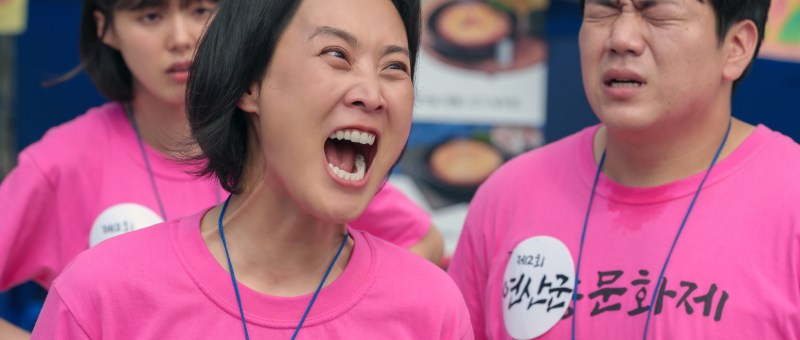
Where Is the Lie? (Marupok AF, Quark Henares, 2023)

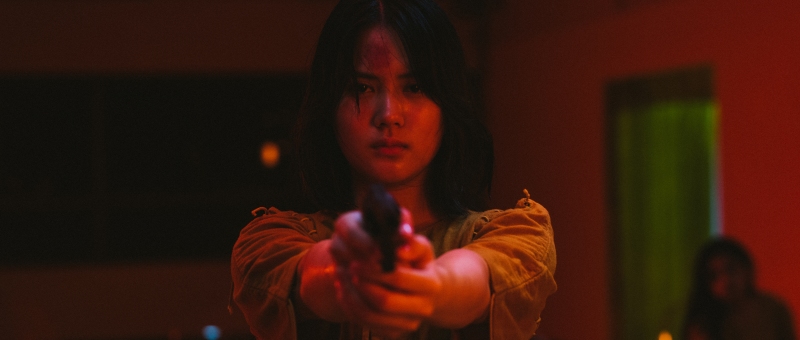
What is it that motivates acts of seemingly pointless cruelty, why do people obsessively waste their own lives trying to make those of others miserable? Quark Henares’ inspired by real events (depending on who you ask) catfishing drama Where is the Lie? (Marupok AF) sees a trans woman fall victim to homophobic love fraud amid a climate of intense transphobia and subsequently make the decision to take a stand not as a petty act of revenge but to reclaim her dignity and protect her community while generously wishing her tormentor well. 

The catfisher, Beanie (Maris Racal), is given the right to reply through a series of confessional videos which slowly gain prominence towards the film’s conclusion. She admits that she knows what she did but does not really understand why she did it save justifying herself that she’s been “bullied” by members of the LGBTQ+ community in the past. She deliberately mangles the acronym and makes a point of using male pronouns to refer to the trans woman she’s currently targeting, Janzen (EJ Jallorina), but later starts to slip up instinctively using “she” after spending months talking to her normally over a dating app posing as buff model Theo (Royce Cabrera). Asked what the point of all this is, Beanie doesn’t have much of an answer beyond the cruelty itself explaining that the end goal is simply to ghost the target once they’ve made an emotional connection to cause them to feel hurt or humiliated. Perhaps these seem like low level consequences to Beanie who regards the catfishing as something like a weird hobby though one she expends an immense amount of time on seeing as she doesn’t appear to have anything else going on in her life aside from her actual job as a video director working in the fashion industry. 

The strange thing is though is Beanie describes Janzen as fun to talk to and they even seem to strike up a genuine connection over their shared interest in design. Beanie then finds herself in dilemma, simultaneously accelerating the plan to avoid having to deal with her complicated feelings but then restarting it after its natural end point by inserting herself into the conversation posing as Theo’s cousin and apologising on his behalf for his treatment of her in a moment of panic. The implication is that Beanie’s behaviour is motivated by an internalised homophobia in which she cannot bear to admit her desire for other women keeping her connection with Janzen because she is attracted to her but simultaneously denying it through a deliberate attempt to cause her pain and humiliation in returning her feelings vicariously through the fake Theo persona.

Some may feel that the film to too sympathetic towards outward transphobe Beanie or that once again implying the villain is closeted is unhelpful, but there may be something in her claims to be a kind of victim too in that her internalised homophobia is caused by societal conservatism in a largely Catholic, patriarchal culture. The film is clear on the dangers and discrimination Janzen faces daily both online and off as her friends remark on the case of a trans woman being arrested for using the ladies’ bathroom and later TV news footage shows president Duterte pardoning a US soldier who had been convicted of murdering a transgender sex worker. As the film begins, Janzen’s boyfriend breaks up with her over his discomfort about publicly dating a trans woman, implying that he is ashamed or embarrassed in his inability to explain the relationship to his older conservative parents. An online date then goes south when he realises she is trans. As her friends tell her Theo seems too good to be true especially as his social media only contains professionally taken photos and no personal posts or connections but Janzen is blinded by love and deeply wants to believe that the relationship is “real”.

That might go someway to explaining why she puts up with so much nonsense from Theo and continues to interact with him even after he calls her a series of slur words, leaves her waiting at the airport for a fake meeting, and then dumps her in a Jollibee after convincing her to travel all the way to Manila knowing she has no return ticket or place to stay. Playing out almost like an incredibly perverse Cyrano de Bergerac, the film at times pushes Janzen into the background in favour of exploring Beanie’s motivations for her seemingly senseless, sadistic cruelty, but subsequently allows her to reclaim centrestage in owning her own story by taking a stand against transphobic bullying on behalf of the other victims and her wider community while very much claiming the moral high ground by wishing Beanie nothing but peace though whether she’ll ever find it is anybody’s guess. 


Where Is the Lie? screened as part of this year’s New York Asian Film Festival

Original trailer (English subtitles)

Images: © Anima Studios, Kroma Entertainment, December 2022.© 2022 Kroma Entertainment. All Rights Reserved
Harvest Moon (Эргэж ирэхгүй намар, Amarsaikhan Baljinnyam, 2022)

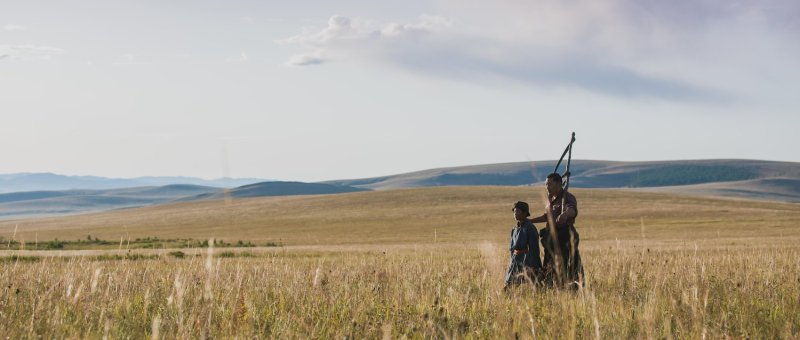
A young man who left for the city is forced to reckon with his childhood self and the nature of paternity when called back to his rural home in Amarsaikhan Baljinnyam’s touching directorial debut Harvest Moon (Эргэж ирэхгүй намар). The melancholy title may hint at the short-lived nature of the central relationship but also reflects the slowly disappearing traditional culture of the Mongolian Steppe and the loneliness of those who find themselves in one way or another orphaned amid its vast and empty landscapes.

Tulgaa’s (Amarsaikhan Baljinnyam) dilemma is that he’s just received a voice message from a woman he’s been seeing explaining that she has a son she had not previously disclosed and wants to know if it’s a dealbreaker before the relationship becomes more serious. Meanwhile, he receives a call from his home village letting him know that the man who raised him, but was not actually his biological father, has been taken ill and may be close to death. Though reluctant, Tulgaa begins the long journey to say goodbye and then finds himself agreeing to stay a little longer to finish his father’s last harvest. 

While there, he meets a little boy, Tuntuulei (Tenuun-Erdene Garamkhand), who is like he was a child without a father though currently living with elderly grandparents while his mother works in the city. Older than his years, Tuntuulei too is bullied and ostracised by the other villagers who gossip and disapprove of the manner of his birth which apparently occurred after a one night stand. Neither Tulgaa nor Tuntuulei ever knew their biological fathers and are each looking for something to soothe their loneliness, eventually developing paternal relationship even in the knowledge that Tulgaa will return to the city once the harvest is done whether or not he eventually decides to accept becoming a father to his girlfriend’s son. 

In many ways Tulgaa is bonding with his childhood self and processing his paternal anxieties through the lonely, abandoned child he once was which is perhaps a little unfair given that he essentially taking a test run with Tuntuulei in preparation for becoming another boy’s father. Tuntuulei’s grandparents meanwhile contemplate sending him to the city to be with his mother, conscious that he’s bored with only the elderly couple for company and takes no interest in schooling. Tulgaa’s discovery that the boy cannot read provokes a rift between them in his insensitive reaction though Tuntuulei has already taught him a series of essential life skills for living on the Steppe from fishing to how to salve the blisters on his hands from cutting grass with a scythe. Tulgaa’s father had finally accepted that there was nothing he could have done to prevent him from leaving, but Tuntuulei seems so perfectly in tune with this landscape that it may not be possible for him to find happiness in the city even as this way of life continues to decline with other youngsters increasingly choosing urban civility over nomadic freedom.

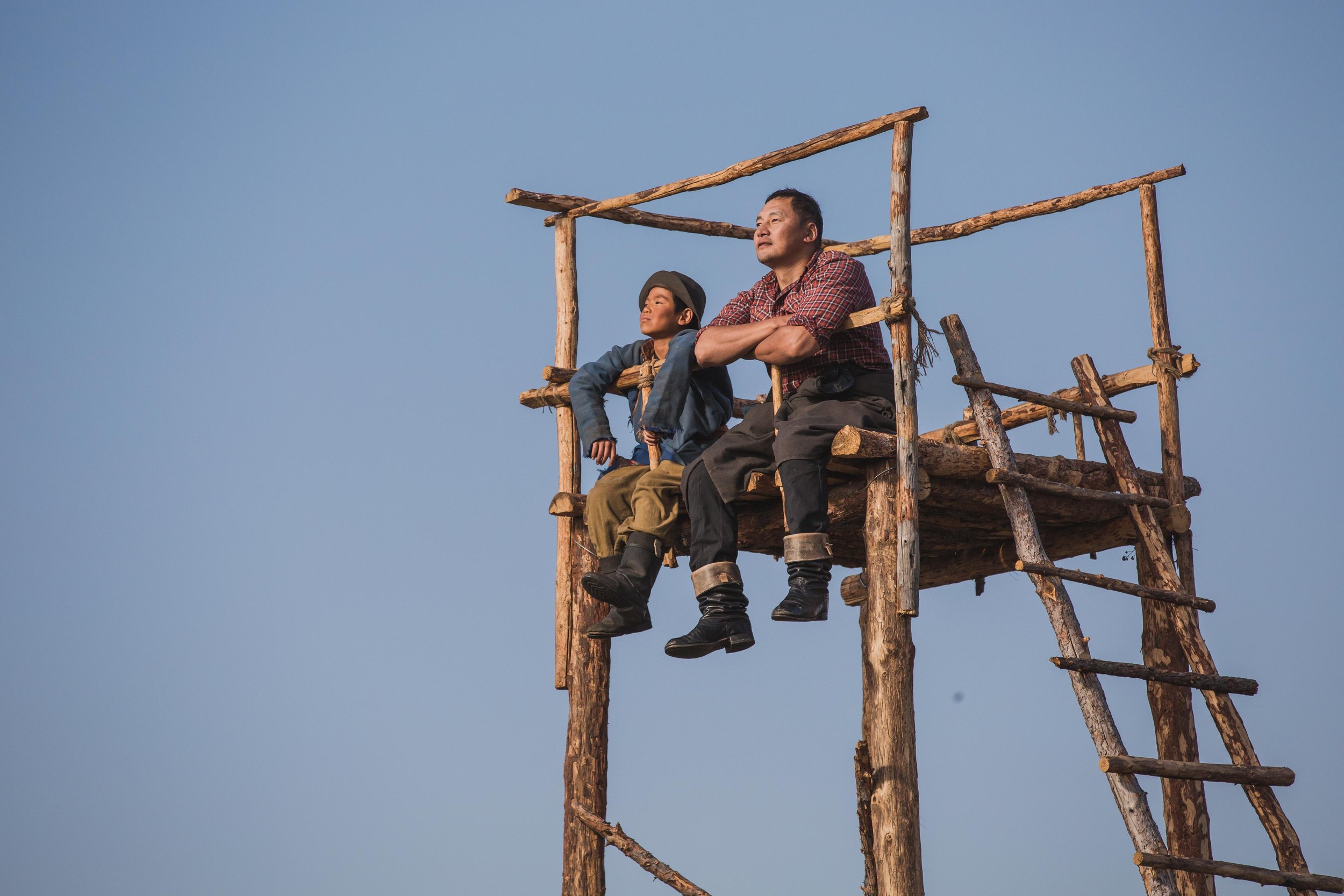
As Tulgaa is eventually told, the age of harvesting by hand may be over as his stay in the village is quite literally cut short leaving Tuntuulei all alone a tiny figure amid heaps of drying grass. The once verdant field now seems sad and empty, a sign that autumn has arrived and not only for the two men but for the village as a whole. The film had opened with a group of men desperately trying to get a phone signal by attaching a mobile to a pole and standing on a horse, shouting up at the receiver and barely able to understand the reply. Tuntuulei suggests building tower so people could climb up and make a call whenever they want which in part symbolises his own desire for connection along with the community’s isolation from the outside world. But when he tries to use it himself he discovers only disappointment. After all this effort, his mother is too busy to speak to him and blithely asks that he call back later cruelly crushing his fantasy of being able to contact someone any time he wants and reinforcing his sense of aloneness. Even so through his relationship with Tulgaa who is after all an older version of himself he is able to find another connection which may endure even in its absence. Beautifully lensed to take advantage of the majesty of the Mongolian landscape, Amarsaikhan Baljinnyam’s poetic debut is a quietly affecting affair in its own way melancholy but also filled with warmth and a sense of future possibility.


Harvest Moon screens in Chicago Sept. 23 as part of the 17th season of Asian Pop-Up Cinema where Pinnacle Career Achievement honouree Amarsaikhan Baljinnyam is scheduled to attend the award ceremony before the film and Q&A after.  

Original trailer (English subtitles)

Bear Man (웅남이, Park Sung-kwang, 2023)

According to an ancient legend, bears who eat garlic and mugwort can become human though it’s not exactly clear why they’d want to. The debut film from Park Sung-kwang, Bear Man (웅남이, Woongnami) as its name suggests follows a pair of bear cubs who decide to give things a go in the human world but with wildly differing results as one is adopted by the researcher who allowed them to escape and the other by a vicious gangster who exploits him for his violent capabilities and shows him little love. 

Love is something Woongnam (Park Sung-woong) got a lot of thanks to his devoted mother and though not exactly the sharpest knife in the drawer had forged a promising career as a local policeman before he was let go after falling into a kind of funk on overhearing his father on the phone suggesting that the life expectancy for a regular bear is only 25 so he might not have much time left. Thanks to his nature as a bear man, Woongnam ages much faster than everyone else and already appears to be middle-aged though he is also blessed with immense strength and agility. After agreeing to bend the law by helping his feckless friend Malbong (Lee Yi-kyung) win in at illegal gambling Woognam comes to the attention of a group of police detectives investigating a shady gangster who notice a man looking just like Woongnam taking out a host of bad guys at the harbour. 

There is something quite poignant in the puppy-like existence of Woongbok (also Park Sung-woong) who keeps looking up to his boss as a father figure with a mixture of fear and longing. He gazes enviously at a family crossing the road in front of him and later visits Woognam’s home where Woongnam’s mother thinks that he’s Woognam and tries to feed him his favourite foods while he just looks on silently without expression. Where Woongnam is basically good, not too bright but heart in the right place, Woongbok has been raised as creature of violence by his intimidating father figure and carries a threatening aura with his slick haircut and tailored suit. 

The police want Woongnam to pose as Woongbok so they can take down the gangsters who have not only been trafficking drugs but also dabble in scientific research into viruses and their cures apparently about to unleash an epidemic in China to profit off the drug sales. It’s not all that clear what the scientists who released the bears were actually researching though there is a kind of parallel in the fact the other pair seemingly settled down, adjusted to their new environment and had a few cubs while Woongnam and Woongbok ended up becoming humans with bear-like abilities. Woongnam has to be prevented from entering hibernation and sleeps flat out like a bear but otherwise keeps his true nature secret even while covertly helping the townspeople out getting rid of beehives and freeing trucks stuck in the mud. 

That would be about the extent of “policing” in this kind of small-town where there’s nothing much to do but catch fish in the river and chat to wild boar. Park builds on the surreality of everyday rural life with mounting absurdities such as the parade of teenagers who troop through the convenience store where Woongnam’s live-streaming friend Malbong works each of whom he is largely able to unmask thanks to his keen sense of smell, and the polytunnel that doubles as a gambling den for down on their luck farmers. Woongnam’s biggest regret is losing his position as a police officer and it’s his desire to get it back to make things up to the people who raised him that encourages him to go along with the detectives’ crazy plan even if means he has to undergo weird martial arts training inspired by Drunken Master and take lessons from a strange movement coach in how to walk like a gangster. Yet in the end it’s Woongbok’s innocent desire for familial love that becomes a source of salvation, turning against his gangster brethren to protect the warmth of Woongnam’s family home. Quirky in the extreme and defiantly absurd, the film nevertheless has genuine heart in otherwise strange tale of wandering sons and bears of men.


Bear Man screened as part of this year’s New York Asian Film Festival

Images: © 2023 KIMCHI PICTURES PRODUCTION. ALL Rights Reserved.

Bad Education (黑的教育, Kai Ko, 2022)

According to a jaded policeman in Kai Ko’s directorial debut Bad Education (黑的教育, Hēi de Jiàoyù), only 10% of people are good and 10% bad with 80% somewhere in the middle depending on the circumstances. As another person puts, even bad people have principles and in an odd way it’s a sadistic gangster who becomes a moral authority teaching the trio at the film’s centre a few valuable lessons in just how far south something can go when you allow yourself to be swayed by peer pressure and adolescent bravado. 

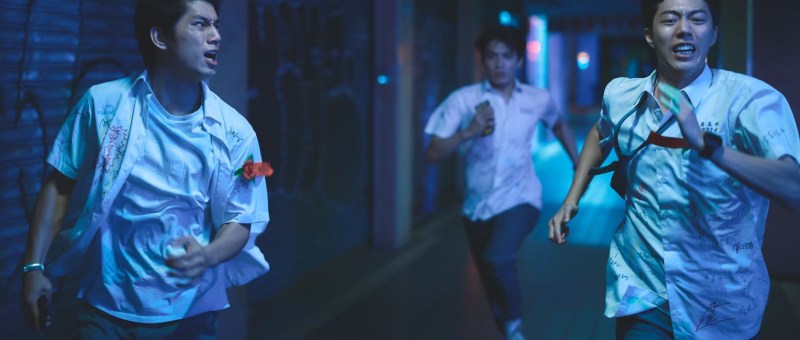
Perhaps intended as a graduation prank, Chang (Berant Zhu) suggests he and his friends Han (Edison Song) and Wang (Kent Tsai) exchange otherwise unspeakable secrets to cement their ongoing friendship through the threat of blackmail and exposure. Chang tells a frankly disgusting story that he raped and impregnated a young woman with learning difficulties while Han claims that he bludgeoned a homeless man to death but no one noticed. The only one to be going on to university, Wang does not have any particularly dark secrets to share. All he can come up with is that he once read his father’s texts and found out he’s having an affair, while otherwise confessing to having stolen the answer sheet to a test. As expected, Chang and Han don’t like his answers and begin to threaten him, pushing Wang back towards the edge of the roof as if they meant to kill him so wouldn’t spill the beans. 

Chan and Han were of course bullshitting, they haven’t done anything of the sort, but they manage to persuade Wang that he’ll have to do something similar to complete the pact. They challenge him to throw paint at a gangster which turns out to be an incredibly bad mistake though to be fair to them, Chan and Han may not have expected Wang to actually do it. It’s only then that they start to realise they aren’t children any more. Actions will have consequences and even if, as Mr. Hsing (Leon Dai) the gangster boss later says, they haven’t done “anything wrong” they’ve gone about everything in the wrong way and will eventually have to pay. Chan looks up at him pleadingly and answers like a child that he’s sorry and won’t do it again, but Mr. Hsing points out that whether he does it again or not is of no interest to him. It’s not what this is about. 

What it’s about is perhaps a different kind of “graduation”, leaving the innocence and naivety of childhood behind for the cynicism of adulthood and the moral greyness of grownup society. Then again, they weren’t all that innocent to begin with that they could come up with heinous crimes to confess and imagine that their friendship would survive it. The policeman says that 80% of people could go either way in most situations, himself included it seems, painting a fairly bleak picture of the contemporary society. Chased through the city by Hsing’s foot soldiers, Chan and Wang end up stealing a taxi from a taxi driver who had just raped the young woman passed out drunk in his car though no one makes much of an effort to help her as each remains fixated on their personal goals such as escaping and fleeing the city. 

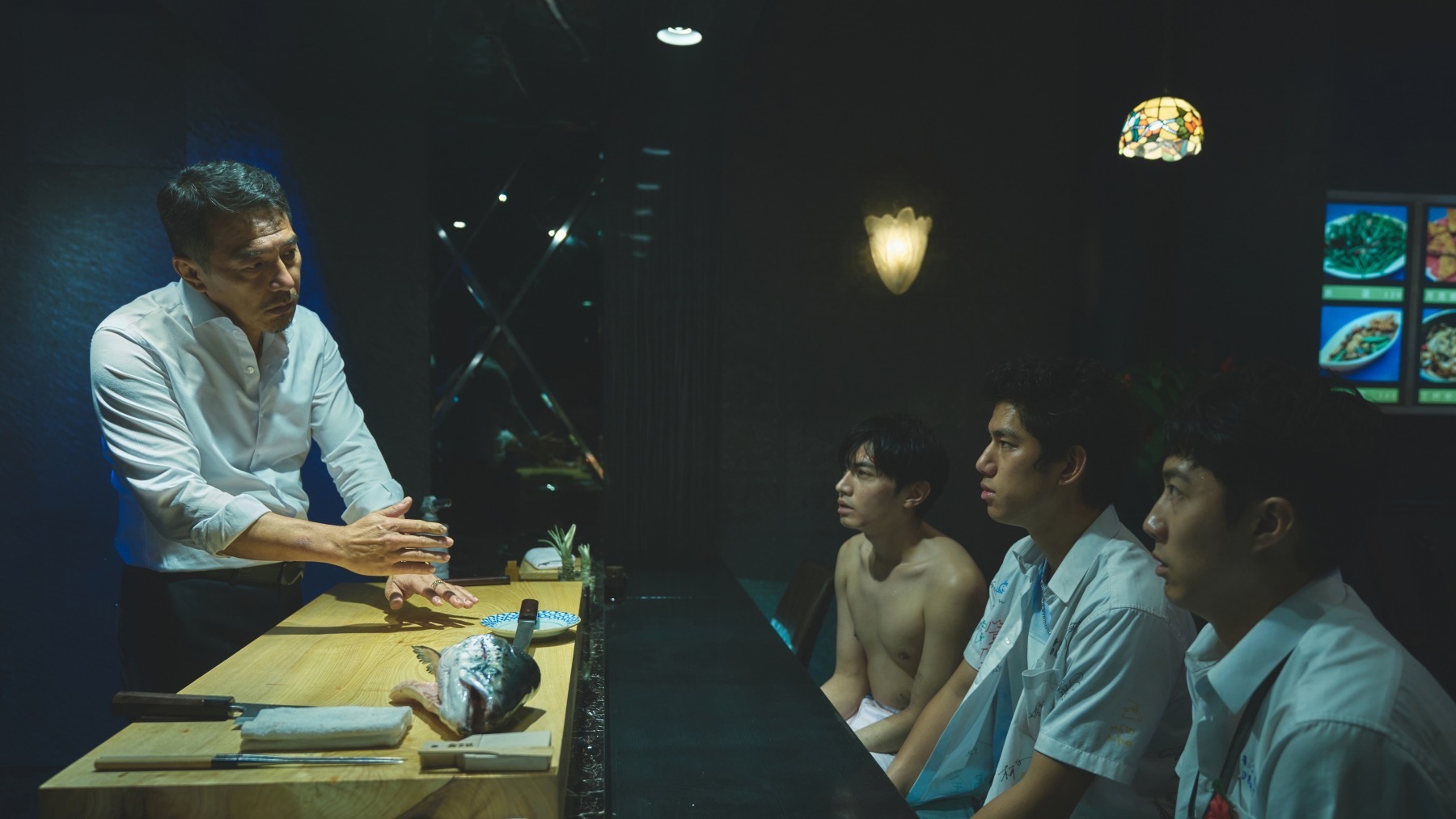
In the opening scenes, a lobster had been plucked from a tank and had its legs cut off in a moment of foreshadowing while customers in Mr Hsing’s seafood restaurant with greasy mouths suck on shrimp whose corpses they soon spit out and discard. Something quite similar happens to the boys as the cracks in their friendship are further exposed. Even back on the rooftop, they’d reflected on the class difference between them with Wang, whose father owns a factory he is expected to take over, the only one going to college, while Chan jokes about becoming his driver and Han remarks that he’d like to drive a Maserati (one stands across from him as he’s viciously beaten in his underwear by Hsing’s goons). 

Figuring out they have no underworld connections, Hsing asks for money and the boys immediately look to rich kid Wang only he refuses because it’s too embarrassing to ask his dad for that amount of cash. Engaged in some kind of sadistic power play, Hsing tries to get them to cut each other’s pinkies off with the guys each turning on and blaming each other. Chan too tries to argue that they came back to save Han so he owes them (only they didn’t), while later blaming Wang for going ahead with the dare rather than himself for setting up this stupid prank as a means of having something to remember in their old age. Later he admits his insecurity, uncertain of his own future and frightened that his friends will leave him behind but it’s already too late. Wang ironically fulfils the pact, his graduate rosette fluttering as he does so as if to remind us that he’s now “graduated” from childhood innocence, but ironically destroys rather than cements the boys’ friendship with one chaotic night of violence and terror. Incredibly dark with moments of bleak humour, Bad Education offers a lesson in retribution and the costs of peer pressure and bravado and leaves each of its heroes changed, if not slightly broken, by the realities of a duplicitous adulthood. 


Bad Education screened as part of this year’s New York Asian Film Festival

Teaser trailer (Traditional Chinese / English subtitles)

Faces of Anne (แอน, Kongdej Jaturanrasmee & Rasiguet Sookkarn, 2022)

A young woman wakes up in a grimy hotel room with floral wallpaper marked by damp stains. She discovers that the window is frosted over and won’t open while she has no idea of how she got there or who she is but otherwise instinctively knows that the face she sees in the mirror does not belong to her. She tries to call out and hears a voice from an adjacent room telling her to be quiet and that her name is “Anne”. Anne asks her how she knows if she can’t see her, but the voice just tells her that she knows her name is Anne with no further explanation. 

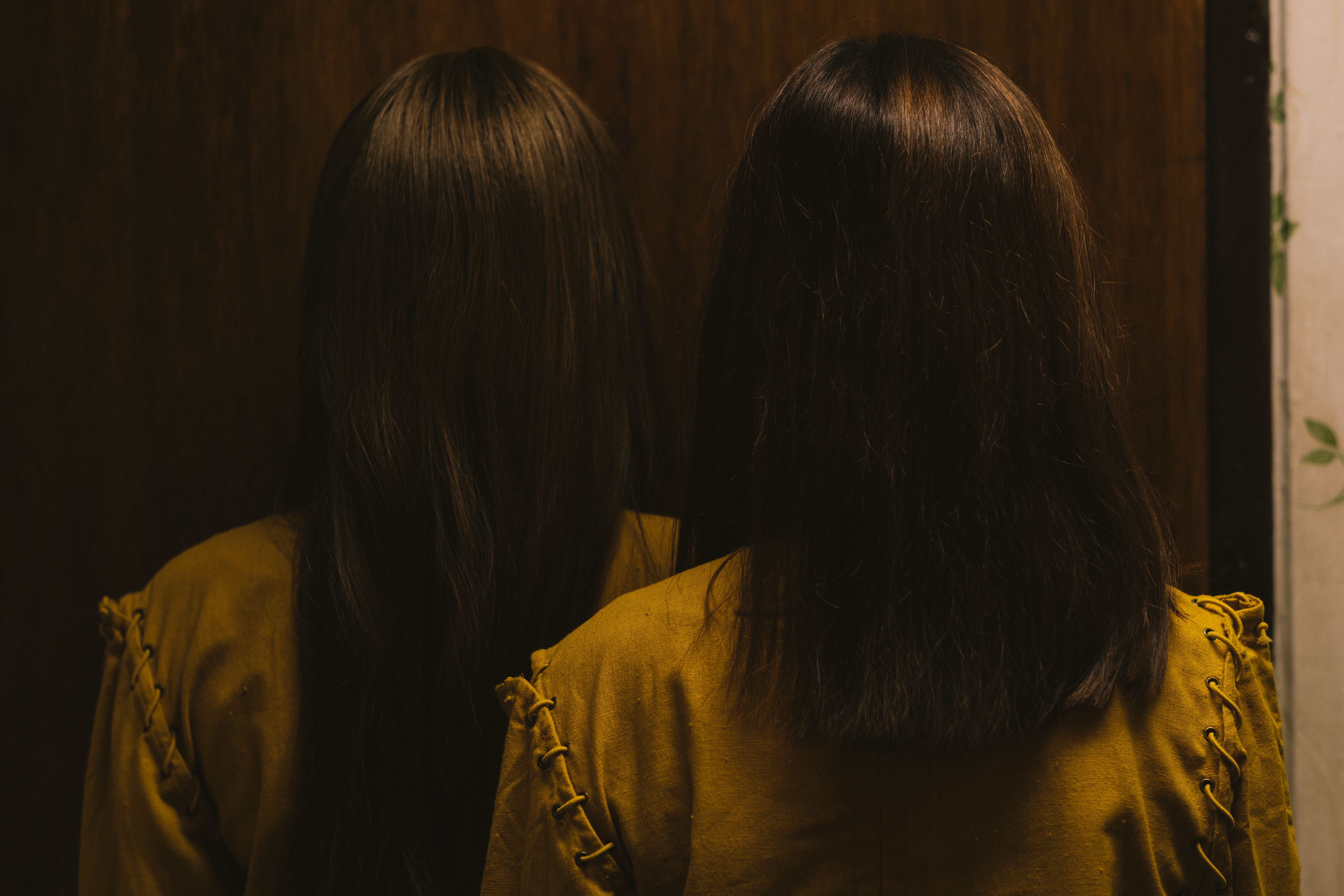
As it turns out in Kongdej Jaturanrasmee & Rasiguet Sookkarn’s Faces of Anne (แอน) every girl in the place has the same name and as gradually becomes apparent are all reflections of a single personality. The key Anne discovers that her face seems to change seemingly at random leaving her uncertain even within the bounds of her fractured identity. A psychiatrist tells her that a name is “not as important as who you are” while encouraging her to learn to accept the face she sees as her own, but she remains confused, abstracted from herself, and unable to reconcile her selfhood with its reflection. Meanwhile, she is stalked by a violent demon in the guise of a deer name Vitigo who wanders the hospital corridors taking out any Annes that it finds. 

What seems to be going on is an attempt to reintegrate the shards of a fractured personality into a coherent whole only it’s manifesting as a massacre of the self as the demon bumps off each of the multiple Annes insisting that only one, the “real” Anne, can be allowed to leave. But then no one is really only one person but presents a series of personas to the outside world all of whom can be said to be “real” even if otherwise inauthentic. In an illuminating flashback, high school girl Anne chats with another couple of girls about fake online profiles where they can share their “real” selves each of which of course have a completely different profile photo much as the serial Annes have a different face. What we can assume to be the key Anne expresses that she just wants to find a place where she can be completely herself and thinks she has one in a relationship with a boyfriend whose face we never see but had shades both of a man who might be her father and the hero of a video game the atmosphere of which seems to have coloured the aesthestics of her eerie mindscape. 

Some might find it easy to dismiss her identity crisis as teenage angst or to suggest that what she’s suffering from is a broken heart though Kongdej Jaturanrasmee & Rasiguet Sookkarn also make reference to a number of problems faced by young people in contemporary Thailand such as online harassment and bullying, sexual harrassment at school and the bad student movement protesting an oppressive educational environment laying bare the pressures on key Anne’s mind that might cause her to become estranged from herself. Asking probing questions about identity, the film wonders if Anne can learn to find herself as distinct from all of these images or if in the end identity and image are inextricably linked to the extent that they can no longer exist distinctly and Anne has no power to identify herself but must rely on the identification of others. Then again, the voice from the other room knows she is Anne without seeing her precisely as she is also Anne, identifying herself in the absence of image. 

Eerie and filled with a Lynchian dread in its hellish lightning and grimy hotel room setting, the film turns Anne’s psychodrama into an existential slasher in which she awaits the arrival of the Final Girl. Retracing her steps, she seeks escape in a pattern of trial and error unwittingly at war with herself even as tussles over identity and authenticity while trying to reconstruct a shattered identity by reclaiming the images of the past or perhaps as simply as the psychiatrist had put it learning to accept the face she now wears as her own. Haunting and empathetic, the film has only sympathy for the wandering ghosts of a fractured mind and the vague hope that together they can put Anne together again. 


Faces of Anne screened as part of this year’s New York Asian Film Festival

Original trailer (English subtitles)

Images: © M Pictures Entertainment Public Company Limited.

Stand Up Story (說笑之人, Amen Au Cheuk-man, 2023)

A lost young man tries to turn his grief into laughter while realising he might have more in common with his ageing father than he first assumed in Amen Au Cheuk-man’s poignant drama, Stand Up Story (說笑之人). Partially an exploration of the marginalisation of those with disabilities, the film is also a gentle tale of learning to stand up for one’s self and one’s family while gaining the courage to follow your dreams rather than holding back in fear of failure. 

Manny’s (Ng Siu-Hin) dreams lie in stand up comedy, but he struggles to convince his father, who has learning difficulties due to a childhood illness, that telling jokes can be a real job. Wah (Ben Yuen Foo-Wa) raised him alone after the woman he married left the family once her Hong Kong residency was confirmed leaving them both with a sense of absence and lingering feeling of lonely abandonment. Though his father was very excited his son has graduated university, Manny is working as a delivery driver while floundering for direction half-heartedly pursuing standup but lacking the confidence to jump in and try it full-time while also unwilling to look for a steadier job because it would mean giving up on comedy.

As the former headmaster who employs him at his restaurant after he retires from his job as a high school janitor suggests Wah is also lacking in confidence and afraid to try new things in part because of his insecurity as someone with learning difficulties who may have encountered impatience and anger in the past. Though he manages well enough on his own, Wah has experienced prejudice and discrimination all his life and has made himself smaller because of it. Always cheerful he does his best to be useful and help others where he can even if they sometimes take advantage of him accidentally or otherwise like the thoughtless Fourth Auntie who gets him to do a lot her work for her and place bets on her behalf pledging to chip in with her share of the money if they win. 

Manny is quick to warn him about such people, but as the master suggests may also be guilty of underestimating his father while insensitive to his fear of loneliness. As a teenager, Manny had also been somewhat embarrassed by his father and did little to defend him when the other kids at school made of him. He also doesn’t invite him to his university graduation despite the excitement that has already seen Wah buy a new suit for the occasion. In a moment of anger he expresses his resentment, exclaiming that he feels trapped in their claustrophobic apartment and is fearful that he’ll stuck there forever but of course regrets it realising how much he’s hurt Wah’s feelings in the knowledge of how difficult his life has been raising him as a single father on a janitor’s salary. 

The irony is that Wah had wanted his son to become a teacher, a respectable, steady job he has a particular respect for because of the support he received from the headmaster, but becomes a kind of teacher himself albeit wordlessly. Manny can only progress his comedy career by wrestling with his life even if some of his routines feel as if the may be crossing a line between laughing at and with his father. Wah’s discomfort is evident on watching Manny telling jokes about him on stage, but so is his relief and thankfulness that people seem to be laughing and he might be able to make a career out of it after all. 

One of Manny’s colleagues suggests that stand up might just save Hong Kong, that now more than ever people need to find a way to channel their anxiety into comedy to able to carry on. That anxiety is only deepened by the pandemic in which even the headmaster’s restaurant is threatened by the economic reality and Wah’s world becomes even smaller. Warmhearted though also honest in Manny’s inner conflict and ambivalence towards his relationship with his father the film is essentially about giving things a proper chance while there’s time rather than giving up because it seems difficult or awkward be it in relationships or finding the courage to chase happiness doing something you love.


Stand Up Story screens in Chicago Sept. 16 as part of the 17th season of Asian Pop-Up Cinema. Pinnacle Career Achievement honoree Ben Yuen and Bright Star Award recipients Ng Siu Hin and Rachel Leung are scheduled to attend the award ceremony before the film and Q&A after

Original trailer (Traditional Chinese / English subtitles)

Motherhood (母性, Ryuichi Hiroki, 2022)

Is love ever really unconditional or are we all just chasing a sense of parental approval even after we become parents ourselves? According to a reporter late into Ryuichi Hiroki’s adaptation of the Kanae Minato novel Motherhood (母性, Bosei), there are only two types of women, mothers and daughters, and it is in some ways a confusion of roles that frustrates the relationship between two women who are never fully able to form a maternal connection. 

Asked by a colleague if she felt her parents loved her, the reporter answers that they were the kind who made her wear a frilly blouse with a big collar for the school play and got her new shoes for Sports Day suggesting that their love was in its way performative and they cared more about how other parents would judge them than they did about her feelings seeing as she actively hated filly blouses with big collars. Alternatively, it may have been another kind of misunderstanding in they got her these things because they thought they should make her happy and took her rejection of them as resistance. 

The little girl at the film’s centre, Sayaka whose name is only spoken in the film’s closing scenes, encounters something similar when she asks her grandmother for a Hello Kitty bag having been presented with one featuring a beautifully embroidered bird. Her mother, Rumiko (Erika Toda), finds this highly offensive thinking that Sayaka has rejected her grandmother’s lovingly handmade gift in asking for something shop bought featuring a popular character, but Sayaka treasured her grandmother’s embroidery and just wanted her to sew Hello Kitty instead. 

In her voiceover, Rumiko implies that her annoyance is also born of shame in that Sayaka has forgotten everything she taught her about consideration for the feelings of others, while in her own the pain in Sayaka’s eyes is clear. She feels slighted, almost threatened by her mother’s hushed reaction advising her that it’s better to stick with birds because then people will realise that’s what she likes and go out of their way to give her bird-themed presents. The irony is that, at least in the way Rumiko tells it, her mother Hanae (Mao Daichi) believed they were such a happy family because she accepted their love “straightforwardly” when really it was anything but. Fixated on Hanae, Rumiko lives her entire life to make her mother happy even down to her choice of husband despite warnings from all sides that they are otherwise not particularly well suited. 

The reporter makes a point of commenting on another diner’s poor table manners in a restaurant with the result that he gets up and leaves, feeling uncomfortable in the wake of her rude intrusion. She explains that she was brought up to feel as if she always had to get everything right as if being loved depended on being good much as Rumiko had felt. Little Sayaka is more or less the same, constantly chasing maternal affection though receiving little in return as Rumiko struggles to transition from the role of daughter to mother and continues to fixate on Hanae caring little for anything else. When the family are forced to vacate their cute forest cabin of a home to move in with father Satoshi’s (Masaki Miura) harridan of a mother (Atsuko Takahata), Rumiko tries the same tactic believing that if she can become “good” in her mother-in-law’s eyes then she will eventually accept her little realising that she is simply a difficult woman who will never be like her own mother and only finally embraces her as a daughter as she lovingly mothers her long after she has become bedridden and appears to be suffering from dementia. 

Then again, perhaps the constant nagging, a tendency to run people down and push them away, are also frustrated ways of showing love and ironically what the mother-in-law might have wanted was someone to fight back as Sayaka tried to do much to Rumiko’s chagrin as she accused her of ruining her attempt to curry favour. Sayaka finds a diary belonging to her father, Satoshi, which recounts memories of domestic violence which he rebelled against indirectly through taking part in the student protests little caring about the cause only channeling his rage and disillusionment into something that didn’t really matter to him so would make no difference if it failed. She calls him a weak man who hides behind women, forcing Rumiko to take care of his mother while otherwise unwilling to stand up for himself or take responsibility for his family. 

Perhaps men are only fathers or sons too and this one had little idea what to do with a daughter. Naively proposing on the third date, he said he wanted to build a “beautiful home” presumably to escape the one he grew up in attracted as much the genial atmosphere of Hanae’s upper middle class mansion as to Rumiko herself. Hiroki paints the forest-bound “dream home” in nostalgic shades of pastel, lending it almost an uncanny sense of fairytale bliss that the family can never live up to despite Rumiko’s Stepford-esque attempts to become the perfect housewife by essentially becoming her mother. Offering her version of events mainly through a confession to a priest, it’s clear that Rumiko has not been entirely honest before God, but neither of our narrators are really all that reliable even if relating how they felt something happened at the time leaving us less with one concrete version of the truth than a tragic tale of love frustrated by the codified roles of mother and daughter along with maternal jealously and anxiety. 

Nevertheless, they are united by a maternal legacy and the act of ensuring the line will continue connecting all of them to the future through the chain of motherhood. The reporter’s thinking may have a degree of internalised misogyny as she remarks on the societal prejudice that regards an unmotherly woman as hardly a woman at all while giving no recognition to women who are neither mother nor daughter in her contemplation of the maternal instinct which she otherwise regards as learned rather than innate. Asking for definitions, she comes up with the need to protect one’s child which is perhaps something her mother may have lacked when it counted but did not necessarily mean she had no love for her at all despite her fits of resentment. Shot with a degree of eeriness that dissipates in favour of a darkening realism in the later stages, Hiroki’s heightened drama nevertheless suggests that an equilibrium can be found in the maternal relationship even if it is painfully won.


Motherhood screened as part of this year’s New York Asian Film Festival

Original trailer (English subtitles)

Images: ©2022 “MOTHERHOOD” FILM PARTNERS

The Cord of Life (脐带, Qiao Sixue, 2022)

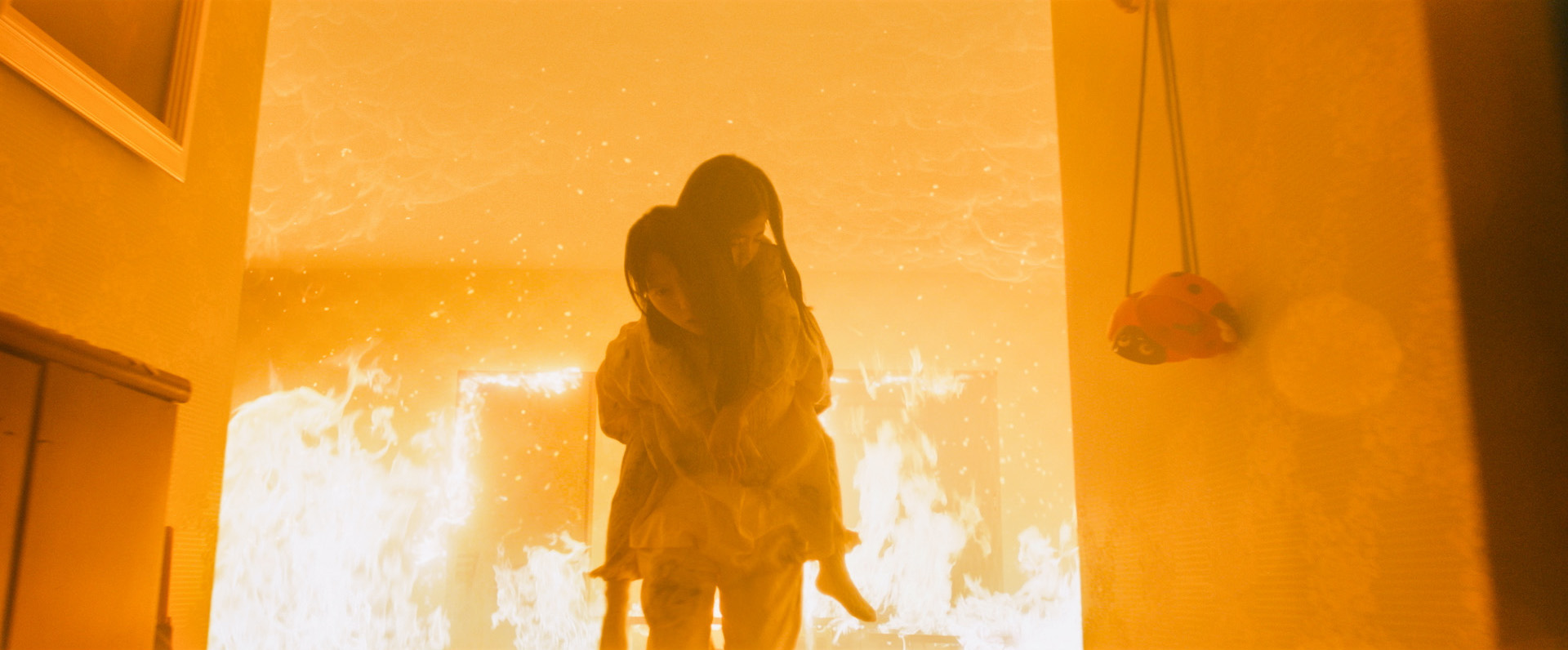
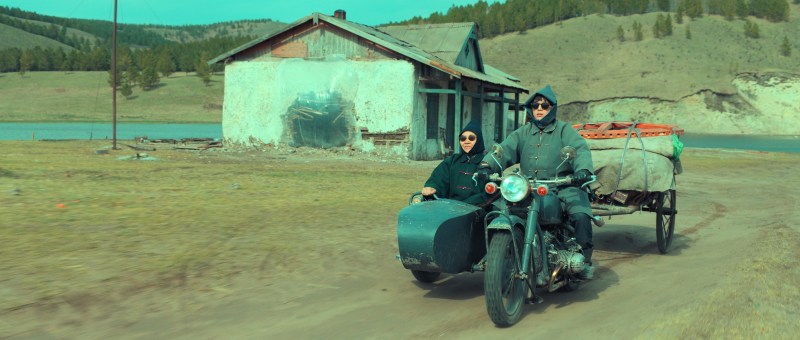
“The flowers of the Steppe can’t bloom forever,” an old woman explains somewhat cheerfully though not really knowing to whom she is speaking in Qiao Sixue’s deeply moving Mongolian drama, The Cord of Life (脐带). A young man struggles to find the balance between embracing his traditional culture and the desire for modernity, but begins to discover new direction after taking his elderly mother who is suffering with dementia back to the grasslands in search of the place she calls “home”.

Naranzug has several “homes” throughout the film though none of them are perhaps exactly what she means which maybe more a feeling than a physical location. In any case the first of them is the home of her eldest son, a flat in the city where they’ve installed a door with bars on it on her room to stop her wandering off. Apparently the neighbours have been complaining and it’s already led to a physical altercation which has serious financial implications for the family. Younger brother Alus (Yidar) has long been living in Beijing where he makes a living as a musician combining electronica with the Morin Khuur fiddle he learned to play as a child. When he’s called back to help, he’s shocked both by the progression of his mother’s condition, she no longer recognises him, and the way his brother and his wife treat her though as Naranzug later says herself they are quite clearly exhausted and are doing the best they can with the resources available to them. 

Alus particularly objected to the prison cell-style door and the practice of locking his mother up which seemed so undignified, though he later resorts to something similar himself in the titular cord, a literal rope that he uses to tie her to him so that she won’t get lost or injure herself. At one point he loops the rope around her waist and pulls her as if she were a stubborn cow unwilling to leave the paddock, coaxing her back inside the house with his music. Several times Naranzug is liked to a wandering animal who should be free upon the Steppe, firstly the lost cow but also a mother sheep to a lost lamb she later delivers to a paddock where she sings a folk song to encourage a ewe to feed it in a metaphorical allusion to her inability to recognise her own lost son who is also a lost lamb searching for his mother. 

She repeatedly asks Alus to take her “home” but he struggles to understand what she means because to him he already has, reminding her that their house on the Steppe is also “home” before realising that she pines for her childhood and long dead parents who lived by a long forgotten tree. The rope between them becomes a surrogate umbilical cord that allows them to an extent to reconnect as Alus becomes more familiar with life on the Steppe as its atmosphere pours into him in much the same way the sheep drank from the ewe or the farmer transferred fuel from one bike to another. “It shouldn’t all be Morin Khuur and throat singing” the comparatively traditionalist Tana encourages him, “we’re not living in the past”, giving him freedom and permission to embrace both the new in electronica and the traditional in the sounds of the plains. It’s not for no reason that Naranzug is always telling him to “listen”, for music is everywhere. 

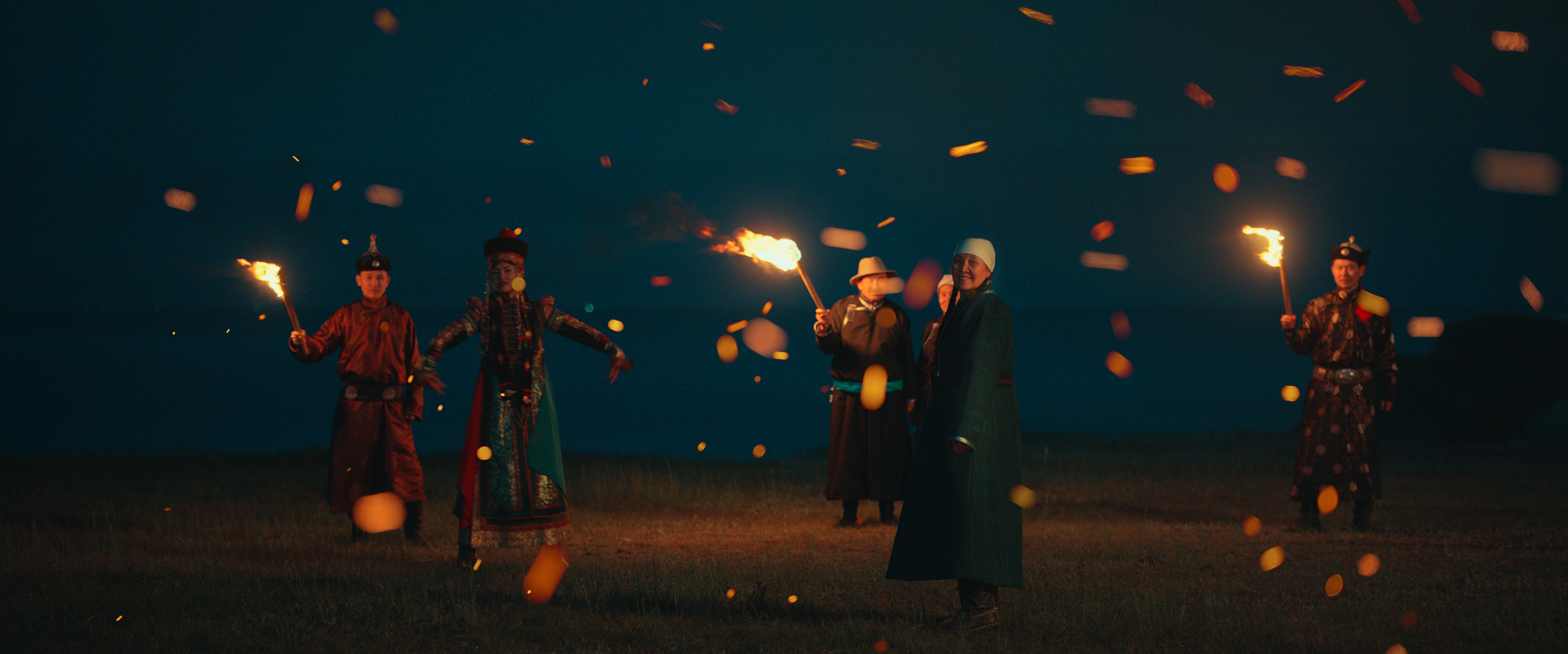
Qiao Sixue’s roving camera captures a real sense of poignancy along with mysticism in the moving final scenes in which Alus must say farewell to his mother, letting her go or perhaps return to the embrace of others in the “home” that she was always seeking. She thanks him for returning her to this “happy place” of music, fire, and dance that seems like something from another time or perhaps out of time. As she reminds him, the river never stops flowing though the flowers on Steppe cannot bloom forever. Through a series of surreal adventures, mother and son begin to reconnect while Alus quite literally rediscovers his roots and then like the river keeps going moving forward under the Mongolian skies taking the past with him into a new future on a journey towards a new home.


The Cord of Life screened as part of this year’s New York Asian Film Festival

Original trailer (Simplfied Chinese subtitles only)

Abang Adik (富都青年, Jin Ong, 2023)

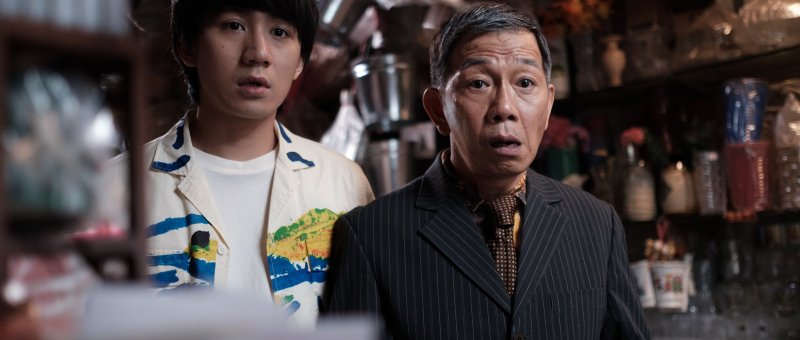
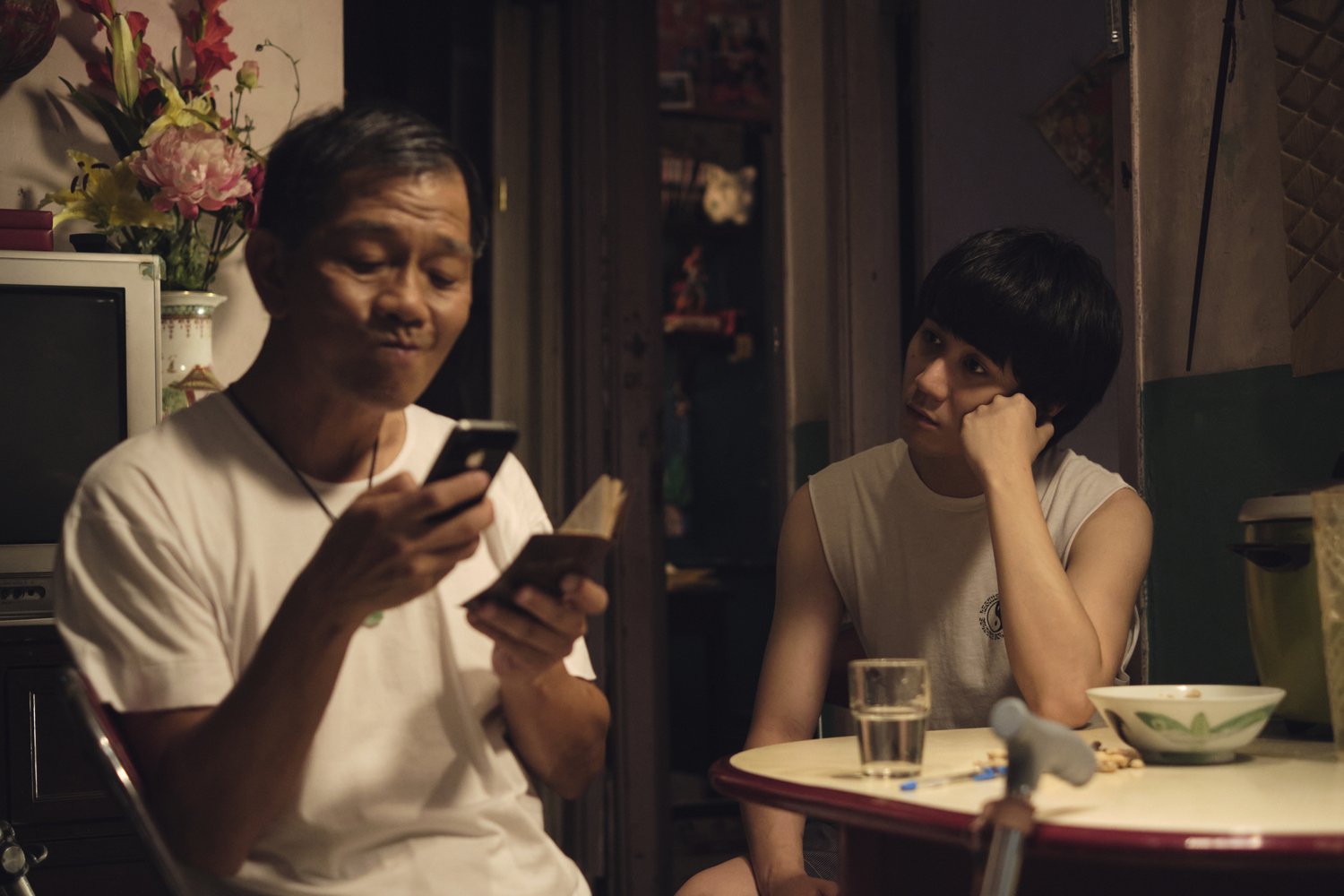
Displaced brothers find themselves trapped on the margins of a prosperous city in Jin Ong’s gritty drama, Abang Adik (富都青年). Essentially a story of brotherhood, Ong explores the fates of those largely cast out from mainstream society who must as one character later says be forever watchful, keeping a place to hide and to which escape while denied the most ordinary of things such as home and family for no reasons other than bureaucracy and prejudice. 

Both Abang (Chris Wu Kang-ren) and Adi (Jack Tan) were born in Malaysia but are technically undocumented and finding it difficult to replace their identification without things like birth certificates or access to other family members to help replace them. While Abang, who is deaf, is earnest and determined to do everything properly, Adi is sick of waiting for things to work out in his favour and has begun working as a middleman for traffickers to earn enough money to pay for a fake ID while supplementing his income with sex work. The pair are aided by social worker who tries to do her best to help get their documentation in order but finds herself with an uphill battle against implacable bureaucracy and governmental indifference. 

Ong spends most time with the brothers but makes clear the oppressive quality of the world inhabited by those trapped on the margins such as the undocumented migrants who become victims of a police raid following a tip from a broker taking kickbacks. As Adi later remarks they ask for workers to come and then they want them to go, irritated to see a policeman carrying a watch he appears to have just accepted as a bribe. With no other family members around them, the brothers have been cared for by a neighbour, transgender sex worker Money, who is like them locked out of mainstream society just for being who she is while Abang finds himself further disadvantaged by his disability and the difficulties involved in finding employment. 

Abang falls in love with a refugee from Myanmar but her family will soon be moved on to another country, while Ali develops feelings for one of his clients though she soon tells him she’s planning to move to another area to get married and enjoy a more stable if perhaps less financially comfortable life outside of the city. He offers to marry her instead, but really has nothing to give her other than his body. When a tragic accident sends the brothers on the run, they realise they have no one to rely on but each other and no real place to go. In a poignant monologue in the film’s closing scenes, Abang complains to a well-meaning monk that he is incapable of understanding his life or how difficult it has been for him to simply go on existing. He wishes that he could speak, that he had a family, that he had a safe space to call home and was not forever looking over his shoulder in case he had to leave in a hurry but instead all he gets is cosmic irony sacrificing himself to save Adi in the belief that he still has a chance at a better life if only he can swallow his pride, meet his father, and get an ID card. 

In the end they are both displaced, forcibly separated and pushed in opposing directions. Abang revisits their childhood, making paper aeroplanes as he once had with Adi and saying a final farewell with their ritualistic practice of cracking hardboiled heads on each other’s heads finding for a moment an identity as brothers reflected in each other. Ong shoots their marginalised existence in vibrant colour but also captures a sense of the city as oppressive and unwelcoming, as if it were actively ejecting them with its ubiquitous police patrols and constant danger while authority figures are largely corrupt and uncaring save the earnest social worker who ironically pays a heavy price just for wanting to help those who need it most. Melancholy if not exactly bleak, the film positions the brotherhood between the two men as a course of salvation allowing them to overcome a sense of despair in a society that seems all but closed to them.


Abang Adik screened as part of this year’s New York Asian Film Festival

Original trailer (Traditional Chinese / English subtitles)

Extreme Festival (익스트림 페스티벌, Kim Hong-ki, 2023)

Just about everything that could go wrong does go wrong for an embattled CEO of an events planning startup organising a local cultural event on short notice in Kim Hong-ki’s provincial comedy Extreme Festival (익스트림 페스티벌). Then again, according to one unexpectedly happy customer it’s the mess that makes them fun and it’s the very fact that’s not everything has gone to plan that has accidentally led to a pair of festival enthusiasts apparently having the best day of their lives. 

The first problem Hye-soo (Kim Jae-hwa) has is one that will largely be lost on international audiences. One week before the festival’s opening, the mayor decided to change its name from Jeongjong festival to Yeonsan-gun festival on the grounds that Jeongjong, the second ruler of the Joseon dynasty, is so little known that not even Hye-soo can correctly recall his full name. Yeonsan-gun is a lot more famous but largely because he was a tyrant remembered by history for all the terrible things he did during his reign like having his own mother executed and forcing huge numbers of women from across the country to serve as palace entertainers. As he does not share the same local connections as Jeongjong, the festival has to create a series of diagrams giving exact travel distances in an attempt to claim that Yeonsan-gun is “local” after all. In any case, Hye-soo has only agreed to handle the event to curry favour with the mayor in the hope of landing the contract for the much more lucrative salted sardine festival, which might go some way to explaining just how “local” all of this really is. 

Another problem is that Hye-soo was hired in part because of her business partner/boyfriend’s fame as a literary figure which is fast fading anyway because he’s been repeatedly publishing the same book in different editions for years. The relationship is on the rocks and Sang-min (Jo Min-jae) barely shows up leaving her embarrassed in front of their clients while he later rehires screenwriter Leo (Park Kang-sup) who had previously been let go under circumstances he finds confusing. Sang-min also goes ahead and hires the festival’s only volunteer, Eunchae (Jang Se-rim), as an intern without clearing it with Hye-soo first despite knowing the company has no money to pay her because its survival is dependent on landing the salted sardine contract. 

Eunchae represents a certain kind of small-town youth longing for escape and not least from her oppressive family environment where her brother appears to be king. Willing to do just about anything to be able to move out even if it’s not to the capital, Eunchae is excited about the new job opportunity but tragically thinks that Hye-soo’s company must be an established and successful place rather than a one woman operation with an “office space” full of boxes and electrical equipment. 

Meanwhile, Hye-soo is also affected by the vagaries of local politics in being subject to the whims of the mayor who suddenly demands that her performance artist son be added to the bill and that a group of actors hired to perform a historical piece inspired by the Literati purges which occurred under Yeonsan-gun’s reign should instead incorporate a bit about the end of the pandemic and “execute” the omicron virus instead before the king declares that herd immunity has been achieved. As expected, this doesn’t go down well with the actors who later stage a protest boycotting the festival on learning that their application for a grant from the local council has been turned down. 

It is all, as Hye-soo admits, a mess and one not helped by an ongoing clash of personalities not to mention goals between the mayor’s office and Hye-soo’s staff. A sub-plot revolving around a washed up Japanese popstar apparently trying to escape his sense of failure by hiding out in a random Korean village only adds to the crushing sense of defeat that marks the festival. Even the “celebrity” MC admits the reason he’s not been on TV for ages is that he’s not getting hired which is why he’s here, slumming it in the provinces as a virtual has been ringing the death knell on his career. But in the end it’s personal relationships and people learning to get over themselves that save the day. Hyesoo gains some much needed clarity on the directions of her personal life and business, willing to make a fool of herself to get back on track while others too readjust their expectations. A kind of warmhearted take down of the absurdities of local government events, the film is really a celebration of perseverance and the spirit of never giving up even if nothing seems to be going your way.


Extreme Festival screened as part of this year’s New York Asian Film Festival

Original trailer (Korean subtitles only)