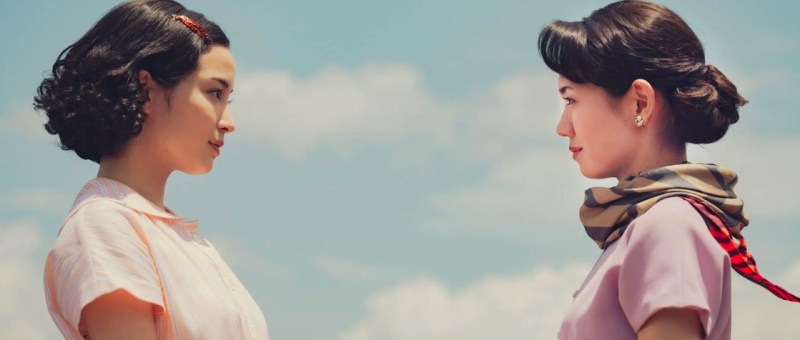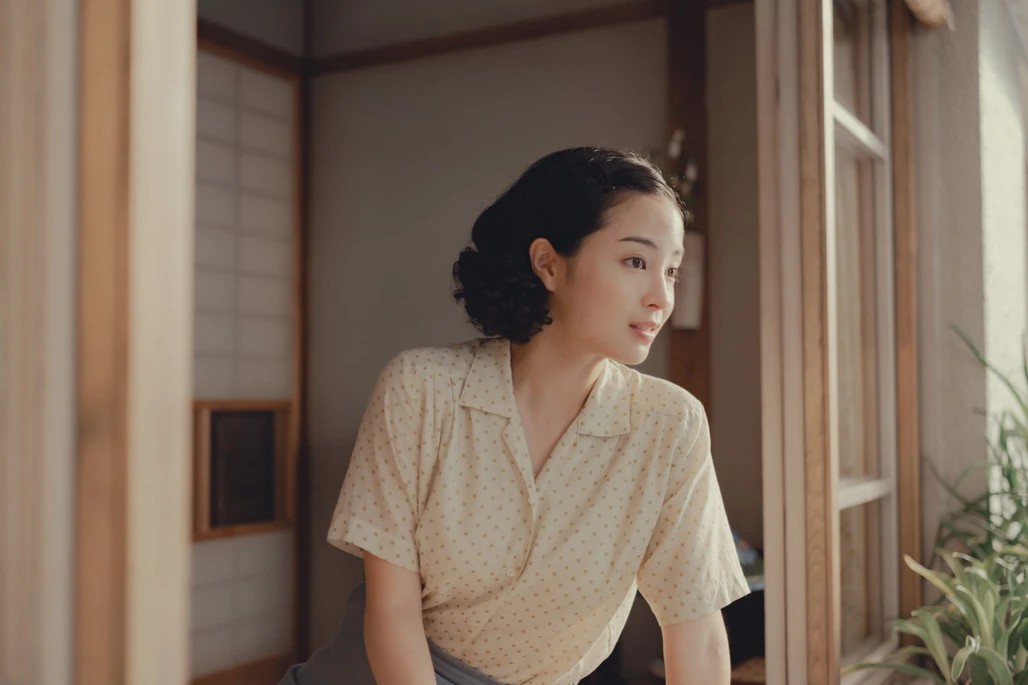
Sister Street Fighter: Hanging by a Thread (女必殺拳 危機一, Kazuhiko Yamaguchi, 1974)

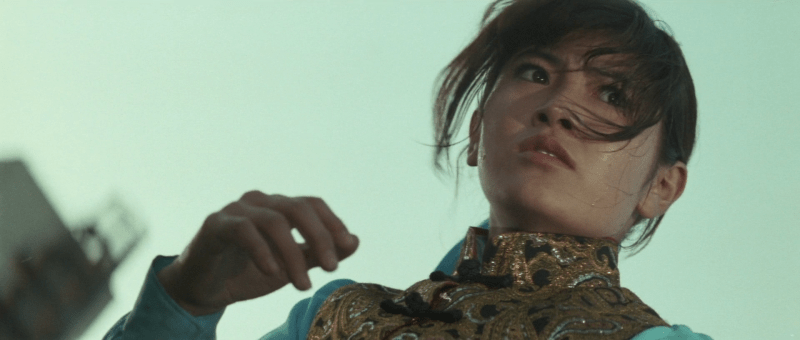
Li Koryu (Etsuko Shihomi) returns to fight crime in Japan in the second in the Sister Street Fighter series, Hanging by a Thread (女必殺拳 危機一, Onna hissatsu ken: Kiki ippatsu). The first film apparently tested so well so that studio execs ordered a second one right away to fill a big New Year slot. That might in one sense explain why the film is pretty much the same in terms of narrative, yet this one does go a little further while swapping the drugs subplot for diamonds.

Koryu comes to the aid of a man being attacked by thugs in a Hong Kong marketplace and is somehow completely unfazed when he plucks out his false eye with instructions to give it to Professor Enmei (Hideaki Nagai) who is also known to Koryu because he’s the father of her old school friend, Birei (Hisako Tanaka). Unfortunately, the false eye contains microfilm that suggests Birei has been kidnapped by vicious Japanese gangsters. The professor therefore sends her to Tokyo on a rescue mission and we discover that she also has an older sister, Byakuren (Kanya Tsukasa), who was never mentioned in the earlier film, who is living in Japan having chased her dream of becoming a jewellery designer.

This time around, it’s diamonds not drugs, but the gangsters still haven’t cracked this smuggling business and have come up with the very weird idea of hiding them in the bum cheeks of attractive young women. Meanwhile, they also force the women into sex work. Osone’s (Hideo Murota) female business partner Mayumi, played by Madam Joy, a drag queen who starred in several Toei films in the mid-70s, films them from a distant window to get material for blackmail. Nevertheless, she only cares about the diamonds, unlike the boss and several of the gang which once again includes a rival martial arts outfit who have in it for the Shorinji temple. 

Shinichi Chiba does not appear in the film, but Koryu does gain a kind of sidekick in the form of Tsubaki (Yasuaki Kurata), a sleazy-looking guy whose intentions are permanently unclear. The film goes a little bit further with its awkward orientalism opening in a Hong Kong marketplace with some offensively stereotypical music and a bunch of fire crackers, even if once again in trends in the opposite direction from most films of the time in that the crooks are all Japanese and it’s a half-Chinese woman who’s coming to sort them all out. The gangsters have apparently been trafficking the women abroad for sex work, then bringing them back with the diamonds in their bums which seems like a plan with a lot of potential problems even if they hadn’t made the huge mistake of kidnapping a friend of Koryu and then later her sister. 

But then again, Koryu’s cases seem to be fairly isolated. Once she takes out these bad guys, that’s it. There’s no wider conspiracy save a general sense that the world itself is corrupt and indifferent to human suffering. Osone has a strange love of taking people’s eyes, which might be a way to stop them seeing who he really is. He has, after all, already taken the stars from Byakuren’s along with her dreams of a new life in Japan finally becoming the jewellery designer she always dreamed of being. Despite her determination to save her sister, Byakuren soon realises that Osone is most definitely not a man of his word. His curiously old-fashioned outfits and demeanour suggest he’s seeking a place with the elites of an earlier time while indulging in some fairly odd behaviour. 

Once again, Koryu squares off against his equally weird henchmen who start attacking her the moment she lands in Japan, and eventually ends up stabbing someone with the severed arm of another enemy still holding his knife. Still, the tone is generally cheerful and upbeat despite the strangeness of the tale and series of losses Koryu experiences including a challenge to her pride when she’s bested by one of the martial arts goons. In this continually uncertain and increasingly surreal world, Koryu’s fists, it seems, are one of the few things that can absolutely be relied upon along with evil smugglers and their bizarre new plans for circumventing the law of the land out of nothing other than lust and greed.


Original trailer (English subtitles)
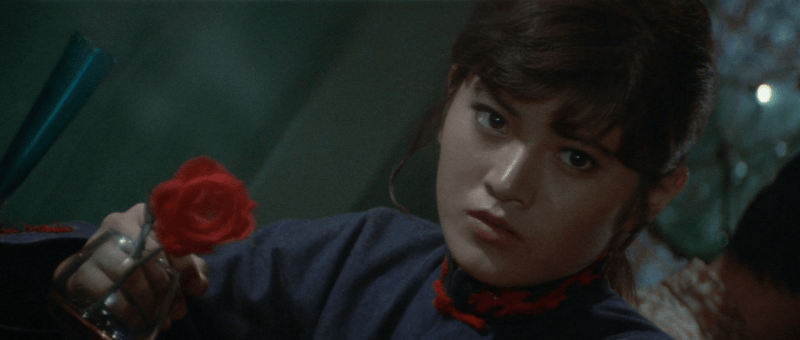
Sister Street Fighter (女必殺拳, Kazuhiko Yamaguchi, 1974)

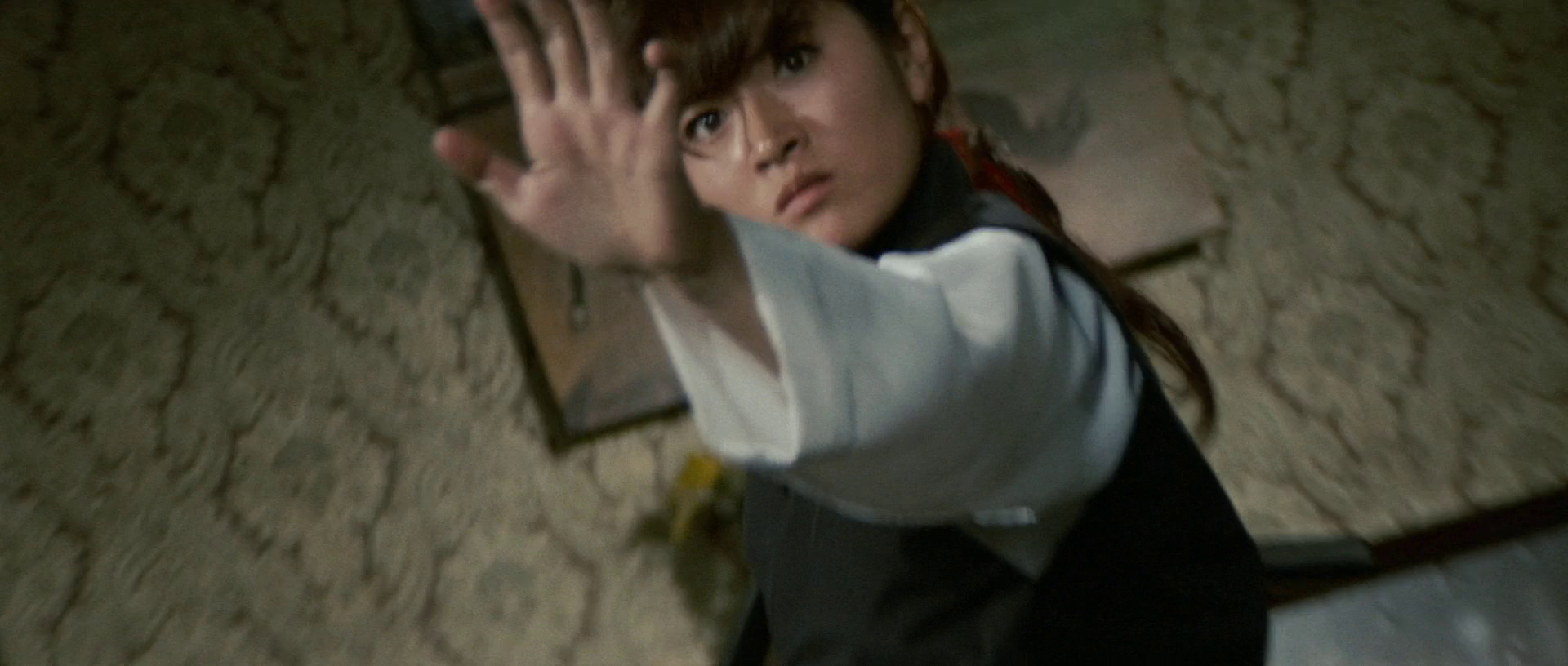
As the Japanese cinema industry continued to decline in the face of competition from television, there was perhaps paradoxically more space available for small-scale genre films. Shinichi Chiba had ushered in a new age of unarmed combat with his Bodyguard Kiba karate movies. The Street Fighter series followed hot on its heels and was enough of a hit for the studio to take notice. They suggested a new spin-off line that would feature a female action star with Chiba appearing in a supporting role and so Sister Street Fighter (女必殺拳, Onna hissatsu ken) was born.

Producers apparently first wanted Taiwanese-born Hong Kong actress Angela Mao who had starred with Bruce Lee in Enter the Dragon by which the film is clearly influenced. Angela Mao was, however, unavailable, which is what led them to take a chance on Chiba’s then 18-year-old protégé Etsuko Shihomi. Shihomi had joined his Japan Action Club out of high school to study stunts, martial arts, and gymnastics and had only limited acting experience but soon proved up to the challenge of carrying a movie as a female action lead. 

Koryu is the sister of a martial arts champion who has gone missing in Japan. She then finds out from his boss that he was actually an undercover narcotics agent trying to break a Japanese drug ring. As Koryu’s mother was Japanese and she still has family in Yokohama, the police inspector thinks she’d be a perfect fit to head out there, find out what’s happened to her brother Mansei (Hiroshi Miyauchi), and maybe take out the drug dealers too. 

In some ways, it’s an interesting subversion of the Sinophobia often found in Japanese films of this era that this time it’s a half-Chinese woman squaring off against Japanese drug dealers. Her brother was apparently so upset about not being able to stop the drugs flooding Japan that he decided to do something reckless that directly led to his disappearance. The Hong Kong police also have a second operative, a woman, working inside the gang but have lost contact with her. In contrast to Koryu, Fang Shing (Xie Xiu-rong) has been sent in as a classic honey trap to use her femininity as a weapon by becoming the boss’ mistress to get the lowdown on the gang. But as a consequence, Fang Shing has also become addicted to drugs which the boss uses as a means to control her. 

Koryu, by contrast, immediately stands up against male patriarchal control by beating up a bunch of guys that were trying to hassle her in a bar. Nevertheless, Mansei’s martial arts master says that her brother was hoping she’d get married and have a “normal life”, which does seem like quite a chauvinistic thing to say and especially to the martial arts-obsessed Koryu. Even so, he introduces her to another young woman, Emi, who got into Shorinji Kempo when Mansei saved her from being raped. These skills do after all give them the means to defend themselves against an often hostile and violent society along with granting them a greater independence than they might otherwise have.

Still, there are a selection of strange villains on show with death by blowgun and ex-priests along with the Amazon Seven team of Thai kickboxers and “Eva Parrish”, apparently the karate champion of the Southern Hemisphere. The action is quite obviously influenced by Hong Kong kung fu films and most particularly Enter the Dragon, though to a lesser extent Shaw Brothers in the warring schools subplot that sees the Shorinji Kempo love is power philosophy challenged by the gang’s very own martial artist, who feels he must wipe them out to overcome his humiliation in being defeated. Nevertheless, Koryu effortlessly takes out the bad guys as she battles her way towards saving her brother, whom the gang have started experimenting on in an effort to acquire more complex data about tolerance and safe levels for consumption of drugs. The bad guys have a full on lab in their basement where they’ve come up with an innovative solution to the smuggling issue by using wigs! It’s all quite surreal and cartoonish even when it starts getting grim, but rest assured Koryu is here to sort it all out, and sort it out she will.


Original trailer (English subtitles)
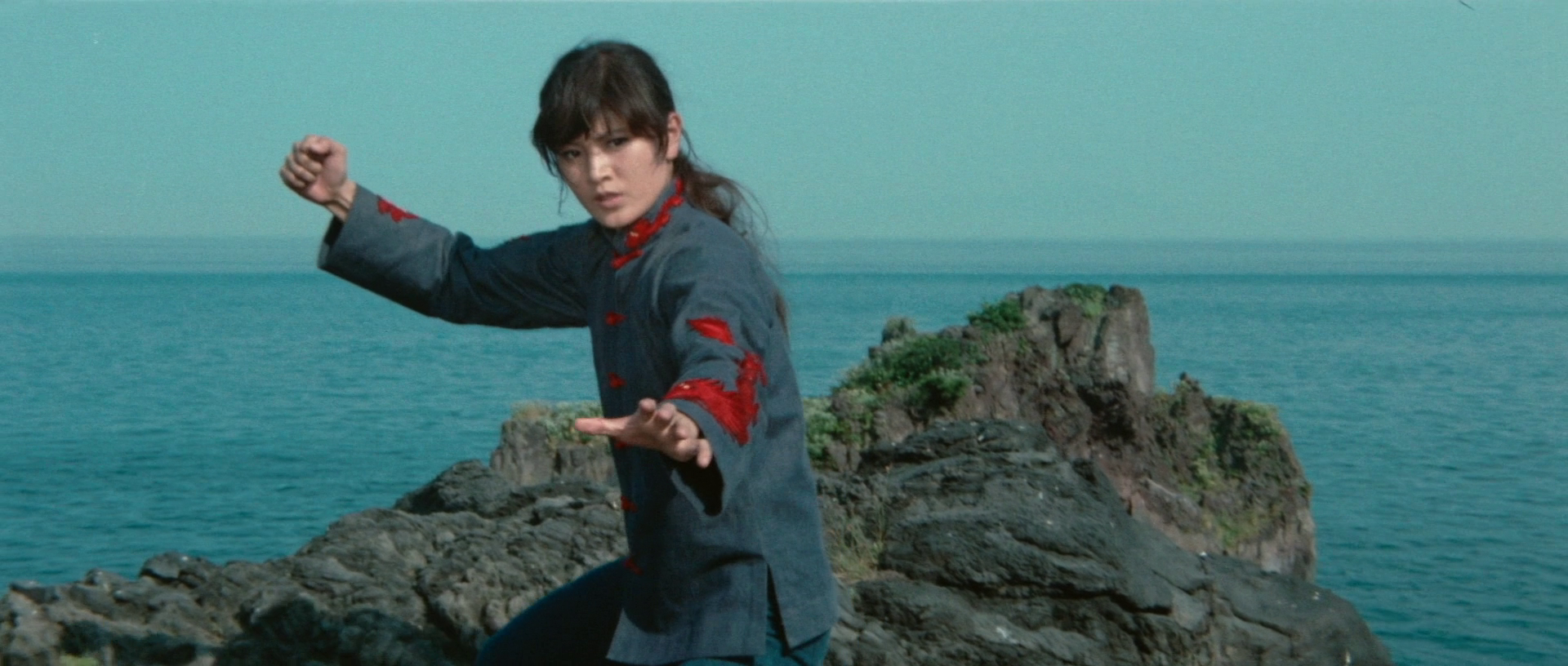
Reincarnation (輪廻, Takashi Shimizu, 2005)

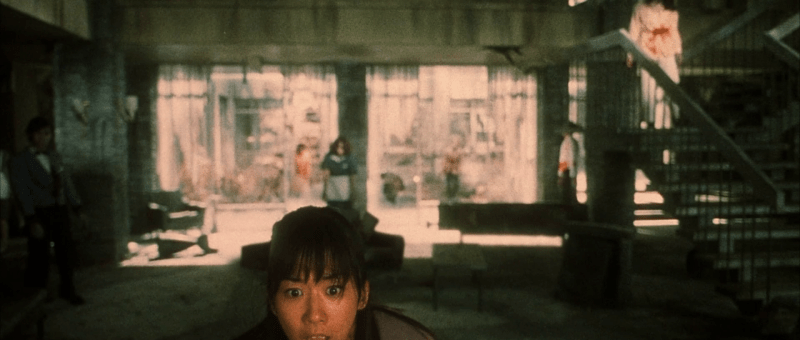
Do our memories just vanish when we die? The murderous professor at the centre of Takashi Shimizu’s Reincarnation (輪廻, Rinne) was apparently obsessed with just this question, along with that of where we come from when we’re born and where we go when our corporeal lives have ended. But there’s a curious irony at the film’s centre in the ways in which we consciously or otherwise seek to recreate the past that suggests we are locked into a karmic cycle even while within the mortal realm.

The most obvious sign of that is the director Matsumoto’s (Kippei Shina) obsession with the grisly murder case that took place 35 years previously. He means to recreate it literally by building an exact replica of the hotel where it took place, only he intends to refocus the tale on the victims, leaving the killer a mysterious force in the shadows. It’s clear that this traumatic incident has left a mark on the wider world, not only in its lingering mystery but the darkness with which it is enveloped, while Matsumoto seeks to exploit it either for commercial gain or reasons of his art. We’re told that, perhaps like Shimizu himself, Matsumoto is known for a particular kind of filmmaking, in his case one involving copious levels of blood and gore. 

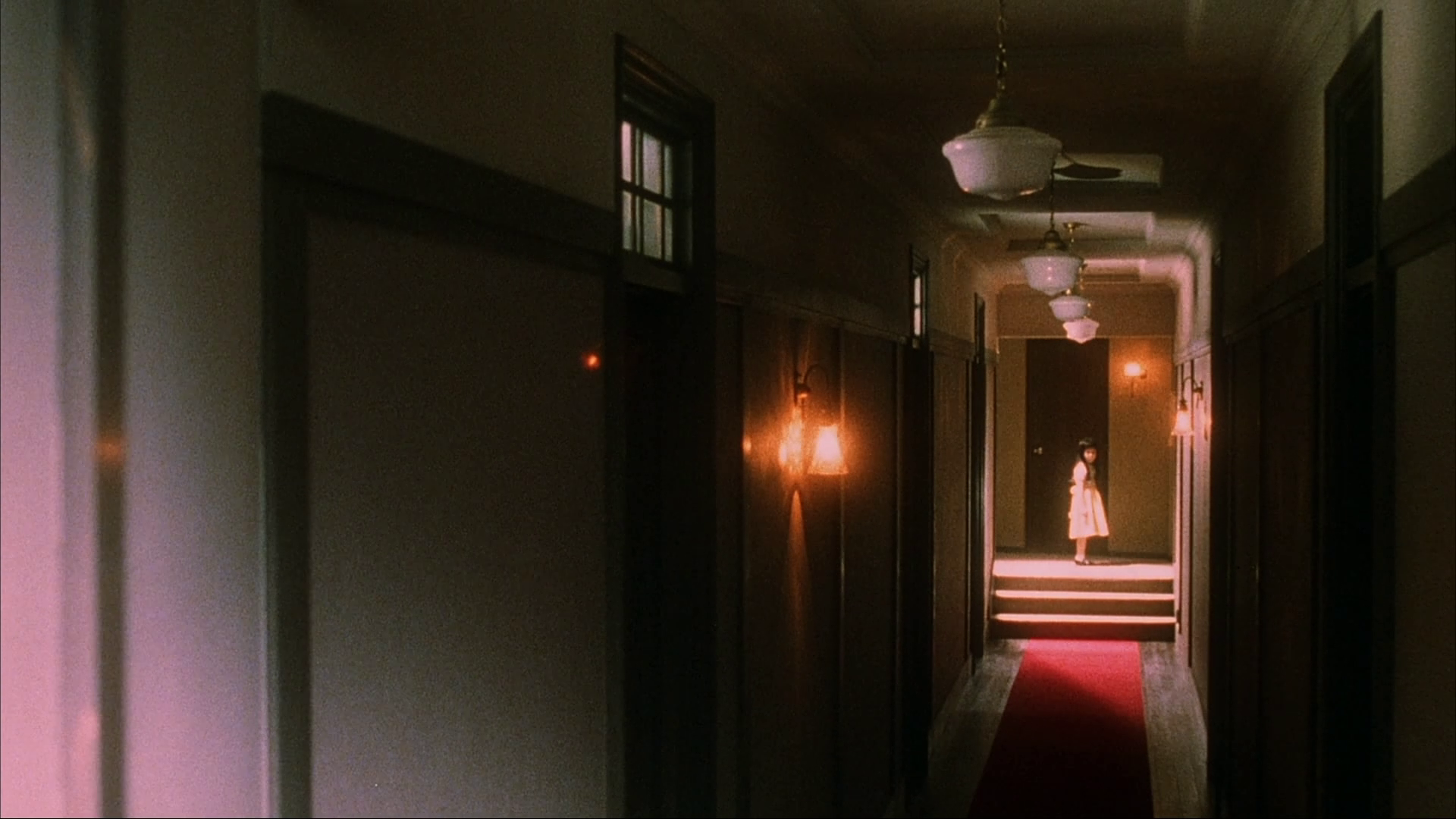
He’s drawn to aspiring actress Nagisa (Yuka) for unclear reasons, though her affinity for the material connects her intensely with this story as she too finds herself haunted by the figure of a little girl in a yellow dress carrying a huge and actually quite creepy doll. There is a sense that everyone is being drawn back here into the nexus of this trauma to play it out again, ostensibly for entertainment. Another actress at the audition, Yuka (Marika Matsumoto), seemingly kills her chances by bringing up that she has memories of being murdered in a past life and thinks that she might be able to put them to rest by acting them out. She too is connected to the hotel and possibly a reincarnation of a woman who was hanged during the incident, which is why she bears an eerie noose mark around her neck. 

Yuka is more literally scarred by a traumatic legacy, while those around her are merely curious or confused. Yayoi (Karina) has recurring dreams of the hotel which her parents can’t explain, leading to the suspicion that she too is a reincarnation of someone who died there, though all of the women were born long after the incident took place. Her professor at university (Kiyoshi Kurosawa) is cautious when it comes to the idea of the authenticity of memory. He teaches them about the concept of “cryptomnesia”, when a forgotten memory is recalled but not recognised as such, leading to accidental incidents of plagiarism in which the subject assumes their idea is original rather than a regurgitation of something they saw or heard long before but no longer “remember”. There is also, of course, the reality that many of our “memories” are effectively constructed from things others have told us of our childhoods that we don’t actually recall but are a result of our brain trying to fill in the blanks. Perhaps this might explain Yayoi’s dreams, that she came across the famous case at some point when she was too young to understand it and it’s implanted herself in her subconscious as an unanswered question.

Which is to say that perhaps it’s the memories that are being reincarnated in someone else’s head as much as it’s the disused hotel that’s become a place of trauma haunted by past violence and now inhabited by the pale-faced ghosts of those who died unjustly. The events themselves are constantly repeating just as the moments exist contemporaneously rather than in a linear cycle. Indeed, they are eventually preserved both through the film shot by the killer, witnessed as a document, and the film that Matsumoto was making, enjoyed as entertainment, but ultimately in Nagisa’s head where all concerned can indeed be “together forever” if now confined to eternal rest in the space of memory.


Trailer (no subtitles)

The Man Without a Map (燃えつきた地図, Hiroshi Teshigahara, 1968)

Hired to find a missing person no one really wants found, a detective begins to chase his own tail amid the impersonal vistas of the contemporary city in Hiroshi Teshigahara’s The Man Without a Map (燃えつきた地図, Moetsukita chizu). The fourth and final in his series of Kobo Abe adaptations and the only one in colour, the film’s Japanese title “burned-up map” may also, in its way, refer to the city of Tokyo which appears blurred out and indistinct in the sepia-tinted opening and is thereafter frequently shot from above as a depersonalised space where anonymous cars shuttle along highways like so many ants moving in rhythm with the momentum of the metropolis.

We follow a nameless detective (Shintaro Katsu) as he’s charged with investigating the disappearance of a 43-year-old salaryman, Hiroshi Nemuro, who turns out to have myriad other personalities and hasn’t been seen for six months. The man’s wife, Mrs Nemuro (Etsuko Ichihara), is not terribly helpful and the detective comes to wonder if the investigation itself is intended to further disguise the man’s whereabouts and prove that he really is a “missing person”. Yet this Tokyo is full of “missing people” including the detective who, we later learn, is a kind of fugitive himself. He apparently walked out on his wife (Tamao Nakamura), the owner of a successful boutique, because he couldn’t find his place there any more. He was once a salaryman too, and became a detective because it was the furthest thing he could think of from a regular job. 

It confuses him that no one really seems to be interested in where Nemuro is or if he’s alright, only in the reason behind his disappearance. The more he chases him, the more he begins to take on Nemuro’s characteristics as if he were intended to slide into the space Nemuro has vacated. Toru Takemitsu’s eerie harpsichord score only seems to add to the hauntingly gothic quality of this quest. The question is whether such a thing as identity even exists any more. The detective puts on Nemuro’’s jacket, though it’s too small, and is mistaken for him, while a colleague of Nemuro’s insists that he’s seen him in the street and is sure it was Nemuro simply because of the unusual colour of his suit without ever seeing his face. Tashiro (Kiyoshi Atsumi) tells the detective that Nemuro had a secret hobby taking nude photos at a specialist club that caters to such things. The two of them are confident they’ve identified the woman in the picture based on her haircut, but the girl they speaks laughs and takes off her wig explaining that she was merely asked to wear it, so the woman in the photo could be anyone, including Nemuro’s own wife.

Nemuro apparently had a series of hobbies for which he’d obtained certificates because he said that having them helped him to feel anchored in his life, though he’s apparently unmoored now. Like the detective, he may have been trying on different personalities from car mechanic to school teacher looking for the right fit and a place he felt he belonged in rebellion against the depersonalisation of the salaryman society in which one man in a suit is as good as another. The detective finds an opposite number in the missing man’s brother-in-law (Osamu Okawa), a very modern, apparently gay gangster connected with a network of male sex workers sold on to influential elites, and a commune of similarly displaced people working as casual labourers that is overcome with corporate thugs and eventually trashed.

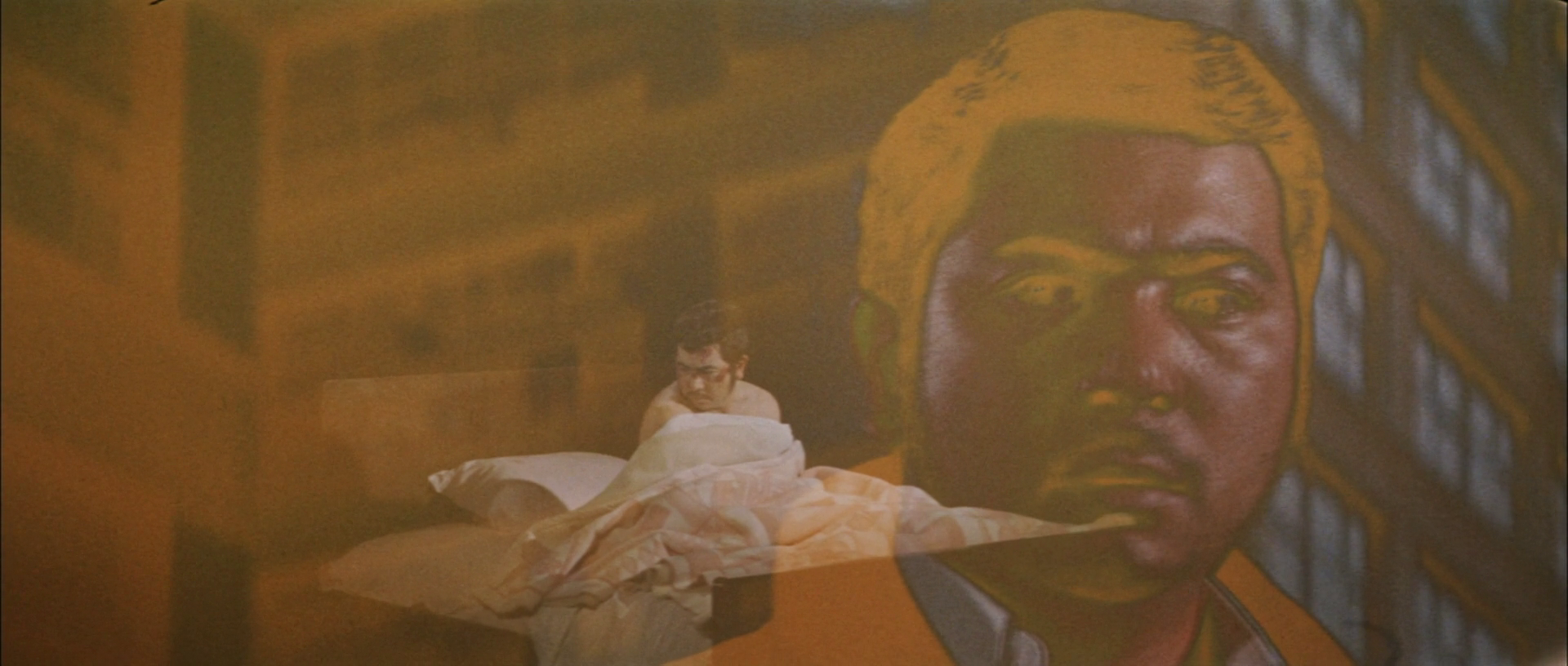
The trashing of the commune may have something to do with a man named Maeda who is a councillor in a town no one’s heard of, but was possibly involved in some shady business over which Nemuro may have been intending to blackmail him or blow a whistle with the assistance of his brother-in-law who helped him land a big contract at work. The more the detective investigates, the more confused he becomes. It’s impossible to follow the case as we might expect in a conventional noir thriller, but we’re not supposed to be looking at Nemuro’s disappearance so much as the detective’s gradually fracturing sense of self as he becomes lost in the anonymous city. He sees himself bury Mrs Nemuro in leaves only for her body somehow reduce itself to its component parts and sink into the street. Later her face is superimposed on the buildings as if she were looking down on him while he is lost and alone. Nemuro’s face also appears on buildings, though more as a metaphor as if the salaryman and the office building were one and the same and the reason the detective can’t find him is because he doesn’t really exist as a concrete identity. The detective spots a dead cat in the road and laments that he never thought to ask its name, but will try to think up a good one later. He might as well be talking about himself, now displaced, unmoored, and pursued among the city streets, a man without a map lost amid the simulacrum of an imaginary city.


A Pale View of Hills (遠い山なみの光, Kei Ishikawa, 2025)

A young woman returns home at a moment of crisis, but finds herself with only more questions in an attempt to understand her mother and her decision to leave Nagasaki for the UK 30 years previously in Kei Ishikawa’s adaptation of Kazuo Ishiguro’s debut novel, A Pale View of Hills (遠い山なみの光, Toi yama-nami no Hikari). Set alternately in 1952 and 1982, the film positions the Greenham Common anti-nuclear protests as a point of connection between the two nations and the reason that Niki (Camilla Aiko) is currently so interested in her mother’s story seeing as there’s increased interest surrounding the atomic bomb, even if her editor keeps asking her about “Hiroshima”.

Another reason for Niki’s sudden return is that the editor is a married man Niki has been having an affair with. It seems she’s made a significant investment in the relationship by dropping out of university to work as a reporter, but despite saying he would, he has not left his wife and Niki suspects she may now be pregnant. All of which encourages her to investigate the relationship she has with her mother, Etsuko (Yo Yoshida / Suzu Hirose), and her late sister Keiko with whom she did not seem to get on, through tracing back her Japanese roots and trying to understand her familial history.

But what Etsuko, who is abruptly selling the family home, tells her is confusing and indistinct. Much of Etsuko’s story doesn’t line up, and we understand in part why later, but it seems almost as if the lacunas and contradictions are intentional and designed to hint at the ways we paper over cracks in our identities or create new mythologies for ourselves in an attempt to escape the traumatic past. Etsuko found a more literal escape in coming to the UK, but there’s something a little poignant about the way she says she thought there’d be more opportunities here and that Keiko would have had the chance to be anything she wanted which Japan would have denied her. Later she suggests that she always knew the UK wouldn’t be good for Keiko, but she came anyway. 

Now she’s selling the house, literally unpacking the past, Etsuko has begun dreaming about a woman she knew, Sachiko (Fumi Nikaido), and her daughter, Mariko, who lived near her in Nagasaki when she was pregnant with Keiko. Whereas Etsuko and her salaryman husband Jiro (Kohei Matsushita) live in a flat on a “danchi”, aspirational post-war housing estates for young families, Sachiko lives in a rundown shack across the way where the neighbours gossip about her for entertaining American soldiers who are still in the country post-Occupation because of the Korean War which is also what’s fuelling the economic recovery. Sachiko has met a man called Frank who says he’ll take her to America, but she doesn’t really believe him. 

On the one level, it seems that Etsuko and Sachiko are mirror images of each other yet they are in other ways alike, while their stories share several details in common. What unites them is that they both experienced the aftermath of the bomb, though Etsuko has been careful not to disclose the extent of her exposure and is now fearful of what effect it may have on the baby along with on her relationship with her husband who appears to share some of the prevailing social prejudice against those who were exposed to radiation. Jiro, meanwhile, is a distant workaholic who criticises Etsuko for not being more “motherly” and sees her as little more than a domestic servant. He has a damaged hand from his wartime service that seems to reflect his wounds, but still rolls in drunk occasionally singing war songs with his inconsiderate friends. 

When his father, Ogata (Tomokazu Miura), announces he’s coming to stay with them, Jiro is pleased to see him but rebuffs his request that he talk to an old school friend, Matsuda (Daichi Watanabe), about an article he published claiming that it’s a good thing that teachers like Ogata were let go after the war. Ogata evidently feels hard done by, but it’s also true that the cause of his son’s animosity towards him is that he was a card-carrying militarist who cheered when he left for the front and indoctrinated children with imperialist ideology in his job as a teacher. He is the past Japan must move on from, and a representative of the wartime generation by which the young of today feel betrayed. As Matsuda tells him, it’s a new dawn. Ogata has to change, and so does everyone else including Etsuko who may not be as happy in her marriage as others might assume and may well be seeking other paths towards self-fulfilment rather than allow herself to become another miserable, self-sacrificing housewife.

Even so, the contradictory message seems to be that perhaps you can’t actually move on from this past and Keiko, in particular, may have been changed by her exposure not to the bomb but it’s aftermath, the terrible things she heard and saw amid the wreckage and the stigma she faced afterwards. The artificiality of the Japanese sets might speak to the slipperiness of Etsuko’s memory, as if she were observing a film of herself rather than recalling real events or else reimagining them differently so they play out a little more cinematically, in comparison to the concrete reality of the Sussex bungalow which perfectly captures a lived-in Britishness of the early 1980s. In many ways, Niki might not have clarified very much at all, or perhaps begun to accept the idea that not knowing doesn’t matter in coming to understanding of her relationship with her mother and along with it of herself as she too decides it’s time for change.


A Pale View of Hills screens 16/18th October as part of this year’s BFI London Film Festival.

Trailer (English subtitles)
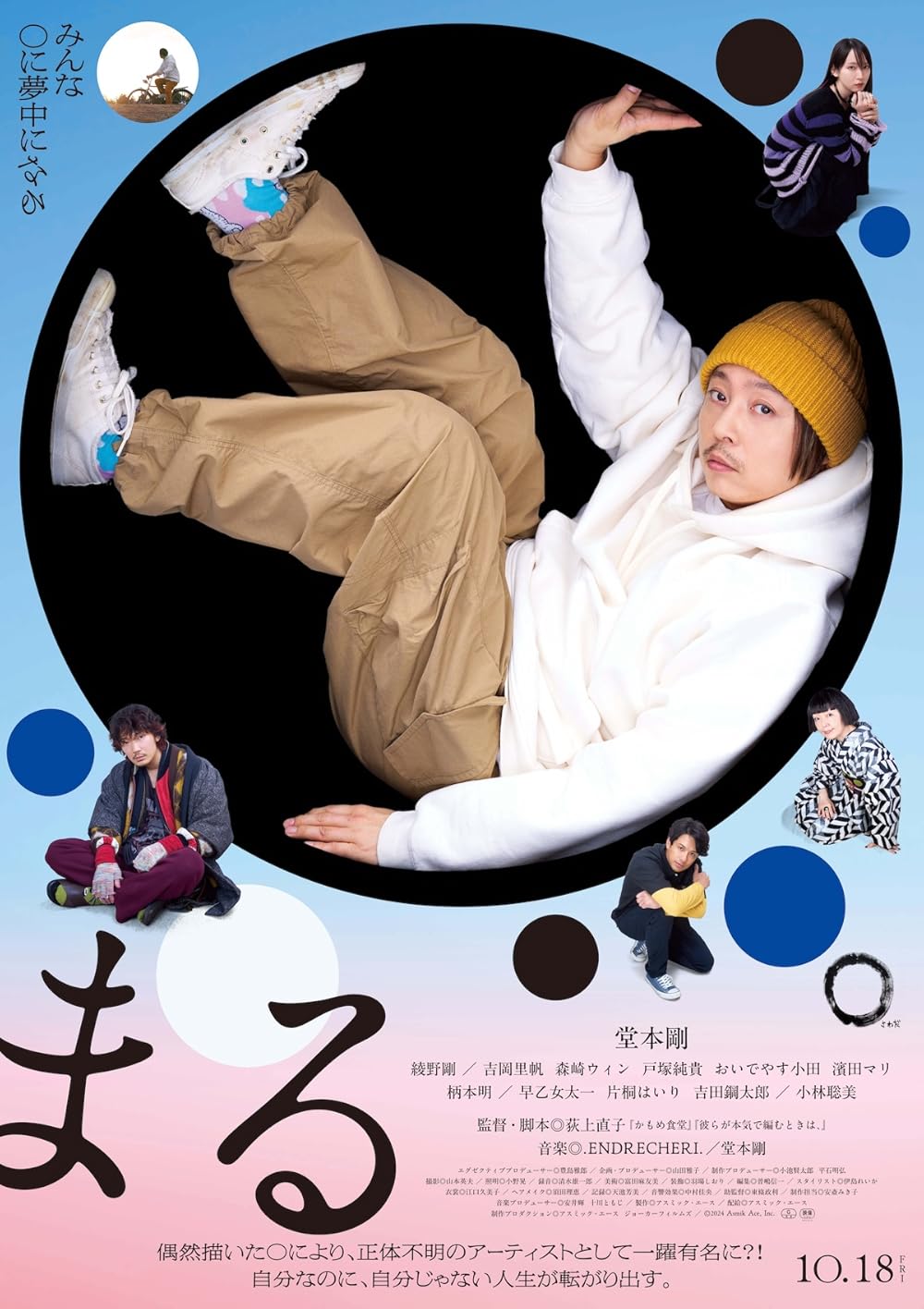
Dawn Chorus (暁の合唱, Hiroshi Shimizu, 1941)

“Before me flows a wide and serene river of life,” a young woman writes in an unexpectedly poetic essay, “I beg you to pray for my just and happy future.” Yet Tomoko (Michiyo Kogure) does appear to be pretty happy with her choice, even if the just future she’s forging for herself might not be what others see as just. Though she cites her family’s poverty and a minor disability as her reason for giving up on education, there seems to be another side of her that eagerly embraces independence and looks for it in unexpected places.

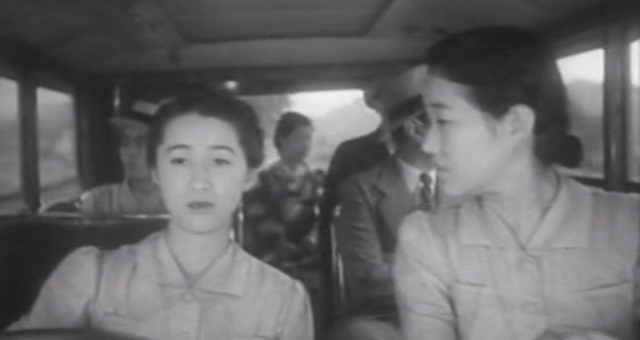
That would be her desire to become a bus driver, an occupation then thought to be inherently masculine. Perhaps in that way, it reflects her desire to be in control of her own destiny, while her apparent love of life on the bus hints at another for travel and ever-expanding horizons. Another of Shimizu’s travelling films, he often as in Mr Thank You includes scenes shot through the bus’ rear window including that of a flock of boys off to school on their bikes that makes Tomoko think of her stepbrother Ginjiro (Giichi Okita) who has a voracious appetite despite their family’s poverty. There are indeed all kinds of people who get on the bus, including, at one point, a melancholy woman in a bridal outfit who nevertheless pitches in when the bus gets stick in a ditch and needs a push. Tomoko fixes the bride’s makeup and gives her her compact, but there’s no avoiding the fact that she looks miserable despite the joy of the older women accompanying her.

Even Tomoko remarks that she isn’t sure whether her tears were in joy or sorrow even while wishing her a broad-shouldered husband. Later the bus catches her again trailing behind the man to whom she was married, older than her and not particularly handsome, pulling a cart. She still doesn’t look very happy, and is presumably bound for a life of drudgery over which she has little say. Her fate contrasts with that of Tomoko who is actively choosing her way forward even if the bride’s plight forces Tomoko to think about marriage and her womanhood as does the birth of a baby on the bus. Everyone is always telling Tomoko that she ought to get married quickly, and not least among them Eiko (Kiyoko Hirai) who declares herself tired by life. Working for a newspaper, she had apparently been the girlfriend of Saburo (Toshiaki Konoe) whose late brother once owned the company while now he runs a cinema. Saburo has apparently tired of her, though he appears to have developed a fondness for Tomoko which might seem slightly problematic to modern eyes because of Tomoko’s relative youth while she is in the process of coming of age and into herself uncertain if marriage is even something that she’s interested in.

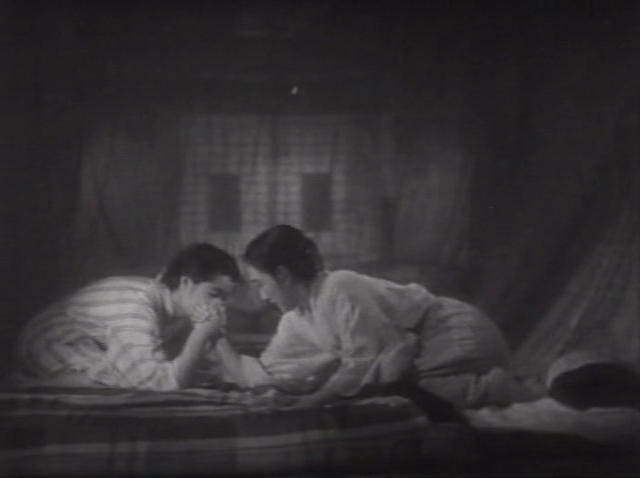
On the other hand, her tomboyish qualities leave her in a slightly liminal space as reflected in her desire to become a driver, rather than a conductress. In learning to drive, she mostly wears trousers while Eiko remarks on her “big hands” and she prides herself on her physical strength when engaging in an impromptu arm wrestling match with Yoneko (Hiroko Kawasaki), the widow of Saburo’s brother who now manages the bus company and has a crush on handsome driver Ukita (Shin Saburi) who also had to drop out of university for undisclosed reasons. Tomoko loses the match because she’s overcome by tears without really knowing why, which might in its way be a manifestation of her returning femininity along with her maturity, but there’s also something strangely transgressive about the scene featuring two women under mosquito net randomly arm-wrestling in the middle of the night.

Nevertheless, Tomoko’s life seems otherwise happy and pretty care free even if there are signs of corruption all around her. One of her first challenges while working as a conductress is an old woman (Choko Iida) who tries to get out of paying. It seems like the old woman probably can’t really afford to pay, but puts on a show of having tried to cheat them deliberately to save face. She suggests to Tomoko that she simply neglect to punch a ticket and pocket the money she’s already given her, until the bus driver, a man, gets out to exert his authority and tell her off despite Tomoko’s offer to make up the shortfall out of her own money. Later it’s discovered that two of the other conductresses have been made unhappy enough to consider quitting their jobs and are deliberately avoiding riding with one particular driver because he’s forcing them to embezzle ticket money in this way on his behalf, hinting at a kind of greed and immorality that might not necessarily be motivated by abject poverty.

It is though a presence Tomoko is able to dispel, bringing on Kimie (Chiyoko Fumiya) as her own conductress when she finally becomes a driver in her own right. Though the film hints at her feelings for Saburo, it does not end on marriage but with Tomoko’s personal fulfilment if tempered by the idea that a woman must now be useful and productive in the wider world while the men are away which might be how it gets around the censors despite otherwise avoiding overtly patriotic or imperialistic themes. Based on a novel by Yojiro Ishizaka, the film rather validates Tomoko’s desire to take charge of her life and drive off towards the future as an independent woman.


Samurai Fury (室町無頼, Yu Irie, 2025)

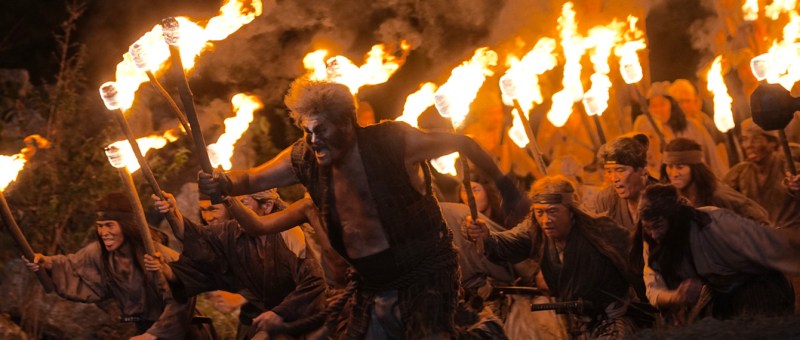
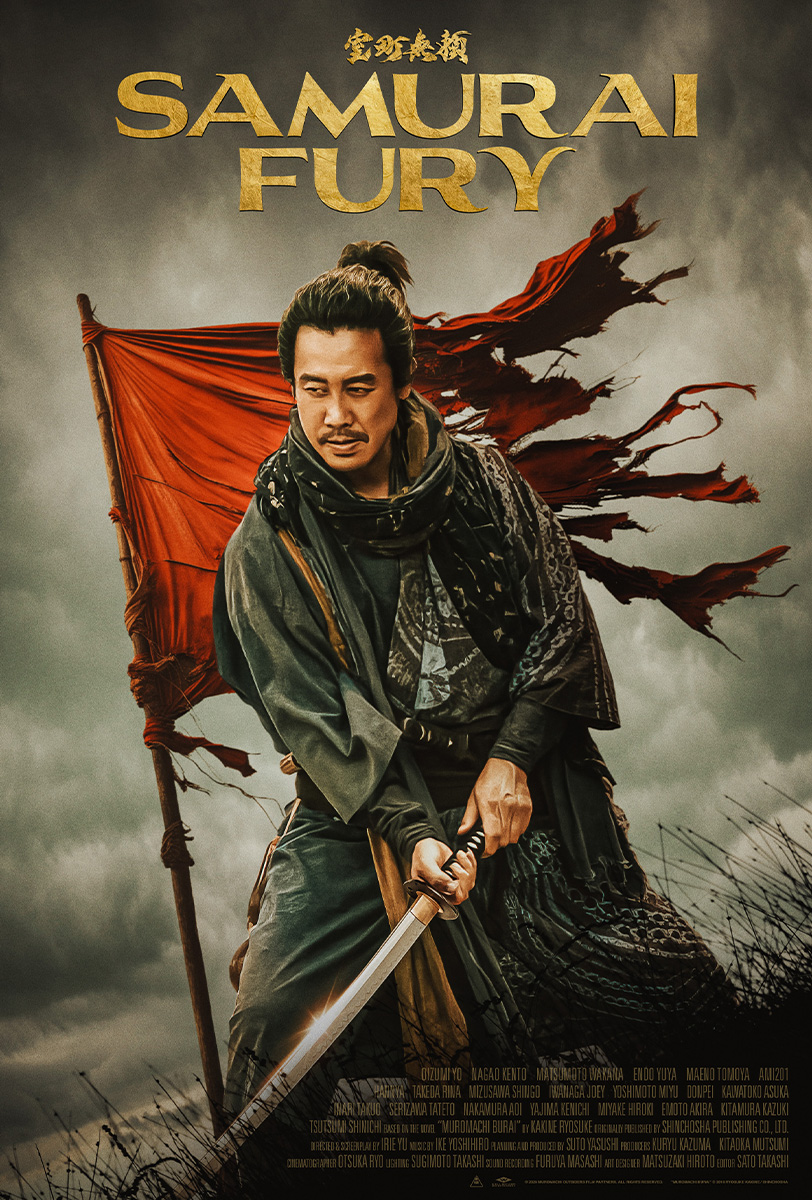
Retitled Samurai Fury (室町無頼, Muromachi Burai) for it’s US release, Yu Irie’s Muromachi Outsiders is indeed a tale of righteous anger though like many jidaigeki the rage is directed towards the corrupt samurai class and wielded by a ronin with a noble heart. Based on a novel by Ryosuke Kakine, it recounts a rebellion that took place five years before the Onin War that would lead to the end the Ashikaga Shogunate and initiate the Sengoku or warring states period that lasted until the Tokugawa era began. 

The cause is, really, the incompetent government of shogun Ashikaga Yoshimasa (Aoi Nakamura) who is largely seen here gazing out at his view from the palace in Kyoto which he is obsessed with rebuilding. Meanwhile, famine has taken hold following a period of drought that ended with a typhoon and flooding of the river Kamo, and the starvation has also led to a plague. Between the lack of food and disease, 82,000 people will die, but the government doesn’t really do anything because they don’t think the lives of peasants are all that important. This is of course very shortsighted because someone has to plant all that rice that gets delivered to the palace and they can’t do that if they’re too busy starving to death. In the opening sequences, peasants are whipped and beaten as they transport a giant rock for the shogun’s new garden, though when it gets there he doesn’t like it. Meanwhile, a giant pile of bodies in approximately the same shape is dumped at the edge of the river where they’re burning the dead.

The farmers are forced to take such onerous jobs for extra money because they can’t produce enough to pay their taxes which the samurai keep putting up. To make up the shortfall, they have to take out loans from usurious monks who seize their property or take their wives and daughters when they can’t pay. A young man pressed into working for debt collectors from the temple is told to kill a man who owed them money but hits the barrel beside him instead and exposes him for keeping his seed grain without which he won’t be able to plant more rice but they’re going to take that anyway which means that in the end everyone is going to starve. A village favoured by the hero, Hyoe (Yo Oizumi), is also subject raids from disenfranchised ronin who’ve taken to banditry to survive. 

Hyoe is also a ronin, but in his life of wandering he’s found a kind of freedom even as he straddles an awkward line, sometimes working with an old friend from the same clan, Doken (Shinichi Tsutsumi), who has turned the other way and is now the security chief for the government in Kyoto with his own gang of bandit dent collectors. Hyoe’s role is, ostensibly, to stop peasant uprisings, which he does, but mostly because he knows they’re pointless and the farmers armed with little more than hoes and stolen armour will simply be massacred, but he’s also secretly plotting a giant rebellion of his own, harnassing the forces of the ronin and the fed up peasants to storm the capital, burn the debt agreements, and rescue the women taken in lieu of payment. 

But to do so means he’ll have to betray his oldest friend and that he likely won’t survive. Still he thinks someone’s got to do something about this rotten world and sees a better one beyond it if only they can throw off the yoke of the samurai class that thinks peasants are the same bugs to squeezed dry under their boots. That’s perhaps why he trains a young successor, knowing that can’t remake the world with just this one assault on the mechanisms of government and that even if they get rid of the drunken fool Lord Nawa (Kazuki Kitamura), someone not all that different will pop up in his place. “Tax is supposed to improve people lives,” one of the revolters screams at a young soldier, not pay for a new wing at the palace, though it’s a lesson the young shogun seems incapable of learning even as the city burns all around him. 

Taking a leaf out of The Betrayal’s book, the climax is a lengthy action sequence in which Hyoe’s apprentice Saizo (Kento Nagao) takes on half the Kyoto garrison single-handed armed only with his staff. Though the themes are common enough for jidaigeki, though in truth jidaigeki mainly refers to films set in the Edo era under the Tokugawa peace, Irie modernises the way battle is depicted to incorporate wuxia-style wirework and rooftop chases along with martial arts training sequences for the young Saizo who learns the way of the warrior from a cackling old man with a long white beard (Akira Emoto) who has also taken in a young Korean woman (Rina Takeda) who was sold to a brothel by her father in just another one of the injustices of the era but has now become a badass archer and another of Hyoe’s righteous avengers. Solidarity is it seems the best weapon, along with biding your time and knowing when to retreat because this is a war that’s never really won but only held back while the powers that be never really learn.


Samurai Fury is released Digitally in the US Oct. 7 courtesy of Well Go USA.

Trailer (English subtitles)
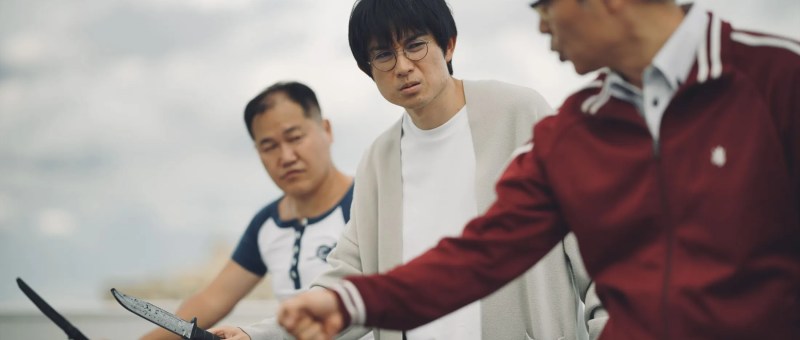
Maru (まる, Naoko Ogigami, 2024)

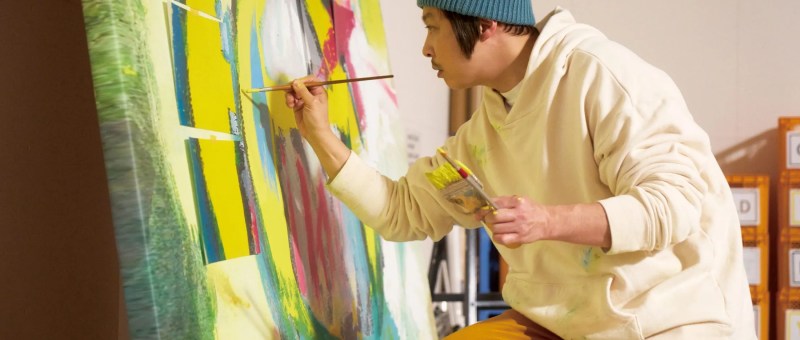
Taken to task by a coworker (Riho Yoshioka) for allowing himself to be exploited as an assistant to an internationally famous artist who views them as little more than tools and takes all the credit for their work, Sawada (Tsuyoshi Domoto) asks if she knows who built Horyu Temple. He has to supply the answer himself, Prince Shotoku. But of course, he didn’t. It wasn’t  as If he drew up the plans or cut the wood with his own hands. 1300 carpenters built it, but no one thinks about them. Only about Prince Shotoku, because he commissioned the work and paid for it. Sawada doesn’t think what he’s doing is all that different, and that times haven’t really changed all that much. Not many people get to make a living doing what they love, so perhaps that’s enough for him. 

But his colleague asks if he sees himself more as a worker than an artist, as if she were unintentionally making a value judgement on the nature of art. The line between artist and artisan maybe so thin as to not exist, but why is it that we think of art which is perceived to have a practical application differently from that which we assume is intended only as a means of self-expression? “What about your own art?” she asks Sawada, but he doesn’t really have a notion of it because he’s been so focussed on earning a living as part of a wider capitalist superstructure in which art too is a commodity. Akimoto (Kotaro Yoshida) is basically running an art sweatshop mass-producing pieces for an international market and operating it like a brand in which everything is released under his own name. When Sawada falls off his bike and breaks his dominant arm, Akimoto simply fires him.

But then, things begin to get strange. Sawada draws some circles with his left hand and includes them with a few things he plans to sell to a second-hand shop where they’re picked up by a strange man who describes himself as a “magician who can’t do magic” and offers him fantastic amounts of money for his work even though all he did was draw a circle. Sawada discovers what he drew is called an “enso” and represents “serene emptiness”, but at the same time others seem to project whatever they want to see in the hole inside while Sawada himself is uncertain what should be there. The magician tells him that his follow-up work is no good because his enso are full of desire in his newfound lust for fame and riches, but at the same time he and his art have also become a commodity and like Akimoto he’s locked into producing more of what people want rather than expressing himself or finding artistic fulfilment. 

His colleague returns to attack him again. Now she criticises him for exploiting art to make money. “Art that’s expensive and just for a few wealthy people isn’t real art,” she says. She sticks to her message that the labour of those like her is being exploited and the world is set up for a few wealthy elites. Their chant of “we want sushi too” might seem flippant, but it represents the world that they’re locked out of. Sawada’s incredibly intense, struggling mangaka neighbour is obsessed with getting sushi too, though there’s plenty of it on the buffet at Sawada’s show which Sawada eyes hungrily. Eventually he’s reduced to grabbing some to eat on his own in a stairwell, signalling his liminal presence within this space. He’s the artist and it’s his show, but he isn’t really part of this world and no one’s really interested in him except when he’s giving mystical quotes as part of his marketing brand. 

The conclusion that he comes to that his art at least should exist for art’s sake. That all he ever wanted to do was paint as a means of being true to himself, only that simple desire has got lost amid the complications of modern life. It’s very hard to draw circles of serenity when you’re living in a rundown apartment block with a worrying subsidence problem and your neighbour screams all night in despair before punching a hole in your wall which you’ll probably have to pay to have fixed. Nevertheless, through Ogigami’s elliptical tale, Sawada does perhaps begin to find a path back to his own art or at least what art means to him which is after all what’s in the middle circle even if all anyone looks at is the edges. 


Maru screened as part of this year’s Camera Japan.

Trailer (no subtitles)

The Man Who Failed to Die (死に損なった男, Seiji Tanaka, 2025)

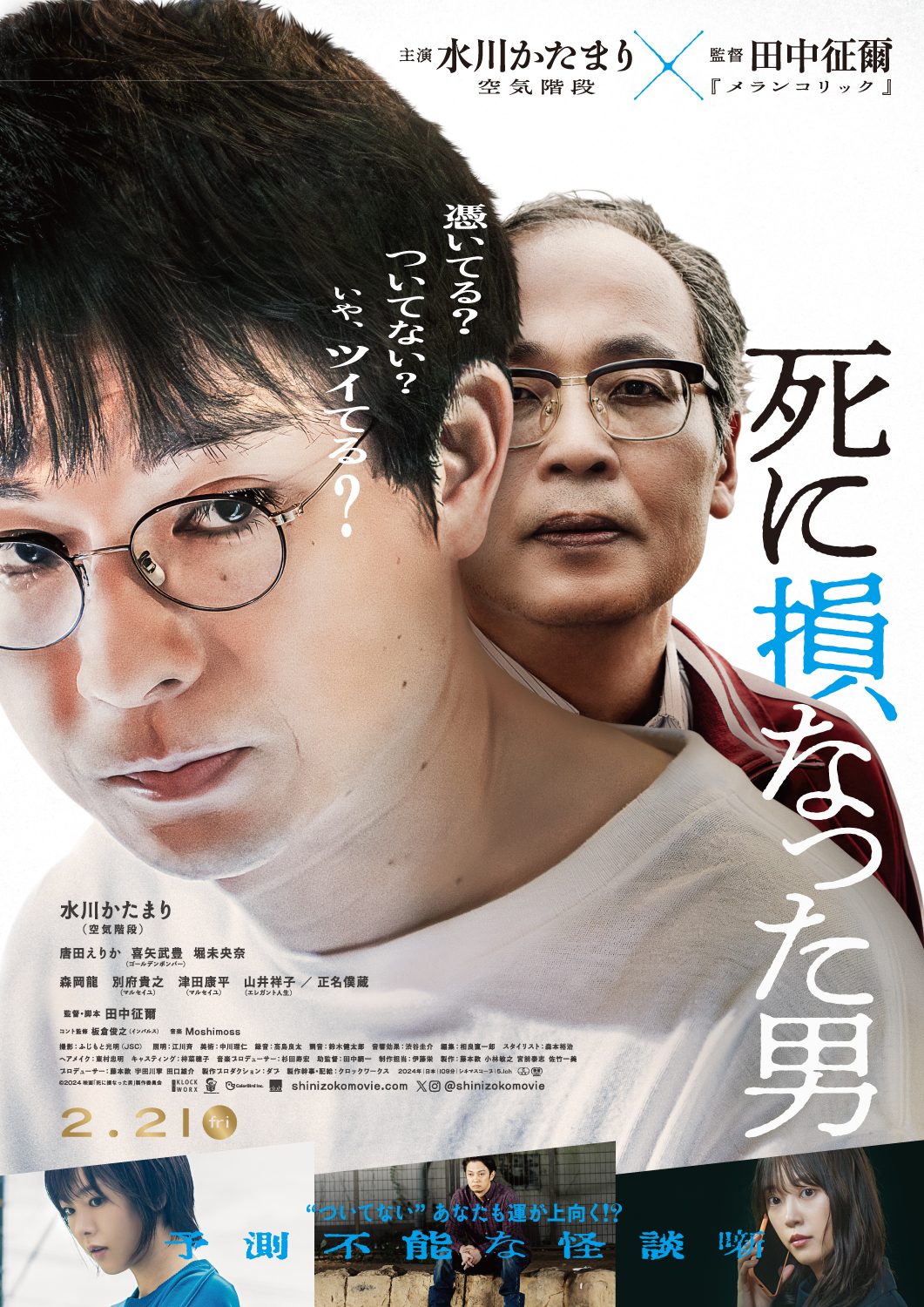
Feeling hopeless in his professional life and surrounded by a city of frustrated, angry people, comedy writer Ippei (Mizukawa Katamari) decides to end it all by throwing himself under the evening train, but as fate would have it, services are interrupted because of an incident at the previous station. Reconsidering his decision, he refunds his ticket and goes back to his life, but he soon finds himself haunted, in literal and figural senses, by the other person who died and, in some ways, ended up saving his life.

Like his earlier film Melancholic, Seiji Tanaka’s The Man Who Failed to Die (死に損なった男, Shini sokonatta otoko) is partly about the things we don’t see which in this case is that many people are struggling and have fallen into despair believing they have no one and nowhere to turn. Before he decides to die, Ippei is knocked over by a cyclist who curses at him for being in his way before riding on, while a woman out running has no option but to jump over him and then carries on her way. Later, he bumps into a man at the station who becomes angry and aggressive, ironically telling him that he should “fuck off and die”. The implication is that in this city everyone is so busy rushing about and overworked that it’s left them frazzled and impatient, overly focussed on the demands placed on them and unable to notice or reach out to others. 

It’s another minor irony that Ippei works in comedy which is supposed to entertain people, cheer them up, and relieve their stress, but it’s actually very hard work and incredibly competitive. When he returns after his failed attempt to die, he’s cornered by his manager and a comedian who is annoyed that she hasn’t been given as many lines as the men and feels she’s being discriminated against on the grounds of her gender. Ippei tries to explain that she’s got the punchlines and there are fewer of them because of the comedic rhythm, but it’s something that’s difficult to explain without performing the piece in front of an audience. He’s also been dumped by one of the groups he works with because they’ve chosen to go with a bigger producer who has better TV connections. The duo he’s working with now are struggling with some material that’s not really hitting home while preparing for a competition that’s only a couple of weeks away. Ippei suggests completely reworking the routine, but is obviously difficult for everyone and not least himself who’s going to have to come up with a killer idea in record time. 

Which is all to say he’s under a lot of stress, and if he did just hallucinate the ghost of the man who died in place of him, Tomohiro (Bokuzo Masana), that would be understandable. Tomohiro has unfinished business, and thinks that Ippei should take care of it for him seeing as he technically saved his life, but what he wants him to do is kill the abusive ex who’s started stalking his daughter again now the restraining order’s expired. The film sort of suggests that Wakamatsu (Yutaka Kyan) became violent because of these same stresses after losing his businesses during the pandemic, but nevertheless he’s a frightening and controlling presence while Aya (Erika Karata) is quite clearly terrified of him. Once again, when Ippei interrupts Wakamatsu in the street trying to force his way into Tomohiro’s house, another passerby picks up his dog and walks on without stopping to check if everything’s alright. Perhaps it’s fair enough that they didn’t want to get involved in a dangerous situation, but to speaks to the ongoing indifference of society in which few are willing step in and help women like Aya and men like Wakamatsu are allowed to go on bullying and tormenting those around them.

Getting involved in Tomohiro’s quest does however help Ippei to get a handle on his life and an acceptance that having failed to die he’s still here and has a chance to start again. He begins to realise that the reason he wanted to die was that although he had achieved his dreams of working in comedy, it all seemed quite meaningless and he’d lost sight of what took him there in the first place. Rather than contribute to the angry society around him, he resolves to be happy for other people’s successes and understand that even if someone appears to be successful it doesn’t necessarily mean they aren’t struggling or in need of help too. Filled with a gentle absurdity and good humour, the film is despite its darker themes an argument for a little more compassion and solidarity in the face of the constant pressure of a fast-paced society.


The Man Who Failed to Die screened as part of this year’s Camera Japan.

Trailer (no subtitles)

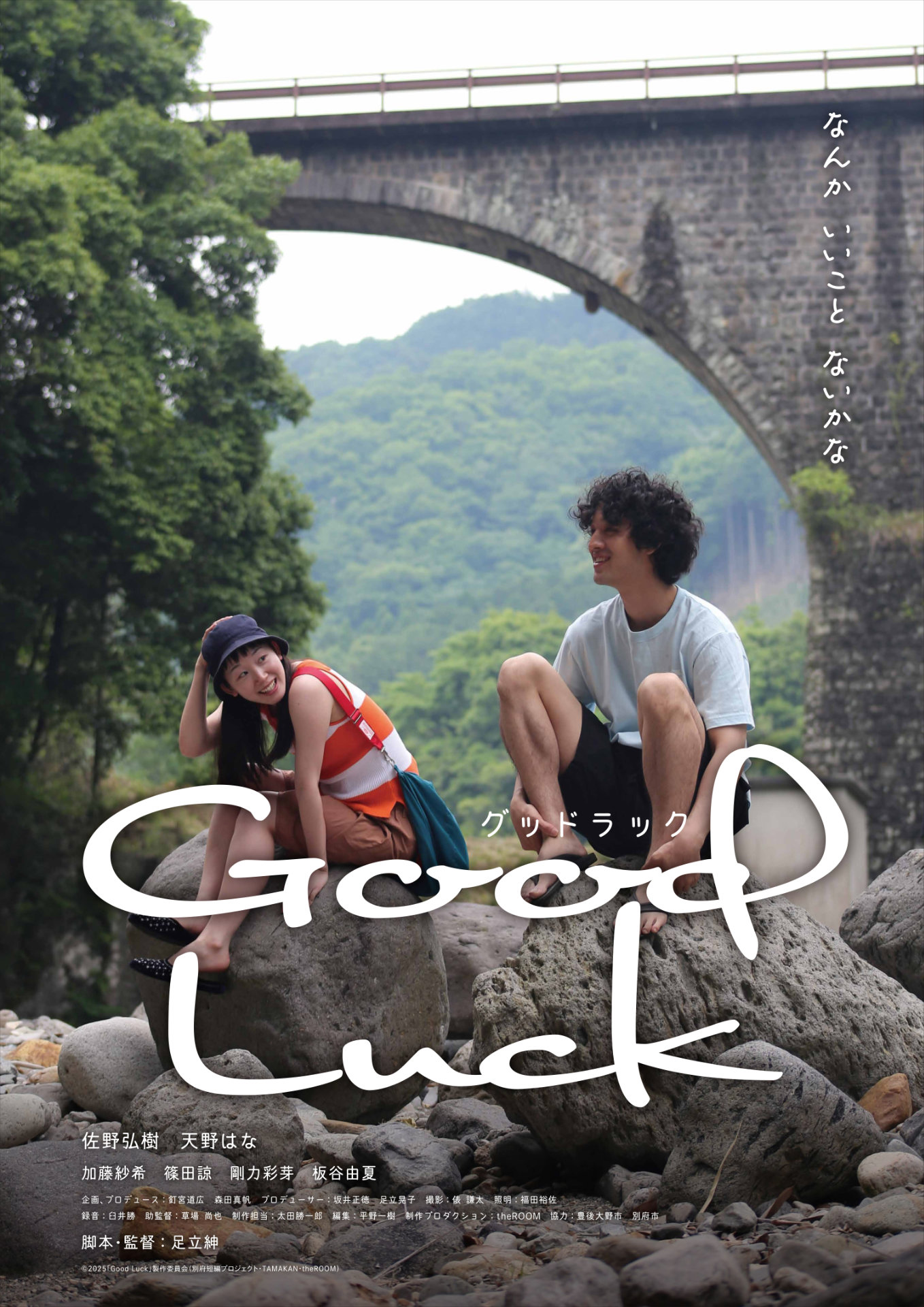
Good Luck (グッドラック, Shin Adachi, 2025)

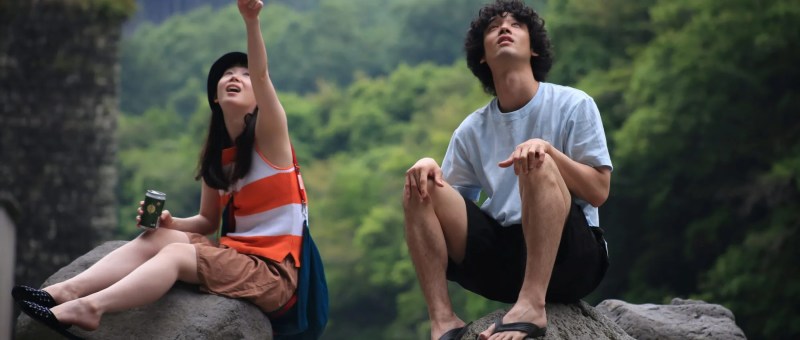
Taro’s (Hiroki Sano) problem as far as he sees it, is that he lacks self-confidence and is unable to understand why other might like him, though he fears few do. That’s especially true of his girlfriend/financial backer Yuki (Saki Kato) about whom he makes a short documentary because he thought it would be good to make a film about the person who’s most important to him. But Yuki fires back that the person who’s most important to him is himself, so he should turn the camera around, but that’s exactly what he doesn’t want to do even if the film is really about himself anyway. 

To that extent the film backfires in that, when he’s unexpectedly invited to a festival in Beppu and and convinced by Yuki to go because she’s irritated by just how little effort he seems to put in, all anyone can talk about is Yuki who they say must love him very much or at any rate has a lot of patience and understanding. This is doubly true of the lady running the Bluebird Theatre who says out loud live during the Q&A that his film was boring, and she only chose it because of the contrast between how mediocre the film was and Yuki’s force of personality. She suggests that Taro doesn’t know what sort of films he wants to make, or even why he’s making them in the first place, and she’s right.

Awkwardly, this sense of confusion seems bound up with his relationship with Yuki which is unbalanced in his mind because she asked him out rather than the other way round. As he tells Miki (Hana Amano), an extremely extroverted young woman with an amazing laugh that he meets on his travels, his biggest regret in life is not being able to tell he girl he liked that he liked her in high school. This indecision and lack of confidence have left him directionless in his film career and uncertain in his relationships while it seems clear Yuki is not really his muse despite what others might say about her star quality if only by virtue of how sorry they feel for her for having to put up with Taro.

But then again, he’s basically swept away Miki too who hijacks his last couple of days touring the saunas around the hot springs resort. She explains that she likes to travel alone because she difficulties interacting with other people, though she gets along much better with strangers which is why she clicks so quickly with Taro even if he’s only hanging out with her by virtue of being too polite/spineless to decline her invitations. The pair end up echoing Before Sunrise in their walking tour of the natural attractions of the area, while Miki tells him that her biggest regret in life is that she hasn’t achieved anything that society values even if there are things that she’s good at and fears that she won’t be able to do the things that she wants to do before she dies. 

Truth be told, Taro doesn’t really do much for Miki or ask any real followup questions while simultaneously beginning to fantasise about her as recounted through an incrediblely meta sequence taking place in his treehouse room. Nevertheless, he begins to see in her the kind of muse he’s been looking for along with discovering why he wants to make films and what kind of films he wants to make. But in then in true Adachi fashion, maybe Taro is just as superficial as he says he is and later drawn to another pretty woman on a train all while not making that much of an effort to get back to Yuki whose father has had a heart attack to which Taro seems mostly indifferent. There are certainly lots of strange women around Taro from the gloomy innkeeper in Beppo to the gaggle of ladies at a shrine convinced he’s an old high school friend, but as much as he has a talent for encountering the surreal, Taro doesn’t seem to know what to do with it and remains a somewhat passive observer to afraid to voice his feelings, simultaneously making films only about himself that nevertheless express nothing of his own soul.


Good Luck screened as part of this year’s Camera Japan.

Trailer (no subtitles)