Taiwan Film Festival Edinburgh Announces Lineup for 2021 Hybrid Edition

Following last year’s inaugural online edition, the Taiwan Film Festival Edinburgh returns for 2021 in a hybrid format featuring a few in-person screenings as well as an extensive online programme running entirely for free in the UK from 25th to 31st October.

IN-PERSON SCREENINGS in Glasgow and Edinburgh

Sacred Forest 神殿| Ke Chin-Yuan| 2019 | 60 mins

In-person screening on 25 October at Glasgow Film Theatre; tickets on sale soon.

Ecological documentary exploring Taiwan’s unique ecosystem from the point of view of six different groups each with different interests and specialities as they explore the majesty of the forest.

Whale Island 男人與他的海 | Huang Chia-Chun| 2020 | 108 mins | UK Premiere

In-person screening on 30 October at Glasgow Film Theatre; tickets on sale soon.
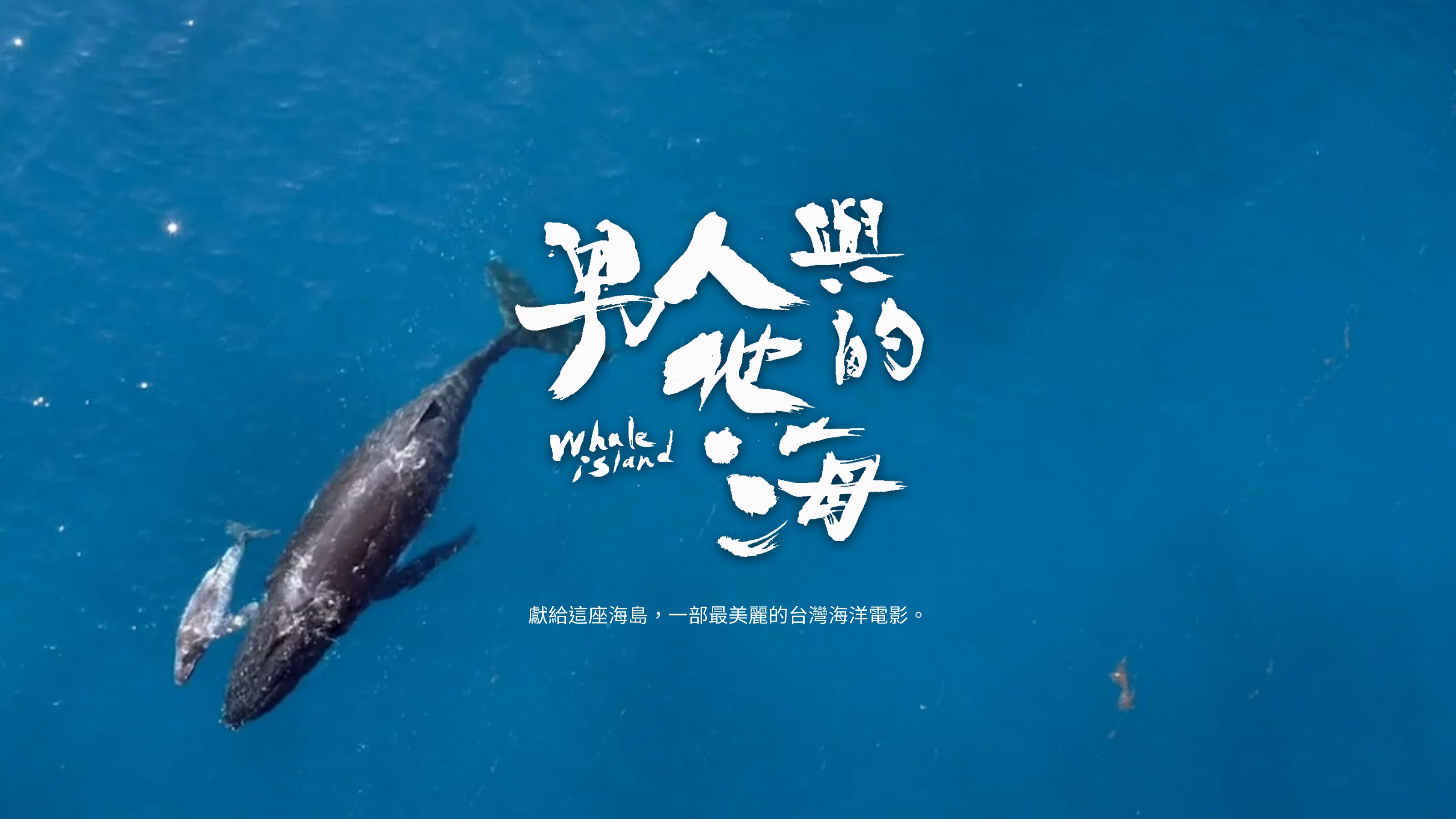
Capturing the power and mystery of the sea, Huang’s beautifully shot nature doc contemplates Taiwan’s relationship with the oceans which surround it. Review.

Sounds in Silence double bill at 6.30pm on 27 October in Summerhall, Edinburgh; also online 28-31 Oct on Festival website.

A Morning in Taipei 臺北之晨 | Pai Jing-jui | 1964 | 20 mins | UK Premiere
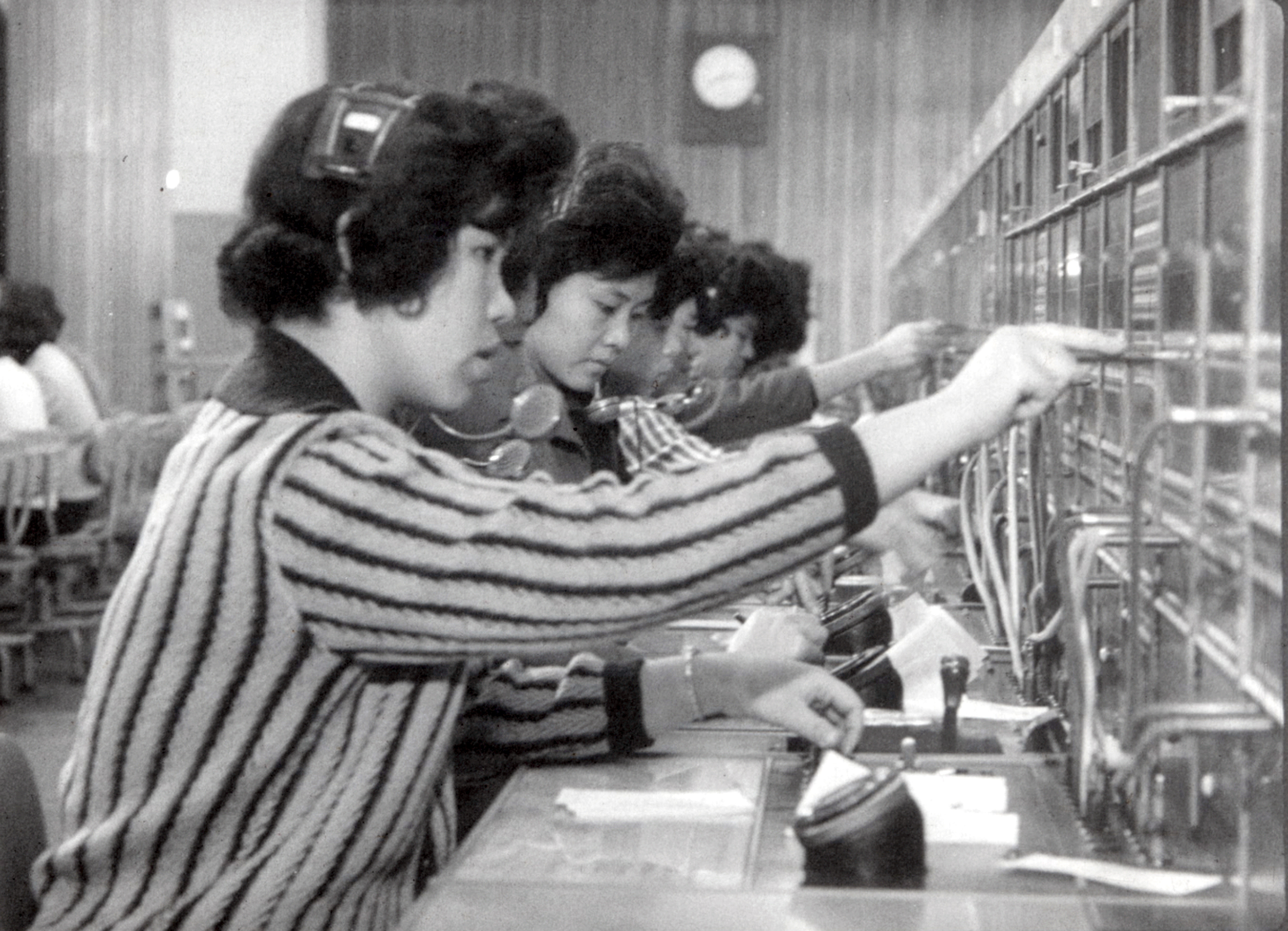
1964 documentary short capturing a newly industrious Taipei in which a variety of individuals go about their regular morning routines.

Deng Nan-guang’s 8mm Movies 鄧南光8mm家庭電影| Deng Nan-guang| 1935-1941| 57 mins| UK Premiere

A collection of home video-style recordings captured between 1935 and 1941 and bearing witness to an overlooked era of Japanese occupation in the shadow of the second world war.

DIGITAL SCREENINGS on the Festival website between 25 and 31 October 

The Best Secret Agent 天字第一號 | Chang Ying | 1964 | 102 mins
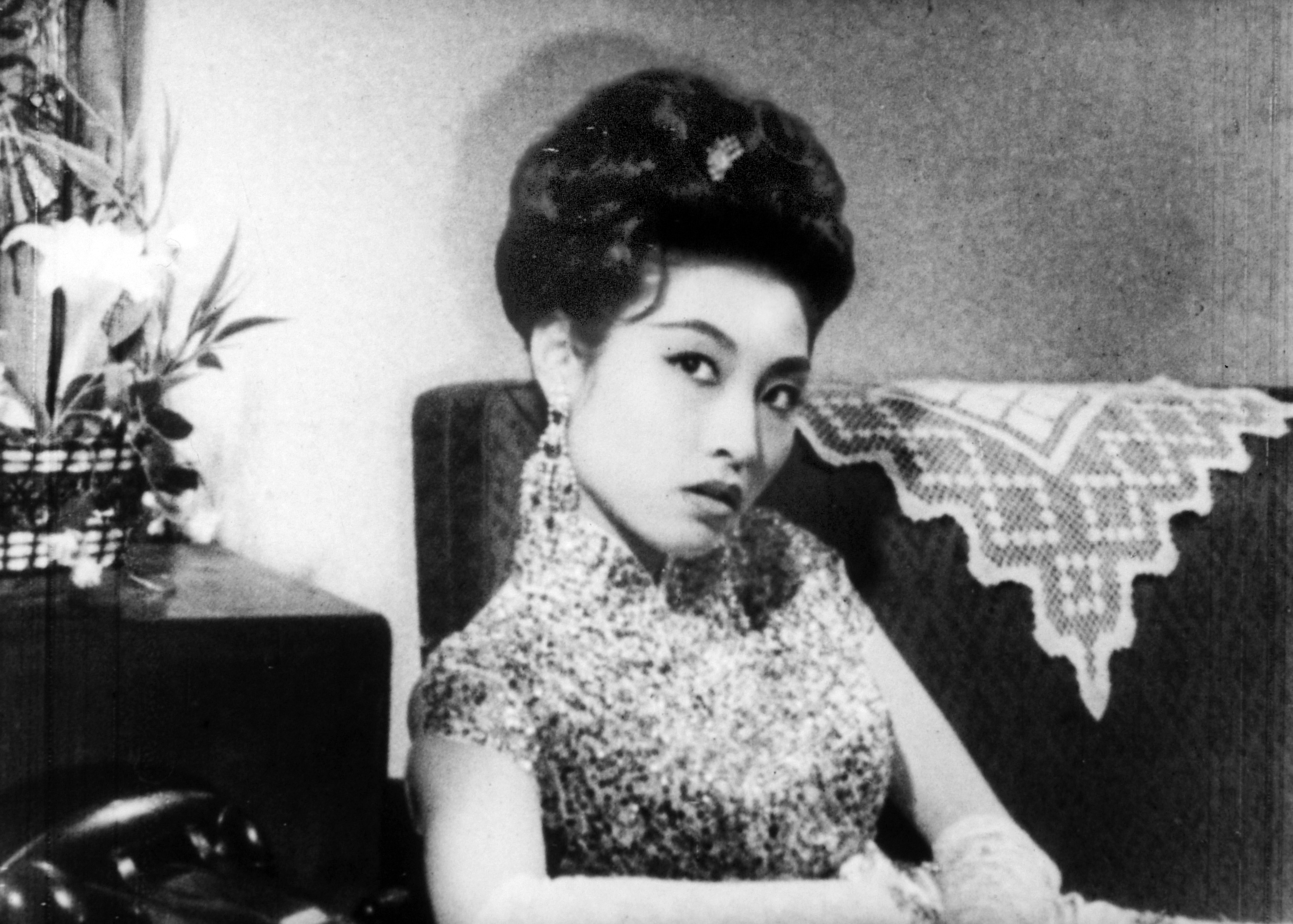
Taiwanese-language remake of a popular film from 1945 in which a young woman flees the Japanese occupation with her father and falls in love with a kind and idealistic young man. When her father is killed in an airstrike, she realises she must give up on romance in order to avenge his death by becoming a master spy!

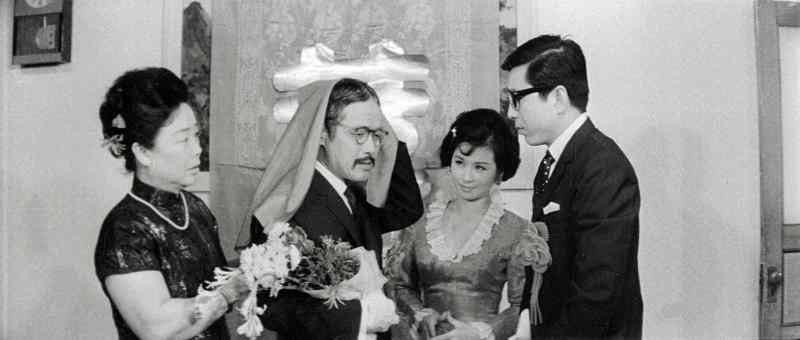
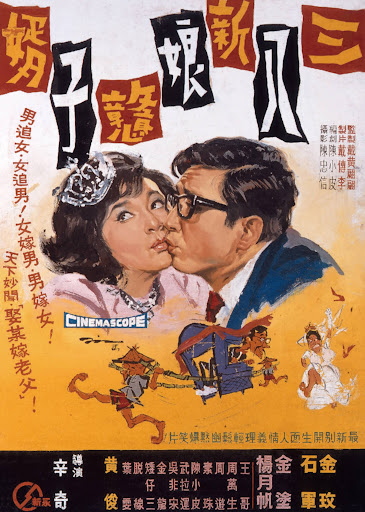
Foolish Bride, Naive Bridegroom 三八新娘憨子婿| Hsin Chi | 1967 | 101 mins
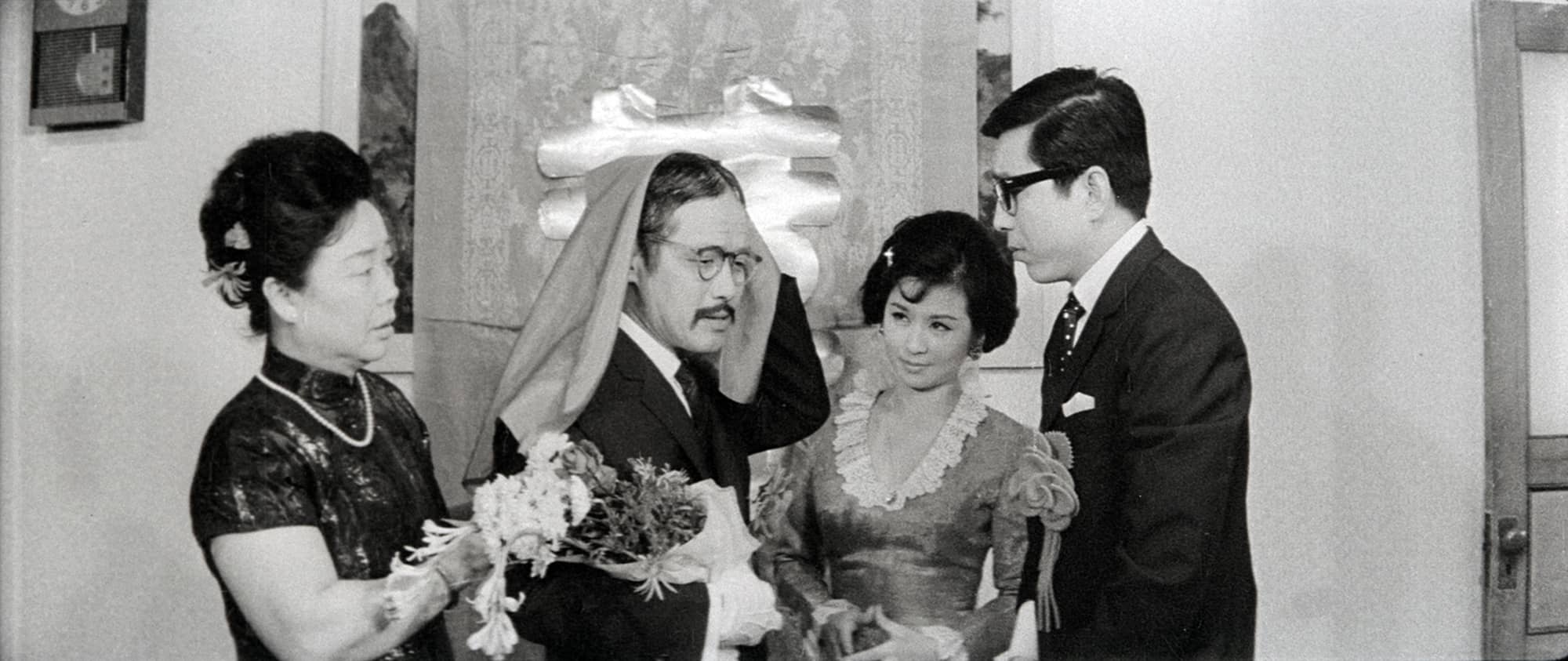
A naive young couple’s desire to marry is frustrated by the revelation their parents were once lovers in Hsin’s delightful screwball rom-com. Review.

Dangerous Youth 危險的青春 | Hsin Chi | 1969 | 95 mins

A recently dumped delivery driver becomes fond of a waitress and tries to get her another job after meeting a guy who runs a cabaret bar but the job turns out to be as an escort to an elderly millionaire.

The Homecoming Pilgrimage of Dajia Mazu  大甲媽祖回娘家| Huang Chun-ming | 1975 | 27 mins | UK Premiere
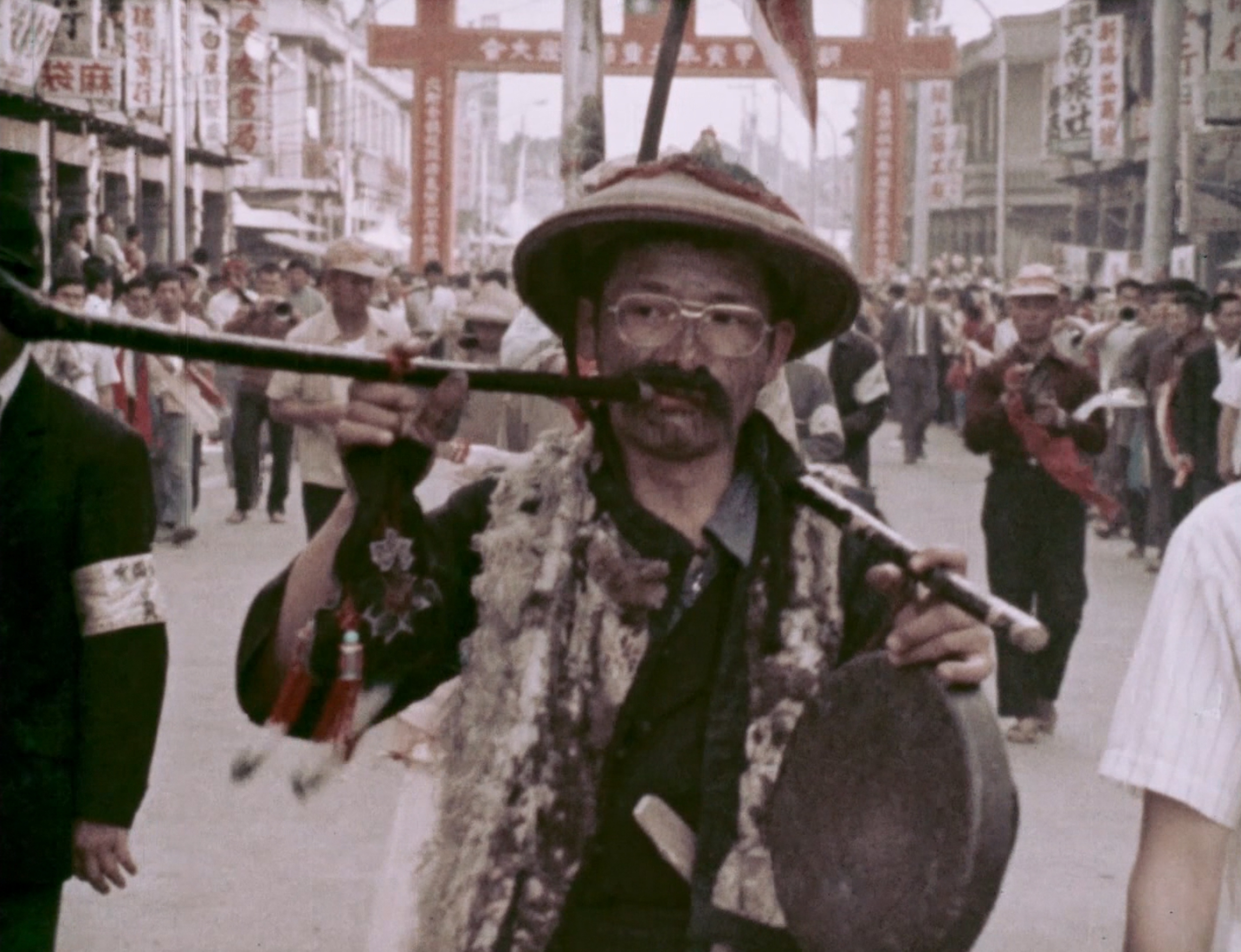
Documentary capture of the annual Taoist celebration of the Dajia Mazu Pilgrimage from 1974. This recently restored edition features the original language track in Taiwanese Hokkien once banned under the KMT’s Mandarin-only policy.

Taipei Story 青梅竹馬 | Edward Yang | 1985 | 115 mins
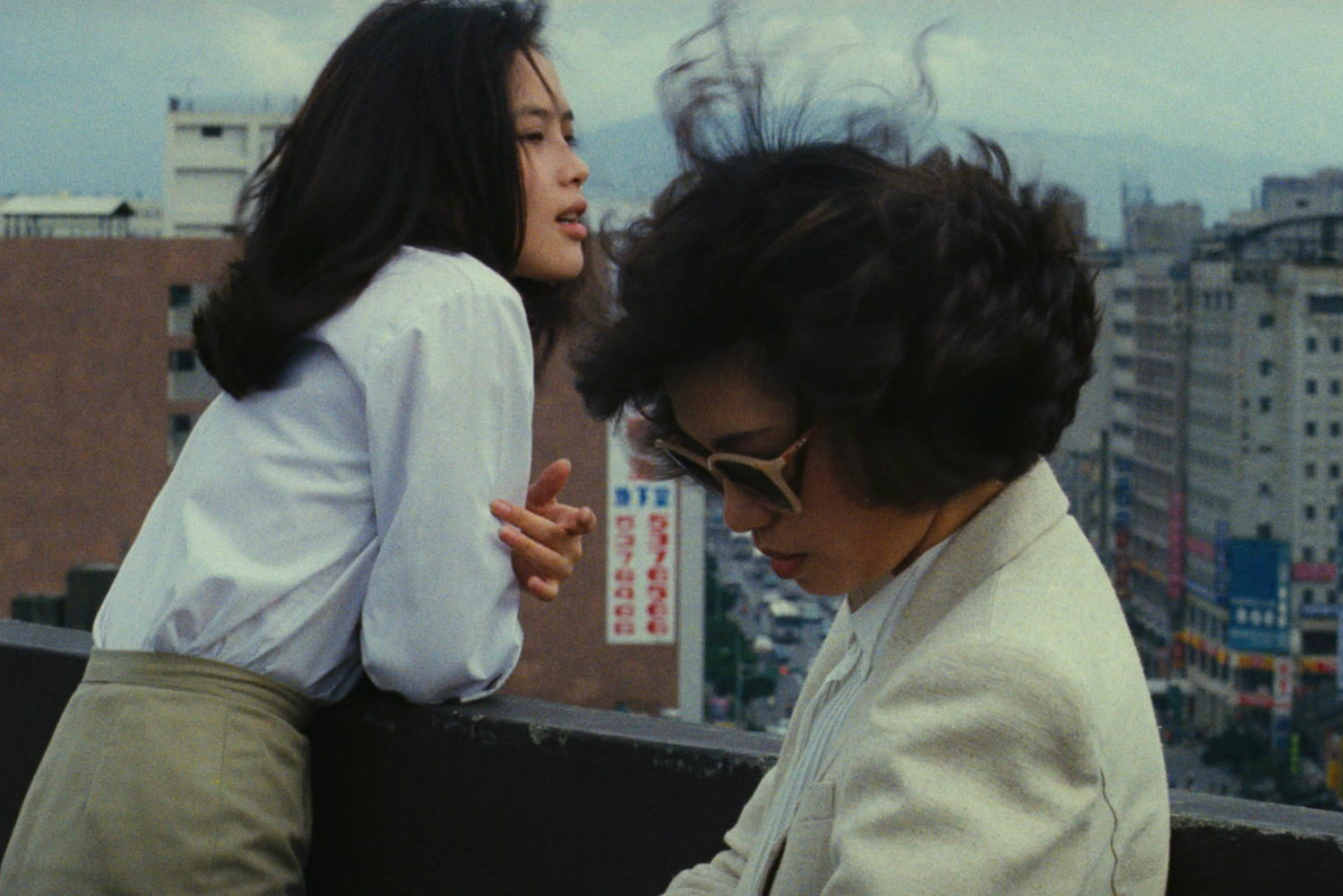
Edward Yang’s landmark 1985 drama in which an independent, financially secure woman is determined to move forward while her boyfriend (played by film director Hou Hsiao-Hsien) remains trapped in the past.

Dust in the Wind 戀戀風塵 | Hou Hsiao-Hsien | 1986 | 109 mins
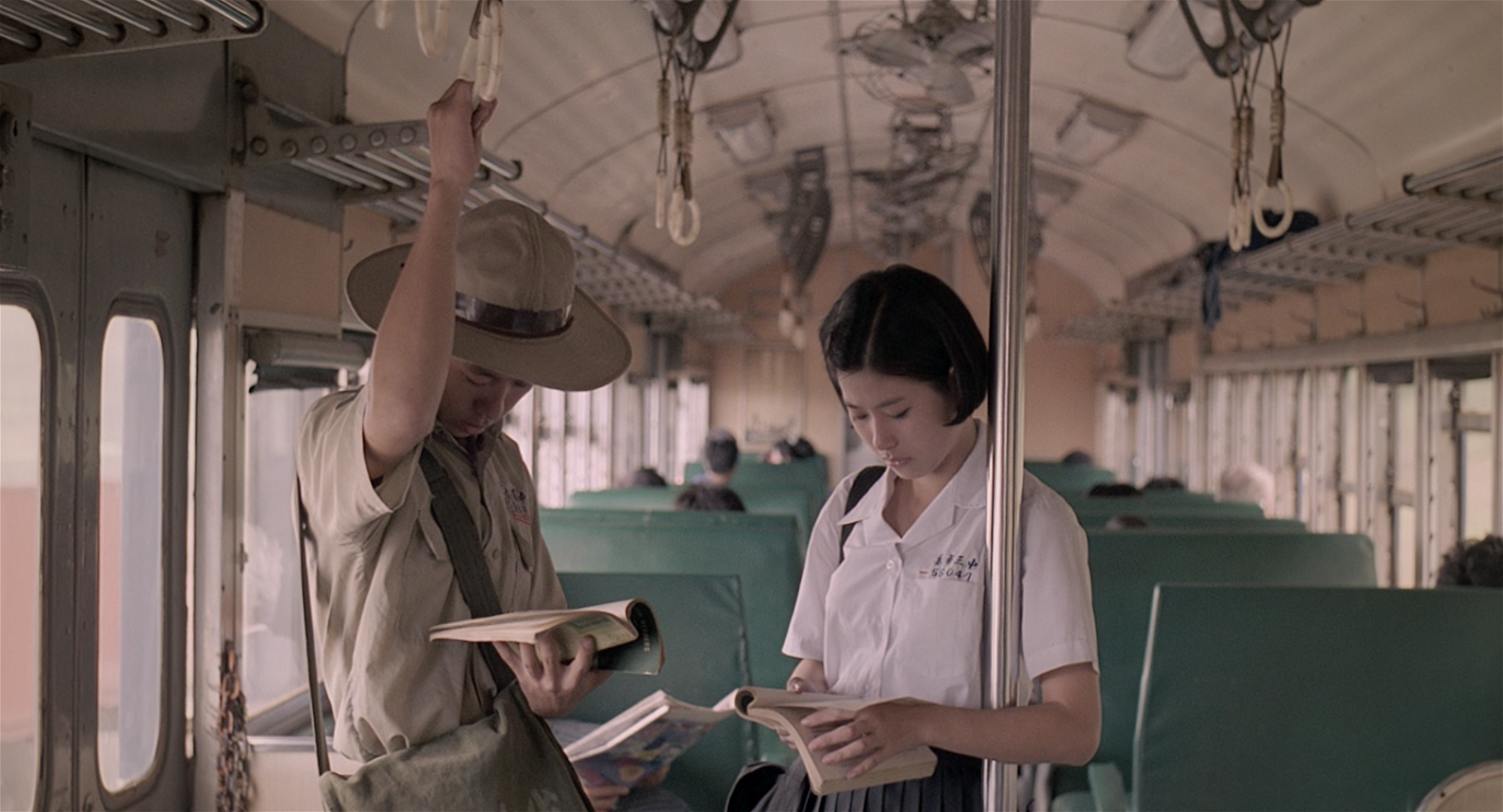
A young couple from a rural village travel to Taipei hoping to make enough money to marry, but their dreams of romance are crushed when the boy is drafted into the Republic of China Army.

Peony Birds 牡丹鳥 | Huang Yu-shan| 1990 | 107 mins | UK Premiere

Melodrama exploring the troubled relationship of a mother and daughter bound by mutual resentment. A Q&A session with director Huang Yu-shan will also be available via the streaming platform.

Hill of no Return 無言的山丘 | Wang Tung | 1992 | 175 mins
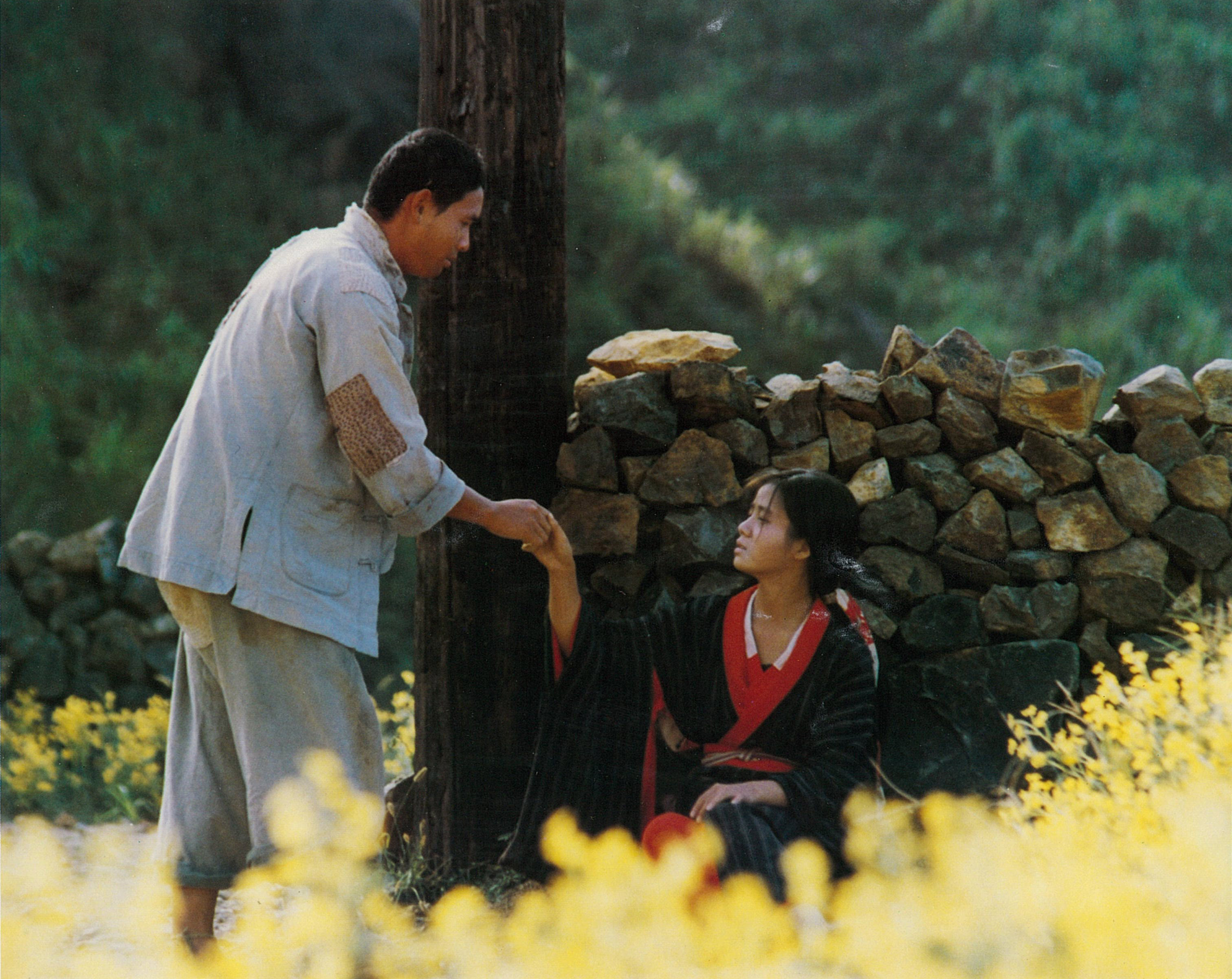
Two brothers leave home after the deaths of their parents to work at a Japanese-run goldmine in 1927 but rather than the riches they dreamed of find only exploitation and disappointment. A Q&A session with director Wang Tung will also be available via the streaming platform.

The Personals 徵婚啓事 | Chen Kuo-Fu | 1998 | 105 mins

A heartbroken eye doctor quits her job at a hospital and plans to get married, placing a personal ad to find the perfect partner in this humorous exploration of the ’90s Taipei dating scene.

Splendid Float 豔光四射歌舞團 | Zero Chou | 2004 | 73 mins

A Taoist priest with a sideline as a drag artist falls for someone who later disappears without saying goodbye leaving him wondering if something terrible may have occurred.

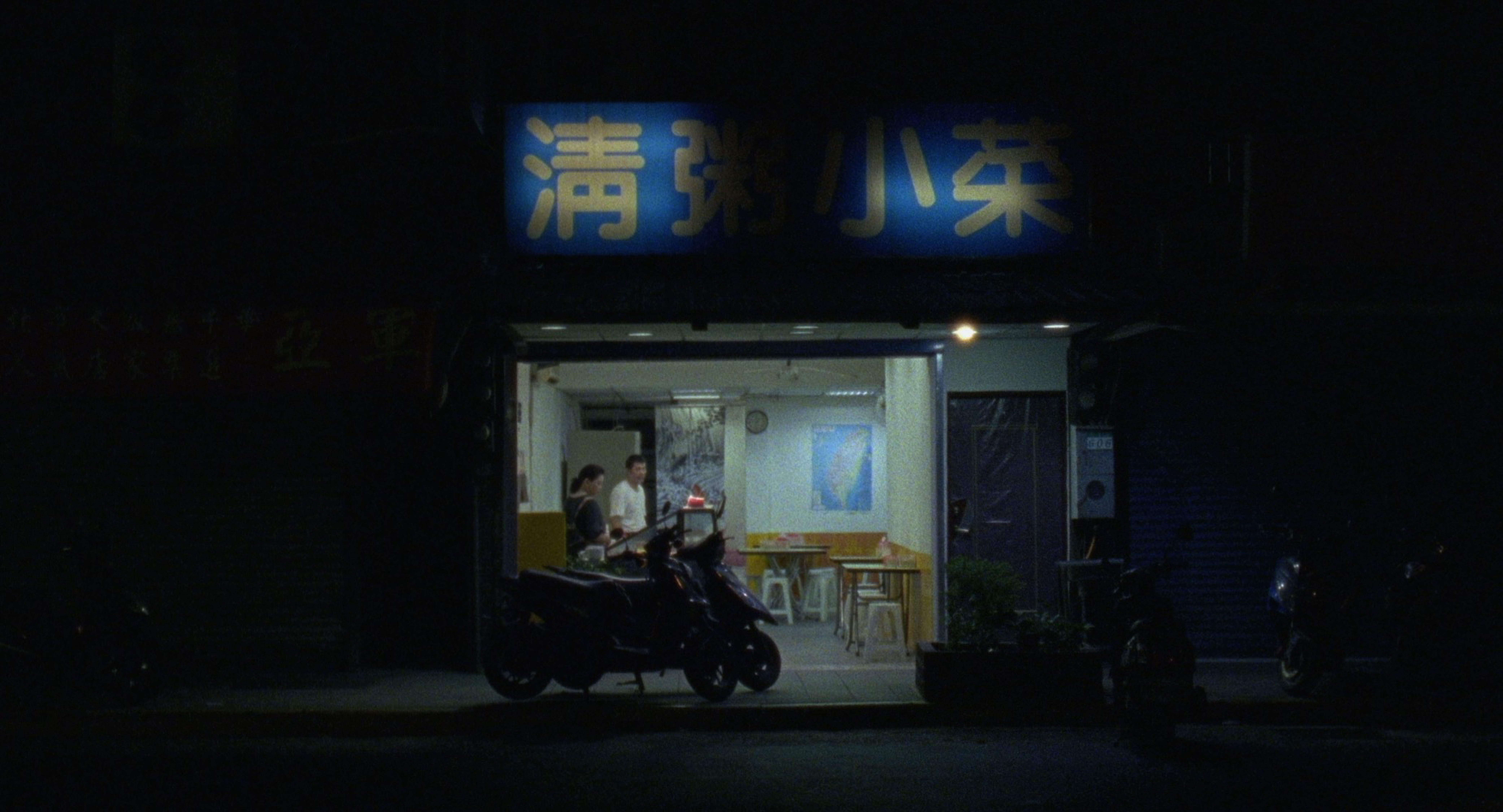
Closing Time 打烊時刻 | Nicole Vogele | 2018 | 116 mins
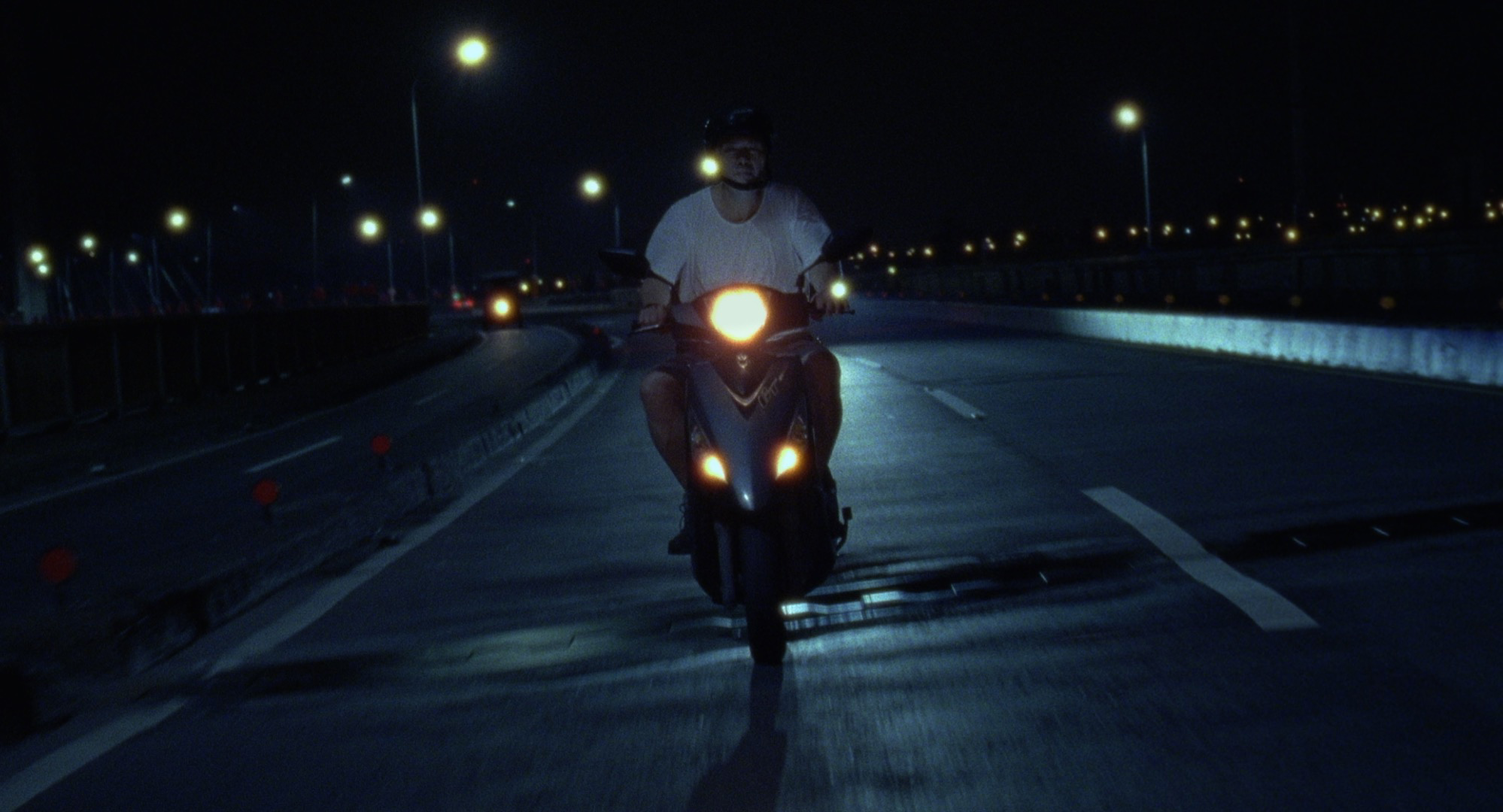
Documentary from Swiss filmmaker Nicole Vogele following the city’s nighttime economy from the vantage point of an ageing couple’s late night eatery.

Taiwan Film Festival Edinburgh takes place online and in-person 25th to 31st October, 2021. All films stream for free in the UK via the official platform though ticket numbers are limited and early booking is advised. Full details are available via the official website and you can also keep up with all the latest details by following the festival on FacebookTwitter, Instagram, and YouTube.

Secrets of 1979 (弓蕉園的秘密, Zero Chou, 2021)

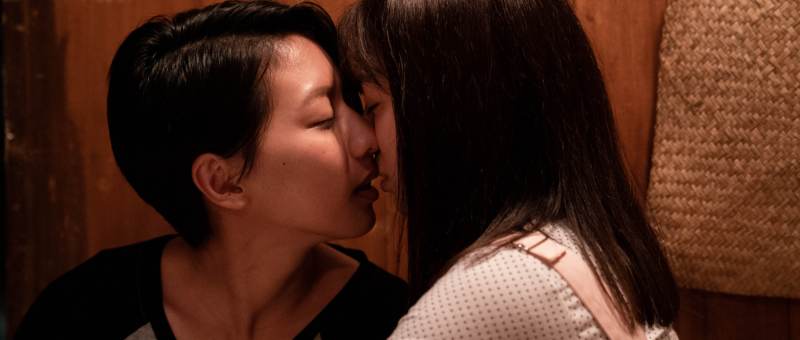
Love is a political act in the latest film from Zero Chou, Secrets of 1979 (弓蕉園的秘密, Gōng Jiāo Yuán de Mìmì). As history repeats itself, a now ageing woman is called back to the past on witnessing the Hong Kong democracy protests triggering memories of the Kaohsiung Incident and her youth fighting for political freedom in martial law Taiwan. Chou’s betrayed heroine dreams of a future in which all voices can be heard and all loves embraced, a future that in some senses may have come to pass, yet tragically too late for some forced to believe that their love must forever remain a secret. 

Malaysian student Shu-lan (Daphne Low) falls for Kuan (Chen Yu), the daughter of a banana plantation owner majoring in art as part of a teacher training programme. The pair draw closer while sharing a room, and a bed though partly because those two things are mainly the same, over the summer while Shu-lan takes a job at the farm but their innocent romance is soon overshadowed by the revelation that Kuan’s brother Siu (Hsu Yu-ting) has become involved with the movement against martial law producing a magazine critical of the government. Though they could never know it, their love will lie at the centre of a political divide, cruelly used against them even while they commit themselves to the battle for freedom and human rights. 

Soon after the film opens, a young man walks into Shu-lan’s classroom with application forms to join the nationalist governing party of the martial law one party state, the KMT. The idea does not seem popular among the students, but some are interested if treating it with a degree of irony explaining that they’d only be joining to take advantage of the generous perks which include free travel back to your hometown to vote and access to scholarships, or else because it may be advantageous in their future careers. Shu-lan is fiercely disinterested and attempts to politely decline, but the recruiter, Chih-hsiang (Sean Sun), has an obvious crush on her and won’t take no for an answer thrusting a form into her hand to think about later while lowkey resentful as she distances herself from him to leave with Kuan. 

Kuan, meanwhile, has just been subjected to an unpleasant grilling in her art class when she tried to stand up for a painter rumoured to be gay provoking a homophobic rant from several of her classmates who then openly mock her for being a lesbian. Perhaps surprisingly the rumour of homosexuality does not cause either of the girls particular problems with the authorities or their fellow students save for further irritating the extremely creepy, generally evil, and cruelly manipulative fascist Chih-hsiang who views it as merely another bargaining chip in his pointless quest to convince Shu-lan who has no interest in men (or members of the KMT) to go out with him. The problems that Shu-lan faces which are partly set up by Chih-hsiang so he can save her from them, are largely to do with her status as a foreign national and involvement with politics accused of collaborating with communists for listening to Chinese folk songs sent by her teacher in Malaysia. 

These are all reasons, along with her treatment at the hands of the authorities, that eventually convince her she must renounce her love for Kuan in order to keep her safe in fear that she too will be implicated as a politically suspicious person. Prior to that, she’d been learning Taiwanese and hoped to stay living on the banana farm with Kuan whose family seem relatively relaxed about the relationship, only for their love to be stamped out by oppressive authoritarianism and the machinations of a petty and jealous man. The bookending sequences set in the present day and featuring a Kuan who seems much older than a woman who’d only be in her mid-60s remind us that though Taiwan may have become a relatively progressive place in which same-sex marriage has been legalised, the battle is never really won as the young people of Hong Kong too campaign for freedom and democracy. But Kuan is left only with her secrets and her sadness stuck in the summer of 1979 and a love never to be told. 


Secrets of 1979 screens at Lexi Cinema on 21st September as part of this year’s Queer East. It is also available to stream in many territories via GagaOOLala.

Original trailer (English subtitles)

Hello! Tapir (嗨!神獸, Kethsvin Chee, 2020) [Fantasia 2021]

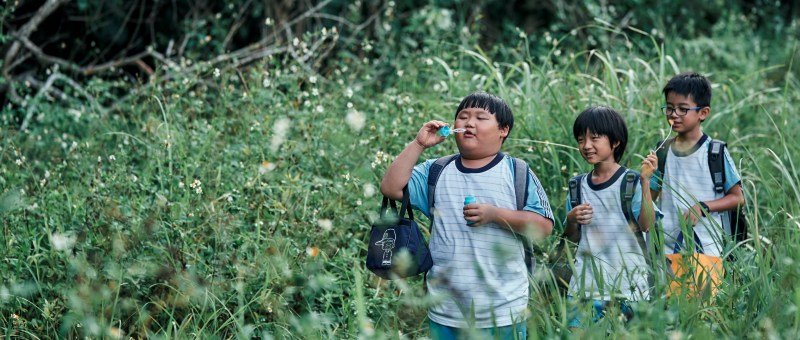
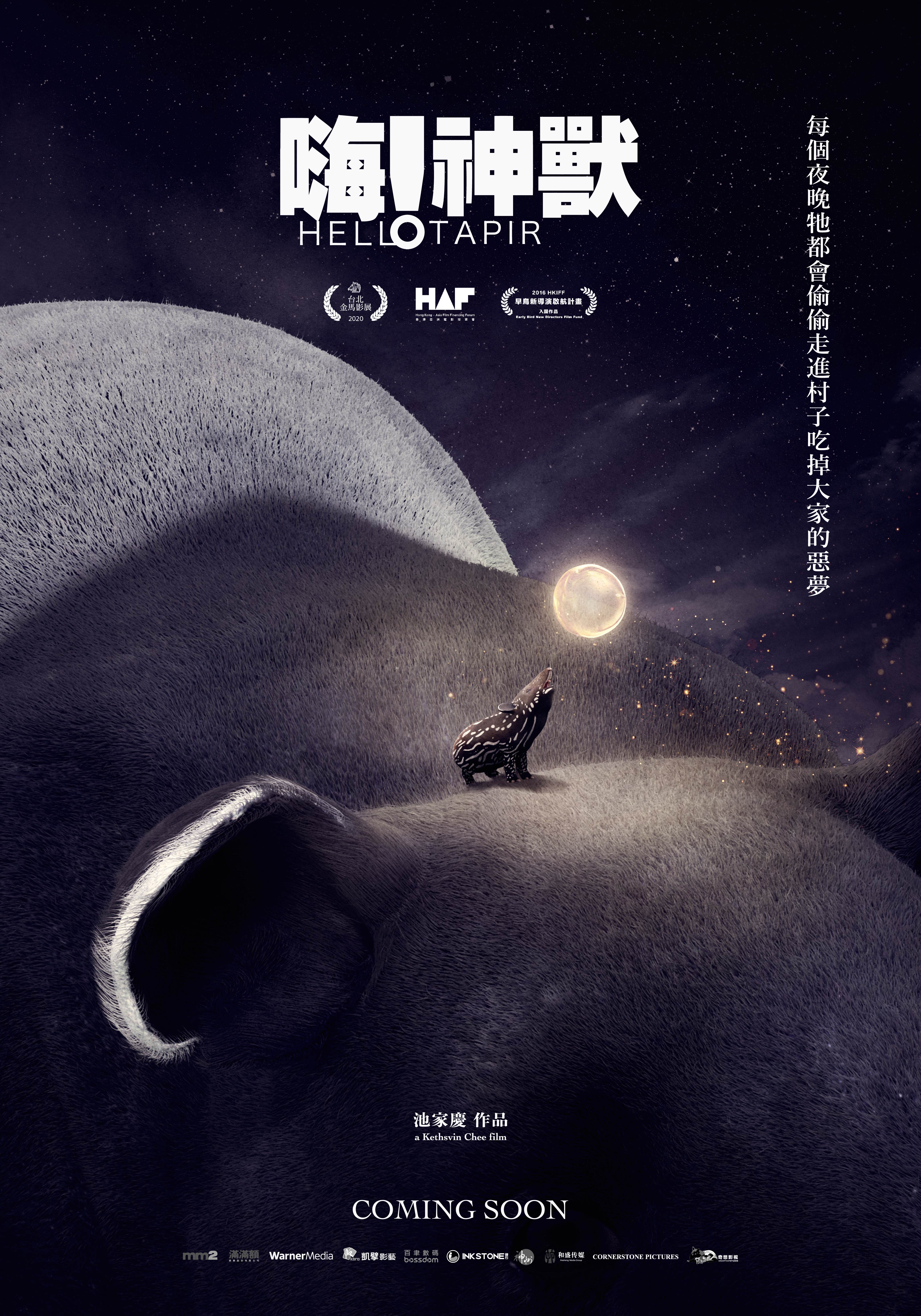
“In this world, everything disappears eventually” according to the prophetic words of the absent father of young Keat in Kethsvin Chee’s charmingly retro children’s fantasy adventure Hello! Tapir (嗨!神獸, Hāi Shénshòu). At heart a tale of grief and a small child’s acceptance of death, Hello! Tapir is also one of gentle adventure as the hero and his two friends search for tapirs in the undergrowth but eventually discover an accommodation with loss in the knowledge that nothing’s ever really gone even if you can’t see it. 

Keat (Bai Run-yin) lives in a small fishing village with his fisherman father (Lee Lee-zen) and grandma (Lü Hsueh-feng) who sells seafood at the market. Captivated by his father’s improbabe tale of having encountered a tapir who eats people’s nightmares in the forest, Keat implores his dad to take him to see it too but Keat’s father Sheng is always too busy and often reneges on his promises. Ominous winds start to blow when news of a typhoon is broadcast over the radio while Keat is angry that no one woke him before his father left on the boat as he had asked them to do. Sure enough, not long after Keat discovers a commotion at the harbour and gathers there has been some kind of accident at sea. His father hasn’t come home and his grandma is frantic but he’s just a little boy and no one is telling him anything. 

Told from a child’s point of view, Chee’s melancholy tale perfectly captures the confusion and resentment of a small boy in the midst of crisis. Keat cannot conceive of the idea his father may never come home again, replying to his friend’s questions that he’ll be back maybe tomorrow or the day after that. After all, he was supposed to take him to see the tapir. Because he’s sure his dad’s coming back, he grows resentful towards his recently returned mother (Charlie Yeung Choi-Nei) who left the family some time previously and had been living in Taipei and his grandmother for taking his father’s place away by boxing up his clothes and preparing to sell the fishing boat which came back empty on its own for scrap. 

Meanwhile he attempts to secure his father’s legacy by searching for the tapir on his own, encountering a baby which later leads him into the forest and towards its giant parent sucking on golden nightmare orbs all the way. Tapirs are obviously not native to Taiwan and so their presence is as decidedly unexpected as their unusual appearance. You would’t expect to see one wandering through town unless it had recently escaped from a zoo, but they are perhaps Keat’s way of processing the loss of his father the adult tapir gently showing him what it was he most wanted but feared to know while comforting him with its reassuringly warm presence. 

On the cusp of adolescence, Keat finds himself squarely between two sets of overlapping worlds caught between the fantasy of nightmare-eating tapirs and the reality of his grief while also remaining firmly in the realms of childhood having innocent adventures with his two friends as they try all sorts of tricks to draw out the mystical creatures just as his mother deals with the difficulties of planning a funeral and making plans for the future without overburdening her son with impending change. Nobody tells Keat anything because he’s just a child and they think he won’t understand, but he understands that they’re not telling him and the knowledge further increases his sense of loneliness and alienation left entirely alone with his grief and anxiety. 

A beautifully drawn magical realist fable, Chee’s charmingly old fashioned kids fantasy adventure makes the most of its idyllic seaside setting replete with a warm and friendly atmosphere despite its concurrent tragedy. Keat is forced to face the reality of his loss, but does so while maintaining a sense of wonder for the natural world secure in the knowledge that all things disappear in the end, but it isn’t the end of the story and death is merely another part of life. Warm and empathetic, Hello! Tapir paints its coastal setting with an uncanny sense of magic coupled with a cosmological sense of security as its young hero begins to come to terms with his loss thanks to the gentleness of sleeping creatures. 


Hello! Tapir streamed as part of this year’s Fantasia International Film Festival

Original trailer (English subtitles)

The Sadness (哭悲, Robert Jabbaz, 2021) [Fantasia 2021]

“You’re just like me, violent and depraved” a crazed aggressor sneers, almost victorious in his defeat in having goaded his target into bashing his head in with a fire extinguisher. A defiantly depraved tale, Robert Jabbaz’ zombie-adjacent horror The Sadness (哭悲, Kū Bēi) as the title implies suggests that the propensity for violence and cruelty lurks within us all merely waiting for some kind of trigger, in this case a deadly virus, to set it free. 

The film opens, however, with tranquility as young couple Jim (Berant Zhu Ting-Dian) and Kat (Regina) cuddle in bed before Kat’s alarm goes off. The mood begins to sour when Jim reveals they’ll have to cancel their upcoming holiday because he’s been offered work on a film and that is apparently something that’s been thin on the ground. As he turns on the TV, a pundit and a scientist argue about the “Alvin virus” which many people apparently believe is only a cold, though those people are obviously quite wrong (sound familiar?). The virologist continues to explain that the danger is the virus contains similar genetic material to rabies and he fears it may soon mutate into something seriously worrying. In any case, he finds it suspicious the virus has fetched up on the eve of an election and hints at the dubious immorality of politicising a public health crisis. Jim first encounters the afflicted on spotting an elderly person in a bloodstained nightgown who later turns up at his local cafe to bite several members of the clientele who then turn on him seemingly consumed by a violent and irrational rage.

Kat meanwhile experiences something similar as a madman with a knife rips through the carriage of the MTR in which she is currently sitting. Yet, as we discover, the violence and sadism is not entirely indiscriminate but informed by the underlying “sadness”, resentment, and anxieties of the infected person. Kat’s day had got off to a bad start when the middle-aged creep (Wang Tzu-Chiang) sitting next to her kept trying to chat her up only to go off a rant about the entitlement of pretty women when he’s only trying to be friendly after she threatens to call the police because he’s ignored all of her polite hints and requests to be left alone. Crazed, the train creep continues to stalk her determined to get his revenge. His rage and violence is fuelled by the pre-existing condition of his misogyny. 

The fact that Kat appears to be otherwise immune to the virus may suggest that she is a fairly well-adjusted person with no underlying sadnesses or personal resentments, yet she is apparently still capable of great violence when presented with the right trigger(s), in this case being existential terror. The infected meanwhile profess themselves in a state of ecstasy as they indulge their darkest desires. Jabbaz’ gore-fuelled odyssey is in truth a little too depraved, the sickening scenes of sadistic violence accompanied by copious amounts of blood not to mention scattered innards and severed limbs. “This is my kiss, I’m kissing you to death” a woman preens while holding a circular bone saw seconds after revealing that she always had trouble making friends but is beginning to feel as if she’s finally found her crowd. 

A minor irony is that this pandemic anxiety is expressing itself in Taiwan which up until recently at least had done a stellar job of suppressing COVID-19 largely thanks to the opposite of the impulses on display here. Yet there is also something of obvious satire in certain people’s refusal to listen to the science even as the president’s head literally explodes live on TV, while Jim picks up a brochure for reasonably priced apartments only to be told that the pandemic has also “depressed” the property market. His next-door neighbour, Mr. Lin thinks Alvin is a conspiracy theory designed to create economic instability those in the know can profit from later. He seems to have a nasty cold, but refuses to go to the doctor because it seems like a lot of bother when they’re just going to tell you to stay at home and rest. Mr. Lin’s theories are in part vindicated by another scientist who also thinks the government has been ruled by political concerns, too afraid of the economic consequences of a lockdown to contemplate ordering one even while knowing not to do so endangers public health. “Everything must be politics. There’s no room for truth” he laments, though as it turns out he isn’t free of his own darkness either. 

Not for the faint of heart, Jabbaz’s absurdist satire is a depraved journey through every kind of human degradation imaginable darkly suggesting that sadistic violence is never as far from the surface in the ordinary person, or indeed in ourselves, as we’d like to believe. “It feels like I’ve finally found a purpose in life” a member of the infected dreamily explains, embracing his life of ultra violence apparently freed of the burdens of contemporary civility. 


The Sadness screened as part of this year’s Fantasia International Film Festival.

Original trailer (English subtitles)

A Leg (腿, Chang Yao-sheng, 2020)

“Life is long. We all have some regrets.” a grieving widow is told by a disingenuous doctor in full damage limitation mode. He’s not necessarily wrong, nor is his advice that the widow’s pointless quest to retrieve her late husband’s amputated limb has little practical value though of course it means something to her and as he’d pointed out seconds earlier a physician’s duty is to alleviate suffering of all kinds. Apparently inspired by the true story of director Chang Yao-sheng’s mother, A Leg (腿, Tuǐ) is in many ways a story of letting go as the deceased man himself makes a presumably unheard ghostly confession while his wife attempts to do the only thing she can in order to lay him to rest. 

Husband Zi-han (Tony Yang) is in hospital to deal with a painful, seemingly necrotic foot which eventually has to be amputated in a last ditch attempt to cure his septicaemia. “Keep the leg and lose your life, or keep your life and lose the leg” the otherwise unsympathetic doctor advices wife Yu-ying (Gwei Lun-mei) in a remark which will come to seem ironic as, unfortunately, Zi-han’s case turns out to be more serious than first thought and he doesn’t make it through the night. Grief-stricken, Yu-ying leaves in an ambulance with the body but later turns back, determined to retrieve the amputated foot in order that her husband be buried “complete” only it turns out that it’s not as simple as she assumed it would be. 

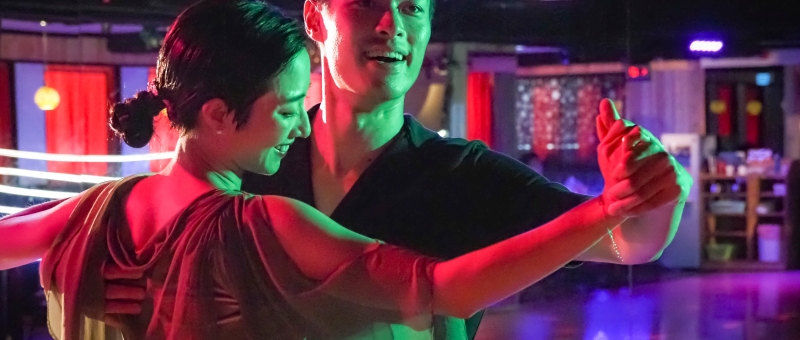
The loss of Zi-han’s foot is all the more ironic as the couple had been a pair of ballroom dancers. As Yu-ying makes a nuisance of herself at the hospital, Zi-han begins to narrate the story of their romance which began when he fell in love with a photo of her dancing in the window of his friend’s photography studio. Explaining that, having died, he’s reached the realisation that everything beautiful is in the past only he was too foolish to appreciate it, Zi-han looks back over his tragic love story acknowledging that he was at best an imperfect husband who caused his wife nothing but pain and disappointment until the marriage finally broke down. He offers no real explanation for his self-destructive behaviour save the unrealistic justification that he only wanted Yu-ying to live comfortably and perhaps implies that his death is partly a means of freeing her from the series of catastrophes he brought into her life. 

Given Zi-han’s beyond the grave testimony, the accusation levelled at Yu-ying by his doctor that the couple could not have been on good terms because Zi-han must have been ill for a long time with no one to look after him seems unfair though perhaps hints at the guilt Yu-ying feels in not having been there for her husband when he needed her. As we later discover, however, this is also partly Zi-han’s fault in that he over invested in a single piece of medical advice and resisted getting checked out by a hospital until he managed to sort out an insurance scam using his photographer friend, wrongly as it turned out believing he had a few months slack before the situation became critical and paying a high price for his tendency to do everything on the cheap. Nevertheless, Yu-ying’s quest to reattach his leg is her way of making amends, doing this one last thing for the husband whom she loved deeply even though he appears to have caused her nothing but misery since the day they met. 

In order to placate her, the slimy hospital chief offers to have a buddhist sculptor carve a wooden replica of Zi-han’s leg made from wood destined for a statue of Guan-yin goddess of mercy but Yu-ying eventually turns it down, struck by the beauty of the object but convinced that turning it to ash along with her husband’s body would be wrong while believing that wood ash and bone ash are fundamentally different. She regrets having ticked the box on the consent form stating she didn’t want to keep the “specimen”, never for one moment assuming that her husband would not recover. Despite their dancing dreams, she thought the leg was worth sacrificing against the long years they would have spent together after, though this too seems a little unlikely considering the state of their relationship prior to her discovery of Zi-han’s precarious health. Zi-han meanwhile is filled with regret for his continually awful behaviour and the obvious pain he caused his wife. Getting his leg back allows him to begin “moving on” while doing something much the same for Yu-ying though his afterlife pledge about the endurance of love seems a little trite given how he behaved while alive. A little more maudlin than your average quirky rom-com, A Leg nevertheless takes a few potshots at a sometimes cold, cynical, and inefficient medical system, inserting a plea for a little more empathy from a pair of unexpectedly sympathetic police officers, while insisting that it’s important to dance through life with feeling for as long as you’re allowed. 


A Leg screens Aug. 14  & streams in the US Aug. 15 – 20 as part of this year’s New York Asian Film Festival.

Original trailer (English/Traditional Chinese subtitles)

Foolish Bride, Naive Bridegroom (三八新娘憨子婿, Hsin Chi, 1967)

Even in the Taiwan of 1967 things were changing but not perhaps as quickly as elsewhere. Hsin Chi’s delightful “taiyupian” Taiwanese-language screwball rom-com Foolish Bride, Naive Bridegroom (三八新娘憨子婿) is a fairly late take on the arranged marriage vs love match debate which, perhaps surprisingly given the increasing conservatism of the era, comes down firmly on the side of the youngsters’ right to choose even while subtly poking fun at them for being naive and irresponsible, unable to forge independent lives for themselves and expecting the older generation to fix their mistakes while the parents eventually soften and in a sense free themselves from the oppressive values which defined their youths. 

As the film opens, grumpy father A-Kau (Chin Tu) is complaining that his pot is already boiling but his son Bun-ti (Shih Chun) has not yet returned with the rice he sent him out to get. That’s because Bun-ti has taken the opportunity of the errand to meet up with his girlfriend, Kui-ki (Chin Mei), who is also out on an errand having been sent grocery shopping by her mother (Yang Yue-fan). The pair can only meet on occasions such as these because their overly possessive parents refuse to let them leave the house without good reason and firmly disapprove of romantic relationships. 

In an amusing reversal of accepted gender norms, it’s A-Kau who plays the wounded widower, afraid that some young woman is coming to steal away his son and then there’ll be no one to look after him. Nevertheless, he’s simultaneously proud of his son’s popularity with the opposite sex despite describing him as having a “ladies curse” which he attributes to a constant need for female affection caused by the early death of his mother when he was only a few months old. In a running gag, the house is frequently beset by the young women of the neighbourhood pushing notes through the window and demanding to see the handsome young man. A-kau’s solution is to literally shut his son away by having the windows boarded over despite the carpenter’s cautioning that most people are looking for more ventilation, not less. 

Kui-ki’s mother, by contrast, is a much feistier figure directly telling her daughter that she’s no wish to meet her boyfriend because marriage is a matter for the parents. A-Kau later says something similar, concerned that “love heats up fast but often cools”, believing perhaps that an arranged marriage can provide greater longterm stability and is no more likely to fail than a love match. As we later discover, however, the parents’ animosity is rooted in youthful tragedy. In a staggering coincidence, it turns out that they were once young lovers like Bun-ti and Kui-ki who wanted to marry but fell foul of parental disapproval. Each accuses the other “abandonment”, but the cause is found to lie with A-Kau who, like Bun-ti, failed to be “resolute in love”, refusing to fight for Kui-ki’s mother and simply backing off when her father told him he wasn’t good enough. His own father then apparently forced him into the arranged marriage which produced Bun-ti while Kui-ki’s mother held out for a few years and was then forced into an arranged marriage herself. The pair of them fail to see the parallels with their children’s romance and have over invested in the idea of properness in traditional values in an attempt to ease the pain and disappointment of being denied the right to marry the person they loved. 

On recognising A-Kau, Kui-ki’s mother chases him out of the house with a broom and vetos the marriage, causing the young couple to elope to Taipei in an attempt to escape their parents’ authority. Each of them is sorry, but still wedded to their position as parental authorities, too proud to cede ground and simply give their blessing to the union to get their kids to come home. In an echo of an earlier scene in which he went on the prowl looking for Bun-ti, A-Kau roams the local park and spots young couples everywhere some of them engaging in public displays of affection which one might have assumed would have annoyed the censors. He’s approached first by a disabled beggar who explains that he, like Bun-ti, did not listen to his parents and eloped to Taipei with a woman they wouldn’t let him marry. But he couldn’t find work, went broke, and became ill. Finally she left him, and he’s too ashamed of his filial failure to go home which is why he’s begging in this park. A-Kau seems to find vindication rather than a warning in the story, glad to hear the young man admit that his parents were right rather than fearful that the same will happen to Bun-ti if he does not eventually accept his decision to marry. Later, a young couple approach him looking distressed, offering to sell the woman’s coat for money to elope. Feeling sorry A-kau gives them twice as much as they asked for and drops the coat behind him as he leaves, but then gives a long and painful lecture reflecting on his plight and encouraging the young couple to go home, “your filial duty is to avoid worrying your parents” he goes on. The young couple eventually make a sneaky escape while he’s turned around mid-monologue, rejecting his melancholy defence of feudal patriarchy. 

Meanwhile, in the city, Bun-ti and Kui-ki have got what looks to be a rather nice apartment together and are living it large but we later discover that they’re months behind on their rent (not to mention the rice bill) and the reality of their situation is beginning to place a strain on their relationship. He accuses of her of being a spendthrift, wanting to go out for dinner and a movie on a Sunday when they owe so much money already, while she blames him for failing to provide. In a strange and uncomfortable defence of domestic violence, Bunt-ti and Kui-ki chance on an apparently happily married couple making a spectacle of themselves during their weekly bout of fighting after which they both emerge bloody and bruised but seemingly cheerful after having worked out all their frustrations. Bun-ti and Kui-ki decide to try it for themselves and find that it works, later getting into a blazing row caused by Bun-ti’s staying out late drinking without phoning home. 

This last argument which signals the failure of their attempt to live as independent adults in the modern city leads to an intervention from the district chief/landlord and rice merchant, each of them instructing the creditors to call their parents to settle the debts. Ah-kau and Kui-ki’s mother dutifully arrive, launching a mini trial to discover who’s at fault including a full reconstruction of the events of the previous night which results in another violent fight after which the couple threaten to break up and marry other people only to reconcile while A-Kau and Kui-ki’s mother are then forced to deal with their “grudge” and end up getting engaged.

“Parents don’t understand the way young people do things” Kui-ki had explained, but they are eventually compelled to shift ground as they take back what was taken from them in finally being allowed to marry. Hsin doesn’t let anyone off the hook, neither the naive and feckless lovers nor their embittered parents whose hurt eventually turns into an unexpected opera duet as they rehash the failure of their youthful romance. He does however leave room for an unambiguously happy ending in which, ironically, the traditional family is repaired but only in its subversion as the young lovers are validated in their desire for love and freedom while A-Kau abandons the patriarchal order by assuming the role of the bride, carried in a palanquin to Kui-ki’s mother’s house wearing a veil, as he removes himself from his son’s family and surrenders his authority to his new wife in affirmation of a new social order struggling to be born in the increasingly repressive martial law era. 


Remaster trailer (English/Traditional Chinese subtitles)

As We Like It (揭大歡喜, Chen Hung-i & Muni Wei, 2021)

“It’s the crazy madness we call love” according to a series of bemused bystanders in Chen Hung-i and Muni Wei’s modernist take on the Shakespeare play, As We Like It (揭大歡喜, Jiēdàhuānxǐ). As the reframing of the title implies, no longer pleasing “you” but “we”, Chen and Wei’s all-female adaptation is an attempt to reclaim the stage taking a swipe at the Elizabethan prohibition on actresses while undermining the notion of a gender binary as the various lovers pursue their romantic destiny in defiance of heteronormative ideas of sex and sexuality. 

Rather than palace intrigue, however, the force which sends Rosalind (Puff Kuo) into the forest is romantic failure coupled with filial and financial anxiety. Her father, the Duke, has been missing for seven years and will shortly be declared dead at which point his company will be divided between the father of her best friend, Celia (Camille Chalons), and a random young man named Orlando (Aggie Hsieh) she was previously unaware of. Hoping to locate him, she winds up at a street fight in which she becomes Orlando’s eyes and he falls in love with her at first sight. For unclear reasons and drawing inspiration from traditional Taiwanese opera, Rosalind then decides to pose as a man, taking the name of Roosevelt, and later teaming up with Orlando in the hope of finding the Duke. 

Despite its best intentions, the awkward irony at the centre of As We Like It is that it accidentally ends up re-inforcing the patriarchal ideology it otherwise seeks to critique in that Rosalind’s romantic adventure turns out to be a series of manipulations at the hands of her long absent father. A romantic exile, it is she who remains unsure of her feelings, unwilling to admit the possibility that she is finally in love with Orlando and hiding behind the mask of masculinity in order to test her would-be-lover’s sincerity. The strange scavenger hunt the pair are forced to follow in order to find their way to the Duke amounts to a forced courtship, each of the pitstops another level up in terms of romantic intimacy culminating in an oddly eroticised ear cleaning date. While Orlando vacillates over whether it’s OK to fall for a boy because he reminds you of a girl, Rosalind is tasked with rediscovering her faith in romantic love which she does but only after talking to her father first. 

Celia, by contrast, seizes her own agency by defiantly seducing sometime antagonist Oliver (Joelle Lu) and becoming pregnant by him even before marriage. In this instance, Oliver is still the villain attempting to steal the business, even going so far as to send his thugs to chase Orlando down, the implication being that Celia’s love softens and then corrects him so that he might reconcile with his brother. Yet the final showdown introduces a new villain in the figure of Charles (J.C. Lei), Oliver’s chief thug apparently harbouring an unrequited crush on his boss and therefore extremely resentful of Celia. Yet her taunting of him asserting that hers is the final victory because she has done what Charles never could in conceiving Oliver’s child seems to fly in the face of the film’s otherwise egalitarian views on love, negating not only same sex love but also love between those unable to produce children uncomfortably heading back into a gender binary which makes maternity the essence of womanhood. This message is perhaps undercut by the closing moments in which Oliver and Celia argue about whether to buy boy clothes or girl clothes for the baby only for the shop assistant to advise a neutral white and cede the “choice” to the child in time but nevertheless seems an odd means of defeating the spectre of the unexpected antagonist driven to a dark place by the “madness” of love. 

Love’s “madness” may be the central theme though the sense of a world turned upside down is undermined by Celia’s maintenance of her position as a princess rather than relegation to the role of a peasant even as it affords her unexpected agency over the surprisingly pliable Oliver. The world’s uncanniness is fulfilled by its unreachability, set in an “internet-free” district of near future Taipei enhanced with frequent onscreen graphics where people send each other “slo-express” letter-pressed telegrams in place of “text messages” delivered by the human touch, implying perhaps that our increasingly depersonalised society is actively frustrating the path to love even while the idea of the idyllic and utopian Forest of Arden seems to have been co-opted by venal developers. Nevertheless, journeys end in lovers meeting to quote another play and love’s madness is eventually cured in its fulfilment. 


As We Like It screens on July 8 and streams online in Switzerland until July 10 as part of this year’s Neuchâtel International Fantastic Film Festival (NIFFF). Readers in London will also have the opportunity to see As We Like It at Genesis Cinema on 16th July courtesy of Chinese Visual Festival & Queer East

Original trailer (English subtitles)

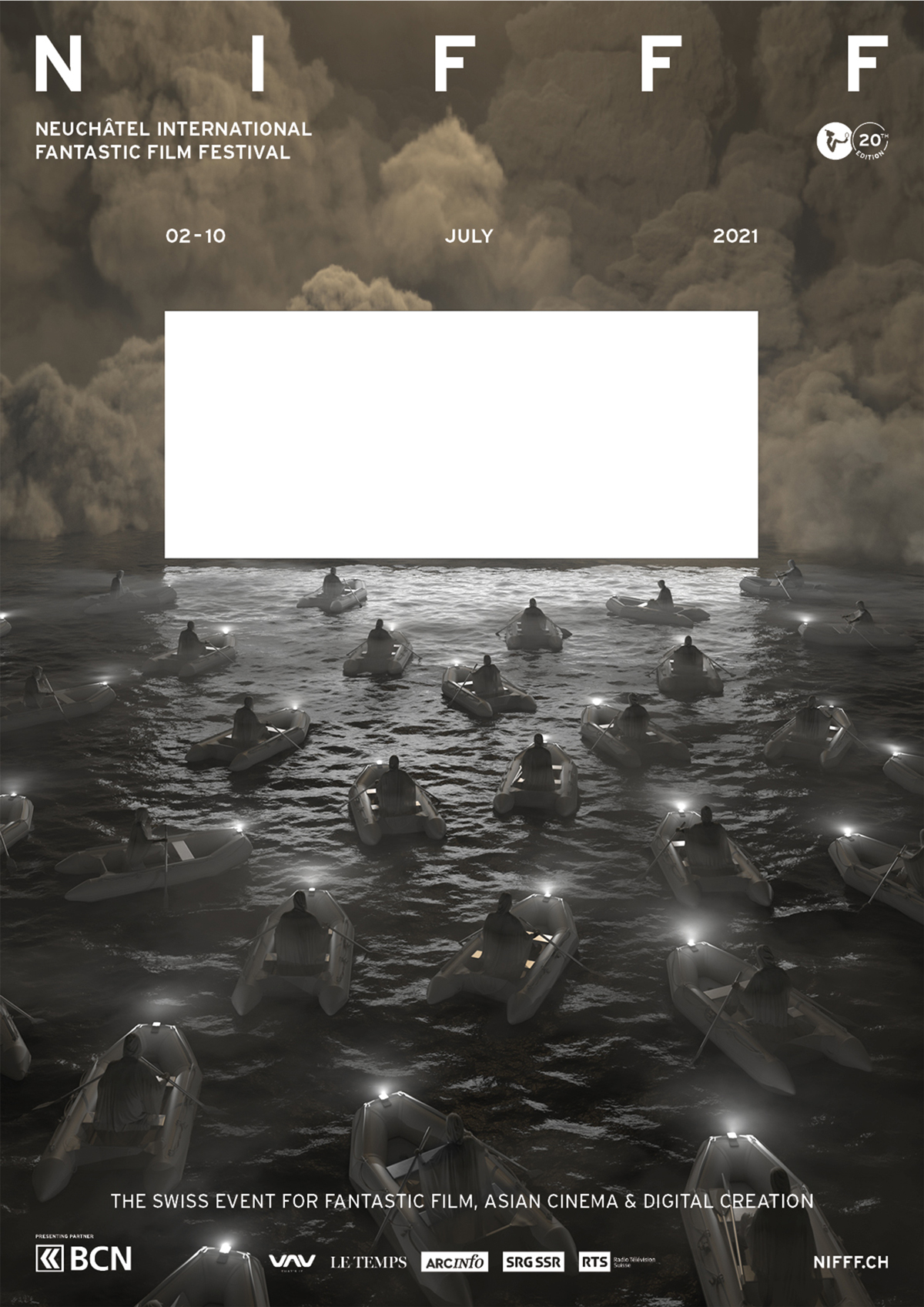
NIFFF 2021 Announces “Formosa Fantastica” Taiwan Spotlight

The Neuchâtel International Fantastic Film Festival (NIFFF) returns for 2021 in a hybrid format taking place online and at various locations across the Swiss city. This year’s edition will have a special focus on Taiwanese genre cinema with the Formosa Fantastica strand encompassing five features, the first two episodes of a TV series, and a collection of shorts streaming online and screening physically while visitors to the festival will also be able to enjoy a series of installations at Neuchâtel Natural History Museum from 2nd to 10th July.

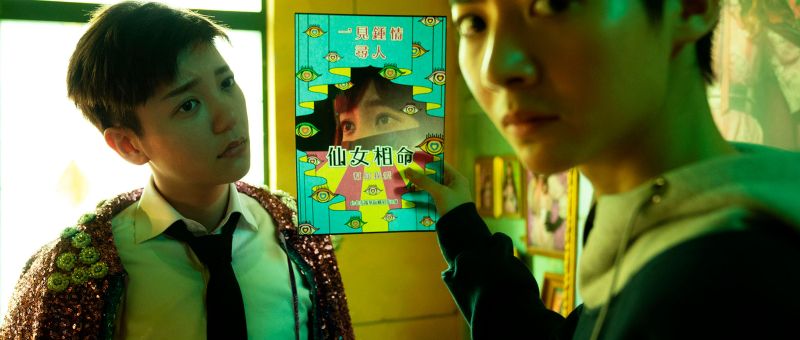
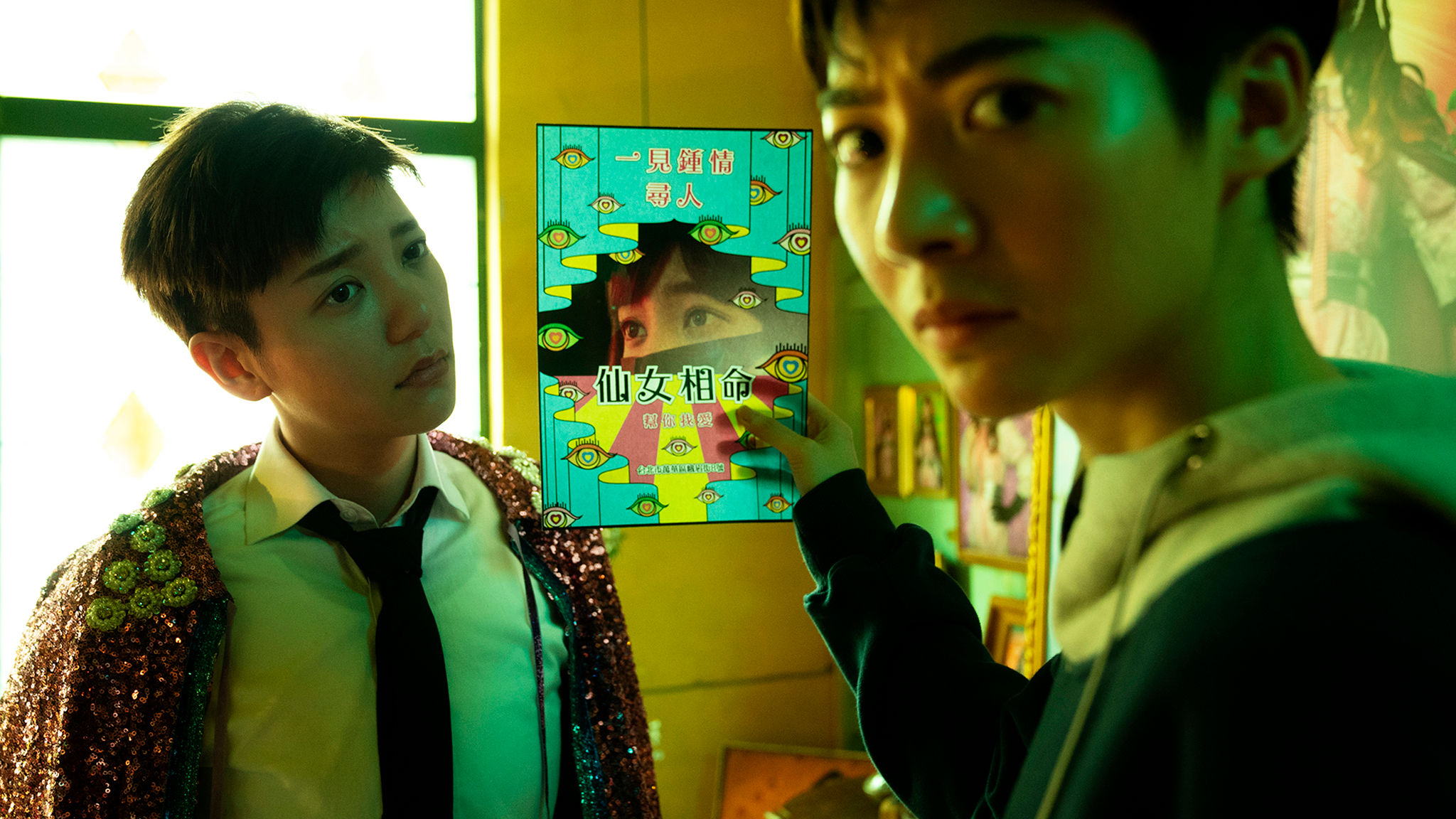
As We Like It

All female retelling of the Shakespeare play set in an internet-free corner of contemporary Taipei in which the hero falls in love with the heroine in the guise of a man.

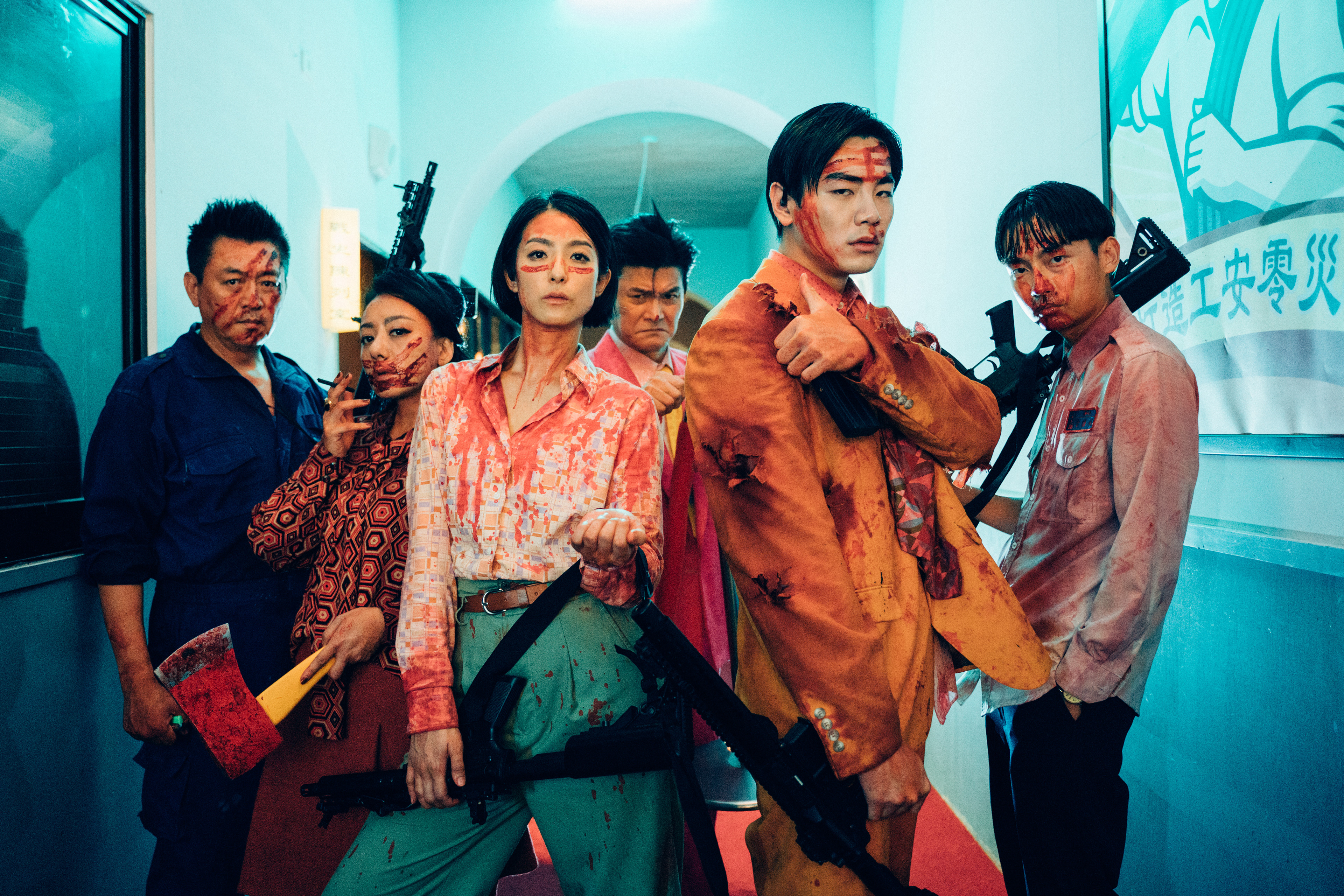
Get the Hell Out

An idealistic former MP and a hapless, besotted security guard attempt to fight their way out of a zombiefied parliament in Wang I-fan’s absurdist satire. Review.

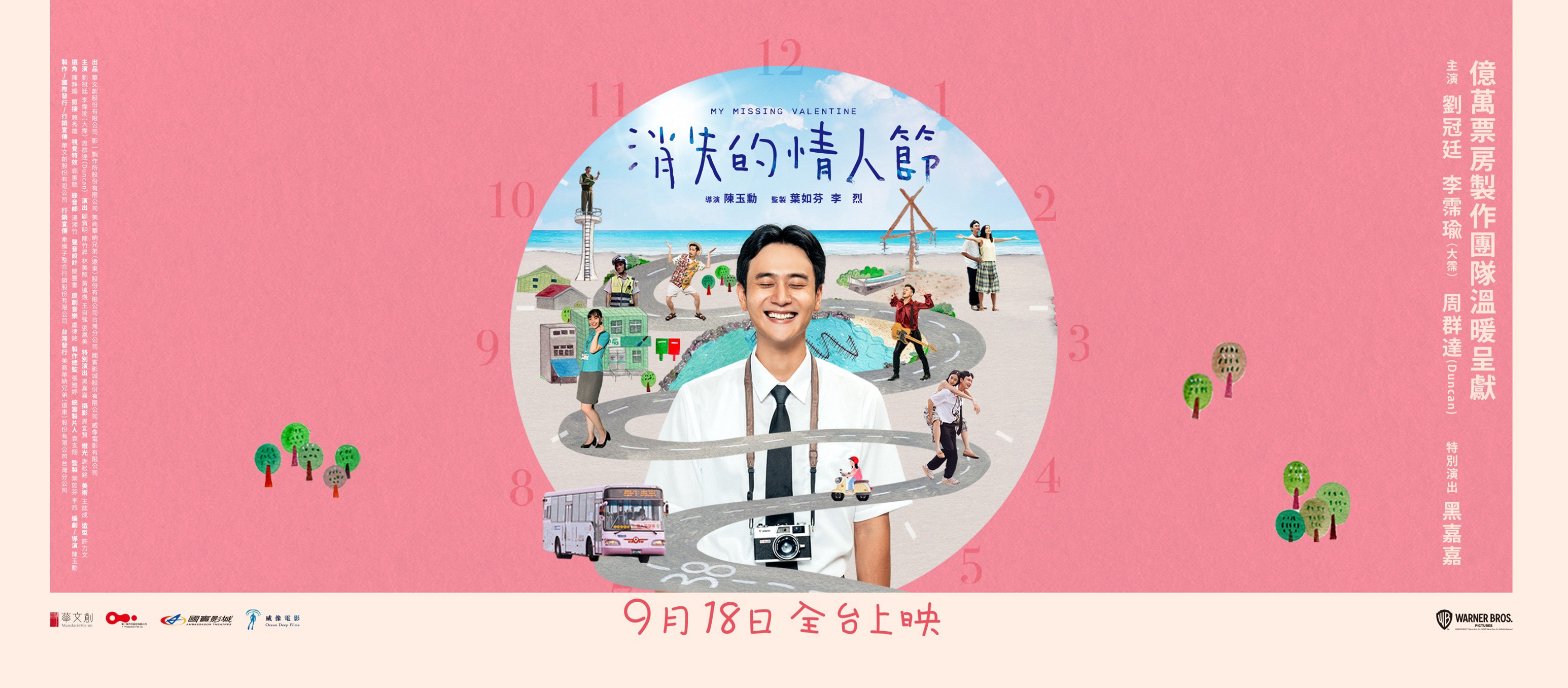
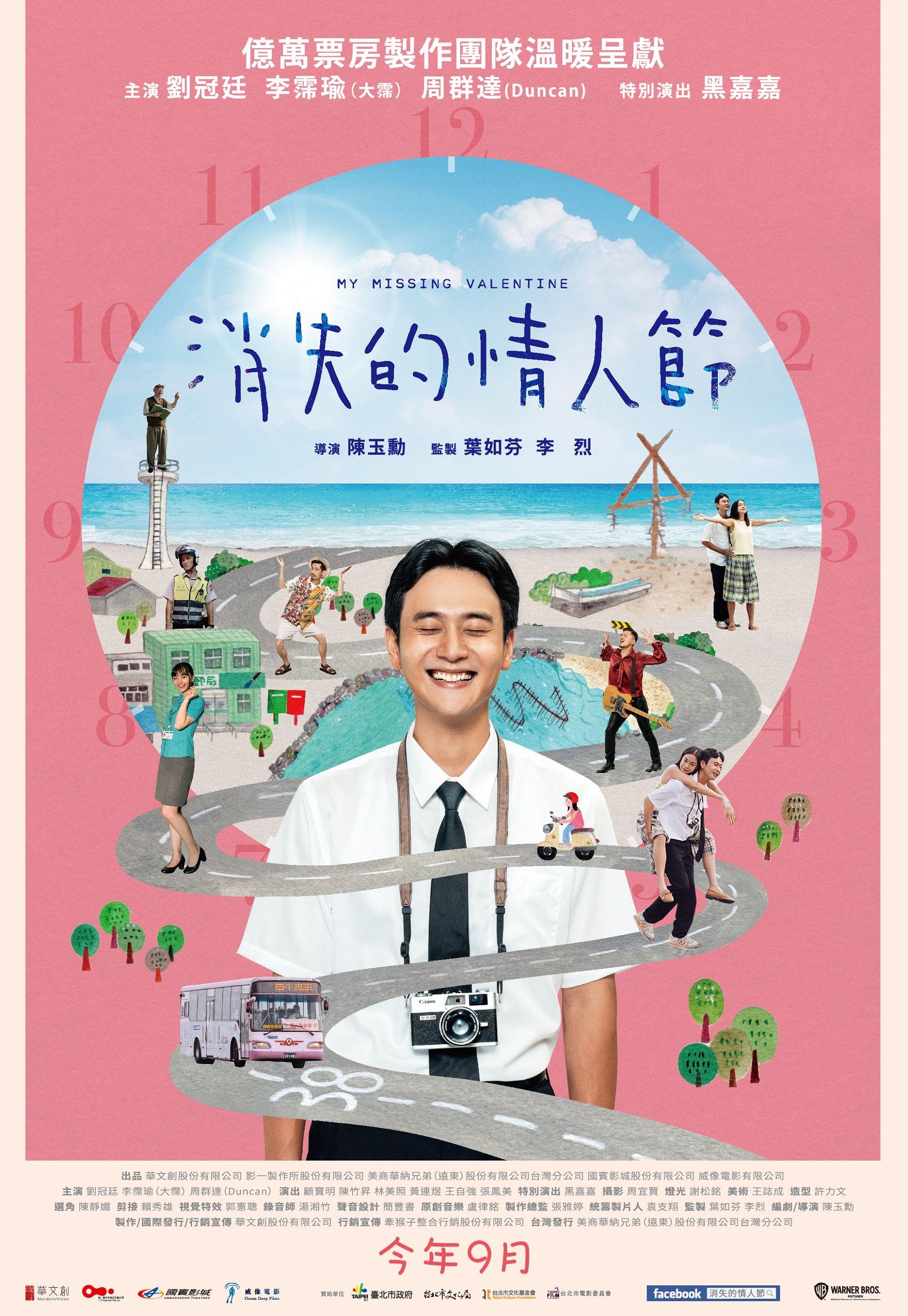
My Missing Valentine

A lovelorn woman finds herself forced to reckon with the forgotten past when she somehow misplaces Valentine’s Day in Chen Yu-Hsun’s charmingly quirky rom-com. Review.

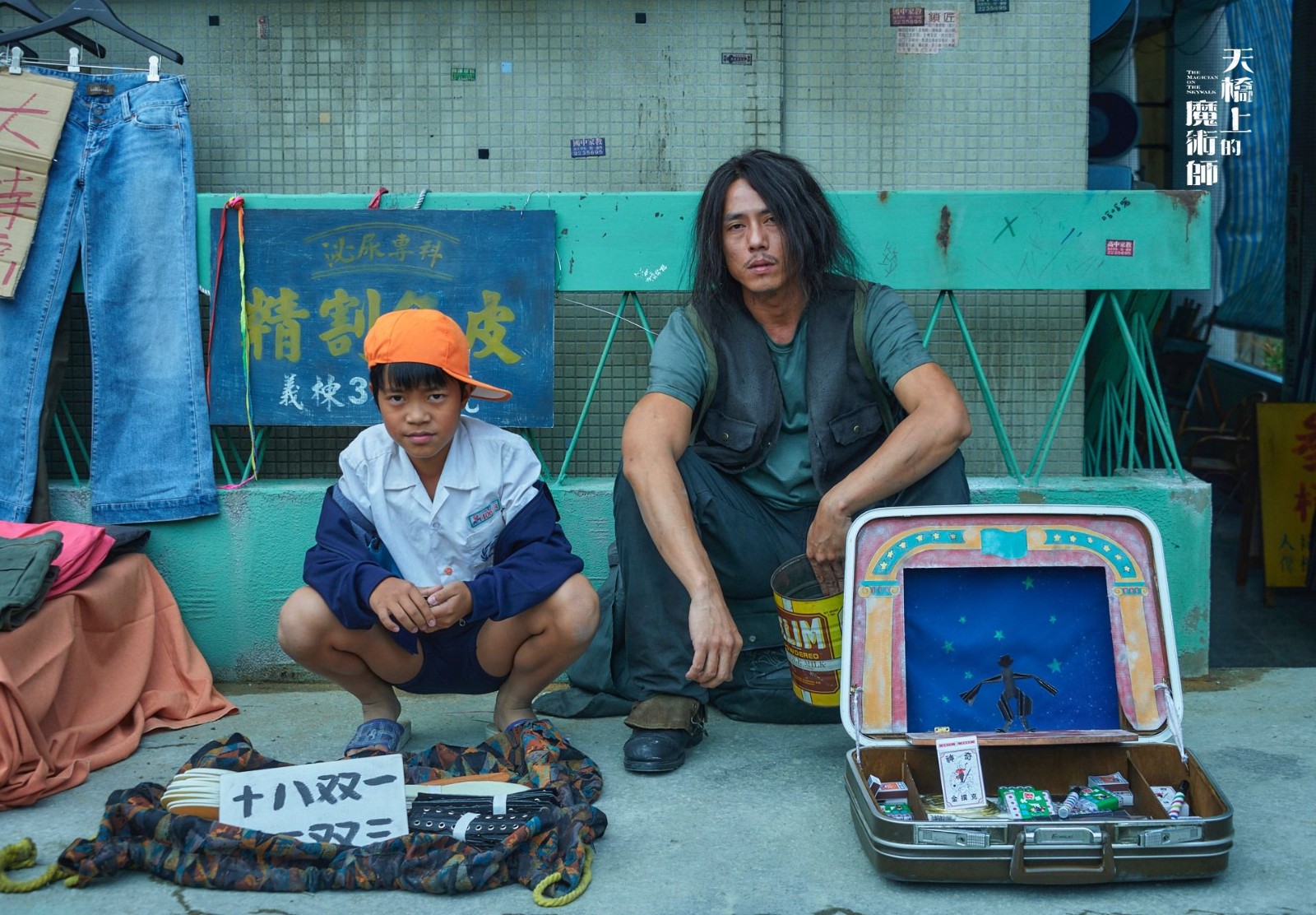
The Magician on the Skywalk

The first two episodes of the hit TV drama adapted from a series of short stories by Wu Mingyi in which a young boy has a life changing encounter with a mysterious magician in a shopping mall in 1985.

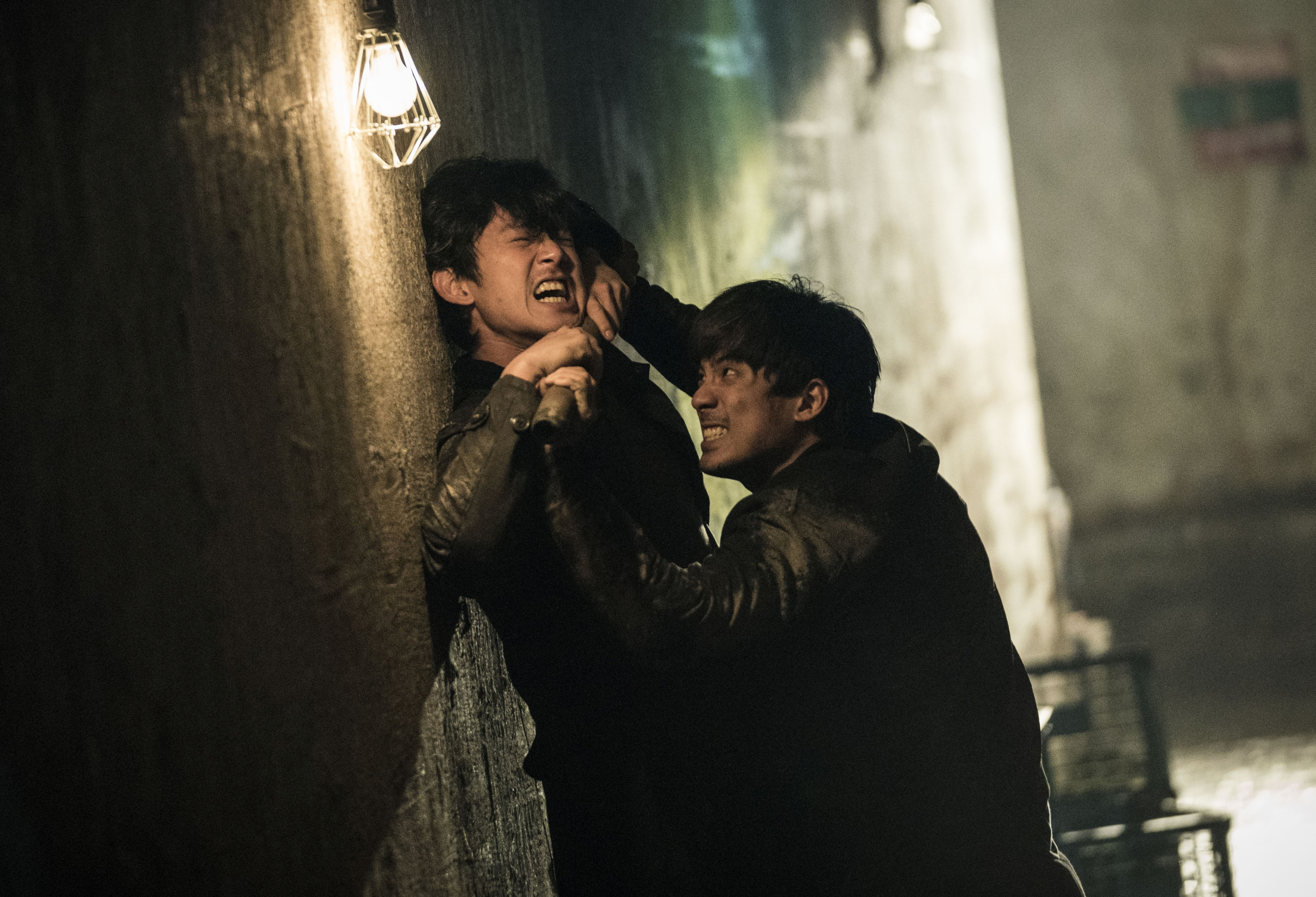
The Scoundrels

Intensely kinetic Taiwanese neo-noir in which a disgraced former basketball player takes to a life of crime only to find himself locked in a deadly battle with a mysterious and amoral thief known as the “Raincoat Robber”. Review.

The Tag-Along

Creepy Taiwanese horror inspired by a real life urban legend of a little girl in red who randomly photobombed a family on a hiking trip standing right behind a man who later died. Her latest victims are apparently a harried real-estate agent and his conflicted radio DJ fiancée whose reluctance to marry makes her a target for supernatural ire. Review.

The Neuchâtel International Fantastic Film Festival (NIFFF) runs online and in Switzerland 2nd to 10th July with the full programme to be unveiled 17th June when tickets will also go on sale. You can keep up to date with all the latest news by following the festival on Facebook, Twitter, YouTube, and Instagram.

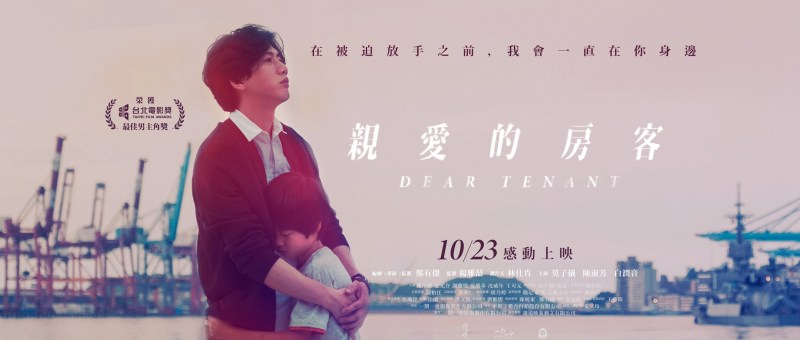
Dear Tenant (親愛的房客, Cheng Yu-Chieh, 2020)

Taiwan introduced marriage equality in 2019 and is often regarded as the most liberal of Asian nations but that does not necessarily mean that it’s free of prejudice or homophobia whether internalised or otherwise. Cheng Yu-Chieh’s melancholy family drama Dear Tenant (親愛的房客, Qīn’ài de Fángkè) begins in fog, mirroring it seems the hero’s sense of numb confusion consumed as he is with guilt and grief but also perhaps reflecting the miasma of his life in which he is forced to remain silent, prevented from fully expressing himself by a persistent sense of shame and anxiety. 

Chien-yi (Mo Tzu-yi) has been caring for his mother-in-law Mrs. Chou (Chen Shu-fang) and Yo-yu (Bai Run-yin), the son of his late partner Li-wei (Yao Chun-yao), for the past five years, but is described by them merely as a “tenant”, a lodger occupying the upstairs annex not really part of the family. His liminal status is fully brought home during the New Year dinner which he cooks and serves but, as Li-Wei’s brother Li-gang (Jay Shih) has decided to make a rare visit home from an extended stay in China, later excuses himself from as if he were the help not entitled to sit at the family table. Mrs. Chou, meanwhile, grumpily invites him to stay low-key resentful of Li-gang suspecting he’s only come to ask for more money, suspicions which are deepened after he starts talking about retirement apartments. When Mrs. Chou passes away suddenly a few months later Li-gang returns again and is both annoyed to learn that Chien-yi has already adopted Yo-yu and distressed to realise that his mother put the house in Yo-yu’s name which means he’s not getting the inheritance he assumed would be his. Consequently, he accuses Chien-yi of killing his mother to get his hands on the house, a series of events complicated by the autopsy report which suggests Mrs Chou’s death may have been hastened by over medication. 

A shy and reticent man, Chien-yi perhaps has reasons for his silence and his reluctance to speak openly with the police, who are needlessly aggressive and belligerent in their treatment of him, is easily understandable. Questioned by the relatively sympathetic prosecutor he is pressed about his “relationship” with the family and remains somewhat coy, later explaining that Mrs Chou had asked him not to tell Yo-yu that he and his father were lovers continuing to refer to him only as her “tenant” even as he took care of the household. The prosecutor asks him why he didn’t leave after his lover died, a question Chien-yi rightly feels to be absurd asking her if she’d ask the same question of a woman who stayed to look after her husband’s family after her husband died. Of course she wouldn’t, it would be ridiculous and insensitive.

It’s impossible to escape the sense that Chien-yi falls under greater suspicion solely because of his sexuality, the lead police officer quite clearly getting a bee in his bonnet about this particular case. They find him evasive and uncooperative, insensitive to the reasons he may have not to trust them that are later justified by their treatment of him as they again make moral judgements about his use of a dating app they likely would not make if he were picking up women though they might perhaps make of a woman in the same situation. Incongruously hanging out in a gay bar they hassle a former hookup who happens to be a drug user, blackmailing him into incriminating Chien-yi while Li-gang has Yo-yu taken to a psychiatrist in the suggestion that he may have been abused, explaining that he doesn’t want him raised in an “abnormal” environment. Chien-yi finds himself in handcuffs less for the alleged crime than for being a “suspicious” person who must surely be guilty of something even if it’s only his existence. 

It doesn’t seem to matter that Chien-yi tenderly cared for Mrs Chou even while she rejected him, angrily sniping that no matter how good he is to her it won’t bring her son back, or that he’s the only father the nine-year-old Yo-yu has ever really known having lost Li-wei when he was only four, he is condemned for his silence and his “secrets” ostracised by the previously warm parents at the piano school where he teaches after being outed by the insensitive police investigation. Consumed by grief and guilt he does his best to care for Li-wei’s family in his place, but is continually othered by a society which recognises him only as a “tenant” denying him his rightful place as bereaved spouse and step-father. As the melancholy ending perhaps implies, justice and equality are still very much works in progress even a rapidly liberalising society. 


Dear Tenant streams California until May 2 as part of San Diego Asian Film Festival’s Spring Showcase.

Original trailer (English / Traditional Chinese subtitles)

My Missing Valentine (消失的情人節, Chen Yu-Hsun, 2020)

“There’s a lot you don’t remember” the heroine of Chen Yu-Hsun’s quirky rom-com My Missing Valentine (消失的情人節, Xiāoshī de Qíngrénjié) is advised by a mysterious dream gecko arriving with clues retrieved from her subconscious to guide the way towards her romantic destiny. He also tells her that love is a matter of self-hypnosis, and in a sense he might be right in that what Hsiao-Chi (Patty Lee Pei-Yu) apparently needs is a time out, quite literally, to enable her gain a slightly different perspective in order to make peace with the half-remembered past and repair her fracturing sense of self. 

At 30, Hsiao-chi laments that she’s always been slightly out of sync with the world around her, perpetually racing ahead, laughing before the punchline and caught with her eyes closed in photographs. She blames this case of bad timing for her continued romantic failure along with the sudden disappearance of her father ten years previously who went out for tofu pudding and never came back. When she joins in with a dance class in the park and is courted by the handsome teacher (Duncan Chow) who asks her out on Chinese Valentine’s Day she thinks her luck is beginning to change, but when she wakes up with a mysterious sunburn and is told Valentine’s has been and gone she’s left only with a sense of existential confusion. 

As the gecko implies, Hsiao-chi’s existence is defined by the things that she’s “lost”, be they fathers, orphaned memories, or an entire day. The sunburn at least tells her that she experienced Valentine’s outdoors, only she has no memory of it, while she later comes across a photo of herself, unblinking, taken in a place in which she’s sure she’s never been. As it happens, the sweet and funny explanation has its unpalatable qualities, Hsiao-Chi quite literally manipulated without her knowledge or consent unwittingly on an awkward “date” while in a catatonic state but nevertheless guided back towards the hidden secrets of her past the discovery of which will eventually allow her to shift into sync with the world around her.

Meanwhile she remains hopelessly smitten with the improbably suave dance teacher, falling for his obvious scam as he sells her a sob story about his traumatic past and an orphan with a heart condition only for her to ironically suggest they enter a three-legged race in an effort to get money to help her. She resents her pretty colleague at the post office (Joanne Missingham), complaining that ability is irrelevant when all anyone cares about is the superficial while presented with a series of eccentric characters including a chubby guy in search of a wife and a pervert professor, lowkey dismissive of a young man she refers to as the “weirdo” (Liu Kuan-ting) who comes in every day to mail a letter. Living in a rundown house share with another set of unusual people, she penny pinches for all she’s worth while listening to a sympathetic talk radio host and dreaming of romantic fantasy. Ironically what she finds is that she needs to slow down, see things from a different perspective not quite as “superficial” or judgemental as she’s hitherto been while opening herself up to receiving the messages from her past she’d long forgotten were even waiting for her. 

With its retro colour scheme and quirky worldview, Chen’s charmingly sophisticated screenplay marries an intriguing puzzle box structure with a genuine sense of existential questioning as Hsiao-chi ponders the nature of loss wondering if it’s really possible to mislay an entire day even trying to report it to the police as stolen while wondering if her new “boyfriend”, also missing, is more than mere romantic fantasy. The irony is that Hsiao-Chi works at the post office but struggles with communication, finally discovering she can only unlock the secrets of her past through the recollections of others, adding their perspective to her own in order to complete the panorama of their lives and allowing her interior mantra to shift from “love yourself because no one else will” to “love yourself because someone out there loves you”. Hsiao-Chi’s missing Valentine is in many ways the one to her herself as she rediscovers a sense of self-acceptance while finally finding her rhythm in sync with the world around her as she resolves to wait for love hopeful that it too will eventually catch her up. 


My Missing Valentine streams California until May 2 as part of San Diego Asian Film Festival’s Spring Showcase.

Original trailer (English subtitles)