The Fantasia International Film Festival returns for its 29th edition taking place once again in Montreal from July 17 to Aug. 3. As usual this year’s programme includes a host of new and classic features from East Asia:
China

- Contact Lens – Experimental drama in which a young woman longs to break free.
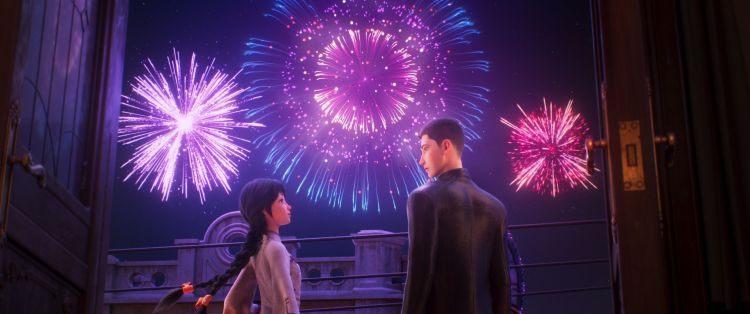
- The Girl Who Stole Time – Animation in which a young girl gains the ability to control time.
Hong Kong
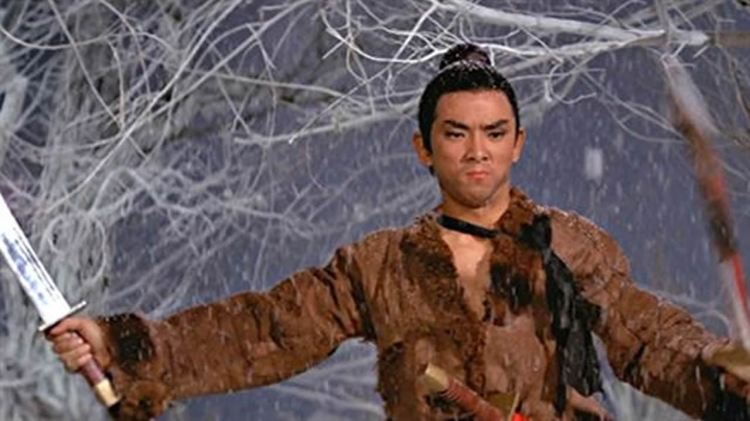
- The Battle Wizard – Zany Shaw Brothers fantasy in which a man is imbued with the knowledge of kung fu and the ability to shoot lasers after biting a snake.
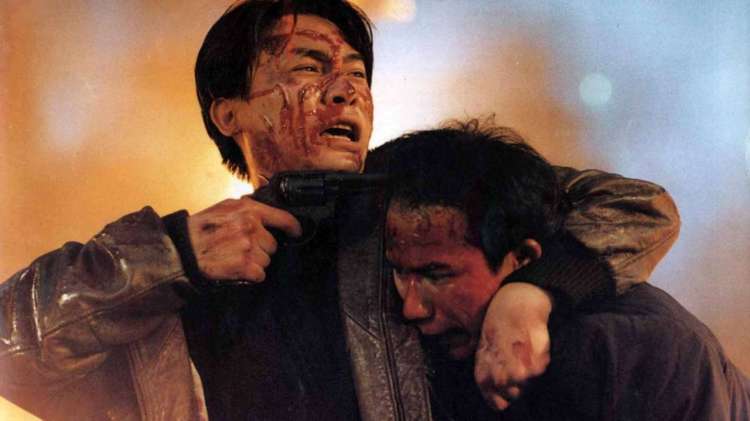
- Bullet in the Head – 4K restoration of the John Woo classic in which a trio of friends flee Hong Kong only to be trapped in Vietnam.
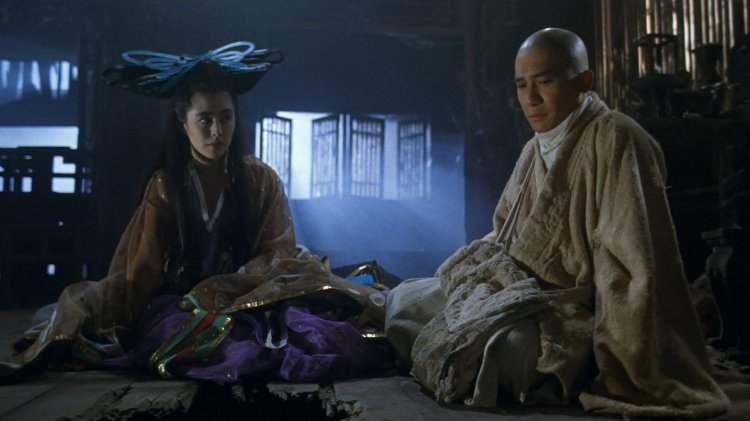
- A Chinese Ghost Story III – 4K restoration of the Tsui Hark /Ching Siu-Tung classic in which the arrival of a young monk destabilises a community of fox vixens.
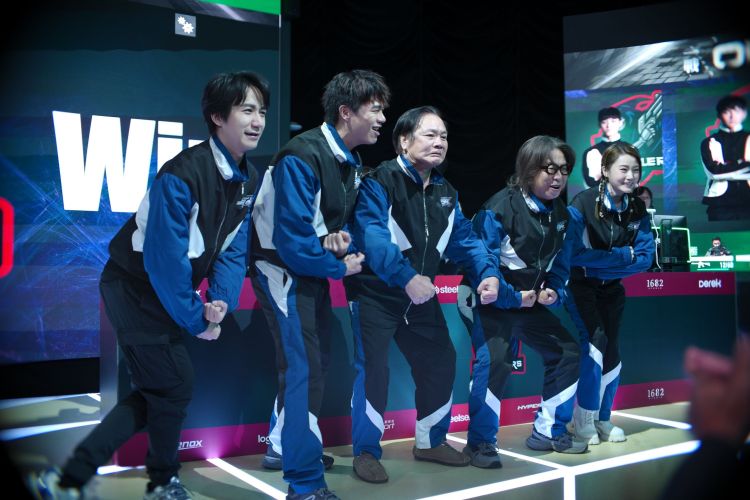
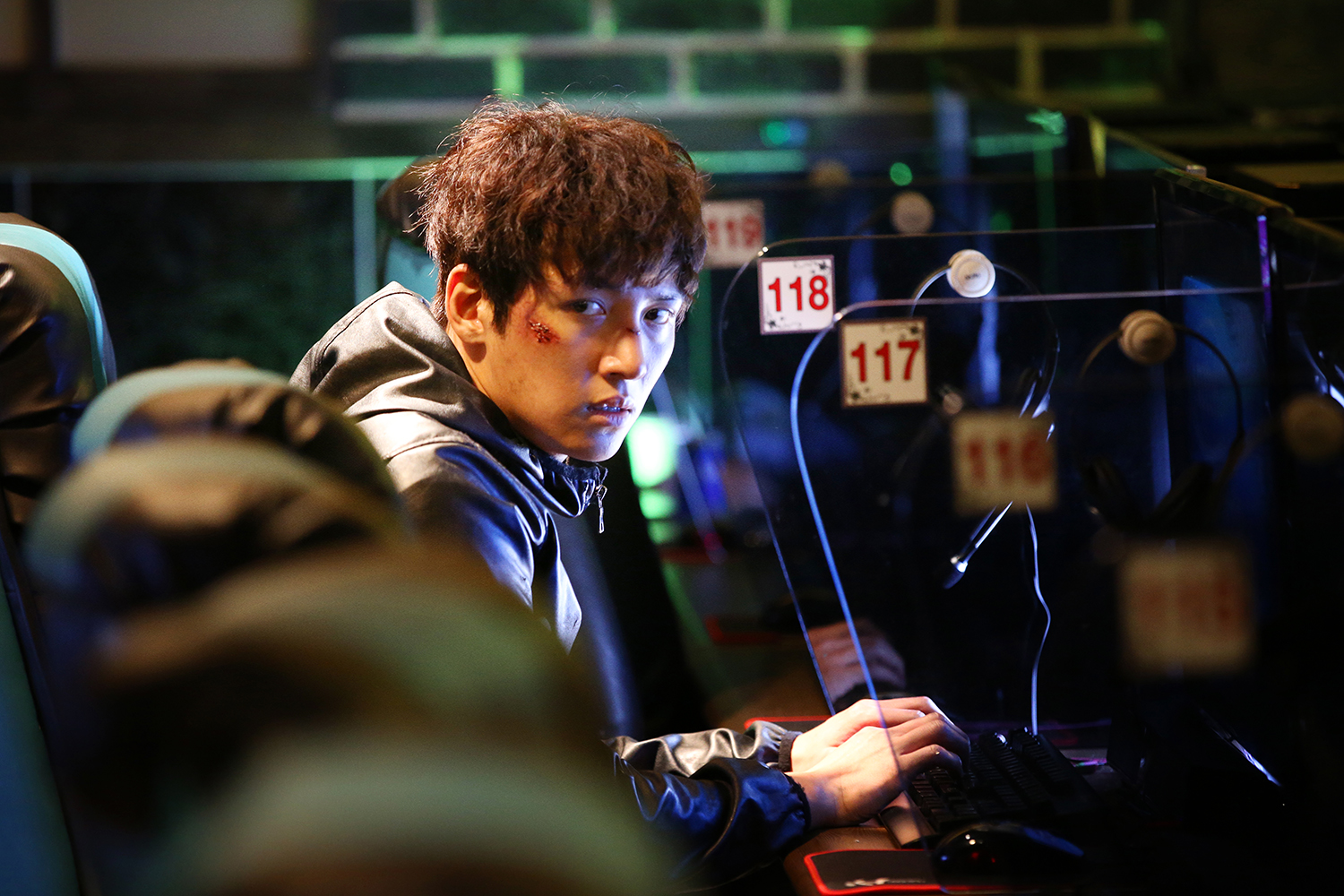
- Good Game – With business declining, a middle-aged internet cafe owner sets his sights on an esports championship.
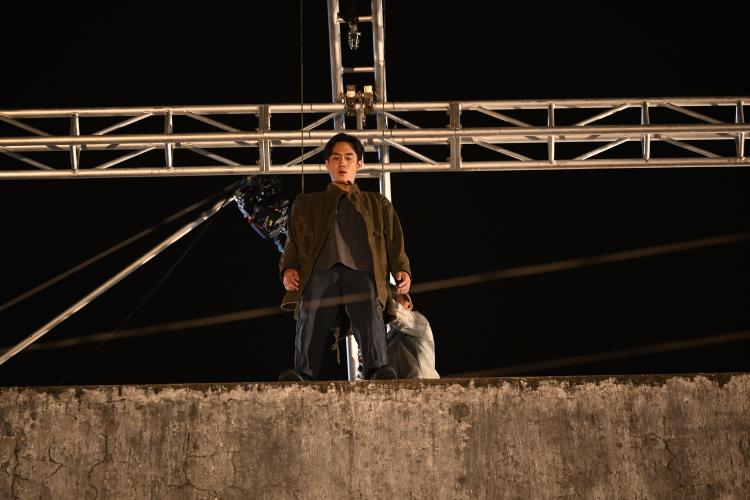
- Stuntman – A legendary action choreographer gets a second chance on a retro movie but finds himself out of step with modern filmmaking in Herbert Leung & Albert Leung’s elegiac drama. Review.
Indonesia
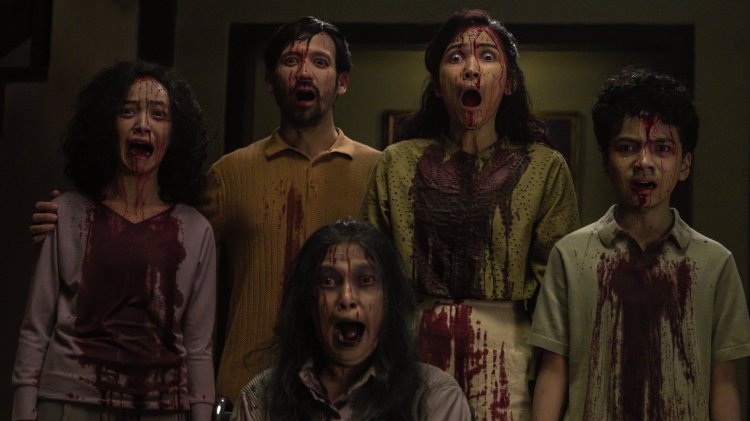
- The Book of Sijjin And Illiyyin – A put upon and ostracised woman pursues black magic revenge.
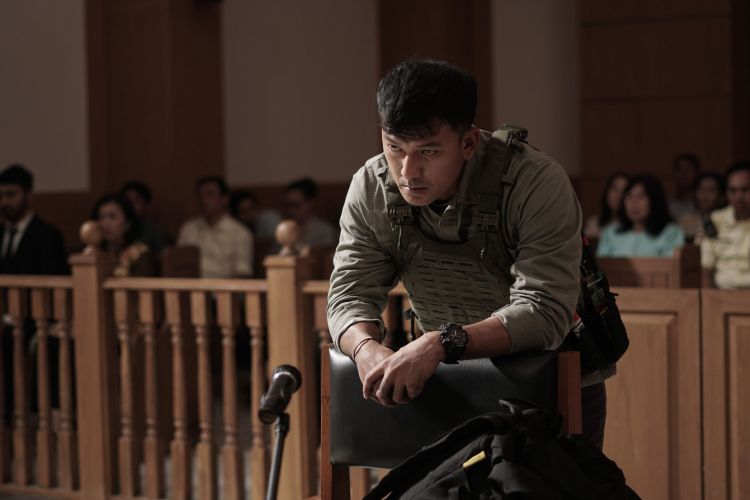
- The Verdict – South Korean co-production in which a court security guard finds himself on trial.
Japan
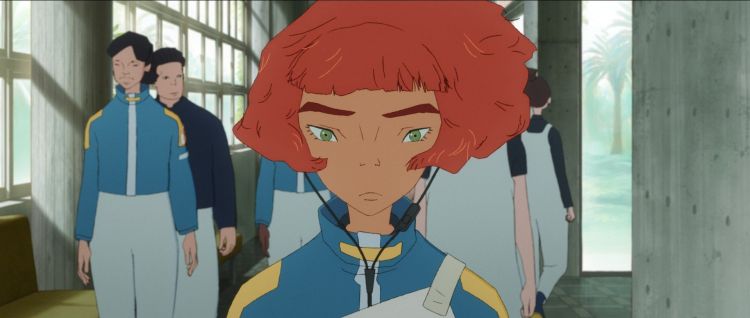




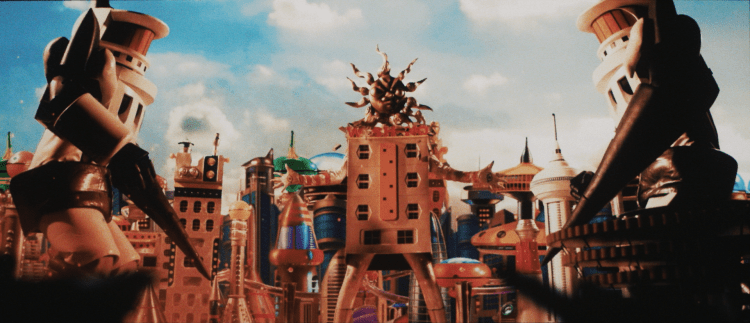
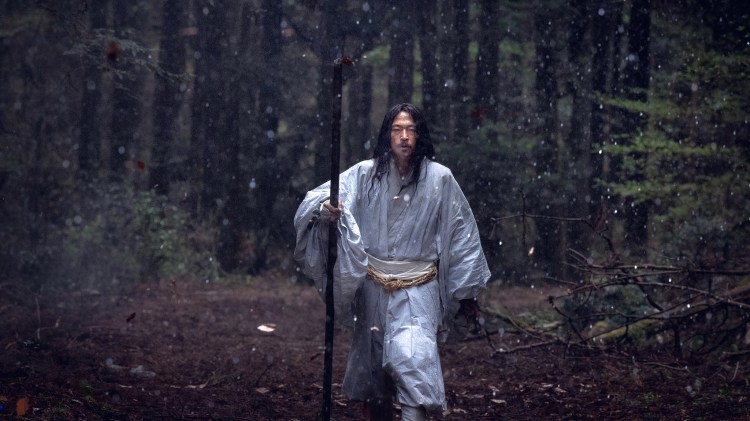

- All You Need is Kill – Anime adaptation of the novel in which a woman becomes trapped in a timeloop.
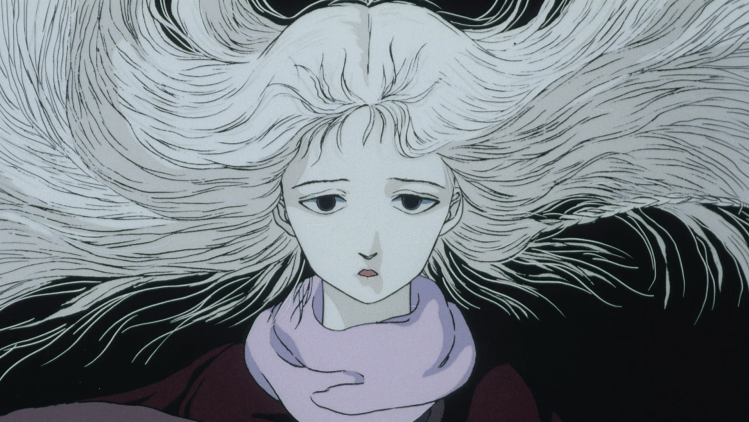
- Angel’s Egg – A solitary girl and a nihilistic soldier find themselves on opposite sides of an ideological divide in Mamoru Oshii’s surrealist animation. Review.
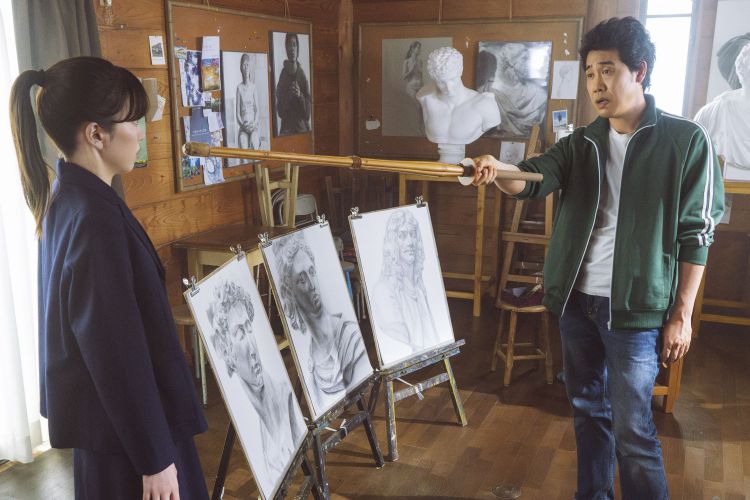
- Blank Canvas: My So-Called Artist’s Journey – Manga adaptation in which an aspiring mangaka spars with a difficult teacher.
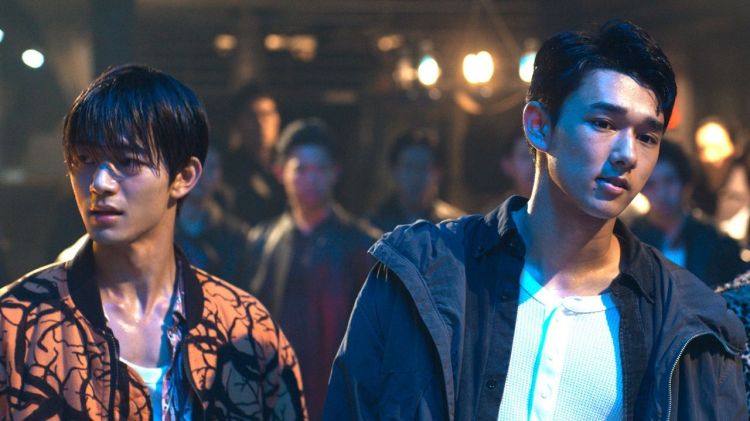
- Blazing Fists – Latest from Takashi Miike in which two young men seek new futures in MMA.
- ChaO – Animated take on the little mermaid.
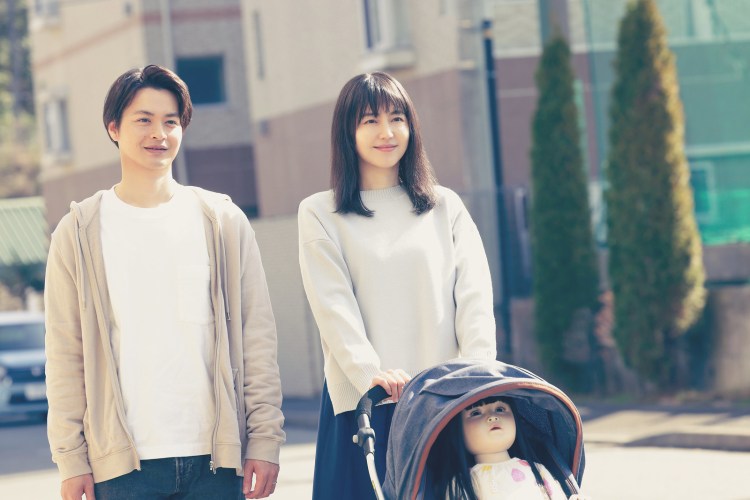
- Dollhouse – A woman buys a doll to help her overcome her grief after losing her daughter only to abandon it on conceiving a second child.
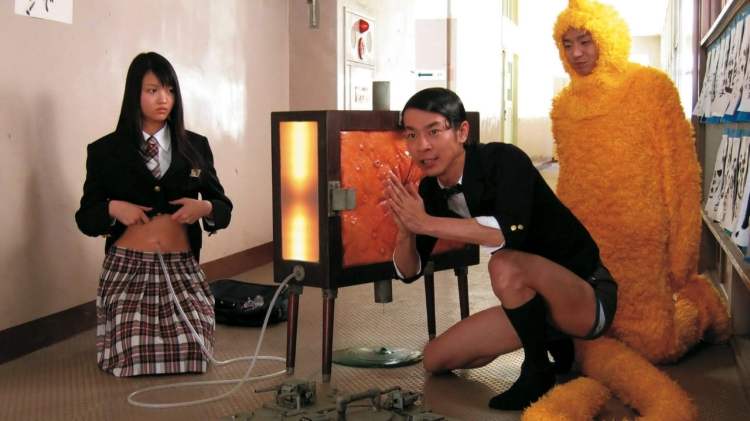
- Funky Forest First Contact – “Thinking is too scary, so I’ll forget about it” according to one young woman in this surreal series of non-sequitur skits. Review.
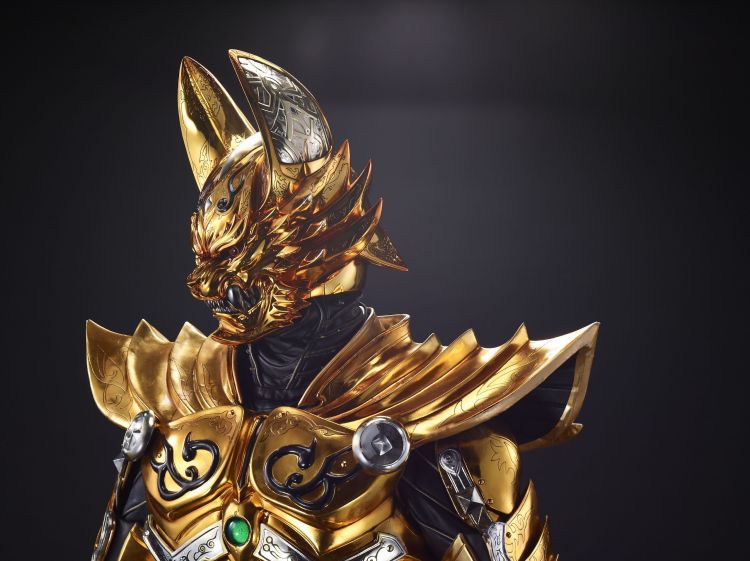
- Garo: Taiga – Latest in the classic tokusatsu series.
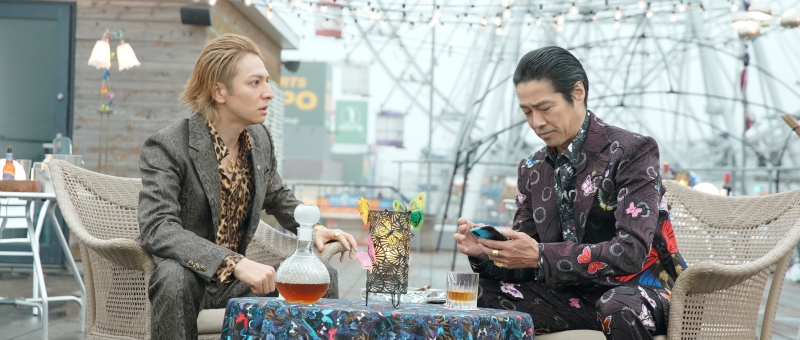
- Honeko Akabane’s Bodyguards – Comedy manga adaptation in which a man is hired to protect a young woman from assassins without her ever knowing.
- I Fell in Love with a Z-Grade Director in Brooklyn – An actress is convinced to appear in an indie film after arriving in New York.
- Japanese Avant-Garde Pioneers – Documentary focusing on post-war Japanese artists.
- Looking for an Angel – Queer pink film
- Mononoke the Movie: Chapter II – The Ashes of Rage – The Medicine Seller returns in the second instalment in the series.
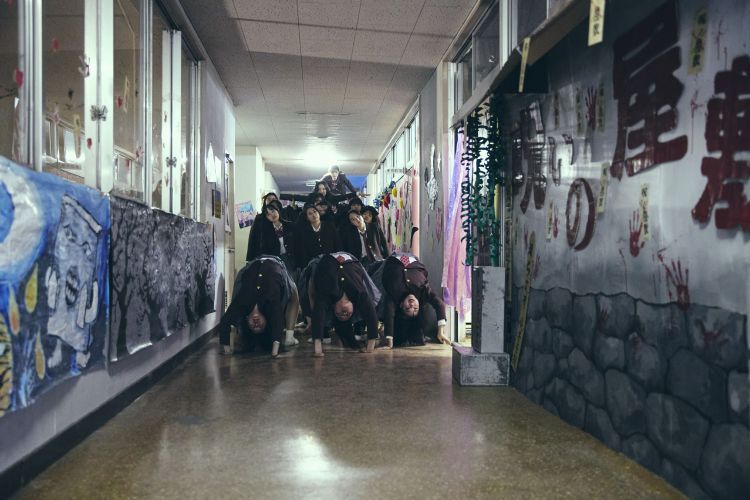
- New Group – A transfer student returning from abroad destabilises the carefully controlled environment of strict high school.
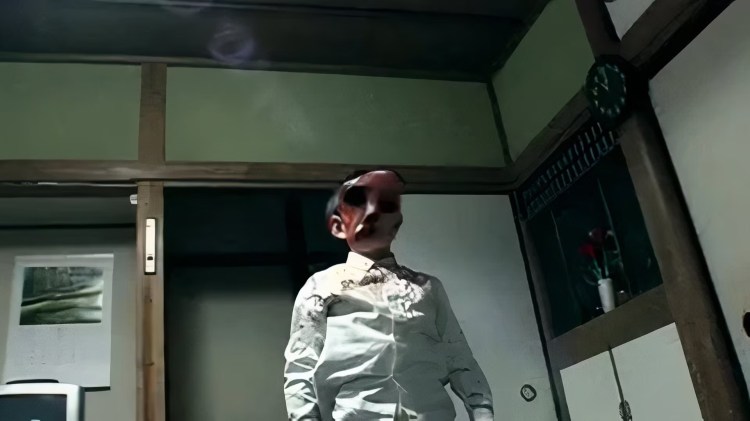
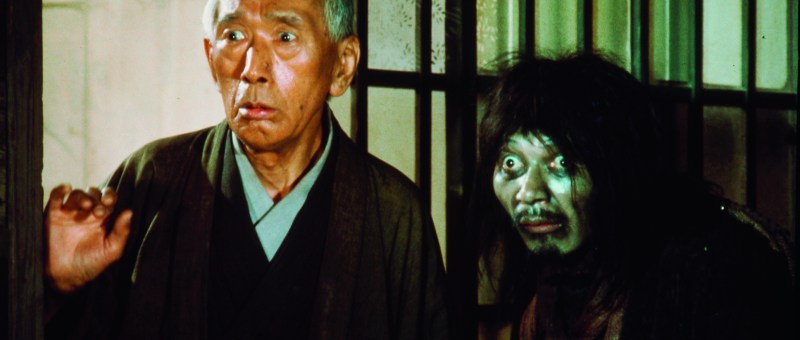
- Noroi: The Curse – Koji Shiraishi’s classic J-horror in which a documentary filmmaker looks into a series of paranormal events.
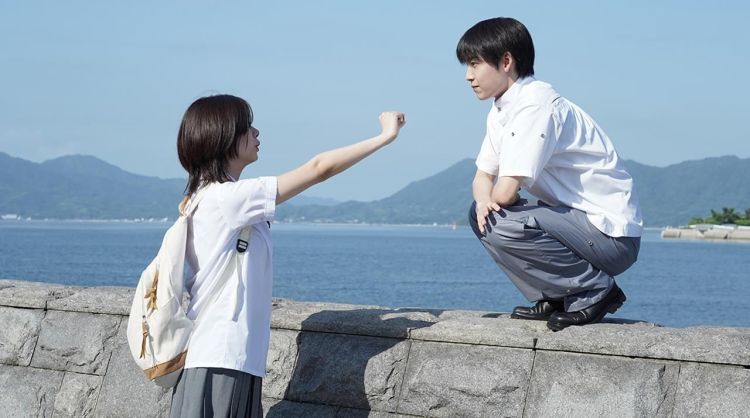
- Rewrite – Time travel drama in which a school girl meets a boy from the future.
- Sham – Courtroom thriller adapted from the novel by Masumi Fukuda and directed by Takashi Miike.
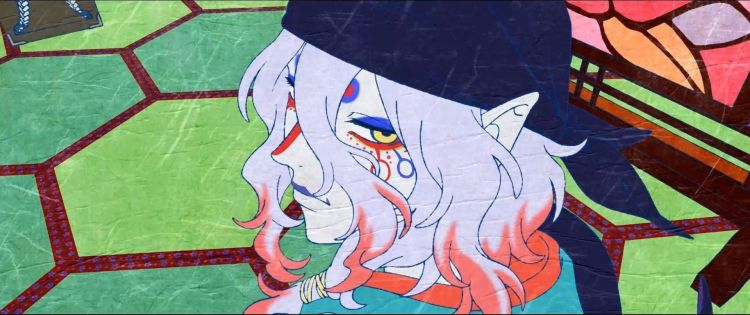
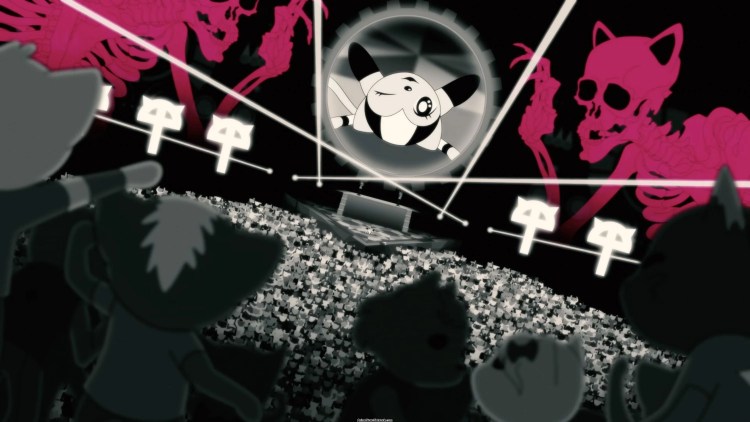
- Tamala 2030: A Punk Cat in Dark – Avant-garde anime in which a cat gets involved with her friend’s missing person investigation.
- Taroman Expo Explosion – Big screen edition of the Taro Okamoto-homage tokusatsu series.
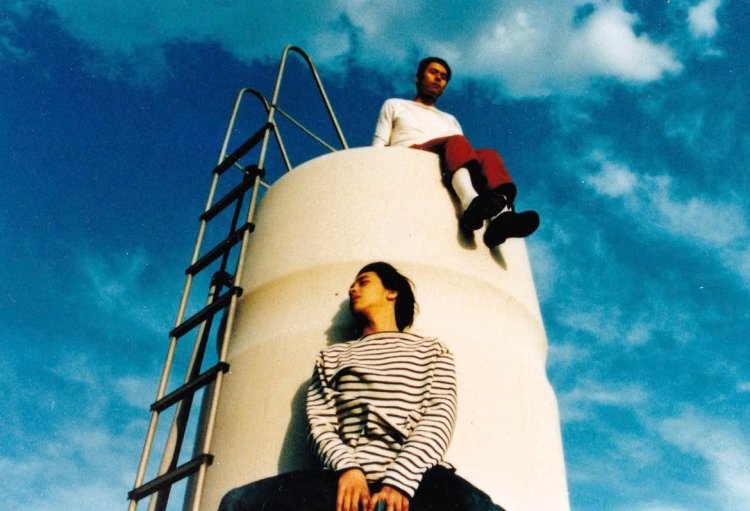
- Transcending Dimensions – Trippy drama from Toshiaki Toyoda.
- Ya Boy Kongming! The Movie – War of the Three Kingdoms hero Zhuge Kongmin is reincarnated in modern day Shibuya where he manages the career of an aspiring singer.
South Korea
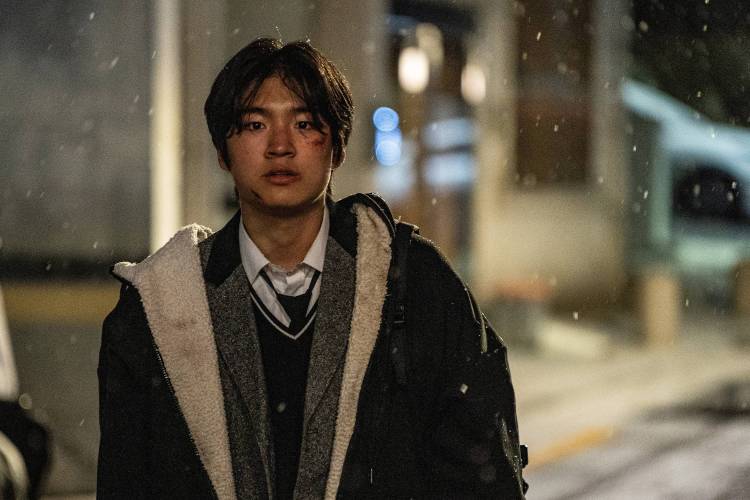

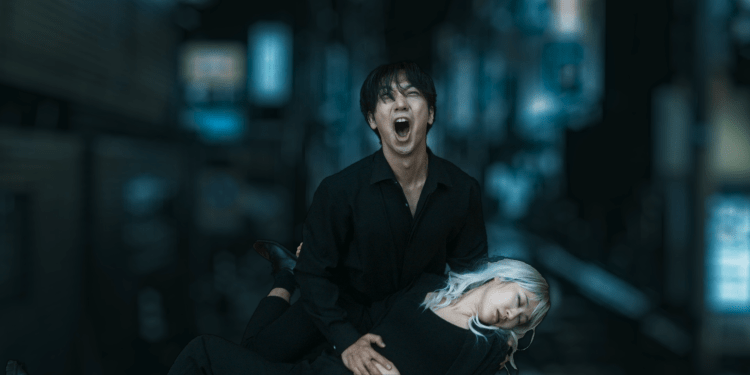
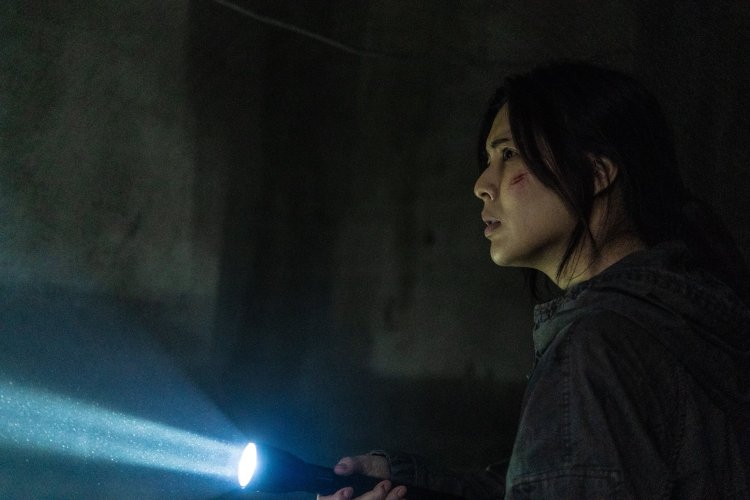
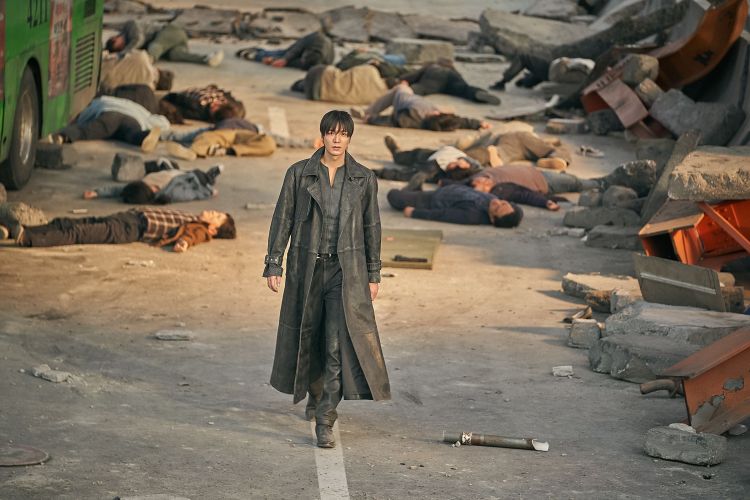
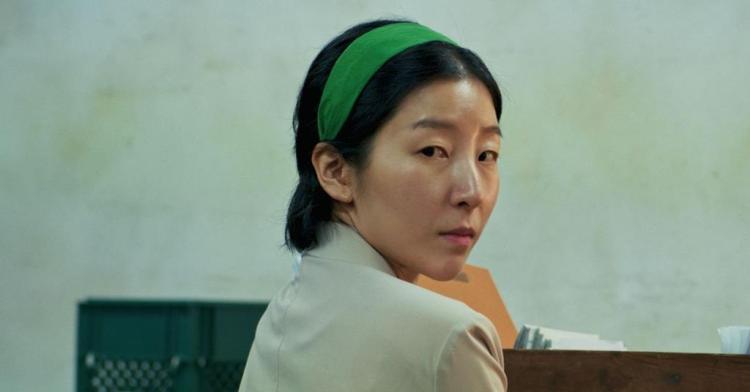
- Fragment – Drama in which the children of a murderer and their victim live in the same village.
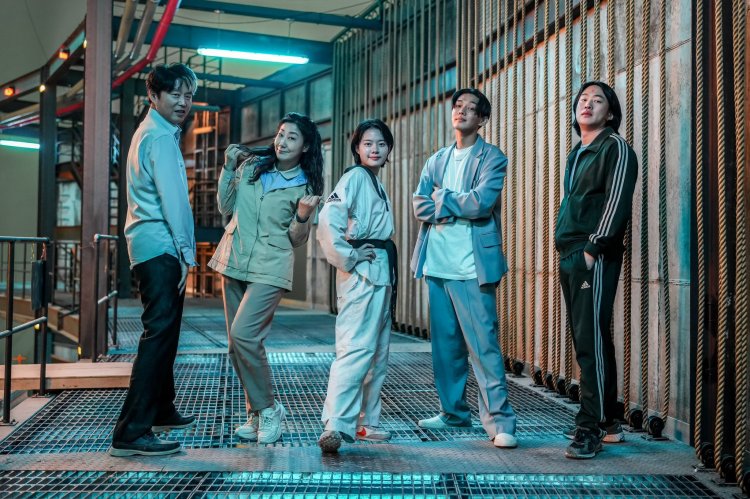
- Hi-Five – Five people receive super powers after receiving an organ transplant.
- Holy Night: Demon Hunters – The mighty fists of Ma Dong-seok punch the Devil right back to hell in Lim Dae-hee’s supernatural action drama. Review.
- The Last Woman on Earth – A film student writes a vengeful satire against men.
- Noise – A woman investigates her sister’s disappearance.
- Omniscient Reader: The Prophecy – Isekai drama in which an office worker is thrust into the world of the web novel he’s been reading.
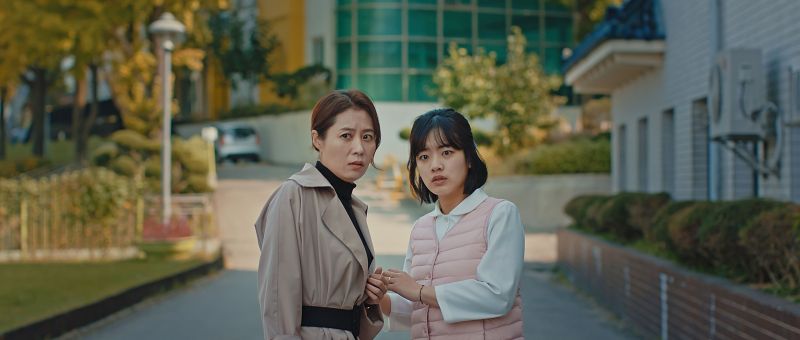
- The Woman – A woman suspects a man she was trying to buy a second-hand hoover from may have murdered her friend.
Taiwan
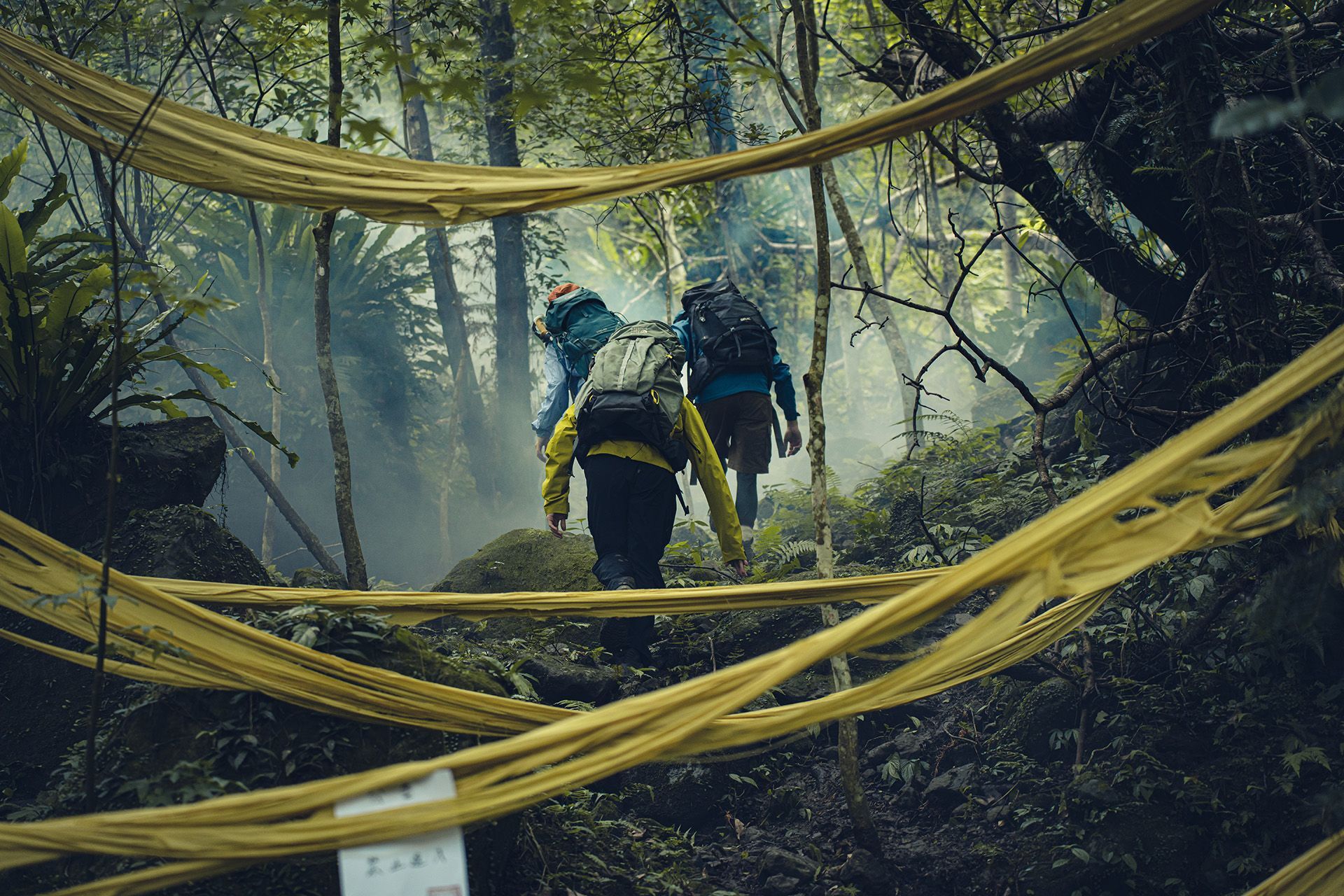
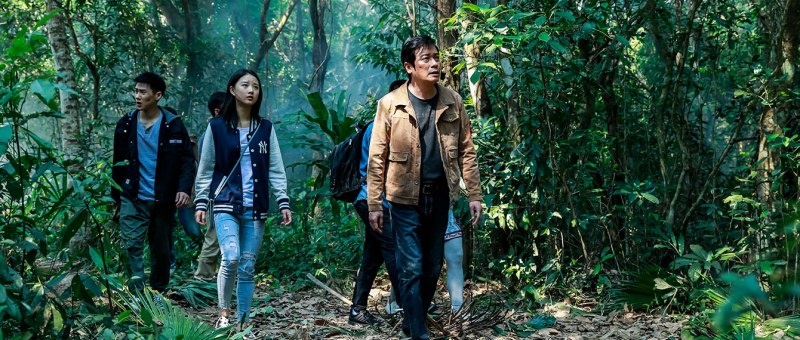
- Haunted Mountains: The Yellow Taboo – A couple become trapped in a horrifying time loop while hiking and encountering the yellow raincoat ghost.
The Fantasia International Film Festival runs in Montreal, Canada, July 17 to Aug 3. Full details for all the films along with scheduling and ticketing information are available via the the official website, and you can also keep up with all the latest news via the festival’s official Facebook page, X (formerly Twitter) account, Bluesky, Instagram, and Vimeo channels.









 Cho Sun-ho’s time-loop drama A Day (하루,
  Jun-young, a successful surgeon but less than successful father, witnesses a car accident involving his daughter only to wake up as if it were just a dream. Realising that the events of his dream are proceeding as he saw them, Jun-young tries to save his daughter only to fail and have the exact same events repeat themselves over and over again until he meets another man in the same position who has been trying to save the life of the other victim. Together, the two men unite to save the lives of their loved ones and escape the nightmarish temporal loop in which they are both trapped.
 Tag screens on 14th October at 12pm. Check out our review of the film
  Now in its 21st year, Montreal’s


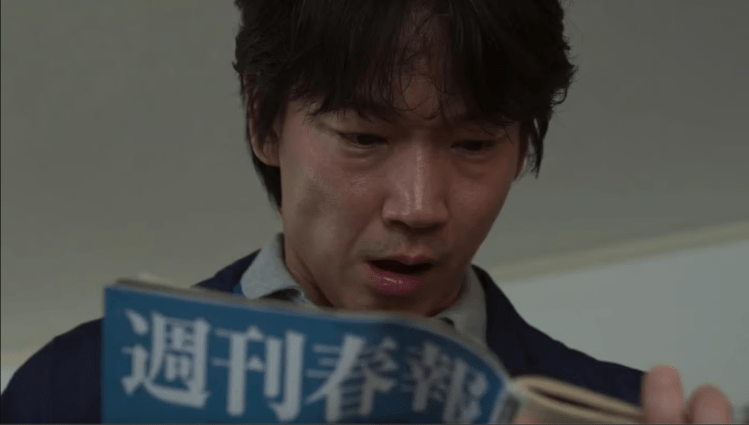
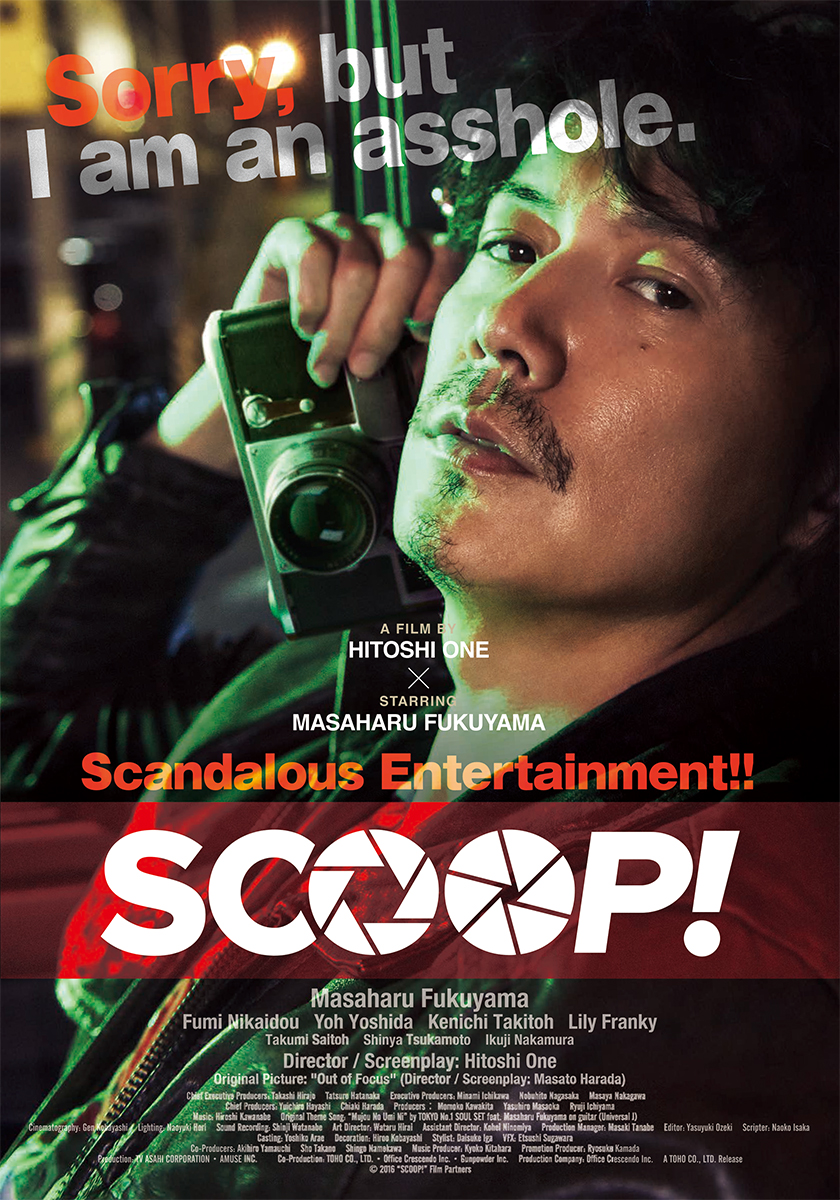 Hitoshi One has a history of trying to find the humour in an old fashioned sleazy guy but the hero of his latest film, Scoop!, is an appropriately ‘80s throwback complete with loud shirt, leather jacket, and a mop of curly hair. Inspired by a 1985 TV movie written and directed by Masato Harada, Scoop! is equal parts satire, exposé and tragic character study as it attempts to capture the image of a photographer desperately trying to pretend he cares about nothing whilst caring too much about everything.
