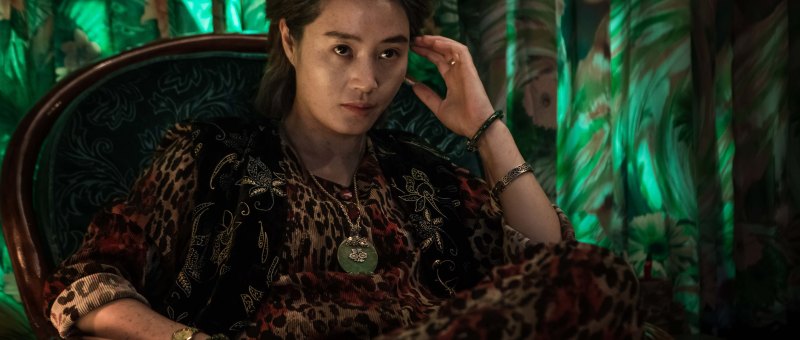
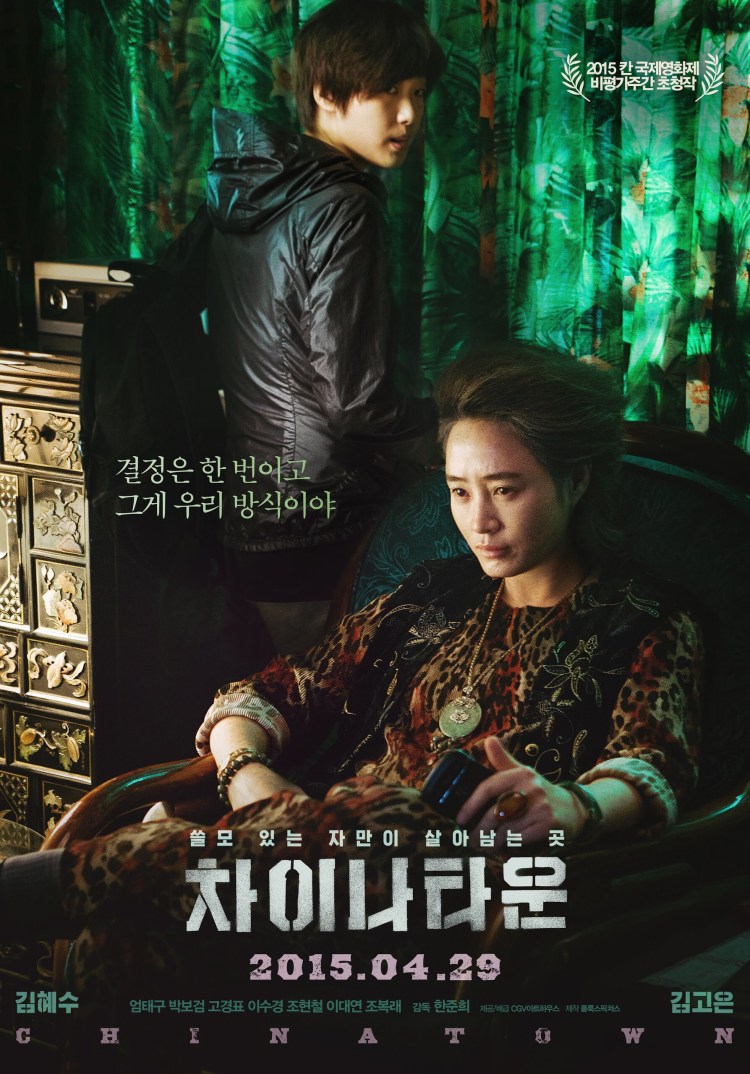
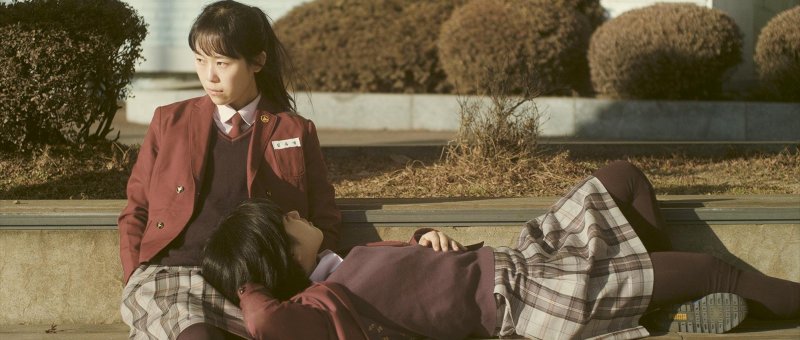
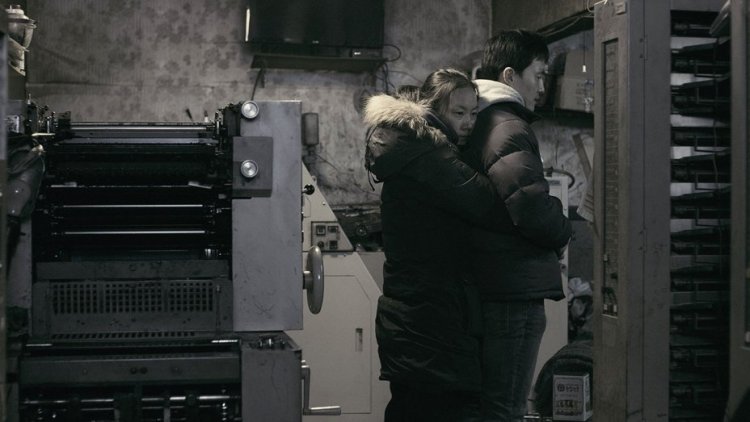
 Family in Korean films, unlike those say of Japan, has always been something of a double edged sword. Coin Locker Girl (차이나타운, AKA Chinatown) takes the idea of “family” and twists it around, bites into it to test its veracity, and offers a wry smirk as the metal begins to bend. Set in Incheon’s Chinatown, Han Jun-hee’s noirish thriller sends its heroine down a series of dark alleyways as she both fights and fights to retain her humanity whilst inhabiting an extremely inhuman world.
Il-young (Kim Go-eun) was found, covered in blood, hidden away in a coin locker, an abandoned child with no clue as to her identity or that of the woman who gave birth to her. Named and taken in by a collection of beggars at the station, she began her life as a street rat though not, perhaps, entirely unloved or friendless. As a young child she was then taken by gangsters working for a fearless female gang boss known as “Mom” (Kim Hye-soo). Mom is not one to suffer fools and feels no compunction in getting rid of those no longer useful to her. She soon puts Il-young to work, pamphleteering, begging, and eventually debt collecting as she grows older under Mom’s watchful eyes. By the time Il-young is almost come of age, she has an older brother and a sister as well as a younger brother with learning difficulties whom Mom still looks after despite her otherwise unsentimental approach to life.
The trouble starts when Mom sends Il-young to collect a debt from the young son of a man who’s skipped the country. Seok-hyeon (Park Bo-gum) is not like the typical clients she’s met before. He opens his door, invites her in, even offers to feed her before she leaves. Il-young finds all of this very strange. She’s never met anyone “nice” before and wonders what his angle is. Seok-hyeon, however, does not appear to have much of an angle aside from perhaps the usual one. Spending a bit of time with him, Il-young begins to develop certain feelings which see her swapping her Mom-style slacks and jackets for pretty summer dresses. Despite his son’s faith in him, Seok-hyeon’s father has not kept his end of the bargain and so Mom decides it’s time to call in the debt by offing Seok-hyeon and harvesting his organs. Il-young has a choice – between the woman she calls “Mom”, and a naive young man she has come to like though he has no place in her kill or be killed world.
One of the most attractive qualities about the young Il-young was that she didn’t exist. No birth certificate and no identity meant that she could be Mom’s to do with as she pleased. Consequently, adolescent Il-young has a more complicated relationship with her “Mom” than most young women but is also acutely aware of the debt of gratitude which is owed, the precariousness of her position, and the reality that she has nowhere else to go should she decide to try and break away from the world in which she has been raised. Never quite sure what her relationship to Mom is, Il-young has come to think of the other children in the same situations as siblings, but again cannot be sure that they feel the same.
Like many a good film noir, the tragedy lies in not completely closing off one’s heart as the harshness of the world dictates. Mom rejects those who are not useful and terminates those who have betrayed her with extreme prejudice, but despite herself she cannot destroy Il-young. Stepping back from her code, her orders are to let Il-young live, condemning her to a fate perhaps worse than death but alive all the same. Mom is betrayed by another child figure enacting a petty act of revenge, but her decision to let Il-young live is the one which threatens to condemn her. Having believed herself an unloved, unwanted child, Il-young is left with two terrible legacies of abandonment and the feeling that she will never leave that coin locker in which she has been trapped since birth. The cycle of maternal sacrifice continues, though Il-young has the opportunity to change her fate by taking charge of it, picking up where Mom left off but with greater compassion even within the confines of her still cruel world.
Screened at London Korean Film Festival 2017. Also screening at Manchester (11 Nov) and Glasgow (16 Nov).
Original trailer (English subtitles)


 Wales’s premier horror festival,
  Another addition to the Meatball Machine universe, Kodoku follows a debt collector recently diagnosed with terminal cancer who realises his condition makes him immune to the mind control of invading alien Necroborgs. More splatter action from Yoshihiro Nishimura.
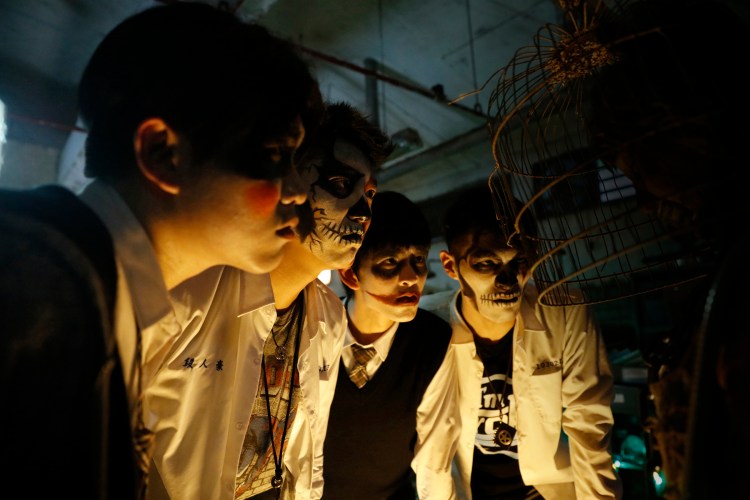 A group of horrible kids capture a strange creature and then mercilessly torture it in Giddens Ko’s surprising foray into the world of teen horror.
 Set in 1953,
 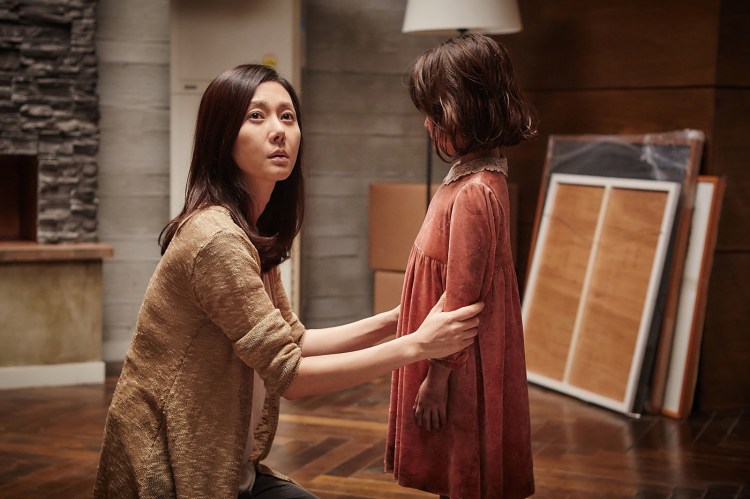 Hee-yeon moves to a small village near Mt. Jang with her husband after their son goes missing. Bonding with a little girl who seems to be lost herself, Hee-yeon soon becomes embroiled in the strange events occurring around the mountain.
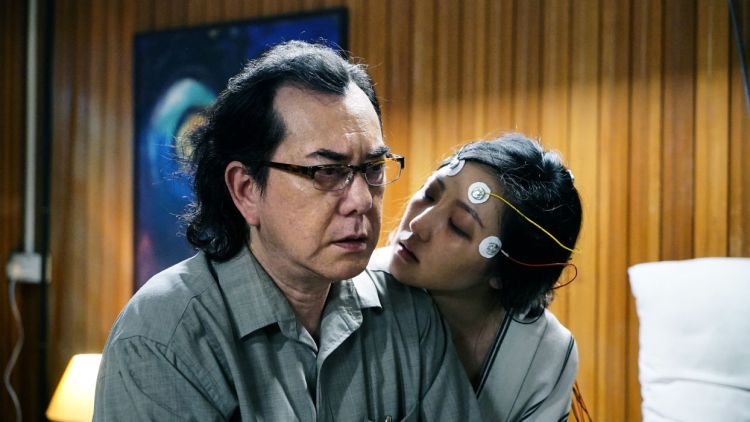 ’90s neurologist Lam Sik-ka (Anthony Wong) can’t sleep. Contacted by a fellow insomniac former girlfriend, he begins investigating and finds the answer lies all the way back in the Japanese occupation…
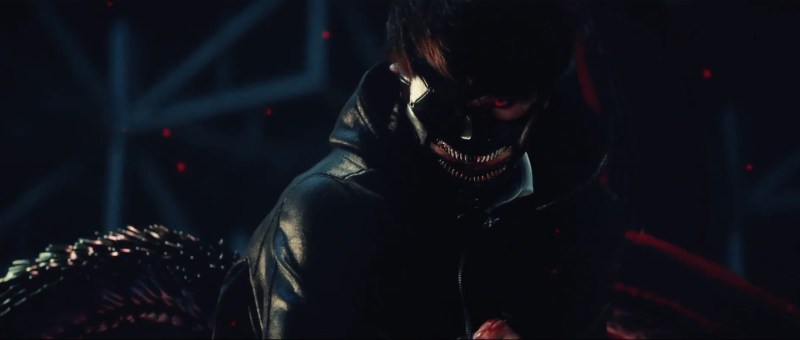
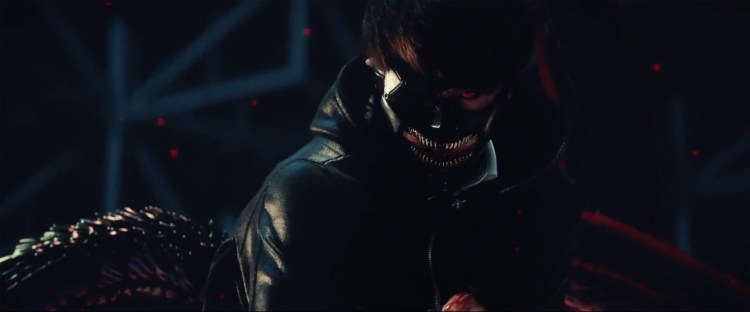 An adaptation of the manga by Sui Ishida, Tokyo Ghoul is the story of Ken Kaneki who wakes up in hospital to discover he’s been given transplants from a “Ghoul” and is now part Ghoul himself which means he needs to eat human flesh to survive…
 Students at a remote art school start mysteriously disappearing, could the creepy clay statues possibly be to blame?
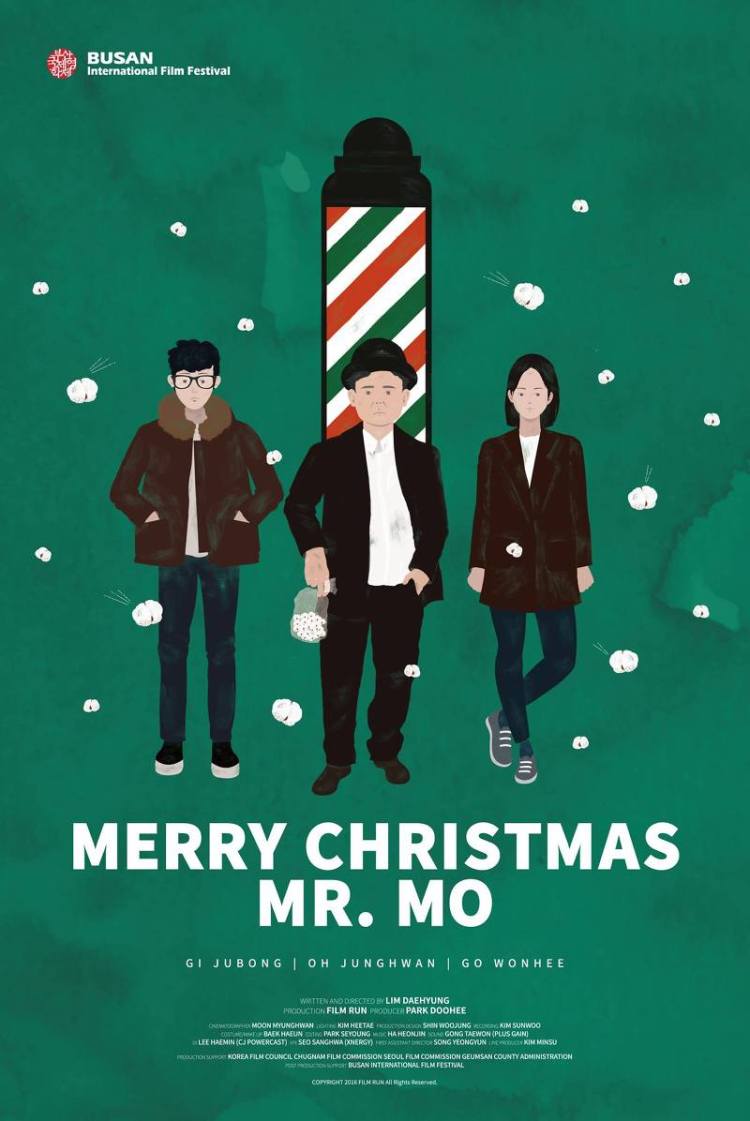

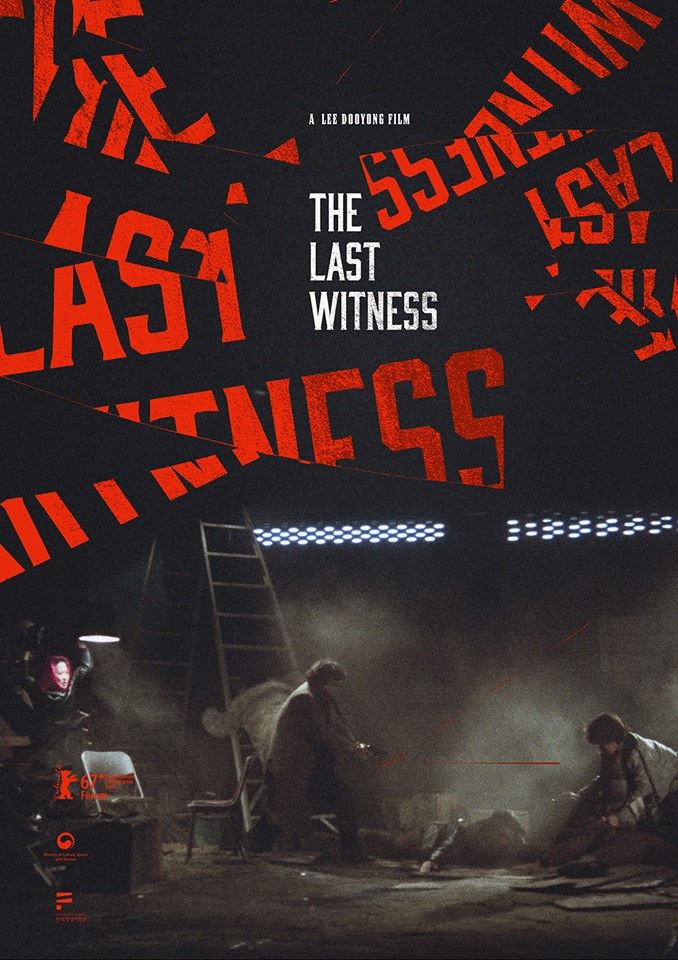

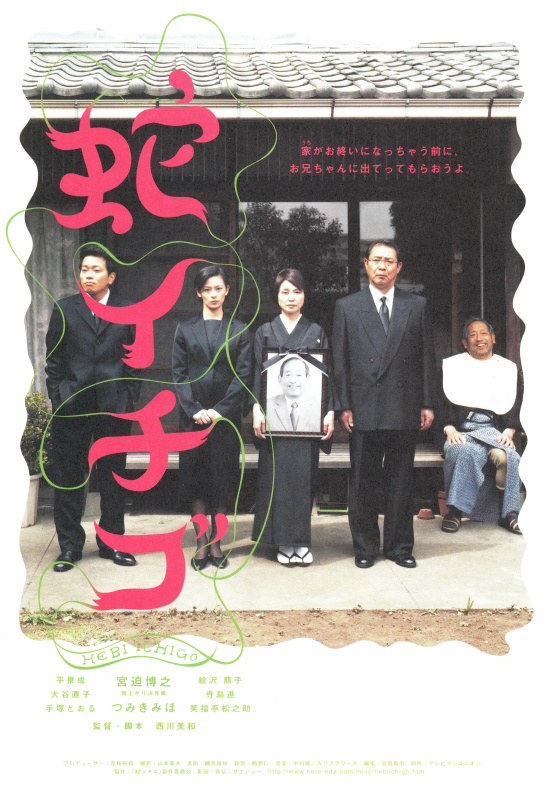 Following the last series of
 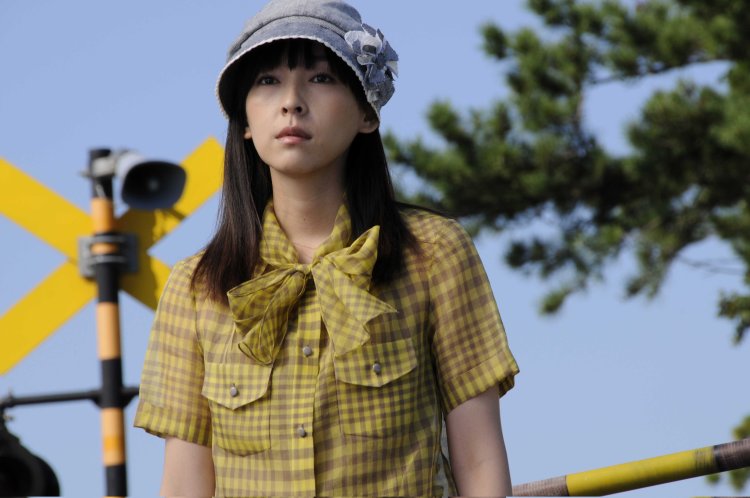 Released in 2009, the second feature from Satoko Yokohama stars Kenichi Matsuyama as Yojin – an Aomori farm boy who lives on a slightly different plane of existence to everyone else. When a pretty school teacher (played by Kumiko Aso) arrives from Tokyo, Yojin becomes determined to win her heart, whatever the eventual costs may be!
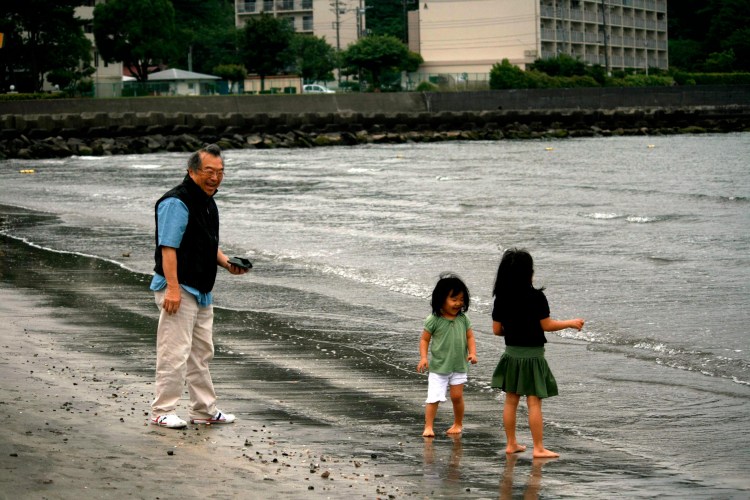 Also known as Ending Note, Mami Sunada’s documentary follows the last days of her father, a lifelong salaryman who retired aged 67 only to be diagnosed with terminal cancer soon after. Realising that he had only a short time left to live, Sunada began preparing for his death, creating his own bucket list and thinking about the “ending note” (a kind of personal testament) that he would leave behind for his family.
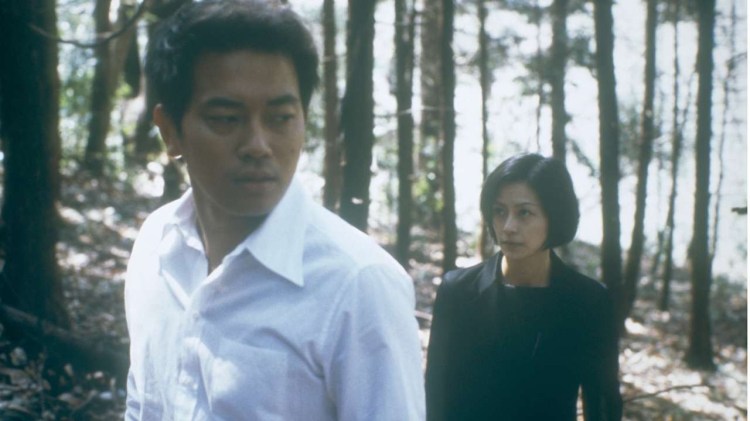 Miwa Nishikawa whose
 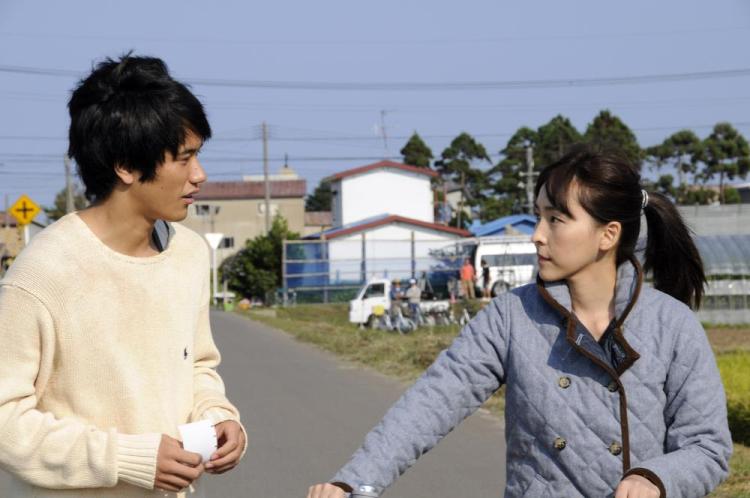 Directly after the screening of Wild Berries, there will be a panel discussion examining the rise of female filmmakers over the last 15 years. Chaired by Kate Taylor – East Asian programmer for the BFI London Film Festival, the panel will also feature film scholar Jasper Sharp (co-founder of Midnight Eye, author of Behind the Pink Curtain), film researcher Alejandra Armendáriz Hernández, and the season’s curator, Irene Silvera.
 Windows on Worlds