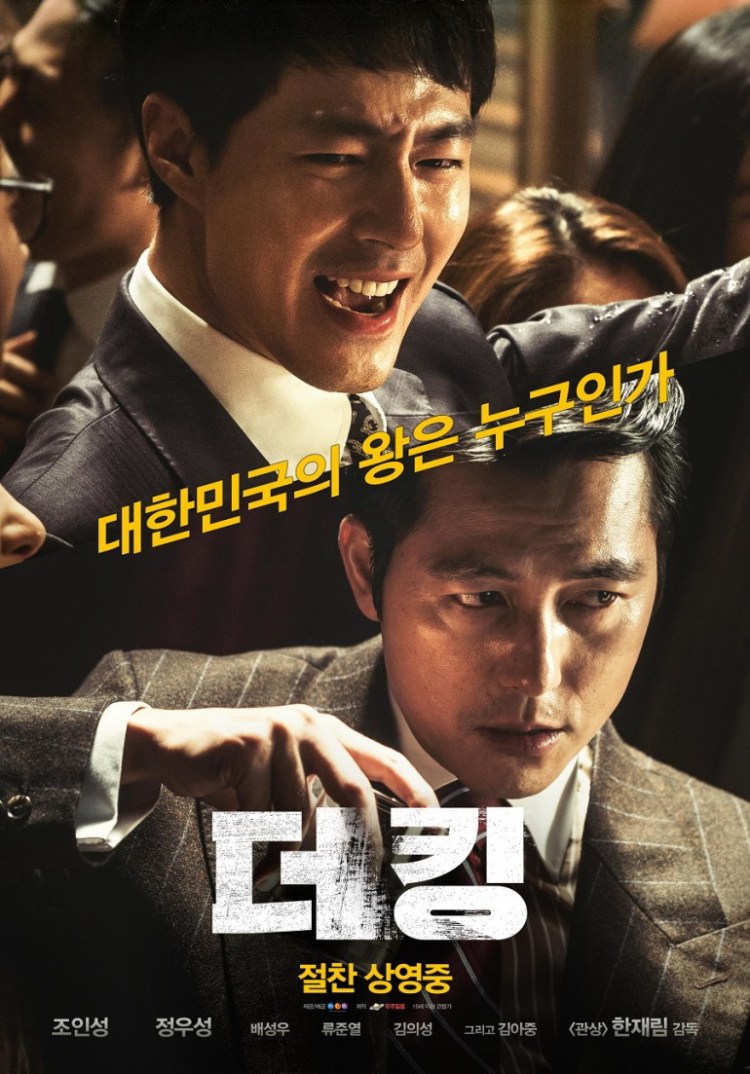
 Absolute power corrupts absolutely, but such power is often a matter more of faith than actuality. Coming at an interesting point in time, Han Jae-rim’s The King (더 킹) charts twenty years of Korean history, stopping just short of its present in which a president was deposed by peaceful, democratic means following accusations of corruption. The legal system, as depicted in Korean cinema, is rarely fair or just but The King seems to hint at a broader root cause which transcends personal greed or ambition in an essential brotherhood of dishonour between men, bound by shared treacheries but forever divided by looming betrayal.
Tae-soo (Jo In-sung) is the classic poor boy made good. His mother abandoned the family when he was only six because she couldn’t cope with his father’s rampant criminality. Do bad things and you’ll go to hell, she told her son but perhaps Tae-soo already feels himself to be there and so doesn’t worry so much about those “bad things” that are a normal part of his life. The top fighter at his school, Tae-soo finds his calling when he sees his tough as nails father kneeling on the ground, pleading furiously in front of a skinny bespectacled man wearing a fancy suit. The man is a prosecutor and walks with the swagger of someone whose every action is government backed, his authority is absolute.
Tae-soo knuckles down, starts studying and gets into Seoul University. An accidental brush with the pro-democracy protest movement lands him in the army but thanks to lying about his hometown on his registration form he gets an easy posting meaning he has even more time to study for the bar. Everything seems to fall into place – he qualifies, gets his dream job, even marries a beautiful, intelligent, feisty woman who also happens to come from a wealthy elite family. The poor boy from Mokpo has made it, but prosecuting isn’t all he thought it would be. Tae-soo is a civil servant which means, like it does the world over, that he’s overworked and underpaid. When he rubs up against a dodgy case he’s made an offer he can’t refuse – drop it, and get a promotion to the big leagues where celebrity prosecutors enjoy lavish lifestyles filled with parties, drinks, and pretty girls. He knows it’s not right, but this is what he’s always wanted and Tae-soo is soon seduced.
Tae-soo’s seduction causes him a few pangs of conscience, but he was, as he was assumed to be, easy pickings. The case in question is a sickening if ordinary one – a teacher has molested a pupil but as the teacher is the son of an influential man and the single mother of the girl in question has learning difficulties, the case has been made to go away. Tae-soo is outraged, hauls the man back in, re-opens the case and obtains additional evidence and witness testimonies which confirm the girl’s story and will have the teacher sent to jail. His seduction is easy – they simply offer to make him one of them, and Tae-soo agrees, sacrificing not only this little girl but potentially many others for his own greed and satisfaction.
Tae-soo is redeemed, in a sense, thanks to his association with a childhood friend who helps him out by taking care of the teacher through “unofficial” means. Choi Du-il (Ryu Jun-yeol) is Tae-soo’s flip side, another poor boy done good but this time on the other side of the law. An ambitious gangster, Du-il is also loyal, just, and honourable – at least within a gangster code. The “errand boy” for this group of thuggish lawyers who behave like gangsters while the gangsters act like politicians with literal rather than metaphorical attack dogs, Du-il senses he’s walking a dangerous path to nowhere at all and has only his friendship with Tae-soo to believe in.
The genuine bond between the two men is one of the few redeeming features of Tae-soo’s increasingly compromised existence in which he sells his soul for the false approval of the man he regards as a “King” in the figure of all powerful, amoral chief prosecutor Han (Jung Woo-Sung). Tae-soo’s story is a conventional one of a basically good yet weak man struggling with a choice he’s made against his better judgement yet it’s not until it’s cost him everything he holds dear that he starts to reconsider.
Han Jae-rim weaves in archive footage and musical cues to evoke the changing eras which will be more obvious to Korean audiences – a case in point being the dramatic positioning of the suicide of former president Roh Moo-hyun in 2009. Roh had been a progressive president, often unpopular during his time in office thanks to his inability to pass his policies, and was later tarnished with a corruption scandal but found his reputation posthumously reappraised following his death which was seen both as a declaration of innocence and as a symbol of his deep love for his country and its people. Tae-soo’s change of heart seems to accelerate after Roh’s suicide which drew vast crowds of mourning (and knowing smirks from sleazy prosecutors Han and his sidekick Yang) as his own run in with death prompts a re-evaluation of his place in the grand scheme of things.
The King ends on a rather trite message – that every man is his own king and in the end the choices are all yours (though it seems to hope the choices made will be more altruistic than those of Han, Yang, and the earlier Tae-soo). The power wielded by men like Han is fragile – they need lackies, and if they can’t get them the system crumbles, but they’re also hollow, frightened opportunists who are so desperate they’re even bringing in shady seeming shamans to avoid having to make difficult policy decisions. Tae-soo turns their own tricks back on them with masterstrokes of irony, vowing revenge and perhaps getting it, along with self respect and a re-orientated moral compass but then again, power abhors a vacuum.
Screened as part of a season of teaser screenings for the upcoming London Korean Film Festival 2017.
Original trailer (English subtitles)
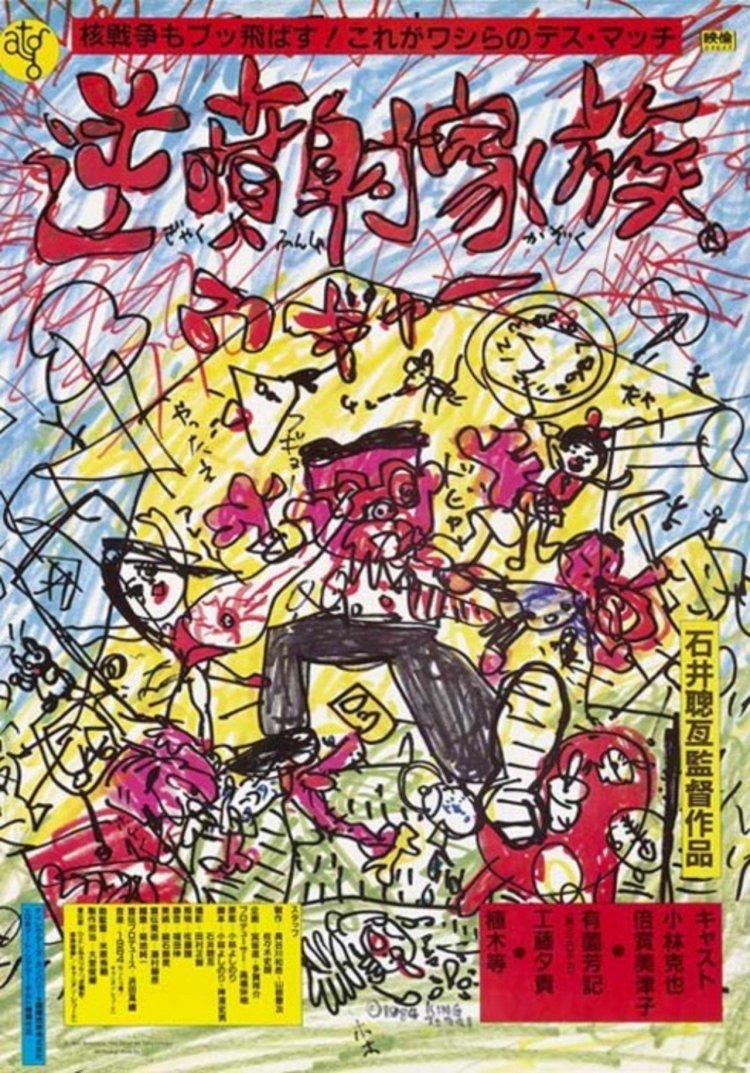 The family drama went through something of a transformation at the beginning of the 1980s. Gone are the picturesque, sometimes melancholy evocations of the transience of family life, these families are fake, dysfunctional, or unreliable even if trying their best. Morita’s
  Now in its 11th year, Japan Cuts returns to Japan Society New York from 13th to 23rd July bringing some of the best in recent Japanese cinema with it as well as a host of special guests and events. The festival will open with Yoshihiro Nakamura’s ninja drama, Mumon: The Land on Stealth on 13th July while award-winning animation In This Corner of the World will close the proceedings on July 23. The full lineup is as follows:
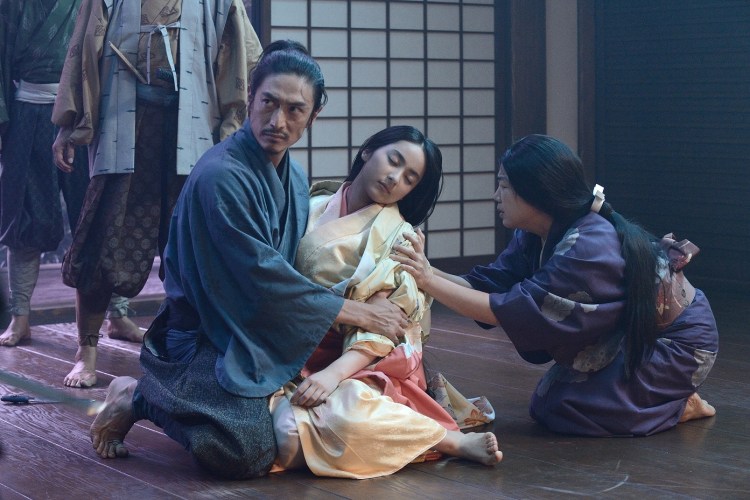 Yoshihiro Nakamura’s ninja epic
 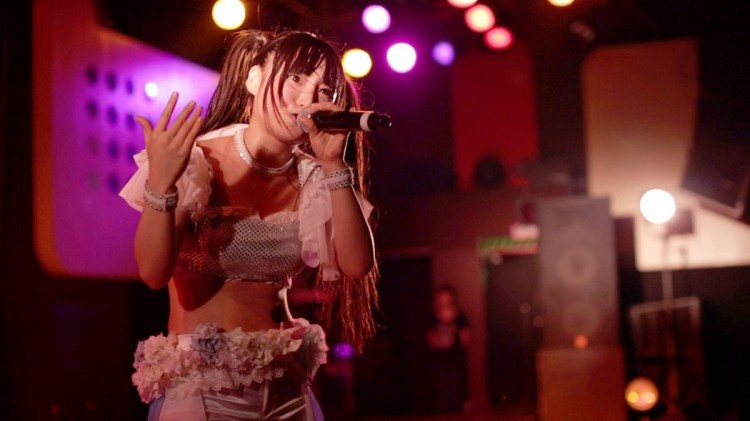 Kyoko Miyake’s documentary
  Taking inspiration from the poetry of Tahi Saihate,
 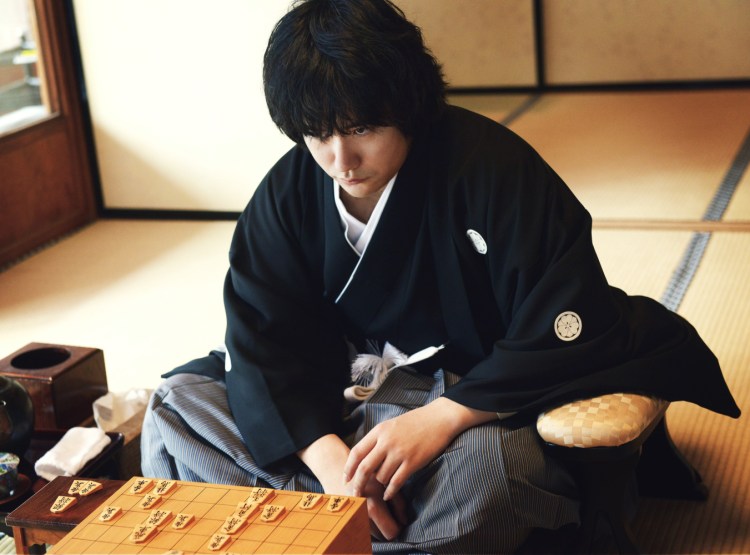 Kenichi Matsuyama stars in a moving biopic of the real life shoji star who gave it all for the game in
 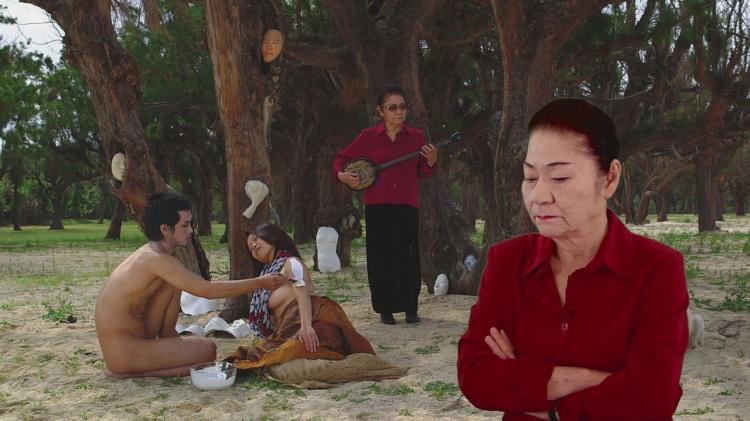 The latest film from Okinawan filmmaker Go Takamine,
 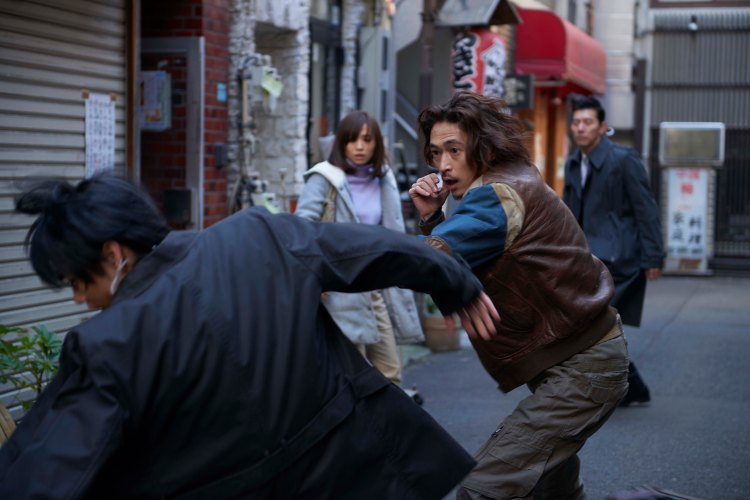 Yosuke Kubozuka plays a depressed boxer who finds friendship in the
 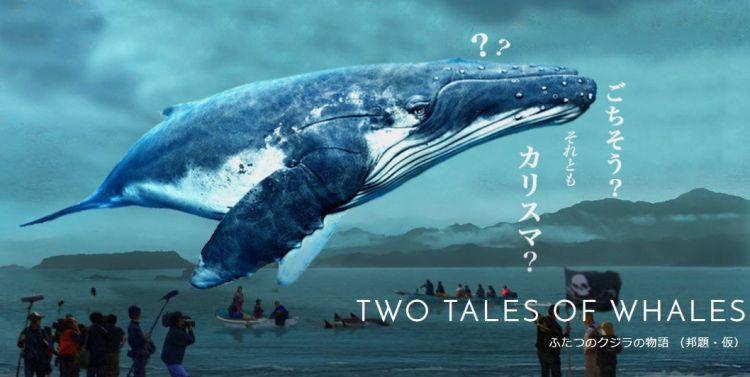 Megumi Sasaki’s documentary
  Tetsuya Fujiwara and Hideaki Ito star in
 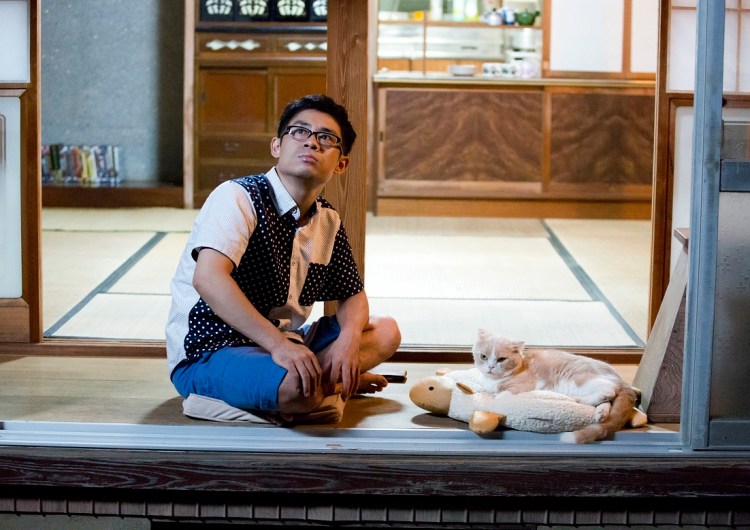 Based on the hit smartphone game
 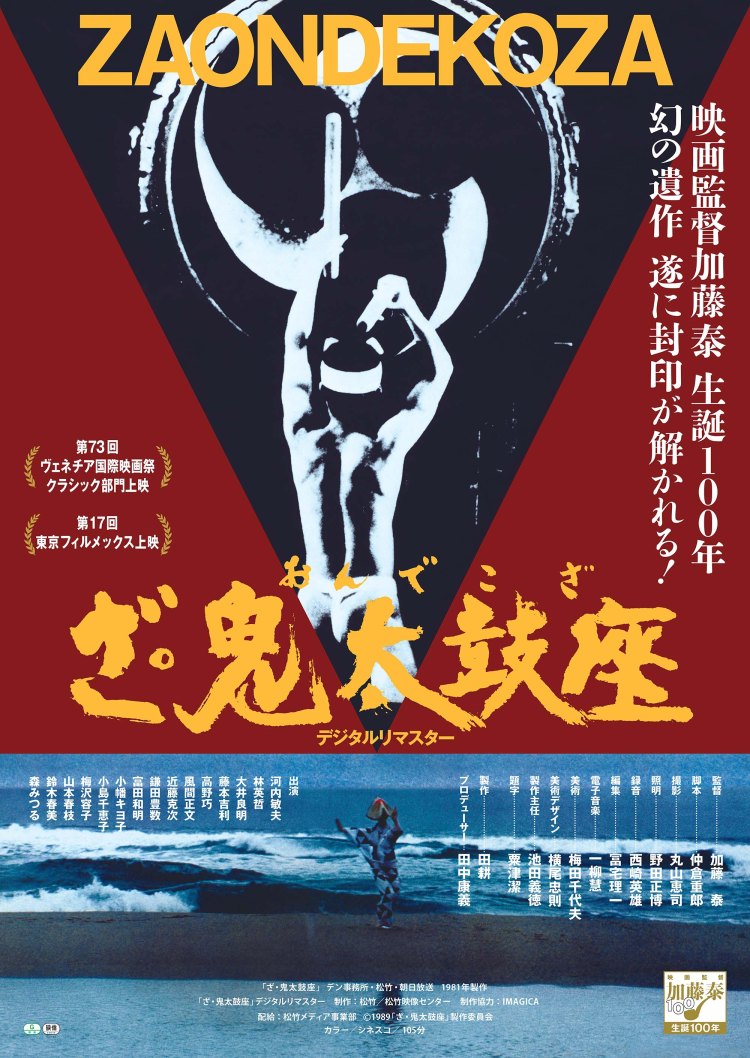 Tai Kato’s underseen documentary
  Shingo Matsumura’s gentle
  Kenji Yamauchi adapts his own stage play skewering the middle classes as a boring dinner party gets progressively out of hand exposing each of their flaws, weaknesses, and well hidden secrets in
  Produced by Shinji Aoyama and Takenori Sento, Sora Hokimoto’s debut feature
  Kei Shichiri revisits Before the Day Breaks ten years on and adds all-new sound and imaging. Based on the manga by Naoki Yamamoto,
 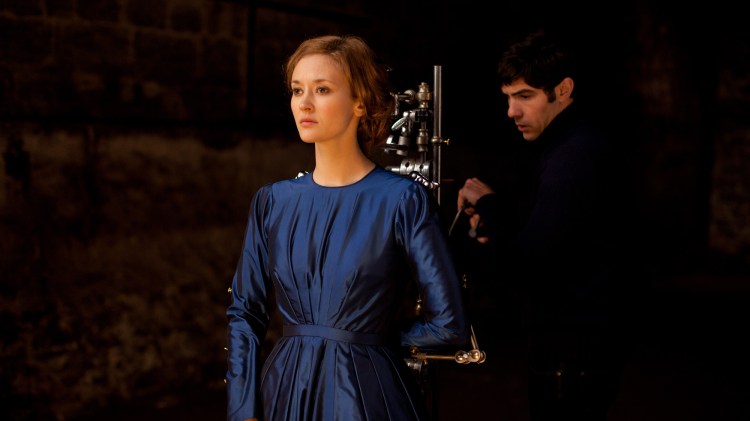 The first film made outside of Japan for veteran filmmaker Kiyoshi Kurosawa,
  Konrad Aderer’s documentary
 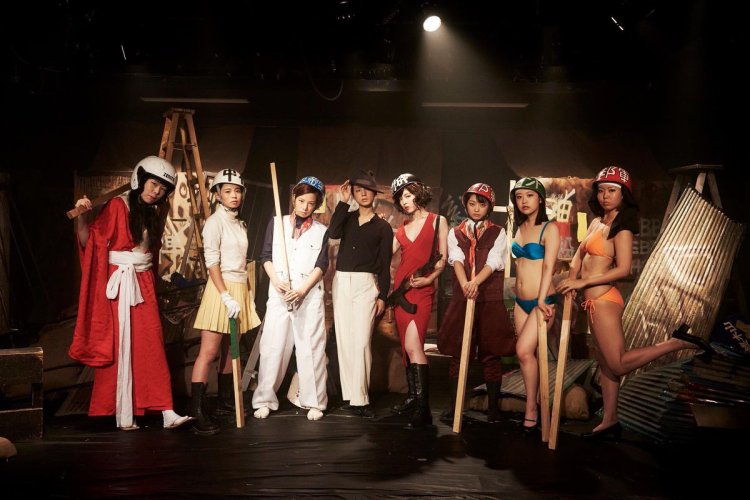 Theatre director Junko Emoto makes her film debut with
 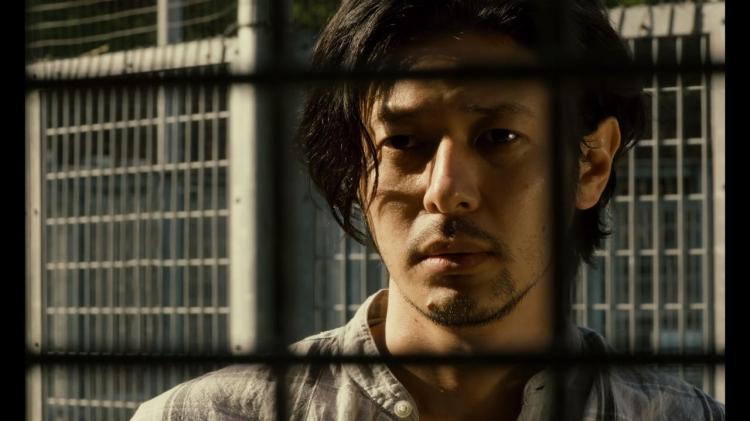 The third in a series of films adapted from the works of Hakodate native novelist Yasushi Sato, Nobuhiro Yamashita’s
 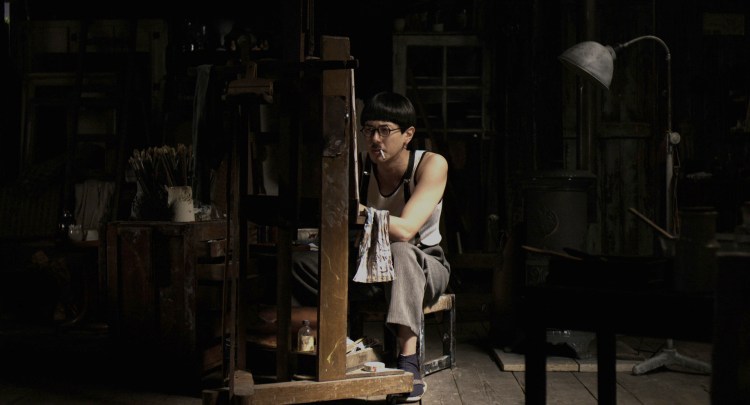 Joe Odagiri stars as the artist Léonard Tsuguharu
  Elite public school boy Teiichi dreams of becoming Prime Minister in Akira Nagai’s manga adaptation,
  An adaptation of Keigo Higashino’s 2013 novel,
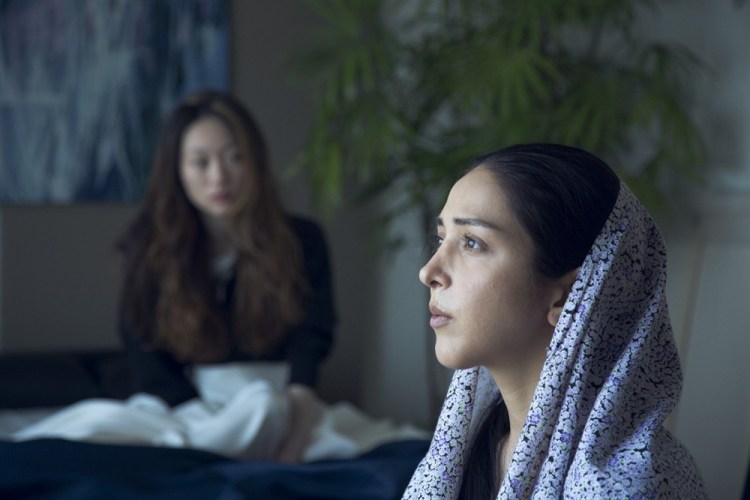 An Iranian student and depressed bartender face a series of romantic and cross cultural confusions in Takuro Nakamura’s
 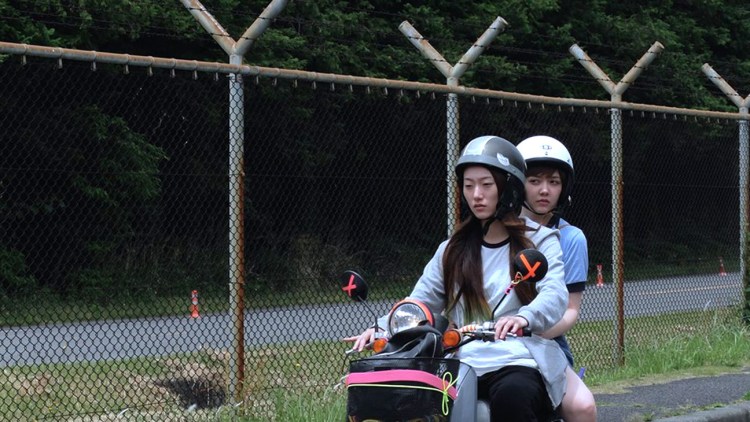 Depressed teenager Sakura (Hanae Kan) has a complicated relationship with Americanisation thanks to growing up near Japan’s biggest mainland American military base but an encounter with the half-American daughter of her mother’s boyfriend prompts a reconsideration of her life goals in Daisuke Miyazaki’s
  Sion Sono’s entry into Nikkatsu’s Roman Porno Reboot Project,
 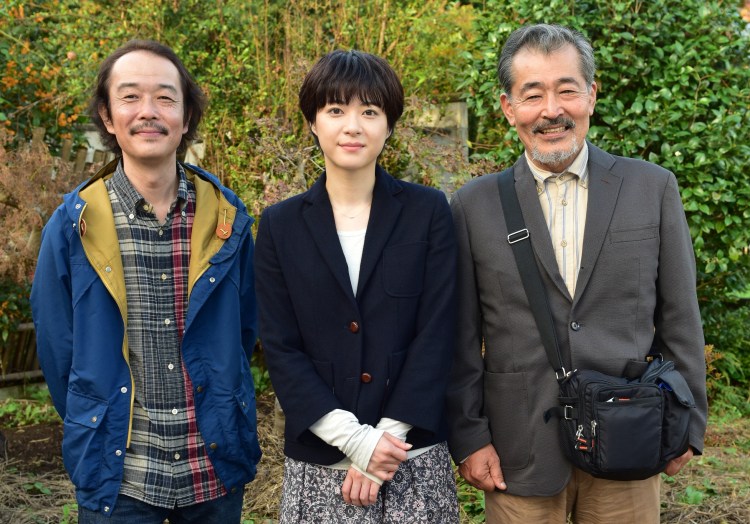 The latest film from Yuki Tanada,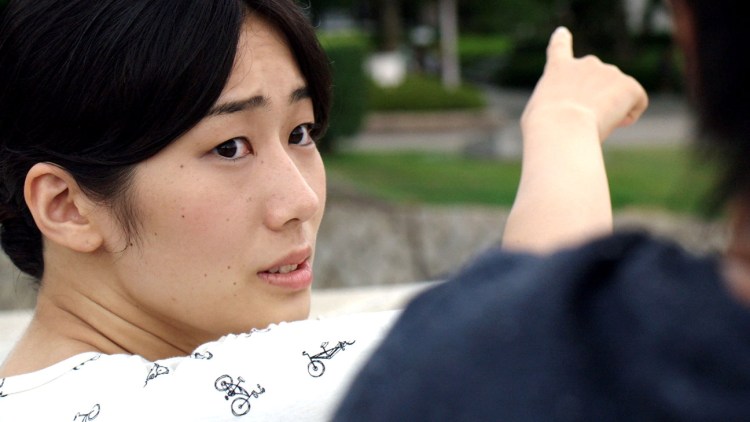
 The first in the Taisho Trilogy,
 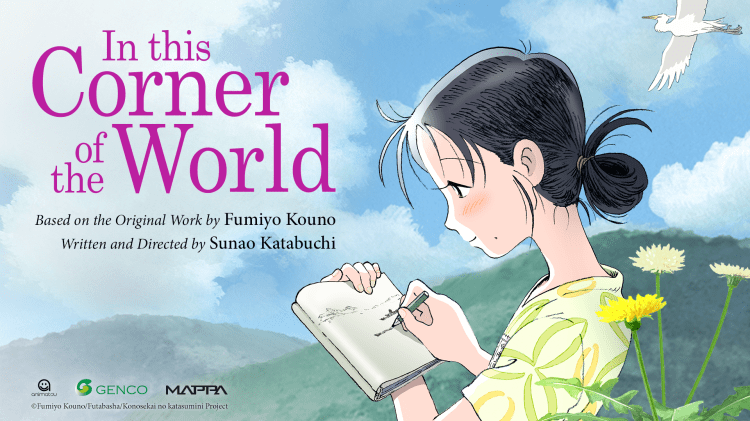 Sunao Katabuchi’s award-winning animation
 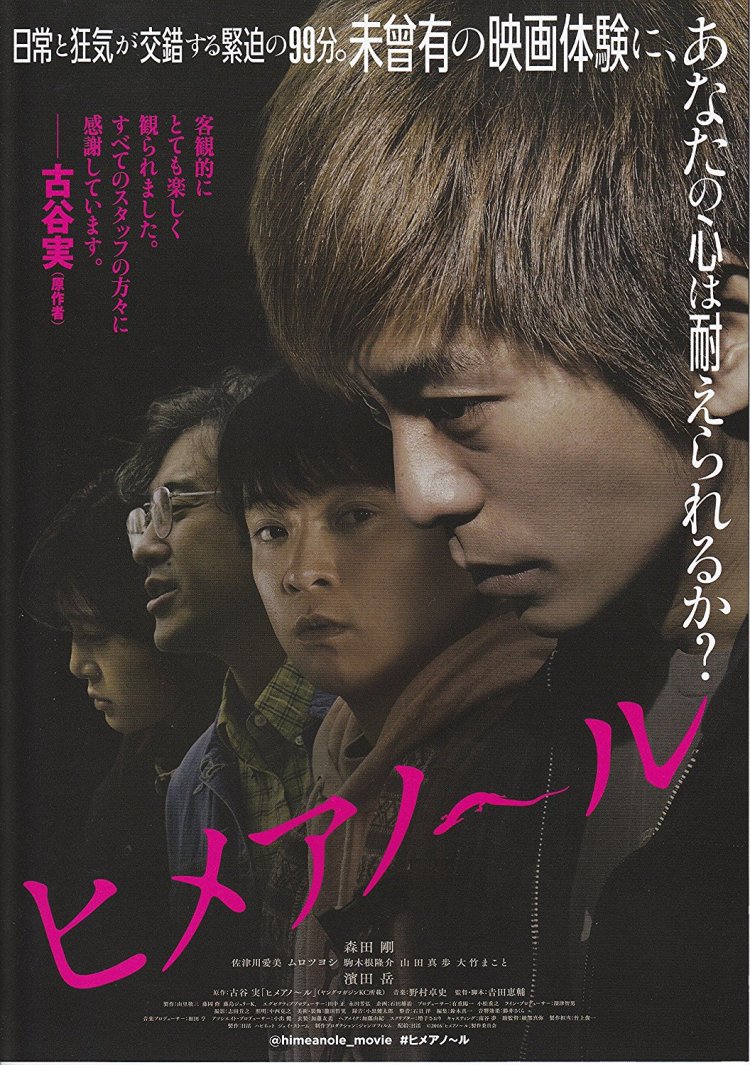 Some people are odd, and that’s OK. Then there are the people who are odd, but definitely not OK. Hime-anole (ヒメアノ~ル) introduces us to both of these kinds of outsiders, attempting to draw a line between the merely awkward and the actively dangerous but ultimately finding that there is no line and perhaps simple acts of kindness offered at the right time could have prevented a mind snapping or a person descending into spiralling homicidal delusion. To go any further is to say too much, but Hime-anole revels in its reversals, switching rapidly between quirky romantic comedy, gritty Japanese indie, and finally grim social horror. Yet it plants its seeds early with two young men struggling to express their true emotions, trapped and lonely, leading unfulfilling lives. Their dissatisfaction is ordinary, but these same repressed emotions taken to an extreme can produce much more harmful results than two guys eating stale donuts everyday just to ask a pretty girl for the bill.
 It’s tough when parents don’t approve of their children’s romantic partners, but fortunately most realise there’s nothing they can do about it so the best thing is to feign civility (and avoid saying I told you so when it all goes wrong). Unfortunately the older generation of Kim Jin-young’s Enemies In-Law (위험한 상견례 2,
 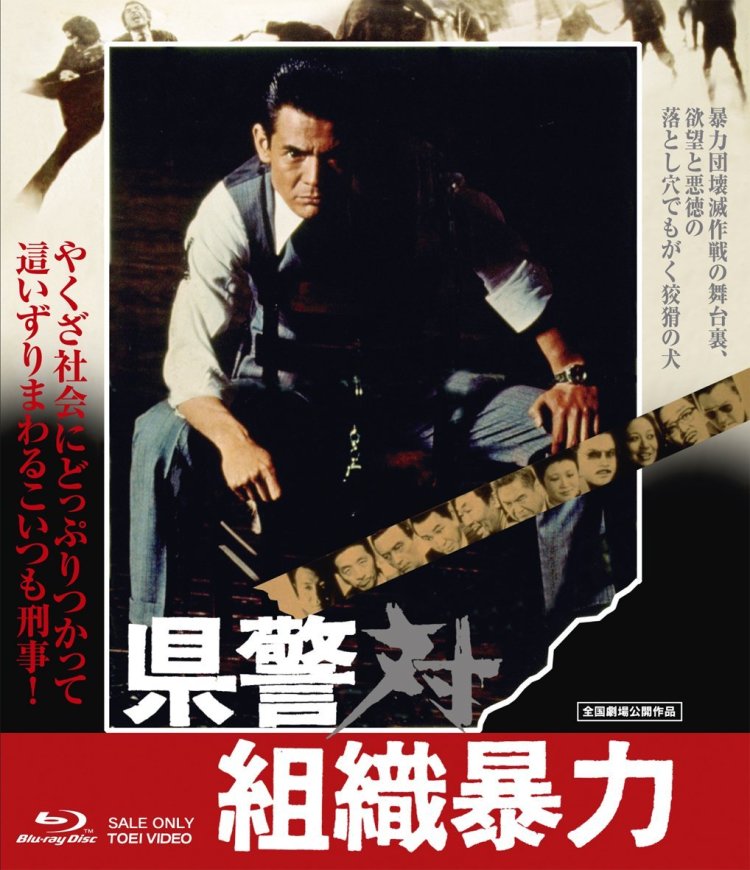 Cops vs Thugs – a battle fraught with friendly fire. Arising from additional research conducted for the first
 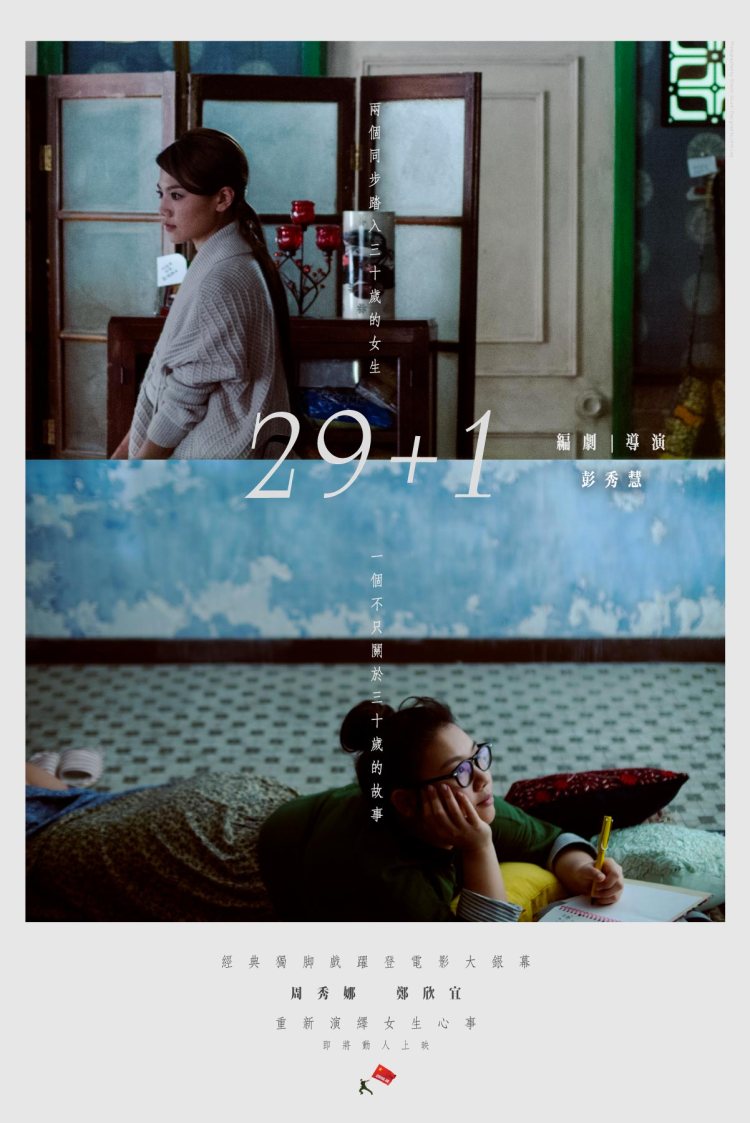 You know what they call women over 25 in China? “Christmas cake” – no one wants you after the 25th, so you’re condemned to sit on the shelf for all eternity like a piece of overproduced seasonal confectionary (a silly analogy because Christmas cakes, at least English ones, may outlive us all). Christy Lam lives in Hong Kong, not mainland China, and so her worries are a little less intense but still the dreaded 30 is causing its own share of panic and confusion in her otherwise orderly, tightly controlled life. In 29+1 Kearen Pang adapts her own enormously successful 2005 stage play about the intertwined lives of two very different women who happen to share a birthday and are each approaching the end of their 20s in very different ways. By turns melancholy and hopeful, 29+1 finds both women at a natural crossroads but rather than casting them into a bottomless pit of despair, allows each of them to rediscover themselves through a kind of second adolescence in which they finally figure out what it is they want out of life.
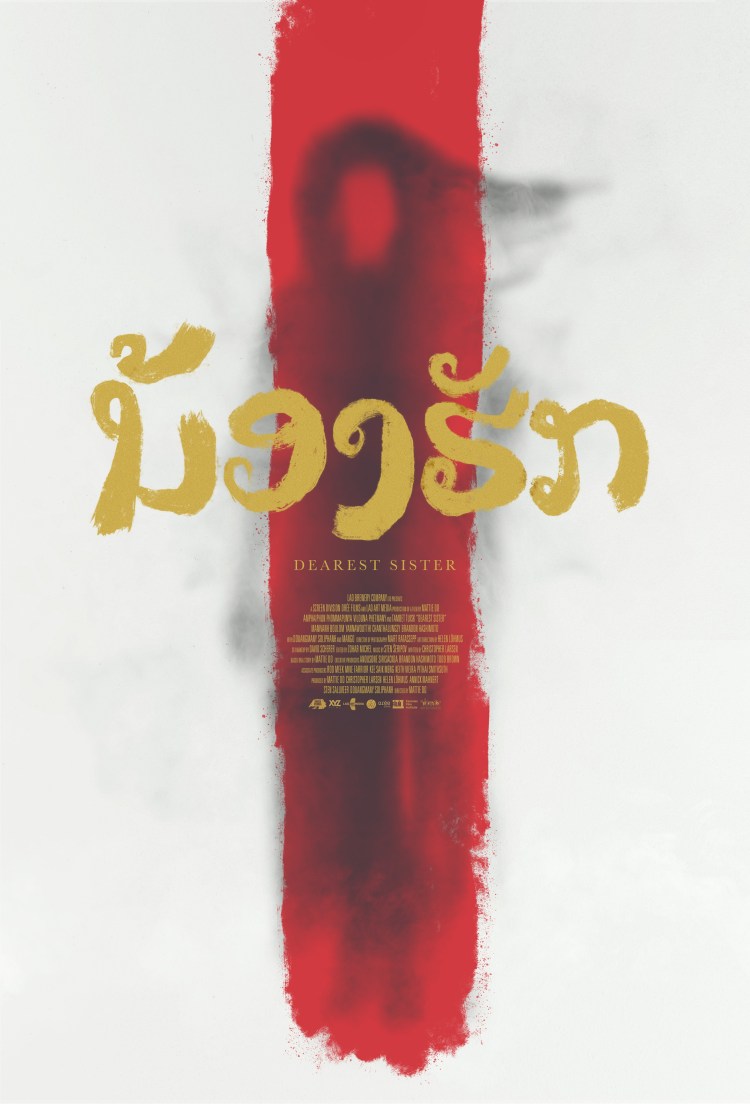 Marxist countries and horror movies often do not mix. Laos has only a fledgling cinema industry and Mattie Do, returning with her second film Dearest Sister (ນ້ອງຮັກ, Nong hak), is its only female filmmaker even if she finds herself a member of an extremely small group. Set in Laos it may be, but Dearest Sister also has something of the European gothic in its instantly recognisable tale of a good country girl fetching up in the city only to be treated like a poor relation and eventually corrupted by its dubious charms. Dearest Sister is a horror movie but one which places very real fears, albeit ones imbued with superstition, at the forefront of its tragedy.
 Fresh from its Cannes premiere, Jung Byoung-gil’s The Villainess will close the 16th edition of the New York Asian Film Festival which returns to the city from 30th June to 16th July 2017. Thailand’s Bad Genius will open the festival while the Centrepiece Gala will showcase one of the best recent films from the Philippines, Mikhail Red’s Birdshot. Altogether there are 57 films included in this year’s lineup hailing from China, Hong Kong, Japan, South Korea, Taiwan, The Philippines, Vietnam, and Malaysia. The full lineup is as follows:
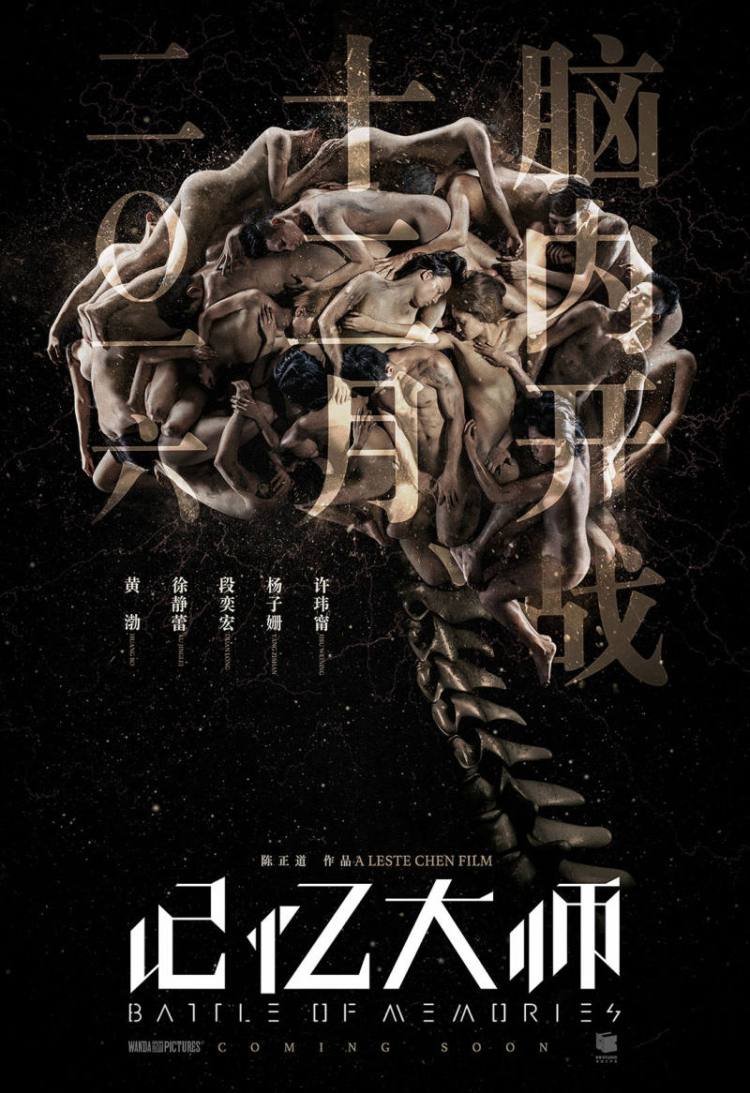 Thrillers dominate the Chinese slate beginning with:
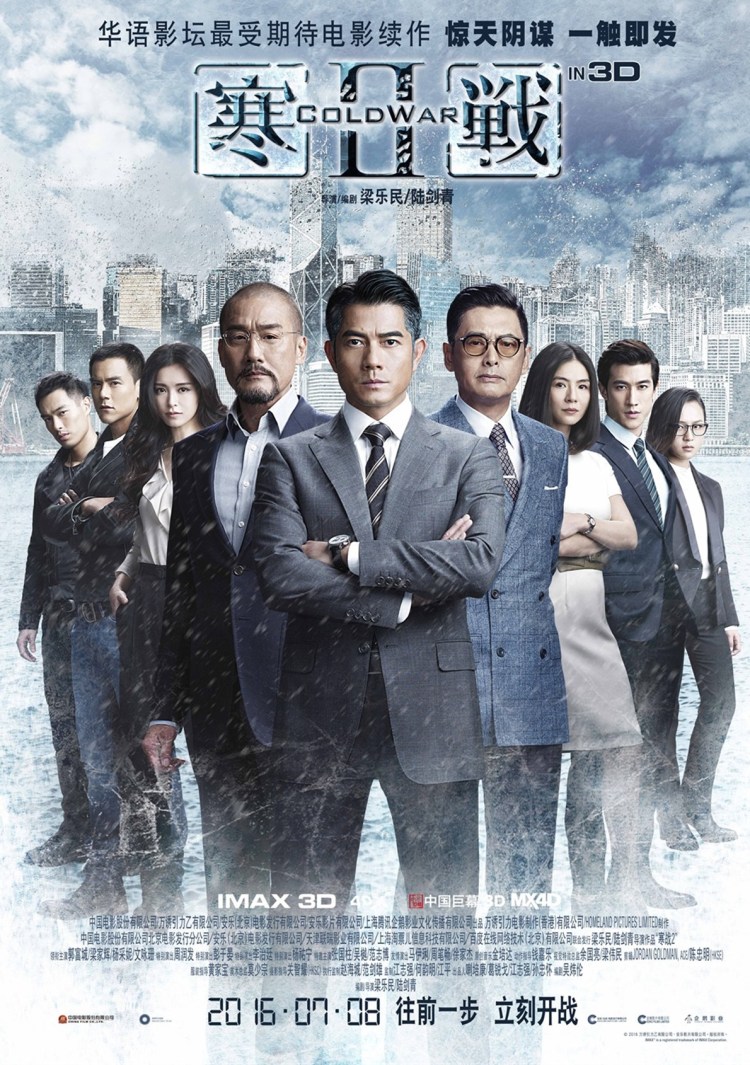 2017 marks 20 years since the Hong Kong handover and the New York Asian Film Festival not only showcases some of the best HK films from the past two decades but also includes a look forward with work from the most promising voices of tomorrow.
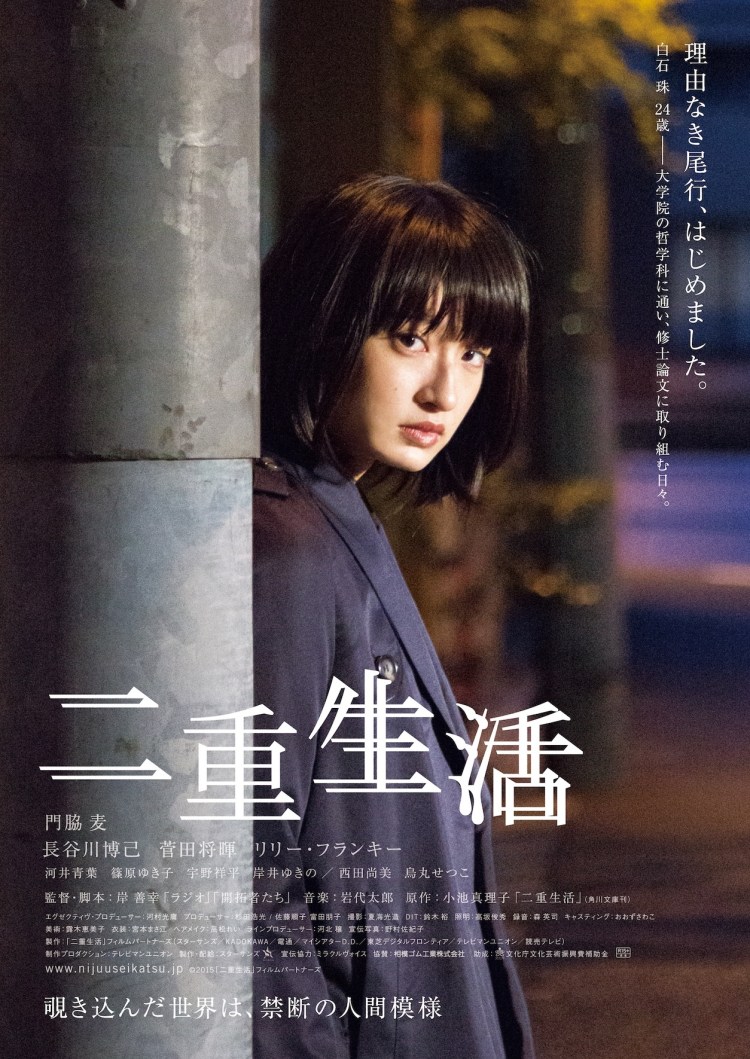 A varied lineup from Japan features everything from the Roman Porno reboot to LGBT comedy, quirky sc-fi, and moving family drama.
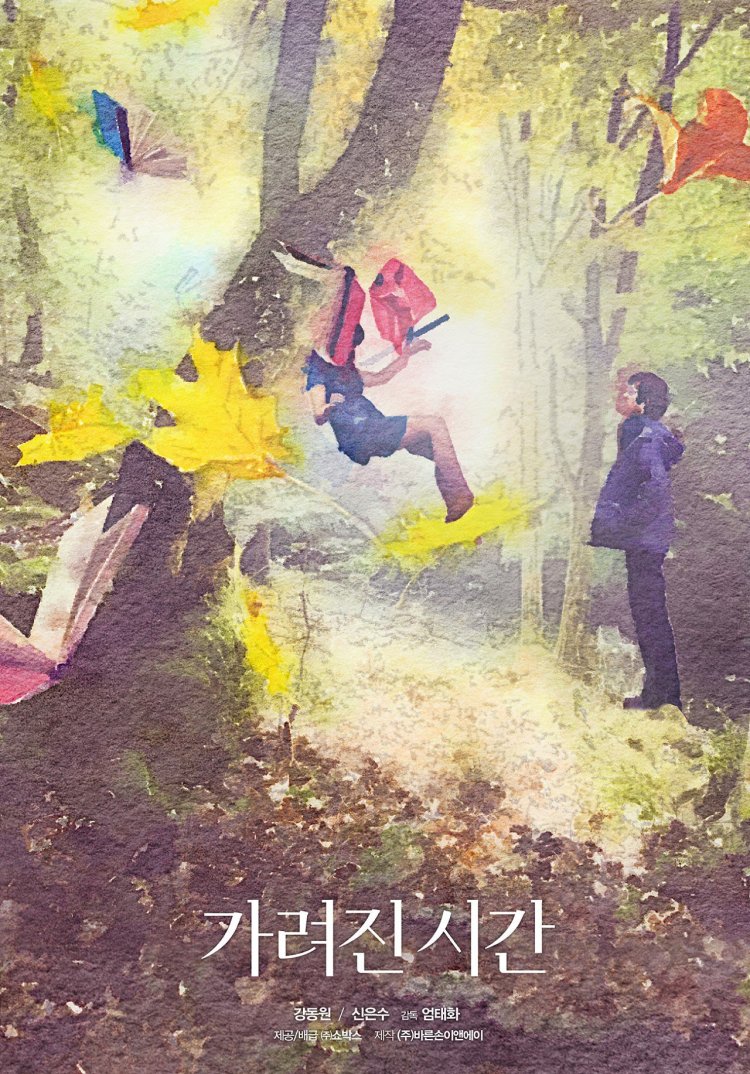 Cyber crime, fantasy, and gentle whimsy mingle in an eclectic selection from Korea.
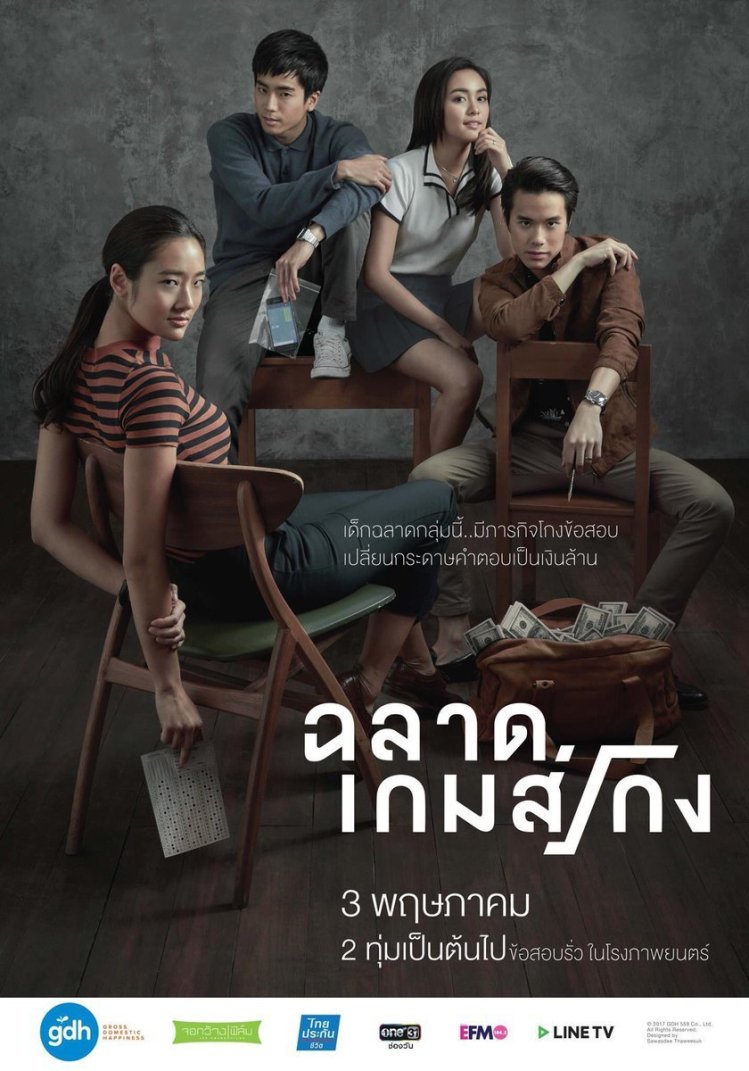 Casting the net wider the festival will also showcase some of the best recent hits from underrepresented areas of Asia:
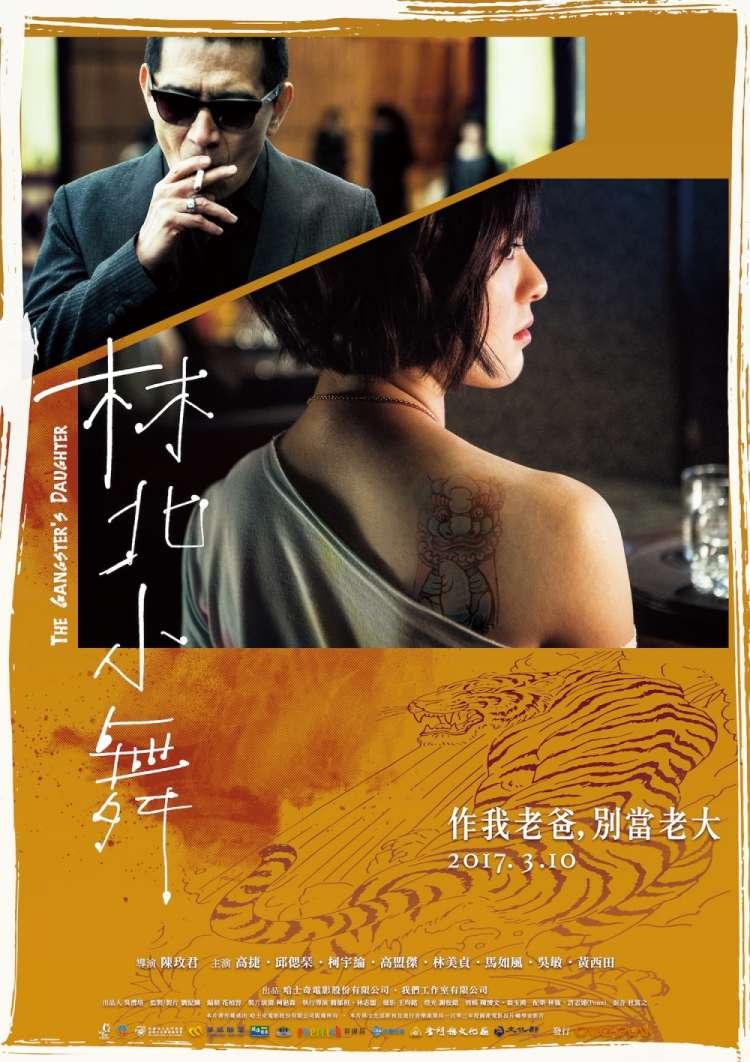 Pick your poison – monsters, gangsters and love dominate the entries from Taiwan.
 Only two documentaries on offer this year, both from Korea:
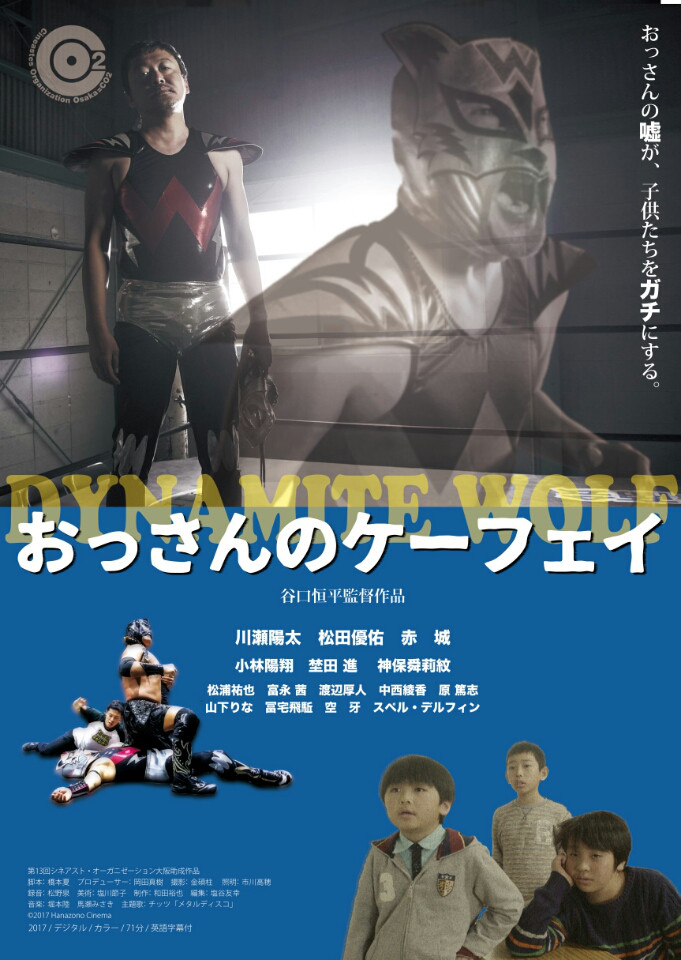 Back in the day, lucha libre-style wrestling was hugely popular in Japan. Tiger Mask, a manga set in the world of Japanese pro-wrestling remains a firm favourite and its eponymous hero has also become a byword for altruistic philanthropy as well-meaning anonymous donors donate expensive gifts such as Japanese school backpacks to orphanages in Tiger Mask’s name. Sadly, pro-wrestling is no longer as high-profile as it once was and has left mainstream television screens far behind even if it still maintains a small but dedicated fanbase. Kohei Taniguchi’s Dynamite Wolf (おっさんのケーフェイ, Ossan no Kefei) is out to change all that by shining a spotlight on this almost forgotten phenomenon of crazy outfits, killer moves, and camp showmanship.
 Windows on Worlds