 When it comes to intelligent farce, Kenji Uchida is Japan’s undisputed master so remaking his 2012 tale of love, crime, and mistaken identity Key of Life was always going to be a tall order. Thankfully it’s one Lee Gye-byeok largely manages to meet as he skilfully relocates the tale to South Korea and swaps Uchida’s complicated farce for a more lateral double sided comedy. While not as accomplished as Uchida’s hilariously intricate original, Luck-key (럭키) manages to charm with its thoroughly romantic, comically absurd, approach.
On one side of town, hitman Hyung-wook (Yu Hae-jin) finishes off his latest assignment and disappears into the night, while on another out of work actor Jae-sung (Lee Joon) contemplates suicide only to be interrupted by his landlady’s exasperated pleas for the back rent. In a fairly hopeless state, Jae-Sung heads out to the local bath house, intending to bid the world goodbye in a more dignified state. Hyung-wook also ends up at the same destination to wash the blood off his hands, only to embarrassingly slip on an errant piece of soap and knock himself out cold. Remembering admiring Hyung-wook’s expensive watch on the way in, Jae-sung makes a split second decision and switches locker keys with the unconscious rich guy.
Jae-sung decides to put his affairs in order by using Hyung-wook’s money to pay off old debts as well as experience one day as wealthy man before doing himself in. When Jae-sung discovers Hyung-wook has lost his memory and assumed Jae-sung’s identity, he decides against giving back Hyung-wook’s belongings in favour of trying on life in the fast stream. Jae-sung has also grown attached to a young woman who inexplicably appears on Hyung-wook’s TV, though he does wonder why Hyung-wook has all of these weapons and telephones, not to mention a big board of investigation material, stored away in a hidden room…
Each man begins to live a different life thanks to assuming the contents of the wrong locker. Hyung-wook has the rawer deal as he can’t remember anything about himself and ends up at Jae-sung’s apartment to find it covered in old food cartons and beer cans with his hangman’s noose still lying in the middle of the floor. With only two bucks in his wallet and no cards, he even has to ask the paramedic who brought him in, Lina (Jo Yoon-hee), to lend him the medical fees. Somewhat improbably Jae-sung’s identity card tells him that he is 32 years old (coincidentally the same as Lina) which can only make one think that he must have had a very hard life. Nevertheless, Lina decides to help him by taking him home and getting him a job in her mother’s restaurant.
Even though he can’t remember who he was before, Hyung-wook gradually reveals a different side to himself as Jae-sung, enjoying being a part of Lina’s busy family life. Jae-sung, by contrast, moves further towards the shadows as he becomes increasingly determined to protected the woman on Hyung-wook’s TV screen who turns out to be a whistleblower in a high profile fraud case. Eun-ju (Lim Ji-yeon) is a woman afraid for her life who leaves her apartment as little as possible, but eventually Jae-sung tracks her down and begins to woo her in impressively romantic ways, only to discover he’s made everything worse by misunderstanding the nature of the situation she finds herself in.
Experiencing a different sort of life highlights for each of the men what was making them so unhappy – Hyung-wook realises the value of a warm and supportive family life whilst Jae-sung finds purpose and drive in his desire to protect Eun-ju. Both men had, in a sense been “acting” as a part of their daily lives, living a kind of half life which frustrated their attempts to move forward. Through living in someone else’s world, these hidden parts of themselves – Hyung-wook’s softer, more feminine side, and Jae-sung’s masculine desire to charge of his life, become “unlocked” and allow them to become the people they always meant to be all along.
Dispensing with Uchida’s farce structure, Lee Gye-byeok more or less eliminates the third major character from the original script in order to more neatly split the action between the two guys who then mirror each other as they each begin to move more towards the centre whilst also making tentative moves towards romance. Filled with gentle, often absurd humour and taking pot shots at everything from gangster clichés to diva TV stars, Luck-key makes all the right moves in its relocation to Korea, bringing both amusing comedy and genuine romantic warmth with it.
Original trailer (no subtitles)
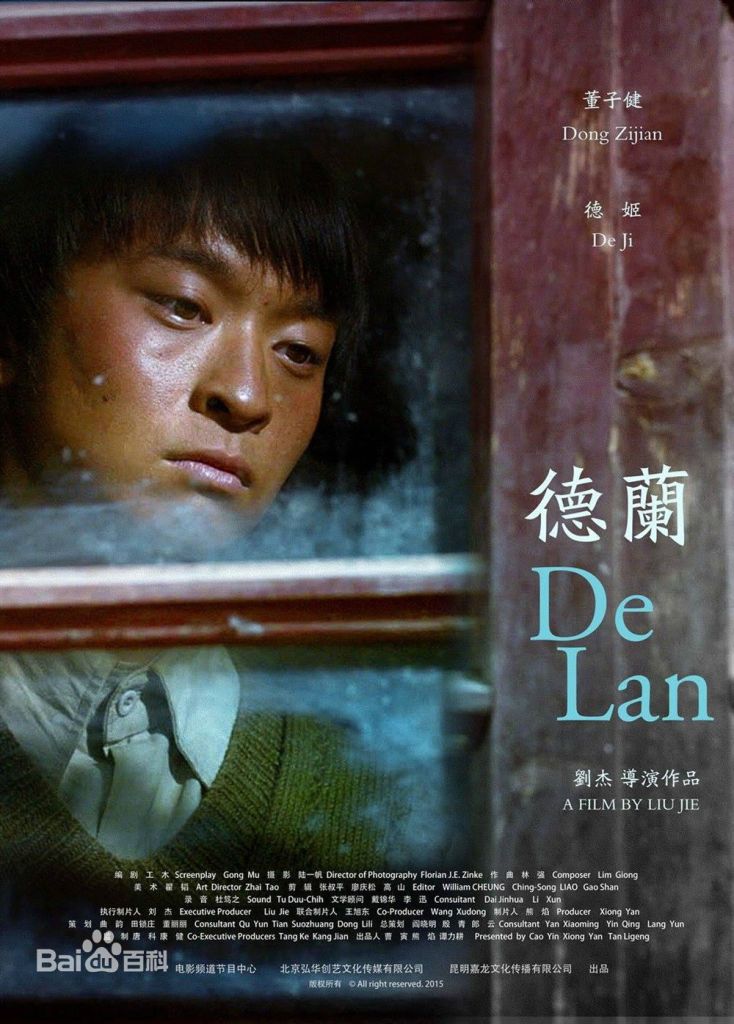 Set in 1984 in a rural Chinese backwater, De Lan (德蘭) is named not for its central character, but for his first love – a mountain woman far from home in search of a missing relative. Tasked with following De Lan (De Ji), Wang (Dong Zijian) finds himself entering a strange new world which he is incapable of fully understanding, not least because he doesn’t speak the language. A wordless love story between the tragic De Lan and the adolescent Wang is destined to end unhappily, but will affect both of them in quite profound ways.
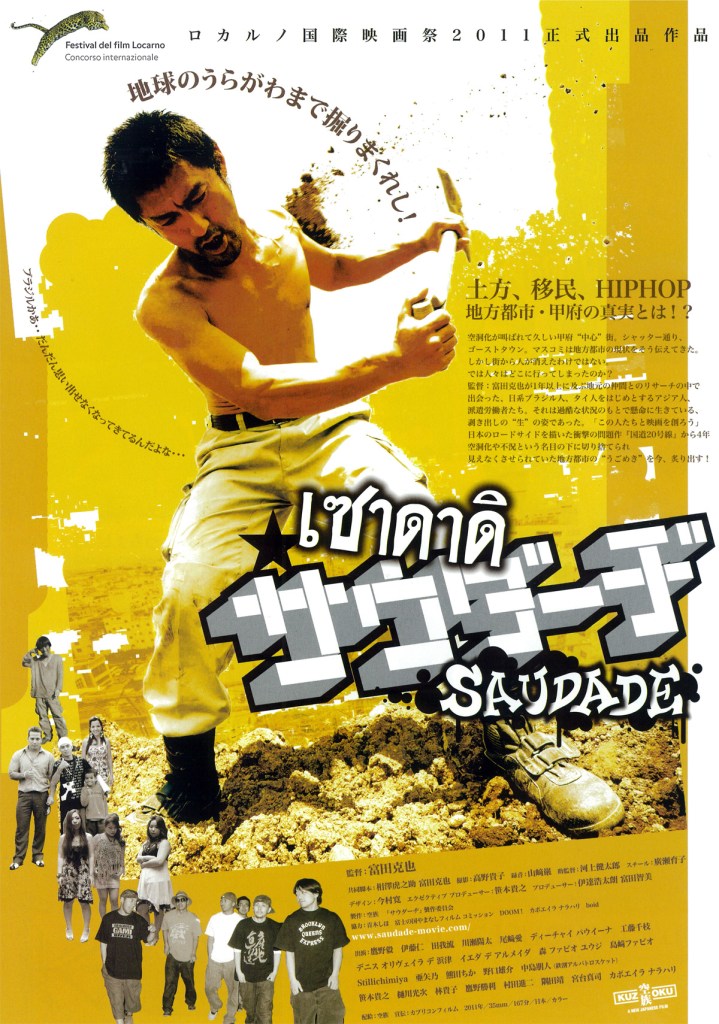
 “Asia is a paradise for men” though not for anyone else, if Bangkok Nites (バンコクナイツ) is anything to go by. In Tomita’s previous film,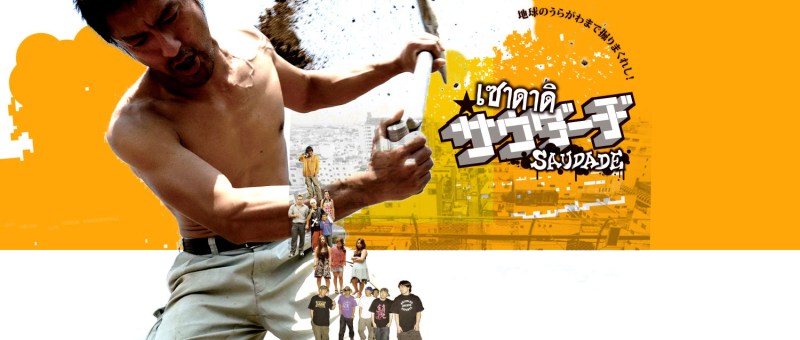
 Reworked from a review first published by
 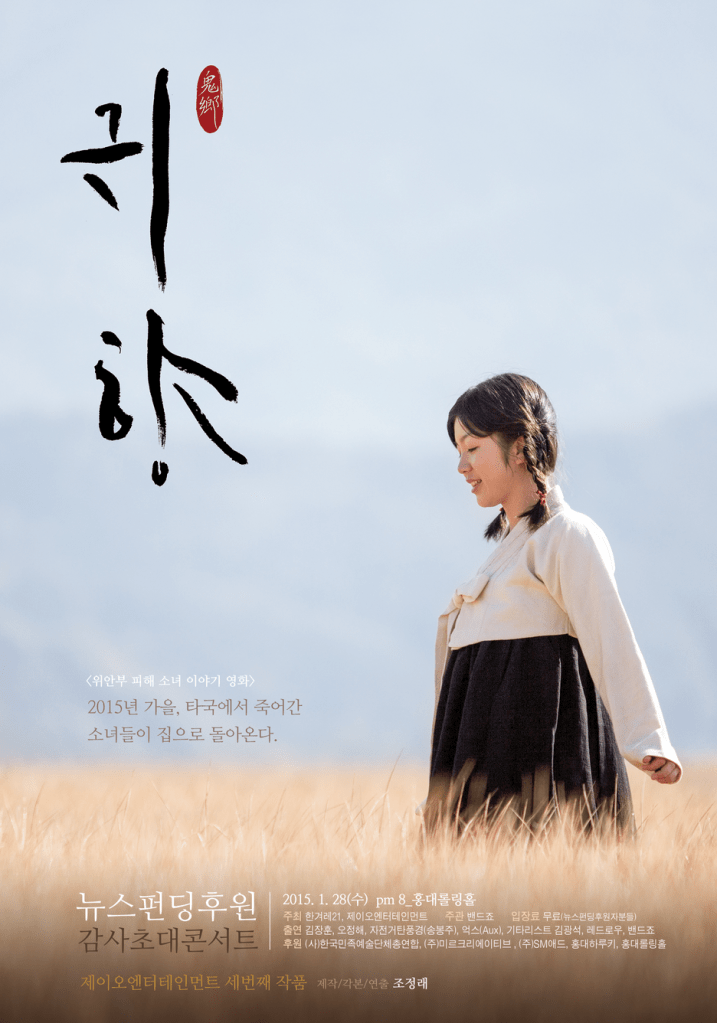 Of all the awful things that happened in the middle part of the 20th century, the trafficking, incarceration, enslavement and forced prostitution of women and girls from across Asia (including at least 65 Dutch women in what is now known as Indonesia) who were abducted for use as “comfort women” by the Japanese military remains one of the least discussed and most controversial. The issue (arguably) runs most deeply in Korea which had been experiencing a prolonged and often brutal era of colonial rule even prior to the intensification of hostilities in the early 1940s. The torment these women faced did not end with the ceasefire as entrenched social attitudes left them not only with a lifetime of physical and psychological trauma but also internalised shame which made it difficult for them to talk about their experiences even to those closest to them. Now more than ever, it is important that this story be told and the long suffering of these women, many of whom are no longer with us, is finally acknowledged.
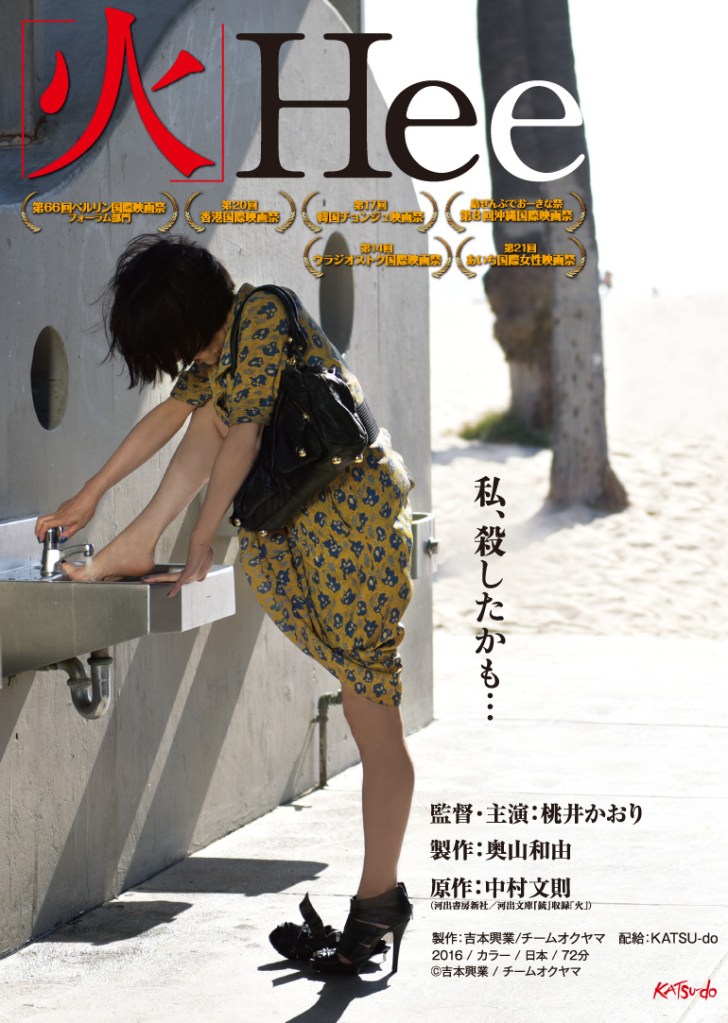 One of Japan’s best known actresses with a career spanning over forty years, Kaori Momoi is perhaps just as well known for her outspoken and refreshingly direct approach to interviews as she is for her work with such esteemed directors as Akira Kurosawa, Kon Ichikawa, Yoji Yamada, and Shohei Imamura. One of the few Japanese actors to have made a successful international career starring in Hollywood movies such as Rob Marshall’s Memoirs of a Geisha and international art house fare in Alexander Sukurov’s The Sun, Momoi currently lives in LA and is even reportedly preparing to play Scarlett Johansson’s mother in the upcoming US live action adaptation of Ghost in the Shell. It’s perhaps less surprising then that in choosing to adapt a short story by one of Japan’s best young writers, Fuminori Nakamura, Momoi has chosen to shift the story to LA whilst maintaining its Japanese characters.
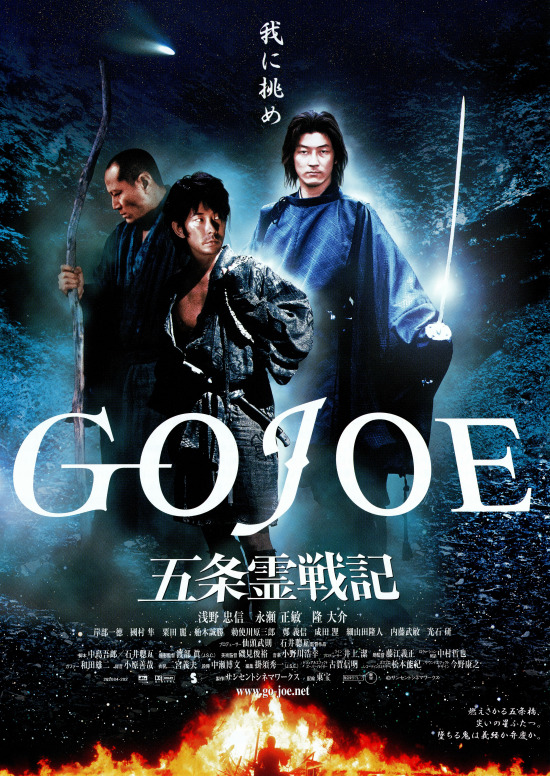 Not your mama’s jidaigeki – the punk messiah who brought us such landmarks of energetic, surreal filmmaking as Crazy Family and Burst City casts himself back to the Middle Ages for an experimental take on the samurai genre. In Gojoe (五条霊戦記, Gojo reisenki), Sogo Ishii remains a radical even within this often most conservative of genres through reinterpreting one of the best loved Japanese historical legends – the battle at Kyoto’s Gojoe Bridge . Far from the firm friends of the legends, this Benkei and this Shanao (Yoshitsune in waiting) are mortal enemies, bound to each other by cosmic fate but locked in combat.
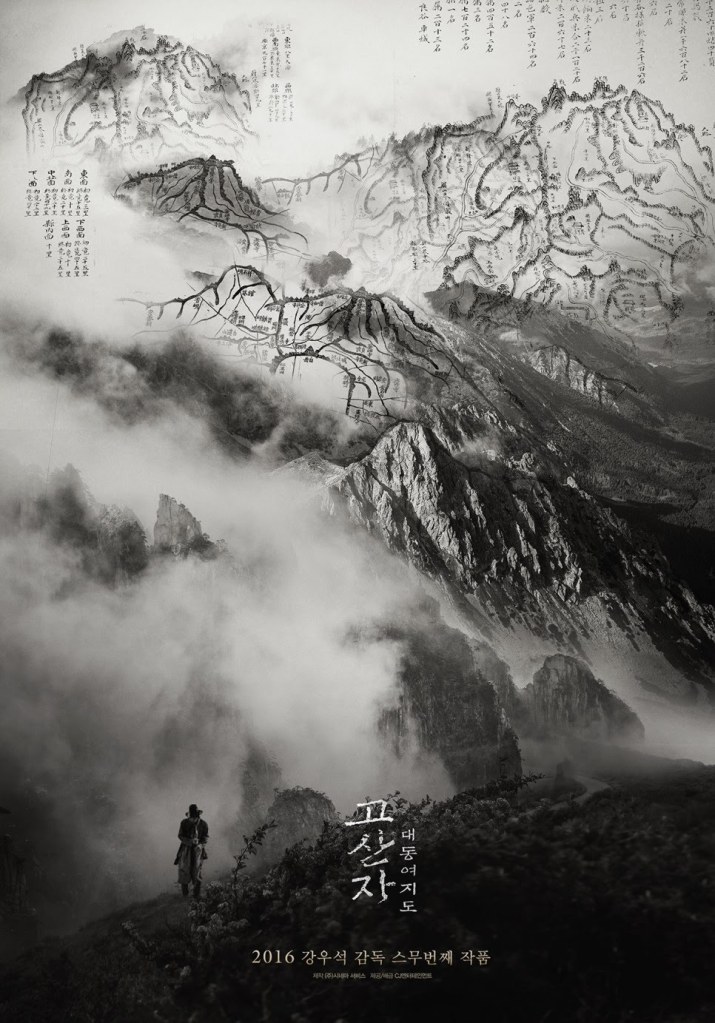 The map is not the territory – as the old adage goes. There’s always a difference between the thing itself and the perception of it but, as the “hero” of The Map Against the World (고산자, 대동여지도, Gosanja, Daedongyeojido) points out, if you’re about to set off on a long journey it’s a good idea to not to rely on a linear map else you’ll run out of good shoes long before you reach your destination. Kim Jeong-ho (Cha Seung-Won) was, apparently, a real person (though little is known about him) who set out to make a proper map of the Korean peninsula after a cartographic error led to the death of his father and many other men from his village when they ran out of resources crossing what they thought was one mountain but turned out to be one mountain range.
 Koji Fukada first ventured into the family drama arena with the darkly comic satire
  There are three kinds of actors – those who wait for roles, those who choose roles, and those who make roles for themselves. Ageing actress Go Ju-yeon (Kim Hye-soo) claims to be the third type, but at any rate she’s currently between gigs and facing professional scandals and personal crises from each and every direction. An unusual family drama, Familyhood (굿바이 싱글, Gotbai Singkeul, AKA Goodbye Single) is the coming of age story of a middle aged woman finally forced into adulthood through an unlikely friendship with a pregnant teenage girl.
 Windows on Worlds