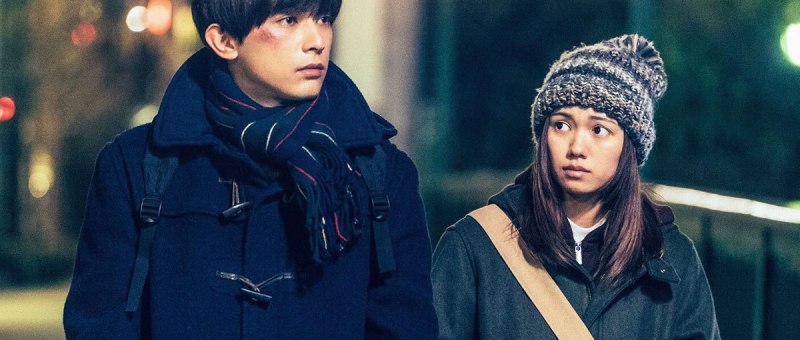
 The ‘90s were a strange time to be a teenager, but then what age isn’t? Isao Yukisada, surprisingly making his first manga adaptation, brings Kyoko Okazaki’s cult hit River’s Edge (リバーズ・エッジ) to the big screen, recreating those days of nihilistic despair in which ordinary teens spiralled out of control in the wake the bubble bursting, watching all their possibilities disappear in a cloud of smoke. Set in 1994, River’s Edge is a post-bubble story but it also takes place in the period immediately before everything started to go wrong. In 1995 there was a devastating earthquake followed by terror in Tokyo and somehow it all seemed so dark – something the kids at the centre of River’s Edge already seem to see as they watch time flow, knowing all that awaits them is yet more emptiness.
Haruna (Fumi Nikaido), a spirited tomboy and latchkey kid living with her busy single-mother, is in a lazy relationship with violent popular boy Kannonzaki (Shuhei Uesugi) though in truth she doesn’t seem to like him very much. One of her major problems with Kannonzaki is that he keeps picking on one particular guy, Yamada (Ryo Yoshizawa), who is rumoured to be gay. Warned by one of Kannonzaki’s minions, Haruna races off to an abandoned storeroom where she finds Yamada trussed up and naked hidden inside a locker. The pair become friends and he offers to show her his “special treasure” which turns out to be a dead body hidden among the reeds near the edge of the river. Yamada, with another friend, Kozue (Sumire) – a model with an eating disorder, likes to come to the river to gaze at the body in an effort to feel alive.
The ‘90s were full of tales of cruel, emotionless youth torturing itself without mercy and there is something of the era’s insensitivity in the detachment of the central trio. Unable to feel alive, the teens of River’s Edge chase sensation and oblivion through indiscriminate sex, drugs, violence, and self harm but rarely find the kind of fulfilment they so desperately crave. Kannonzaki, the rowdy delinquent, blames his broken home for his lack of connection, making a fierce resentment of a perceived rejection his excuse for his dangerously violent proclivities which run not only to venting his rage on the figure of the gay outsider Yamada but also to drug fuelled rough sex with one of Haruna’s classmates, Rumi (Shiori Doi), who is also chasing agency through sexuality but eventually finds herself cornered in the most terrible of ways.
Yamada is indeed gay, but can hardly say so in the environment in which he lives and so has turned in on himself with a near sociopathic detachment. Having given up on the idea of romantic fulfilment he has resigned himself to loving the object of his affection from afar, happy enough that he exists in the world even if he can never declare himself let alone dare to hope his feelings may be returned. Yamada works as a rent boy in the evenings, going to hotels with middle-aged men for money, but has a fake girlfriend at school, Kanna (Aoi Morikawa), whom he uses as a beard. Kanna, seemingly sweet and oblivious, soon becomes jealous of her boyfriend’s friendship with Haruna and is driven into her own kind of despair by Yamada’s continued coldness.
There’s an especial irony in Yamada’s use of Kanna which is almost certainly not lost on him. These kids, like many before them, abhor the fakery of the adult world but are also unable to embrace their own painful truths. Yamada covers up his sexuality through misleading Kanna, while Kannonzaki is resentful towards his parents who put on a front of marital harmony even after his father ran off with his mistress only to come back a week later with his tail between his legs, and Kozue laments the superficiality of her industry in which everyone falls over themselves to declare something ugly beautiful in order to make themselves feel better. There are no responsible adults here, having ruined the future for their kids they no longer have any kind of moral authority that can offer guidance or support to a jaded generation.
Shooting in the classic 4:3 of a ‘90s TV, Yukisada recreates the narrowness of an era in which the kids struggle to see past themselves, blinkered by their own solipsistic perspective and trapped by the shallowness of their perceptions. Permanently dark, gloomy, and lonely their world is one nihilistic despair in which they feel themselves already dead, living in the half-dug grave of a moribund city giving off its last few puffs of toxic industrial smoke before the whole thing collapses in on itself. In one sense nothing changes, there are no answers or cures for adolescent malaise, but something does eventually seem to shift in the genuine connection formed between two detached outsiders standing on the brink, watching the decay of their era flow past them with melancholy resignation.
Screened at Nippon Connection 2018.
Original trailer (no subtitles)


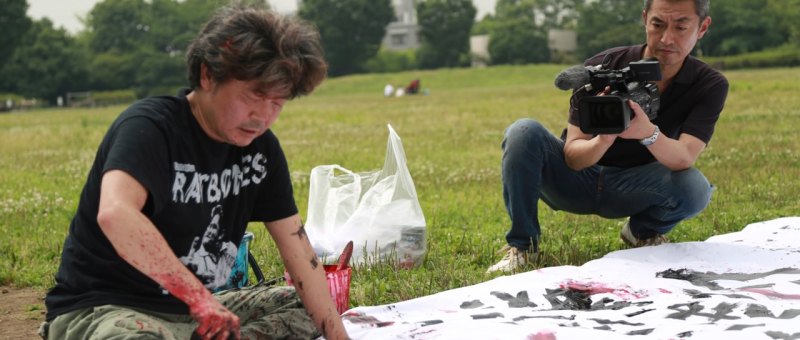
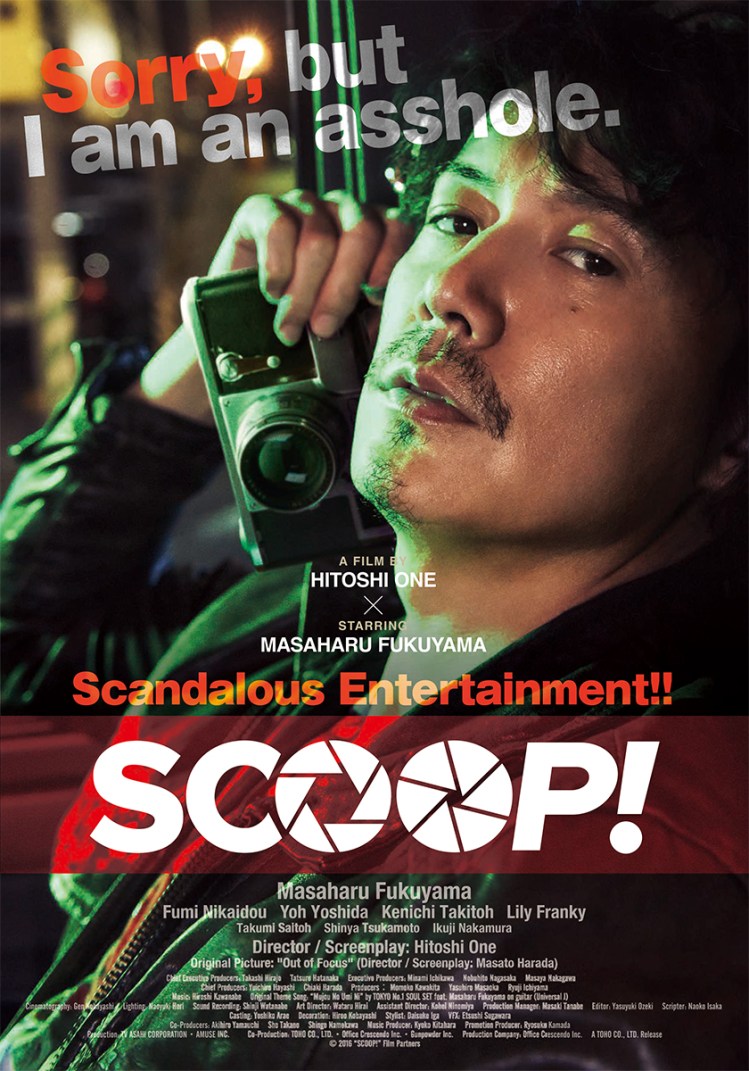 Hitoshi One has a history of trying to find the humour in an old fashioned sleazy guy but the hero of his latest film, Scoop!, is an appropriately ‘80s throwback complete with loud shirt, leather jacket, and a mop of curly hair. Inspired by a 1985 TV movie written and directed by Masato Harada, Scoop! is equal parts satire, exposé and tragic character study as it attempts to capture the image of a photographer desperately trying to pretend he cares about nothing whilst caring too much about everything.
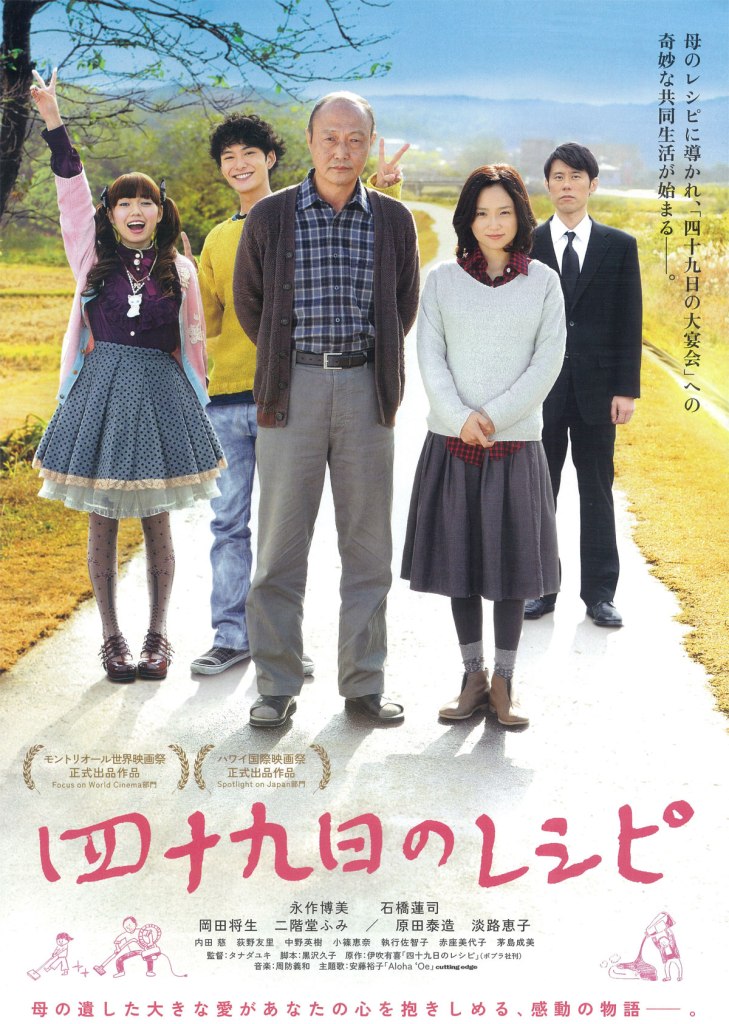 When everything goes wrong you go home, but Yuriko, the protagonist of Yuki Tanada’s adaptation of Yuki Ibuki’s novel might feel justified in wondering if she’s made a series of huge mistakes considering the strange situation she now finds herself in. Far from the schmaltzy cooking movie the title might suggest, Mourning Recipe (四十九日のレシピ, Shijuukunichi no Recipe) is a trail of breadcrumbs left by the recently deceased family matriarch, still thinking of others before herself as she tries to help everyone move on after she is no longer there to guide them. Approaching the often difficult circumstances with her characteristic warmth and compassion, Tanada takes what could have become a trite treatise on the healing power of grief into a nuanced character study as each of the left behind now has to seek their own path in deciding how to live the rest of their lives.
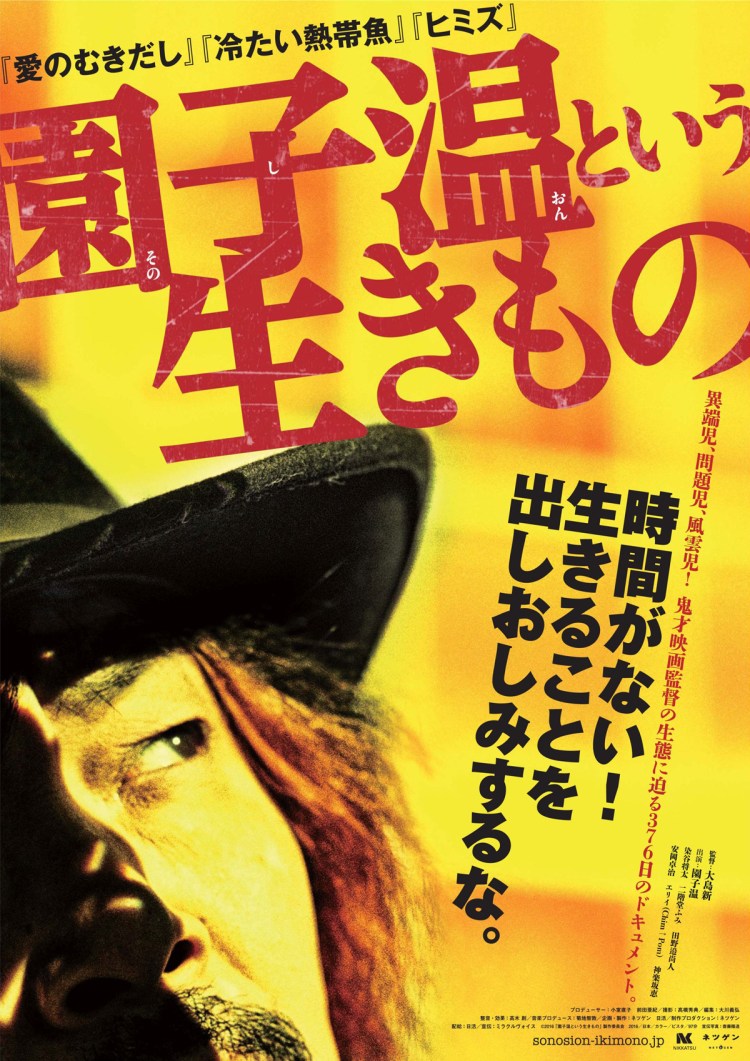
 Nobuhiro Yamashita has made something of a career out of championing the underdog and La La La at Rock Bottom (味園ユニバース, Misono Universe) provides yet another foray into the lives of the disposed and degraded. With a lighter touch than some of his previous work, the once again musically inflected film is another testament to the power of redemption and that you can still turn your life around if you only have the courage to take the chance.
 Windows on Worlds