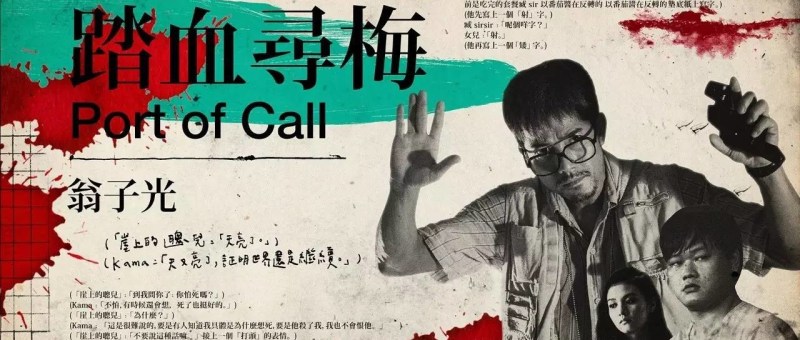
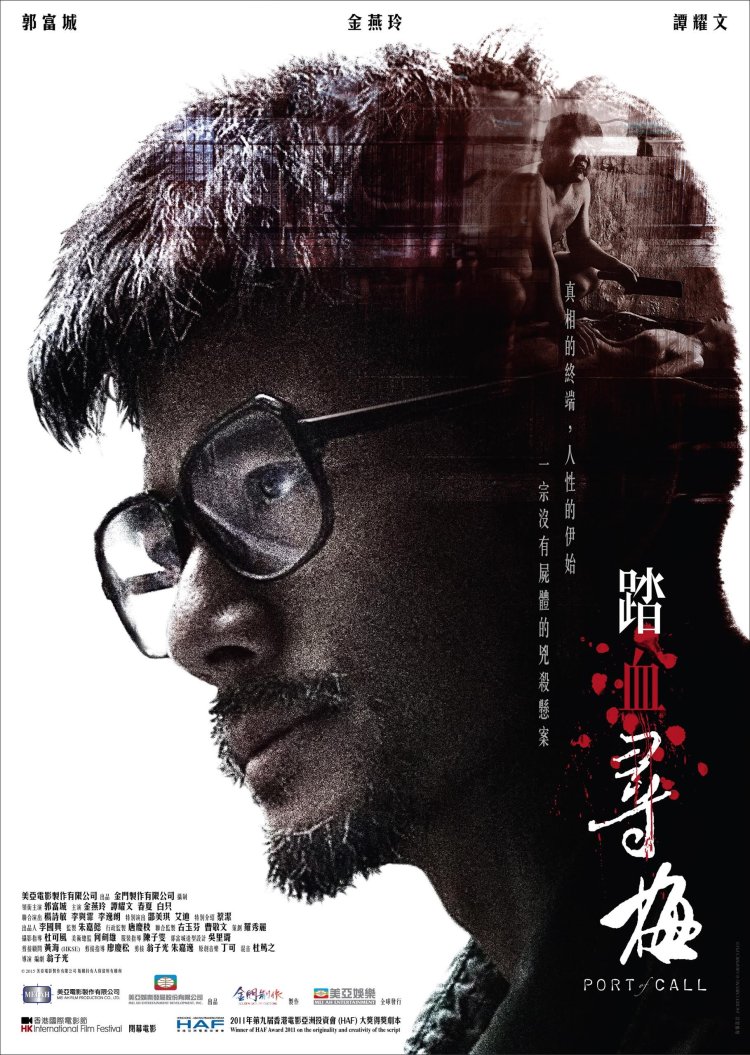
 Boy meets girl. Girl says she wants to die. Boy says OK. Philip Yung’s third feature, Port of Call (踏血尋梅), attempts to find out how such a thing could happen and does so by means of a state of the nation address. Shot by Christopher Doyle, Yung’s early 21st century Hong Kong is a place of broken dreams and empty promises in which past traumas become inescapable phantoms, hungry for blood and pain. More than the sum of its parts, Port of Call is a murder mystery and noirish crime thriller which rejects its procedural roots for a deeper investigation of how a young man and a young woman might have been brought to such a desperate and tragic end.
Eccentric detective Chong (Aaron Kwok) finds himself investigating the disappearance of a 16 year old prostitute believed murdered due to evidence of extensive bloodstains at the presumed scene of crime. The culprit soon turns himself in and confesses to both murder and dismemberment, avowing that he killed the girl because she asked him to. It seems like an open and shut case, at least to Chong’s superiors, but Chong cannot quite let it go. How could someone meet another person for the first time and take something as banal as “I wish I were dead” so literally as to decide to help them achieve their wish?
Chong, a divorced father to a young daughter, wants to know the why but what he discovers shakes his own already weary heart. The murdered girl, Jia-mei (Jessie Li), came to Hong Kong a little while after her mother (Elaine Jin) and sister, following the divorce of her parents. Her mother, a nightclub singer, has little money and is rarely present. Lonely, Jia-mei dreams only of becoming a model but this is a city which eats dreams and so she finds herself working admin jobs at a modelling studio as well as working at McDonalds in the hope of escaping her unsatisfying home environment. Eventually she is pulled into the world of escorts and compensated dating before winding up as a casual prostitute who forms an unwise romantic attachment to a client.
Neither Chong, Jia-mei, or the damaged killer Chi-sung (Michael Ning) is able to escape the weight of the pain and suffering they have seen or experienced. A long term employee of the Regional Crimes Bureau, Chong has seen the most gruesome, heinous, and incomprehensible crimes culminating in an unforgettable 1998 murder and kidnap case in which he discovered a small child tied up next to decomposing body covered in fattened maggots and swarming flies. Chong no longer sleeps because of the bloody nightmares which see him take the place of both victim and observer, laid low by an escaping Chi-sung whose crime is recreated in glorious technicolor.
Jia-mei’s world is bloodier still even at such a young age. A disturbing Facebook post recounts the loss of her virginity as a young teenager as a gory battlefield in which she and her boyfriend roll around in bloody sheets. Apparently not the only depressed young girl, Jia-mei’s classmate grabs her scissors and slashes her wrists all while Jia-mei does nothing. As she later tells an online friend, it’s sad when no one sees you. Separated from her home and father, Jia-mei’s model dreams are less a vacuous search for fame as they are a desperate attempt for connection. Looking for love in all the wrong places, Jia-mei’s world gradually shrinks away from her as the emptiness of her transactional relationships produces the opposite of what she wanted, eventually sending her straight into the arms of the equally lonely Chi-sung.
Chi-shung’s problems also stem back to childhood trauma and feelings of abandonment, but have taken on an additional layer of resentment following the failure of his first love affair. A melancholy, damaged man, Chi-sung almost sees his crime as a kind of salvation, rescuing Jia-mei from becoming what he hated and what she longed not to be. His icy practicality is chilling as he recounts how he dismembered and disposed of the body as if he were simply describing how to cook spaghetti but even as he seems to regard his crime as a kindness, there is something else lurking at the bottom of his coolness.
Yung’s Hong Kong is cold and unforgiving. The policeman, the victim, and the killer are all, in a sense, displaced – from their families, from the normal world, and from their homes. Jia-mei’s search for affection and an end to loneliness took her to the loneliest of places, while Chi-sung kills the things he loves to save them the pain of being alive, and Chong solves crimes but is powerless to stop them. Told in four acts and with a non-linear structure, Port of Call is a meandering voyage through life’s unpleasantness in which trauma stains, pain grows, and loneliness kills the spirit. Yung’s unflinching look at the dark underpinning of modern society is a sad and hopeless one yet there are brief flashes of hope, if only in stray cats finding unexpected safe harbours.
Original trailer (Cantonese with English/Traditional Chinese subtitles)
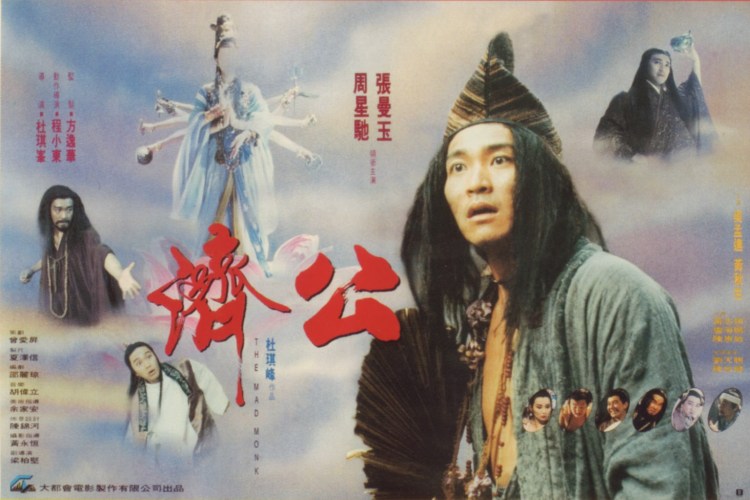 “The Mad Monk” sounds like a great name for a creepy ghost, emerging robed and chanting from the shadows to make you fear for your mortal soul. Sadly, The Mad Monk (濟公, Jì Gōng) features only one “ghost”, but it might just be the cutest in cinema history. The second of Johnnie To’s Shaw Brothers collaborations with comedy star Stephen Chow is another wisecracking romp in which Chow revels in his smart alec superiority, settling bets made in heaven and eventually vowing to spread peace and love across the whole world.
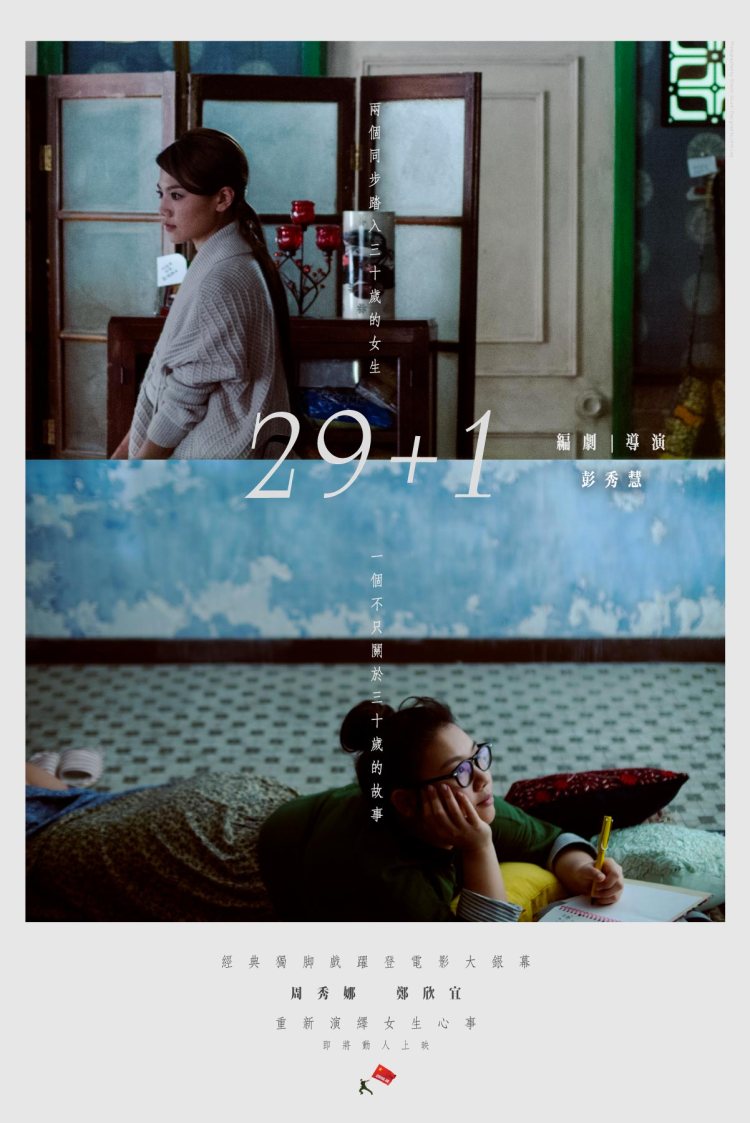 You know what they call women over 25 in China? “Christmas cake” – no one wants you after the 25th, so you’re condemned to sit on the shelf for all eternity like a piece of overproduced seasonal confectionary (a silly analogy because Christmas cakes, at least English ones, may outlive us all). Christy Lam lives in Hong Kong, not mainland China, and so her worries are a little less intense but still the dreaded 30 is causing its own share of panic and confusion in her otherwise orderly, tightly controlled life. In 29+1 Kearen Pang adapts her own enormously successful 2005 stage play about the intertwined lives of two very different women who happen to share a birthday and are each approaching the end of their 20s in very different ways. By turns melancholy and hopeful, 29+1 finds both women at a natural crossroads but rather than casting them into a bottomless pit of despair, allows each of them to rediscover themselves through a kind of second adolescence in which they finally figure out what it is they want out of life.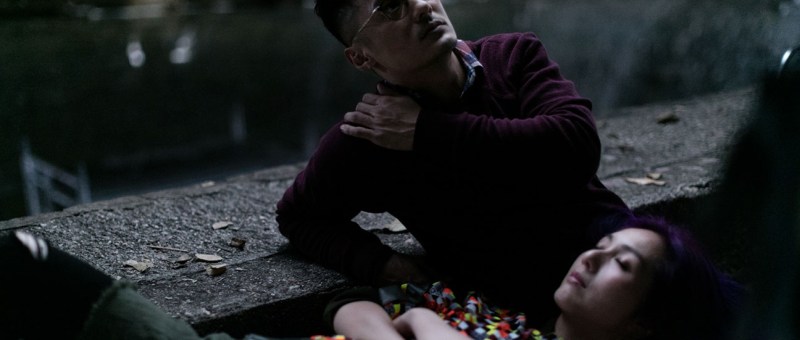
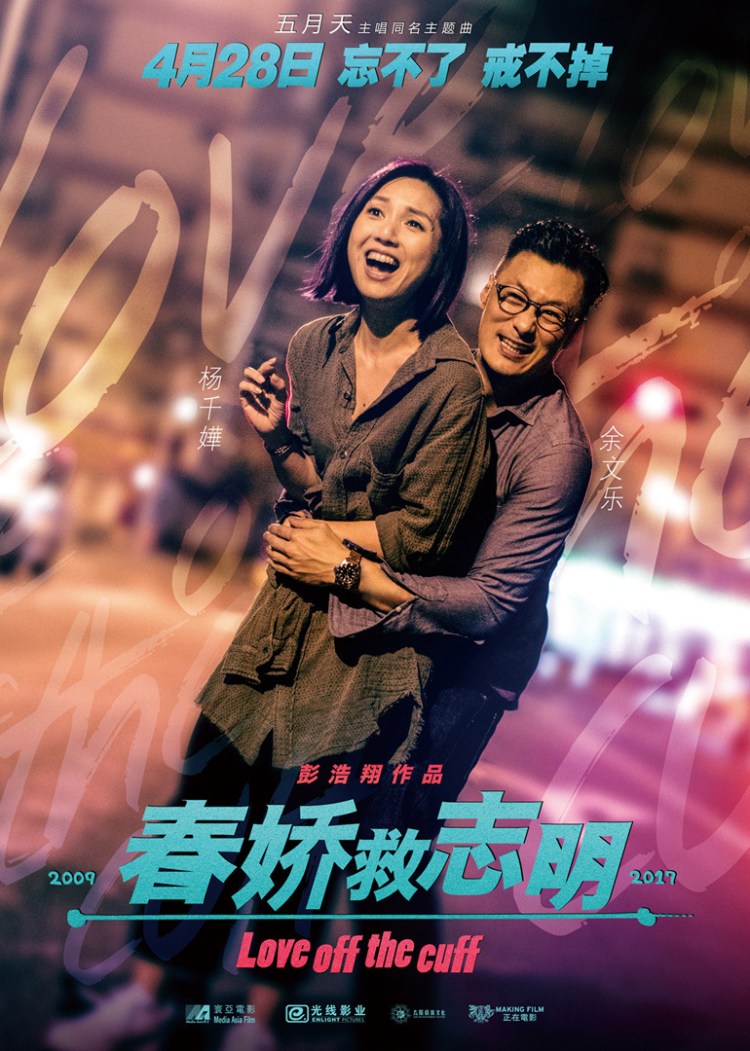 Jimmy and Cherie, against all the odds, are still together and in a happy longterm relationship in the third addition to Pang Ho-cheung’s series of charming romantic comedies, Love off the Cuff (春嬌救志明). Following the dramatic declaration at the end of
  2010’s
 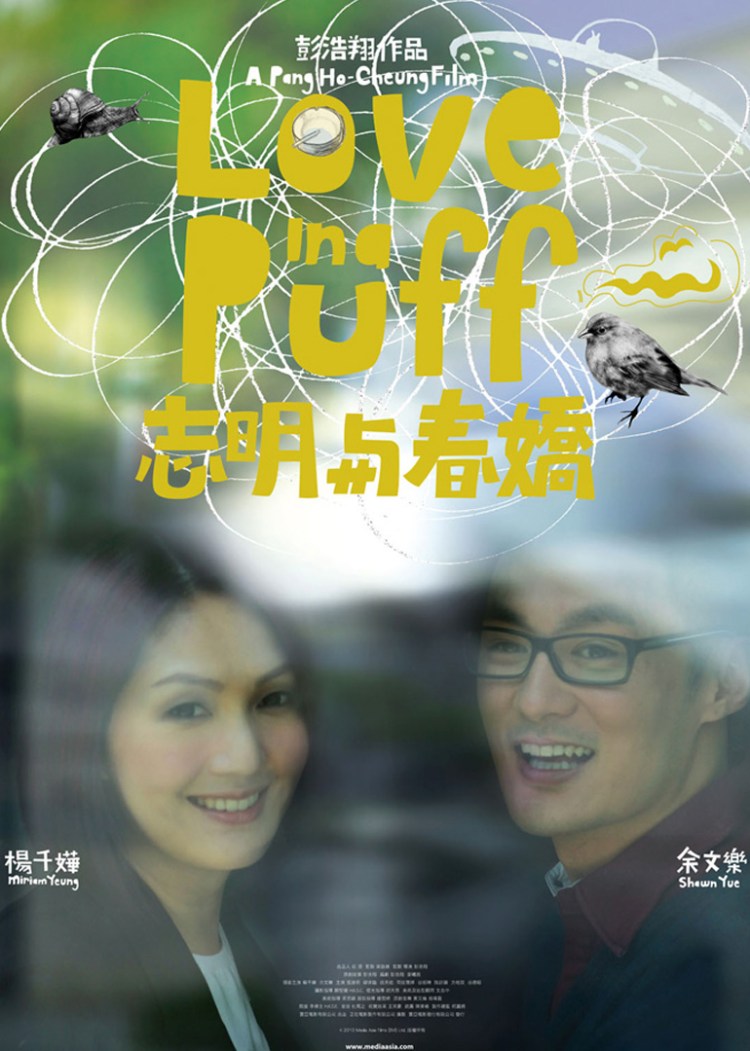 Smokers. Is there a more maligned, ostracised group in the modern world? Considering the rapid pace at which their “harmless” pastime has become unacceptable, you can understand why they might feel particularly put out – literally, as they find themselves taking refuge in designated smoking areas or perhaps back allies where it seems no one’s looking. For all the nostalgia about how easy it was to strike up a friendship with a stranger just by asking for a light, it is also important to remember that smoking is not so “harmless” after all and there are reasons why smokers are asked to keep their activities amongst those who’ve also decided to ignore the warnings. The Smoking Ordinance, oddly enough, may have accidentally boosted the social potential of a smoke as those eager for a puff are given additional reasons to spend time together in an enclosed space, building a sense of community through nicotine addiction.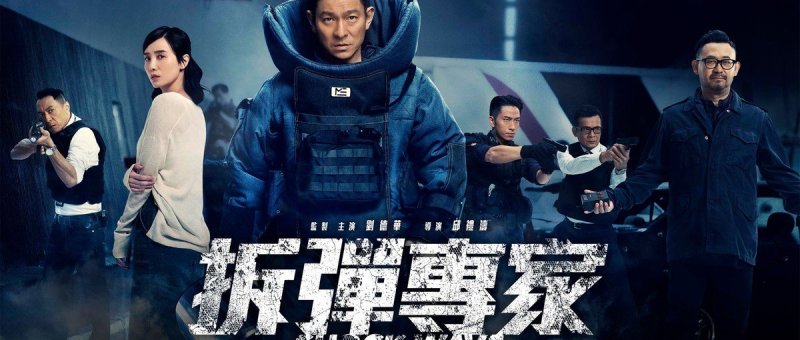
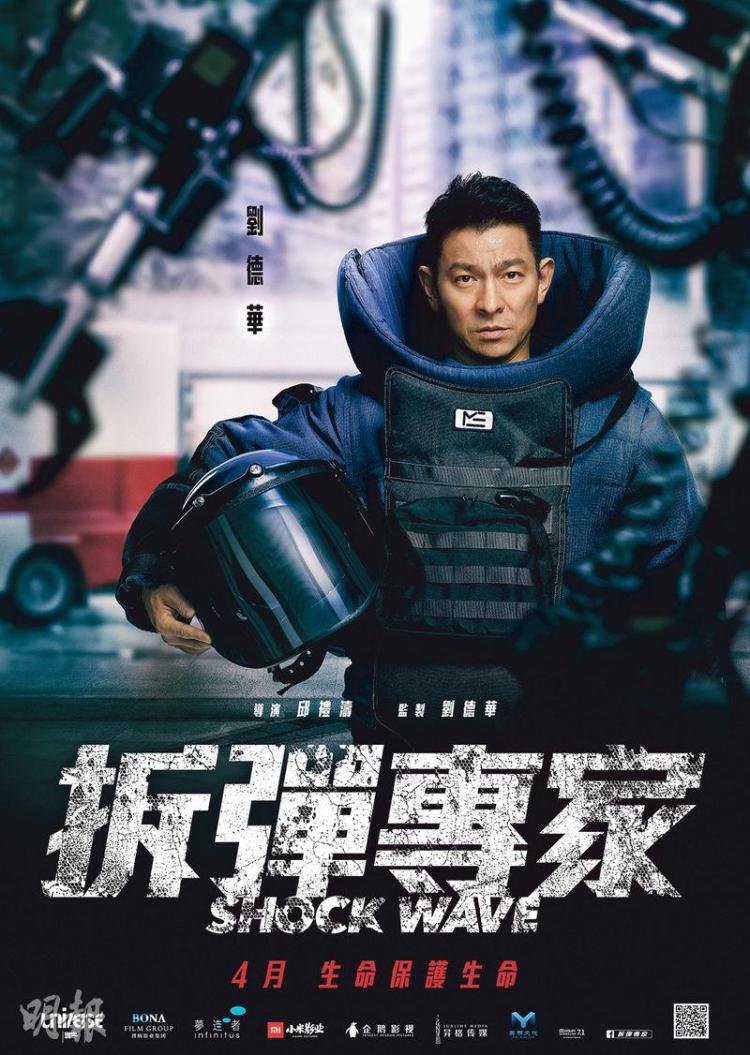 Recent Hong Kong action cinema has not exactly been known for its hero cops. Most often, one brave and valiant officer stands up for justice when all around him are corrupt or acting in self interest rather than for the good of the people. Shock Wave (拆彈專家) sees Herman Yau reteam with veteran actor Andy Lau turning in another fine action performance at 55 years of age as a dedicated, highly skilled and righteous bomb disposal officer who becomes the target of a mad bomber after blowing his cover in an undercover operation. These are universally good cops fighting an insane terrorist whose intense desire for revenge and familial reunion is primed to reduce Hong Kong’s central infrastructure to a smoking mess.
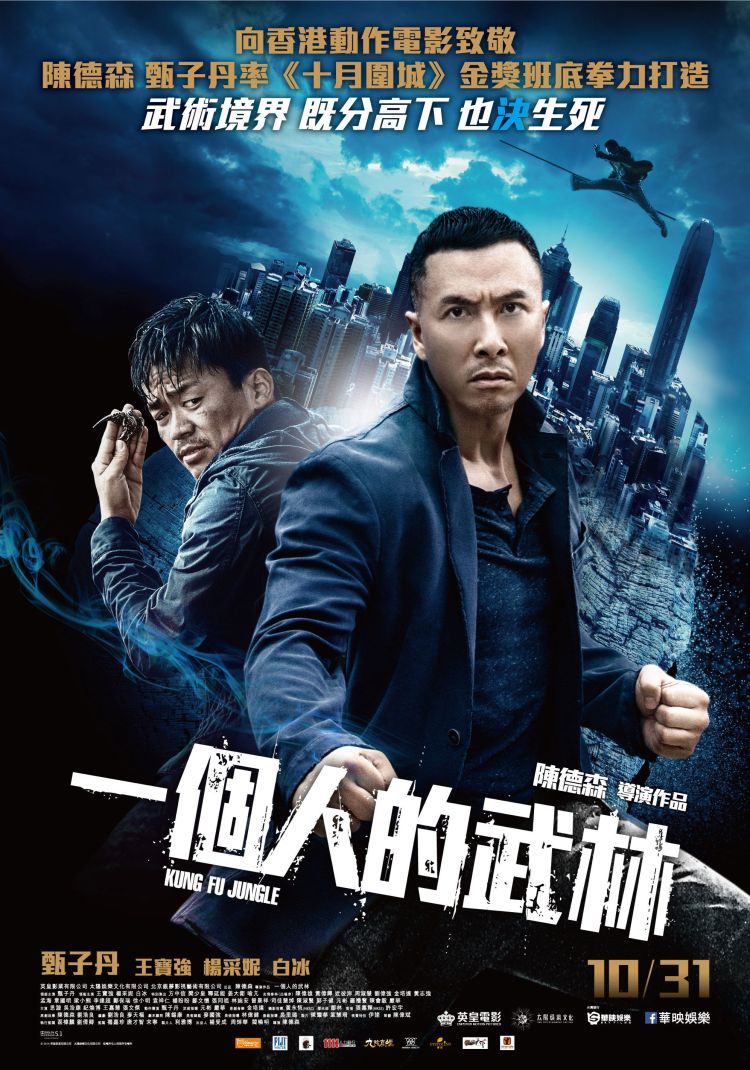 Kung fu movies – they don’t make ‘em like they used to, except when they do. Kung Fu Killer (一個人的武林, AKA Kung Fu Jungle) is equal parts homage and farewell as its ageing star, Donnie Yen, prepares to graduate to the role of master rather than rebellious pupil. What it also is, is a battle for the soul of kung fu. Just how “martial” should a martial art be? Is it, as our antagonist tells us, worthless with no death involved or will our hero prove the spiritual and mental benefits which come with its rigorous training and inner centring transcend its original purpose? Of course most of this is just posturing in the background of a lovingly old fashioned fight fest complete with a non-sensical plot structure motivated by increasingly elaborate set pieces.
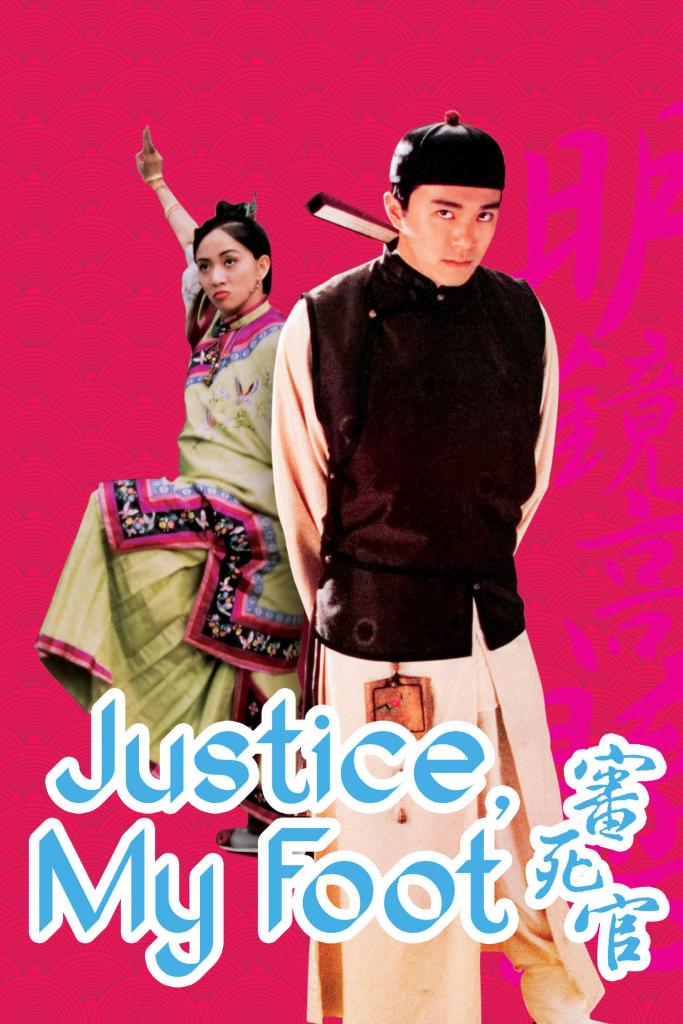 Stephen Chow has always been a force of nature but even before making his name as a director in the mid-90s, he contributed his madcap energy to some of the highest grossing movies of the era. Justice, My Foot! (審死官) is very much of the “makes no sense” comedy genre and, directed by Johnnie To for Shaw Brothers, makes great use of the collective propensity for whimsy on offer. Even if not quite managing to keep the momentum going until the closing scenes, Justice, My Foot! succeeds in delivering quick fire (often untranslatable) jokes and period martial arts action sure to keep genre fans happy.
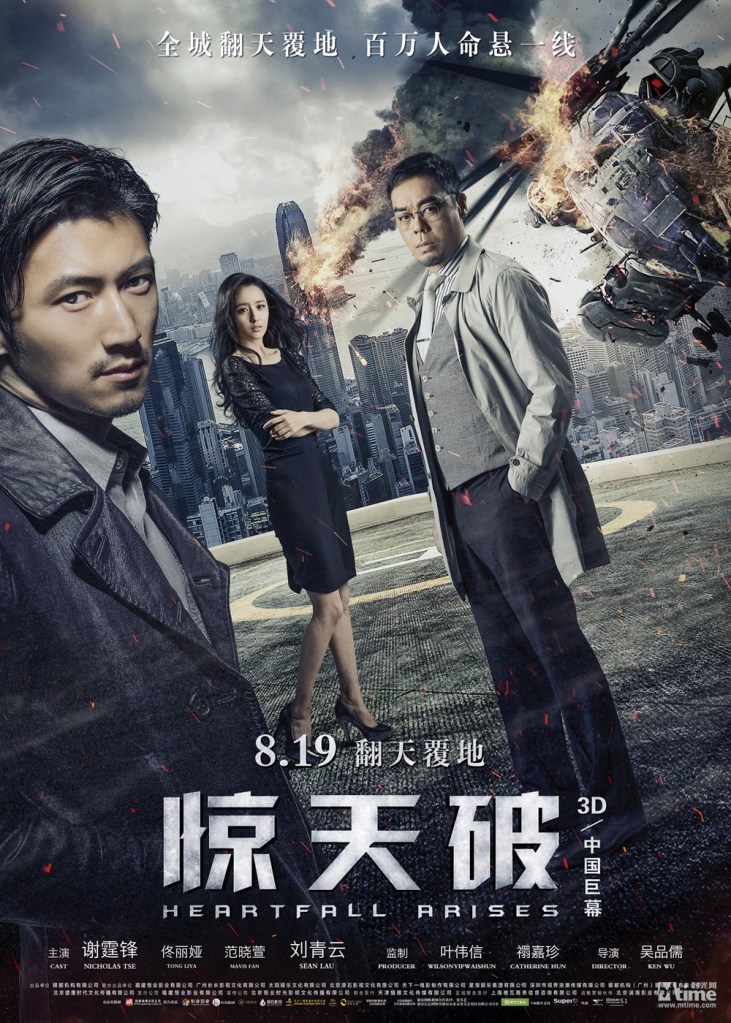 Sean Lau Ching-wan and Nicholas Tse are together again after being denied the opportunity to reteam for a sequel to the acclaimed
  Windows on Worlds