The Albino’s Trees (アルビノの木, Masakazu Kaneko, 2016)

A young man is forced to face up to the nature of existential struggle when tasked with killing a god in Masakazu Kaneko’s meditation on land, modernity, and the taking of a life, The Albino’s Trees (アルビノの木, Albino no Ki). Filled with a sense of unease, Kaneko’s parabolic drama asks if it’s right to force others to live in the way you think is best, if it’s right to take the life of an animal simply because it’s inconvenient to you, and if it’s right to assume ownership over the natural landscape as if it’s yours to do with as you wish. To the young man at the film’s centre, these questions are ones he thinks he can’t afford to ask but is eventually confronted with in committing what to some may be an unforgivable transgression. 

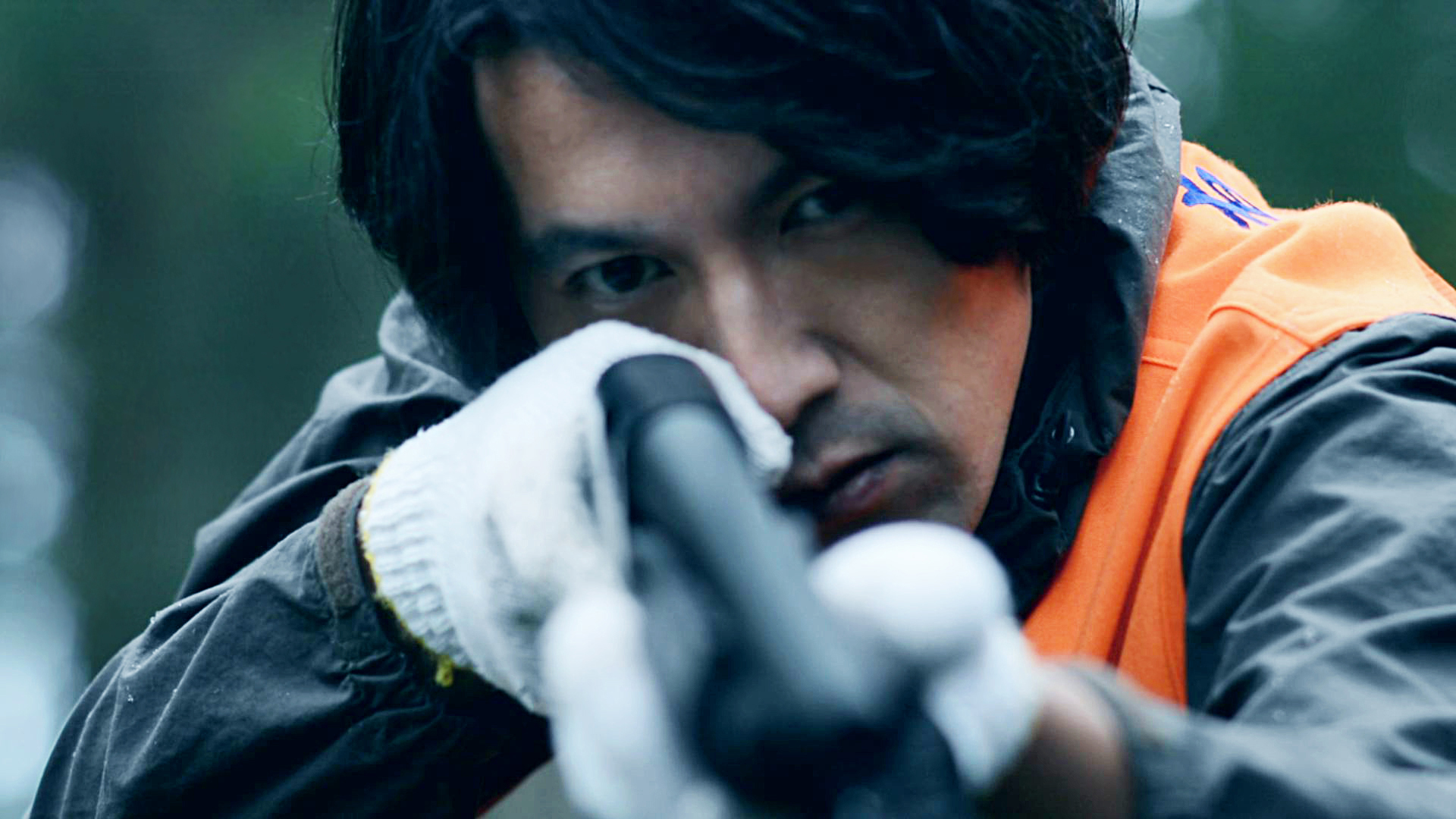
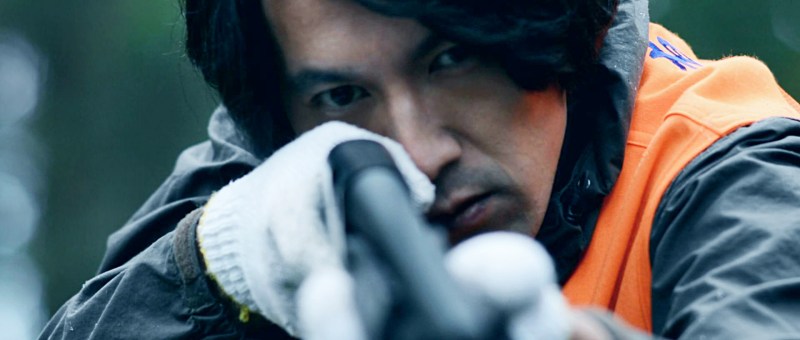
Yuku (Ryohei Matsuoka) used to work in removals but times being what they are, his boss has taken a left turn accepting lucrative contracts working as animal control agents on behalf of local councils carrying out culls of wildlife deemed out of control. His colleague Imamori (Shuichiro Masuda) remains conflicted. He isn’t completely happy with this kind of work but has been persuaded that it’s necessary though it still seems cruel to him if not morally wrong to hunt and kill healthy animals solely for existing. Nemoto (Hiroyuki Matsukage), their boss, is keen for them to take on a well paid “confidential” job but with so little information the guys are reluctant, something about it seems shady. Nevertheless, with his mother seriously ill and needing money for medical treatment Yuku agrees as does Imamori only to discover that not even the local councillor who hired them wants to explain what the job is. 

The councillor does, however, begin to outline the economic history of the town once dependent on coal mining now pivoting towards innovative farming. With barely concealed disdain, he replies to Yuku’s inquiry as to whether the mountain in question is inhabited by briefly remarking on a traditional village on the other side the existence of which seems to fill him with such disgust one half wonders if Yuku’s contract job is even darker than it seems. He laments that they have “no desire to develop”, continuing to live a traditional rural existence rather than succumbing to the dubious conveniences of modernity. On meeting up with their contact (Hatsunori Hasegawa), another hunter living on the ridge, the pair discover that their assignment is to eliminate an albino deer because, according to the hunter, the council is nervous that some may assume its mutation hints at corruption in the soil endangering the stability of their eco farming project. The problem is that the villagers believe the albino deer to be an embodiment of the White Deer God that protects the mountain as part of their Shinto animist beliefs and have been protecting it by dismantling all his traps. Imamori declines to go through with the job, feeling that it’s wrong to kill the deer just because it was born different but thinking only of his mother Yuku is determined to do whatever it takes.  

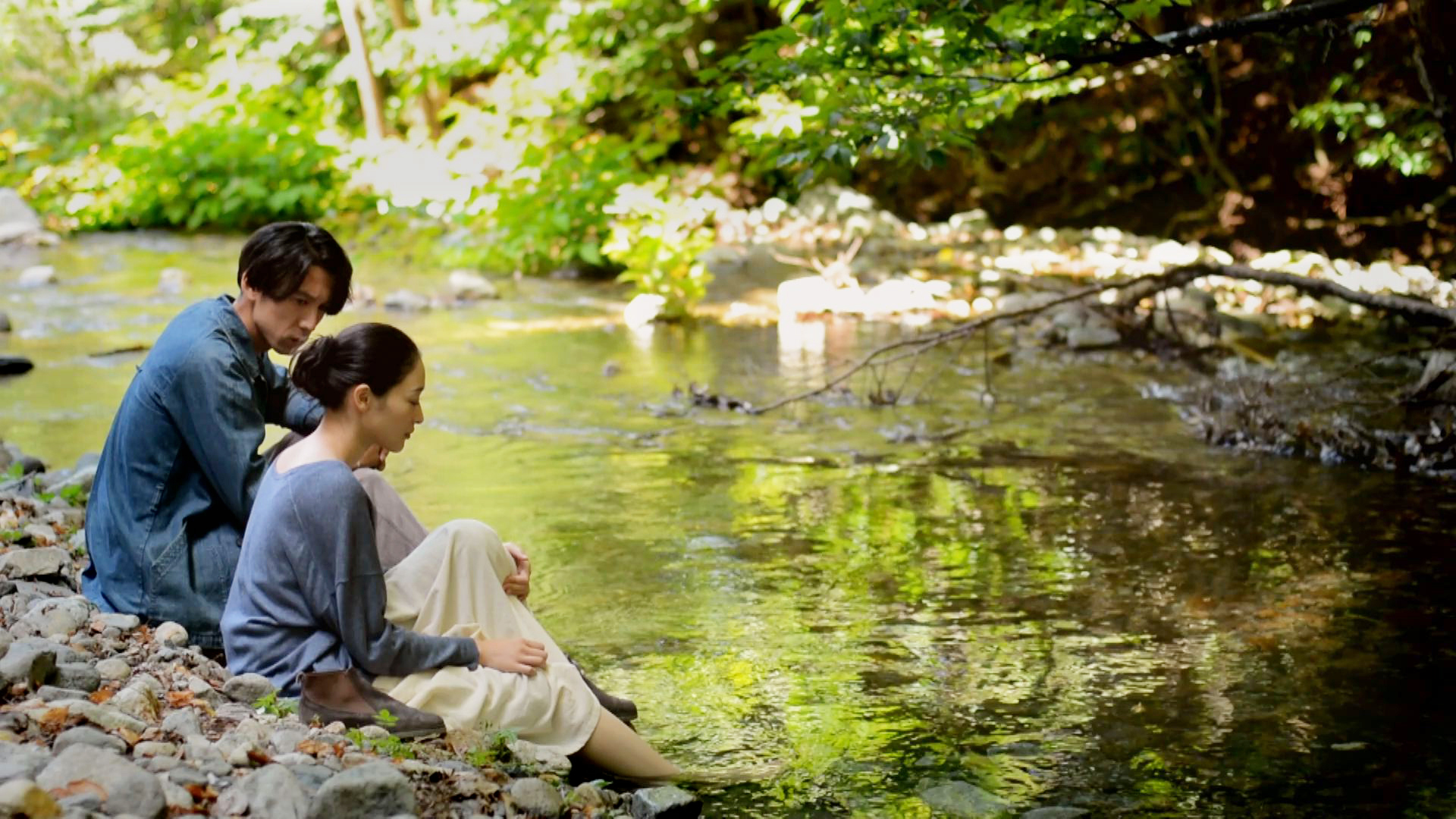
His dilemma is in a sense mirrored by that of Nagi (Kanako Higashi), a young woman from the village he rescues from an animal trap who tells him that she remains torn between the allure of modernity and a traditional rural existence. Yoichi (Yusuke Fukuchi), a young man making a living carving traditional wooden bowls, is determined to preserve ancient beliefs Yuku regards as backwards and superstitious convincing himself that killing the deer is also an act of liberation that will bring enlightenment to the villagers so that they won’t “need” to live in such an archaic and primitive way. But as Yoichi tries to explain to him, you can’t force people to conform to your own way of thinking, it’s not as if anyone is a prisoner here if they didn’t like it they’d leave as all of the other young people have already done. He asks him if a world in which you simply eliminate things which are “inconvenient” to you is one you really want to live in but Yuku isn’t here for such philosophical questions only baffled by what he sees as primitive superstition that stands in the way of progress. 

Yet, the village is largely untouched by the corruptions of the modern society. The water in its rivers is clean and sweet, the wood in its trees strong and beautiful. As Nagi explains to him, the White Deer God has given them permission to drink from these springs, and permission to harvest the trees. By contrast, there’s an unpleasant look of triumph in Yuku’s eyes as he shoots deer from a distance killing for no reason at all, man overcoming nature. He thinks only of his own survival, taking the lives of other living things in order to preserve his own, determined to save his mother but indifferent to the fates of others. When it comes to killing the white deer his hands shake, struck for the first time by the enormity of what he’s doing while literally preparing to kill a god. While Yoichi venerates and protects the natural environment in a process of symbiotic living, Yuku sides with those willing to exploit it for economic gain brainwashed into believing that living with the land is “backward” and that it’s only “natural” to eliminate “inconveniences” such as “vermin” which impede “modern life” in a capitalistic society. Capturing the natural beauty of the Japanese countryside Kaneko’s existential fable is filled with a quiet unease in the ambivalent relationship between man and landscape but also in the solipsistic struggle for survival that all too often defines human relationships. 


The Albino’s Trees streams in the US Dec. 3 to 23 as part of Japan Society New York’s Flash Forward series.

Original trailer (English subtitles)
Japan Society Film Announces Flash Forward: Debut Works and Recent Films by Notable Japanese Directors

Japan Society Film is back with another fantastic season streaming in the US Dec. 3 – 23 featuring the debut works of some of today’s most prominent Japanese directors alongside one of their more recent efforts. Meanwhile, they’ll also be hosting in-person screenings of two recently restored features from Sadao Yamanaka who passed away in 1938 aged only 28 after his military exemption was revoked and he was drafted to fight in Manchuria.

Focus on Sadao Yamanaka

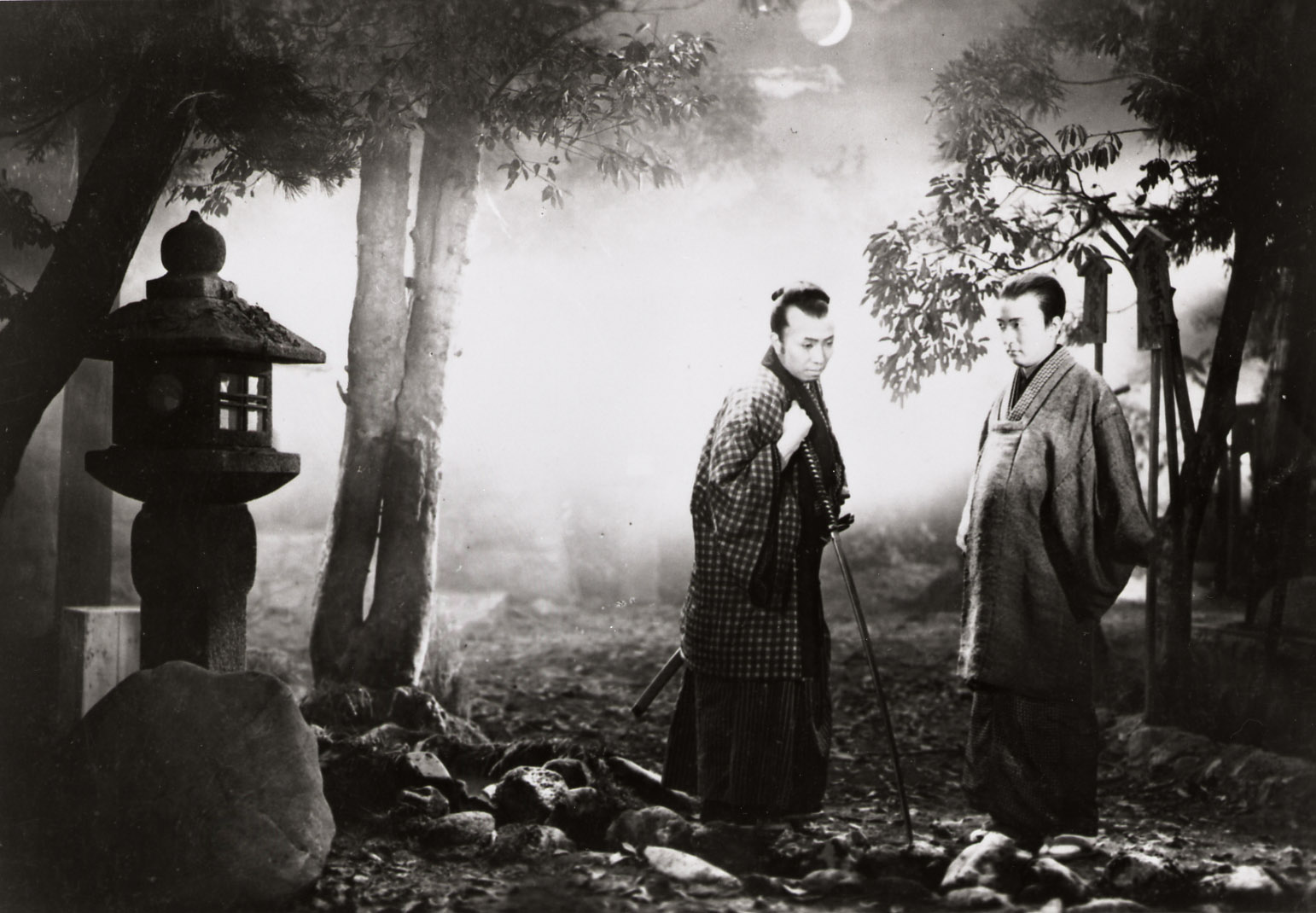
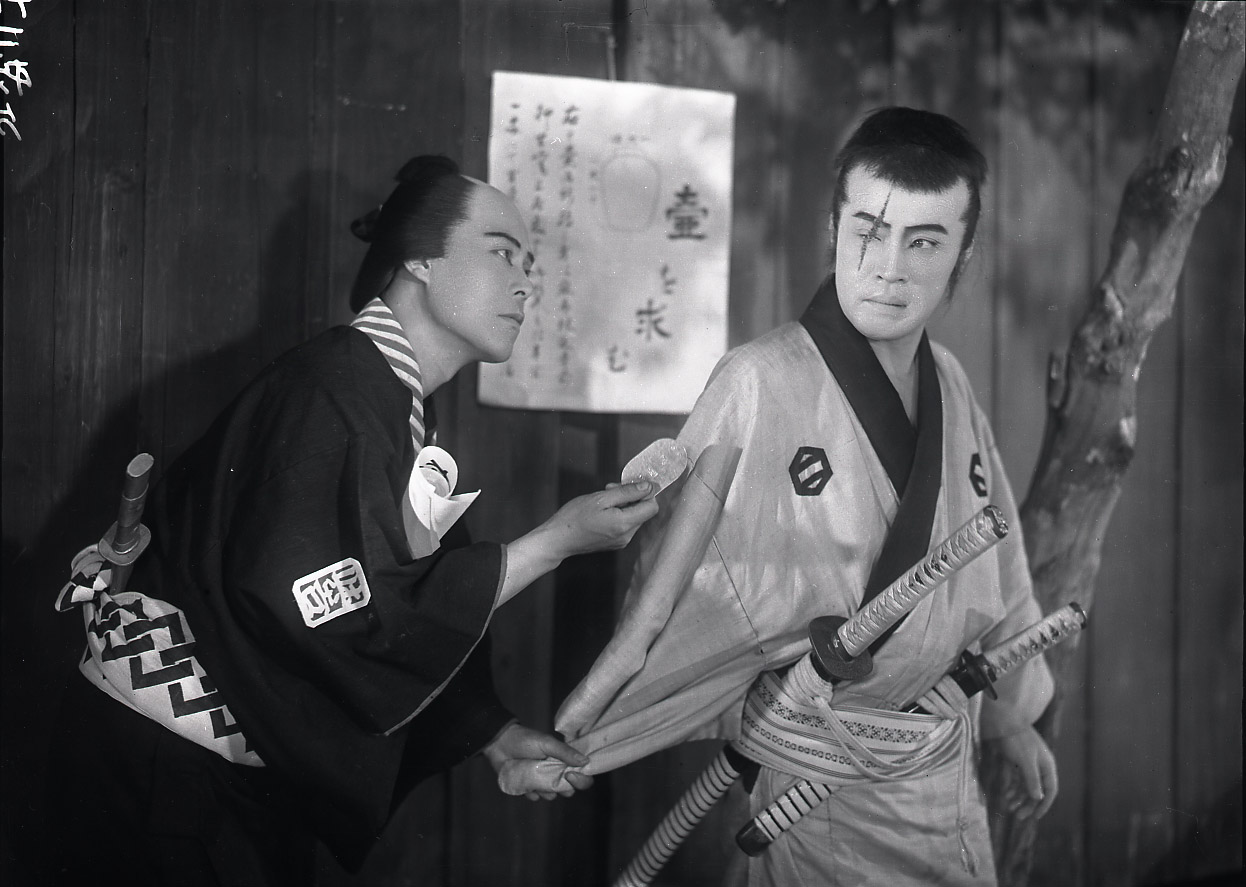
Tange Sazen and the Pot Worth a Million Ryo (Longest Version) (丹下左膳余話 百萬両の壺, Sadao Yamanaka, 1935)

A priceless pot containing a treasure map is accidentally given away and later used as a goldfish bowl by a child who is taken in by a tavern frequented by one-eyed, one-armed swordsman Tange Sazen while seemingly everyone else is desperately trying to find it.

Priest of Darkness (河内山宗俊, Sadao Yamanaka, 1936)

A feckless gambler brings trouble on himself by accidentally stealing a samurai’s knife and hides out in a tavern run by a “priest” while his sister (a young Setsuko Hara) desperately searches for him.

Online Screenings

Films listed below stream online December 3-23 at film.japansociety.org.

Debut Works and Recent Films (Online)

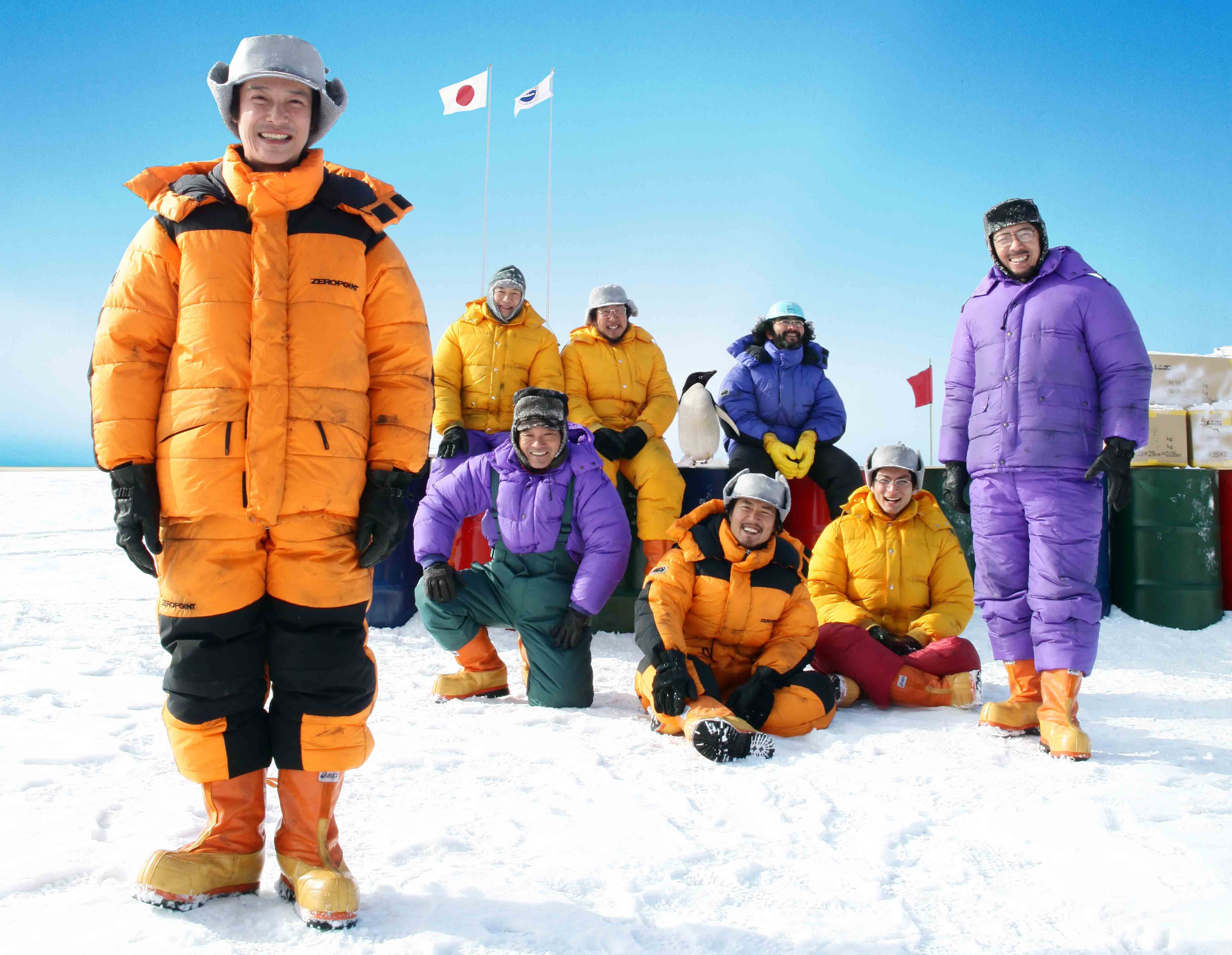
The Chef of South Polar (南極料理人, Shuichi Okita, 2009)

A family man chef is suddenly transferred to a remote Antarctic research station for a year-long project and finds himself going slowly mad alongside a team of eccentric scientists in the characteristically quirky debut from Shuichi Okita

Ora, Ora Be Goin’ Alone (おらおらでひとりいぐも, Shuichi Okita, 2020)

An older woman living alone (Yuko Tanaka) is visited by three strange sprites who talk to her in her native Tohoko dialect while she is called back into the past to meditate on former happiness and present regret in Shuichi Okita’s touching drama.

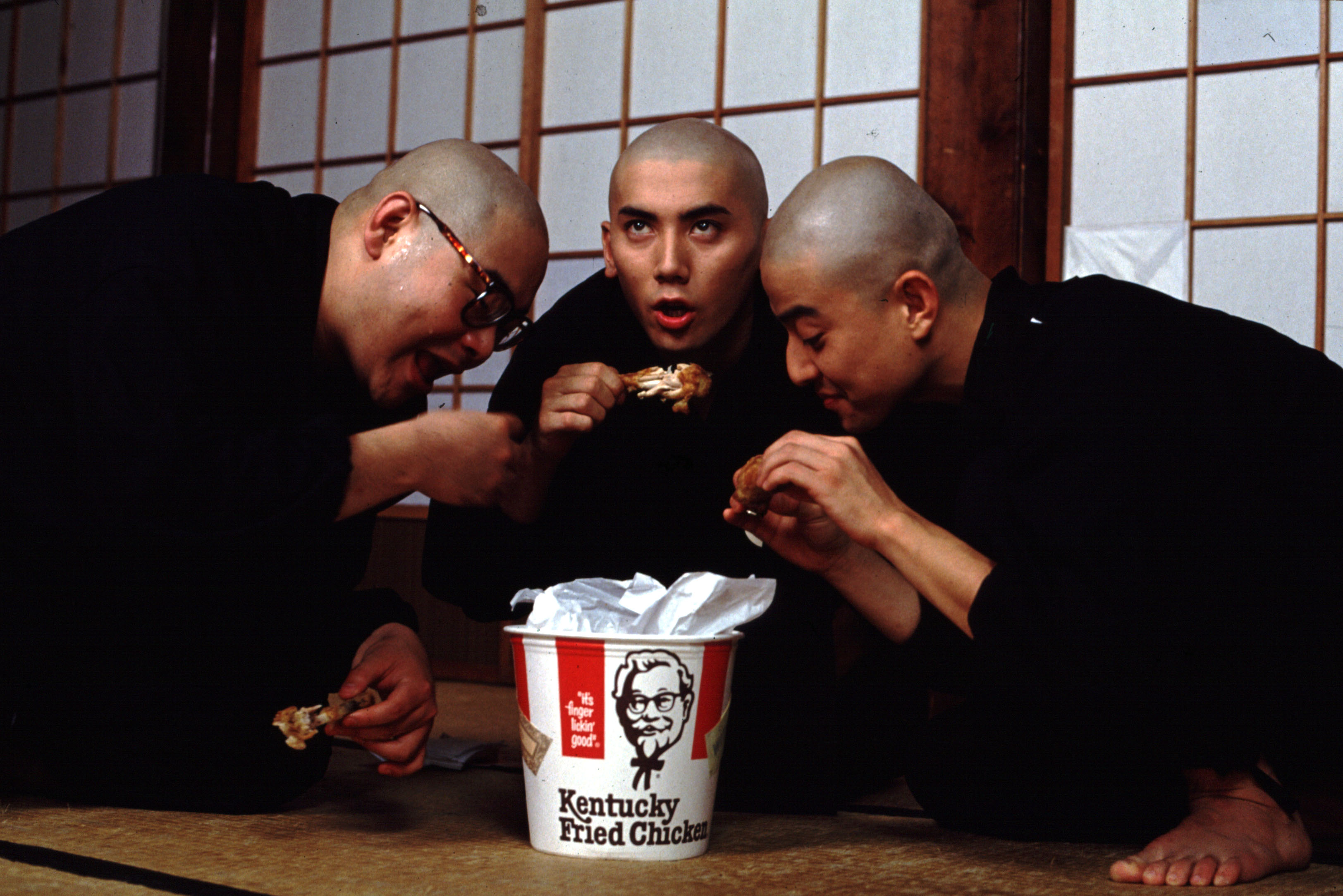
Fancy Dance (ファンシイダンス, Masayuki Suo, 1989)

A young man of the bubble era (Masahiro Motoki) is forced to undergo rigorous training to become a buddhist monk in order to take over his family temple but unexpectedly discovers both the joy of zen and that the monastic life isn’t quite as austere as it seems in the debut from Masayuki Suo.

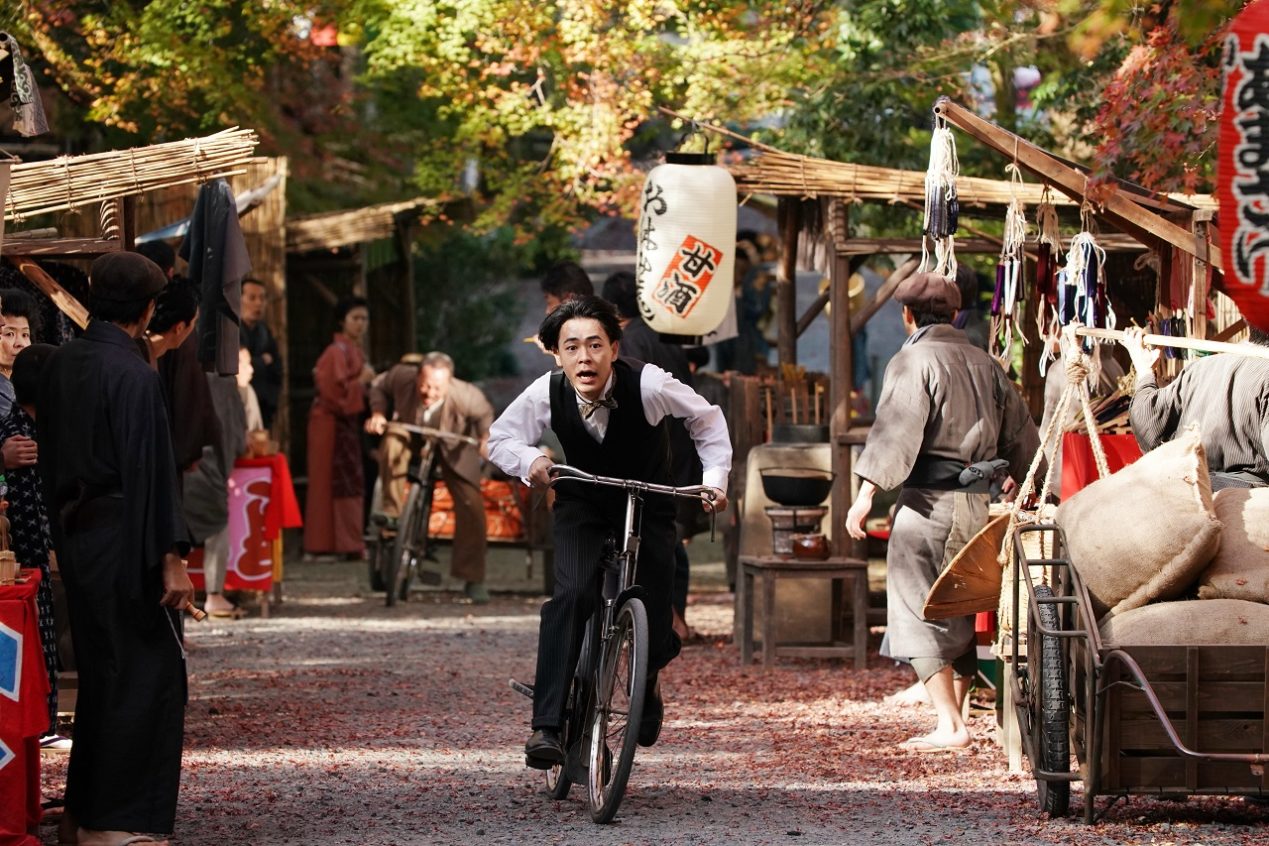
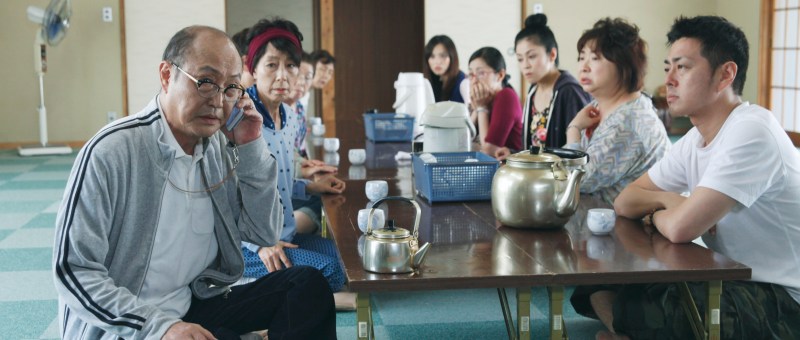
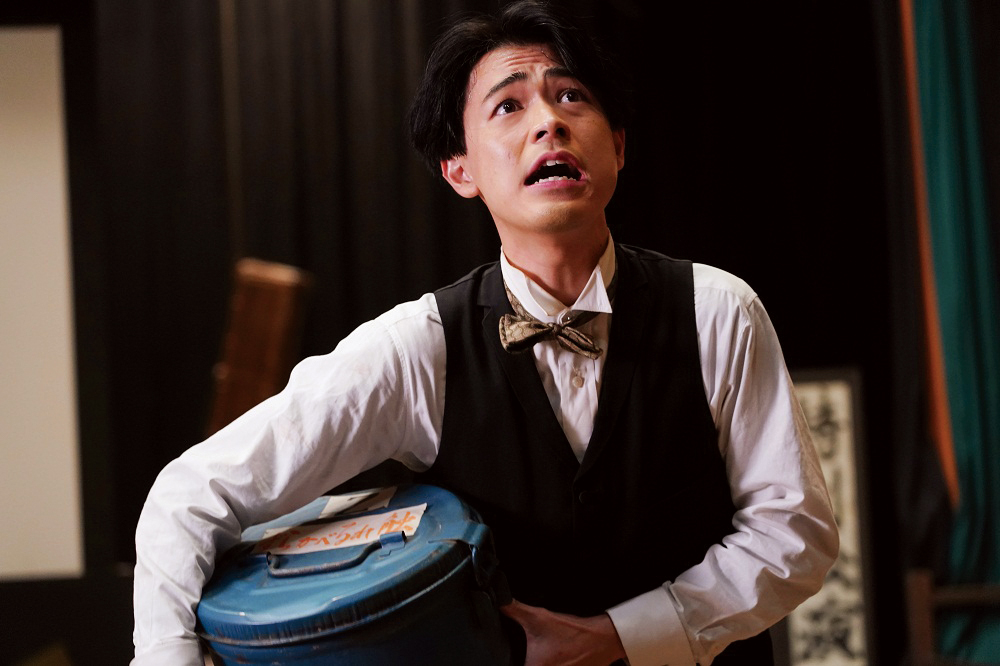
Talking the Pictures (カツベン!, Masayuki Suo, 2019)

Masayuki Suo takes a look back to the classic days of silent pictures as a young man fleeing a life of crime tries to realise a lifelong ambition of becoming a legitimate benshi in this period comedy drama. Review.

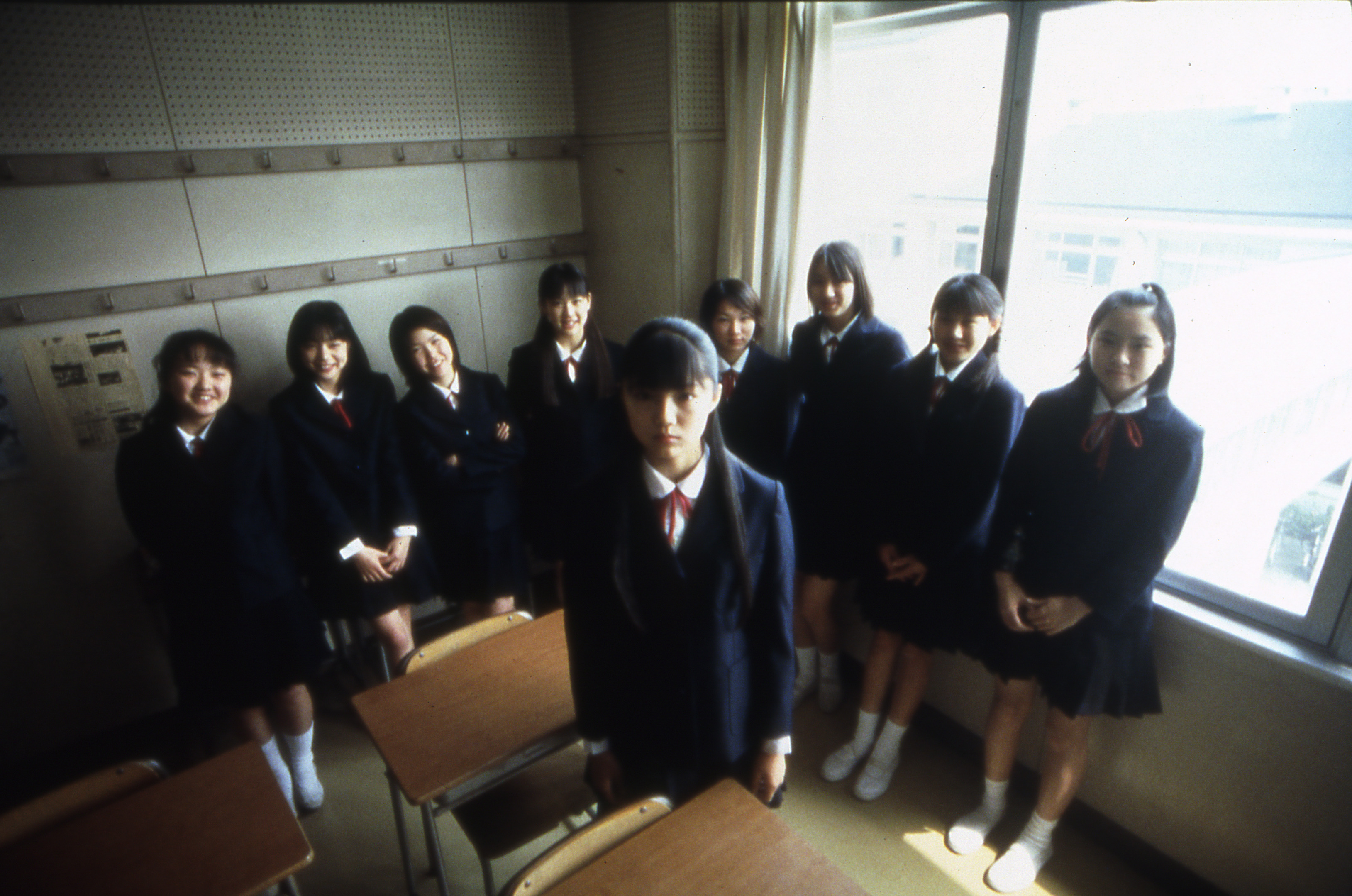
Harmful Insect (害虫, Akihiko Shiota, 2002)

A 13-year-old girl finds herself adrift after her father leaves and her mother attempts to take her own life, ostracised by the other girls at school who gossip about her relationship with a former teacher. She takes refuge in an awkward friendship with two other outcasts but discovers she is never really safe anywhere in this early indie drama from Akihiko Shiota starring a young Aoi Miyazaki.

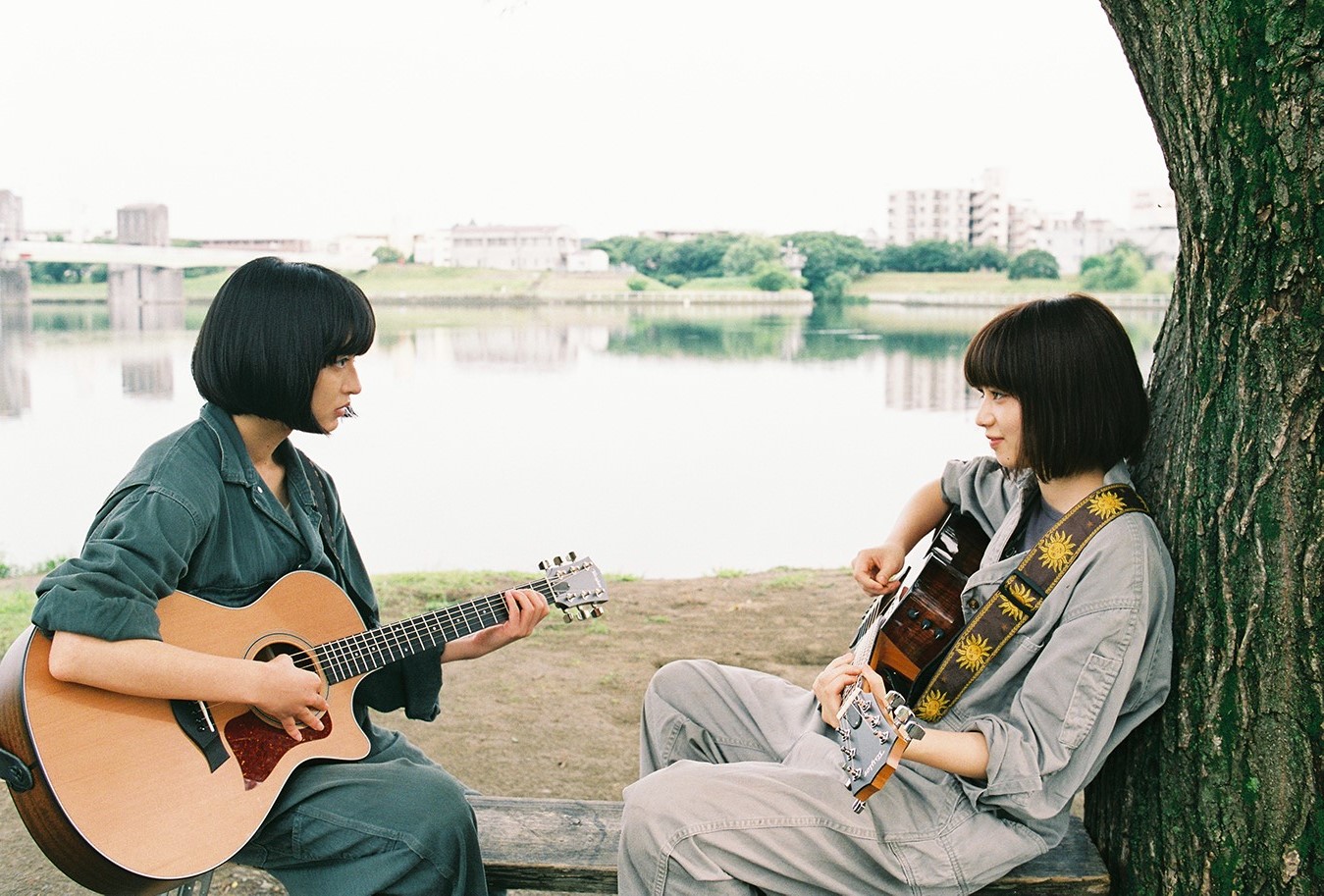
Farewell Song (さよならくちびる, Akihiko Shiota, 2019)

A folk duo (Mugi Kadowaki & Nana Komatsu) on the verge of splitting up go on the road for their final tour where the intrusive presence of their male roadie (Ryo Narita) only further strains their already fracturing relationship in Akihiko Shiota’s intense drama. Review.

Knockout (どついたるねん, Junji Sakamoto, 1989)

Real life boxer Hidekazu Akai stars as a thoroughly unpleasant former champion trying to restart his career after life-threatening brain injury by undercutting his old boss and starting his own snooty gym but finally seeing the error of his ways thanks to a kindly veteran (Yoshio Harada) in Junji Sakamoto’s Osaka-set debut. Review.

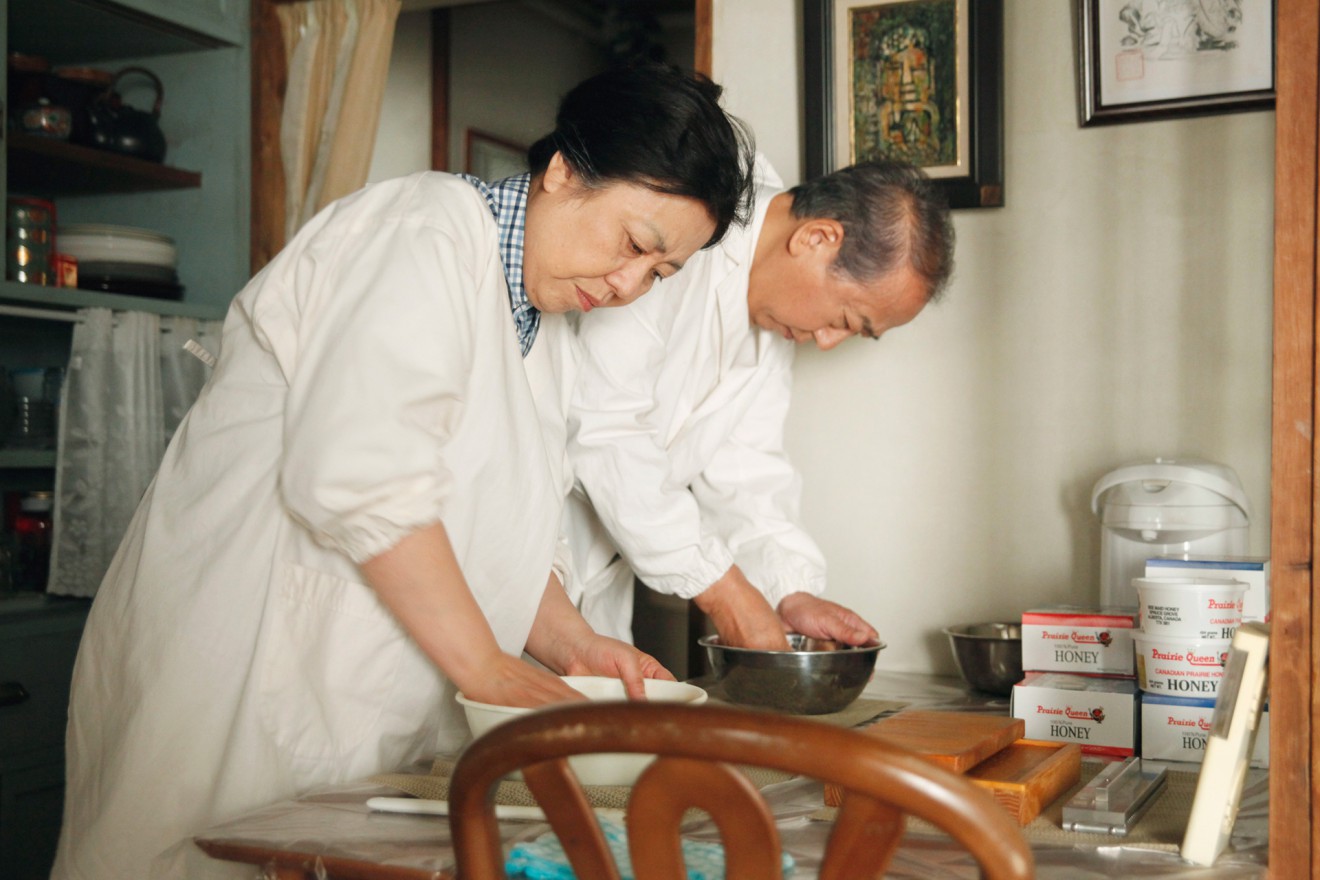
The Projects (団地, Junji Sakamoto, 2016)

An elderly couple move into a danchi housing estate after closing their herbal medicines store but when the husband is not seen around and about for a considerable amount of time it leads to gossip, rumour, and suspicion in this warmhearted, slightly surreal Osakan comedy from Junji Sakamoto. Review.

Wild Berries (蛇イチゴ, Miwa Nishikawa, 2003)

The conventional life of an ordinary family founded largely on lies and silence is disrupted by bereavement and the unexpected return of a prodigal son in the debut feature from Miwa Nishikawa. Review.

The Long Excuse (永い言い訳, Miwa Nishikawa, 2016)

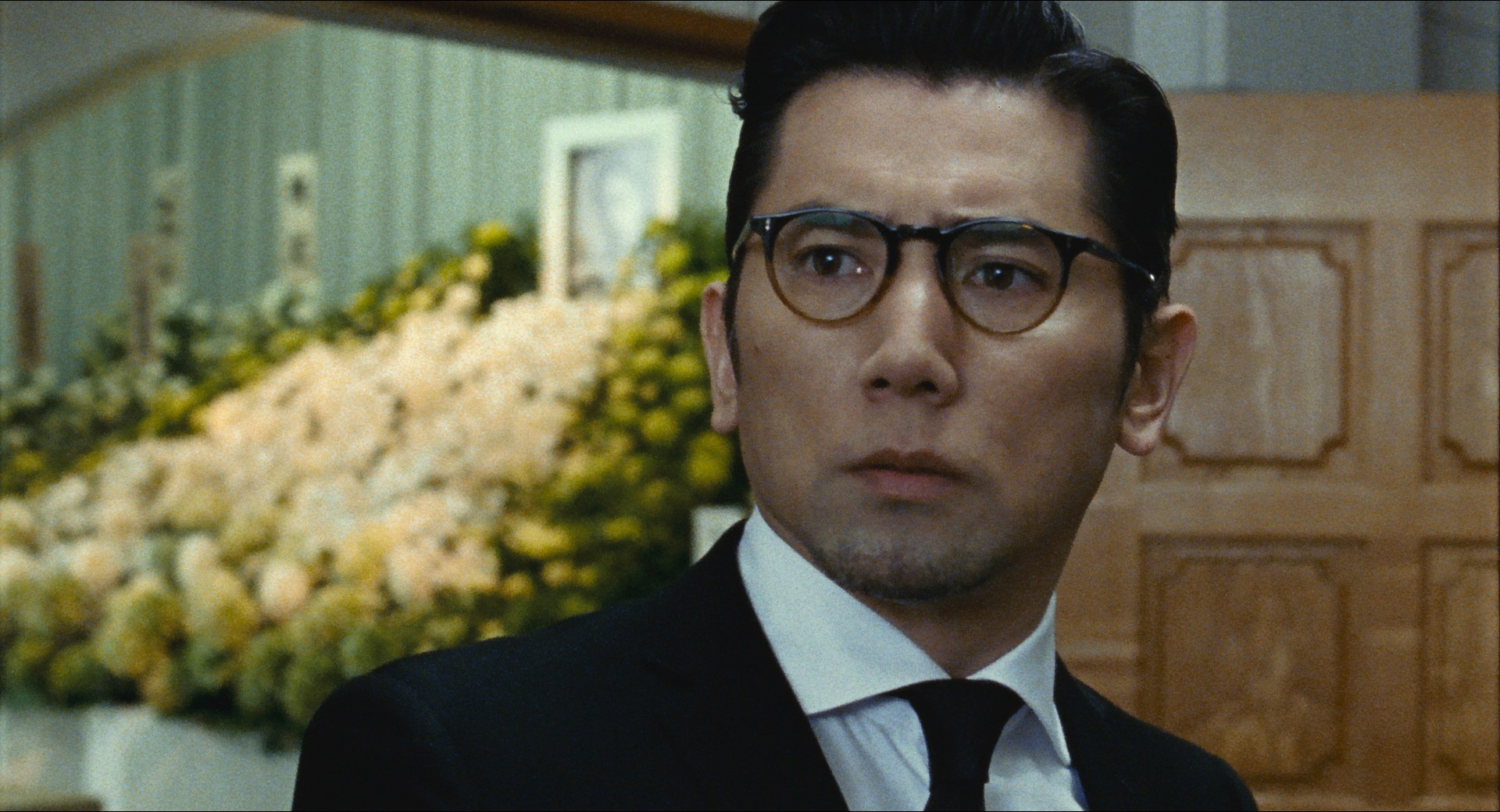
Adapting her own novel, Miwa Nishikawa’s 2016 drama stars Masahiro Mokotoki as a thoroughly self-absorbed yet insecure novelist who fears he’s become a hack best known for appearances on TV panel shows. When his wife is killed in a freak bus accident while he’s busy with his mistress, he’s finally forced to face himself on encountering the devastated family of his wife’s best friend who died alongside her. Review.

Suzaku (萌の朱雀, Naomi Kawase, 1997)

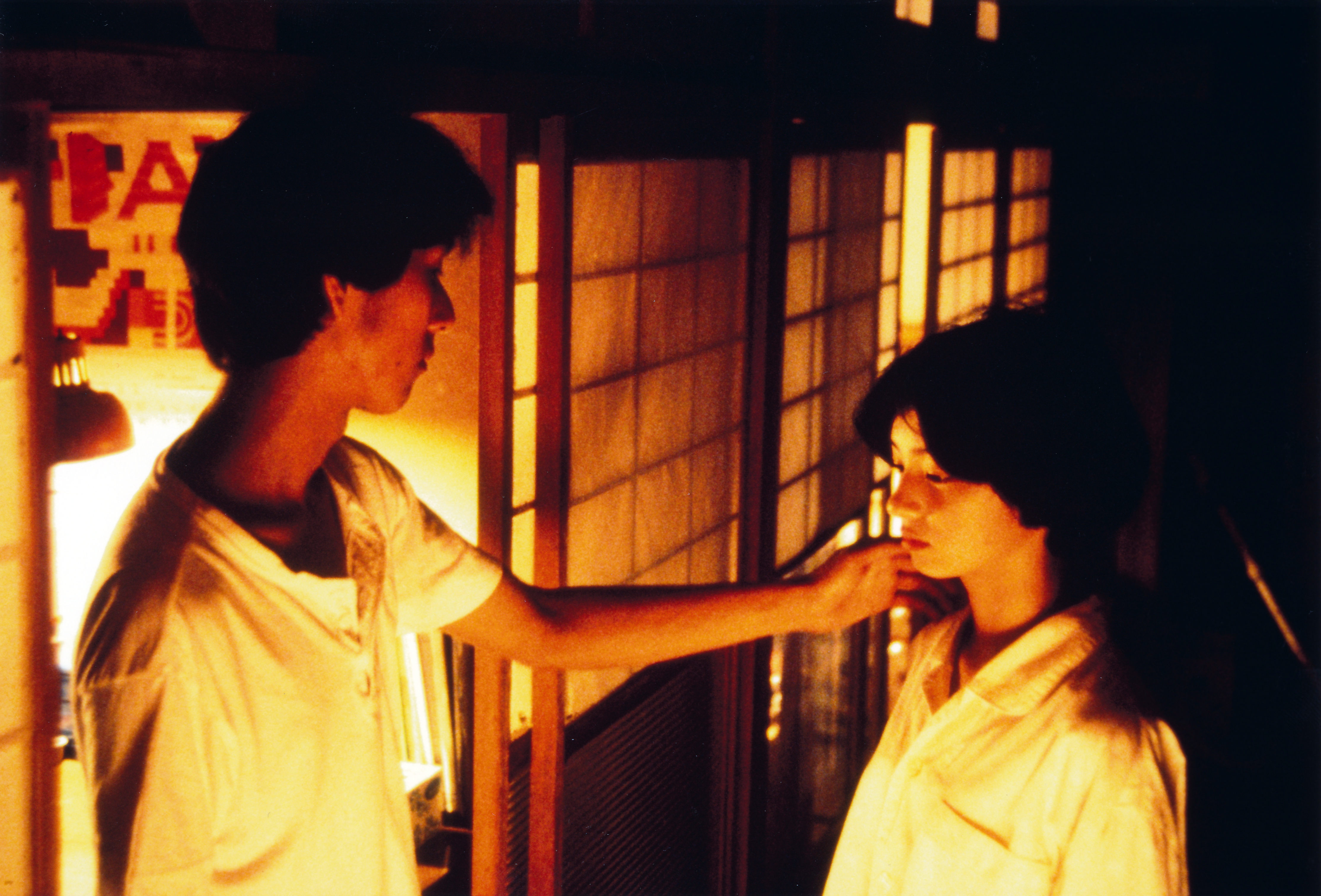
Naomi Kawase’s fiction debut follows a small family struggling under the weight of personal tragedy and the imminent extinction of traditional small-town life in the face of encroaching modernity.

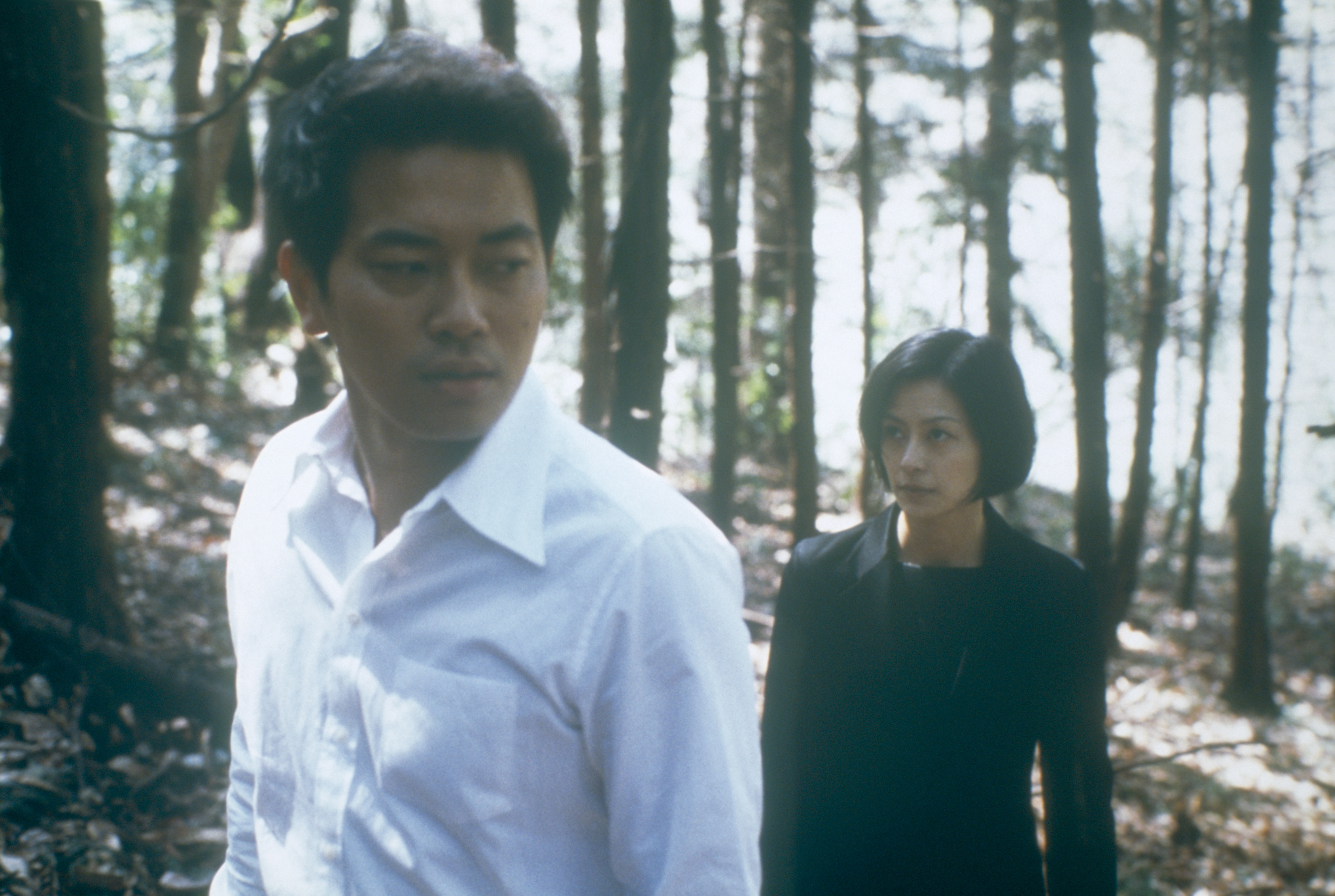
Vision (ビジョン, Naomi Kawase, 2018)

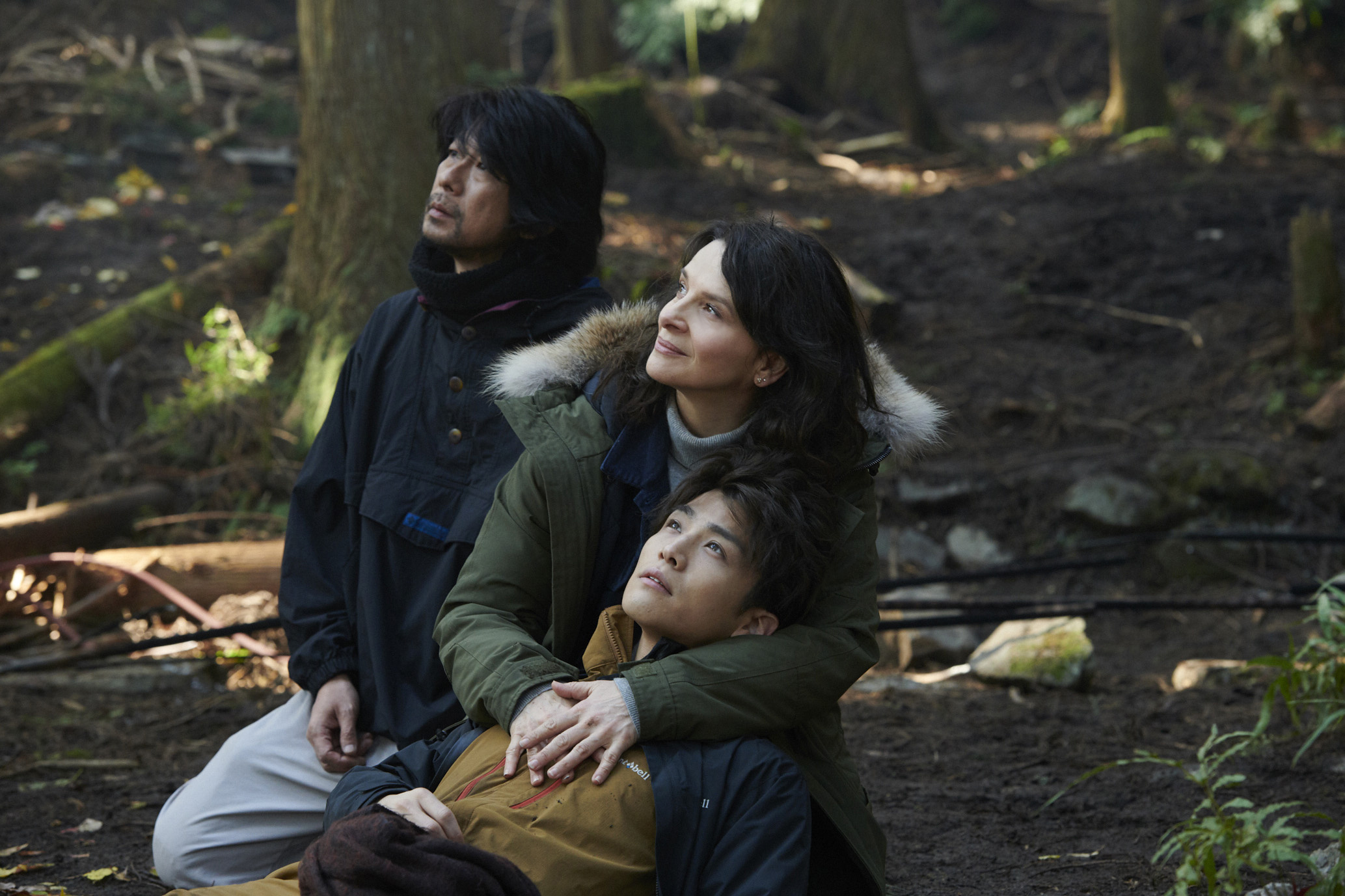
Juliette Binoche stars as a woman in Japan in order to search for a rare herb while staying with Masatoshi Nagase’s gruff woodsman in the forests of Nara in this new age drama from Naomi Kawase.

Free Talks (Online)

Available Worldwide.

Flash Forward: Conversations with the Filmmakers

Interviews with each of the directors included in the Flash Forward strand: Mayasuki Suo, Junji Sakamoto, Naomi Kawase, Akihiko Shiota, Miwa Nishikawa, and Shuichi Okita.

Panel Discussion: Debut Works and Beyond

Discussion moderated by Aaron Gerow (Yale University) with panelists Takuya Tsunoda (Columbia University), Junko Yamazaki (UCLA) and Jasper Sharp (Arrow Films) focussing on the careers of the six Flash Forward directors.

Filmmakers on the Rise (Online)

All films are free to stream in the US December 3-23 at film.japansociety.org.

The Albino’s Trees  (アルビノの木, Masakazu Kaneko, 2016)

An apathetic young man working in animal control agrees to take on a secretive job to kill a rare albino deer regarded by some in a traditional village cut off from the outside world as sacred only to wonder if he made the right decision in Masakazu Kaneko’s poetic indie drama.

Blue Hour (ブルーアワーにぶっ飛ばす, Yuko Hakota, 2019)

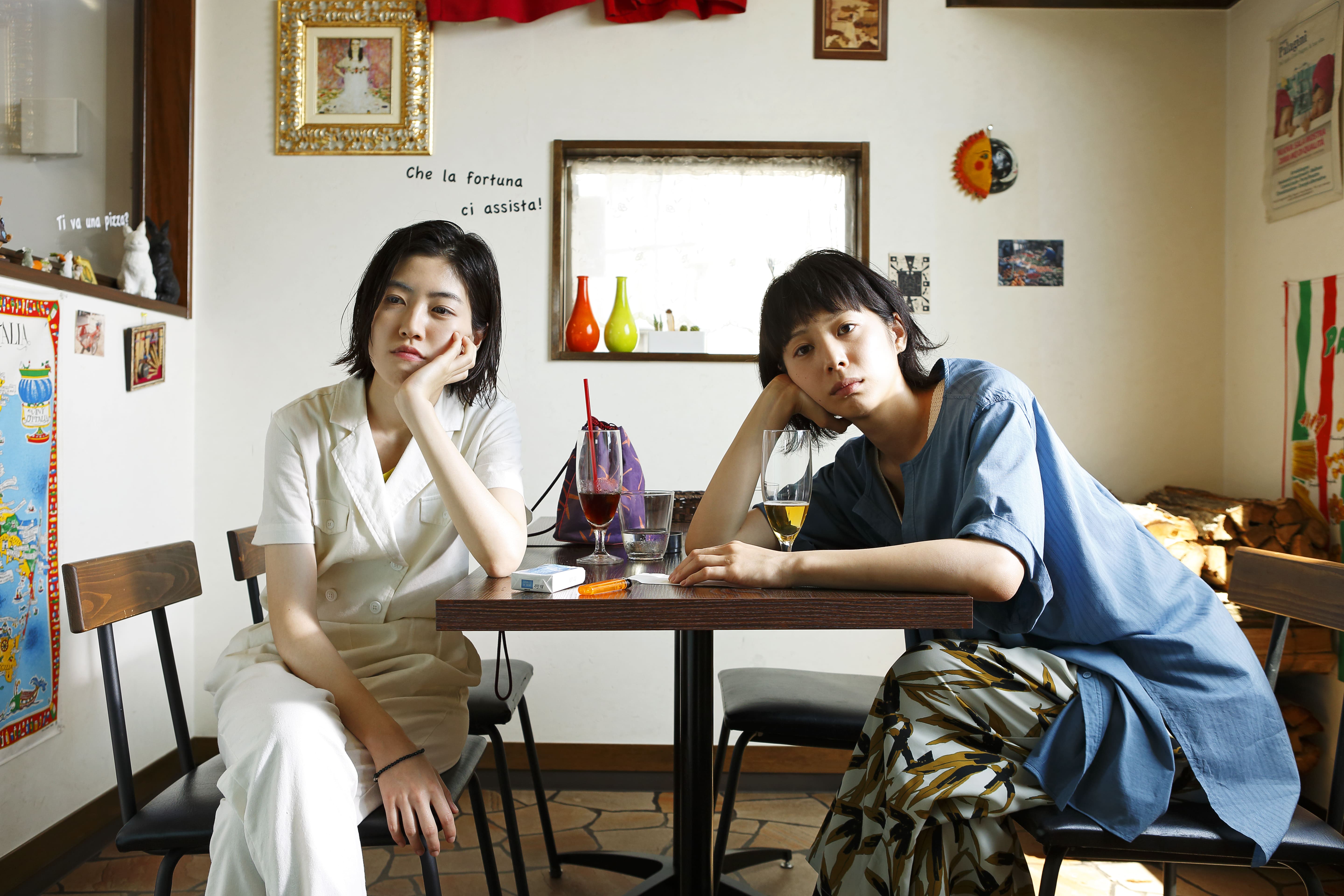
Sick of workplace sexism and her dwindling career prospects, 30-ish Sunada (Kaho) takes a roadtrip home in the company of her best friend (Korean actress Shim Eun-kyung) in Yuko Hakoto’s freewheeling indie drama. Review.

A Boy Sato (サトウくん, Omoi Sasaki, 2017)

Sci-fi-inflected short in which a mysterious outsider returns to town and notices something not quite right.

Forgiven Children (許された子どもたち, Eisuke Naito, 2020)

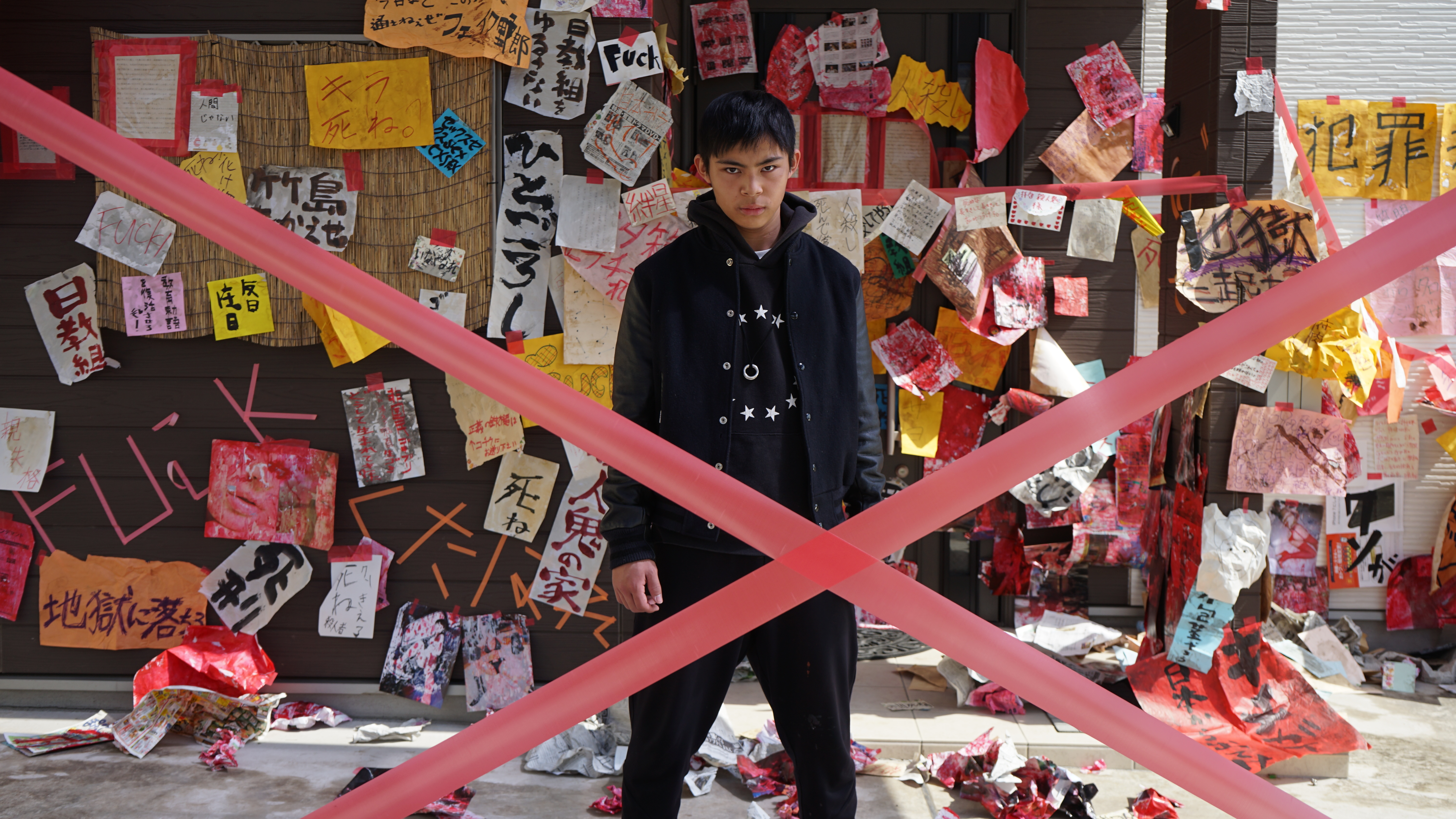
An emotionally numbed teenager kills a classmate without really thinking about it and is subsequently acquitted of the crime in a juvenile court but even if he himself comes to feel remorse society refuses to forget in Eisuke Naito’s raw examination of the consequences of hate and the impossibility of redemption. Review.

Jesus (僕はイエス様が嫌い, Hiroshi Okuyama, 2019)

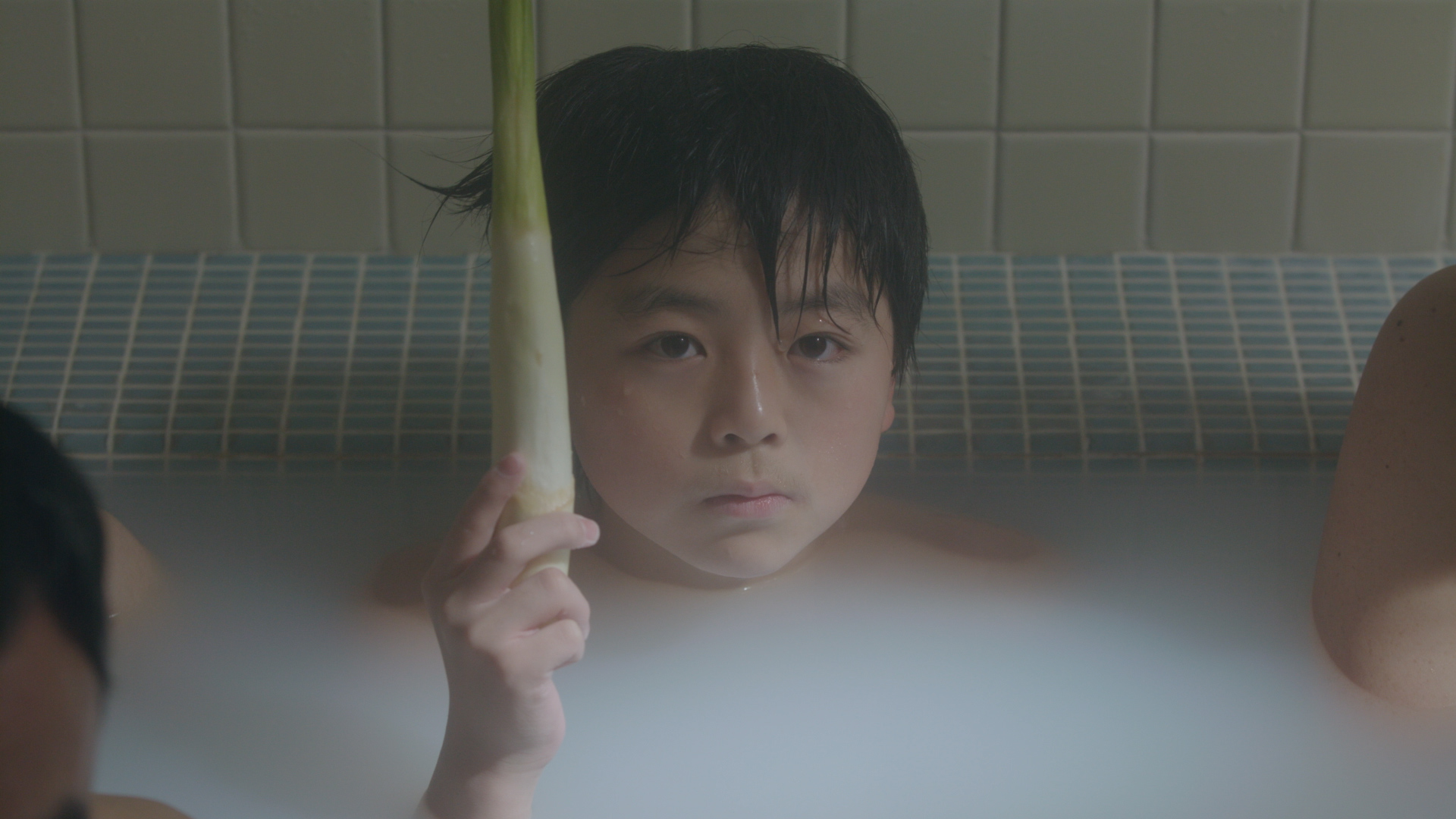
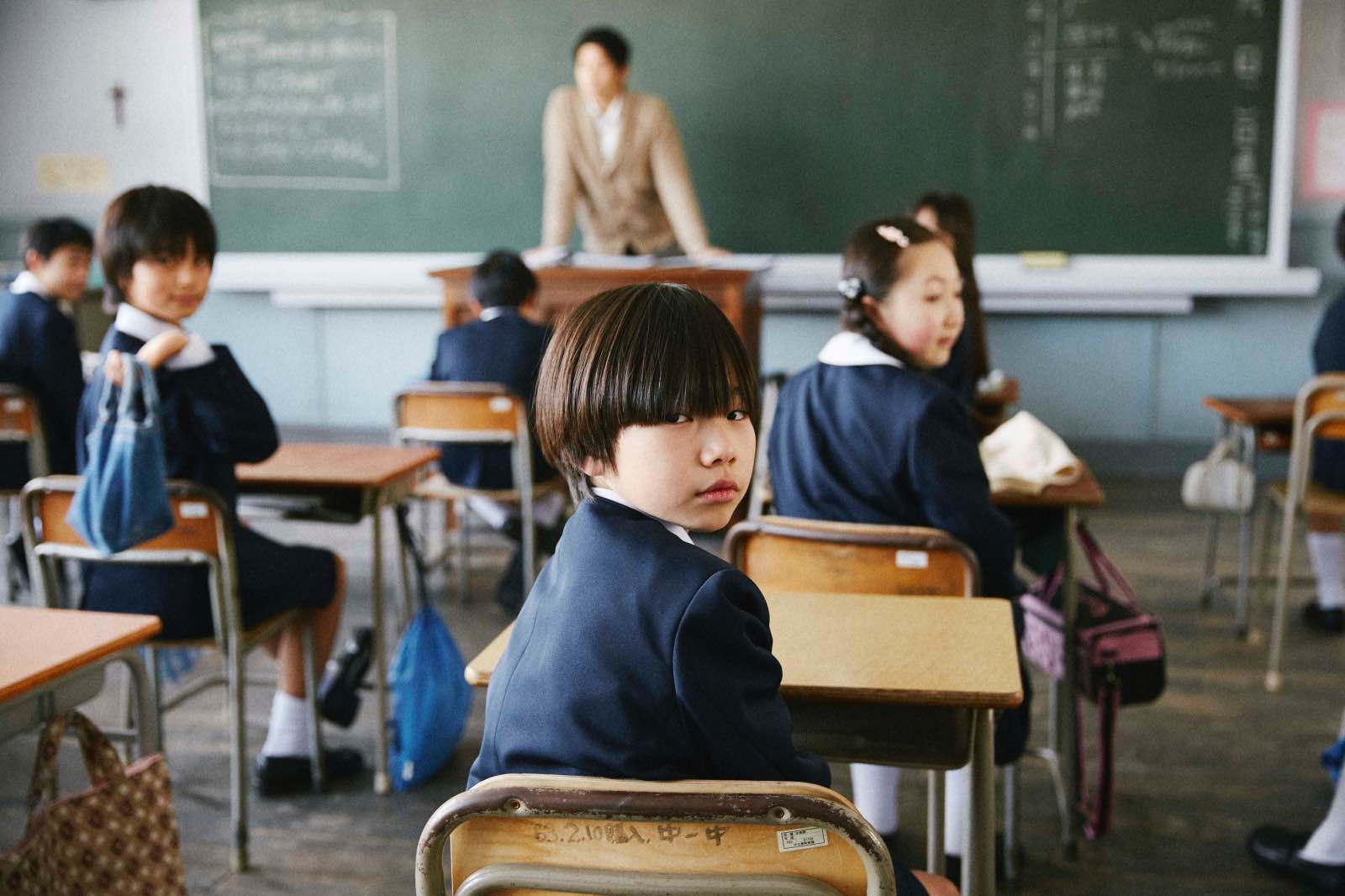
A young boy is uprooted from his Tokyo life when his grandfather dies and the family moves back to live with grandma in a remote mountain town. Already suffering a degree of culture shock, he is sent to a Christian school despite not being Christian and finds himself followed around by tiny Jesus who seems to grant him wishes yet when tragedy strikes he is forced to question his new faith. Review.

My Atomic Aunt (波の向こう, Kyoko Miyake, 2013)

London-based documentarian Kyoko Miyake explores the immediate effects of the Fukushima Nuclear Disaster through the story of her go-getting aunt who has lost not only her home but three businesses and the promise of a happy future alongside her family.

Flash Forward: Debut Works and Recent Films by Notable Japanese Directors streams online in the US Dec. 3 – 23 with in-person screenings of Tange Sazen and the Pot Worth a Million Ryo (Longest Version) on Dec. 11, and Priest of Darkness on Dec. 17. Tickets for the in-person screenings are available via the official website while $55 all-access passes for the online streaming are on sale until Dec. 2 with individual 3-day rentals priced at $10 available from Dec. 3. Full details for all the films are available via the official website while you can also keep up with all the year-round events by following Japan Society Film on Facebook, Instagram, and Twitter.

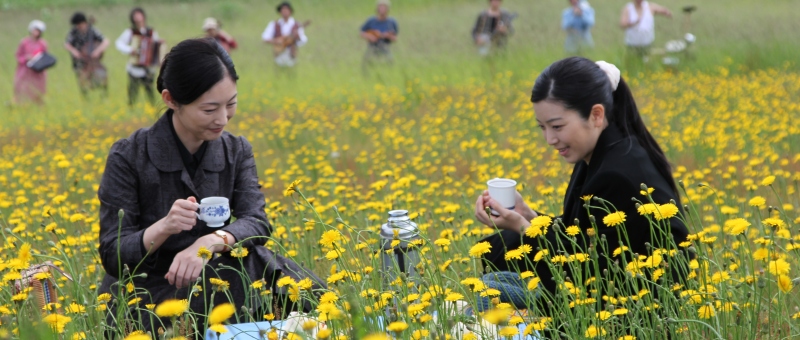
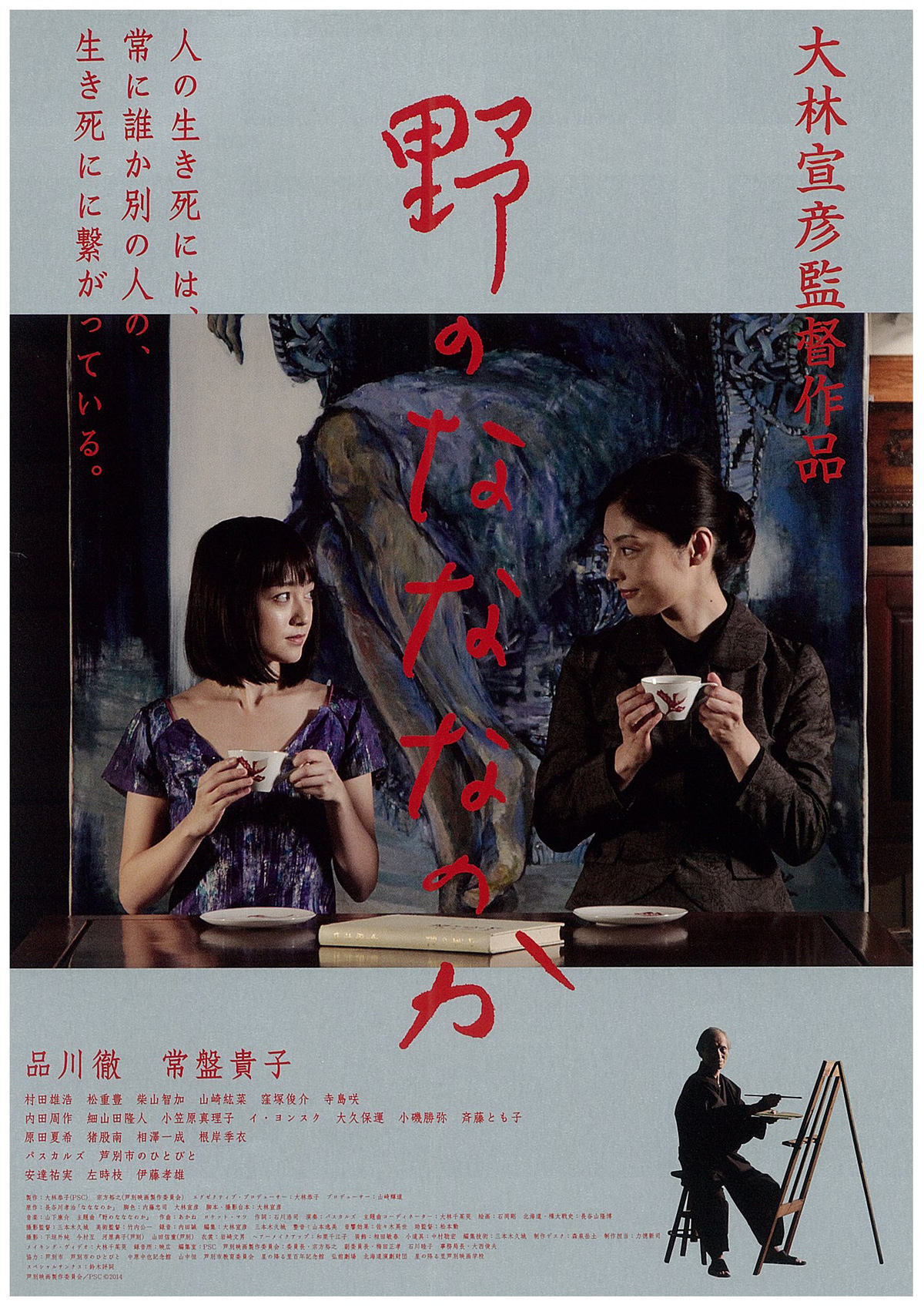
Seven Weeks (野のなななのか, Nobuhiko Obayashi, 2014)

“A death is a history” runs an opening title card in Nobuhiko Obayashi’s poignant existential drama, Seven Weeks (野のなななのか, No no Nanananoka). Returning to some of the director’s key themes, Obayashi’s adaptation of the novel by Koji Hasegawa takes its name from the traditional Buddhist period of mourning reminding us that life and death is a continuous cycle in which all lives are necessarily tied to one another. Some may later ask if those connections are also constraints, thinking perhaps of the sometimes onerous burdens of family, but even they later reflect on the necessity of human ties while contemplating the confluence of the eternal and the transient. 

The death we’re being asked to witness is that of 92-year-old Mitsuo Suzuki (Toru Shinagawa), a former doctor and owner of what some view as a junk shop, who is discovered collapsed by his granddaughter Kanna (Saki Terashima) only to die a few days later at the time shown on his permanently broken wristwatch which also happens to be the time the Great East Japan Earthquake struck in 2011. Soon his extended family begin to arrive beginning with long widowed sister Eiko (Tokie Hidari), grandson Fuyuki (Takehiro Murata) and his daughter Kasane (Hirona Yamazaki), and Kanna’s brother Akito (Shunsuke Kubozuka) while Fuyuki’s brother Haruhiko (Yutaka Matsushige) and his wife Setsuko (Tomoka Shibayama) will make it only in time for the wake. Throwing all into confusion is the unexpected arrival of a mysterious young woman, Nobuko (Takako Tokiwa), later revealed to be a nurse who once lived with the family and fulfilled the role of mother for Kanna and Akito whose parents were killed in a car accident while they were still young. 

Nobuko is in many ways the key to a mystery yet also a cypher, more than one woman at the same time as if in a sense resurrected from Mitsuo’s traumatic memories of love and war in the time of his youth. At his wake, men of a similar age spin their own war stories, Eiko reminding the young that their youth was war and perhaps they’ve a right to romanticise it for all of its terrible cruelty. Mitsuo didn’t go to the front but found himself a victim of shifting borders, ironically a descendent of settler colonisers as a native of Hokkaido travelling to the disputed island of Sakhalin in search of a friend and in the company of the young woman who was engaged to him but with whom he was himself in love believing the war was over only to discover no one had told the Russians and that wars do not end at the same time for everyone, or for some at all. 

In an ironic touch, great-granddaughter Kasane participates in an excavation of an old mine once staffed largely by forced Korean labour, an elderly woman plaintively singing Arirang over the dig site, only to later visit a similar location which has become the “Canada World” tourist attraction including a replica of the house from Anne of Green Gables. As she, Eiko, and Kanna reflect on the changes in the town there’s a minor sadness that the mine has closed which seems somewhat incongruous, even as the wholesomeness of coal from the ground is favourably compared with the dangerously intangible qualities of nuclear energy. Nevertheless, conflicted nuclear engineer Haruhiko later stakes his future on renewable energy, neatly echoing the sense of circularity in a continuous cycle of death and rebirth in which one life is necessarily tied to another and therefore to all lives. 

“We got along with the Russians in Sakhalin before the war” Mitsuo’s friend Ono (Takao Ito) laments, musing on the senselessness of conflict in its propensity to draw lines between people which divide rather than connect. Mitsuo’s death is indeed “a history tying the past and future”, a minor allegory for that of his nation as he contemplates lost love and the end to wandering that is death which leads in turn to new beginnings. “You want to look away. You want to forget about it”, Mitsuo confesses, “but you can’t. You have to remember so that it’s never repeated”. Through their 49-day odyssey, the family members begin to edge their way towards a less anxious if still uncertain future. “We might lose people but not hope” Kanna expounds, recommitting herself to the hometown spirit while opening up to the possibility of romance, while her brother does something much the same, as does her uncle Fuyuki even as his daughter conversely gives up on a possibly inappropriate crush to shift into a more mature adulthood. “We will go on peacefully” runs the final title card, a mission statement for the foundation of a better world. 


Seven Weeks streams in the US July 9 – Aug. 6 as part of Japan Society New York’s Tragedies of Youth: Nobuhiko Obayashi’s War Trilogy season in collaboration with KimStim.

Original trailer (English subtitles)
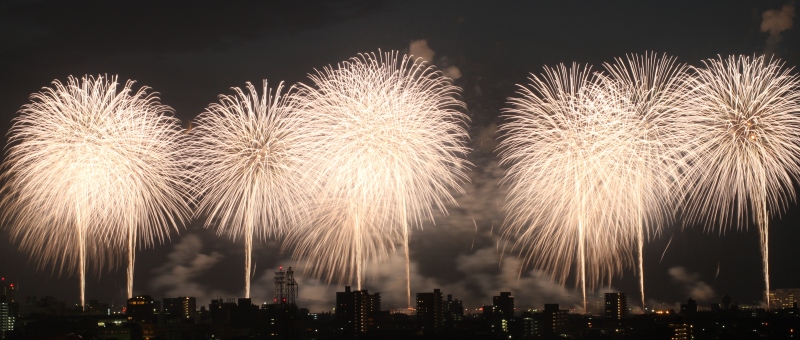
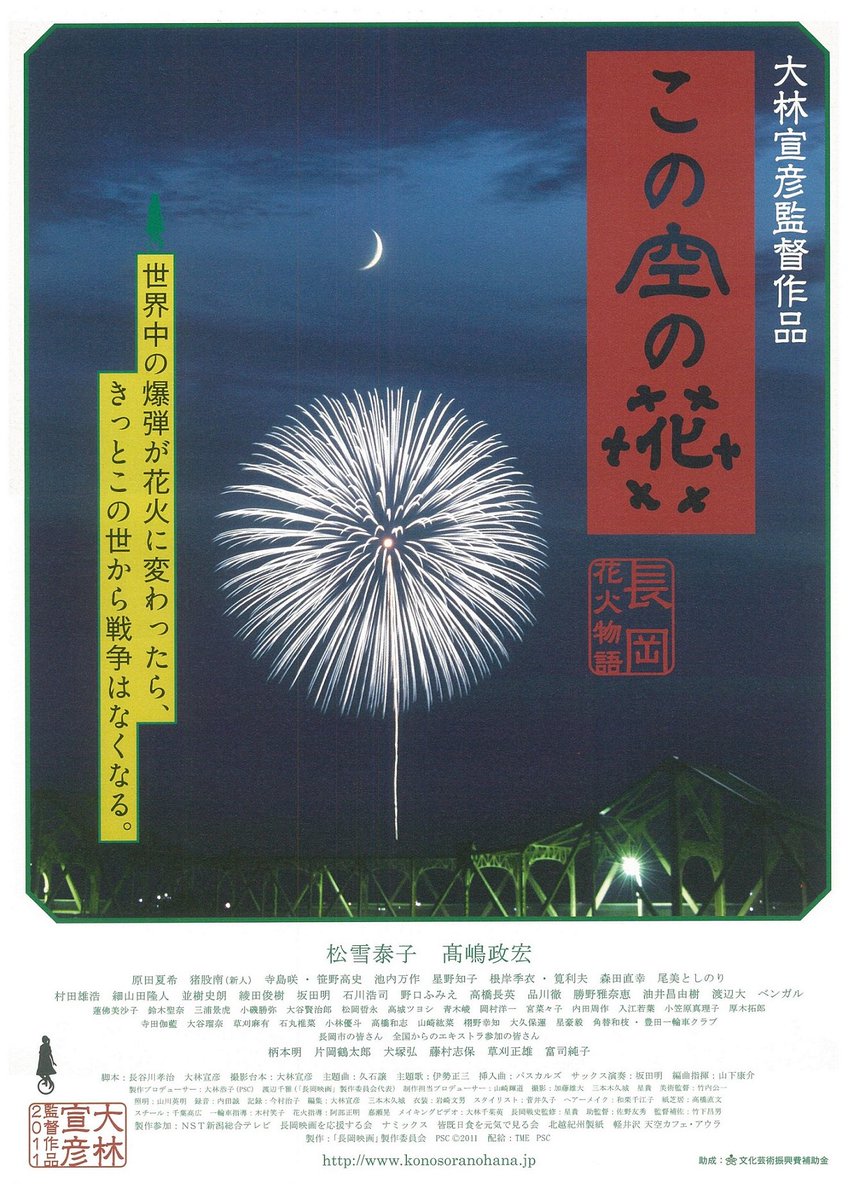
Casting Blossoms to the Sky (この空の花 長岡花火物語, Nobuhiko Obayashi, 2012)

“There’s still time until a war” runs the title of a play for voices at the centre of Nobuhiko Obayashi’s oscillating docudrama, Casting Blossoms to the Sky (この空の花 長岡花火物語, Kono Sora no Hana: Nagaoka Hanabi Monogatari). Asking why when presented with the opportunity to create something beautiful that gives joy and hope to all who witness it mankind chooses death and destruction, Obayashi considers responses to disasters manmade and natural and finds largely kindness and resilience among those determined to avoid the mistakes of the past while building a better tomorrow. 

Set in the immediate wake of the 2011 earthquake and tsunami and inspired by verbatim interviews with local people, Obayashi’s elliptical drama sends an emotionally arrested newspaper reporter to Nagoka having received a letter from an old lover that calls her back into the past. Reiko (Yasuko Matsuyuki) broke up with Katayama (Masahiro Takashima) 18 years previously uttering only the cryptic phrase “we have nothing to do with war”, but travelling through her “wonderland” begins to realise that she and everyone else is in that sense wrong. No one is really entirely unconnected or untouched by the destructive effects of conflict and pretending that it’s nothing to do with you will not in the end protect against it. 

“To the children of the future, from the adults who lived the past” runs the opening title card, making plain a fervent hope to connect the often unknowing younger generations who assume war is nothing to do with them with the traumatic past through the voices of those who directly experienced it. The play to which Reiko is invited is in itself a play for voices, an avant-garde theatre piece inspired by the verbatim speeches of residents of Nagaoka recounting their often harrowing experiences of the war apparently penned by a strange high school girl (Minami Inomata) who rides everywhere on a unicycle. The performance is set to take place in conjunction with the local summer festivals which include a series of fireworks displays commemorating lives lost in the bombing raids and symbolising a spirit of recovery following a destructive local earthquake some years earlier. 

Obayashi draws direct comparison between the natural disasters of earthquake and tsunami, and the manmade disaster of war but discovers that ordinary people often react to them in the same way with a furusato spirit of mutual solidarity and kindness. One of Katayama’s students is a displaced young man from Fukushima who remarks on the kindness he experienced having been taken in by the town of Nagaoka, a kindness he hopes to repay someday when he is finally allowed to return to his own hometown just as the people of Nagaoka have done following kindness shown to them after the earthquake. The discrimination he faces as someone from a town affected by radiation calls back to that experienced by Reiko’s parents who were survivors of the atomic bomb that fell on Nagasaki, a location chosen by pure chance on a whim when poor weather made the primary target unavailable. Among all the horror of the wartime stories Reiko uncovers, there is also selfless heroism such as that of the young man bravely throwing water over those trapped in a burning air raid shelter. 

“If only people made pretty fireworks instead of bombs, there wouldn’t have been any wars” a poet laments drawing a direct line between these two very different uses of the same material, a connection further rammed home by twin visits to a fireworks factory and atomic bomb museum. The “phoenix fireworks” become a fervent prayer, blossoms cast to the sky, in hope of a better, kinder future without the folly of war. “There are adults who think war is necessary” Katayama explains, “but not the children, of course. That’s why it’s up to the children to make peace”. Some may complain that in the rapid economic development of the post-war society something has been lost, but in times of need people are still there for each other forging the furusato spirit in contemporary Japan. Opening with a series of silent-style title cards, Obayashi’s overtly theatrical aesthetics may be comparatively retrained even while incorporating frequent use of animation and surrealist backdrops, but lend an ever poignant quality to this humanist plea for a more compassionate world in which the only explosions in the sky are made of flowers and hope not hate or destruction. 


Casting Blossoms to the Sky streams in the US July 9 – Aug. 6 as part of Japan Society New York’s Tragedies of Youth: Nobuhiko Obayashi’s War Trilogy season in collaboration with KimStim.

Original trailer (English subtitles)
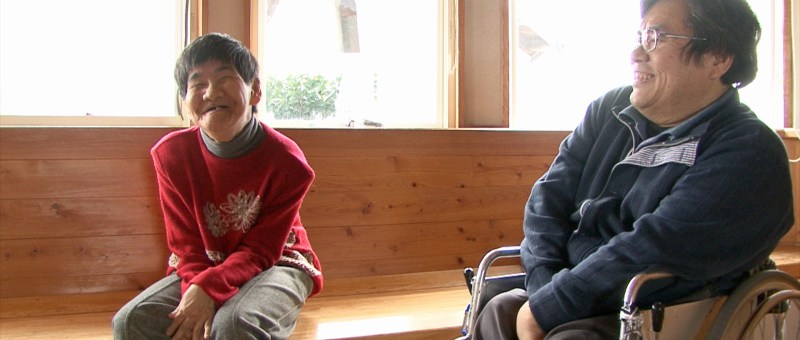
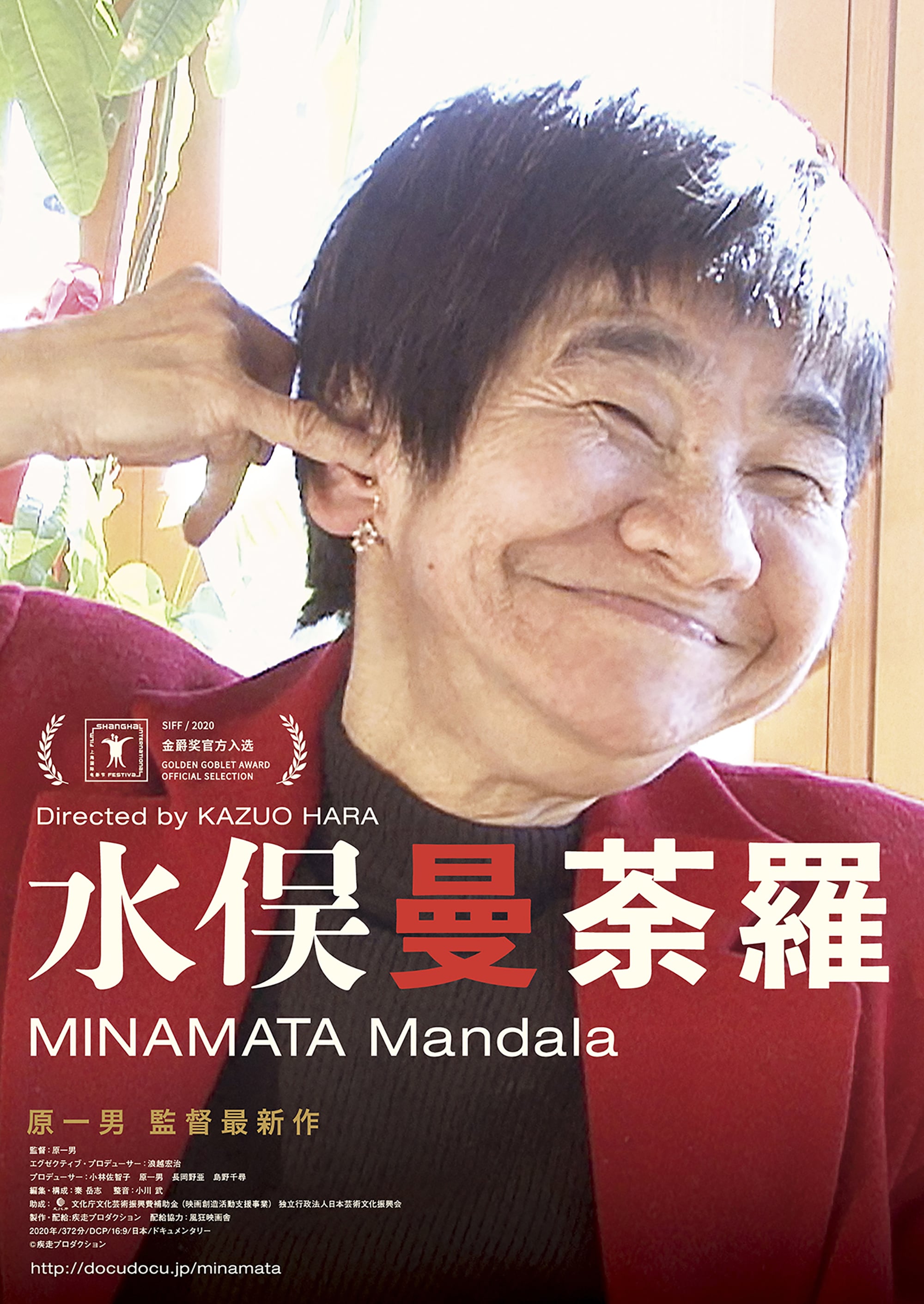
Minamata Mandala (水俣曼荼羅, Kazuo Hara, 2020)

“An Individual can never win against the government” according to a man seeking justice, “Challenging the government means risking your life”, yet he continues to fight. In his 2017 documentary Sennan Asbestos Disaster, Kazuo Hara had charted the protracted efforts of workers from the factories in Sennan to get justice from the government that failed to protect them. 15 years in the making, Minamata Mandala (水俣曼荼羅) addresses another of post-war Japan’s great industrial scandals as victims of the “Minamata disease” struggle for recognition in the face of continued governmental intransigence. 

Opened in 1908, the Chisso chemical plant was among the most technologically advanced in Japan yet it routinely expelled wastewater directly into Minamata bay. The factory had already paid compensation in 1926 and 1943 for damage done to local fisheries before a change in its production process led to the release of methylmercury into the local water system from 1951 onwards. Though some had noticed unusual behaviour in animals, it wasn’t until 1956 when a little girl fell ill with strange symptoms including difficulty walking and speaking that a widespread “”epidemic of an unknown disease of the central nervous system” was discovered in the local community and subsequently came to be known as the “Minamata Disease”. In order to cover their tracks, Chisso began discharging wastewater directly into Minamata River spreading the pollution further along the coast with additional cases arising in other villages on the Shiranui Sea. 

Hara’s justice seekers, however, take aim not directly at Chisso which still exists and is a dominant economic force in the area, but local and national governments whose continued failure to protect them has greatly exacerbated their suffering. The greatest source of their discomfort is the unfairness of criteria set down in 1977 for legal certification of Minamata Disease in order to gain access to compensation. According to contemporary researchers, the criteria, inspired by Hunter-Russell syndrome discovered after an industrial accident in the UK in the 1940s, were simply wrong leading to the vast majority of applicants being rejected. Hara shifts between the stories of various victims and a pair of scientists determined to prove that the root of the disease lies not in peripheral nerve but brain damage and that the criteria is therefore useless in certifying cases of Minamata Disease. The applicants, meanwhile, intensely resent the implication that they are not genuine, that they are undergoing a collective delusion, faking their symptoms, or suffering from an unrelated illness not the responsibility of Chisso or the government. 

One campaigner whose hair was found to contain high levels of mercury at two years old recounts his ill treatment at the hands of the legal system which implied application of the criteria could be affected by “personality” factors while passive aggressively listing his occupation as “time waster”. Though his case may at first seem mild, it’s also true that as he’s suffered from Minamata Disease his entire life it’s difficult for him to assess how severely it affects him as evidenced by the accidental severing of the top of his thumb which he barely noticed because of his reduced sensitivity to pain. Like other sufferers, he is often privy to the usual hollow apologies from politicians (including one from then Minister of the Environment Yuriko Koike), though another source of frustration is that those in power often refuse to attend meetings with Minamata patients sending underprepared underlings in their stead. One particularly heated meeting quickly goes south when a rookie civil servant allows his handwritten memo reading “no apologies” to be seen by a woman recording the proceedings from the front row while his embarrassed colleagues are able to offer little other than the standard platitudes insisting the Minamata issue has already been dealt with through the previous settlements. 

Rather than focus on the court cases and medical investigations, however, Hara is keen to remind us of the costs to the victims of industrial poisoning, one of the scientists later breaking down as he explains that the main effect of the disease is sensory deprivation leaving even those mildly affected unable to enjoy their lives fully. A rather poignant song written by a congenital sufferer reflects on her tendency to fall in love too easily and be forever disappointed while longing for a freedom and independence denied her because of her disability. For the campaigners, meanwhile, Minamata Disease has robbed them of their right to a personal life as they devote all of themselves to fighting for justice while acknowledging that even when they win it brings little improvement into the lives of those forever affected by industrial pollution. Just as Hara had expressed frustration with the Sennen campaigners he felt were overly feudal in their deference to authority, some find it difficult to support those who ultimately opted to accept a paltry settlement while simultaneously understanding the desire not to have to fight anymore especially as even those born with the disease are now approaching late middle-age. Ending on a poignant freeze-frame, however, Hara reminds us that the damage can never be undone nor can there be adequate compensation for the tremendous loss of potential even as the government continues to vacillate in the abdication of its responsibility. 


Minamata Mandala streams in the US until July 2 as part of Japan Society New York’s Cinema as Struggle: The Films of Kazuo Hara & Sachiko Kobayashi

Clip (English subtitles)