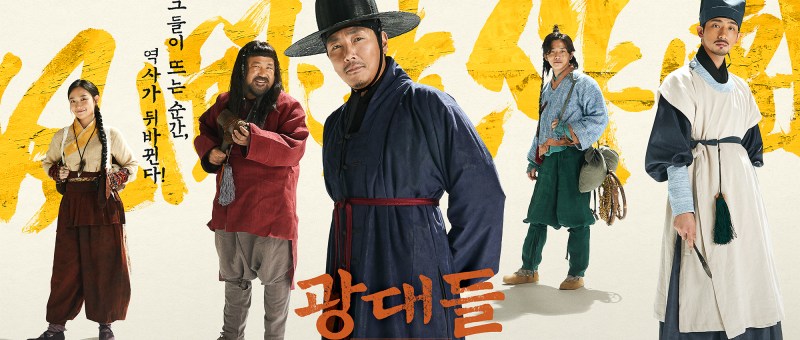
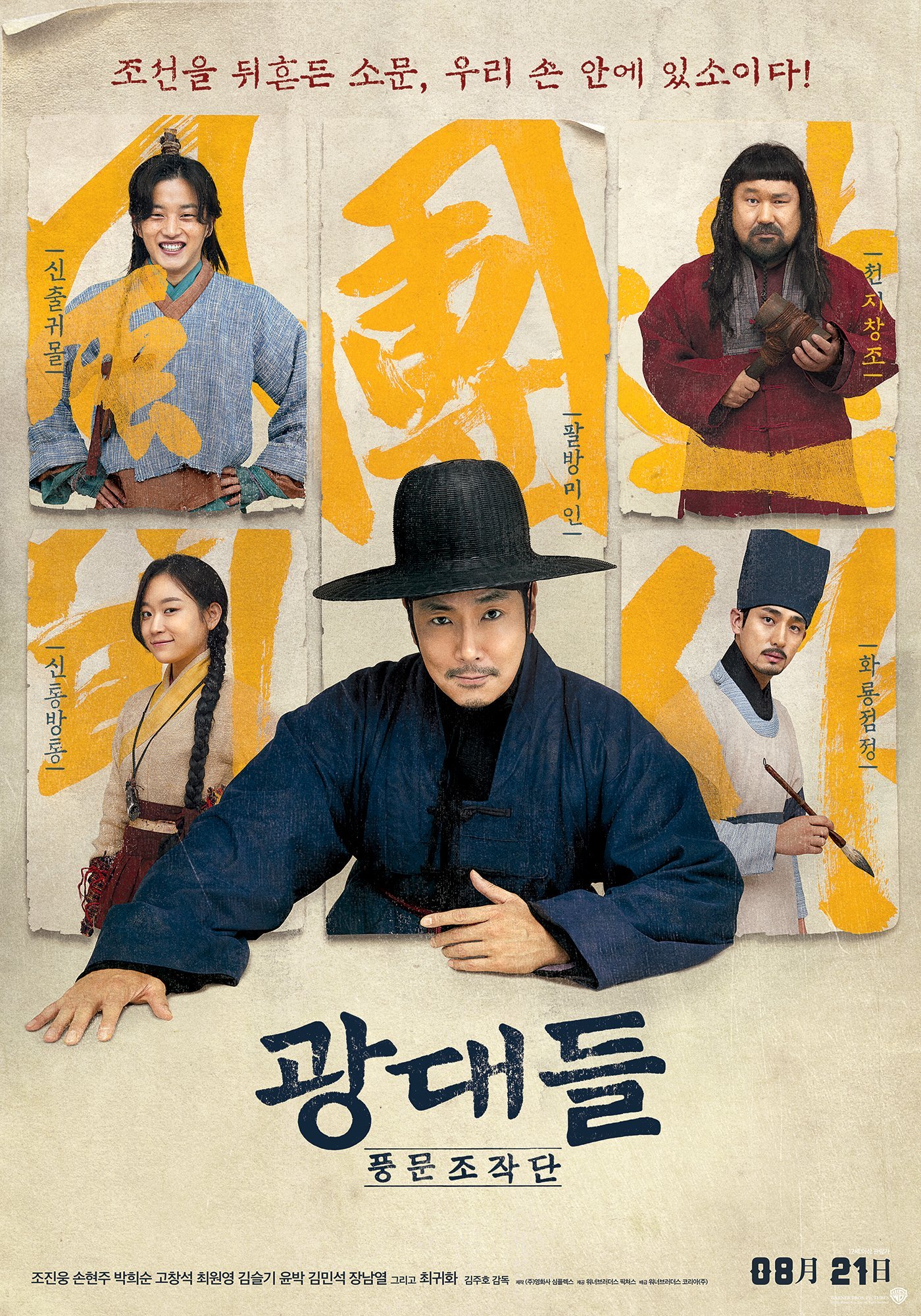
“Even with swords to our necks we say what we must!” a stage actor insists, though somewhat duplicitously as he wilfully says what he must to survive while simultaneously defending his artistic integrity. Oddly timely, Jesters: The Game Changers (광대들: 풍문조작단, Gwangdaedeul: Pungmunjojakdan) is an ironic exploration of the importance of art in engendering narrative proving once and for all that it really can remake the world. Our hero finds himself less torn than you’d expect him to be, only too keen to parrot the words of a regime he does not respect in return not only for his life but for material gain.
Our heroes are a band of “jesters”, itinerant street entertainers who belong to a kind of underclass and earn their living through their ability to change “reputations”. Petitioned by an ageing wife discarded in favour of a young and beautiful concubine, the gang blacken the other woman’s reputation by literally putting on a show with storyteller Ma Deok-ho (Cho Jin-woong) as the romantic hero sweeping her off her feet. The illusion is broken by a sudden spell of rain, but in any case the gang soon find themselves falling foul of prime minister Han Myeong-hoe (Son Hyun-joo) who makes them an offer they can’t refuse – counter the disadvantageous narrative that the king is a cruel tyrant who usurped the throne through murdering his brothers and nephew with tales of his magnificence, or die. Deok-ho points out that a good way of raising his reputation would be cutting taxes and getting rid of corrupt nobles but unsurprisingly as is rapidly becoming evident, he isn’t being hired to speak the truth.
On the one hand, Jesters is the tale of Deok-ho’s slow path towards realising his responsibility as an artist to tell the “truth” even when it is inconvenient. His mentor Mal-bo (Choi Gwi-hwa) had come by a banned book, The Six Loyal Subjects, which recounted the real story of how the king came to the throne and was determined to promulgate it, merely changing the name of the king to that of Ming to protect himself against a censorious crack down on street entertainers spreading “fake news”. Deok-ho claims to believe only what he sees, rejecting the evidence of the book, cynically determined to do whatever it takes to escape his poverty. He’d rather not be threatened, but he has no particular objection to Han’s request, only using it to increase his social status by ensuring the gang are re-registered as “middle class” rather than lowly entertainers, later even angling for a position at court. For Han, he engineers miracles from a tree which bends to clear the way for the passing monarch to visitations from the Buddha and floral rain falling from golden skies, tales of which spread quickly through the gossip-hungry nation embellished as they go.
As Han puts it “history is made by those with power” and to that extent he who controls the past controls the future. Han executes three street performers for spreading “fake news”, men who were literally prepared to die for their artistic integrity in the way Deok-ho was not, while employing Deok-ho to spread “propaganda” that glorifies a weakened king. Enjoying his new status Deok-ho does not really consider the implications of what he’s doing until he realises that Han is playing his own angle, improving his stunts for additional leverage, razing a village so that the nearby temple where one of Deok-ho’s “miracles” occurred might be expanded. Han claimed to be mounting an egalitarian revolution, deposing a “mad” king to hand power back to the people but of course only meant to manipulate regal power for himself.
Power, as we see, belongs more or less to the storytellers who literally write the narrative. In old Joseon that’s those like Deok-ho, or in other times newspapers, TV shows, or social media feeds. Deok is only just realising he had power all along, if only he had listed to Mal-bo and used it more wisely rather than “rolling his tongue for fame and cheers”. A somewhat flippant satire on fake news/propaganda synchronicity, Jesters makes a passionate plea not only for the power of art to remake the world but for the responsibility of the artist to tell the truth even when it is not popular.
Jesters: The Game Changers screens at the Rio on 31st October as part of this year’s London Korean Film Festival.
International teaser trailer (English subtitles)
 You gotta know how to hold ‘em, know when to fold ‘em, know when to walk away and know when to run. Apparently these rules of the table are just as important in the cutthroat world of the Korean card game Hwatu as they are in the rootinest tootinest saloon bar. Like most card games, having the winning hand is less important than the ability to play your opponent and so it’s more a question of who can cheat the best (without actually breaking the rules, or at least being caught doing so) than it is of skill or luck. A second generation sequel to 2006’s Tazza: The High Rollers, The Hidden Card (타짜-신의 손, Tajja: Shinui Son) is a slick, if overlong, journey into the dark, underground world of gambling addicted card players which turns out to be much more shady than the shiny suits and cheesy grins would suggest.
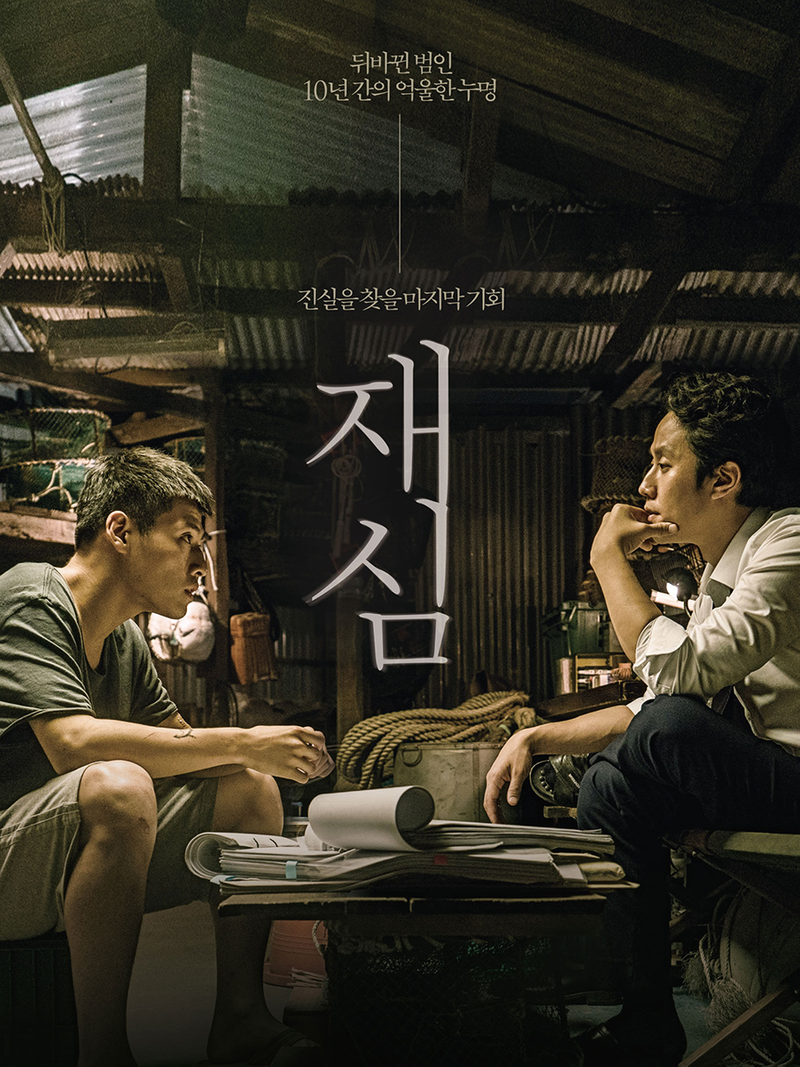 It’s a strange paradox that in a land defined by corruption of the legal system, your only hope my lie in a new trial. So it is for the hero of Kim Tae-yun’s latest film. Inspired by a real life miscarriage of justice (a case which was in fact still continuing at the time of filming), New Trial (재심, Jaesim) takes aim at everything from social inequality to unscrupulous lawyers and abuse of police power. A teenager pays dearly for being in the wrong place at the wrong time, not only losing 10 years of his life but the entire possibility of his future now that he’s forever branded a criminal. That’s aside from leaving his ageing (now blind mother) alone with no means of support and the additional burden of trying to clear her son’s name.
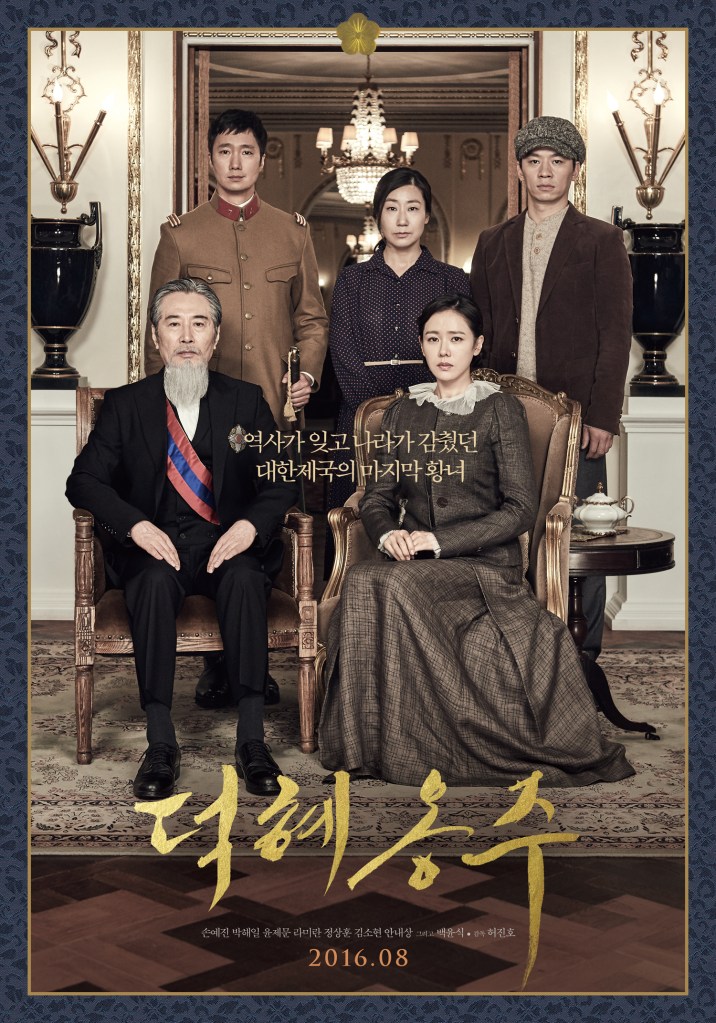 Review of Hur Jin-ho’s The Last Princess first published by
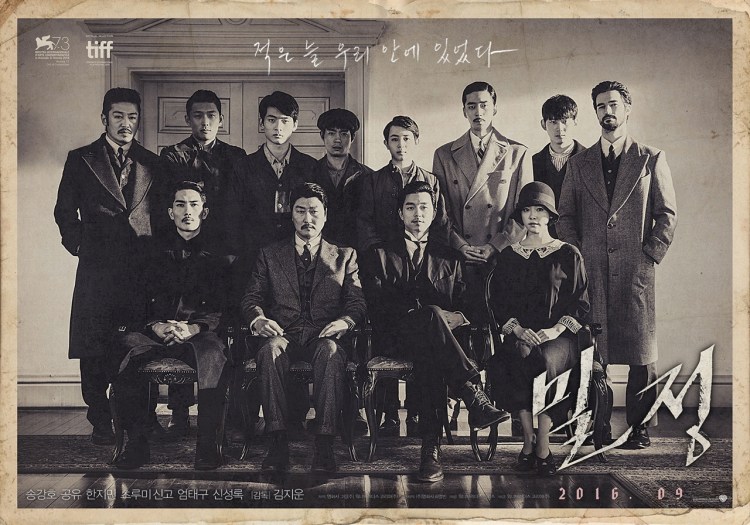 When the country of your birth has been occupied by another nation, what do you do? Do you fight back, insist on your independence and expel the tyrants, or quickly bow to your new overlords and resign yourself to no longer being what you once were? Kim Jee-woon becomes the latest director to take a look at Korea’s colonial past with the Resistance based thriller Age of Shadows (밀정, Miljung) which owes more than a little to Melville’s similarly titled Army of Shadows, as well as classic cold war spy dramas The Third Man and The Spy Who Came in From the Cold.
 Windows on Worlds