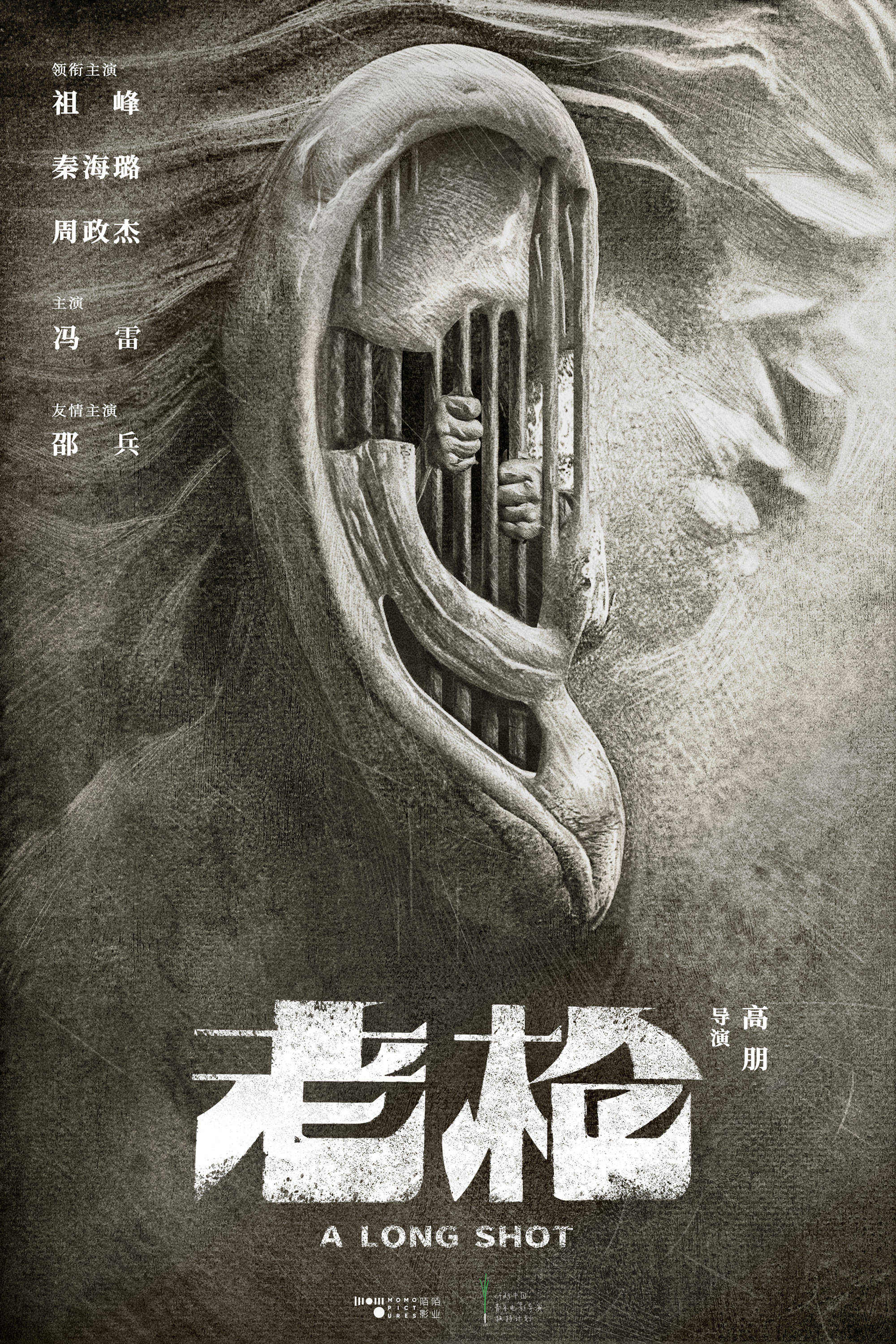
A Long Shot (老枪, Gao Peng, 2023)

The hero of Gao Peng’s A Long Shot (老枪, lǎo qiāng) is forever reminding himself to “regain your focus”, yet in other ways it’s something that he’s making an active choice not to do and that others wish he wouldn’t. Set amid the chaos of China’s mid-90s economic reforms, the film suggests that Xue Bing has little other option than to tune himself out and avoid being a direct part of the corruption all around him as he has little power to stop it.

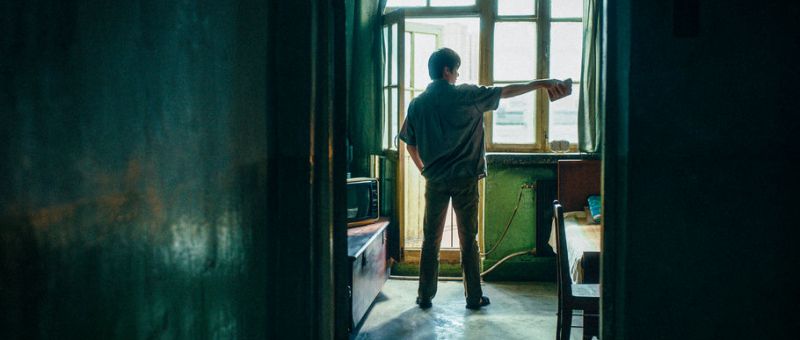
In a prologue set five years before the main action, Xue Bing (Zu Feng) had been a sharpshooter on the national team but is told that he has experienced hearing loss which may affect his balance and is subsequently let go. The hearing loss is perhaps symbolic of the fact that Xue Bing does not listen to the lies and double talk around him and maintains an integrity that is nothing but irritating to his morally compromised colleagues. On the other hand, he later tells Xiao Jun (Zhou Zhengjie), a teenage boy to whom he’s become a kind of father figure, that staring at a bull’s eye all your life isn’t good for your eyes hinting at his problematic hyper focus in which he’s just trying to keep his head down and do the best job he can under the circumstances.

But the circumstances are grim for everyone. Now with shaggy hair and a look of disappointment in his eye, Xue Bing works as a security guard at a moribund ferroalloy factory where the workers haven’t been paid in years as the nation goes through a number of complex economic reforms that are changing the face of the nation and giving rise to a new class of wealthy elites who’ve gained their riches through immoral and exploitative means. With people not being paid, thefts are a common occurrence but the security guards have turned to taking bribes, tacitly turning a blind to equipment going missing if the thieves are willing and able to pay a small fee. Xue Bing doesn’t like to go along with this and avoids joining in, but is powerless against the other guards including his boss Chief Tian (Shao Bing). 

The film frames the factory as a microcosm of the wider society which has become a vicious circle of corruption. But on the other hand, the workers guards, and even in the management see themselves as taking what was rightfully theirs but has been unfairly denied them. The workers steal from their employer because their wages weren’t paid, the guards aren’t getting paid either so they extort the workers and rip off the company, while the management know the factory’s effectively bust so they’re asset stripping while they still can. Chief Tian runs into one of the thieves who’s since started a “trading company” having taken some cues from a Russian working at an equally moribund shipyard where he’s no longer monitored by the authorities and has been selling off warships as scrap hinting at the disintegration of post-war communism and the resulting capitalist free for all that followed. 

Xiao Jun, the son of a woman Xue Bing thinks he’s in a relationship with but the reality is somewhat ambiguous, is caught amid this crossfire as a young man coming of age in complicated times. He resents the corruption he sees around him and bonds with Xue Bing thinking he’s a straight shooter only to be disappointed by his defeated complicity which he also sees as a kind of unmanliness. Xiao Jun’s mother, Jin (Qin Hailu), had been trying to run her own business but later gets a job in a nightclub that seems to be sex work adjacent thanks to her relationship with another corrupt businessman, Mr Zhao. She remarks to Xue Bing that there are so many ways to earn a living these days she doesn’t understand why anyone would go back to the factory, laying bare the wholesale change in the society. Xiao Jun has taken up with a gang of seeming delinquents who frequently loot the factory complex, but even they are only taking what they think is theirs as one of the boy’s fathers was killed in a workplace accident and the family was only given a certificate of commendation rather than financial compensation for the father’s lost wages without which they are unable to support themselves. 

The guards have been told they’ll finally get paid after the company’s 40th anniversary celebrations, with corrupt manager Sun telling Tian he’ll need his help to keep the others in line when he presses him and is finally told they’ll only get two months’ worth of the back pay they’re owed. Xue Bing is told Sun was selling off the lathe machines in order to pay the workers, and it seems like he believes them naively falling for their greater good narrative while Xiao Jun seems on a collision with adult hypocrisy refusing to sign a false confession to get the managers off the hook. Gao lends Xue Bing’s world a greying hopelessness in which the only two choices are to close his eyes and ears or go down fighting, closing with a lengthy shootout in which firecrackers mingle with gunshots masking the sound of rebellion from a continually unheard underclass.


 A Long Shot screened as part of this year’s New York Asian Film Festival.
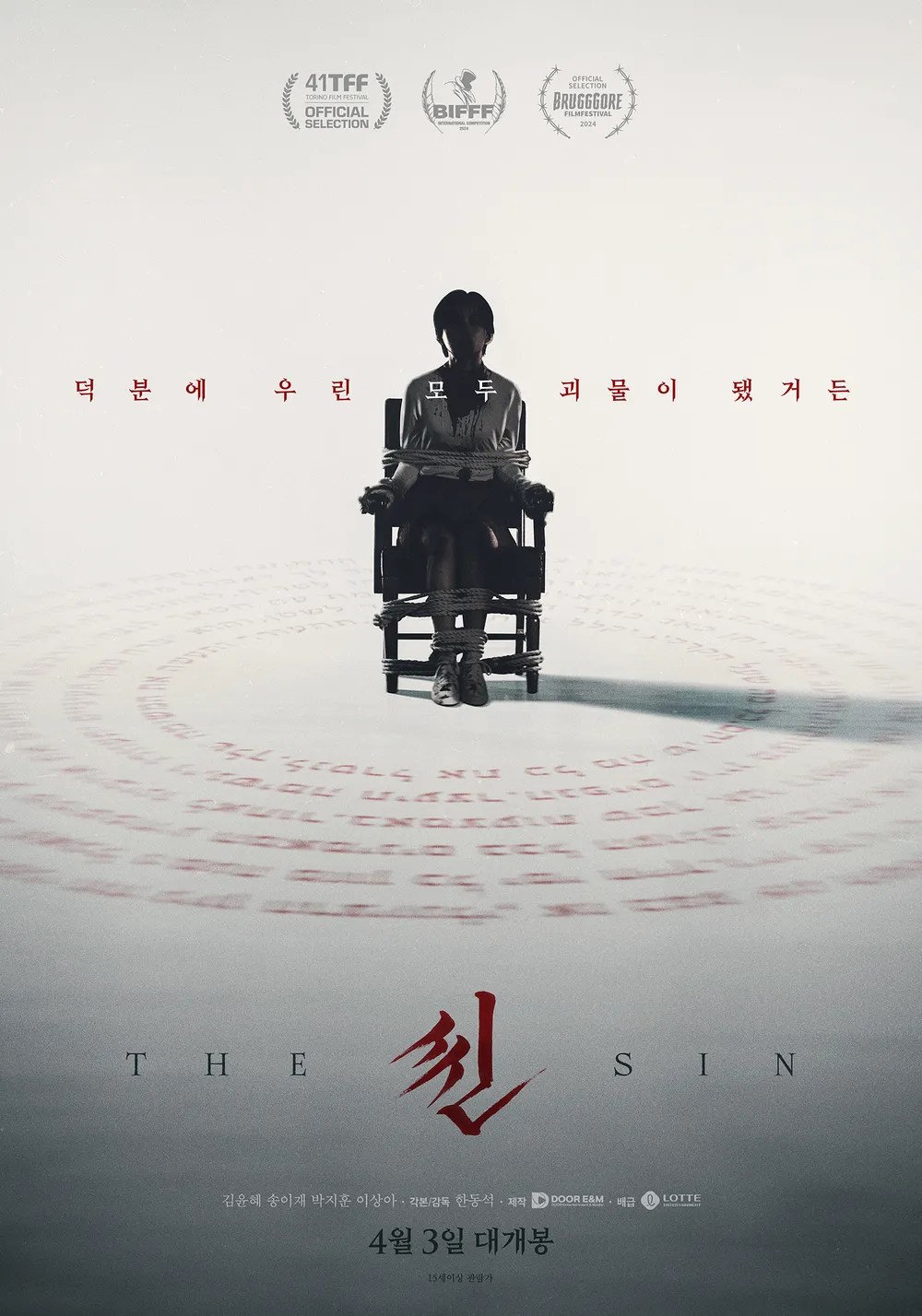
The Sin (씬, Han Dong-seok, 2023)

According to the opening title card of Han Dong-seok’s genre-hopping horror, sin is like a lost child that will one day come looking for its parents. The film’s ostensible heroine at times hears voices suggesting that someone or something will eventually come looking her, and later says that she is ready for their arrival, but before that we have to wonder what it is she means and what if anything that is happening is actually real or at least in keeping with our assumptions.

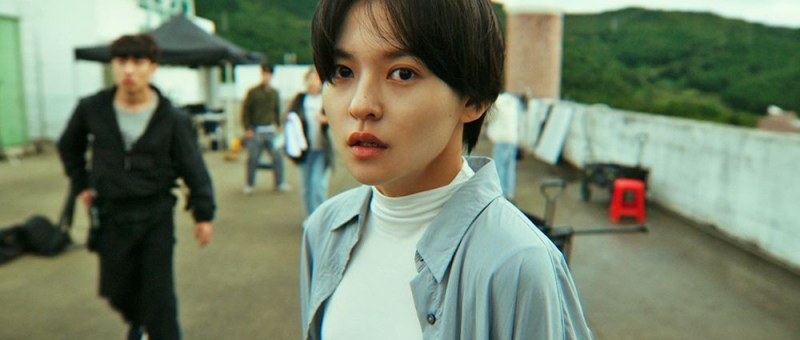
There are many reasons why we begin to feels we can’t trust Si-yeong’s (Kim Yoon-Hye) perspective. Not only is she already somewhat distant and preoccupied on her arrival at a disused university in the mountains but we also later learn that she’s taking a large amount of medication apparently for migraines and PTSD stemming from a barely remembered accident. She also seems less than pleased to encounter former colleague Chae-yoon (Song Yi-Jae) who brings up memories that seem unpleasant to her while there’s a kind of frostiness between them that’s only exacerbated by the fact Si-yeong was not even aware she’d have a co-star in this experimental dance movie directed by a man known for being “unkind” to actors. 

In any case, strange things do indeed begin befalling her from a body dropping right in front of her feet before she enters the building to the eventual murder and suicide of her colleagues who then return as zombie-like creatures. The film cycles rapidly through a series of genres beginning as a slasher with a Suspiria-like sense of eeriness as dancer Si-yeong’s mental state starts to unravel before drifting into the undead, cults, and shamanistic folk horror with the weird symbols dotted around the campus. 

Because things are very wrong on the outside too, Si-yeong even ends up running into a gang of murderous corrupt cops paranoid she’s found their stash of stolen drugs while otherwise pursued by riflemen apparently employed by a vengeful CEO. It’s true enough that we don’t know what’s going on for most of the film, and part of that may be that Si-yeong doesn’t know either because her mental state is unstable. We’re not even really sure if Chae-yoon is real or merely Si-yeong’s projection of her internal conflict, dressed as she is in the same outfit and with the same haircut to the point the two women are often barely distinguishable. Perhaps it’s this unpleasant memory that Si-yeong is trying to avoid, though it’s clear in very general terms that she’s running from something as much as she’s being chased and that her flight may be orchestrated to bring her to a specific location whether physical or spiritual.

What’s chasing her is the apparent “sin” of the title, though everyone might not see it as such or maybe believe their own sins were either justified or will be paid for later. For the purely evil, sin as a concept may not even exist if there’s no prospect of remorse though it’s hard to reconcile the docile, sweet and somewhat etherial Si-yeong with the fragmented memories of a past that may or may not be her own. “Thanks to you, we all became monsters,” she’s later told by someone about to something pretty monstrous but maybe they too were monstrous to begin with, or nobody was, and a well-meaning attempt to exorcise evil from the world has only produced more of it. 

Just when you think you have it all figured out, Han throws in a post-credits sequence pouring more fuel on the fire and hinting at even greater back story in a world ruled by dark and unseen supernatural forces. It doesn’t make sense, but wilfully so and frustrates in a positive way in our desperation to understand something that cannot be understood much as Si-yeong attempts to understand the rapidly disintegrating world around her. The concrete fact does seem to be that one must pay for ones sins, though those who do may not be the ones we’d expect. Gory and incredibly creepy, the film plays with our senses as much as Si-yeong’s, undermines our sense of reality, and finally leaves with the unsettling vision of a pervasive evil lurking in the mirror or the depths or the dark corners of a mind already shrouded in delusion. 


The Sin screened as part of this year’s New York Asian Film Festival.
International trailer (English subtitles)

Pierce (刺心切骨, Nelicia Low, 2023)

What are the limits of unconditional love and is it always a good thing? The hero of Nelica Low’s intense fraternal drama Pierce (刺心切骨, cì xīnqiè gǔ) is desperate to believe that his older brother is innocent of a crime he’s been imprisoned for for the last seven years, but in another sense it seems like the fact itself doesn’t matter to him. What he wants is the emotional intimacy of authenticity which is something he doesn’t seem to get from his steely mother intent on crafting a protective bubble of fantasy that may be as much for herself as her son.

In any case, Ai Ling (Ding Ning) is convinced that Zihan (Tsao Yu-ning) was born bad. She needs no convincing that when he stabbed his opponent with a broken blade during a fencing competition he did so knowingly and it was an act of murder rather than an accident as he claims. Zijie (Liu Hsui-fu), her sensitive younger son, is not so sure and feels that his mother’s total rejection of his brother is unfair. He needs to believe in part that Zihan is innocent because he once saved him from drowning though according to his mother if she had not arrived when she did Zihan would happily have watched him die. Ai Ling also says that she suspected Zihan had harmed Zijie during their childhood, but if this is true then Zijie appears not to remember it or perhaps willingly suppresses his memories of cruelty because it would be too difficult for him to accept that his own brother tried to kill him. 

But objectively speaking, there is something not quite right about Zihan who seems to be a charmer with manipulative tendencies. He was once a three time national fencing champion, and as he says fencing is all about figuring out your opponent’s intentions without letting them see your own. Of course, the way he behaves could equally be because of the way his mother behaves towards him. In some senses he too is a broken blade, apparently craving his mother’s approval and affection and perhaps becoming what she believed him to be out of frustration and resentment. He lies all too easily, crashing a dinner party with Ai Ling’s wealthy suitor Zhuang and his family and leaning into her cover story that he had been away studying medicine in the US while adding a touch of his own in a tearful story of wanting to specialise in radiology having watched his father painfully pass away of cancer. 

Of course, even if he is a raging sociopath, that doesn’t necessarily mean he committed an apparently motiveless murder or that he has no feelings at all for his brother who dotes on and idolises him with almost incestuous intensity. Zihan instantly picks up on the fact his brother is gay and that a boy in the fencing club has a crush on him, offering nothing other than support and reassurance of the kind he’d never get from Ai Ling. When Zhuang tries to set Zijie up with a girl and he declines, he broaches the idea he might not be straight but Ai Ling immediately changes the subject implying that probably she already knows but it’s another thing she’s papered over perhaps afraid that it might damage her relationship with Zhuang who appears to come from a wealthy family though they may not be as conservative as she fears them to be. 

In contract to the intimacy Zijie craves, beginning to confess himself, Ai Ling protects and distances herself from others through deliberate misrepresentation. Zhuang seems at least that he would be more upset about the deceit than that Ai Ling has a son who involved in a high profile, violent crime and also appears not to care that Zijie maybe gay while otherwise attempting to bond with him and be a sincere father figure. His love may in fact be unconditional in a way Ai Ling’s clearly is not whereas Zijie finds himself wavering, confronted by contradictory evidence that suggests his brother may not be so innocent after all. Deciding into a Grand Guignol fantasy in its final stretches, Low fills the screen with an ominous red, the billowing curtains creating an artificial dreamscape of ambiguous reality in which the brothers, each of them, discover at least their own truth and the answers they were seeking which may in its way be all they really needed.


Pierce screened as part of this year’s New York Asian Film Festival

Original trailer (English subtitles)

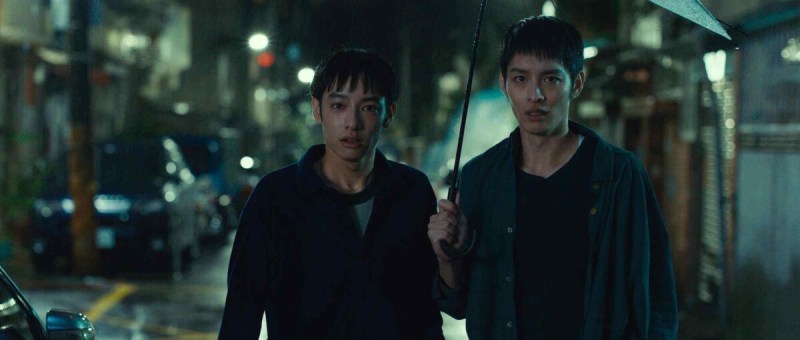
Love Lies (我談的那場戀愛, Ho Miu-ki, 2024)

The heroine of Ho Miu-Kei’s cybercrime dramedy Love Lies (我談的那場戀愛) later rejects the idea that she has been deceived for she was only falling in love and love once believed is real which paradoxically hints at the idea of romantic love as fantasy or self-delusion. There is undoubtedly some truth in what she says, if only in the fact that the young man scamming her also begins to fall in love if not exactly with her but with the image of himself as reflected in her eyes. 

From what we can see of Joe (Cheung Tin-fu), he doesn’t quite fit our image of romance scammer. He isn’t cruel or heartless and has more or less fallen into this kind of work, learning to see it as a kind of game which conveniently allows him to ignore the real human he’s exploiting in order to win. Awkwardly still living with his ex-girlfriend’s family, he’s bonded with her father and seems to be seeking something like familial love and acceptance along with the feeling that he’s wanted and valued by another person. Of course, being a romance scammer gives him what he needs as his targets are drawn into his trap and eventually become dependent on him though it’s obviously not “Joe” they’re dependent on but whoever he claimed to be online who is perhaps all the things he’s like be rather than who he is. 

In any case, he finds himself conflicted while trying to scam Veronica (Sandra Ng), a fantastically rich gynaecologist still struggling to deal with the death of her husband four years previously from whom she was about to get a divorce. Veronica is also not being entirely honest online, posing as a 25-year-old nurse named Linda and using a random photo from the internet while planning to have some idle fun chatting to a stranger in this case a heartbroken French widower named Alain. Like Joe, Veronica is also a little unhappy in herself, explaining that she’s a difficult person who blows off steam by rearranging the goods in convenience stores and has few friends. Being “Linda” also affords her another perspective on herself and a means of reassessing her thoughts about her husband and marriage. 

But this vulnerability is also what makes her vulnerable to the scammers as mastermind Joan (Stephy Tang), who used to be a TV screenwriter, points out in instructing Joe that he’ll really have cracked Veronica when she feels comfortable enough to tell him about her husband. Ho presents the scammers as an unusually well equipped yet old school bunch who have an actual art department to construct props to help Joe sell his fantasy though he’s pretty slow to cotton onto the idea of stalking Veronica’s social media profiles for information he later uses to create a bond with her. 

Though quirky and somewhat wholesome, the film does hint at the dangers of online interaction and the information we choose to share with strangers, perhaps unwisely. Intellectually, Veronica is aware of the potential of scamming but also sees herself as “better” than that, as if an educated, successful woman such as herself should be too smart to fall for something so obviously untrue and is later unwilling to accept that she’s sent large amounts of money to a conman despite the advice of her bank which of course only keeps her in the scam so she can prove to herself that she’s not being conned. 

But the conclusion she finally comes to is that if she fell in love with someone who didn’t really exist, then that doesn’t mean the love itself wasn’t real. In any case, it allowed her to re-engage with lost love and recover herself and her memories of romance while finally beginning to deal with her husband’s death and the end of her marriage which arrived more abruptly than expected. In much the same way, Joe begins to realise that he ended up scamming himself, half in love with the image he created as reflected back to him while more aware of his own needs and desires along with the emotional consequences of the scamming game. To that extent, maybe love itself is a long con or beautiful fantasy but there might also be truth in a lie and a genuine connection between lonely souls beyond all the wilful deception and misrepresentation.


Love Lies screened as part of this year’s New York Asian Film Festival.
Original trailer (English subtitles)

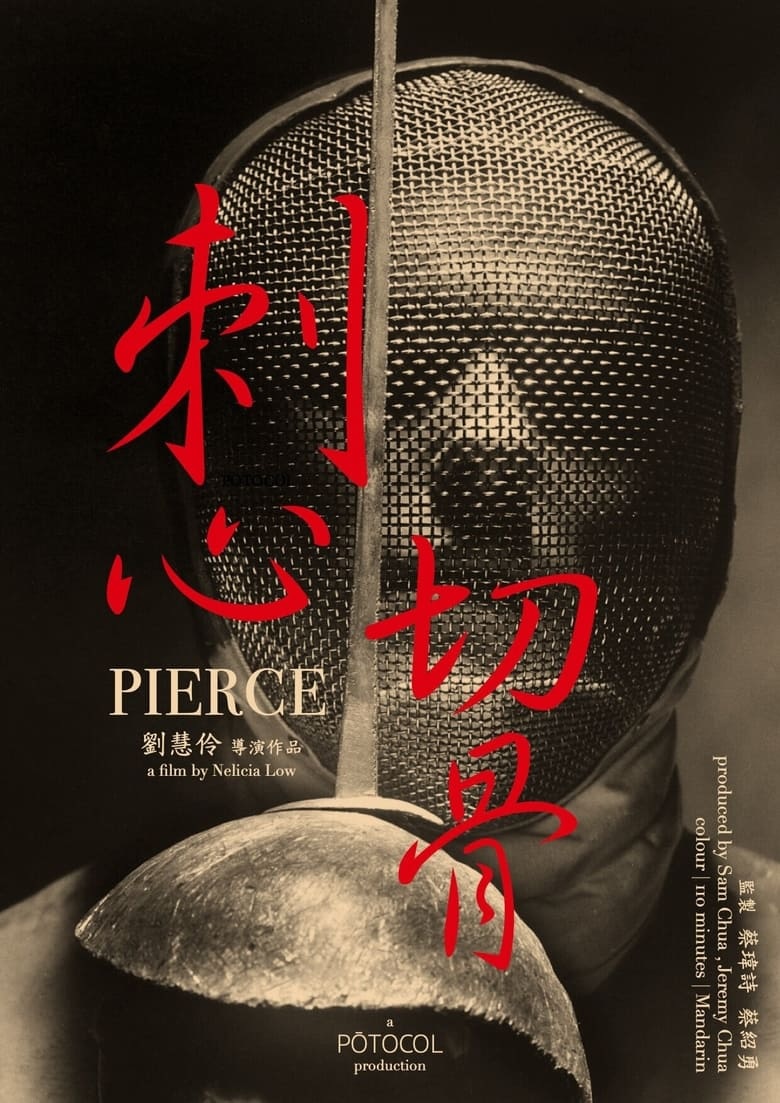
The Killers (더 킬러스, Kim Jong-kwan & Roh Deok & Chang Hang-jun & Lee Myung-se, 2024)

Led by Lee Myung-se, The Killers (더 킬러스) was originally billed as a six-part anthology film featuring different takes on the short story by Ernest Hemingway, but somewhere along the way took a kind of detour and now arrives as a four partner with a looser theme revolving around noir and crime cinema. Frequently referencing the Edward Hopper painting Nighthawks, the film hints at urban loneliness and a haunting sense of futility along with the mythic quality of noir as a tale that tells itself.

At least that’s in part how it is for unreliable the narrator of the first episode, a petty gangster who wakes up in a mysterious bar after being cornered by rival thugs. While in there he meets a similarly lost, middle-aged film director in the middle of a strange date with a fawning young woman who’ve definitely wandered into the wrong place. A sense absurdity is echoed in the fact that the man continues to sit in the bar oblivious to the knife in his back until the bar lady pulls it out for him and exposes the real reason why she lures lonely souls to this strange place out of time. Even so, thanks to her dark initiation the gangster is able to become himself and stand up against the rival thugs who were bullying him with his newfound “feistiness” having overcome something of the futility of black and white, classic noir opening sequence.

That’s something that never really happens for the heroes of part two who are a trio of youngsters trapped in Hell Joseon unable to escape their lives as cut price contract killers working below minimum wage for a chaotic company in which everything has been sub-contracted into oblivion. Ironically, one had dreams of becoming a policeman and another a nun while the third has recently had plastic surgery in the hope of landing an acting gig and claims he’s not in this for the money but to make the world a better place. Seeing their work as a public service, they tell each other that it’s wrong to grumble over their unfair pay because other people get less and are otherwise incapable of standing up for themselves until they take a leaf out of the boss’ book and try a subcontracting of their own which doesn’t quite go to plan.

While the first two episodes had been set in the present day the second two are set during the long years of dictatorship, the first sometime in the 1960s under the rule of President Park as an undercover detective and two men who appear to be unsubtle KCIA agents descend on a noirish, rundown bar with a picture of Nighthawks on the wall waiting for a mysterious fugitive to arrive. They don’t appear to know anything about why their target needs to be caught or who he is save for a daffodil tattoo on his arm and are merely they shady figures of authoritarian power we can infer are hot on the tracks of someone hostile to the regime. In any case, they are they are about to have the tables turned on them in a demonstration of their inefficacy in their power.

It’s the fourth and final piece unmistakably directed by Lee himself, however, that brings the themes to the four as it opens with an allusion to the assassination of President Park as the narrator tells us that it is 1979 and someone sent a bullet into the heart of darkness but the darkness did not die. The two goons who later show up are KCIA thugs working for the new king Chun Doo-hwan come to threaten the denizens of the cafe which include a man called “Smile” because he can’t and a woman called “Voice” because she has none while trapped inside an authoritarian regime. Inhabitants of Diaspora City, a home to the exiled, they have only a small hole to another world which affords them the ability to dream. Relentlessly surreal the segment is marked by Lee’s characteristic visual flair and sense of noirish melancholy that extends all the way out to a world more recognisably our own though no less lonely or oppressive.


The Killers screened as part of this year’s New York Asian Film Festival.
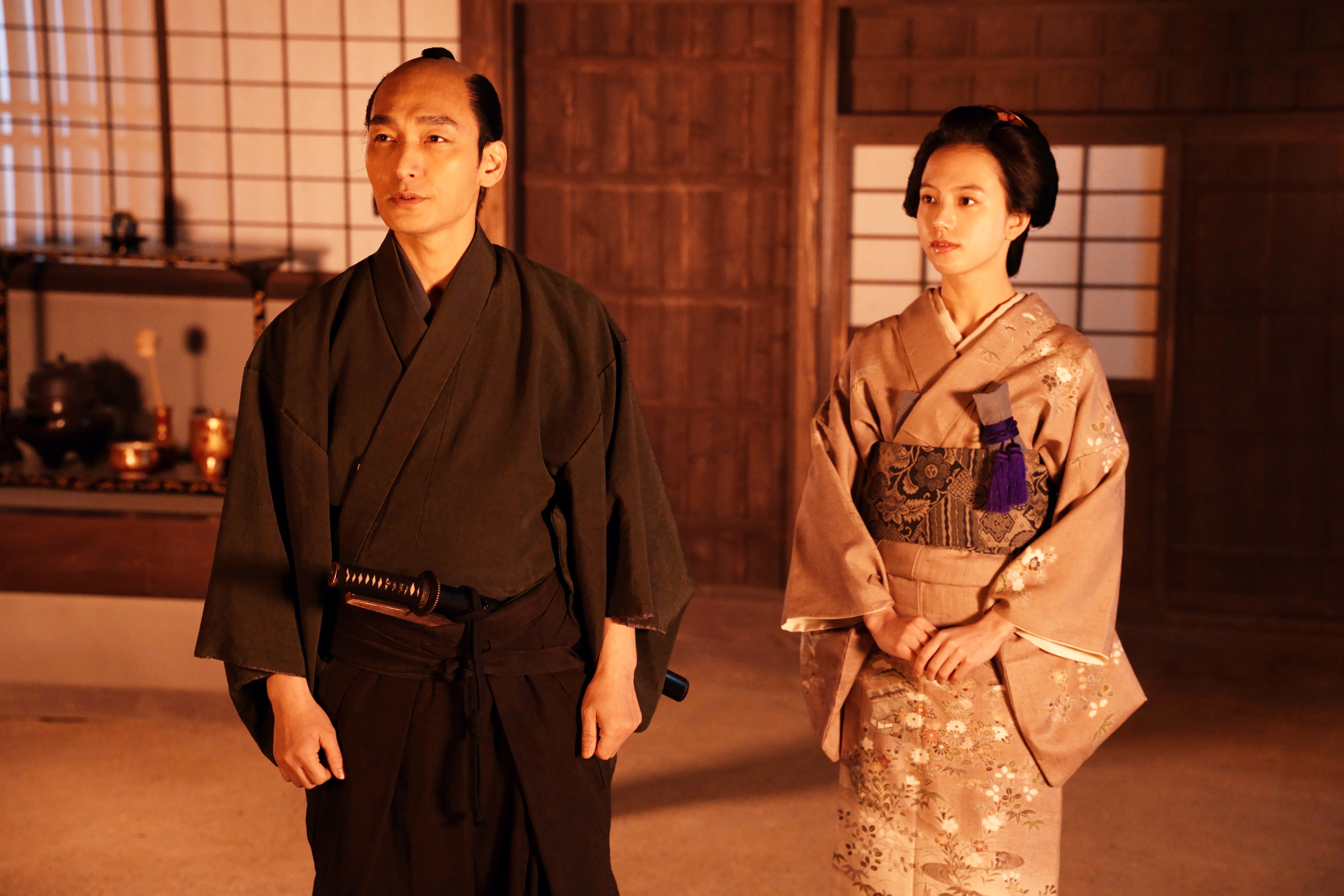
Bushido (碁盤斬り, Kazuya Shiraishi, 2024)

The hypocrisies of samurai society have led a dejected ronin into prideful penury but there is perhaps a fine line between properness and priggery that he struggles to accommodate. Like his earlier film Blood of Wolves, Kazuya Shiraishi’s Bushido (碁盤斬り, Gobankiri) is a loving homage to a classic genre, in this case jidaigeki, albeit one with a modern twist in which it’s the murkiness of the society and contradictions of its code that make it impossible to live in rather than the innate corruptions of the samurai class. 

Even so, it’s samurai society which has betrayed Kakunoshin Yanagida (Tsuyoshi Kusanagi), now a seal-carving ronin living in a tenement house and months behind on his rent. Largely silent, Yanagida projects an air of calm but also a dangerous tension that hints at a deeply buried rage often echoed in the hellish glow of the candlelight that bathes his face in red. Not a natural gambler, he is nevertheless a Go enthusiast and talented player who gives the impression that he is always several steps ahead of any game in play. 

But that turns out not quite to be the case when he’s blindsided by a series of unexpected events that quickly destabilise his calmly ordered existence. Cast out of his clan after being accused of thievery, he is accused once again of taking 50 ryo from a pawn broker who had become a friend, Genbei (Jun Kunimura). Behind on his rent as he may be, Yanagida would not steal for stealing is beneath the dignity of a samurai and this stain on his honour is more than he can bear. But for all his righteousness we learn that he is also an ironic victim of his own priggishness and responsible for several other men meeting similar fates, cast out of the clan for something Yanagida turned them in for. In his reduced state, he seems to feel guilty and wavers momentarily on hearing the man who framed him for stealing a scroll from his former lord say he did so to gain money to support disenfranchised samurai but is caught between the spirit of samurai integrity and its letter. As his quarry told him, fish cannot live in water that is too clean and his oppressive enforcement of these arbitrary rules did no one any good. 

Yet his seeming righteousness does seem to improve the world around him, proving an epiphany in pawnbroker Genbei who develops a new determination for doing business fair and square after witnessing Yanagida’s conduct at the Go table. The irony is perhaps that everything on the Go board is black and white whereas Edo society is decidedly grey. Even the madam from the Yoshiwara Yanagida and his daughter are on good terms with (Kyoko Koizumi) can switch from wise mother to heartless gang boss in an instant. One moment, she’s giving maternal advice to Yanagida’s daughter Okinu (Kaya Kiyohara) and the next berating a runaway geisha who’s obviously been beaten while her lover has been killed for his transgression. The theft of 10 ryo will also it seems get you killed in this world of heartless rigidity and universal suspicion. 

Yanagida may not be much better in some respects. He is prideful and reckless, endangering himself and his daughter, whom he allows to pawn herself in the Yoshiwara knowing it’s very unlikely they will be able to repay the debt before the New Year deadline seeing nothing other than his obsession with vengeance against the man who wronged him in so many ways, Shibata (Takumi Saito). Shibata is his opposite number, cynical and amoral he subverted the samurai code for his own gain yet in its way perhaps it’s just a rebellion against the kind of austerity a man like Yanagida represented. In the end he can only escape his self-imposed prison by abandoning his rigour and accepting compromise, slashing the Go board with its black and white mentality in two though it leaves him further exiled. He cannot return to the world of samurai, but neither can he live among these ordinary people and like so many jidaigeki heroes seems to be condemned to wandering in this imperfect world. To that extent, the resolution seems much more cheerful than we might have been expecting. Everything works out, no harm done, but there’s a lingering tension even amidst apparent good fortune in a world of constant watchfulness. 


Bushido screened as part of this year’s New York Asian Film Festival.

Original trailer (no subtitles)

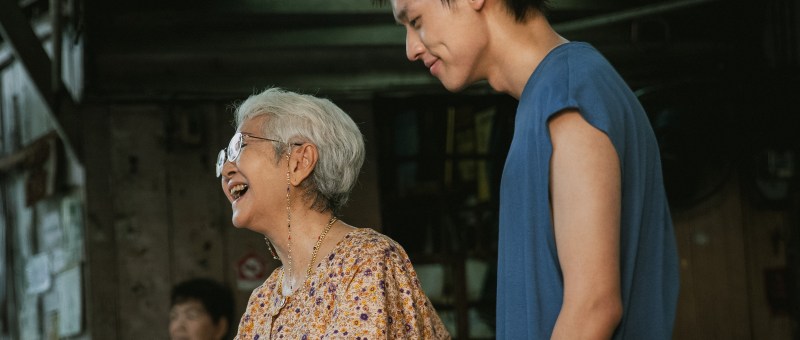
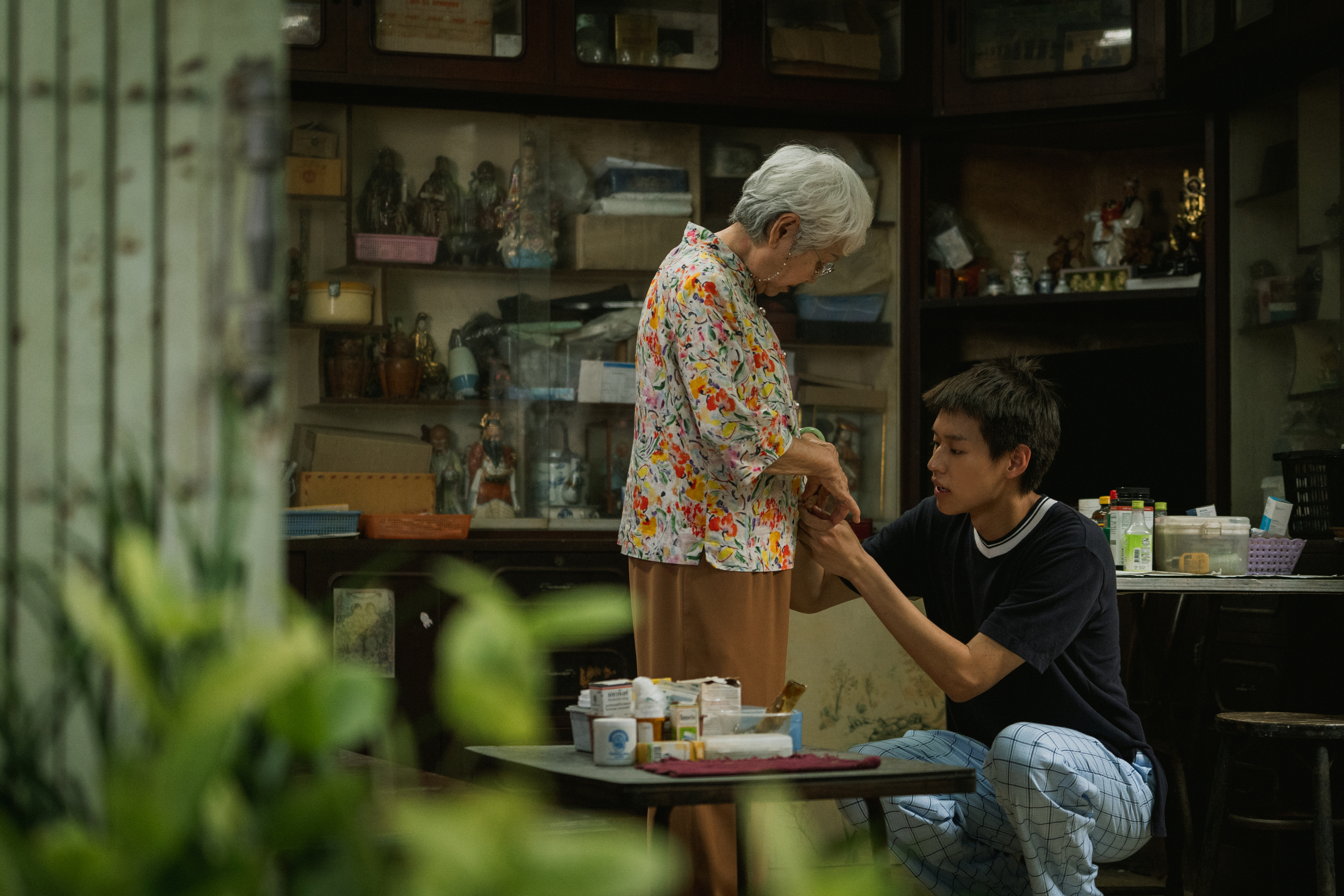
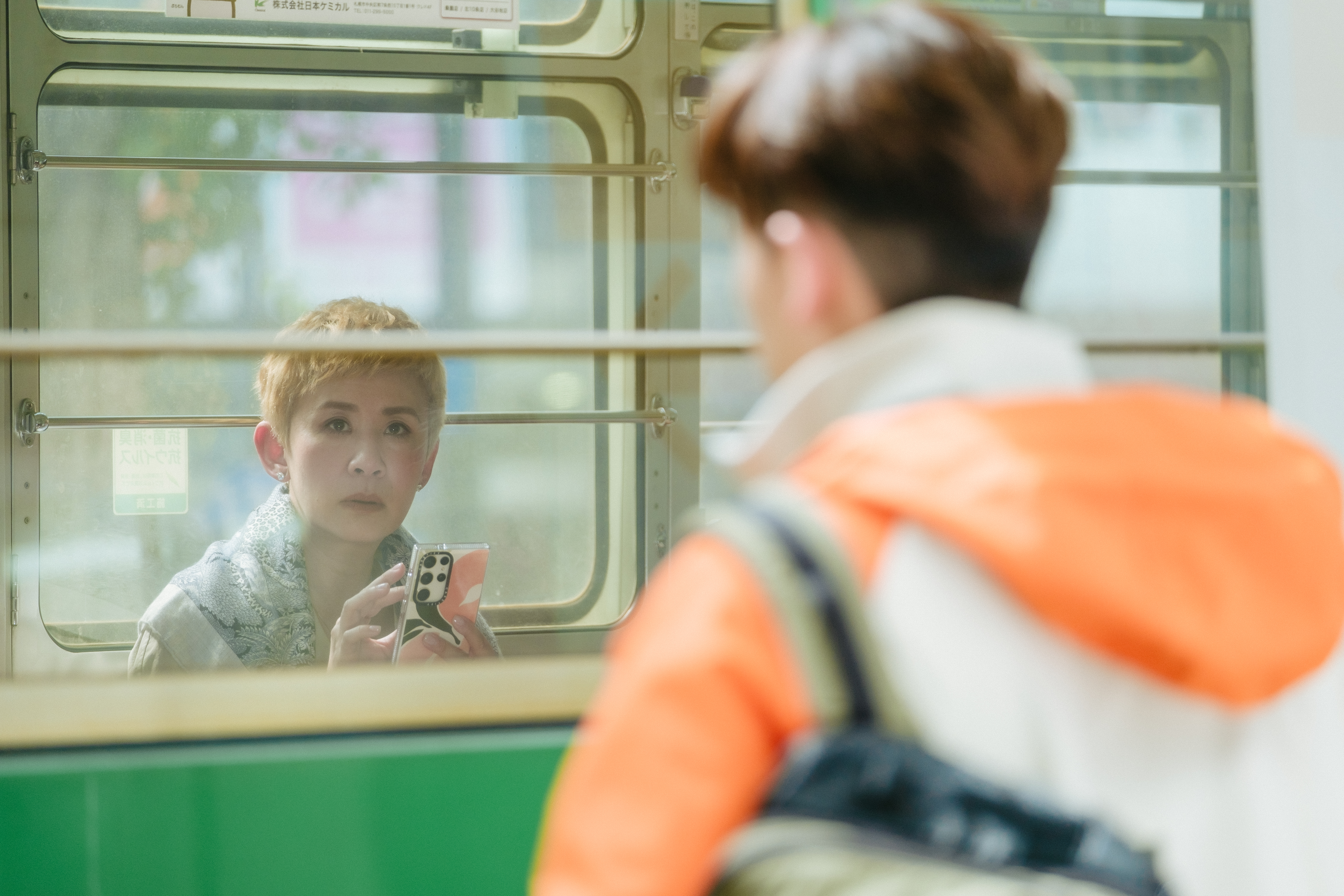
How to Make Millions Before Grandma Dies (หลานม่า, Pat Boonnitipat, 2024)

How is love quantified? Are all relationships essentially transactional, or is there also a love that is purer and transcends material reward? The hero of How to Make Millions Before Grandma Dies (หลานม่า) seems unable to look beyond literal acts of compensation when it comes to his familial relations, but is eventually awaked to a deeper, less selfish kind of love when looking after his grandmother after she is diagnosed with stage four cancer. 

M only really does this because he has a friend who inherited a fortune from her grandfather after becoming his carer when no one else would. The question of elder care is perhaps increasingly relevant and speaks to a break down in notions of familial responsibility with youngsters unwilling to care for their elderly relatives while simultaneously hinting at their own despair and frustration in feeling unable to acquire such wealth for themselves leaving them dependent on the generosity of the older generation. M originally asks for money in exchange for visiting his grandmother, Amah, and rarely attended family events though later becomes obsessed with familial hierarchy forever asking Amah who her number one family member is hoping that she will say him.

Later Amah says she doesn’t know who she loves the most, but it’s her daughter she most wants to be with. M’s mother is the most involved in Amah’s life of all the siblings but is never really in running for the inheritance, nor does she really think about it. As she tells Amah, “sons inherit assets, daughters inherit cancer,” both making a joke about the heredity nature of the disease and the fact that care is almost exclusively performed by women. Amah too has suffered all her life under oppressively patriarchal social codes. She pays a visit to an older brother who has become very wealthy thanks to property investments built on the back of his inheritance and asks for her fair share of her parents’ money but is told where to go. Her brother treats her with contempt and defends the practice of leaving money only to sons on the basis that Amah’s share would have gone to her husband, which is to say leaving the family, though as Amah points out her marriage was arranged so if her brother disapproves of him it their parents’ fault.

M’s oldest uncle Kiang makes a similar complaint, that he feels they think of his wife as a member the family while crassly asking about Amah’s house deeds while she’s still in hospital. Yet to M, her love seems obscure. Her can’t figure out wh she’s so forgiving of her younger Soei who seems to have made a mess of his life and actively steals from her. One Sunday, the day when the siblings would all come for lunch, grandma sits and waits but later concedes that she likes it better when Soei doesn’t visit because that must mean he’s doing okay. On a day trip to a temple that is really mini battle between M and Kiang who wants Amah to come live with him so he’ll get the inheritance, no one thinks to make a wish for her. M then writes that he hopes she wins the lottery which is ironically also selfish as he’s hoping to inherit her estate.

When Amah leaves the house to someone else, M is annoyed and abandons his position as a caretaker complaining that it doesn’t seem fair that the person who has done the most for her has not been rewarded. But later he perhaps comes to understand Amah’s reasoning and that that isn’t how it works. She tells him that all jobs are equal if you do them well and buys him a white shirt to help him get one, a shirt he eventually wears on a different occasion, hoping that he’ll make something of himself and find a sense purpose. Eventually, he forgets about the financial gain and realises that Amah was trying to give each of them what they most needed, displaying a more selfless kind of love in the way that she continued to care for those who seemingly gave her little thought or of what she most wanted which was simply time. Deeply moving, the film has a rare warmth along an essential melancholy for things only understood long after they have passed. 


How to Make Millions Before Grandma Dies screened as part of this year’s New York Asian Film Festival.
International trailer (English subtitles)

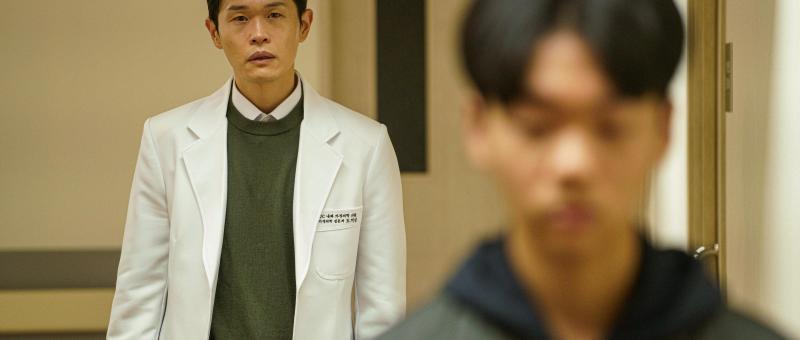
Frankenstein Father (프랑켄슈타인 아버지, Choi Jea-young, 2024)

A teenage boy confronts his paternal legacy but finds it largely hollow in Choi Jae-young’s pointed familial drama, Frankenstein Father (프랑켄슈타인 아버지). Frustrated by his circumstances, the boy begins asking questions about his genetic history in search of an explanation of all his “faults”  but begins to realise that perhaps the faults were not his own in any case and what he really wants is freedom, the right and opportunity to be his own man rather than a reflection of her father’s desires.

Left largely alone after his mother’s death amid the absence of his truck driver father, Young-jae decamps at the home of doctor Chi-sung who illicitly sold his sperm as a medical student 17 years previously. Af first Chi-sung wants nothing to do with the boy but is worried by his attempt to blackmail him, insisting he’ll expose the illegal sperm donation and ruin Chi-sung’s medical career. He sets about trying to disprove hie’s the father, but is finally forced to accept it and there after determines to prove to Young-jae that his “faults” are not his fault and he doesn’t owe him anything as per the contracts he signed with his parents. 

Of course, Chi-sung is also keen to prove himself “faultless”, that his austere life is the correct path because it’s order, rules, and discipline that have allowed him to become what he is today. To that extent, it niggles at him that he could have had a son like Young-jae who is sullen and rebellious. Young-jae describes himself as “dumb,” and has a host of other qualities that dissatisfy him such as shellfish allergy but is perhaps looking for some kind answers about himself and his relationship with Dong-suk, the man who raised him but is also a disappointment in Young-jae’s eyes. A long distance truck driver, Dong-suk is unsophisticated and fond of a drink. He is also controlling, insisting that Young-jae continually check in with him via text and send photos to prove he’s where he should be, and crucially preventing him from doing what he most wants to do which is run.

Running is a symbol of Young-jae’s desire for freedom, but he remains constrained by each father figure. After warming to him, Chi-sung offers him what he wants in promising to get him experimental treatment for his heart condition so he can run again, but soon turns out to be much like Dong-suk insisting he follow his rules and stick rigidly to the plan that he has designed for his sophistication which is also an effort to turn him into a mini Chi-sung. Young-jae is to him an echo of himself for he also grew up with a father who drank and disappointed him. Like Young-jae he too learns for escape as symbolised by his dream of buying a yacht and going to sea that he seems to be continually putting off. 

Yet as Young-jae points out, it wasn’t him who broke when he found out Dong-suk wasn’t his biological father but Dong-suk himself. Chi-sung hints that his decision to use sperm from a A+ donor was informed by insecurity, that he wanted to raise a son who was better than himself though as Dong-suk told his patient human’s can go back to what they once were but can never exceed it. The battle of over paternity of Young-jae isn’t so much a contest of nature vs nurture but a vicarious tussle of masculinity between each of the men who each want to prove themselves through asserting paternal authority over Young-jae and determining the course of his further life.

But Young-jae is almost a man himself and is no longer content to be bound by such corrupted authority. As he later says, he’s no desire to become another of his fathers’ “faults”. Conversely Chi-sung is clearly still trapped by his own father’s legacy and and afraid of the freedom Young-jae chases realising that the fault also did lie with him. In attempting to father Young-jae, he’s also attempting to father himself, insisting Dong-suk raised the boy “wrong” and he must correct him, but perhaps realising he learned a few wrong lessons himself and must make peace with his own past to set himself free while allowing Young-jae to run in a direction of his of choosing no matter the risks to his heart.


Frankenstein Father screens July 25 as part of this year’s New York Asian Film Festival.
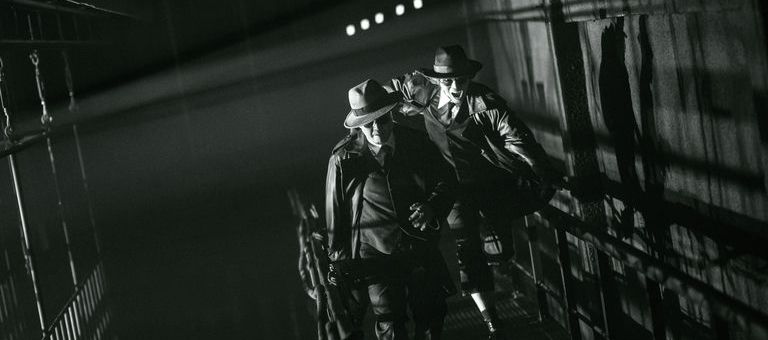
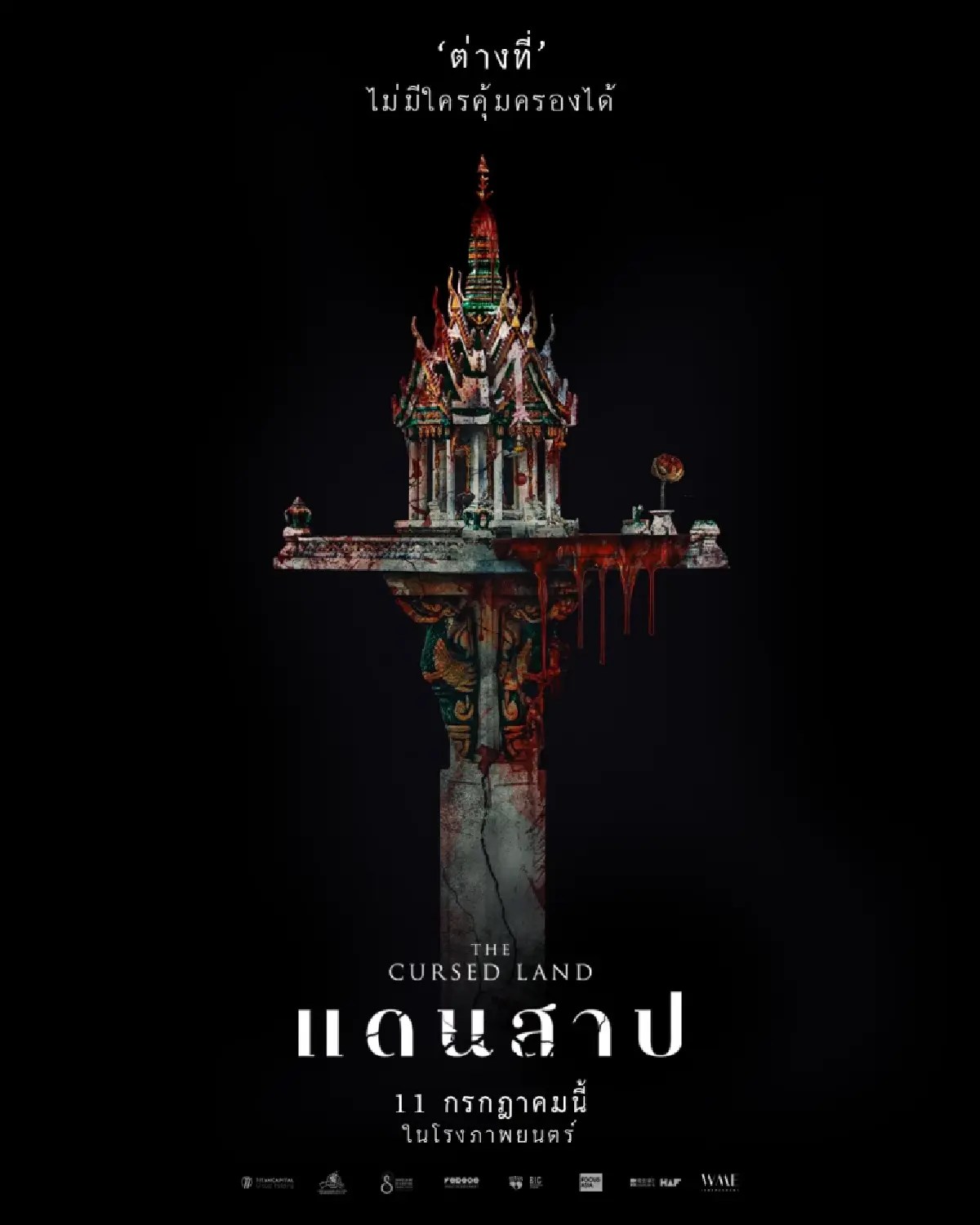
The Cursed Land (แดนสาป, Panu Aree & Kong Rithdee, 2024)

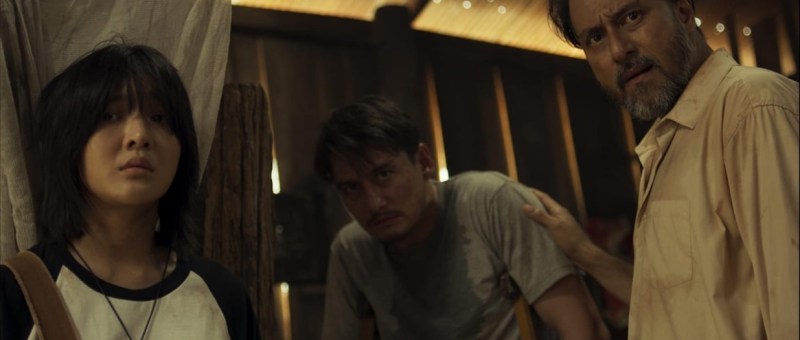
The architecture professor teaching a young woman in Panu Aree and Kong Rithdee’s The Cursed Land (แดนสาป) says that a house is like a machine with a person inside, but what’s inside the house at the film’s centre is not quite human at all but a supernatural creature who like the house itself seems straddle a divide both cultural and spiritual while standing itself at the nexus of the many layered historical curses which have given it its dark legacy.

It’s in part a rejection of this difference and lack of respect for culture that creates a series of problems for Mit (Ananda Everingham), a middle-aged engineer moving into this rural backwater on the outskirts of Bangkok. Despite receiving a very serious warning to get rid of anything that’s in the house, he tears off a series of talismans thereby releasing some very dark energy and destabilising his new environment. Mit is also suspicious of those around him and does not really make much of an attempt to make friends with the local community who are largely Muslim. Though he may not think so, it is Mit who is the intruder here, an outsider walking into a traditional environment and finding himself isolated despite the ostensible friendliness of some of the locals to whom Mit takes offence after being told not to leave his dog outside because some of the Muslim community dislike them. 

But then again, Mit also seems to be a compromised figure apparently still suffering from shock and confusion some time after a car accident that killed his wife. He complains that his medication has been misplaced due to the move while seemingly increasingly paranoid and unreasonable. We also get hints that Mit’s previous life may not have been plain sailing either and part of his stress is down to a need to prove himself in his new job. He is in his way haunted by the car accident and struggling to overcome his guilt and regret. A shamaness later describes him as “weak-minded” and therefore a prime target for an evil spirit. 

This also seems to be implicitly reflected of an internal absence of the spiritual as Mit has renounced Buddhism and seems suspicious of Islam. His daughter May (Jennis Oprasert) eventually calls in a Brahmin to exorcise the house, installing Buddhist shrines and other talismans as if overwriting the those of the local muslim community though this only causes more problems. Later, May consults a Buddhist priest but is told that he can’t help because the problem is on a different system though she’s also told something similar by other members of the community. Running underneath the conflict between Buddhist and Muslim culture is echo of a much older spirituality in the references to “black magic” and shamans. 

What May learns is that this land has been cursed and counter cursed many times over, though they do perhaps manage to exorcise one particularly problematic spirit in literally digging up the past to learn the history of the house and that of the entities who seem to inhabit it but there are many other curses yet to be undone on this patch of scorched land that exists in a nexus between cultures, part of both and neither. What emerges is a kind of co-existence and a crossing of the streams as they must in the end marshal all of the spiritual powers to counter the  danger presented by this extremely disgruntled spirit. 

Panu Aree and Kong Rithdee conjure an atmosphere of intense eeriness rooted in a classic haunted house movie aided by the gothic environment of the Western-style home itself standing alone and isolated, not really part of a community yet not totally independent. What emerges is a kind of integration, the house as a machine with people inside it creating a home through diverse community and entrenched support systems that allow even the “weak-minded” Wit to shakes off some of his demons and begin to move forward with his life. Perhaps the key really is not to throw anything away, because everything belongs in the house and the house belongs to everything. Attempts at exclusion only invite fear and acrimony that cannot but eat away the foundations of a home built on cursed land.


The Cursed Land screened as part of this year’s New York Asian Film Festival.
Original trailer (English subtitles)

Fly Me to the Moon (但願人長久, Sasha Chuk Tsz-yin, 2023)

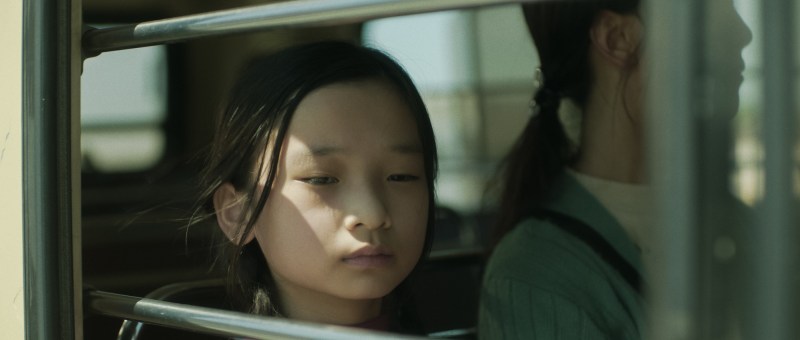
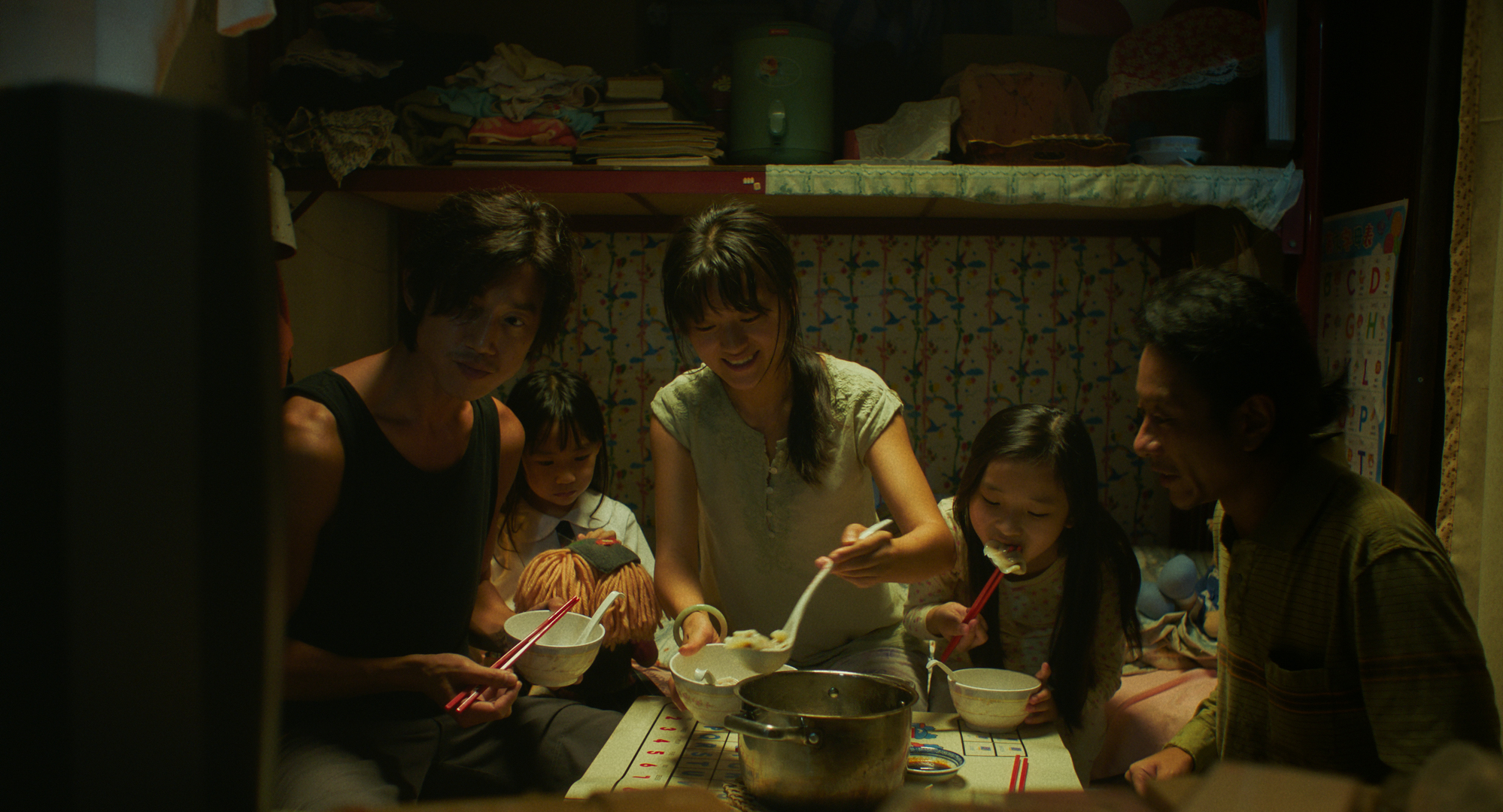
A pair of sisters find themselves exiles in their own home in Sasha Chuk Tsz-yin’s poignant familial drama, Fly Me to the Moon (但願人長久). Burdened by a sense of rootlessness, they have only each other to cling to while their family otherwise disintegrates amid the pressures of making a life in an unfamiliar place and an unavoidable paternal failure that has a lasting legacy on the lives of each of the girls as they struggle to emerge from the shadow their father cast over their lives.

It’s telling that the film opens in 1997, though Yuen’s father Kok-man (Wu Kang-ren) has apparently smuggled himself into Hong Kong from Hunan, later sending for his wife and older daughter, Yuen, while leaving the younger behind. The first image we see is of Yuen being taken to see her father in prison by her mother, a meeting in which no words are exchanged that seems to leave the young Yuen conflicted and confused. Not long after arriving in Hong Kong, she discovers him using drugs and learns of the addiction that has ruined his life, turning him into a petty thief in and out of prison for the children’s entire lives.

Yet in his later years, Kok-man told his relatives that his best and only achievement was raising two wonderful daughters though of course he didn’t actually raise them at all. Nevertheless, he had a profound effect on their lives, Yuen also tempted to steal on witnessing her father’s bad example even while remaining contemptuous and resentful of him. Though he eventually becomes violent, so desperate for money he threatens his teenage daughters, Kok-man appears to have wanted to take of his family but was not able to do so while their mother is forced to work long hours supporting the family and living the life of a single mother even while her husband is home. 

This leaves the girls with no one else to rely on while otherwise removed from mainstream society which is often is hostile towards those who’ve arrived from the Mainland and most particularly at this strained political moment. Their otherness is signalled by their home dialect of Hunnanese which later mingles comfortably with their Cantonese, much as Yuen’s Mandarin later does, which is as good as anyone else’s though some might not them as real Hongkongers. Kuet’s schoolfriends, little knowing she also was not born in Hong Kong, shun another girl after spotting that the number on her ID card begins with an “R” which means she came to Hong Kong from somewhere else. Kuet eventually decides to befriend the girl herself, though it remains unclear whether or not she discloses that she was also born outside of Hong Kong. Years later after becoming a tour guide, a customer remarks that Yuen’s Cantonese and Mandarin are both so good he wonders where she’s from which is quite an ironic comment. 

Yet in other ways, the girls can’t escape their roots. Despite her enmity towards him, Yuen’s first boyfriend is a carbon copy of her father. A brusque boy with blond hair who shoplifts to impress her, but then runs off and leaves her behind when he almost gets caught. Her romantic relationships seem fraught and difficult and the men largely no good, while her sister similarly has troubles with the law leading her mother to lament that there was little point in going to university if she was just going to end up like her father. When Yuen eventually returns to Hunan, she’s that girl from Hong Kong, even while in Hong Kong she’s that girl from the Mainland. For the girls, Hunan has a kind of mythical quality bound up with their memos of happier times for their family, but Yuen is quickly disillusioned. The lily fields her father mentioned are long since gone, destroyed in a fire, and her family home is empty as a result of her grandmother’s illness. All that remains are photographs that present a kind of evidence of the relationship Yuen once had with the father she struggled to accept in adulthood, reuniting her with her childhood self and perhaps restoring the roots she’s been looking for even she herself remains a floating presence guiding tourists around foreign countries while otherwise marooned in the family flat now shared only with the sister who equally is heading in another direction. 


Fly Me to the Moon screens July 21 as part of this year’s New York Asian Film Festival.
Original trailer (Traditional Chinese /.English subtitles)