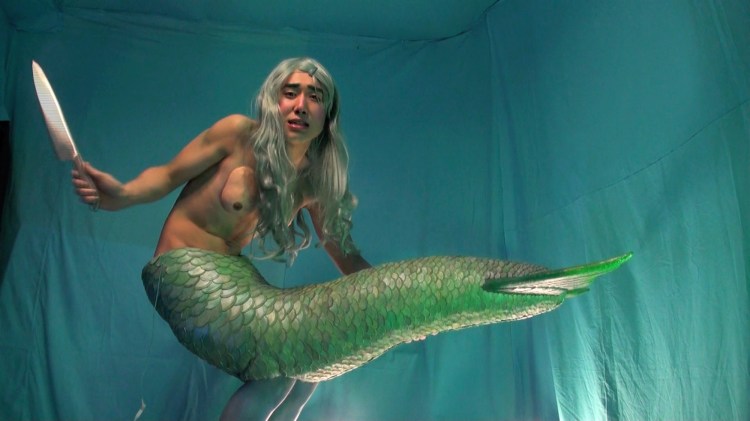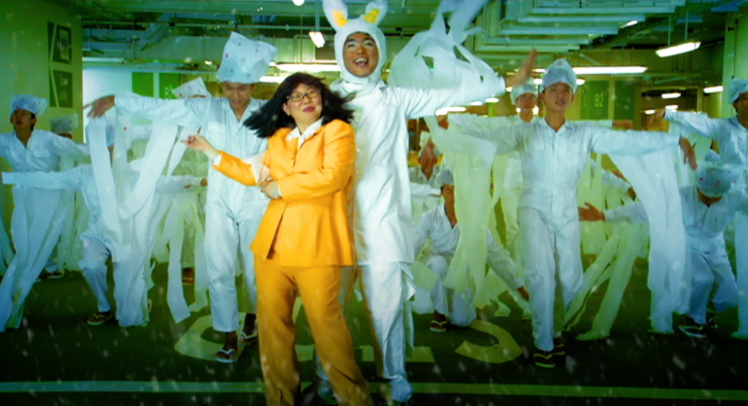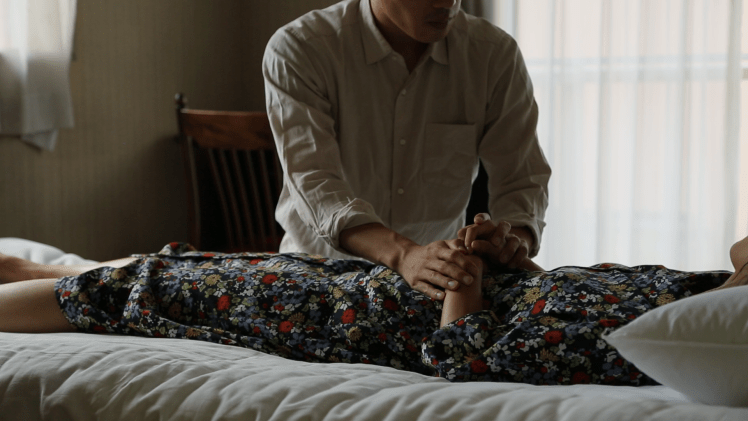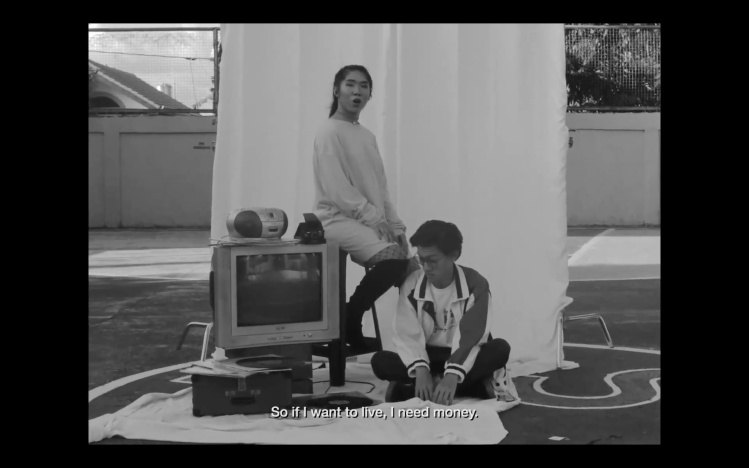
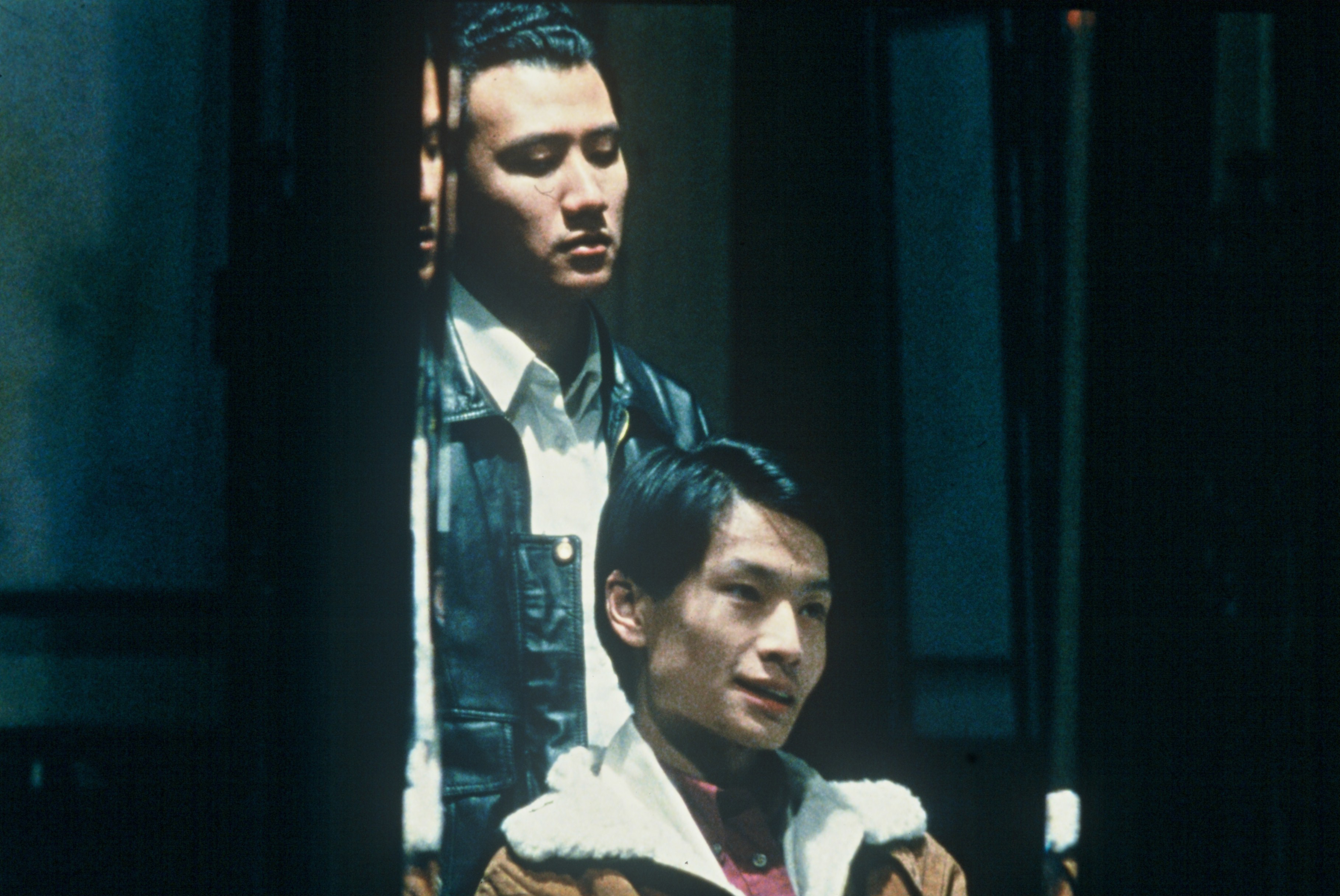
East Palace, West Palace (东宫西宫, Zhang Yuan, 1996)

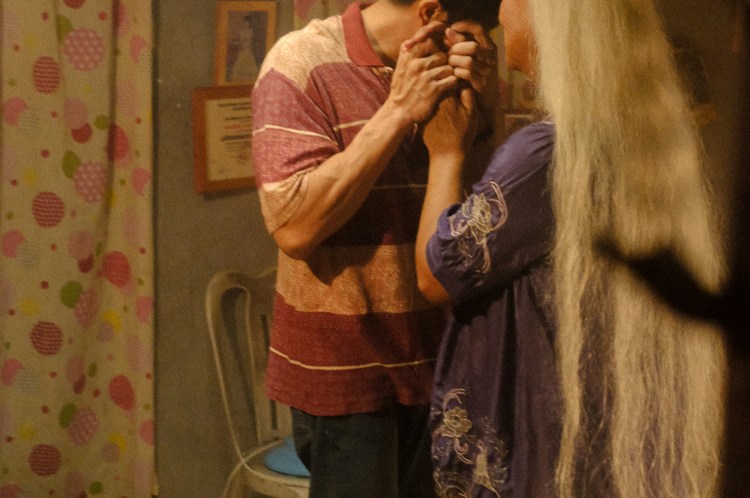
“The convict loves her executioner, the thief loves her jailer. We love you. We have no other choice.” the hero of Zhang Yuan’s beguiling, transgressive drama East Palace, West Palace (东宫西宫, dōng gōng xī gōng), whispers to his no longer sleeping guard. “I love you”, he later adds, “why don’t you love me?” turning the tables on an implacable authority and demonstrating that he too wields power. Considered the first Mainland film to deal directly with homosexuality, Zhang’s theatrical chamber piece is as much about the co-dependency of the oppressor and the oppressed as it is about gay life in post-Tiananmen Beijing while suggesting that in a sense submission too can be a weapon. 

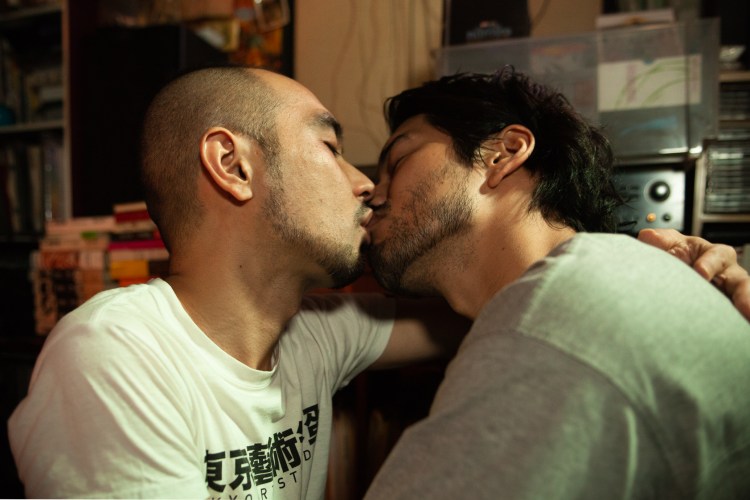
Gay travel writer A-Lan (Si Han) is first challenged by a uniformed policeman in a public toilet. Staring at him intently, he stops A-Lan for no real reason, asking for his ID followed by a series of other personal questions with seemingly no law enforcement import before double checking if the bike outside is his and that he has a proper permit for it. These acts of hostility begin a cat and mouse game between the A-Lan and law enforcement, another policeman, Shi Xiaohua (Hu Jun), almost desperate to come up with a reason to arrest him on raiding the park, a popular spot for cruising, after dark. But as he leads him away, A-Lan suddenly plants a kiss on the policeman’s cheek and taking advantage of his momentary shock makes his escape. 

During in the arrest, meanwhile, Shi and the other policemen had a made a point of insulting each of the men who have not actually done anything illegal under the Chinese law of the time, beating them or forcing them to beat themselves, ordering them to squat on the ground, and even threatening to call one frequent offender’s place of work. As Shi often will, the police refer to the men as “despicable” and the “dregs of soceity”, yet A-Lan is in a sense empowered by his submission in allowing himself to be arrested before subsequently escaping having planted the seeds of his seduction. He flirts with danger in mailing Shi a book with the inscription “To my love, A-Lan” and thereafter deliberately gets himself arrested, later running away from Shi only in the desire to be chased by him.  

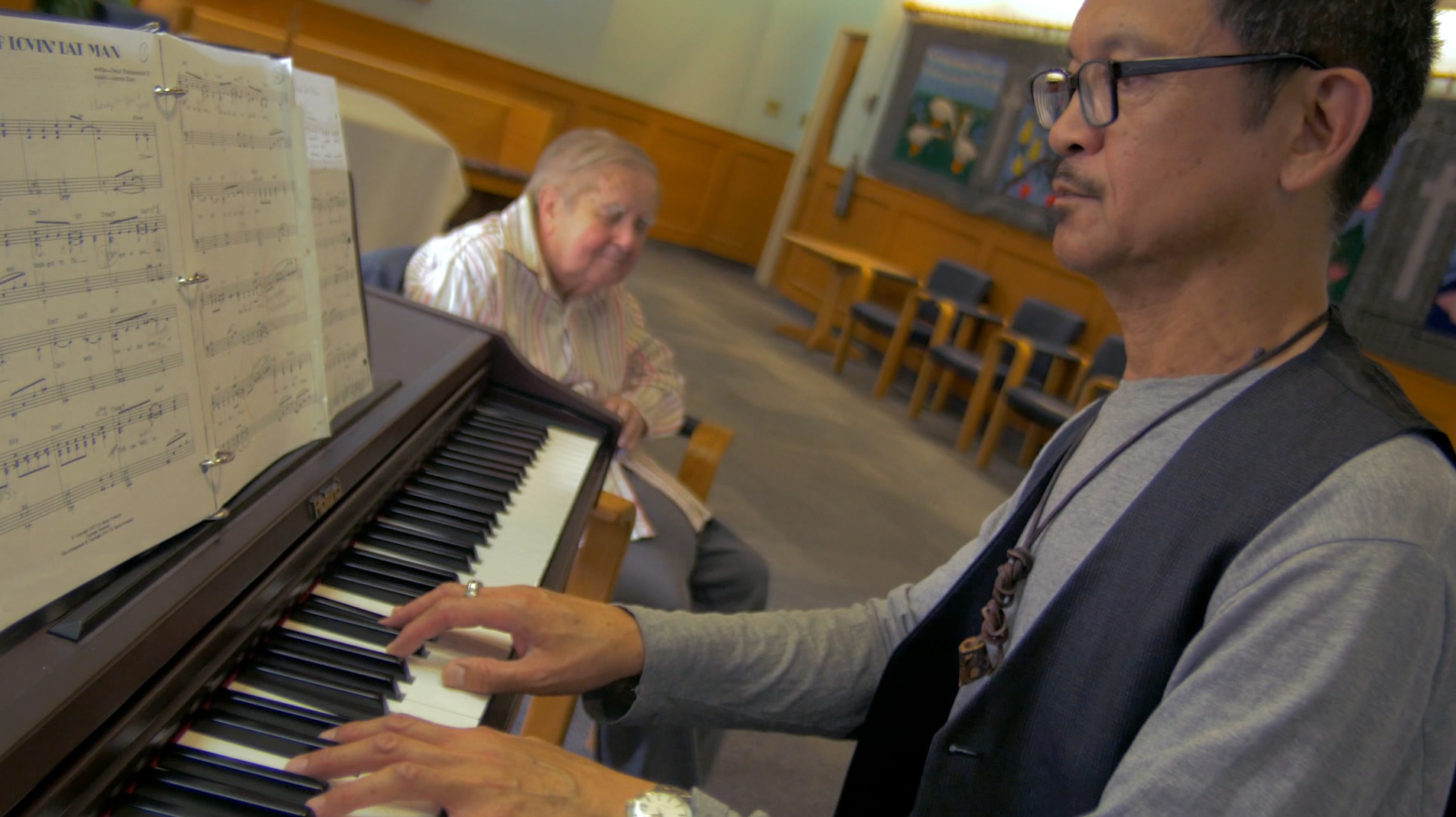
Hugely reminiscent of Kiss of the Spider Woman, the majority of the film takes place within the confines of the park’s police hut occupied only by A-Lan and Shi, a prisoner and a guard. Yet as in the Peking opera story A-Lan repeatedly quotes, elegantly recreated in Zhang’s theatrical shifts into fantasy, the two roles are to an extent interchangeable. Shi thinks he’s the guard, that he exercises authority over A-Lan, but A-Lan is also manipulating him, trapping Shi within this space and drawing him towards a recognition of his own latent desires, the same desires that were aroused when he hassled him in the public toilet. While Shi, the guard though no longer in uniform, is constrained by authority, A-Lan, the prisoner, is free in embracing his essential self and weaponising the essence of his power in the choice to submit as reflected in his masochistic desires. “It is not despicable. It is love” he insists on being challenged by Shi after detailing his BDSM encounter with a wealthy man, echoing his previous reminders that “What I write might be trash. But I am not”, refusing to allow Shi to degrade him even while taking pleasure in submitting to authority. 

Even so, he declares himself conflicted in having married a woman presumably for appearances’ sake something of which many in his community do not approve and leaves him both guilty in his treatment of his wife and disappointed in himself. When Shi barks “explain yourself” he details his life as a gay man from his first sexual experience in which he pretended to be a woman to being assaulted by thugs after sleeping with a factory boss adding only that “this kind of experience makes life with living”. “We all march to a different tune” he tries to explain to Shi, individual but also identical. He mentions another regular to the park he describes as a transvestite but in the language of today might better be thought of as transgender, A-Lan explaining that she enjoys wearing women’s clothes but is different from the men in the park. She does not make love to them, and they do not bother with her, A-Lan insisting that she too has her own beat to which to march as does Shi even in his increasing confusion. 

Shi wields his handcuffs, the relationship between the pair mediated through them just as that between the guard and beautiful prisoner in his story is mediated through chains, but eventually places the cuffs on each of their hands locking them together in an intense embrace. The guard cannot exist without the prisoner, nor the prisoner without the guard. “He will no longer escape from his love for her” A-Lan ends his story, the guard releasing his beautiful charge while she decides to return to him each of them knowing they are trapped in melancholy waltz of love and hate. Highly theatrical and scored with a persistent note of dread, Zhang’s beguiling drama hints at the sadomasochistic interplay between authoritarian power and a subjugated populace while allowing its hero to mount his resistance only through deriving pleasure from submission. 


East Palace, West Palace screens at the BFI on 27th May as part of this year’s Queer East. It is also available to stream in many territories via GagaOOLala.

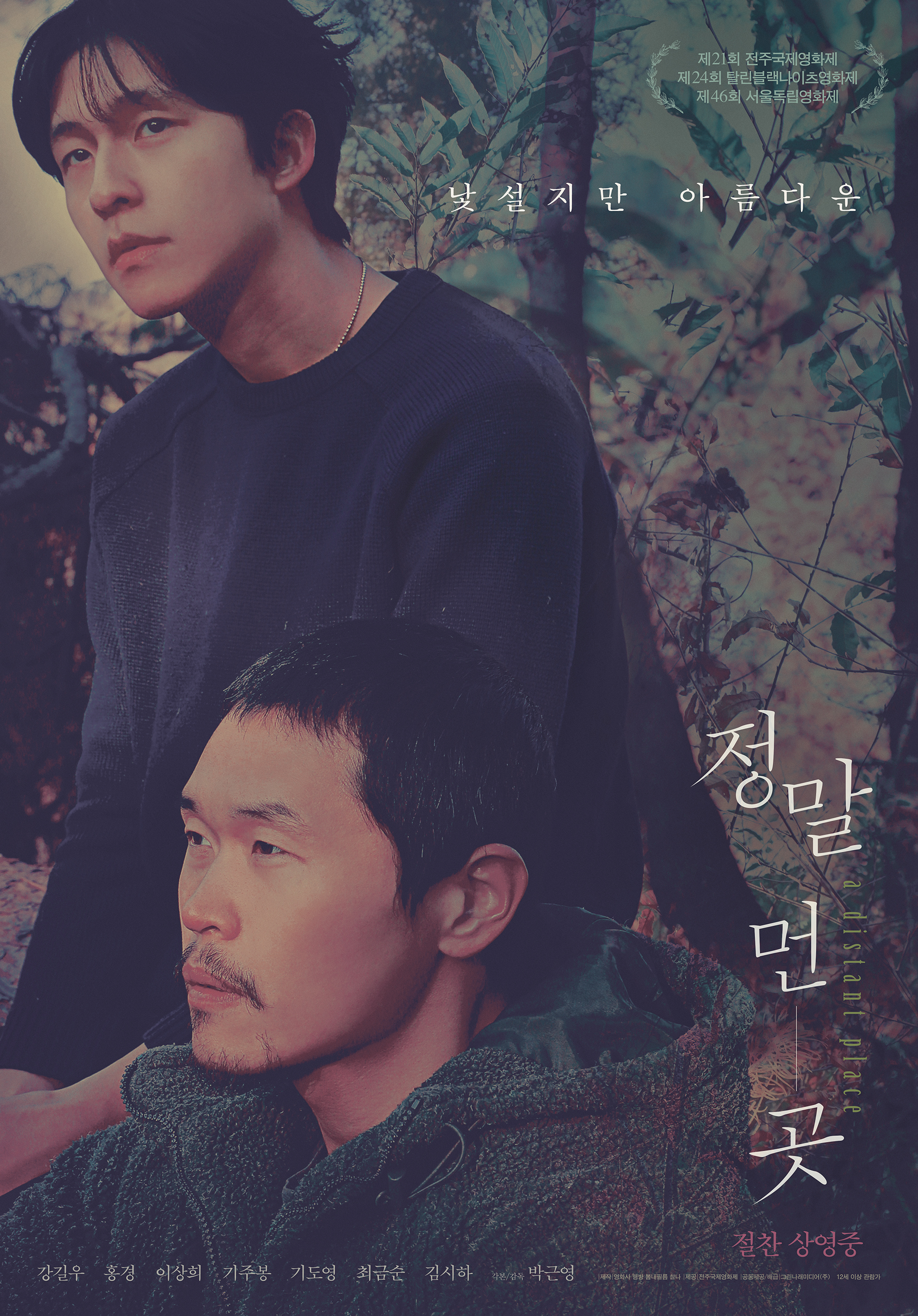
A Distant Place (정말 먼 곳, Park Kun-young, 2020)

A gay couple searching for a far off land of love and acceptance find their rural dream crumbling in Park Kun-young’s melancholy autumn drama, A Distant Place (정말 먼 곳, Jeongmal Meon Gos). As it turns out, you can’t outrun yourself nor an internalised sense of shame and if you can’t find a way to root yourself firmly in the ground you risk losing those close to you lashing out in anger towards a needlessly judgemental society. 

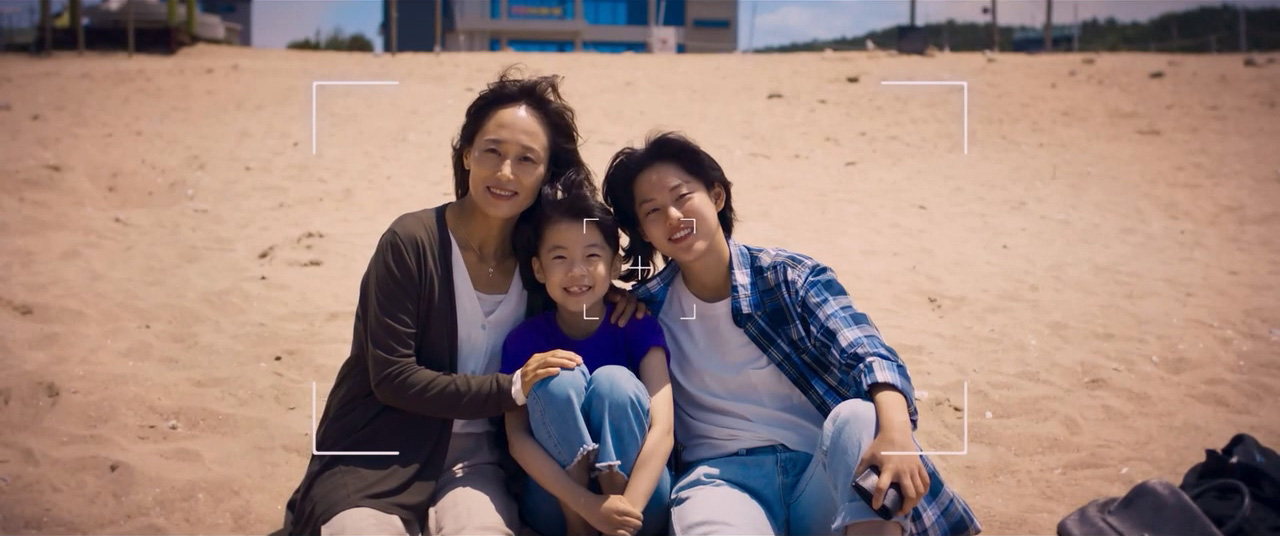
Jin-woo (Kang Gil-woo) is indeed a man on the run, chased out of Seoul by his internalised homophobia and seeking a quieter life in a small mountain town with fewer people around to feel rejected by. Having studied fine art, he now works as a hired hand on a sheep farm where he’s bringing up his daughter Seol (Kim Si-ha) while waiting for his partner, Hyun-min (Hong Kyung), a poet, to join him. Once he arrives, everything goes well for them living a discreet life in the mountains where no one it seems has noticed that they are a couple though as we later realise the farmer, Mr Choi (Ki Joo-bong), and his daughter Moon-kyung (Ki Do-young) have figured it out and little care choosing to say nothing. The real drama begins, however, with another arrival in that of Jin-woo’s estranged twin-sister Eun-young (Lee Sang-hee) who as we discover is actually Seol’s birth mother having abandoned her to Jin-woo only to come back to try and reclaim her having married and opened a cafe. 

Jin-woo’s conflict lies partly in wondering if he’s being selfish in his desire not to return Seol to Eun-young while genuinely believing that a life of isolation in the mountains is better for her longterm future. His ideal is undercut when Seol upsets another child at a formal occasion by snatching his toy away from him, hinting at the costs of her lack of socialisation spending almost all of her time on the farm helping with the sheep or talking with Mr. Choi’s elderly mother (Choi Geum-Soon) who is suffering with advanced dementia. In a certain sense, each of them is trapped by their environment, the elderly grandma seeking escape in her small moments of lucidity. Moon-Kyung is beginning to fear her dreams of escaping small-town life will not come to pass while she has perhaps also missed the boat for becoming a wife or a mother snapped at by her grandmother in a moment of frustration. Her realisation that her crush on Jin-woo is misplaced on finding him in bed with Hyun-min is then a double moment of disillusionment leaving her only the vicarious position of becoming a surrogate mother to Seol who continues to refer to Jin-woo as “mama” rather than father. 

This framing in itself foregrounds the primacy of the traditional family in highlighting both the absence of a female caregiver and then by implication a father while simultaneously feminising Jin-woo as a man who is raising a child as we later find out with another man, if secretly. When the pair are accidentally outed, it not only strains the relationship between the two men but implodes Jin-woo’s dream of discreet country living. Though the townspeople had previously been friendly towards them, they find themselves shunned in town, figures of gossip and ridicule. Having been essentially run out of Seoul by his internalised homophobia, Jin-woo begins to fear he has nowhere left to run. Hyun-min tries to convince him that he’s asking for too much, that they should live quietly and keep the peace, but his shame gets the better of him lashing out that he’s never felt comfortable with Hyun-min around always self-conscious and paranoid about what others may be thinking of him. 

As Hyun-min puts it in a poem, only the hope of a “distant place” keeps them going even as the road ahead crumbles at a rapid pace with the abyss creeping ever closer. While there are small rays of hope in the quiet acceptance of Mr Choi who has come to think of Seol as his own granddaughter, Jin-woo begins to fear that his distant place is beyond his reach and that no matter how far he runs he will never reach a point of comfort or happiness where he can live openly with the man he loves and the little girl he has raised since birth as his daughter. Figures of loneliness and disappointment haunt the otherwise idyllic landscape shattering the nurturing image of a simple life in the country but even as the film opened with an ominous death it ends in new life promising perhaps a new if uncertain dawn. 


A Distant Place screens at Genesis Cinema on 26th May as part of this year’s Queer East.

International trailer (English subtitles)

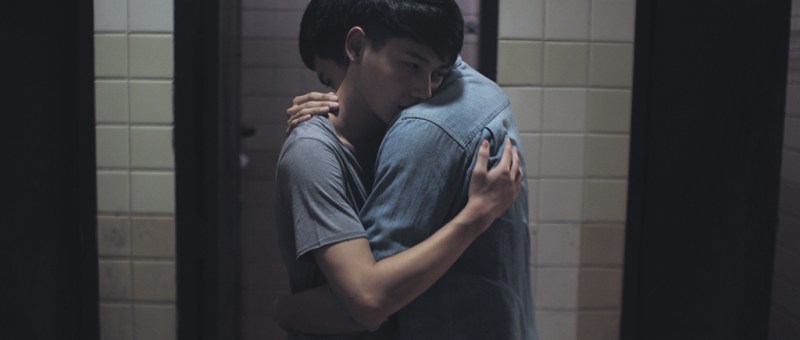
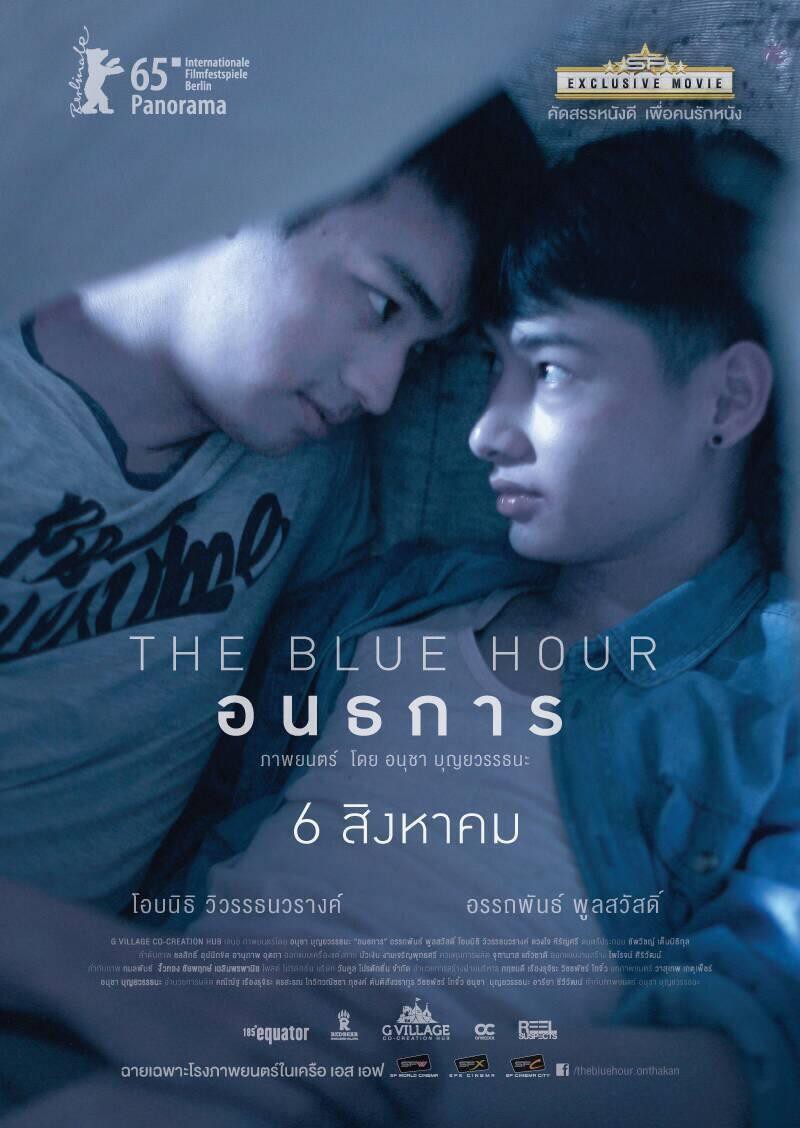
The Blue Hour (อนธการ, Anucha Boonyawatana, 2015)

Reality and fantasy begin to blur for a young man rejected by his family and persecuted by a society he feels has no place for him in the ethereal debut from Anucha Boonyawatana, The Blue Hour (อนธการ). Imbued with a strong sense of spiritual dread, the film casts its duplicitous hero adrift in an increasingly confusing reality in which his relationship with a mysterious boy encountered online may be his only anchor while drawn towards darkness and a lonely obsolescence. 

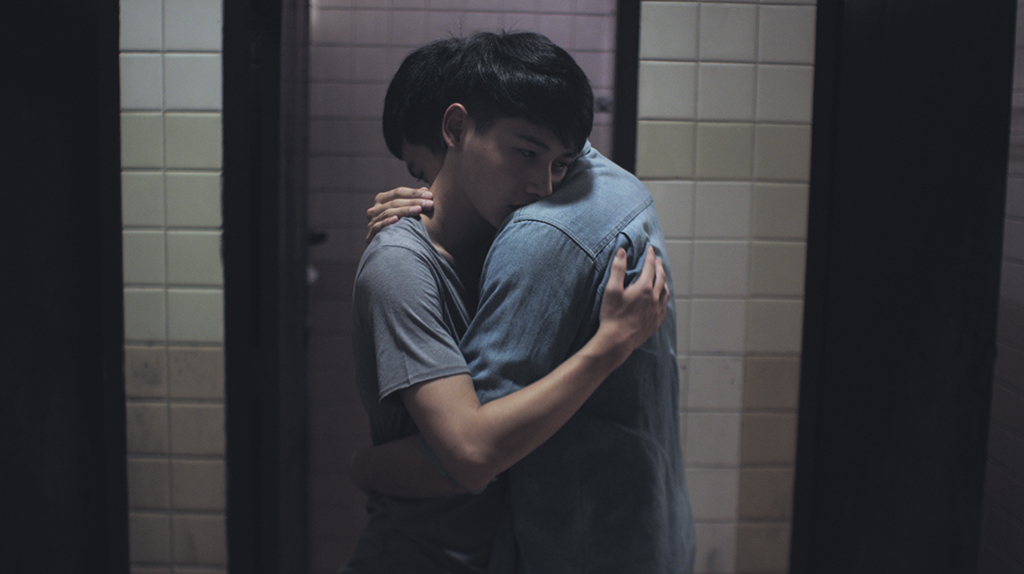
As we first meet high schooler Tam (Atthaphan Phunsawat) he is bloodied and bruised, a scene later repeated finding him beaten by bullies after money he’d supposedly borrowed from them but is unable to to return. He seems to be carrying an intense amount of resentment and self-loathing, not least towards his mother and brother who he says do not trust him accusing him of being responsible for anything untoward that occurs in their home. Then again, as Tam explains to new friend Phum (Oabnithi Wiwattanawarang), sometimes he actually did do what he’s accused of yet still resents the assumption while undermining our faith in him as a reliable narrator of his own history. In any case, Tam’s mother has figured out he’s gay and is very unhappy about it directly asking him why he can’t “change” while taking his sexuality as a personal slight against her parenting, asking him if he hasn’t considered her feelings and reminding him that his father “hates it”. In Tam’s mind his family’s negative view of him is directly tied to his sexuality and concurrent sense of otherness, fearing that they see him as inherently wicked simply because he is different. “My family don’t hit me in the face” he reassures Phum when questioned about the collection of scars and bruises across his body hinting that they hurt him in other ways that the world can’t see. 

Yet his meeting with Phum is also in its way dark and ominous as if Phum himself is one of the spirits of which he later speaks hiding people away until they can claim them for the spiritworld. Their first meeting takes place at a dilapidated, disused swimming pool Phum claims is haunted which has eerie stains in the shape of people covering its walls one of which looks just like the figure of Tam sitting on the pool’s edge. If that weren’t odd enough, Phum later takes him on a date to garbage dump he says is on land that his family once owned but were unfairly cheated out of. This literal dumping ground nevertheless has its own sense of spiritual oddness, Tam finding the body of a man which seems to have regained some kind of life as does the body of a dog he later leaves there. Meanwhile, he’s shot at by a random man with a gun, presumably one of the gangsters Phum says are squatting on his land, and eventually clubs him over the head in act of violence later to recur whether in fantasy or reality outside of Tam’s direct memory. 

When Phum tells him that “if we can get rid of them then this land will be ours. Then we can live here together” he’s perhaps talking more widely or at least to Tam’s fracturing psyche suggesting that if he could rid himself of the oppressive forces in his society then he’d be able to live freely having reclaimed his emotional landscape and cleared it of the trash left behind. His visions become darker, haunted by a sense of dread as he tries to scrub the silhouette of himself from the pool’s wall and encounters bloody scenes of his own violence whether real or imagined. What he seems to seek is the promised oblivion of Phum’s stress beating ritual immersed beneath the murky waters of his escapist dreamscape. Oneiric and elliptical, Anucha Boonyawatana’s beautifully photographed non-linear tale of repression and release paints a darkening picture of the contemporary society for boys like Tam fracturing under the weight of rejection and resentment, their mounting rage and loneliness turned inward yet threatening to explode into self-destructive violence. Hidden away he might well be and bound for another world hand in hand with his mysterious saviour. 


The Blue Hour screens at the Barbican on 23rd May as part of this year’s Queer East.

Original trailer (English subtitles)

Take Me Home (담쟁이, Han Jay, 2020)

A schoolteacher is confronted with the multilevel prejudices of her society in Han Jay’s pointed social drama Take Me Home (담쟁이, Damjaengi). Examining the changing concept of family in contemporary Korea, the film not only addresses deep seated prejudices towards both the LGBTQ+ community and those with disabilities but also an exploitative and unfeeling working environment in which employers adopt the language of family while continually undermining their employees’ interpersonal relationships and always ready to casually discard them should their circumstances change. 

Middle-aged high school teacher Eunsu (Woo Mi-hwa) is in a happy relationship with a much younger woman, Yewon (Lee Yeon), who uncomfortably enough was once one of her students. Though the pair live together, they are not completely out keeping their relationship vague with coworkers and family members Yewon explaining to her colleague that Eunsu is her cousin while Eunsu describes Yewon as a roommate to the sister she barely sees on returning home for her mother’s annual memorial service. Yewon it seems is less cautious, but Eunsu quickly bats away her hand as they walk home together from the local baths worried that someone might see even as they poignantly walk past an elderly couple with no such fear sitting quietly on a park bench. 

Yewon views their relationship as familial despite Eunsu’s occasional anxiety, yet when Eunsu is involved in a car crash which claims her sister’s life Yewon is reminded that she is not “family” and cannot act as Eunsu’s caregiver at the hospital. Even so she becomes temporarily responsible for Eunsu’s now orphaned niece Sumin (Kim Bo-min), her teacher apparently abandoning her with this woman she knows nothing about other than she is in someway connected to Eunsu. When Eunsu comes round and discovers that she has lost the use of her legs and may need to use a wheelchair for at least the next couple of years, it further destabilises her relationships firstly feeling as if she’d be overburdening Yewon and secondly uncertain that she is able to take care of her niece while simultaneously withdrawing into herself wary of her emotional bonds with others. 

Yewon tries to point out that they are family and family knows no burden, compassionately caring both for Eunsu and Sumin as they each try to adjust to their change in circumstances though she too suffers at work unable to explain to her boss that she needed to take time out because her partner had been involved in an accident even as he coldly tells her that time off is only given for a “family matter” while cancelling an opportunity for promotion he’d recently presented to her. Eunsu meanwhile encounters something similar, returning to the school where she works only for her boss to tell her he’ll be letting her go, the implication being that parents will object to a teacher using a wheelchair. He suggests another job in a much more rural location in a school with fewer than 10 children as if hiding her away or suggesting that her disability makes her ineligible for all but the least desirable of positions. Further fuelling her sense of resentment, she’s also subject to a series of sexist remarks to the effect that it’s a shame such a pretty woman met with an accident, as if on the one hand she is no longer desirable and on the other that she’s somehow lost more than someone considered unattractive while continuing to struggle with a unaccommodating society. 

Having begun to accept her new circumstances, Eunsu begins to warm to the idea of herself, Sumin, and Yewon as a family but her hopes for the future are crushed when her attempt to file formal adoption documentation is blocked. On consulting a series of lawyers, she is given the irrational advice that she might be able to win custody but only if she eliminates one of the two bars against her those being a same-sex relationship and her disability. Adoptions she is told are generally only approved for married couples, same-sex marriages currently not recognised under Korean law which also lacks anti-discrimination legislation on the grounds of sexuality, though the lawyer seems to think that the court could be convinced to allow a lesbian or a disabled woman to adopt but apparently not a disabled lesbian which obviously makes no sense at all. The sinister social worker who approaches Sumin alone in a park and asks her inappropriate questions about the nature of the relationship between her aunt and Yewon, which Sumin sees as nothing other than warm and loving like any other couple gay or straight, claims to have her well-being in mind but later snatches her from the back of a taxi depriving her of the loving family home she continues to yearn for while asking Eunsu to make a series of choices and compromises that leave no one happy. 

The villain is clearly the unsympathetic state which places its own idealogical concerns above a child’s happiness though the film’s conclusion cannot help but seem manipulative while leaving aside the more generalised examination of what the word family means in contemporary Korea, the persistent discrimination levelled at the LGBTQ+ community, and the barriers placed in front of those living with disability who find themselves infantilised by a society all too often refusing to accommodate their needs. In any case, the film argues for a world in which no one would have to choose between love and family because they truly would be one and the same. 


Take Me Home screens at Catford Mews on 21st May as part of this year’s Queer East.

Original trailer (English subtitles)

Queer East Film Festival Reveals Full 2022 Programme

Queer East returns to cinemas across London 18th to 29th May with another handpicked selection of LGBTQ+ films from Asia. The special focus for this edition is Thailand with 2003 classic Beautiful Boxer opening the festival while Jose Enrique Tiglao’s sensitive intersex drama from the Philippines Metamorphosis will bring the event to a close on 29th May.

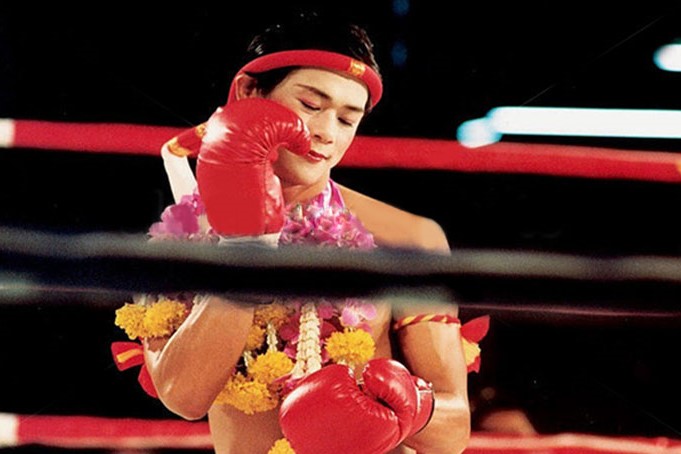
Beautiful Boxer

Inspired by the real life of Parinya Charoenphol, Beautiful Boxer follows Nong Toom who decides to master Muay Thai to earn a living and pay for her gender confirmation surgery.

Metamorphosis

Sending a strong message of acceptance, Jose Enrique Tiglao’s sensitive drama finds its adolescent hero embracing an intersex identity in a patriarchal society dominated by outdated ideas of gender and sexuality. Review.

Coalesce

The hopes and aspirations of three men in Phnom Penh are set to collide in Jessé Miceli’s voyage through the backstreets of the contemporary city. Review.

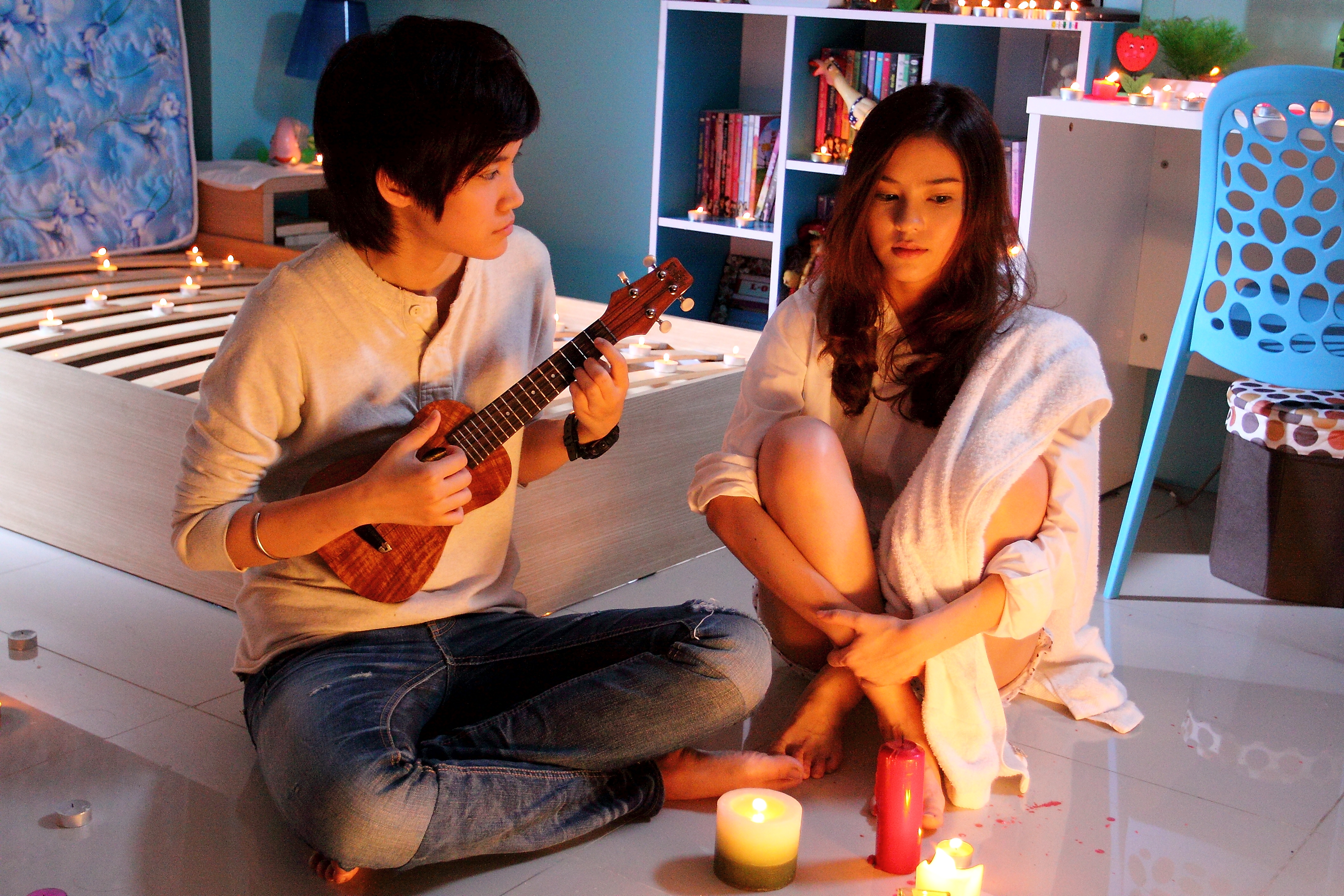
Yes or No

A girl from a conservative family is scandalised by her tomboyish roommate after arriving at university in Saratsawadee Wongsomphet’s romantic comedy.

Richard Fung Double Bill – Orientations: Lesbian & Gay Asians

Landmark 1984 documentary from Richard Fung exploring the lives of queer Asian Canadians in contemporary Toronto.

Richard Fung Double Bill – Re: Orientations

Richard Fung’s followup to his 1984 documentary revisiting many of the participants 30 years later and interviewing younger queer and trans activists to explore the way things may or may not have changed over the intervening three decades.

Take Me Home

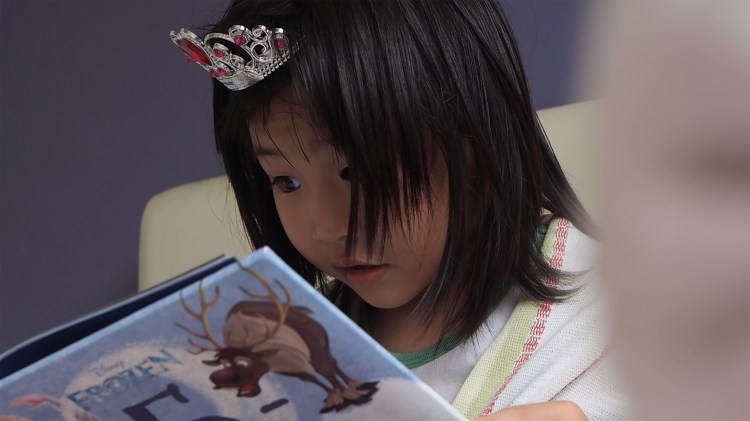
A reserved schoolteacher’s life is turned upside-down when she is involved in a car accident in which her sister is killed. She and her girlfriend decide to take in her orphaned niece but discover that their new family faces many barriers in the eyes of a conservative society.

The Iron Ladies

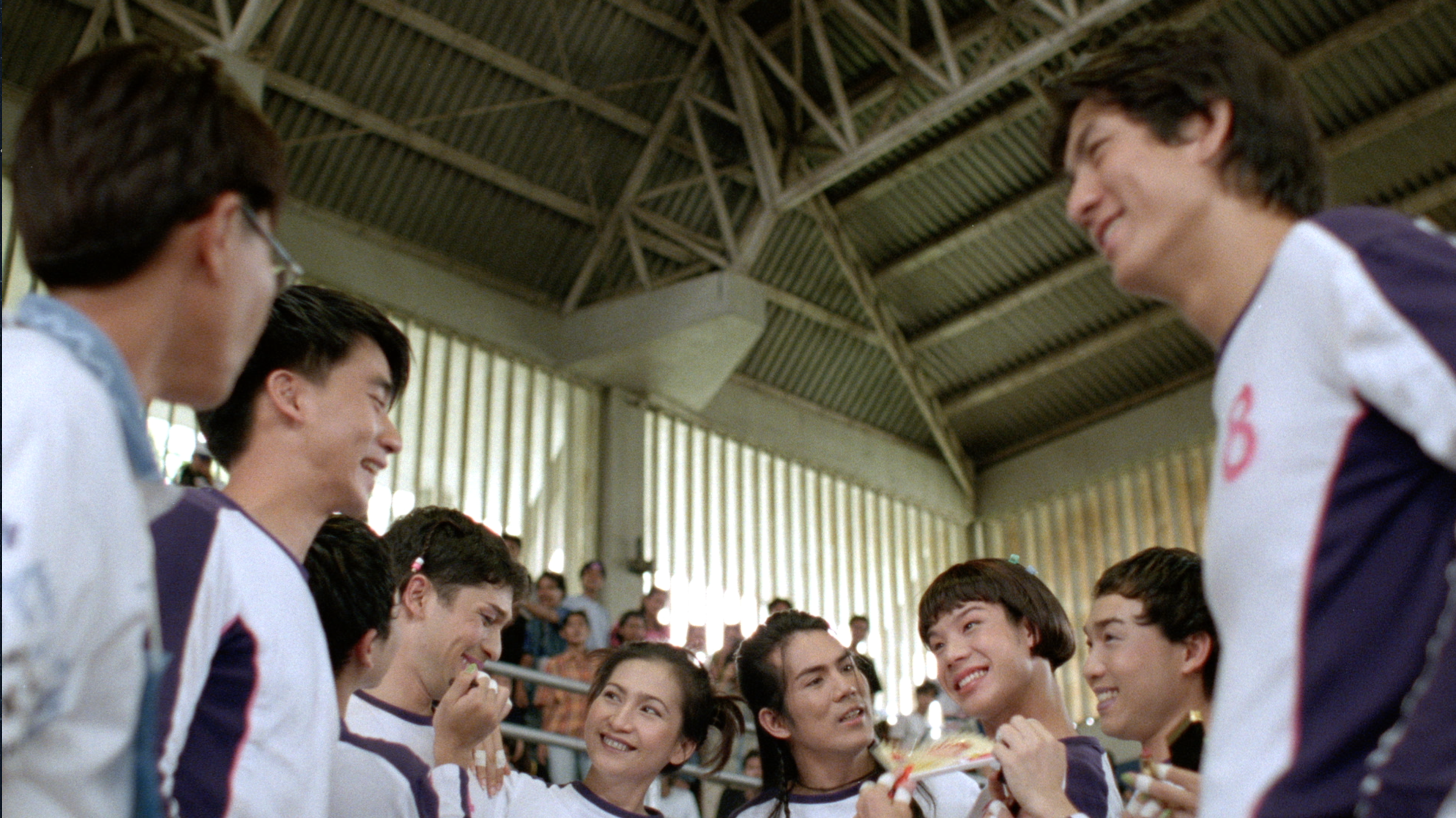
Sporting dramedy in which the members of a male volleyball team quit on discovering the latest two recruits are gay leading them to invite their uni friends including a transgender dancer, a guy who is still in the closet, and a gay army conscript resulting in a team which is majority queer.

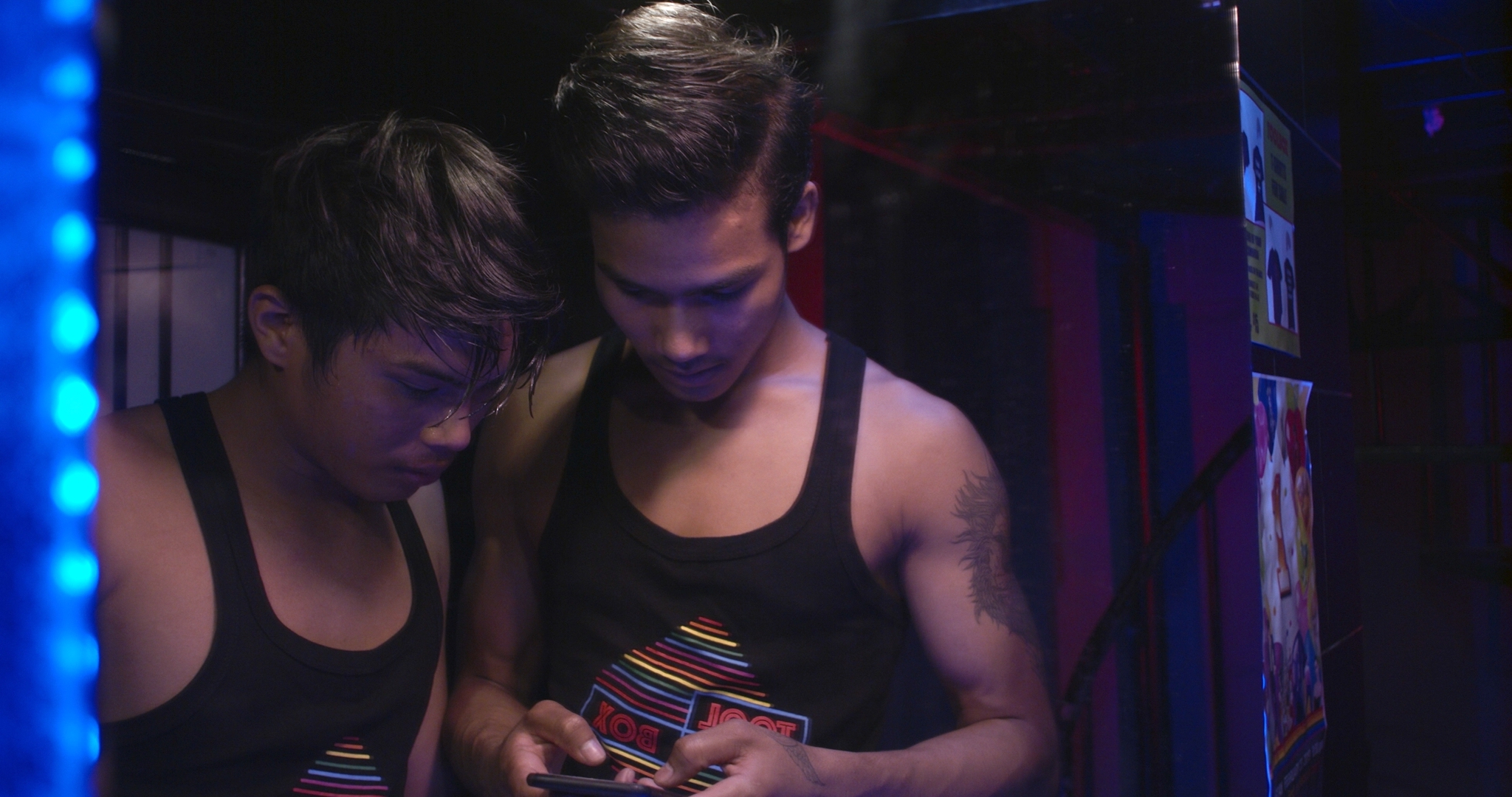
The Blue Hour

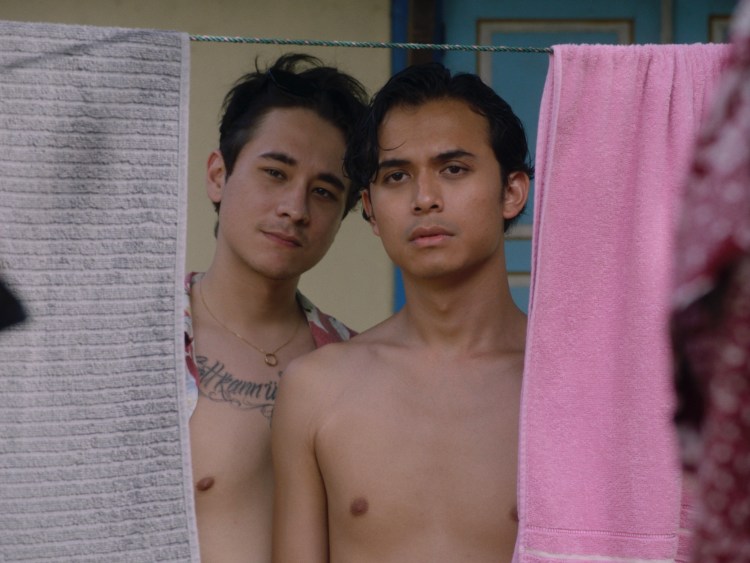
Supernatural drama in which a boy who is rejected by his family and bullied at school because of his sexuality meets a mysterious man from the internet at an abandoned swimming pool only to be swept into a confusing world in which dreams and reality become increasingly blurred.

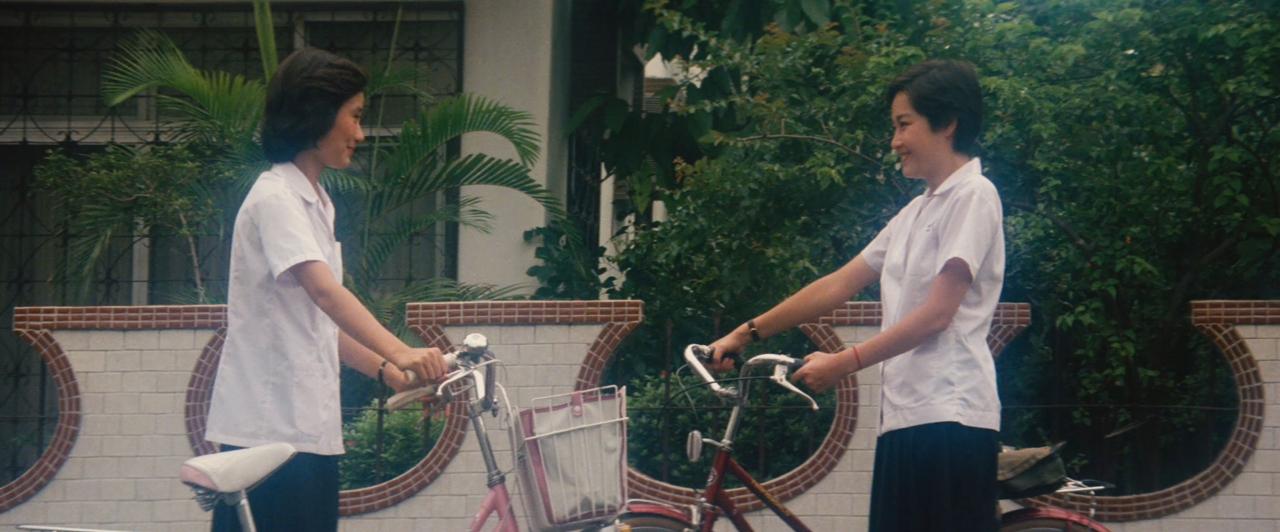
Girls’ School

The intense friendship between two young women is tested when a jealous classmate starts a rumour that they are more than just friends in this landmark Taiwanese drama from 1982. Review.

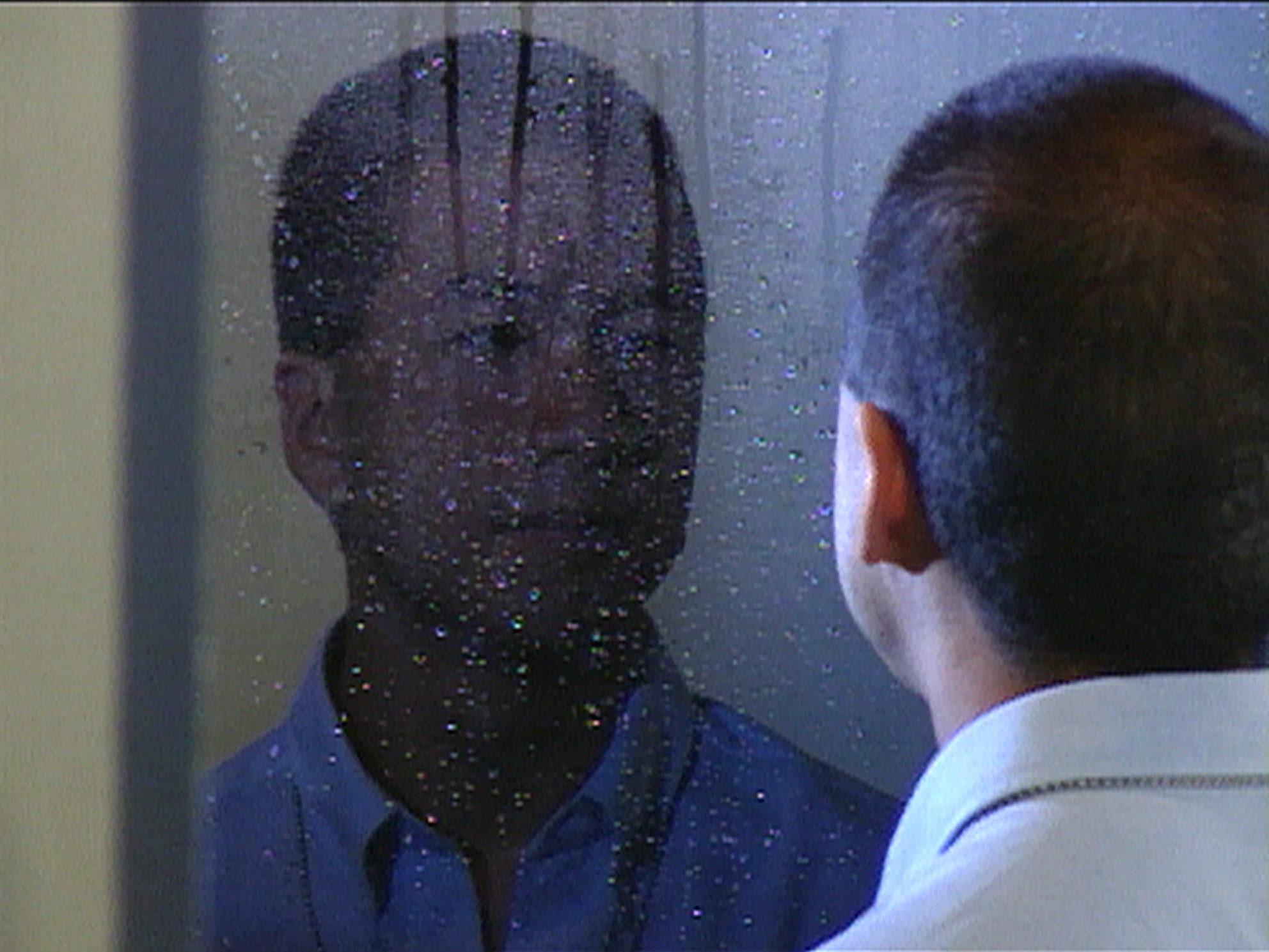
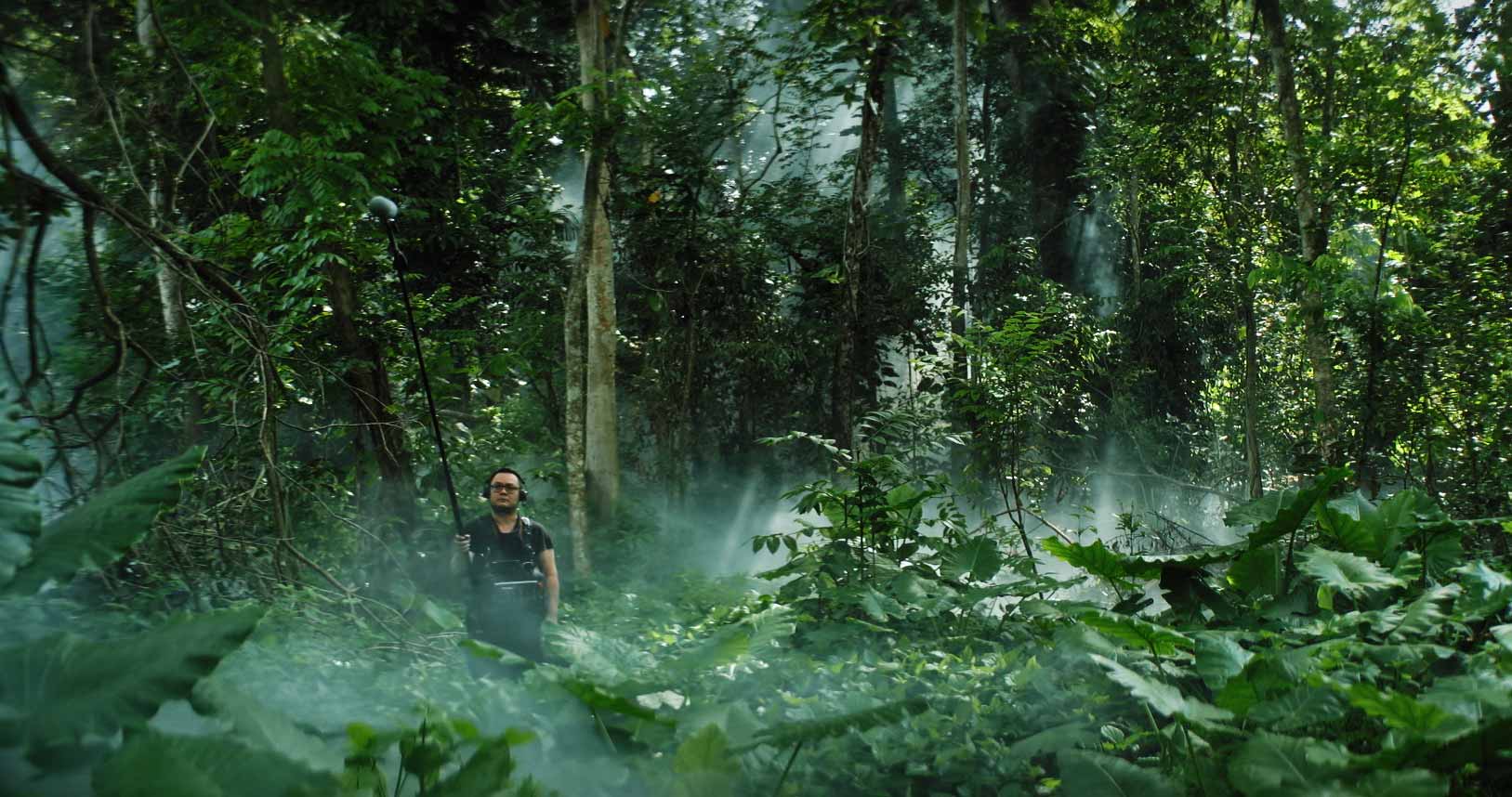
24

Experimental drama from Royston Tan following a recently deceased sound recordist through 24 diverse environments.

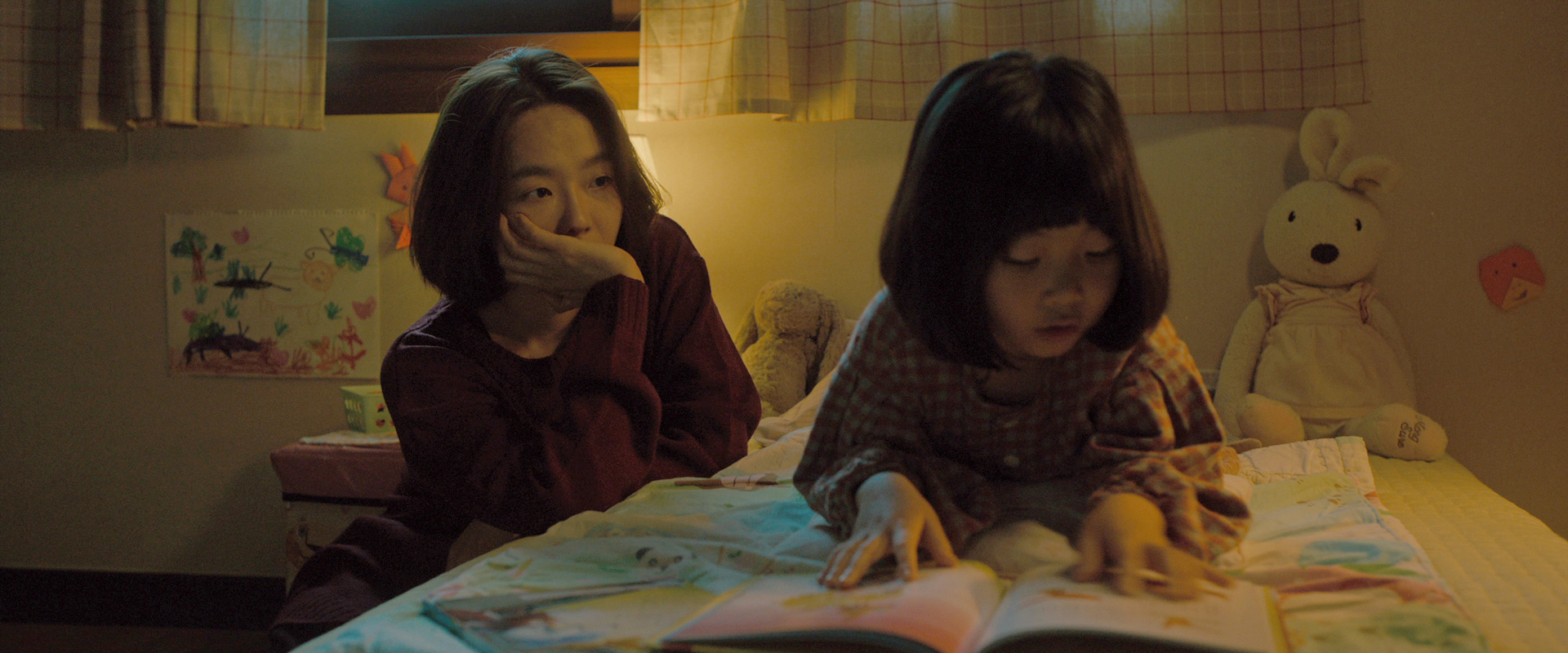
A Distant Place

Having fled the city, Jin-woo has started a new life as a hired hand on a sheep farm while raising his young daughter Seol and waiting for his partner Hyun-min to join him. At first the two men live together happily if discreetly but when Jin-woo’s twin sister, the birth mother of Seol, arrives intending to take her back their distant dreams of a tranquil family life are shattered.

East Palace, West Palace

Screening on 35mm

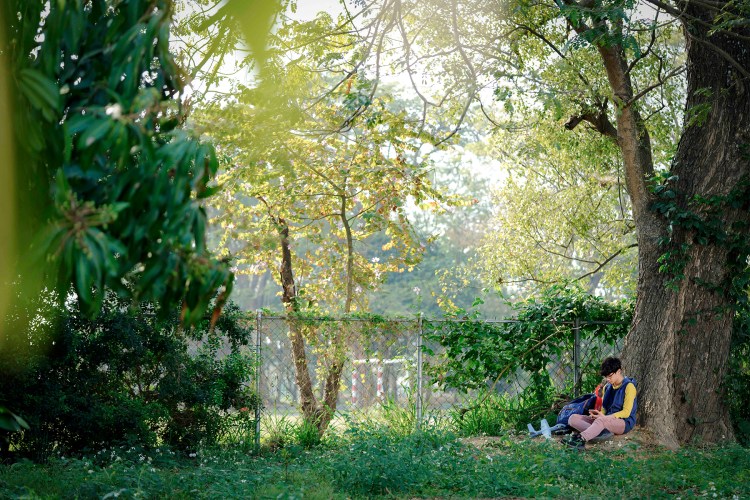
Landmark 1996 drama from Mainland China following gay writer A-Lan who forms a masochistic bond with the police officer questioning him after he is arrested during a night raid at a Beijing park.

Malila: The Farewell Flower

Reeling from tragic loss, a young man reunites with the love of his youth only to discover he has terminal lung cancer and has chosen to forgo all treatment in Anucha Boonyawatana’s melancholy meditation on love, life, and transience. Review.

What She Likes…

A young man struggling to accept his sexuality ironically bonds with a young woman embarrassed by her love for BL or boys love literature which revolves around idealised love stories between men.

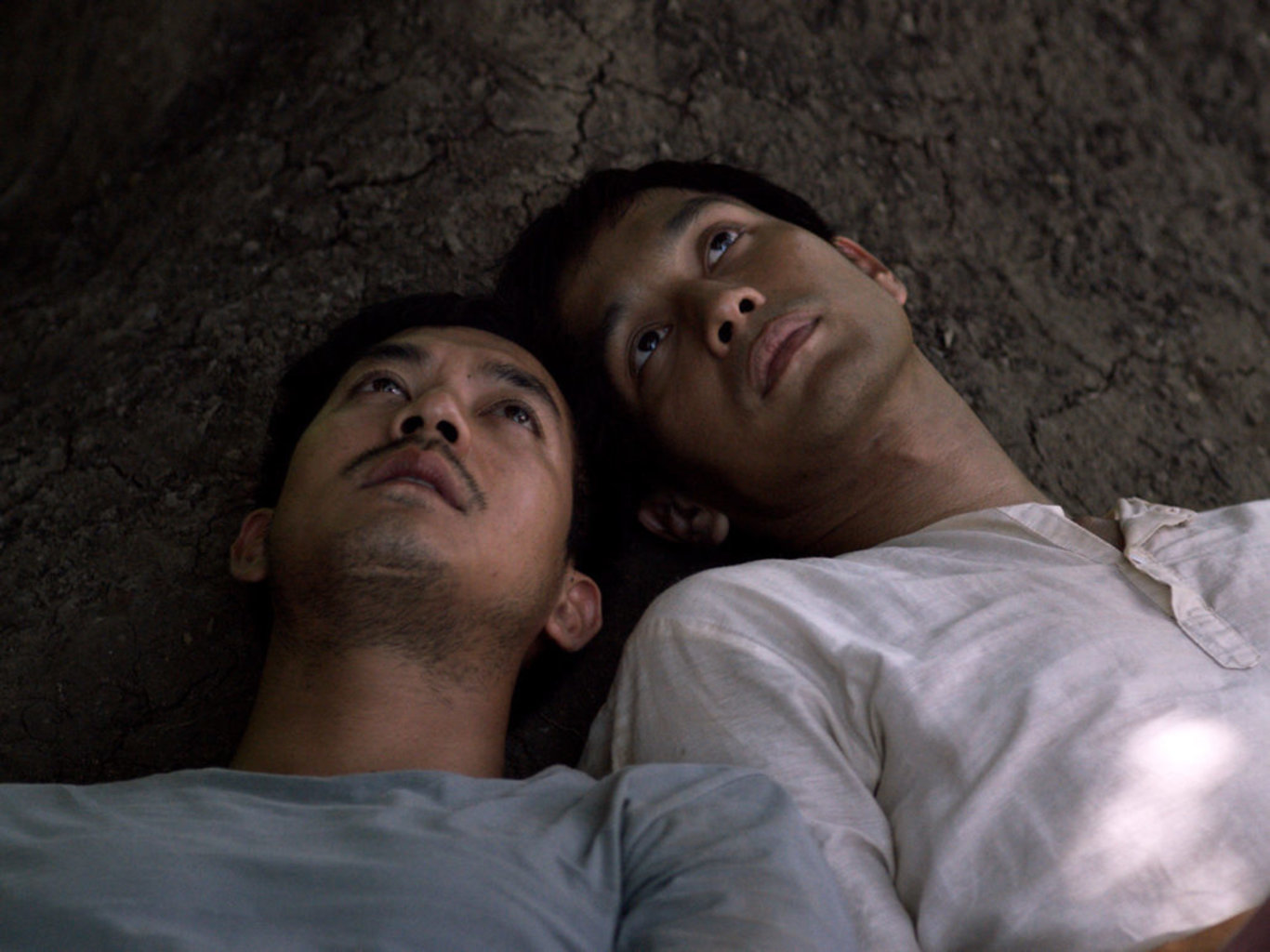
Mundane History

Class conflict jostles with the fading grandeur of a declining bourgeoisie while two young men lament their broken dreams, one believing himself a prisoner of his privilege and the other trapped by economic inequality. Yet despite their differences, the familial disconnections, and the austerity of their “soulless” environment, a connection is eventually formed making way for a rebirth, new life birthed in the ashes of the old. Review.

Love of Siam

Childhood friends reunite by chance at Siam Square one now a popular and handsome guy bored with his girlfriend and the other an introverted musician secretly admired by a neighbour.

I Told Sunset About You TV

Streaming via BFI Player.

Five-episode TV drama from Thailand in which former high school friends meet again while studying for their uni exams and gradually realise that they have feelings for each other.

Shorts

VR Cinematic Experience: In the Mist

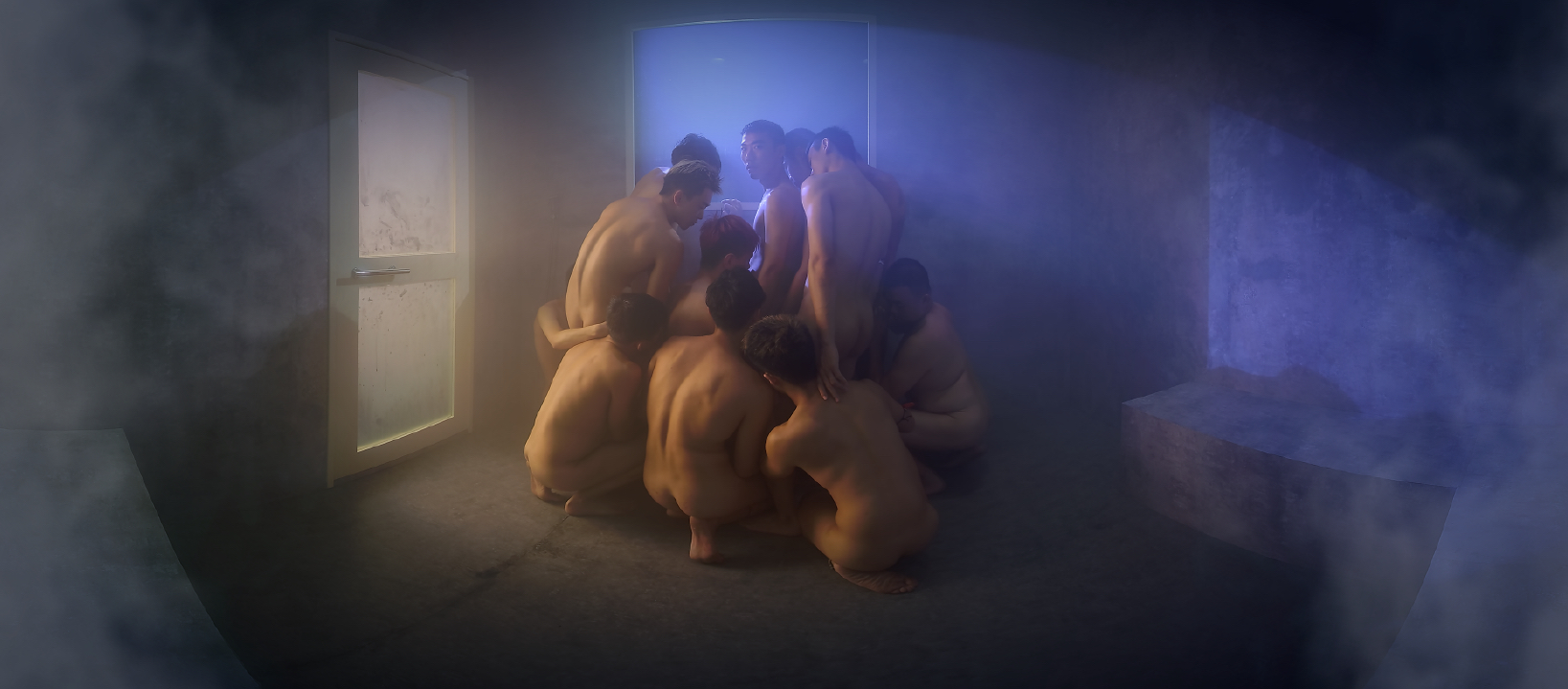
Virtual reality experience from Chou Tung-Yen set in a gay sauna.

Artists’ Moving Images

Queer East runs 18th to 29th May at venues across Central London while a selection of films will also tour to venues around the UK in the autumn. Full details for all the films as well as ticketing links can be found on the official website, while you can also keep up with all the latest news by following Queer East on FacebookTwitterInstagram, and YouTube.

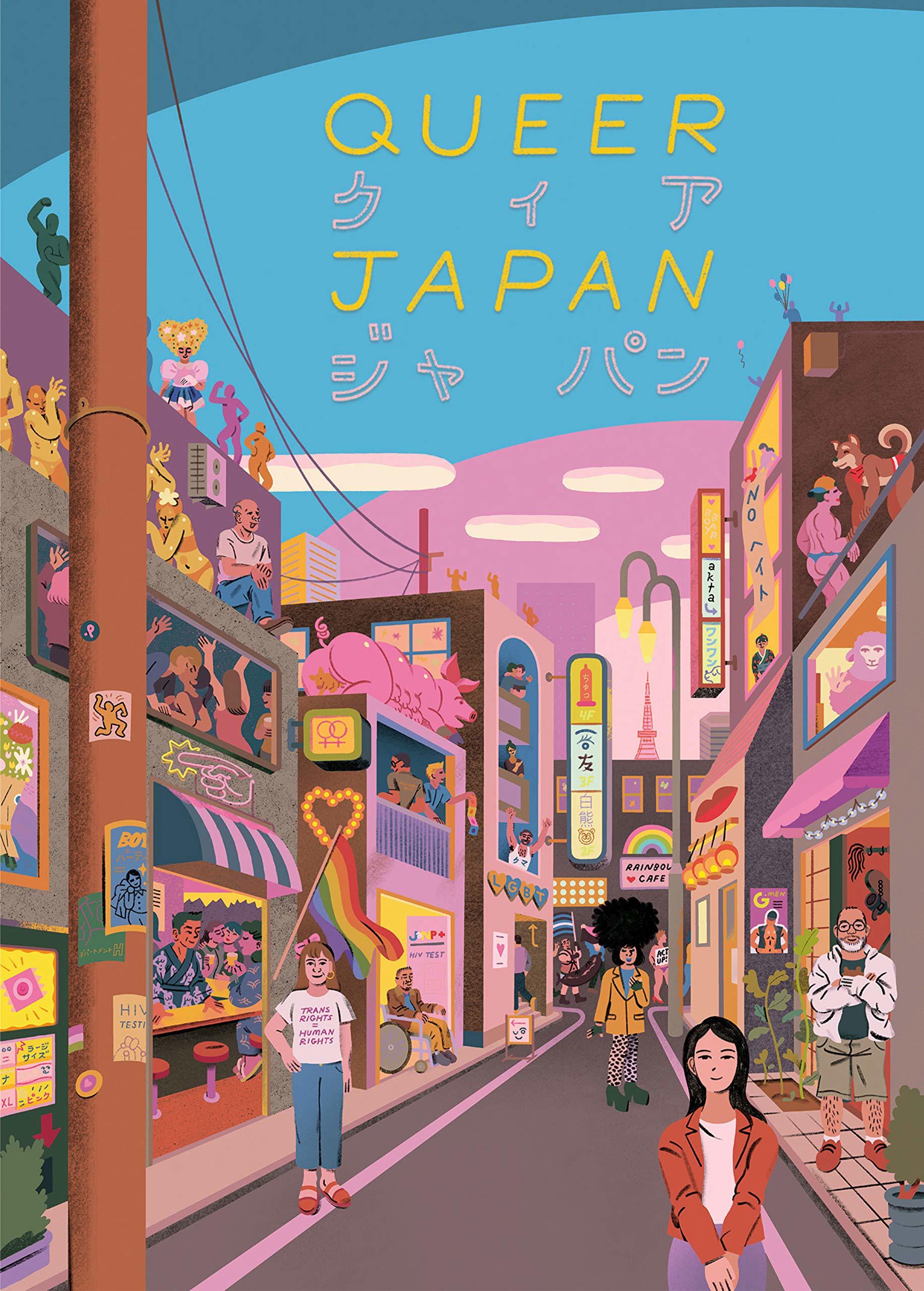
Queer Japan (クィア・ジャパン, Graham Kolbeins, 2019)

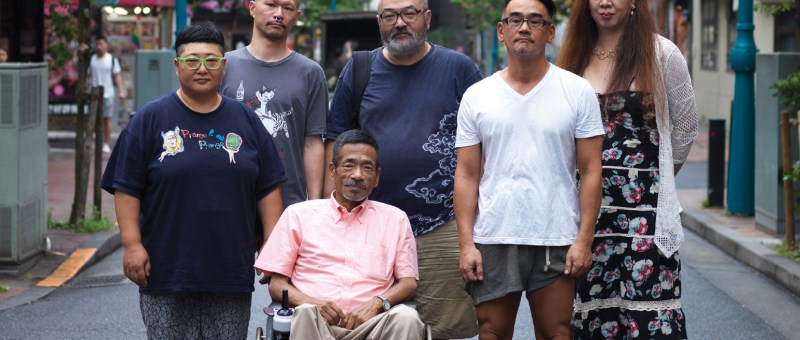
Japan has in recent years become a much more progressive place in which LGBTQ+ rights continue to advance though hopes that hosting the Olympics would finally provoke a shift in the political reality ultimately came to nothing with anti-discrimination and national equal marriage legislation still pending. Released in 2019, Graham Kolbeins’ comprehensive documentary Queer Japan (クィア・ジャパン) as its name suggests explores the lives of ordinary people across the spectrum of the LGBTQ+ community yet cannot perhaps avoid falling victim to, as one interviewee points out, a certain degree of exoticisation even while demonstrating the diversity present with the community itself.

Nevertheless, Kolbeins is keen to stress the warmth and solidarity found with the various subcultures he explores such as that surrounding Department H, a costume fetish ball at which all are welcome from gay furries and puppy play enthusiasts to avantgarde artists such as a young woman whose multi-person rubber pig giving birth is notable inclusion. As the club’s hostess, drag queen Margarette, points out the fetish scene often transcends ideas of gender, the club providing a totally safe, inclusive, and relaxed place where anyone can come to be themselves and find acceptance. 

That has not always been true when it comes to other aspects of the community as evidenced by the controversy surrounding lesbian bar Gold Finger which came under fire some years ago for refusing admittance to transwomen under its longstanding women only policy. Interviewed here Chika Ogawa outlines her original reluctance to admit transmen who had previously been frequent customers prior to transition but eventually reconsidered to team up with another group to host an evening geared towards transmen and masculine women as a place where the community can come together. 

As explained by activist Fumino Sugiyama, it is legally possible to change one’s gender in Japan though the conditions are somewhat draconian and require the surgical removal of reproductive organs which some have viewed as a breach of fundamental human rights. The change in the law was largely due to Japan’s first transgender lawmaker Aya Kamikawa who outlines how difficult her life had been unable to change her gender on her family register creating problems when trying to rent an apartment, access healthcare, or gain employment. She admits that the law passed was very strict, but laments the limits of what is possible under the current LDP administration and its ultraconservative outlook as evidenced by gaffe-prone politician Mio Sugita’s characterisation of the LGBTQ+ community as “unproductive” and therefore not deserving of social benefits. 

Pioneer of gay manga and G-Men co-creator Hiroshi Hasegawa remarks that the oppression faced by the community in Japan is often less direct than it might be elsewhere operating largely through societal shaming and a conformist social culture. Kolbeins discovers this to be true on visiting other cities such as Naha, Okinawa, where a cheerful dentist reveals that he only embraced his love of dancing at the age of 33 and spoke to no one for two years after receiving a bad reaction to coming out during university. Nevertheless, in the face of this indirect oppression the community has developed a sense of comprehensive, intersectional solidarity often coming out to counterprotest racist prejudice against ethnically Korean citizens and discovering that the anti-racist straight community often comes to Pride to support them in return. Bearing out this spirit of intersectionality, Queer Japan is fully subtitled in Japanese throughout while a deaf LGBTQ+ activist highlights the importance of proper sign language interpretation which is familiar with the community.

Even so, Japan’s LGBTQ+ community is subject to the same concerns as many others from around the world one Pride goer criticising the increasing commercialisation of the event, sympathetic that some degree of sponsorship is necessary to hold a celebration on this scale but also that you need to be accountable. Meanwhile a young trans person objects to the celebratory atmosphere insisting that all they want is to feel safe using the bathroom, love can wait. There is clearly work to do, but also much already accomplished one vox popper enthusiastically listing all of his various fetishes with thinly concealed glee while making a serious point about normalising condom usage. Featuring internationally well-known figures such as gay erotic manga pioneer Gengoroh Tagame alongside activists and ordinary members of the LGBTQ+ community, Kolbeins’ handsomely lensed doc showcases the diversity of queer life in Japan while never losing sight of the battles still to be won. 


Queer Japan screened as part of this year’s Queer East.

Original trailer (English subtitles)

Gohatto (御法度, Nagisa Oshima, 1999)

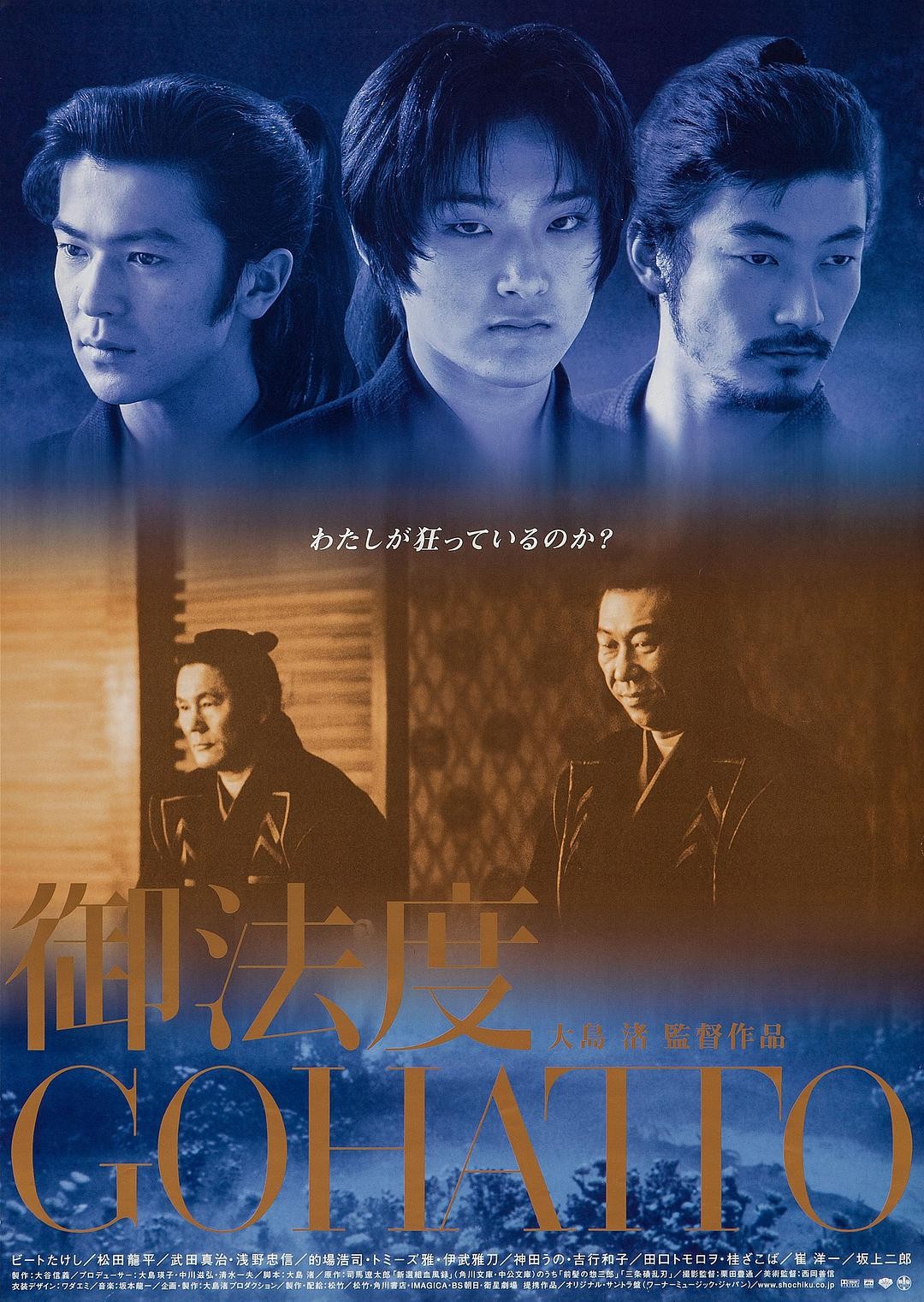
Nagisa Oshima once said that his hatred of Japanese cinema extended to absolutely all of it, decrying the hackneyed nativism of “foggy beauty and stupid gardens”, yet his final film is filled with Mizoguchian mist and almost a paen to Japanese aesthetics which ends with a cherry blossom tree in full bloom cut down in its prime. Burdened by the slightly more salacious title “Taboo”, Gohatto is less about love between men in an intensely homosocial world even as it asks what it might mean by “forbidden” or “against the law” than it is about idealism and aesthetics as its band of contradictory conservatives unknowingly approach the end of their world in a coming modernity ushered in by dangerous beauty. 

Set in the Kyoto of 1865, a scant three years prior to the Meiji Restoration, the film opens with an audition of sorts as the Shinsengumi search for promising new recruits among talented swordsmen. Already a mess of contradictions, the Shinsengumi is, loosely, a kind of official police force dedicated to defending the Shogunate against the revolutionary forces set on restoring power to the emperor. Nevertheless, in an odd way and in contrast to the elite Mimawarigumi which was staffed only by direct retainers to the Shogun, the Shinsengumi was noted for its lowkey egalitarianism in that it made a point of admitting those of ordinary birth as well as lower level samurai and ronin. Of course, the notions of equality only went so far and perhaps only fuelled its reputation for merciless savagery, but also make it a strangely progressive force fighting against progress in defence of the feudal status quo. 

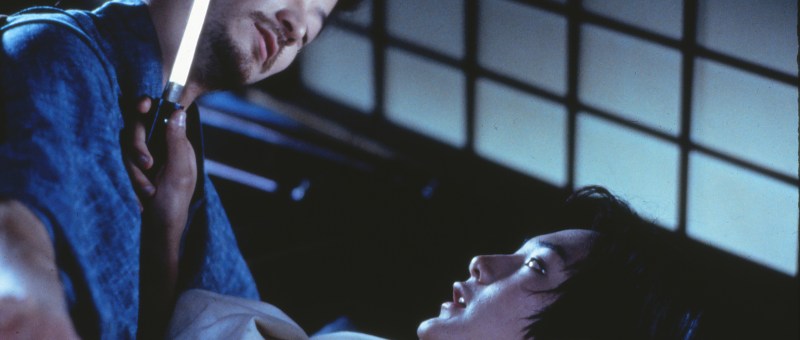
Only two of the hopefuls are thought to be any good, one a young ronin, Tashiro (Tadanobu Asano), and the other a beautiful boy, Kano Sozaburo (Ryuhei Matsuda), the third son of a wealthy merchant whose line were once samurai but are no longer counted among the noble retainers. A talented swordsman, Sozaburo’s dangerous beauty presents an existential threat to the Shinsengumi order, the steely Hijikata (Takeshi Kitano) looking on conflicted in witnessing the way his commander, Kondo (Yoichi Sai), looks at this vision of androgynous beauty remarking that he had not known him to be “that way inclined”.

Being that way inclined does not seem to be a particular issue within the Shinsengumi, it is not against their draconian rules and in fact appears to be tolerated at least as long as it causes no further problems. Kondo is however mindful of the chaos caused by a similar wave of homoerotic lust which took hold shortly before a climactic battle which would prove to be their last success. What Sozaburo seems to arouse in them is something more dangerous than the accepted patterns of love between military men which is in a sense sublimated as a mentor/student relationship, loyalty more than romance. Tashiro, who is of a similar age to the apparently 18-year-old Sozaburo, lets his desire be known, vowing to sleep with him before he dies ironically acknowledging Sozaburo for what he is, an angel of death. 

For his part, Sozaburo remains curiously passive in each of his encounters, aroused only it seems by the act of killing. Yet Hijikata discerns that he has indeed become Tashiro’s lover on witnessing them fight, Sozaburo losing clumsily despite being the more skilled in a dynamic that mimics their relationship in which Tashiro is the dominant partner. Aware of the danger in Sozaburo’s allure, Kondo suggests having a superior take him to the red light district to show him the delights of woman hoping to guide him back towards a less dangerous path, only the attempt backfires on several levels. Firstly, Sozaburo has no interest in women and continues to decline believing his commander is also hitting on him (like everyone else), thereafter determined to seduce him after all. Another retainer does indeed succeed in seducing Sozaburo, developing a mild obsession, but later ends up dead, Tashiro a main suspect in his murder with the motive of sexual jealousy though all of this additional violence is perhaps only an expression of Sozaburo’s dangerous beauty. 

As so often, sex if not love becomes the force which destabilises the social order only here it’s equated both with death and with an alternative mediation of male violence. Perhaps reflecting the way they look to the 18-year-old Sozaburo who makes a faux pas in accidentally suggesting at least one of them is of pensionable age, the ranking members of the Shinsengumi are played by actors already well into their golden years as if relics of a bygone era though in reality most were in their 30s. As Soji (Shinji Takeda), a filial figure like Sozaburo wearing long hair, puts it, there are no old men in their unit which is in essence an anti-revolutionary force. Nevertheless, the Shinsengumi is on the wrong side of history and already living in its end times, perhaps ushered towards its doom by the figure of the beautiful boy. “You were too beautiful”, Hijikata eventually laments as he finally perhaps understands the nature of the revolution he is witnessing. Perverse to the last, Oshima sets his ethereal finale in a stygian fog and pays an ironic tribute to the Mizoguchian classicism he so railed against in his youth, taking a sword to the cherry blossoms as he like Hijikata severs his own legacy in a moment of destructive beauty. 


Gohatto screens at Genesis Cinema on 25th September as part of this year’s Queer East

International trailer (English subtitles)

Madame X (Lucky Kuswandi, 2010)

“With the force of rainbows I will punish you all” transgender superhero Madame X exclaims as she takes on bigotry and self-interest to fight for human rights in a largely oppressive social culture. Despite emerging from long years of authoritarian military dictatorship in 1998, Indonesia’s LBGTQ+ community finds itself in a marginalised position with homosexuality still taboo and illegal under religious law in certain parts of the country. Lucky Kuswandi’s high camp, pure punk tale of a transwoman embracing her inner power to claim her place in society while standing up against intolerance is a bold advocation for a more compassionate world but also a whole lot of anarchic fun. 

It’s transgender hairdresser Adam’s (Amink) birthday and unbeknownst to her, her life is about to change. A mysterious client arriving at the salon warns her that she shouldn’t go dancing because there’s a kind of dance so dangerous it might end her life. Adam ignores her and goes anyway but is set up by her awful boyfriend and captured by anti-gay vigilante group Bogem who bundle all the transwomen in the place into their pickup truck for “recycling”. During the journey, Adam’s best friend Aline (Joko Anwar) is killed by Bogem leader Storm who turns out to be the head of the National Morality Front, a political party denying any ties to far right violence. Taken in by an LGBTQ+ friendly Lenggok dance studio in the dreamily named village Beyond the Clouds, Adam struggles to rebuild her life but receives a new mission when Aline appears to her in angelic form and demands vengeance. 

“There’s no place for us in the real world” Adam explains at the bar when a potential client asks what a nice girl like her is doing in a place like this, telling him that there are no “normal” jobs for women like her and so she has no other option than to make ends meet through sex work. Bogem refers to the transwomen as “trash”, as if they’re cleaning up the city while touting magnanimity in their intention to “recycle” them so they can be returned to mainstream society as “normal” men. Despite having three wives, their identities hidden by their colour-coded burkas, Storm preaches old fashioned family values but later is revealed to have ties to human trafficking mediated through Tarjo (Ikhsan Himawan), a local man continually dressed like a religious leader who himself is hiding an aspect of his sexuality from his sweet and innocent fiancée Ratih (Saira Jihan) whom he has convinced to give up her career as a lenggok dancer to become a “migrant worker”.

Lenggok, a traditional Indonesian dance, turns out to be the one that the mysterious woman said would end Adam’s life which is one reason she was reluctant to take it up, but only because the way former military instructor Uncle Radi (Robby Tumewu) is teaching it is really a martial art. Radi is himself in a happy longterm relationship with trans woman Auntie Yantje (Ria Irawan) who now uses a wheelchair because the strain of living has taken such a profound toll on her health as she and Radi attempted to stand up to injustice. With the help of mute servant Din (Vincent Ryan Rompies), they’ve built a secret base behind their bedroom filled with amazing gadgets made out of cosmetics and accessories, as well as a beautifully designed superhero suit just waiting for a hero. Adam can only embrace her destiny as Madame X by first accepting her national legacy in Lenggok dance, along with her identity as a transwoman and the trauma of her first love. 

Told in flashback, the melancholy story of Adam and Harun becomes a point origin in the tragedy of love destroyed by oppressive patriarchal authority. “You’re the one ruining my son” Harun’s father claims before literally scarring his own boy and leaving him with an internalised homophobia which encourages him to blame Adam for arousing in him such taboo desires. Yet Adam fights back with the tools used against her, vanquishing her foes with the power of the rainbow. Rich with pop culture references from the Bond-esque opening titles to a Sailor Moon meets Wonder Woman transformation scene imbued with its own particular irony, Madame X is an anarchic tale of high camp hijinks but also a heartfelt origin story for a transgender superwoman claiming her space and standing up for the oppressed in an increasingly hostile environment.  


Madame X screened as part of this year’s Queer East.

Original trailer (no subtitles)

Secrets of 1979 (弓蕉園的秘密, Zero Chou, 2021)

Love is a political act in the latest film from Zero Chou, Secrets of 1979 (弓蕉園的秘密, Gōng Jiāo Yuán de Mìmì). As history repeats itself, a now ageing woman is called back to the past on witnessing the Hong Kong democracy protests triggering memories of the Kaohsiung Incident and her youth fighting for political freedom in martial law Taiwan. Chou’s betrayed heroine dreams of a future in which all voices can be heard and all loves embraced, a future that in some senses may have come to pass, yet tragically too late for some forced to believe that their love must forever remain a secret. 

Malaysian student Shu-lan (Daphne Low) falls for Kuan (Chen Yu), the daughter of a banana plantation owner majoring in art as part of a teacher training programme. The pair draw closer while sharing a room, and a bed though partly because those two things are mainly the same, over the summer while Shu-lan takes a job at the farm but their innocent romance is soon overshadowed by the revelation that Kuan’s brother Siu (Hsu Yu-ting) has become involved with the movement against martial law producing a magazine critical of the government. Though they could never know it, their love will lie at the centre of a political divide, cruelly used against them even while they commit themselves to the battle for freedom and human rights. 

Soon after the film opens, a young man walks into Shu-lan’s classroom with application forms to join the nationalist governing party of the martial law one party state, the KMT. The idea does not seem popular among the students, but some are interested if treating it with a degree of irony explaining that they’d only be joining to take advantage of the generous perks which include free travel back to your hometown to vote and access to scholarships, or else because it may be advantageous in their future careers. Shu-lan is fiercely disinterested and attempts to politely decline, but the recruiter, Chih-hsiang (Sean Sun), has an obvious crush on her and won’t take no for an answer thrusting a form into her hand to think about later while lowkey resentful as she distances herself from him to leave with Kuan. 

Kuan, meanwhile, has just been subjected to an unpleasant grilling in her art class when she tried to stand up for a painter rumoured to be gay provoking a homophobic rant from several of her classmates who then openly mock her for being a lesbian. Perhaps surprisingly the rumour of homosexuality does not cause either of the girls particular problems with the authorities or their fellow students save for further irritating the extremely creepy, generally evil, and cruelly manipulative fascist Chih-hsiang who views it as merely another bargaining chip in his pointless quest to convince Shu-lan who has no interest in men (or members of the KMT) to go out with him. The problems that Shu-lan faces which are partly set up by Chih-hsiang so he can save her from them, are largely to do with her status as a foreign national and involvement with politics accused of collaborating with communists for listening to Chinese folk songs sent by her teacher in Malaysia. 

These are all reasons, along with her treatment at the hands of the authorities, that eventually convince her she must renounce her love for Kuan in order to keep her safe in fear that she too will be implicated as a politically suspicious person. Prior to that, she’d been learning Taiwanese and hoped to stay living on the banana farm with Kuan whose family seem relatively relaxed about the relationship, only for their love to be stamped out by oppressive authoritarianism and the machinations of a petty and jealous man. The bookending sequences set in the present day and featuring a Kuan who seems much older than a woman who’d only be in her mid-60s remind us that though Taiwan may have become a relatively progressive place in which same-sex marriage has been legalised, the battle is never really won as the young people of Hong Kong too campaign for freedom and democracy. But Kuan is left only with her secrets and her sadness stuck in the summer of 1979 and a love never to be told. 


Secrets of 1979 screens at Lexi Cinema on 21st September as part of this year’s Queer East. It is also available to stream in many territories via GagaOOLala.
Original trailer (English subtitles)

My Dear Friend (好友, Yang Pingdao, 2018)

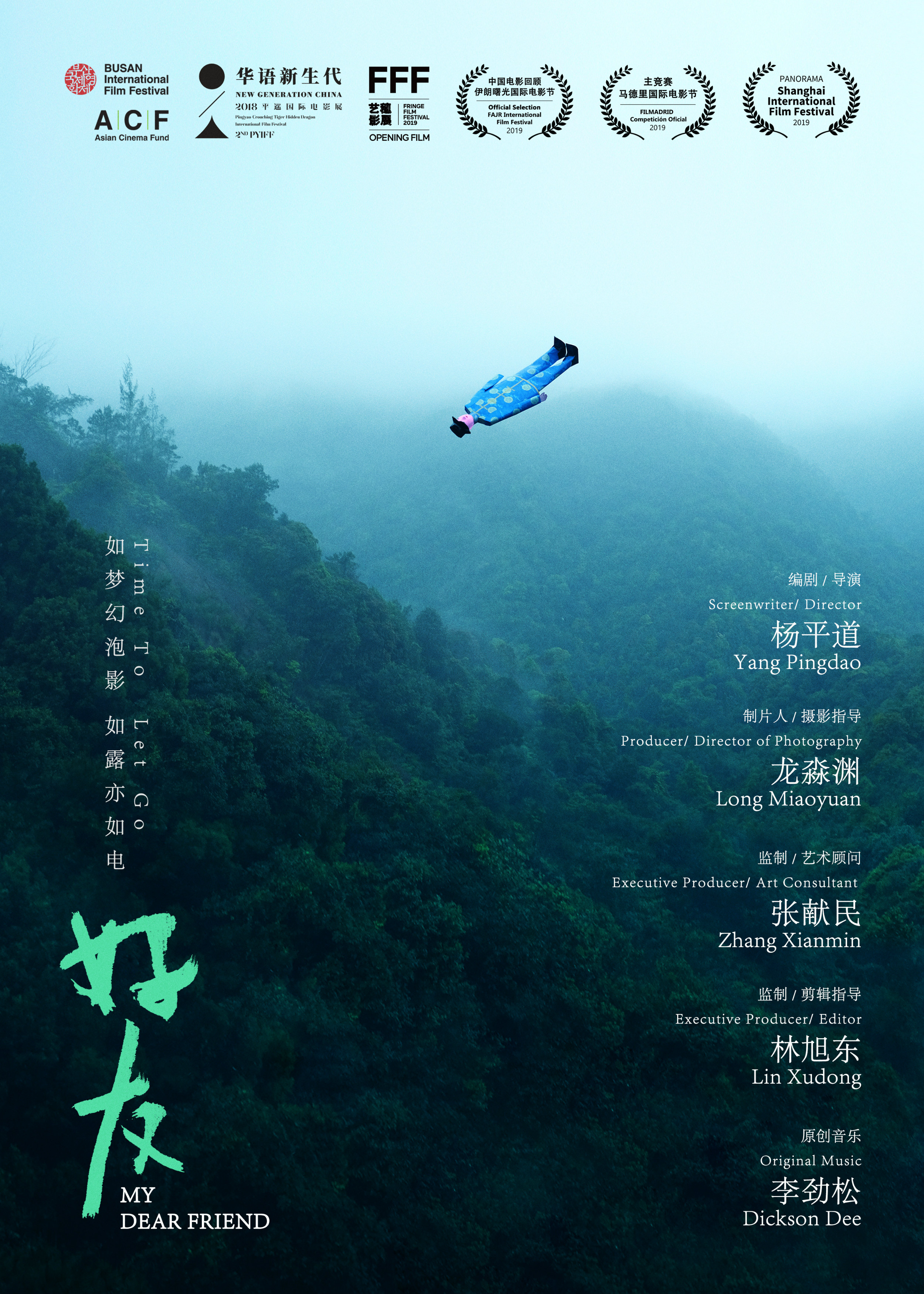
“What’s right or wrong doesn’t matter anymore. Being at peace is what matters.” an old man insists, attempting to help his troubled companion regain a sense of himself at the end of his life. A magical realist fable, Yang Pingdao’s My Dear Friend (好友, Hǎoyǒu) quite literally sends its elderly heroes back into the past as if they had become unstuck in time but also bears witness to the inexorability of fate as events seem only to repeat themselves from one generation to the next. 

The film begins, however, with a literal intrusion of the present into the past as city girl Jingjing (Gabby So) drives her red saloon car, more suited to a morning commute than a trek through the mountains, into a rural village, rudely barging into the home of elderly couple A-Fang (Jiang Hong) and Shuimu (Luk Suk-Yuen AKA Robert Loh) in search of their grandson Yiming. Jingjing claims that she is pregnant and Yiming is the father, but now he’s ghosted her so she’s come to make him assume his responsibilities. Unfortunately Yiming isn’t there, but rather than scandalised or ashamed as one might have assumed them to be, A-Fang in particular and her husband seem to be both relieved and excited to the extent they don’t really want Jingjing to leave which might explain why her car won’t start the next morning. 

While staying with the elderly couple, Jingjing hears that absent fathers run in the family. Shuiming’s father disappeared suddenly without warning or explanation leaving his mother to raise him alone, while his son also abandoned Yiming to run off with an impoverished bar hostess who had four children of her own. Yiming’s mother remarried, leaving the boy with his grandparents. Jingjing asks why Shuimu didn’t leave and he doesn’t answer her, but following him around she may have stumbled on the answer in his 60-year, apparently secret friendship with a man of the same age who appears to be mute and intelligible to Shuimu alone. Zhongsheng (Lu Haoquan), as the man is called, is a man without a past apparently having no memory before the age of ten. Once her car is fixed, Shuimu asks Jingjing to drive them to another village 300km away where Zhongshen thinks he may be from, obsessed with a rumour about a child who survived a massacre by “four psychos” after falling into the river. 

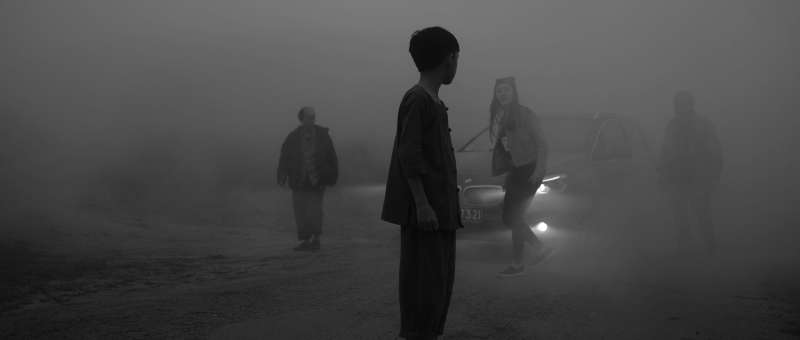
Things that drift loom large. Shuimu muses on a giant fish head apparently washed down by the voiding of the dam the head then linking back to a strange pipeline that reminds them of a giant whale only without its mouth as if something had been uncapped or opened to the elements. Travelling through mist and fog, the trio stop their car in what seems to be the meeting of a wedding and a funeral as a procession passes by them made of men and women from another time, wearing donkey jackets and silently carrying umbrellas, seemingly filled with solemnity. Shuimu and Zhongsheng encounter younger versions of themselves, a version of their story replaying itself as the boys become men who might equally be Yiming and his friend in this strange place where past and present co-exist. 

Yet Shuimu is perhaps looking for the truth of himself as much as his friend, Zhongsheng’s name apparently originally his only his mother changed it on the advice of a fengshui master worried he lacked water (水 shui) and wood (木 mu) though Shuimu liked the other name better. He also gives Zhongsheng his own birthday, making of him another self, in a sense a secret shadow self unable to speak though Shuimu is always able to interpret his thoughts perfectly. He sees a similarity in Jingjing and A-Fang, one which she also sees, a little jealous of the younger woman’s freedom lamenting the simplicity of her wedding and harshness of her life since. Both sharp tongued they’ve become prickly in the unreliability of men, each searching A-Fang like Zhongsheng’s mother calling out at night for her wandering husband only hers always comes back. Don’t become like me, she tells Jingjing, pledging to drag Yiming back and give her the proper wedding she never had. 

Zhongsheng complains A-Fang haunts him like a phantom, yet everyone here is already a ghost literally haunted by historical trauma and parental failure. Shuimu and Zhongsheng search for truth and identity, but find themselves in a place they no longer recognise which in turns claims not to know them. Perhaps truth isn’t so important, Shuimu claims, as peace, deciding the entire earth is a grave, make your offerings where you will. Aided by the rolling mists, Long Miaoyuan’s ethereal photography adds to the sense of mythic grandeur in this long sad story of enduring male friendship and perpetual orphanhood carried away in the grand ever flowing river of life and death.


My Dear Friend screens at Curzon Hoxton on 18th September as part of this year’s Queer East.

Original trailer (Simplified Chinese / English subtitles)