Kokuho (国宝, Lee Sang-il, 2025)

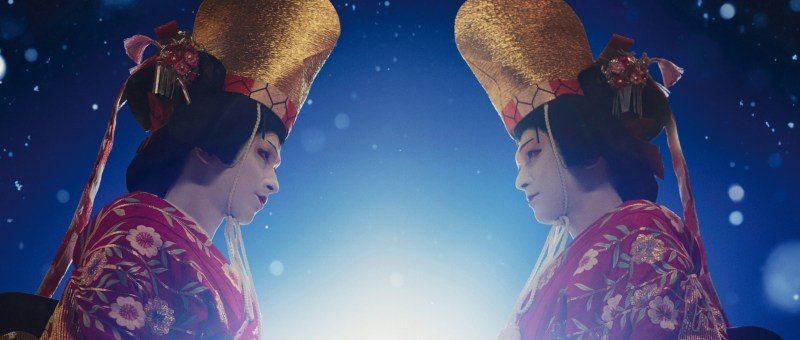
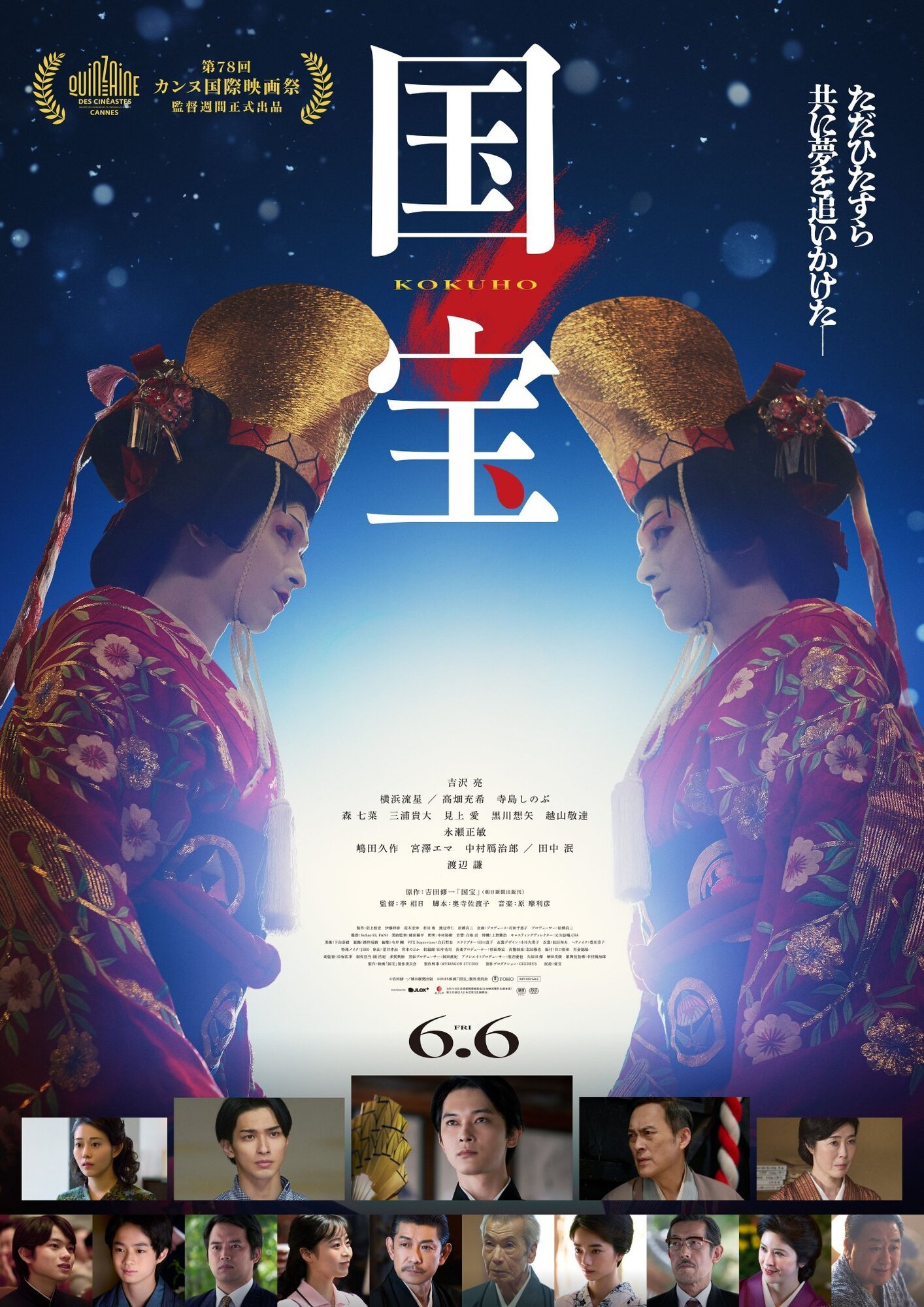
What does it mean to commit yourself so entirely to your art that you become it and effectively cease to exist? Playing the role of Ohatsu in Chikamatsu Monzaemon’s Love Suicides at Sonezaki, Kikuo (Ryo Yoshizawa) asks if Ohatsu’s lover Tokubei is really resolved to die for their love. The scene is intercut with his brother and rival Shunsuke leaving the theatre, led away by Kikuo’s girlfriend Harue (Mitsuki Takahata), just as Ohatsu leads Tokubei towards their mutual fate, as if Shunsuke were agreeing that he is not resolved to give his all to art in the way Kikuo evidently feels himself to be, at least in this moment.

The roles between them are reversed several times before they eventually perform the play again, but each of them are, in effect, in a love suicide with the art of kabuki, though kabuki itself is destined to live on. In any case, the “kokuho” of the title is a living national treasure and one who has indeed embodied their art. We’re introduced to one early on, Mangiku (Min Tanaka), an ageless onnagata, or player of female roles, who has a quasi-spiritual quality and warns the young Kikuo that though his face maybe beautiful, it could also be a barrier to his art and, in the end, consume him. It is said of Mangiku that all he will leave behind him is his art. The words are spoken with pity, but this is really what it means to be a kokuho and the highest compliment that might be paid to an artist. Mangiku himself would likely approve, casting an eye around his spartan room and declaring himself unburdened. 

But Kikuo is only half-joking when he says he cut a deal with the devil to make him the best kabuki actor in Japan. As a woman he abandoned later scolds him, all his sacrifices were made by others. Actors are greedy, another laments, and it’s true enough that Kikuo feared little in his need for success. The irony is that he too was an heir, only to a yakuza dynasty to which he could not succeed. His was father was gunned down in front of him while preparing to draw his sword, while Kikuo’s rebound tattoo does him no favours in the end and his attempt to avenge his father’s death apparently fails. Nevertheless, he vies for the approval of his surrogate father and kabuki master Hanjiro (Ken Watanabe) who values his skills above those of his biological son Shunsuke (Ryusei Yokohama) who alternately resents having his birthright stolen from under from him and acknowledges that Kiku has an innate talent with which his bloodline can’t compete.

Nevertheless, there’s a genuine and enduring brotherhood between the two men that never quite slips into hate or acrimony even as circumstances conspire against them. They both want what the other has. In the kabuki world, bloodline is everything and Kikuo is viewed as a interloper usurping Shunsuke’s rightful position, while Shunsuke wants the raw talent he knows he lacks and no amount of training and commitment can buy. Yet it is in a way about resolve, or at least the willingness to give your life to the stage and die in the pursuit of art. Kikuo’s signature piece is the Heron Maiden, in which a heron falls in love with a young man and becomes a young woman. But her love is unrequited. She goes mad, and can only show her love for him by dancing until she dies. This is, in effect, Kikuo’s dance with kabuki, a waltz to the death as he yearns for the “scenery” he as been searching for and eventually finds the apotheosis of his art in the moment of the heron’s demise.

Like Lee Sang-il’s previous films Villain and Rage based on a novel by Shuichi Yoshida, the film is a poetic meditation on the price of the pursuit of art that revels in its sumptuous production design and the intricacies of the kabuki world. With shades of Farewell, My Concubine, it frames its central dynamic not quite one of straightforward rivalry but a brotherhood between two halves of one whole who each know that neither of them can really win, while becoming a kokuho is an endless pursuit of artistic perfection in which one must be resolved to kill the self and die on stage in a lover’s suicide with a forever elusive kabuki.


Kokuho screened as part of this year’s LEAFF.

Trailer (English subtitles)

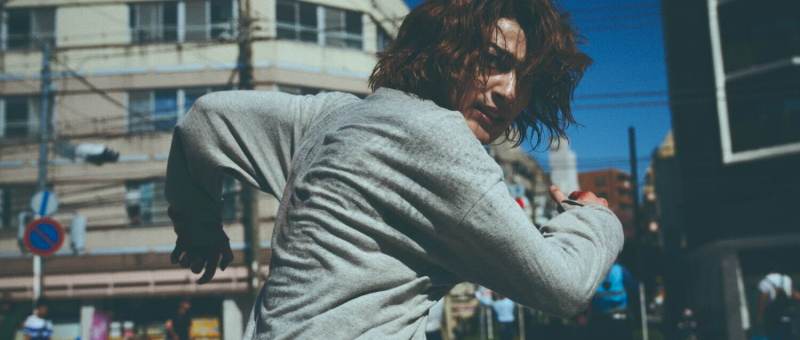
The Village (ヴィレッジ, Michihito Fujii, 2023)

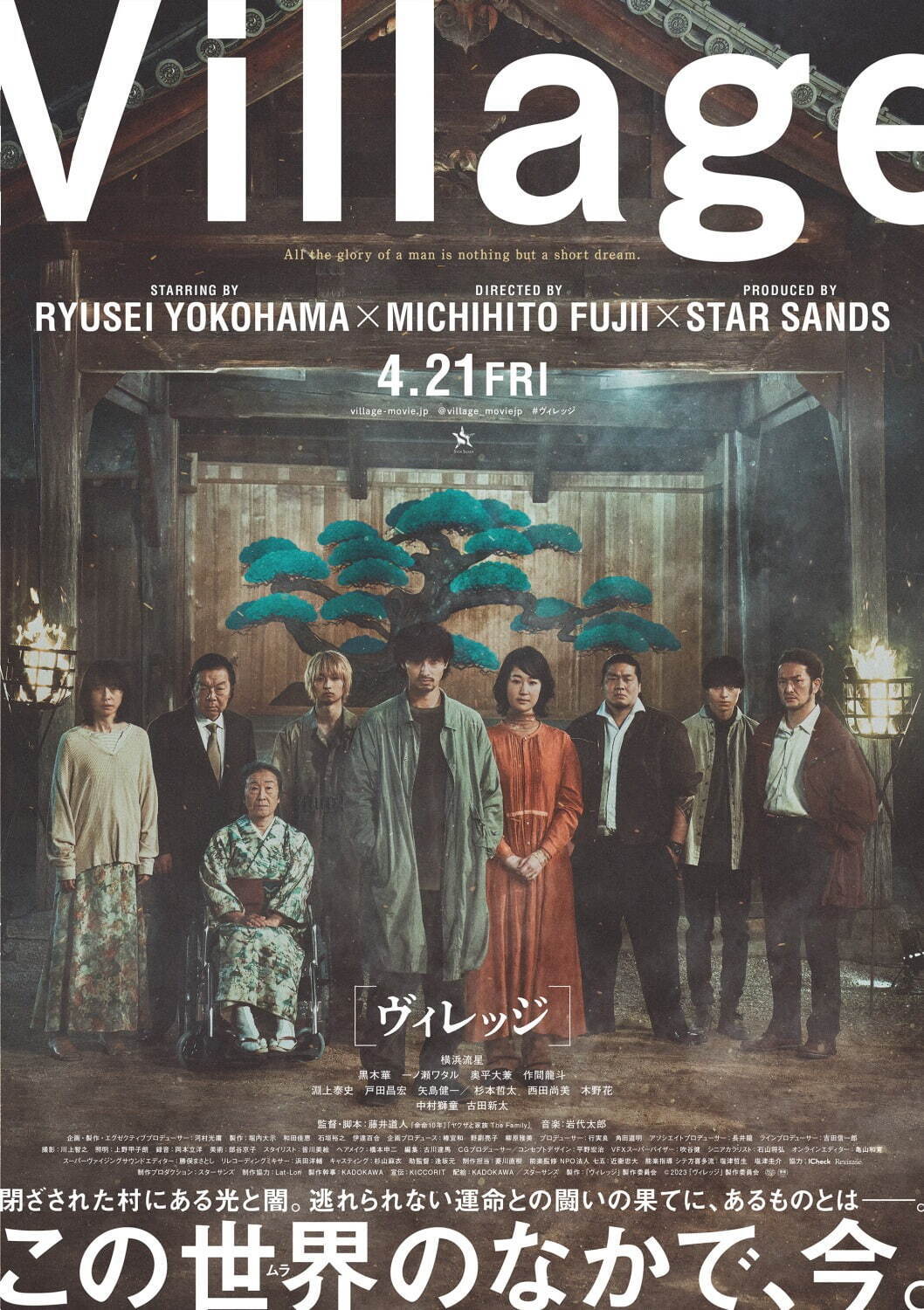
The toxicity of life in small-town Japan is manifested in a giant recycling plant in Michihito Fujii’s poetic drama, The Village (ヴィレッジ). Closely aligned with the noh play quoted in the opening title card, the film charts a young man’s simultaneous blossoming and corruption as he finds himself at the service of a demonic mayor and fighting for his place in a village that doesn’t need him but requires a sacrifice. 

In the opening scenes, mist rises over the mountain accompanied by noh recitation before we eventually arrive at a noh recital. These two images would seem to signal a kind of innate Japaneseness which has been corrupted by the presence of the recycling plant despite the economic benefits it’s brought to the area. The mayor, and boss of the plant, Ohashi (Arata Furuta), wants to extend it out across the other mountains in the region and boasts that though there may have been resistance at first now everyone is grateful to them for everything they’ve done for the village. 

Yu’s (Ryusei Yokohama) father was the last holdout against the plant and apparently ended up killing a man in an altercation thereafter taking his own life and burning down their family home. Because of the stigma surrounding his father’s actions, Yu has been ostracised by his community and is used as a perpetual kicking bag not least by Ohashi’s thuggish son Toru (Wataru Ichinose) at his job at the plant. His mother has also turned to drink and developed a pachinko problem which has resulted in massive debts to yakuza loanshark Maruoka (Tetta Sugimoto) who’s press-ganged Yu into working at the illegal dumpsite which is how the plant really makes its money.

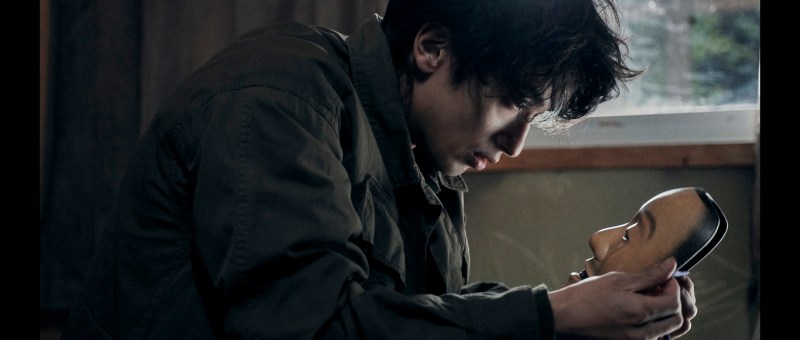
But his life begins to change when childhood friend Misaki (Haru Kuroki) returns to the village having apparently suffered a breakdown in Tokyo. Misaki’s resurfacing reinforces the purgatorial atmosphere as if everyone here were already dead. Having been away so long, only she immediately embraces Yu and simultaneously bonds with him in their outsider status. Encouraging him at work and at home, Yu gradually becomes more confident but equally dependent on the plant for his newfound status. When he’s suggested as the host of a TV documentary some of the locals object given his family background, but in contrast to his father’s opposition Yu is slowly seduced by the plant and the new life it offers him which seems almost too good to be true like a dream he is sure to be awoken from. In this, he mimics the man in the noh play who falls asleep in an inn and is transported to a world in which he is an emperor. He lives there happily for 50 years only to wake up again back in the inn and realise that really life is just a dream. 

Misaki hands him back his noh mask as means of separating himself from the world around him. She says that it forces you to confront yourself, and also perhaps implies a deeper connection with an idealised vision of pre-modern Japan uncorrupted by the greed and cynicism of a man like Ohashi who claims that “position is all that matters.” Toru had told Yu that the village didn’t need him, Misaki and Ohashi say it does though for different reasons. Yet Ohashi darkly suggests that it also needs a sacrfice, and in an odd way just as his father before him it may be Yu who sacrifices himself even at the cost of his idealised life. His encroaching cynicism is directly contrasted with the idealism of Misaki’s younger brother Keiichi (Ryuto Sakuma) who like he once was is meek and diffident yet certain in his idealism and unwilling to along with the lies and wrongdoing that increasingly define village life. Eventually, he leaves the village altogether.

Yu meanwhile achieves his destiny in bringing things full circle, conducting a kind of purification ritual that aims to rid the village of Ohashi’s corruption as symbolised by the giant rubbish tip which is slowly consuming the landscape. Yu’s problem was that he tried to make his life on top of all this filth and toxicity only to realise what the price of that new life might be. Conjuring the strange and oppressive atmosphere of small-town life where past is always present and petty prejudices die hard, Fujii spins a poetic tale of fatalism and redemption amid the misty mountains and ancient chants of a slowly dying village.


Trailer (English subtitles)

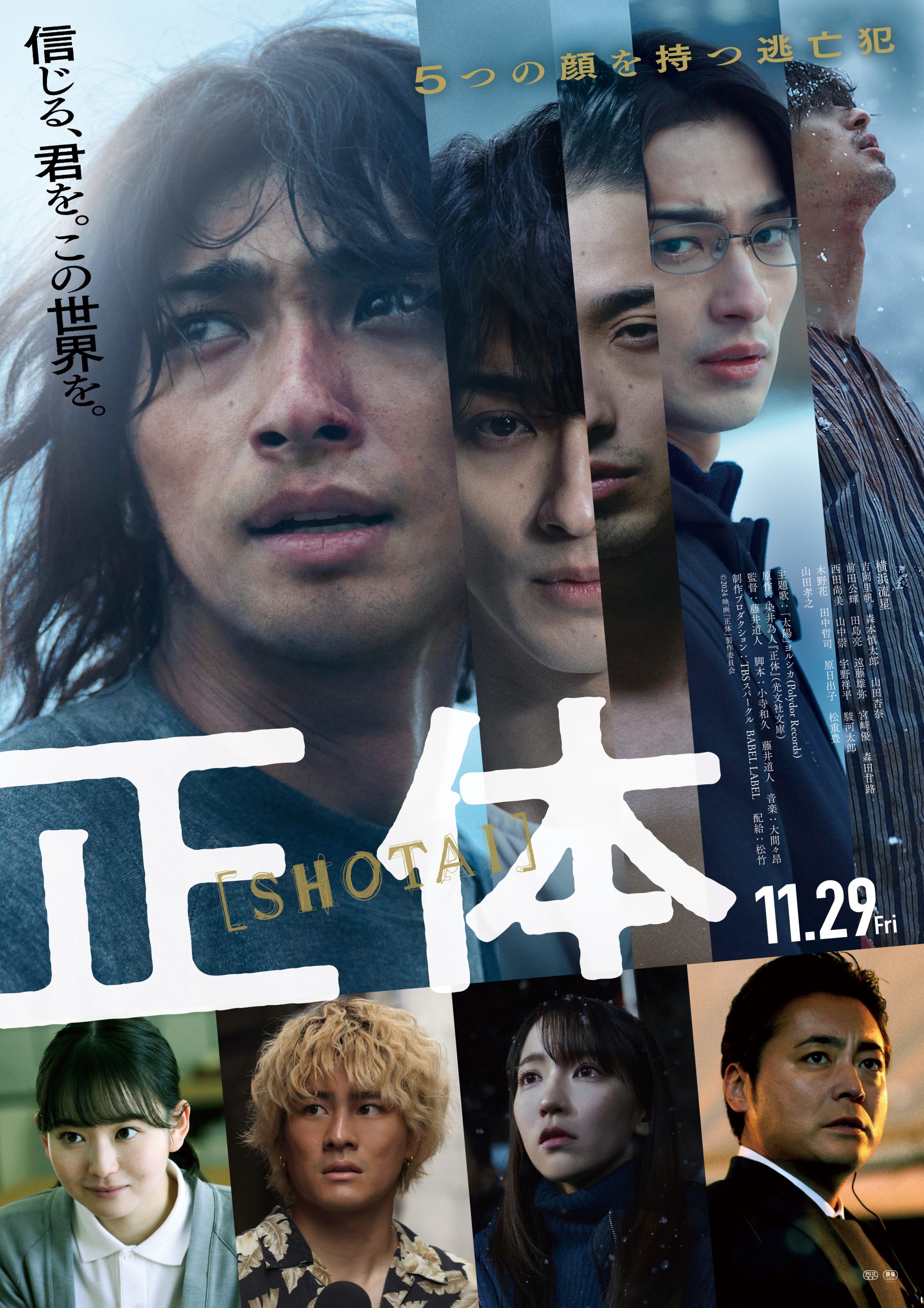
The Parades (パレード, Michihito Fujii, 2024)

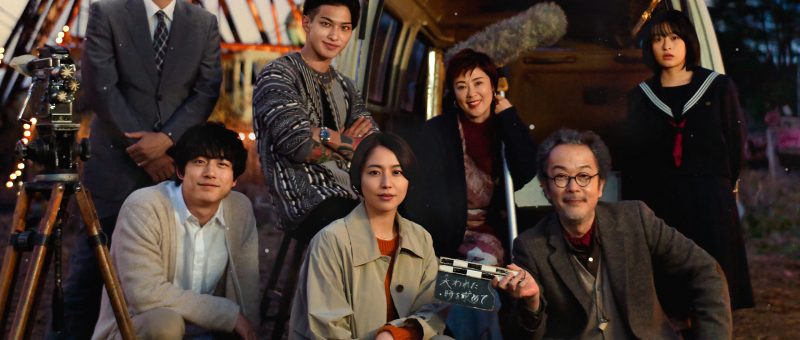
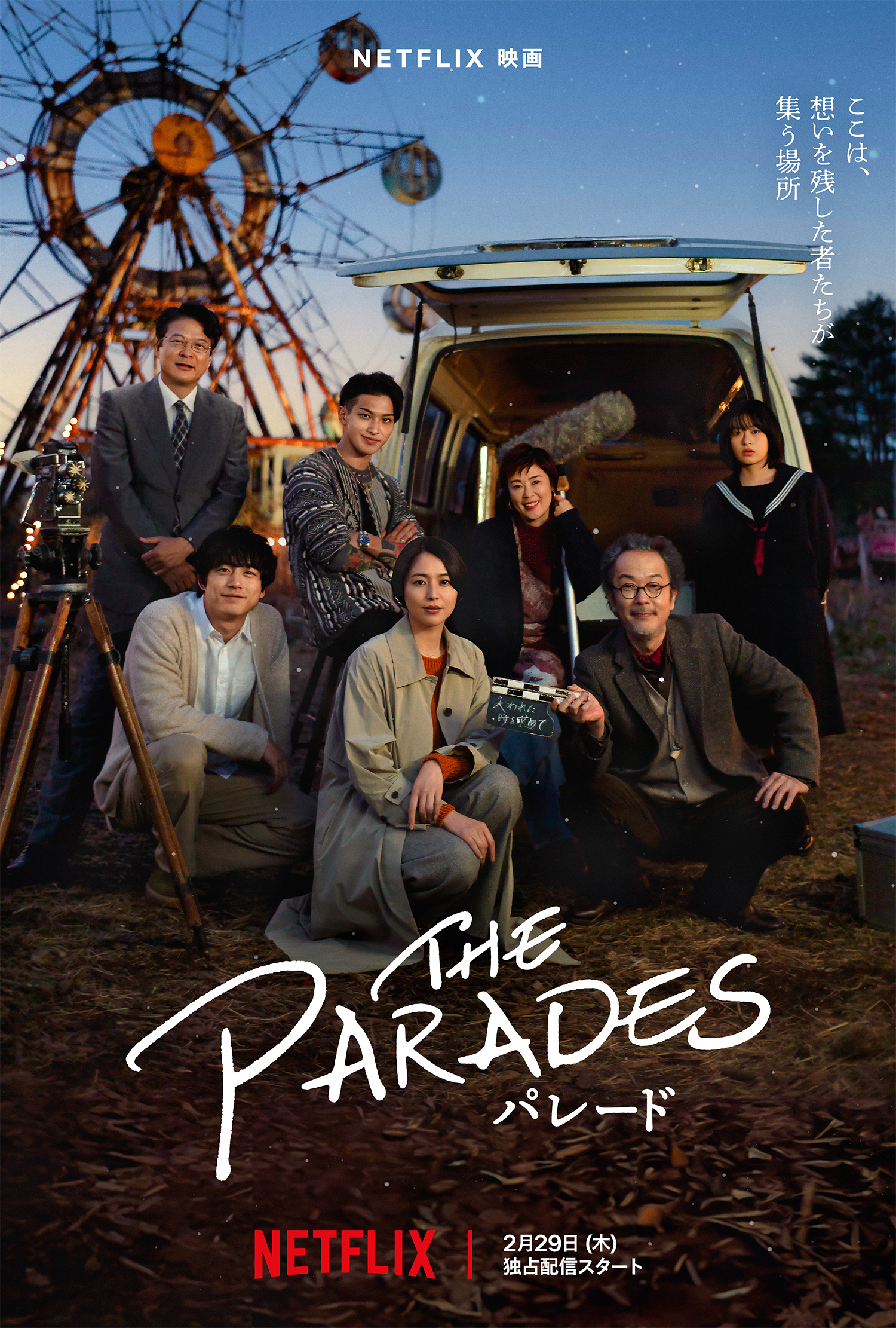
Living a life without regrets is easier said than done. The protagonists of Michihito Fujii’s The Parades (パレード, Parade) each have unfinished business that prevents them moving on from this world, but what they discover is an unexpected sense of solidarity among similarly lost souls as they try to lay themselves to rest. After all, all they can do now is observe and reflect while helping others like them with their own lingering doubts and regrets.

Drawing inspiration from the 2011 earthquake and tsunami, Fujii first introduces us to Minako (Masami Nagasawa). A 35-year-old single mother, she wakes up on a beach and frantically looks for her seven-year-old son Ryo (Haru Iwakawa) little realising that the reason no one seems to be able to hear or react to her is because she’s already dead. Picked up by fellow ghost Akira (Kentaro Sakaguchi), she’s taken to a disused fairground that doubles as a hub for wandering souls. Though it takes her a while to accept her new situation, she gradually bonds with others at the camp each of whom have their own unfinished business which isn’t all that different from her own in that they mostly want to be sure the people they left behind will be alright.

The film takes its name from the monthly processions in which wandering souls meet by lantern light to look for their missing people together. This sense of solidarity and empathy seems to echo the best of humanity along with a melancholy longing. There appears to be little rancour in this afterlife, a yakuza who was killed in a gang war simply feels sorry for his father and so guilty about the girlfriend he left behind that he’s been afraid to face her for the last seven years, and a high school girl who took her own life because of bullying first thinks her unfinished business is vengeance on the bullies but later accepts is actually a desire to apologise to her best friend who then had to take the brunt of the bullies’ cruelty on her own.

What the film seems to say is that we should have more of this fellow feeling in life. Former film producer Michael (Lily Franky) constantly references his days as a student protestor remarking that they might not have amounted to very much but at least they had unity. His regret is less his failed revolution than a moment of emotional cowardice that saw the woman he loved marry someone else instead. Constant references to the end of Casablanca echo their plight as if Maiko (Yuina Kuroshima / Hana Kino) married Sasaki (Ayumu Nakajima / Hiroshi Tachi) for the good of the revolution though she really loved Michael who unlike Rick just walked out on it because in the end he wasn’t brave enough to risk the consequences of its success or failure. 

The world building may not always be consistent and the rules of this universe appear unclear. It seems that in general the ghosts don’t linger long. Even the heavenly liaison Tanaka (Tetsushi Tanaka) appears to have been dead not longer than 40 years with Michael seemingly the only other long-stayer with the others’ deaths fairly recent. In general they are only really waiting for themselves or others, wanting to make sure that their loved ones will be alright in their absence even though there’s nothing more they can do for them now other than observe. Though they can walk through this world and interact with physical objects, their presence is otherwise invisible unless the person they wish to contact happens to be in an altered state. To this extent, the resolution may seem like a bit of a cop-out but does lend an additional poignancy and imply that these lessons learned in limbo can still be taken into the mortal realm creating additional empathy and solidarity among the living so that they may be able to live their lives freely and fully perhaps not entirely without regrets but at least with fewer of those that would prevent them from moving on when their time comes. But even if they find themselves trapped in limbo, they’ll hopefully find others like themselves and a gentle sense of hopefulness about what’s to come even as they prepare to leave this world.


Trailer (English subtitles)

We Are (青の帰り道, Michihito Fujii, 2018)

We Are horizontalThe youth movie perhaps hit its peak in the immediate post-war period, but poignant coming of age tales have always held a special place in Japanese cinema. We Are (青の帰り道, Ao no Kaerimichi) has a fairly troubled history of its own – the shoot was disrupted when one of its stars was arrested leading to the role being recast, requiring substantial reshoots which took place over a year later. Yet like its protagonists, We Are was finally able to rediscover itself and create something beautiful from admittedly difficult circumstances. Broken hearts, broken dreams, and broken futures conspire to scatter a once close group of high school friends as they each pursue individual dreams with individual success whilst looking alternately for a path both forward and back.

Spanning from 2008 to 2018, We Are follows seven ordinary small town teens from their high school graduation through to a more settled adulthood ten years later. In 2008, Kana (Erina Mano) and Tatsuo (Yuki Morinaga) have musical dreams which she is going to Tokyo to pursue while he is staying behind to study for medical school entrance exams in an attempt to fulfil his doctor father’s wishes. Kana’s best friend, Kiri (Kurumi Shimizu), is going with her, partly out of a want of anything else to do. She has dreams of becoming a photographer but her family are not supportive of her art and she has always struggled through feeling at odds with them. Loud mouth delinquent Ryo (Ryusei Yokohama) doesn’t really have a plan, save bumming around until something turns up and any plans Ko (Junki Tozuka) might have had would have been derailed seeing as he’s got his girlfriend (Mika Akizuki) pregnant and has decided on a shotgun wedding. Only Yuki (Keisuke Tomita) is following a more conventional path in going to Tokyo for university and then planning on finding a regular salaryman job.

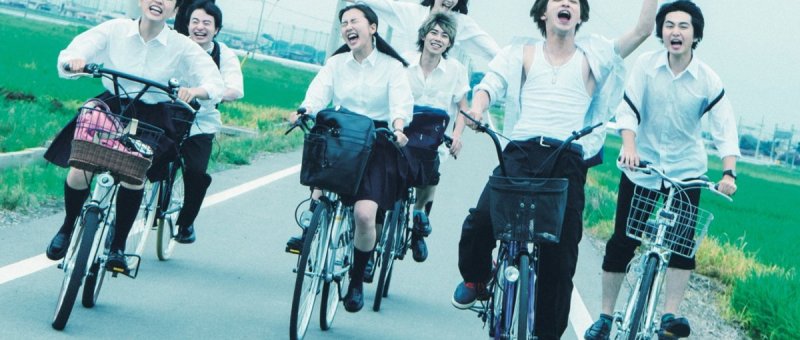
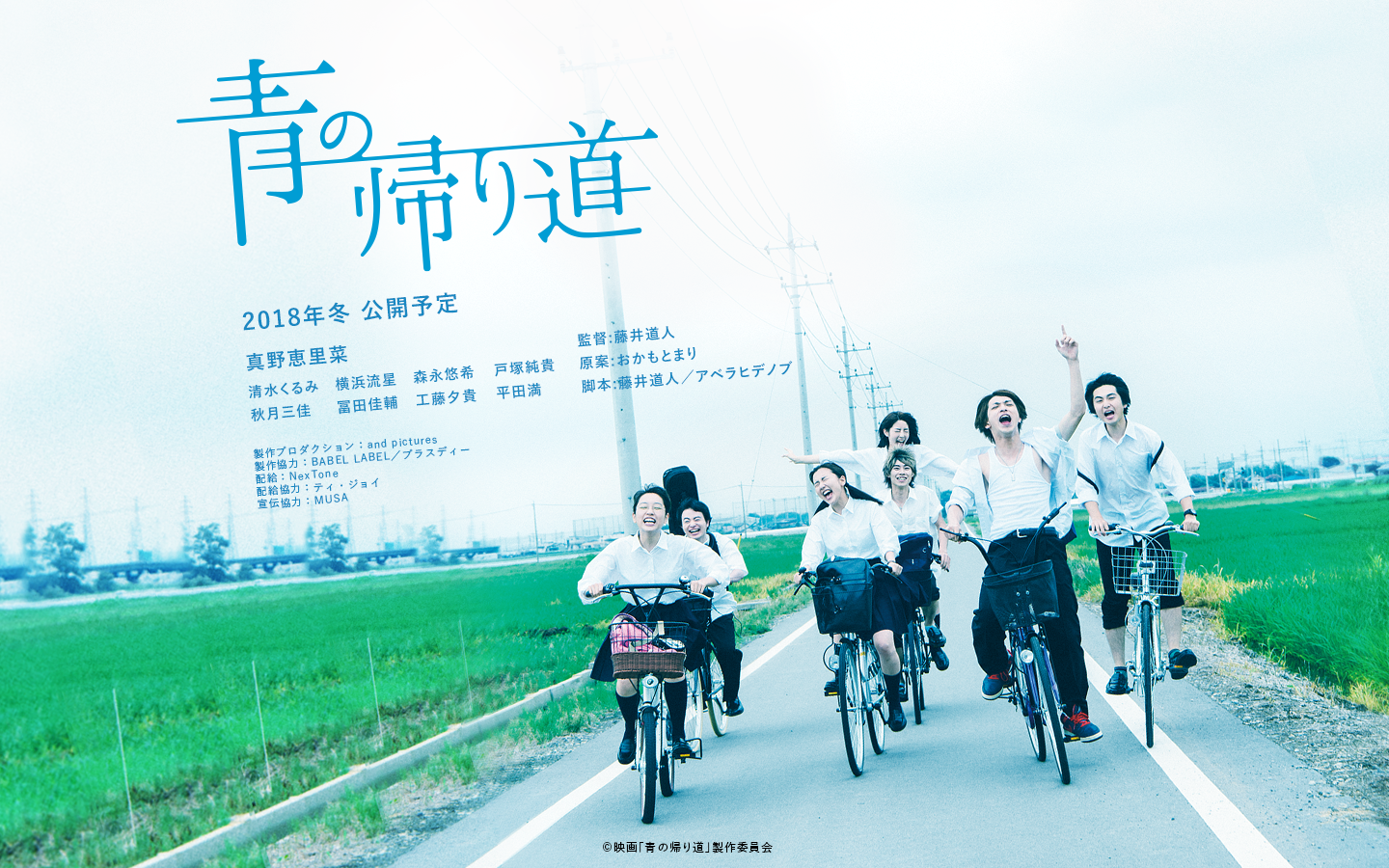
The film opens with a scene of joy and freedom as the kids ride their bikes along an otherwise empty stretch of road between the fields, swearing to make the most of the last summer vacation. The road itself becomes a recurrent motif, stretching out into the distance seemingly full of promise but also strangely empty. The kids do indeed make some memories, but for some of them the hope proves too much to bear, soon turning to despair as their lives begin to spiral out of control, their dreams warped and ruined by the muddiness of the adult world.

Kana’s musical career is quickly derailed by an amoral producer who doesn’t believe in the artistic merit of music, only in its commercial capability. Kiri, dropping out of college, gives up on her dreams of photography to make Kana’s a success through acting as her manager but the two naive country girls are no match for the canny executive and Kiri is soon working for the company learning how to market soulless pap to a public desperate only for empty cuteness. While Kana struggles with accidentally becoming the poster girl for a brand of vegetable juice, Kiri embarks on her first love affair but is ill equipped to recognise the potential warning signs in her new boyfriend owing to a lack of emotional awareness brought about by her dysfunctional upbringing.

While Kana and Kiri struggle in the city, Ko has married, settled down and begun building a home for himself back in the country. An ordinary dream, but an achievable one if you’re willing to make it work and Ko takes to fatherhood with natural ease. Sadly, his friends are not so lucky. As their dreams fade, alcoholism, domestic abuse, crime, and finally suicide conspire to ruin their hopes, leaving each with a profound sense of guilt and defeat in finally finding themselves on the road home with not much to show for their travels besides a few fresh scars. Yet somehow, despite the myriad unforgivable things and a shared sadness in a collective failure to save each other, friendship endures, forgiveness is possible and though the days of youth will never return, there is a “way back” for those who’ve learned that there’s nothing wrong in wanting to start over. You can never go “home” again, but some things don’t change even when you do and if you’re very lucky the most important of them will still be there waiting for you no matter how long you’ve stayed away.


Screened at Nippon Connection 2018.