The yakuza as an institution has long been on the decline in Japan, if not on the brink of extinction, thanks to the various anti-organised crime laws that have come into play over the last few decades. The laws are so stringent that members of the yakuza are unable to open bank accounts, rent property, or even take out a mobile phone contract, making their daily lives almost impossible. Meanwhile, dwindling manpower and changing times have meant that the yakuza cannot make a living from its traditional lines of business and has to look for other ways to earn its keep.
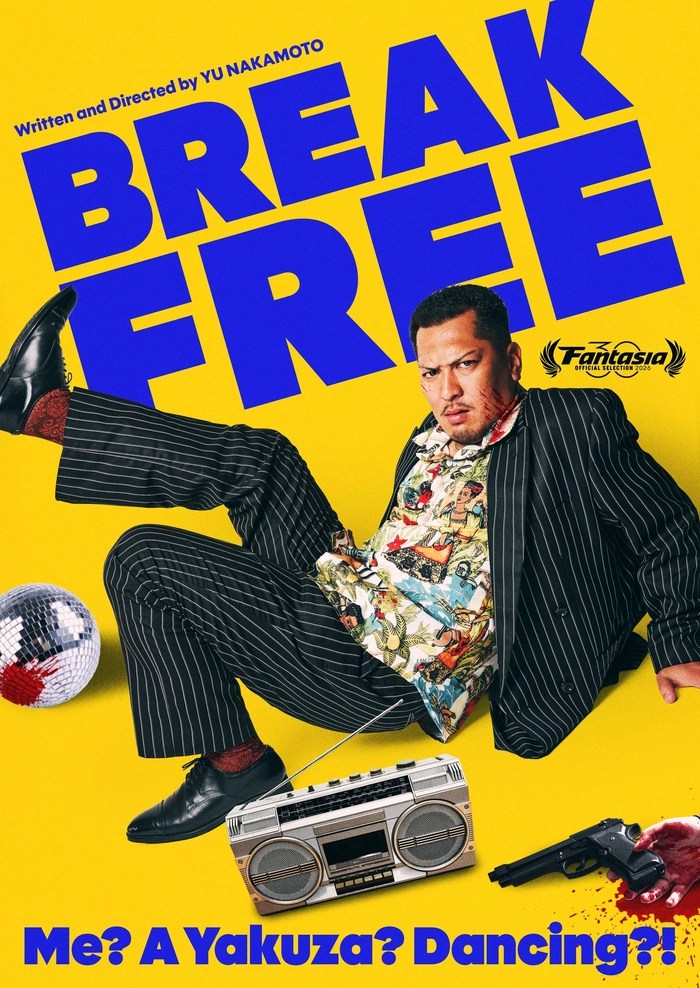
It’s this very problem that’s plaguing the heroes of Yu Nakamoto’s warmhearted comedy Break Free (オドレ!ヤクザ, Odore! Yakuza!) who are all doing various other unsatisfying jobs such as working as takeaway delivery drivers, shopping mall mascots, or running low level romance scams online which seems like a more innocent nod to the reality that the actual yakuza’s main new line of business is scamming the elderly and vulnerable. Then again, most of them are really a little young to have joined the yakuza in its heyday and the film really takes place within the context of more recent straight-to-video yakuza movies. Though it makes frequent nods to the darker side of yakuza life, often for comic effect such as the silhouette of Kunio’s (Akio Fujii) colleague Yama (Shigeo Osako) beating a guy with a baseball bat appearing behind him as he shoots a dance video, our heroes are mainly good guys and hapless fools whose problem is that they can’t let go of their old lives nor can they adapt to the modern society.
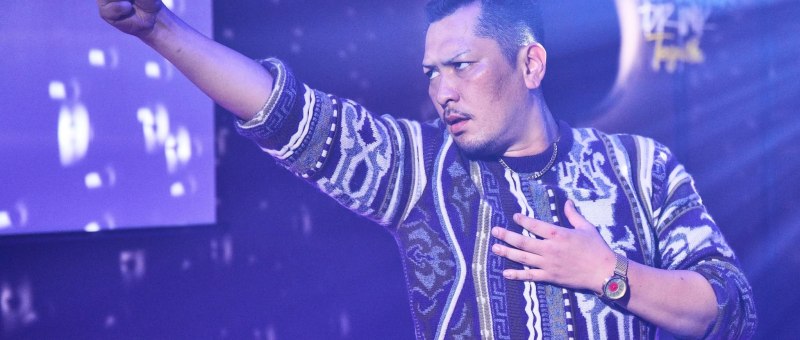
The inability to get a legitimate phone is perhaps one reason why 38-year-old Kunio is completely unaware of social media and apps like “TikTak” that are dominated by dance videos. Another thing that yakuza really can’t do any more is harm a member of the public, which is why one slimy guy in a suit thinks it’s a good idea to try and show off to his girlfriend by taunting a yakuza knowing he can’t do anything to him. But Kunio unexpectedly fights back through the medium of improvisational street dance and goes viral for his pains. The clan begin to spot a new, less problematic line of business, but the plan is once again complicated by the fact that yakuza are technically banned from having accounts on those kinds of services as well appearing on television. Kunio, while still a yakuza, has to cosplay as one by pretending that the yakuza thing is just a gimmick to give his dance videos more of an edge.
Deciding to hone his skills, he ends up in a dance class surrounded by little kids and run by a woman who used to be a backup dancer, but decided she liked teaching more and opened a school. In a way, this echoes Kunio’s journey. Marie’s decision to quit being a backup dancer wasn’t a moment of defeat but its opposite as she actively chose the kind of life she thought would suit her better. Kunio’s friend has already left the yakuza because he wanted to get married but didn’t want his girlfriend to become a gangster’s wife. He is still subject to some of the restrictions placed on yakuza so his life isn’t easy, but he makes a good living with his yakiniku restaurant and is very happy in his marriage.
The pun of the English-language title refers to Kunio’s efforts to “break free” of the moribund yakuza world through the power of break dancing which not only reconnects him with the unfulfilled desires of his late brother but offers him a path to discovering his true self as he realises that in dance he’s finally found something he actually wants to do. Thanks to an unexpectedly supportive new community around him from Marie at the dance school to a pint-sized aspiring idol and veteran influencer Ririko, Kunio begins to see new possibilities for the future, but the yakuza proves harder to escape than one might first expect. Whether he can ever really “break free” remains to be seen, but even while otherwise imprisoned, dance can be liberating. Trading heavily on the incongruities of its concept, the film is nevertheless warmhearted and sympathetic of its gangster heroes who find themselves cast adrift in a world that no longer has much place for them.
Break Free screened as part of this year’s Fantasia International Film Festival.
Trailer (no subtitles)